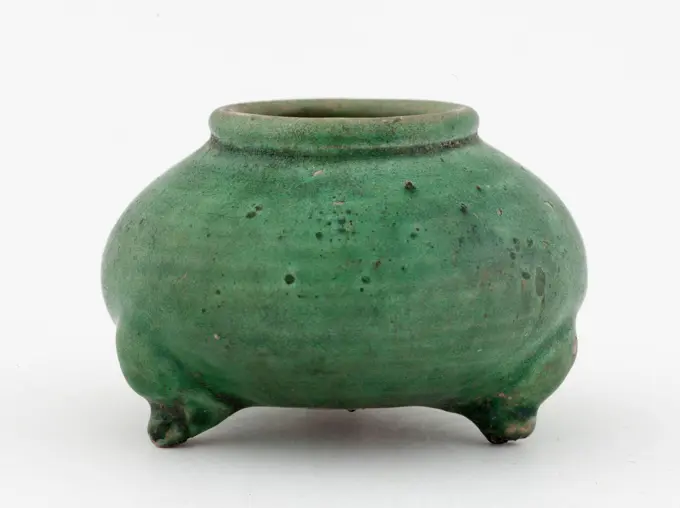
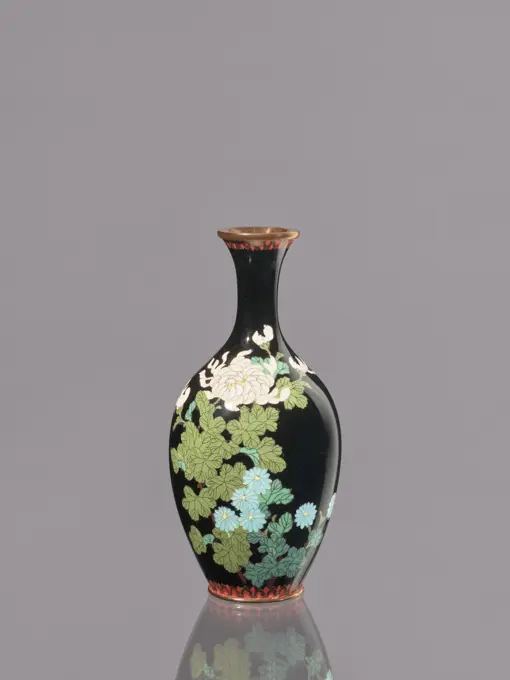
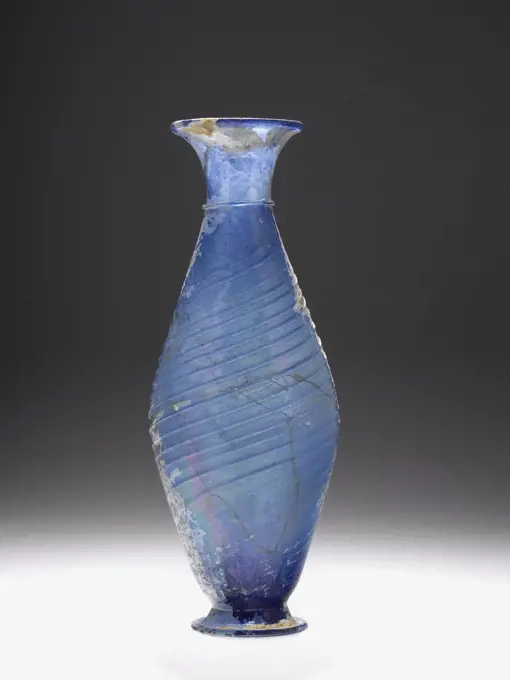
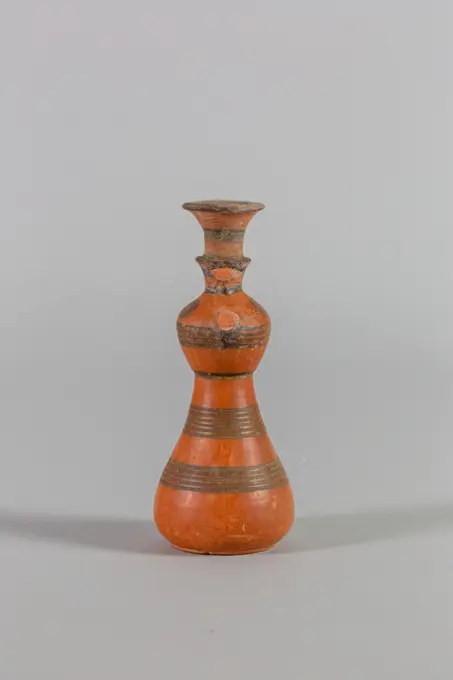
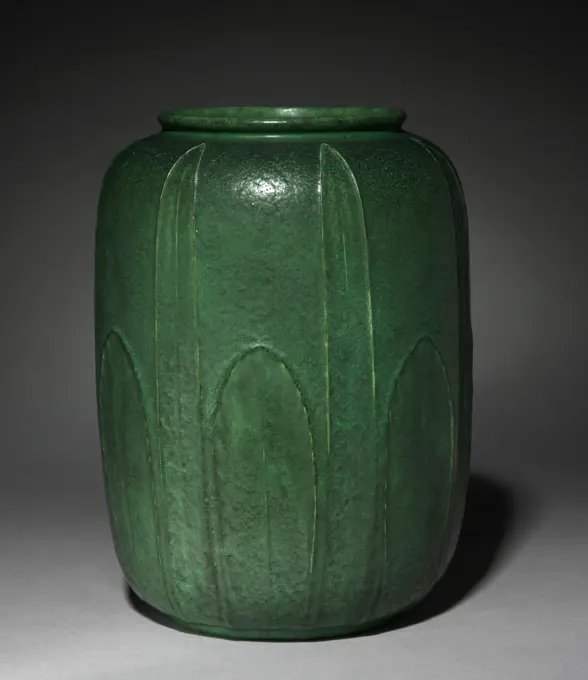
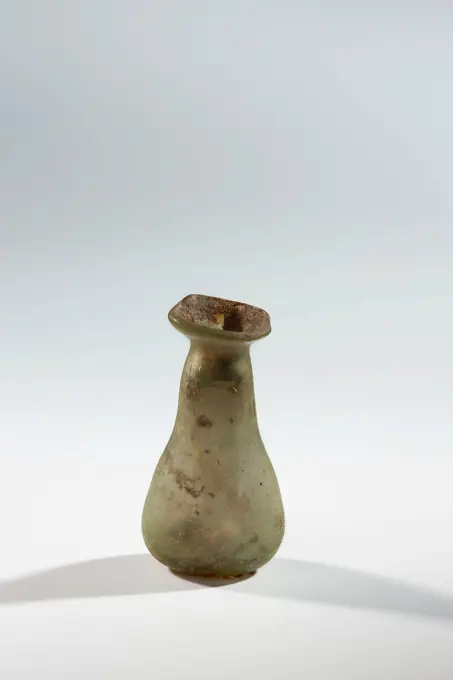
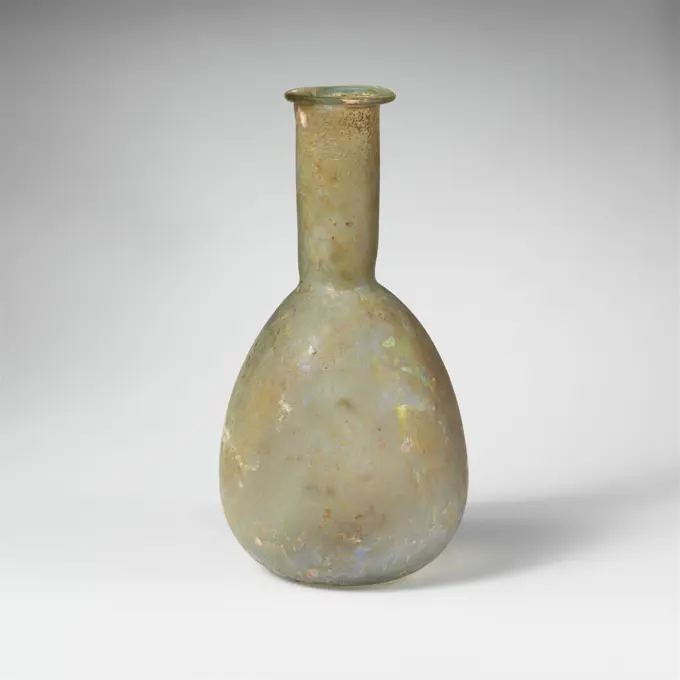
Ancient Glass Bottles

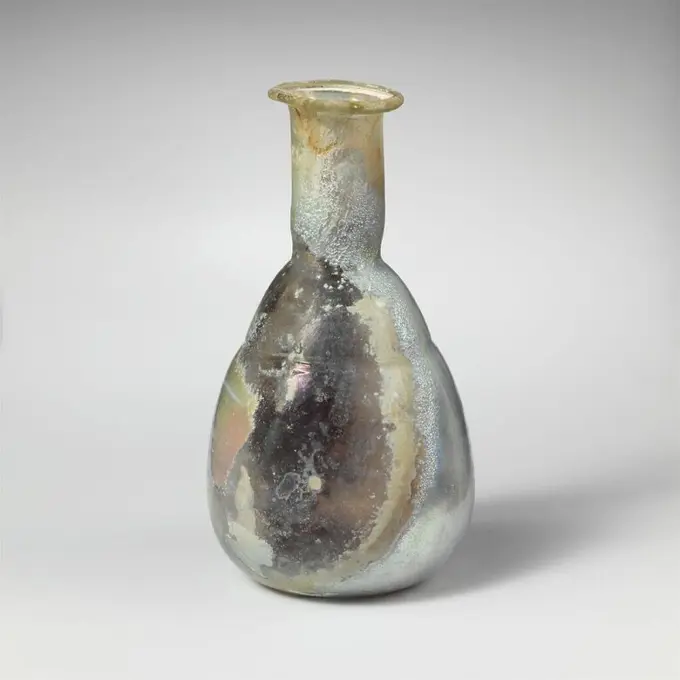
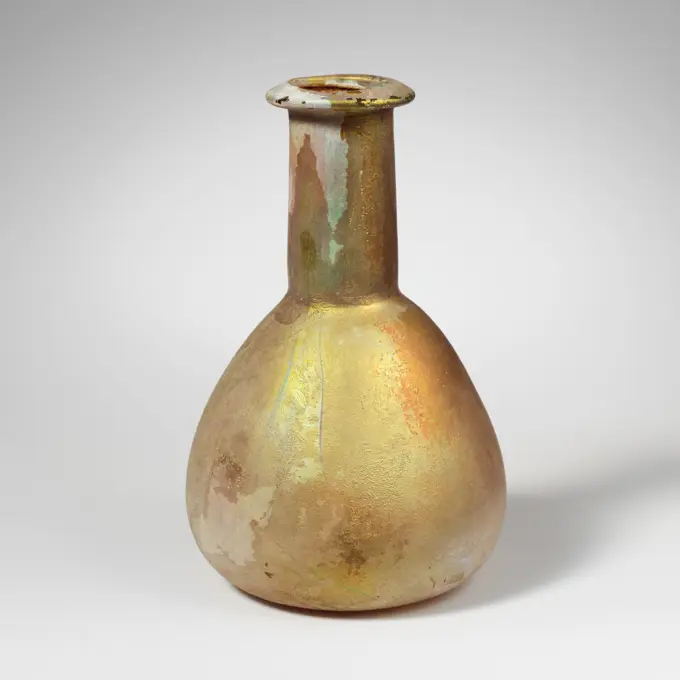
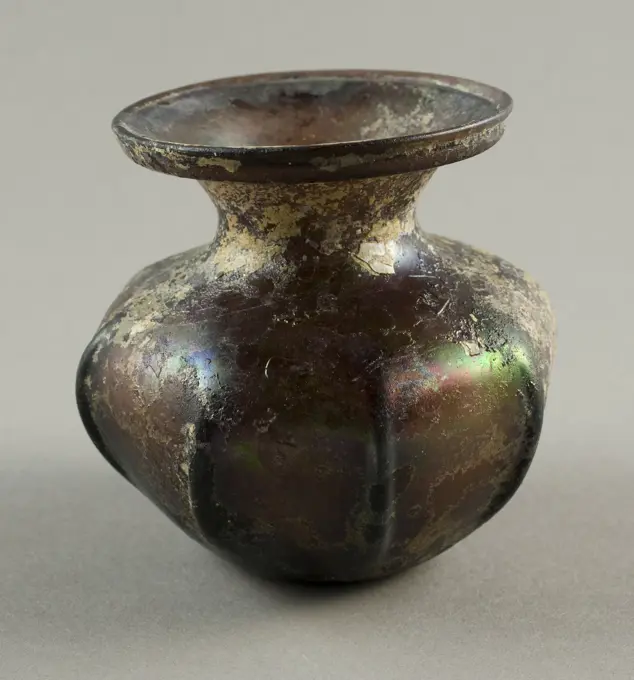
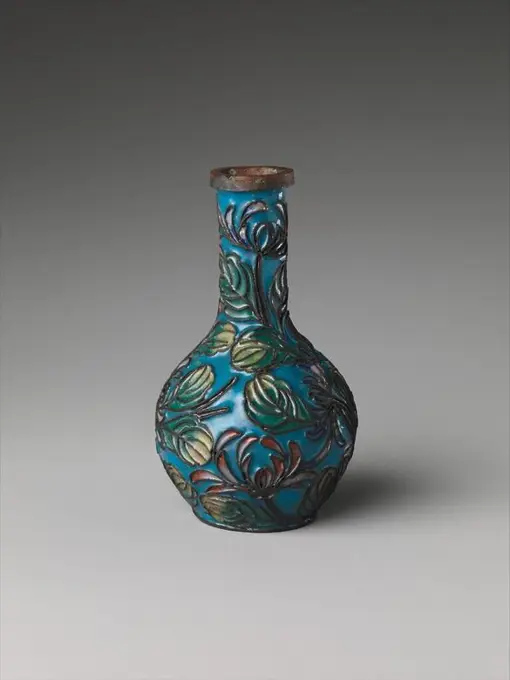
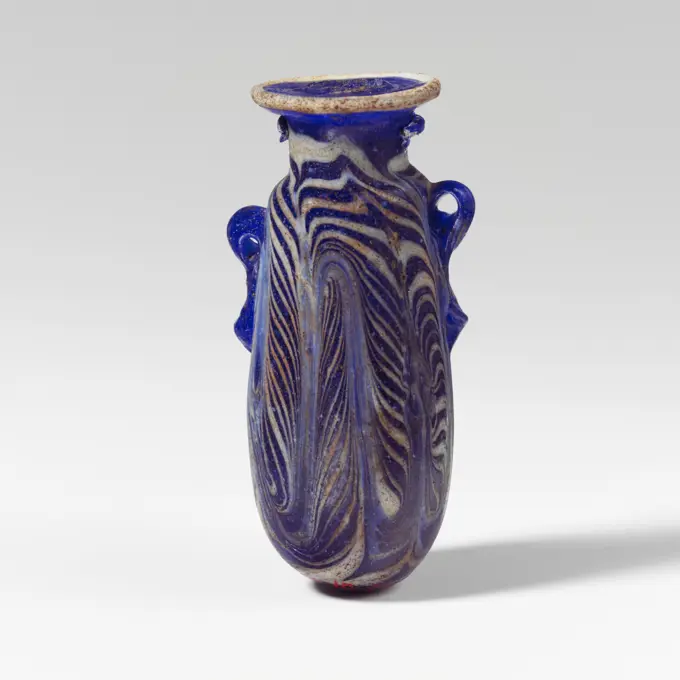
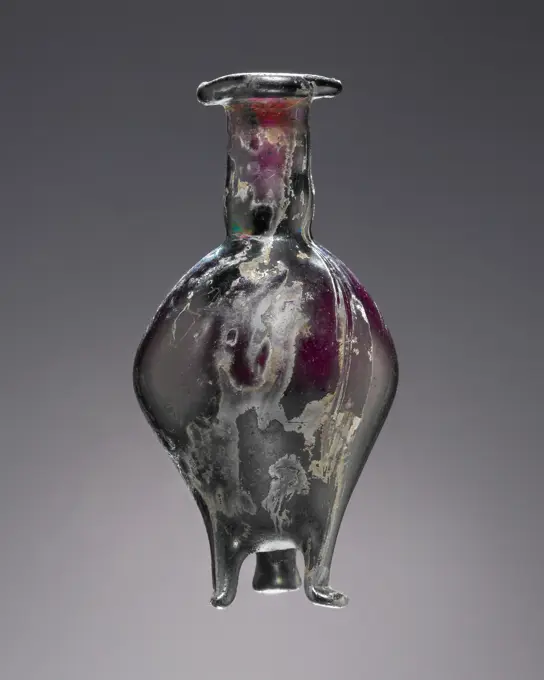
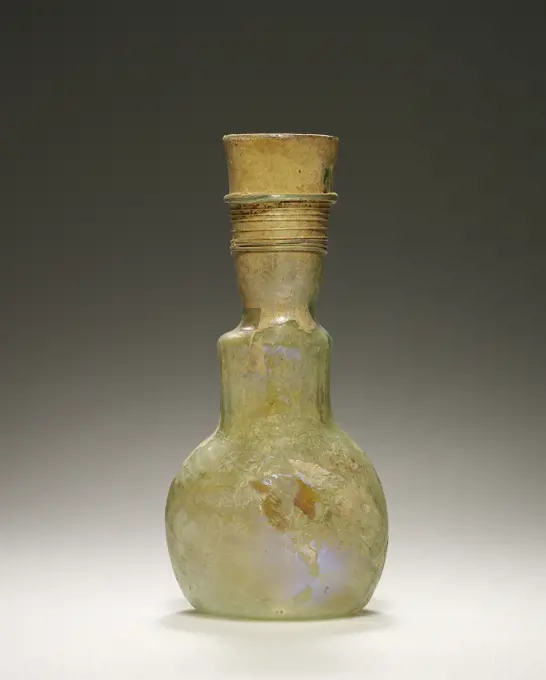
A series of historical glass perfume bottles from Roman times, each exhibiting unique shapes, colors, and weathering effects, emphasizing ancient craftsmanship.
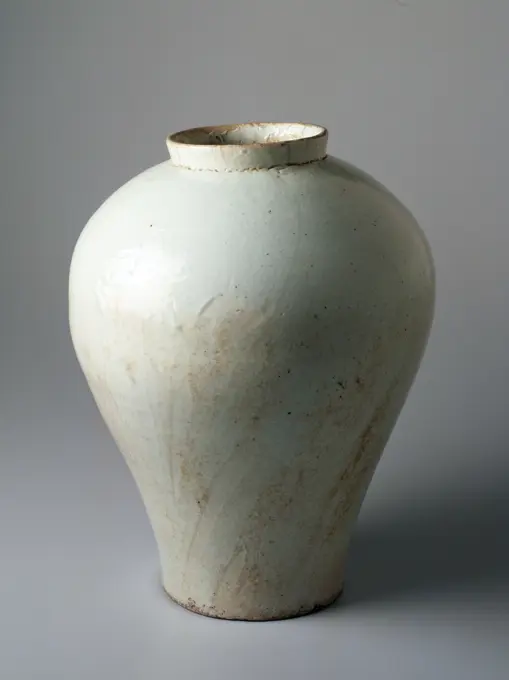
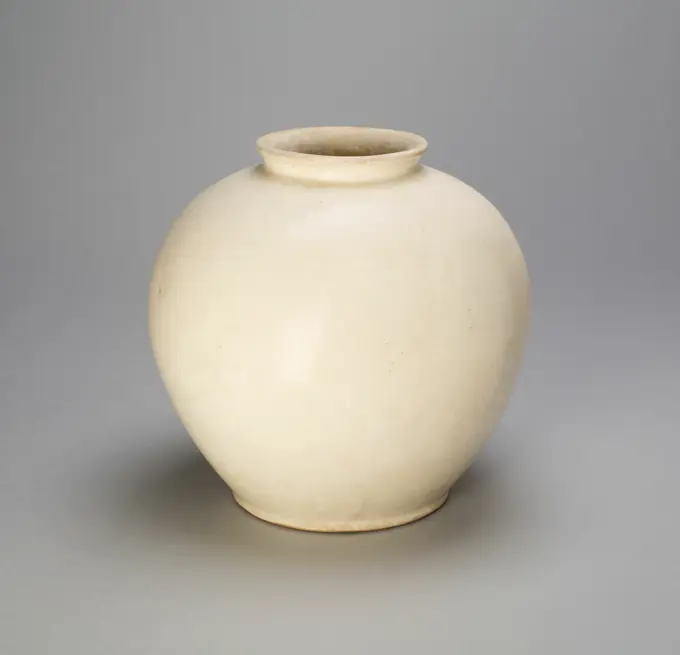
White maebyeong, 18th century, Unknown Korean, 15 x 11 1/2 in. (38.1 x 29.21 cm), Porcelain with clear glaze, Korea, 18th century, From the founding of the Joseon dynasty at the end of the 14th century, Korean potters produced finely crafted, undecorated white wares which reflected the austere tastes associated with Confucianism, the official ideology of the Joseon rulers. By the 18th century, however, imperfectly formed and casually glazed vessels such as this were being produced for use by all levels of Korean society. The pleasing informality and naturalness of such objects were admired by Japanese tea masters who collected Korean ceramics in great number.
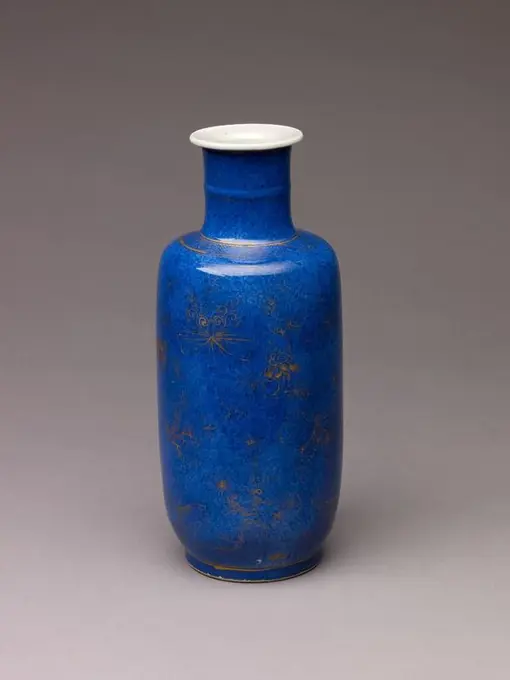
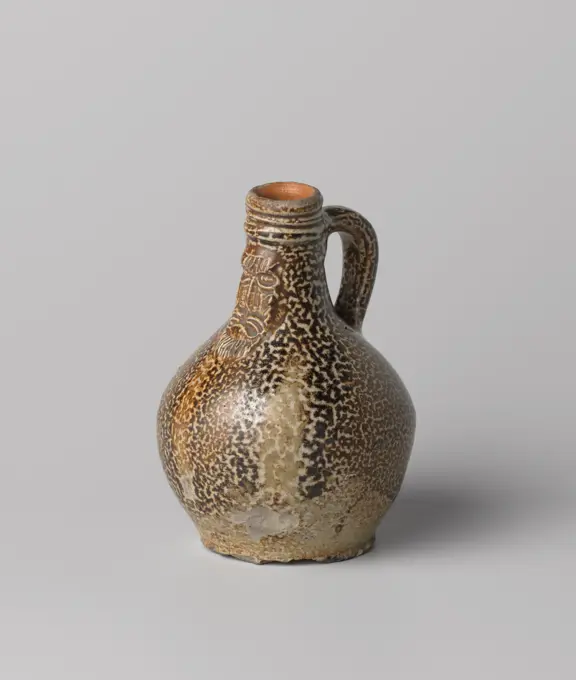
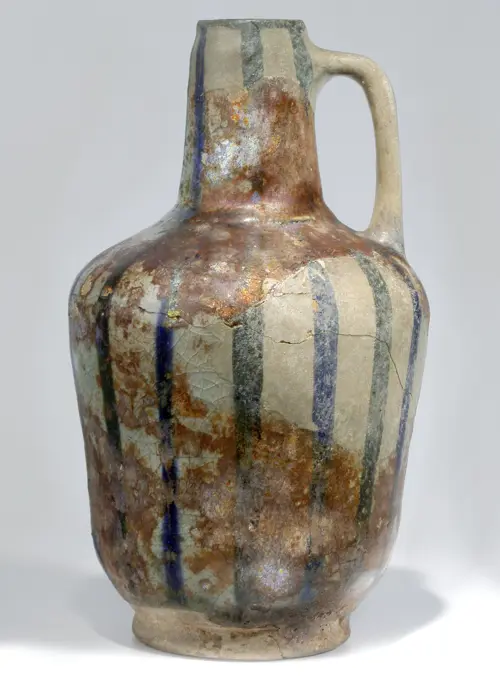
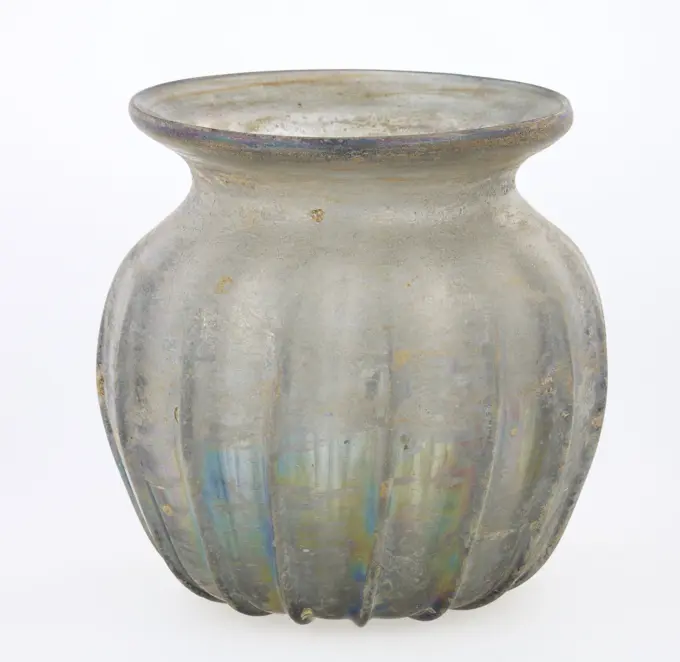
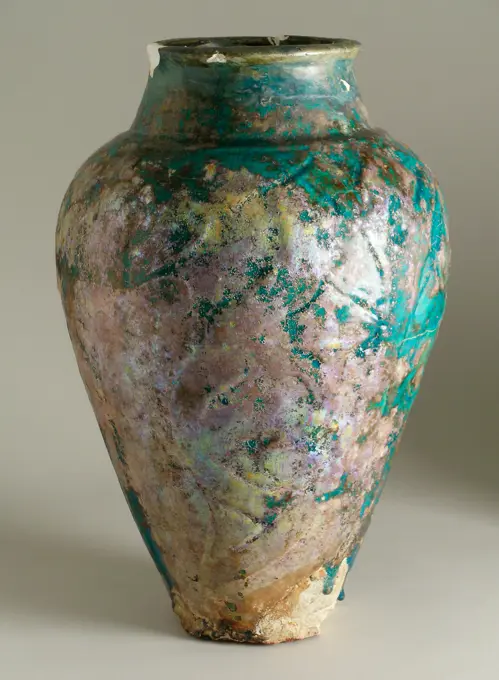
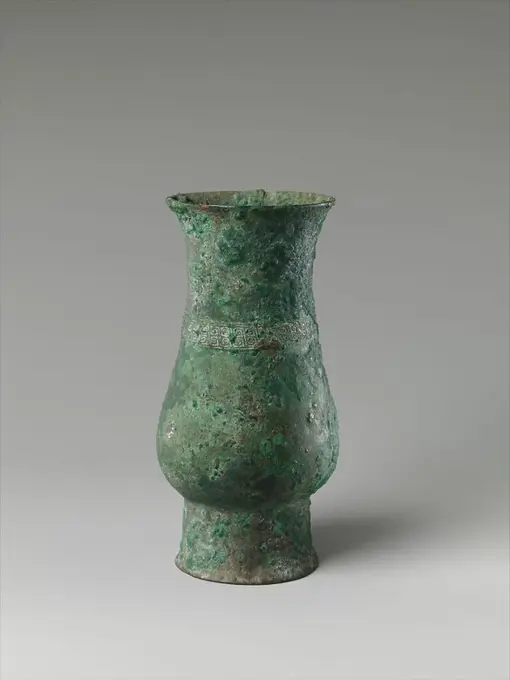
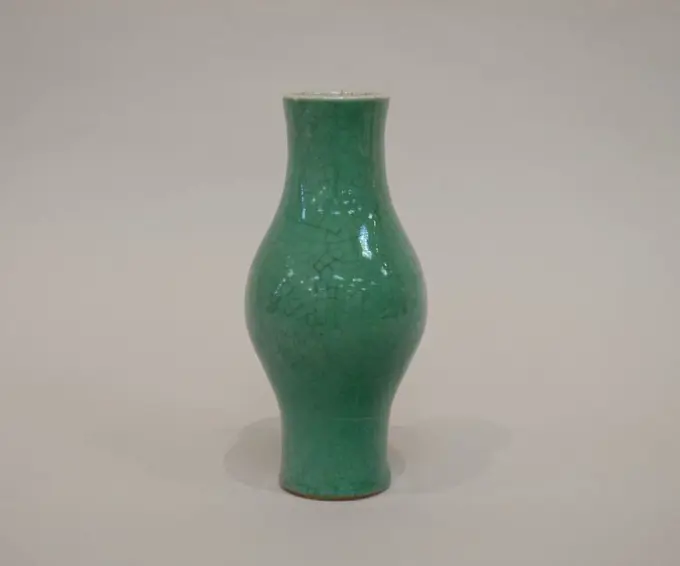
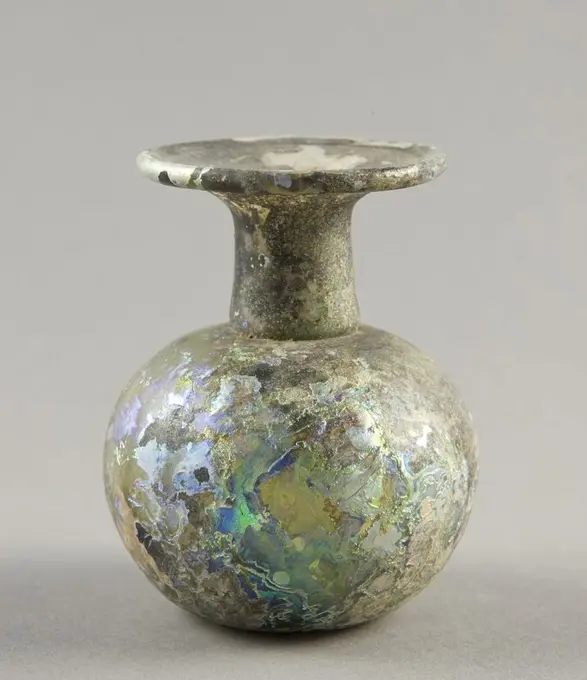
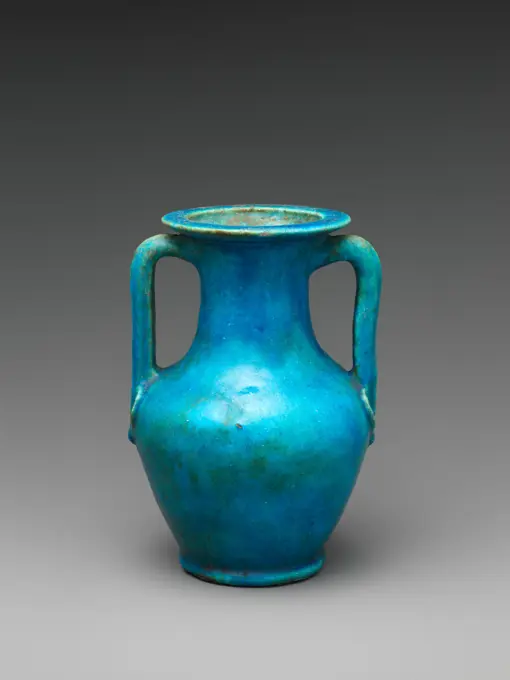
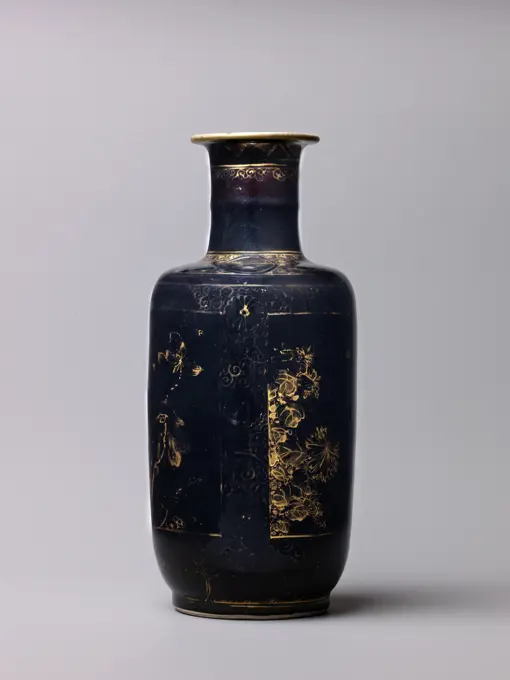
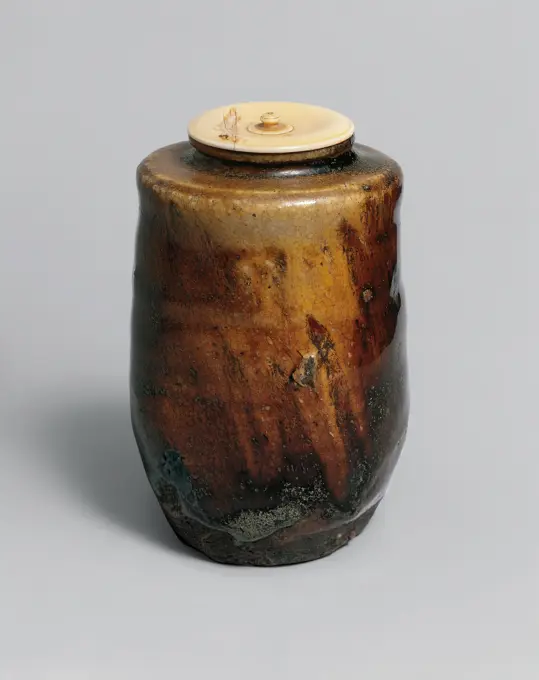
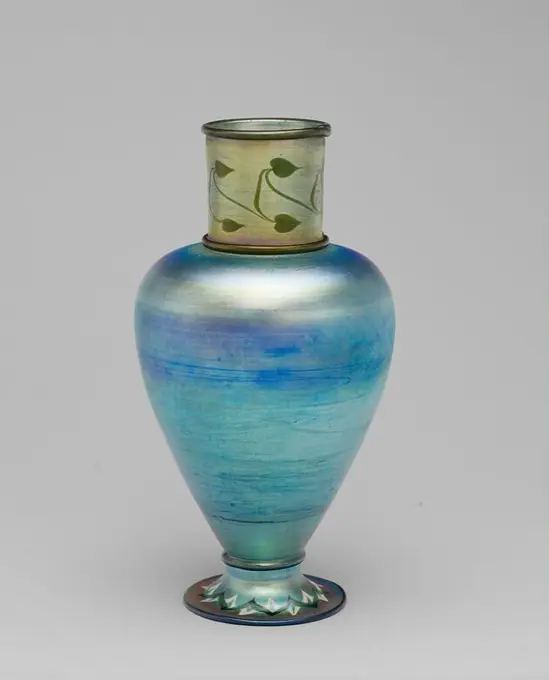
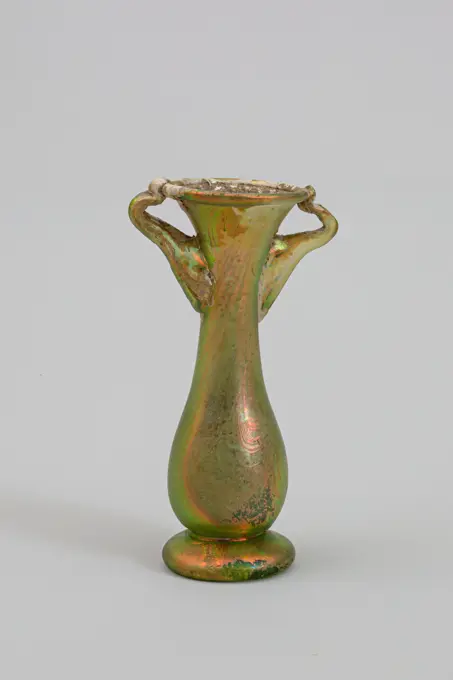
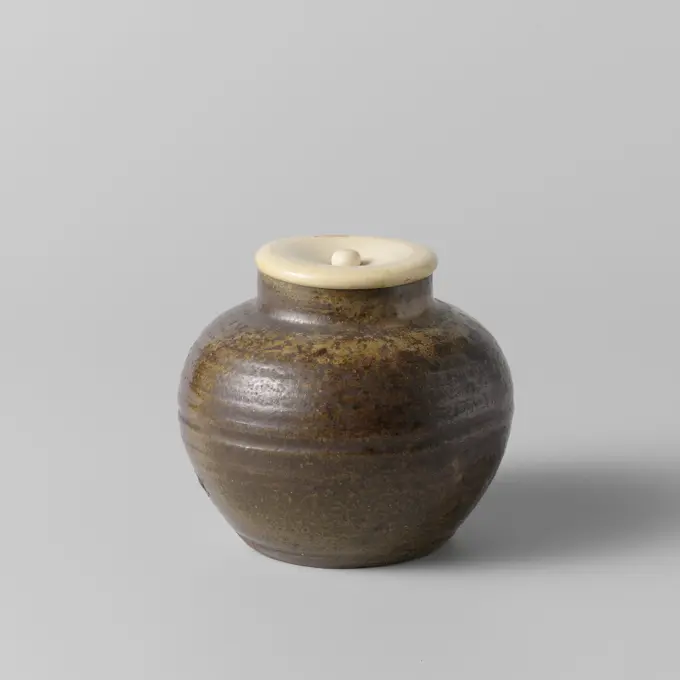
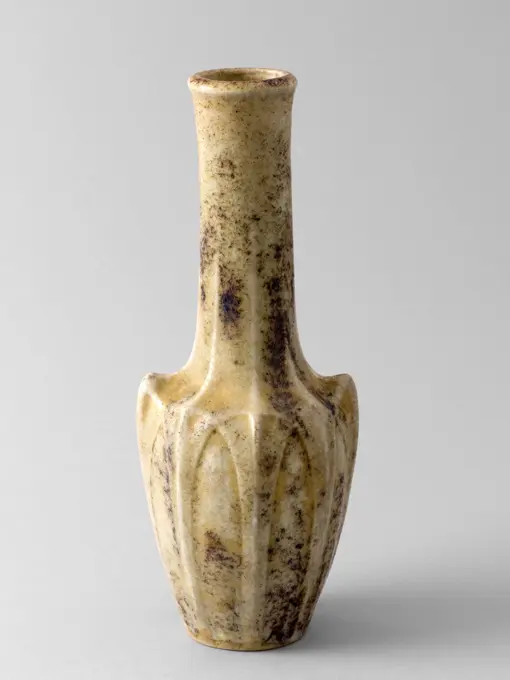
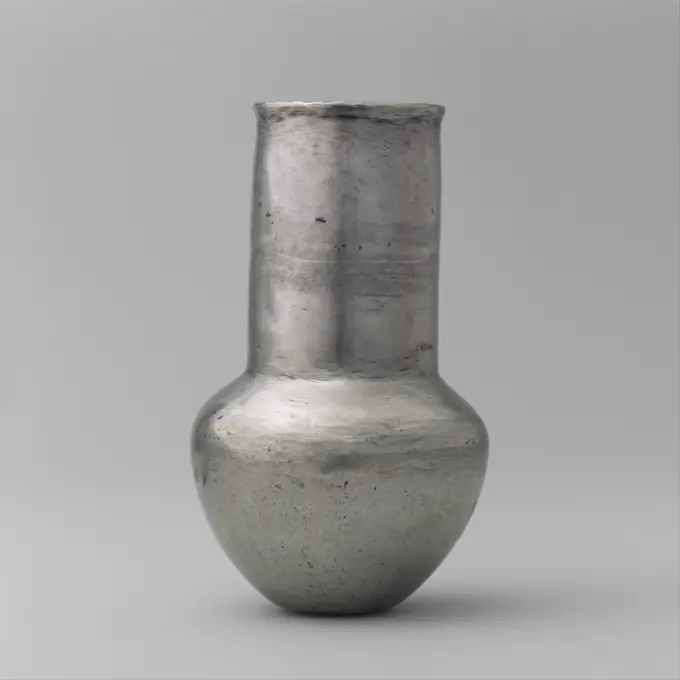
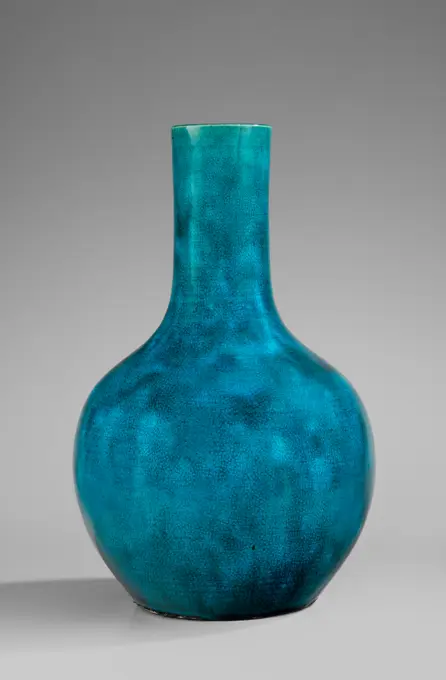
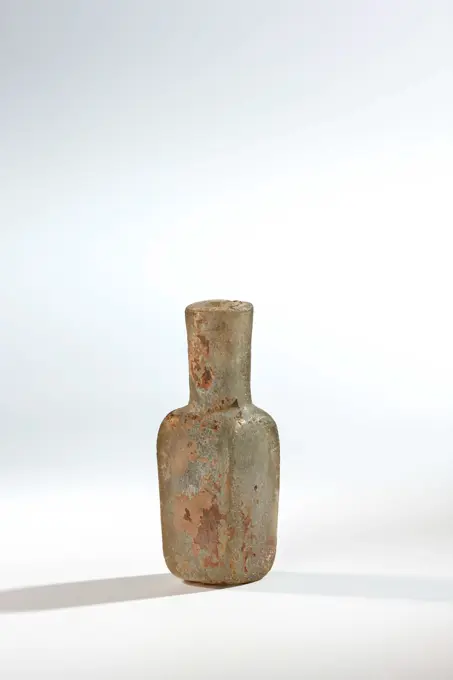
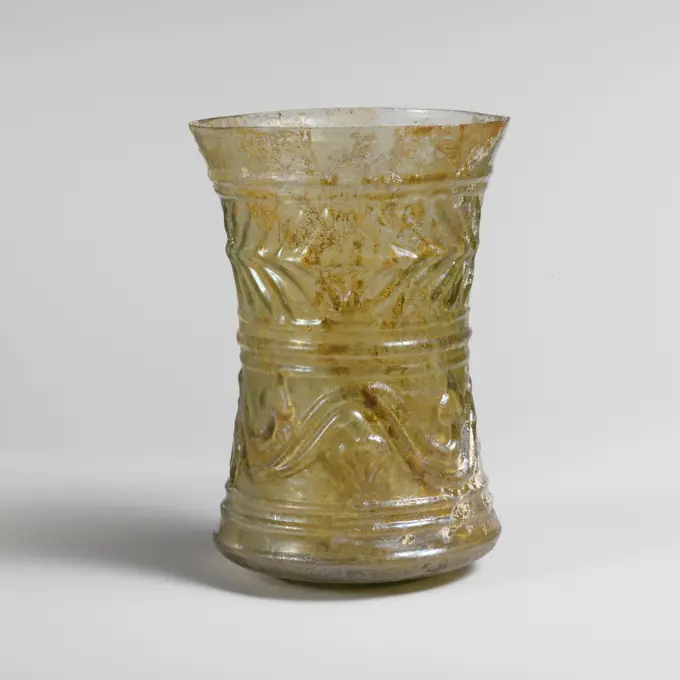
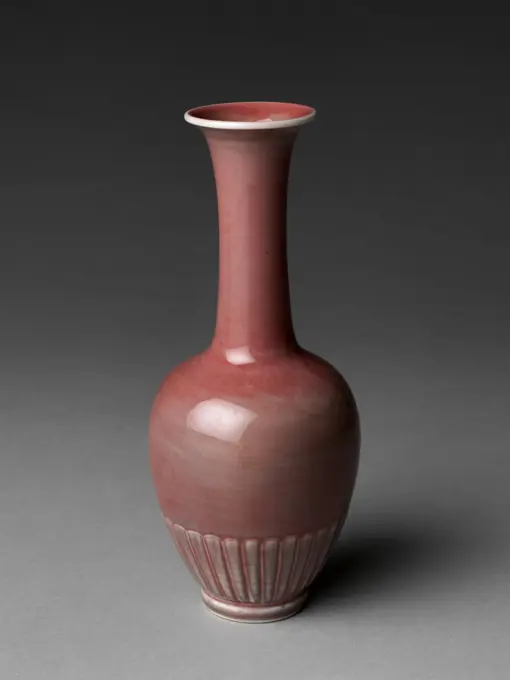
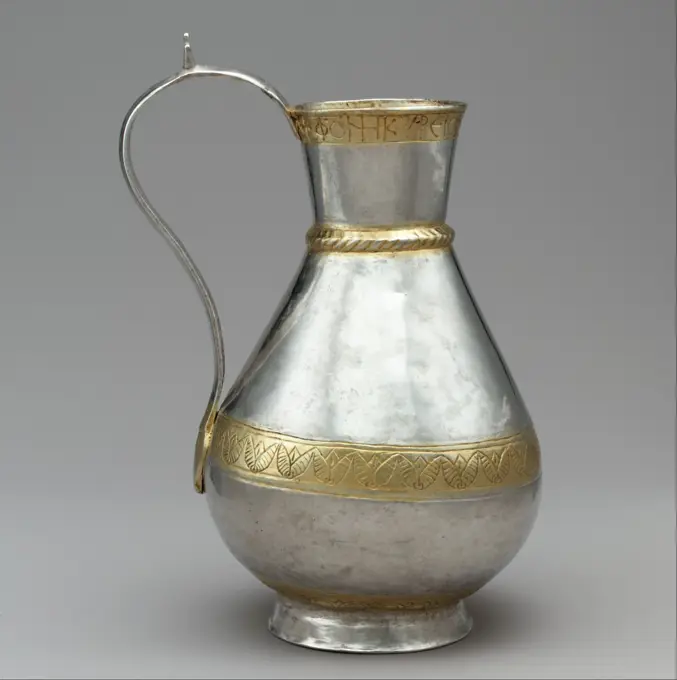
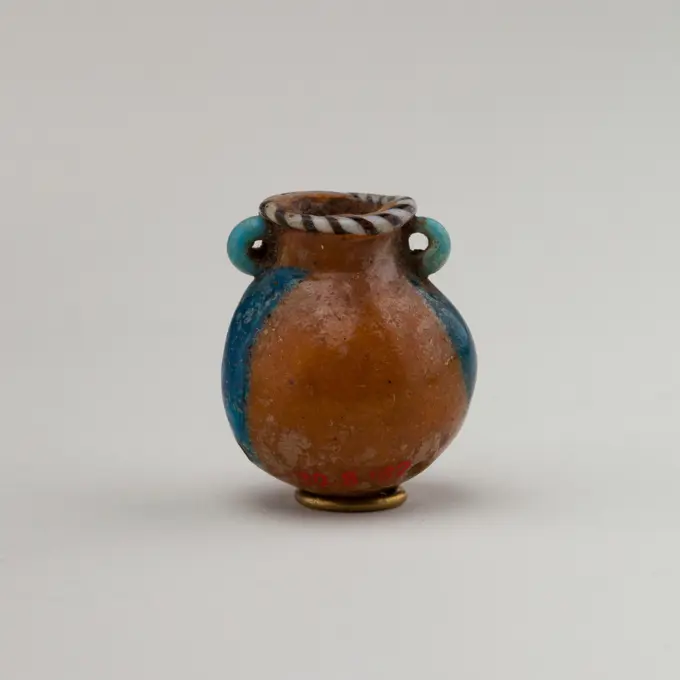
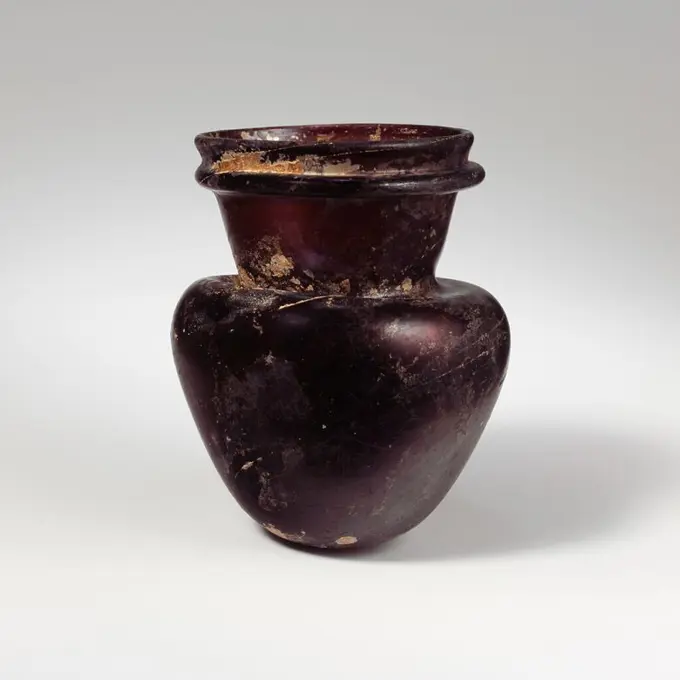
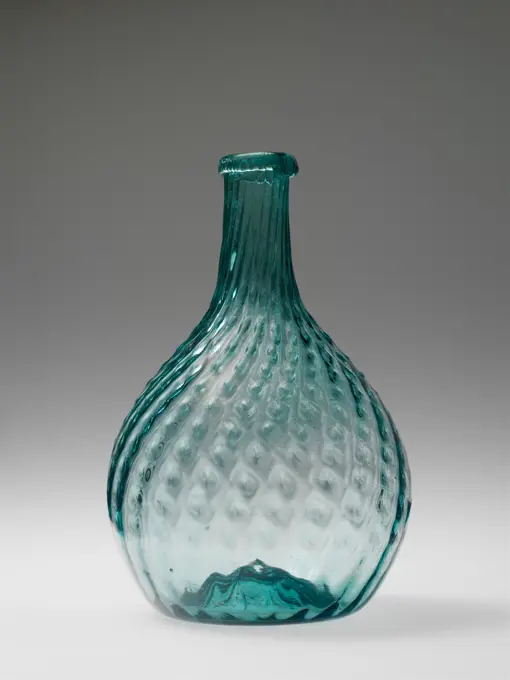
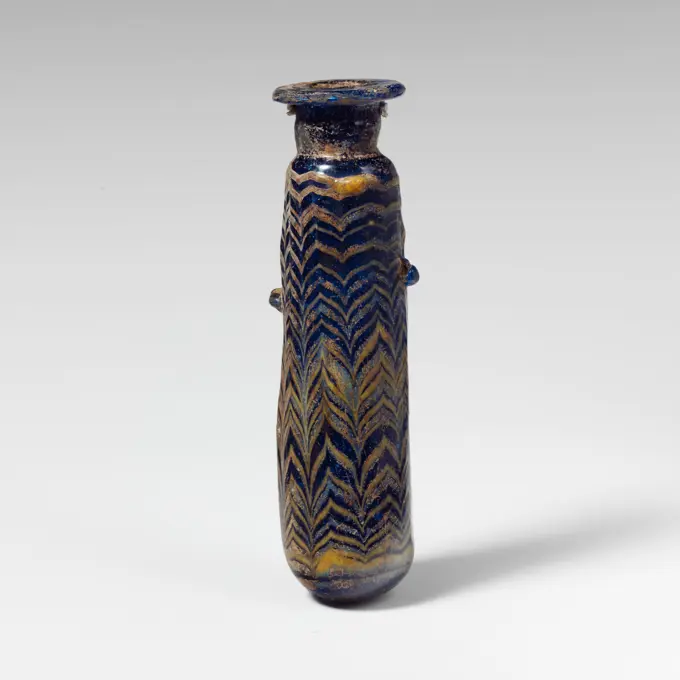
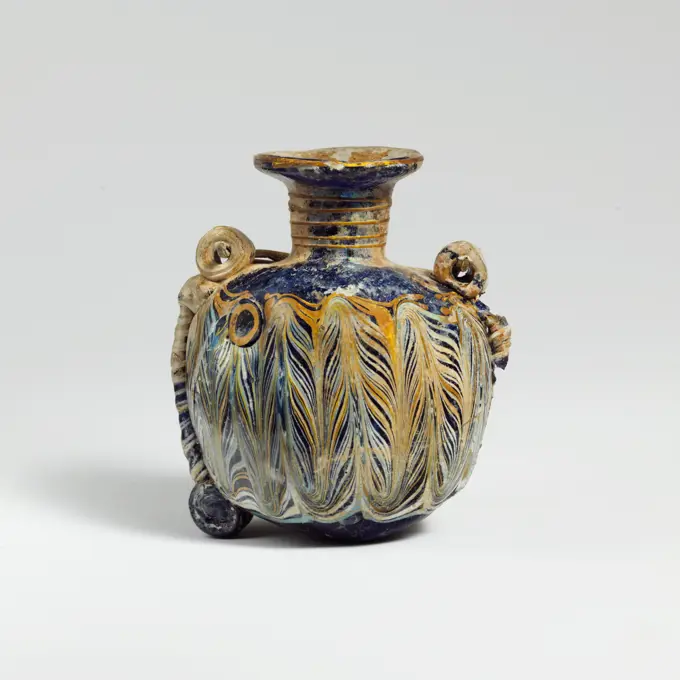
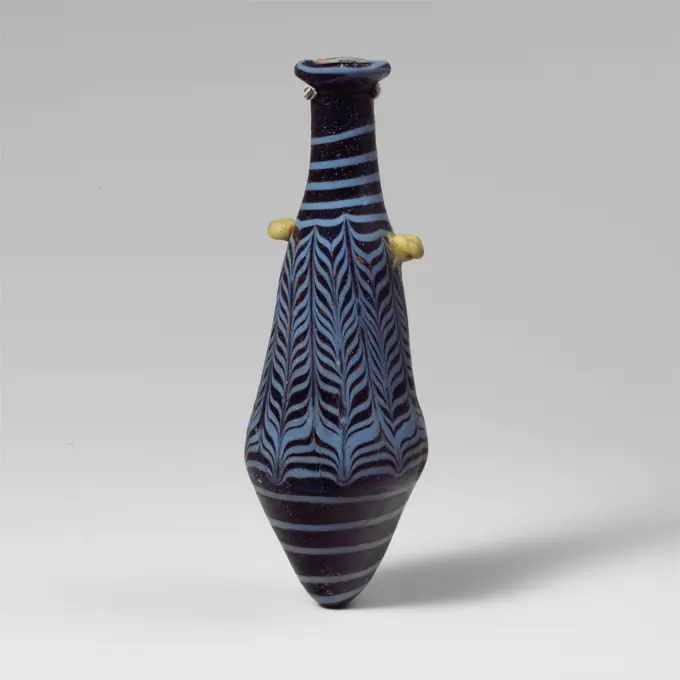
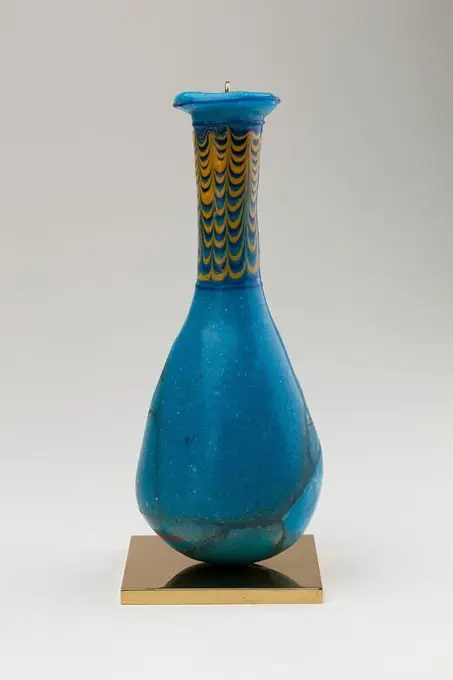
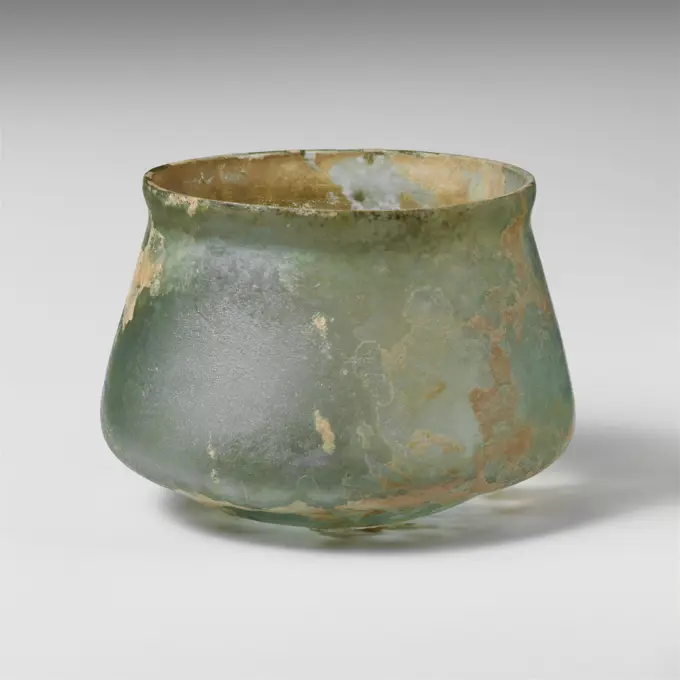
Glass perfume bottle 1st-2nd century A.D. Roman Translucent pale blue green.Rim folded out, over, and in, flattened on top and forming slight constriction to mouth; cylindrical neck, tapering downwards and tooled in around base; ovoid body; small, slight concave bottom.Intact; pinprick bubbles; dulling, pitting, and iridescent weathering, with some soil encrustation inside neck.. Glass perfume bottle 244633Glass perfume bottle. Culture: Roman. Dimensions: Overall: 3 1/8 in. (7.9 cm)Diam.: 1 3/4 x 7/8 in. (4.4 x 2.2 cm). Date: 1st century A.D..Colorless with pale blue tinge.Rim folded out, over, and in; slightly flaring mouth; cylindrical neck, tooled in around base; ovoid body; small, slight concave bottom.Horizontal tooled indent around upper part of body.Intact but with internal crack across bottom; pinprick and larger bubbles and blowing striations; slight dulling and pitting on exterior around rim; on interior brilliant silver-like iridescent weathering with some soil encrustation and one large, loose lump. Museum: Metropolitan Museum of Art, New York, USA.Glass perfume bottle 1st-2nd century A.D. Roman Translucent pale blue green.Rim folded out, over, and in, with beveled upper surface and rounded lip around mouth; cylindrical neck, expanding downward and slightly tooled in around base; broad, piriform body; convex bottom, slightly flattened at center. Fairly thick and heavy glass.Intact; many pinprick bubbles; deeply pitted and weathered, with brilliant iridescence on most of surface.. Glass perfume bottle 239671Belly bottle, belly bottle bottle holder soil find glass, bottom in which hole, Body with almost straight up wall to convex shoulders and rejuvenated, neck with imposed all-round sharp glass wire and flattened lip archeology City Triangle Rotterdam City Hall City Hall packing Soil discovery of Town Hall February 1915.Glass multi-sided bottle. Culture: Roman. Dimensions: H.: 2 1/2 in. (6.4 cm)Diam.: 1 5/8 in. (4.1 cm). Date: 1st century A.D..Translucent purple, with handles in greyish colorless glass streaked with purple.Cylindrical neck; lentoid body comprising seven slanting panels surrounding a central vertical face on each side; projecting hollow base pad; handles to top of body in a pad, drawn up, turned in and down, and pressed onto neck. Continuous mold seam runs from base of neck, down edge of sides, and across bottom, with a gap between the two halves of the mold causing a flat, solid, rounded pad to form on one edge between lower body and bottom.On body, two concentric circles and central dot in relief on the vertical face.Broken around top of neck, rim and most of one handle missing, with hole in side where bottom of handle was attached; some bubbles, especially in handle; slight dulling and iridescence on exterior, thick soil encrustation and brilliant iridescent weathering on interWhite maebyeong, 18th century, Unknown Korean, 15 x 11 1/2 in. (38.1 x 29.21 cm), Porcelain with clear glaze, Korea, 18th century, From the founding of the Joseon dynasty at the end of the 14th century, Korean potters produced finely crafted, undecorated white wares which reflected the austere tastes associated with Confucianism, the official ideology of the Joseon rulers. By the 18th century, however, imperfectly formed and casually glazed vessels such as this were being produced for use by all levels of Korean society. The pleasing informality and naturalness of such objects were admired by Japanese tea masters who collected Korean ceramics in great number.Glass perfume bottle. Culture: Roman. Dimensions: Height: 3 1/8 in. (8 cm)Diameter: 2 1/16 x 7/8 in. (5.2 x 2.2 cm). Date: 1st century A.D..Translucent deep cobalt blue.Uneven, rounded rim; short, flaring mouth; cylindrical neck, expanding downwards; globular body; small, concave bottom.Intact; some pinprick and larger bubbles; patches of dulling and iridescent weathering. Museum: Metropolitan Museum of Art, New York, USA.Glass perfume bottle. Culture: Roman. Dimensions: 2 15/16 in. (7.4 cm)Diameter: 1 3/4 x 7/8 in. (4.4 x 2.2 cm). Date: 1st century A.D..Colorless with pale blue green tinge.Lopsided rim folded out, over, and in, and pressed flat; cylindrical neck, with tooling marks around base; conical body with convex sides; flat bottom.Complete, but large crack from rimto bottom; pinprick bubbles; dulling, pitting, and brilliant iridescent weathering. Museum: Metropolitan Museum of Art, New York, USA.Glass perfume bottle Roman late 1st-3rd century CE Thick-walled bottle.Translucent green.Everted rim, folded over and in, with beveled upper surface; cylindrical neck, with a broad tooled indent around base; elongated conical body, curving in to uneven, slightly concave bottom.Complete, but broken and repaired, with cracks running from rim to bottom; pinprick and elongated bubbles, with blowing striations; dulling, pitting, and iridescent weathering. View more. Glass perfume bottle. Roman. late 1st-3rd century CE. Glass; blown. Imperial. GlassGlass bottle. Culture: Roman. Dimensions: H. 7 3/16 in. (18.3 cm). Date: 4th-5th century A.D..Translucent blue green; handles and trails in same color.Rounded rim; flaring mouth; cylindrical neck; narrow sloping shoulder; tall, cylindrical body with slightly convex side; thick rounded bottom with deep pontil scar; two handles applied in pads to edge of shoulder, drawn up and outwards, then turned down and trailed onto neck above trail decoration.A horizontal trail wound once around underside of mouth; another horizontal trail wound once around lower part of neck; on body; thirty-two faint vertical or slightly wavy ribs, formed by dip mold.Intact; pinprick bubbles, and a few black impurities in handles; dulling and creamy brown weathering on exterior, soil encrustation, weathering, and brilliant iridescence on interior. Museum: Metropolitan Museum of Art, New York, USA.Club-shaped vase. Artist: Chinese , Qing Dynasty, probably Kangxi period. Culture: Chinese. Dimensions: Height: 9 5/8 in. (24.5 cm.). Date: 1662-1722. Museum: Metropolitan Museum of Art, New York, USA.Jug (Bartmann jug), anonymous, c. 1600 - c. 1699 Jug (beard fancier bush) of stoneware on the standing surface with a spherical body and narrow neck. The C-shaped ear is attached to the neck and shoulder. Profiles on the neck and the foot. Covered with a brown Engobe. On the neck, continuously on the shoulder, a bearded man. Frechten. Cheek stoneware. glaze. engobe vitrification Jug (beard fancier bush) of stoneware on the standing surface with a spherical body and narrow neck. The C-shaped ear is attached to the neck and shoulder. Profiles on the neck and the foot. Covered with a brown Engobe. On the neck, continuously on the shoulder, a bearded man. Frechten. Cheek stoneware. glaze. engobe vitrificationPitcher;  XIV century (1301-00-00-1400-00-00);Leopold and Janina Binnenthal - collection (fl. Ante 1940), ceramics, gift (provenance), jugs, Islamic art, Persian artRibbed Jar, 7 11/16 x 8 x 8 in. (19.53 x 20.32 x 20.32 cm), Blown glass, Roman EmpireVase. Syria, late 12th-first half of 13th century. Ceramics. Fritware, molded and glazedBottle 10th-11th century. Bottle. 10th-11th century. Glass; mold blown. Attributed to probably Iran. GlassRitual Wine Cup (Zhi). Culture: China. Dimensions: H. 5 1/2 in. (14 cm); Diam. 2 3/4 in. (7 cm); Diam. of rim: 2 7/16 in. (6.2 cm); Diam. of foot: 2 1/8 in. (5.4 cm); Wt. 1.5 lb. (0.7 kg). Date: late 11th century B.C..This elaborate set of wine vessels provides an idea of the splendor of Shang and early Zhou ritual ceremonies. The set is said to have come from a tomb uncovered in 1901; shortly thereafter, it entered the collection of Duan Fang, a senior Manchu official and one of the preeminent antiquarians of the late Qing period. The pieces vary in style and execution. Although eleven of the vessels are inscribed, only one grouping shares identical inscriptions: the two wine containers, or you (nos. 2, 3) and the tall wine container, or zun (no. 4). A second grouping has largely comparable inscriptions: the spouted water vessel, or he (no. 5) and one cup, or zhi (no. 11).A partial reconstruction of the set's arrangement in the tomb may be established from corrosion outlines on theVase. Culture: China. Dimensions: H. 10 3/8 in. (26.4 cm); W. 4 1/2 in. (11.4 cm); Diam. of rim: 2 3/4 in. (7 cm); Diam. of foot: 2 7/8 in. (7.3 cm). Museum: Metropolitan Museum of Art, New York, USA.Glass perfume bottle. Culture: Roman. Dimensions: 1 5/8 x 1 1/8in. (4.1 x 2.8cm)Diam. of rim: 1/2 in. (1.2 cm). Date: 1st century A.D..Small perfume bottleTranslucent turquoise greenish blue.Unworked, plain rim; flaring mouth; slightly funnel-shaped neck, tooled in around base; squat piriform body; slightly concave bottom with traces of a large, circular pontil mark.Intact, except for small chip in rim; pinprick bubbles; dulling, some pitting, and patches of creamy iridescent weathering on interior. Museum: Metropolitan Museum of Art, New York, USA.Small bottle in ANSES (common name). Pale gray covered sandstone. Cernuschi Museum, Asia Museum of Asia in the city of Paris.Sprinkler or Dropper Bottle. Roman; Eastern Mediterranean. Date: 101 AD-400 AD. Dimensions: H. 8 cm ( 3 in.); diam. 6.5 cm (2 3/8 in.). Glass, blown technique. Origin: Mediterranean Region. Museum: The Chicago Art Institute, Chicago, USA. Author: ANCIENT ROMAN.Glass jug. Culture: Roman. Dimensions: Overall: 4 1/2 x 3 1/8in. (11.5 x 8cm). Date: mid-1st-2nd century A.D..Translucent blue green; handle in same color.Collar rim folded out, down, up, and out, with horizontal outer lip; short cylindrical neck, curving out at base to join sloping shoulder; cylindrical body, with sides tapering downwards; concave bottom; reeded strap handle applied to top of body and outer edge of shoulder in broad pad, drawn up and out, then turned in horizontally at acute angle, trailed on to top of neck and bottom edge of rim, and tooled into flat pad.Three horizontal bands of wheel-cut decoration on body: upper and lower bands each comprising two fine parallel lines; central band of two fine lines flanking a broader groove.Intact; many bubbles and blowing striations; dulling, pitting, and iridescence with patches of creamy weathering.Myres mistakenly classified this bottle as mold blown. Museum: Metropolitan Museum of Art, New York, USA.Glass beaker. Culture: Roman. Dimensions: Height: 4 5/8 in. (11.7 cm)Diam.: 2 x 2 1/8 in. (5.1 x 5.4 cm). Date: 2nd-3rd century A.D..ColorlessKnocked-off, uneven, flaring rim; concave neck; four-sided body with rounded, convex corners and slightly bulging pad at base; concave bottom.Four deep vertical indents in sides.Intact; many pinprick bubbles; dulling, pitting, patches of iridescent weathering and soil encrustation. Museum: Metropolitan Museum of Art, New York, USA.Bottle 1 CE-100 CE Mediterranean Region. Glass, blown technique . Ancient MediterraneanTwo-handled Flask. UnknownTwo-Handled Amphora ca. 30 B.C.-A.D. 364 Roman Period This amphora-shaped vase is made out of Egyptian faience, a ceramic-like material often characterized by a bright turquoise blue glaze, like the example here. Of a minimalist design, with no decoration, its main features are its high size and handles terminating in ivy leaves, showcasing the quality of Egyptian craftmanship during the Roman Period.. Two-Handled Amphora. ca. 30 B.C.-A.D. 364. Faience. Roman Period. From EgyptOvoid Jar 700 CE-799 CE China. Stoneware with creamy white glaze .Club-shaped vase 1662-1722 Chinese. Club-shaped vase. Chinese , Qing Dynasty, probably Kangxi period. Chinese. 1662-1722. Porcelain with mirror-black glaze, painted in overglaze gilt.. CeramicsTea caddy, late 16th century, Unknown Japanese, 4 × 2 3/4 × 2 1/2 in. (10.16 × 6.99 × 6.35 cm), Seto ware; stoneware with iron-rich glaze; ivory lid, Japan, 16th century, This tea caddy (a vessel for powdered tea), with its short neck, rounded rim, and sharply angled shoulder, was modeled on Chinese examples first brought to Japan in the 1300s. However, it differs from more precisely crafted Chinese prototypes in important ways that are in keeping with the prevailing wabi (imperfect or rustic) aesthetic of Japans tea culture in the late 1500s. For example, the potters hand is revealed in the slight modulation of the body and the eye-catching pattern created through variations in the brown glaze. Although this tea caddy has traditionally been associated with kilns in the Seto region of central Japan, it was more likely produced at a kiln in neighboring Mino, an area to which many Seto potters moved in the late 1500s.Vase. Culture: American. Dimensions: 9 5/8 in. (24.4 cm)Base diameter: 3 1/4 in. (3 1/4 in.)Body diameter: 5 1/8 in. (13 cm)Lip diameter: 2 1/2 in. (6.4 cm). Maker: Louis Comfort Tiffany (American, New York 1848-1933 New York). Date: ca. 1911. Museum: Metropolitan Museum of Art, New York, USA.Vase in Meiping Shape 19th century China. Vase in Meiping Shape. China. 19th century. Porcelain with crackled apple-green glaze (Jingdezhen ware). Qing dynasty (1644-1911). CeramicsGlass cosmetic flask (kohl tube) Roman 4th century CE Uncertain color; handles in same glass.Tubular rim, folded out, over, and in; funnel-shaped mouth joining imperceptibly with slender cylindrical neck, which in turn joins with low, piriform body; splayed tubular foot, made by folding; deep kick in bottom with central pontil scar; two rods handles applied in large pads around neck, drawn out at an acute angle, then folded back in, and trailed off on lip of rim.Intact; pinprick bubbles, and blowing striations; severe weathering and pitting, with brilliant iridescence on exterior, whitish weathering and soil encrustation on interior. View more. Glass cosmetic flask (kohl tube). Roman. 4th century CE. Glass; blown. Late Imperial. GlassIncense burner, anonymous, c. 1600 - c. 1699 Pear -shaped incense burner of stoneware, covered with a crackled gray glaze. Gold lacquer restorations in the edge. Old label on the bottom with 'W137' and 'Korea 33/ Vente Bing  226'. Korea stoneware. glaze vitrification Pear -shaped incense burner of stoneware, covered with a crackled gray glaze. Gold lacquer restorations in the edge. Old label on the bottom with 'W137' and 'Korea 33/ Vente Bing  226'. Korea stoneware. glaze vitrificationJar 101 CE-300 CE Syria. Glass, blown technique . Ancient RomanTea caddy with a brown glaze, anonymous, anonymous, c. 1600 - c. 1800 Dust bars made of stoneware in Tanetsubo shape with an ivory lid, partly covered with a brown glaze. The lower part of the bus is unglazed. Old label on the inside with 'form tanetsubo/ shigaraki/ 18th'; Old label on the bottom with 'W592'. Shigaraki. Japan stoneware. glaze. deksel: ivory vitrification Dust bars made of stoneware in Tanetsubo shape with an ivory lid, partly covered with a brown glaze. The lower part of the bus is unglazed. Old label on the inside with 'form tanetsubo/ shigaraki/ 18th'; Old label on the bottom with 'W592'. Shigaraki. Japan stoneware. glaze. deksel: ivory vitrificationBottle-shaped Vase, 1736-95. China, Qing Dynasty (1644-1911), Qianlong reign (1736-95). Porcelain with green glaze; overall: 30.2 cm (11 7/8 in.).Emile Decoeur (1876-1953). Vase. Enameled sandstone. Museum of Fine Arts of the City of Paris, Petit Palais. VASE GRES EMAILLE, VaseLong-necked jar ca. 1279-1213 B.C. New Kingdom, Ramesside WIne services do not seem to have a long history in Egypt, but appear to have been introduced in the New Kingdom when wine-drinking became a feature of elite society in the Ramesside Period. Most if not all of the vessels in Tell Basta vessels belonged to just such a wine service associated presumably with a temple festival.Jars like this one might be used for mixing wine.. Long-necked jar 548222Bulbous bottle, belly bottle bottle holder soil find glass, neck with imposed circumferential convex glass thread, and flattened lip lip archeology packageWine bottle with wine from the wreck of the East Indians' t Vliegend Hart ,, 1700 - 1735 wine Uivid wine bottle of green glass filled with red (port) wine and closed with cork. The thread that the cork had to put in place has disappeared. Netherlands glass. wineSpherical vase. Céladon. Cernuschi Museum, Asia Museum of Asia in the city of Paris.Wazka with an extensive belly unknownLarge Jar. Dimensions: H. 21 1/2 in. (54.6 cm)Diam. 17 1/2 in. (44.5 cm). Date: dated A.H. 681/A.D. 1282-83.Alighting birds and leaping quadrupeds in leafy foliage decorate the upper portion of this large, deep-blue glazed jar. Scholars have likened these motifs to similar designs on Chinese silk tapestries, which were widely traded along the Silk Road between China and Iran at the time that this jar was made. The verses on this dated vessel suggest that it may have held wine or another type of beverage. They read: "Tumultuous air and boiling earth; Joyous is he whose heart is happy. Drink!". Museum: Metropolitan Museum of Art, New York, USA.Vase with dragon amid clouds China mid-18th century View more. Vase with dragon amid clouds. China. mid-18th century. Porcelain with carved decoration under celadon glaze (Jingdezhen ware). Qing dynasty (1644-1911). CeramicsVase. Culture: China. Dimensions: H. 2 1/2 in. (6.4 cm). Date: 19th century. Museum: Metropolitan Museum of Art, New York, USA.Glass alabastron (perfume bottle) late 6th-5th century B.C. Greek, Eastern Mediterranean Translucent cobalt blue, with handles in same color; trails in opaque white.Slightly concave horizontal rim-disk, with projecting rough edge to mouth; cylindrical neck; narrow rounded shoulder; slightly convex sides to cylindrical body, tapering upwards; convex bottom; two vertical ring handles with knobbed tails, applied over trail decoration; one larger and higher than the other.A trail attached at edge of rim-disk; another trail applied on neck in a thick marvered pad, wound down, tooled into an irregular feather pattern, with strokes mixing and blurring trails with blue ground.Intact; dulling, pitting, and patches of brownish weathering.. Glass alabastron (perfume bottle) 245469Glass jar 2nd-4th century A.D. Roman Translucent blue green.Everted rim, folded over and in; concave neck; bulbous body; slightly flattened bottom, with trace of pontil mark to one side.Intact; many bubbles and blowing striations; pitting, dulling, and iridescence, with small patches of soil encrustation and weathering.. Glass jar 245248Flask. UnknownUrn 50 CE-200 CE Roman Empire. Lidded glass urns were among the largest blown-glass vessels produced by the Romans. Manufactured as storage jars, they were also used as burial containers for cremated human remains and have been unearthed primarily in the western part of the Roman Empire, including Belgium, Britain, France, Germany, and Italy. While Roman glassmakers could produce a range of vibrant colors, the translucent, blue-green color of this urn was achieved naturally due to the presence of iron oxide in the raw materials used in its production.. Glass, blown technique . Ancient RomanFlask; Eastern Mediterranean; 4th - 5th century; Glass; 13.3 cm (5 1,4 in.)Bottle-shaped vase. unknown, craftsmanBottle 8th-9th century. Bottle 443100Small vase probably 19th century Chinese. Small vase 461501Glass jar 2nd half of 1st-mid-2nd century A.D. Roman Translucent blue green.Rounded, flaring, tubular rim, folded out and down, forming collar around neck; broad ovoid body, tapering sharply downwards; bottom pushed in to form hollow foot ring.Intact; some very large bubblesbubbles and blowing striations; slight brownish weathering and faint iridescence.The jar is recorded as having been found with the mold-blown gladiator cup (81.10.245) that is displayed in the Roman Imperial Art gallery, Gallery 168 on the First Floor.. Glass jar. Roman. 2nd half of 1st-mid-2nd century A.D.. Glass; blown. Early Imperial. GlassGlass alabastron (perfume bottle). Culture: Greek, Eastern Mediterranean or Italian. Dimensions: H.: 4 1/2 x 1 3/4 in. (11.5 x 4.5 cm)Diam.: 1 13/16 in. (4.6 cm). Date: mid-4th-early 3rd century B.C..Translucent cobalt blue, with handles in same color; trail in uncertain color (opaque white ).Broad horizontal rim-disk, sloping slightly outward; tall cylindrical neck; narrow horizontal shoulder; straight-sided cylindrical body, with upward taper; convex bottom; below shoulder, two vertical ring handles, both pierced, with short pointed trails, applied over trail pattern.A single fine trail wound around body, tooled from top to bottom of body into a close-set zigzag pattern in ten vertical panels with deep vertical indents.Broken and repaired around lower body, with three large holes; some large white inclusions; dulling, deep pitting, and weathering, leaving little trace of the trail decoration. Museum: Metropolitan Museum of Art, New York, USA.Roman urn of glass. Object from Empuries, province of Girona, Alt Empordà, Catalonia, Spain. Archaeological Museum of Girona, Catalonia, Spain.Covered jar 16th century China. Covered jar. China. 16th century. Stoneware with green and brown glaze (Shanxi ware). Ming dynasty (1368-1644). CeramicsBottle. unknown, craftsmanWater jar. Culture: Japan. Dimensions: H. 5 3/4 in. (14.6 cm); Gr. Diam. 6 in. (15.3 cm). Date: ca. 1610. Museum: Metropolitan Museum of Art, New York, USA.Glass beaker 1st century A.D. Roman Translucent light green.Unworked, knocked-off rim; cylindrical body with deep concave sides; slight convex bottom. Two vertical mold seams run down sides, with a separate shallow disk-shaped base section. On body, two friezes, bordered above and below by two horizontal ridges and divided by a band of three horizontal ridges; in upper frieze, wreath pattern in four sections with sprays facing in alternating directions; on lower frieze, continuous ivy tendril with leaves on long stems above and below wavy stem; on bottom, rounded broad base ring with inner ring surrounding a double-set small ring at center forming overlapping figure-of-eight.Intact; pinprick bubbles; pitting, patches of whitish weathering, and iridescence.. Glass beaker. Roman. 1st century A.D.. Glass; mold-blown. Early Imperial. GlassVase 1678-88 China. Vase. China. 1678-88. Porcelain with peachbloom glaze (Jingdezhen ware). Qing dynasty (1644-1911), Kangxi mark and period (1662-1722). CeramicsOinochoe. UnknownBottle ca. 1295-1070 B.C. New Kingdom, Ramesside Egyptian glassmaking, which had reached a high level of virtuosity in late Dynasty 18, continued to be practiced in the Ramesside Period; however, the quality, as well as quantity, of it production dropped off sharply in Dynasty 20. The "feathered" decoration of this vase was achieved by winding thin colored glass rods around the vessel and pressing them onto the surface of the vessel while it was still soft, and then drawing the rods up or down with a metal instrument.. Bottle 549353Flask 4th-5th century Byzantine. Flask 468602Vase China. Vase. China. Porcelain with peachbloom glaze. Qing dynasty (1644-1911), Kangxi mark and period (1662-1722). CeramicsGlass bottle shaped like a date. Culture: Roman. Dimensions: H.: 2 7/8 in. (7.3 cm)Diam.: 5/8 x 1 3/16 in. (1.6 x 3 cm). Date: mid-1st to early 2nd century A.D..Translucent yellowish brown.Thin, everted rim folded round and in; flaring neck with concave sides; elongated body; round bottom. One continuous mold seam around body.Body molded into the shape of a wrinckled date, with pattern of short wavy ridges and hollows.Intact, except for small chip and crack in rim; some bubbles and blowing striations; slight dulling, iridescence, and whitish weathering. Museum: Metropolitan Museum of Art, New York, USA.Vase; Manufactured by Daum (France); Mount Made by Malvézieux Ainé; acid-etched and incised glass, silver-gilt (mount)Jug. Africa, Morocco, 15th-16th century. Ceramics. Earthenware, incised and glazedVase. Blue monochrome covered porcelain, Qing dynasty (1644-1912). Provenance: China. Paris, Cernuschi museum. 78843-2 Asian art, Chinese art, art of living, ceramic, fine ceramic, Ching dynasty, Qing dynasty, tsing dynasty, porcelain, container, vaseVase with Stylized Petals. China. Date: 1100-1368. Dimensions: H. 19.6 cm (7 3/4 in.); diam. 11.3 cm (4 7/16 in.). Stoneware with black and brown glazes. Origin: China. Museum: The Chicago Art Institute, Chicago, USA.Sake Bottle with Glaze Splash. Japan, Edo period, 1615-1868, 18th century. Ceramics. Mino ware; stoneware with iron glaze and ash glaze dripVase; olive glass, gold iridized patchesEwer of Zenobius 700s Avar or Byzantine It is unclear whether this ewer, with its Greek inscription, is actually Byzantine. Though five imperial control stamps appear on the bottom, they were in fact not struck but instead engraved to simulate genuine Byzantine stamps. The inscription may have simply been copied by an Avar craftsman from a Byzantine model.The AvarsThe Avars were a nomadic tribe of mounted warriors from the Eurasian steppe. The Byzantine emperor Justinian negotiated with them in the sixth century to protect the Empires northern border along the Black Sea. Emboldened by their subjugation of numerous tribes, they unsuccessfully attempted to seize the Empires capital, Constantinople. They remained a scourge of both Byzantium and the Western kingdoms until Charlemagne defeated them through a series of campaigns in the 790s and early 800s.All the money and treasure that the Avars had been years amassing was seized, and no war in which the Franks have ever engaged.. broughtWine bottle from the wreck of the East Indians' t Vliegend Hart, Anonymous, 1700 - 1735  Uivid glass wine bottle. Two fragments are missing. Netherlands .Flask. UnknownVase. Jagmin, Stanisław (1875-1961), authorVase. Porcelain to tauvejaka tachelame de de fer. Par musée musée malée. 78845-19 Asian art, container, vaseTripod pot ". Terracotta with green glaze. China, Tang dynasty (618-907). Paris, Cernuschi museum. Chinese art, Chinese ceramic, container, tang dynasty, pot, container, terracotta, tripod, three feetBulbous bottle, bottle bottle holder soil find glass, free blown and shaped glass application Bulb bottle onion in clear dark green glass Rough pontilemark (with glass remains) under slightly raised bottom Body with convex wall to convex shoulders and rejuvenated (5 , 0 - 3.1 cm) neck with imposed all-round disc-shaped glass wire (chip 3.0 cm) and flattened expanded lip archaeological packagingVase with a Fish Pattern, Clément Massier, c. 1900 Vase van Steengoed, painted in, among other things, silver and gold clouder with fish in Wier, in Red Fond. M. Alexandre signed above the foot edge. Marked with: Clement Massier Golfe-Joan A.M. With LUSTER, TOSTERLOPLED CLement GOLTE JUAN AM AND INGERGRIJF 2. Golf-juan stoneware Vase van Steengoed, painted in, among other things, silver and gold clouder with fish in Wier, in Red Fond. M. Alexandre signed above the foot edge. Marked with: Clement Massier Golfe-Joan A.M. With LUSTER, TOSTERLOPLED CLement GOLTE JUAN AM AND INGERGRIJF 2. Golf-juan stonewareSmall vase. unknown, craftsmanFlask; Roman Empire; 3rd-4th century A.D; Glass; 17.1 cm (6 3,4 in.)Juglet 750-600 B.C. Cypriot. Juglet. Cypriot. 750-600 B.C.. Terracotta. Cypro-Archaic I. VasesMiniature Bottle ca. 1295-1070 B.C. New Kingdom, Ramesside Egyptian glassmaking, which had reached a high level of virtuosity in late Dynasty 18, continued to be practiced in the Ramesside Period; however, the quality, as well as quantity, of it production dropped off sharply in Dynasty 20. The "rope" made of stained glass rods in contrasting colors attached to the rim of this miniature bottle is a characetristic feature of glass vessles of this time.. Miniature Bottle. ca. 1295-1070 B.C.. Glass. New Kingdom, Ramesside. From Egypt. Dynasty 19-20Lota. India, Gujarat, Kapadwanj, circa 1750-1800. Furnishings; Serviceware. Dark blue glassGlass jar. Culture: Roman. Dimensions: Overall: 3 1/4in. (8.3cm). Date: 4th century A.D..Translucent manganese purple.Rim slightly outsplayed, with rounded vertical lip; below hollow folded flange; funnel-shaped neck; pushed-in shoulder; body with convex side, tapering downwards to small, pushed-in bottom with jagged pontil scar.Cracked around neck with three small holes, but body complete; some bubbles and blowing striations, with inclusions in body; dulling, pitting, small patches of weathering, and iridescence on exterior, thick black weathering covering much of interior. Museum: Metropolitan Museum of Art, New York, USA.Glass hexagonal jug 6th-early 7th century A.D. Roman, Palestinian Translucent deep yellow brown, with same color handle.Trefoil rim with thick rounded edge; shallow, funnel-shaped mouth; cylindrical neck that expands slightly downwards; slightly pushed-in horizontal shoulder with rounded outer edge; hexagonal body, tapering downwards, with slightly impressed side panels; deeply pushed-in bottom, with central pontil scar; strap handle, applied to edge of shoulder, drawn up and slightly outward, then curved round and trailed onto edge of rim, with upward tooled, flat thumb rest.On body, six rectangular panels, decorated with matching pairs of three different geometric relief patterns: two vertical lozenges with central dots and half lozenges to either side, a lattice of diamond-shaped bosses, and a stylized palm frond with twelve or thirteen leaves to either side of central stem; on bottom, an indistinct six-pointed star with straight outer edge in each segment.Intact; pinprick and some Bottle 1815-45 American. Bottle 1101Glass alabastron (perfume bottle) mid-4th-early 3rd century B.C. Greek, Eastern Mediterranean or Italian Translucent blue, with handles in same color; trails in opaque yellow and opaque turquoise blue.Flat rim-disk, slanting slightly to one side; short cylindrical neck; small sloping shoulder; straight-sided cylindrical body, with upward taper; uneven convex bottom; on body at different heights, two lug handles, applied over trail pattern; one with trailing tail upwards across body.A yellow trail applied as a blob at top of body and another trail in turquoise added below, and both trailed down in a spiral and tooled into a close-set zigzag pattern with shallow vertical ribbing, ending in a spiral around edge of bottom.Complete, but cracked around middle of body; dulling, some pitting, and iridescent brownish weathering.. Glass alabastron (perfume bottle) 245464Glass lentoid aryballos (perfume bottle) late 4th-early 3rd century B.C. Eastern Mediterranean or Italian Translucent cobalt blue, with handles, coils, and feet in same color; trails in opaque yellow, opaque white, and opaque turquoise blue.Broad rim-disk, sloping inward, made as a spiral coil around top of neck; cylindrical neck, tapering downward; broad, almost horizontal shoulder with rounded outer edge; flattened globular body, with convex sides; shallow convex bottom; two rolled cylindrical feet on either side of bottom; two vertical ring handles attached to shoulder; two coils running down sides between handles and feet.An unmarvered fine yellow trail attached at the edge of rim-disk; another similar yellow trail wound spirally five times round neck; on body, bands of yellow, white, and turquoise blue trails tooled into a feather pattern in thirteen vertical patterns with alternating upward and downward strokes; on one side applied blob of blue glass decorated with a yellow circlPitcher. Roman; Levant or Syria. Date: 301 AD-400 AD. Dimensions: 9 × 6.4 × 6.4 cm (3 1/2 × 2 1/2 × 2 1/2 in.). Glass, blown technique. Origin: Syria. Museum: The Chicago Art Institute, Chicago, USA. Author: ANCIENT ROMAN.Belly bottle, onion, belly bottle bottle holder soil find glass, free blown and shaped glass application Circular bottle in clear green glass. Pontil mark underneath wide raised bottom. Body with convex ascending wall to convex shoulders and rejuvenated neck with imposed all-round flat glass wire and dilated flattened lip (chip) archeology packagingTwo-eared jar, Jun ware. Artist: Chinese , Jin/Yuan Dynasty. Culture: Chinese. Dimensions: Height 4 7/8 in. (12.3cm.). Date: ca. 13th century. Museum: Metropolitan Museum of Art, New York, USA.Unguentarium, 2nd century A.D., Free-blown glass, greenish blue (aquamarine), 6.8 × 3.3 cm (2 11/16 × 1 5/16in.), Exchange with the Oriental Institute, University of Chicago, Kurcogluexcavation, Roman, Eastern Mediterranean,Syrian(?), Roman, Containers -GlassGlass alabastron (perfume bottle) 2nd-mid 1st Century B.C. Greek, Eastern Mediterranean Translucent cobalt blue, with handles in opaque white; trail in opaque greyish light blue.Inward-sloping rim-disk with thick rounded edge; slender cylindrical neck, slanting to one side and flaring at base; straight-sided fusiform body expanding downward, then tapering in to pointed bottom; two large horizontal lug handles applied over trail at top of body.Trail applied near bottom, wound upwards in a spiral to carination, tooled into a close-set feather pattern around side, arranged in nine panels of alternating upward and downward strokes, then wound again in a spiral up neck and unevenly around rim, and trailed off vertically downwards across neck to top of body.Broken and repaired, with three holes in middle of body; dulling and pitting, with faint iridescent weathering.. Glass alabastron (perfume bottle). Greek, Eastern Mediterranean. 2nd-mid 1st Century B.C.. Glass; core-formed, Group III. HelBottle. Dimensions: H. 18.5 cm (7 5/16 in.), Diam. 8 cm (3 1/8 in.). Dynasty: Dynasty 19-20. Date: ca. 1295-1070 B.C..Egyptian glassmaking, which had reached a high level of virtuosity in late Dynasty 18, continued to be practiced in the Ramesside Period; however, the quality, as well as quantity, of it production dropped off sharply in Dynasty 20. The "feathered" decoration of this vase was achieved by winding thin colored glass rods around the vessel and pressing them onto the surface of the vessel while it was still soft, and then drawing the rods up or down with a metal instrument. Museum: Metropolitan Museum of Art, New York, USA.Bottle. American; New England or Midwest; Bottle, 1815/1840. Date: 1815-1840. Dimensions: 16.5 × 10.8 × 7.6 cm (6 1/2 × 4 1/4 × 3 in.). Glass. Origin: United States. Museum: The Chicago Art Institute, Chicago, USA.Glass cup 2nd-3rd century A.D. Roman Translucent pale blue green.Knocked-off, slightly uneven rim; slightly bulging collar below rim; sides expanding downward, then angled in to join bottom with pushed-in center.Intact; few bubbles; dulling, faint pitting, iridescence, and patches of creamy weathering.. Glass cup 244608Vase, c. 1900. Grueby Pottery Company (American), Wilhelmina Post (American). Stoneware; overall: 27.4 cm (10 13/16 in.).Small bottle. unknown, craftsman