Ancient Glass Bottles

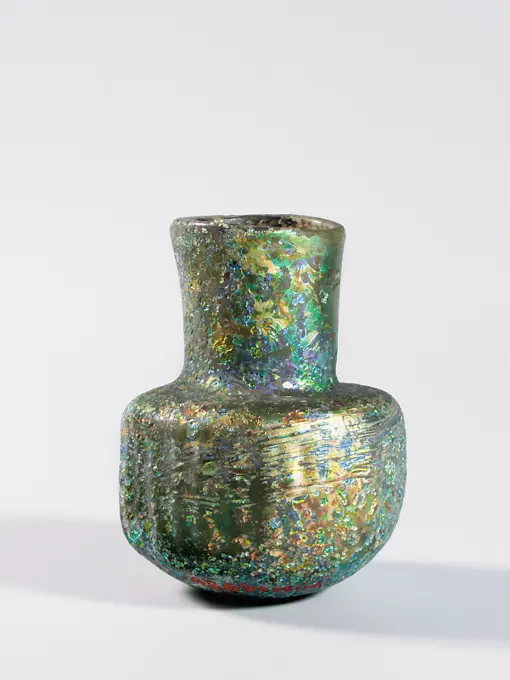
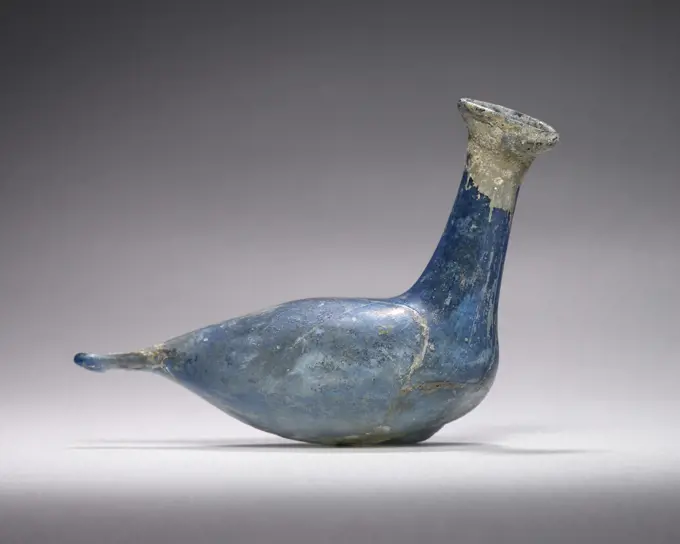
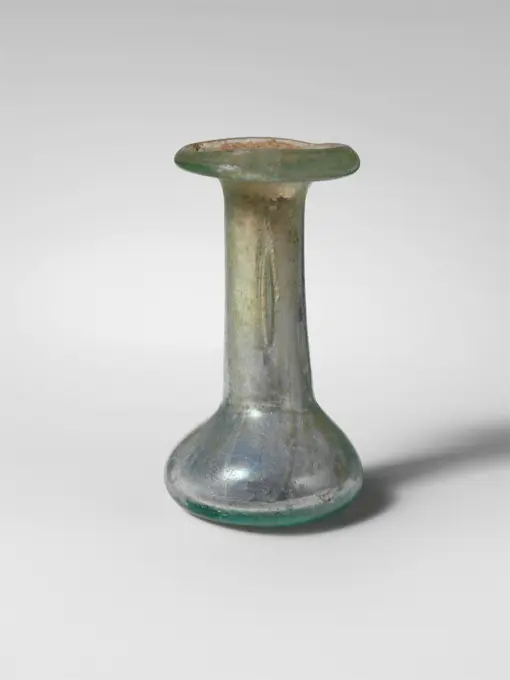
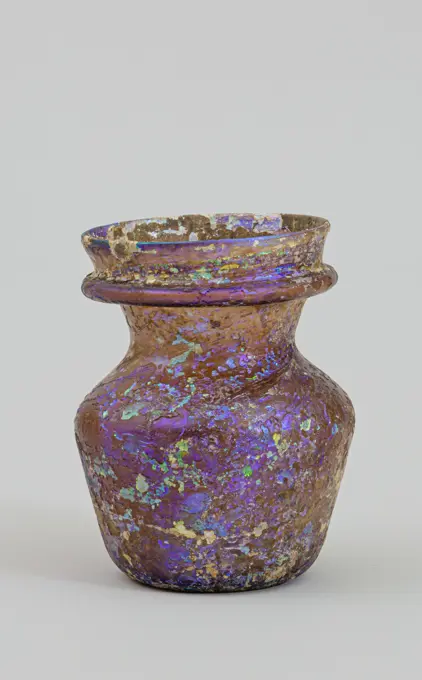
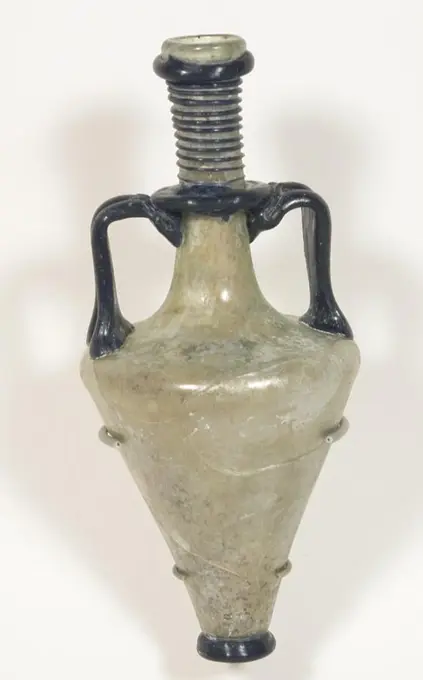
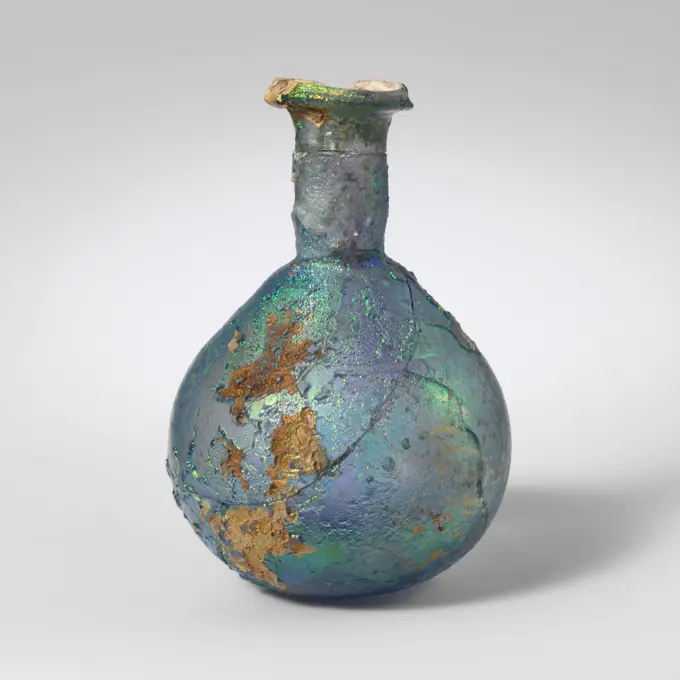
A series of historical glass perfume bottles from Roman times, each exhibiting unique shapes, colors, and weathering effects, emphasizing ancient craftsmanship.
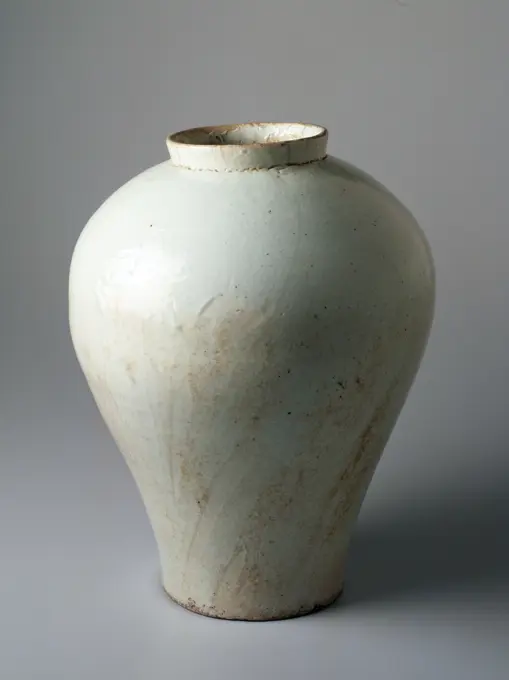
White maebyeong, 18th century, Unknown Korean, 15 x 11 1/2 in. (38.1 x 29.21 cm), Porcelain with clear glaze, Korea, 18th century, From the founding of the Joseon dynasty at the end of the 14th century, Korean potters produced finely crafted, undecorated white wares which reflected the austere tastes associated with Confucianism, the official ideology of the Joseon rulers. By the 18th century, however, imperfectly formed and casually glazed vessels such as this were being produced for use by all levels of Korean society. The pleasing informality and naturalness of such objects were admired by Japanese tea masters who collected Korean ceramics in great number.
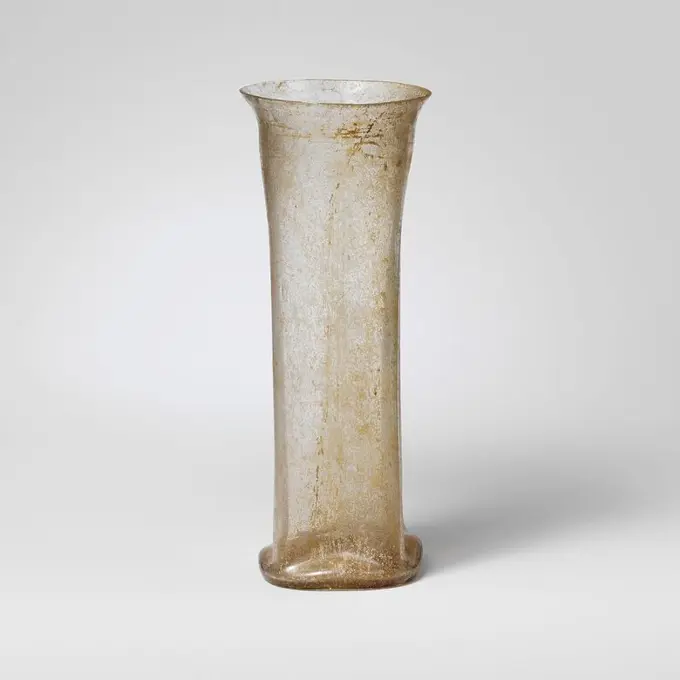
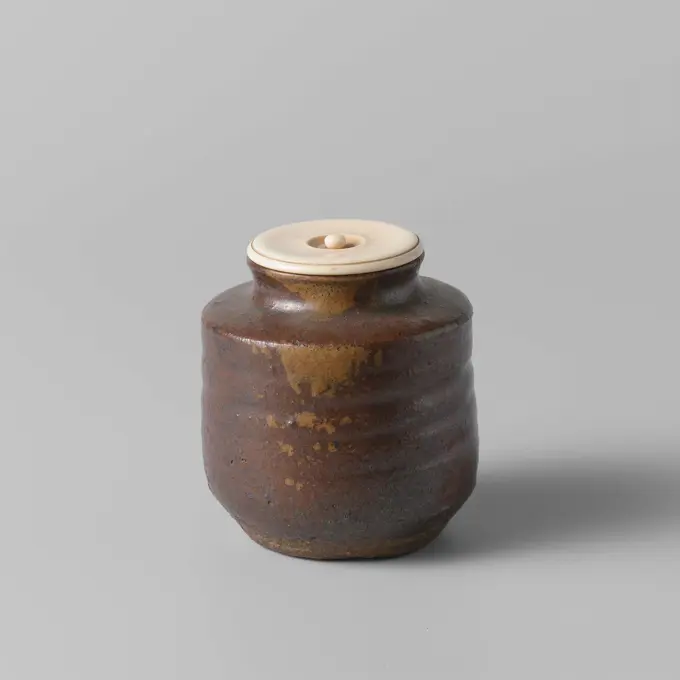
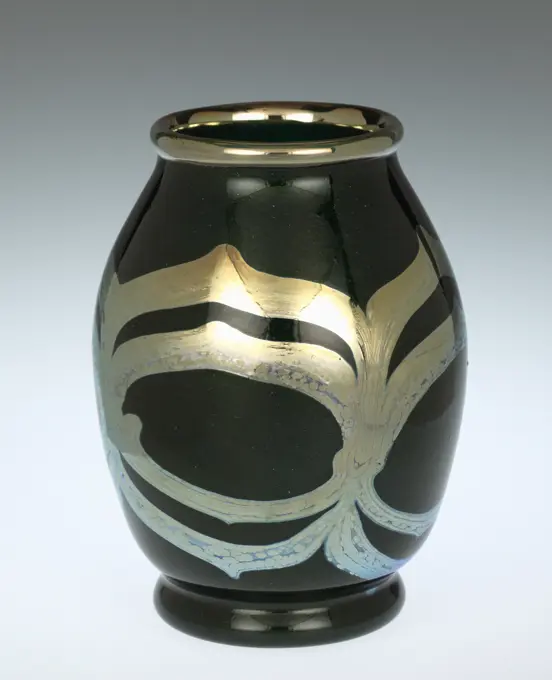
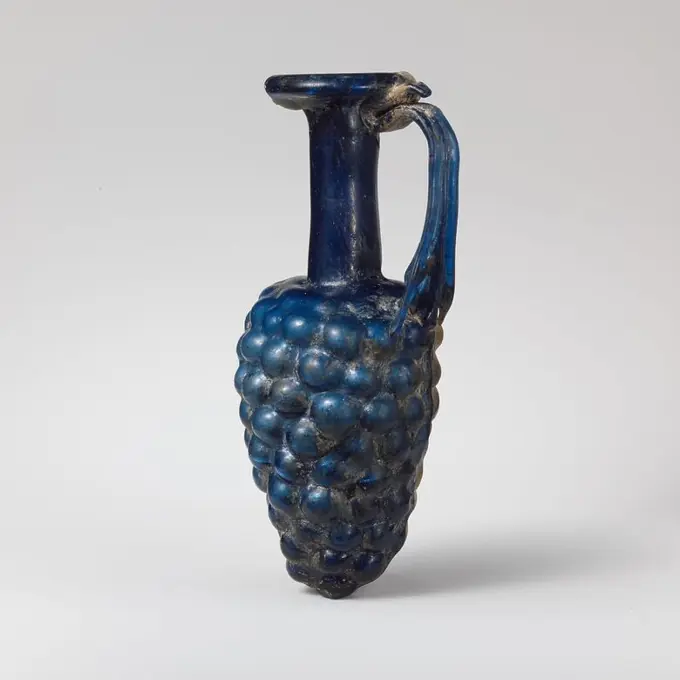
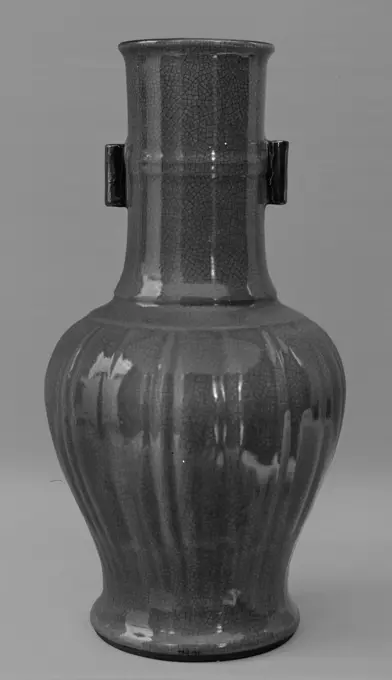
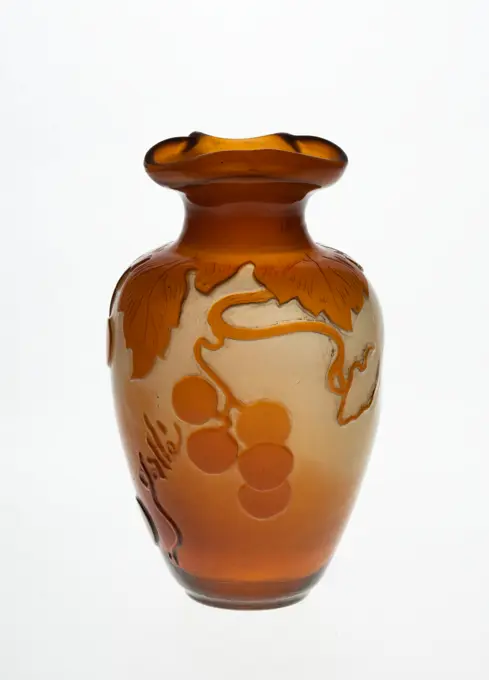
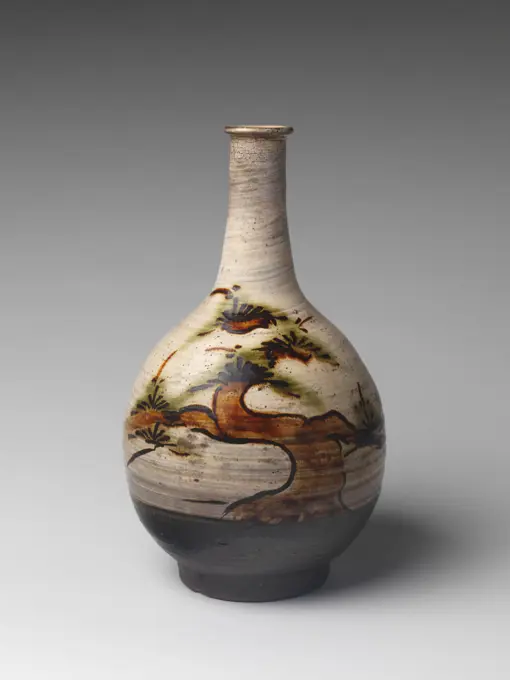
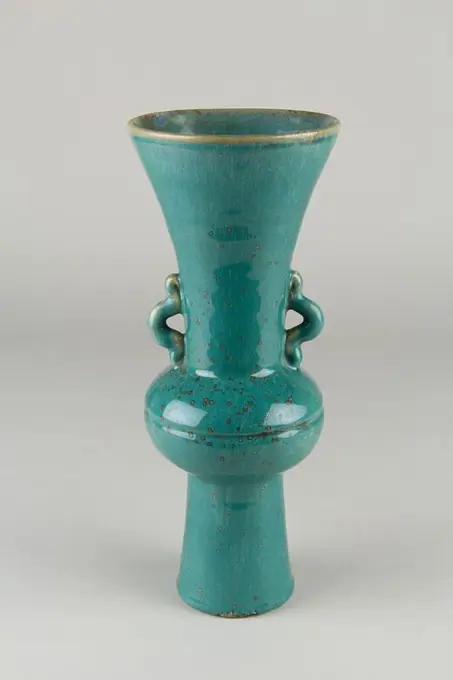
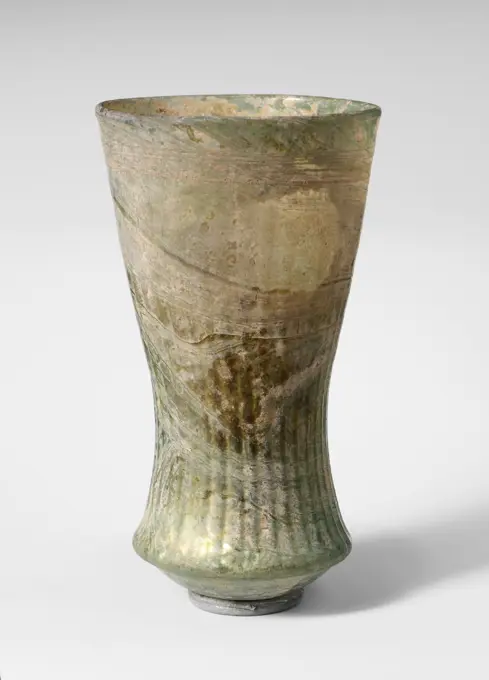
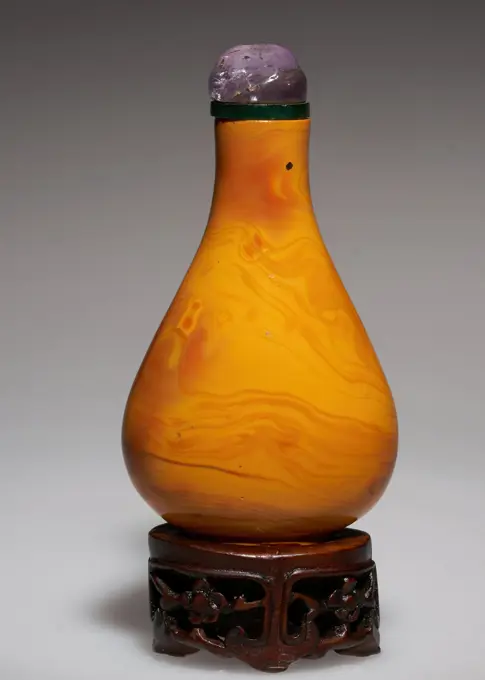
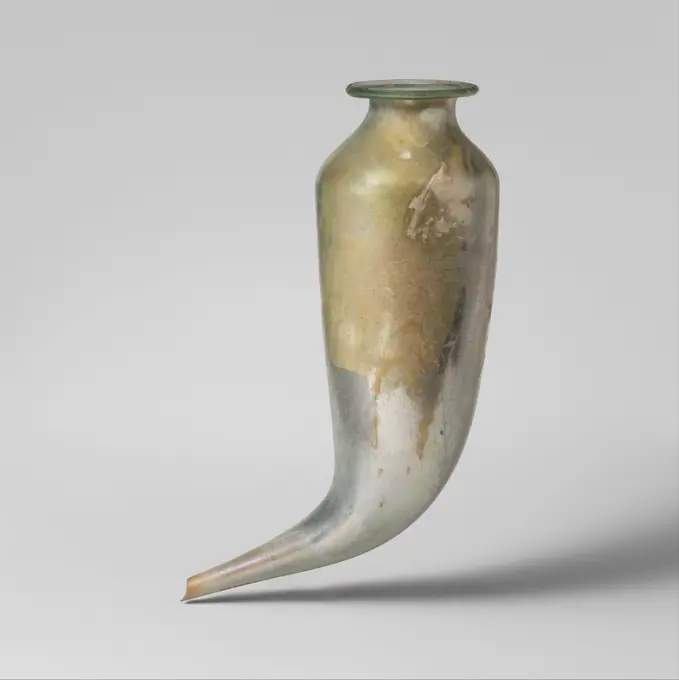
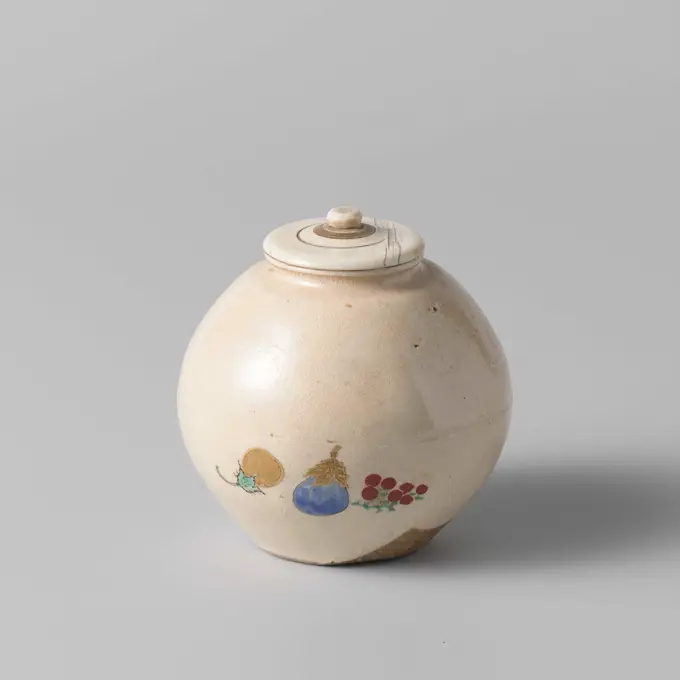
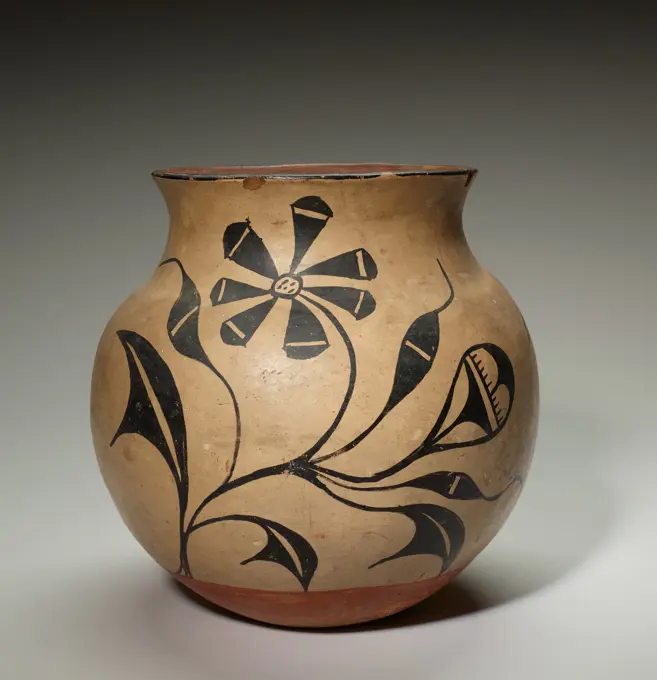
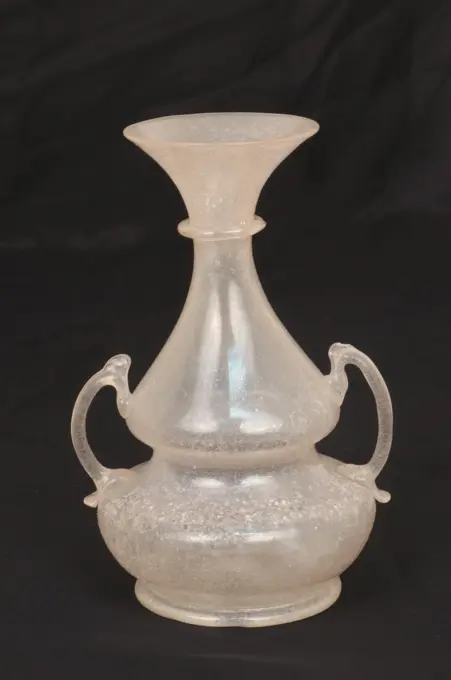
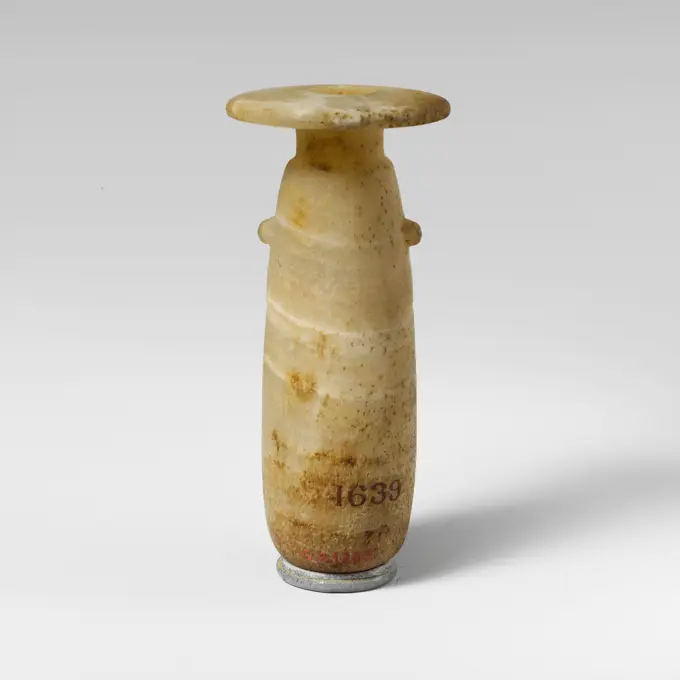
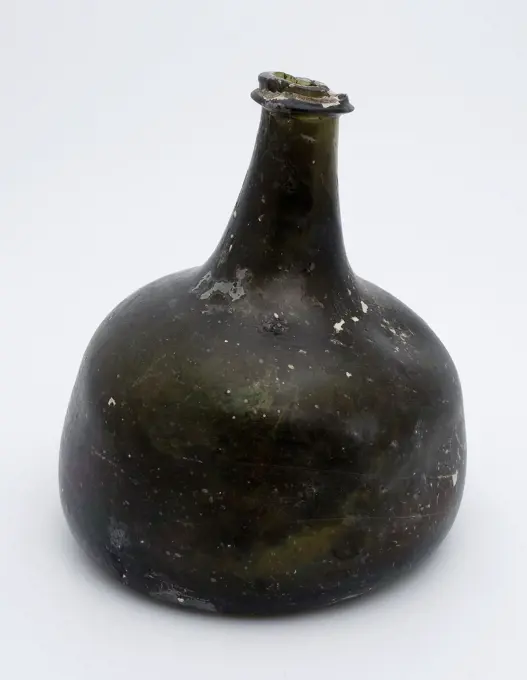
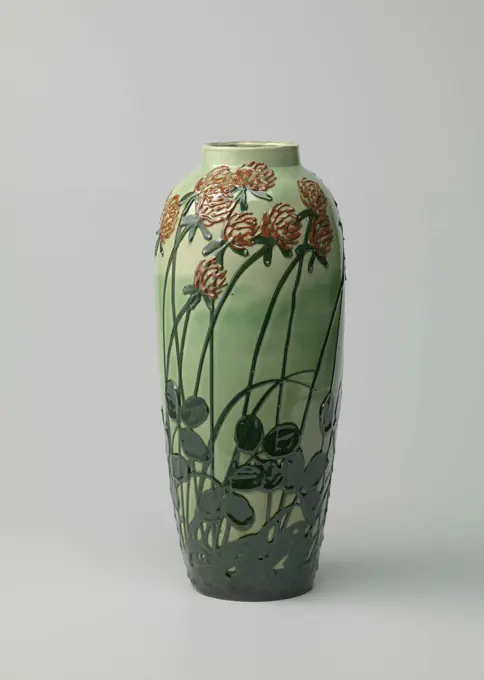
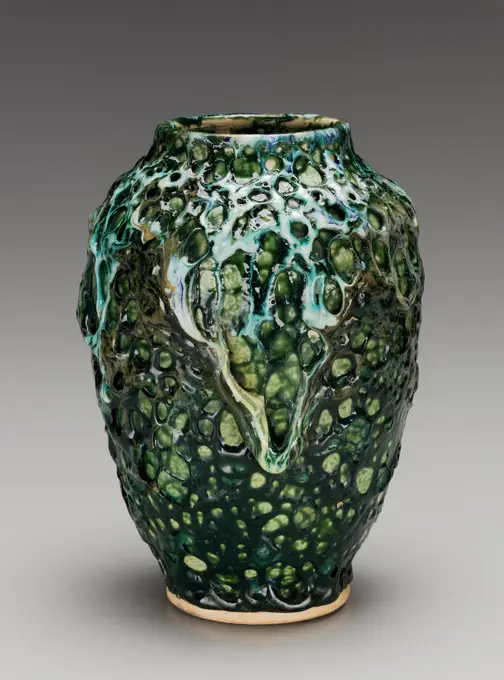
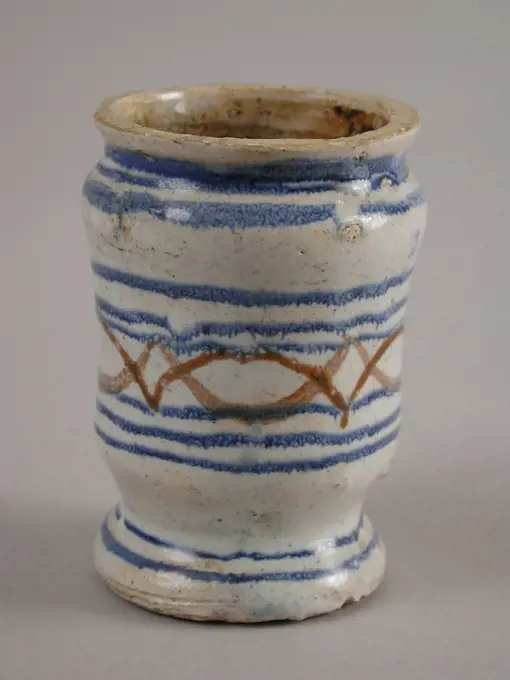
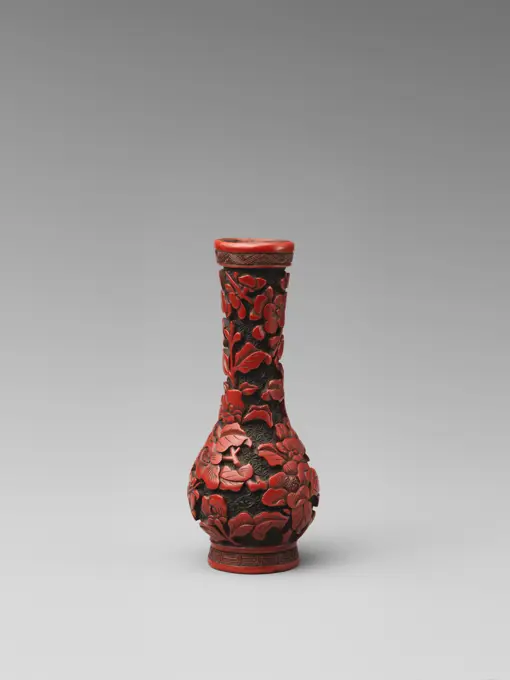
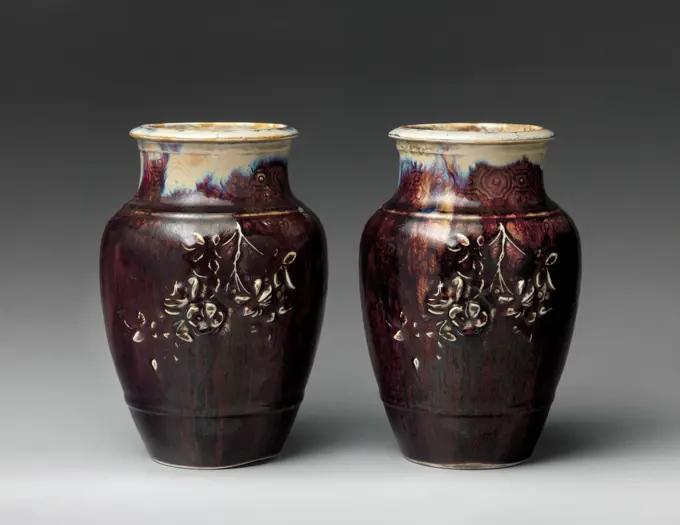
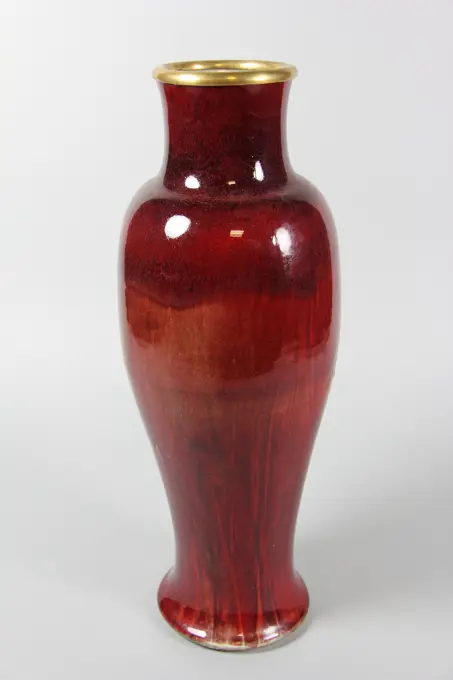
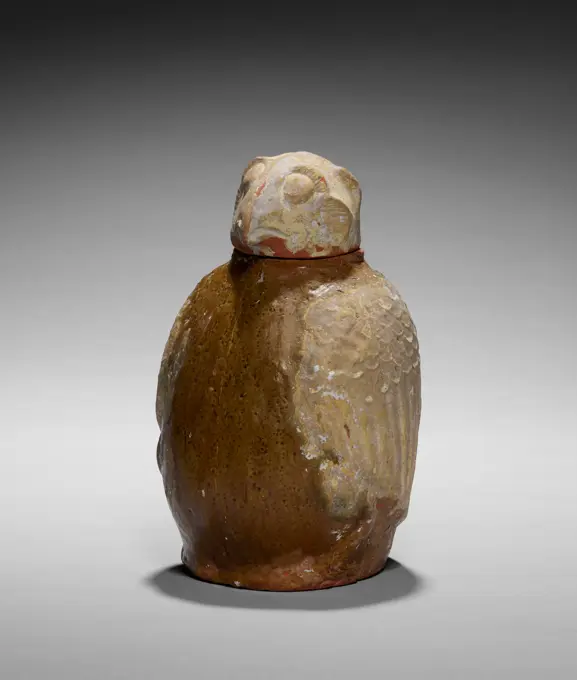
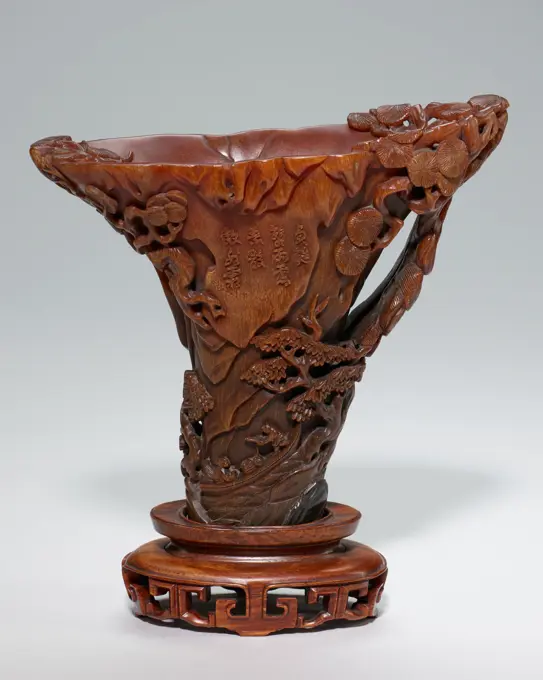
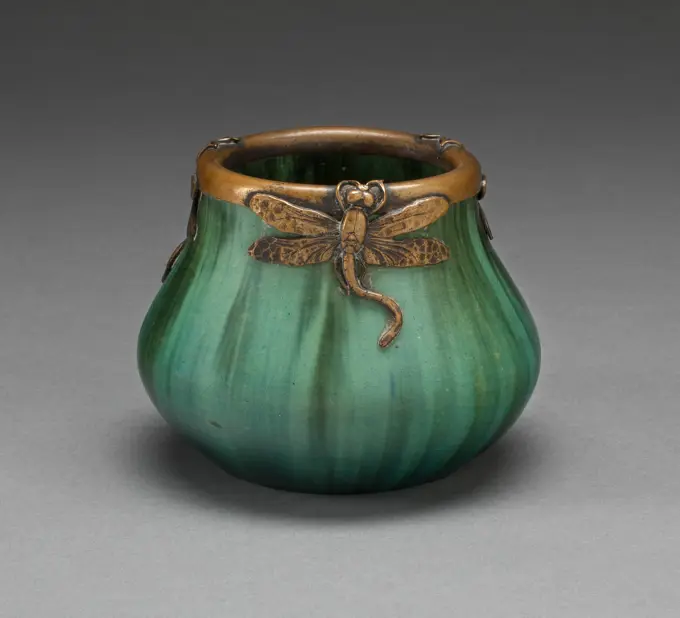
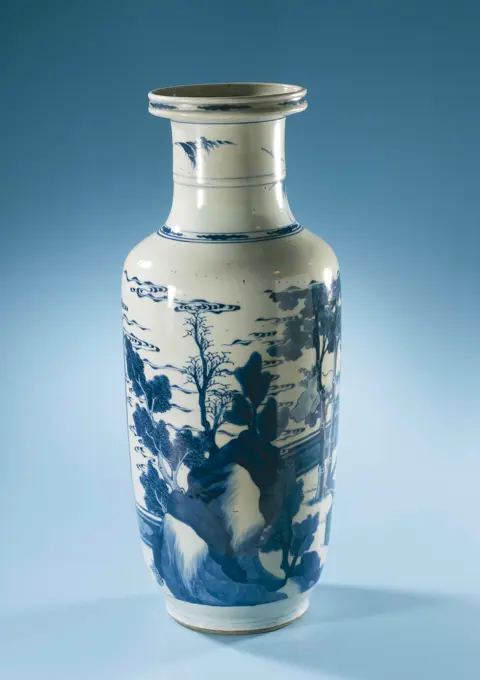
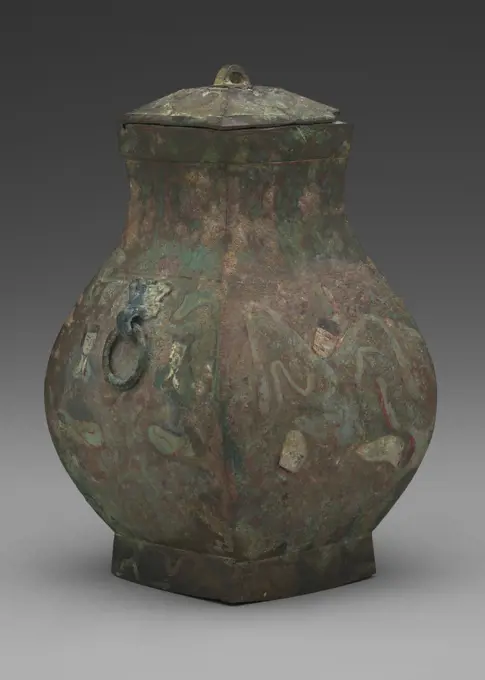
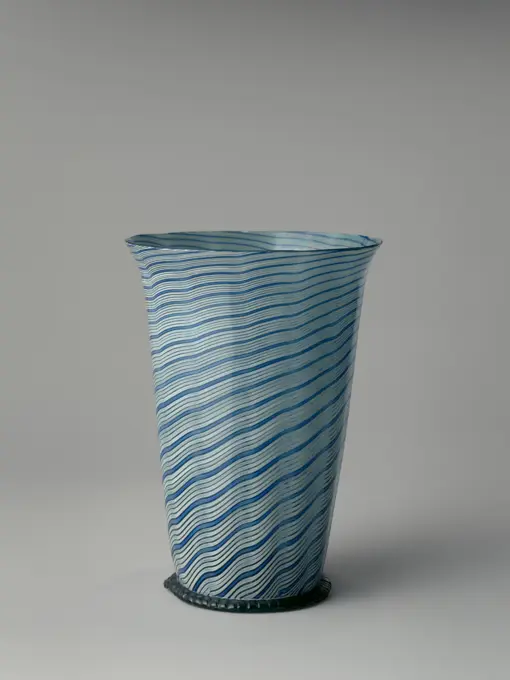
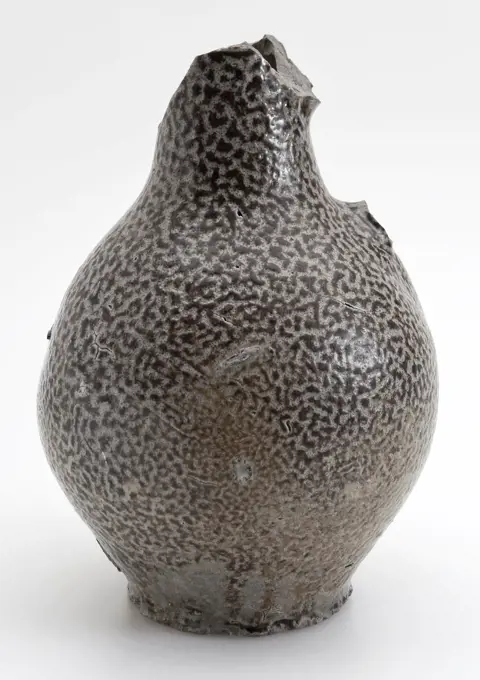
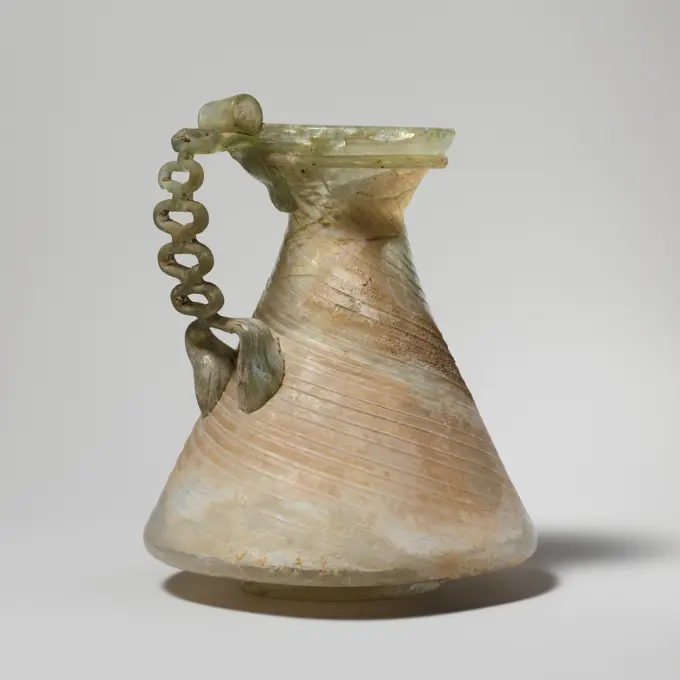
Vase. Culture: China. Dimensions: H. 4 5/8 in. (11.7 cm); Diam. 2 1/2 in. (6.4 cm). Museum: Metropolitan Museum of Art, New York, USA.Glass beaker. Culture: Roman. Dimensions: Overall: 5 5/8in. (14.3cm)Other: 2 1/8in. (5.4cm). Date: 2nd-3rd century A.D..Tall, slender beakerColorlessKnocked-off, uneven, flaring rim; four-sided body; sides tapering slightly downward, with rounded corners and bulging pad at base; uneven, pushed-in bottom with tolling marks.Four vertical indents in sides.One faint wheel-abraded horizontal line below rim at top of body.Intact; many pinprick and a few larger bubbles; dulling, pitting, and faint iridescent weathering. Museum: Metropolitan Museum of Art, New York, USA.Glass alabastron (perfume bottle) late 6th-5th century B.C. Greek, Eastern Mediterranean Opaque white, with handles in same color; trails in translucent purple.Broad, flat rim-disk; short cylindrical neck; narrow rounded shoulder; straight-sided body with slight upward taper; convex bottom; below shoulder, two large vertical ring handles with vestigial knobbed tails applied over trail decoration.One trail attached at edge of rim-disk; another applied to neck and wound down in spiral, then tooled into a close-set zigzag pattern around middle of body; below this, a third trail wound twice horizontally around lower body.Broken and repaired, with parts of lower body missing; dulling and pitting.These glass vessels with opaque white bodies and purple threads have been found throughout the Greek world, but most examples are from cemeteries and sanctuaries in the eastern Mediterranean.. Glass alabastron (perfume bottle) 245796. Fabric tea bus or chair of stoneware with an ivory lid, partly covered with a brown glaze. The lower part of the bus is unglazed. Old label on the bottom with 'W616'. Sobokai.Sake Bottle with Striped Design. Japan, late Edo period (1615-1868), late 19th century. Ceramics. Tanba ware; stoneware white slip and glazeMaker Unknown, Cologne Bottle or Cruet, c. 1825-40, amethyst glass.Vase, 1893. Louis Comfort Tiffany (American, 1848-1933), made by Tiffany Glass & Decorating Company (American, New York, 1892-1902). Favrile glass; overall: 13.7 x 10.1 cm (5 3/8 x 4 in.). This small vase is made of Louis Comfort Tiffany's signature Favrile glass. Early on when Tiffany began collaborating with glass artists on new types of production, his aesthetic ambitions were realized in the development of Favrile glass, deliberately named to sound French, expensive, and handmade.” Largely through Tiffany's marketing ability, Favrile glass became America’s greatest contribution to the Art Nouveau style. His works were exhibited at international expositions; galleries in major European cities, where his creations were bought by many museums; and in his store in Manhattan, known as the Tiffany Glass and Decorating Co., later Tiffany Studios. Along with the many shapes and sizes of his decorative vases, Tiffany used Favrile glass in mosaic panels, stained glass windows, and his artiOLYMPUS DIGITAL CAMERASake Bottle. Japan, early 19th century. Ceramics. Agano ware; stoneware with rice straw ash and iron glazesNorth America, Mexico,  Traditional Arts: black clay eartheware, from San Bartolo, Coyotepec.Beaker 1 CE-500 CE Syria. Glass, blown technique . Ancient RomanVase, anonymous, c. 1700 - c. 1724 Vase of porcelain with tapered belly, round shoulder and slightly spreading neck, painted in underly glaze blue and red. Two fabulous animals on the wall and neck: large bats or cloud dragons in underly glaze red with an underly glaze blue eye. Marked on the bottom with the six-character brand of Kangxi in two horizontal rows. Gold varnish repair on the edge. Underglaze blue with copper red. China porcelain. glaze. cobalt (mineral). copper (metal). painting / lacquering / vitrification Vase of porcelain with tapered belly, round shoulder and slightly spreading neck, painted in underly glaze blue and red. Two fabulous animals on the wall and neck: large bats or cloud dragons in underly glaze red with an underly glaze blue eye. Marked on the bottom with the six-character brand of Kangxi in two horizontal rows. Gold varnish repair on the edge. Underglaze blue with copper red. China porcelain. glaze. cobalt (mineral). copper (metal). painting / lacqueringBeaker; Eastern Mediterranean; end of 1st - beginning of 2nd century; Glass; 10.1 cm (4 in.)Bottle - Rutherford & Company, 1865-1880 Rutherford & Company, 1865-1880Flask. UnknownBelly bottle, 'belly', belly bottle bottle holder soil find glass, bottom. Body with almost straight up wall to convex shoulders and rejuvenated, neck with imposed all-round flat glass thread and flattened lip archaeological packagingGlass jug in the shape of a bunch of grapes. Culture: Roman. Dimensions: 6 1/8 × 2 3/4 × 2 1/2 in. (15.6 × 7 × 6.3 cm)Diam. of rim: 1 3/4 in. (4.5 cm). Date: ca. 3rd century A.D..Translucent cobalt blue with same color handle.Thick rim folded out, over, and in, with beveled inner lip; flaring mouth; tall cylindrical neck; piriform body; round bottom; handle with three ribs, attached with open claws to top of body, drawn up, turned in onto top of neck and trailed off along underside of rim with projecting end. Body blown into a two-part mold, with seam running from base of neck down sides and around bottom.On body, a pattern of stylized grapes comprising nine irregular interlocking rows of hemispherical knobs.Broken and repaired, with part of rim and mouth missing (with weathered edges) and cracks around body and handle; some bubbles and a few black impurities; patches of dulling, iridescence, and thick limy weathering.Jug in the form of grapes, blue. Museum: Metropolitan Museum oVase with handles late 18th-19th century China. Vase with handles. China. late 18th-19th century. Porcelain with crackled glaze (Jingdezhen ware). Qing dynasty (1644-1911). CeramicsVase; Gallé, Emile (1846-1904); around 1900 (1895-00-00-1905-00-00);Vase with Dragon and Phoenix. Korean. Date: 1251-1349. Dimensions: H. 27.8 cm; diam. 18.6 cm. Stoneware with celadon glaze and underglaze inlaid decoration. Origin: Korea. Museum: The Chicago Art Institute, Chicago, USA.Bottle 18th century Japan. Bottle. Japan. 18th century. Paste covered with a light crackled glaze, (Banko ware). Edo period (1615-1868). CeramicsBottle with Decoration of Pine Tree ca. mid-17th century Japan This robust bottle belongs to a type of stoneware from the Takeo kilns that is defined by the use of white slip over nearly the entire vessel; iron-painted designs; a copper-green glaze that accentuates certain elements (such as the foliage); and the overall application of a transparent glaze. As with Joseon buncheong, the white slip not only makes a pleasing decoration in itself but creates an arresting contrast to the dark clay body. The use of copper-green glaze as a design element was undoubtedly inspired by the popular Oribe-style ceramics produced at the Mino kilns in the late sixteenth and early seventeenth centuries.. Bottle with Decoration of Pine Tree 50350Seif Yohei III (1851-1914) was a son of the Maruyama school painter Okada Ryhei (dates unknown). Though he studied painting, he ultimately succeeded his ceramics mentor, Seif Yohei II (1845-1878), in Kyoto. He distinguished himself as a remarkable porcelain artist, taking Qing dynasty Chinese wares as his inspiration. He experimented widely with new glazing techniques. In 1893, he became the first ceramicist to be appointed as an Imperial Household Artist under a system introduced by the Japanese government in 1890. He produced many works for use in Chinese-style tea gatherings called sencha. Flower Vase with Chrysanthemums, 1914-46. Seifū Yohei IV (Japanese, 1872-1951). Porcelain with molded and carved design, underglaze pink, and cream glaze; height: 28.6 cm (11 1/4 in.); diameter: 15.2 cm (6 in.); height with stand: 31.1 cm (12 1/4 in.).Green earthenware oil lamp with pouring lip and standing ear, two bowls with column between them, oil lamp lamp illuminant soil find ceramic earthenware glaze, hand turned glazed baked Green glazed oil lamp. White shard Two bowls connected by trunk Smaller upper shell with hanging ear and pouring clip Schenklip shell placed more to the side Outstretched soul at the bottom under the column Restoration is painted on color archeology lighting indigenous pottery illuminate oil lamp sleeping evening nightGlass mosaic perfume bottle 1st half of 1st century A.D. Roman Translucent amber yellow, with opaque white trails.Rounded rim; flaring mouth; cylindrical neck, expanding downwards; sloping shoulder; globular body; slightly concave bottom.Trails applied from rim to bottom, marvered into an irregular pattern of fine and thick lines.Intact; pinprick and larger round bubbles; pitting of surface bubbles and faint iridescence on exterior, dulling and soil encrustation on interior.. Glass mosaic perfume bottle. Roman. 1st half of 1st century A.D.. Glass; blown with marvered trails. Early Imperial. GlassVase. Culture: Japan. Dimensions: H. 11 3/4 in. (29.8 cm); Diam. 4 3/4 in. (12.1 cm); Diam. of rim 4 3/4 in. (12.1 cm); Diam. of foot 3 in. (7.6 cm). Date: mid-19th century. Museum: Metropolitan Museum of Art, New York, USA.Glass bell beaker 6th-7th century A.D. Frankish Translucent blue green; trail in uncertain color, possibly opaque white.Vertical, rounded rim; side tapers downwards, then flares to carination at junction with rounded bottom, slightly flattened at center with pontil mark.A single fine trail wound round five times below rim; below, body decorated with evenly spaced vertical ribs, ending at carination.Intact; pinprick bubbles and blowing striations; dulling, whitish weathering, and some soil encrustation on exterior, soil encrustation around bottom and creamy brown weathering around side on interior.. Glass bell beaker 245714Snuff Bottle, 1800-1900, 3 1/8 x 1 3/4in. (7.9 x 4.4cm), Simulated realgar glass, amethyst, China, 19th centuryGlass rhyton (drinking horn) mid-1st century A.D. Roman Translucent pale blue green.Tubular rim, folded out, slightly down, over, and in; flaring mouth; short cylindrical neck; elongated cylindrical body, tapering downwards and then curving out and down to pointed end.Intact, but broken at end and missing tip of horn; some elongated bubbles; slight pitting of surface bubbles, small areas of whitish weathering, iridescence on exterior, most of interior covered with soil-encrusted weathering and brilliant iridescence.With curved foot ending in a point.. Glass rhyton (drinking horn) 245216Bird - shaped Flask; Eastern Mediterranean; 1st - 2nd century; Glass; 8.5 x 3.8 cm (3 3,8 x 1 1,2 in.). Dust tea bus or chair of stoneware with a spherical body and an ivory lid, covered with a cream-colored glaze and painted on the glaze in blue, red, green, purple, black and gold. On the abdomen an eggplant and fruit (khaki vangs ?, Berries). Old label on the inside with 'Kyoyaki / 19th / Trad. The Ninsei ? '. Nasu-type.Glass cup. Culture: Roman. Dimensions: H.: 3 in. (7.6 cm)Diam.: 3 1/8 in. (7.9 cm). Date: 3rd-4th century A.D..Translucent pale blue green.Thickened and rounded rim; almost straight, vertical side, curving in sharply at bottom; tubular, low base ring; kick in bottom with large pontil scar.Intact; many pinprick bubbles and a few gritty inclusions; patches of hard sandy soil encrustation, dulling, and iridescent weathering. Numerous linear scratch marks around body. Museum: Metropolitan Museum of Art, New York, USA.Tea caddy with a goldenbrown glaze, anonymous, anonymous, c. 1775 - c. 1799 Dust bar or Chare van Steengoed with an ivory lid, partly covered with a golden brown glaze. The lower part of the bus is unglazed. Old label on the inside with 'Lait Bizen/ at the end of the 18th century'. BIBEN. Japan stoneware. glaze. deksel: ivory vitrification Dust bar or Chare van Steengoed with an ivory lid, partly covered with a golden brown glaze. The lower part of the bus is unglazed. Old label on the inside with 'Lait Bizen/ at the end of the 18th century'. BIBEN. Japan stoneware. glaze. deksel: ivory vitrificationVase. Culture: American. Designer: Designed by Louis Comfort Tiffany (American, New York 1848-1933 New York). Dimensions: 16 7/16in. h. (41.8cm)Body diameter: 8 in. (20.3 cm)Foot diameter: 5 7/8 in. (14.9 cm). Maker: Tiffany Furnaces. Date: ca. 1909. Museum: Metropolitan Museum of Art, New York, USA.Inkwell with Cut Decoration 10th century The tube descending into this vessel is just wide enough to receive a reed pen and keep the ink from splashing about when the inkwell was suspended from the scribe's wrist or belt by chains attached to its four loop handles. Other inkwells of this type - glass as well as metal or ceramic - have been found in Iran and were probably in use until the twelfth or thirteenth century.. Inkwell with Cut Decoration 452055Vase. Culture: China. Dimensions: H. 20 1/2 in. (52.1 cm). Date: first half of the 19th century. Museum: Metropolitan Museum of Art, New York, USA.Bottle 18th century Italian, Venice or German. Bottle. Italian, Venice or German. 18th century. Glass, metal. GlassHanging Lamp. Dimensions: H. 4 3/16 in. (10.6 cm)Diam. of rim: 4 1/2 in. (11.4 cm)Diam. of body: 4 3/8 in. (11.1 cm)Diam of base: 2 3/4 in. (7 cm). Date: 10th-11th century.The squat body, short flared neck, and low foot of this object are typical of lamps produced before the thirteenth century. The characteristic suspension rings around the bodies of these lamps are another prominent feature. This example probably once had a vertical glass tube attached to its base to float a wick in oil. Museum: Metropolitan Museum of Art, New York, USA.Bottle with leaves, 11th century, Unknown Korean, 10 9/16 × 6 1/8 × 6 1/8 in. (26.83 × 15.56 × 15.56 cm), Porcelaneous stoneware with iron oxide designs under celadon glaze, Korea, 11th centuryVessel (olla), 1900-1920, 11 5/16 × 11 1/16 × 11 1/16 in. (28.73 × 28.1 × 28.1 cm), Ceramic, pigments, United States, 20th centuryVase Italian, Venice (Murano) 17th century View more. Vase. Italian, Venice (Murano). 17th century. Glass. GlassGlass pourer flask 2nd-early 3rd century A.D. Roman, Cypriot Colorless.Thick rim, folded out, down, over and in, and pressed into broad, flaring mouth; cylindrical neck, expanding downwards to short sloping shoulder; squat, bulbous body, drawn out on one side into slender nozzle; pushed-in bottom.Complete, except for hole in body extending to nozzle; many pinprick and some large, elongated bubbles, and blowing striations; pitting, brilliant iridescence, and patches of thick creamy weathering.. Glass pourer flask. Roman, Cypriot. 2nd-early 3rd century A.D.. Glass; blown. Mid Imperial. Glassfive, rough, clay plant pots (mass produced planters) with a grunge finish, stacked vertically in column, isolated on whiteGlass beaker. Culture: Roman. Dimensions: Height: 4 3/8 in. (11.2 cm)Diam.: 3 in. (7.7 cm). Date: 2nd-3rd century A.D..Colorless with blue green tingeFlaring rim with rounded, vertical lip; upper part of body with plain cylindrical sides, then tapering downwards to circular base; convex bottom.13 vertical indents in body.Intact; pinprick bubbles; dulling, pitting, and brilliant iridescent weathering on exterior; soil encrustation and creamy brown weathering on interior.Slightly misshapen and stands aslant. Museum: Metropolitan Museum of Art, New York, USA.Alabaster alabastron (perfume vase) 6th-4th century B.C. Cypriot The alabastron has two lugs and a wide, convex lip. There is a hole at the top of the body.. Alabaster alabastron (perfume vase) 243986Mycenaean Lekythos. UnknownBelly (bottle) bottle, bottle bottle bottle holder soil find glass, free blown and shaped glass application Circular bottle in clear green glass. Pontil mark under wide bottom. Body with almost vertically ascending wall to convex shoulders Skew standing short (h 6.5 cm) rejuvenated (dm 2.5 - 5.0 cm) neck with imposed all-round sharp glass thread and flattened lip of which about half are missing archeology packagingPear-shaped bottle vase with a crackled glaze, anonymous, c. 1800 - c. 1899 Bottle -shaped vase of porcelain with pear -shaped body and thickening in the neck, covered with a translucent white glaze. Craqueled glaze. Old label on the bottom with 'B. 206a '. Monochrome. China porcelain. glaze vitrification Bottle -shaped vase of porcelain with pear -shaped body and thickening in the neck, covered with a translucent white glaze. Craqueled glaze. Old label on the bottom with 'B. 206a '. Monochrome. China porcelain. glaze vitrificationVase of pottery, decorated embossed with clover in dark green and red on a light green fond. Vase of pottery, decorated embossed, in sludge technique, with clover in dark green and red on a light green fond.Possibly East Hartford Glass Works, Figured Flask, c. 1815-30, olive green glass.Glass perfume bottle. Culture: Roman. Dimensions: H.: 2 3/4 in. (7 cm)Diam.: 1 1/2 x 1 5/16 in. (3.8 x 3.3 cm). Date: late 1st-3rd century A.D..Translucent blue green.Rim folded out, partially down, round and in, with beveled outer edge on one side; flaring mouth; cylindrical neck with slight horizontal tooling marks around base; irregular, small conical body; pushed-in bottom.Intact; many pinprick and some large and elongated bubbles; iridescence and slight weathering on exterior, some soil encrustation and brownish weathering with brilliant iridescence on interior. Museum: Metropolitan Museum of Art, New York, USA.Przeszo Przyszoci unknownVase ca. 1896-1908 Dedham Pottery Steeped in ceramics from birth, Hugh C. Robertson pursued his craft with fierce devotion and a passion for experimentation. From a family of trained English ceramists, he honed his skills in New Jersey before settling in Massachusetts as one of the founders of Chelsea Keramic Art Works and later, Dedham Pottery. Robertsons lifelong explorations in glazes, particularly their color and texture, make him one of the key figures of American art pottery at the turn of the twentieth century.From Chelsea to Dedham, Robertson continued to pursue his passion for innovation, employing the grayish-white stoneware used for Dedhams dinnerware to throw simple forms covered with bold combinations of colored and textured glazes. Dedham Potterys vases are larger, thicker, and heavier than their Chelsea predecessors, and simple, solid forms predominate. Many of the Dedham vases in the Ellison Collection at The Metropolitan Museum of Art have varying combinations of reVase 1898-1900 Hungary. The iridescent colors of this vase were made using the eosin glazing process, a technique perfected in 1893 at Zsolnay, the preeminent Hungarian ceramics manufactory at the turn of the 20th century. The decoration of the vaseóincluding stylized depictions of golden trees and pendant clusters of pink and ruby flowersóis attributed to JÛzsef Rippl-RÛnai who also designed other decorative arts.Rippl-RÛnai spent 15 years in Paris, where he was part of a collective of young painters known as the Nabis (Prophets), a group that included Pierre Bonnard, douard Vuillard, and Maurice Denis.. Lead-glazed earthenware with iridescent glazes . Jozseph Rippl-Rónaï (Decorator)Archers Vase. Designed by René Lalique (French, 1860-1945); Manufactured by Lalique et Cie (French, founded 1885). Date: 1921. Dimensions: 26.7 x 23.2 cm (10 1/2 x 9 1/8 in.). Glass; green-gray, mold blown, cased and acid etched. Origin: Paris. Museum: The Chicago Art Institute, Chicago, USA.Bottle;  X-XII century (901-00-00-1200-00-00);gift (provenance)Anonymous. Burnt-sponsor and burnt-burning cover. Jade, Qianlong era (18th century). Museum of Fine Arts of the City of Paris, Petit Palais. 122743-12Glass perfume bottle late 1st-3rd century A.D. Roman Translucent blue green.Rim folded out, partially down, round and in, with beveled outer edge on one side; flaring mouth; cylindrical neck with slight horizontal tooling marks around base; irregular, small conical body; pushed-in bottom.Intact; many pinprick and some large and elongated bubbles; iridescence and slight weathering on exterior, some soil encrustation and brownish weathering with brilliant iridescence on interior.. Glass perfume bottle 245281Miniature Vessel Late Period 664-332 B.C. View more. Miniature Vessel. 664-332 B.C.. Faience. Late Period. From Egypt. Dynasty 26-30Goblet. huta szkła (Neuwelt; 1712- ), glass works, Egermann, Friedrich (1777-1864), glass artistSnuff Bottle. Culture: China. Dimensions: H. 3 in. (7.6 cm); W. 1 7/8 in. (4.8 cm). Date: 19th century. Museum: Metropolitan Museum of Art, New York, USA.Majolica ointment jar or albarello on stand with polychrome decor of bands and orange bows, albarello holder soil find ceramic earthenware glaze tin glaze, majolica hand-turned baked painted glazed baked yellow shard archeology health pottery ointment care pharmacy craft medicine drug packagingDouble-Handled Jar 2000 BCE China. Brick-red earthenware .Vase 18th century China. Vase. China. 18th century. Lacquer. Qing dynasty (1644-1911). LacquerGreen bellied bottle, irridescent, bottle holder bottomfound glass, free blown and shaped glass application Bulky bottle bell model in clear green glass. Pontil mark under slightly raised bottom Body with widening ascending wall to convex shoulders and rejuvenated neck with remainder of imposed round-going convex glass thread and onset to dilated lip archeology packageGlass jar Roman 4th-5th century CE Translucent pale yellow, streaked with purple.Rounded, slightly everted rim; below, hollow folded flange; funnel-shaped neck; sloping shoulder with rounded edge; straight side, tapering downwards; thick bottom with kick and central pontil scar.Intact; pinprick and larger bubbles; severe pitting and weathering, dulling, and brilliant iridescence on exterior, patches of black weathering on interior. View more. Glass jar. Roman. 4th-5th century CE. Glass; blown. Late Imperial. GlassVase 1893-96 Designed by Louis Comfort Tiffany American. Vase 9405. Vase of pottery, decorated with an incised decor of four equal geometric ornaments in brown, against a green fond. The inside is green.Pair of vases ca. 1884-86 Haviland & Co. Determined that pottery vessels should be regarded as true works of art, avant-garde ceramicists in France in the last decades of the nineteenth century transformed their craft into an intellectual and emotional endeavor. The pioneers of this revival were Jean Carriès, Ernest Chaplet, Théodore Deck, and Auguste Delaherche. These revolutionary artist-potters embraced artisanal traditions while pursuing lost techniques through exhaustive experimentation. Reacting to what they viewed as an excessive and improper use of ornament, they celebrated the simplicity and sincerity of their medium, following the tenets of the Art Nouveau style taking place in Europe. Based on the principles of the British Arts and Crafts movement, Art Nouveau artists sought to reform the decorative arts by emphasizing uniqueness and a return to craftsmanship. Artist-potters found inspiration in Asian ceramics, particularly Japanese stoneware (a hard, dense type of pottery),Amphoriskos (Container for Oil) 550 BCE-450 BCE Eastern Mediterranean Region. Glass, core-formed technique . Ancient Eastern MediterraneanJar 9th century China Used for either storage or as a funerary good, this jar illustrates the creation of porcelain in north China, where this material was first used from the sixth to the ninth century.. Jar 42393Vase late 17th-early 18th century China. Vase. China. late 17th-early 18th century. Porcelain with ox-blood red glaze (Jingdezhen ware), gilt bronze mouth rim. Qing dynasty (1644-1911), Kangxi period (1662-1722). CeramicsGlass krateriskos (unguent jar) New Kingdom, Amarna Period ca. 1353-1323 B.C. View more. Glass krateriskos (unguent jar). ca. 1353-1323 B.C.. Glass. New Kingdom, Amarna Period. From Egypt. Dynasty 18Bead. Unknown 4th century A.D.Owl-shaped Jar, 206 BC-AD 9. China, Henan province, Western Han dynasty (206 BC-AD 9). Amber-brown glazed low-fired pottery; overall: 19 x 11.9 x 13.4 cm (7 1/2 x 4 11/16 x 5 1/4 in.).Vase Vase; Manufactured by Zuid Holland Factory, Gouda; The Netherlands; earthenwareVase. Bronze. Chine. Par musée musée malée. 70002-16 Handle, Chinese art, bronze, extended shape, decorative motif, vaseCup with Base, 18th century, 7 x 8 in. (17.78 x 20.32 cm), Rhinoceros horn, China, 18th centuryJug. Fragment of a gray with blue jug of stoneware.Oinochoe ca. 350-300 B.C. Attributed to the Knudsen Group. Oinochoe 255318Vase 1895-1905 France. Glazed earthenware, brass mounts .Double-Handled Flask. Roman, probably Palestine or Syria. Date: 301 AD-400 AD. Dimensions: 19.2 × 8.5 × 8.5 cm (7 1/2 × 3 3/8 × 3 3/8 in.). Glass. Origin: Levant. Museum: The Chicago Art Institute, Chicago, USA. Author: ANCIENT ROMAN.Glass perfume bottle 1st century A.D. Roman Translucent blue.Lopsided rim folded out, over, and in, with vertical inner lip; cylindrical neck, with tooling marks around base; broad piriform body; flat bottom.Wheel-cut horizontal groove around upper body.Broken and repaired, with numerous holes and losses, and many cracks; pinprick and larger bubbles; dulling, deep pitting, and brilliant iridescent weathering.Thick, heavy glass.. Glass perfume bottle 239788. Porcelain vase with a cylindrical body that flights to the shoulders, a wide cylindrical neck with a sharp, raised edge with a double ring. Painted in underglaze blue. On the wall a fenced garden with a group of Chinese people in a pavilion. Different ladies, dignitaries and servants stand and sit around a kneeling man. Bamboo on the neck; The bottom with a double circle. Blue White.Bottle vase 18th century China. Bottle vase. China. 18th century. Porcelain with mottled turqoise and blue glaze (Jingdezhen ware). Qing dynasty (1644-1911). Ceramics. Metal lid of incense burner from stoneware. The lid is open at the top.Jar (Hu) with MusicalScenes, 1st-3rd century CE, Bronze, painted with lacquer-like pigments, 7 1/4 × 4 5/16 × 4 5/16 in. (18.4 × 11 × 11cm), Alternating figures of musicians and dancers decorate this bronze vessel. The musicians sit side by side, calmly playing their instruments, while the dancers move exuberantly, lifting their arms so their drapery flows dramatically behind them. This scene may depict performers during a ritual in which the souls of the dead were invoked to return to their bodies. The imagery coincides with the function of the vessel itself: as a funerary offering, this spirit good, or mingqi vessel, was deposited in a tomb, where the sounds and dances it portrays would have accompanied the dead in theafterlife. , China, Chinese, Eastern Han dynasty (25-220 C.E.), Containers -MetalsCovered Sugar Bowl 1835-50 American. Covered Sugar Bowl. American. 1835-50. Pressed glass. Probably made in United StatesJar 18th century China. Jar 47088Brown stoneware schnelle with three bands of profile rings, schnelle beer mug drinking utensils tableware holder soil find ceramic stoneware clay engobe glaze salt glaze, hand turned glazed baked Stoneware gray shard. Tapered body with ear. At neck belly and bottom every nine turns. Gray spots left of ear brown-gray glazed archeology native pottery import drinking beer serveBlown Glass jug Yellow. Barcelona. Spain 2013Beaker first quarter 17th century possibly Dutch, Amsterdam. Beaker. possibly Dutch, Amsterdam. first quarter 17th century. Glass. GlassStoneware jug, gray and brown speckled glazed, convex model on stand, jug soil find ceramic stoneware glaze salt glaze, surface 7.2 hand-turned glazed fired stoneware jug sphere model on stand surface Gray and brown mottled glazed long gray stain on the front and side in the glaze layer. Stand with soul archeology Rotterdam City Triangle Hofplein indigenous pottery import drinking wine beer serving table Soil discovery: construction site Shellgebouw Hofplein 20 Rotterdam.Flask late 12th-first half 13th century. Flask. late 12th-first half 13th century. Applied glass. Attributed to Egypt or Syria. GlassVase. Culture: China. Dimensions: H. 13 7/8 in. (35.2 cm). Date: late 18th-first half of the 19th century. Museum: Metropolitan Museum of Art, New York, USA.Fragment of a pear-shaped bottle with roundels in medallions and floral scrolls, anonymous, c. 1175 - c. 1324 Fragment of a pear-shaped bottle of quartz fritry, decorated on turquoise-blue surface. On the largest circumference a red line in the midst of two black, underneath a band with vertical lines. The narrowing part upwards is decorated with three medallions with a rosette as the center. The spaces between the medallions are decorated with a flower vines. The decoration in gold leaf locally very violated. is the earthenware. glaze. gold leaf painting / vitrification Fragment of a pear-shaped bottle of quartz fritry, decorated on turquoise-blue surface. On the largest circumference a red line in the midst of two black, underneath a band with vertical lines. The narrowing part upwards is decorated with three medallions with a rosette as the center. The spaces between the medallions are decorated with a flower vines. The decoration in gold leaf locally very violated. is the earthenwaPitcher. Bohemia, circa 1840-1860. Furnishings; Serviceware. Ruby-flashed glassSmall Vase 19th century China. Small Vase 40617Glass jug with chain handle 3rd century A.D. Roman Colorless with pale blue green tinge; handle and trails in same glass.Outsplayed rim with flattened upper lip; funnel-shaped mouth and almost no neck; conical body, then turned in sharply with broad, horizontal undercurve; applied solid foot ring, sloping outwards; central kick in bottom with circular pontil mark; chain handle applied to body as two large, thick pads, drawn up and outwards as two rods, pinched together five times to form vertical row of loop, then turned in as a single strap, folded up into a hollow loop above rim, and trailed off in a double fold down underside of mouth over upper trail.Single thick horizontal trail on underside of mouth below rim; a finer trail wound horizontally slightly more than once around top of body; body decorated with a pattern of twenty ribs extending from mouth to edge of side, becoming faint towards bottom.Complete except for weathered chip in rim, with cracks around mouth and top of body;Beaker 1 CE-300 CE Syria. Glass, blown technique . Ancient Roman