Ancient Glass Bottles

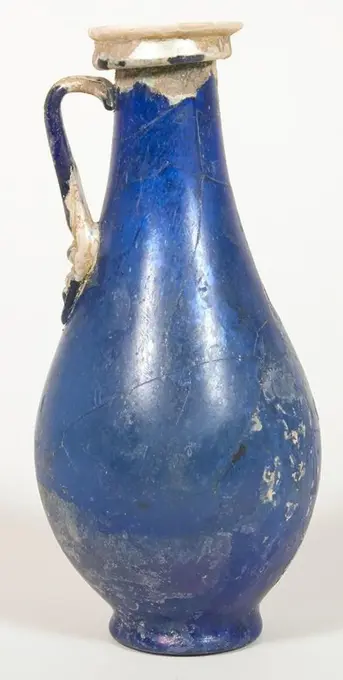
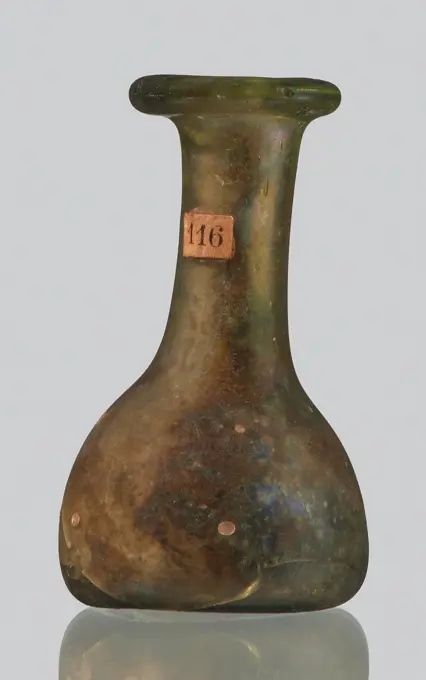
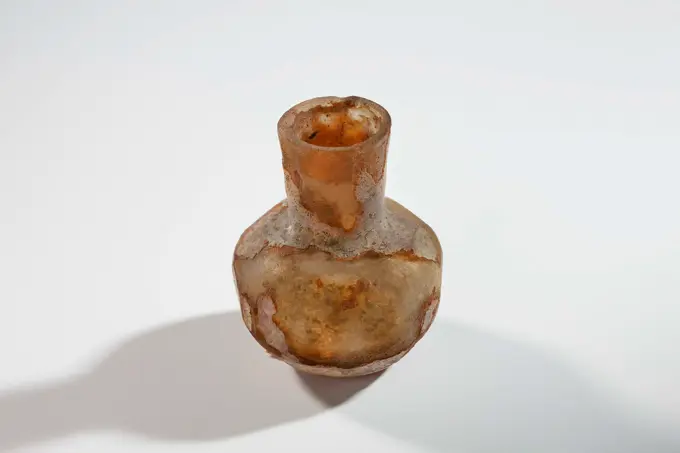
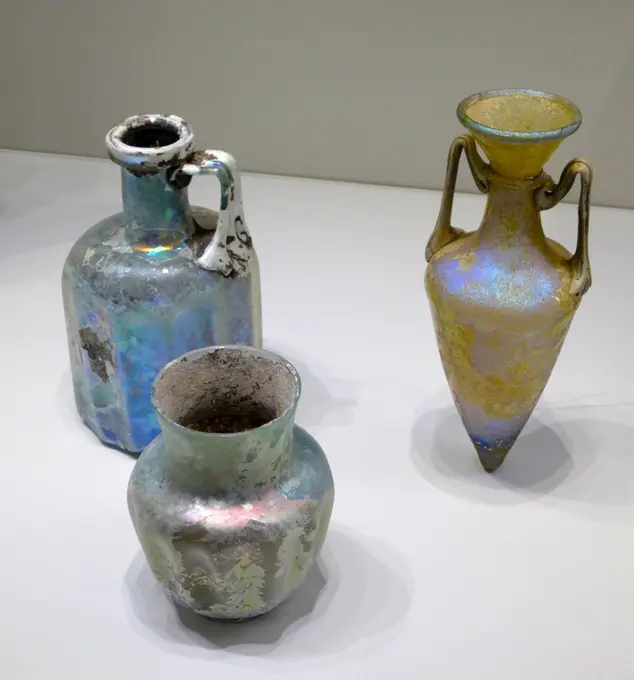
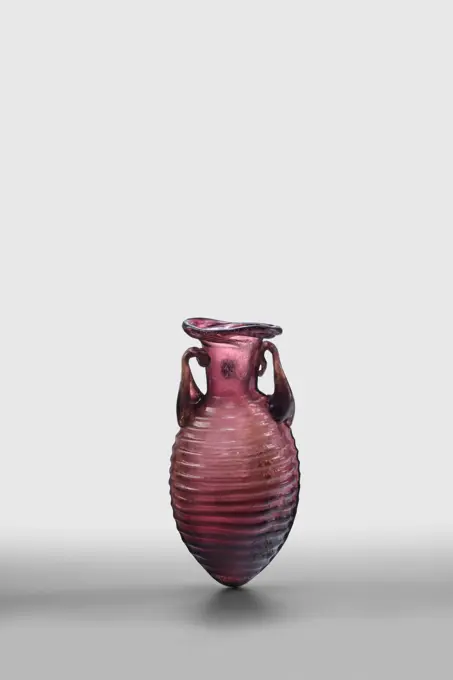
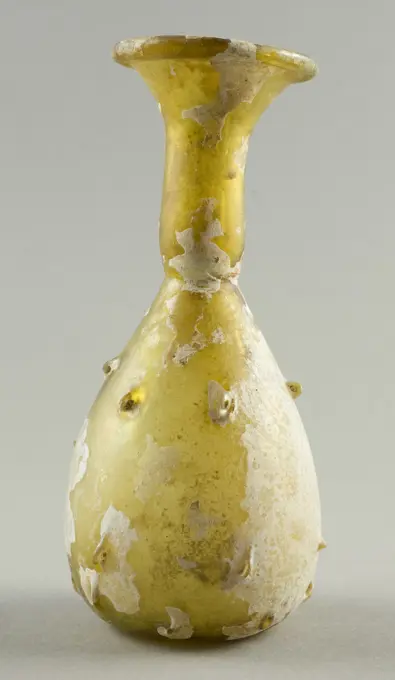
A series of historical glass perfume bottles from Roman times, each exhibiting unique shapes, colors, and weathering effects, emphasizing ancient craftsmanship.
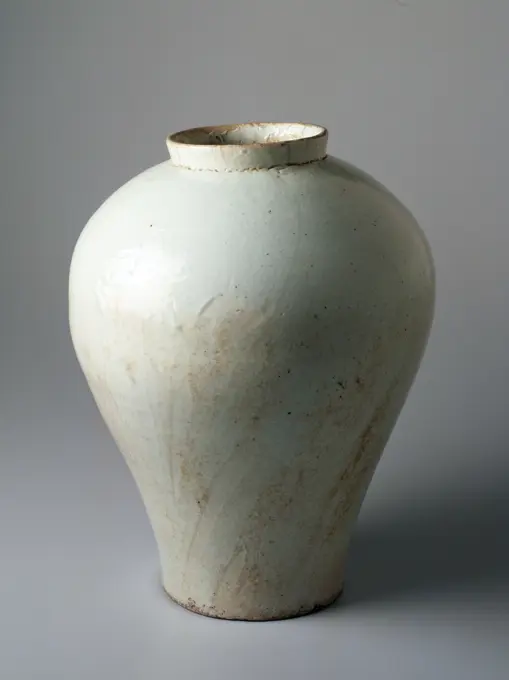
White maebyeong, 18th century, Unknown Korean, 15 x 11 1/2 in. (38.1 x 29.21 cm), Porcelain with clear glaze, Korea, 18th century, From the founding of the Joseon dynasty at the end of the 14th century, Korean potters produced finely crafted, undecorated white wares which reflected the austere tastes associated with Confucianism, the official ideology of the Joseon rulers. By the 18th century, however, imperfectly formed and casually glazed vessels such as this were being produced for use by all levels of Korean society. The pleasing informality and naturalness of such objects were admired by Japanese tea masters who collected Korean ceramics in great number.
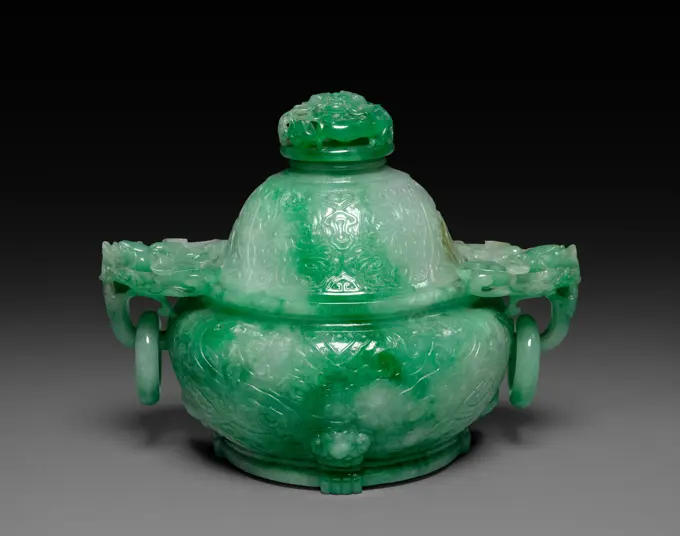
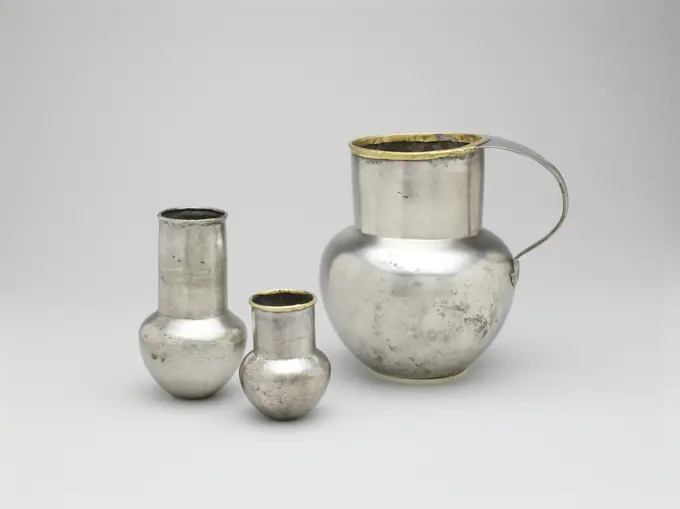
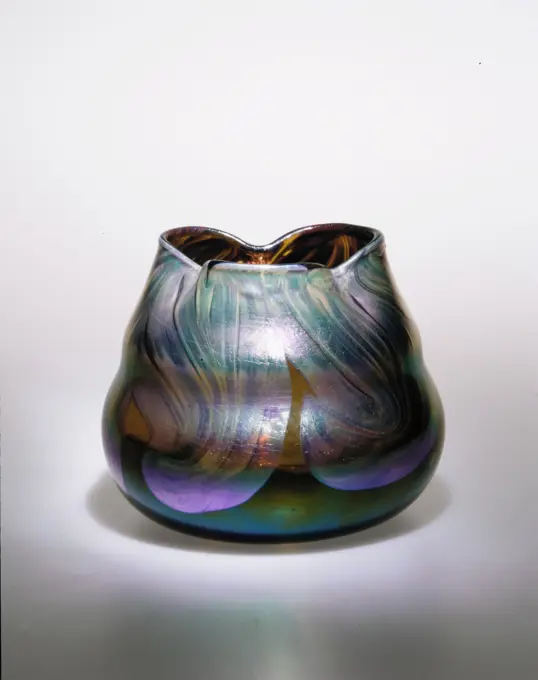
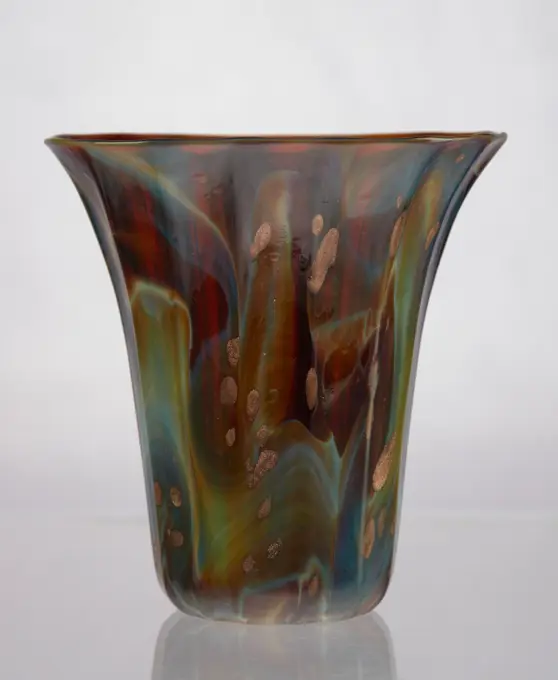
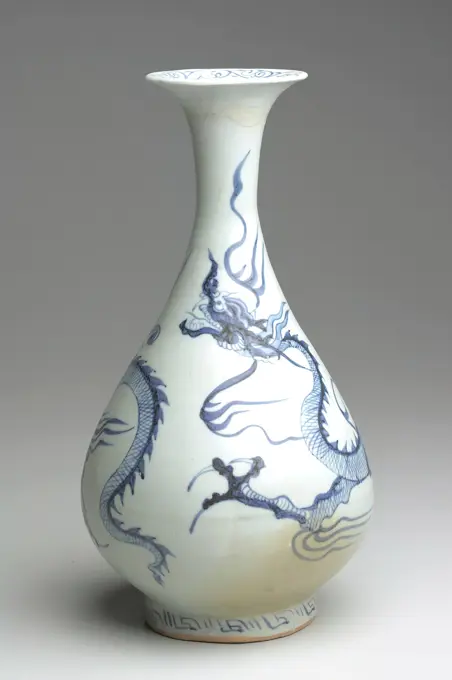
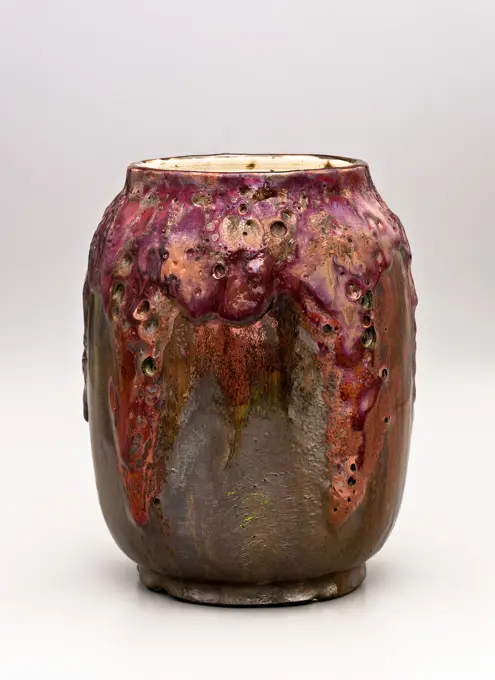
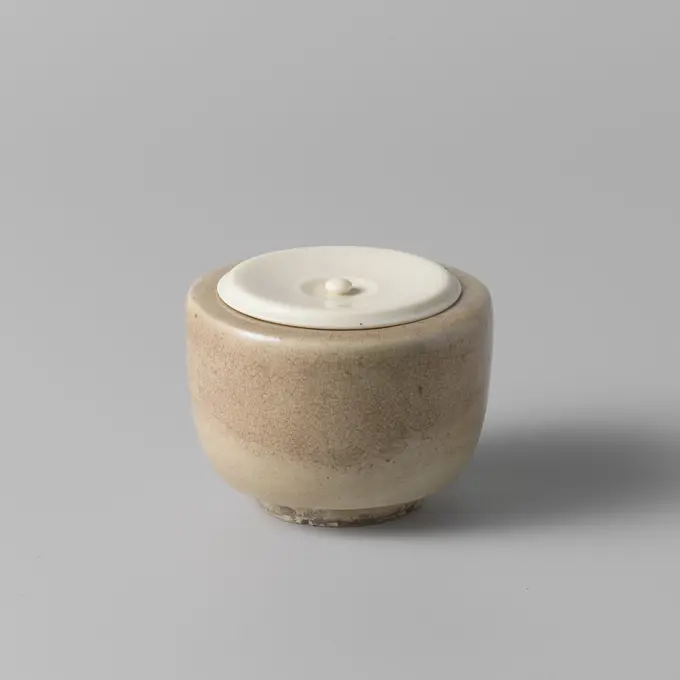
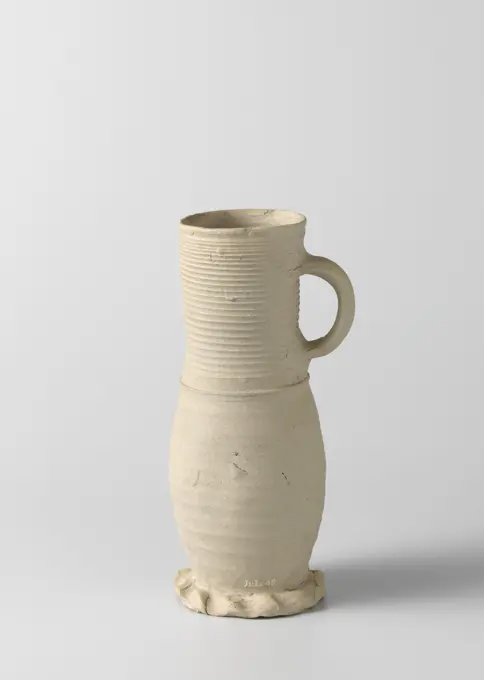
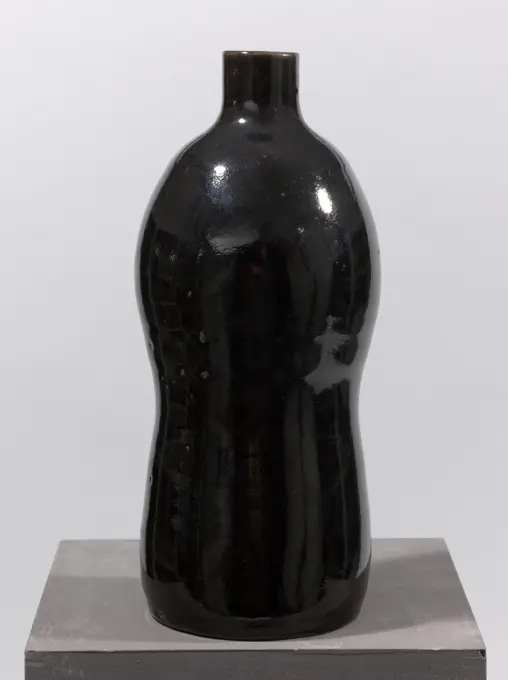
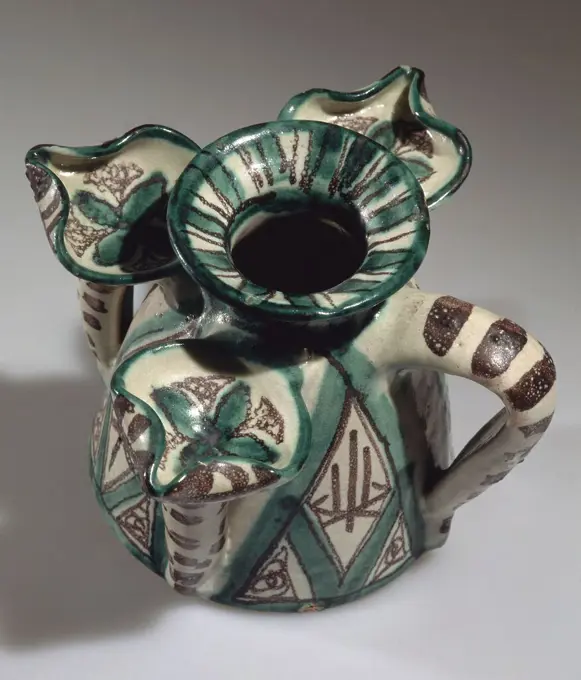
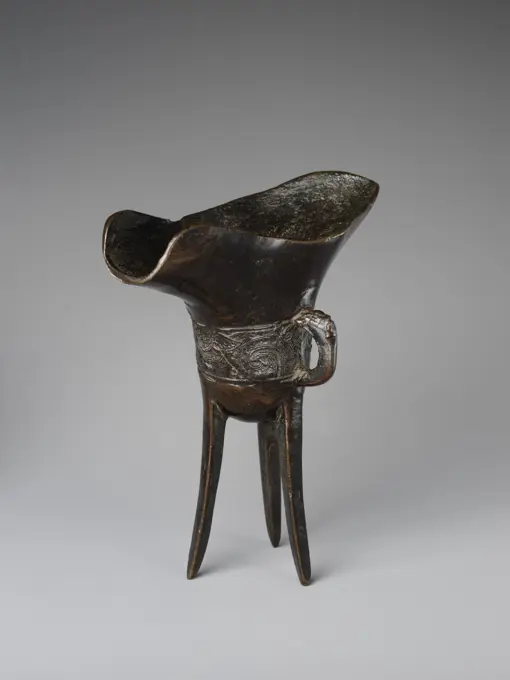
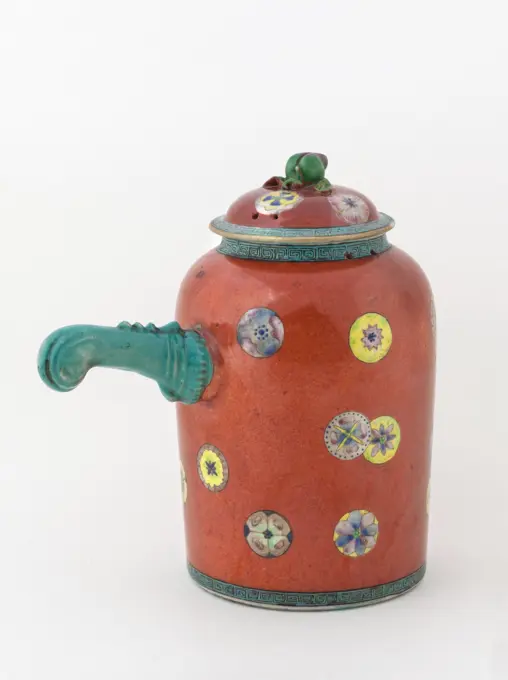
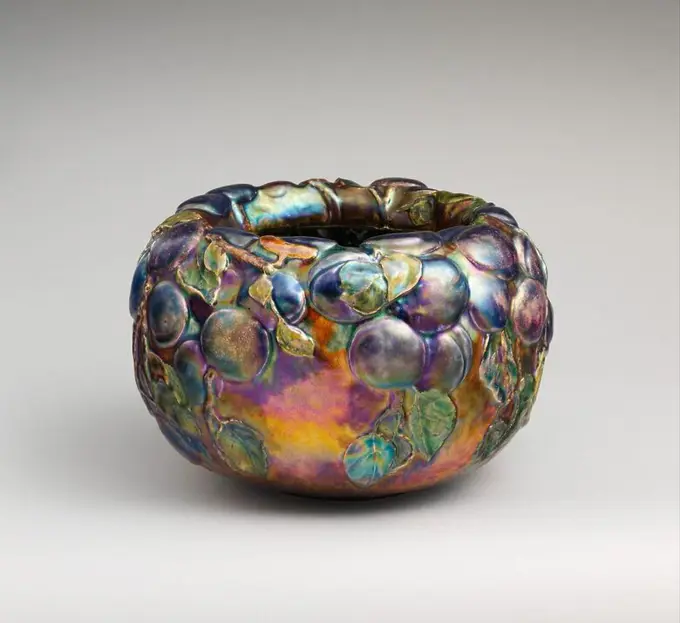
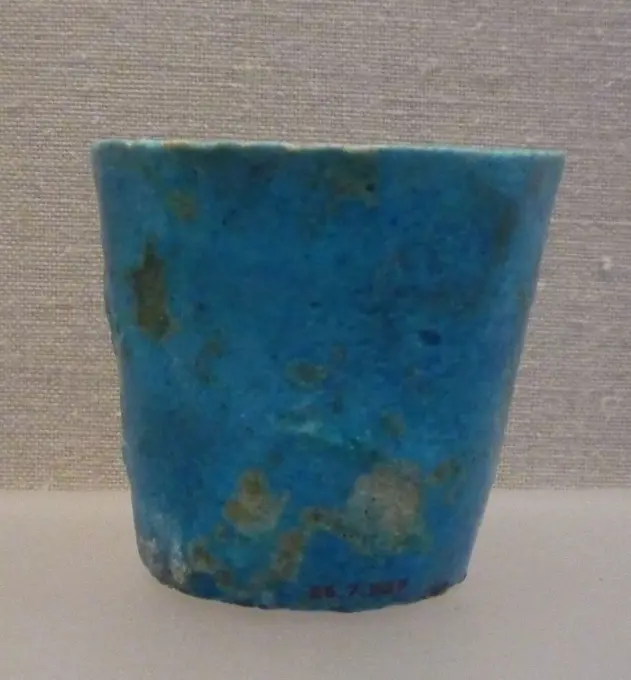
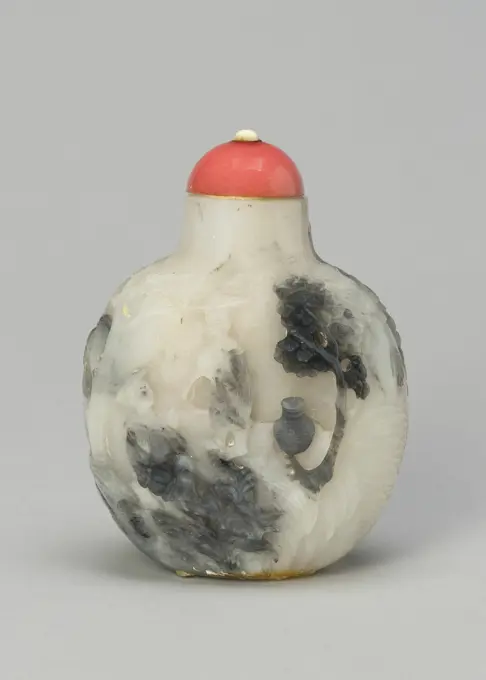
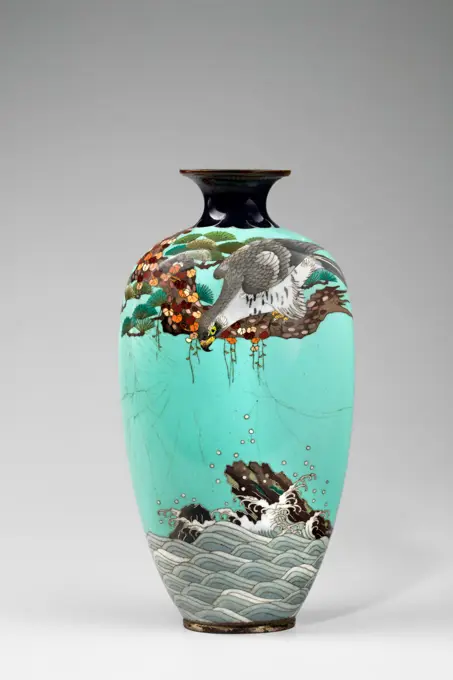
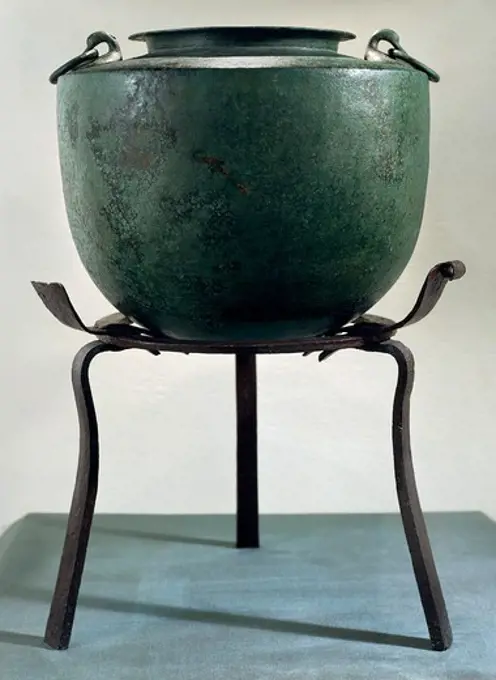
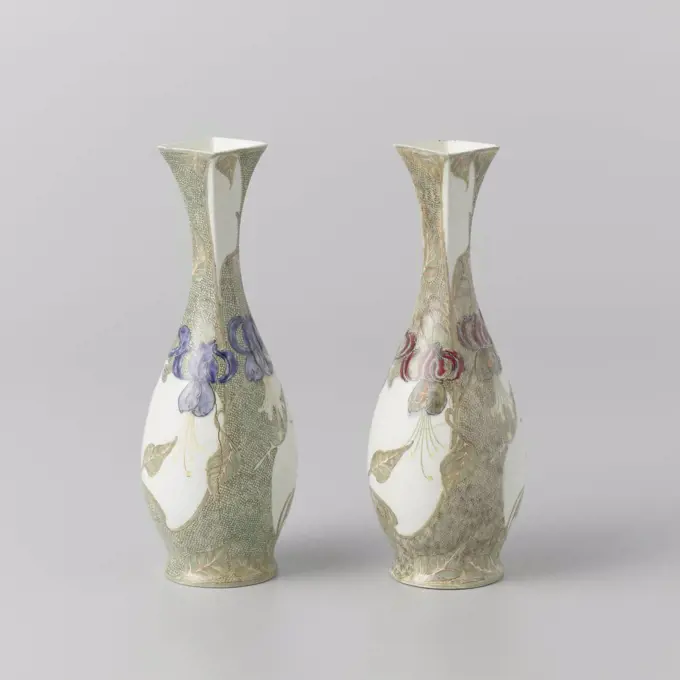
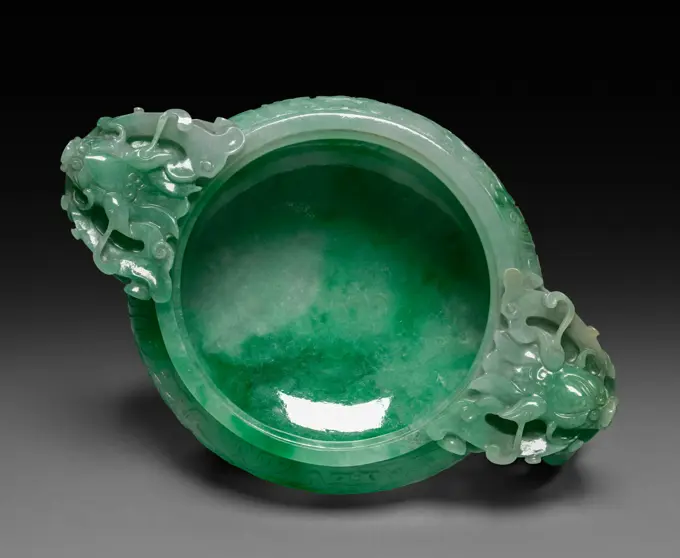
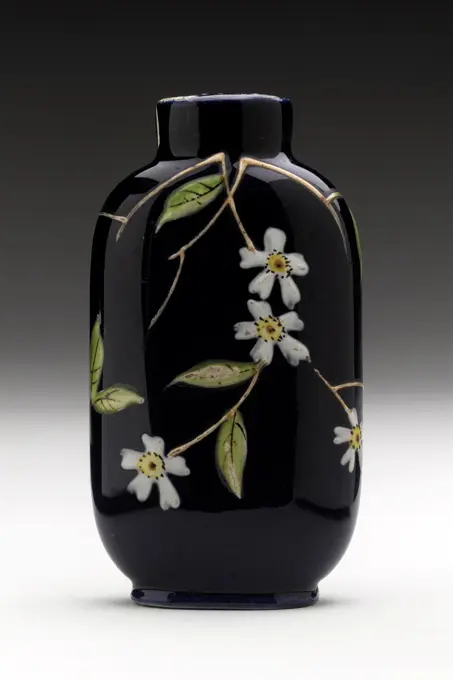
Scent Bottle 1780-1820 American. Scent Bottle. American. 1780-1820. Blown pattern-molded glass. Made in United States. Candlestick of pottery with a half spherical base and two annular thickenings in the voice, covered with monochrome turquoise glaze.Incense Burner, 1736-95. China, Qing dynasty (1644-1912), Qianlong reign (1735-1795). Jade; overall: 15.3 cm (6 in.).Group of Silver Vessels ca. 1279-1213 B.C. New Kingdom, Ramesside In 1906 two caches were found buried close to the ancient temple dedicated to the feline goddess Bastet at Tell Basta, near modern Zagazig. Some of these pieces went to he Egyptian Museum in Cairo and others like these handsome vessels were purchased by the Metropolitan Museum. The hoards give us a glimpse of the splendor of the equipment associated with temple cult and festivals... Group of Silver Vessels 590950Meiping vase early 18th century China. Meiping vase. China. early 18th century. Porcelain with crackled green glaze (Jingdezhen ware). Qing dynasty (1644-1911), Kangxi period (1662-1722). CeramicsBowl 1893-96 Designed by Louis Comfort Tiffany American. Bowl. American. 1893-96. Favrile glass. Made in New York, United StatesTea caddy with a brown glaze, anonymous, c. 1600 - c. 1699 Dust bar or Chare of stoneware with an ivory lid, partially covered with a brown glaze. The lower part of the bus is unglazed. A crack in the edge, continuously over the shoulder. Share missing from the lid. Japan stoneware. glaze. deksel: ivory vitrification Dust bar or Chare of stoneware with an ivory lid, partially covered with a brown glaze. The lower part of the bus is unglazed. A crack in the edge, continuously over the shoulder. Share missing from the lid. Japan stoneware. glaze. deksel: ivory vitrificationBeaker mid-16th century German. Beaker 466667Vase (France); Made by Daum (France), Louis Majorelle (French, 1859 - 1926); moulded glass, wrought ironPrzeszo Przyszoci unknownGlass alabastron (perfume bottle). Culture: Greek, Eastern Mediterranean. Dimensions: H.: 3 1/8 in. (7.9 cm)Diam.: 1 1/16 x 1 1/8 in. (2.6 x 2.8 cm). Date: 3rd-2nd Century B.C..Translucent cobalt blue, with handles in same color; trail in opaque yellow.Thick horizontal rim-disk, unevenly shaped with radiating tooling marks on upper surface; cylindrical neck, tapering slightly downward; small sloping shoulder; straight-sided cylindrical body; convex bottom; on upper body, two lug handles, applied over trail pattern; one considerably larger than the other.Trail attached at top of rim-disk, wound spirally round edge, then down across neck, and over body where it is tooled into a close-set feather pattern in five vertical panels of upward and downward strokes, ending around edge of bottom.Intact; some dulling and iridescent brownish weathering on rim, neck, and upper body. Museum: Metropolitan Museum of Art, New York, USA.Vase. Culture: American. Dimensions: 8 7/8 x 7 1/8 in. (22.5 x 18.1 cm). Maker: Decorated by Mary Frances Baker (1879-1943). Manufacturer: Newcomb Pottery (1894-1940). Date: 1906.Newcomb College of New Orleans is one of the earliest educational institutions to be associated with the Arts and Crafts Movement. It shared many of the movement's concerns, such as creating opportunities for women in the arts. It was the brainchild of Ellsworth Woodworth, who taught drawing and painting at Newcomb, and his brother William Woodward, a professor at Tulane University, who was especially interested in developing a pottery program at the college. They hired Mary G. Sheerer, who had trained at both the Cincinnati Art Academy and the Art Students' League in New York, as Instructor of China Decoration and Design, and she would exert an important influence on the direction of the pottery. Ultimately, Newcomb's ceramic program was one of the most successful art potteries, and it enjoyed an almost fiftProchownicaPear-Shaped Vase (ping), early 14th century, 10 7/8 in. (27.62 cm), Porcelaneous stoneware with underglaze cobalt blue décor, China, 14th century, The subject of a craze that has lasted for centuries, China's signature blue and white porcelain came about as a tremendous technical breakthrough in the fourteenth century. This pear-shaped bottle, or (ping), stands near the beginning of this prized, long-popular tradition. Encircling the body of the vase is a spikey, three-clawed dragon painted in underglaze cobalt blue. In order to depict the dragon, cobalt blue designs were painted onto the white porcelain body and then bonded under a clear feldspathic glaze.Vase ca. 1896-1908 Dedham Pottery Steeped in ceramics from birth, Hugh C. Robertson pursued his craft with fierce devotion and a passion for experimentation. From a family of trained English ceramists, he honed his skills in New Jersey before settling in Massachusetts as one of the founders of Chelsea Keramic Art Works and later, Dedham Pottery. Robertsons lifelong explorations in glazes, particularly their color and texture, make him one of the key figures of American art pottery at the turn of the twentieth century.From Chelsea to Dedham, Robertson continued to pursue his passion for innovation, employing the grayish-white stoneware used for Dedhams dinnerware to throw simple forms covered with bold combinations of colored and textured glazes. Despite his financial backers stipulation against further research into sang-de-boeuf, or oxblood, glazes, Robertson did not entirely abandon that costly pursuit. Many of his Dedham vessels have brilliant layerings of red and purple glazes. Jug. Roman; Eastern Mediterranean. Date: 201 AD-400 AD. Dimensions: 16.5 × 7.7 × 7.7 cm (6 1/2 × 3 × 3 in.). Glass, blown technique. Origin: Syria. Museum: The Chicago Art Institute, Chicago, USA. Author: ANCIENT ROMAN.Basket 19th century Japan. Basket. Japan. 19th century. Rattan or bamboo. Edo (1615-1868) or Meiji period (1868-1912). BasketryBottle with Plants, Strigils, and OtherMotifs, 1st century A.D., Mold-blown glass, transparent colorless, 10.4 × 5.2 cm (4 1/8 × 2 1/16in.), Roman, Eastern Mediterranean, Syrian(?), Roman, Containers -GlassTea Caddy with a white sludge, anonymous, c. 1800 - c. 1899 Stoneware tea with a flat lid of ivory, covered with a white sludge. Japan stoneware. glaze. deksel: ivory painting Stoneware tea with a flat lid of ivory, covered with a white sludge. Japan stoneware. glaze. deksel: ivory paintingSnuff Bottle, 3 7/8 x 1 15/16in. (9.8 x 4.9cm), Carnelian, ChinaJug or 'Jacobakan', anonymous, c. 1350 - c. 1399 Ribbed can (Jacobakan) of stoneware on a wavy foot with an egg -shaped body and long neck. The C-shaped ear is attached to the neck. The jug is decorated with turning virgins and a profile on the shoulder. Siegburg. Siegburg stoneware. glaze vitrification Ribbed can (Jacobakan) of stoneware on a wavy foot with an egg -shaped body and long neck. The C-shaped ear is attached to the neck. The jug is decorated with turning virgins and a profile on the shoulder. Siegburg. Siegburg stoneware. glaze vitrificationAlabastron. UnknownRitual wine cups. Rituals were exceptionally important during the Shang Dynasty, when it was believed that the world would suffer if these were not correctly performed. During these rituals, gifts of food and drink were presented in bronze vessels to please the ancestors, who represented the living in the world of the gods. There are dragons on the base of the trumpet-shaped cup and bird-like creatureson the body of the lidded cup.Bottle (tokkuri). GRS, pte gray fine texture, rserve in cookie under the base, black covered. Around 1850-1875. Paris, Muse Cernuschi. Monochrome Japanese art, cookie, bottle, Japanese ceramic, gres, black, gray paste, tokkuriWater Jar (Mizusashi) in the Shape of a Bamboo Basket second half of the 18th-early 19th century Japan. Water Jar (Mizusashi) in the Shape of a Bamboo Basket 47132Pilgrim bottle 17th century probably Spanish, Almería. Pilgrim bottle. probably Spanish, Almería. 17th century. Glass. GlassJARRA DECORADA Y VIDRIADA AL MODO ARABE DEL S XV - ARTE POPULAR S XX. Location: ALFARERIA. TERUEL. SPAIN.Lekythos (Oil Jar) 445 BCE-440 BCE Athens. Athenian cemeteries housed a variety of monuments and offerings to the dead. This terracotta vessel, called a lekythos, is one example that held oil. From the middle until the end of the fifth century B.C., they were usually decorated in a distinctive technique known as white ground, so called after the light slip coating on the body and shoulder of the vase. Atop this, figures were usually drawn in outline and then painted in rich colors, many of which have since faded. Since most of these bottles were made for burial with the dead or to be left at their graves, the scenes on their surfaces typically represent tombs, visitors to tombs, and farewell scenes.Here two men, perhaps father and son, bid one another farewell. On the left, the young man departs, spear in hand, but he looks back toward an older man with a walking stick, who watches him go. The latter manís hair and beard are white. He wears a russet-colored mantle that appears sheer, cFiolka. warsztat wschodniRitual wine cup (jue) with archaic-style motifs 1294 China This cup is a rare and important example of a Yuan dynasty dated ritual bronze for an official Confucian temple. Its inscription states that it was cast in 1294 for the Confucian school of Wu County (now Suzhou, Jiangsu Province). Based on historical texts, this project was completed between 1293 and 1295 and was supervised by two scholar officials: Li Gan and Fang Wenbao. Both names appear in the inscription cast onto this vessel to commemorate their sponsorship. The Wu County vessels are the earliest group of ritual bronzes that bear dated inscriptions from the Yuan dynasty. The practice of producing vessels for official Confucian schools with dated dedications set a precedent that continued for the next seven hundred years.. Ritual wine cup (jue) with archaic-style motifs. China. 1294. Cast bronze. Yuan dynasty (1271-1368). MetalworkChocolate maker. Porcelain decorated with "pink family" enamels. Paris, Cernuschi museum. 78837-19 Asian art, Chinese art, porcelainBowl. Culture: American. Designer: Designed by Louis Comfort Tiffany (American, New York 1848-1933 New York). Dimensions: 6 1/8 x 9 1/2 x 9 1/2 in. (15.6 x 24.1 x 24.1 cm). Maker: Tiffany Glass and Decorating Company (American, 1892-1902). Date: 1898-1902.During the 1890s, Tiffany experimented with a variety of decorative arts, including blown glass, metalwork, pottery, and enamels. Enamelware is composed of glass and glass silicate, with metallic oxides added to provide color. This surface is applied to copper (and other metals) and fired at a high temperature. Copper was used as the base because it was thin and created a surface for unpredictable reactions in color. Closely linked to glassmaking, enamels provided great versatility and flexibility in color range, an important feature in Tiffany's artwork, as well as a shimmering surface when light struck. The enamel department, led by women such as Patricia Gay and Julia Munson, produced small decorative objects, including bowls, vasCAPACETE DE ESPARTO HALLADO EN GRANADA. Location: MUSEO ARQUEOLOGICO NACIONAL-COLECCION. MADRID. SPAIN.Cup ca. 1479-1458 B.C. New Kingdom. Cup. ca. 1479-1458 B.C.. Faience. New Kingdom. From Egypt, Upper Egypt, Thebes, Asasif, Hatshepsut Valley Temple, Foundation deposit, Carnarvon/Carter excavations, 1912. Dynasty 18Oinochoe. UnknownBottle 101 CE-600 CE Syria. Glass, blown technique . Ancient RomanClose-up of a vase, Borgo San Lorenzo, Mugello, Florence, Tuscany, ItalyLotusBeaker. Suzhou grey and white jade (nephrite) with carved decoration .Clarinet barrel. Ton or baril from a clarinet of palm wood. Horse with a ton or baril with Invnr. BK-NM-11430-123-A.Vase. unknown, craftsmanSmall bottle. unknown, craftsmanBronze cauldron on an iron tripod from the royal tomb of Philip II from Vergina (Greece). Greek Civilization, 4th Century BC.Vase with decoration of lily-like flower, N.V. Haagsche Plateelfabriek Rozenburg, J.M.G. Hakkert, 1902Jug, jar and a flask with a layer of silver weathering. From Eastern Mediterranean, 1st-4th century.Cylinder  on a white background stylized dragons in the clouds unknownCopper Chisel with Figures 3rd-7th century Moche. Copper Chisel with Figures 315211Snuff Bottle China. Snuff Bottle 41617Vase with decoration of lily-like flower, N.V. Haagsche Plateel factory Rozenburg, 1902 Vase of porcelain, multicolored painted on a partial stock of rye façade with a lily-like flower in blue, green, yellow and brown. Model 153. The Hague whole: Porcelain Vase of porcelain, multicolored painted on a partial stock of rye façade with a lily-like flower in blue, green, yellow and brown. Model 153. The Hague whole: PorcelainAmforka. warsztat wschodni, workshopHead of Serapis; Eastern Mediterranean; 1st - 2nd century; Glass; 6 cm (2 3,8 in.)Bottle 101 CE-400 CE Syria. Glass, blown technique . Ancient RomanDouble Spout Bottle 1st-6th century Nasca Although no ceramic workshop has been discovered yet in the Nazca territory, the high technical quality of the pottery and the complexity of the iconography indicate that polychrome vessels were likely made by craft specialists. Archaeologists discovered scattered evidence of ceramic production (pigments, paint brushes, and polishers) at Cahuachi, the main Nazca monumental site. Finely painted polychrome vessels are well known as the principal vehicle of Nazca ideology. Double-spout bottles such as this one were used as funerary offerings. They were also an integral part of the ritual consumption of food and corn beer carried out at Cahuachi. The use of bottles with elaborate decoration was related to feasts, processions, and other prestige building activities carried out by high-status individuals and households. Nazca iconography includes a great variety of plants, animals, and more than twenty species of birds. This bottle shows hummingbirdsLided Kohl Tube and Stick. Dimensions: H. 7.5 x 4.5 cm (2 15/16 x 1 3/4 in.). Dynasty: Dynasty 18. Date: ca. 1550-1295 B.C.. Museum: Metropolitan Museum of Art, New York, USA.Stone Earflare before 16th century Mexican. Stone Earflare 317333Snuff Bottle, 17th-19th century, 2 7/8 x 2 1/8in. (7.3 x 5.4cm), Glass, China, 17th-19th centuryVase China. Vase. China. Porcelain. Qing dynasty (1644-1911), Kangxi period (1662-1722). CeramicsIncense Burner, 1736-95. China, Qing dynasty (1644-1912), Qianlong reign (1735-1795). Jade; overall: 15.3 cm (6 in.).Lampshade - Beaver Stamping Company Beaver Stamping CompanySnuff Bottle (Biyanhu) with Bird and Flowering BranchesVase.   Maker: Van Briggle Pottery Company, American, founded 1901Set of ancient vase hand drawn ink sketch. Engraved style vector illustration.