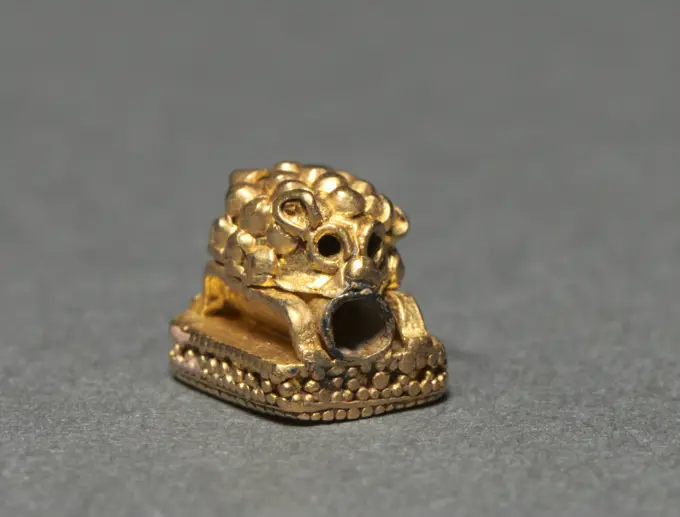
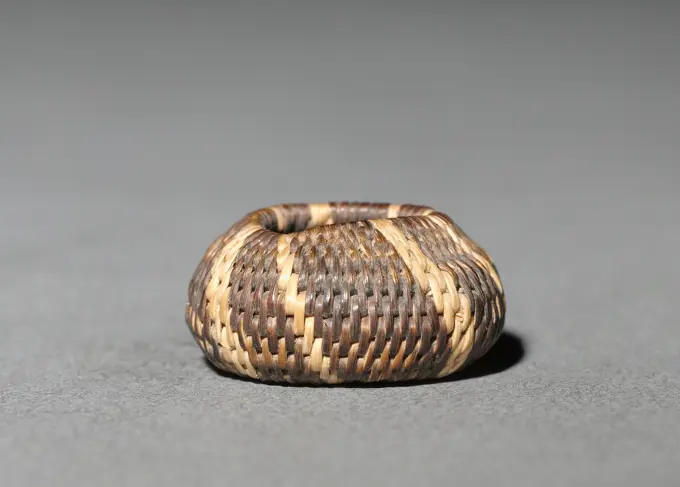
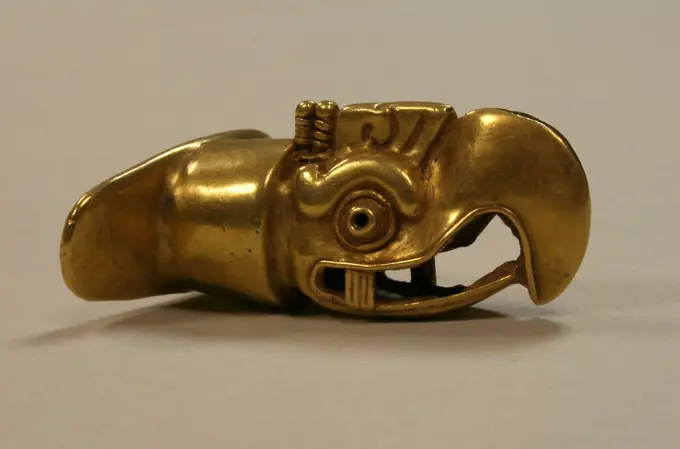
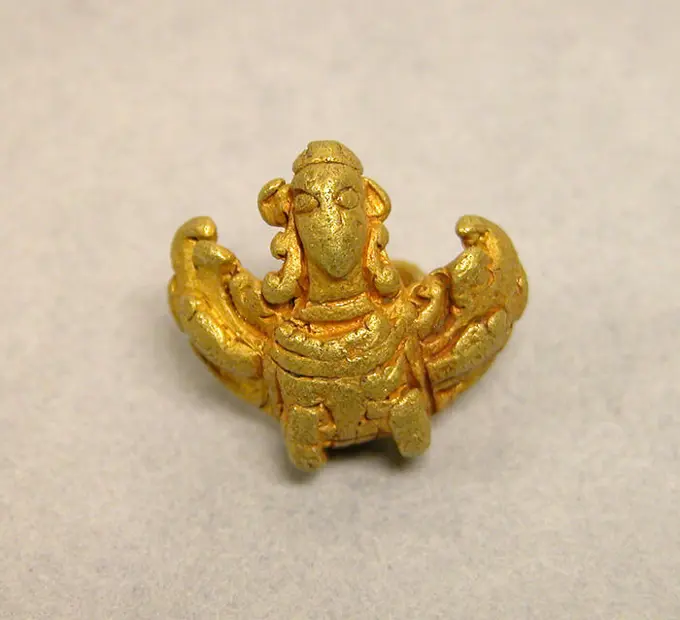
Ancient Gold Jewelry

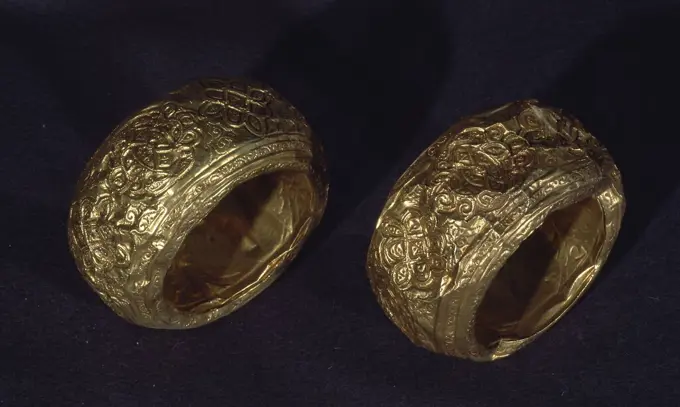
Collection of intricate gold artifacts, including rings and ear plugs from ancient cultures, showcasing rich historical designs and craftsmanship.

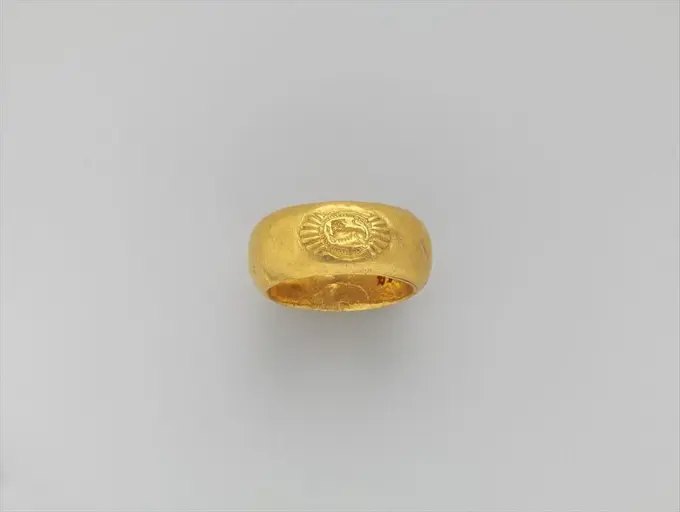
Ring; Greece; mid-5th century B.C; Gold; 1.2 × 0.7 cm (1,2 × 1,4 in.)
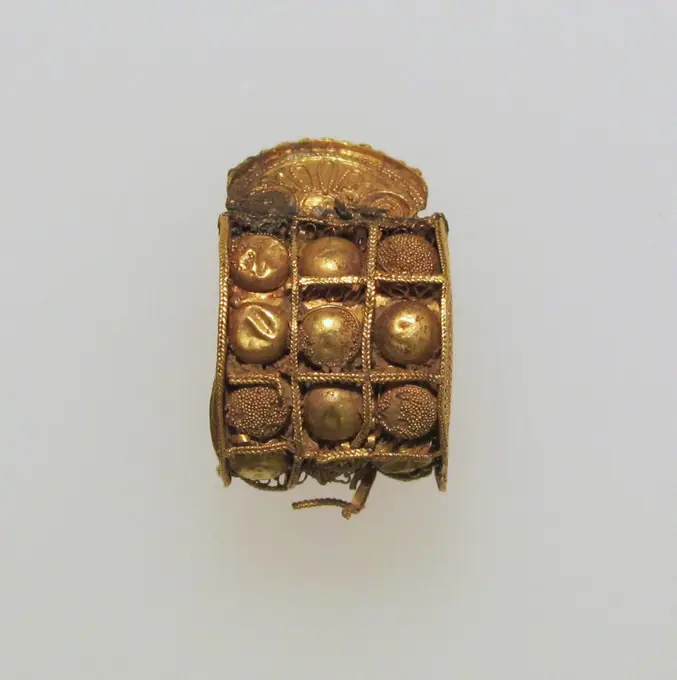
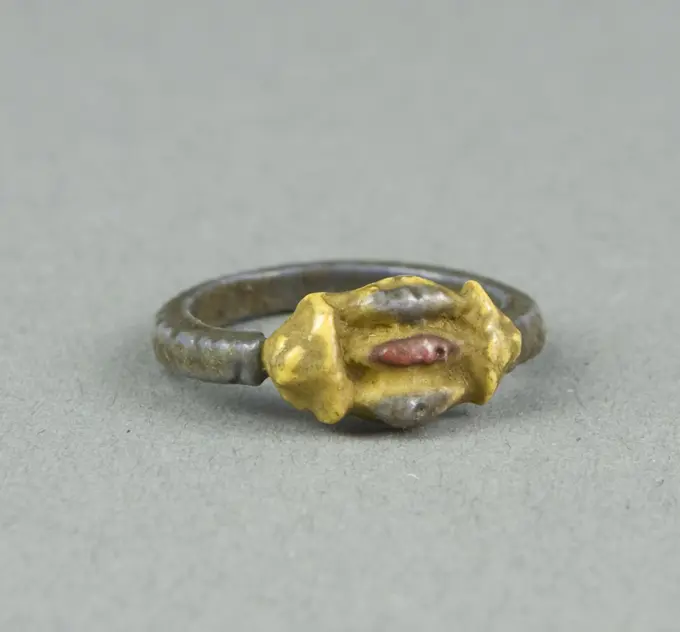
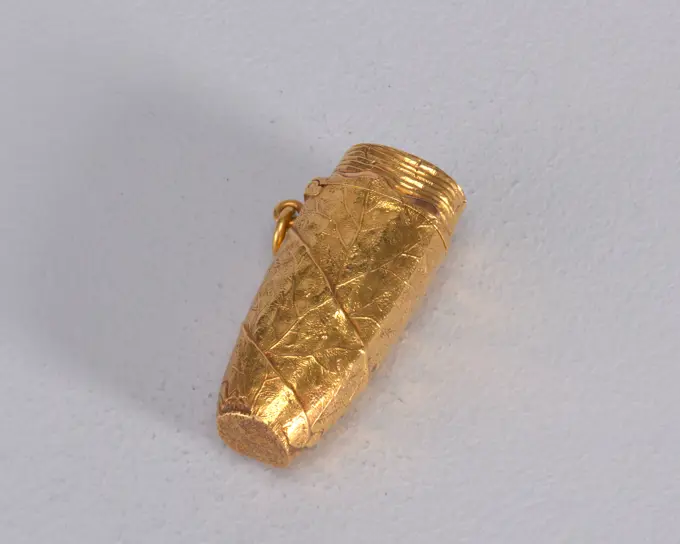
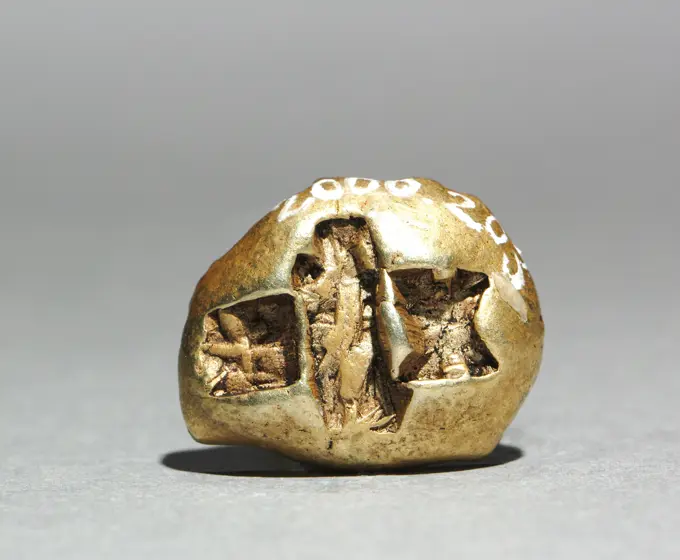
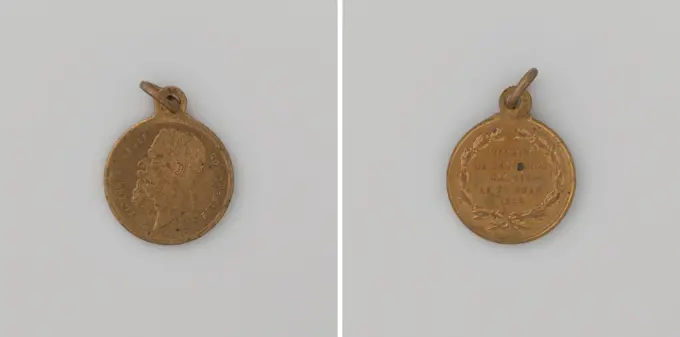
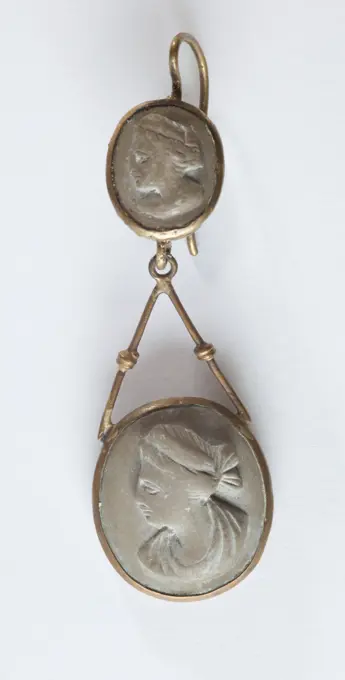
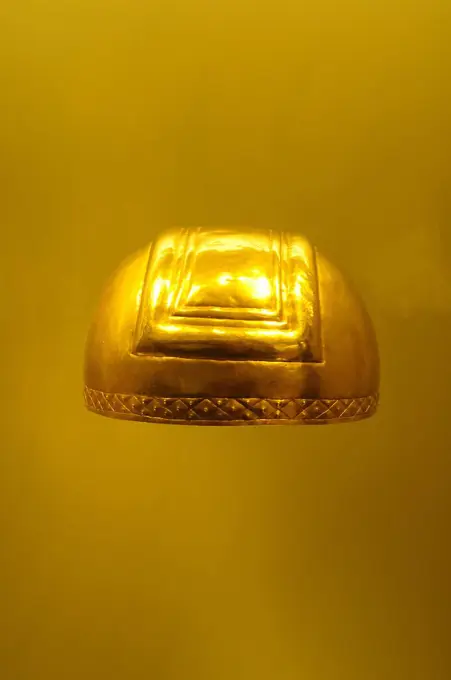
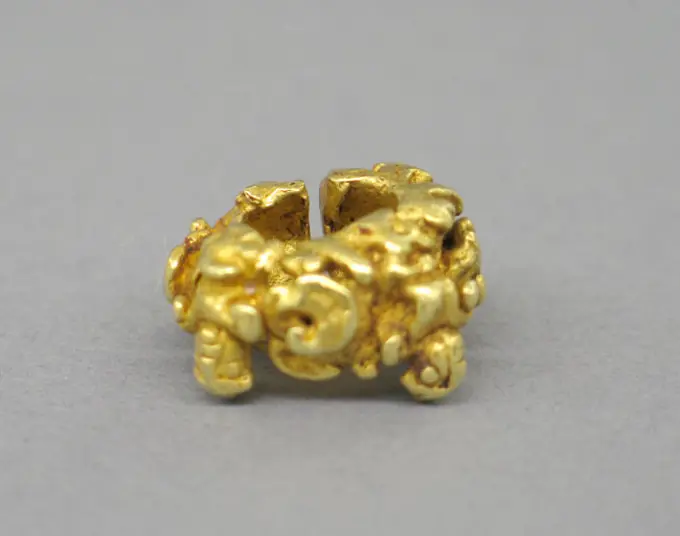
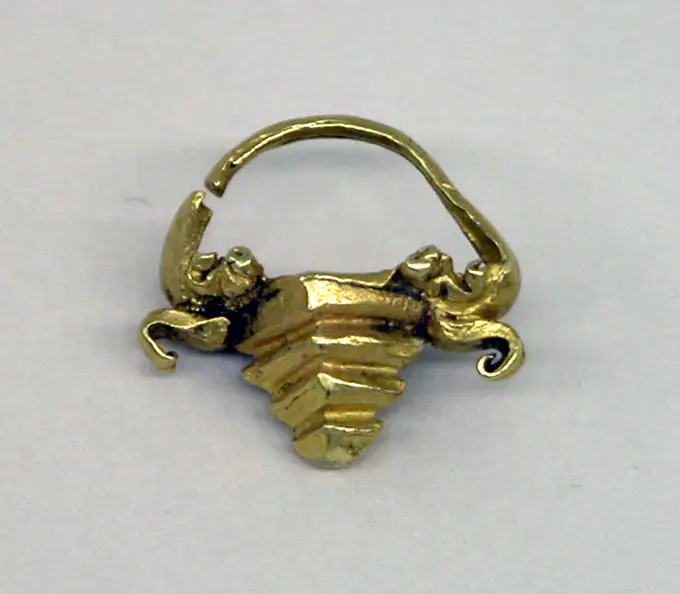
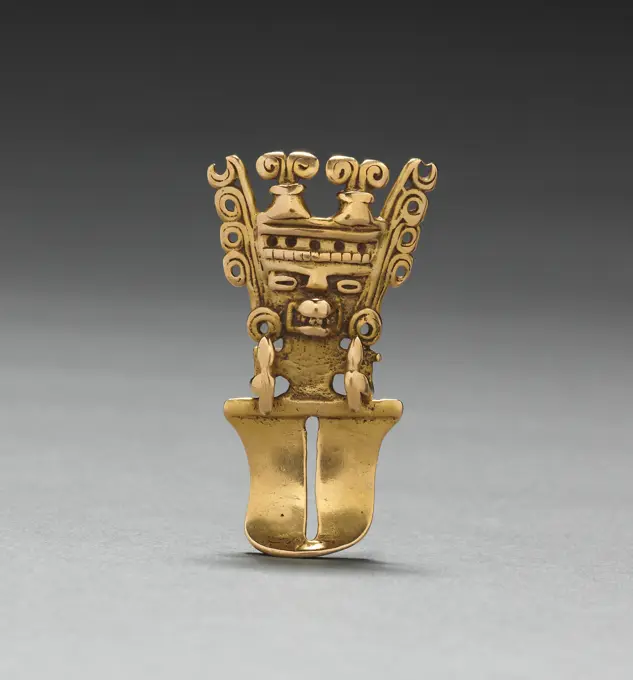
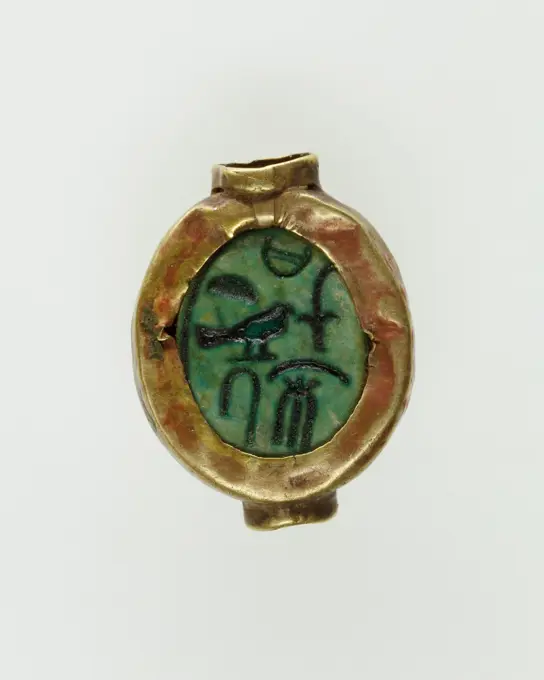
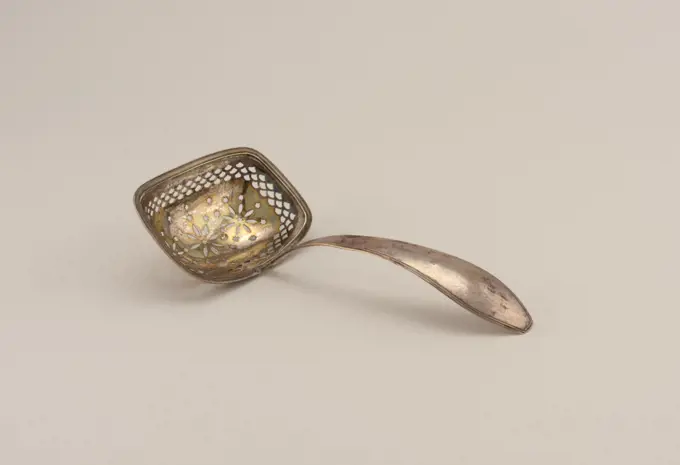
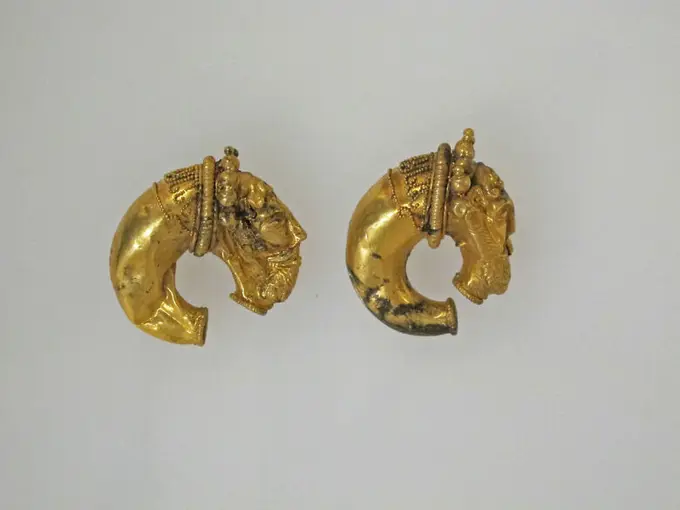
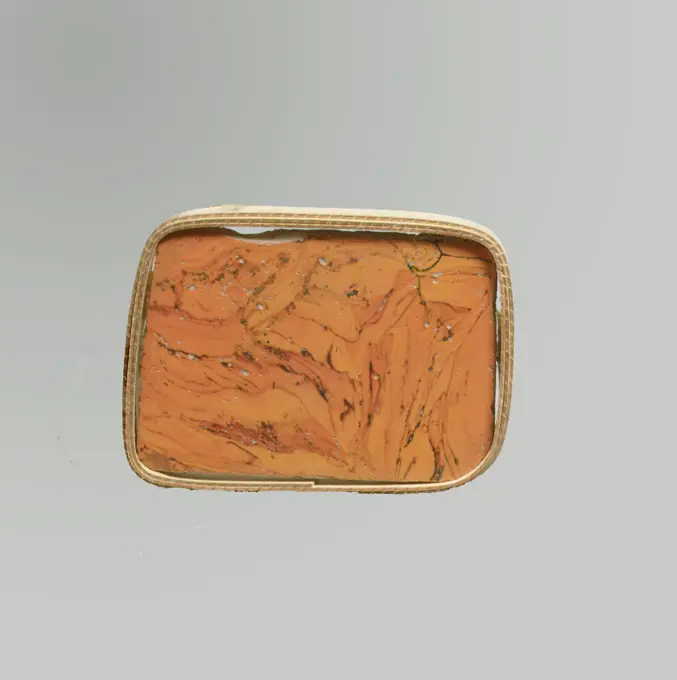
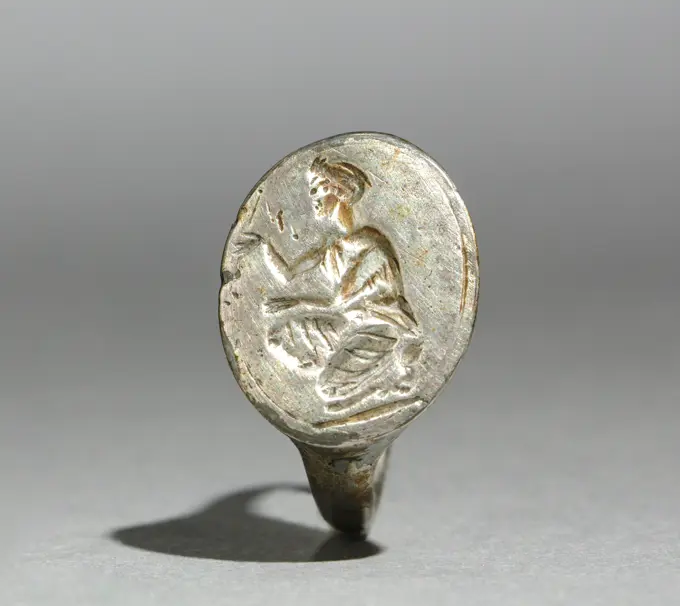
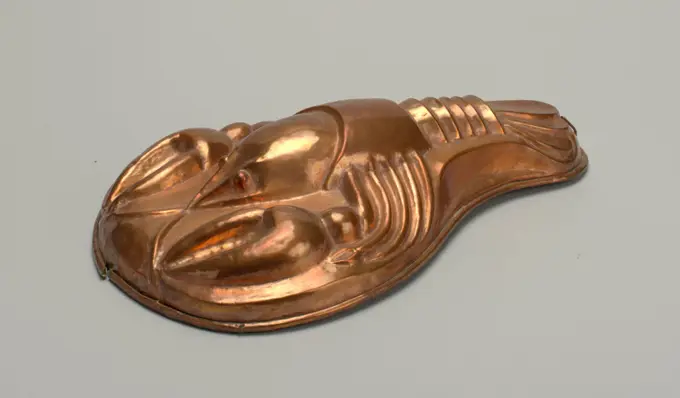
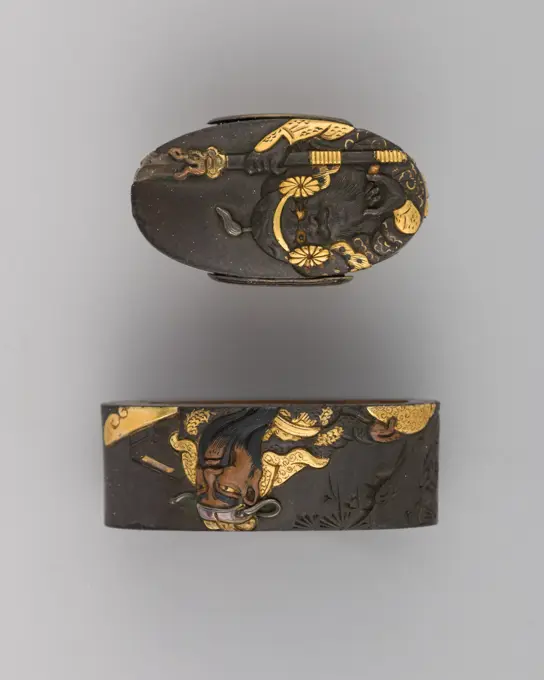
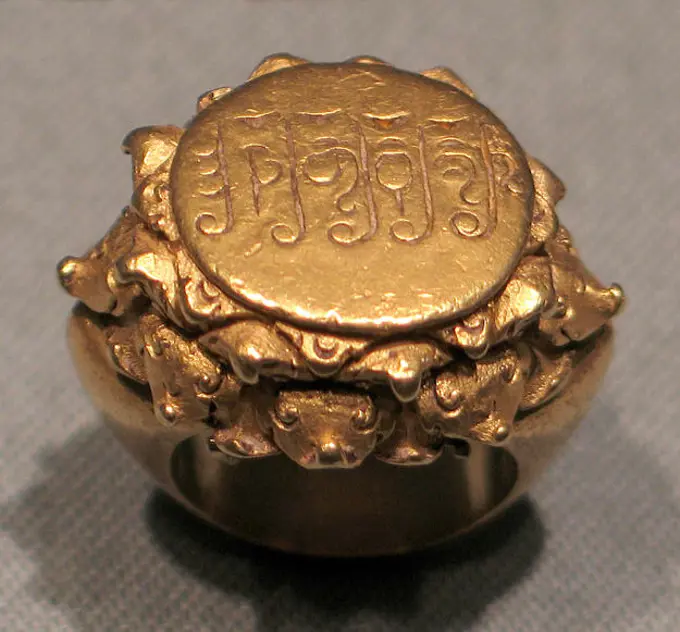
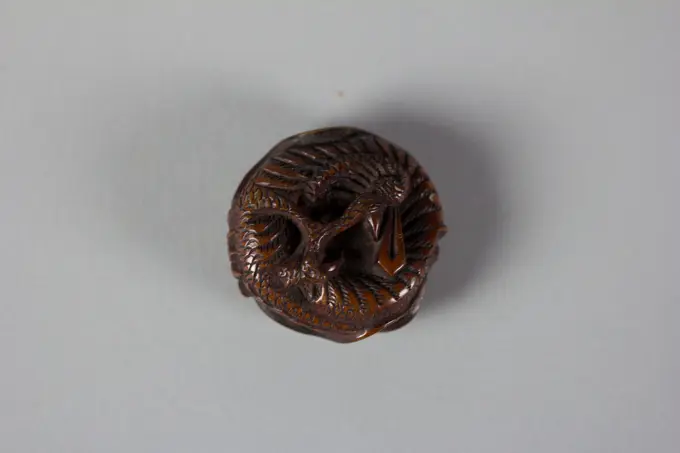
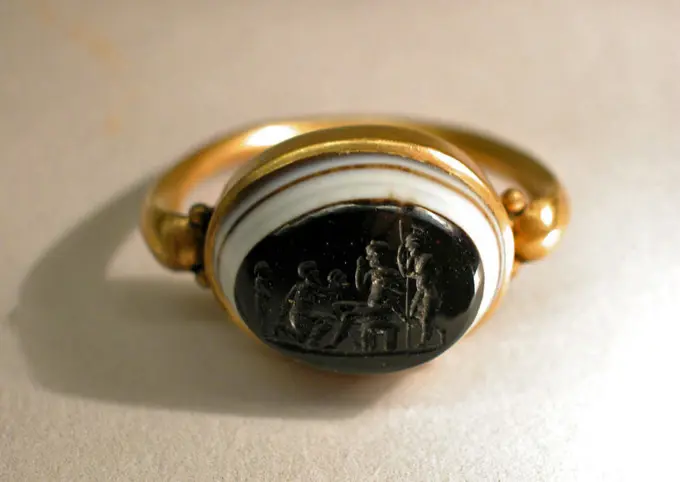
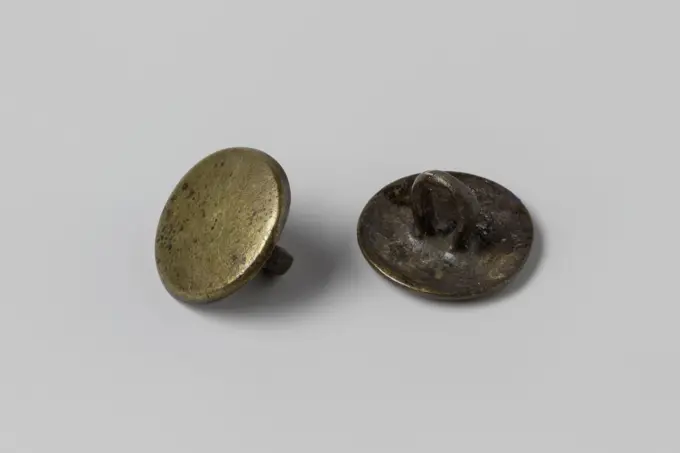
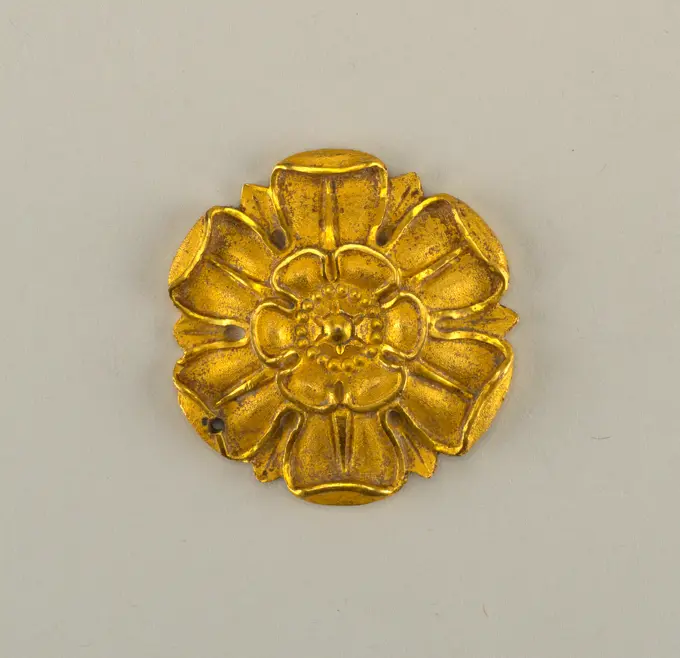
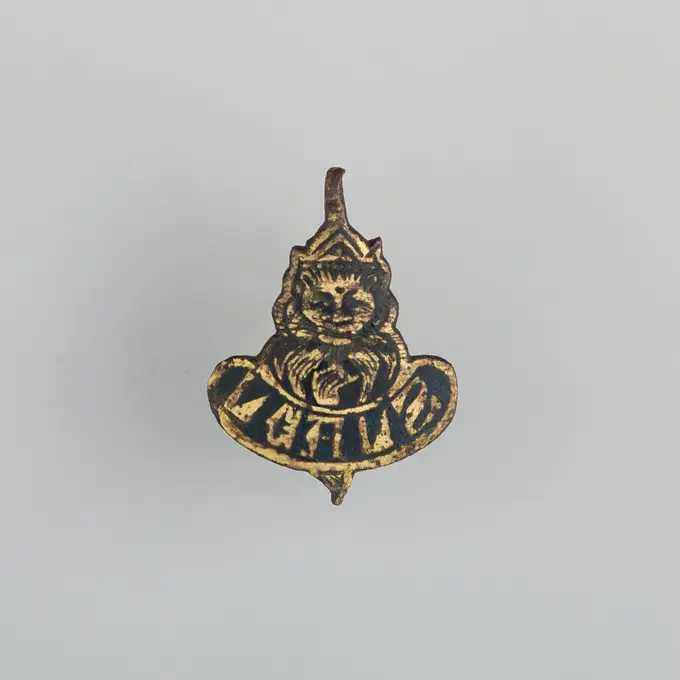
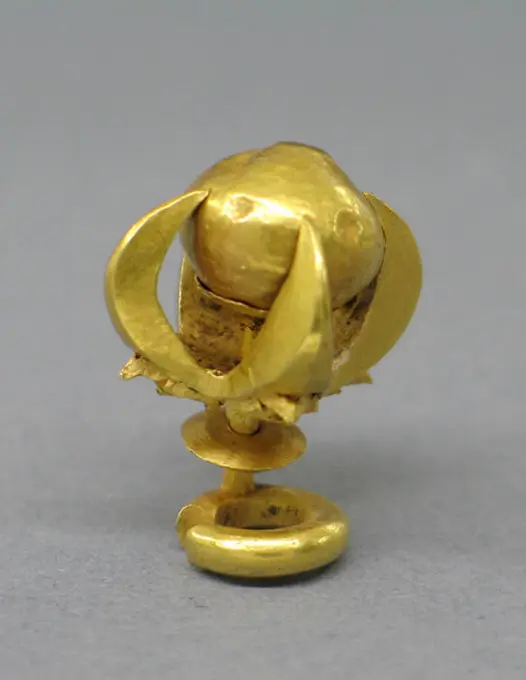
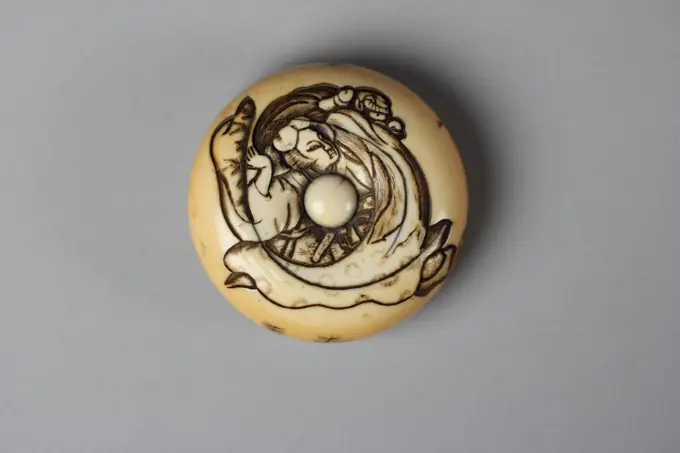
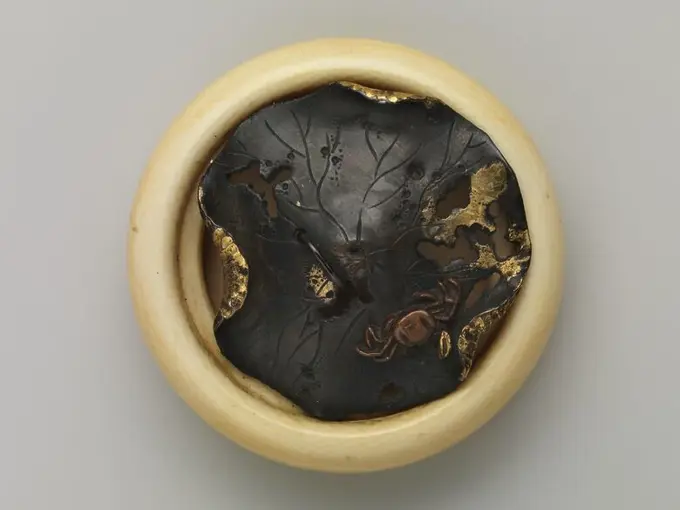
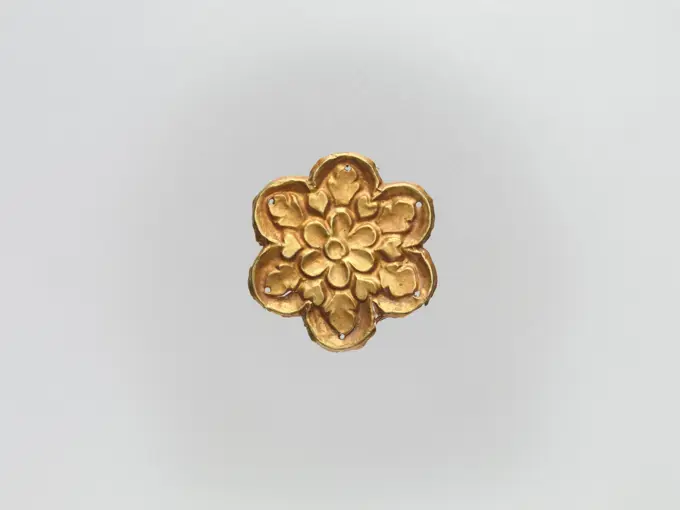
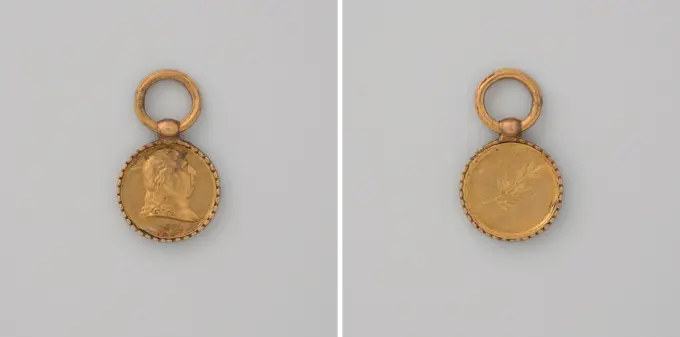
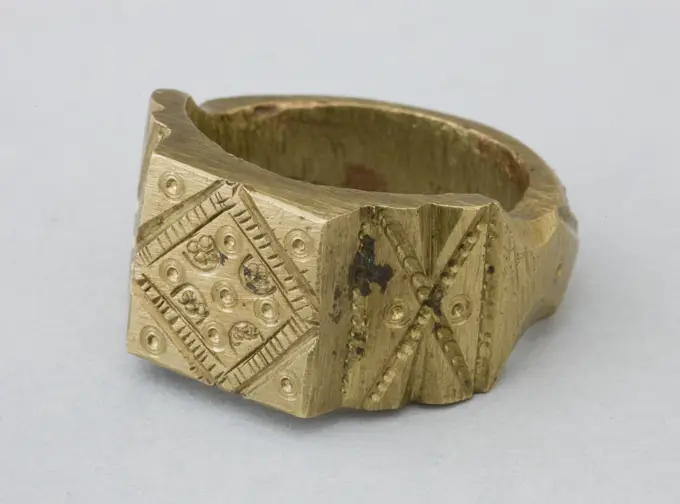
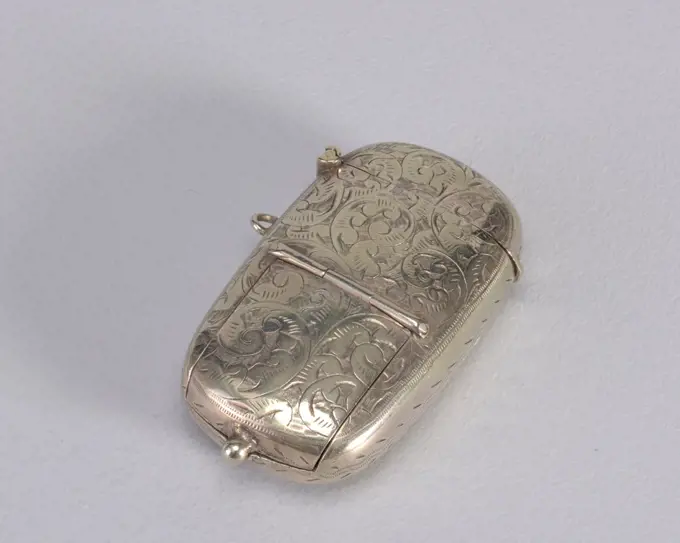
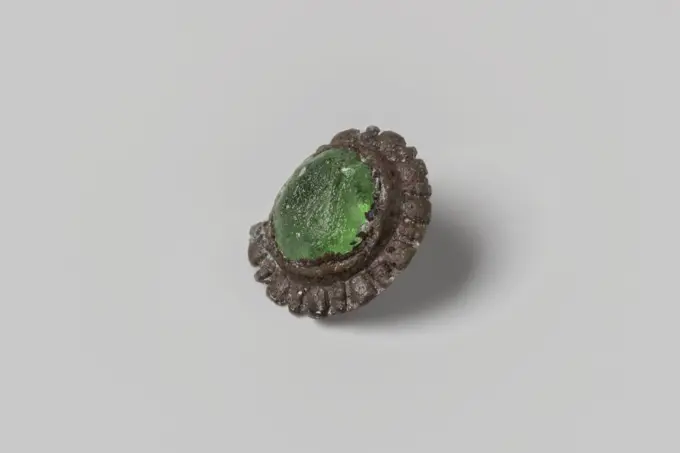
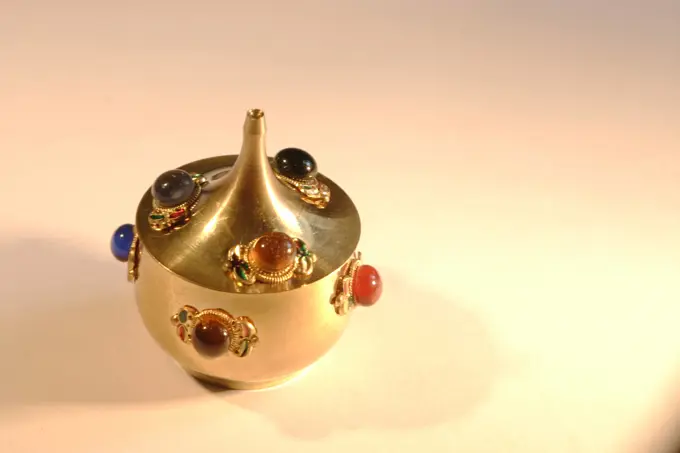
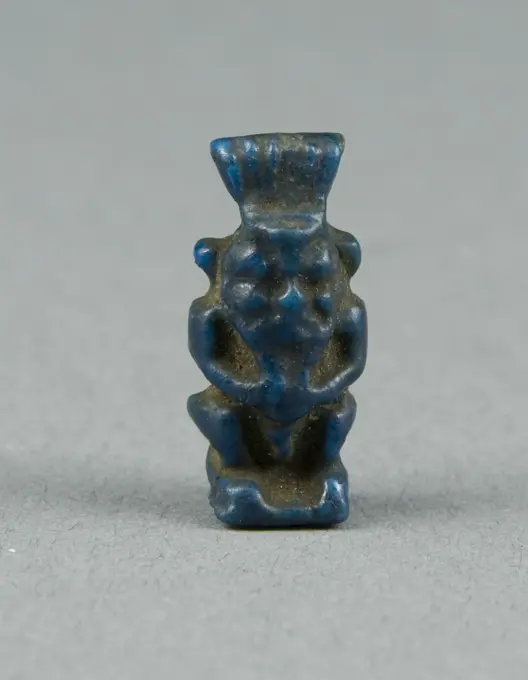
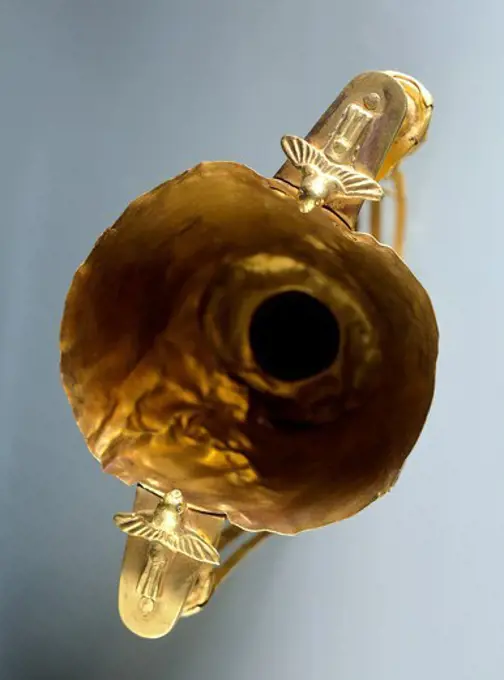
Ring; Greece; mid-5th century B.C; Gold; 1.2 × 0.7 cm (1,2 × 1,4 in.)Subang (Ear Plug) with Foliate Design Last quarter of the 10th-last quarter of the 15th century Indonesia (Java). Subang (Ear Plug) with Foliate Design. Indonesia (Java). Last quarter of the 10th-last quarter of the 15th century. Gold. Eastern Javanese period. JewelryPull; 1904-21-80Fragment, 19th century; wood, gildedCarved Bead 19th century Japan. Carved Bead. Japan. 19th century. Ivory. OjimeFragment with a horsemen, anonymous, c. 1170 - c. 1200 Fragment of the bottom of a bowl, plate or bowl of quartz fritry decorated with notebook and rider in Luster on a surface of Opaak Wit Tin-Lood-Alkarlaze. Kashan (possibly) earthenware. glaze. luster (textile) painting / vitrification Fragment of the bottom of a bowl, plate or bowl of quartz fritry decorated with notebook and rider in Luster on a surface of Opaak Wit Tin-Lood-Alkarlaze. Kashan (possibly) earthenware. glaze. luster (textile) painting / vitrificationBovine Finial, 400-300 BC. Greece or Turkey, Thracian, 5th-3rd century BC. Gold, hammered; overall: 1.5 x 3.8 x 3.4 cm (9/16 x 1 1/2 x 1 5/16 in.).Earring, baule type 7th-5th Century B.C. Etruscan. Earring, baule type 245944Ring with Inlaid Openwork Bezel 1350 BCE Egypt. Faience . Ancient EgyptianSilver ring late 5th century B.C. Greek Hermes leaning on column.. Silver ring. Greek. late 5th century B.C.. Silver. Classical. Gold and SilverCigar Butt Matchsafe; France; gold, metal; 4 x 1.7 x 1.2 cm (1 9/16 x 11/16 x 1/2 in. )Stater: Three Incuse Punches (reverse), 600-550 BC. Greek, minted at Miletos (Ionia). Electrum (gold-silver alloy); overall: 1.6 x 2 x 0.8 cm (5/8 x 13/16 x 5/16 in.).Battle of Solferino, in honor of Victor Emanuel II, King of Italy, Anonymous, 1859 history medal Menning to carrying and carrying ring. Front: breastpiece man inside change. Reverse: inscription inside laurel wreath. France bronze (metal) striking (metalworking) / gilding  SolferinoEarring" Museo del Oro " in BOGOTA .Department of Cundimarca. COLOMBIA.Scarab amulet 664-380 B.C. Late Period. Scarab amulet 561539Ear Clip with Four Figures on a Foliate Ground Second half of the 8th-second half of the 10th century Indonesia (Java). Ear Clip with Four Figures on a Foliate Ground 49748Ring Second half of the 8th-second half of the 10th century Indonesia (Java). Ring 49980Weight in the Form of Nestled Birds 618 CE-907 CE China. Gilt bronze .Figurine Pendant, c. 400-1000. Colombia, Quimbaya or Yotoco style, 5th-10th Century. Cast gold; overall: 6.4 x 3.6 x 0.8 cm (2 1/2 x 1 7/16 x 5/16 in.).Scarab Inscribed for Queen Ahmose ca. 1504-1492 B.C. New Kingdom This ring bezel was found among the hand bones of an unidentified woman who was buried in the tomb of Hatnefer (see 35.3.1). The inscription on the base reads: The King's Great Wife, Ahmose. Ahmose was the principal queen of Thutmose I and the mother of Hatshepsut.. Scarab Inscribed for Queen Ahmose 547683Spoon, silver, The deep, rounded rectangular bowl pierced with three rosettes surrounded by stars below pierced imbricated border, with stamped finely gadrooned rim. Slightly curving corded handle with flaring squared terminal., Netherlands, 19th century, cutlery, Decorative Arts, SpoonEarring-hook type with discs of thin foil. Earring-hook type with discs of thin foil 243416Roundel, disk 4th century B.C.. Roundel, disk 243083Earrings with head of a man. Dimensions: Other (.60): 1 1/8 × 9/16 × 1 1/4 in. (2.9 × 1.4 × 3.1 cm)Other (.61): 1 × 5/8 × 1 5/16 in. (2.6 × 1.6 × 3.3 cm). Museum: Metropolitan Museum of Art, New York, USA.Handle Plate; 1904-21-83Ear Ornament, Foliate Protrusions 8th-12th century Indonesia (Central Java). Ear Ornament, Foliate Protrusions. Indonesia (Central Java). 8th-12th century. Gold. JewelryTransparent glass scaraboid. Culture: Greek, Ionian. Dimensions: Length: 7/8 in. (2.3 cm). Date: ca. 450-400 B.C..Eagle-headed griffin. Museum: Metropolitan Museum of Art, New York, USA.Coins on Simulated Alligator Skin, Gorham Manufacturing Company, Providence, Rhode Island, USA, founded 1818, Silver, Oblong, rounded corners and sides, featuring an overall ground of simulated alligator skin, on top of which are superimposed silver coins; front features quarter dollar coin on lower right, with American eagle, inscribed United States of America, smaller coin on lid at upper left with worn image of a seated Lady Liberty, dated 1853 below; reverse features larger coin on lower right with image of a seated Lady Liberty, dated 1877 below, small dime on lid at upper left. Lid hinged on side. Striker on bottom, Providence, Rhode Island, USA, 1888, containers, Decorative Arts, Matchsafe, MatchsafeGlass mosaic inlay fragment late 1st century B.C.-early 1st century A.D. Roman Opaque orange with streaks of opaque red.Flat rectangle, with rounded corners.Marbled mosaic pattern in an orange ground with red swirls.One large chip on one edge; polished upper side; pitting of surface bubbles on upper side; dulling and creamy weathering on underside and edges.. Glass mosaic inlay fragment. Roman. late 1st century B.C.-early 1st century A.D.. Glass; cast. Early Imperial. GlassLid of turtle with Hertekop of silver (series of 28 pieces A to BB), Anonymous, c. 1700 - c. 1799 Turtle of turtle with Hertekop of silver (series from 28 pieces A to BB), Indonesia, 18th century Indonesia silver (metal) Turtle of turtle with Hertekop of silver (series from 28 pieces A to BB), Indonesia, 18th century Indonesia silver (metal)Earring with pendant and disc and pearl setting. Earring with pendant and disc and pearl setting 243241Earring with ball pendant and sard setting 1st-2nd century A.D. Roman. Earring with ball pendant and sard setting 243217Finger Ring, 300s, or later. Greece, 4th Century (), or later. Silver; diameter: 2 cm (13/16 in.); bezel: 0.8 x 1.4 cm (5/16 x 9/16 in.).Food mold, Copper, tin, Decorated in repoussé with the figure of a lobster., France, possibly 19th century, metalwork, Decorative Arts, Food moldPULSERAS O ARRACAS DEL TESORO DE BENTARIQUE - SIGLO XV - FILIGRANA - ALMERIA. Location: MUSEO ARQUEOLOGICO NACIONAL-COLECCION. MADRID. SPAIN.Sword-Hilt Collar and Pommel (Fuchigashira) 18th century Japanese A fuchigashira is a pair of matching sword fittings comprising the fuchi (collar at the base of the grip of the sword hilt) and kashira (pommel cap at the end of a sword hilt).. Sword-Hilt Collar and Pommel (Fuchigashira). Japanese. 18th century. Copper-silver alloy (shibuichi), gold, copper-gold alloy (shakud), copper. Sword Furniture-Fuchi-KashiraStirrup-Shaped Ring with Oval Bezel with Nagari Script 8th-early 10th century Indonesia (Java). Stirrup-Shaped Ring with Oval Bezel with Nagari Script 50295Netsuke of Coiled Dragon 19th century Japan. Netsuke of Coiled Dragon 59349Ring, 1-100. Greece or Italy, Rome (), 1st Century. Gold; diameter: 1.6 cm (5/8 in.).RingGold ring with onyx intaglio late 2nd-early 3rd century A.D. Roman The intaglio depicts a man offering a severed head to a general, who is seated in front of a herm and accompanied by a standing soldier.. Gold ring with onyx intaglio. Roman. late 2nd-early 3rd century A.D.. Onyx, gold. Mid-Imperial. GemsEar ornament, Garuda and Meru 8th-12th century Indonesia (Central Java). Ear ornament, Garuda and Meru 64231Oval BezelRingGoldsmith's art, Germany, 18th century. Agate snuffbox in the shape of a ram's head, with gold mount and set with rose-cut diamonds. Dresden, around 1760.Font; copper-giltTwo buttons from the wreck of the East Indies Hollandia, Anonymous, 1700 - in Or Before 1743 button Two knots. (2) Flat, Plain (1.5d, 0.1t), Loop-Sank Netherlands copper (metal)   SecondHedgehog Jewelry Element, 400-200 BC. Western Asia, Scythian, 4th-3rd Century BC. Gold, soldered or fused with granulation; overall: 0.7 x 0.7 x 0.9 cm (1/4 x 1/4 x 3/8 in.).Finial, Possibly Italian or Mid-Continental, Italy, 18th century, Decorative Arts, FinialMiniature Basket, Before 1923. America, Native North American, Southwest, Arizona, Akimel O'odham (Pima), Unassigned. overall: 1 x 1.7 cm (3/8 x 11/16 in.).Ear Clip in the Shape of a Starfruit Second half of the 8th-second half of the 10th century Indonesia (Java). Ear Clip in the Shape of a Starfruit. Indonesia (Java). Second half of the 8th-second half of the 10th century. Gold. Central Javanese period. JewelryBumpLabret, Eagle Head. Culture: Aztec. Dimensions: H. 5/8 x W. 1 1/4 in. (1.6 x 3.2 cm). Date: 14th-early 16th century. Museum: Metropolitan Museum of Art, New York, USA.Garuda or Kinnari Pendant 8th-12th century Indonesia (Central Java). Garuda or Kinnari Pendant 64252RosetteBadge (probably from Horse Harness). Culture: Spanish. Dimensions: H. 2 1/2 in. (6.4 cm); W. 1 7/8 in. (4.2 cm); Wt. 0.5 oz. (14.2 g). Date: ca. 1400. Museum: Metropolitan Museum of Art, New York, USA.Ear Clip with Gold Bead set in Four Prong Mount Second half of the 8th-second half of the 10th century Indonesia. Ear Clip with Gold Bead set in Four Prong Mount 50019Netsuke of Woman with a Demon 18th century Japan. Netsuke of Woman with a Demon. Japan. 18th century. Carved ivory. NetsukeFrontlet of gold leaf. Frontlet of gold leaf 242984Ring: Figure of Tawaret (Thoeris), with sa (protection) sign. Egyptian. Date: 1390 BC. Dimensions: W. 1 cm (3/8 in.); diam. 2.1 cm (13/16 in.). Faience. Origin: Egypt. Museum: The Chicago Art Institute, Chicago, USA. Author: Ancient Egyptian.Ring with Purple Stone in Lotus-shaped Mount Second half of the 8th-second half of the 10th century Indonesia (Java). Ring with Purple Stone in Lotus-shaped Mount. Indonesia (Java). Second half of the 8th-second half of the 10th century. Gold with purple stone. Central Javanese period. JewelryGold earring with figure 3rd2nd century B.C. Greek. Gold earring with figure 242945Silvery Ornament with Mask 8th-12th century Indonesia (Central Java). Silvery Ornament with Mask. Indonesia (Central Java). 8th-12th century. Gold. MetalworkNetsuke in the Shape of Crab on a Lotus Leaf. Culture: Japan. Dimensions: Diam. 1 3/4 in. (1.5 cm); D. 9/16 in. (1.5 cm). Date: 19th century.A crab of copper alloy sidles across this decaying lotus leaf. The upturned edges of the leaf and the crab's claw are rendered in gold. Museum: Metropolitan Museum of Art, New York, USA.Winged female Matchsafe; Manufactured by Unger Brothers; USA; silverCarnavalet Museum, Medals CollectionFlower-Shaped Clothing Plaque 7th-9th century China (Xinjiang Autonomous Region, Central Asia) The nomadic communities of Central Asia used such plaques to embellish clothing and horse trappings. As these nomadic cultures herded animals and were constantly moving, their artistic production was expressed in portable objects that marked the wearers status and wealth. The outstanding preservation of these fragile ornaments suggests they were used in conjunction with burials, where the body was aggrandized with valuable textiles and augmented with gold. Although it is difficult to date and place these objects geographically, their presence in Central Asia and has a long, established history.. Flower-Shaped Clothing Plaque 65210Scaraboid Frog 1650 BCE-1295 BCE Egypt. Glazed steatite . Ancient EgyptianEar Clip Composed of Fused Discs Second half of the 8th-second half of the 10th century Indonesia (Java). Ear Clip Composed of Fused Discs 49767Pendant 9th-10th century. Pendant. 9th-10th century. Gold. Excavated in Iran, Nishapur. JewelryBadge (probably from Horse Harness). Culture: Spanish. Dimensions: H. 2 3/4 in. (7 cm); W. 1 13/16 in. (4.6 cm); Wt. 0.5 oz. (14.2 g). Date: 15th century. Museum: Metropolitan Museum of Art, New York, USA.Louis XVIII, King of France, Anonymous, 1815 - 1820 history medal Golden medal to carrying eye and carrying ring. Front: breastpiece man inside decorative edge. Rail side: Olive branch inside decorative edge.  gold (metal) striking (metalworking)RingEarring-hook type with ball pendant and paste setting. Earring-hook type with ball pendant and paste setting 243394Golden Fanam from Kuttari in India, 1600 - 1800 coin gold-silver coin. Front: stylized people figure. Reverse: Symboool, consisting of two rows of six dots within a heart -shaped frame.  gold (metal) striking (metalworking)Ring with Purplse Stone set in Lotus Mount Second half of the 8th-second half of the 10th century Indonesia (Java). Ring with Purplse Stone set in Lotus Mount. Indonesia (Java). Second half of the 8th-second half of the 10th century. Gold with purple stone. Central Javanese period. JewelryGlass monochrome inlay fragment 1st half of 1st century A.D. Roman Opaque jade green.Flat inlay with one straight side and a rounded end with beveled, chipped edge.Polished upper side; pitting of surface bubbles on upper side; dulling and creamy iridescent weathering on underside and edges.Probably part of a revetment panel, although in color it matches the bowl fragment (91.1.1631) also displayed here,. Glass monochrome inlay fragment. Roman. 1st half of 1st century A.D.. Glass; cast. Early Imperial, Julio-Claudian. GlassAnonymous. "Scarabéoid". Molded white glass. Museum of Fine Arts of the City of Paris, Petit Palais. 99933-4 Antiquity, white glass mold, ancientwith Coin and Stamp Compartment, Plated metal, Oblong, curved sides and corners, featuring overall incised, decorative scroll pattern, front reveals coin compartment hidden beneath cover located at lower half, hinged at center, with thumb catch at bottom, stamps may be stored on underside of compartment cover; revealed when matchsafe lid is opened at top are 2 long metal cylinders vertically recessed inside (possibly for pencil and toothpick), reverse of box has same overall decorative pattern with open, circular reserve at center, link on side. Lid hinged on side. Striker recessed in top of lid., ca. 1890, containers, Decorative Arts, Matchsafe, MatchsafeBliżej KulturyEar Clip Composed of Fused Discs Second half of the 8th-second half of the 10th century Indonesia (Java). Ear Clip Composed of Fused Discs. Indonesia (Java). Second half of the 8th-second half of the 10th century. Gold. Central Javanese period. JewelrySword-Hilt Collar (Fuchi) 18th century Japanese A fuchi is a collar that is mounted at the base of the grip of a sword hilt, usually made as part of a set with a matching kashira (pommel cap).. Sword-Hilt Collar (Fuchi). Japanese. 18th century. Iron, gold, silver. Sword Furniture-Fuchi-KashiraButton from the wreck of the East Indians Hollandia, Anonymous, 1700 - in or before 1743 button Knoop, met groene steen. (1) conical base, bevelled overhanging rim, ribbed (1.1d), faceted conical green stone-setting, key-shank Netherlands copper (metal)   SecondNetsuke 19th century Japan. Netsuke. Japan. 19th century. Ivory with bronze disk inlaid with silver. Edo (1615-1868) or Meiji period (1868-1912). NetsukeGlass mosaic bowl fragment late 1st century B.C.-early 1st century A.D. Roman Rim fragment.Translucent deep purple, light blue appearing green, opaque white, yellow, and brick red.Vertical rim with rounded inner edge; side with thicker, convex collar below rim on interior, tapering downward.Composite mosaic pattern formed from polygonal sections of three canes: one in a purple ground with a concentric white circle and a central white rod surrounded by blue and yellow circles; another in a purple ground with an irregular scatter of red dots and a central white rod surrounded by blue and yellow circles, and the third in a blue ground with radiating yellow spokes around a central white rod.Polished exterior; pitting of surface bubbles on exterior; deep pitting and creamy iridescent weathering on interior, rim, and edges.. Glass mosaic bowl fragment 257310Hollow Ring, Foliate and Oval 12th-14th century Indonesia (East Java). Hollow Ring, Foliate and Oval 64424Close up picture of Sindoor Box, India Copyright: xNirmalaxMishra/DinodiaxPhotoxGold pin box, decorated with driven representation of a fountain in a garden, Jean Saint (attributed to), 1739 The scalloped box, with a straight back, has a hinged lid. He rests on a low, straight stand ring. The bottom is engraved on the underside with a pattern of grille with rosettes. The wall of the box is articulated by a profile edge; Below that he is somewhat bulky, rejuvenating to the soil, above it he is slightly constricted. The lid has a profiled edge with a raised lip on the front. In the edge there is a plate with a driven representation of a fountain in a basin, in a garden landscape with a running collonade, buildings and trees and around it an asymetrical frame made up of C and S-Voluten, foam edges, shell motifs and a flower garland. A second, completely smooth plate has been applied to the underside of this plate. Amsterdam gold (metal) The scalloped box, with a straight back, has a hinged lid. He rests on a low, straight stand ring. The bottom is engraved on the undGold coin, obverseItaly, Liguria region, Earrings decorated with female heads, from pre-Roman Chiavari necropolisCrown, 7th-10th century, 1 3/4 x 4 1/8 in. (4.45 x 10.48 cm), Gold, China, 7th-10th centuryPapaver somniferum, Poppy, Opium poppyGold ring: on bezel, lion. Culture: Etruscan. Dimensions: Diam.: 7/8 in. (2.2 cm). Date: early 5th century B.C..Ring with intaglio of a lion from a tomb group allegedly from Vulci, one of the richest and most impressive sets of Etruscan jewelry ever found. Museum: Metropolitan Museum of Art, New York, USA.RingClose-up of gold tooth on white backgroundDiscarded, rusted, metallic, old bottle cap of a beer bottle, found object, studio shot, GermanyAmulet of the God Bes 1069 BCE-664 BCE Egypt. Faience . Ancient EgyptianEar Ornament with Purple Stone Second half of the 8th-second half of the 10th century Indonesia (Java). Ear Ornament with Purple Stone 50084Gold cup with birds on handles, called Nestor's cup, from Tomb IV of the Circle A of Mycenae (Greece). Goldsmith art, Mycenaean Civilization, 16th Century BC.Scarab Wish Formula 1550 BCE-1069 BCE Egypt. Glazed steatite . Ancient Egyptian