Ancient Gold Jewelry

Collection of intricate gold artifacts, including rings and ear plugs from ancient cultures, showcasing rich historical designs and craftsmanship.

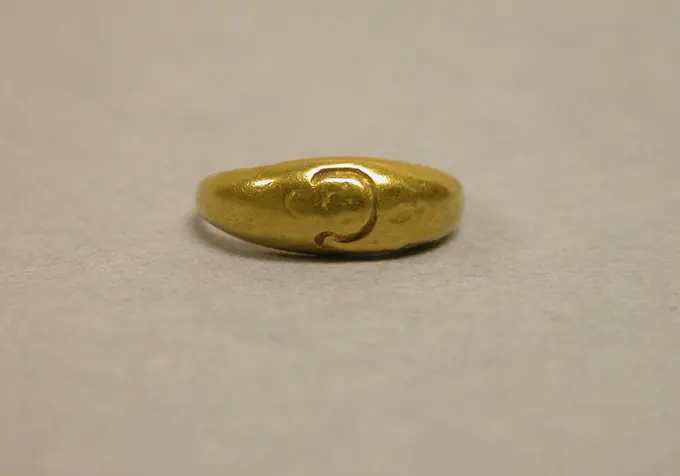
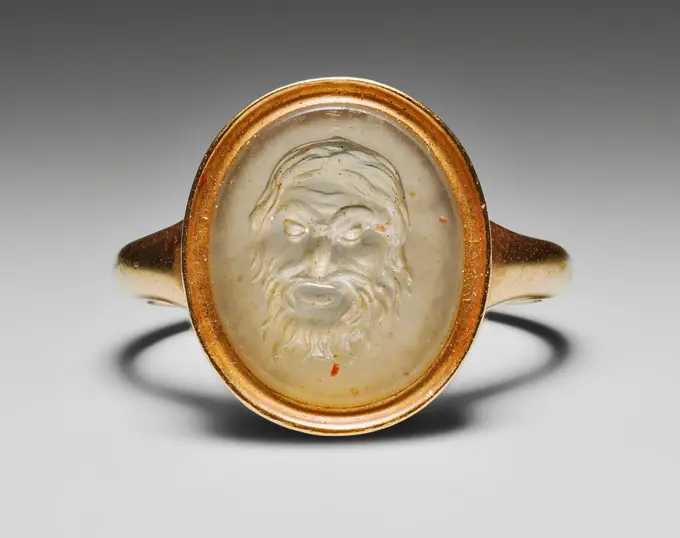
Ring; Greece; mid-5th century B.C; Gold; 1.2 × 0.7 cm (1,2 × 1,4 in.)
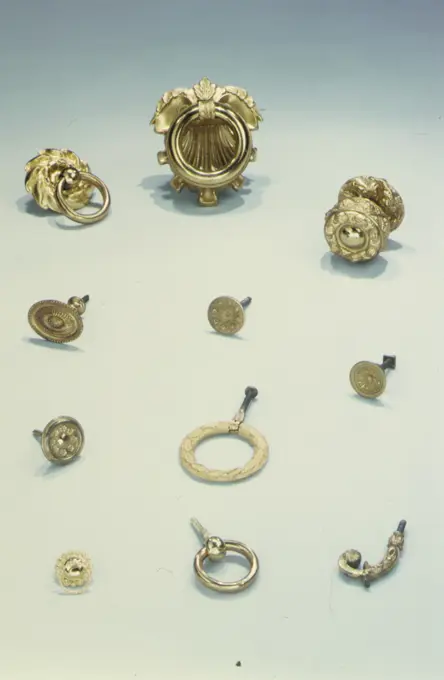
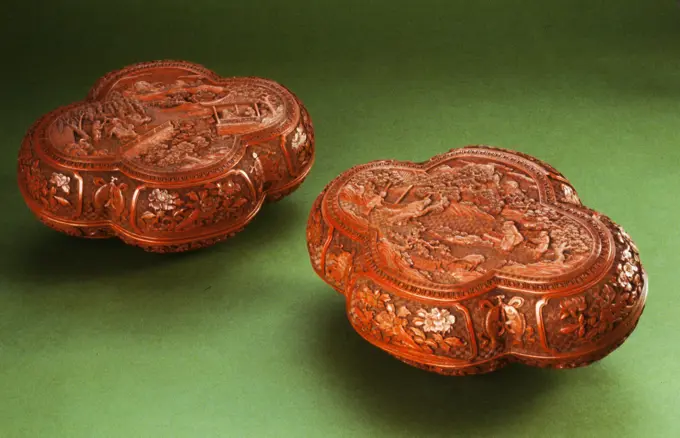
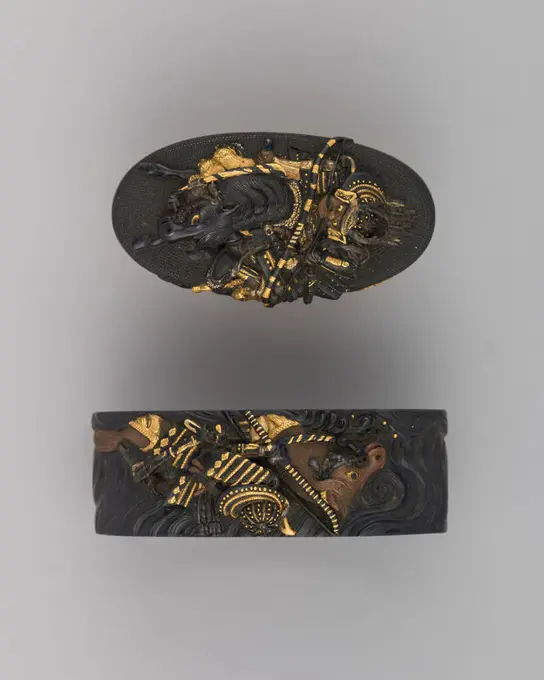
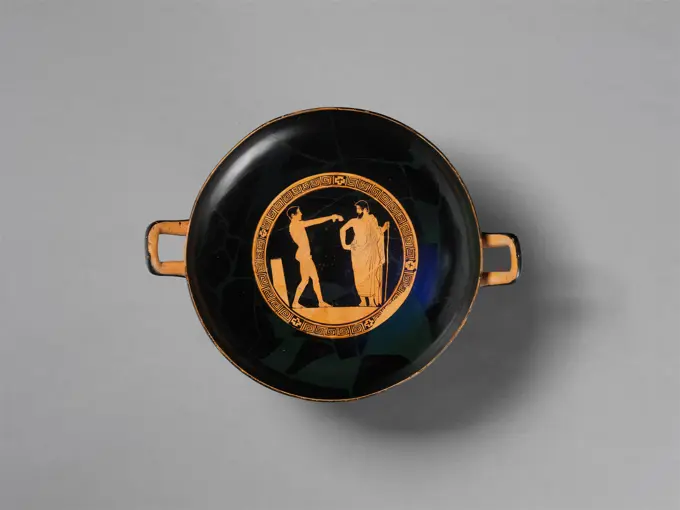
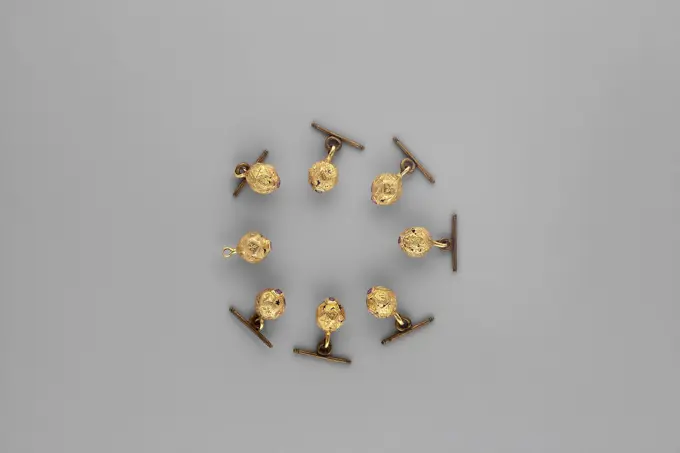
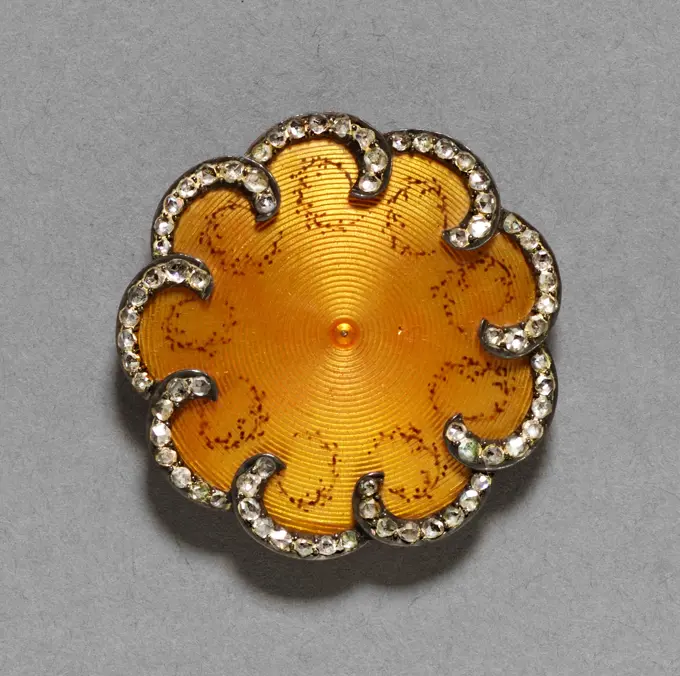
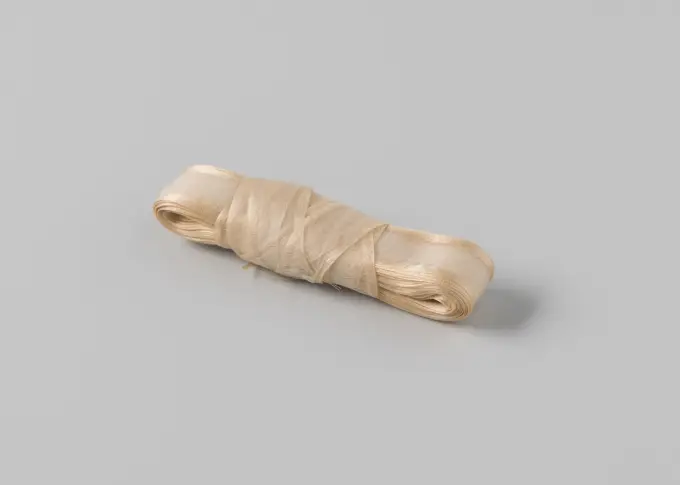
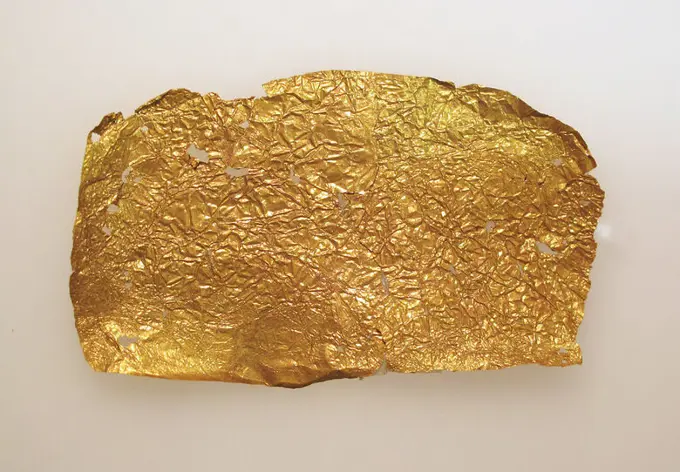
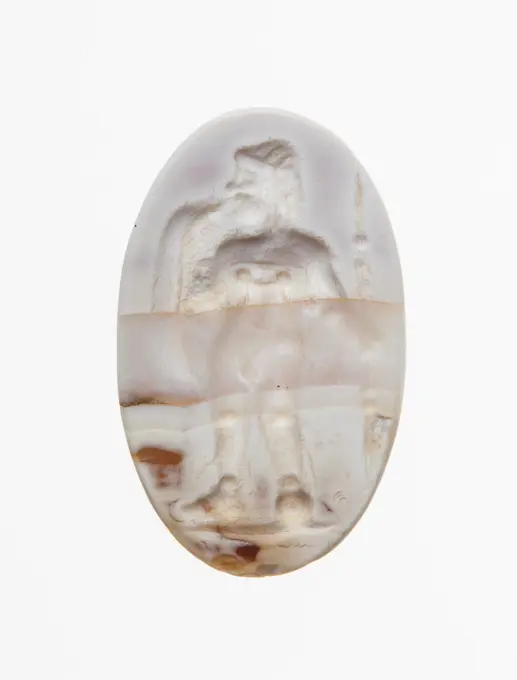
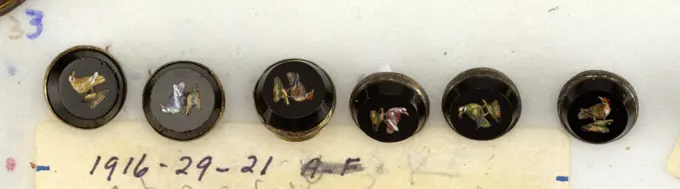
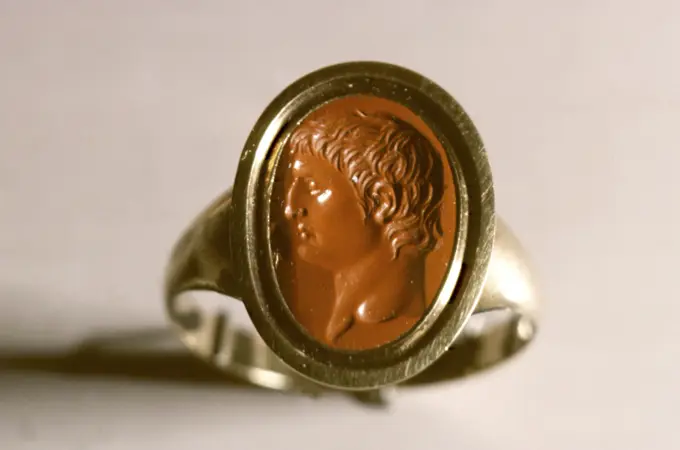
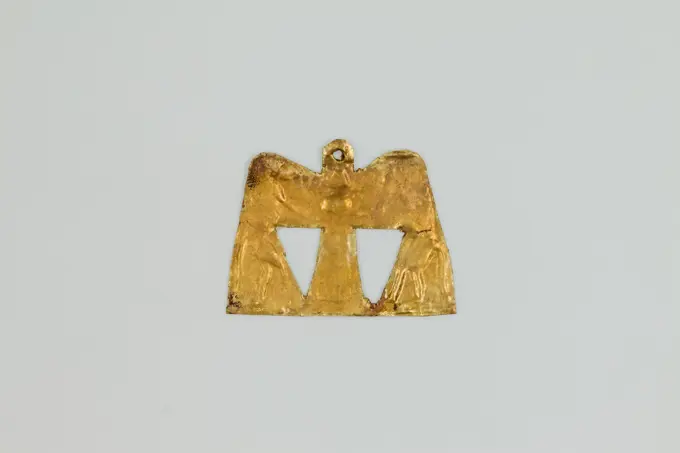
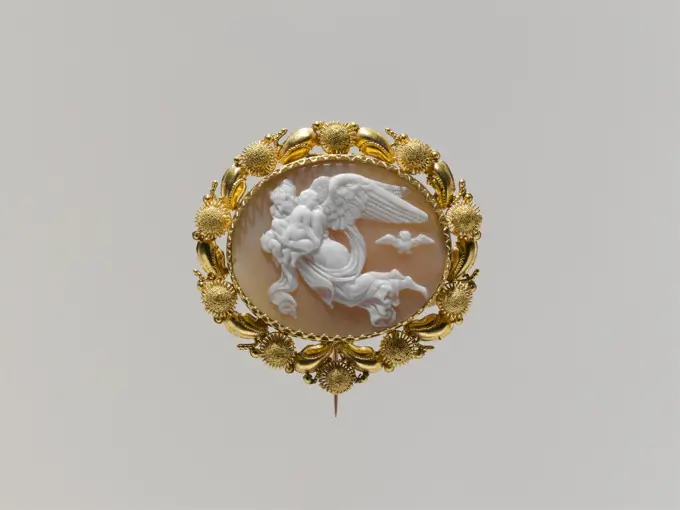
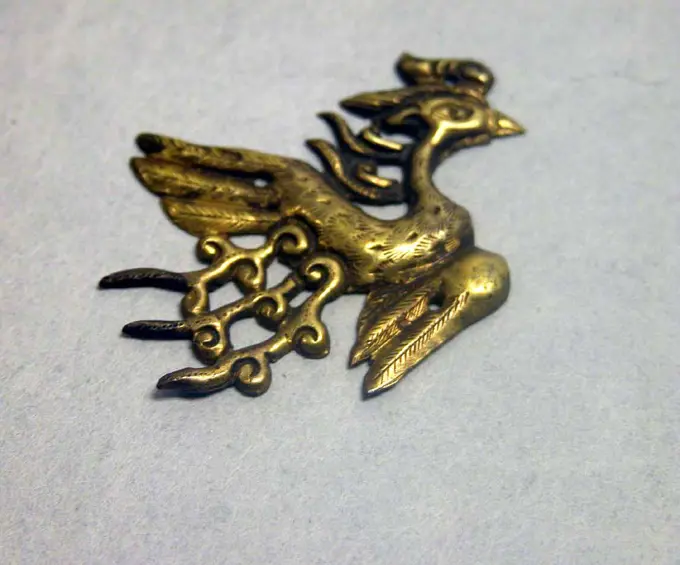
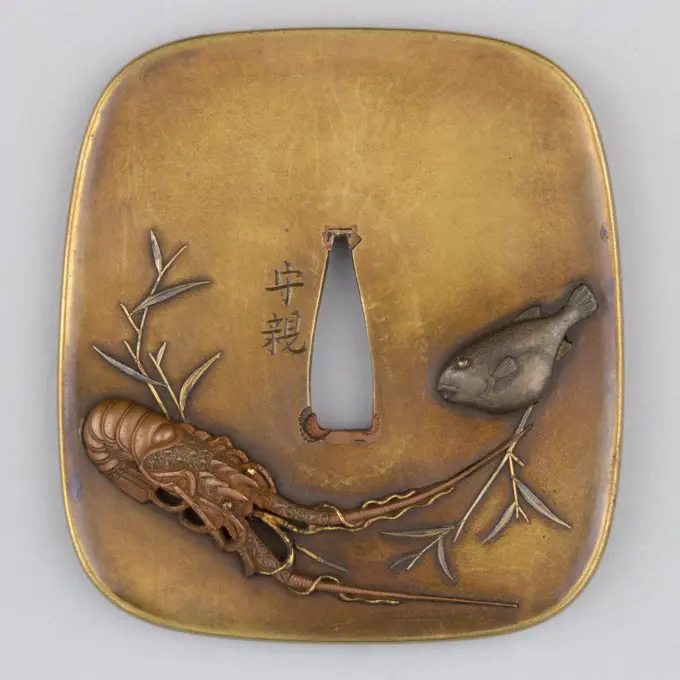
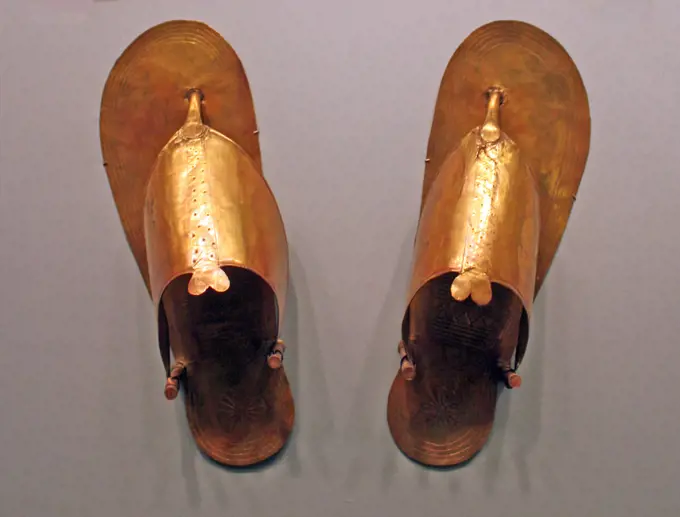
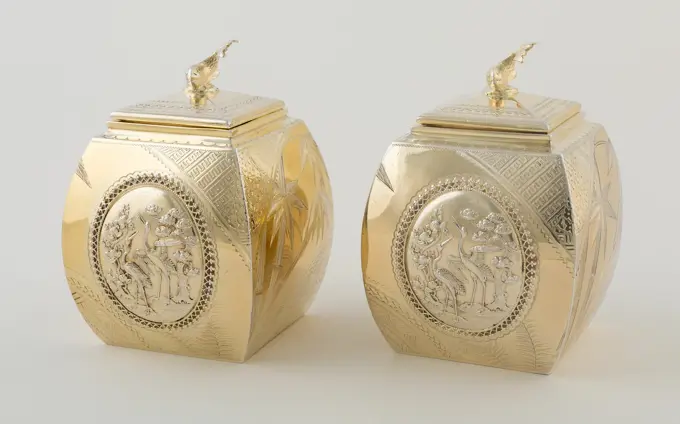
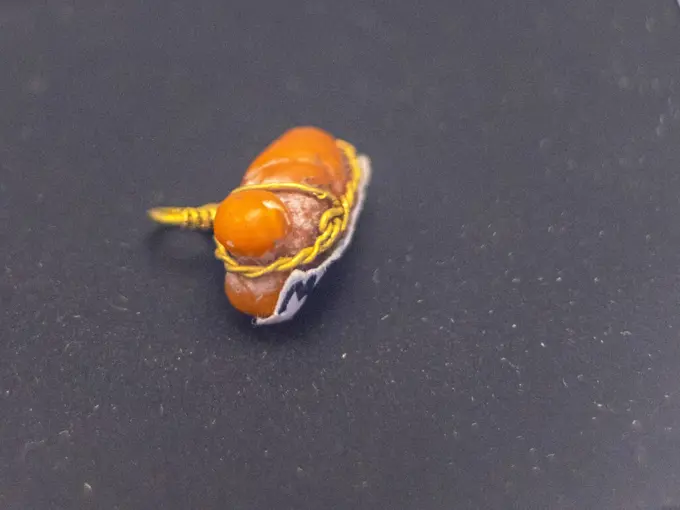
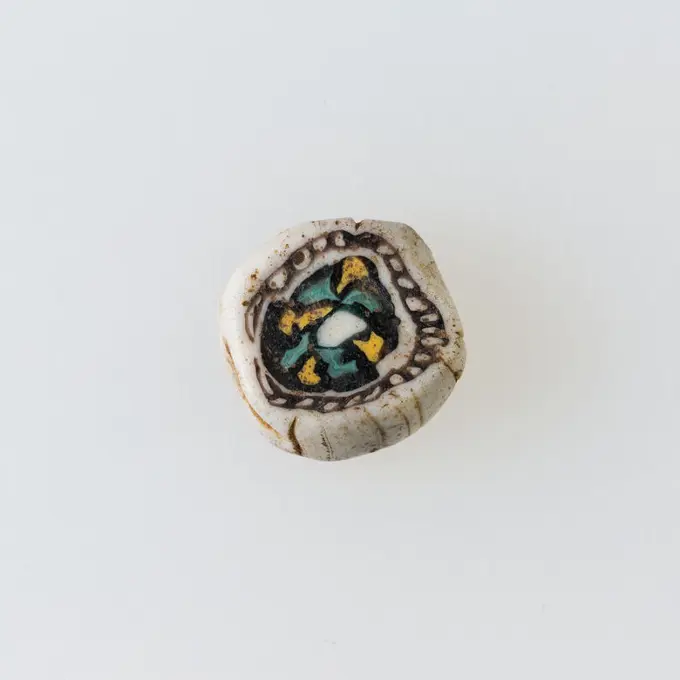
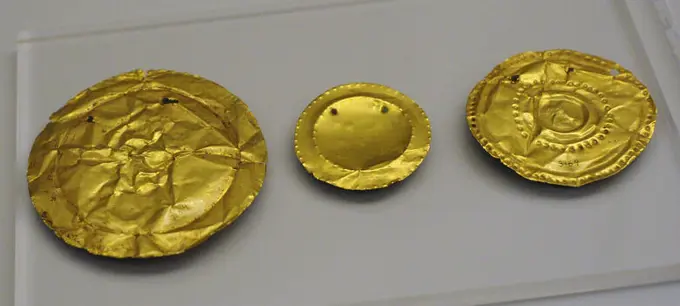
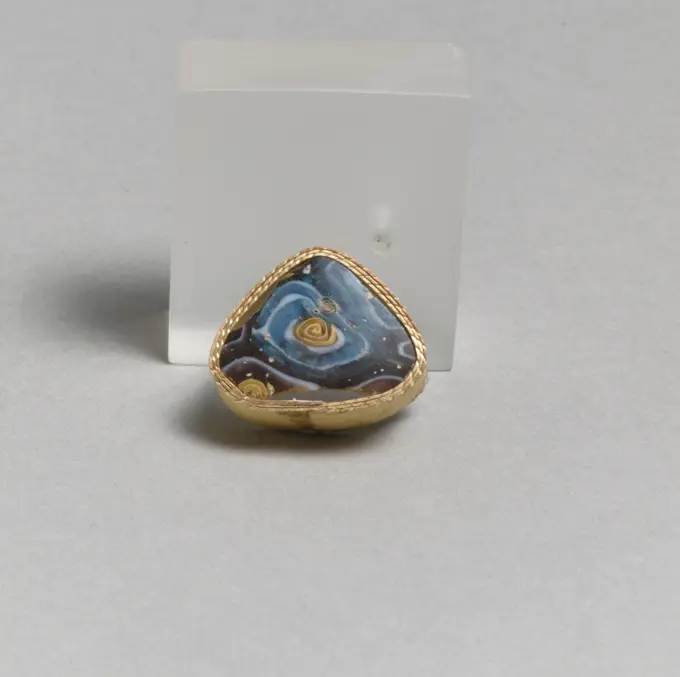
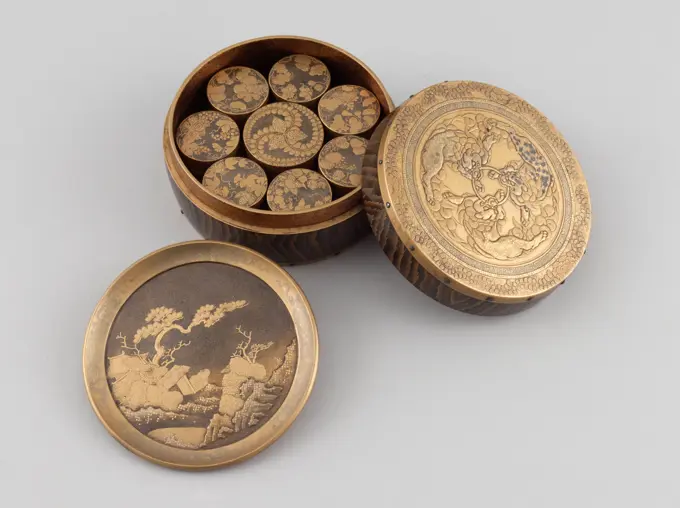
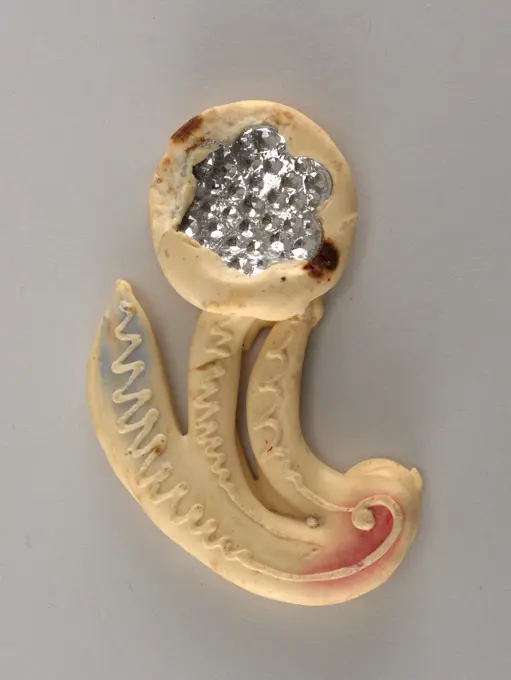
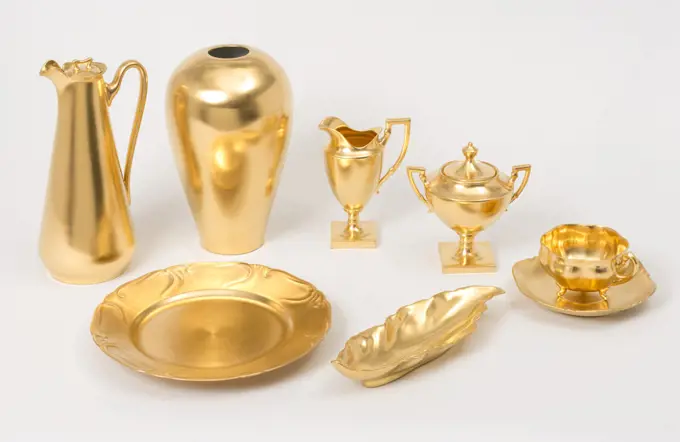
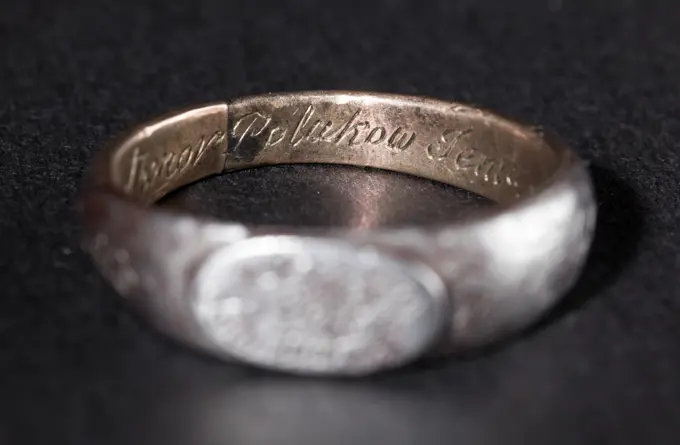
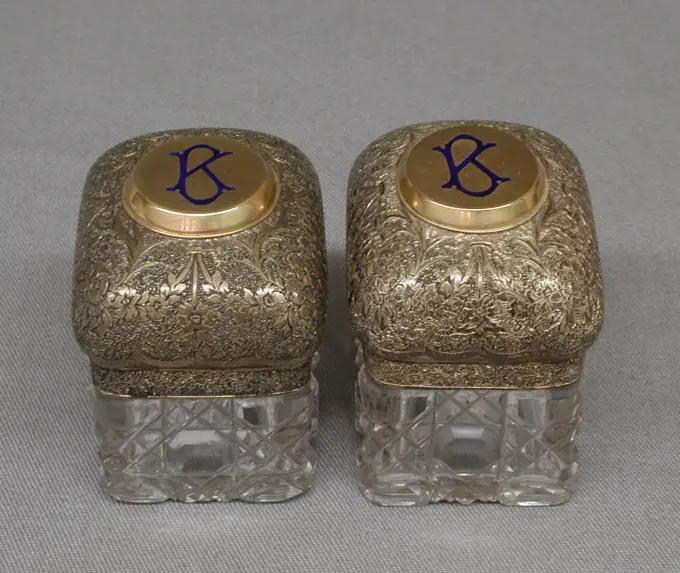
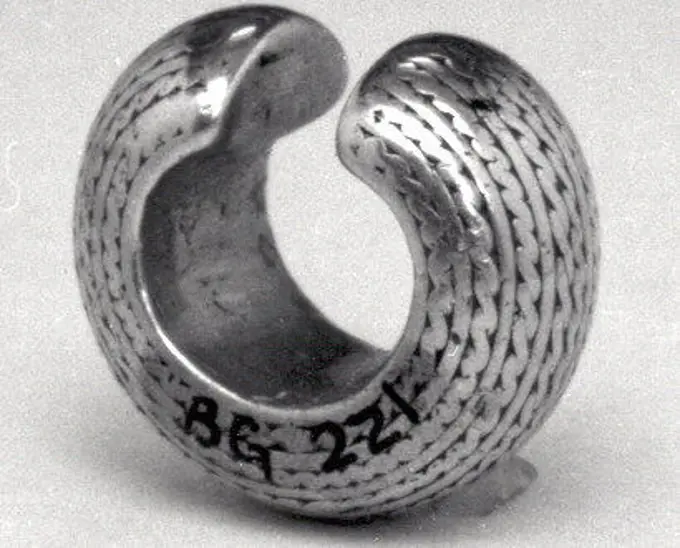
Stupa Shaped BirdRingEngraved Gem. UnknownEngraved Gem. UnknownJaguar Pendant, 800-1500. Panama, Veraguas style. Cast gold; overall: 7.7 x 2.6 x 3.1 cm (3 1/16 x 1 x 1 1/4 in.).Earrings ca. A.D 1st-2nd century Parthian. Earrings. Parthian. ca. A.D 1st-2nd century. Gold. Parthian. MesopotamiaGold Bell 10th-16th century Tairona. Gold Bell 310680Furniture Hardware 1820-30 Henry Kellam Hancock. Furniture Hardware 6790Ryngraf of an officer of the Higher Infantry Regiment of the Vistula Legia unknown labelQuadrifoil Box, one of a pair, 1662-1722, 4 1/8 x 8 1/4 x 11 in. (10.5 x 21 x 27.94 cm), Carved red lacquer (cinnabar), China, 17th-18th century, This pair of carved lacquer boxes presents scenes of scholars in landscape settings (top panels), and the eight Buddhist auspicious emblems (sides): the wheel, a conch shell, an umbrella, a canopy, a lotus flower, paired fish, a vase, and an endless knot. Pictorial carved lacquer was perfected during the early Ming dynasty (1368-1644) and remained popular into the 20th century. Beautiful and perfectly executed, covered boxes such as these would have held a variety of small objects in a wealthy household.Five tumorsSword-Hilt Collar and Pommel (Fuchigashira). Culture: Japanese. Dimensions: Fuchi (a); H. 1 1/2 in. (3.8 cm); Wt. 0.9 oz. (25.5 g); kashira (b); H. 1 3/8 in. (3.5 cm); Wt. 0.6 oz. (17 g). Date: 19th century. Museum: Metropolitan Museum of Art, New York, USA.Terracotta kylix (drinking cup) ca. 460-450 B.C. Attributed to the Euaion Painter Interior, post, athlete with halteres (jumping weights) and trainerExterior, obverse and reverse, athletes and trainerThe representations here beautifully convey two fundamental aspects of athletic training, expressed in the Latin saying "mens sana in corpore sano" ( a healthy mind in a sound body). The interior depicts the mastery of a specific sport, in this case the long jump, and the discipline of the body. The exterior shows the easy, serious interchange among young men and their older mentors. The javelins and the strigil establish an athletic setting.. Terracotta kylix (drinking cup) 246635Buttons for a żupan with buckles. unknown, authorEngraved Ring 8th-12th century Indonesia (Central Java). Engraved Ring 64416Button, after 1896. Firm of Peter Carl Fabergé (Russian, 1846-1920), August Wilhelm Holmström (Russian, 1929-1903). Gold, enamel, diamonds; diameter: 3.5 cm (1 3/8 in.).Ribbon of cream -colored mesh of 15 meters, c. 1900 - c. 1915 Ribbon of cream -colored mesh for 15 meters. Nijmegenfrance silk. Ribbon of cream -colored mesh for 15 meters. Nijmegenfrance silk.Conch-shapedbeadsFrontlet of gold leaf. Dimensions: Other: 2 3/8 × 3 15/16 in. (6.1 × 10 cm). Museum: Metropolitan Museum of Art, New York, USA.Silver Plate and Glass Button, 1800-1820. Made in Birmingham, maker unknownRing; Roman Empire; 250 - 400; Gold, carnelian; 2.5 × 2.3 cm (1 × 7,8 in.)Frontlet of gold leafButton, brass, brass button in cut-out design of balls and rosettes arranged in concentric rings., On card 64, France, 19th century, costume & accessories, Decorative Arts, ButtonPair of Bracelets. .A warriorEngraved gem. UnknownButtonstone carving on buildingRELICARIO DE SAN PEDRO ARBUES EN PLATA - SIGLO XVII. Location: CATEDRAL-INTERIOR. Toledo. SPANIEN.Gold ring with inscribed bezel 1st century B.C.-3rd century A.D. Roman. Gold ring with inscribed bezel 243509Mark Antony seal ring, red jasper, 40 BC. Jewellery GREECE.Amulet depicting two baboons flanking a djed pillar with sundisk and atef-crown 664-380 B.C. Late Period. Amulet depicting two baboons flanking a djed pillar with sundisk and atef-crown 561561Pair of Earrings with Three Hoops, Incised Floral Design 8th-12th century Indonesia (Central Java). Pair of Earrings with Three Hoops, Incised Floral Design 64332Diadem. UnknownMedallion with Women and Urn 1775-1799 Burslem. Stoneware (jasperware) . Wedgwood Manufactory (Manufacturer)Japanese gilded, box in the shape of a persimmon fruit. Wood with painted lacquer design in slight relief, 19th century. Birmingham MuseumPin (part of a set) mid-19th century Cameo after Bertel Thorvaldsen Made to catch the eye of a shopper bent on ballroom glory, the cameos in this set of jewelry (99.33.1-.6) bear typical Grand Tour images, including (on the necklaces clasp) Guido Renis Aurora fresco of 1614 (Palazzo Pallavicini-Rospigliosi, Rome), mythological scenes, peasants of the Roman campagna, and (on both the pin and the necklace) Bertel Thorvaldsens ever-popular marble relief Night of 1815 (Thorvaldsens Museum, Copenhagen). Billing doves grace the earrings, and on one of the bracelets are a comely marine divinity and a dolphin.The rather flimsy fittings of stamped gold filigree suggest that this was costume jewelry, not meant to be worn often.. Pin (part of a set) 188481 Italian, probably Naples, Pin (part of a set), mid-19th century, Gold, shell (Cassia rufa), Overall: 1 3/4 ? 1 1/2 in. (4.4 ? 3.8 cm); visible cameo (confirmed): 26.4 ? 32.1 mm. The Metropolitan Museum of Art, New York. Gift of Mrs. John D.Crystal glass idol of lord Ganesh elephant headed god with shadow on yellow color background, Pune, Maharashtra, India Copyright: xSunilxKapadia/DinodiaxPhotox'Niagara Falls', Aluminum, Oblong, curved top and bottom, featuring incised inscription 'Niagara Falls' across front, framed by decorative branch motifs; reverse features raised decoration of small deer head with antlers. Flower and cartouche motif on top of lid, lid hinged on side. Striker on bottom., ca. 1900, containers, Decorative Arts, Matchsafe, MatchsafeOrnament Korea. Ornament 44823Glass mosaic inlay fragment late 1st century B.C.-early 1st century A.D. Roman Translucent blue, turquoise blue, and opaque white.Slightly convex curving body.Pattern of two bands in turquoise on blue ground with white line between.Pinprick bubbles; exterior polished with pitting of surface bubbles; dulling and iridescent weathering on interior and jagged edges.. Glass mosaic inlay fragment 257191Sword Guard (Tsuba) ca. 1615-1868 Japanese A tsuba is a sword guard and part of a sword mounting. It is mounted between the swords blade and grip to protect the users hands.. Sword Guard (Tsuba) 34403Gold sandals, toe and finger stalls. Dynasty 18, reign of Thutmose 111 (ca.1479-1425 B.C.) Gold. From the tomb of the three minor wives of Thutmose 111, in the Wady Gabbanat el-Qurud, Thebes.Pair of Tea Caddies 1878-1879 London. Silver gilt . William BarnardBliżej KulturyRing 3rd-7th century. Ring. 3rd-7th century. Gold. Attributed to Egypt. MetalRingNetsuke of Monkey in a Bulb. Culture: Japan. Dimensions: H. 1 3/4 in. (4.4 cm); W. 1 in. (2.5 cm). Date: 19th century. Museum: Metropolitan Museum of Art, New York, USA.Ring. Egyptian. Date: 1350 BC-1069 BC. Dimensions: W. 0.3 cm (1/8 in.); diam. 1.9 cm (3/4 in.). Faience. Origin: Egypt. Museum: The Chicago Art Institute, Chicago, USA. Author: Ancient Egyptian.Two circular plates and one flower-shaped, decorated with clover leaves. Two circular pictures and one flower-shaped, consisting of five yellow clover leaves connected to a cross, between which four brown circles or points.Sardonyx cameo of a nymph riding a centaur 1st century B.C.-1st century A.D. Greek or Roman Sardonyx cameo of a nymph riding a centaur.. Sardonyx cameo of a nymph riding a centaur. Greek or Roman. 1st century B.C.-1st century A.D.. Sardonyx. Hellenistic or Early Imperial. GemsAmulet, Museum-Interpretation Center of the archaeological park of Segóbriga, Saelices, Cuenca, Castilla-La Mancha, Spain.Inlay / bead blank, floral design. Dimensions: H. 1.3 × W. 1.3 cm (1/2 × 1/2 in.). Date: 100 BC-100 AD.A mosaic glass technique allowed multiples of an image to be created: a figural or design composition was made by bundling colored glass canes, which were then drawn out into a long bar. The bar was then sectioned at right angles, probably by striking the bar with appropriate tools, to produce small inlay tiles. The tile would then be smoothed and polished on the face intended to appear outwards. Museum: Metropolitan Museum of Art, New York, USA.Discoidal ornaments. Gold. Period IV. Diquis culture. Costa Rica. Late Diquis (1000-1500 AD). Museum of the Americas. Madrid, Spain.Steel button Button; England; cut-steel beadsGlass mosaic fragment late 1st century B.C.-early 1st century A.D. Roman Thin-walled body fragment.Translucent blue, purple, opaque white and yellow, with some colorless.Shallow curving side.Composite mosaic pattern formed from polygonal sections of two canes: one in a purple ground with a hollow white circle and a central yellow spiral, and the other in a blue ground with a large white spiral around a central purple ground containing a small yellow spiral.Polished exterior; deep pitting of surface bubbles on exterior; dulling, pitting, and iridescent weathering on interior and edges.. Glass mosaic fragment 257221Finger Ring with Engraved Gemstone 1 CE-100 CE Roman Empire. Engraved or carved gems were often incorporated into signet rings, which could be pressed into hot wax as a seal. Here a theater mask, perhaps showing Silenos, has been carved into the light gray transparent stone. Actors in Greek comedies wore similar grimacing masks with exaggerated features.. Stone and gold (modern setting) . Ancient RomanAnonymous. Round box forming drum, in gold lacquer imitating wood; Interior containing tray and 8 small perfume boxes in gold lacquer. Together. Lacquer. Museum of Fine Arts of the City of Paris, Petit Palais. Round box, wood imitation, lacquer object, gold, perfume, drumOrnament, Christmas Tree (USA); doughHealey Gold, Chryso-Ceramics, American, 1892 - 1920, Gilt porcelain, sugar jar, Washington, District of Columbia, USA, ca. 1893, ceramics, Decorative Arts, Jar and lid, Jar and lidCase (Inrō) with Design of Momotarō and Dog on the way to the Island of the Devils (obverse); Monkey with Pheasant (reverse) 19th century Kogyoku Tokayo Japanese. Case (Inrō) with Design of Momotarō and Dog on the way to the Island of the Devils (obverse); Monkey with Pheasant (reverse) 45583A worn football ball rests against a neutral background, displaying significant peeling and faded markings. The condition reflects years of use, capturing the essence of play and nostalgiaRing with Square Bezel with Sri Inscription Second half of the 8th-second half of the 10th century Indonesia (Java). Ring with Square Bezel with Sri Inscription 50395Beads 8th-13th century. Beads. 8th-13th century. Glass. Excavated in Iran, Nishapur. GlassScaraboid. UnknownRingBROCHE CON FORMA DE CANGREJO PROCEDENTE DE ESTADOS UNIDOS - 1935/40 - BISUTERIA - DISEÑO DE TRIFARI. Location: PRIVATE COLLECTION.Seal, Jade, ruby, silver gilt, In shape of jade pig with ruby eye., USA, 19th century, jewelry, Decorative Arts, SealCosmetic jar 1874-75 Barnard Brothers The building of railroads during the first half of the nineteenth century led to a tremendous increase in travel, which stimulated the demand for the sumptuous dressing cases retailed by Frederick Jenner and Fabian James Knewstub and other London firms. This luxury case (61.78.1-.50), with its pivoting compartments, secret storage areas, and myriad fittings "which quite exhaust the requisites for the road or the boudoir," certainly made travel as comfortable as it was cumbersome.. Cosmetic jar 238153Nose Ornament 1st-7th century Calima (Yotoco). Nose Ornament 309849