Ancient Gold Jewelry

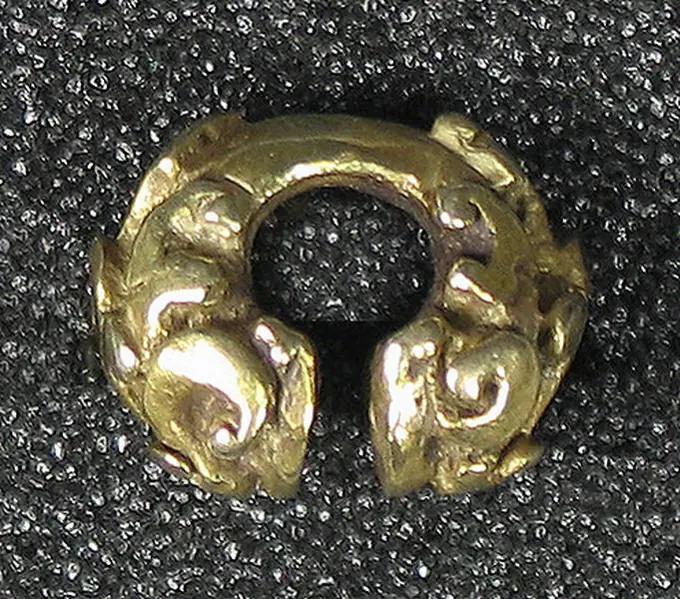
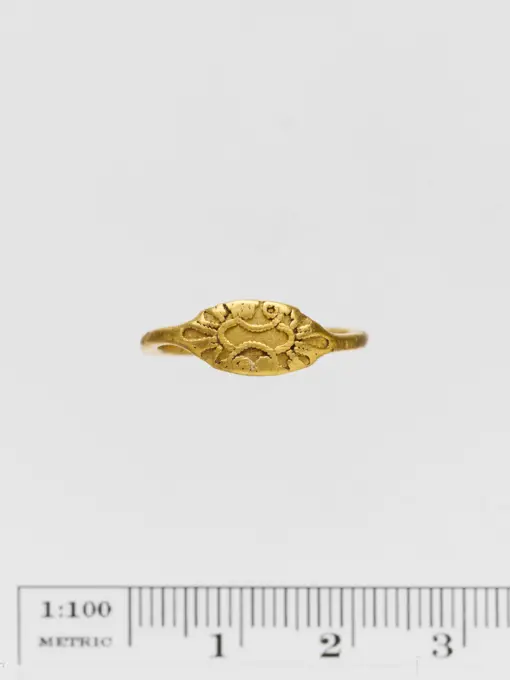
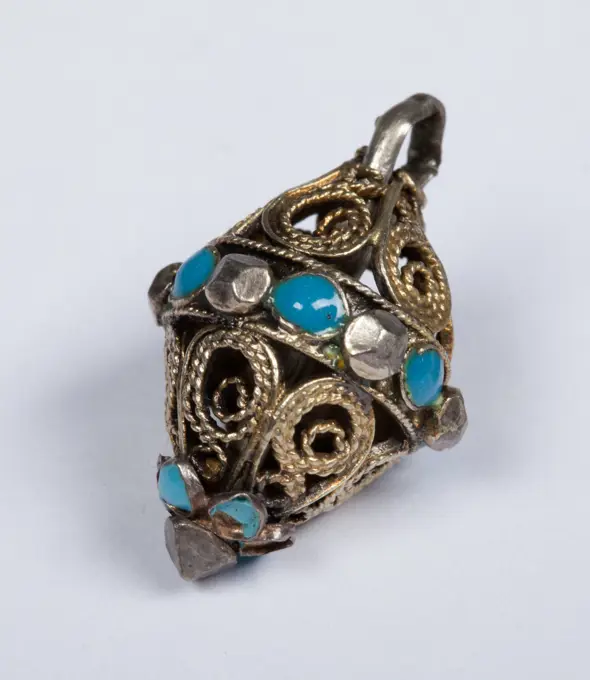
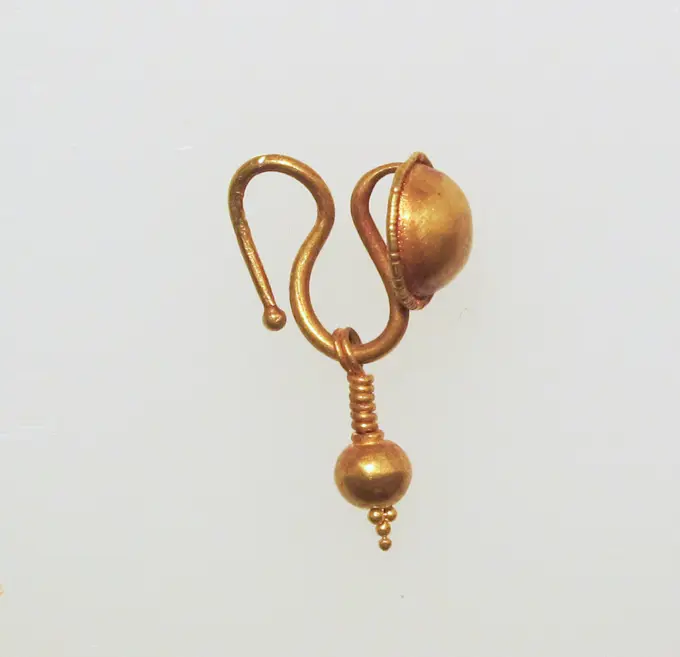
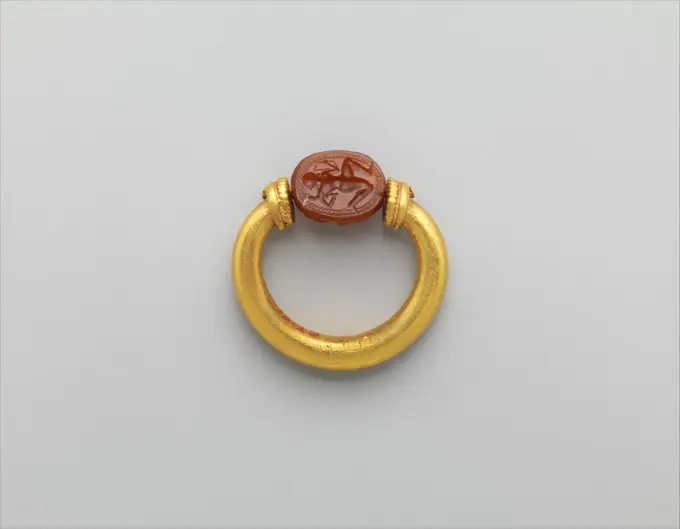
Display of unique golden earrings and rings from ancient cultures, showcasing diverse designs including lion motifs and elegant loops.

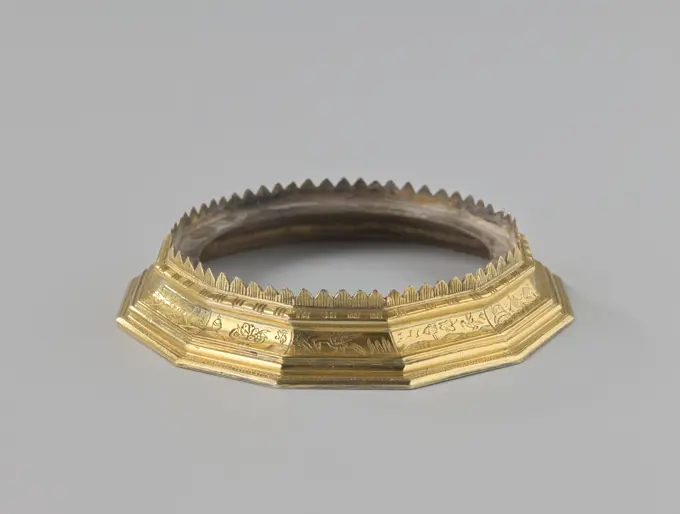
Waldhoorn bracket. Waldhoorn bracket. Labeled: ash
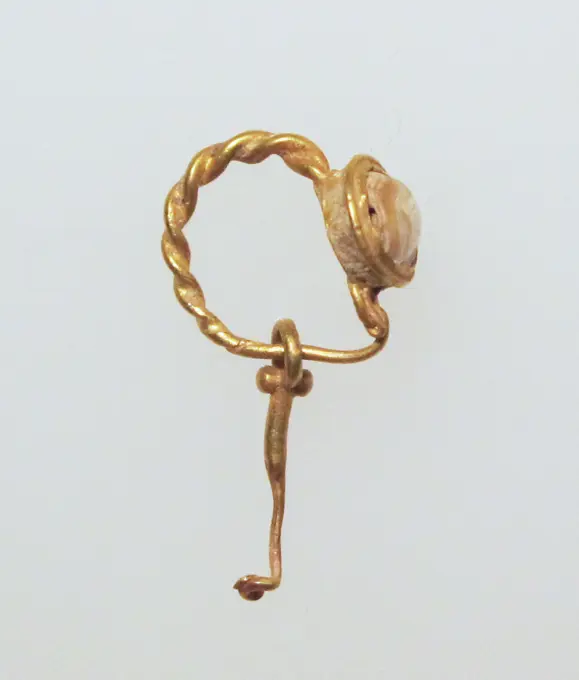
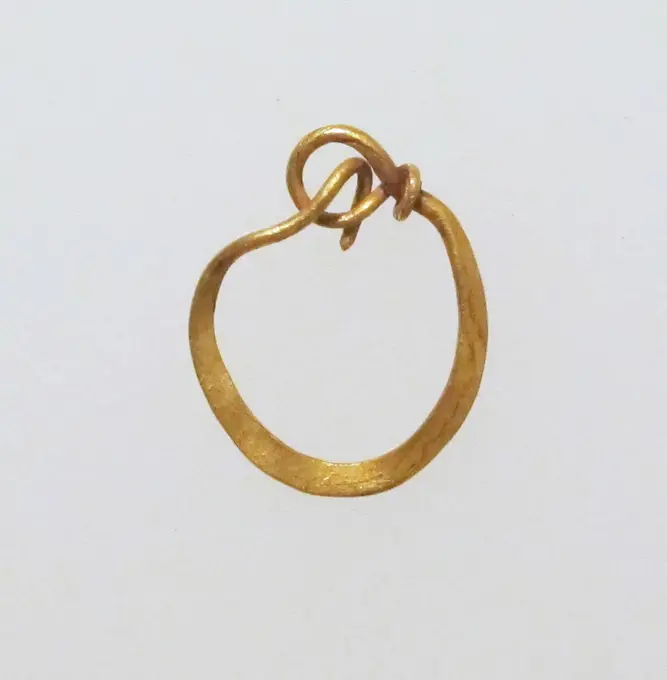
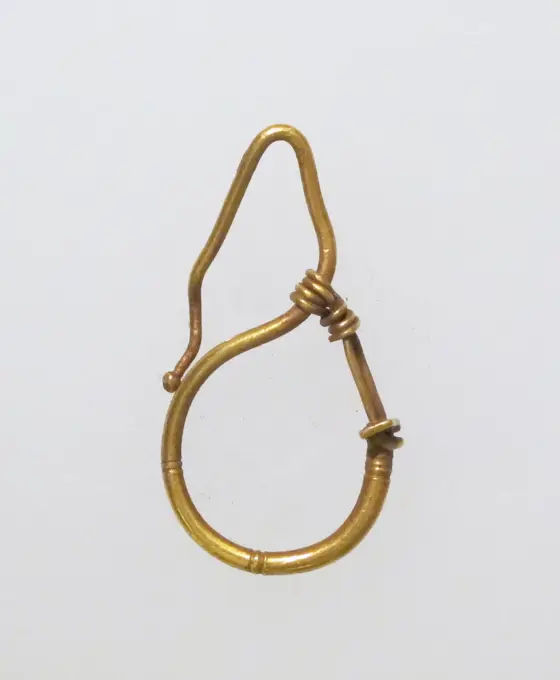
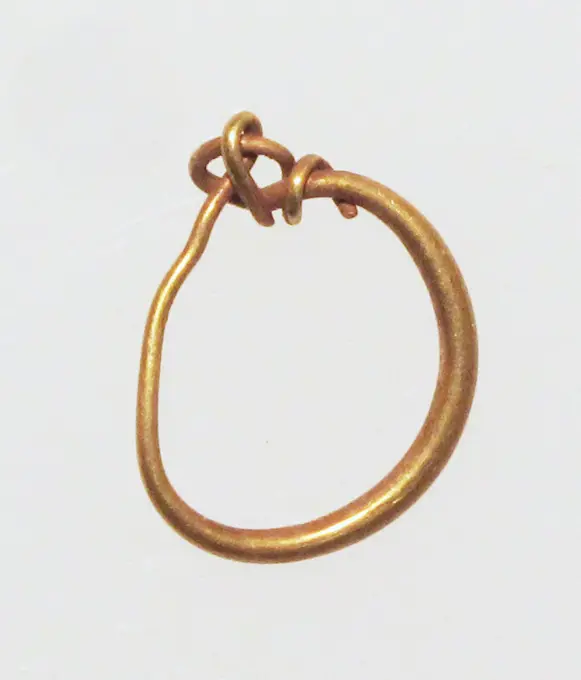
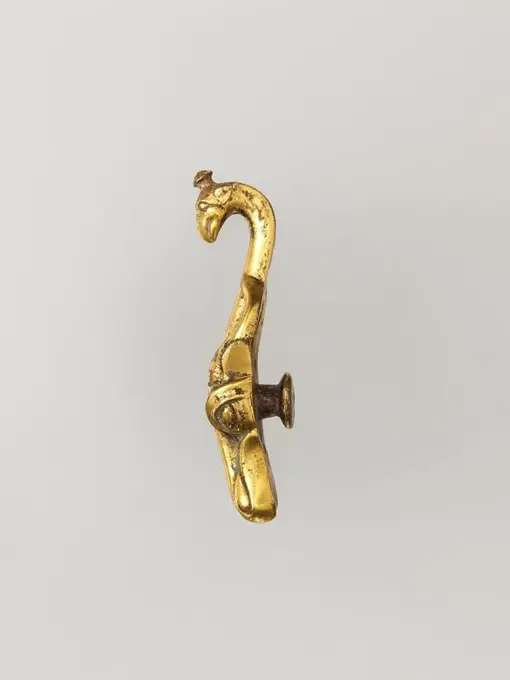
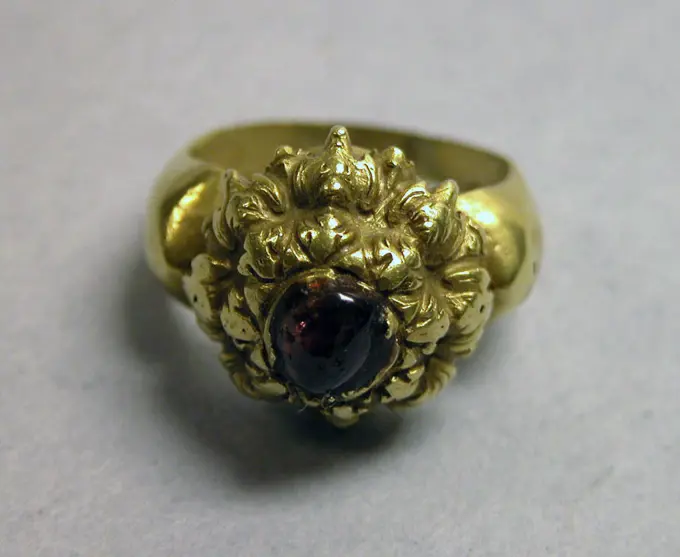
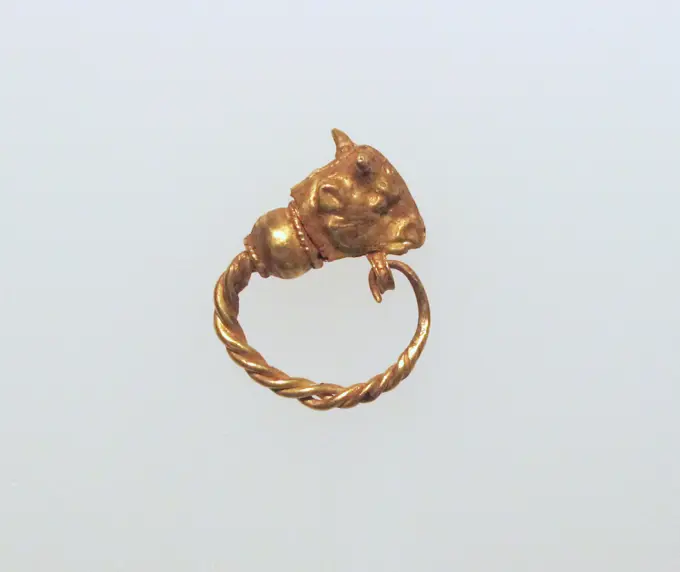
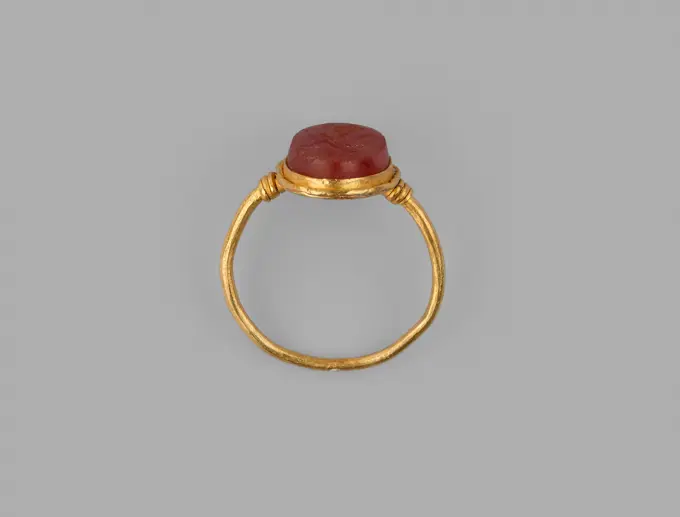
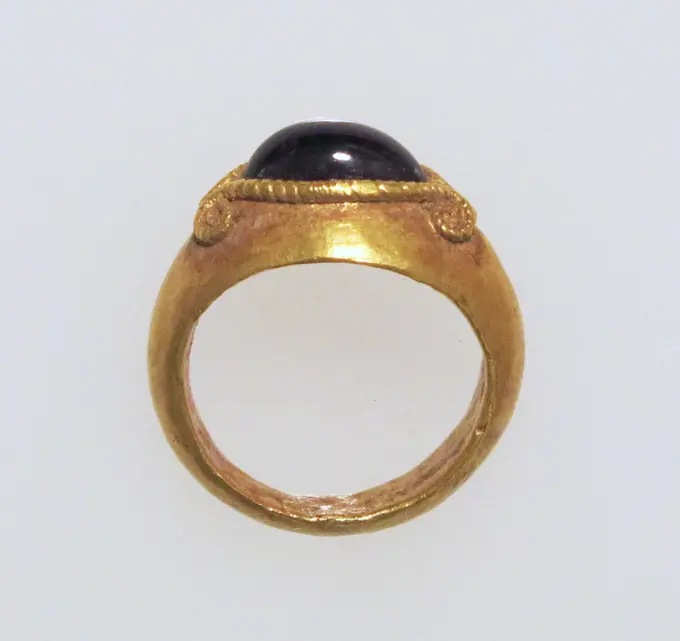
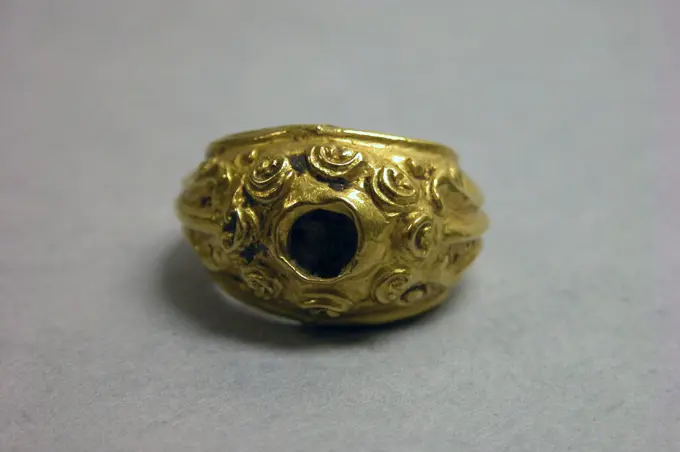
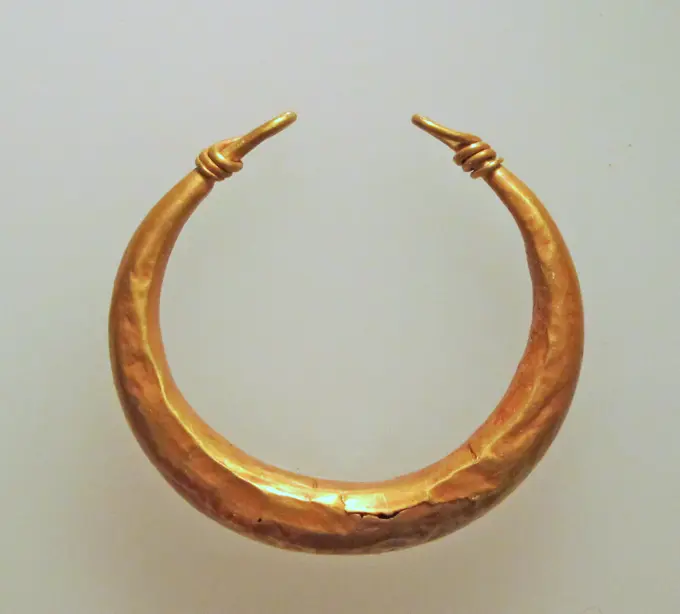
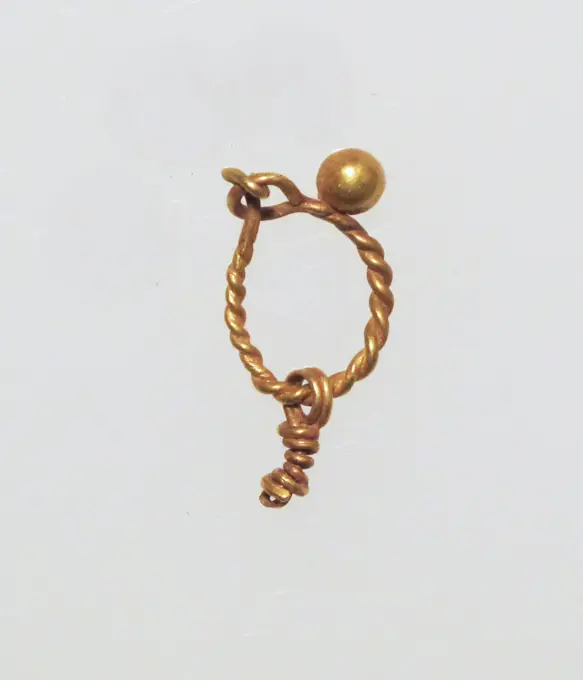
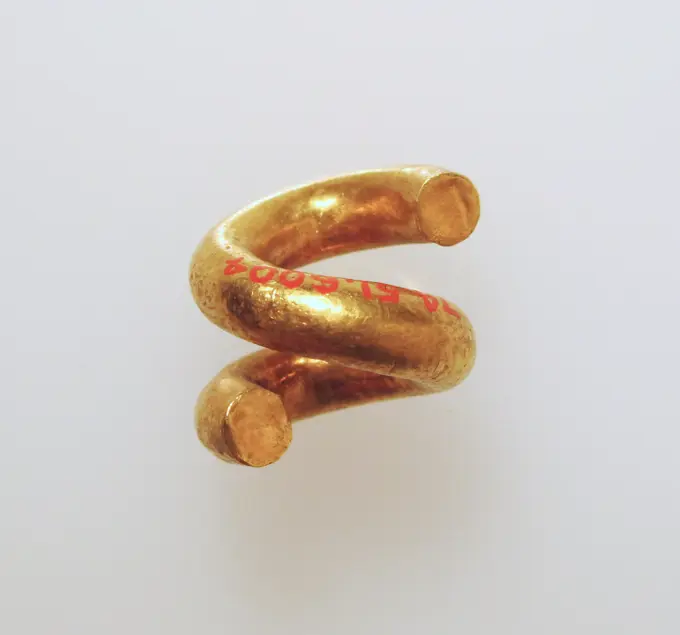
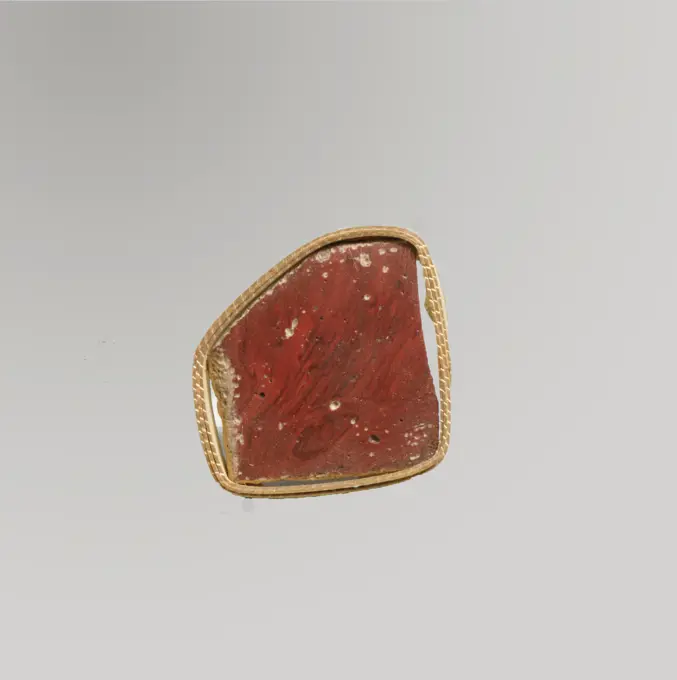
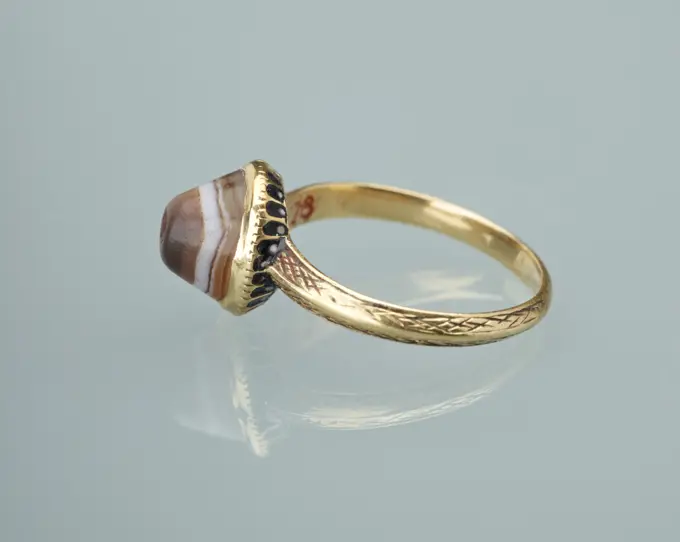
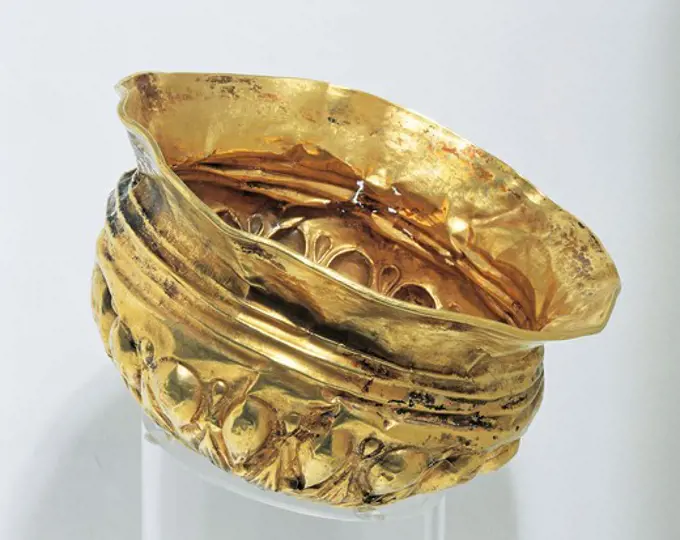
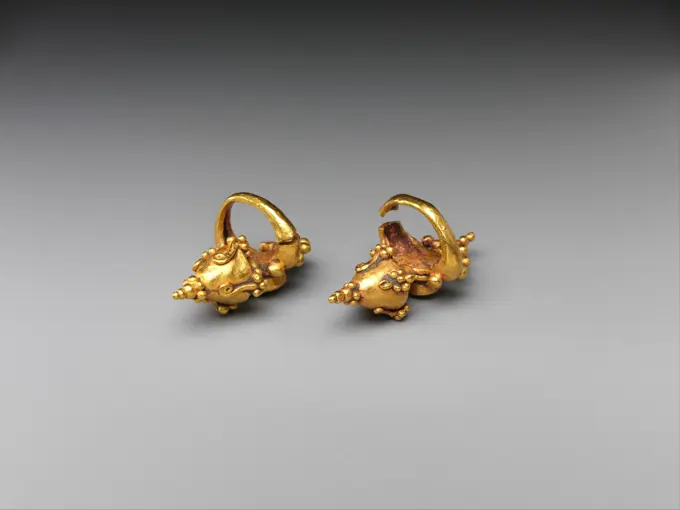
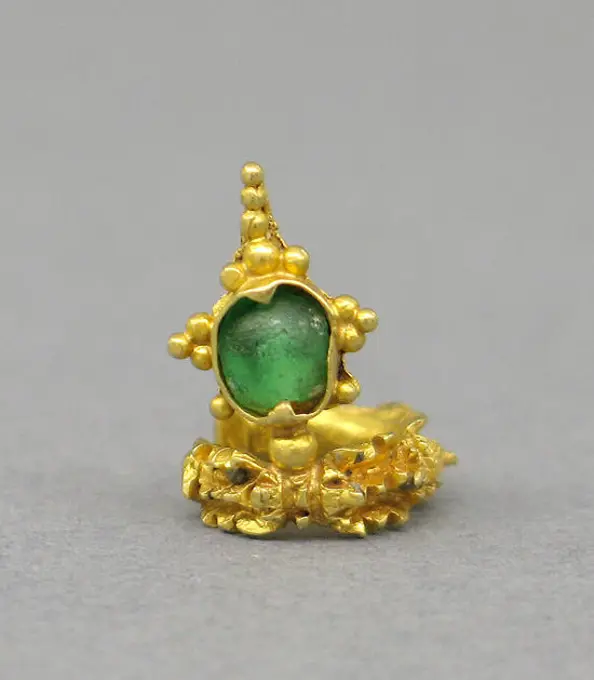
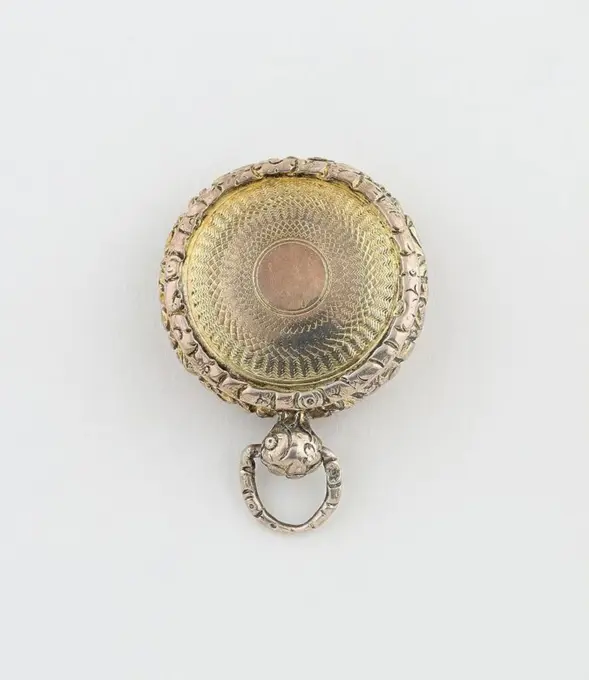
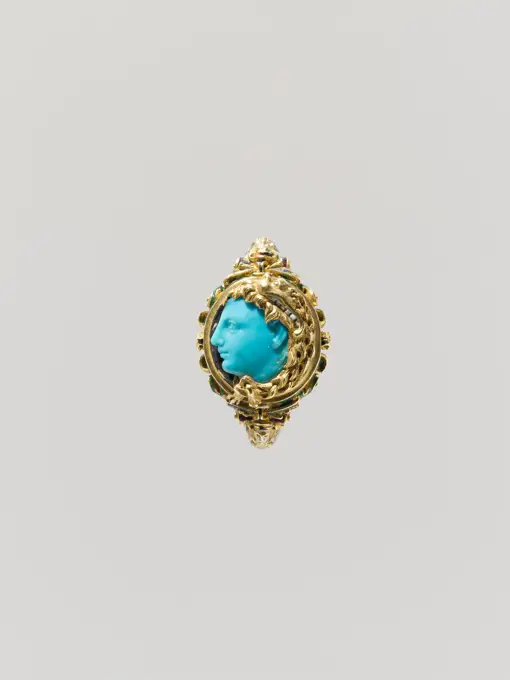
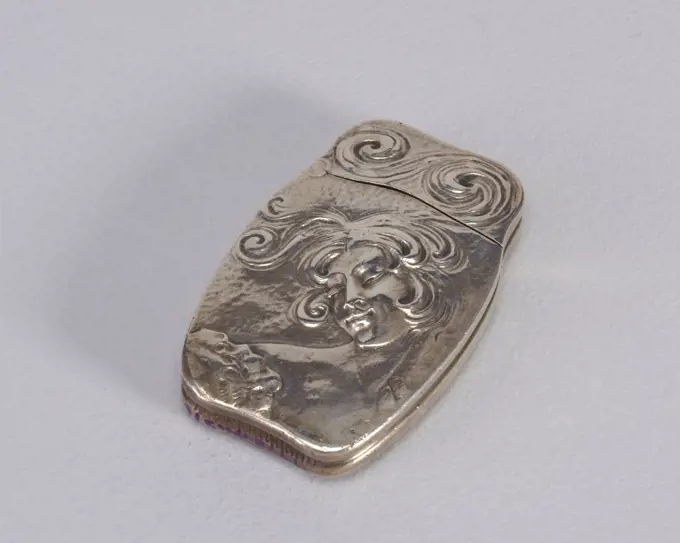
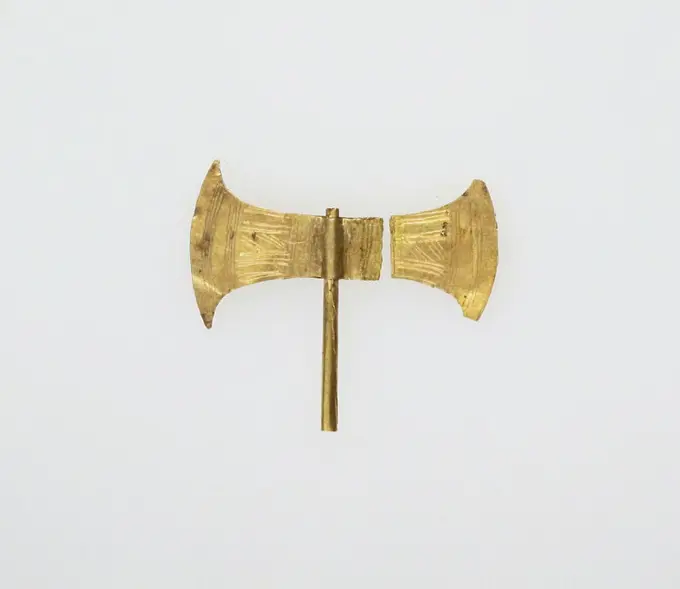
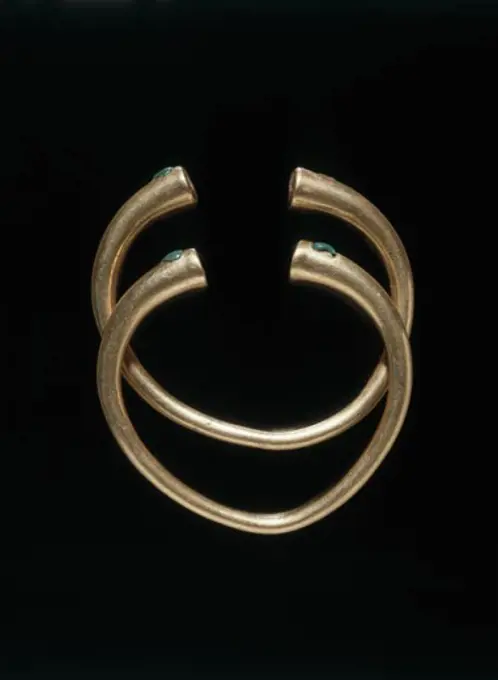
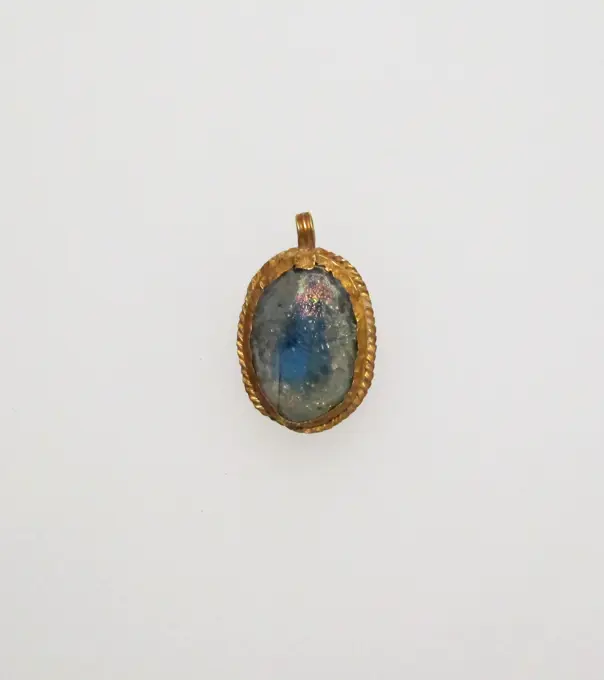
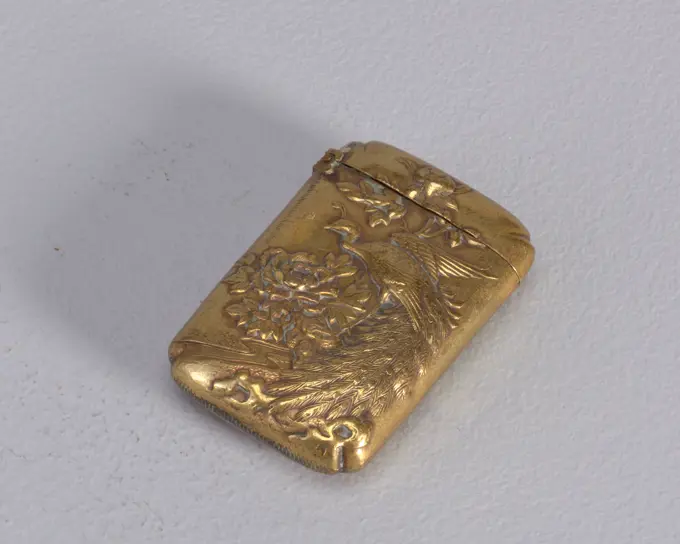
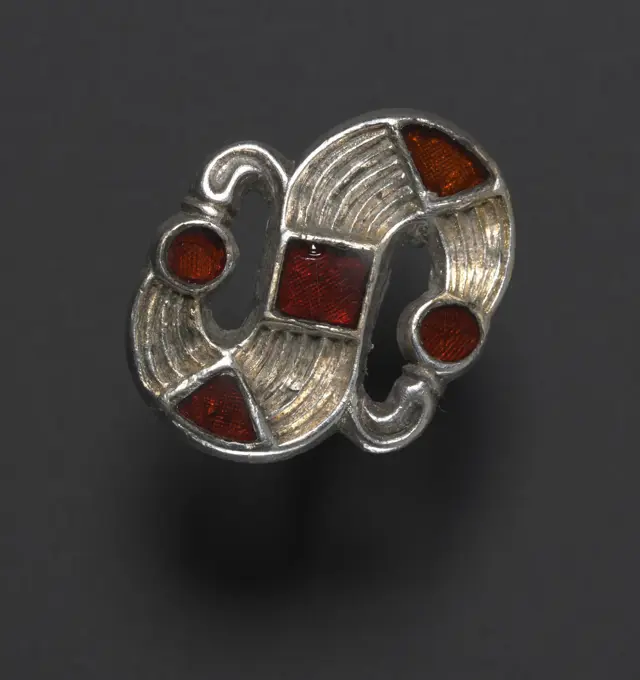
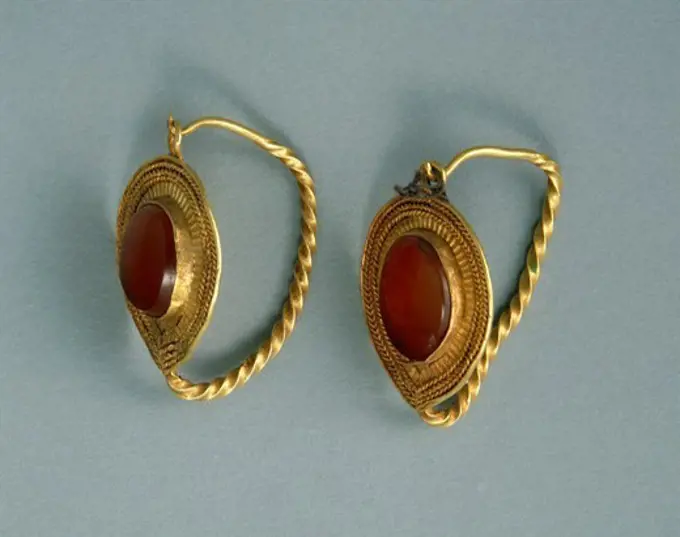
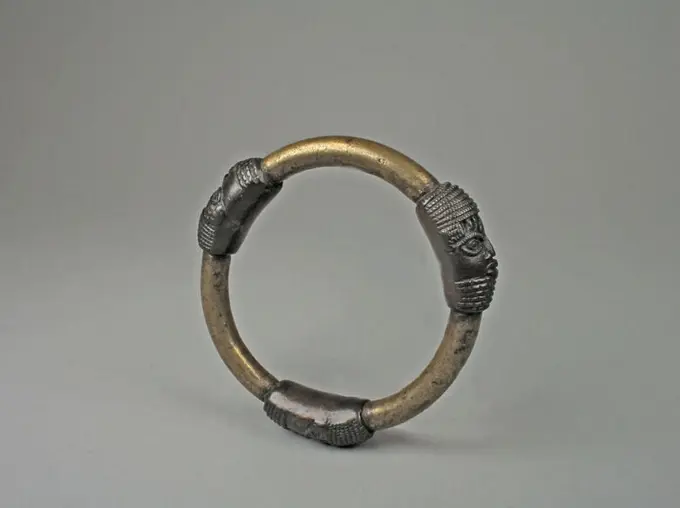
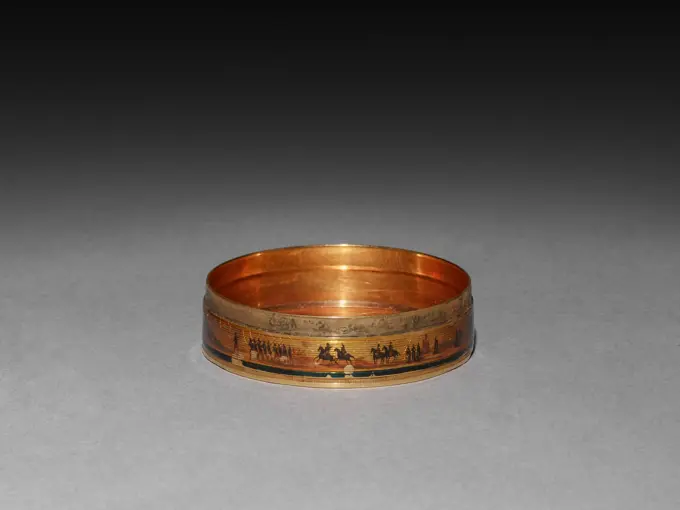
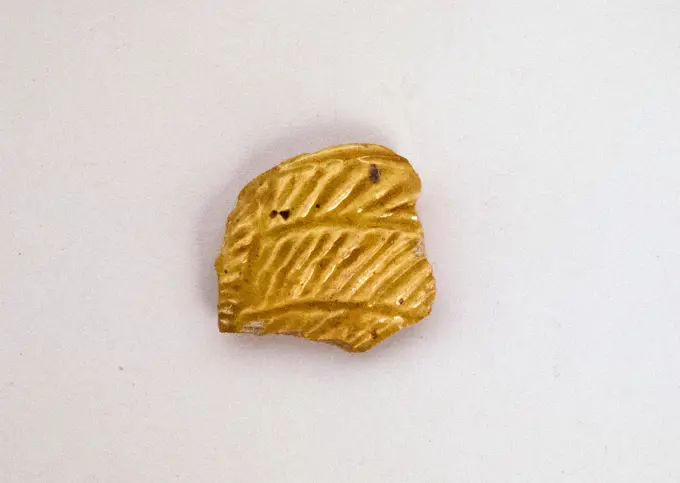
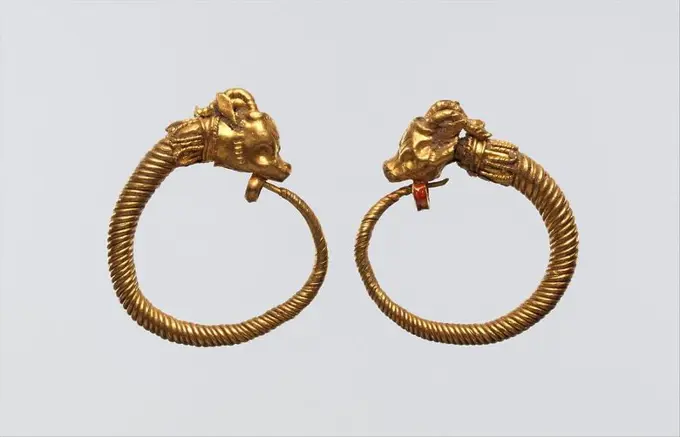
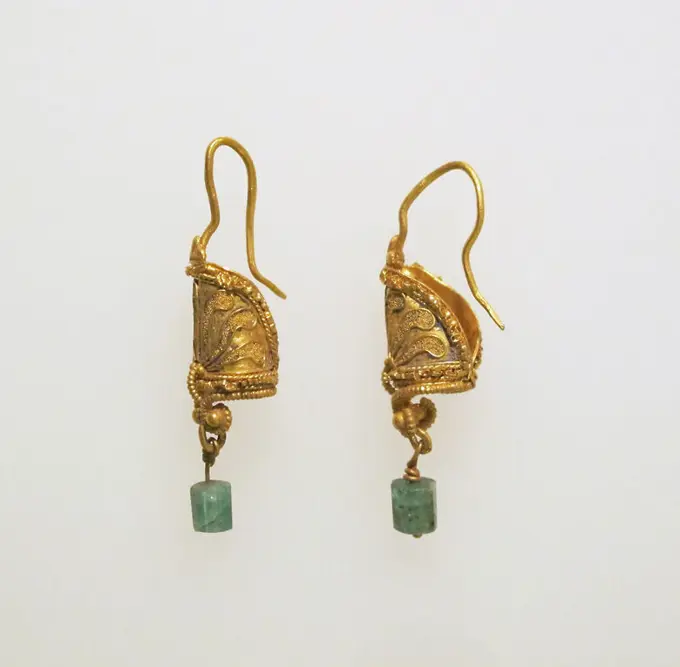
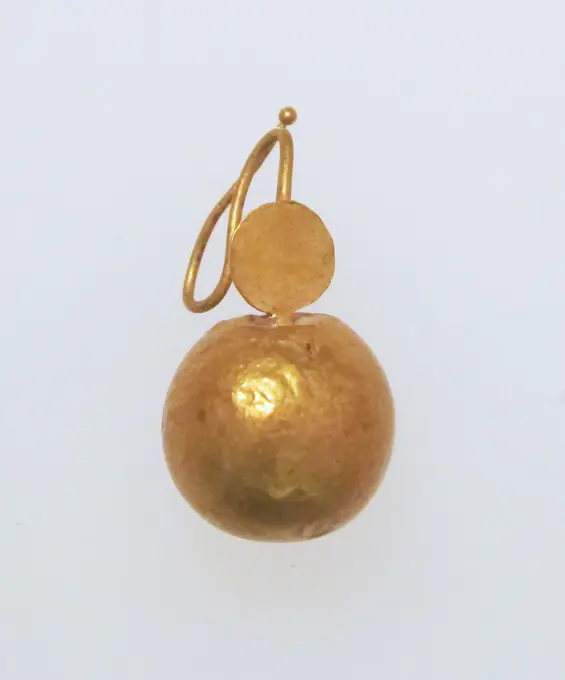
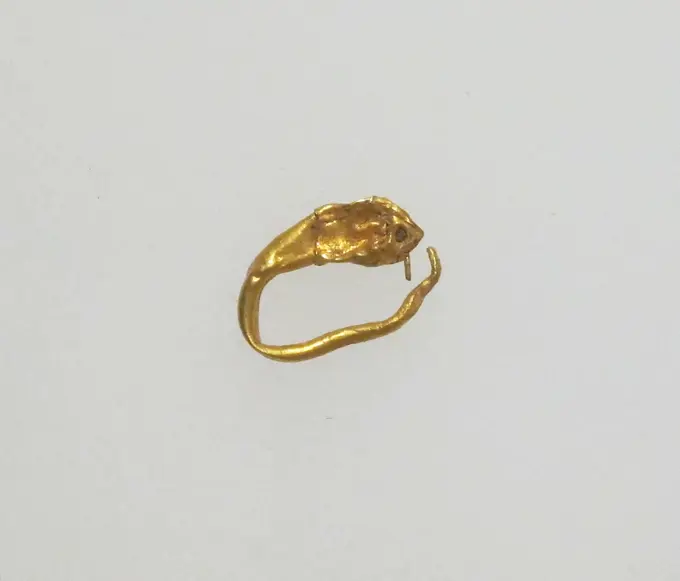
Earring with head of lion Greek, South Italian, Tarentine. Earring with head of lion. Greek, South Italian, Tarentine. Gold. Gold and SilverEarring-loop type, plain. Earring-loop type, plain 243254Gold earring with pearl setting and pendant Roman. Gold earring with pearl setting and pendant 243228Ring. Ring 245999Earring-loop type, hammered flat. Earring-loop type, hammered flat 243277Earring, delta-shaped. Earring, delta-shaped 243343Earring with head of lion Greek, South Italian, Tarentine. Earring with head of lion. Greek, South Italian, Tarentine. Gold. Gold and SilverEarring, delta-shaped. Earring, delta-shaped 243361Waldhoorn bracket. Waldhoorn bracket. Labeled: ashEarring, baule type 7th-5th Century B.C. Etruscan. Earring, baule type 245943Earring, boat-shaped Cypriot. Earring, boat-shaped 242675Weighted Fastener Second half of the 8th-second half of the 10th century Indonesia (Java). Weighted Fastener 49745Earring, crescent-shaped. Earring, crescent-shaped 245948Gold earring with head of an antelope 4th-3rd century B.C. Greek Consisting of a circlet of gold wire, twisted or plain, which tapers from an animal's head at the front end to a hooked point which passes through a loop below the animal's throat.. Gold earring with head of an antelope 242888Gold earring with head of a lion 4th-3rd century B.C. Greek. Gold earring with head of a lion 242906Gold loop earring. Gold loop earring 243197Belt Hook. Culture: China. Dimensions: H. (with button) 13/16 in. (2.1 cm); W. 15/16 in. (2.4 cm); L. 3 in. (7.6 cm). Date: 6th-5th century B.C.. Museum: Metropolitan Museum of Art, New York, USA.Stirrup-shaped Ring with Purple Circular Stone Second half of the 8th-second half of the 10th century Indonesia (Java). Stirrup-shaped Ring with Purple Circular Stone. Indonesia (Java). Second half of the 8th-second half of the 10th century. Gold with purple stone. Central Javanese period. JewelryGold earring with head of a bull 4th3rd century B.C. Greek. Gold earring with head of a bull 242922Pierścionek z gemmą ukazującą Wiktorię z wieńcem. warsztat rzymski, workshopCup and Saucer, from a Miniature Tea Set, porcelain, gold, 1830-1860, ceramics, Decorative Arts, cup and saucer, cup and saucerPenannular Earring ca. 1550-1425 B.C. Second Intermediate Period-Early New Kingdom. Penannular Earring. ca. 1550-1425 B.C.. Gold. Second Intermediate Period-Early New Kingdom. From Egypt, Upper Egypt, Thebes, Asasif, Carnarvon excavations. Dynasty 17-Early Dynasty 18Earring, delta-shaped with beads 1st century A.D. Roman. Earring, delta-shaped with beads 243357Gold earring with winged Eros Greek 3rd2nd century BCERing with carbuncle. Ring with carbuncle 243669Stirrup-shaped Ring with Oval Bezel Second half of the 8th-second half of the 10th century Indonesia (Java). Stirrup-shaped Ring with Oval Bezel. Indonesia (Java). Second half of the 8th-second half of the 10th century. Gold. Central Javanese period. JewelryRing, anonymous, 1738 Golden Ring decorated with between two scalloped pearl edges a wreath of eyes of filigrein on the points of contact held by alternating buttons and rosettes. Amsterdam gold (metal) filigree Golden Ring decorated with between two scalloped pearl edges a wreath of eyes of filigrein on the points of contact held by alternating buttons and rosettes. Amsterdam gold (metal) filigreeRing with snake's head terminals A.D. 1st century Roman Period Snake jewelry was not limited to Egypt in the Ptolemaic and Roman Periods, and, in fact, was not a traditional Egyptian sort of jewelry before the Ptolemaic Period. Bracelets with animals, including snakes, appeared in Western Asia from about the eighth century BC, and spread to Greece in the fifth century BC, and came to Egypt mainly with the Ptolemaic Dynasty. In Greek culture there were certainly healing associations with snakes, but there may have been other assocations, too.. Ring with snake's head terminals 547916Spirals Cypriot. Spirals 242538Earring of simple form Cypriot. Earring of simple form 242594Gold earring with disc and pendant 2nd century A.D. Roman. Gold earring with disc and pendant 243173Gold earring with ball stud and pendant (missing) 2nd century A.D. Roman. Gold earring with ball stud and pendant (missing) 243194Nariguera o mostacho. Oro. Cultura Nazca, Período Intermedio Temprano (100 a. C. -700 d. C). Perú. Museo de América. Madrid. España.Earring with Foliate Decoration 8th-12th century Indonesia (Central Java). Earring with Foliate Decoration 64434Gold ring ca. 6th-5th century B.C. Greek Two palmettes in relief.. Gold ring. Greek. ca. 6th-5th century B.C.. Gold. Archaic or ClassicalBliżej Kultury unknownGalvanoplastic reproduction of a bowl with fish base-shaped swellings from the Lüneburg Ratssilber. Galvanoplastic reproduction of a scale of silver and partially gold-plated with fish base-shaped swellings. A weapon in colors in the middle.Gold and copper alloy spiral 5th century B.C. Cypriot Worn in the upper lobe of the ear.. Gold and copper alloy spiral 242789Archer's Ring probably late 16th-early 17th century Ottoman. Archer's Ring. Ottoman. probably late 16th-early 17th century. Jade, gold. Archery Equipment-Archer's RingKeyhole escutcheon, Brass, Elliptical in shape, horizontal. Repoussé decoration of cable bands. Inner circle of laurel foliage., England, ca. 1800, metalwork, Decorative Arts, Keyhole escutcheonFoot edge frame, Anonymous, c. 1350 Gilded silver frame of foot edge. Southern Italy (Possible) silver (metal) grinding / gilding Gilded silver frame of foot edge. Southern Italy (Possible) silver (metal) grinding / gildingMUSEE NAPOLEON, 1804 Jean-Martin Renaud (1746-1821). Napoleon Museum, 1804. Ebonite curled brass. 1804.Armlet or Anklet 18th-19th century. Armlet or Anklet. 18th-19th century. Gold. Attributed to Central India or Rajasthan. JewelryButton (France); black glass and brassGlass mosaic inlay fragment late 1st century B.C.-early 1st century A.D. Roman Opaque brick red.Flat, rectangular panel, with two straight edges.Marbled mosaic pattern in a red ground with many deeper red swirls.Chipped along two adjoining edges, corner, and part of underside; polished upper side; pitting of surface bubbles on upper side; thick, creamy weathering on underside and all but one edge.Fragment of a flat panel in opaque streaky red glass.. Glass mosaic inlay fragment. Roman. late 1st century B.C.-early 1st century A.D.. Glass; cast. Early Imperial. GlassRingBumpEarring-hook type with disc and beaded rim. Earring-hook type with disc and beaded rim 243386Repousse gold phialae decorated with leaf motif, from IranGold and carnelian ring: on scarab bezel, Herakles early 5th century B.C. Etruscan Ring with scarab from a tomb group allegedly from Vulci, one of the richest and most impressive sets of Etruscan jewelry ever found.. Gold and carnelian ring: on scarab bezel, Herakles 253603 Etruscan, Gold and carnelian ring: on scarab bezel, Herakles, early 5th century B.C., Gold, carnelian, Diam.: 15/16 x 3/8 in. (2.4 x 1 cm). The Metropolitan Museum of Art, New York. Harris Brisbane Dick Fund, 1940 (40.11.15)Gold earring with head of a lion 4th3rd century B.C. Greek. Gold earring with head of a lion 242923Invention Horn Crook, Carl Gottlob Schüster, 1850 - 1950 Bracket of Invention horn. Marked: ash  copper (metal) Bracket of Invention horn. Marked: ash  copper (metal)Gold earrings with pendant vase and ring 4th century B.C. Etruscan Amphora shaped pendant enclosed in a ring.. Gold earrings with pendant vase and ring 250907 Etruscan, Gold earrings with pendant vase and ring, 4th century B.C., Gold, H.: 1 1/8 in. (2.9 cm). The Metropolitan Museum of Art, New York. Rogers Fund, 1920 (20.232, .233)Ring with Ribbed and Notched Hoop Second half of the 8th-second half of the 10th century Indonesia (Java). Ring with Ribbed and Notched Hoop 50198Stirrup-Shaped Ring with Red Stone in Circular Mount 8th-early 10th century Indonesia (Java). Stirrup-Shaped Ring with Red Stone in Circular Mount. Indonesia (Java). 8th-early 10th century. Gold with red stone. Central Javanese period. JewelryPlejerko with a cover;  End of the 19th century (1890-00-00-1900-00-00);Pair of Ear Clips with Granulate Design second half of the 8th-second half of the 10th century Indonesia (Java). Pair of Ear Clips with Granulate Design 50017Gold bracelet with finials in the form of feline heads. Culture: East Greek. Dimensions: Diam.: 4 in. (10.2 cm). Date: late 7th century B.C..Bracelet with feline heads. Museum: Metropolitan Museum of Art, New York, USA.Ear Clip with Green Translucent Stone Second half of the 8th-second half of the 10th century Indonesia. Ear Clip with Green Translucent Stone 50015Watch-Shaped Vinaigrette. Joseph Willmore; Birmingham, England. Date: 1831-1832. Dimensions: Diam. 2.5 cm (1 in.). Silver and silver gilt. Origin: Birmingham. Museum: The Chicago Art Institute, Chicago, USA.Alexander the Great () ring: mid-16th century; cameo: early Hellenistic 4th century B.C. probably Italian This vibrant carving has previously been described as made of glass and as a product of the French Renaissance, but it is in turquoise, a rarity in cameos of any period. That it is reputed to have been in the Este collections may make an Italian origin likelier. It is not to be ruled out even that the stone is Hellenistic, from as early as the fourth century B.C., but the heroic type of Alexander the Great’s profile was adopted by various Hellenistic successors. In any case, the person who caused it to be set surely thought of it as ancient and as representing Alexander. It is probably a fragment whose broken edges the goldsmith has deftly concealed by forming the bezel as a lion skin, a motif that Alexander borrowed from Hercules.. Alexander the Great () 191486Pin (France); Designed by René Lalique (French, 1860-1945); glass, patinated, metalSmiling Female, Silver, Oblong, rounded corners, sides bulge slightly, pinched at point where lid meets box body, small dip at lid's top and bottom edges, as well as at bottom of box, continuous groove around box sides. Front features raised image of long, bare necked, smiling female bust, head tilted towards sleeved right shoulder, with hair that curls around her face and in longer, upward swirls on lid section. Undecorated reverse inscribed 'From The New York Times, in grateful appreciation of friendly aid, November 8th, 1902', monogram, possibly 'OR', inscribed on lid. Lid hinged on side, striker on bottom., USA, ca. 1902, containers, Decorative Arts, Matchsafe, MatchsafeGold thread collar, c. 1840 - c. 1930 Goud thread collar. Europe (possibly) . Goud thread collar. Europe (possibly) .Bracelet with Grapevine Pattern late 6th-early 7th century Byzantine Heavy, rigid gold bracelets like these are opened by the pins beside the medallions at their centers. The grapevines decorating these bracelets were made by attaching small gold sheets worked as leaves and triangular groups of grapes to thick gold wires.. Bracelet with Grapevine Pattern 464031A circle of a baking tray;  V-IV century BC (-500-00-00--301-00-00);Antical Art Collection, Piątkowski A., PurchaseGold swivel ring with banded agate scarab. Culture: Etruscan. Dimensions: H.: 1/4 in., 0.4 cm (0.6 x 0.4 cm). Date: 4th century B.C..A horse. Museum: Metropolitan Museum of Art, New York, USA.Axehead, votive. Dimensions: Other: 1 1/4 × 1/8 × 1 3/4 in. (3.2 × 0.3 × 4.5 cm)Other: 7/8 × 1/16 × 11/16 in. (2.3 × 0.2 × 1.8 cm). Date: 17th-16th century B.C.. Museum: Metropolitan Museum of Art, New York, USA.Circular Pendant Inscribed with "Sri" Second half of the 8th-second half of the 10th century Indonesia (Java). Circular Pendant Inscribed with "Sri" 50100Bactrian Gold: Anklets Artist Unknown Kabul Museum, Afghanistan Earring, 30 BC-AD 395. Egypt, Roman Empire. Bronze and glass; diameter: 3.6 cm (1 7/16 in.).Hexagonal SriRingWrapped WireRingSpiral WireRingButtons of copper, in the form of a round rose, anonymous, c. 1840 - c. 1850 Knots of copper, in the form of a round rose, with two small openings for confirmation. Netherlands (possibly) whole: Copper (Metal) forging Knots of copper, in the form of a round rose, with two small openings for confirmation. Netherlands (possibly) whole: Copper (Metal) forgingRing with Incised Quatrefoil Design Second half of the 8th-second half of the 10th century Indonesia (Java). Ring with Incised Quatrefoil Design 50146Archer's Ring possibly 18th century Turkish. Archer's Ring. Turkish. possibly 18th century. Jade. Archery Equipment-Archer's RingRing, 1800s. India. Silver gilt; diameter: 1.6 cm (5/8 in.).Necklace with Cameo Pendant. UnknownGold and glass pendant 3rd-4th century A.D. Roman. Gold and glass pendant. Roman. 3rd-4th century A.D.. Glass, gold. Late ImperialRing with Circular Bezel and "Sri" Inscription Second half of the 8th-second half of the 10th century Indonesia (Java). Ring with Circular Bezel and "Sri" Inscription 50264Matchsafe (Japan); Overall: 4.5 cm (1 3/4 in.)Bélière (Username), -276. Copper alloy. Carnavalet museum, history of Paris.Earring with Fused Discs 8th-12th century Indonesia (Central Java). Earring with Fused Discs 64262Two gold beads possibly 4th-3rd century B.C. Greek The cloisons were originally inlaid.. Two gold beads. Greek. possibly 4th-3rd century B.C.. Gold. Late Classical. Gold and SilverPendant with Eros 4th century B.C.. Pendant with Eros. 4th century B.C.. GOLD. Gold and SilverEarring with pendant and disc. Earring with pendant and disc 243243Pair of Sword-Grip Ornaments (Menuki). Culture: Japanese. Dimensions: L. of each 1 15/16 in. (4.9 cm); Wt. of each 0.3 oz. (8.5 g). Date: 18th century. Museum: Metropolitan Museum of Art, New York, USA.S-Shaped Fibula, 500s. Frankish, 6th century. Silver with garnets; overall: 2.2 x 2.8 x 0.8 cm (7/8 x 1 1/8 x 5/16 in.).Gold and cornelian earrings, Crimea. Jewellery. Gotho-Alanic Civilization, 3rd-4th Century.Armband, c. 1953 - c. 1960 Bracelet of seven identical hinged gold links. Every link has an Almandien and a moonstone. The bracelet has a baking closure with a safety night. It includes one separate link. Zeist gold (metal). moonstone. almandine grinding Bracelet of seven identical hinged gold links. Every link has an Almandien and a moonstone. The bracelet has a baking closure with a safety night. It includes one separate link. Zeist gold (metal). moonstone. almandine grindingPair of Ear Ornaments Last quarter of the 10th-last quarter of the 15th century Indonesia (Java). Pair of Ear Ornaments 49968Bracelet: Three Heads. Culture: Edo peoples. Dimensions: Diameter 4-5/8 in.. Date: 18th-19th century. Museum: Metropolitan Museum of Art, New York, USA.Pulsera, obra de Jaume Mercadé i Queralt, siglo XX. Colección privada.Patch Box, c. 1809-1819. France, 19th century. Enamel on gold; overall: 1.6 x 4.8 cm (5/8 x 1 7/8 in.).Vase fragment Roman Fragment of yellow enamelled vase with raised pattern around base.. Vase fragment. Roman. Terracotta. VasesEarrings with ibex head terminal. Dimensions: a. As Worn: H. 1.7 × W. 1.8 cm (11/16 × 11/16 in.)b. As Worn: H. 1.8 × W. 1.7 cm (11/16 × 11/16 in.). Date: 4th-3rd century B.C..Hoops formed of wound wire with animal head terminals are the commonest type of Hellenistic earring. The heads on these earrings have been referred to as those of gazelles, but is now thought more likely to be an ibex. Ibex-head earrings are well-known in Egypt, but also Asia Minor and Cyprus.The relatively simple decoration of these earrings points to an early Ptolemaic date. Museum: Metropolitan Museum of Art, New York, USA.Earring in the form of a shield. Dimensions: Other (.199): 3/8 × 7/16 × 1 5/8 in. (1 × 1.2 × 4.1 cm)Other (.200): 5/16 × 1/2 × 1 9/16 in. (0.9 × 1.2 × 4 cm). Museum: Metropolitan Museum of Art, New York, USA.Ring with a table-cut diamond, anonymous, c. 1580 - c. 1620 Gold ring. In the middle a stone in a raised square setting. Netherlands gold (metal). diamond (mineral) Gold ring. In the middle a stone in a raised square setting. Netherlands gold (metal). diamond (mineral)Earring-hook type with sphere ends. Earring-hook type with sphere ends 243419