Ancient Gold Jewelry

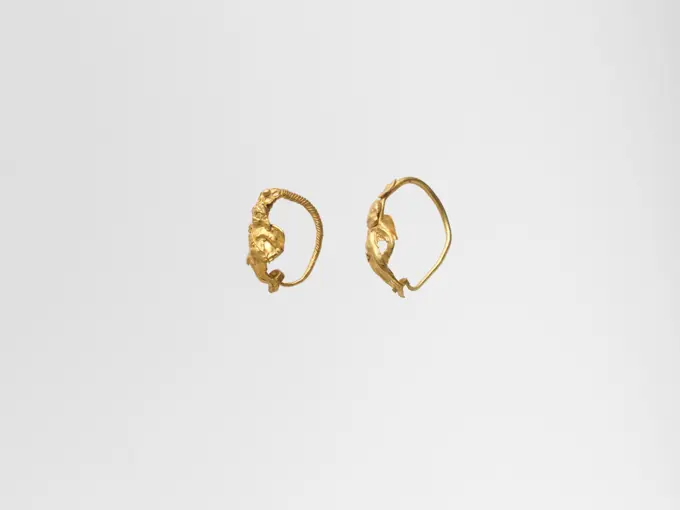
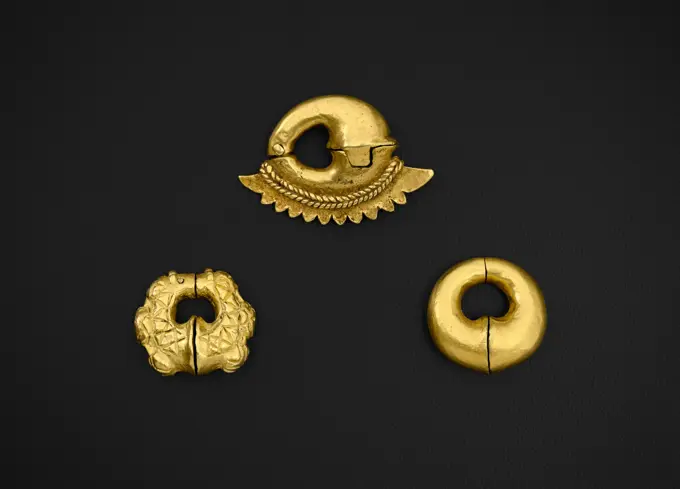
Display of unique golden earrings and rings from ancient cultures, showcasing diverse designs including lion motifs and elegant loops.

Waldhoorn bracket. Waldhoorn bracket. Labeled: ash
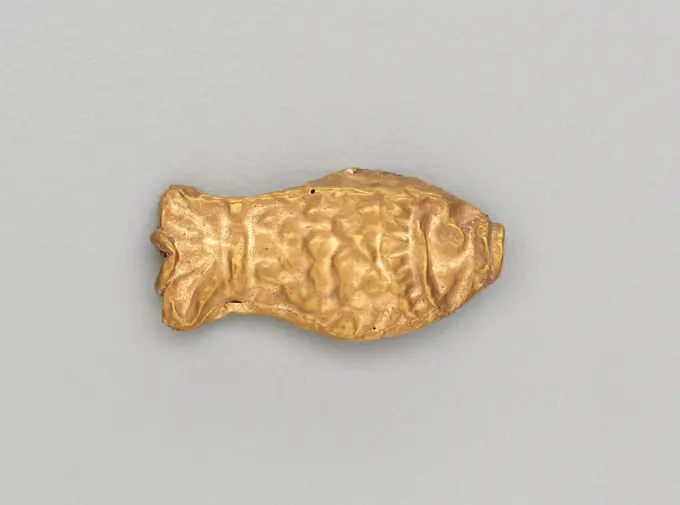
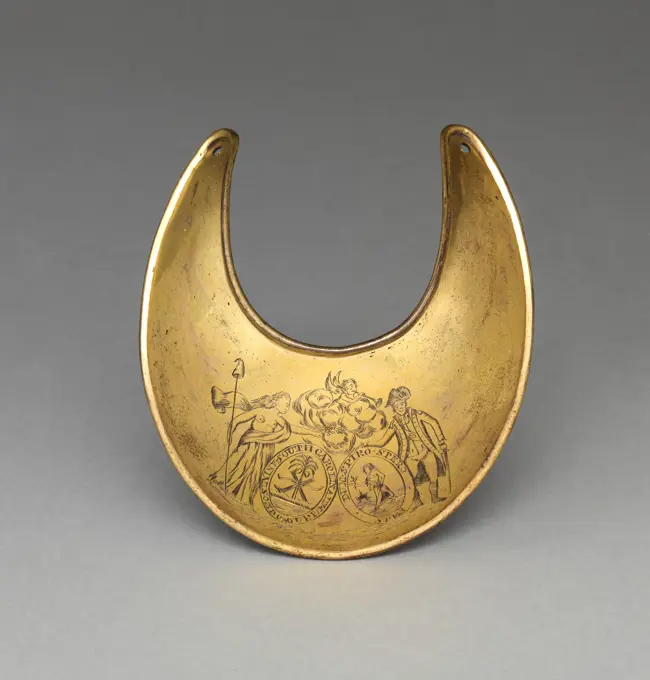
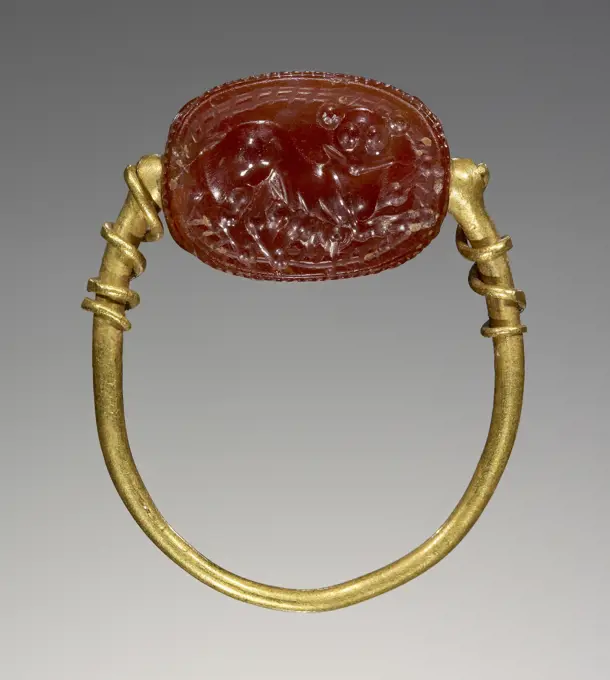
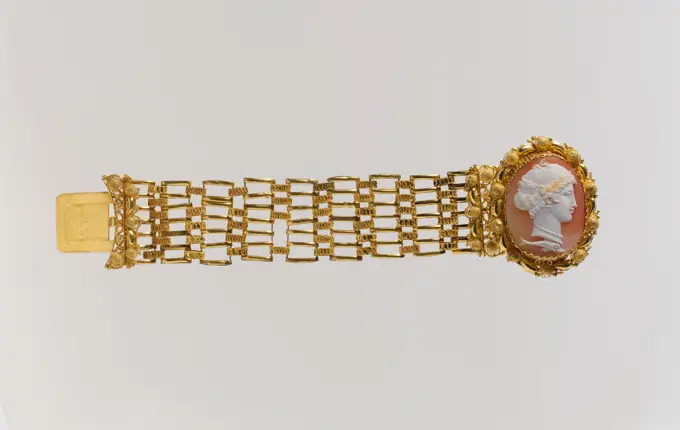
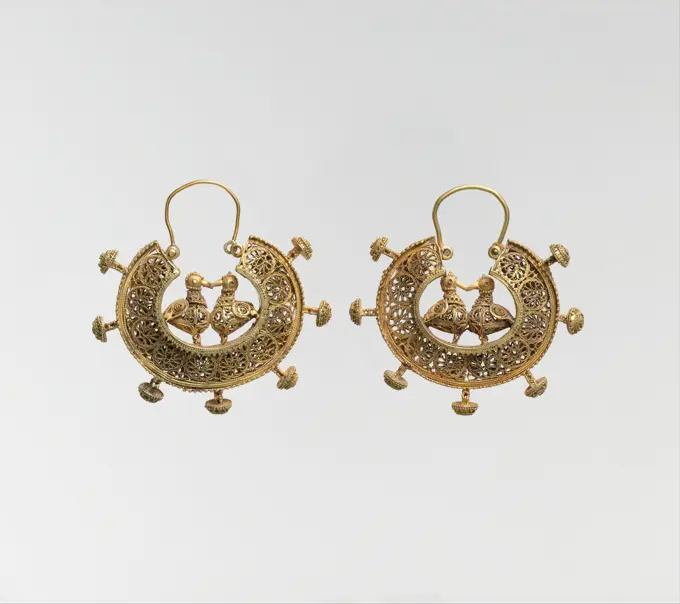
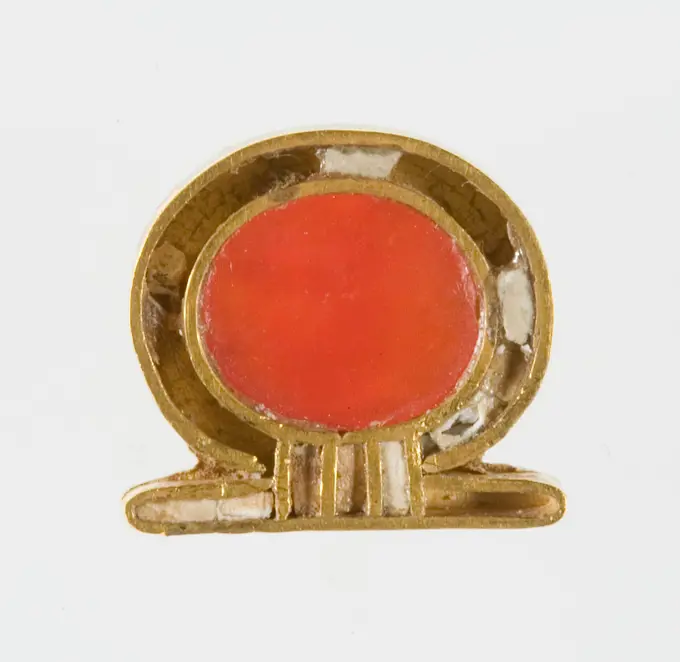
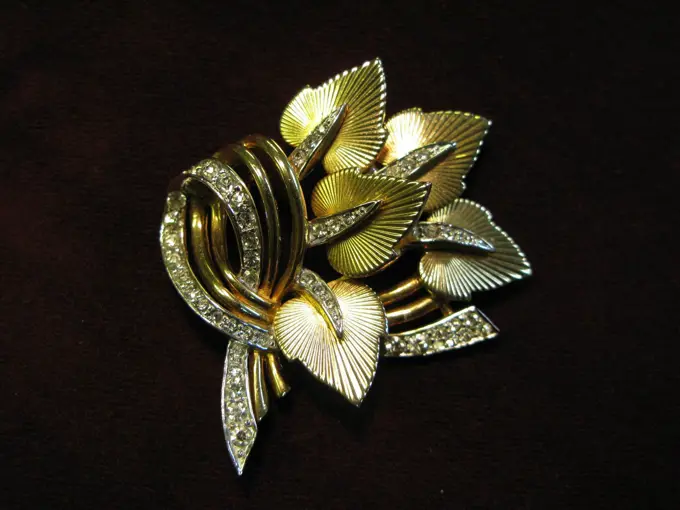
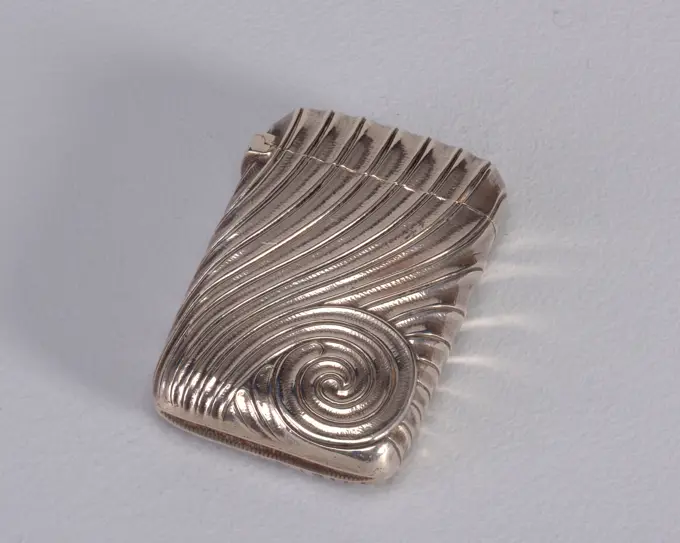
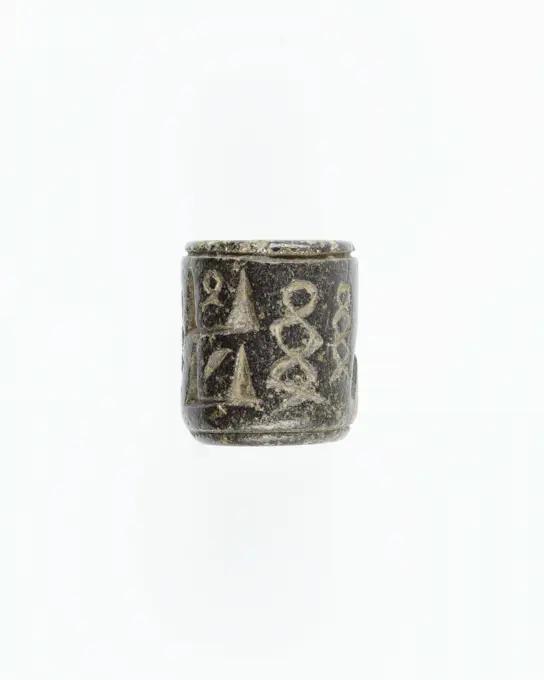
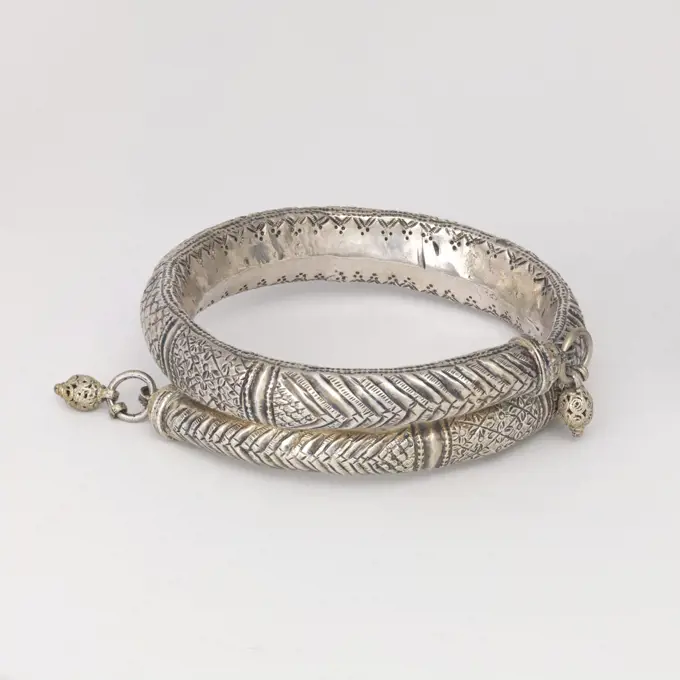
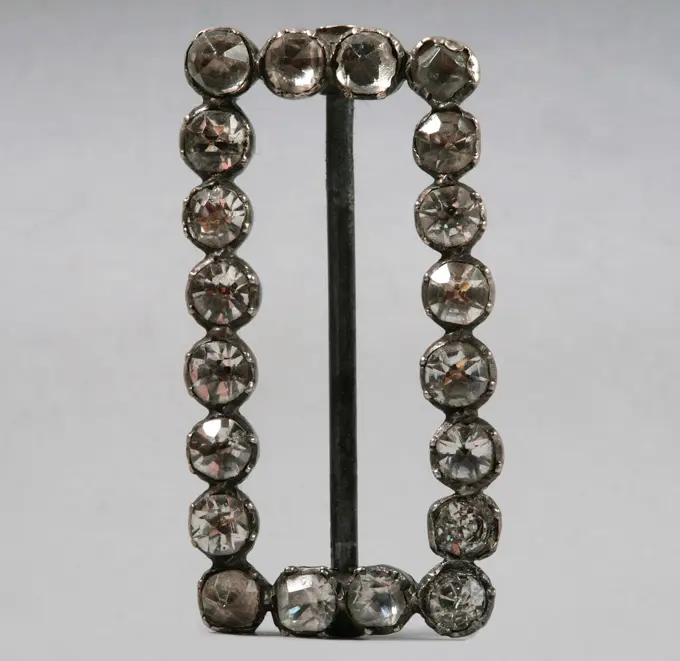
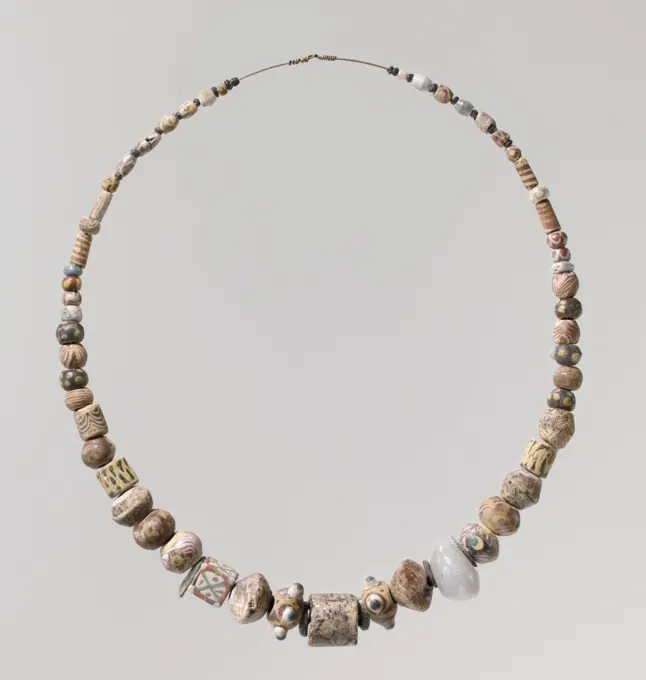
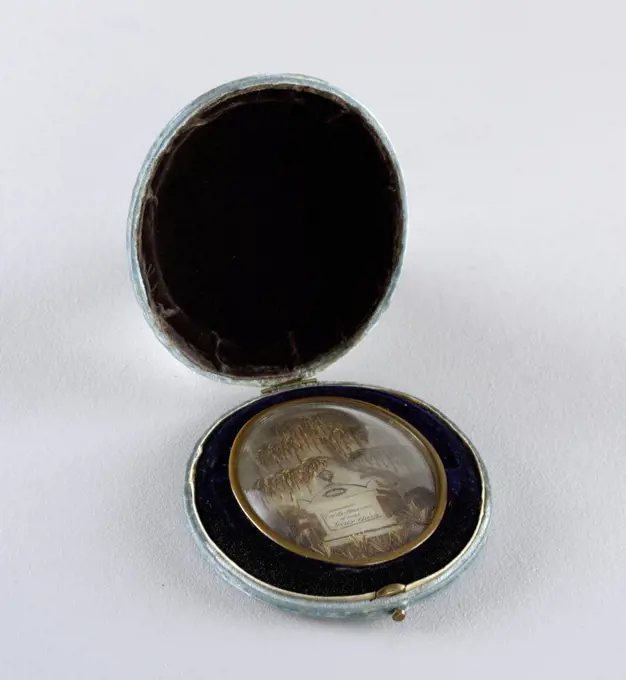
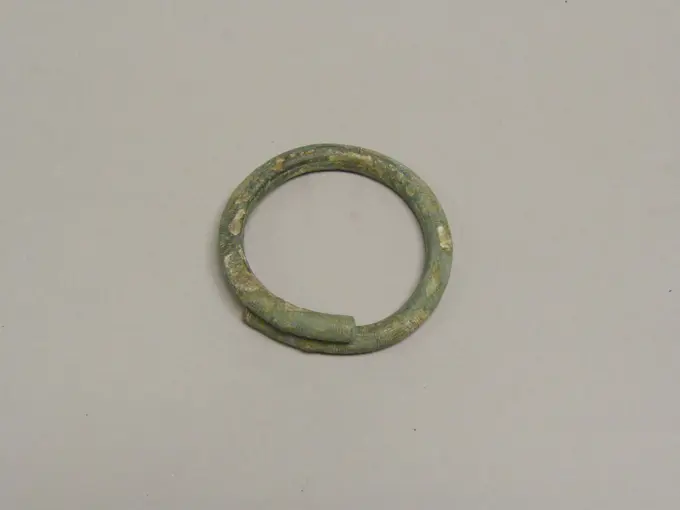
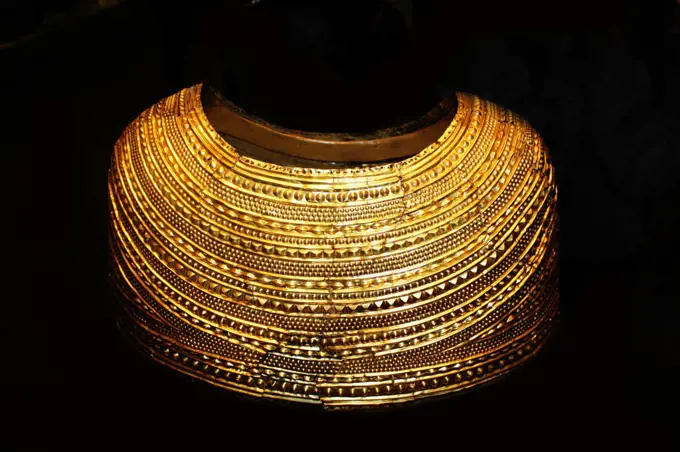
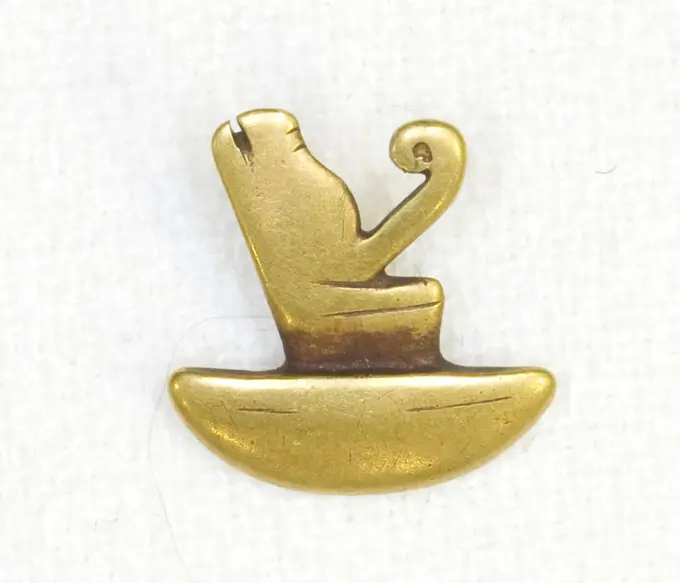
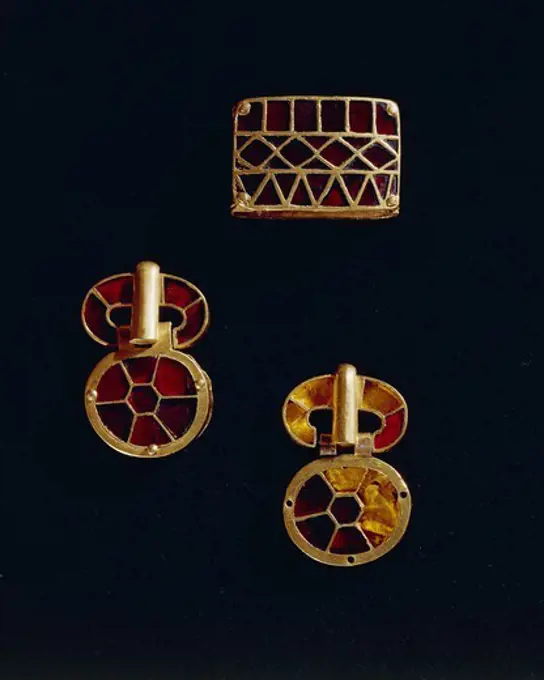
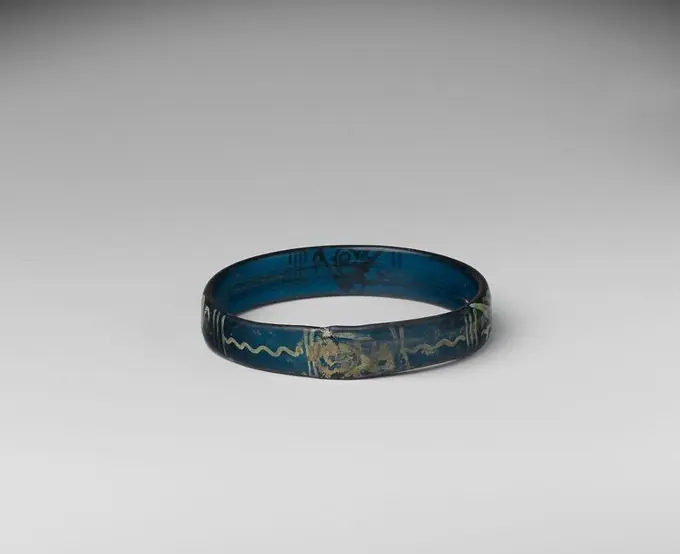
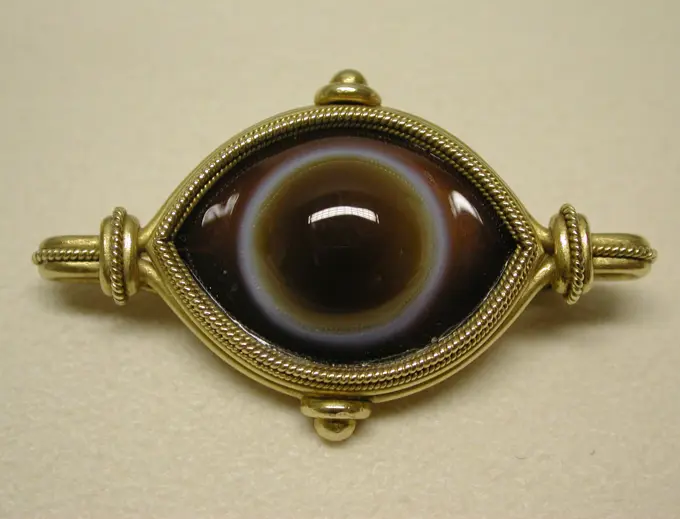
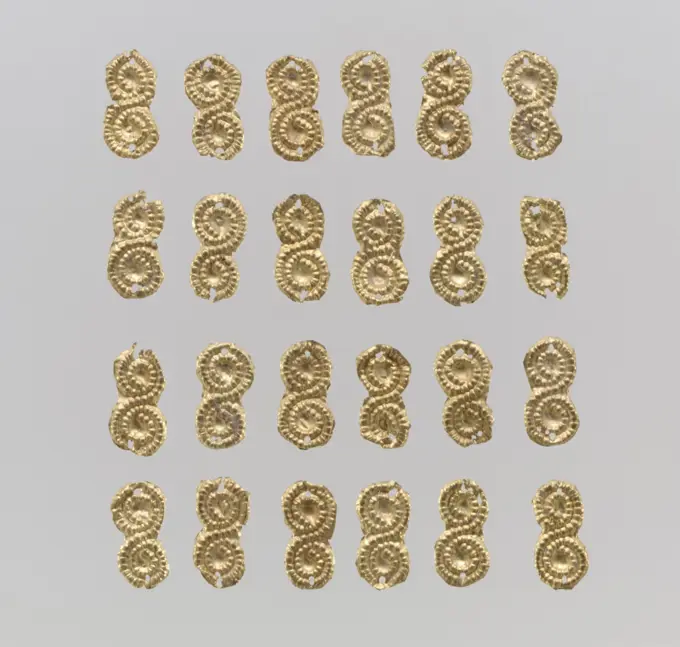
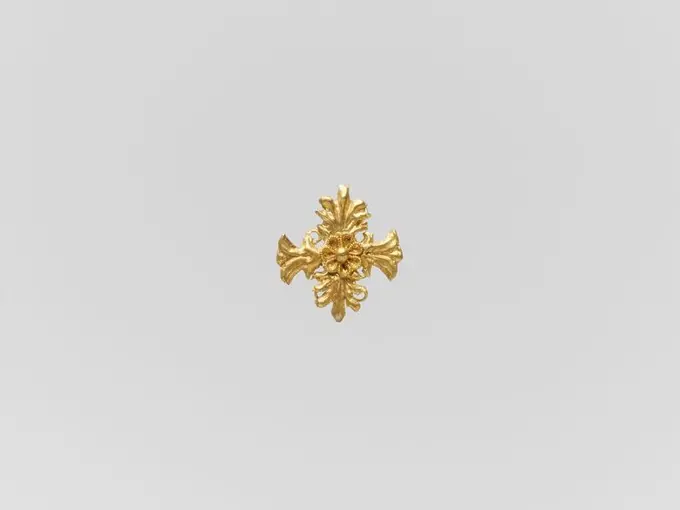
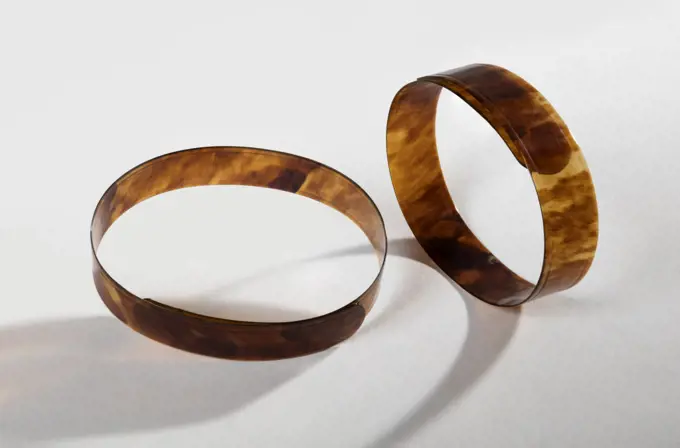
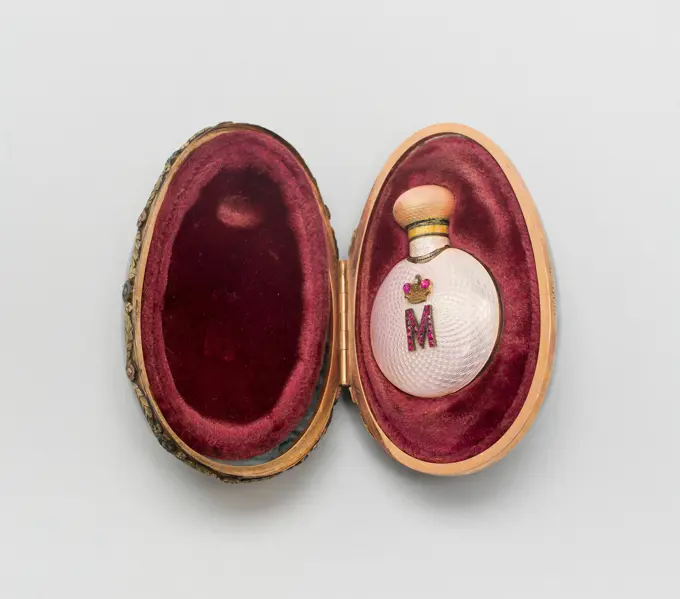
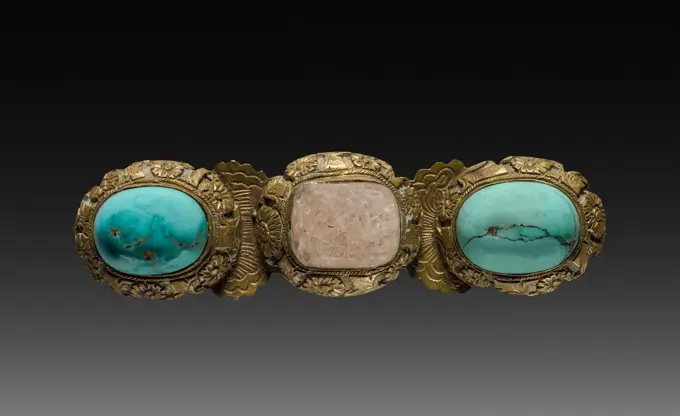
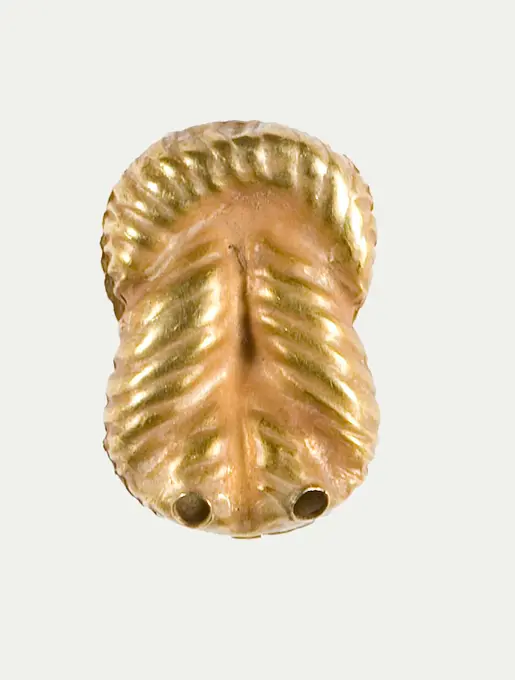
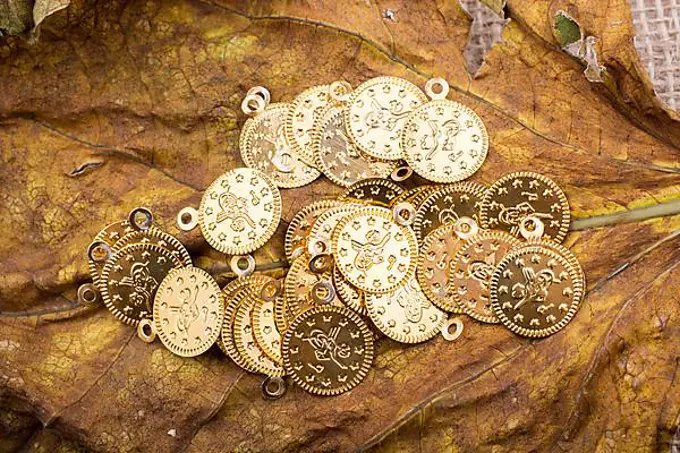
Button, after 1896. Firm of Peter Carl Fabergé (Russian, 1846-1920), August Wilhelm Holmström (Russian, 1929-1903). Gold, enamel, diamonds; diameter: 3.5 cm (1 3/8 in.).Pair of Sword-Grip Ornaments (Menuki) 16th century Japanese Menuki are a pair of ornamental sword fittings attached to either side of a sword hilt.. Pair of Sword-Grip Ornaments (Menuki). Japanese. 16th century. Gold. Sword Furniture-MenukiRing, 1 x 1 1/8 x 1/2 in. (2.54 x 2.86 x 1.27 cm), Silver, ChinaRing, anonymous, 1744 Golden Ring, decorated with a picture on top in the shape of a buckle. Amsterdam gold (metal) Golden Ring, decorated with a picture on top in the shape of a buckle. Amsterdam gold (metal)Willem van Aken, Golden ring, ring ornament clothing accessory clothing gold h 0.7 dm 2.2Band;  19th century (1801-00-00-1900-00-00);Necklace Bead in the Form of a Fish, 185-72 BC. India, Sunga Period (185-72 BC). Gold repoussé with granulation;Earring, One of a Pair 12th-13th century. Earring, One of a Pair 451073Lid of turtle with Hertekop of silver (series from 28 pieces A to BB), Anonymous, 1700 - 1799 Turtle cover (28 pieces: A to BB) with silver's deer head as a button. Indonesia silver (metal) Turtle cover (28 pieces: A to BB) with silver's deer head as a button. Indonesia silver (metal)Gorget for an Officer of the South Carolina Infantry Regiment late 18th century American The engraving on this gorget incorporates the state of South Carolina's coat of arms, which was adopted in 1777.. Gorget for an Officer of the South Carolina Infantry Regiment. American. late 18th century. Brass, gold. Armor Parts-GorgetsCast Earring with Granulation 8th-12th century Indonesia (Central Java). Cast Earring with Granulation 64352Owl-shaped salt cellar. Rappoport, Julius (1864-1916), goldsmith, Fabergé, Karl (Petersburg i Moskwa ; wytwórnia złotnicza i jubilerska ; 1872-1918), goldsmiths companyScarab; Etruria; 4th century B.C; Carnelian, gold; 0.8 × 1.5 × 1.1 cm (5,16 × 9,16 × 7,16 in.)Gold ring engraved with a warrior and a lion late 6th century B.C. Greek Group of warriors (Herakles) and a lion.. Gold ring engraved with a warrior and a lion. Greek. late 6th century B.C.. Gold. ArchaicBracelet (part of a set) mid-19th century Italian, probably Naples Made to catch the eye of a shopper bent on ballroom glory, the cameos in this set of jewelry (99.33.1-.6) bear typical Grand Tour images, including (on the necklaces clasp) Guido Renis Aurora fresco of 1614 (Palazzo Pallavicini-Rospigliosi, Rome), mythological scenes, peasants of the Roman campagna, and (on both the pin and the necklace) Bertel Thorvaldsens ever-popular marble relief Night of 1815 (Thorvaldsens Museum, Copenhagen). Billing doves grace the earrings, and on one of the bracelets are a comely marine divinity and a dolphin.The rather flimsy fittings of stamped gold filigree suggest that this was costume jewelry, not meant to be worn often.. Bracelet (part of a set) 188479 Italian, probably Naples, Bracelet (part of a set), mid-19th century, Gold, shell (Cassia rufa), Overall: 1 15/16 x 6 15/16 in. (4.9 x 17.6 cm); visible cameo (confirmed): 35.3 x 27.7 mm. The Metropolitan Museum of Art, New York. Gift oStirrup-shaped Ring with Circular Bezel with Inscribed "Shankha" Second half of the 9th-first quarter of the 10th century Indonesia (Java). Stirrup-shaped Ring with Circular Bezel with Inscribed "Shankha" 50292Earring 11th-12th century This crescent-shaped earring is one of a pair (see 2006.273a). It is constructed of gold wire and filigree. The decorative details are achieved through the openwork filigree and fine granulation. In a 12th century manuscript, the Treatises of Fixed Stars, female figures (representing constellations) are depicted wearing crescent-shaped jewelry, both earrings and head ornaments.. Earring 706073Pair of Earrings with Lotus Drop and Bead 8th-12th century Indonesia (Central Java). Pair of Earrings with Lotus Drop and Bead 64248Motto Clasp of Sithathoryunet ca. 1887-1813 B.C. Middle Kingdom. Motto Clasp of Sithathoryunet. ca. 1887-1813 B.C.. Gold, carnelian, paste. Middle Kingdom. From Egypt, Fayum Entrance Area, Lahun, Tomb of Sithathoryunet (BSA Tomb 8), Chamber E, box 1, BSAE excavations 1914. Dynasty 12Ring with gold decoration in reliefJewellery ring isolated on the black backgroundRing with Claw setGemButtonsBrooch.  Designer Marcel Boucher, American, born France, 1898-1965 Manufacturer: Marcel Boucher & Cie, American, 1937-1972Gold earring with winged figure 3rd2nd century B.C. Greek Circlet of twisted gold wire, which tapers from the human figure's head at the front end to a hooked point which passes through a loop below its feet.. Gold earring with winged figure. Greek. 3rd2nd century B.C.. Gold. Hellenistic. Gold and SilverGold lion-head pendant 2nd half of the 5th century B.C. Greek, Cypriot The lion-head is finely modeled in two halves, left and right, with a flat gold sheet closing off the neck aperture.. Gold lion-head pendant 242762Ring of Priest Sienamun 664-525 B.C. Late Period. Ring of Priest Sienamun. 664-525 B.C.. Gold. Late Period. From Egypt. Dynasty 26Flying Bird 332 BCE-395 CE Egypt. Gold . Ancient RomanEarringEar Clip with Aqua-Green Stone in Foliate Pattern Mount Second half of the 8th-second half of the 10th century Indonesia (Java). Ear Clip with Aqua-Green Stone in Foliate Pattern Mount 50419Heavy Silver Ring with CarnelianSealSpiral Motif Matchsafe; Manufactured by Gorham Manufacturing Company (United States); USA; silver; 5.9 x 3.9 x 1.2 cm (2 5/16 x 1 9/16 x 1/2 in. )Brooch of gold. A brooch from gold. In the middle a deepened circle in which a wreath with a ground amethyst.Cylinder seal ca. 2960-2649 B.C. Early Dynastic Period. Cylinder seal. ca. 2960-2649 B.C.. Stone. Early Dynastic Period. From Egypt. Dynasty 1Pair of Sword-Grip Ornaments (Menuki) 18th century Japanese Menuki are a pair of ornamental sword fittings attached to either side of a sword hilt.. Pair of Sword-Grip Ornaments (Menuki). Japanese. 18th century. Gold. Sword Furniture-MenukiSilver ankle bracelet, Chased silver, Silver bracelet, chased, India, 18th century, jewelry, Decorative Arts, Bracelet, BraceletOrfebrería. Ajorca de plata, realizada en labor trenzada, cuyos extremos acaban en forma troncocónica, los cuales llevan un motivo decorativo muy simple en forma de tijera. Uno de los extremos aparece rematado por dos aros pequeños, mientras el otro lleva sólo uno. Los arillos están perfectamente unidos por medio de un pasador. Reino Nazarí de Granada. S.XIII-S.XIV. Museum: Museo Arqueológico Nacional, Madrid.Roman Key Ring with Inscription. Culture: Byzantine. Dimensions: Overall: 7/8 × 15/16 × 11/16 in., 0.478oz. (2.2 × 2.4 × 1.8 cm, 13.55g)Bezel: 7/8 × 9/16 × 1/16 in. (2.2 × 1.4 × 0.2 cm)Inside circumference: 2 3/8 in. (6 cm). Date: 4th century.Surviving images of rings and their wearers offer a window into the personal values and beliefs of premodern peoples. Here, finger rings are paired with portraits in which rings play a prominent role in the imagery of personal identity. By considering who wore rings and why, we develop an appreciation of the meanings attached to these objects and the many contexts in which they appear from antiquity through the early modern period. Museum: Metropolitan Museum of Art, New York, USA.Loop . Band of 20 separate round stones.Gold earring with disc and pendant 2nd century A.D. Roman. Gold earring with disc and pendant 243174Beaded Necklace 500-600 Frankish. Beaded Necklace 465442Earring (USA); pinchbeck (an alloy of brass and zinc); a, b: 6.5 x 1.5 cm (2 9/16 x 9/16 in.)Beads from a Necklace 6th century Frankish Beads from Frankish necklaces exhibit a stunning variety of patterns, colors, and forms. Though the beads seen here were made in the seventh century, the particular combination in which they were strung together is a creation of the late nineteenth century, when the beads were first found in graves.. Beads from a Necklace 465779Mourning picture, Hair, cardboard, brass, velvet, glass, Oval brass form surrounding scene made of hair, depicting tomb monument topped by urn and inscribed: 'Triste souvenir d'une soeur cherie.' Tomb flanked by tufts of grass with a weeping willow tree behind, all under a domed glass cover. Mounted in blue-green velvet covered oval case, interior covered in grey-green velvet., England, ca. 1810, miniatures, Decorative Arts, Mourning pictureSolid Open Bangle with Subtle Basketweave ca. 1000 B.C.-A.D. 400 Thailand. Solid Open Bangle with Subtle Basketweave 53293 Thailand, Solid Open Bangle with Subtle Basketweave, ca. 1000 B.C.A.D. 400, Bronze, H. 5/8 in. (1.6 cm); Diam. 2 3/4 in. (7 cm). The Metropolitan Museum of Art, New York. Samuel Eilenberg Collection, Bequest of Samuel Eilenberg, 1998 (2001.433.220)Carnavalet Museum, Medals CollectionEngraved Gem. UnknownOne Edged Comb 7th century () Frankish. One Edged Comb 465459 Frankish, One Edged Comb, 7th century (), Bone, iron pins, Overall: 7 1/16 x 1 11/16 x 13/16 in. (18 x 4.3 x 2.1 cm). The Metropolitan Museum of Art, New York. Gift of J. Pierpont Morgan, 1917 (17.193.148)Gold Cape. In 1833 labourers discovered the remains of a skeleton in a stone-line grave. The cape was crushed around the chest area. Only small fragments of bone remained, so the age, sex and state of health of the individual remains unknown.Ring Majnert, Gotfryd (1767 1847)Torque, 11 5/16 x 8 1/2 x 1/2 in. (28.73 x 21.59 x 1.27 cm) (including dangles), Silver, ChinaAmulet of the Double Crown. Egyptian. Date: 305 BC-30 BC. Dimensions: 1.25 x 1 x 0.25 cm (1/2 x 3/8 x 1/8 in.). Gold. Origin: Egypt. Museum: The Chicago Art Institute, USA. Author: Ancient Egyptian.Glass mosaic fragment late 1st century B.C.-early 1st century A.D. Roman Translucent cobalt blue, opaque yellow, white, red, and light turquoise blue.Rectangular inlay () with long straight sides and beveled edges at both ends; underside shaped into two slanting but rounded projections lengthwise.Mosaic pattern of irregular splashes and dots in various colors on a blue ground.Polished upper side; pitting and weathering of surface bubbles on upper side; deep pitting, dulling and creamy weathering on underside and edges.. Glass mosaic fragment 257366Demi-Parure consisting of a necklace, a brooch and two earrings. Demi-Parure consisting of a necklace, a brooch and a few earrings, gold, diamond, pearl and blue and white email.Earring (One of a Pair) early 6th century Korea The beauty and sophisticated craftsmanship of these gold earringsand of the personal adornments found in the tombs of the Silla and Gaya elite generallyattest to the esteem conferred upon them by both patron and artisan. Listen to experts illuminate this artwork's story Listen Play or pause #8503. Earring (One of a Pair) Supported by Bloomberg Philanthropies We're sorry, the transcript for this audio track is not available at this time. We are working to make it available as soon as possible.. Earring (One of a Pair) 44764Watch. Culture: French, Paris. Dimensions: 1 1/2 × 1 1/4 in. (3.8 × 3.2 cm). Maker: Watchmaker: Nicolas Bernard (French, active 1560-90). Date: ca. 1570. Museum: Metropolitan Museum of Art, New York, USA.Ring Menmaatre (Seti) 1294 BCE-1279 BCE Egypt. Faience . Ancient EgyptianBarbarian civilizations, France, 5th century. Goldsmith's art. Treasure of Pouan, princely burial of a Germanic warrior. Cloisonne' enamel and gold clasps.Ring 9th-11th century. Ring. 9th-11th century. Silver. Excavated in Iran, Nishapur. JewelryGlass striped mosaic fragment late 1st century B.C.-early 1st century A.D. Roman Translucent cobalt blue, opaque white, yellow, and brick red. Convex curving side.Coil in blue with single spiral thread in white; striped pattern formed from lengths of different canes: one in blue layered with white; another in bands of red and yellow; a polygonal cane in a blue ground with a white circle and a central white rod, alternating with a square cane in blue layered with white.Polished exterior and edge; pitting of surface bubbles on exterior; dulling and faint iridescent weathering on interior.Probably a rim fragment but cut down into an oval with rounded corners.. Glass striped mosaic fragment. Roman. late 1st century B.C.-early 1st century A.D.. Glass; cast. Early Imperial. GlassPendant with paste beadBracelet with Birds and Geometric Patterns. Culture: Byzantine. Dimensions: Overall: diam. 2 15/16 x 9/16 x 3/16 in. (diam. 7.5 x 1.4 x 0.4 cm). Date: 1100-1400.The silver stain used to decorate this bracelet is a medium well known in Islamic and Western medieval art. Its use by Byzantine artists has only recently been recognized. Museum: Metropolitan Museum of Art, New York, USA.Shell snack;  4 18th century (1776-00-00-1800-00-00);shells (ornament), transmission (provenance), plant (ornament)Rolled Head, Neck or Waist band(Umgingqo)Gold earring with rock crystal bead 1st-2nd century A.D. Roman Earring of the loop-type with hook-and-eye fastening and rock crystal bead.. Gold earring with rock crystal bead. Roman. 1st-2nd century A.D.. Gold, Rock crystal. Imperial. Gold and SilverRattle in the form of an alabastron 6th century B.C. Greek. Rattle in the form of an alabastron. Greek. 6th century B.C.. Gold foil. Archaic. Gold and SilverBrooch ca. 1860 Firm of Castellani. Brooch 235836Gold sheet appliques 1st half of the 5th century A.D. East Germanic or nomadic () These delicate objects come from the Crimea in the Ukraine, where they adorned the grave clothing of eastern Germanic men and women buried there in the fifth century A.D. Sewn onto the sleeves and necklines of the garments, these appliqués are made from thin gold foil, which was punched and pressed to create various patterns. The decoration of festive and official attire with small gold appliqués had a long tradition in the Crimea. Ancient texts describe one third-century ruler of the Bosporan kingdom as wearing a robe decorated with several hundreds of them.. Gold sheet appliques 246824Hinged Crescent shaped EarOrnamentSnuffbox 1808 Joseph Taylor. Snuffbox 207410Twisted Wire Chain with Clasp Last quarter of the 10th-last quarter of the 15th century Indonesia (Java). Twisted Wire Chain with Clasp. Indonesia (Java). Last quarter of the 10th-last quarter of the 15th century. Gold. Eastern Javanese period. JewelryGold quatrefoil with palmettes and rosette. Culture: Greek. Dimensions: Other: 3/4 in. (1.9 cm). Date: 4th-3rd century B.C..This element may have been a pendant from an earring. Museum: Metropolitan Museum of Art, New York, USA.Bonnet ca. 1885 American. Bonnet 169742Square vest node or on -board node of copper and black plastic; For the Mourning, 1900 - 1925 Square vest button or on -board node of copper and black plastic. For the mourning. West-Europa Copper (Metal). knob: Square vest button or on -board node of copper and black plastic. For the mourning. West-Europa Copper (Metal). knob:Engraved Scarab with Ajax and Cassandra. UnknownCopper engagement ring, on which two hands, engagement ring ring ornament clothing accessory clothing soil find copper metal d 0.5, strung soldered Copper engagement ring Wide ring over the outside decorated with series of studs. Oval medallion on which two hands are depicted two hands together archeology Rotterdam rail tunnel wear adornment status prosperity Soil discovery: Railway tunnel 1988-1993.ANILLO DE PERLAS. Location: PRIVATE COLLECTION. MADRID. SPAIN.Button, pearl shell, glass, steel, circular buttons showing imitation jewel white glass in steel setting on pearl disc with engraved radiating lines., On card 29, France, France, late 19th century, costume & accessories, Decorative Arts, ButtonGlass monochrome dish fragment Roman 1st half of 1st century CE Body fragment.Opaque red.Flat bottom with part of edge to side.Polished but pitted exterior, side and interior covered in thin green weathering; all but two edges weathered. View more. Glass monochrome dish fragment. Roman. 1st half of 1st century CE. Glass; cast. Early Imperial, Julio-Claudian. GlassBracelet, tortoiseshell, Bands of tortoiseshell curved to form bracelets; tag attached reads: 'Pair of tortoise shell bracelets worn by Amy Hewitt (Mrs. J. O. Green oldest daughter of Mr. and Mrs. A.S. Hewitt) when a child.', Italy, ca. 1850-1875, jewelry, Decorative Arts, BraceletMiniature Easter Egg with Scent Bottle 1899 Saint Petersburg. Moss agate, gold, enamel, and cabochon rubies . Dom FaberzheLluís Masriera / Brazalete con camafeo, oro, platino, marfil, esmalte y diamantes, 1904. Colección privada. Author: LLUÍS MASRIERA I ROSÉS.Amazigh bracelet from Aures, Algeria, "Corral del Carbón" , "al-fundaq al-yadida", 14th century, Granada, Andalusia, Spain.Buckle, 1900s. China. Matrix and crystal; overall: 11.2 cm (4 7/16 in.). Belts with buckles made of precious material were accessories for men of higher social status.Knot Clasp of Sithathoryunet ca. 1887-1813 B.C. Middle Kingdom. Knot Clasp of Sithathoryunet. ca. 1887-1813 B.C.. Gold. Middle Kingdom. From Egypt, Fayum Entrance Area, Lahun, Tomb of Sithathoryunet (BSA Tomb 8), BSAE excavations 1914. Dynasty 12Beaded necklace. Unknown origin. Barcelona. Spain 2013Set from  gold oak wreath on the black backgroundRingPlenty of fake gold coins are on a dry leafUSSR - CIRCA 1971: A Stamp printed in USSR shows Pendant with amethyst from Diamond fund of USSR, circa 1971