Ancient Gold Jewelry

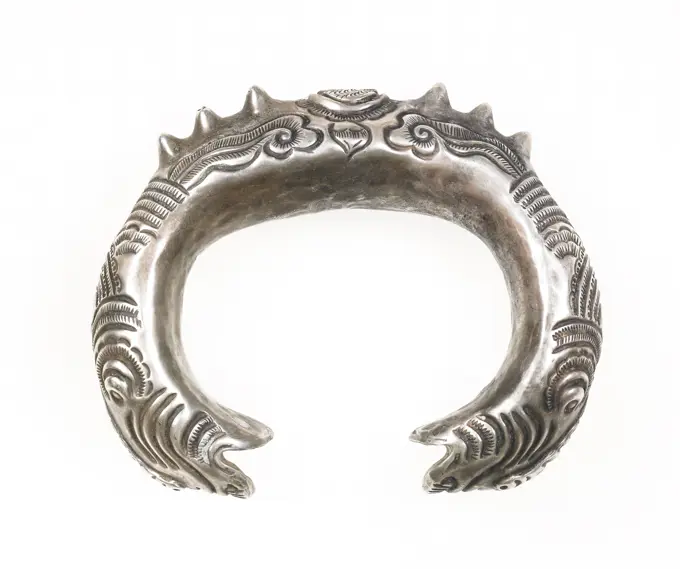
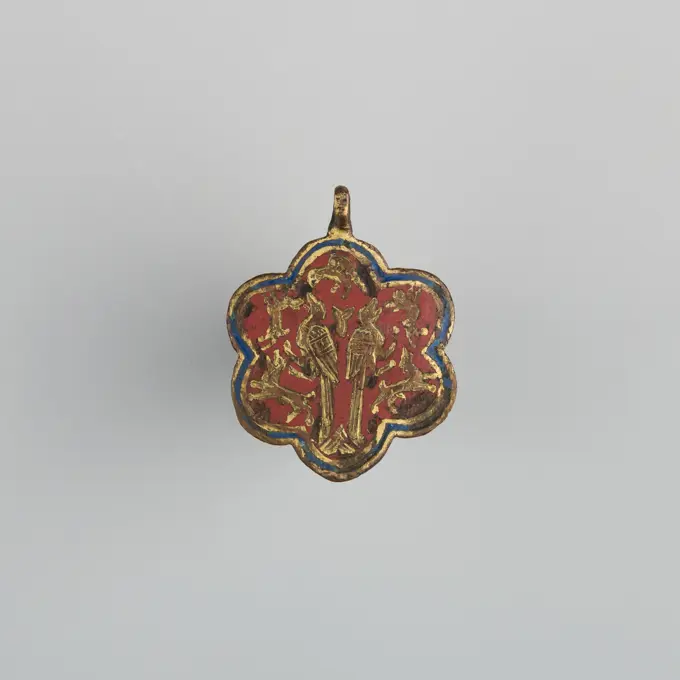
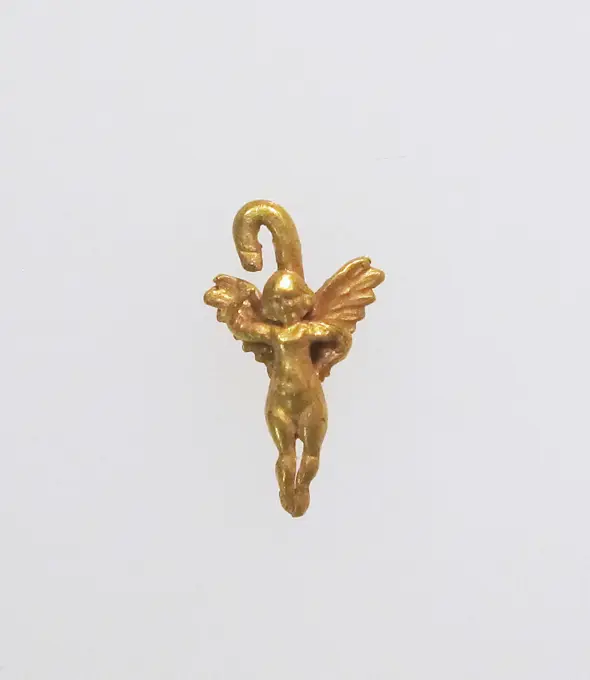
Intricate gold jewelry pieces from ancient times, featuring animal motifs and ornate designs, showcasing craftsmanship from distinct cultures.
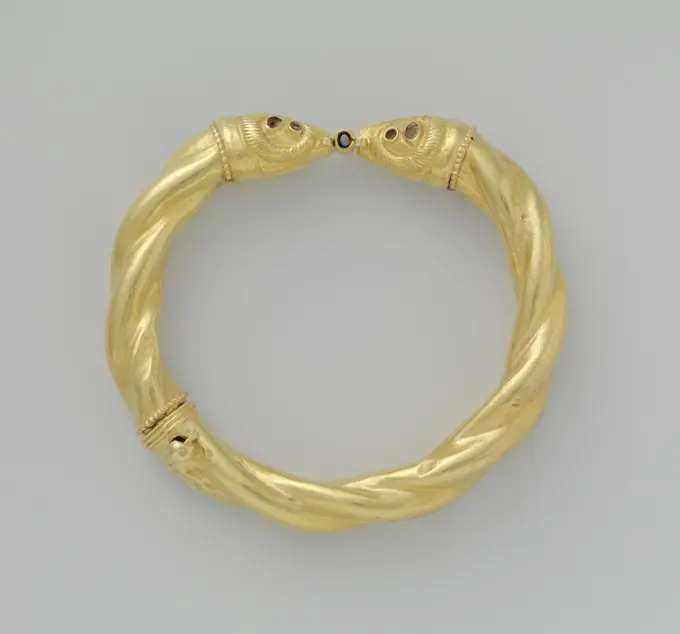
Armband, c. 900 - c. 1100 Gold bracelet consisting of two windings with rams heads on both ends. Egypte (possibly) gold (metal) Gold bracelet consisting of two windings with rams heads on both ends. Egypte (possibly) gold (metal)
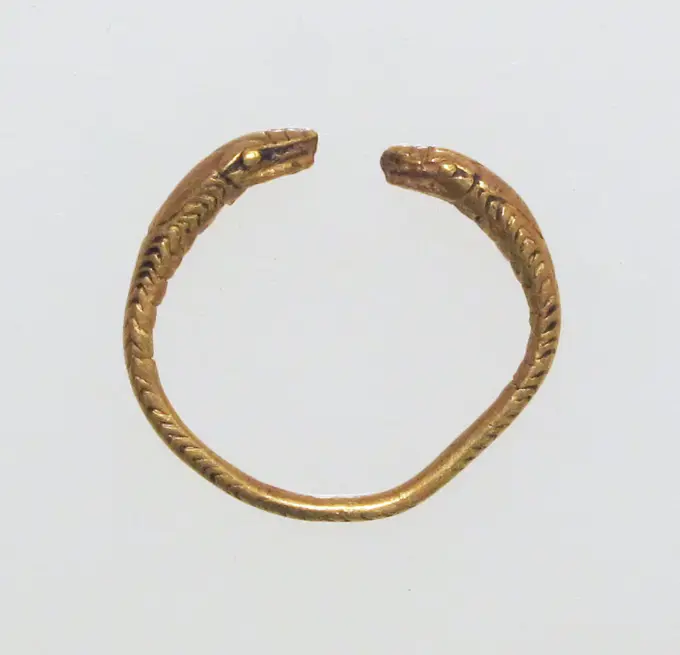
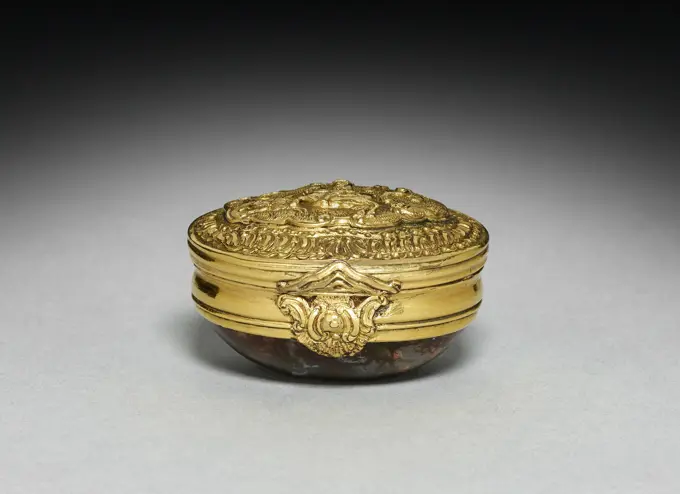
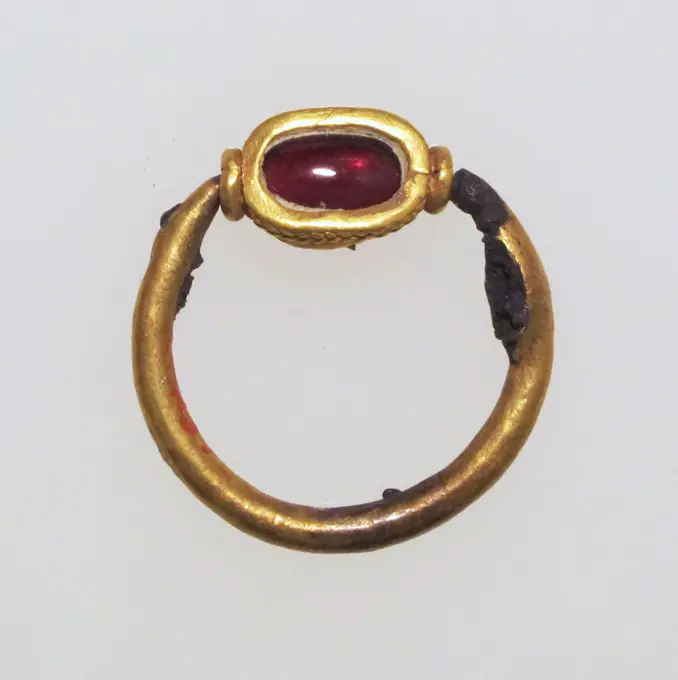
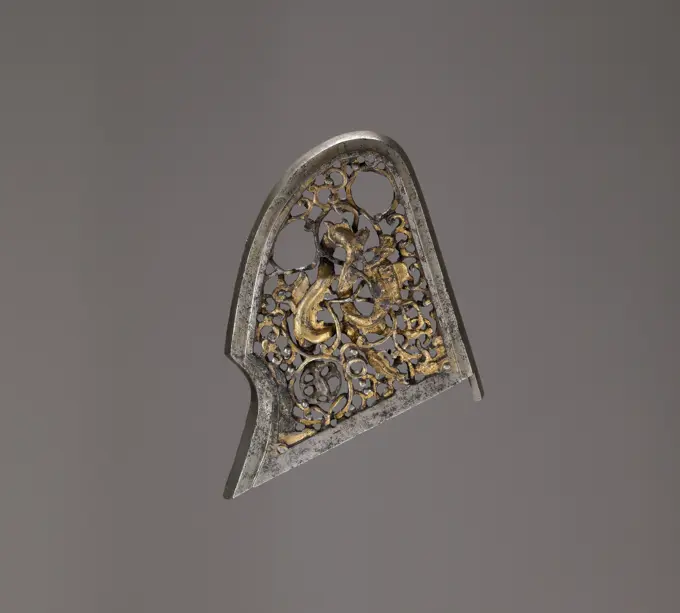
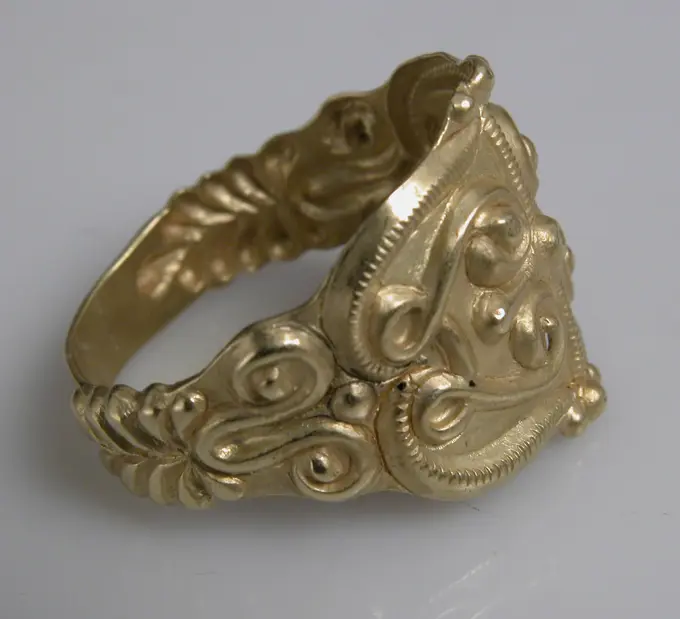
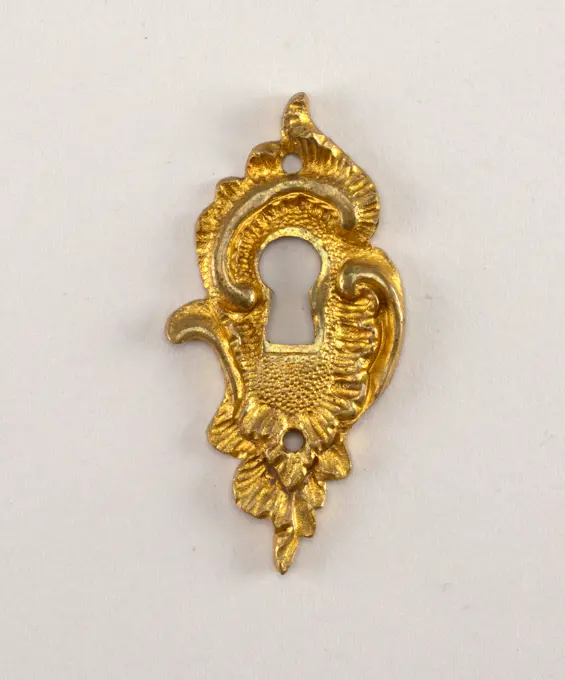
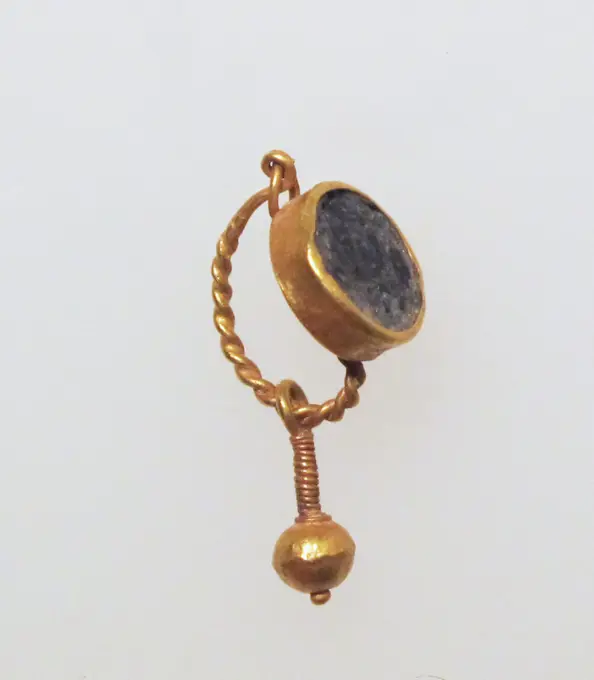
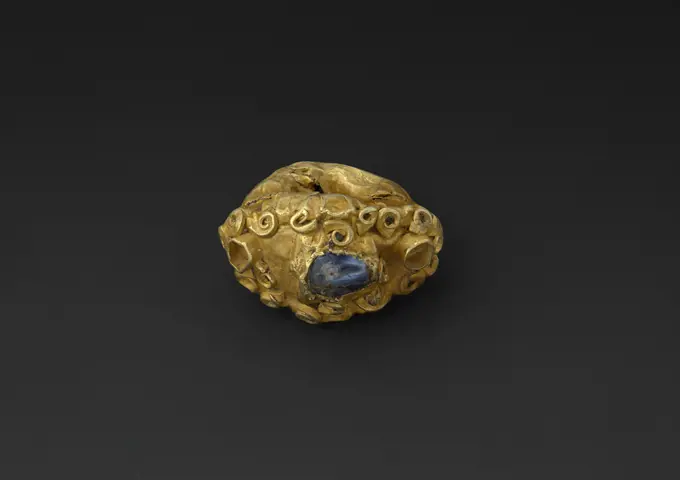
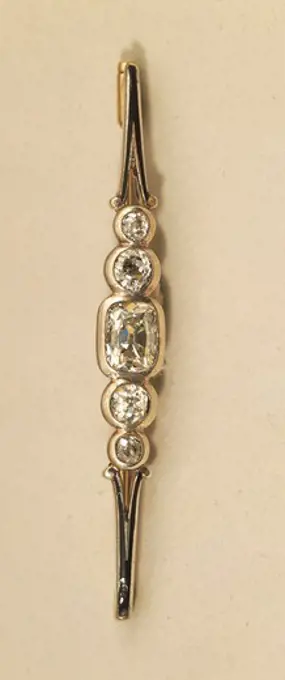
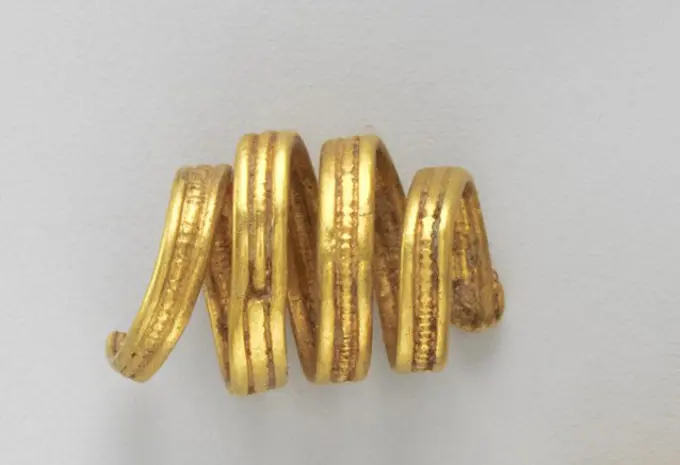
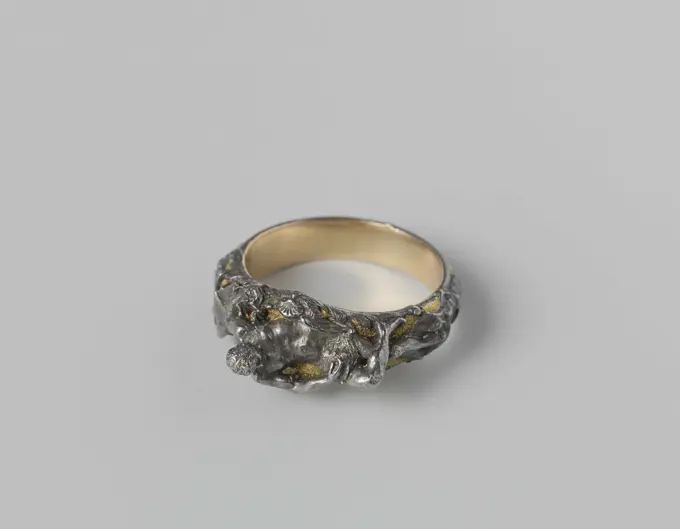
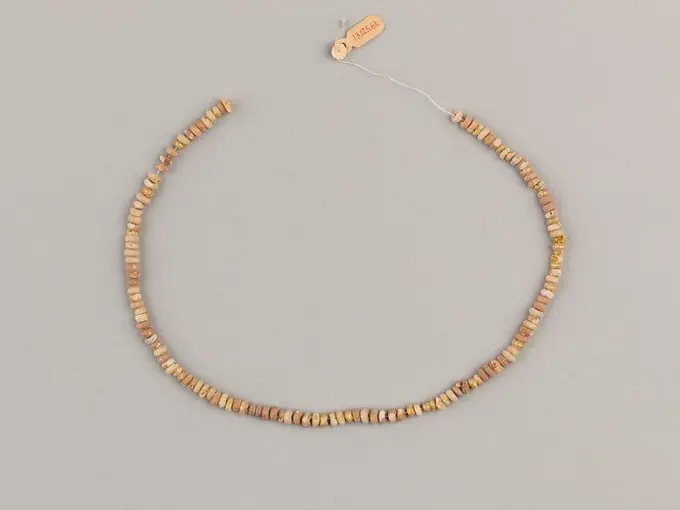
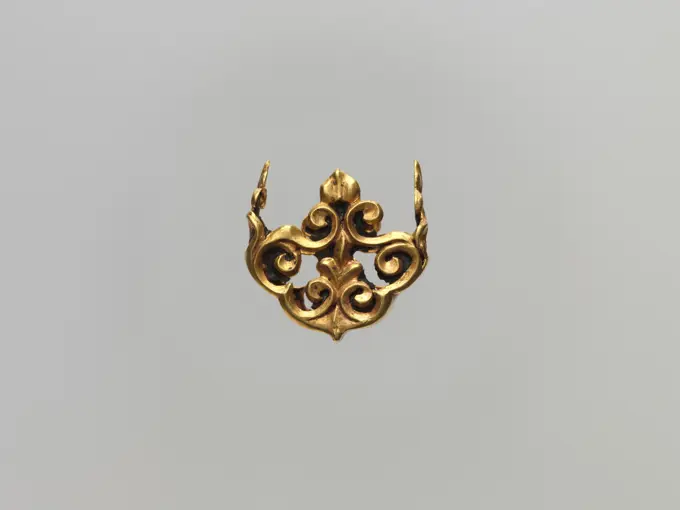
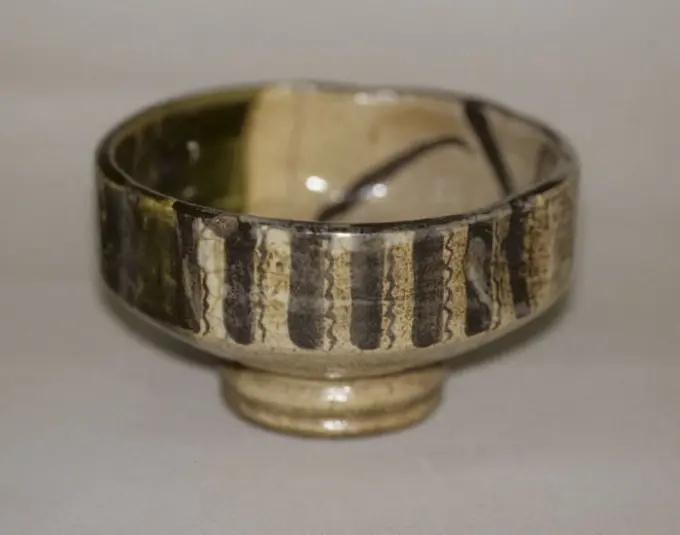
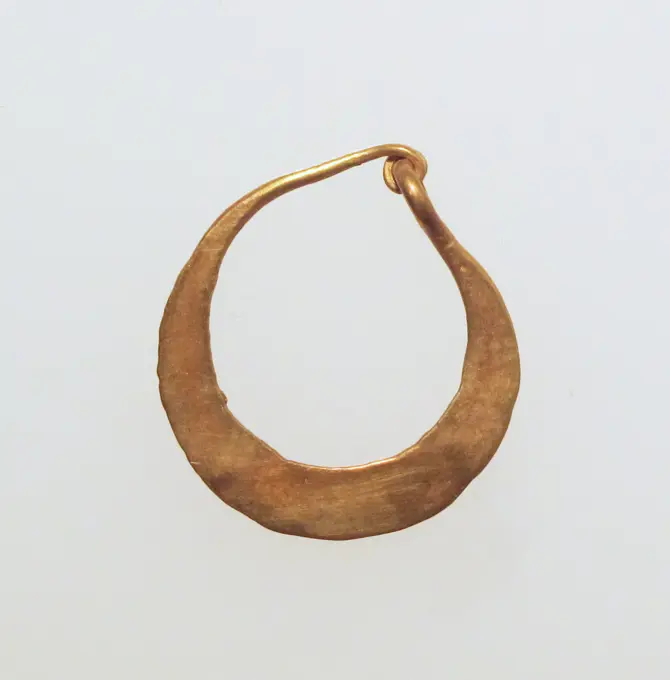
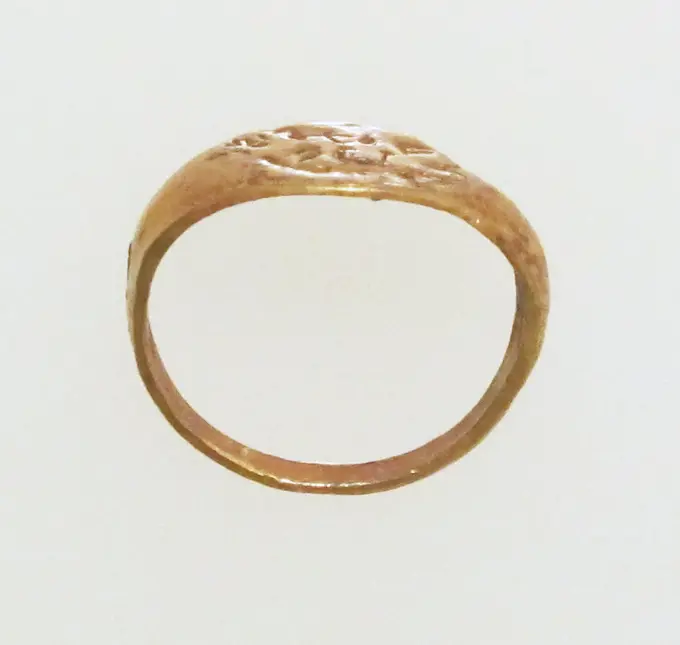
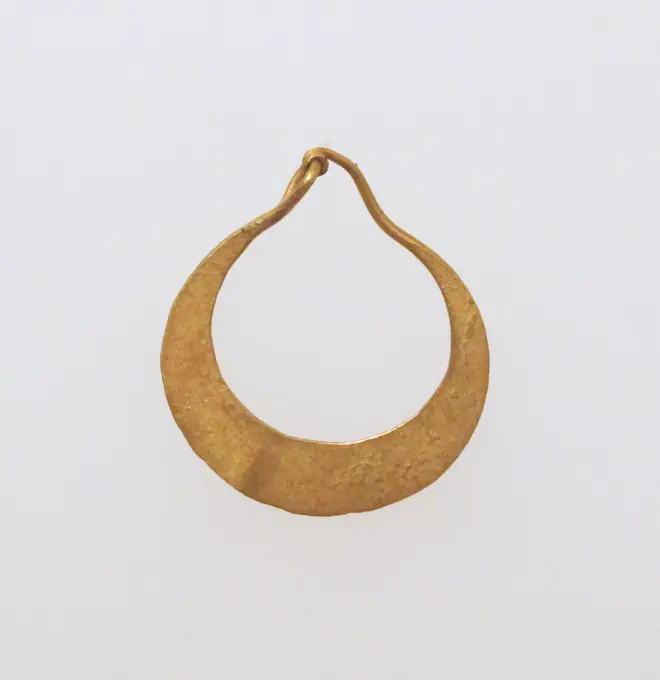
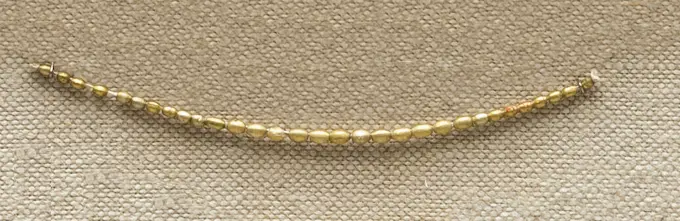
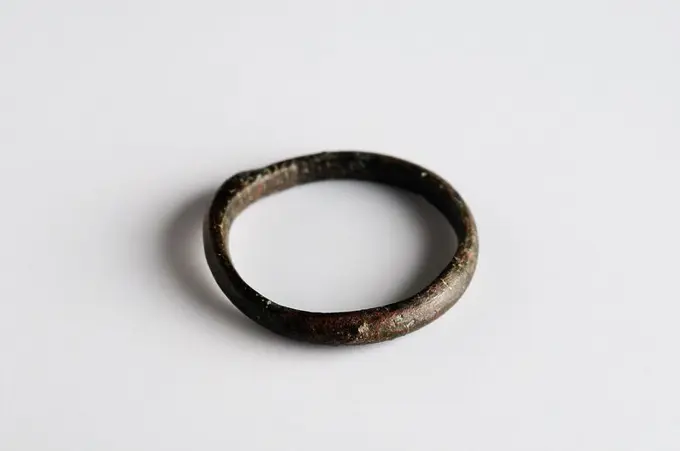
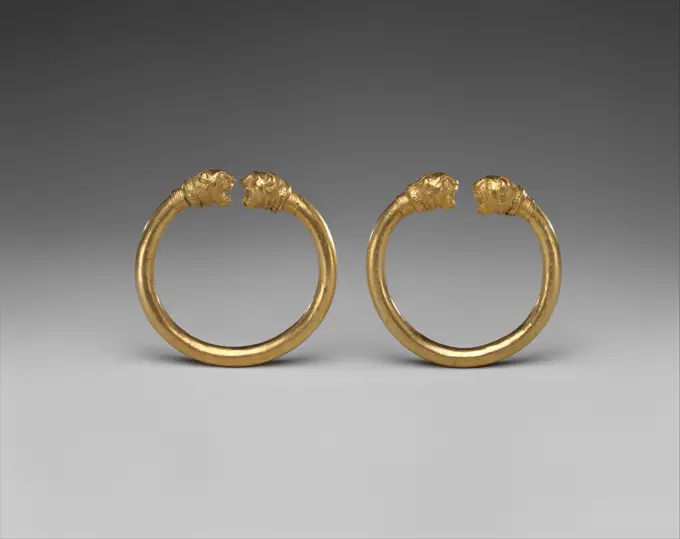
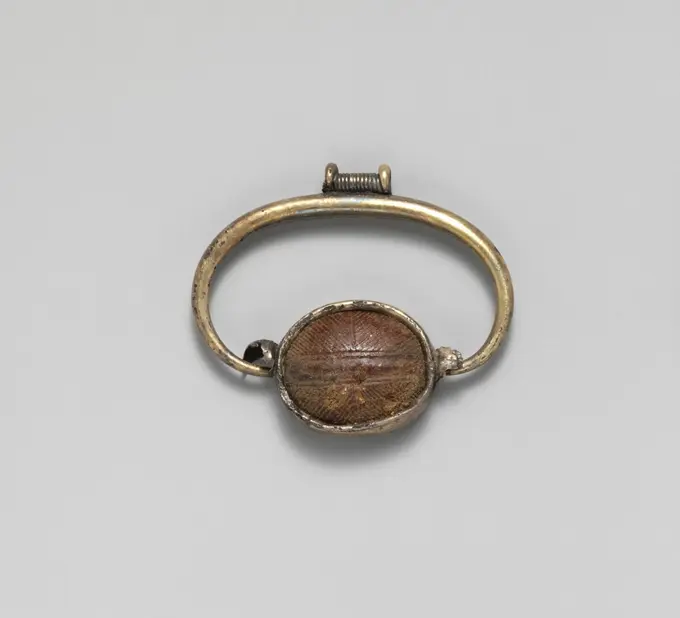
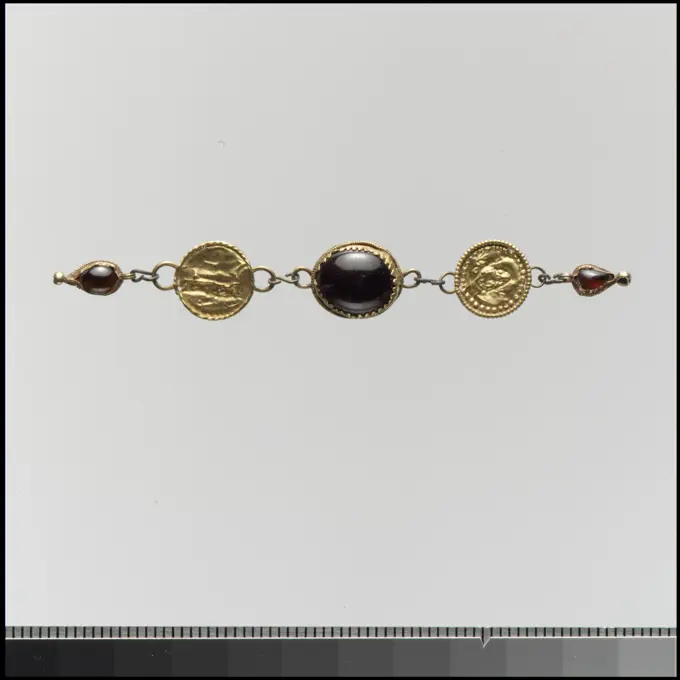
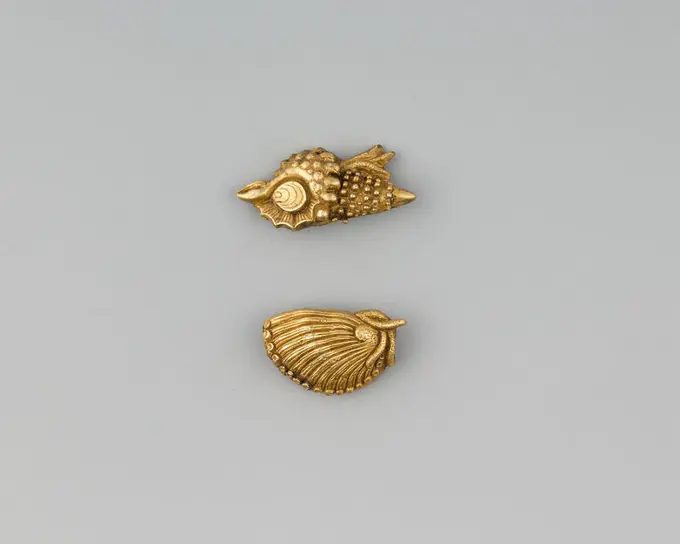
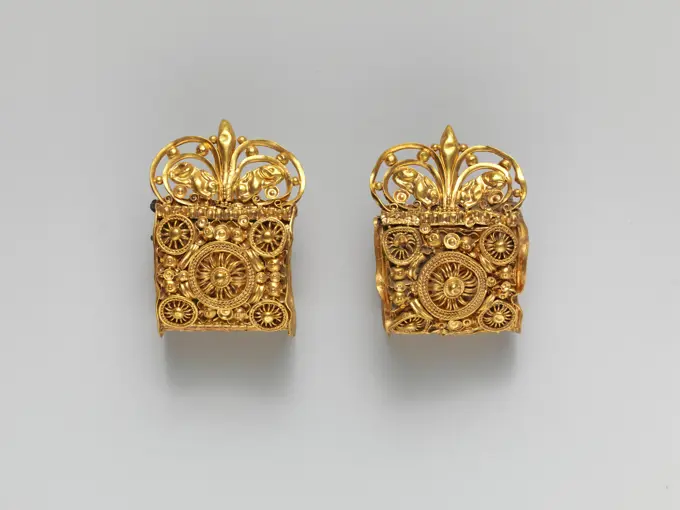
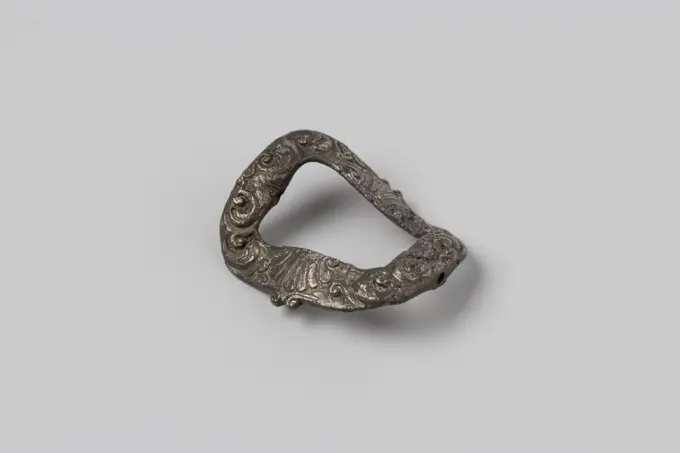
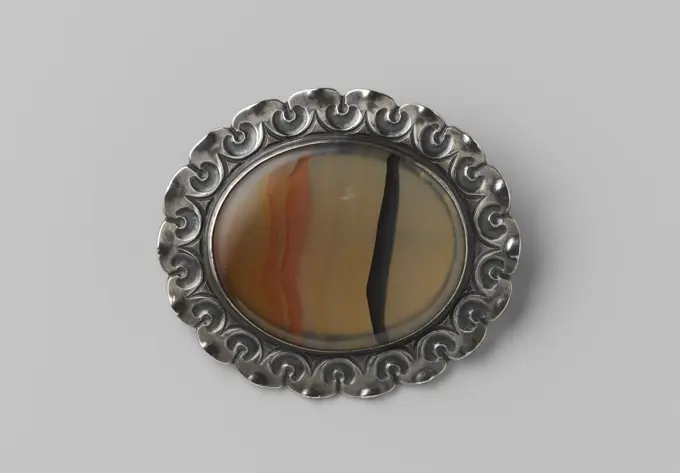
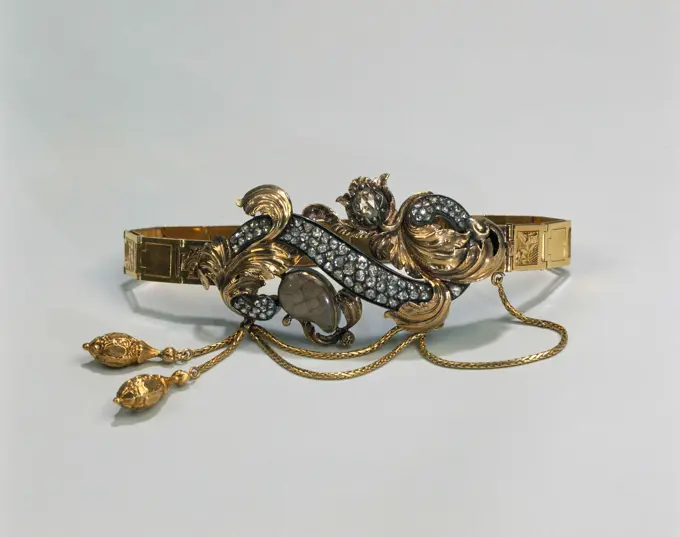
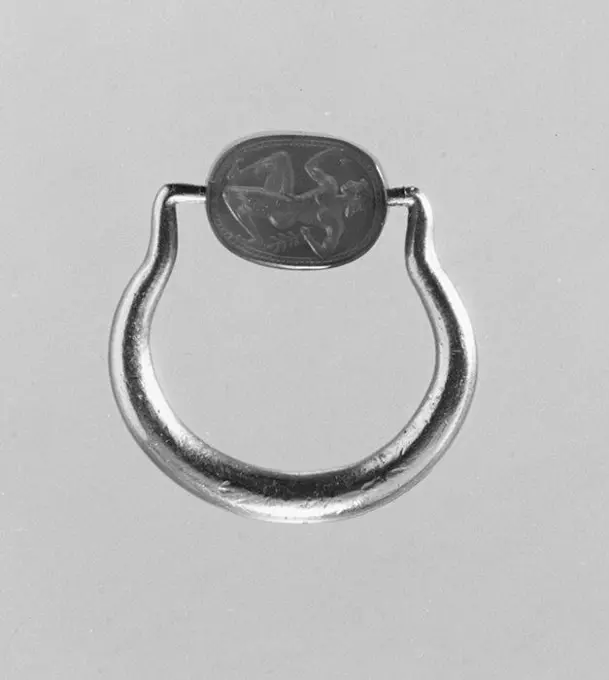
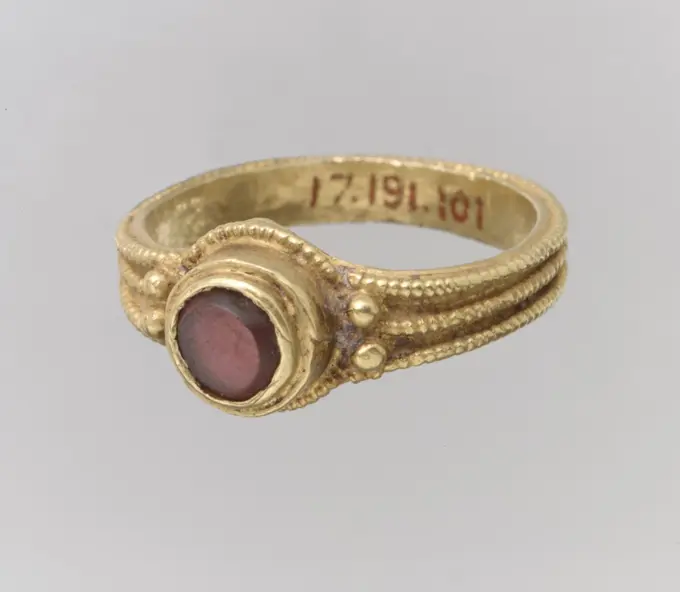
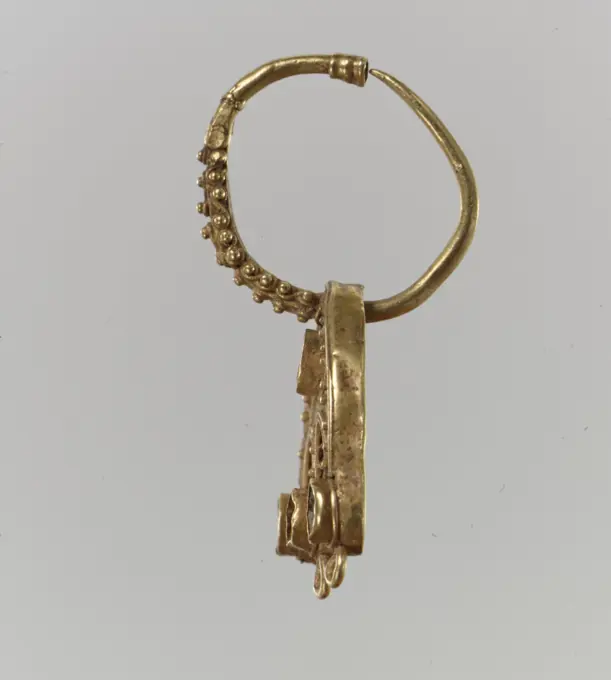
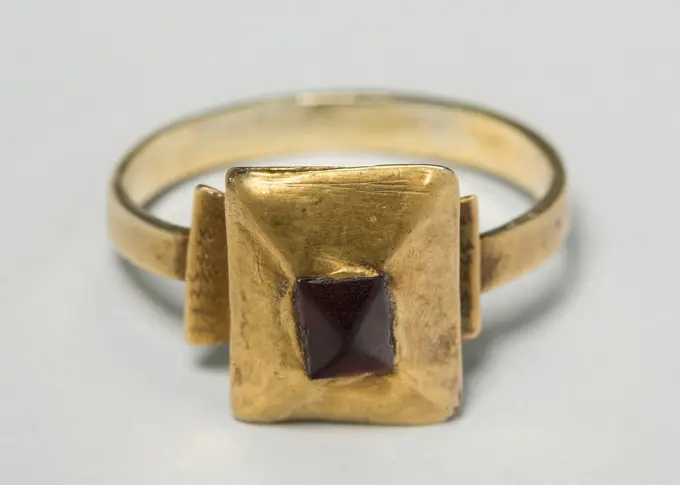
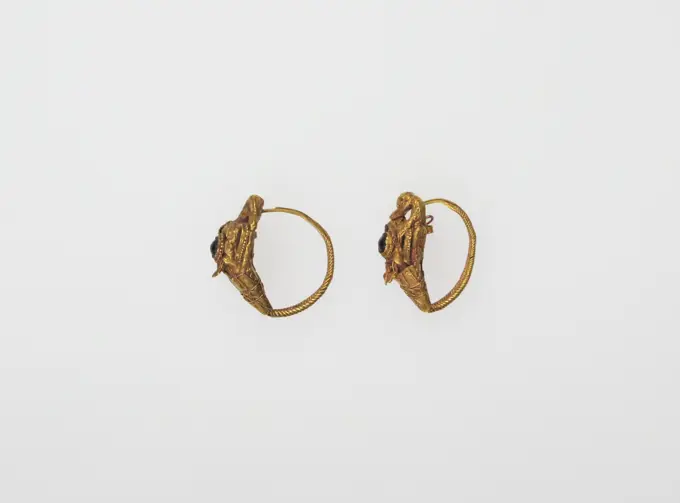
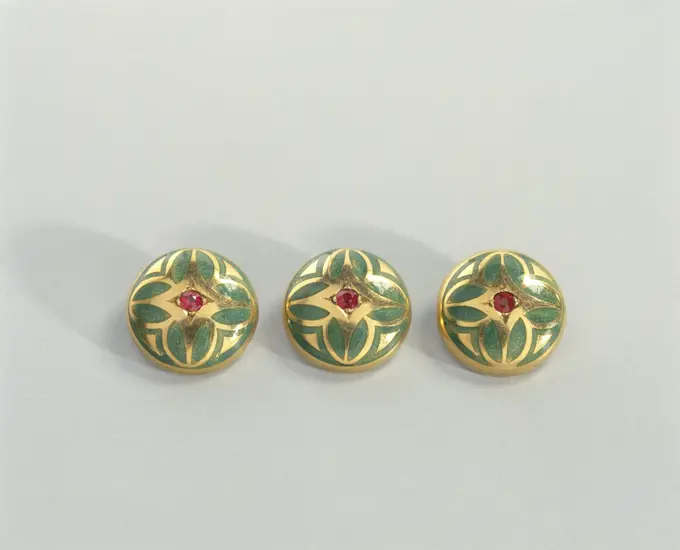
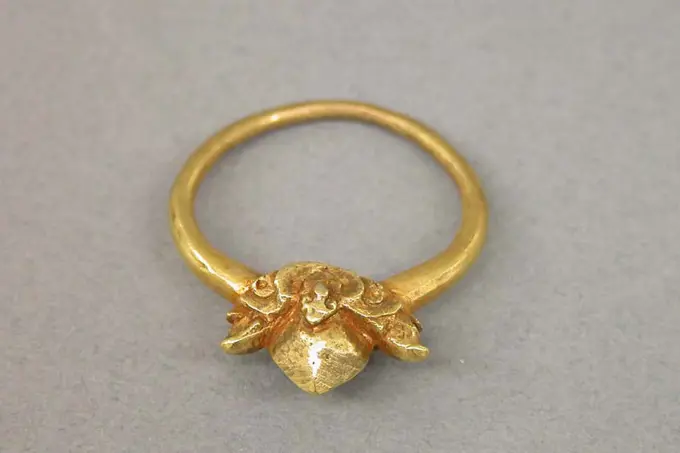
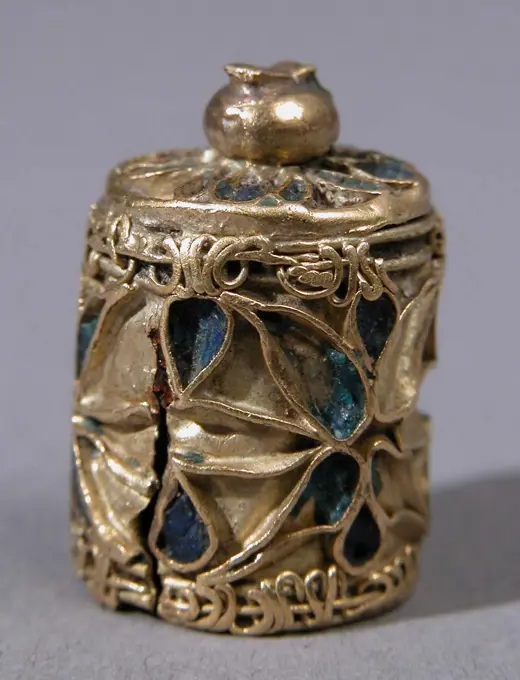
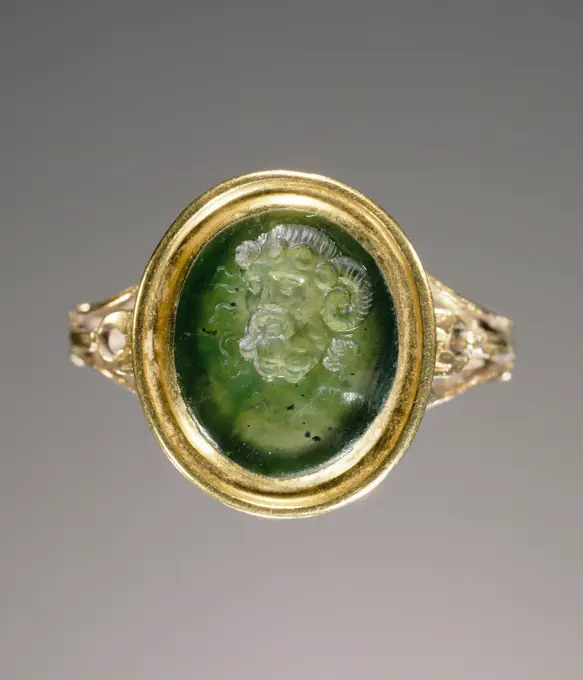
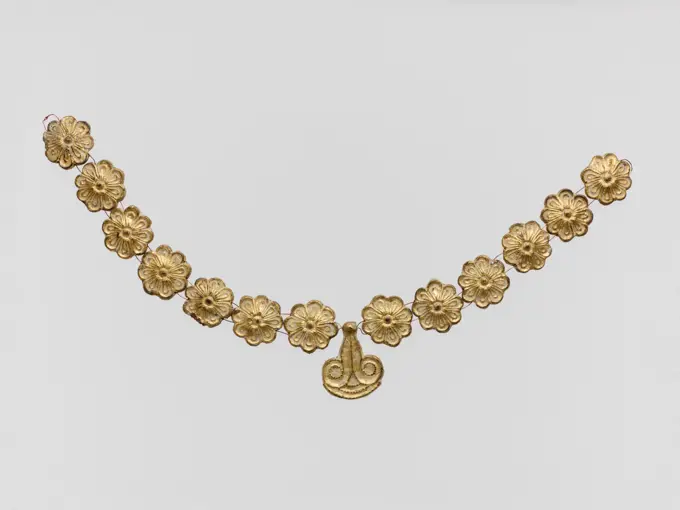
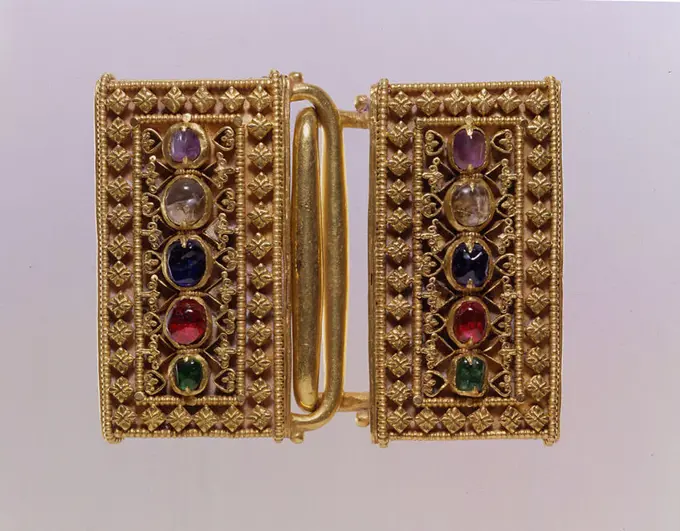
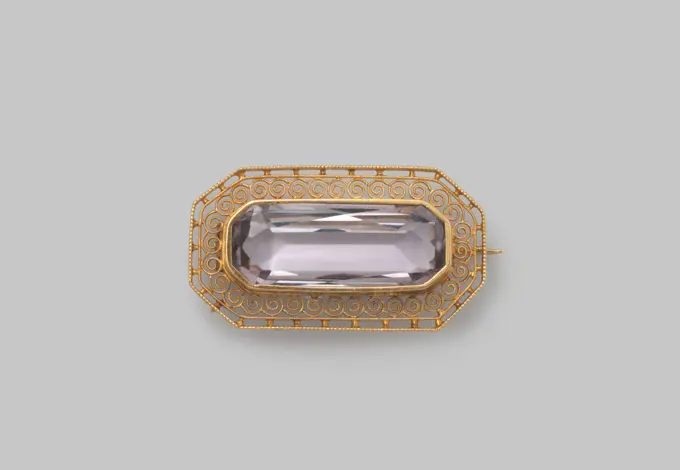
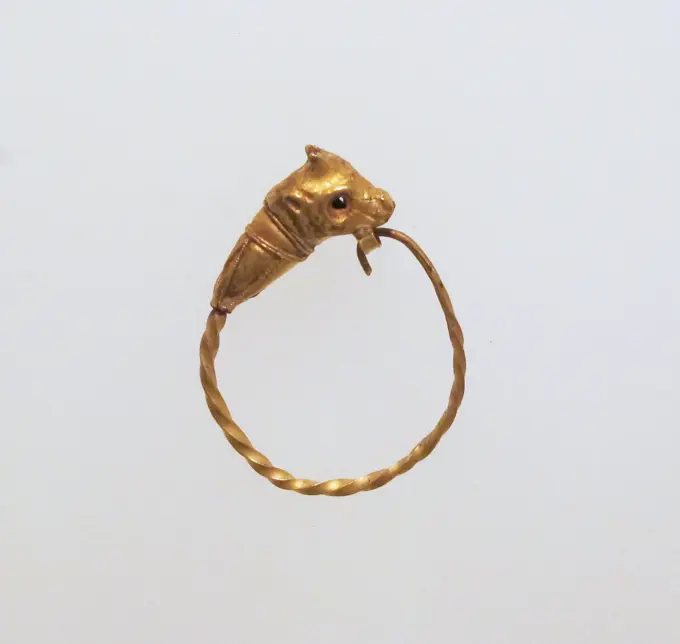
Gold earring with head of a bull 4th-3rd century B.C. Greek. Gold earring with head of a bull 242847Armband, c. 900 - c. 1100 Gold bracelet consisting of two windings with rams heads on both ends. Egypte (possibly) gold (metal) Gold bracelet consisting of two windings with rams heads on both ends. Egypte (possibly) gold (metal)Ring, spiral with snake headsSpherical Weighted Clasp with Filigree Ornamentation Second half of the 8th-second half of the 10th century Indonesia (Java). Spherical Weighted Clasp with Filigree Ornamentation. Indonesia (Java). Second half of the 8th-second half of the 10th century. Gold. Central Javanese period. JewelryBox, 1730. Germany, 18th century. Agate and gold or gilt metal; overall: 2.9 x 3.2 x 4.2 cm (1 1/8 x 1 1/4 x 1 5/8 in.).Saddle Pommel. Culture: China (Xinjiang Autonomous Region, Central Asia). Dimensions: W. 1 in. (2.5 cm); L. 6 in. (15.2 cm). Date: 7th-9th century.The nomadic communities of Central Asia used such plaques to embellish clothing and horse trappings. As these nomadic cultures herded animals and were constantly moving, their artistic production was expressed in portable objects that marked the wearer's status and wealth. The outstanding preservation of these fragile ornaments suggests they were used in conjunction with burials, where the body was aggrandized with valuable textiles and augmented with gold. Although it is difficult to date and place these objects geographically, their presence in Central Asia and has a long, established history. Museum: Metropolitan Museum of Art, New York, USA.Ring with band settings. Ring with band settings 243588Ring. Ring. Silver, gold, garnet. Gold and SilverPrzeszo PrzyszociRing with White Stones in Square Setting Second half of the 8th-second half of the 10th century Indonesia (Java). Ring with White Stones in Square Setting. Indonesia (Java). Second half of the 8th-second half of the 10th century. Gold with white stones. Central Javanese period. JewelryEarring 7th century () Frankish. Earring 465162 Frankish, Earring, 7th century (), Gold, blue and clear glass, pearls, Overall: 1 3/8 x 1/2 in. (3.5 x 1.3 cm) bead: 1/2 x 1/2 in. (1.3 x 1.2 cm). The Metropolitan Museum of Art, New York. Gift of J. Pierpont Morgan, 1917 (17.192.108)Gold earrings with bull's head. Culture: Greek. Dimensions: Diam.: 1 5/16 in. (3.3 cm). Date: 4th-3rd century B.C..Circlet of twisted gold wire, which tapers from the bull's head at the front end to a hooked point which passes through a loop below the animal's throat. Museum: Metropolitan Museum of Art, New York, USA.Finger Ring 1000-1200 Kievan Rus' The crosses on this ring stress the owners Christian faith.. Finger Ring 464574Earring, crescent-shaped. Earring, crescent-shaped 243296Ring 4th-5th century B.C. Celtic This ring evokes the splendor of the Celts and their love of personal adornment.. Ring 478985Incense Box (Kōgō) in the Shape of a Peach second half of the 19th century Japan. Incense Box (Kōgō) in the Shape of a Peach 45357Keyhole EscutcheonEarring with ball pendant and paste setting 1st-2nd century A.D. Roman. Earring with ball pendant and paste setting 243226Blue Gemstone EarOrnament, mid-7th to 10thcentury, Gold and blue-transparent stone, 2.21 × 2.05 cm, 14.592 g (7/8 × 13/16 in., 14.592g), Made in Java, Indonesia, Java, 7th-10thcentury, JewelryGoldsmith's art, Italy, 19th century. Black enamelled gold bar brooch set with diamonds.Earring 1st millennium B.C.-A.D. 1st century Iran. Earring. Iran. 1st millennium B.C.-A.D. 1st century. Gold. Late Bronze Age. IranNecklet 18th-19th century. Necklet. 18th-19th century. Silver. Attributed to india, Mumbai. JewelryGold Bracelet ca. 650 Byzantine Large opus interrasile openings outline ivy leaves on this bracelet from the Pantalica Treasure, a hoard of fourteen pieces of jewelry.Opus interrasile was a technique used by goldsmiths to make elegant jewelry from the 200s through the 600s. Designs were traced onto sheets of gold; the background was punched with holes of various sizes to highlight the pattern; and fine details were then worked on the surface. The patterns formed by piercing the metal ground encouraged the play of light and shadow across an object's surface.. Gold Bracelet 468419Visigothic broque from the 7th century Visigothic broque from the 7th century, Mortera cave, Pielagos, Museum of prehistory and archeology MUPAC, Santander, Cantabria, Spain Copyright: xZoonar.com/BartomeuxBalaguerxRotgerx 21880786Gold spiral 7th-6th century B.C. Etruscan With four revolutions.. Gold spiral. Etruscan. 7th-6th century B.C.. Gold. Archaic. Gold and SilverCollier, part of a demi-parure, Guillaume Louis Ploem, c. 1824 - c. 1838 Collier of gold. Consisting of links. Amsterdam gold (metal) filigree Collier of gold. Consisting of links. Amsterdam gold (metal) filigreeTwo Pendants, Fertility Symbol 8th-12th century Indonesia (Central Java). Two Pendants, Fertility Symbol 64206Torque, 9 3/4 x 11 1/4 x 1 3/4 in. (24.77 x 28.58 x 4.45 cm), Silver, ChinaGold ring with intaglio of seated woman and flying Eros. Culture: Greek. Dimensions: Overall: 7 1/16 x 7/16in. (18 x 1.1cm). Date: 2nd half of the 5th century B.C..The bezel of this ring has an exquisitely detailed intaglio of a woman approached by Eros. The woman is seated on a stool, one turned leg of which is visible. Her hair is bound up in a netlike sakkos. She wears earrings, a necklace, and, on her right wrist, a double bracelet. A belted chiton covers her upper arms, and a himation is bunched around her waist, covering her legs. The fabric's folds are rendered in parallel ridges, organized to clarify the direction of the drapery as well as to reveal the forms of the body. The woman holds a frond in her right hand. Eros flies up toward her face, touching her right shoulder with one hand and raising a wreath to her head with the other. Such a scene was fairly common on this type of ring, which was made to be decorative rather than to serve primarily as a signet. Both the subjecGold earring with head of a goat 4th-3rd century B.C. Greek. Gold earring with head of a goat 242897. Sculptors and goldsmiths use the same materials, and in the 16th century they worked in both large and smallformats. The celebrated goldsmith Benvenuto Cellini, for example, made monumental sculptures as well as jewellery. Only a few of these sculptors pieces, like this ring, have been preserved. The reclining man derives from a sculpture by Michelangelo, Dusk, on the tomb of Lorenzo de Medici in Florence.String of beads. Dimensions: l. 26.8 cm (10 9/16 in.). Date: 30 BC-364 AD. Museum: Metropolitan Museum of Art, New York, USA.Openwork Fitting 7th-9th century China (Xinjiang Autonomous Region, Central Asia) The nomadic communities of Central Asia used such plaques to embellish clothing and horse trappings. As these nomadic cultures herded animals and were constantly moving, their artistic production was expressed in portable objects that marked the wearers status and wealth. The outstanding preservation of these fragile ornaments suggests they were used in conjunction with burials, where the body was aggrandized with valuable textiles and augmented with gold. Although it is difficult to date and place these objects geographically, their presence in Central Asia and has a long, established history.. Openwork Fitting 65326Gibson Girl and Flowers Matchsafe; USA; silver; 6.7 x 4.6 x 1 cm (2 5/8 x 1 13/16 x 3/8 in. )Glass openwork finger ring. Culture: Roman. Dimensions: H.: 9/16 in. (1.4 cm)Diam.: 13/16 in. (2.1 cm). Date: ca. 4th century A.D..Translucent blue.Circular hoop made from two parallel rods with zigzag trail drawn around between them; circular flat bezel with thicker rounded edge.Bezel stamped with a female portrait head in profile to right with bun on back of head.Intact, but one open crack in one rod near junction with bezel; many pinprick and a few larger bubbles; dulling, pitting, and iridescent weathering.Blue ring of three interlaced glass threads and round bezel with head in relief. Museum: Metropolitan Museum of Art, New York, USA.Beursbugel with flowers and a medallion, Johannes Michiel Lageman, 1781 The cast arched bracket consists of two equal, hinged, bow -shaped halves with a scalloped contour. A wide, smooth upper edge is attached perpendicular to one of these two halves. In this half a blue steel, arch -shaped spring is attached. The spring consists of two parts that meet in a golden hook. The shorter part is operated with a gold push button in the side of the bracket and pushes the other part up there. The bracket closes by means of a hook attached to the other half, which grabs this longer part of the spring. The longer part of the spring is also connected to a gold button, placed in the opposite side of the bracket, but it cannot be moved. Both halves are provided with nine eyes to attach the bag at the bottom. A smooth inner bracket has been installed between the two halves. Both halves show decorations on a roughed soil within smooth edges. In the middle there is an oval medallion with a man's portraGem Engraved with a Warrior Putting on Leg Armor; Etruria; 4th century B.C; Carnelian and gold; 0.8 × 1.4 × 1.1 cm (5,16 × 9,16 × 7,16 in.)Ring, anonymous, c. 1670 - c. 1690 Ring of silver or gold. In the middle a large cut stone, around six smaller ones. Netherlands (possibly) gold (metal). diamond (mineral). Ring of silver or gold. In the middle a large cut stone, around six smaller ones. Netherlands (possibly) gold (metal). diamond (mineral).Teabowl 17th century Japan. Teabowl. Japan. 17th century. Clay decorated with black lines, covered with a transparent crackled glaze and an overglaze (Mino ware, Oribe type). Momoyama (1573-1615) or Edo period (1615-1868). CeramicsPair of hand jewels with rings (hathiphul).Earring, crescent-shaped. Earring, crescent-shaped 243291Roman civilization. Goldsmith art. Gold ring with cameoRing with garnet. Ring with garnet 243680Golden chain necklace on black background with reflectionGold ring with inscribed bezel 1st century B.C.-3rd century A.D. Roman. Gold ring with inscribed bezel 243511Gold earring with woman's head and glass beads. Culture: Greek. Dimensions: Other: 1 1/16 x 7/16 x 1 5/16 in. (2.6 x 1.2 x 3.3 cm). Date: 3rd-2nd century B.C.. Museum: Metropolitan Museum of Art, New York, USA.Bracelet. Egypt or Syria, 11th century. Jewelry and Adornments; bracelets. Gold, set with rubies and emeraldsEarring, crescent-shaped. Earring, crescent-shaped 243279Nose Ring, 20th Century. India. Silver; overall: 6.4 cm (2 1/2 in.).String of 31 Beads Ptolemaic or Roman Period 2nd century BC-2nd century AD View more. String of 31 Beads. 2nd century BC-2nd century AD. Gilt glass. Ptolemaic or Roman Period. From EgyptRing. Gold with corrugated edges. Decorated with filigree tires in the middle, and curls on either side.Bronze ring with rounded outer edge. 2.3 x 0.2 cm - Medieval period from the archaeological site of " La Magistral " in Alcala de Henares - " Burgo de Santiuste Museum " (Madrid). SPAIN.Nose Ring, 20th Century. India. Silver; overall: 6.4 cm (2 1/2 in.).Frog pendant 11th-16th century Chiriqui. Frog pendant. Chiriqui. 11th-16th century. Gold. Costa Rica or Panama. Metal-OrnamentsGold earring with head of an animal 4th-3rd century B.C. Greek. Gold earring with head of an animal 242891Gold lion's head bracelet with copper-alloy core ca. 450-400 B.C. Greek, Cypriot Bangle bracelets with animal-head finials.. Gold lion's head bracelet with copper-alloy core 242998Bracelet with Isis Bust Finials. UnknownBracelet, 1800s. Indo-Chinese. Silver; overall: 6.7 cm (2 5/8 in.).Bracelet, one of a pair, 3 x 3 1/2 x 1 in. (7.62 x 8.89 x 2.54 cm), Silver, ChinaBadge or Harness Pendant 14th century possibly Spanish Heraldry, or coat-of-arms, were vitally important in Europe throughout the Middle Ages and the Renaissance. Heraldic emblems were used to identify noble families, cities, regions, and even countries. In addition to being displayed on shields and flags, heraldry was incorporated into architectural decoration on the interior and the exterior of buildings, on furniture, works of art, clothing, and horse equipment. Harness pendants, like this example, would have been attached to a headstall, bridle, or other straps making up the tack of a horse ridden by a nobleman or noblewoman, or a member of their household. Many harness pendants also have decoration that is simply ornamental, or have symbols that are not specifically heraldic in nature.. Badge or Harness Pendant. possibly Spanish. 14th century. Copper, gold, enamel. Miscellaneous-BadgesFrog Ring, 618-906, 1 1/8 in. (2.86 cm) (diameter), Gold, China, 7th-10th centurySilver gilt and amber pendant 7th century B.C. Etruscan Elliptical hoop topped by a suspension tube. The base of the ring accommodates an ovoid amber bead mounted so it may swivel. The amber is incised with simple geometric motifs.. Silver gilt and amber pendant. Etruscan. 7th century B.C.. Amber, silver. Archaic. Miscellaneous-AmberHammered Gold Band with Bells Peru; north coastPendant with Eros 4th century B.C.. Pendant with Eros. 4th century B.C.. GOLD. Gold and SilverFragment of Necklace 3rd century Pontic. Fragment of Necklace 465160 Pontic, Fragment of Necklace, 3rd century, Gold, garnets, Overall: 4 1/8 x 1/2 x 3/16 in. (10.5 x 1.3 x 0.5 cm). The Metropolitan Museum of Art, New York. Gift of J. Pierpont Morgan, 1917 (17.192.106)Pair of Sword-Grip Ornaments (Menuki). Culture: Japanese. Dimensions: Menuki (a); L. 3/4 in. (1.9 cm); Wt. 0.1 oz. (2.8 g); menuki (b); L. 7/8 in. (2.2 cm); Wt. 0.1 oz. (2.8 g). Date: 18th century. Museum: Metropolitan Museum of Art, New York, USA.Pair of gold a baule earrings 6th century B.C. Etruscan Baule type earrings with symmetrical palmettes embelished with single gold grains at the top, which are flanked by repoussé crouching hares.. Pair of gold a baule earrings 254994 Etruscan, Pair of gold a baule earrings, 6th century B.C., Gold, H.: 1 3/8 x 15/16 in. (3.4 x 2.4 cm). The Metropolitan Museum of Art, New York. Rogers Fund, 1959 (59.11.21, .22)Kneegesp from the wreck of the East Indians Hollandia, Anonymous, 1700 - in Or Before 1743  Kniegesp. Buckle, chape buckle, knee buckle; (1) ring (3x2.4, 0.2t) bent, relieved decoration of scrolling shell motifs, scrolling projections on long sides (spindle longitudinal). Netherlands silver (metal)   SecondBracelet. Date: 14th century. Museum: Metropolitan Museum of Art, New York, USA.Oval brooch made of silver and stripage, c. 1930 - c. 1940 Oval brooch made of silver and cabochon sharpened stripagate with a hook closure. The Agaath is caught in a scalloped edge of silver. Netherlands silver (metal). agate (chalcedony) grinding Oval brooch made of silver and cabochon sharpened stripagate with a hook closure. The Agaath is caught in a scalloped edge of silver. Netherlands silver (metal). agate (chalcedony) grindingBrooch of gold in the form of a snake with sapphire, anonymous, c. 1870 - c. 1890 Brooch of gold in the form of a snake with an oval cabochon cut sapphire (probably synthetic) and two rose -slept diamonds as eyes, equipped with cannon closure, which was later applied. United Kingdom gold (metal). sapphire (mineral). diamond (mineral) grinding / faceting Brooch of gold in the form of a snake with an oval cabochon cut sapphire (probably synthetic) and two rose -slept diamonds as eyes, equipped with cannon closure, which was later applied. United Kingdom gold (metal). sapphire (mineral). diamond (mineral) grinding / faceting. Bracelet of gold, gold-plated silver, diamonds and hair. The central motif is an example of neo-rococo; While the tassels that hang out of Arabic jewelry.Gold ring with a carnelian scaraboid gem late 6th century B.C. Greek Running youth. Gold ring with a carnelian scaraboid gem 256229Finger Ring 4th-7th century Langobardic. Finger Ring 464789 Langobardic, Finger Ring, 4th7th century, Gold, garnet set on a wad of cotton - re-set or restoration, Overall: 7/8 x 1/4 in. (2.3 x 0.7 cm) band: 7/8 x 1/8 in. (2.3 x 0.3 cm) bezel: 3/16 x 1/4 in. (0.5 x 0.7 cm). The Metropolitan Museum of Art, New York. Gift of J. Pierpont Morgan, 1917 (17.191.101)Miser's purse, Medium: silk, steel Technique: crocheted, Tightly crocheted dark green silk ornamented with cut steel beads in small geometric pattern. Two steel rings at closing; at one end, a fringe of steel beads; small faceted drop and tassel at the other., France, early 19th century, costume & accessories, Miser's purseLoop .Goldsmith's art, 19th century. Plique a jour enamel gold bracelet set with cameos.Earring 6th-7th century Byzantine or Langobardic Fashionable in Italy for at least a century before the arrival of the Langobards, earrings of the basket” variety, like the many shown in this case, quickly became part of Langobardic women’s dress.. Earring 469015Glass mosaic carinated bowl fragment late 1st century B.C.-early 1st century A.D. Roman Body fragment.Translucent purple, opaque white and yellow.Carinated side, with part of one shallow convex curve, then slanting sharply downward below.Mosaic pattern formed from polygonal sections of a single cane in a purple ground outlined in yellow with two circles of white dots around a central yellow rod.Polished exterior; pitting of surface bubbles on exterior; dulling, creamy brown weathering and iridescence on interior and jagged edges.. Glass mosaic carinated bowl fragment 257185Tart Mold Ring Made 1200-1300 France. Inspired by this shapeís resemblance to a pastry, English collectors in the nineteenth century named it tart mold ring. The pyramid-shaped bezel (setting) is embedded with a central stone that was cut to extend the ringís geometric form.. Gold and garnet .Necklace Hynek Prokop GindleEarring with swans or geese 3rd century B.C. Greek. Earring with swans or geese. Greek. 3rd century B.C.. Gold, garnet. Hellenistic. Gold and SilverOval gilt frame with cut ornaments on the day side, associated with relief with the sacrifice to Venus, Louis-Simon Boizot, 1766  Rome wood (plant material). gold leaf cutting / gilding  Rome wood (plant material). gold leaf cutting / gildingGold ring with glass paste ring stone. Culture: Greek or Cypriot. Dimensions: Diam.: 7/8 in. (2.2 cm). Date: 6th-5th century B.C..Blue green paste, decayed. Museum: Metropolitan Museum of Art, New York, USA.Knot of gold and light green email, with a ruby, Louis Willem van Kooten (II), c. 1908 - c. 1911 Button of gold and light green email, with a ruby. Amsterdam gold (metal). ruby (mineral). Button of gold and light green email, with a ruby. Amsterdam gold (metal). ruby (mineral).Vintage Retro old golden color wooden Picture Frame with clipping pathRing with Pyramid Shaped Bezel Second half of the 8th-second half of the 10th century Indonesia (Java). Ring with Pyramid Shaped Bezel 50204Woman in Barrel Smoking, Silver, In the form of a wooden barrel, with simulated wood grain; the head of woman smoking is seen in relief through jagged edged, open reserve in center. Upper part of barrel hinged on left. Striker on bottom., ca. 1895, containers, Decorative Arts, Matchsafe, MatchsafeDisk Brooch. Culture: Frankish. Dimensions: Overall: 1 1/8 x 3/8 in. (2.8 x 1 cm). Date: 7th century. Museum: Metropolitan Museum of Art, New York, USA.Reliquary Finial 9th-10th century Byzantine. Reliquary Finial 465962 Byzantine, Reliquary Finial, 9th10th century, Cloisonn enamel, gold, Overall: 11/16 x 1/2 in. (1.8 x 1.2 cm). The Metropolitan Museum of Art, New York. Purchase, Anonymous Gift, 1972 (1972.58)Pierścień ze skarabeuszem i kryptogramem Amona. unknown, authorNecklet unknown. Necklet 444647Guarrazar Hoard. Votive crown. Visigothic goldsmithing. Dated between 621 and 672 AD. From Guarrazar (Guadamur, province of Toledo, Spain). National Archaeological Museum. Madrid. Spain.bead necklace, first iron age, Museum of Navarra, Pamplona, Navarra,Spain.Vintage Retro Old Picture Frame with clipping pathEngraved gem set into a modern ring. UnknownGilt terracotta ornaments from a necklace ca. 1400-1050 B.C. Mycenaean Eight petaled rosettes and one pendant in the shape of a formalized flower. Similar rosettes have been found at Dendra, Asine, the Argive Heraion, Mycenae, Menidi, and in Crete at Phaistos.. Gilt terracotta ornaments from a necklace. Mycenaean. ca. 1400-1050 B.C.. Terracotta, gold. Late Helladic III. TerracottasTwo-Part Buckle with Inlaid Stones 18th-19th century Indonesia. Two-Part Buckle with Inlaid Stones 50903Belt, last half of 20th century, Rayon, metallic/lurex threads; embroidery, Morocco, 20th centuryBrooch van Filigrein in gold with faceted amethist, c. 1910 - c. 1924 Broche from Filigrein with curly ornaments in gold with baking truck -faceted amethist, with crochet closure. Rotterdam gold (metal). amethyst (mineral) filigree / faceting Broche from Filigrein with curly ornaments in gold with baking truck -faceted amethist, with crochet closure. Rotterdam gold (metal). amethyst (mineral) filigree / faceting