Ancient Gold Jewelry

Intricate gold jewelry pieces from ancient times, featuring animal motifs and ornate designs, showcasing craftsmanship from distinct cultures.
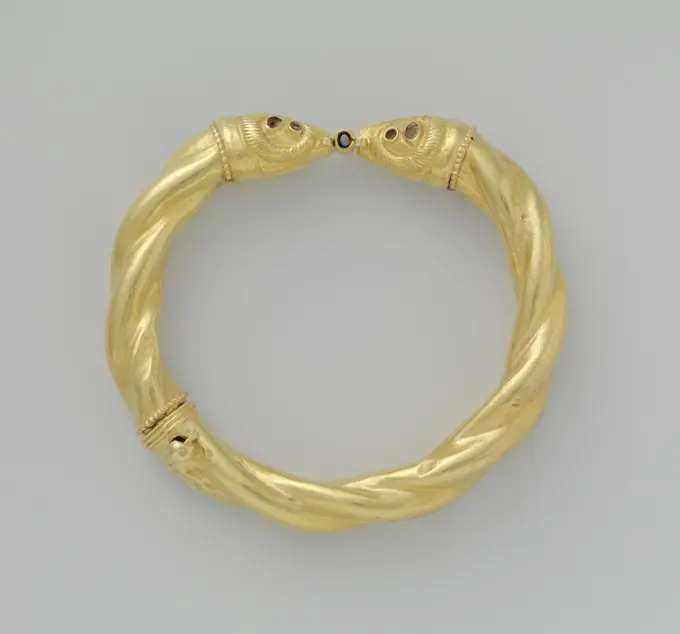
Armband, c. 900 - c. 1100 Gold bracelet consisting of two windings with rams heads on both ends. Egypte (possibly) gold (metal) Gold bracelet consisting of two windings with rams heads on both ends. Egypte (possibly) gold (metal)
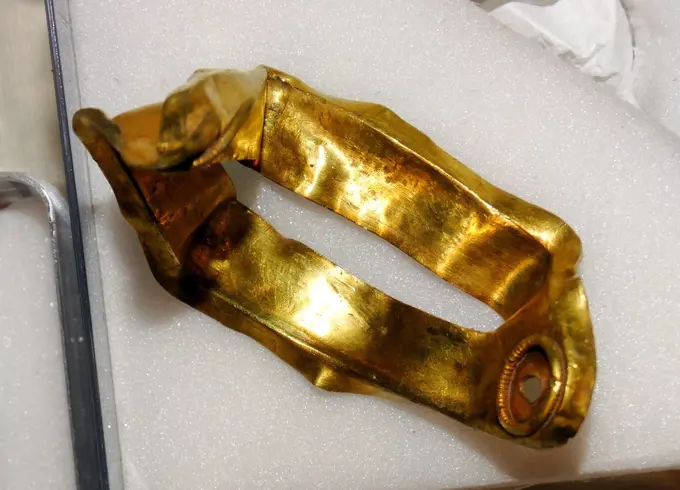
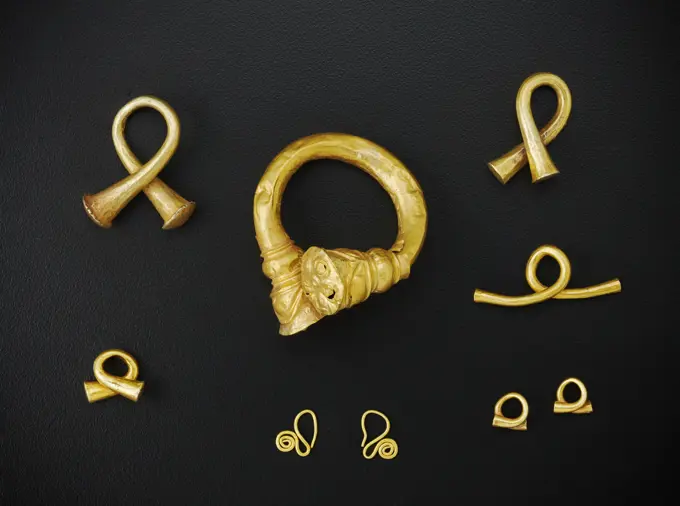
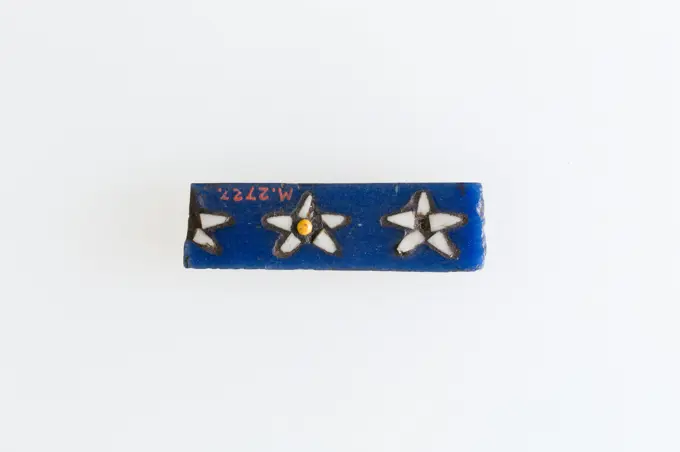
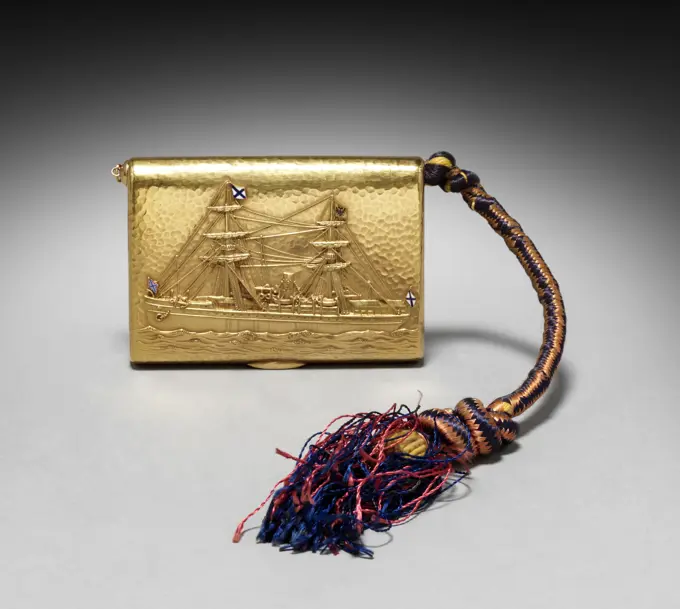
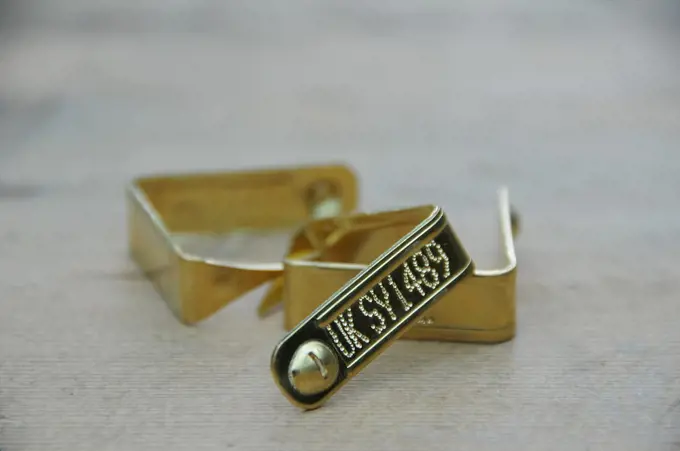
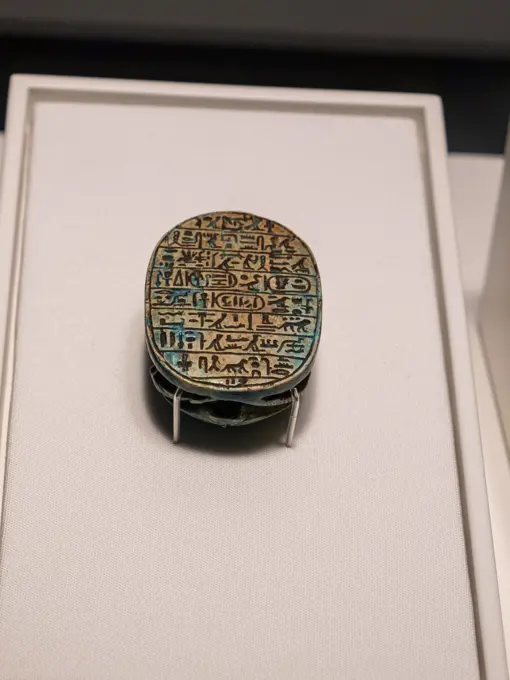
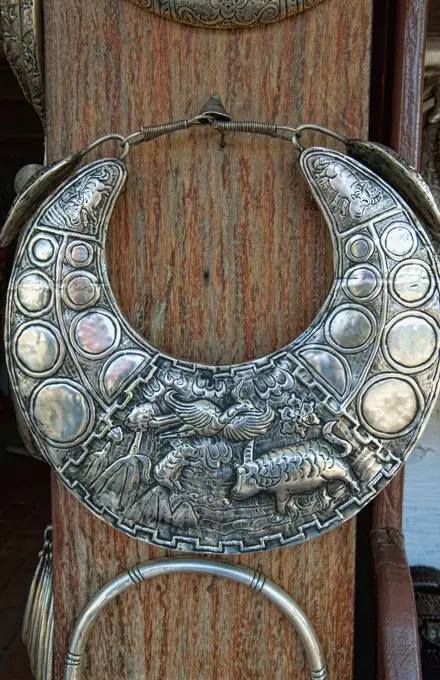
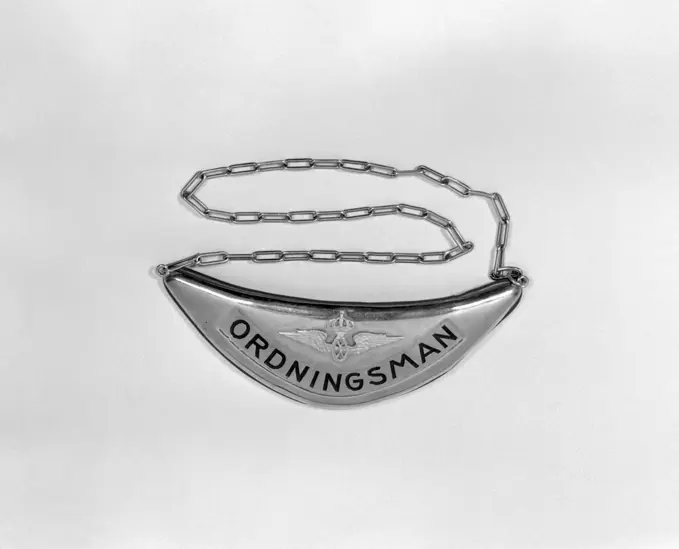
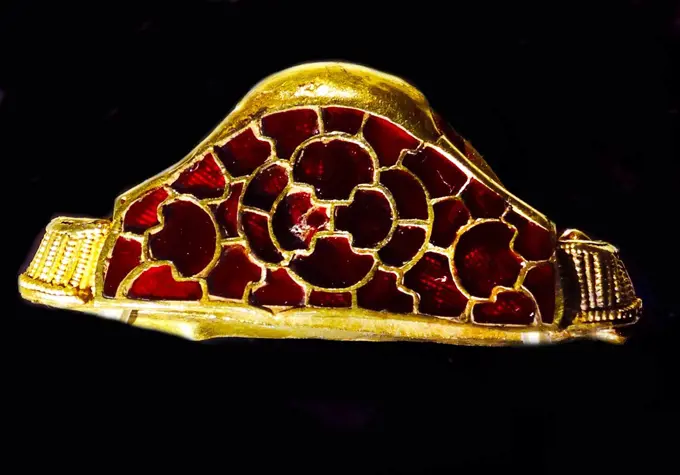
Cloisonné and garnet, decorative gold strip from the Staffordshire Hoard of Anglo-Saxon gold and silver metalwork. Discovered in a field near the village of Hammerwich, near Lichfield, in Staffordshire, England, on 5 July 2009, it consists of over 3,500 items from the Anglo-Saxon kingdom of Mercia.Loop.Artefact from the Staffordshire Hoard of Anglo-Saxon gold and silver metalwork. Discovered in a field near the village of Hammerwich, near Lichfield, in Staffordshire, England, on 5 July 2009, it consists of over 3,500 items from the Anglo-Saxon kingdom of Mercia.Cuff bracelet, one of a pair, 4 x 2 1/2 x 3 in. (10.16 x 6.35 x 7.62 cm), Silver, China19th century silver and enamel waist clasp from EnglandEMPUÑADURA DE ORO Y ESMERALDAS DE PUÑAL - SIGLO XVII. Location: PALACIO TOPKAPI-MUSEO. ISTANBUL. TURQUIA.Looped EarornamentInlay fragment, row of stars 200 BC-100 AD Ptolemaic Period-Roman Period One way of creating decorated glass tiles was by adhering tiny monochrome glass pieces in a larger piece like this example. The dark attachment material is visible around the edges.. Inlay fragment, row of stars. 200 BC-100 AD. Glass, adhesive (bitumen). Ptolemaic Period-Roman Period. From EgyptVan Cleef & Arpels. Victory brooch. Diamonds, sapphires, rubies, gold and platinum. Around 1945. Museum of Fine Arts of the City of Paris, Petit Palais. Fashion accessory, jewelryCigarette Case, 1886. Attributed to House of Fabergé (Russian, 1842-1918). Gold, enamel, diamonds, silk cord; overall: 1.9 x 9.3 x 6.9 cm (3/4 x 3 11/16 x 2 11/16 in.).Animal tags.Glass bottle fragment 4th-3rd century B.C. Eastern Mediterranean or Italian Translucent cobalt blue; trails in opaque white.Body fragment curving in at top towards shoulder.White trails tooled into feather pattern.Pitting of surface bubbles; rough surface on interior with pitting and creamy brown weathering.The fragment may belong to an alabastron, but the feather pattern is unusual since it does not have a large 'eye' at the top from the end of the tooling stroke.. Glass bottle fragment. Eastern Mediterranean or Italian. 4th-3rd century B.C.. Glass; core-formed, Group II. Late Classical or Hellenistic. Glassscarab scarab, soapstone, 18th dynasty, 1390-1352 BC, Egypt, collection of the British Museum Copyright: xZoonar.com/Tolox 21629969South East Asia, Laos, Luang Prabang, Silver Jewelry Displayed In Store.Uniform detail for order.