Ancient Gold Jewelry

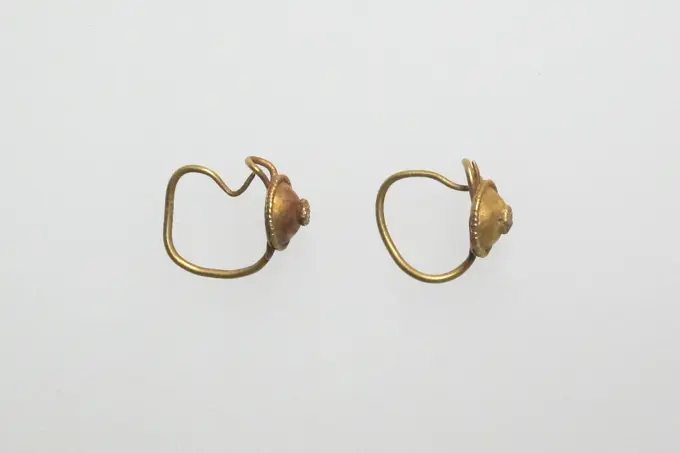
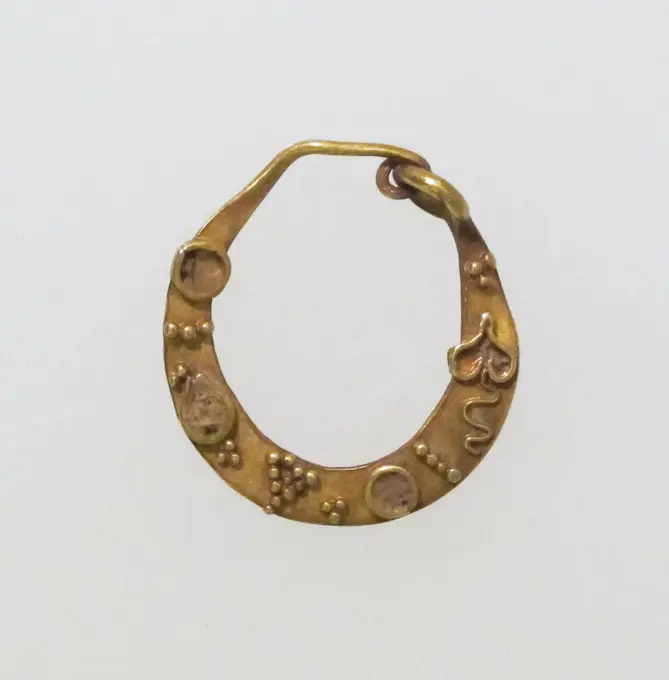
An assortment of exquisite gold earrings and rings with simple and elaborate designs, reflecting the craftsmanship of ancient jewelry making.

Washington Monument, Washington, D.C., Brass, Oblong, curves and counter-curves around perimeter, middle of sides cinched, featuring raised decoration of Washington Monument, inscribed below 'Washington Monument, Washington, D.C.', all surrounded by long, sinuous, stem-like lines at edges and flowers at corners. Reverse features horizontal decoration of the Capitol, inscribed below 'The Capitol, Washington, D.C.', surrounded by same decoration as front. Lid hinged on side. Striker on bottom., ca. 1900, containers, Decorative Arts, Matchsafe, Matchsafe
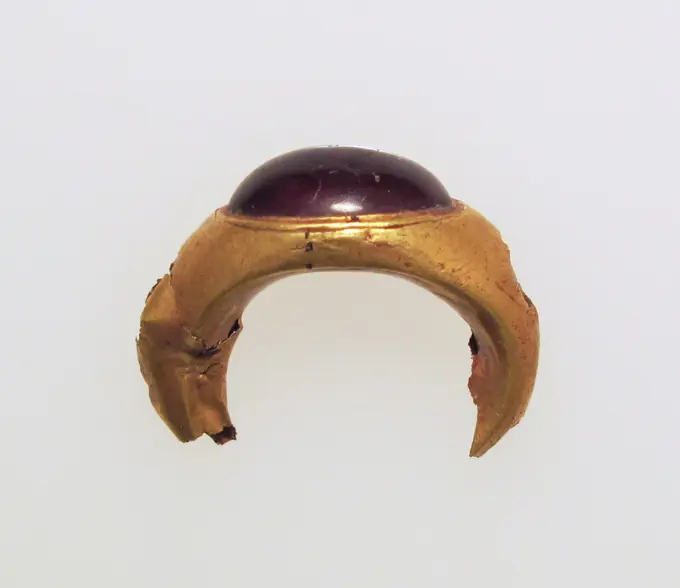
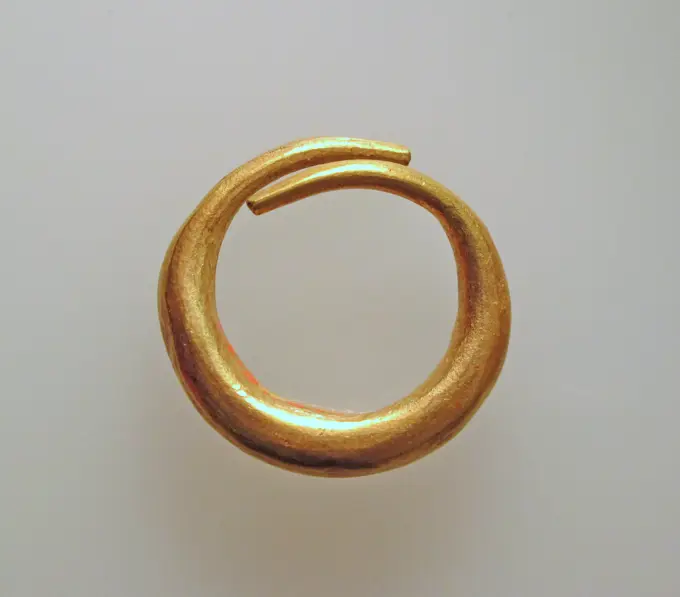
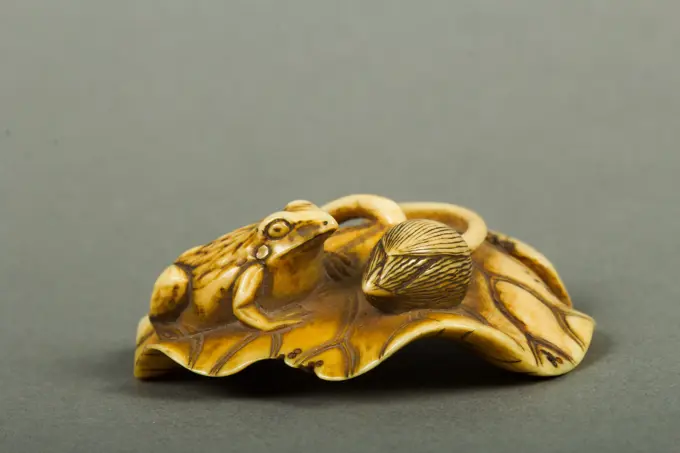
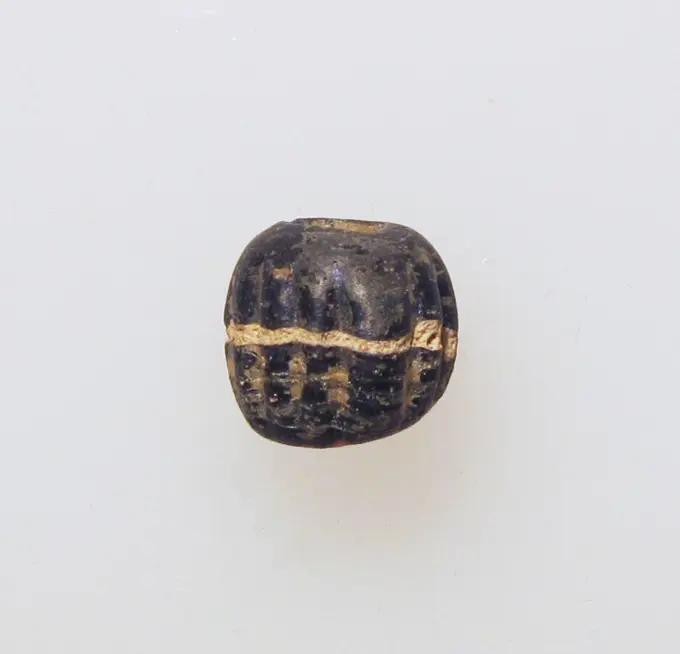
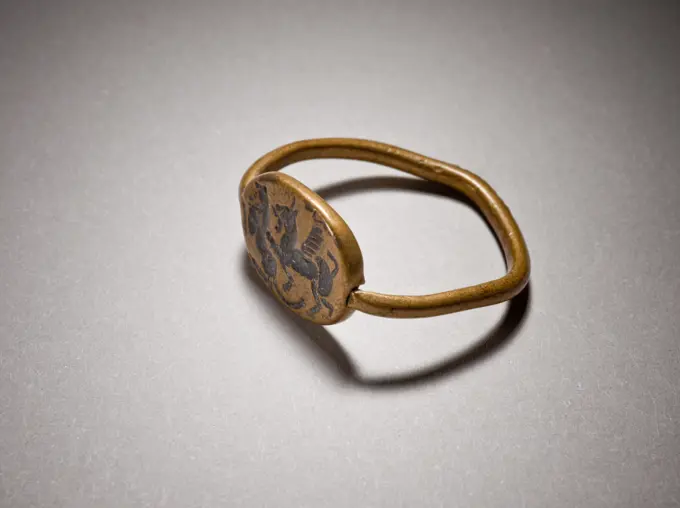
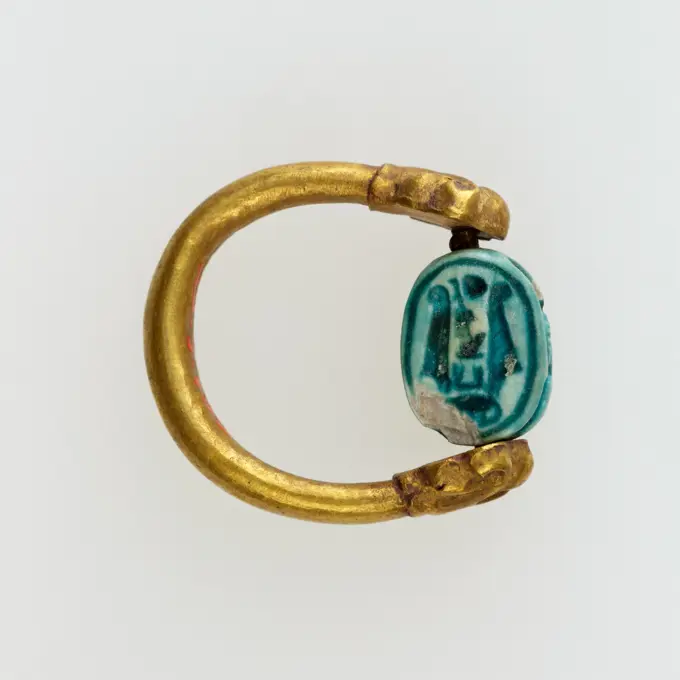
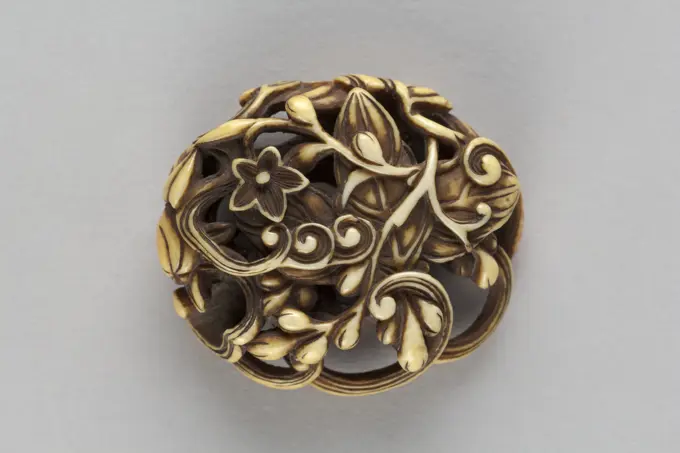
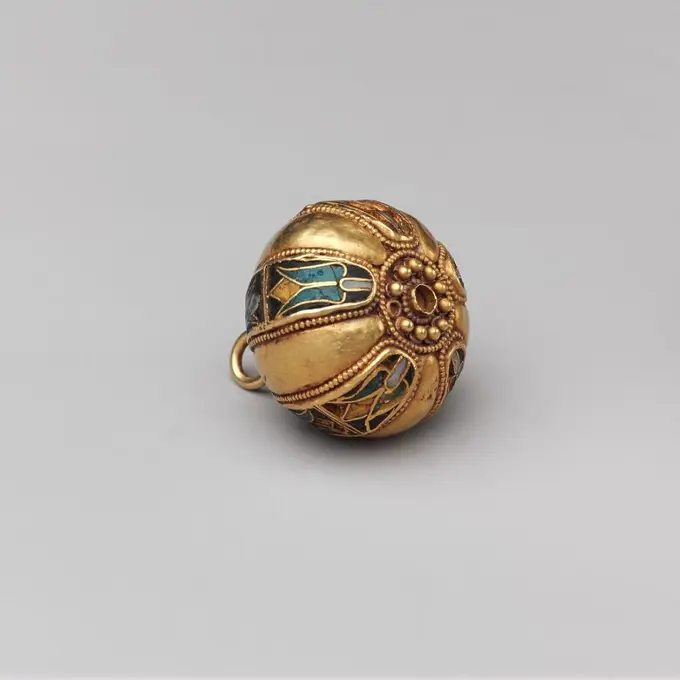
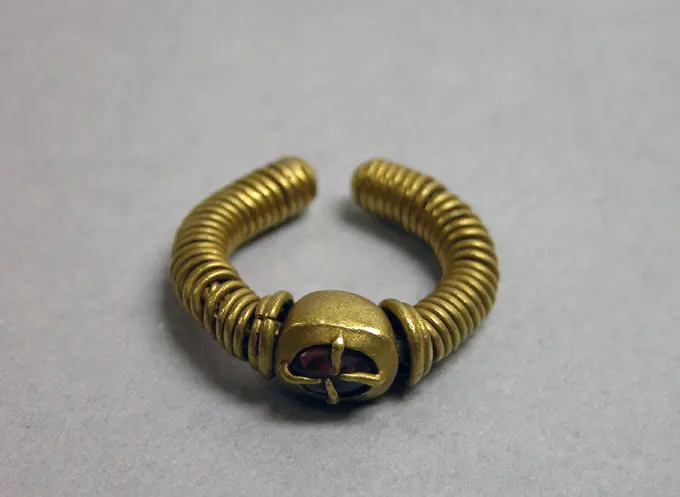
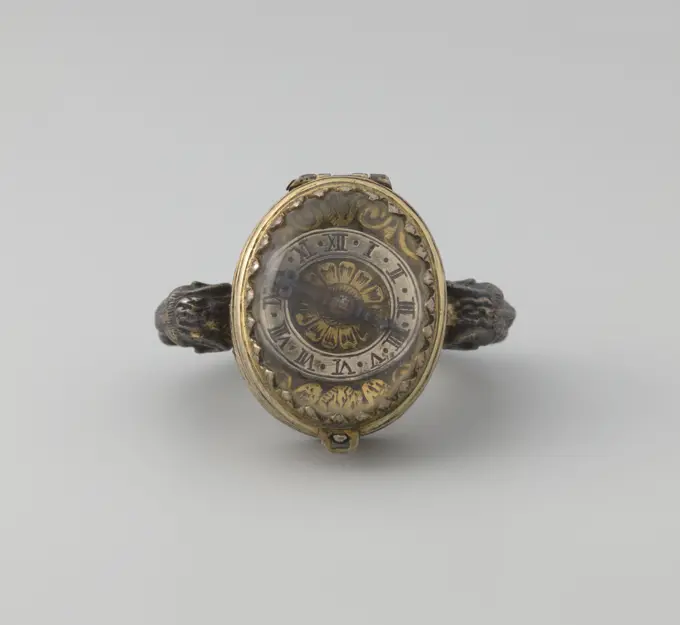
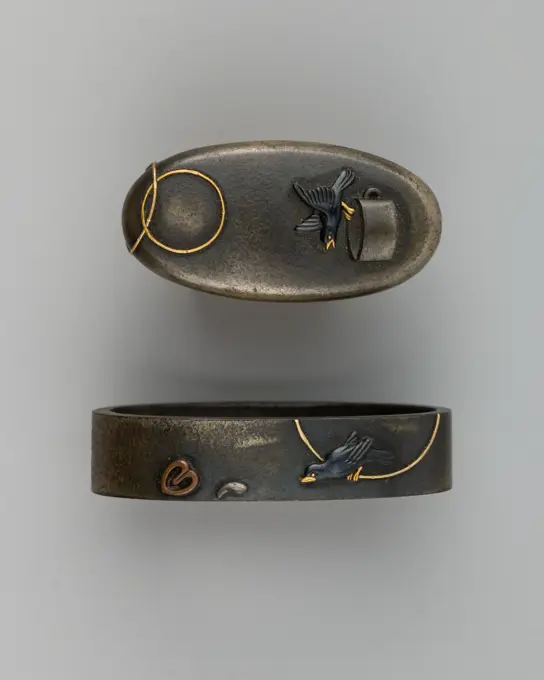
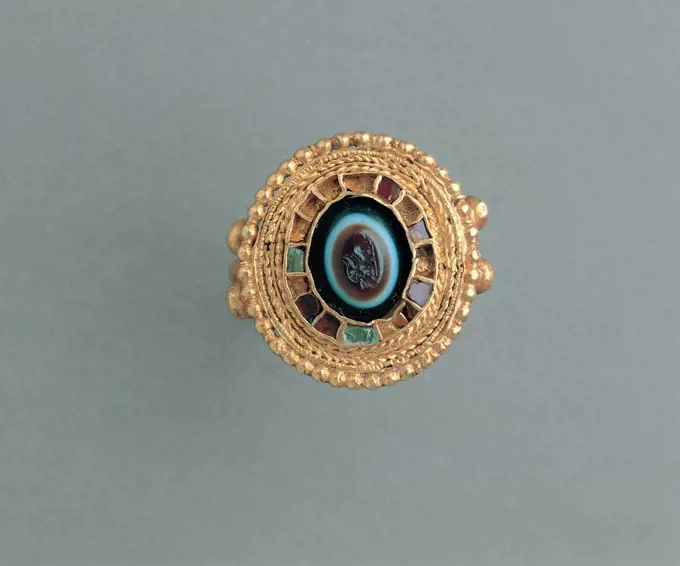
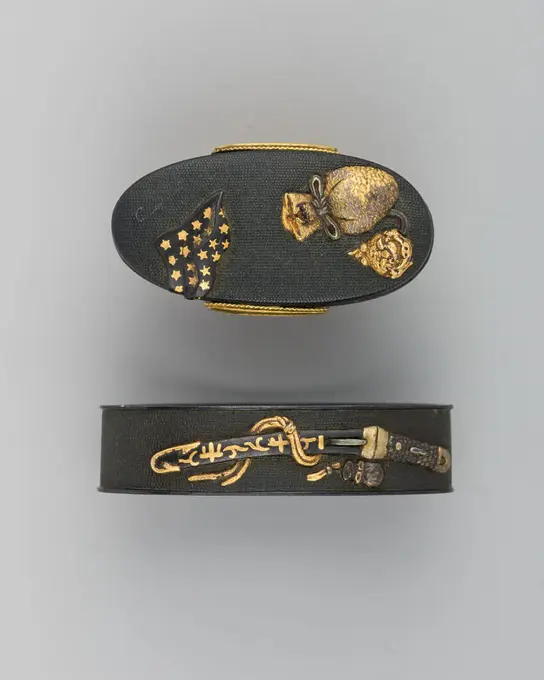
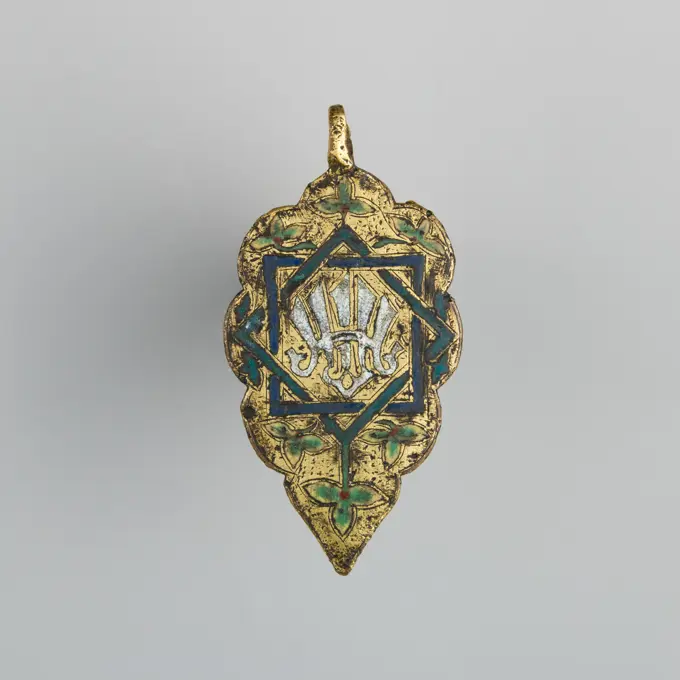
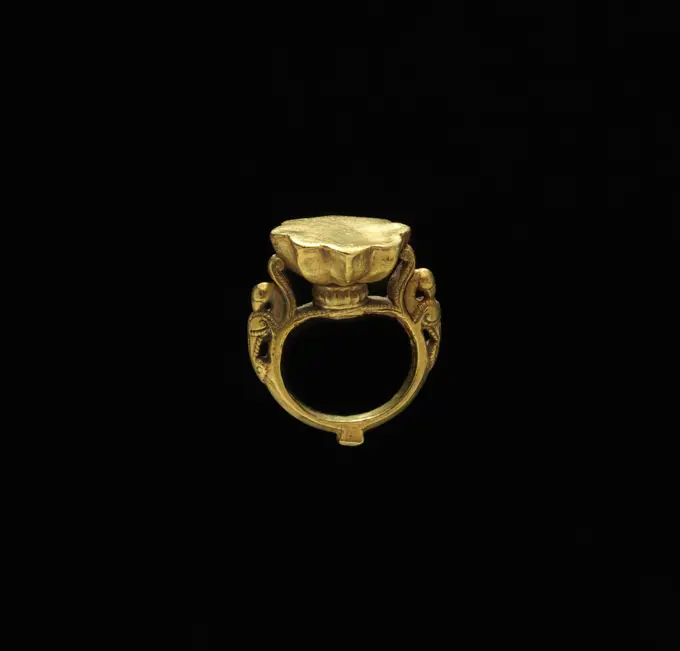
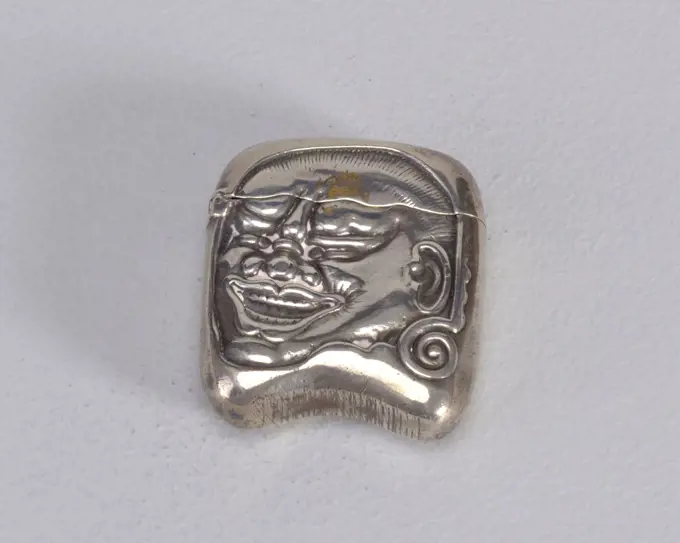
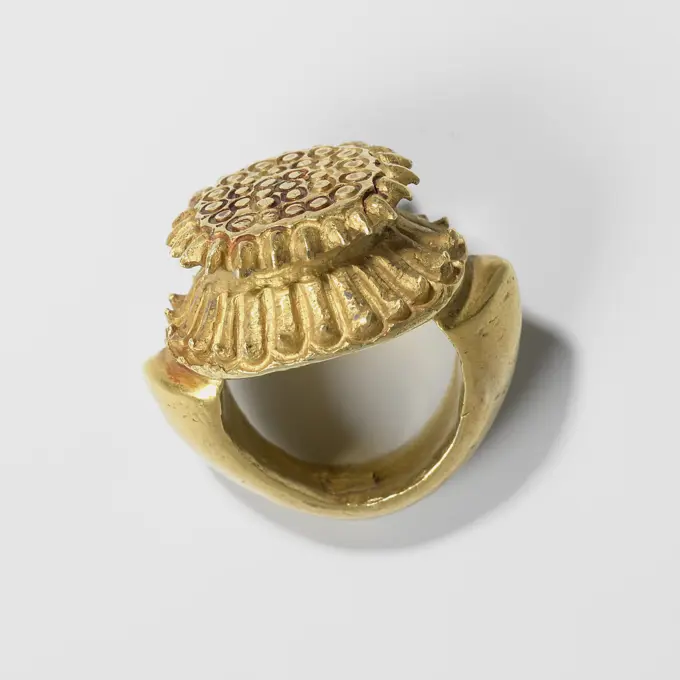
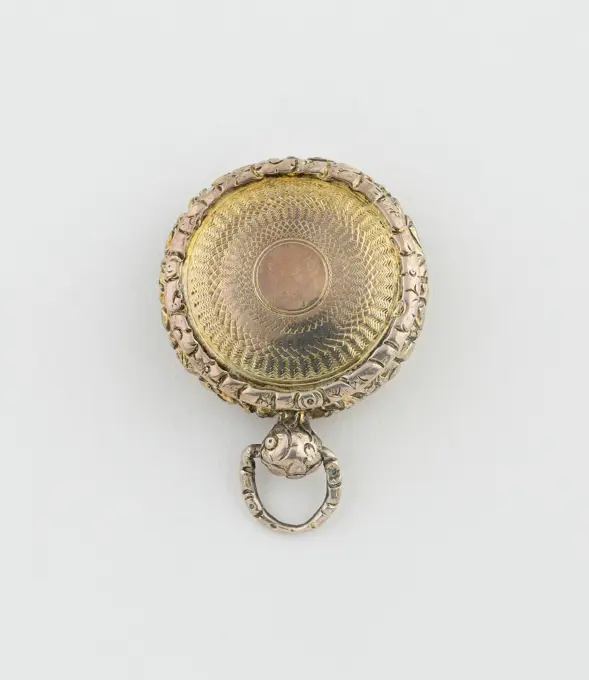
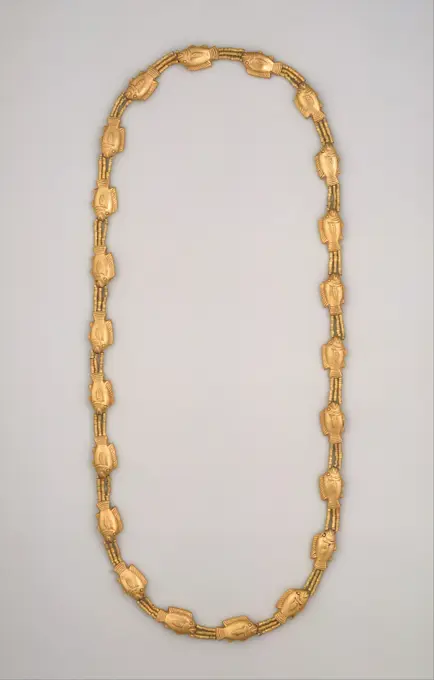
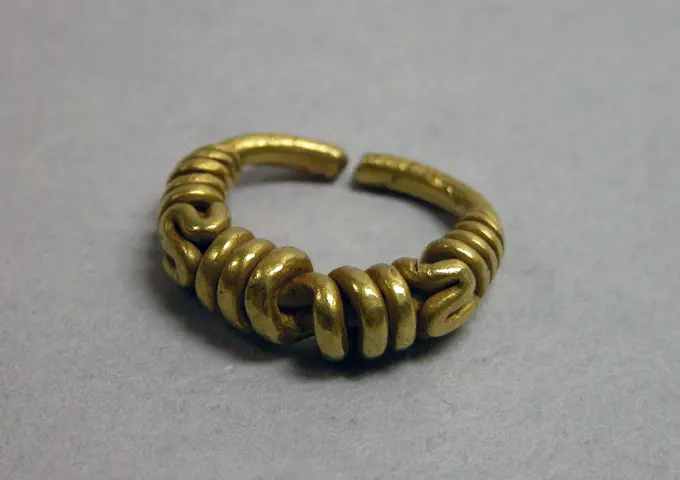
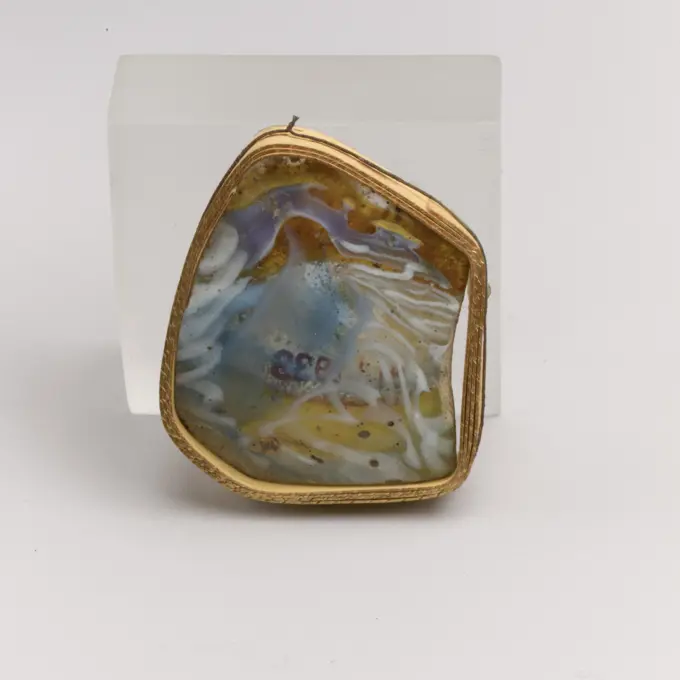
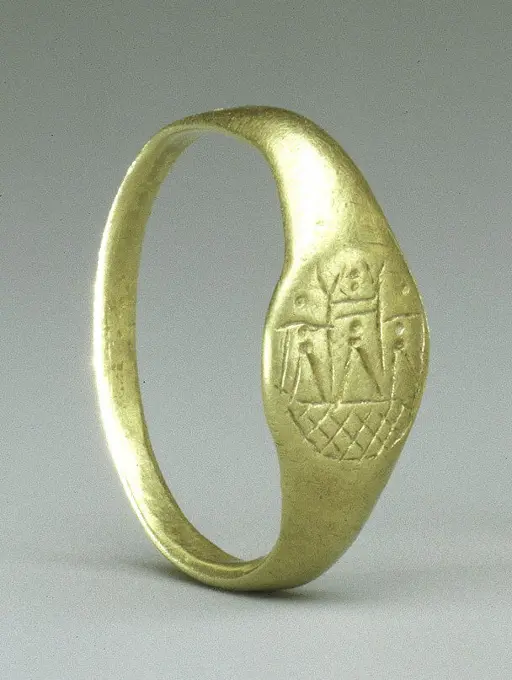
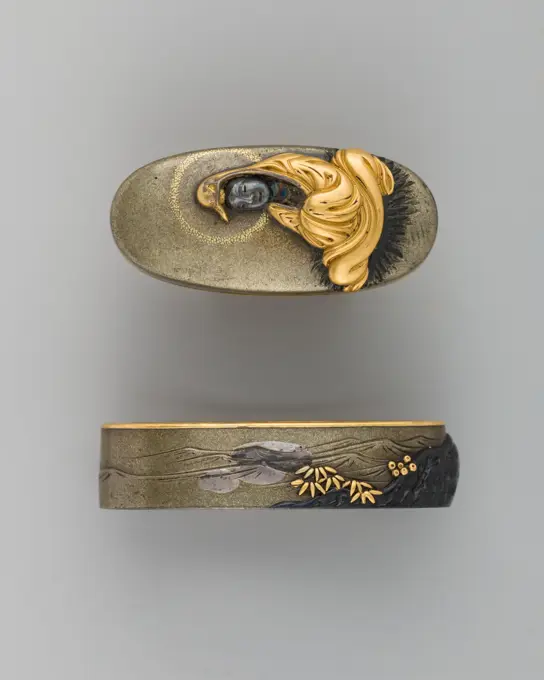
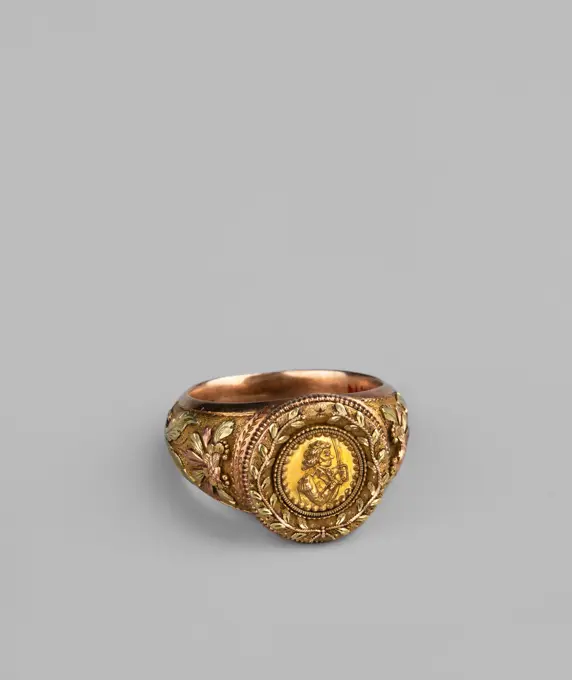
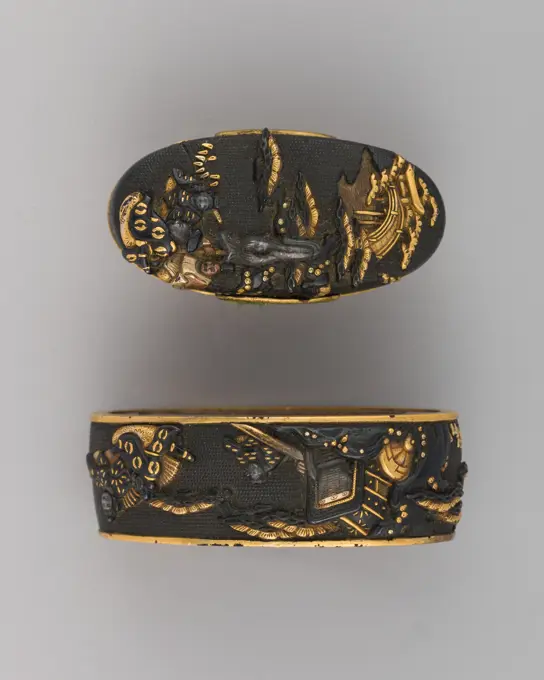
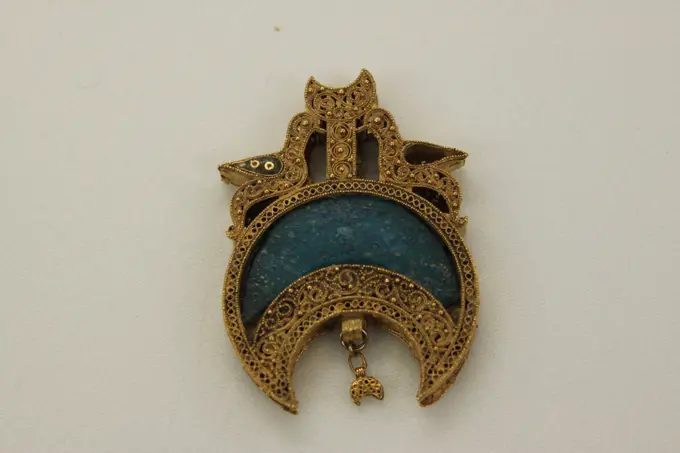
Earring, crescent-shaped. Earring, crescent-shaped. Gold. Gold and SilverRing with carbuncle. Ring with carbuncle 243689Earring, crescent-shaped. Earring, crescent-shaped 243320Earring of simple form Cypriot. Earring of simple form 242589Earring-loop type, plain. Earring-loop type, plain 243261Pudele for candies - bonbonniere;  4. W. 18th century (1776-00-00-1800-00-00);Gold earring with winged figure 3rd2nd century B.C. Greek Circlet of twisted gold wire, which tapers from the human figure's head at the front end to a hooked point which passes through a loop below its feet.. Gold earring with winged figure. Greek. 3rd2nd century B.C.. Gold. Hellenistic. Gold and SilverNetsuke of Frog on a Lotus Leaf 18th century Japan. Netsuke of Frog on a Lotus Leaf. Japan. 18th century. Ivory. Edo period (1615-1868). NetsukeEarring, delta-shaped with beads. Earring, delta-shaped with beads 243349Washington Monument, Washington, D.C., Brass, Oblong, curves and counter-curves around perimeter, middle of sides cinched, featuring raised decoration of Washington Monument, inscribed below 'Washington Monument, Washington, D.C.', all surrounded by long, sinuous, stem-like lines at edges and flowers at corners. Reverse features horizontal decoration of the Capitol, inscribed below 'The Capitol, Washington, D.C.', surrounded by same decoration as front. Lid hinged on side. Striker on bottom., ca. 1900, containers, Decorative Arts, Matchsafe, MatchsafeGold earring with woman's head 3rd2nd century B.C. Greek. Gold earring with woman's head 242949Kolczyk dekorowany głową byka. unknown, authorHorse harness rosette China. Horse harness rosette. China. Gilt bronze. Tang dynasty (618-907). MetalworkBracelet, gilded bronze Cypriot. Bracelet, gilded bronze 242994Earring with head of lion Etruscan With ring of diminishing threads.. Earring with head of lion. Etruscan. Gold. Gold and SilverGlass bead. Glass bead. Glass. GlassFinger Ring. Western Iran, circa 550-330 B.C.. Jewelry and Adornments; rings. Bronze, castRing of injured gold thread., 300 - 600 Ring composed of injured gold thread Java gold (metal) Ring composed of injured gold thread Java gold (metal)Earring-loop type, plain. Earring-loop type, plain 243256Bangle (2 of 2), 185-72 BC. India, Sunga Period (185-72 BC). Gilt bronze;Henri Delobbel (master in 1756). Oval box in chiseled and enamelled gold. Chinese scenes inspired by François Boucher, painted in enamel, greyness on a carmine pink background. 1761-1762. Paris, Cognacq-Jay museum. 56058-2 Box, carmine, email, email, pink background, greyness, gold chisel, orfevrery, oval, painted, Chinese sceneGold spiral ca. 1600-1100 B.C. Cypriot Of plain wire with one turn.. Gold spiral. Cypriot. ca. 1600-1100 B.C.. Gold. Late Bronze Age. Gold and SilverBox, Glass, gold, England, early 19th century, containers, Decorative Arts, BoxEarring-hook type with pendant. Earring-hook type with pendant 243370Scarab finger ring inscribed for Hatshepsut (Maatkare) ca. 1479-1458 B.C. New Kingdom The Chantress of Amun, Henettawy, died in around 1000 B.C. at about the age of twenty. She was buried in a tomb located just outside the temple of the New Kingdom pharaoh Hatshepsut. This tomb originally may have been the resting place of one of Hatshepsuts officials, Minmose, part of whose coffin was found in the debris inside. Henettawy seems to have been laid to rest hurriedly, as she had not even been embalmed but was simply wrapped in layers of linen bandages, and had no funerary furniture other than her nested coffins.When the mummy was unwrapped (something the Museum no longer does today) two rings were found on Henettawys left hand. Their bezels are in the form of sacred scarab beetles, associated with the rising sun and regeneration. This scarab is inscribed on the underside with Hatshepsuts throne name, Maatkare, flanked by two ostrich plumes that symbolize maat, the proper order of the cFinger Ring 1st-4th century Frankish. Finger Ring 465151 Frankish, Finger Ring, 1st4th century, Gold wire, Overall: 1/2 x 1/16 in. (1.3 x 0.1 cm). The Metropolitan Museum of Art, New York. Gift of J. Pierpont Morgan, 1917 (17.191.99)Netsuke with Carved Openwork Design 19th century Japan. Netsuke with Carved Openwork Design. Japan. 19th century. Ivory. Edo (1615-1868) or Meiji period (1868-1912). NetsukeEarring with plain loop and disc. Earring with plain loop and disc 243144Ear Ornament Second half of the 8th-second half of the 10th century Indonesia (Java). Ear Ornament 49754Necklace, chain. Necklace, chain. Gold, glass. Gold and SilverGold earring with head of a lion 4th-3rd century B.C. Greek. Gold earring with head of a lion 242907Goldsmith's art, 18th century. Chiselled gold ring set with a ruby.Spherical Pendant or Button. Culture: Byzantine. Dimensions: Overall: 1 1/4 x 1 1/8 in. (3.2 x 2.9 cm). Date: 900-950.This handsomely worked, hollow sphere may have decorated the border of an official scarf, like the loros worn by the Byzantine emperor, or have been used as a button to hold together the outermost vestments of members of the Orthodox clergy. Similar works have been found at Preslav, the capital of the Bulgarian empire in the early tenth century. Museum: Metropolitan Museum of Art, New York, USA.Ring with Red Stone Second half of the 8th-second half of the 10th century Indonesia (Java). Ring with Red Stone. Indonesia (Java). Second half of the 8th-second half of the 10th century. Gold with red stone. Central Javanese period. JewelryGold bracelet, Anonymous, 1734 - 1754 Gold bracelet. Decorated with three pearl edges and engraving work. Kerala (possibly)Sri Lanka (possibly)Malaysia (possibly) gold (metal). pearl forging / engraving / basting Gold bracelet. Decorated with three pearl edges and engraving work. Kerala (possibly)Sri Lanka (possibly)Malaysia (possibly) gold (metal). pearl forging / engraving / bastingFive Stages of Life, Plated brass, Rectangular, rounded sides and corners, featuring raised decoration of various character's heads, of different ages, young woman at top left, older man at top right, young girl at center, middle-aged man at bottom left, elderly man at bottom right, a few leaf motifs in-between, lid features partially visible fairy or angel-like, winged character who appears to be peering at group below, reverse unadorned except for raised scroll work at edges. Lid hinged on side. Striker on bottom., ca. 1890, containers, Decorative Arts, Matchsafe, MatchsafeRinghorlog, John's Says, C. 1700 - c. 1725 Ring watch made of gilded silver contained between 2 rams heads.  silver (metal). copper (metal). gilding (material) gilding Ring watch made of gilded silver contained between 2 rams heads.  silver (metal). copper (metal). gilding (material) gildingMount, Gilt bronze, Head of a bearded satyr with long horns., France, ca. 1775, metalwork, Decorative Arts, MountSword-Hilt Collar and Pommel (Fuchigashira) ca. 1615-1868 Japanese A fuchigashira is a pair of matching sword fittings comprising the fuchi (collar at the base of the grip of the sword hilt) and kashira (pommel cap at the end of a sword hilt).. Sword-Hilt Collar and Pommel (Fuchigashira). Japanese. ca. 1615-1868. Copper-silver alloy (shibuichi), copper-gold alloy (shakud), copper, gold. Sword Furniture-Fuchi-KashiraWall blaker with back plate in four-pass shape. Wall blaker with back plate in four-pass shape.Earring-hook type, with pendants. Earring-hook type, with pendants 243368Earring, boat-shaped Cypriot. Earring, boat-shaped 242673Golden ring with engraved Sardonice from necropolis in Senise, by Unknown, 7th Century, cloisonne goldsmith's art. Italy, Campania, Naples, National Archaeological Museum. Whole artwork. Ring quadrangular setting: bezel glass pulp emerald side cloisonne ring body with bow-shaped animal decoration Longobard barbaric art Lucania duchy: dukedom Benevento.Sword-Hilt Collar and Pommel (Fuchigashira). Culture: Japanese. Dimensions: Fuchi (a); H. 1 1/2 in. (3.8 cm); Wt. 0.6 oz. (17 g); kashira (b); H. 1 5/16 in. (3.3 cm); Wt. 0.4 oz. (11.3 g). Date: second half 18th century. Museum: Metropolitan Museum of Art, New York, USA.Badge or Harness Pendant ca. 1400 Spanish Heraldry, or coat-of-arms, were vitally important in Europe throughout the Middle Ages and the Renaissance. Heraldic emblems were used to identify noble families, cities, regions, and even countries. In addition to being displayed on shields and flags, heraldry was incorporated into architectural decoration on the interior and the exterior of buildings, on furniture, works of art, clothing, and horse equipment. Harness pendants, like this example, would have been attached to a headstall, bridle, or other straps making up the tack of a horse ridden by a nobleman or noblewoman, or a member of their household. Many harness pendants also have decoration that is simply ornamental, or have symbols that are not specifically heraldic in nature.. Badge or Harness Pendant. Spanish. ca. 1400. Copper, gold, enamel. Miscellaneous-BadgesBloomers Matchsafe; plated metal; 5.6 x 3.8 x 2.4 cm (2 3/16 x 1 1/2 x 15/16 in. )Ring. Ring 243685Prayer noted in tires of silver with leaf rosettes. Prayer noted in tires of silver with leaf rosettes. The main axis runs a rotating spindle, around which a parchment sheet is wrapped, described by the ten commandments.Ring with Twisted Coil Motif Second half of the 8th-second half of the 10th century Indonesia (Java). Ring with Twisted Coil Motif. Indonesia (Java). Second half of the 8th-second half of the 10th century. Gold. Central Javanese period. JewelryEarring of simple form Cypriot. Earring of simple form 242590Contact tumors;  End of the 17th century (1690-00-00-1700-00-00);baroque (style), rosette (ornament), purchase (provenance)Ring 17th century The flower-shaped bezel of this ring is flanked by two birds resting on scroll brackets. Parrots of this form are popular motifs found on South Indian ornaments, often seen in symmetrical pairs similar to this example. The flat platform of the bezel may have held another bird or three dimensional motif.. Ring 456926Ritual Diadem 3rd century-second half of the 8th century Indonesia (Java). Ritual Diadem 49718Earflare Fragment 6th-7th century Moche (Loma Negra). Earflare Fragment 313492Trapezoidal-Shaped Pendant with Granulate Border second half of the 8th-second half of the 10th century Indonesia (Java). Trapezoidal-Shaped Pendant with Granulate Border 50430Ring in the Form of Six Fishes, 1700s. India, Jaipur, 18th century. Gold, enamel and gems; diameter: 1.6 cm (5/8 in.).Gold earring with head of a lion 4th-3rd century B.C. Greek. Gold earring with head of a lion 242890Demon Mask, Gorham Manufacturing Company, Providence, Rhode Island, USA, founded 1818, Silver, Oblong, rounded corners and sides, with pronounced concave indentation at bottom, featuring demon's mask, identical on front and reverse; lid with irregular edge deliniated above demon's brow, hinged at side. Striker on bottom in indentation., Providence, Rhode Island, USA, 1884, containers, Decorative Arts, Matchsafe, MatchsafeGold earring with head of a bull 4th-3rd century B.C. Greek. Gold earring with head of a bull 242852Anonymous. "Nail": German grade badge for shoulder legs ". Metal. 1933-1945. General Leclerc Museum of Hauteclocque and the Liberation of Paris, Jean Moulin Museum. 158812-28Three Rings, anonymous, 800 - 1000 Ring with decoration of lotus seeds Middle Java gold (metal) Ring with decoration of lotus seeds Middle Java gold (metal)Rectangular BezelRingLozenge shaped BezelRingPair of Round Earrings, Foliate 8th-12th century Indonesia (Central Java). Pair of Round Earrings, Foliate. Indonesia (Central Java). 8th-12th century. Gold. JewelryButton; gilded metal, enamel, mother-of-pearl-steel beadWatch-Shaped Vinaigrette 1831-1832 Birmingham. Silver and silver gilt .Girdle with Fish-Shaped Beads ca. 1479-1425 B.C. New Kingdom. Girdle with Fish-Shaped Beads 550109Pewter ring with flower and rope decor, ring ornament clothing accessory clothing soil find tin metal, d 0.1 cast pewter ring Thin metal ring with cage decor small button in the form of an irregular flower. Casting on the inside and outside of archeology Rotterdam carrying rail tunnel adorn prosperity status Soil discovery: railway tunnel 1988-1993.Gold earring with winged figure 3rd2nd century B.C. Greek. Gold earring with winged figure 242946Ring with Purple Stone Surrounded by Foliate Designs Second half of the 8th-second half of the 10th century Indonesia (Java). Ring with Purple Stone Surrounded by Foliate Designs 50154JaBotPeld van Goudfilient train, c. 1900 - c. 1910 JaBotPeld van Goudfilient train. Netherlands gold (metal) filigree JaBotPeld van Goudfilient train. Netherlands gold (metal) filigreeBracelet with Seed Shaped Beads (Pahunchi), One of a Pair 18th-19th century This bracelet, known as pahunchi, is decorated on the exterior with gold covered seeds positioned as ornaments. These small generators of life can be interpreted as symbols of reproduction and fertility. Along with other plant components such as flowers, leaves, and vines, such forms are often found ornamenting Indian jewelry.. Bracelet with Seed Shaped Beads (Pahunchi), One of a Pair 446734Ear Ornament with Foliate Designs Last quarter of the 10th-last quarter of the 15th century Indonesia (Java). Ear Ornament with Foliate Designs 50436Ring with Twisted Coil Motif Second half of the 8th-second half of the 10th century Indonesia (Java). Ring with Twisted Coil Motif. Indonesia (Java). Second half of the 8th-second half of the 10th century. Gold. Central Javanese period. JewelryButton (France); painted and gilded porcelain and brassVessel with Battle Scenes and Ships; Attributed to the Circle of the Antimenes Painter (Greek (Attic), active 530 - 510 B.C.); Athens, Greece; 520-510 B.C; Terracotta; 58 cm (22 13,16 in.). Ring, decorated with simple turned motif.Scent Bottle (brass stopper), 1700s. Germany, 18th century. Glass with enamel decoration; overall: 10.2 cm (4 in.).Glass mosaic fragment late 1st century B.C.-early 1st century A.D. Roman Translucent purple, blue, honey brown, and opaque white.Convex curving side.Confused pattern of mosaic lengths including distorted colorless network canes wound spirally with white threads.One large chip on interior; polished exterior; pitting of surface bubbles on exterior; dulling, pitting, and creamy iridescent weathering on interior and jagged edges.. Glass mosaic fragment 257325"Subway N.Y." Matchsafe; Manufactured by T. S. Gilbert; USA; silver; 6.5 x 3.8 x 1 cm (2 9/16 x 1 1/2 x 3/8 in. )Gold ring with glass paste ring stone. Culture: Greek or Cypriot. Dimensions: Other: 7/8 in. (2.2 cm). Date: 6th-5th century B.C..Blue green paste, decayed. Museum: Metropolitan Museum of Art, New York, USA.Gold earring with head of an animal 4th-3rd century B.C. Greek. Gold earring with head of an animal 242868Finger Ring 6th-7th century Late Roman. Finger Ring. Late Roman. 6th-7th century. Gold. Made in Gaul. Metalwork-GoldGold ring with representation of the temple of Aphrodite at Paphos 1st-2nd century A.D. Roman, Cypriot The ring is small, with a thin, flat loop and an elliptical, flat bezel on which there is a finely engraved representation of the well-known sanctuary of Aphrodite at Palaepaphos.. Gold ring with representation of the temple of Aphrodite at Paphos 243500Clasp.  Maker: Edmund Milne, American, 1724-1822Sword-Hilt Collar and Pommel (Fuchigashira) ca. 1615-1868 Japanese A fuchigashira is a pair of matching sword fittings comprising the fuchi (collar at the base of the grip of the sword hilt) and kashira (pommel cap at the end of a sword hilt).. Sword-Hilt Collar and Pommel (Fuchigashira). Japanese. ca. 1615-1868. Copper-silver alloy (shibuichi), copper-gold alloy (shakud), gold. Sword Furniture-Fuchi-KashiraRing with an image of Kościuszko. unknown, jeweller, Łęski, Józef (1760-1825), painterFragment, Floral (Italy); wood, gildedIbex-head earrings 2nd-1st century B.C. Ptolemaic Period Hoops formed of wound wire with animal head terminals are the commonest type of Hellenistic earring. The heads on these earrings have been referred to as those of gazelles, but is now thought more likely to be an ibex. Ibex-head earrings are well-known in Egypt, but also Asia Minor and Cyprus.The inclusion o fthe garnet bead in the collar behind the animal's head points to a date in the 2nd-1st centuries BC.. Ibex-head earrings 547717Sword-Hilt Collar and Pommel (Fuchigashira) 18th century Japanese A fuchigashira is a pair of matching sword fittings comprising the fuchi (collar at the base of the grip of the sword hilt) and kashira (pommel cap at the end of a sword hilt).. Sword-Hilt Collar and Pommel (Fuchigashira). Japanese. 18th century. Copper-gold alloy (shakud), gold, silver. Sword Furniture-Fuchi-KashiraCrown-shaped matchsafe Matchsafe; gilded metal; Overall: 5 x 3.2 x 2.1 cm (1 15/16 x 1 1/4 x 13/16 in.)Bracelet. UnknownNecklace Centerpiece 11th century Fatimid jewelry is often decorated with a pair of confronting birds such as these, which are set on a blue glass-filled crescent and flank a staff bearing a smaller crescent. Many areas of the pendant are filled with granulated, scrolling forms, including the bodies of the birds. Seen on one of the birds' wings is a small amount of the original blue cloisonné enamel, a luxury item that was popularly used in the Byzantine world and may have been exported to Syria and Egypt.. Necklace Centerpiece. 11th century. Gold, glass. Attributed to Syria. JewelryScarab in a modern setting. UnknownVinaigrette. Joseph Willmore; Birmingham, England. Date: 1807-1818. Dimensions: 3.8 × 2.5 cm (1 1/2 × 1 in.). Silver and silver gilt. Origin: Birmingham. Museum: The Chicago Art Institute, Chicago, USA.BumpHeart Scarab of Maruta ca. 1479-1425 B.C. New Kingdom. Heart Scarab of Maruta 548642Earring with disks Greek or Roman. Earring with disks. Greek or Roman. Gold. Gold and SilverBloomers, Plated metal, In the form of a pair of women's bloomers, featuring simulated creases and lace cuffs. Lid on top. Striker on lid., late 19th century, containers, Decorative Arts, Matchsafe, MatchsafeCharm Bracelet for ElizabethMarsteller.  Manufacturer: Binder Brothers, American, founded 1893 Manufacturer: A & Z Chain Company, American, 1902-1970 Manufacturer: TC, American, active ca. 1960-65