Ancient Greek Oil and Perfume Jugs

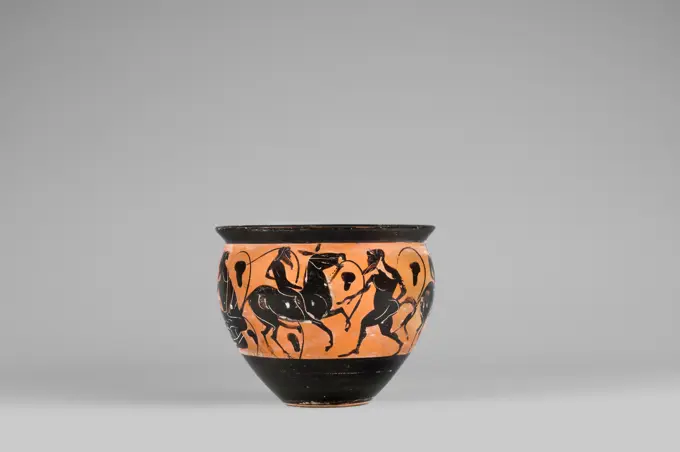
A collection of ancient jugs including terracotta lekythos, glass oinochoe, and ceramic jugs, showcasing intricate designs and historical significance from various Greek cultures.
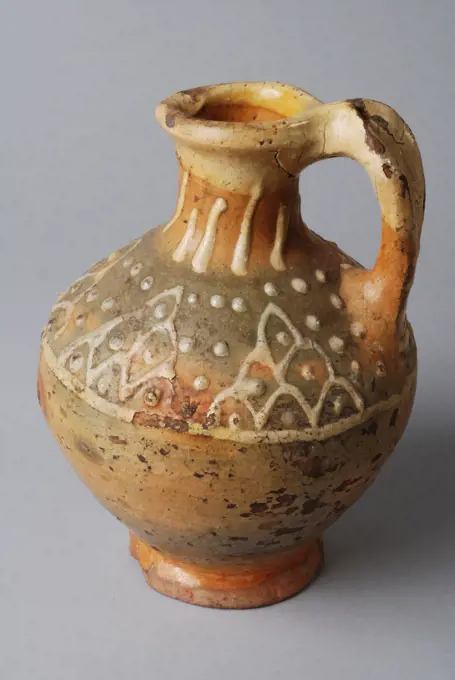
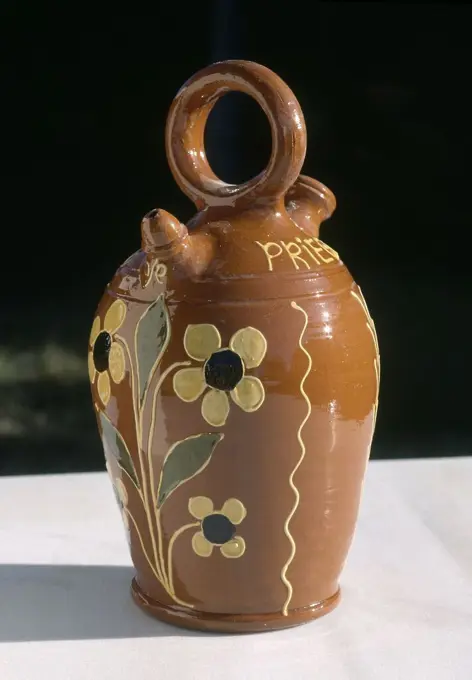
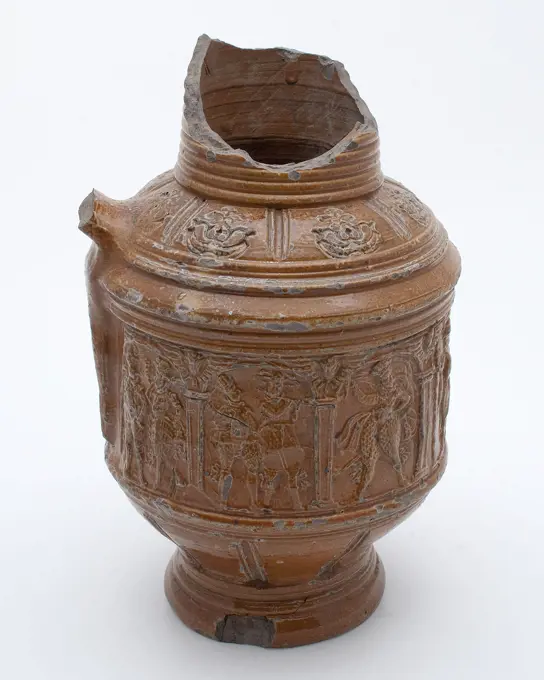
Pottery oil jug on stand with standing ear and silt decoration on the neck and shoulder, oil jug crockery holder soil find ceramic earthenware glaze lead glaze clay, ring 7.6 hand-turned decorated glazed baked lemonade Pottery jug be red shard in the top of the pinched ring, which is completely glazed. Protruding neck edge with pouring lip. Sludge decoration horizontal stripes on the ear vertical stripes around the neck five fields of cascading windows and fields with dots. Ball-shaped model with slender neck Green discoloration of glaze layer archeology indigenous pottery oil lamp enlighten tear pour serve
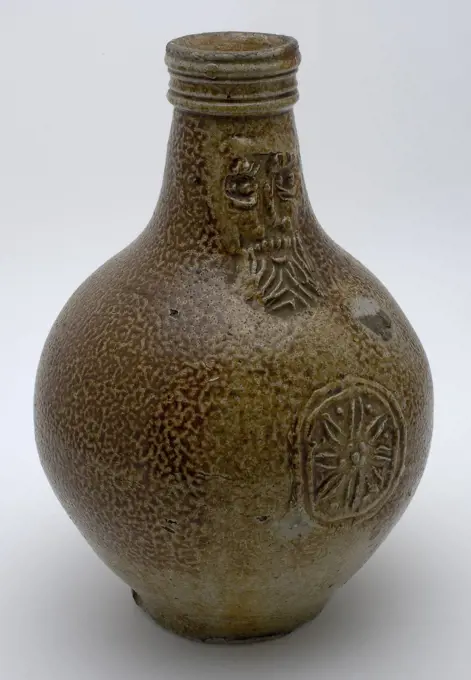
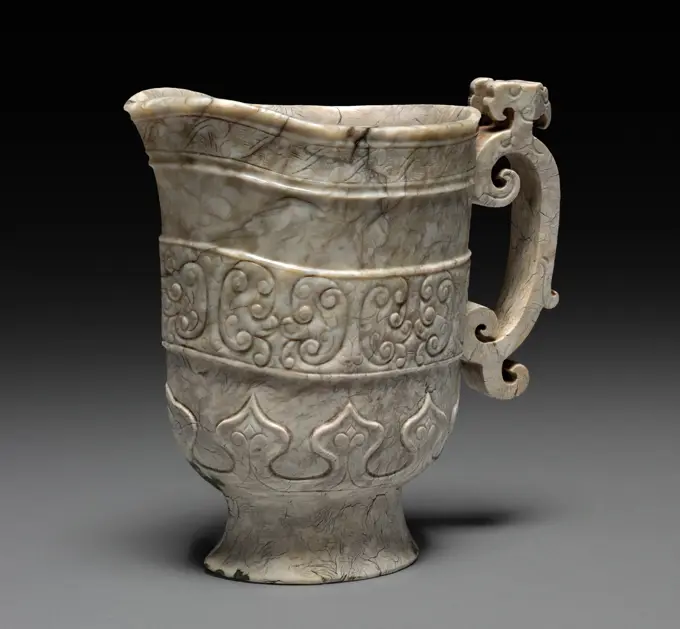
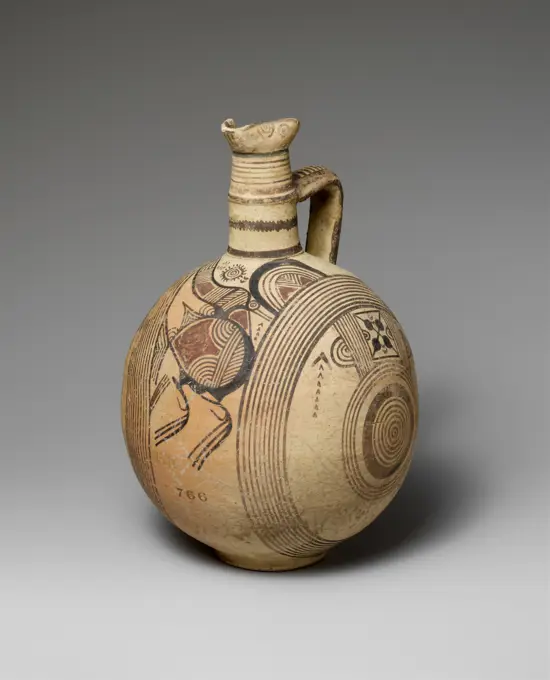
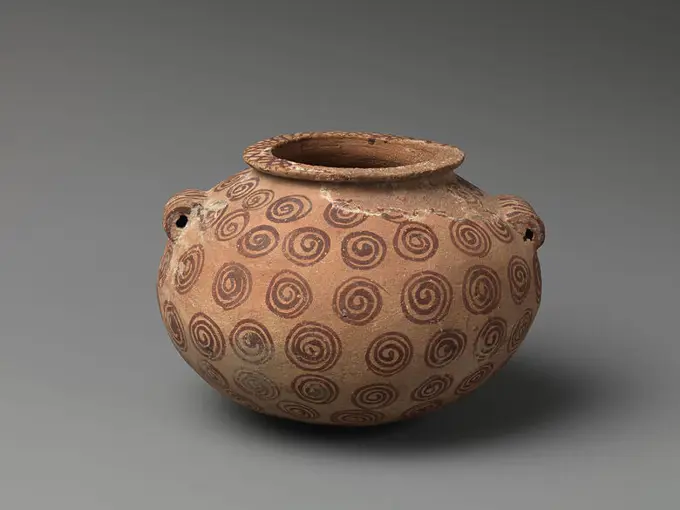
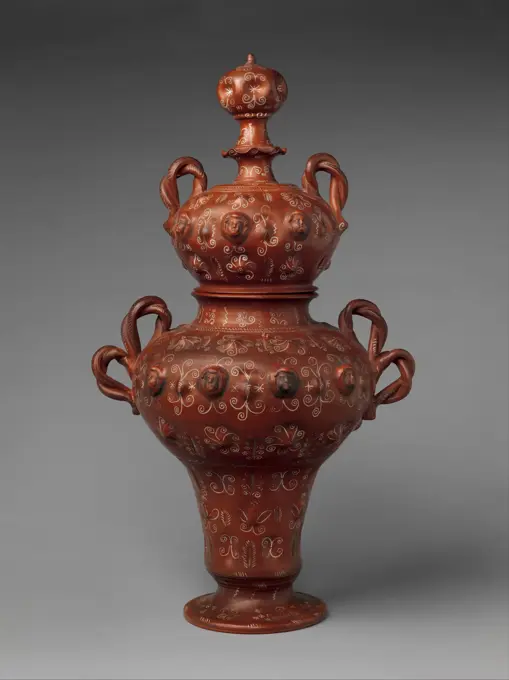
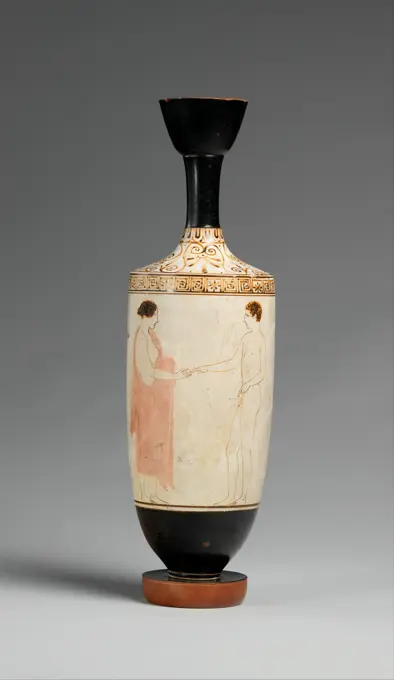
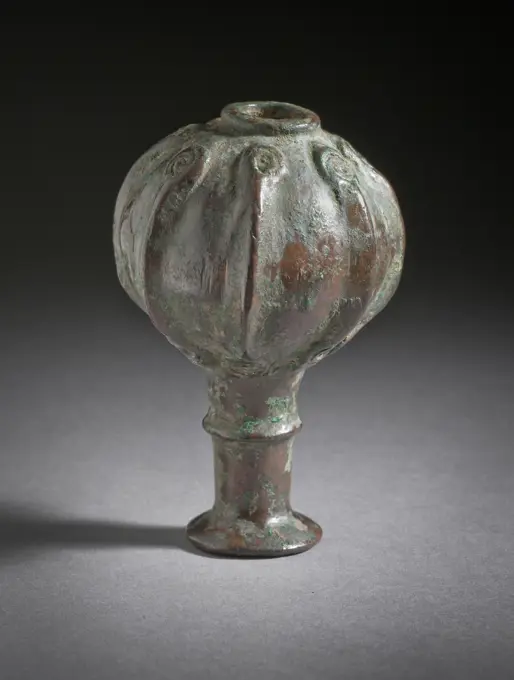
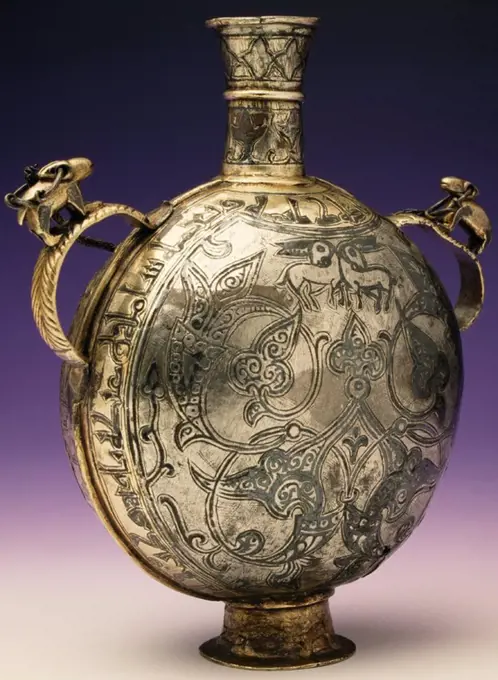
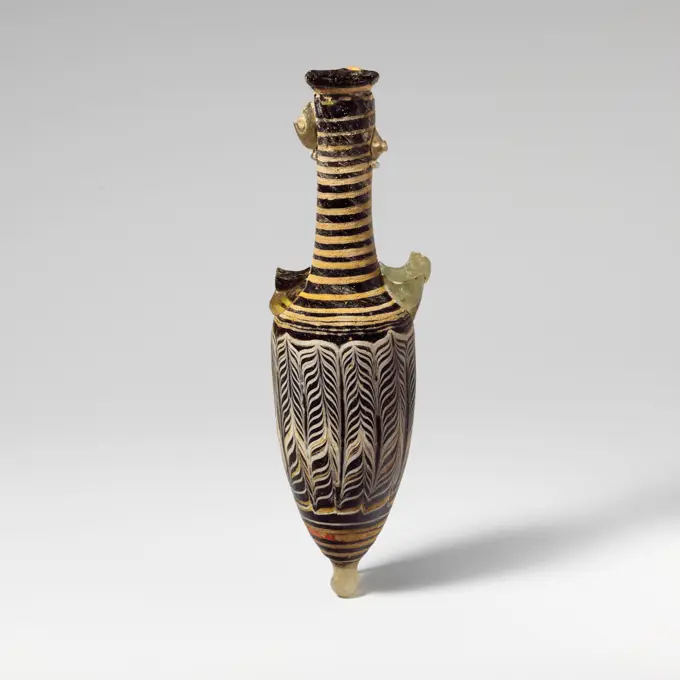
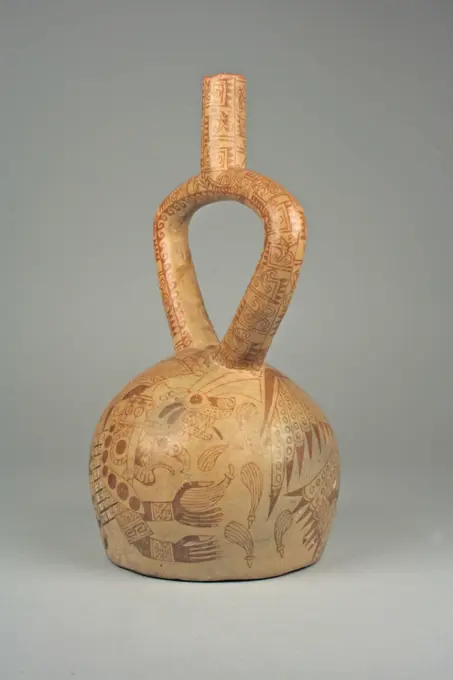
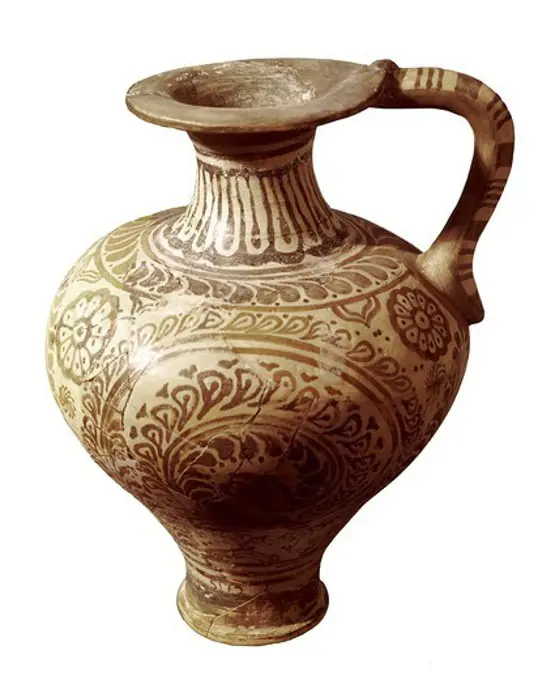
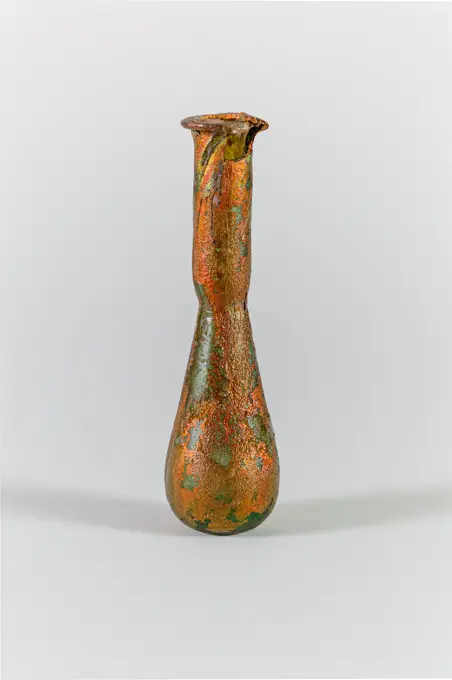
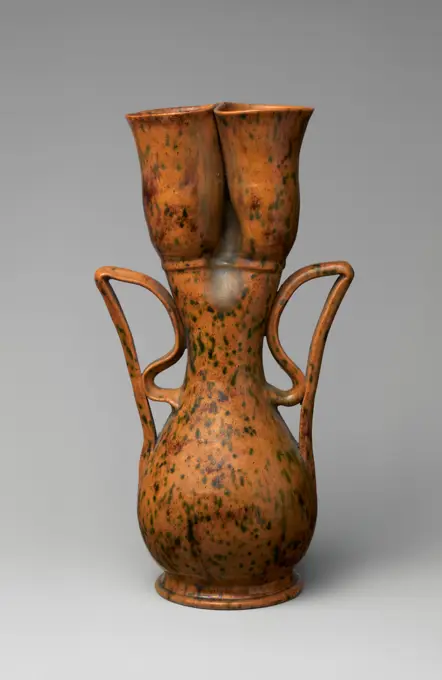
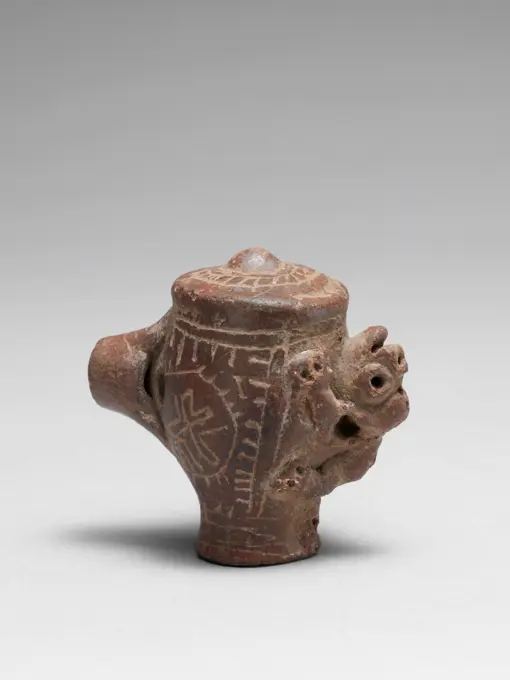
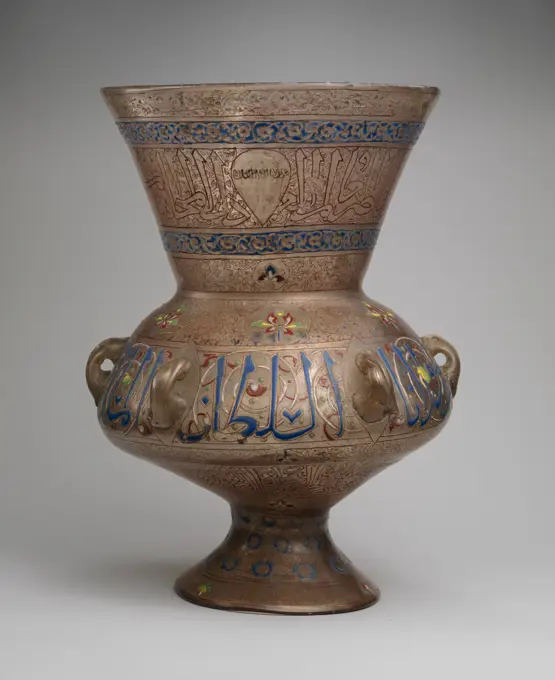
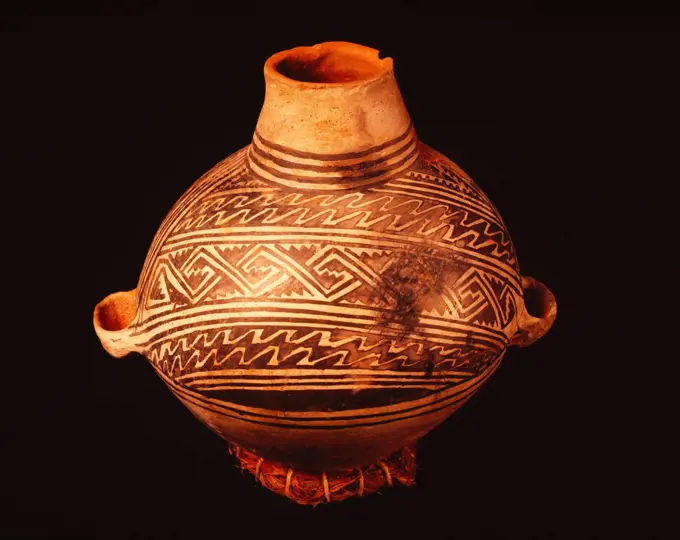
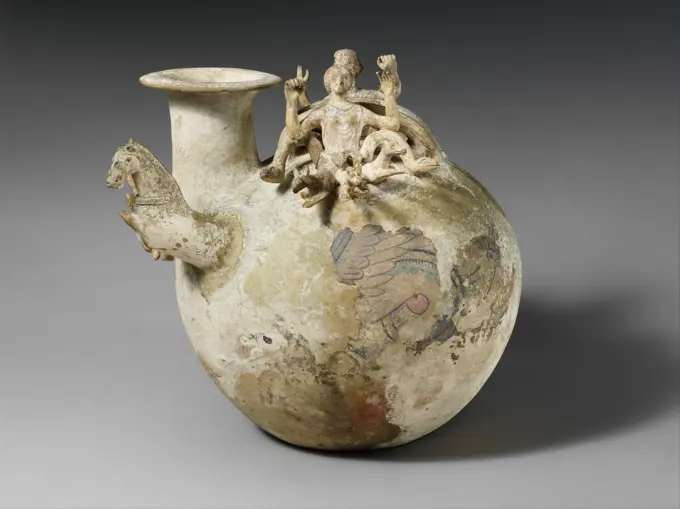
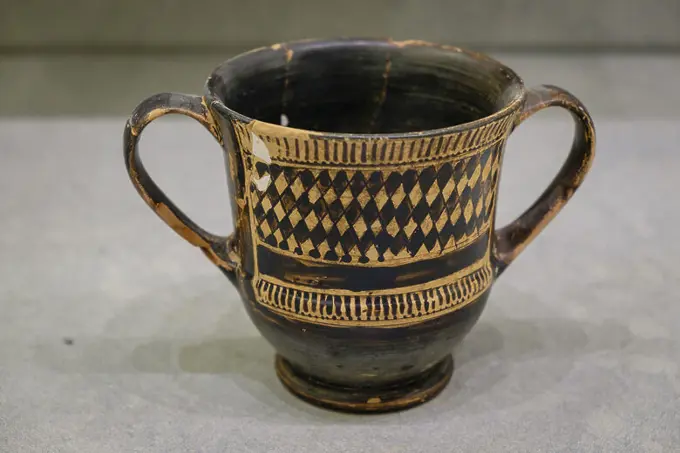
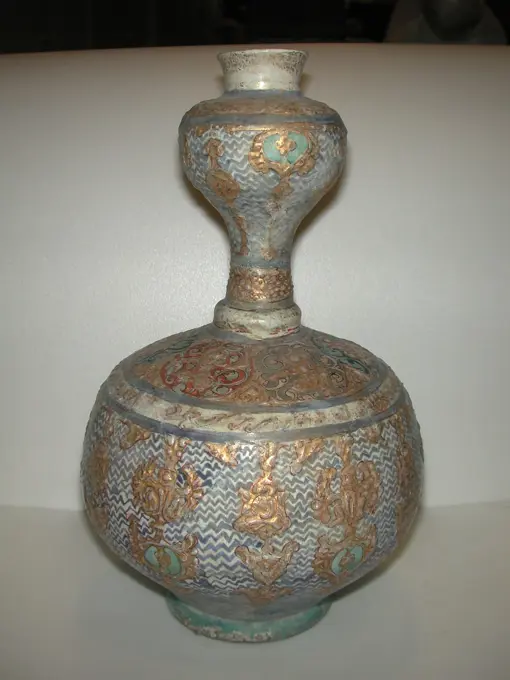
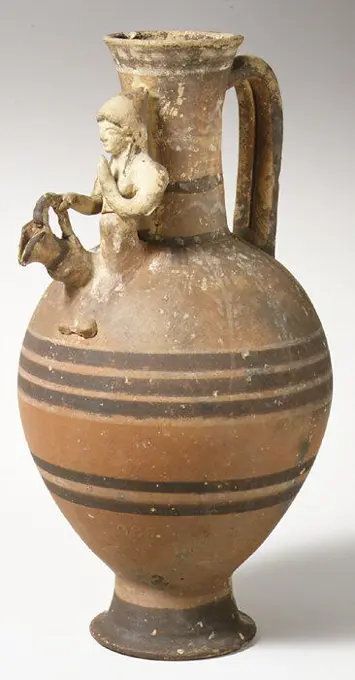
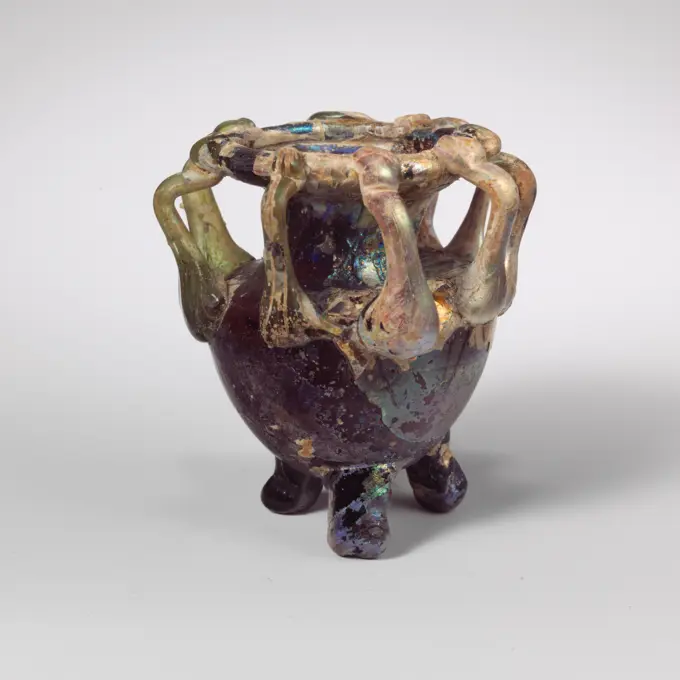
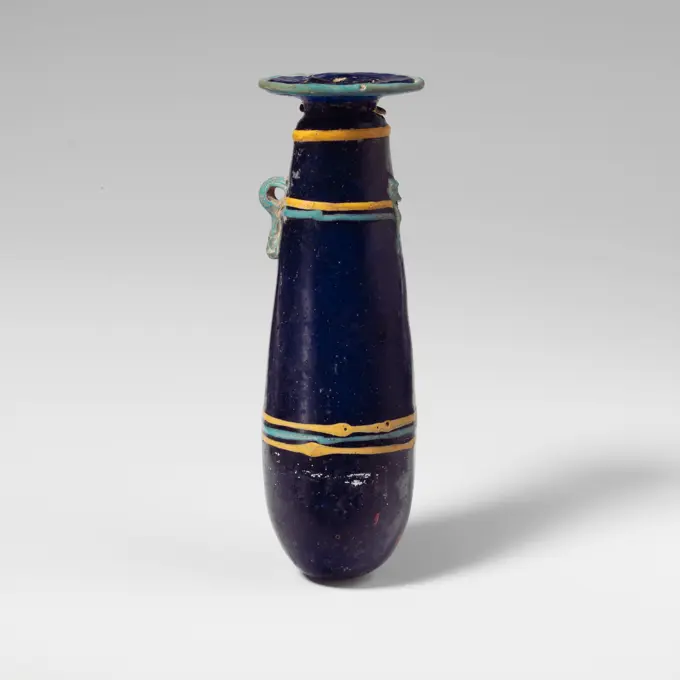
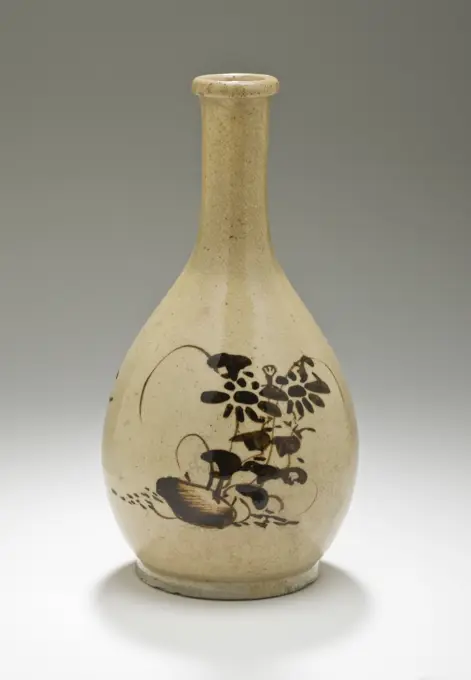
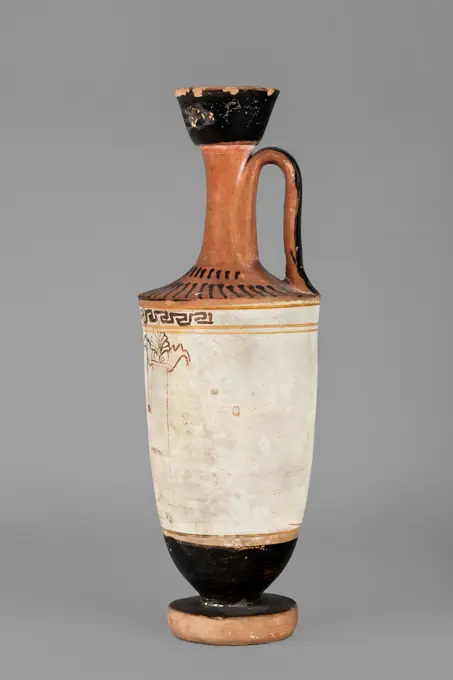
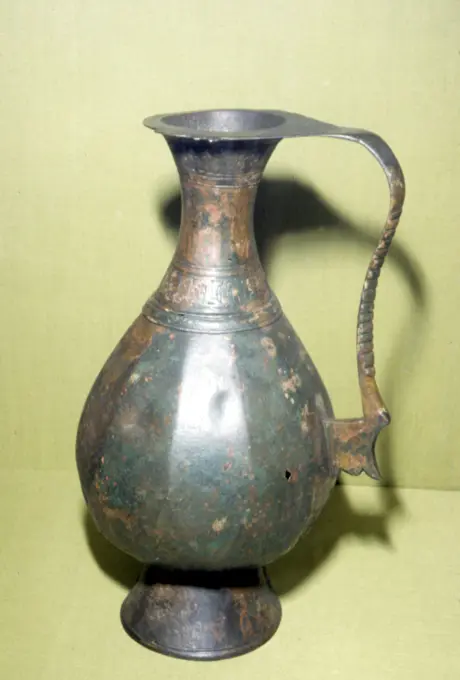
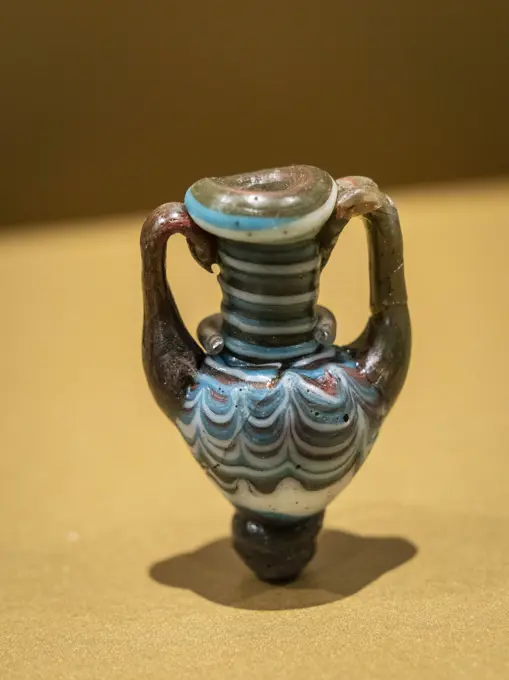
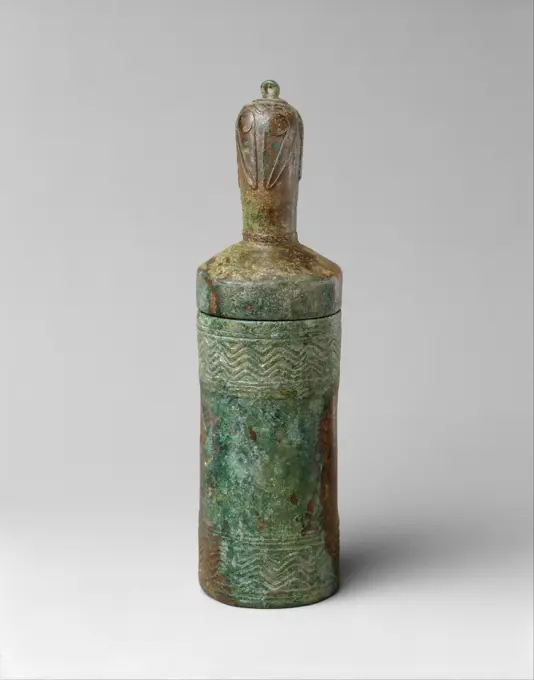
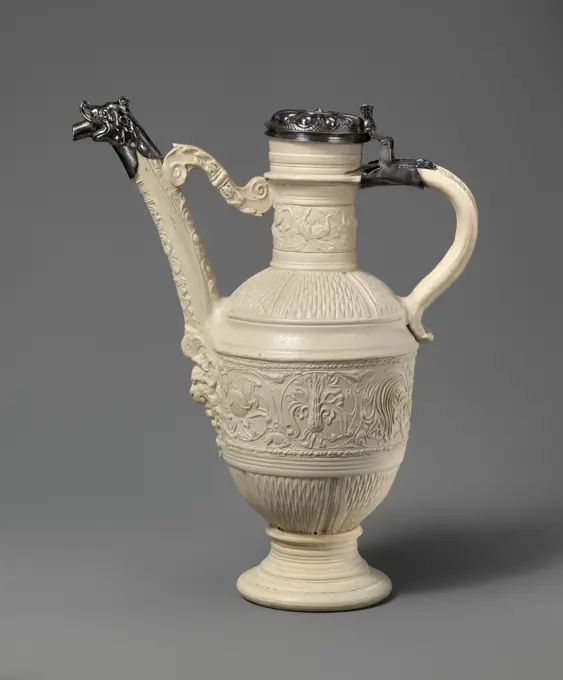
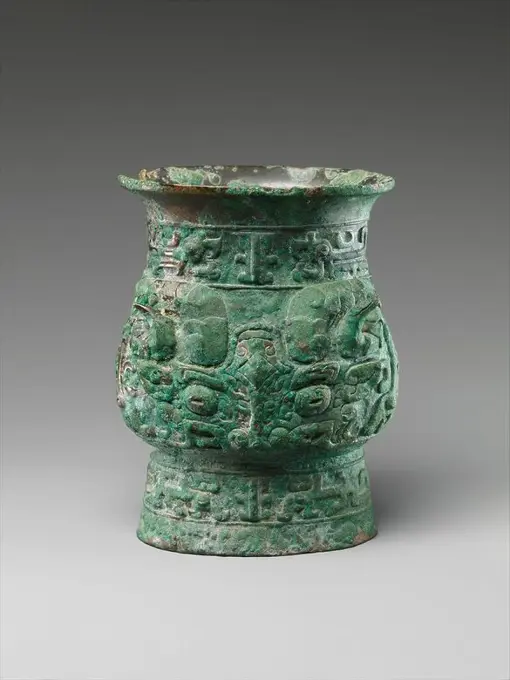
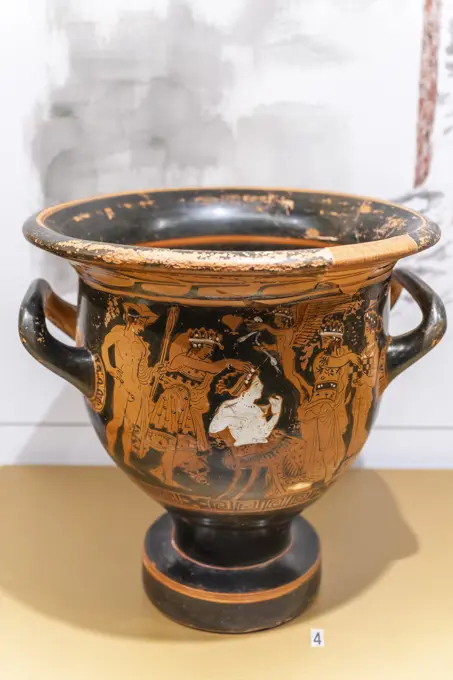
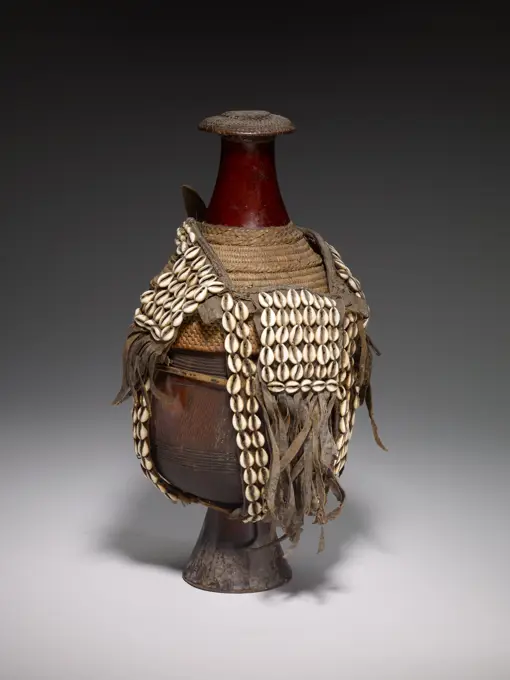
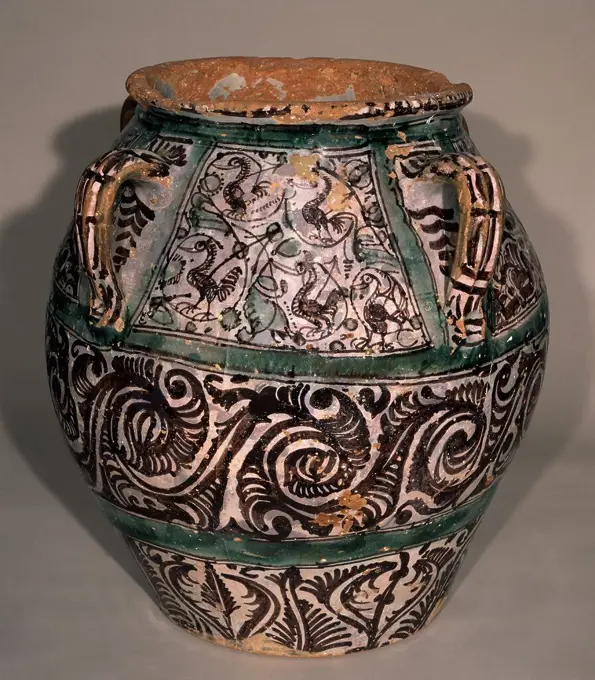
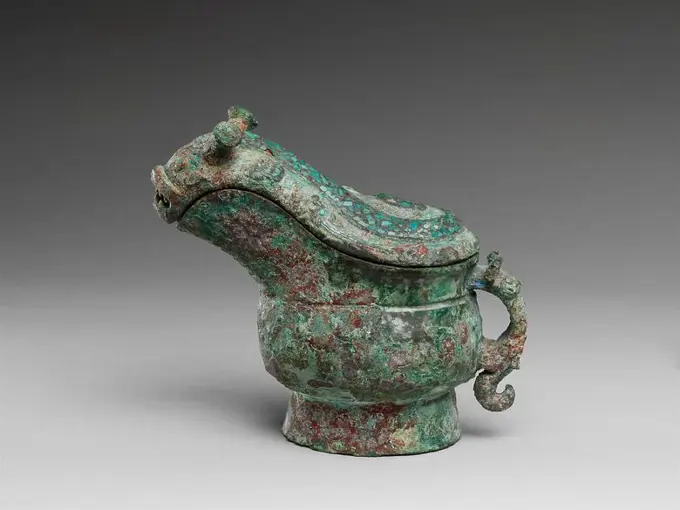
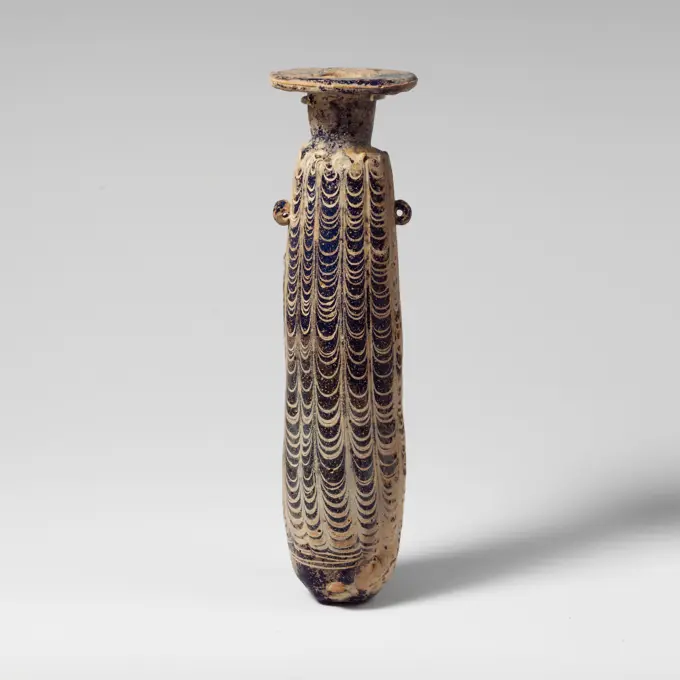
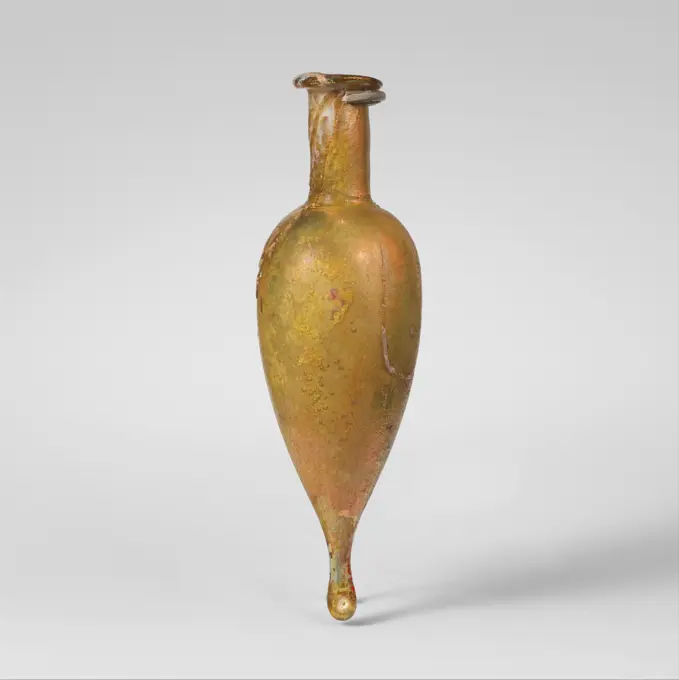
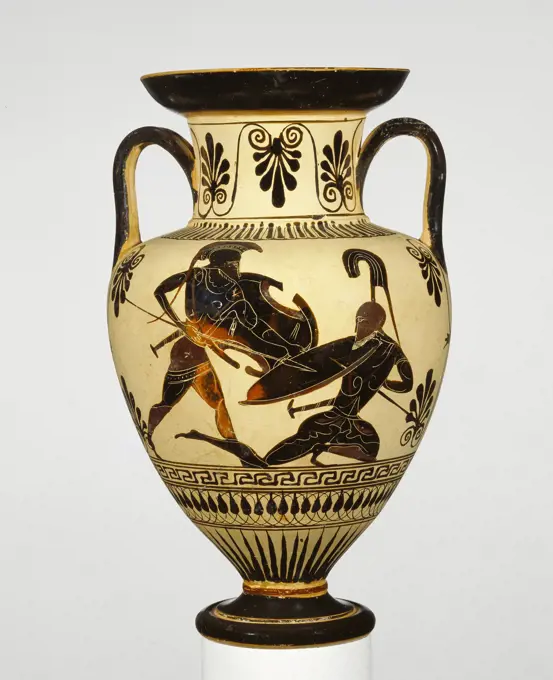
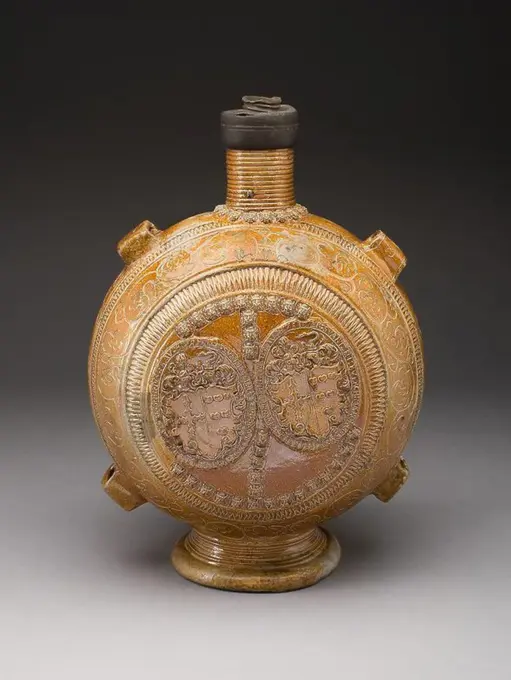
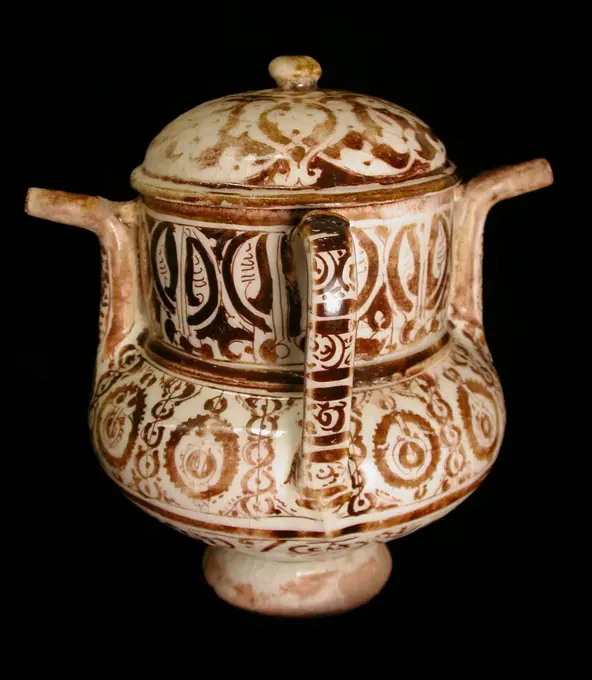
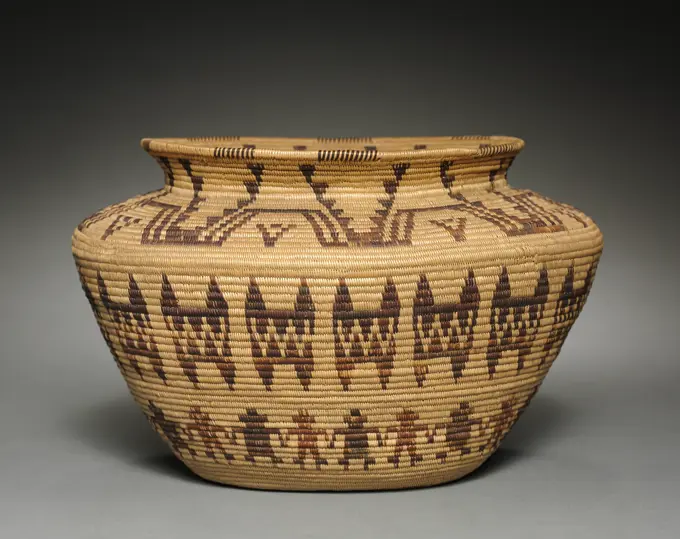
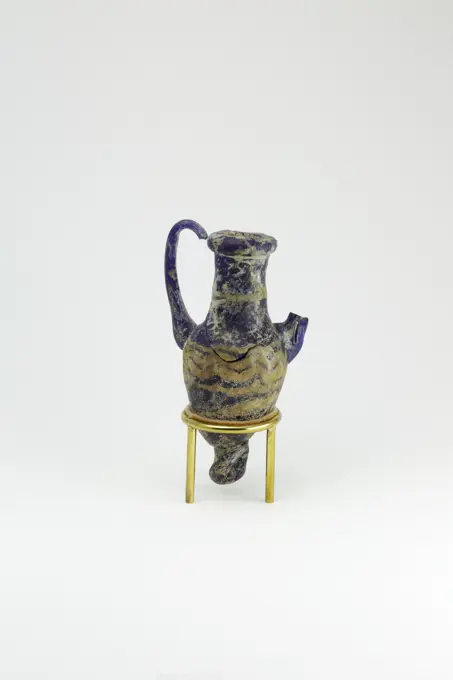
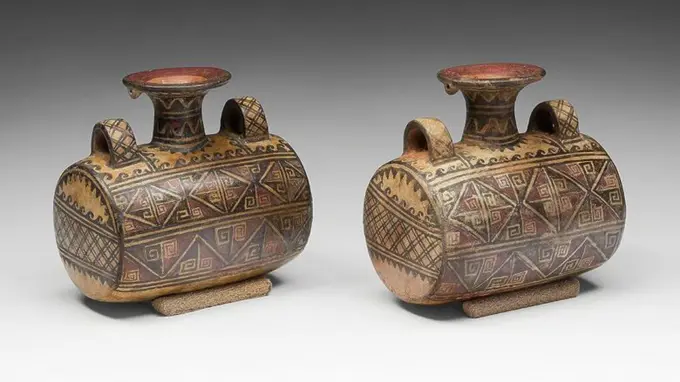
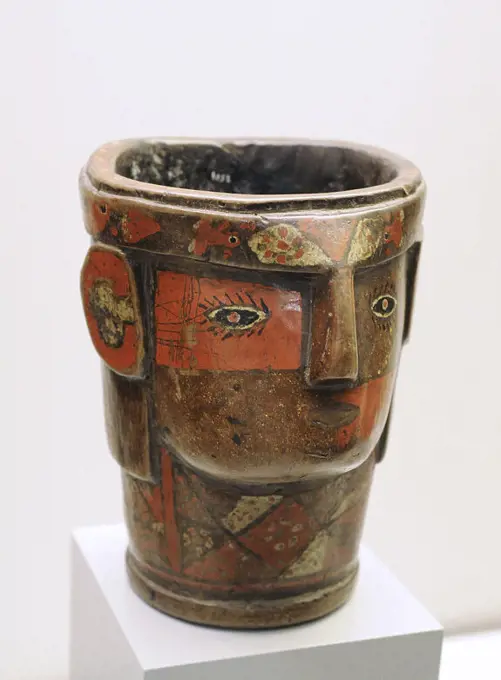
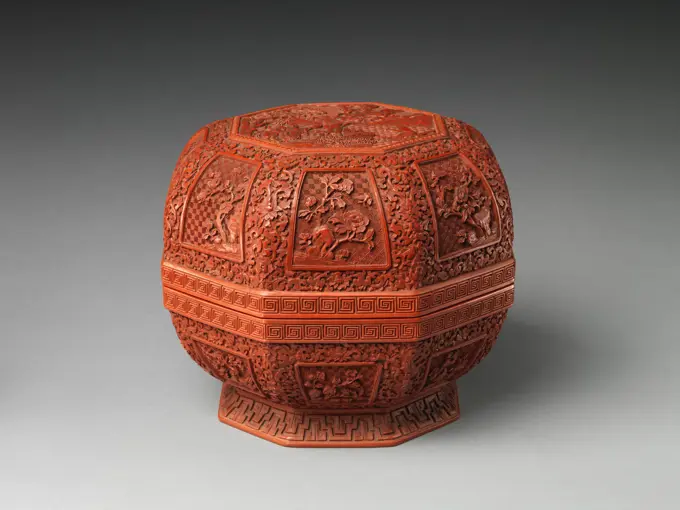
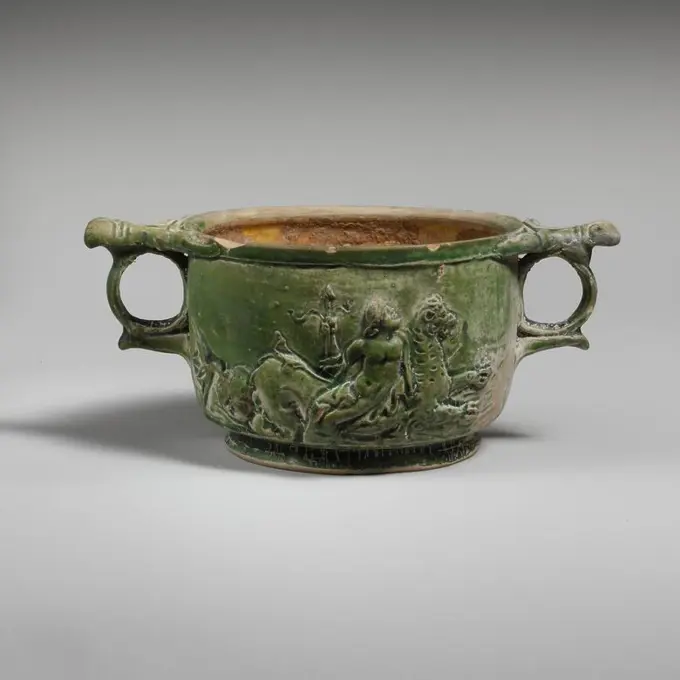
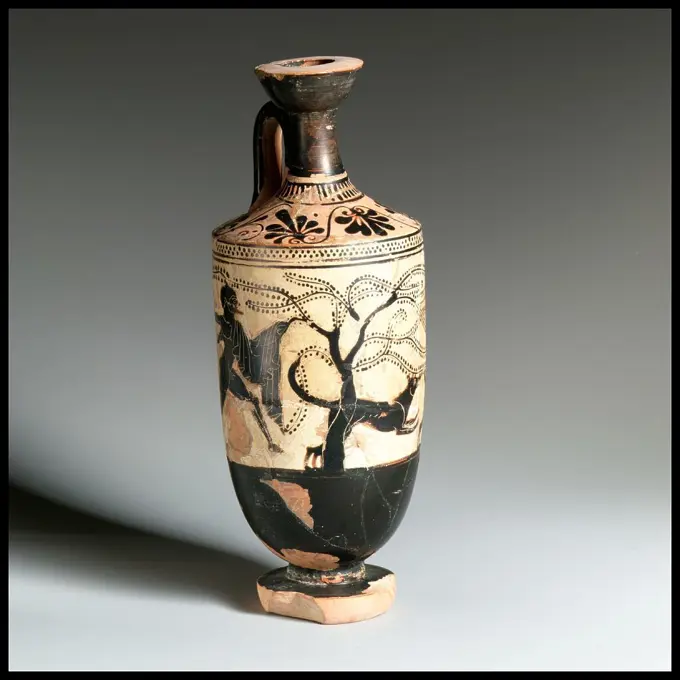
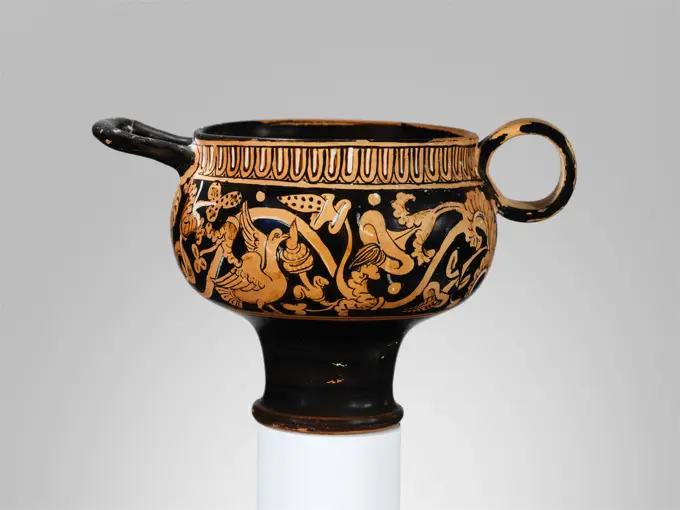
Terracotta skyphos (deep drinking cup) ca. 325-300 B.C. Attributed to the Tondo Group Obverse, dove amid floral; reverse, floral.. Terracotta skyphos (deep drinking cup) 254666 : Attributed to the Tondo Group, Terracotta skyphos (deep drinking cup), ca. 325300 B.C., Terracotta, H. 3 1/4 in. (8.3 cm). The Metropolitan Museum of Art, New York. Rogers Fund, 1951 (51.11.1)Miniature terracotta jug. Culture: Greek, Attic. Dimensions: H. 2 3/16 in. (5.5 cm). Date: late 9th century B.C..From the Hymettos deposit (see 30.118.1). Museum: Metropolitan Museum of Art, New York, USA.Brown speckled beard man, with beard mask medallion with star motif, Bartmann jug jug tableware holder founding stone ceramics stoneware clay engobe glaze salt glaze, hand turned stamped glazed glazed baked stoneware jug gray shard brown brindled salt glaze short spiked tail archeology Rotterdam city center Stadsdriehoek Zandstraat Town hall import house pottery drink transport packing Soil discovery Rotterdam: excavated on the site intended for the Raadhuisbouw on the Coolvest former Zandstraat (1915).Ewer, 1700s or later. China, Ming dynasty (1368-1644). Jade; overall: 11.5 cm (4 1/2 in.).Terracotta jug 750-600 B.C. Cypriot Vertical-circle ornament and highly conventionalized bird.. Terracotta jug 240093Jug (Bartmann jug) with a coat of arms, anonymous, c. 1644 - c. 1660 Jug (beard fancier bush) of stoneware on the standing surface with a spherical body and narrow neck. The C-shaped ear is attached to the neck and shoulder. Profiles on the neck. Covered with a brown Engobe. On the abdomen in relief in a printed and imposed and imposed medallion with a crowned weapon and the inscription 'Constantin von Nivenheim ZVR Gastendvnck Riter und OB' and the date '1644'. On the neck, continuously on the shoulder, a bearded man. Frechten. Cheek stoneware. glaze. engobe vitrification Jug (beard fancier bush) of stoneware on the standing surface with a spherical body and narrow neck. The C-shaped ear is attached to the neck and shoulder. Profiles on the neck. Covered with a brown Engobe. On the abdomen in relief in a printed and imposed and imposed medallion with a crowned weapon and the inscription 'Constantin von Nivenheim ZVR Gastendvnck Riter und OB' and the date '1644'. On the neck, continuouTerracotta jug. Culture: Cypriot. Dimensions: H. 9 15/16 in. (25.3 cm). Date: 600-480 B.C..On the shoulder, a female figure holding a miniature jugThis piece is part of a large group that was undoubtedly made for a specific, possibly ritual, function. Museum: Metropolitan Museum of Art, New York, USA.Decorated ware jar with spiral design. Dimensions: H. 12.6 × Diam. 18.2 cm (4 15/16 × 7 3/16 in.). Date: ca. 3650-3500 B.C.. Museum: Metropolitan Museum of Art, New York, USA.Bottle 13th century. Bottle 449015Covered jar ca. 1675-1700 Mexican Ceramic vessels of this type, known as búcaros de Indias, were highly prized by European collectors during the 17th and 18th centuries. They were appreciated not only for their exotic shapes and New World origin, but also for the distinctive aroma and taste of the clay from which they were made. Búcaros were used to contain water and gave it a pleasing flavor. The clay was thought to have medicinal qualities, and it was fashionable among Spanish and Italian elites, especially women, to consume fragments of the pottery. This unusual practice made their complexions pale, which was considered desirable at the time.The popularity of this kind of pottery in Europe is well documented in the art and literature of the period. In Diego Velázquezs Las Meninas, the infanta Margarita is served a small búcaro of water on a silver tray, and artists like Juan van der Hamen often included búcaros in their still life paintings. The Spanish dramatist, Lope de Vega, wroBeaker. China. Date: 1600 BC-1050 BC. Dimensions: H. 30.5 cm (12 in.). Bronze. Origin: China. Museum: The Chicago Art Institute, Chicago, USA.Terracotta lekythos (oil flask) ca. 440 B.C. Attributed to the Achilles Painter Woman and youthThe pigment of the youth's himation (cloak) is lost. The scene may be one of greeting or farewell. Because white-ground lekythoi served as funerary vases at this time, the subject is probably one of farewell, set in the woman's quarters of a house.. Terracotta lekythos (oil flask) 248090Vase in the shape of a bronze zhi, 16th-17th century, Hu Wenming, Chinese, 4 11/16 x 2 1/8 in. (11.9 x 5.4 cm), Gilded bronze, China, 16th-17th century, The famous metalwork master Hu Wenming (1573-1620)from Songjiang, Jiangsu province (near Shanghai), was one of the most accomplished craftsmen of the late Ming dynasty. He specialized in archaic-style gilt-bronze ritual vessels for the incense stand and scholars desk. His work was highly regarded by the educated elite of the wealthy in the Jiangnan region (lower Yangzi delta). This bottle-like vessel derives from a prototype of the Western Zhou bronze wine vessel zhi, but now served a different purpose.Geometric Pattern Bottle. Culture: Moche. Dimensions: H. 10 3/8 x Diam. 4 15/16 in. (26.4 x 12.6 cm). Date: 4th-7th century. Museum: Metropolitan Museum of Art, New York, USA.Macehead. Western or Northern Iran, Luristan bronzes, 1350-1000 B.C.. Arms and Armor; maces. Bronze, castCERAMICA IRANI-TINAJA DE BARRO ROSADO S XIII. Location: MUSEO ARQUEOLOGICO NACIONAL-COLECCION. MADRID. SPAIN.ESENCIERO DE ALBARRACIN. Nº INV. MT 629. ALTURA 16 CM. ANCHO MAXIMO 7,5 CM. MUSULMAN. (EXPOSICION :ARTE ISLAMICO ESPAÑOL)(DEPOSITO: MUSEO DE TERUEL).Head Flask; Eastern Mediterranean; about 2nd century; Glass; 14.3 cm (5 5,8 in.)REDOMA CALIFAL DE LAS LIEBRES EN VERDE Y MANGANESO - SIGLO X - OMEYA - (PROCEDENTE DE MEDINA ELVIRA). Location: MUSEO ARQUEOLOGICO-CERAMICA HISPANOMUSULMANA. GRANADA. SPAIN.Close-up of an Armorial jug, Faenza, Emilia-Romagna, ItalyARTE MINOICO. GRECIA. CERAMICA "ESTILO DE KAMARES". Así llamada por haber aparecido en grandes cantidades en la gruta sagrada de este nombre en el monte Ida. Caracterizadas por un dominio de fondos oscuros y decoración curvilínea de tonos claros. Fechada hacia 1900-1700 a. C. (Epoca Antiguos Palacios). Museo de Heraklio. CRETA.Sake bottle with flower medallions. Culture: Japan. Dimensions: H. 9 7/16 in. (23.9 cm). Date: 18th century. Museum: Metropolitan Museum of Art, New York, USA.Flask withBallplayer.   Maker: UnknownPrehistory, China, 4th-3rd millennium b.C. Pan-Chan style terracotta funerary vase. From the province of Kensu.Glass amphoriskos (perfume bottle) 2nd to mid-1st century B.C. Greek, Eastern Mediterranean Translucent cobalt blue; handles and base-knob in translucent colorless with pale green tinge, but one handle with additional trail in dark olive green, appearing black; trails in opaque white and opaque yellow .Uneven rim-disk, with rounded edge and sloping inward; tall, slender cylindrical neck, with tooling indents around top; narrow sloping shoulder; elongated, narrow ovoid body; pointed bottom with applied base-knob; two vertical handles applied with separate pads on shoulder, and pressed on to upper neck.Yellow trail applied to edge of rim-disk and wound spirally down neck and across shoulder, a second white applied over yellow at top of body, both tooled into a feather pattern on body in eleven irregular panels of alternating upward and downward strokes, then fine white trail continuing on lower body in a spiral almost two turns but thicker yellow trail continuing and ending on pointed boLarge Storage Jar, c. 900-1100. Southwest, Arizona, Hohokam, 10th-11th century. Ceramic, slip; overall: 24.5 x 32.7 cm (9 5/8 x 12 7/8 in.).Owl Warrior Bottle 5th-7th century Moche The depiction of animals as warriors with human attributes is common in both painted and modeled ceramics created by artists of Perus Moche culture, and the beasts represented include numerous bird species, iguanas, crabs, foxes, deer, and crayfish (Donnan and McClelland, 1999). On this vessel (see Sawyer, 1966: 46, for a rollout drawing), the artist painted two anthropomorphic owls on either side of the globular body of the vessel, each dressed in typical Moche warrior attire, including a jaguar headdress with a feather ornament projecting in the back, ear spools, a sleeved tunic covered with square forms likely meant to represent metal plaques, and wrist ornaments. Body paint is present on the creatures feet, knees, hands, and arms. The figures grasp a single teardrop-shaped object, and others like it are shown between and above the figures. This form, depicted often in Moche ceramics, has been called an “ulluchu” fruit, and scholars have suWater Jar about 1880 Acoma Pueblo. Water Jar 318293Kantharos (Drinking Cup) 310 BCE-280 BCE Apulia. This is an example of one of the most popular types of wine cup in ancient Greece, the kantharos. Rising from a round foot and a thin stem, the cup flares out to a wide bowl with two handles on opposite sides. While most examples are glazed, this elegant exception bears evidence it was once gilded. Before firing it was also inscribed with the word ìAphroditesî near the lip of the cup.. terracotta, unglazed ware, once partially gilded . Ancient GreekVase with floral motifs. ca. 1500 BC. Minoan art / Cretan art. Late Minoan period. Ceramics. GREECE. CRETE. IRAKLION. Iraklion. Archaeological Museum. Proc: GREECE. CRETE. Palaikastro.Glass perfume bottle late 1st-3rd century A.D. Roman Translucent blue green.Everted rim, folded over and in, with beveled upper surface; tall, cylindrical neck, with horizontal tooled indent around base; slender, piriform body; uneven, slightly concave bottom.Broken at rim with weathered edges to large hole in rim and top of neck; bubbles and blowing striations; deep pitting and brilliant weathering.. Glass perfume bottle. Roman. late 1st-3rd century A.D.. Glass; blown. Imperial. GlassVase ca. 1897-1900 George E. Ohr George Ohr of Biloxi, Mississippi, was arguably the quintessential American art potter: he built his own kiln, dug his clay, threw his vessels with extreme proficiency on the potters wheel to wafer thinness, altered those shapes, and then covered them with his own novel glazes. In form and decoration they are essentially Abstract Expressionist objects—almost 50 years before that movement was founded. These two vases illustrate especially well how Ohrs lithe, flamboyant, ribbon handles transform a traditional vessel form. On one, the addition of the serpentine handles—with five points where the interior of the handle attaches to the body of the vase—give the vessel an entirely new profile. The second vase exhibits not only Ohrs unusual serpentine handles, but also his fascination with altered form, where he squeezed and pinched the upper portion to form a double-necked vessel. The handles almost give the impression of wings attached to the slender waiPottery Whistle ca. 800-1525 Costa Rican. Pottery Whistle. Costa Rican. ca. 800-1525. Clay. Pre-Columbian. Linea Vieja, Costa Rica. Aerophone-Whistle Flute-whistleGeorge Loughridge, Jar, c 1938 JarJug. Jug of stoneware. Decorated with 3 medallions. On the first a weapon and year 1585. In the second and third equal weapons. Below as a inscription.Mosque Lamp Bearing the Name of the Mamluk Sultan al-Malik al-Nasir ca. 1340. Mosque Lamp Bearing the Name of the Mamluk Sultan al-Malik al-Nasir 447002VASO DE CERAMICA. Location: MUSEO ARQUEOLOGICO-CERAMICA IBERICA. GRANADA. SPAIN.Ancestral Pueblo pottery, Pueblo III, Mesa Verde Black-on-white Olla, Edge of teh Cedars State Park Museum, Blanding, Utah.  (ECPR-8786)Bottle, c. 1900. Europe. Glass with enameled and gilded decoration;Terracotta askos (flask with a handle over the top) 3rd century B.C. Greek, South Italian, Canosan Scylla, the Homeric monster with the upper body of an alluring woman and scaly limbs eminating from her hips, rises from the body of this vase. Scylla lurked in a cave on the Straits of Messina, seizing and devouring passing dolphins, sharks, or sailors. Scylla was a popular subject on Canosan vases of this type, which characteristically combine sculpted and painted images. On the body of this vase remain traces of the richly colored ornament in pink and blue paint on a white slip.. Terracotta askos (flask with a handle over the top). Greek, South Italian, Canosan. 3rd century B.C.. Terracotta. Hellenistic. Vasesterracota, 450-425 antes de Cristo, Museo arqueológico de Ibiza y Formentera, Patrimonio de la Humanidad «Ibiza, biodiversidad y cultura», Ibiza, balearic islands, Spain.Apulian Black-Gloss Hydria with Gilding. UnknownGilded Mina'i Ceramic late 12th-early 13th century In one group of ceramics, potters combined the technique of mina'i painting with decoration in low relief, which is further highlighted by gilding, to create an even more sumptuous effect. The imagery on this bottle conveys the princely themes so characteristic of the Seljuq period: enthroned rulers, seated sphinxes, and entertainers, against raised and gilded patterns of foliate and zigzag designs. A band with a Persian inscription, also raised and gilded, divides the shoulder from the body.. Gilded Mina'i Ceramic 451434Flaszka. warsztat wschodniAryballos (Container for Oil). Eastern Mediterranean, possibly Rhodes. Date: 590 BC-400 BC. Dimensions: 7.1 × 5.6 × 5.6 cm (2 3/4 × 2 1/4 × 2 1/4 in.). Glass, core-formed technique. Origin: Rhodes. Museum: The Chicago Art Institute, Chicago, USA. Author: Ancient Eastern Mediterranean.Pitcher (Iran); enameled glassTerracotta jug ca. 475-400 B.C. Cypriot In the Cypro-Archaic II period (600-480 B.C.) Cypriot potters began to create large jugs with, on the shoulder, female figurines holding miniature jugs. The miniature jug served as a spout. The type of vase developed in the region on Marion, where many imported Greek vases have been found. The new type of pottery may have been created in order to compete with the imports.. Terracotta jug 240150Glass footed jar 4th-6th century A.D. Roman, Palestinian Translucent purple; feet in same color; handle trails in translucent pale green.Rounded rim, folded over and in; flaring oval mouth; slanting cylindrical neck; sloping shoulder, pushed-in on one side; curving side to body, tapering downwards; small, slightly flattened bottom; three solid rod feet applied as squared pads around bottom; nine trails applied as rod handles attached to top of body as pads, drawn up and slightly outwards, then turned in and trailed onto edge and top of rim.Complete, but cracks running through body; pinprick bubbles; heavily pitted and weathered on one side of exterior with brilliant iridescence, soil encrustation and weathering on interior.With nine handles and three feet.. Glass footed jar 253002 Roman, Palestinian, Glass footed jar, 4th6th century A.D., Glass, H.: 2 3/8 in. (6.1 cm). The Metropolitan Museum of Art, New York. H.O. Havemeyer Collection, Bequest of Mrs. H. O. Havemeyer, 1929 (29.100.9Sugar bowl. Manufacture nationale de porcelaine de Sevres (1756-), factoryGlass alabastron (perfume bottle) late 6th-5th century B.C. Greek, Eastern Mediterranean Translucent cobalt blue, with handles in opaque turquoise blue; trails in opaque yellow and opaque turquoise blue.Broad horizontal rim-disk, with radiating tooling marks on upper surface; short cylindrical neck; rounded shoulder; elongated ovoid body, tapering upward to pointed bottom, with maximum diameter below the middle; convex bottom; two vertical ring handles with knobbed tails, applied over trail decoration.Turquoise blue trail attached at edge of rim-disk; a yellow trail wound horizontally around top of body; a band comprising a yellow and a turquoise blue trail wound horizontally around body underneath handles, and a second band comprising two yellow trails flanking a turquoise blue trail wound horizontally around body at point of greatest diameter.Intact, except for most of one handle; slight dulling and pitting, and faint iridescence.. Glass alabastron (perfume bottle) 249983Jar, 1644-1911. China, Qing dynasty (1644-1911). Jade; overall: 12.2 x 5.2 x 2.8 cm (4 13/16 x 2 1/16 x 1 1/8 in.).Beard Man grower from V.O.C. ship De 'Witte Leeuw', Anonymous, Before 1613  Beard fuse from V.O.C. ship De 'Witte Leeuw', 60 present, the rest has been supplemented. Rhineland stoneware   Sint-HelenaBox and its cover (common name). Sandstone with brown-black decoration under cover. Cernuschi Museum, Asia Museum of Asia in the city of Paris.Flash;  664-332 BC ; Half period (-664-00-00--332-00-00);Egyptian ceramicsSake Bottle with Design of Flowers and Grasses. Japan, Edo (1615-1868)-Meiji (1868-1912) period, 19th century. Ceramics. Etchū Maruyama ware; stoneware with iron pigment and clear glazesTerracotta trefoil oinochoe (jug) ca. 550 B.C. Etruscan Trefoil mouth and frieze of sphinxes in relief. The sphinxes are identical they are stamped form a single mold. In fact, at the point just to the left below the spout, one can see that the artist ran out of space and omitted the rear half of one sphinx.. Terracotta trefoil oinochoe (jug). Etruscan. ca. 550 B.C.. Terracotta; bucchero pesante. Archaic. VasesEwer. Italy, Venice, circa 1500. Furnishings; Serviceware. Glass, gilt, enamelLekyt z przedstawieniem młodzieńca przy steli. Malarz Kwadratów (ok. 440 p.n.e.), authorBOTIJO VIDRIADO CON DECORACION VEGETAL - S XX ARTE POPULAR. Location: ALFARERIA. CUENCA. SPAIN.Bronze ewer with copper inlay. Transoxianian. 10th cent. AD IRAN.glass unguentary glass unguentary, 5th to 3rd century BC, Santaella, Iberian Museum of Jaén, Andalusia, Spain Copyright: xZoonar.com/BartomeuxBalaguerxRotgerx 21714850Anthropomorphic Lime Container ca. 500 B.C.-A.D. 300 Indonesia (Java, Lumajang, Pasiran) The function of these amusingly anthropomorphic vessels is made clear by traces of quicklime in their interiors. Along with spoons and other paraphernalia associated with the preparation of betel (areca) nuts, containers like these were part of an extensive surface find on the beach at Lamajang in northwestern Java. Throughout South and Southeast Asia the leaves of the betel plant, a type of pepper, are wrapped around a mixture of lime and the seed kernel of the betel palm and chewed. Quicklime is a natural antacid, and the concoction provides both a stimulant and a tonic.It is not known precisely when the practice of chewing betel began. An intriguing early reference, however, is found in the Chinese Shiji (Historical Records) written by Sima Qian during the first century B.C. Chapter 116 of this monumental work describes the appearance and activities of the non-Han people living in southwestern aOinochoe czarnofigurowa z przedstawieniem Dionizosa z rytonem, Ariadny oraz satyrów. nieznany warsztat z Chalkis, workshopTerracotta trefoil oinochoe (jug). Culture: Etruscan. Dimensions: H. 11 5/16 in. (28.8 cm). Date: ca. 550 B.C..Trefoil mouth and frieze of sphinxes in relief. The sphinxes are identical-- they are stamped form a single mold. In fact, at the point just to the left below the spout, one can see that the artist ran out of space and omitted the rear half of one sphinx. Museum: Metropolitan Museum of Art, New York, USA.Ewer (Schnabelkanne) 1597 Workshop of Christian Knütgen This stoneware was produced on speculation for a middle-market clientele. Though handmade, its decoration was quick work, pressed on with reusable molds based on designs lifted from prints. Siegburg potters developed a reputation for interesting forms and the latest styles rendered in a distinctive gray-white glaze; lower end pieces (like a related Siegburg stoneware jug, 11.93.5) featured pewter rather than silver mounts. They were able to reach a huge market by distributing their work via trading posts controlled by the Hanseatic League, a powerful federation of merchant guilds and their market towns that included Lübeck, Cologne, London, Bruges, and later Antwerp and, to the north, Riga and Tallinn.Elizabeth Cleland, 2017. Ewer (Schnabelkanne). German, Siegburg. 1597. Salt-glazed stoneware; silver lid and mounts. Ceramics-PotteryRitual Wine Cup (Zhi). Culture: China. Dimensions: H. 5 3/4 in. (14.6 cm); Diam. 4 7/8 in. (14.6 × 12.4 cm); Diam. of rim: 4 1/8 in. (10.5 cm); Diam. of foot: 3 3/4 in. (9.5 cm); Wt. 2 lb. (0.9 kg). Date: late 11th century B.C..This elaborate set of wine vessels provides an idea of the splendor of Shang and early Zhou ritual ceremonies. The set is said to have come from a tomb uncovered in 1901; shortly thereafter, it entered the collection of Duan Fang, a senior Manchu official and one of the preeminent antiquarians of the late Qing period. The pieces vary in style and execution. Although eleven of the vessels are inscribed, only one grouping shares identical inscriptions: the two wine containers, or you (nos. 2, 3) and the tall wine container, or zun (no. 4). A second grouping has largely comparable inscriptions: the spouted water vessel, or he (no. 5) and one cup, or zhi (no. 11).A partial reconstruction of the set's arrangement in the tomb may be established from corrosion outliStoneware bell jar on standing foot completely covered with pointed appliqués, Bullet pewter jug crockery holder soil find ceramic stoneware glaze salt glaze, hand turned stamped glazed glazed baked Stoneware jug gray shard with salt glaze profiled bandoor with curled tail profiled neck and foot. Buikkan on stand foot with short cylindrical neck archeology import pottery serve serve serve drink wine beerMusketeer jar, brown stoneware with high frieze, in which arcades and musketeers, musketeer jar jug crockery holder ground find ceramic stoneware glaze salt glaze, surface 7.8 hand turned stamped glazed glazed baked stoneware jug gray shard brown salt glaze bandoor with tail profiled neck and foot archeology Rotterdam import pottery serve serve drink wine beer Soil discovery Rotterdam.Greek red-figure bell crater Greek red-figure bell crater, 4th century BC, Ategua,xIberian culture, Iberian Museum of Jaén, Andalusia, Spain Copyright: xZoonar.com/BartomeuxBalaguerxRotgerx 21704854Czarka czarnofigurowa z przedstawieniem orszaku Dionizosa. warsztat attycki, workshopAryballos wąskodenny protokoryncki. unknown, authorContainer, mid 20th century, 19 1/4 x 9 7/16 x 10 in. (48.9 x 23.97 x 25.4 cm), Wood, gourd, plant fiber, animal hide, cowrie shells, Somalia, 20th centuryORZA TUROLENSE CON ASAS DECORADA CON PALMETAS DERIVADAS DE LOS ATAURIQUES CARNOSOS DE MANISES, Y PAJAROS ESTILIZADOS - SIGLO XV. Location: ARCHAEOLOGICAL MUSEUM. TERUEL. SPAIN.Spouted Wine Vessel (Gong). Culture: China. Dimensions: H. 6 5/16 in. (16 cm); W. 3 1/2 in. (8.9 cm); L. 7 5/16 in. (18.6 cm). Date: 12th century B.C.. Museum: Metropolitan Museum of Art, New York, USA.Glass alabastron (perfume bottle) mid-4th-early 3rd century B.C. Eastern Mediterranean or Italian Translucent cobalt blue, with handles in same color; trails in opaque yellow and opaque white.Broad horizontal rim-disk, with radiating tooling marks on underside; cylindrical neck, tapering downwards; narrow uneven shoulder; straight-sided cylindrical body, with slight upward taper; uneven convex bottom, with irregular tooling indents; below shoulder, two vertical ring handles, pierced horizontally, applied over trail pattern.A fine yellow trail attached at edge of rim-disk; a fine white trail begun below shoulder, wound spirally down to lower body, tooled into a festoon pattern with well-defined loops, some projecting around shoulder; a second yellow trail added over white near bottom of festoon pattern and continuing below as fine spiral, ending in large flattened blob.Intact; dulling, pitting, and creamy iridescent weathering.. Glass alabastron (perfume bottle) 245772Glass perfume bottle 1st century A.D. Roman Translucent greenish yellow.Uneven rim folded out, round, and in; cylindrical neck, slightly tooled in around base; elongated piriform body, tapering to solid, drawn-out knob base with tooling indent in one side.Intact; pinprick bubbles; dulling, deep pitting and weathering, leaving a brilliant iridescent surface on exterior.Colorless oval blown glass vase with pointed base and slender neck.. Glass perfume bottle 239612CERAMICA IBERICA-S III AC-PROC NECROPOLIS CABECICO DEL TESORO-VERDOLAY(MURCIA). Location: MUSEO ARQUEOLOGICO-COLECCION. MURCIA. SPAIN.Stirrup Spout Bottle. Culture: Moche. Dimensions: H. 7 7/8 x Diam. 4 5/8 in. (20 x 11.8 cm). Date: 4th-6th century. Museum: Metropolitan Museum of Art, New York, USA.Pitcher; Rhine; XVI/XVII century (1590-00-00-1610-00-00);Pitcher. Sèvres Porcelain Manufactory; French, founded 1740. Date: 1845. Dimensions: 15.2 x 9.8 cm (6 x 3 7/8 in.). Hard-paste porcelain and gilding. Origin: Sèvres. Museum: The Chicago Art Institute, Chicago, USA. Author: Manufacture nationale de Sevres.Storage Jar with Two Warriors; Unknown, Connected with the Class of Cabinet des Médailles 218 (Greek); Athens, Greece; about 500 - 480 B.C; Terracotta; 23.4 × 15.5 cm (9 3,16 × 6 1,8 in.)Ewer 12th-13th century. Ewer 446908Bottle, Crab Deity. Culture: Moche. Dimensions: Overall: 7 5/16 in. (18.65 cm)Other: 5 3/8 in. (13.59 cm). Date: 2nd-4th century. Museum: Metropolitan Museum of Art, New York, USA.Pilgrim Flask. Workshop of Jan Emens Mennicken; (Flemish, active 1568-94). Date: 1587. Dimensions: 37.8 × 27.3 cm (14 7/8 × 10 3/4 in.). Salt-glazed stoneware and lead. Origin: Raeren. Museum: The Chicago Art Institute, Chicago, USA.Two-Spouted Vessel with a Lid 12th century This object belongs to a group of ceramics known as Tell Minis ware, based on the alleged find spot of a hoard in the eponymous village, located between Hama and Aleppo. However, there is no evidence to suggest that Tell Minis wares were manufactured in that village, and recent analyses suggest that this type of ware was produced in multiple centers in Syria rather than a single workshop or town. Typical of Tell Minis wares, the body of the ceramic is composed of fine white stonepaste, distinguishable from the coarser, darker fabric of Raqqa ware. It also has characteristically thin walls, crackling glaze, and copper-red (now brown) luster paint. This vessel has an unusual profile in that it includes two spouts. The outer and inner neck of the vessel is decorated with an inscription in pseudo-kufic script.. Two-Spouted Vessel with a Lid 456954Shouldered jar, oval, 1900-1910. Great Basin, Timbisha Shoshone (Panamint). Willow, bulrush, yucca root; coiled (3 rods); overall: 14.3 x 22 cm (5 5/8 x 8 11/16 in.).Terracotta pelike (jar) late 5th century B.C. Greek, Corinthian Obverse, satyr dancing in front of a maenadReverse, two youthsAlthough the red-figure technique is mainly associated with Athens in mainland Greece, there was some production in Boeotia and Corinth.. Terracotta pelike (jar) 254967 Greek, Corinthian, Terracotta pelike (jar), late 5th century B.C., Terracotta, H. 9 15/16 in. (25.2 cm). The Metropolitan Museum of Art, New York. Gift of Mrs. Matthew C. Brush, 1957 (57.43)Vase. Dimensions: 26 1/4 × 11 in. (66.7 × 27.9 cm). Manufacturer: Ruskin Pottery (British, 1898-1933). Date: 1925. Museum: Metropolitan Museum of Art, New York, USA.Amphora 304-30 B.C. Ptolemaic Period. Amphora 552076Drum-Shaped Vessels with Textile Motif. Inca; South coast or southern highlands, Peru. Date: 1450-1532. Dimensions: 10.5 × 11.4 cm (4 1/8 × 4 1/2 in.) (each). Ceramic and pigment. Origin: South Coast. Museum: The Chicago Art Institute, Chicago, USA.Vase. Egyptian. Date: 1292 BC-1202 BC. Dimensions: 10.2 × 5.7 × 5.7 cm (4 × 2 1/4 × 2 1/4 in.). Glass, core-formed technique. Origin: Egypt. Museum: The Chicago Art Institute, Chicago, USA. Author: Ancient Egyptian.Red -purital hydria;  3. W. 4th century BC (-350-00-00--326-00-00);Amphora vase with a miniature and marbleisation. Korzec (manufaktura porcelany ; 1790-1832), factoryKero. Drinking wooden vessel. Kero in the form of a human head with figurative motifs related to the Inca. It was used to offer liquids in certain rites associated with fertility. Wood. Inca civilization (1400-1533 AD). Cuzco, Peru. Museum of the Americas. Madrid, Spain.Octagonal box with scene of immortals 18th century China Boxes of this type were often fitted with an interior tray with recesses for holding cups; the tray rested on a ledge at the top of the box but under the cover. The gathering of Daoist immortals pictured on the lid was appropriate for a box used to serve wine at birthday banquets.. Octagonal box with scene of immortals. China. 18th century. Carved red lacquer. Qing dynasty (1644-1911). LacquerLand in shape;  19th century (1890-00-00-1910-00-00);Jar, 8 15/16 × 11 7/8 × 11 7/8 in. (22.7 × 30.16 × 30.16 cm), Ceramic, pigments, United StatesTerracotta scyphus (drinking cup). Culture: Roman. Dimensions: H. 2 1/2 in. (6.4 cm); width with handles 5 11/16 in. (14.4 cm). Date: 1st half of 1st century A.D..The sides are decorated with reliefs of a satyr and a maenad riding sea monsters. Museum: Metropolitan Museum of Art, New York, USA.Kero, ca. 1438-1533. Waisted wooden drinking vessel with incised and polychrome lacquered decoration. Inca civilization.Lekythos. Culture: Greek, Attic. Dimensions: Overall: 9 3/16in. (23.4 cm)Diameter: 3 1/2 × 1 3/4 × 2 5/16 in. (8.9 × 4.5 × 5.9 cm). Date: ca. 480 B.C..Hare hunt. Museum: Metropolitan Museum of Art, New York, USA.