Ancient Greek Oil and Perfume Jugs

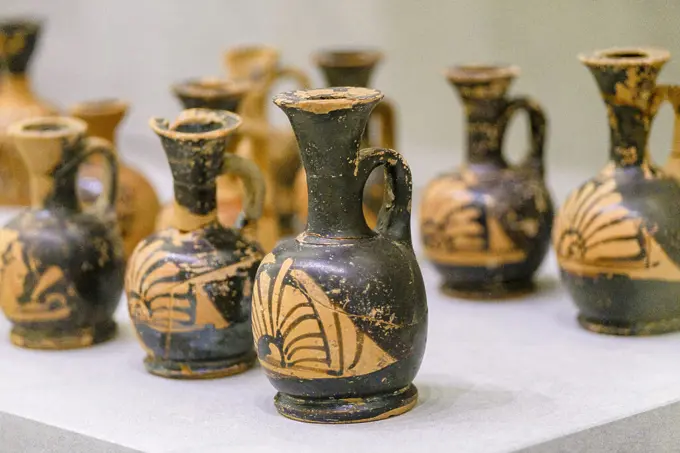
A collection of ancient jugs including terracotta lekythos, glass oinochoe, and ceramic jugs, showcasing intricate designs and historical significance from various Greek cultures.
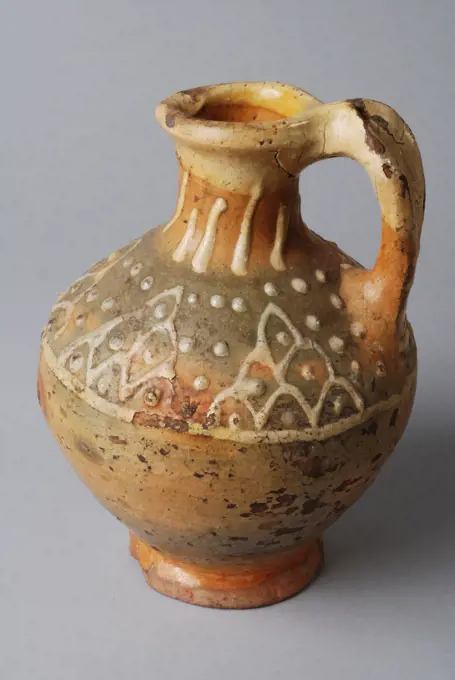
Pottery oil jug on stand with standing ear and silt decoration on the neck and shoulder, oil jug crockery holder soil find ceramic earthenware glaze lead glaze clay, ring 7.6 hand-turned decorated glazed baked lemonade Pottery jug be red shard in the top of the pinched ring, which is completely glazed. Protruding neck edge with pouring lip. Sludge decoration horizontal stripes on the ear vertical stripes around the neck five fields of cascading windows and fields with dots. Ball-shaped model with slender neck Green discoloration of glaze layer archeology indigenous pottery oil lamp enlighten tear pour serve
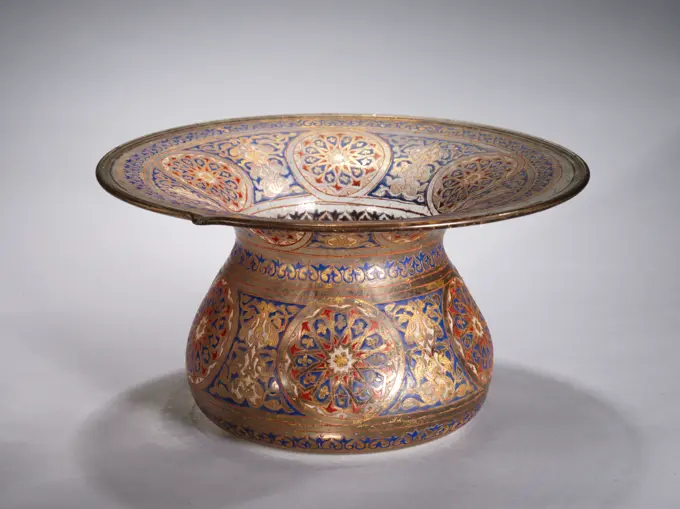
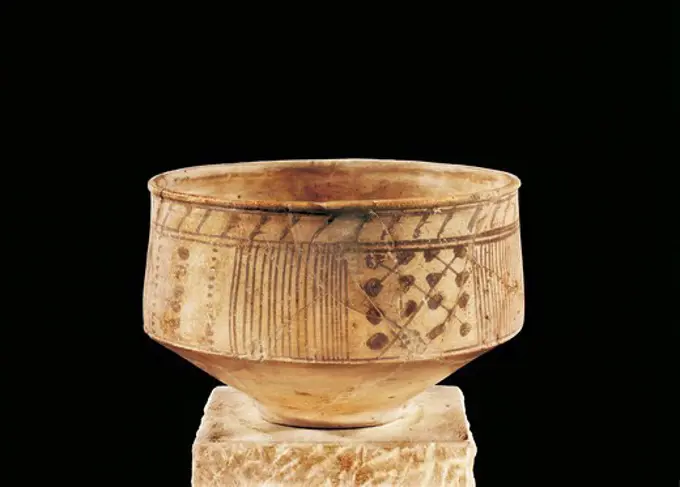
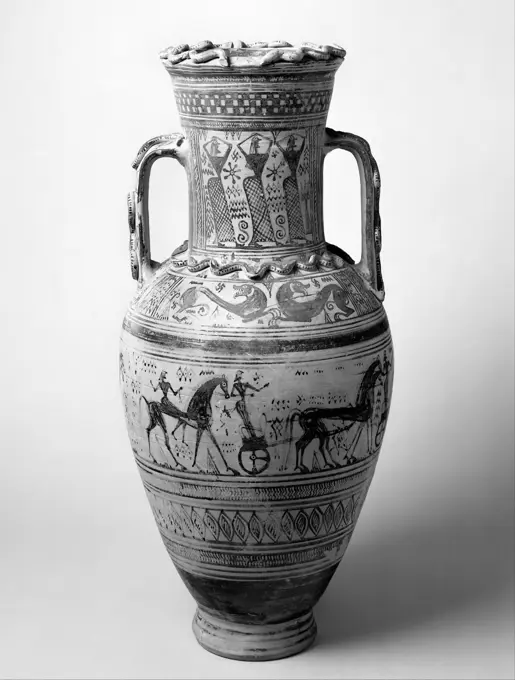
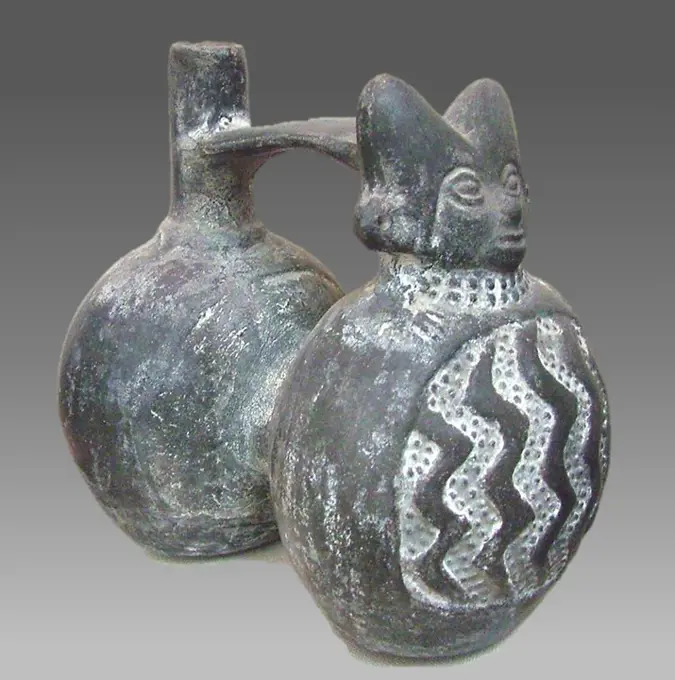
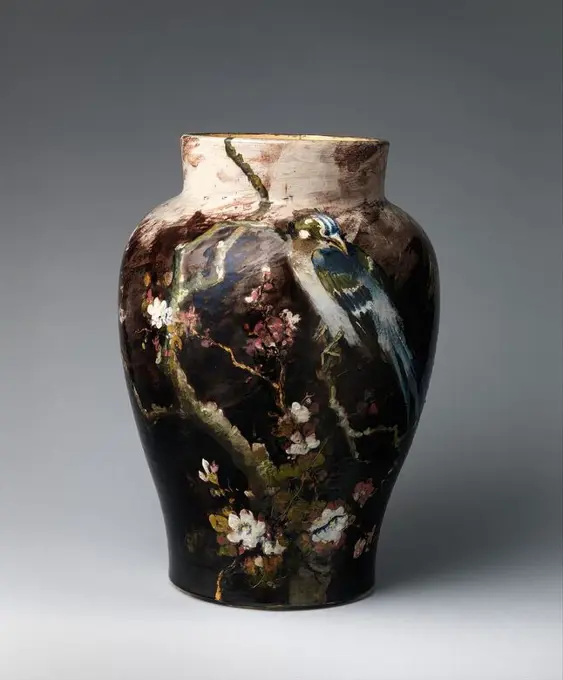
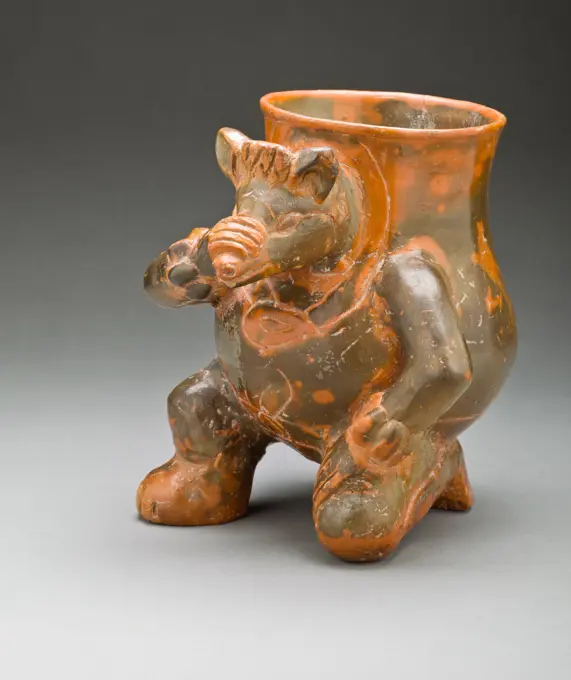
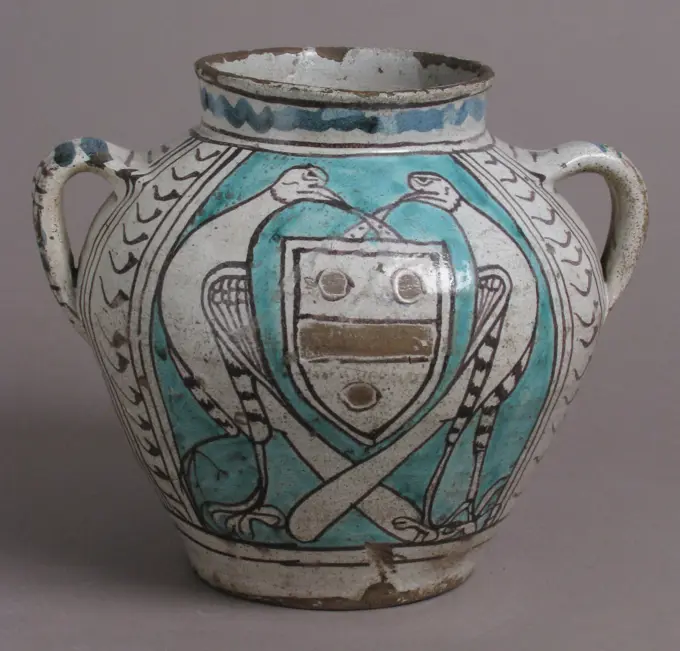
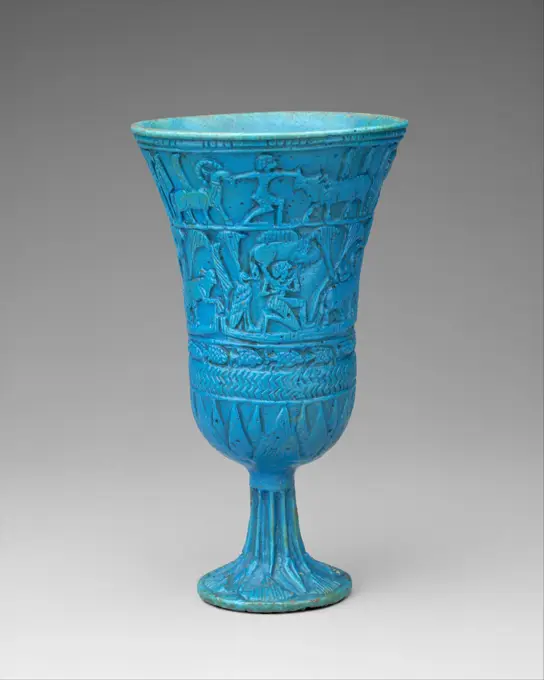
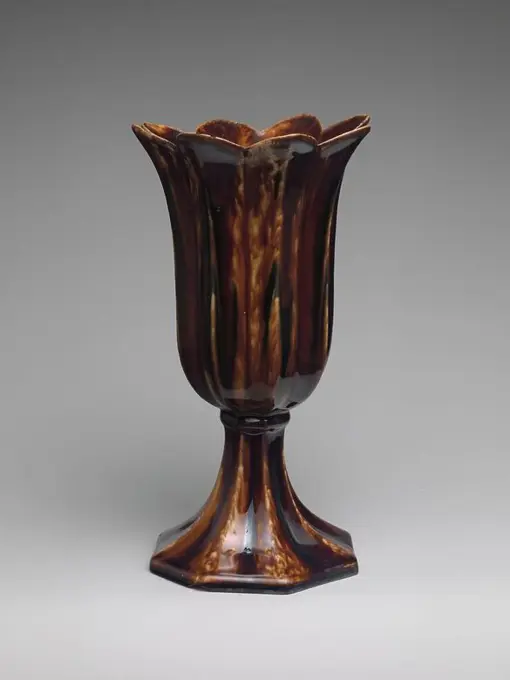
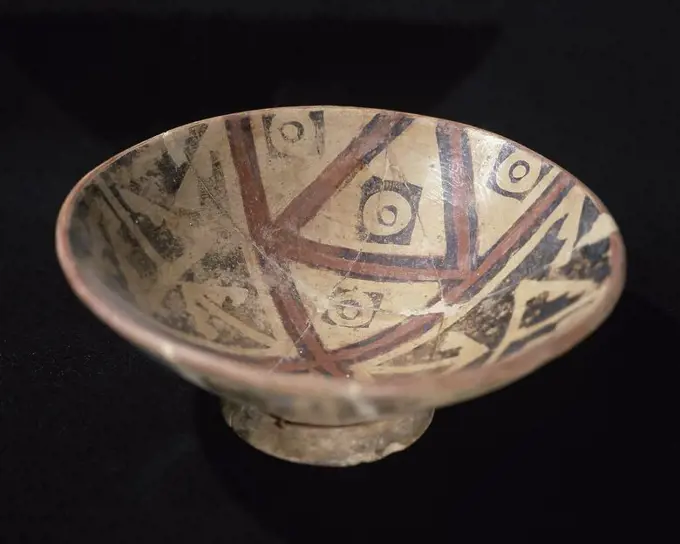
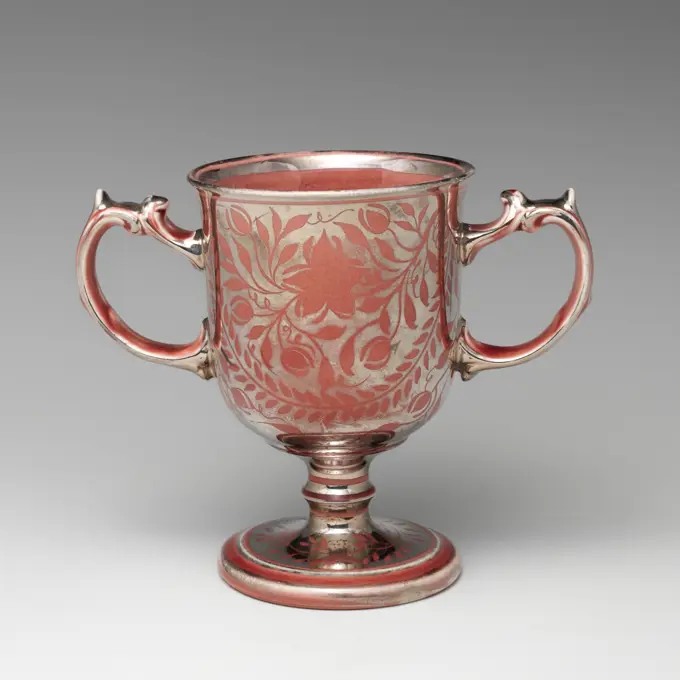
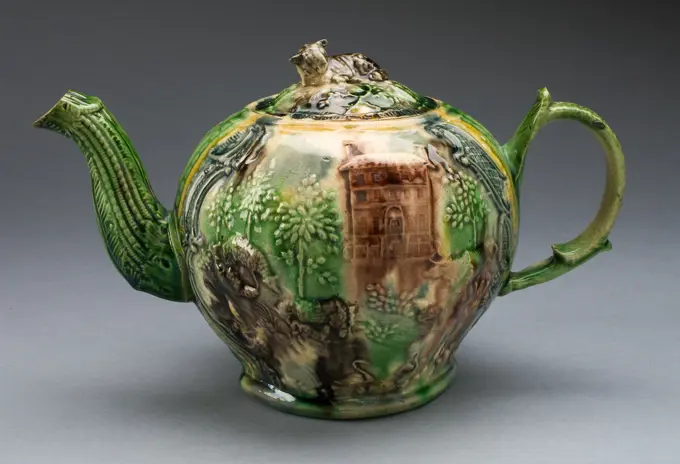
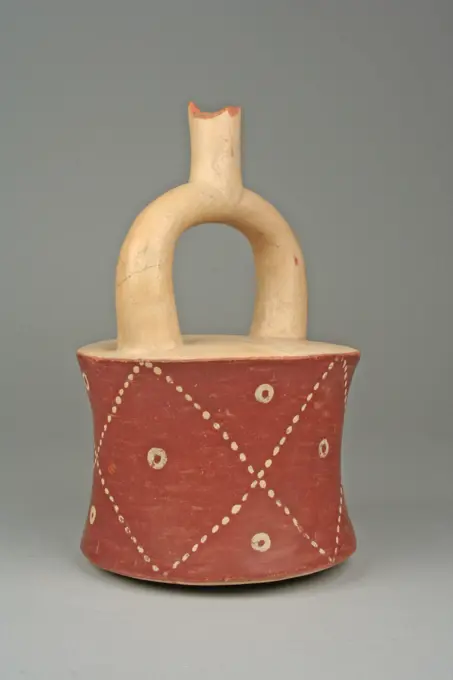
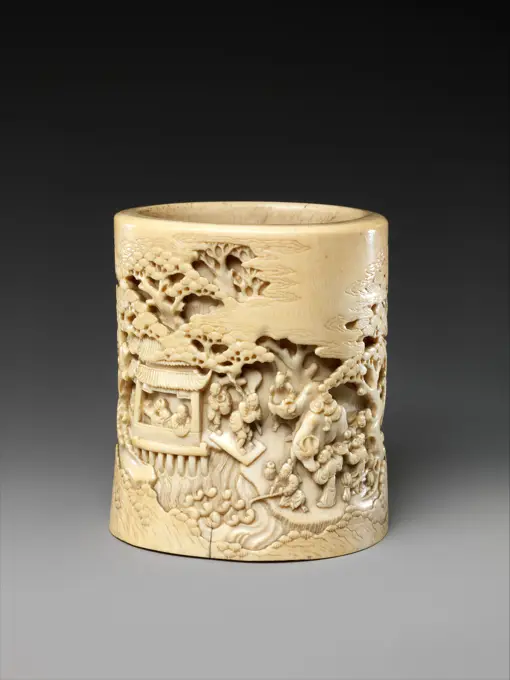
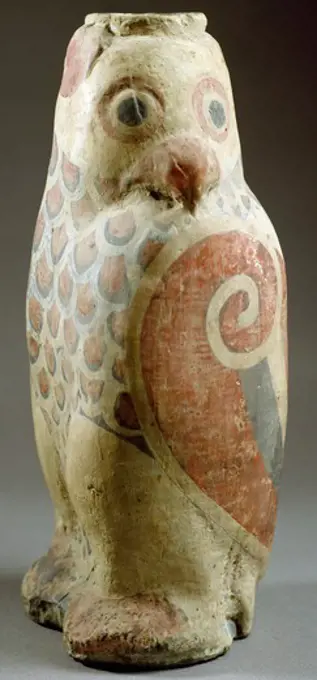
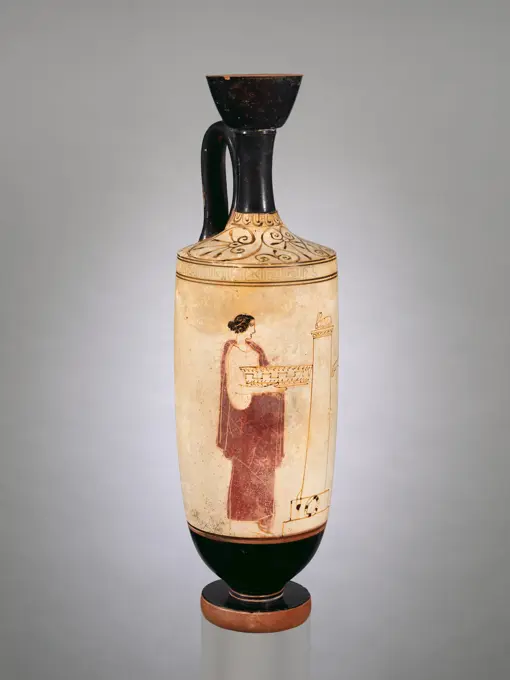
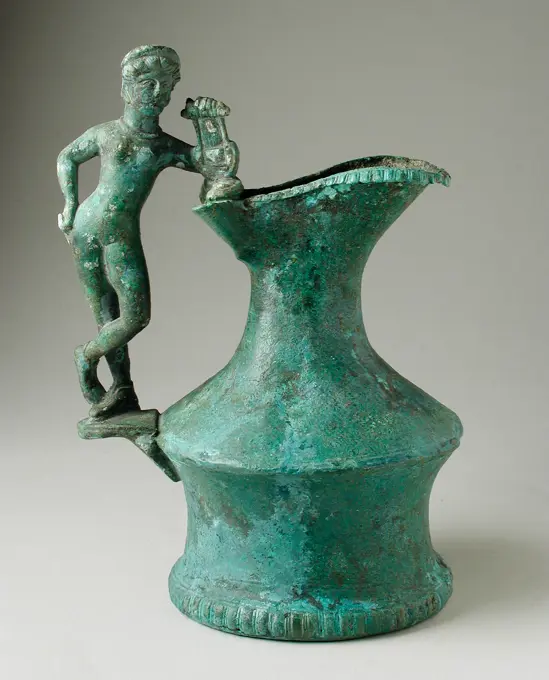
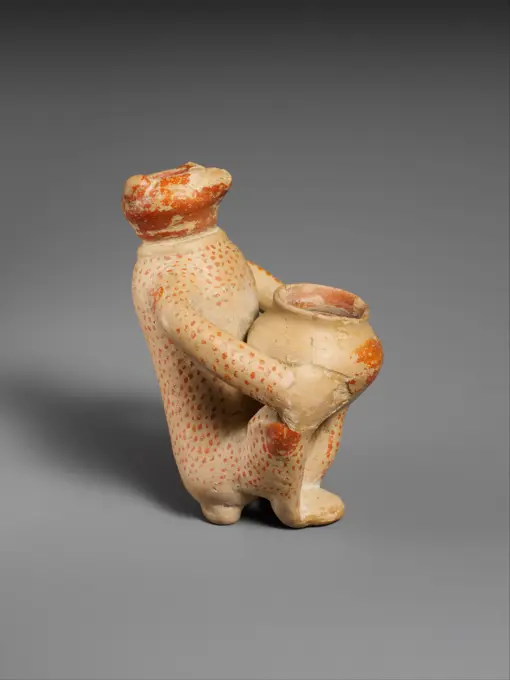
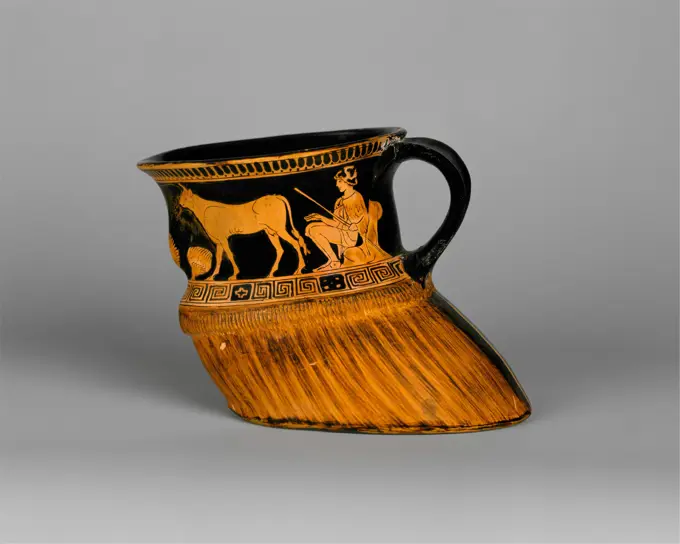
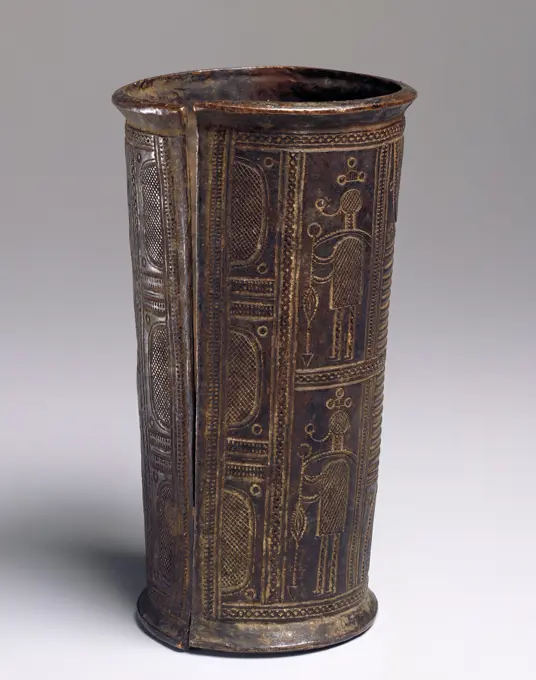
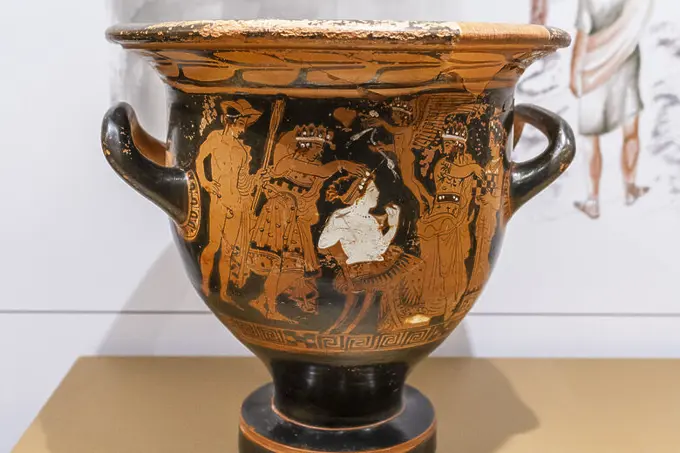
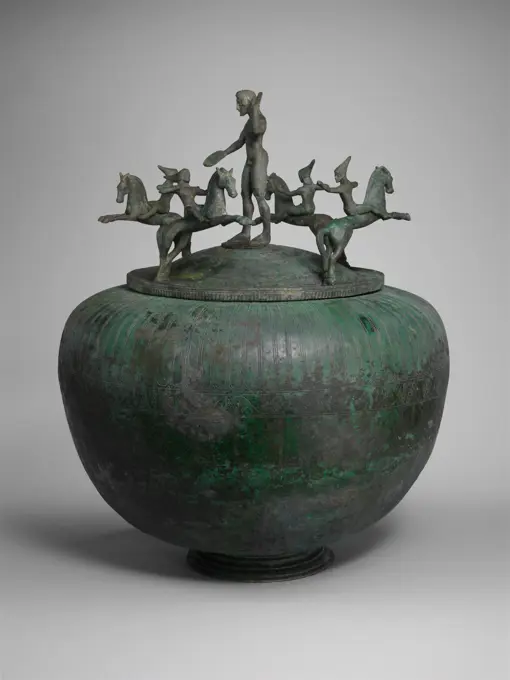
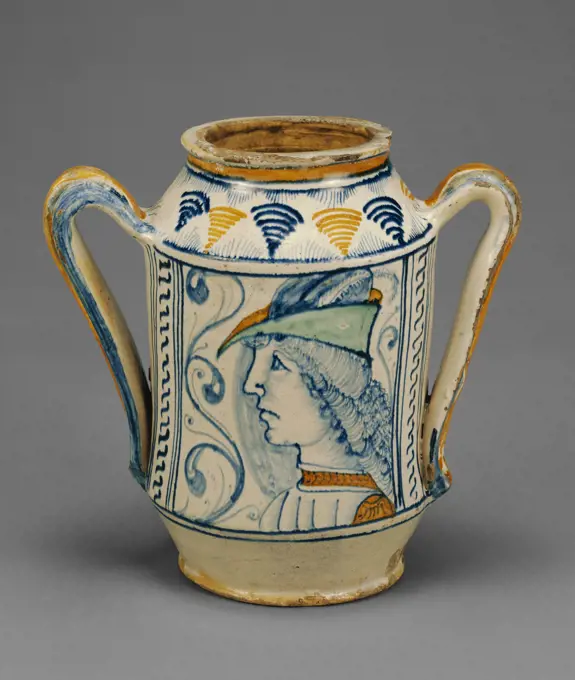
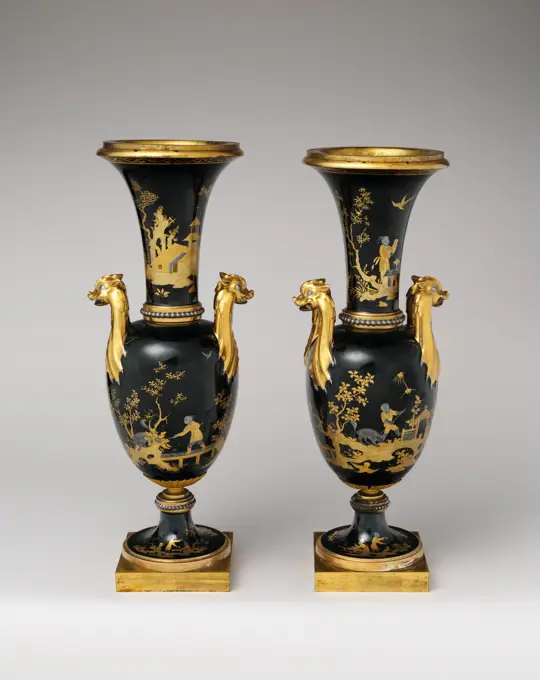
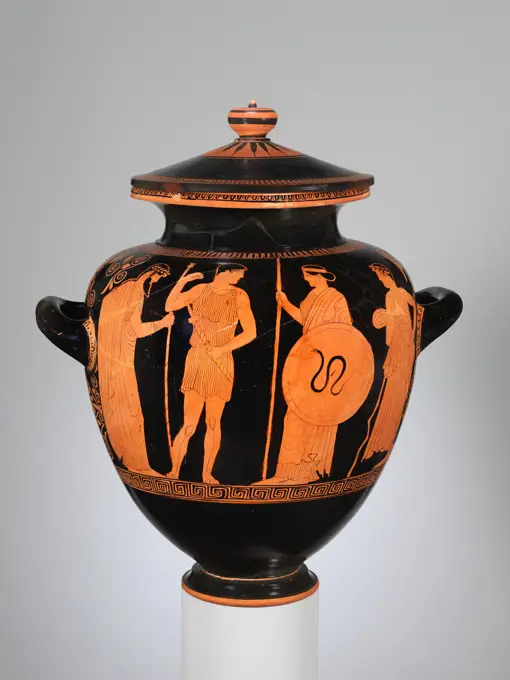
Brush Holder with Travelers in a Landscape. Culture: China. Dimensions: H. 6 in. (15.2 cm); Diam. 5 3/4 in. (14.6 cm). Date: late 19th-early 20th century. Museum: Metropolitan Museum of Art, New York, USA.Ceremonial Spittoon or Basin, late 1800s. Europe. Glass with enameled and gilded decoration; diameter: 31.8 cm (12 1/2 in.).Terracotta jug. Culture: Cypriot. Dimensions: 11 1/16in. (28.1cm)Other (rim): 2 15/16in. (7.5cm). Date: 750-600 B.C..The decoration consists of a bird with a lotos flower that appears to grow from between the wings and an arrow directed upward. Although all of the motifs are frequent on Cypro-Archaic vases in various combinations, the meaning is unknown, The effect, however, is decorative thanks especially to the masterful placement of the bird over the bulbous body of the jug. Museum: Metropolitan Museum of Art, New York, USA.Tripod Pyxis; Greece (Corinth); about 570 B.C; Terracotta; 7.9 cm (3 1,8 in.)Jug ca. 1550 Workshop of Paul Preuning. Jug. German, Nuremberg. ca. 1550. Lead-glazed earthenware. Ceramics-PotteryCeramic Vase. ca.  400 BC. La Tne Culture. Celtic art. Ceramics. SPAIN. CATALONIA. BARCELONA. Barcelona. Archaeology Museum of Catalonia. Proc: SPAIN. CASTILE AND LEON. SORIA. Burgo de Osma-Ciudad de Osma.Terracotta neck-amphora 4th quarter of the 8th century B.C. Greek, Attic The procession of chariots on the body is complemented by heraldic lions on the shoulder and mourning women on the neck. Here again, snakes were added. While we do not know how these vases were used, it is possible that this example was for a woman and that 10.210.7 was for a man.. Terracotta neck-amphora 248293Fragment of Bottle 10th century. Fragment of Bottle 451855Whistling Jar ca. 1000-1476 Peruvian Whistling jar with head wearing a headdress.Although numerous pottery instruments survive from pre-Conquest South and Central America, little is known of how they were used before Spanish invaders ravaged the native cultures. Whistles, trumpets and rattles in animal or human form probably had ceremonial functions or served as playthings. The "whistling jar" is a 1- or 2-chambered vessel in which a whistle, often concealed by a bird's head, is sounded by blowing into the spout, or by pouring liquid from one chamber to the other to create a bird-like twittering sound. Smaller whistles in animal shapes, perhaps worn suspended from the neck, sometimes have fingerholes that allow variation of pitch.. Whistling Jar 502938Turkey, Kanesh (Assyrian colony), Long lip vase depicting a biga (chariot)Vase with blue jay. Culture: French, Bourg-la-Reine. Dimensions: Overall (confirmed): 15 5/8 × 11 in. (39.7 × 27.9 cm). Maker: François Laurin (French, 1826-1901). Date: ca. 1880.Determined that pottery vessels should be regarded as true works of art, avant-garde ceramicists in France in the last decades of the nineteenth century transformed their craft into an intellectual and emotional endeavor. The pioneers of this revival were Jean Carriès, Ernest Chaplet, Théodore Deck, and Auguste Delaherche. These revolutionary artist-potters embraced artisanal traditions while pursuing lost techniques through exhaustive experimentation. Reacting to what they viewed as an excessive and improper use of ornament, they celebrated the simplicity and sincerity of their medium, following the tenets of the Art Nouveau style taking place in Europe. Based on the principles of the British Arts and Crafts movement, Art Nouveau artists sought to reform the decorative arts by emphasizing uniqueness and a reCoati Effigy Vessel. Mexico or Guatemala, Pacific Coast, Soconusco, Maya, 600-900 CE. Ceramics. Fine orange ceramic with plumbate slipTwo-Handled Jar with Birds and a Coat of Arms early 1400s Italian From 1400 on, finely turned and decorated glazed earthenwares have been associated with Florence. It is unlikely, however, that the earlier of these wares were actually made within the city walls, but rather in outlying Tuscan towns such as Montelupo, situated in the Arno valley between Florence and Pisa. Unlike the earlier Italian earthenwares, the so-called Florentine vessels initiated the use of an all-over white to gray tin-enamel glaze slip, against which the painted decoration was highlighted. For the first several decades of the fifteenth century, the palette was generally limited to tones of pale green, manganese purple (used primarily as an outline color), and, less frequently, cobalt blue. This particular example bears a coat of arms that has tentatively been identified as that of the Guida family if Siena or the Della Marchina family of Faenza. As with Spanish lusterware, the limitations of the palette rendereLotiform Chalice ca. 945-664 B.C. Third Intermediate Period The fragrant blossom of the blue lotus is a common motif in all forms of Egyptian art. Because it opened its petals to the sun each morning, the flower became a symbol of creation and rebirth. During the Third Intermediate Period, faience chalices derived from the shape of the blossom and other faience delicacies were decorated with relief scenes evoking a constellation of myths having to do with the birth of the king as child of the sun god out of the watery marsh environment, and thus the renewal of the world out of the flooded land anticipated with the beginning of the Inundation at the Egyptian New Year.Here, against a background of water filled with fish, papyrus clumps and water reeds, the marshes are evoked as a magical environment: the central register shows a man with a calf or cow over his shoulders, a huge water bird, and a horned animal all riding along in a light papyrus skiff without tipping in the least, while iCelery Dish. Culture: American. Dimensions: H. 9 3/4 in. (24.8 cm). Maker: Lyman, Fenton & Co. (1849-52). Date: 1849-58. Museum: Metropolitan Museum of Art, New York, USA.Terracotta dinos (mixing bowl). Culture: Greek, Corinthian. Dimensions: H. 7 1/4 in. (18.4 cm); diameter 12 in. (30.5 cm). Date: ca. 630-615 B.C..The finest vases from the region of Corinth are generally datable to the seventh century B.C. This dinos, a bowl for the wine diluted with water that was consumed at symposia, is decorated in two zones with large-scale animals. Above, panthers and sphinxes, and below are goats and lions between sphinxes. Museum: Metropolitan Museum of Art, New York, USA.Precolombian America. Panzaleo culture (Ecuador). Poterry bowl. Geometric motifs. Private collection.Goblet ca. 1800 British, Staffordshire. Goblet. British, Staffordshire. ca. 1800. Lustered earthenware. Ceramics-PotteryTeapot Made 1760-1770 Staffordshire .Stirrup Spout Bottle 4th-6th century Moche. Stirrup Spout Bottle 318604Brush holder with narrative scene 18th century China The solitary angler may be a reference to an eleventh-century B.C. narrative in which King Wen seeks the advice of a scholar named Jiang Shang. Here, Jiang is about to receive a royal visit.. Brush holder with narrative scene 39859Owl, terracotta funerary statue, Min-Ki, China. Chinese Civilisation, Han Dynasty, 1st century.Terracotta lekythos (oil flask) ca. 440-430 B.C. Greek, Attic Two women at tombThe woman at left holds a kanoun, a large basket presumably containing offerings. The hare on top of the stele itself is difficult to explain. The major questions are whether it represents a living animal or an image and what it signifies. Among the possible interpretations are that the deceased enjoyed hunting haresa well-attested pursuitor that the animal was a pet.. Terracotta lekythos (oil flask). Greek, Attic. ca. 440-430 B.C.. Terracotta; white-ground. Classical. VasesCorinthian Vase (lid), 600s BC. Greece, 7th Century BC. Earthenware; overall: 17.5 cm (6 7/8 in.).Ewer 19th century. Ewer 443152Jug with Handle in the Form of a Musician. Central Italy, Etruria, early 3rd century B.C.. Furnishings; Serviceware. BronzeTerracotta vase in the shape of a monkey ca. 565-550 B.C. Etruscan, Etrusco-Corinthian Although this type of small container is ultimately derived from Corinthian and Egyptian prototypes, it was especially popular in Southern Etruria and Latium.. Terracotta vase in the shape of a monkey 252556 Etruscan, Etrusco-Corinthian, Terracotta vase in the shape of a monkey, ca. 565550 B.C., Terracotta, H. 3 5/8 in. (9.2 cm). The Metropolitan Museum of Art, New York. Fletcher Fund, 1926 (26.60.92)Oinochoe (Chous)Greek Lecythos, 400-300 BC, Archaeological Museum of Ibiza and Formentera, Ibiza, Spain.Terracotta cup: cow's hoof ca. 470-460 B.C. Attributed to a painter recalling the Brygos Painter Herdsman with two cows, god, and hareBecause landscape is rarely depicted on Attic vases, the amount of detail here is exceptional. Moreover, the herdsman's attireshoes and a cap and cloak of fur or hidesuggests cold weather.. Terracotta cup: cow's hoof. Greek, Attic. ca. 470-460 B.C.. Terracotta; red-figure. Classical. VasesDeity-Head Vessel, 900-400 B.C.. Peru, North Coast, Tembladera people, Early Horizion (900-400 B.C.). Ceramic with pigment applied after firing; overall: 27.6 x 14.9 x 19.2 cm (10 7/8 x 5 7/8 x 7 9/16 in.).Stirrup Spout Vessel with Spider Motifs Made 100 BCE-500 CE North Coast. Ceramic and pigment . MocheCockleshell Aryballos; Athens, Greece; 525 - 475 B.C; Terracotta; 7.3 × 4 cm (2 7,8 × 1 9,16 in.)Terracotta pelike (jar). Culture: Greek, Attic. Dimensions: H.: 9 1/16 in. (23 cm). Date: 3rd quarter of the 4th century B.C..Obverse, Arimasp fighting a griffin.Reverse, two youths. Museum: Metropolitan Museum of Art, New York, USA.Armlet, 19th-early 20th century, 6 5/8 x 3 7/8 in. (16.83 x 9.84 cm), Bronze, Nigeria, 19th-20th centuryTerracotta Nolan neck-amphora (jar). Culture: Greek, Attic. Dimensions: H. 12 5/8 in. (32.1 cm)diameter 7 in. (17.8 cm). Date: ca. 470-460 B.C..Obverse, combat between an Amazon and a GreekReverse, youthThe Amazons were famous horsewomen. It is interesting, therefore, that the device of the Greek warrior's shield consists of the hindquarters of a horse. Museum: Metropolitan Museum of Art, New York, USA.Greek red-figure bell crater, 4th century BC, Ategua,xIberian culture, Iberian Museum of Jaén, Andalusia, Spain.VesselCinerary urn (vessel) for Renata and Restituta. 1st. Century AD. Rome. NY Carlsberg Glyptotek, Copenhagen, Denmark.Bronze cinerary urn with lid ca. 500 B.C. Etruscan, Campanian Large hammered-bronze urns, often with solid-cast figures on the lid, were frequently used for cremated remains in Etruscan dominated Campania. Several examples have been found at Capua, that region's major city, and they were likely produced there from the late sixth to the mid-fifth century B.C. The statuettes added to the lid of this elaborately incised urn show a large nude diskos thrower surrounded by four Scythian archers mounted on rearing horses.On the underside of the urn a two-letter inscription is engraved on the attached foot ring. It comprises two Etruscan characters: a khi (which looks like a V with a line in the center), and a V. These two characters probably indicate the number 55. The khi is in a late Etruscan letter form that is appropriate for the urn's date. The significance of the numeral remains unclear.. Bronze cinerary urn with lid. Etruscan, Campanian. ca. 500 B.C.. Bronze. Archaic. BronzesJar with the Profile of a Young Man; Deruta or Montelupo, Italy; about 1460 - 1480; Tin-glazed earthenware; 22.9 x 23.8 cm (9 x 9 3,8 in.)Vase Vase; Designed by Willem Coenraad Brouwer (1877 - 1933); Netherlands; earthenware; 15.4 x 15 cm (6 1/16 x 5 7/8 in.)Vase (vase chinois) (one of a pair) 1791 Sèvres Manufactory French The final expression of the fashion for chinoiserie decoration at Sèvres in the eighteenth century occurred in the years between 1790 and 1793 when a remarkable group of objects was produced in imitation of Japanese and Chinese black lacquer. The majority of the works decorated in this style were tablewares, or tea wares, but a small number of vases were produced as well.1 The shared characteristics of these porcelains are scenes painted in gold and platinum on a black ground. The gold was usually applied in several subtly different tones, which made the compositions more legible and even more luxurious in appearance. These pieces of so-called black lacquer porcelain are among the most lavishly decorated objects produced at the factory, and there is a certain irony that they were made during the years when France was in political and economic turmoil due to the French Revolution (1789-99). The factory’s client base, dTerracotta composite juglet. Culture: Cypriot. Dimensions: H. 5 11/16 in. (14.5 cm). Date: ca. 750-600 B.C..The juglet at top serves as the spout for the larger container below. Museum: Metropolitan Museum of Art, New York, USA.Terracotta stamnos (jar) with lid ca. 450 B.C. Attributed to the Villa Giulia Painter Obverse, youth arming; reverse, libation sceneIt is impossible to know whether the representations on this vase depict specific stories or whether the theme is the ceremony of a warrior's departure with the concomitant idea of achieving glory in battle. The obverse shows the warrior arming in the presence of a "king" with a wreath and a scepter while a woman holds the young man's shield and spear. The reverse includes a "king" and a womanperhaps the samewith an oinochoe (jug) and a phiale (libation bowl). Terracotta stamnos (jar) with lid. Greek, Attic. ca. 450 B.C.. Terracotta; red-figure. Classical. VasesSitula with scene depicting a symposium. Three participants reclined on a single couch. From left to right: Apollo holding a laurel branch while raising his head upwards; Hermes, holding the caduceus in one hand; Dionysus, holding in his right hand the pomegranate, the fruit of immortality. Clay. 350-330 BC. Group of the Dublin Situlae. From Apulia, Italy. National Archaeological Museum. Madrid. Spain.Beaker with a ZoomorphicBeing.  Artist: UnknownFire Bucket 1784 Newburyport . Artist unknownColmar painter. Rhyton in the shape of a mule head. Red figures. Athens, 500-480 BC. AD Museum of Fine Arts of the City of Paris, Petit Palais. 58727-7 Anse, Greek antiquity, ancient art, Greek art, attic, ceramic, decor, red figure, decorative motif, mule, ear, palmette, painting, ancient period, pottery, rhyton, head, drinking vase, Greek vase, veme ve v 5th 5th 5 century AV.JC, animalJar in the Form of a Warrior Holding a Sling and Club Made 180 BCE-500 CE Peru. Ceramic and pigment . NazcaCylinder Vessel with Water Lily Serpent. Guatemala, Northeast Petén, Maya, 650-850 CE. Ceramics. Slip-painted ceramicStone-paste mosque lamp from Turkey. Dated 16th CenturyEngland, London, The Strand, Courtauld Gallery, Exhibit of Historical Italian and Spanish PlatesAnimal-shaped jug, 650 BC, Papatislures, Archaeological Museum in the former Order of St. John Hospital, 15th century, Old Town, Rhodes Town, Greece, Europe