Ancient Greek Pottery

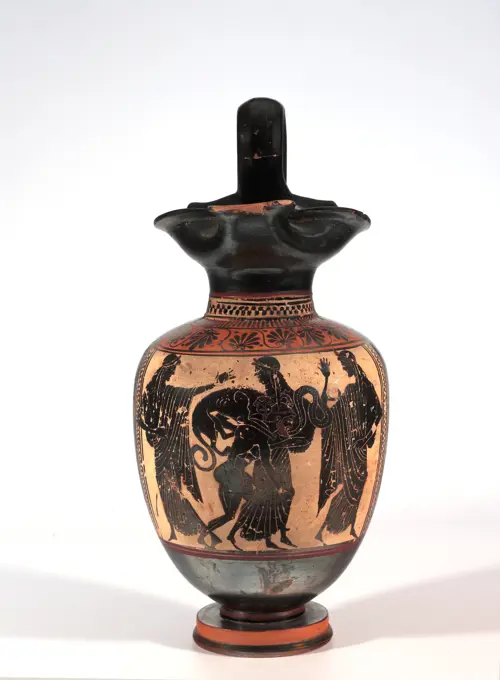
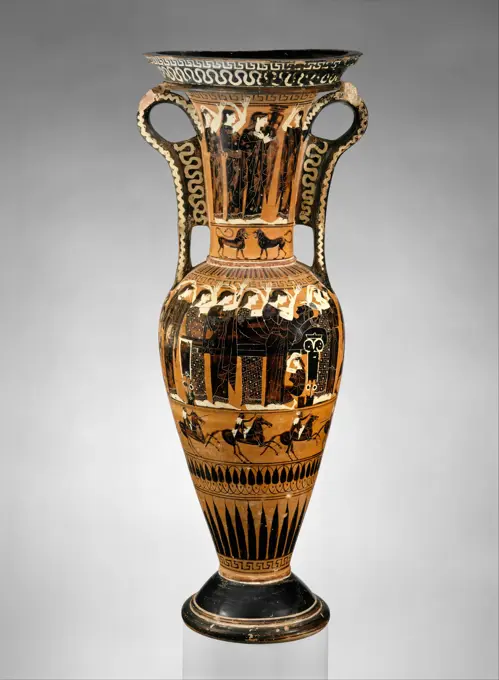
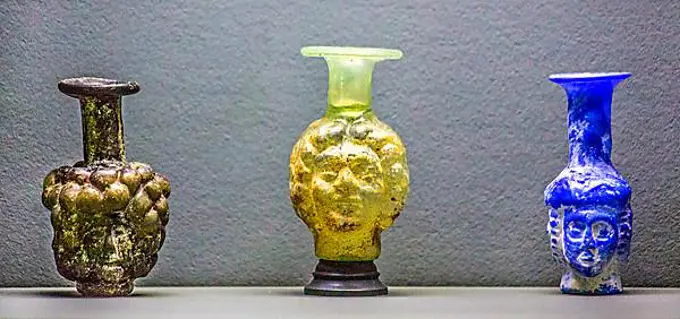
Elegant ancient Greek pottery, including perfume bottles and water jars, highlighting intricate designs and craftsmanship from various historical periods.

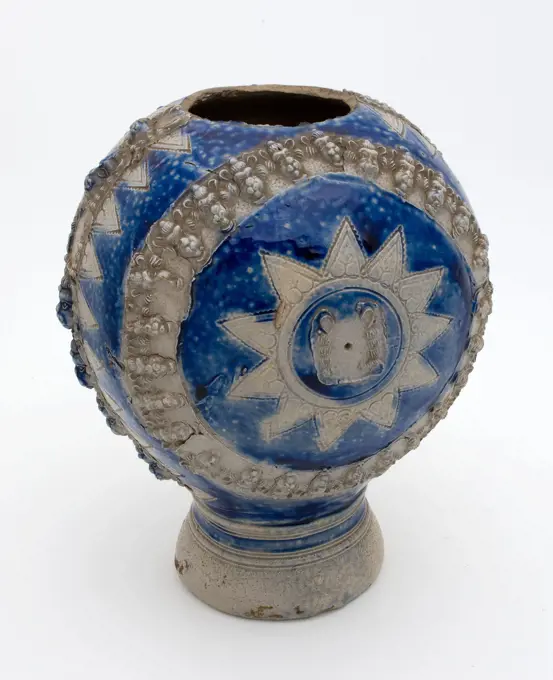
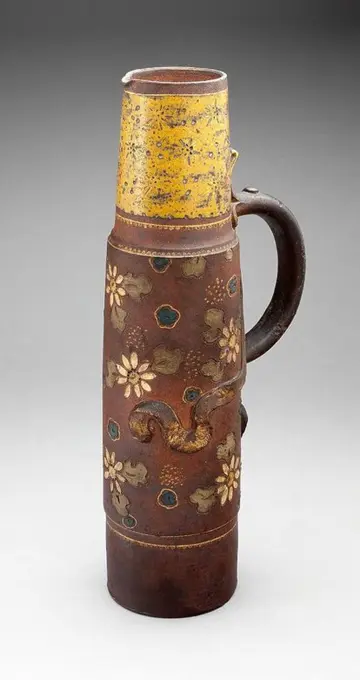
Stoneware jug with round neck appliqués, shoulder with band of plant motifs, cannnelures, dated, jug crockery holder soil find ceramic stoneware glaze salt glaze h 26.0, K (possible the initials of the maker of the mold) archeology import pottery serve serve wine beer
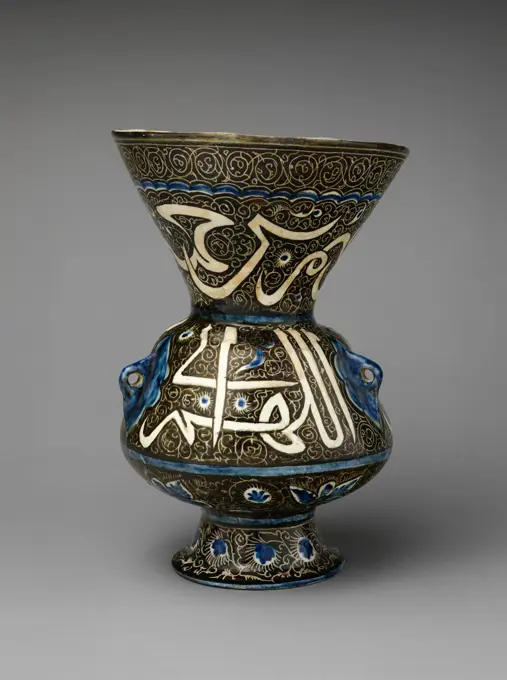
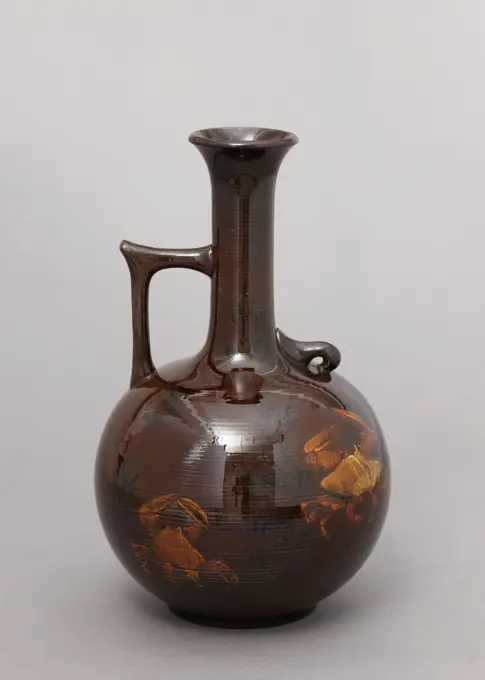
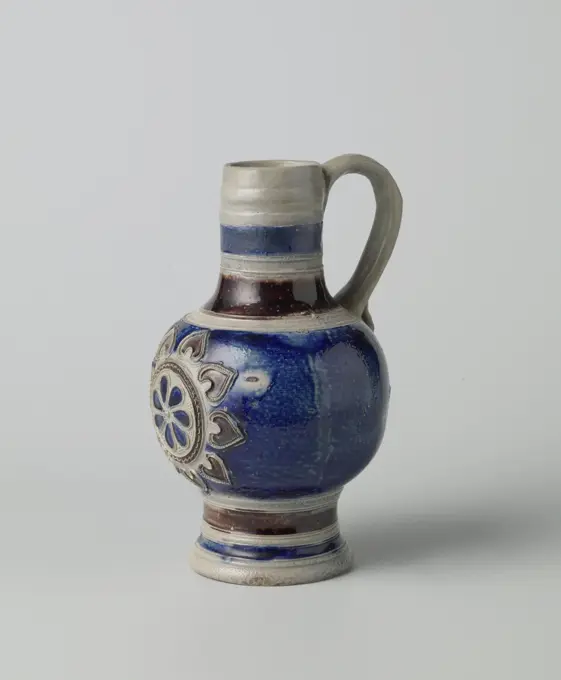
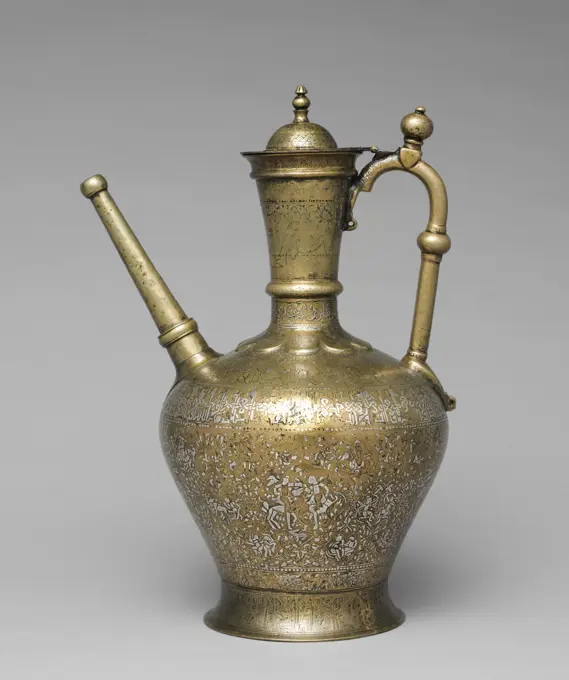
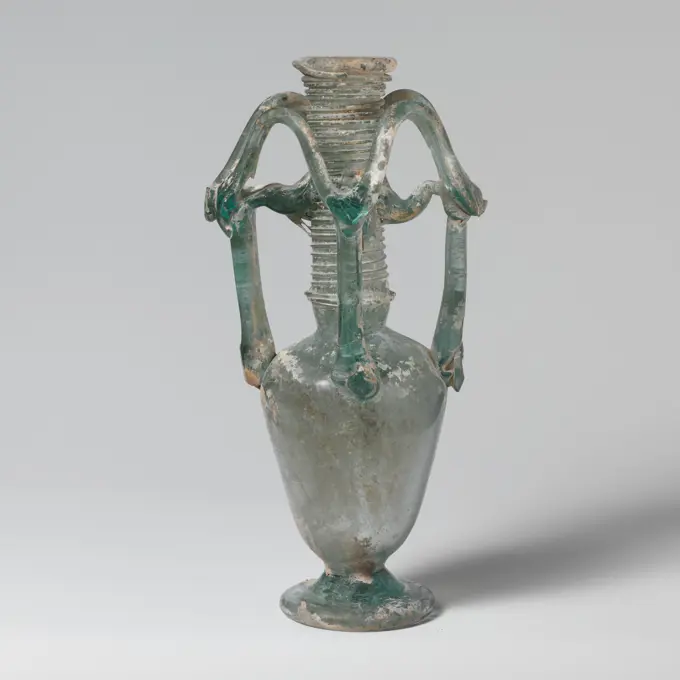
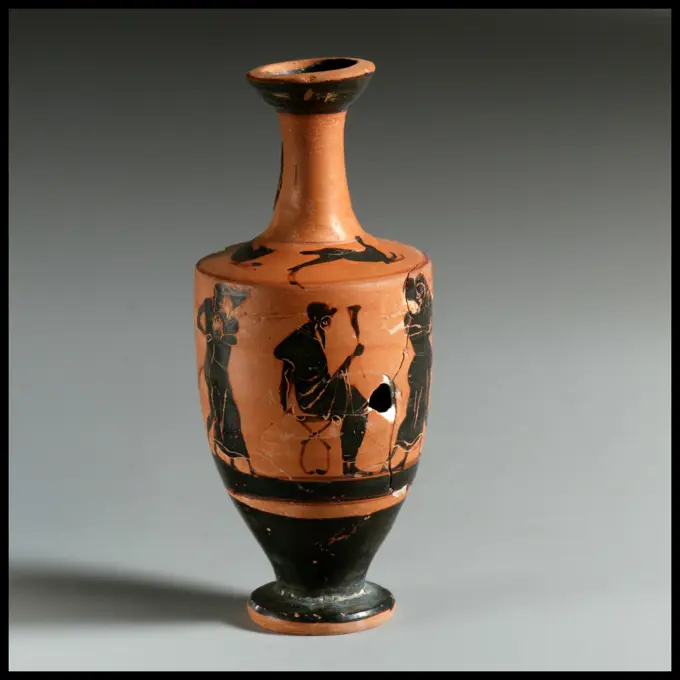
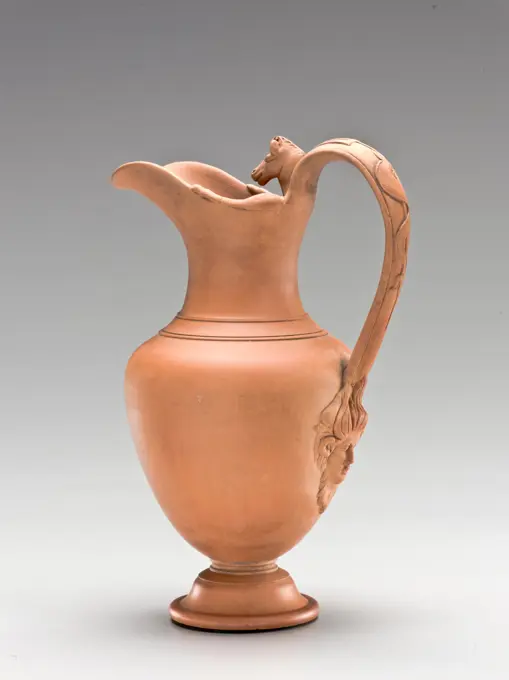
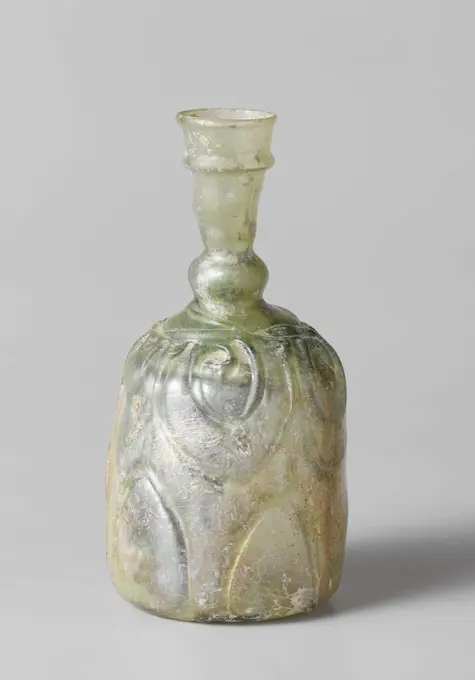
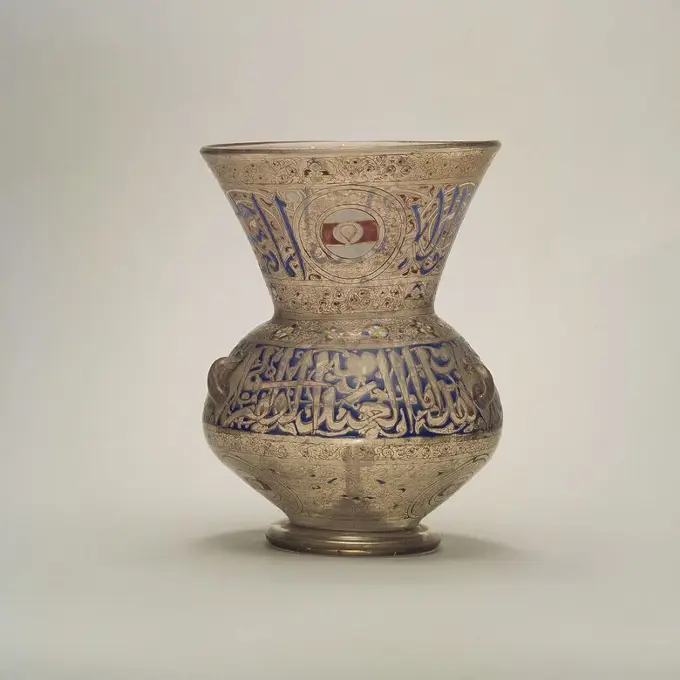
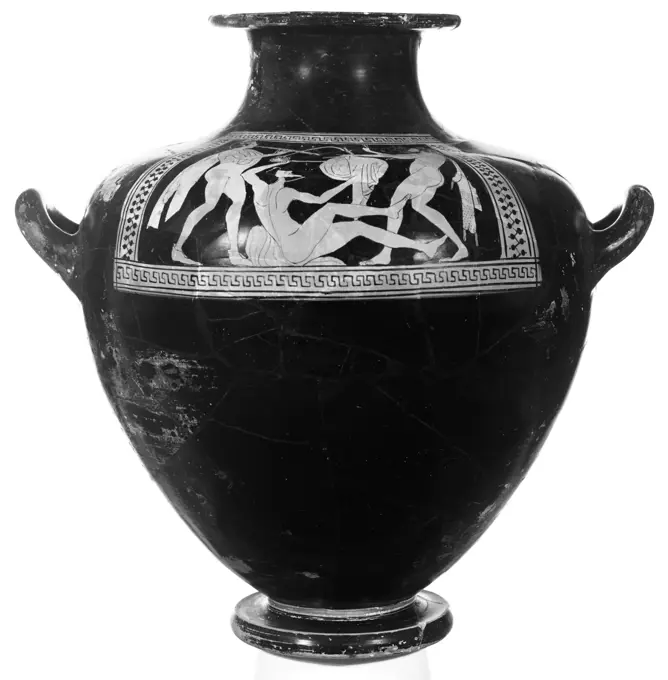
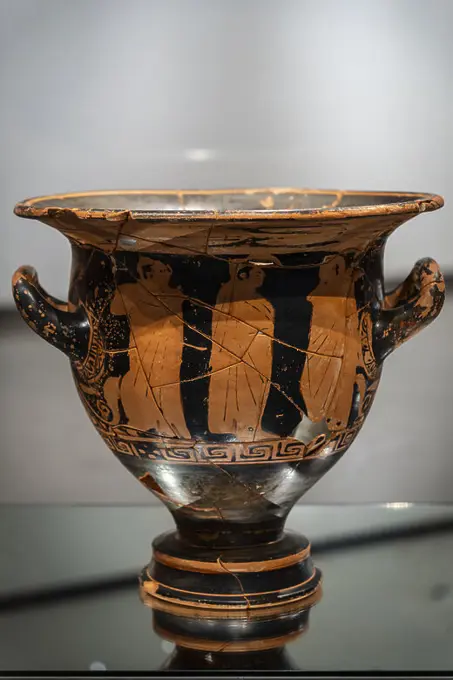
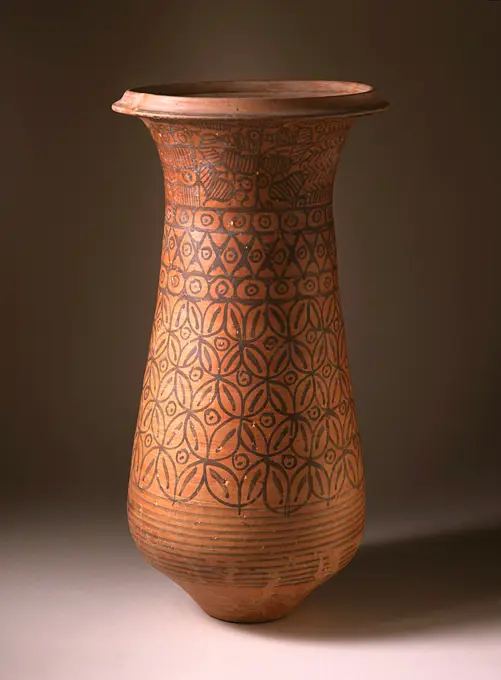
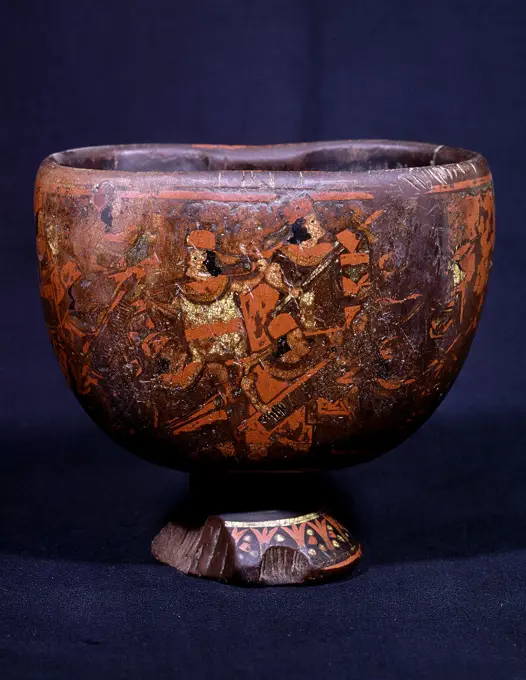
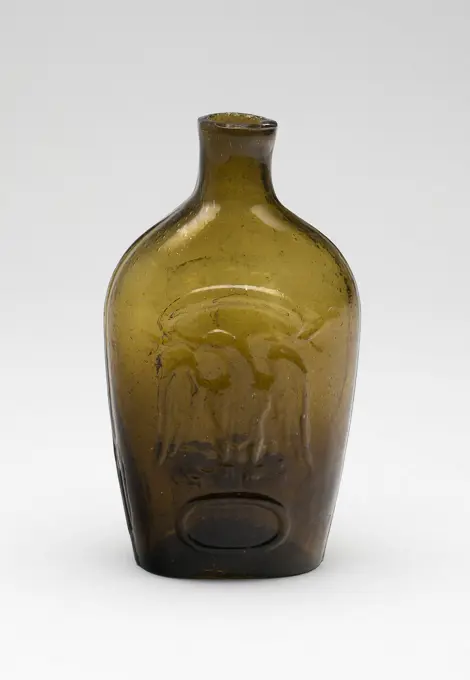
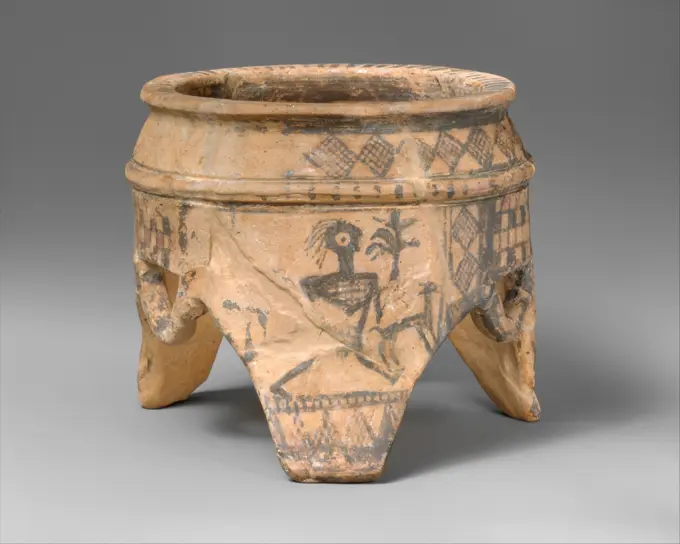
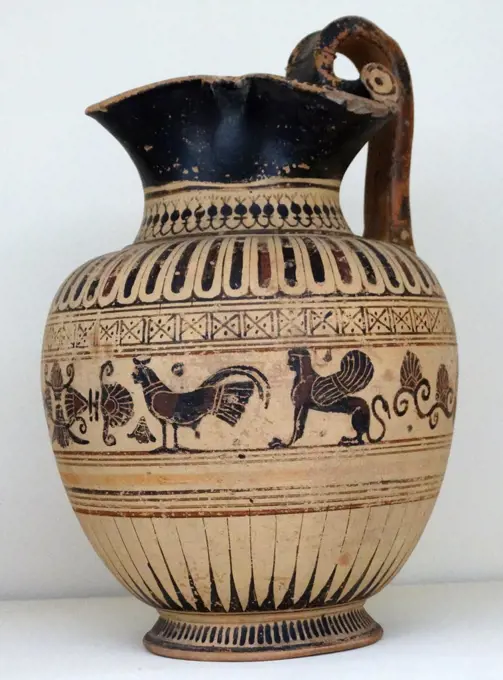
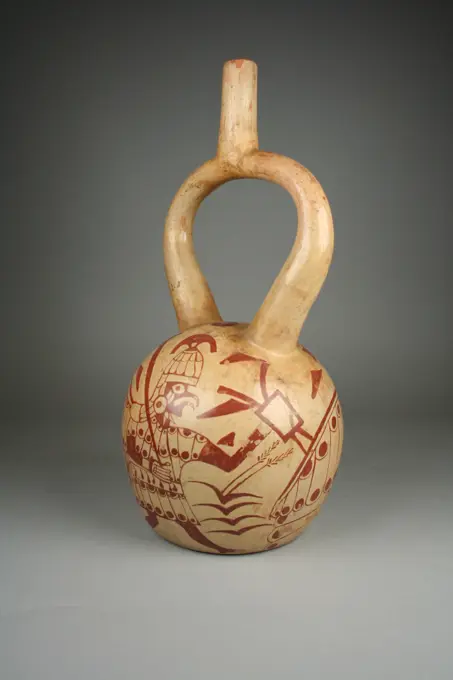
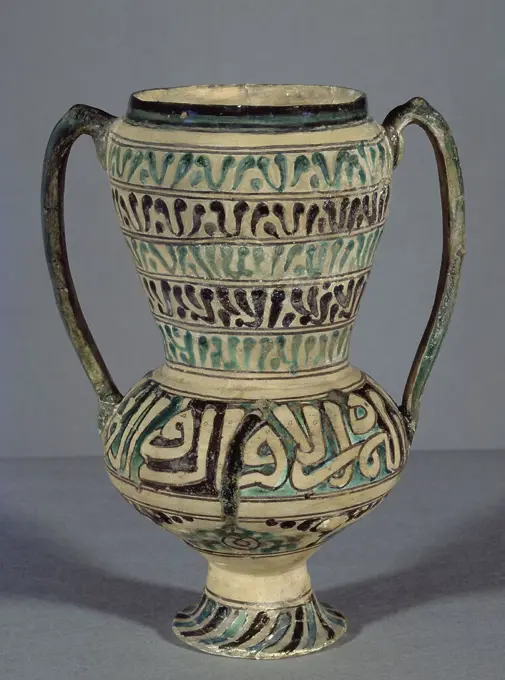
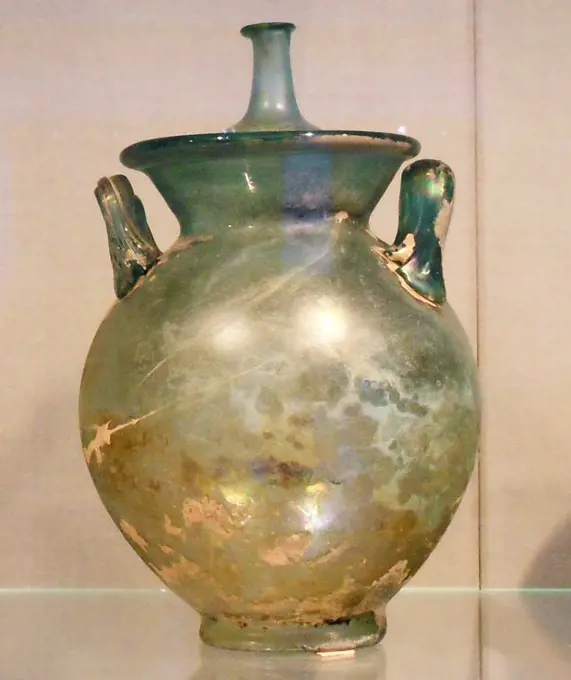
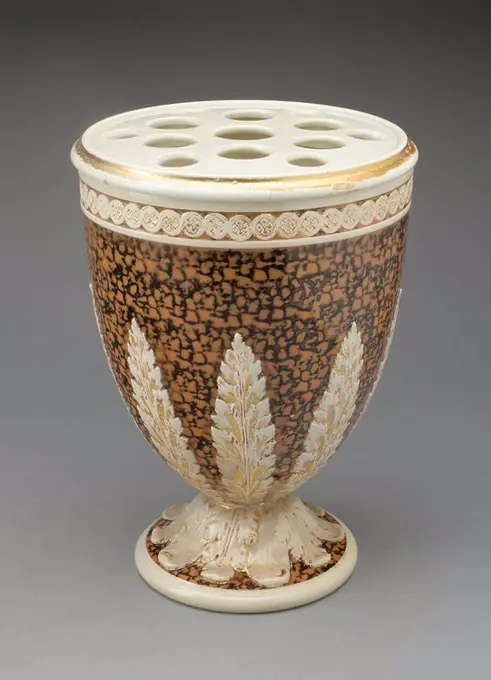
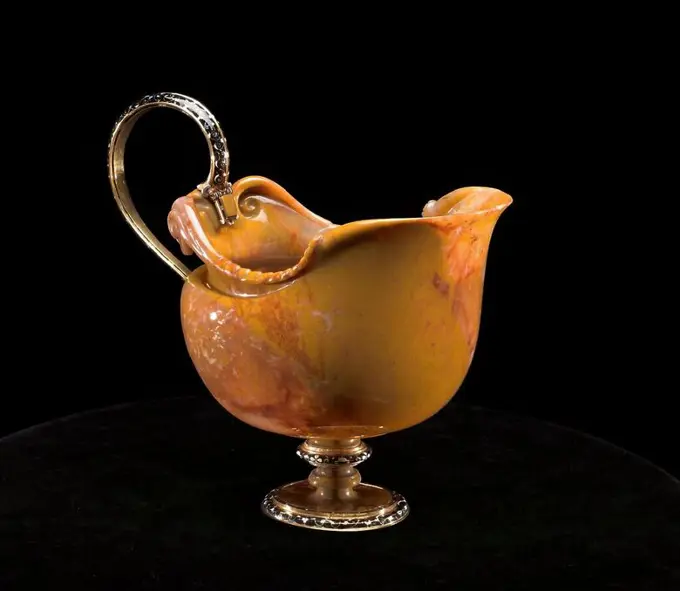
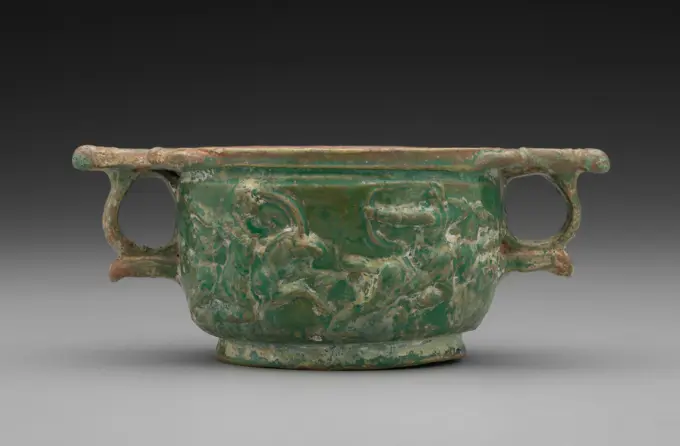
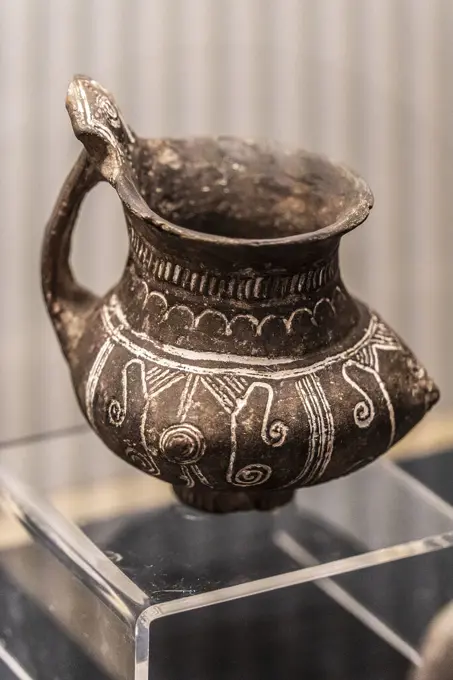
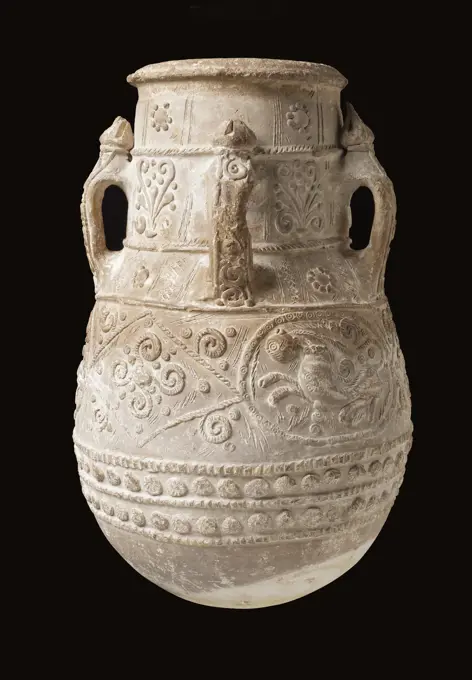
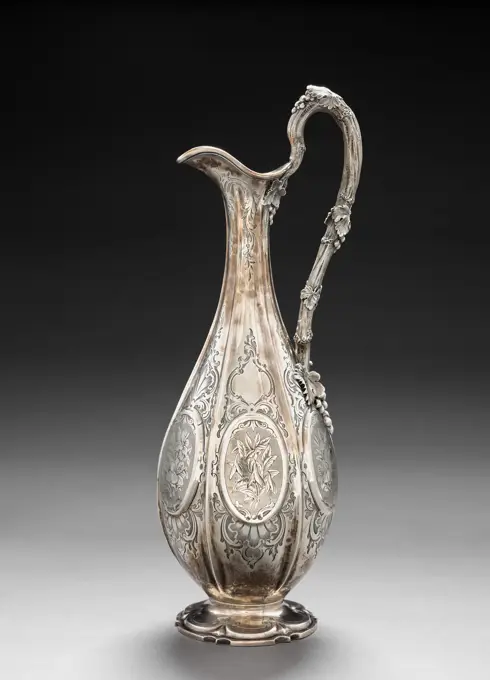
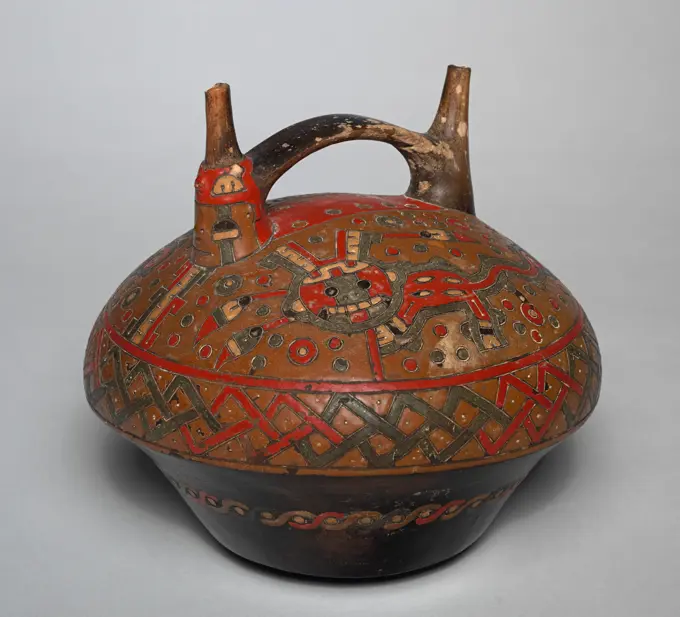
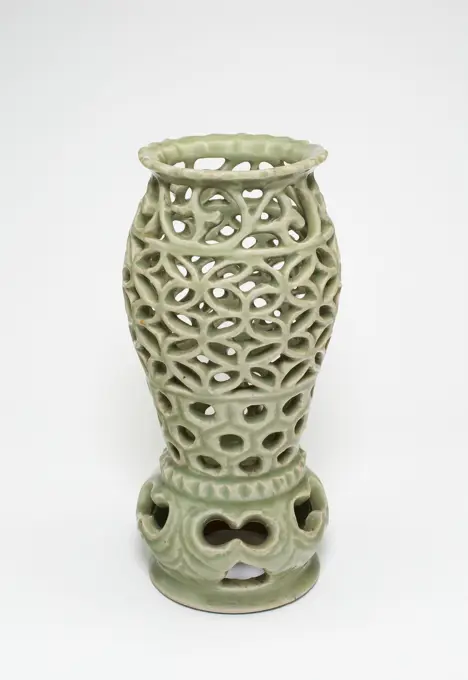
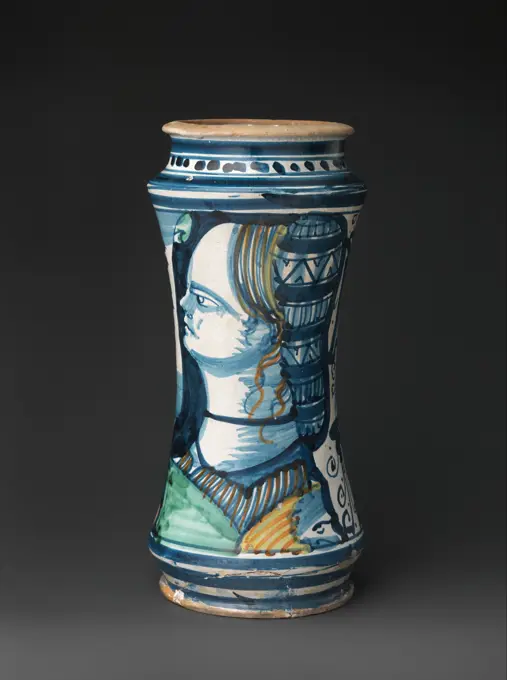
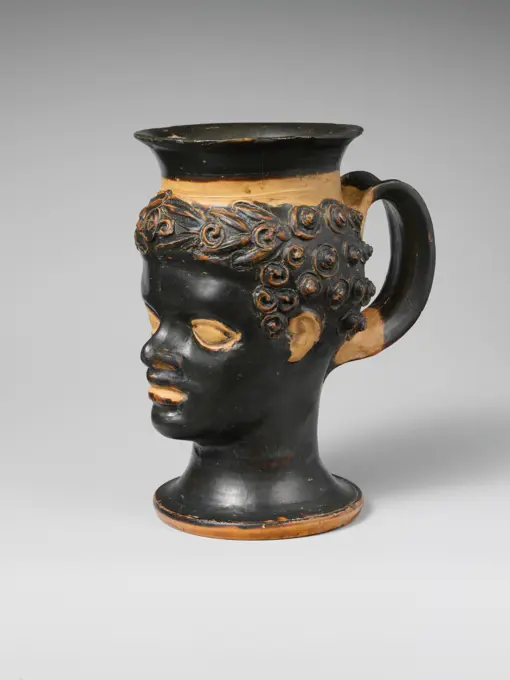
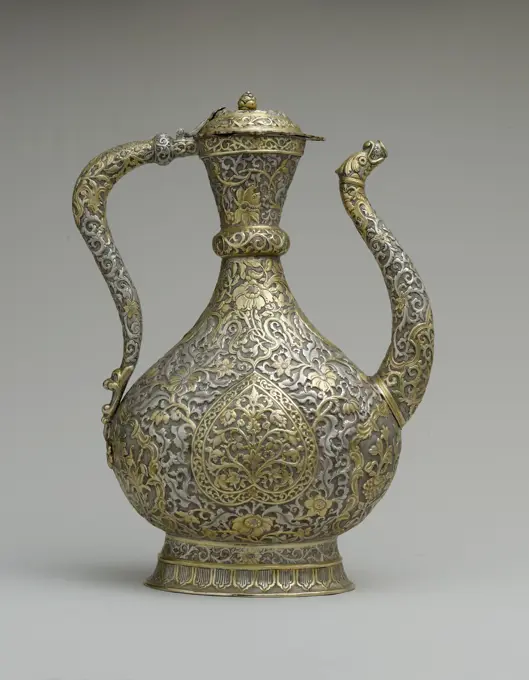
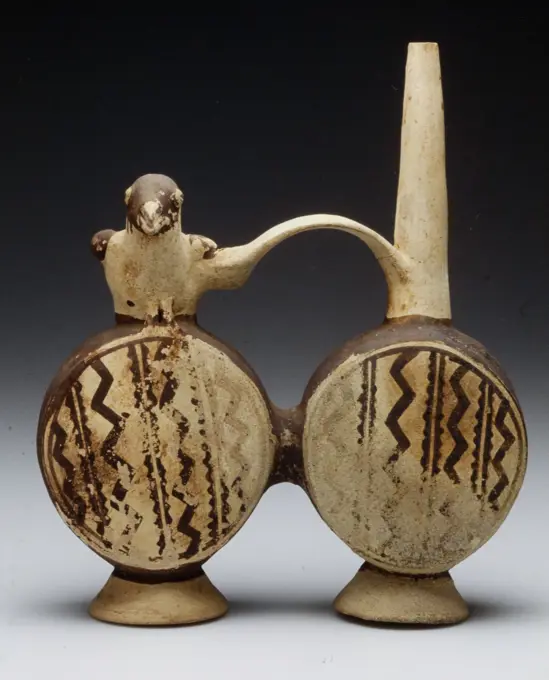
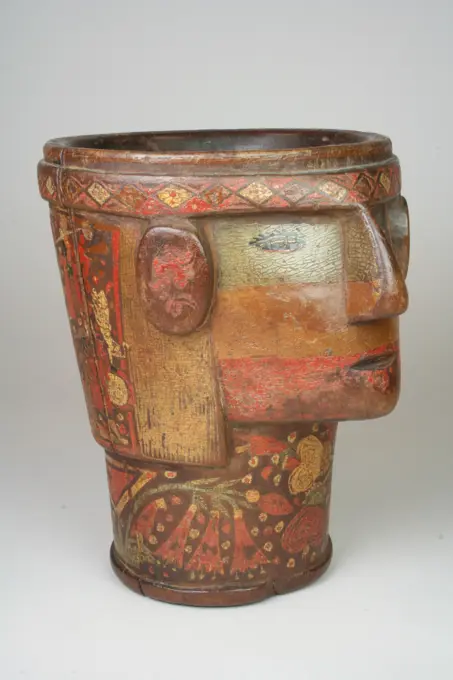
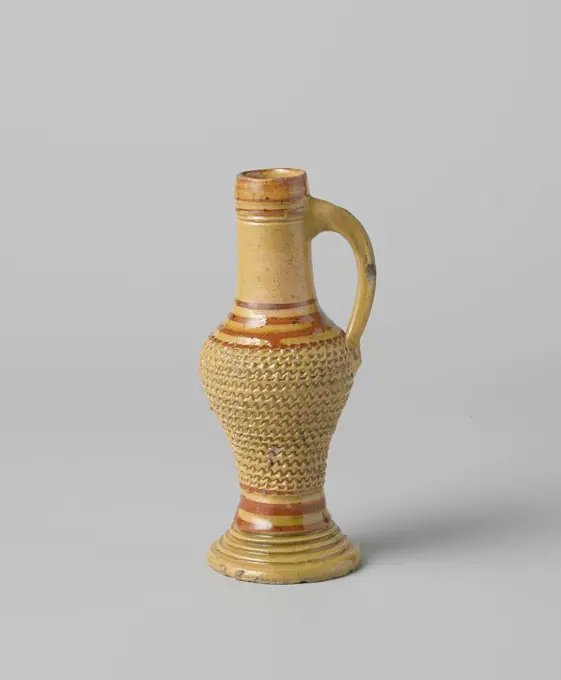
Can. Narrow, inverted pear-shaped can or jug of lead glazing pottery. The can have a high cylindrical neck, a C-shaped ear and a widely flared profiled foot. Horizontal red zig-saw lines are engraved in the abdomen.Sake bottle Japan Momoyama period (1573-1615) View more. Sake bottle. Japan. Nashiji lacquer with designs in gold and sliver. Momoyama period (1573-1615). LacquerCeramic Mosque Lamp 15th century Ibn al-Ghaibi al-Tabrizi Mosque lamps made of opaque, rather than translucent or pierced, materials functioned as symbolic ornaments rather than practical lighting devices. This piece bears a signature associating it with the famous workshop of Ghaibi, who was active in Syria and later in Egypt. The dense spirals etched through the black underglaze pigment are especially characteristic of Ghaibis wares.. Ceramic Mosque Lamp. 15th century. Stonepaste; polychrome painted under transparent glaze. Made in Egypt. CeramicsPitcher Pitcher; Designed by Laura Ann Fry (American, 1857 - 1943); Manufactured by Rookwood Pottery (United States); USA; earthenwareAmphora vase - with a retinue of the Greek gods; Koenigliche Porzellan Manufaktur (KPM; Berlin; 1763-1918); early XIX century (1800-00-00-1820-00-00);Athena (mitol.), Neptune (mitol.), Red -support decorations, anti -icing decorations, mythologyJug with a roundel in a medallion, anonymous, c. 1650 - c. 1724 Jug of stoneware on a high base with a bullet -shaped belly and narrow neck. The C-shaped ear is attached to the neck and shoulder. Some of the lines of the foot and the neck. Partly covered with horizontal tires in cobalt blue and mangan purple. On the abdomen a relief decoration with a printed and imposed medallion with a flower rosette. For the medallion stylized leaf motifs. Westerwald. Westerwald stoneware. glaze. cobalt (mineral). manganese oxide vitrification Jug of stoneware on a high base with a bullet -shaped belly and narrow neck. The C-shaped ear is attached to the neck and shoulder. Some of the lines of the foot and the neck. Partly covered with horizontal tires in cobalt blue and mangan purple. On the abdomen a relief decoration with a printed and imposed medallion with a flower rosette. For the medallion stylized leaf motifs. Westerwald. Westerwald stoneware. glaze. cobalt (mineral). manganese oxide vitrificVases, Bucchero ware (black pottery)Oinochoe. Culture: Greek, Attic. Dimensions: 7 1/16in. (18cm). Date: ca. 440-430 B.C.. Museum: Metropolitan Museum of Art, New York, USA.Luxury Ewer Extending Good Fortune to the Owner, 1223. Inscribed by Ahmad al-Dhaki al-Mawsili (Iraqi, Mosul, active early 1200s). Brass inlaid with silver; lid and base added later; diameter: 26.6 cm (10 1/2 in.); overall: 37.9 cm (14 15/16 in.); diameter of base: 14.5 cm (5 11/16 in.).Terracotta alabastron (perfume vase). Culture: Greek, Corinthian. Dimensions: H. 5 5/16 in. (13.5 cm). Date: ca. 620-590 B.C..PantherbirdComposite creatures figure prominently in Archaic Greek art. Some, such as sphinxes, sirens or griffins, are found throughout the Greek world. Others are favored in particular regions. The pantherbird, for instance, is popular in Corinth. Museum: Metropolitan Museum of Art, New York, USA.Vase. Wolff, Karol (fl. ca 1800), company owner, Bielino (manufaktura fajansu ; 1779-1800), factoryArabesques : mosquée de soultan Barqouq : lampe en verre émaillé (XIVe. siècle). Prisse d'Avennes, 1807-1879. Prisse d'Avennes, 1807-1879. Prints, Drawings. 1877. The Miriam and Ira D. Wallach Division of Art, Prints and Photographs: Art & Architecture Collection. Architecture, Islamic, Architecture , Egypt , Cairo, Art , Egypt , Cairo, Art, Islamic, Islamic decoration and ornament, Barquq, Sultan of Egypt, 1340 or 41-1399 , Homes and haunts, Enameled glass lamps, IslamicGlass flask with elaborate looped handles 5th-6th century A.D. Roman, Syrian Translucent blue green; handles and trails in same color.Thick rim folded out, over, and in, flattened on top; tall, slightly concave neck, with tooling indent around base; sloping shoulder; side tapering downwards and curving in to low, conical pedestal; tubular base with rounded edge, made by folding; kick in bottom with circular pontil scar; four rod handles applied in claw pads over trail decoration to middle of neck, drawn out, turned down vertically, and trailed off on top edge of body; four trails attached to handles at point where they bend down, drawn across from left to right in a large upward loop, and applied to top of next handle.Single trail applied in a small pad near base of neck, drawn up and wound round in a spiral 27 times, ending at rim.Intact; some bubbles in handles; dulling, limy encrustation, and small patches of iridescent weathering.. Glass flask with elaborate looped handles 256698Stamnos;  VI century BC (-600-00-00--501-00-00);Lekythos 4th century B.C. Greek, Attic. Lekythos. Greek, Attic. 4th century B.C.. Terracotta; black-figure. Late Classical. VasesPitcher ca. 1875-89 Chelsea Keramic Art Works The Chelsea Keramic Art Works was the first American ceramics firm to designate itself an "art pottery." It was founded in Chelsea, Massachusetts, by members of the Robertson family, all of whom had honed their skills in the ceramics industry in Britain before coming to this country. An early specialty of the firm was the reproduction of Ancient Greek pottery made fashionable by such English tastemakers as Charles Locke Eastlake. Especially well-received I the United Sates were the Greek style wares exhibited at the 1876 Centennial Exhibition in Philadelphia by the Copenhagen firm of P. Ipsens Enke. Chelsea's rich red clay was particularly well suited to Greek designs. This finely potted redware pitcher copies a well-known metal pitcher that had been excavated at Pompeii and was frequently reproduced at the time for the tourist trade. Chelsea interpreted the form in red bisque (here) and glazed versions (2018.294.30). They and the Roman modJug with Running Animals, 1150-1220. Iran, probably Kashan, Seljuq period of Iran (1037-1194). Fritware with design in carved and underglaze-painted slip ("silhouette" ware); overall: 13 x 14 cm (5 1/8 x 5 1/2 in.); diameter of rim: 8.9 cm (3 1/2 in.).Terracotta oinochoe (jug). Culture: Greek, South Italian, Apulian, Canosan. Dimensions: H. 7 1/16 in. (18 cm). Date: ca. 350-330 B.C..Decorated with ivy vine. Museum: Metropolitan Museum of Art, New York, USA.. Light green bottle with a hollow bottom, a slightly rejuvenating body and an outlying neck with a swelling above the body and an edge under the lip. The bottle is decorated with glass wires arranged in loops on the body.Ewer 19th century, after 16th century original British, after Italian original This electrotype is after a sixteenth-century original in the Victoria and Albert Museum, London, at the time of reproduction.. Ewer. British, after Italian original. 19th century, after 16th century original. Gilt bronze or brass. Metalwork-ElectrotypeMosque Lamp of Amir Ahmad al-Mihmandar. Dimensions: H. 10 1/2in. (26.7cm)Max. diam. 8 3/16 in. (20.8 cm). Date: ca. 1325.According to its inscription, Ahmad al-Mihmandar (d. 1332) donated this lamp--probably one of several-- to the madrasa that he erected in Cairo in 1324-25. His blazon, a white disk charged with a gold shield against a red bar, appears six times, amid a Qur'anic inscription on the neck (Sura 9:18) and against dense foliage on the underside. Museum: Metropolitan Museum of Art, New York, USA.Spain, Ibiza, Neo-punic style vase with inscriptionsLead-Glazed Skyphos. UnknownAttic Red-Figure Hydria.the hero and the goddess, bell crater from the funerary chamber of Prince Iltirtiiltir, 4th century BC, necropolis of Piquia, Arjona, Iberian culture, Iberian Museum of Jaén, Andalusia, Spain.Ceremonial Vessel. Southern Pakistan, Indus Valley Civilization, circa 2600-2450 BCE. Furnishings; Serviceware. Earthenware with ceramic paintKero (jar) representing the conflict between the Inca warriors and the Spanish soldiers. Madrid, Museum of America. Location: MUSEO DE AMERICA-COLECCION. MADRID. SPAIN.Flask c 1846-1862 New Hampshire. Glass . Granite Glass WorksTerracotta tripod ca. 1050-950 B.C. Cypriot The lozenge and checker motifs evoke the openwork of bronze furnishings. Two of the three legs have figural motifs: a man between two fish and another between two small quadrupeds. This decoration associates the piece with four-sided bronze stands that were made on Cyprus at the very end of the Bronze Age and that combine indigenous and Aegean iconography. Decorated ceramic tripods also preserved features that were adopted in Attic Geometric pottery.. Terracotta tripod 240023Blue Head Flask; Eastern Mediterranean; 4th - 5th century; Glass; 17 cm (6 11,16 in.)Terracotta squat lekythos (oil flask). Culture: Greek, Attic. Dimensions: H.: 4 1/2 in. (11.4 cm). Date: 5th century B.C..Bust of Athena and olive sprigThe decoration of this little vase includes two of the characteristic symbols of classical Athens--a bust of Athena, the patron goddess of the city, and a sprig of olive, Athena's gift to the city. It would be appropriate indeed for an oil flask to bear these two images. Museum: Metropolitan Museum of Art, New York, USA.Bowl. Dimensions: H. 2 15/16 in. (7.5 cm)Diam. 5 7/8 in. (14.9 cm). Date: 15th century.Although true Chinese blue-and-white porcelain was available to elite members of Timurid society, local imitations in stonepaste were popular among the wider public. Modeled after a bowl from Ming China in both decoration and shape, this thin-walled stonepaste example has a three-clawed dragon running along its exterior. Its interior is decorated with a single flower composed of seven small dots in blue and black. Museum: Metropolitan Museum of Art, New York, USA.Shallow tripod bowl, 8th century, 4 7/8 x 7 15/16 x 7 15/16 in. (12.4 x 20.2 x 20.2 cm), Clay, pigments, Nicaragua, 8th centuryTerracotta straight-sided cup ca. 1750-1600 B.C. Minoan Decorated with spiral ornament in white.. Terracotta straight-sided cup. Minoan. ca. 1750-1600 B.C.. Terracotta. Middle Minoan IIIA-B. VasesWine-jug decorated with a siren and sphinx. Laconia, Greece. Dated 550 BCBlack-vernished Crater (a vessel for mixing wine with water). unknown, authorBird Warrior Bottle 4th-7th century Moche This ceramic bottle depicts two hawk warriors shown in profile, one on each side of the vessel. Created by artists of ancient Perus Moche culture, the bottle was painted in a style known as “fineline,” so-called for the detailed compositions delicately rendered in red slip (a suspension of clay and/or other colorants in water) on a white background. Dressed in warrior regalia, the two anthropomorphized hawks have arms and legs in addition to magnificent wings. The figures wear a helmet, tied under the chin, surmounted by a crescent finial and an element that extends down the back. One figure, pictured here, wears a tunic and helmet with a pattern suggesting feathers, and the comma-shaped designs on the belt may represent a type of fruit called ulluchu (McClelland, 2008). The other figure is similarly attired, but the helmet and the lower portion of his tunic are distinguished by a step design. Both figures wear circular ear spools, and, extendJARRA NAZARI DE CUERDA SECA CON DECORACION EPIGRAFICA NASJI - SIGLO XIV-XV (OTRA VISTA EN 80084). Location: ALHAMBRA-MUSEO-CERAMICA. GRANADA. SPAIN.Granzioli” Vase.   Maker: Antonio Salviati, Italian, 1816-1890Vase. unknown, craftsmanMilk jug, copper, silver, 8-sided helmet-shaped body with tall looped handle, splayed 8-sided foot; embossed vertical fluting around body, under spout a bright-work octagonal shield with leaf motif, thin reeding around upper edge., Sheffield, England, ca. 1790, metalwork, Decorative Arts, Milk jugTerracotta lebes (deep bowl) ca. 450-425 B.C. Greek, Attic At symposia (drinking parties) and other occasions, vases were wreathed with tendrils or stems of various plants. Ivy and grapevines were most common. During the fifth century B.C., laurel and myrtle were popular as well.. Terracotta lebes (deep bowl) 247951Ewer 1875 Made by Ferdinand Barbedienne French Inscribed with the names of Attarge, Barbedienne, and its designer, Constant Sévin (1821-1888). Barbedienne, known for his bronze castings of sculpture, also supported a staff for the production of original work in the precious metals.. Ewer. French, Paris. 1875. Silver gilt. Metalwork-SilverVASO DE MAZZARA DEL VALLO - SIGLO XV - CERAMICA NAZARI - LLAMADO JARRON DE LA ALHAMBRA. Location: INSTITUTO VALENCIA DE DON JUAN-COLECCION. MADRID. SPAIN.Stoneware strong on round foot, round and oval model with star and wreath of lion heads, strongan jug crockery holder soil find ceramic stoneware glaze salt glaze, hand turned stamped molded glazed baked Stoneware jug gray shard with salt glaze bandoor with curled tail profiled foot archeology Rotterdam City Triangle Delftware import pottery pour serving drinks wine beer archaeological find in the soil Rotterdam; everything excavated and found at the partial reclamation of the Delftse Vaart here for the purpose of making the lift over that canal in the summer of 1928.Bottle Late Period 664-332 B.C. View more. Bottle. 664-332 B.C.. Glass. Late Period. From Egypt. Dynasty 26-30Glass cinerary urn with lid. Roman 1st century A.D.Teapot with flower sprays, anonymous, c. 1800 - c. 1825 Teapot of stoneware with a printed egg -shaped body and the spout perpendicular to the ear, covered with a brown glaze and painted on the glaze with a white sludge. On the shoulder a wide band with flower branches and mushrooms (Lingzhi) . Japan stoneware. glaze painting / vitrification Teapot of stoneware with a printed egg -shaped body and the spout perpendicular to the ear, covered with a brown glaze and painted on the glaze with a white sludge. On the shoulder a wide band with flower branches and mushrooms (Lingzhi) . Japan stoneware. glaze painting / vitrificationFlower Vase. Wedgwood Manufactory; England, founded 1759. Date: 1785-1800. Dimensions: H. 23.1 cm (9 1/8 in.); diam. 16.5 cm (6 1/2 in.). Stoneware (creamware) with polychrome enamels and gilding. Origin: Burslem. Museum: The Chicago Art Institute, Chicago, USA.Tea Bowl With a Running Horse. Tea bowl of stoneware, partly covered with a green glaze and painted in underglaze blue. The outside of the bowl is with structure on which a pole with a rope in which a Galloperd or flying horse is applied. Somayaki.Workshop of the Miseroni; Jan Vermeyen (Workshop of) / 'Jasper helmet-shaped ewer'. Ca. 1600. Enamel, Jasper, Gold. Museum: Museo del Prado, Madrid, España.Lead-glazedSkyphosVessel, ceramics, Chalcolithic, fifth millennium BC,, Novo Selo, Vidin region, Bulgarian National Archaeological Museum, Sofia, Republic of Bulgaria, Europe.Stein (small beer mug). Kreussen (ośrodek ceramiczny ; XVII-XIX w.), factoryJar 6th-10th century Wari. Jar 317831PEREGRINA VIDRIADA Y DECORADA CON FORMAS GEOMETRICAS-S XX ARTE POPULAR. Location: ALFARERIA. CASTELLAR DE SANTIAGO. CIUDAD REAL. SPAIN.Water Jar (habb). Iraq, 11th-12th centuries. Ceramics. Earthenware, applied and incised decorationPitcher, c. 1870-80. Elkington & Co. (British). Silver; overall: 36.6 x 12.4 x 13.7 cm (14 7/16 x 4 7/8 x 5 3/8 in.).FuneraryVaseCeremonial vessel. Decorated with naturalistic motifs in the form of maize ears. Nazca Culture. Early Intermediate Horizon (1-600 AD). Peru. Ceramics. Museum of the Americas. Madrid, Spain. Double-spouted Vessel, 750-1 BC. Andes, south coast, Paracas people. Ceramic, resin-based paint; overall: 19.7 x 20.7 cm (7 3/4 x 8 1/8 in.). The Paracas style, the earliest of Perus south coast, focuses on geometric abstraction and polychromy, the latter achieved in ceramics with resin-based paints applied after the vessel was fired. This example is embellished with two monkey- or feline-like creatures whose curvilinearity indicates the vessel was made in the late stages of the Paracas sequence.Openwork Braizer or Incense Stick Holder 1365-1499 China. Longquan ware; celadon-glazed stoneware with carved decoration .Situla (Bucket for Holy Water) with Saint Peter and Other Saints, Probably Apostles ca. 1200-1225 French. Situla (Bucket for Holy Water) with Saint Peter and Other Saints, Probably Apostles 464475Beaker with Applied Decoration. Anatolia, Pergamon, late 2nd-early 1st century B.C.. Furnishings; Serviceware. CeramicBlack-figured amphora, 8th Century, ceramic,Excerpt of a dish with deep soil, reddish -yellow shard, a rosette in the middle compartment, in blue and orange on white soil, geometric figures on the edge and a blower in white, blue and orange, anonymous, 1200 - 1899 Excerpt of a dish with deep soil, reddish-yellow shard, a rosette in the middle compartment, in blue and orange on white soil, on the vertical part of the edge a track with vertical white lines (Bianco Sopra Bianco) on which blue ornaments above one Orange edge, on the horizontal part of the edge a track with geometric figures in Bianco Sopra Bianco, here around a blower wreath in orange with blue drawing, on the outside petal motif in blue and orange Italy earthenware Excerpt of a dish with deep soil, reddish-yellow shard, a rosette in the middle compartment, in blue and orange on white soil, on the vertical part of the edge a track with vertical white lines (Bianco Sopra Bianco) on which blue ornaments above one Orange edge, on the horizontal part of the edge a trackBeaker 1713-14 French, Paris. Beaker. French, Paris. 1713-14. Gilded silver. Metalwork-SilverKo-Tze late 19th century Chinese. Ko-Tze 502247Vase 1894 England. Salt-glazed stoneware . Martin BrothersLouis-Joseph Thomas. "Cup". Money. 1801-1809. Museum of Fine Arts of the City of Paris, Petit Palais. 74382-19 Money, silverware, gobletPharmacy jar (albarello) ca. 1530-60 Italian, probably Naples district or Vietri sul Mare Very similar female profiles are painted on the fronts of these jars (see also 41.100.269), while the backs are decorated with simpler vegetal motifs.. Pharmacy jar (albarello) 198777Lazio Viterbo Viterbo Museo Civico81. Hutzel, Max 1960-1990 Views of paintings (Middle Ages through 18th c.), frescoes, a tabernacle, coffin, sculpture reliefs, portal fragments, busts, sculpture, tapestry found in the Pinacoteca, Second floor gallery and Second floor cloister sequences. Antiquities: Many views of Etruscan and Roman fragments, sculpture, sarcophagi, pottery, masks, jewelry and other objects found in the Storeroom sequence (inventory numbers on back of prints), and the Cloister, Second floor Cloister, Valle Giulia, Sala Romana and Sala Etrusca sequences. General Notes: There are eight separate numerical sequences for this location. The cloister as an architectural structure, rather than museum site, is documented in the record and file for S. Maria della Verita, Cloister, all views of which are stored in Medieval core collection. Five views from the Museo Civico Second floor cloister sequence are stored in Medieval. German-born photographer and scholar Max Hutzel (1911-Very old style clay ewer water jar in viewRoman earthenware jug in the form of grotesque face. 3th cent. AD. Italy.Oinochoe white -bonded with the presentation of the Peleus's fight with the tetyd, On the sides of the Nereid; Painter's group Athena; 490-460 BC (-490-00-00--460-00-00);Działyńska, Izabela (1830-1899), Działyńska, Izabela Elżbieta née Czartoryski (1830-1899)-collection, Działyński, Jan (1829-1880), Greece, Peleus (Mitol.), Portales, James (1776-1855)-collection , table vesselsARTE IRANI-COPA DE COBRE CON BAÑO DE ESTAÑO-GRABADO REHUNDIDO CON ESCRITURA NESJI FLOREADA. Location: MUSEO ARQUEOLOGICO NACIONAL-COLECCION. MADRID. SPAIN.JARRO DE ARCILLA ROJA VIDRIADA Y PINTADO EN BLANCO CCON COPA-ARTE POPULAR. Location: ALFARERIA. SPAIN.Pitcher. Culture: American. Dimensions: H. 7 3/4 in. (19.7 cm). Date: ca. 1850. Museum: Metropolitan Museum of Art, New York, USA.Terracotta loutrophoros (ceremonial vase for water) late 6th century B.C. Greek, Attic Prothesis (laying out of the dead); below, horsemenOn the neck, mournersLoutrophoroi were used to fetch water for the bridal bath and for certain funerary rites. This vase may have been used in rituals at the grave, for it was made with no bottom so that offerings poured into it could reach the dead under ground. It is decorated with scenes of the ceremonies that preceded burial. On the shoulder of the vase, a dead youth lies on a high couch, surrounded by grieving women-his relatives and perhaps professional mourners. Their hair has been cut short as a sign of mourning, and they make the traditional gestures of lamentation. Their open mouths indicate that they are singing a funeral song. On either side, men walk in procession with their right arms raised and their mouths open, also in funeral lament. Below, horsemen similarly gesture with their arms. Above, on the neck, is another group of mourning GERRETA U ORSETA HECHA A MOLDE Y PINTADA CON MILANOS Y FLORECILLAS - MANISES - SIGLO XV-XVI. Location: INSTITUTO VALENCIA DE DON JUAN-COLECCION. MADRID. SPAIN.Tall Vase. Iran, no date. Furnishings; Accessories. SilverScoopTerracotta mug in the form of a black African boy's head late 4th century B.C. Etruscan This boy wears an olive-leaf wreath decorated with a central medallion.. Terracotta mug in the form of a black African boy's head 254849 Etruscan, Terracotta mug in the form of a black African boy's head, late 4th century B.C., Terracotta, H. 6 in. (15.2 cm). The Metropolitan Museum of Art, New York. Gift of El Conde de Lagunillas, 1956 (56.49.2)Kantharos in the form of two heads. Culture: Greek, South Italian, Campanian. Dimensions: 7 3/4in. (19.7cm). Date: late 5th century B.C.. Museum: Metropolitan Museum of Art, New York, USA.Animal Effigy Vessel, 1000-1550. Costa Rica, Southern Nicoya region, Pataky Polychrome style, 11th-16th century. Earthenware with colored slips; overall: 29.5 x 22.1 x 29.8 cm (11 5/8 x 8 11/16 x 11 3/4 in.).Ewer 19th century Objects like this ewer were typically displayed in open niches in reception rooms of upper-class Syrian residences during the Ottoman period. Ewer. 19th century. Silver; partially gilded. Attributed to Armenia. MetalStirrup Spout Bottle with Felines. Culture: Salinar (). Dimensions: Height 7-1/2 in. (19.1 cm). Date: 1st century B.C.-A.D. 2nd century. Museum: Metropolitan Museum of Art, New York, USA.Bowl with Abstract and Geometric Designs 600 CE-900 CE Mexico. Ceramic and pigment . JaliscoGlobular Aryballos with a Boar. UnknownWhistling Huaco, one of a pair, 11th-15th century, 9 1/2 x 8 x 4 in. (24.1 x 20.3 x 10.2 cm), Earthenware, Peru, 11th-15th centuryJar. Culture: China. Dimensions: H. 9 1/2 in. (24.1 cm). Date: 16th century or later. Museum: Metropolitan Museum of Art, New York, USA.Kero late 17th century Quechua The painted faces on keros of this type indicate that they are meant to represent the forest-dwelling Anti. The eastern slopes of the Andes, descending to the tropical forest of the great river basins, were populated by this ethnically separate group, also called Chunchos and considered savages by the inhabitants of the Incan Eempire in the high plateaus and the Pacific coast.Despite their resemblance to face beakers of the Precoluombian era, keros shaped in the form of human heads are widely believed to have evolved in a later colonial phase; the "free-style" images that frequently wrap around the backs come far closer to European narrative form in their arrangement than do the rigid depictions of humans on early colonial keros. Here the scene on the back depicts a procession of several figures in Spanish attire: two attendants follow an official who is preceded by two small musicians (one above the other) playing a trumpet and drum.The overall message, Tripod Plate 9th-10th century Maya Referred to by archaeologists as slateware, this ceramic vessel is a variety that was especially popular in northern Yucatan in the centuries around the turn of the second millennium A.D. The subdued colors of slateware, ranging from pale beige-whites to soft grays, are in marked contrast to the vibrant Maya polychrome ceramics of earlier times. As in this example, the decoration is often restrained. The image that adorns the inner surface of this tripod plate recalls the Mesoamerican rain deity with his round goggle eyes and toothy mouth. Applied with a fluid, spontaneous brushstroke, the viscosity of the "trickle" paint causes it to run when first applied, contributing to the organic nature of the painted motif.. Tripod Plate 316304Cup, 1827. Sèvres Porcelain Factory (French, est. 1756), Pierre Huard (French). Porcelain; overall: 8.2 x 10 cm (3 1/4 x 3 15/16 in.). The 19th-century decorator of this cup embellished it with motifs from different eras, including portrayals of three ancient Frankish or French kings, surrounded by later Gothic style decoration.Ewer. Designed by Ernest Chaplet; French, 1835-1909; Made by L'Atelier Haviland de la rue Blomet; Auteuil, Paris, 1882-1886. Date: 1885. Dimensions: H. 30.6 cm (12 1/16 in.). Enameled stoneware. Origin: Auteuil. Museum: The Chicago Art Institute, Chicago, USA.Emilia-Romagna Ferrara Ferrara Museo Civico di Schifanoia89. Hutzel, Max 1960-1990 General Notes: INCOMPLETE RECORD--NEGATIVES PROCESSED, PRINTS FILED German-born photographer and scholar Max Hutzel (1911-1988) photographed in Italy from the early 1960s until his death. The result of this project, referred to by Hutzel as Foto Arte Minore, is thorough documentation of art historical development in Italy up to the 18th century, including objects of the Etruscans and the Romans, as well as early Medieval, Romanesque, Gothic, Renaissance and Baroque monuments. Images are organized by geographic region in Italy, then by province, city, site complex and monument.Permume flacons, 2nd century AD Eastern Mediterranean style, Glass and Ceramics Museum, Tehran, Tehran, Iran, AsiaGreek Lecythos Greek Lecythos, 400-300 BC, Archaeological Museum of Ibiza and Formentera, Ibiza, Spain Copyright: xZoonar.com/Tolox 23005730Greek Lecythos Greek Lecythos, 400-300 BC, Archaeological Museum of Ibiza and Formentera, Ibiza, Spain Copyright: xZoonar.com/Tolox 23005195Close-up of a Wedgwood vase, England