Ancient Greek Pottery

Elegant ancient Greek pottery, including perfume bottles and water jars, highlighting intricate designs and craftsmanship from various historical periods.

Stoneware jug with round neck appliqués, shoulder with band of plant motifs, cannnelures, dated, jug crockery holder soil find ceramic stoneware glaze salt glaze h 26.0, K (possible the initials of the maker of the mold) archeology import pottery serve serve wine beer
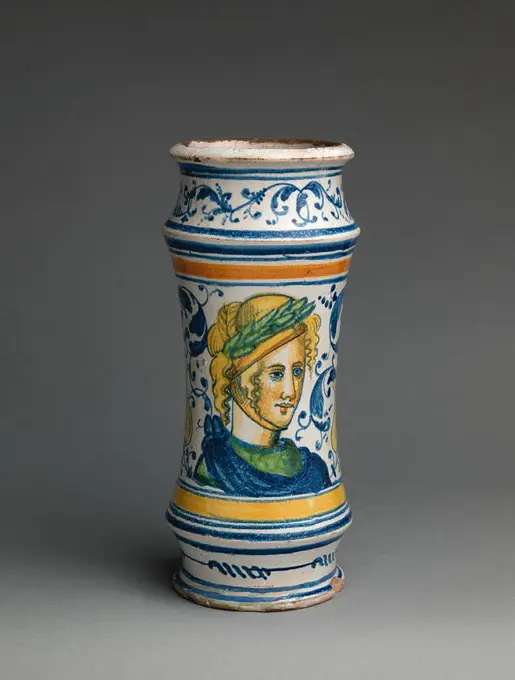
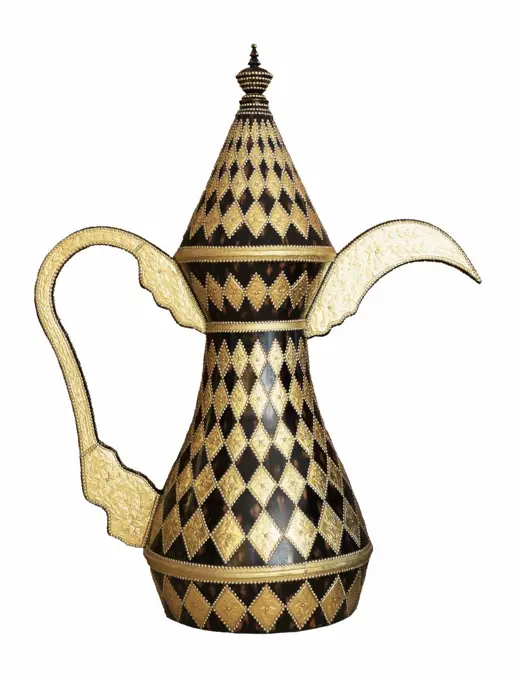
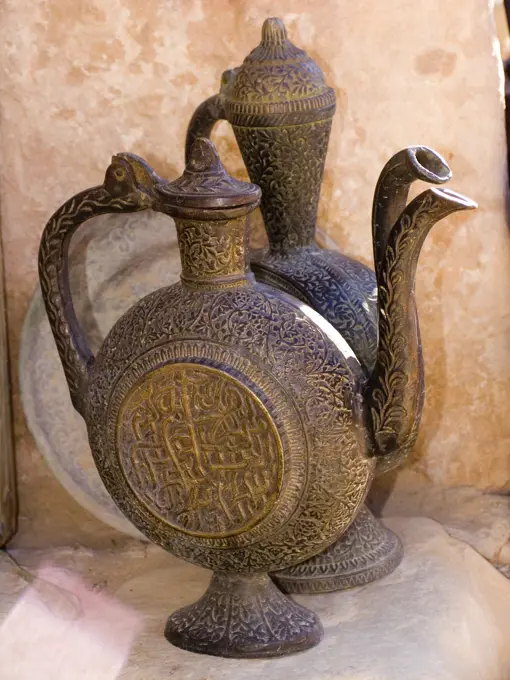
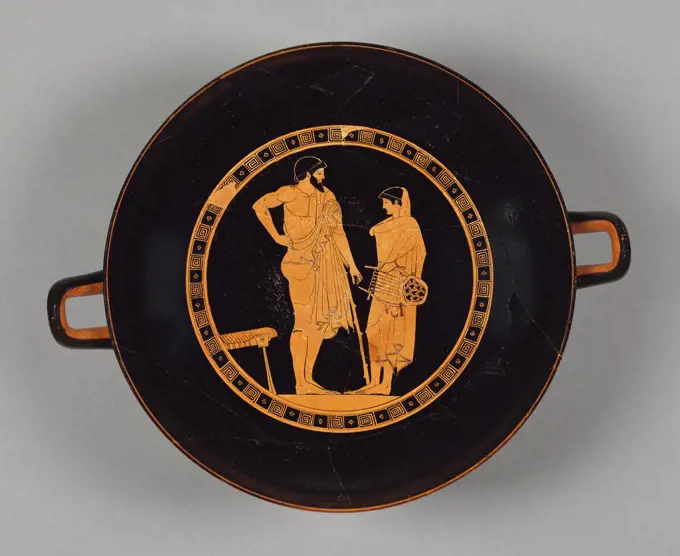
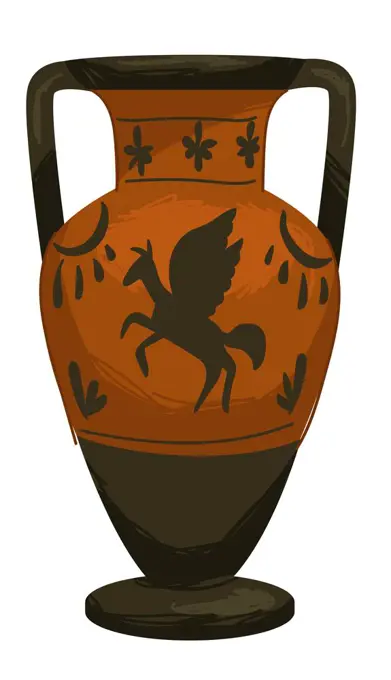
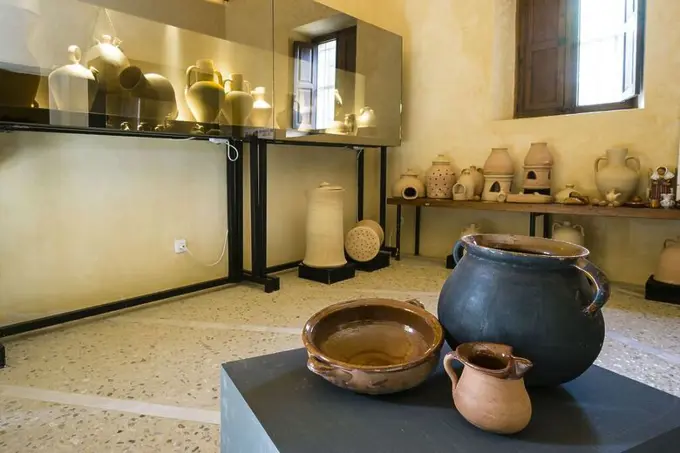
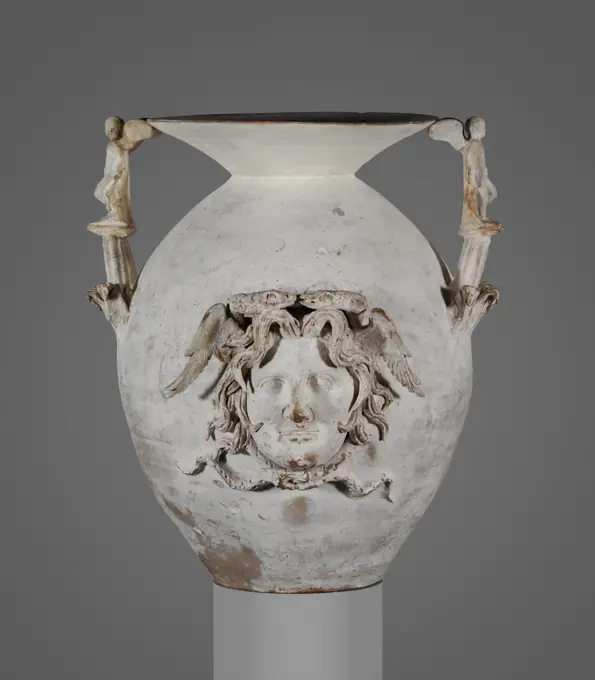
Terracotta two-handled vase late 4th-early 3rd century B.C. Greek, South Italian, Apulian, Canosan This vase is a variant of the funnel-jar with relief plaques 06.1021.248. The underlying shape is comparable. The decoration here is even more sculptural, with the two handles in the form of Erotes; plaster copies replace the originals, which are lost. The magnificently tactile Medusa on the front of the body may well fulfill her time-honored function of guardian and averter of evil. A statuette once stood on the ledge between her wings.Four such vases were in the burial. This one belongs with the same group as the loutrophoroi 06.1021.245 and 06.1021.249; the pyxis 06.1021.253a, b; and the funnel-jar 06.1021.248a, b. Listen to experts illuminate this artwork's story Listen Play or pause #1233. Terracotta two-handled vase Supported by Bloomberg Philanthropies We're sorry, the transcript for this audio track is not available at this time. We are working to make it available as soon as possPharmacy jar (albarello). Culture: French, Rouen. Dimensions: Height: 10 3/4 in. (27.3 cm). Maker: Workshop of Masséot Abaquesne (French, active 1538-57). Date: probably ca. 1542.Sporting a laurel wreath and classical drapery, the female figure portrayed on this jar amid scrolling foliage is more detailed than the profile head on the example exhibited nearby, suggesting that this one may not have been part of the very large and more sketchily executed order for pharmaceutical containers placed with Masséot Abaquesne in 1545. Museum: Metropolitan Museum of Art, New York, USA.Goblet Inscribed with the Names of King Amenhotep IV and Queen Nefertiti. Dimensions: H. 14 (5 1/2 in.); Diam. 10.5 cm (4 1/8 in.). Dynasty: Dynasty 18. Reign: reign of Akhenaten. Date: ca. 1353-1336 B.C..This graceful, translucent drinking cup in the form of a white lotus blossom is treasured both for its beauty and its historical interest. The nomen (personal name) and prenomen (throne name) of Amenhotep IV are inscribed in the small panel on the side, between two cartouches surrounding the early titulary of the Aten (left) and a cartouche naming the principal queen, Nefertiti (right). Thus, the vessel must have been made before Year 5 of the king's reign, when he changed his name to Akhenaten. Museum: Metropolitan Museum of Art, New York, USA.Arabic coffee pot isolated on white . Arabic coffee pot isolated on white backgroundOenochoe, jarra griega para servir vino. Museu d'Arqueologia de Catalunya-Ullastret.Shown here are vases dating from  end of the 7th century (600s BC) and they reflect the Attic and Corinthian style known as black-figured vases. The black-figure technique of vase painting wasinvented in the city of Corinth around 700 B.C.It was around this time that Corinthian vase painters began adorning their vessels with animal friezes and occasional mythological scenes and they developed this new style of painting to depict these motifs. As the vases were being made, aliquid clay called slipwas applied to patch up weak areas or hold pieces together. The slip turned black during firingDrug Jar for Syrup of Lemon Juice. UnknownBlue glass vessels, Eastern Mediterranean from the 1st century.Bowl with a Figure Holding a Macaw 1400-1625 Arizona. The bisected design of this bowl interior features a field of paint spatter contrasting with a standing figure holding a macaw in his outstretched hand. The figure depicts a ritualist wearing an embroidered kilt and a pair of feathers in his hair. He is further ornamented with polychrome paint that covers his face, torso, and arms. The red color and long tail feathers of the bird indicate that it is a scarlet macaw, a type of parrot traded from Mexico. These birds were symbolically associated with the power of the sun and agricultural abundance, and their brilliant feathers were highly valued in ceremonial contexts.Modern-day Pueblo communities leave prayer sticks adorned with feathers at specific sacred places in the landscape. These ritual objects are offered as prayers to the gods and the natural elements, asking them to bring rainclouds to regenerate the crops in the cultivated fields.. Ceramic and pigment . HopiAsia. Jordan. Petra. Archaeological Area. Antique Objects Asia.Attic Red-Figure Cup; Douris, Greek (Attic), active 500 - 460 B.C., and Python, Greek (Attic), active about 500 - 480 B.C.; Athens, Greece, Europe; about 480 B.C.; Terracotta; Object: H: 11.9 x W handles: 38.9 x Diam.: 31.2 cm (4 11/16 x 15 5/16 x 12 5/16 in.), Object (foot): Diam.: 11.2 cm (4 7/16 in.)Ancient amphora with ornaments and classic greek design. Isolated vase exhibition or exponent. Civilization and culture, tradition ceramic art antiquity. Pot with ornaments. Vector in flat style. Greece antique culture and heritage, vase amphoraSet of ancient vase hand drawn ink sketch. Engraved style vector illustrationClay kitchenware. Realistic handmade utensils pots kettles and cups decent vector templates of clay authentic products of pot ceramic clay illustration. Clay kitchenware. Realistic handmade utensils pots kettles and cups decent vector templates of clay authentic productsMuseu del Fang ( museo del fango) Sa Cabaneta, Marratxí, Mallorca, islas baleares,Spain.