Ancient Greek Vessels

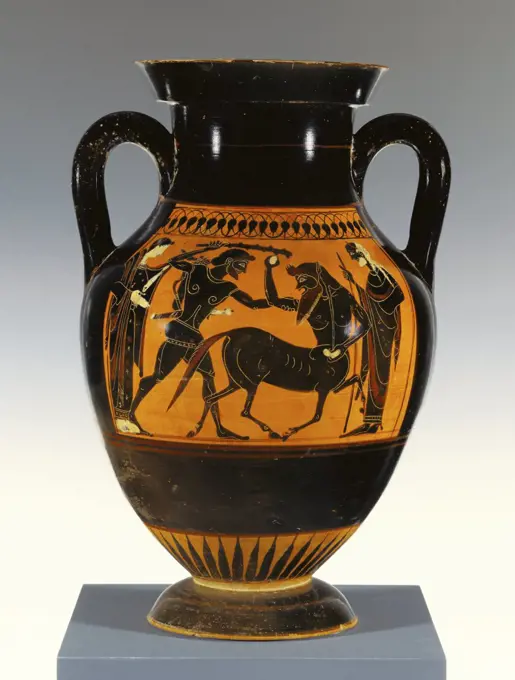
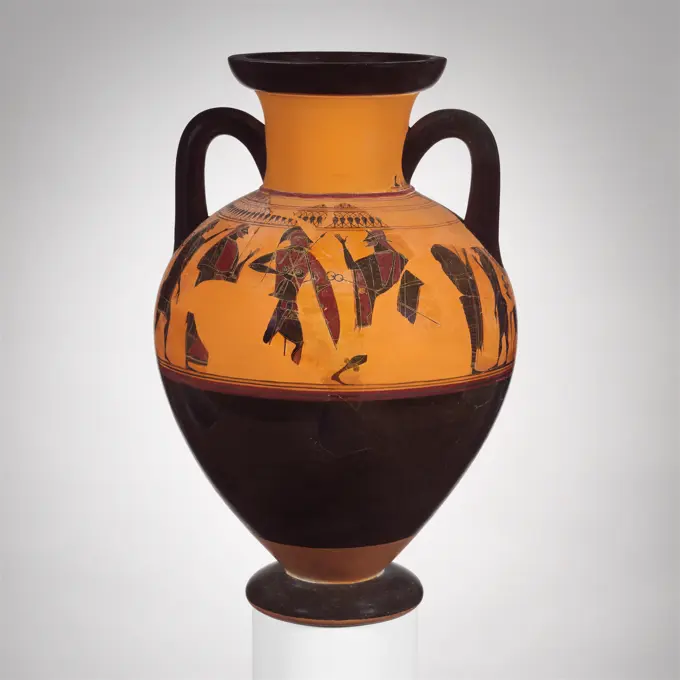
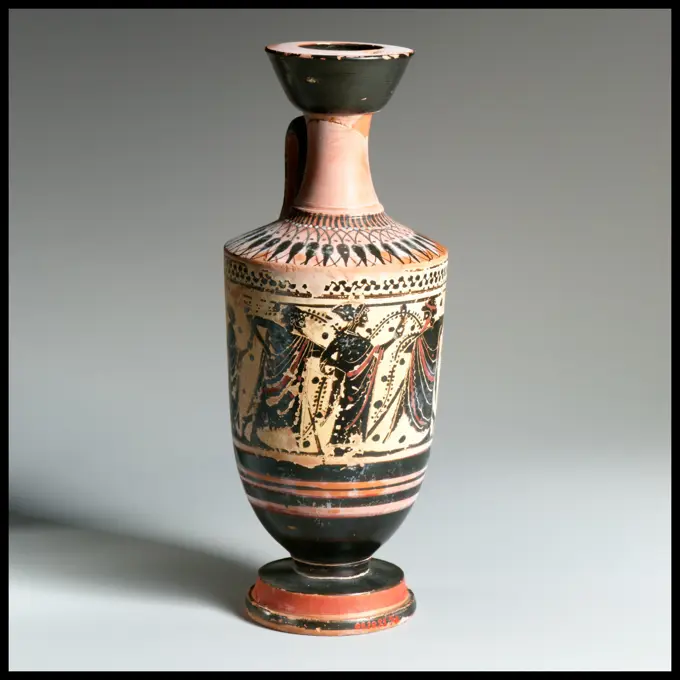
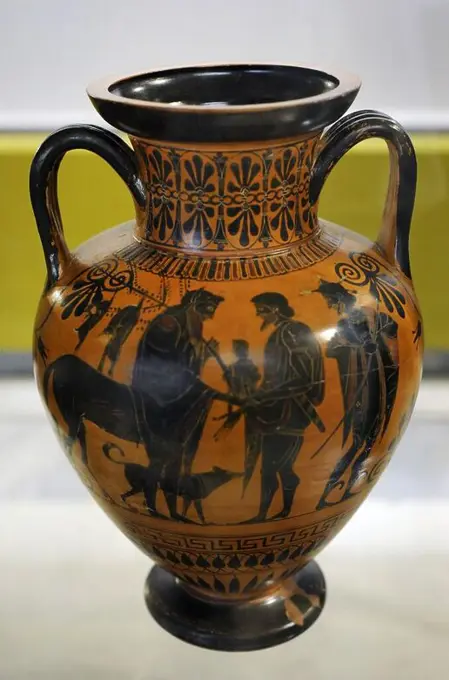
Terracotta amphorae and vessels with black-figure and red-figure techniques, depicting mythological themes from ancient Greek culture.
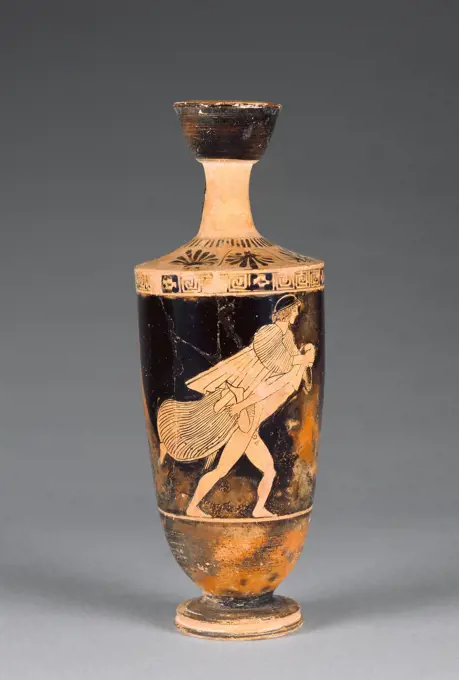
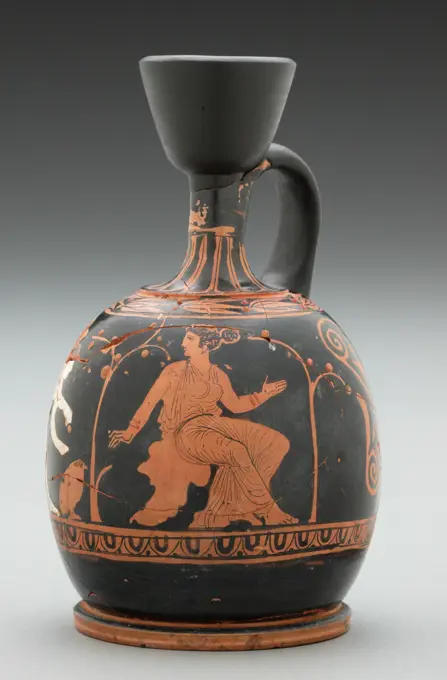
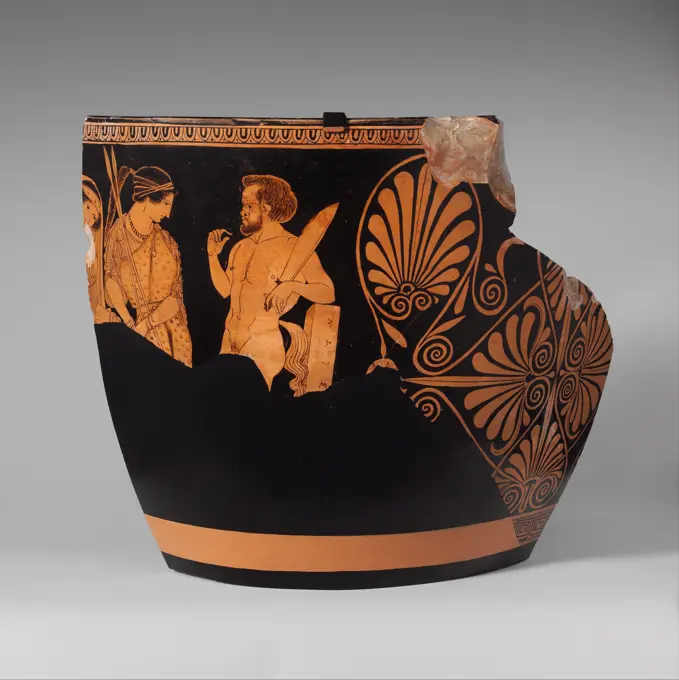
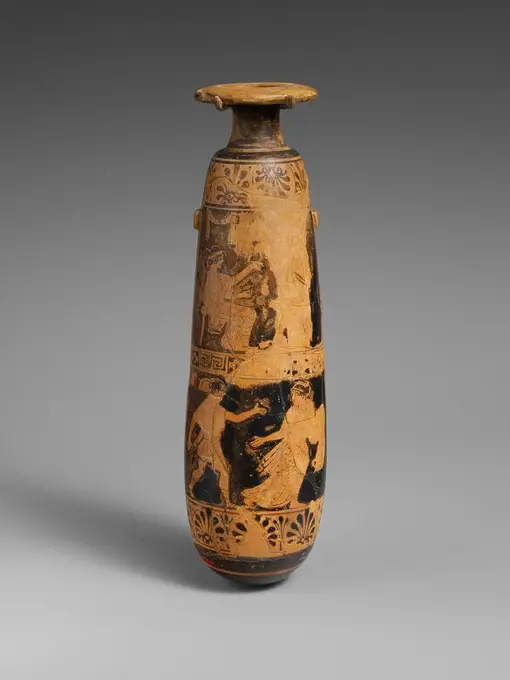
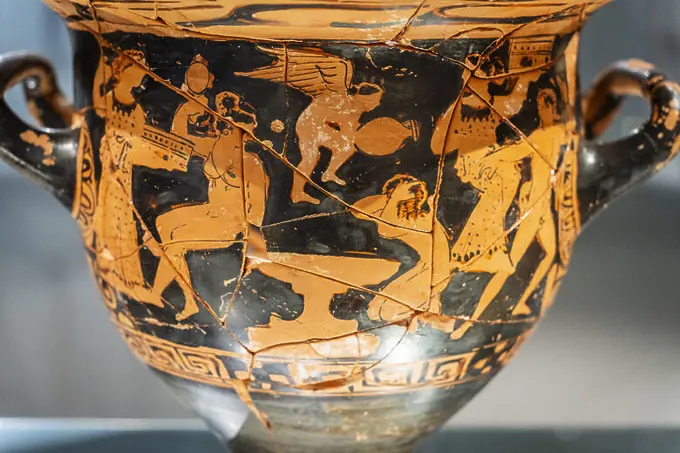
Vessel with a Girl Riding Piggyback on a Satyr; Carlsruhe Painter (Greek, active 475 - 450 B.C.); Athens, Greece; 470 - 460 B.C; Terracotta; 24.5 cm (9 5,8 in.)
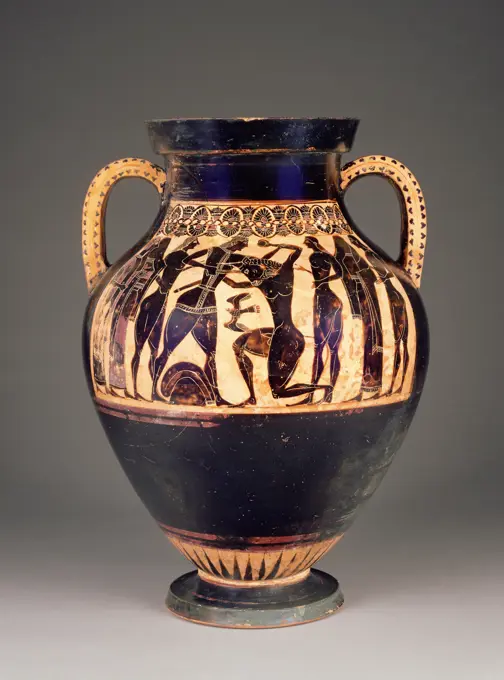
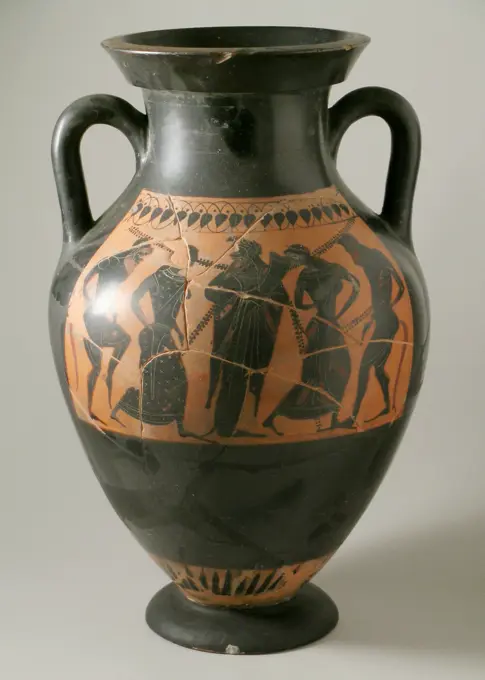
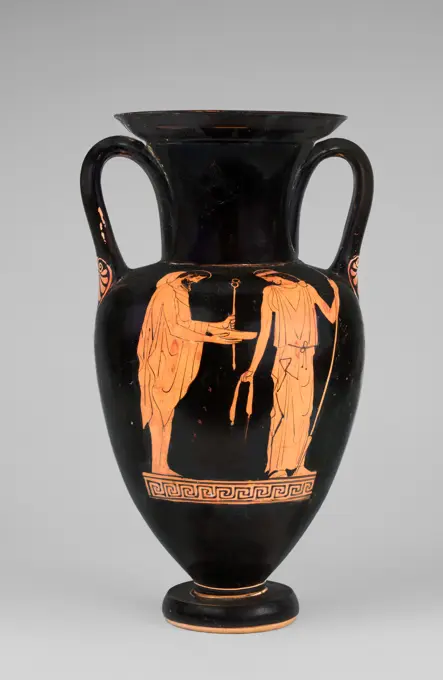
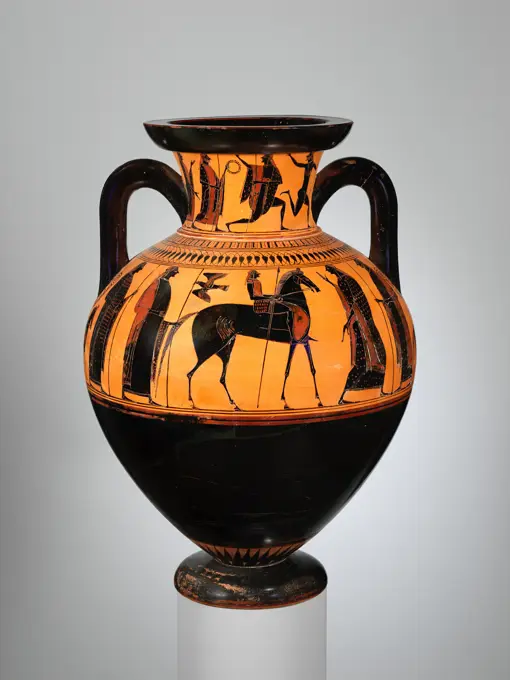
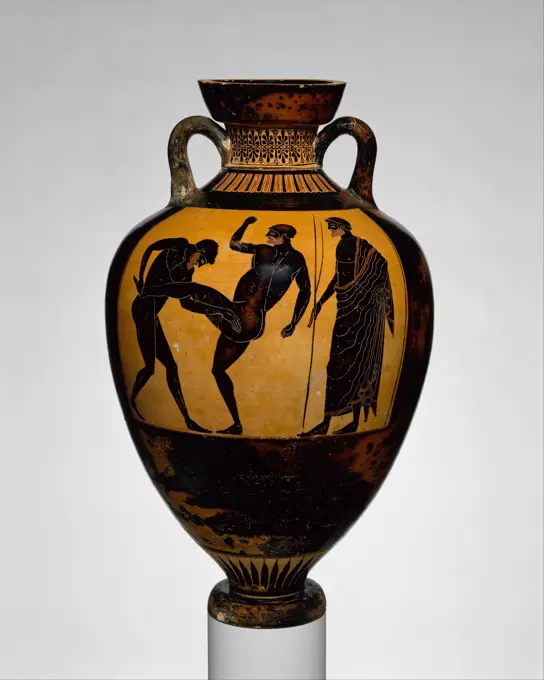
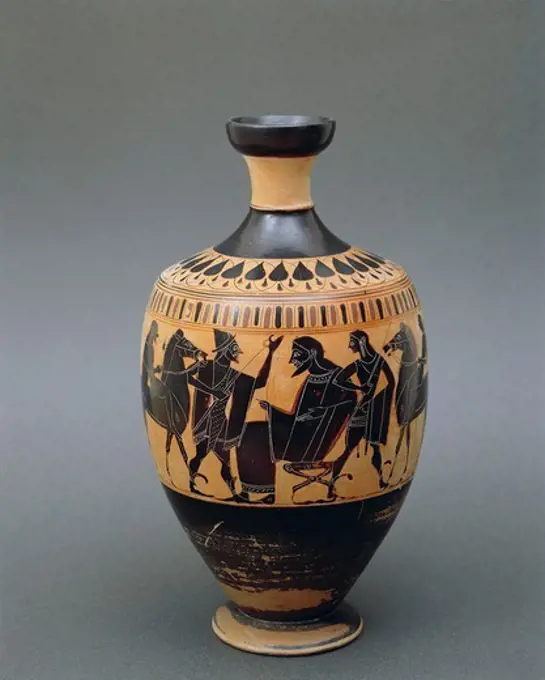
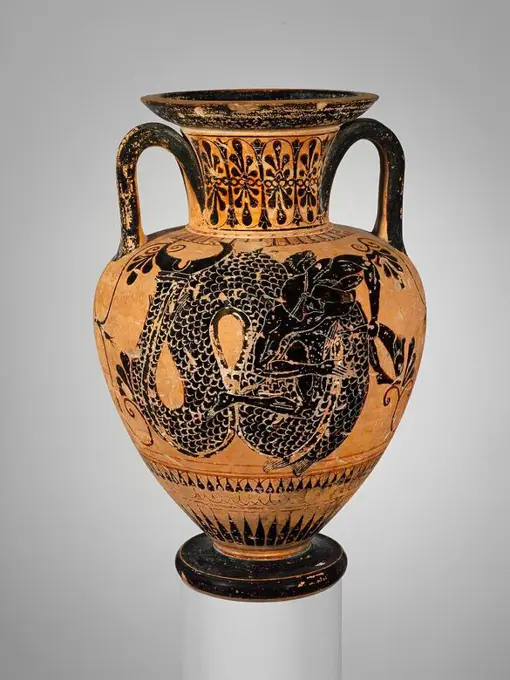
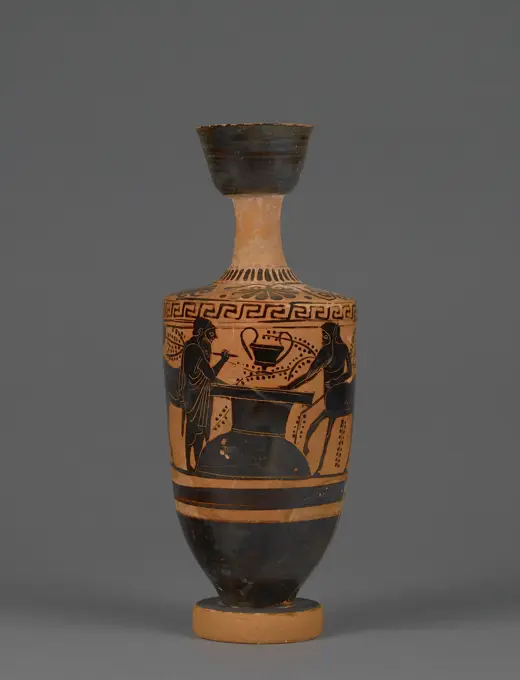
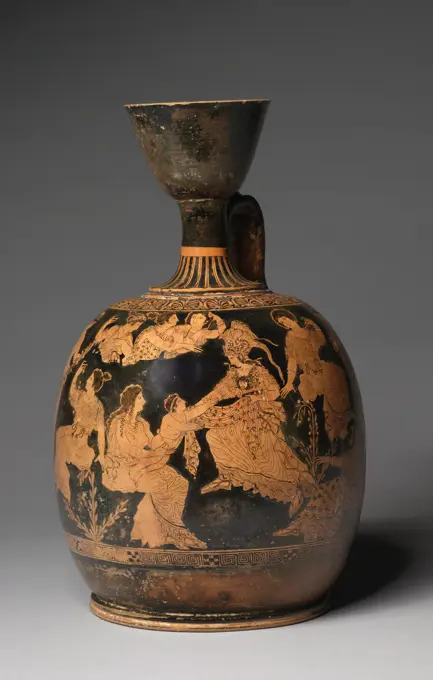
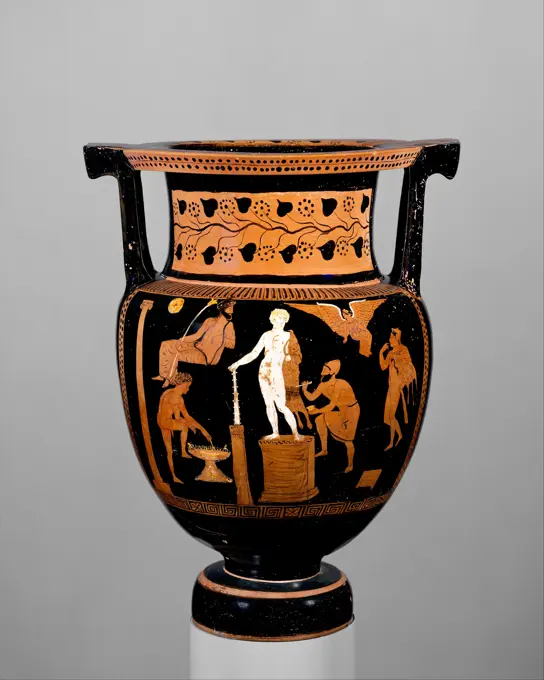
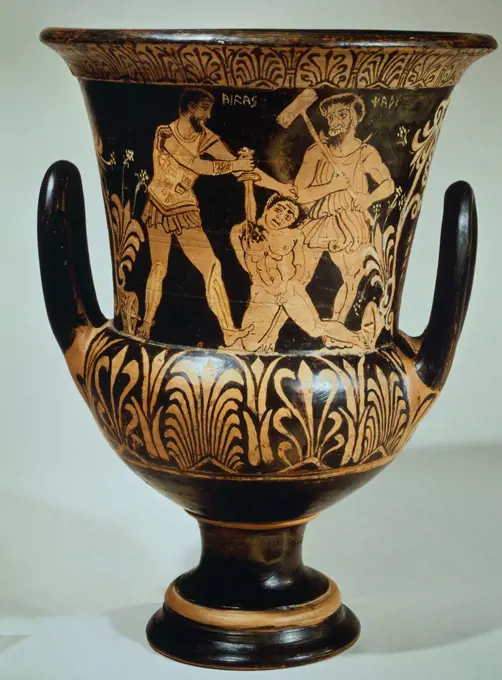
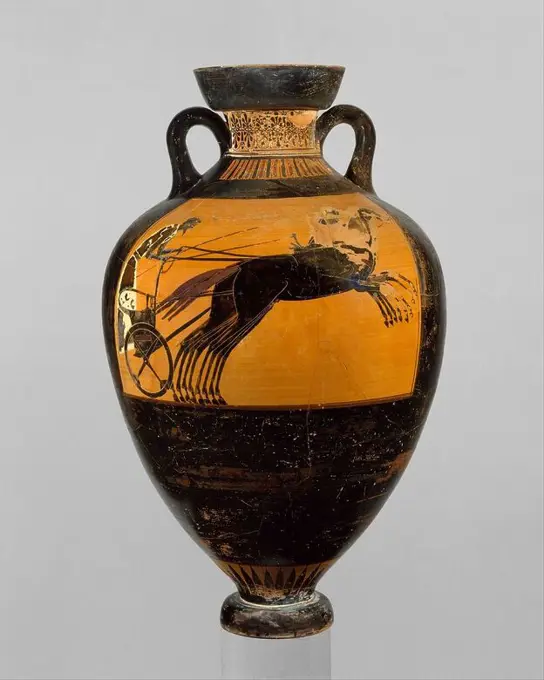
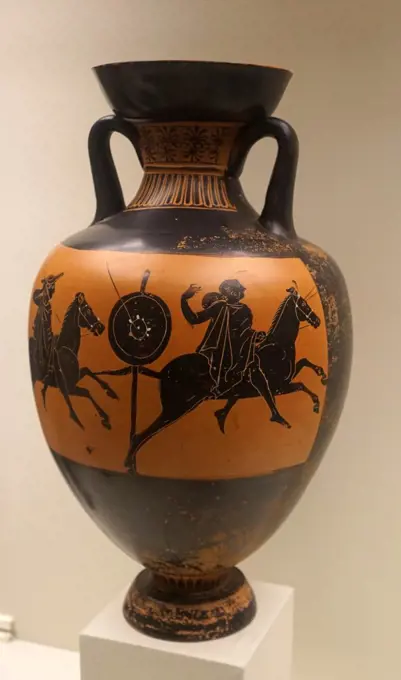
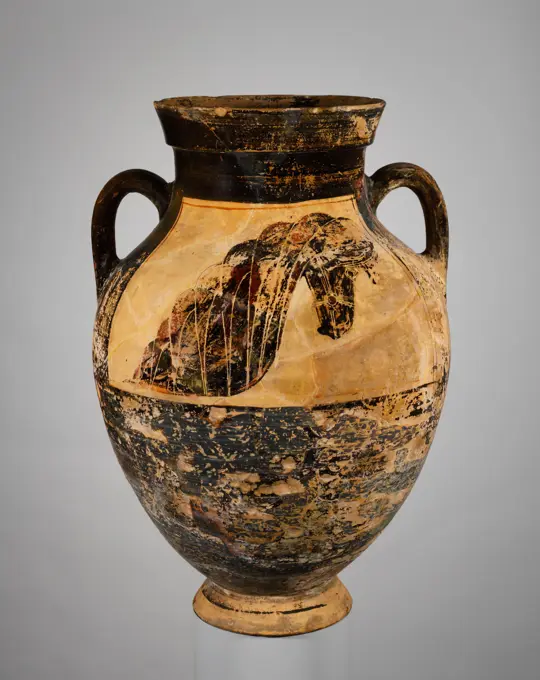
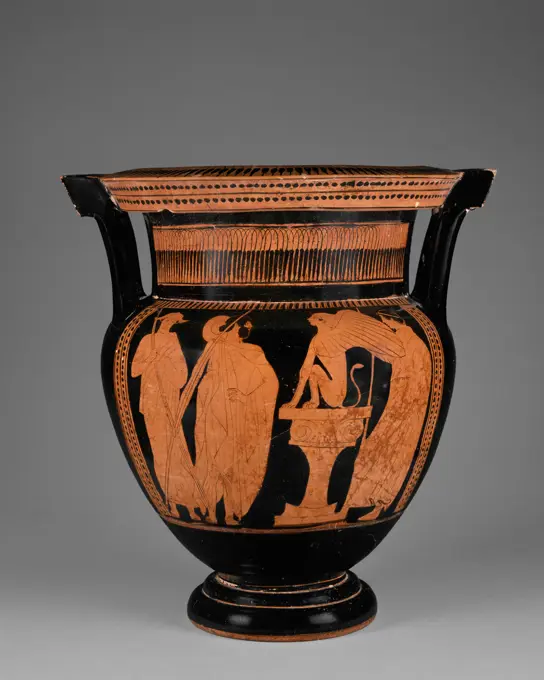
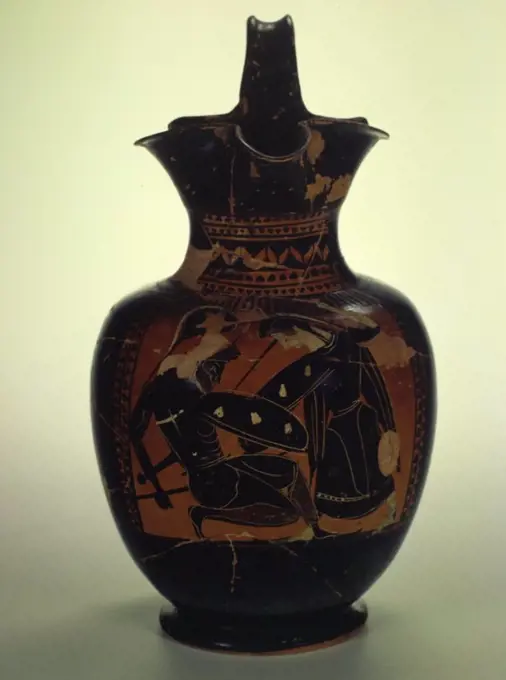
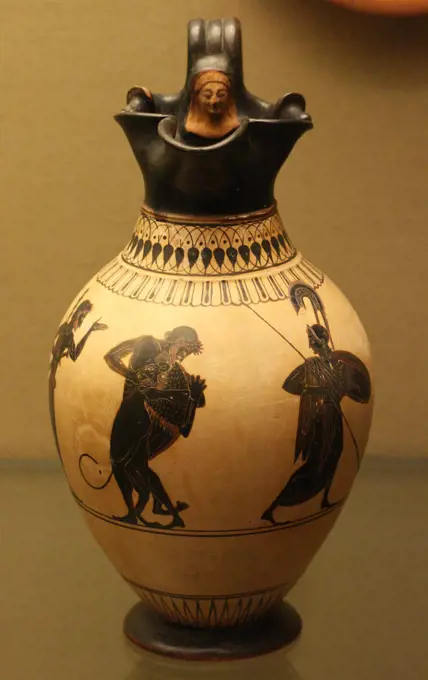
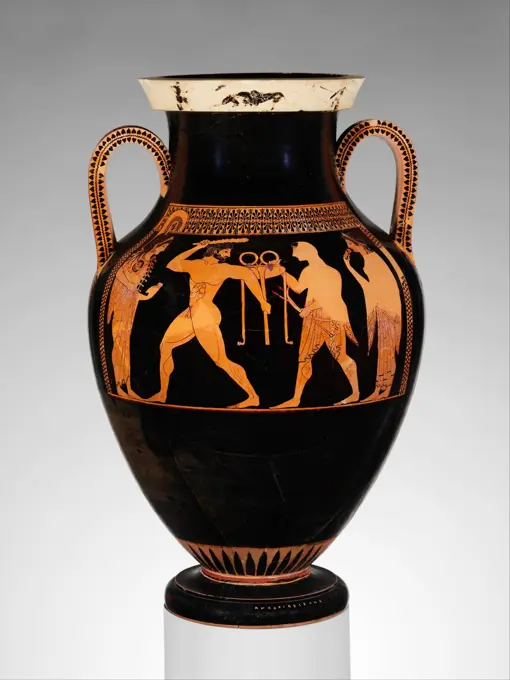
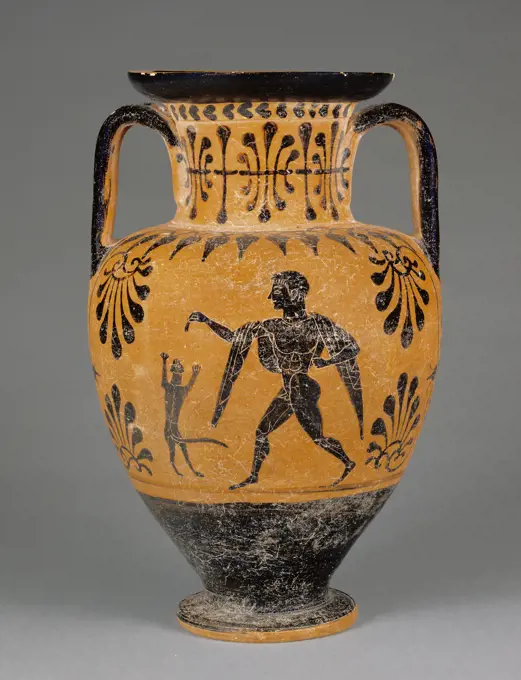
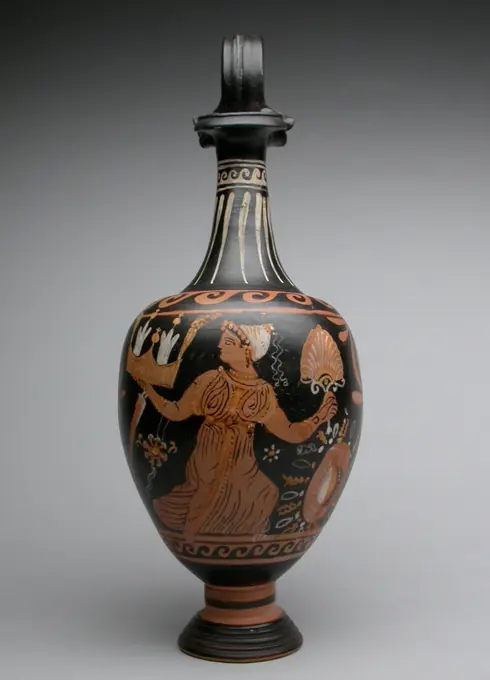
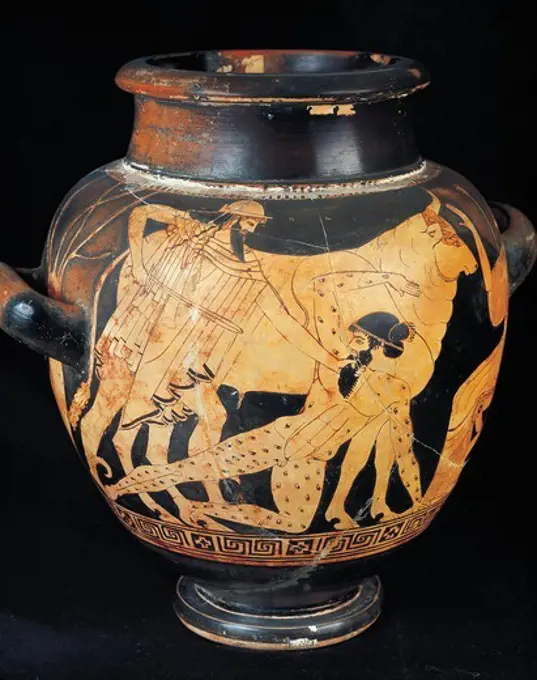
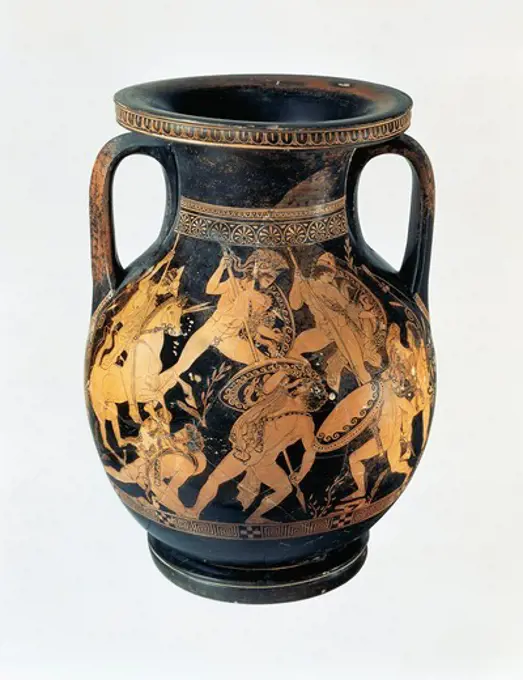
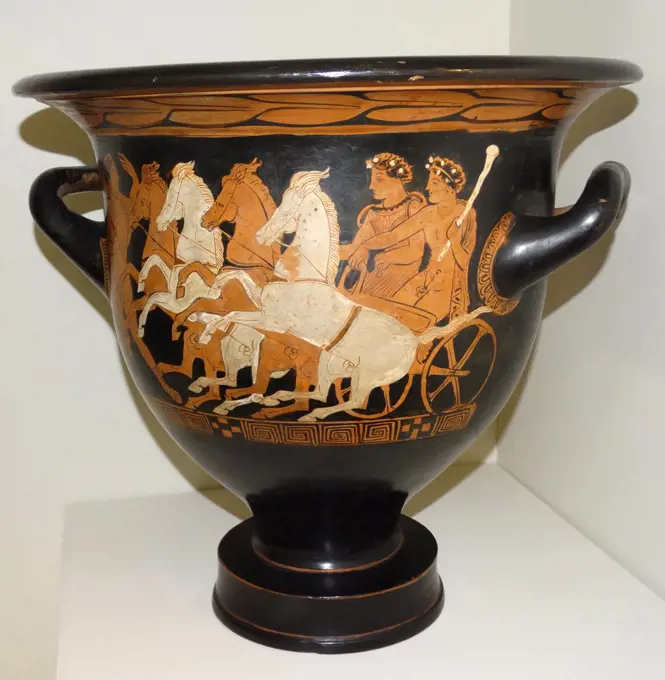
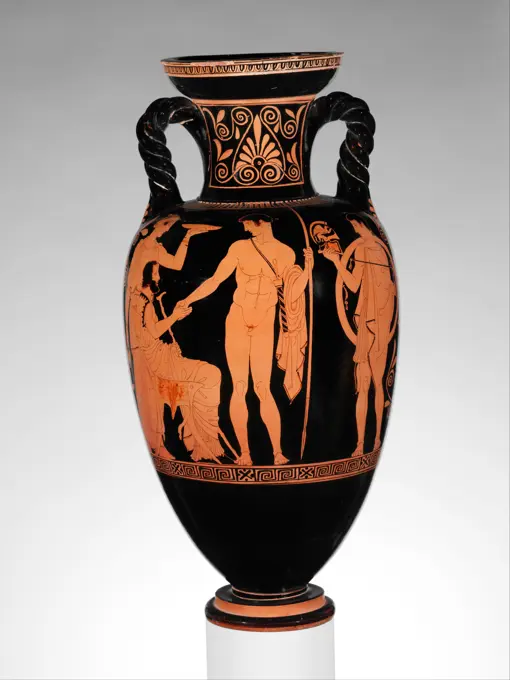
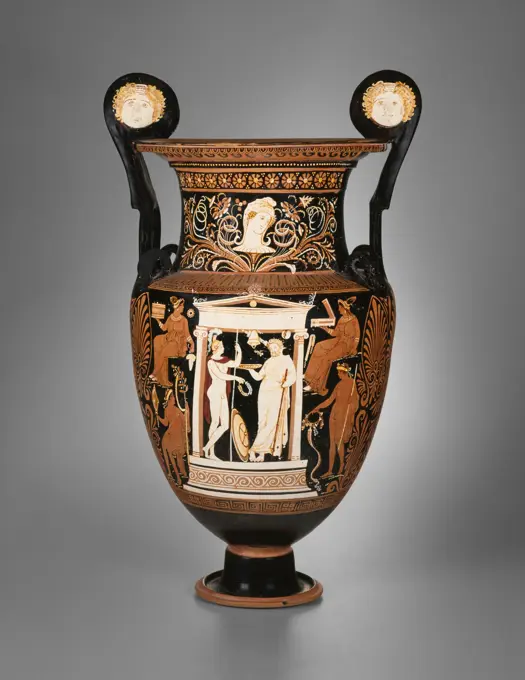
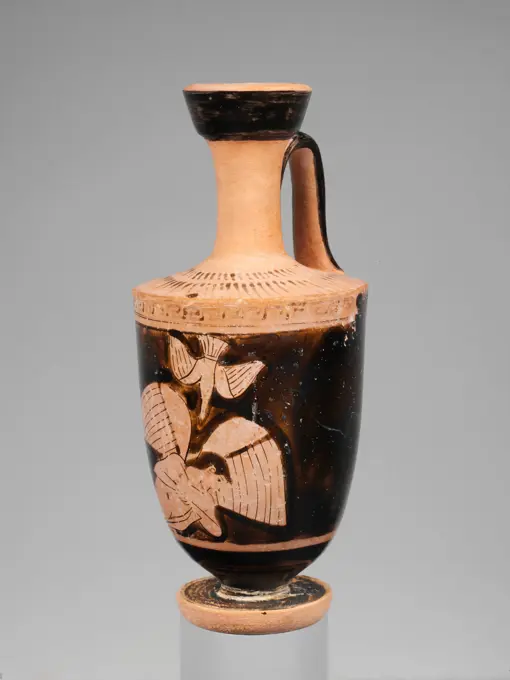
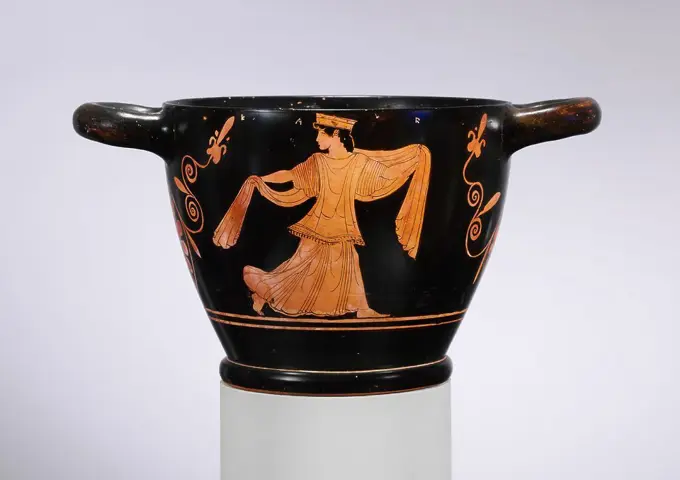
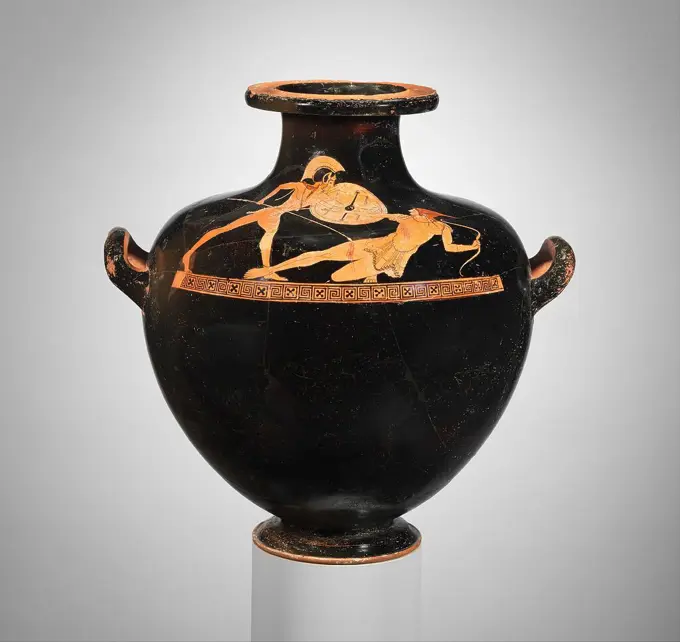
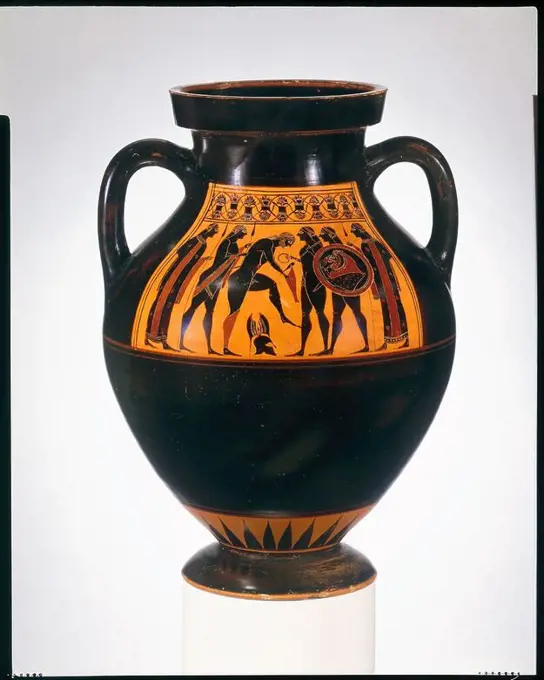
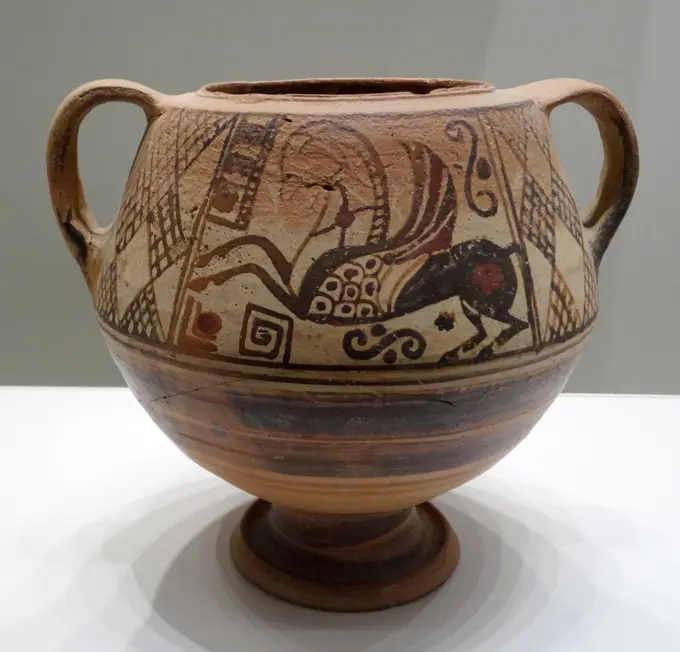
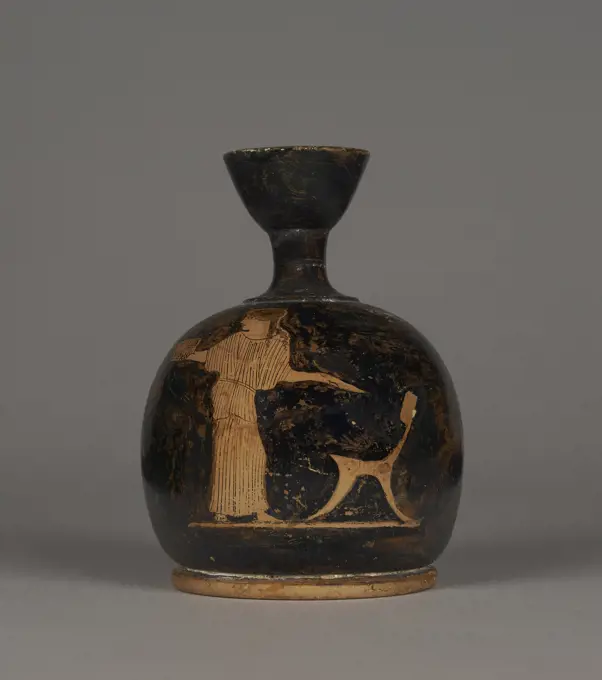
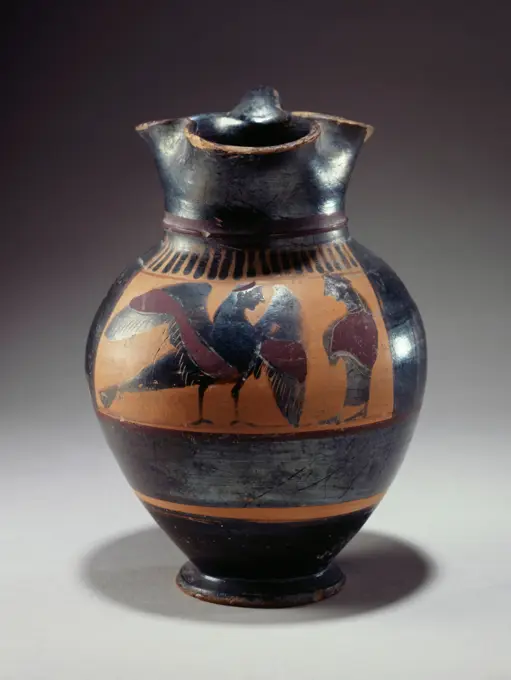
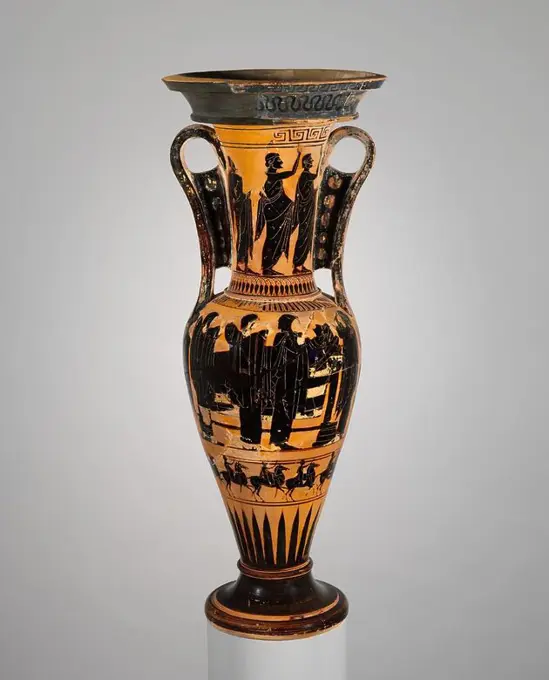
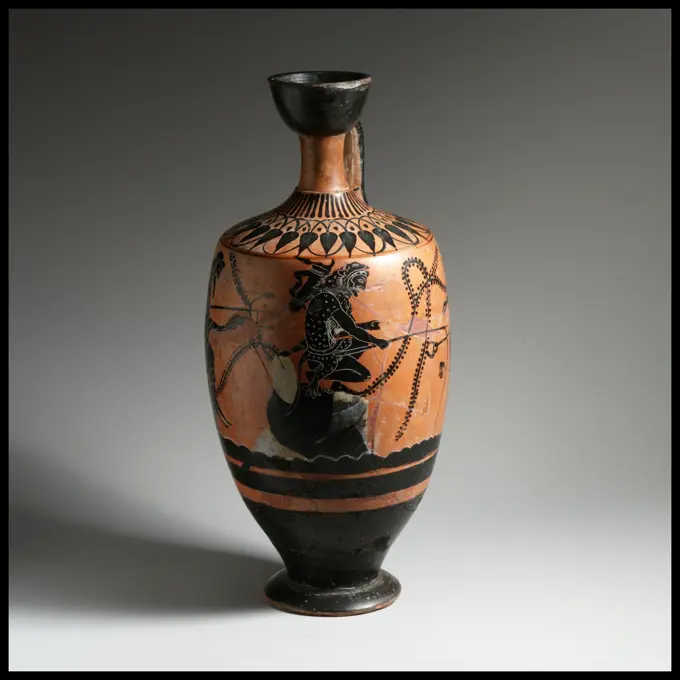
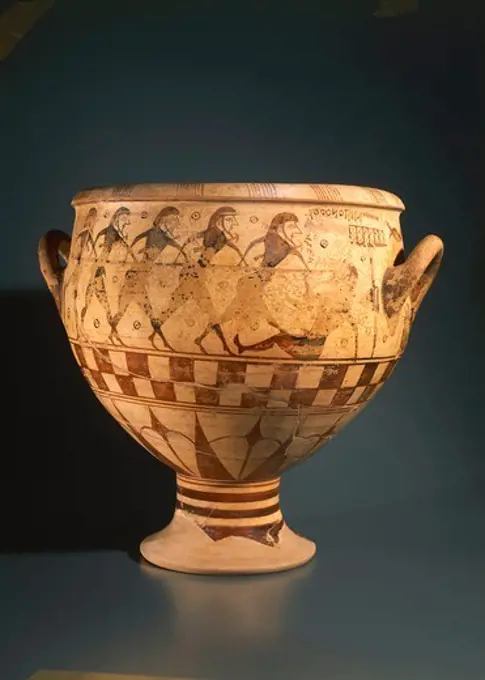
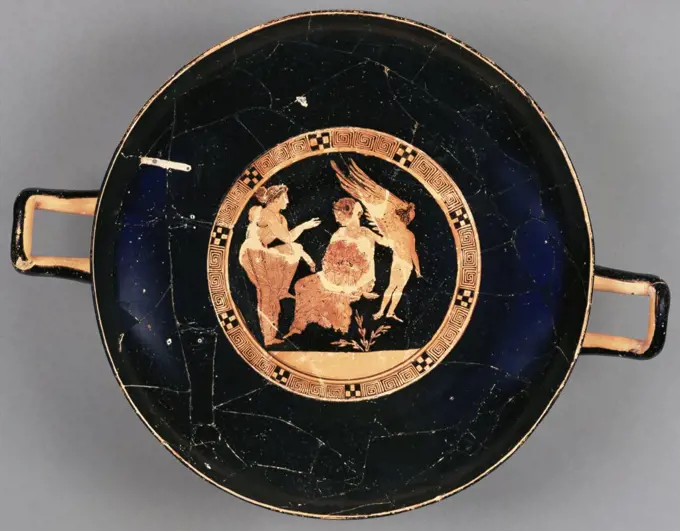
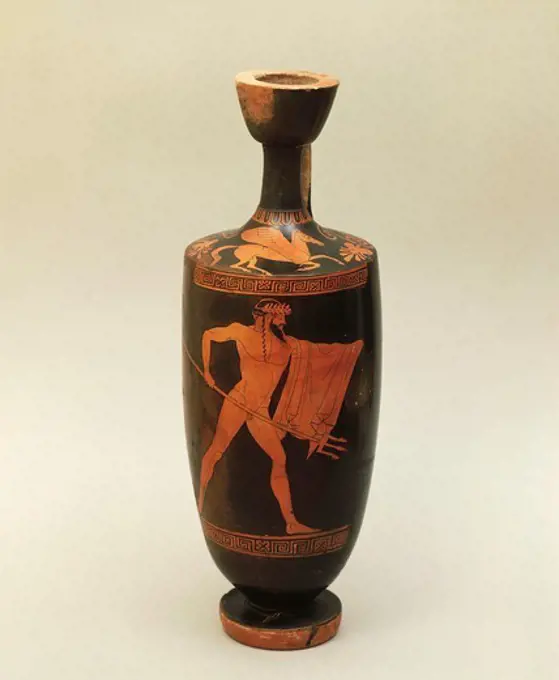
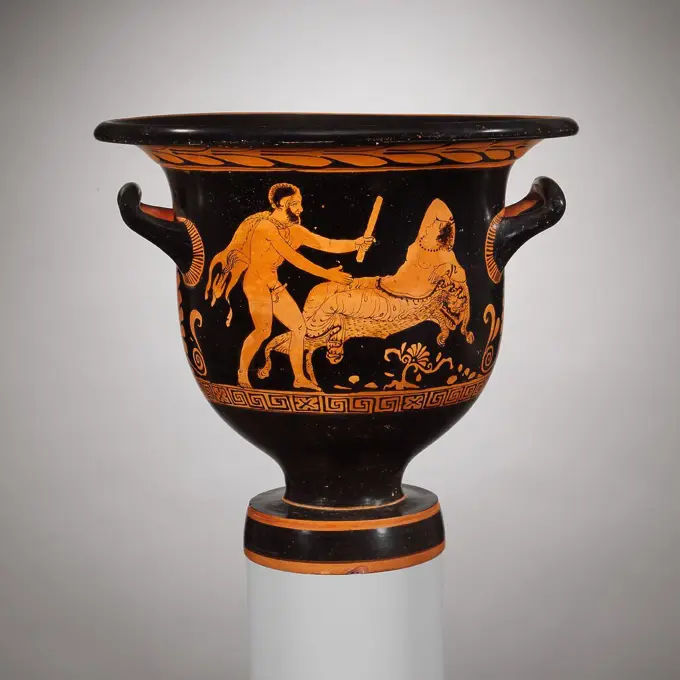
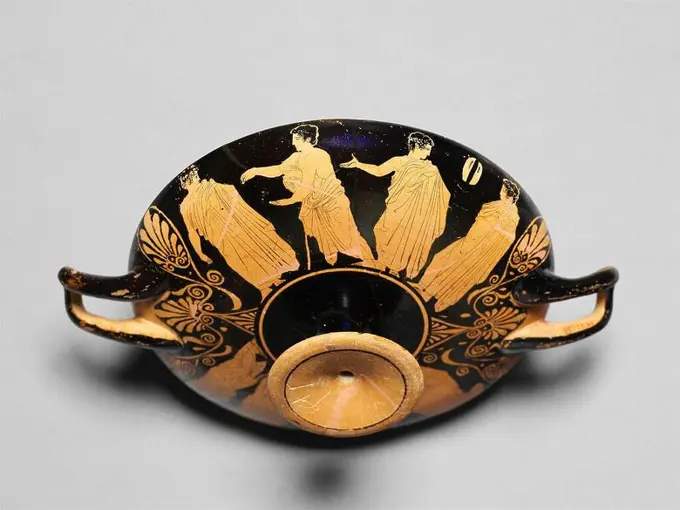
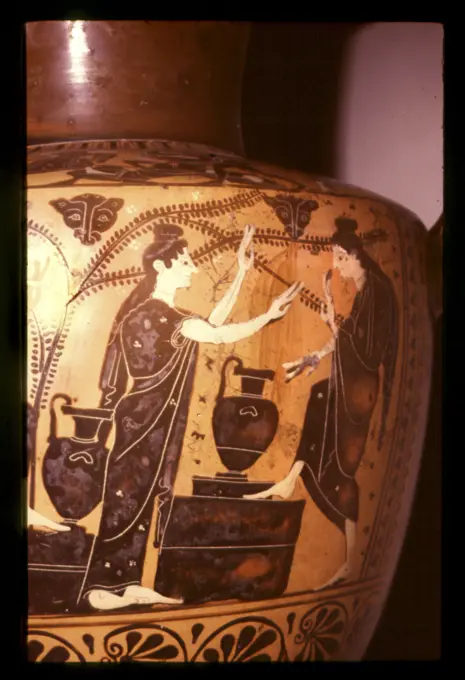
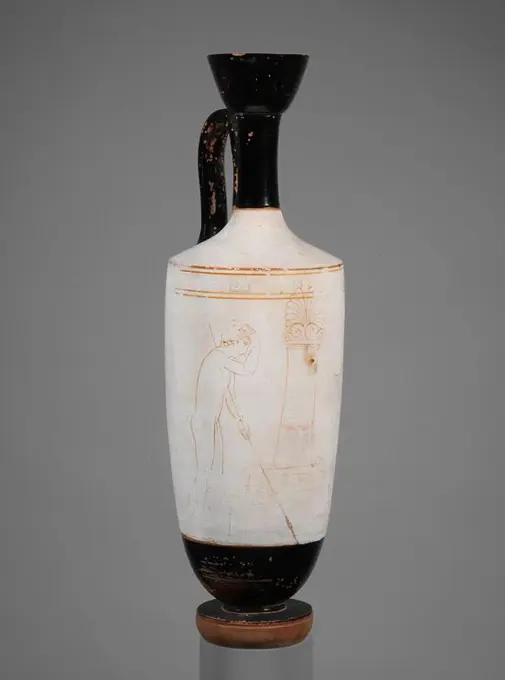
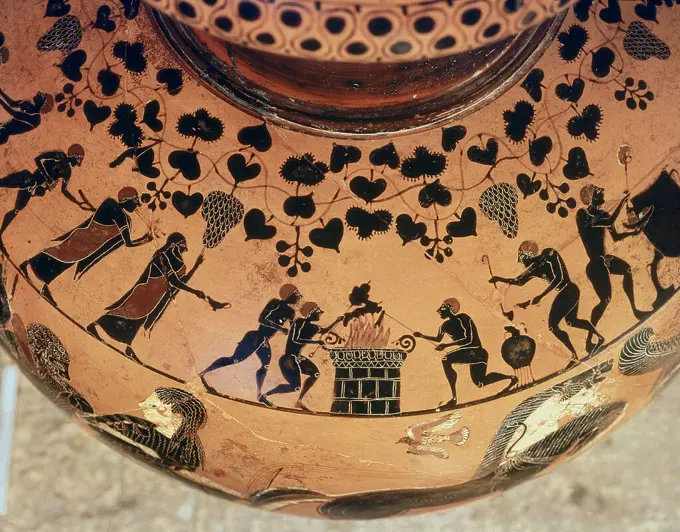
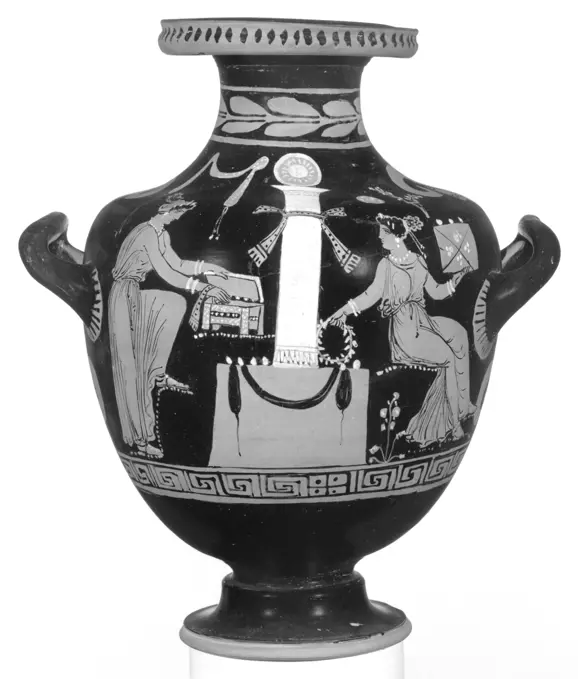
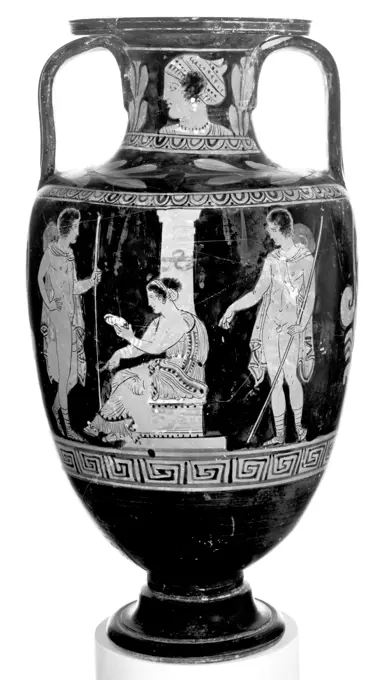
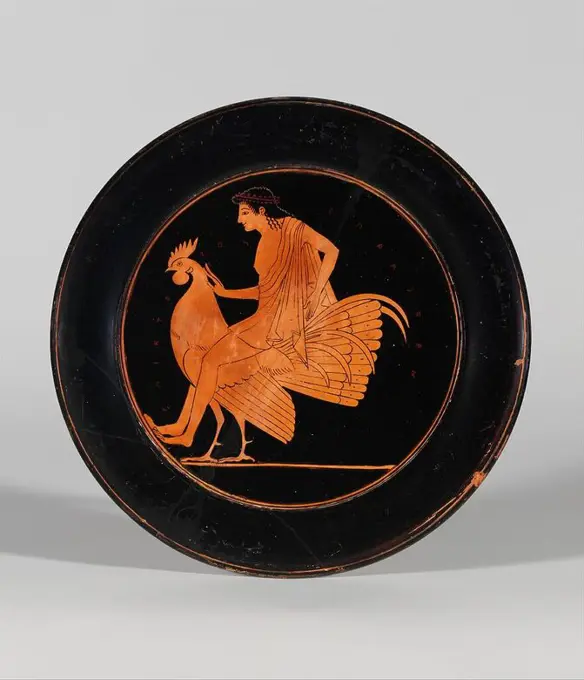
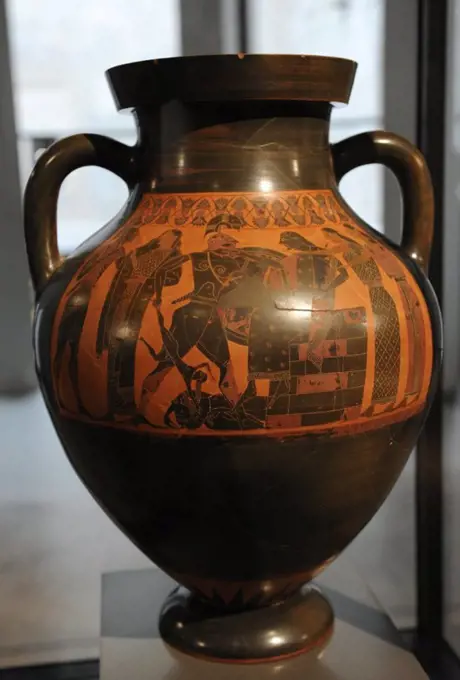
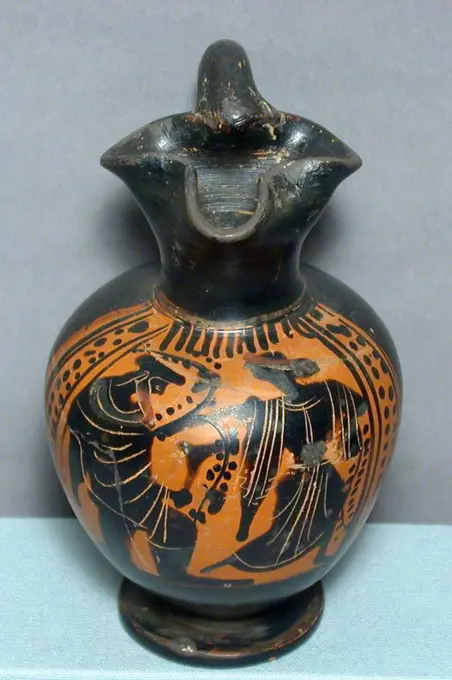
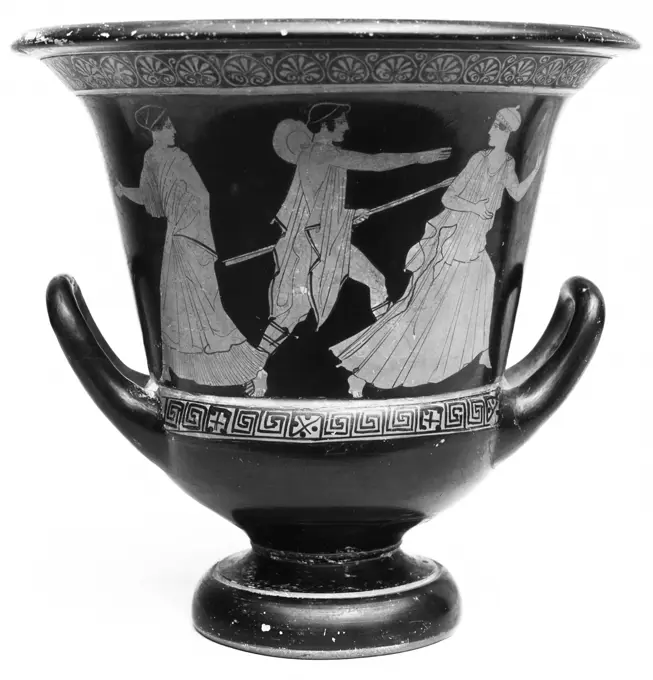
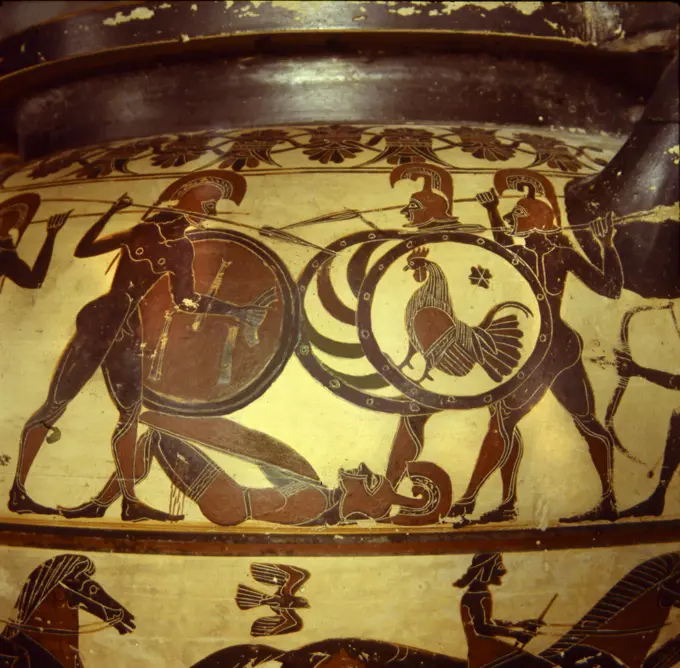
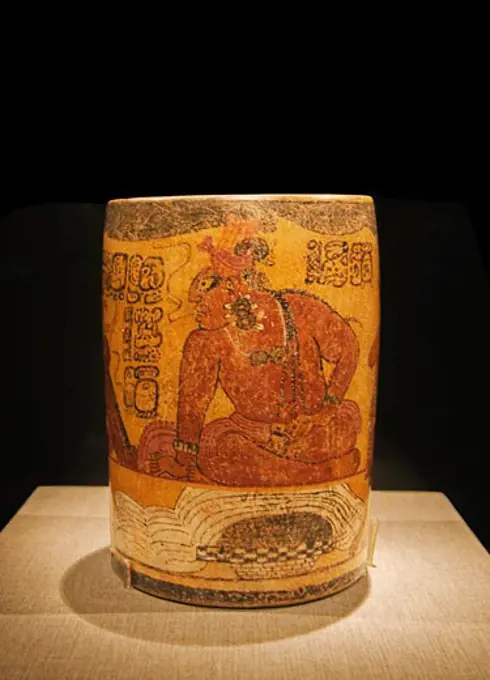
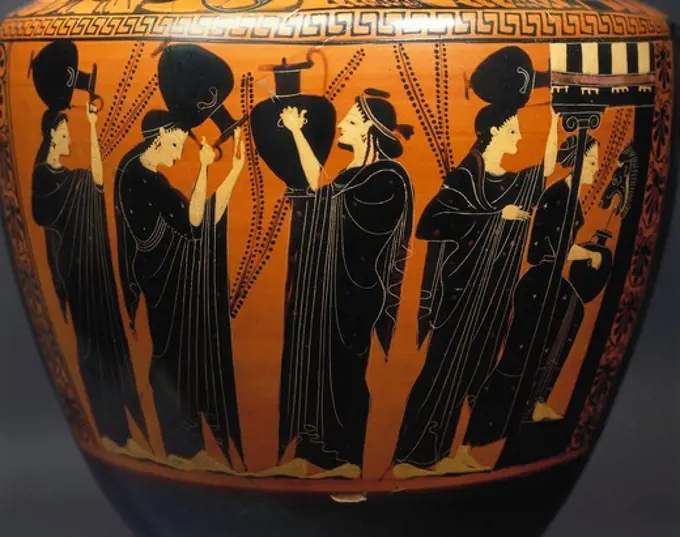
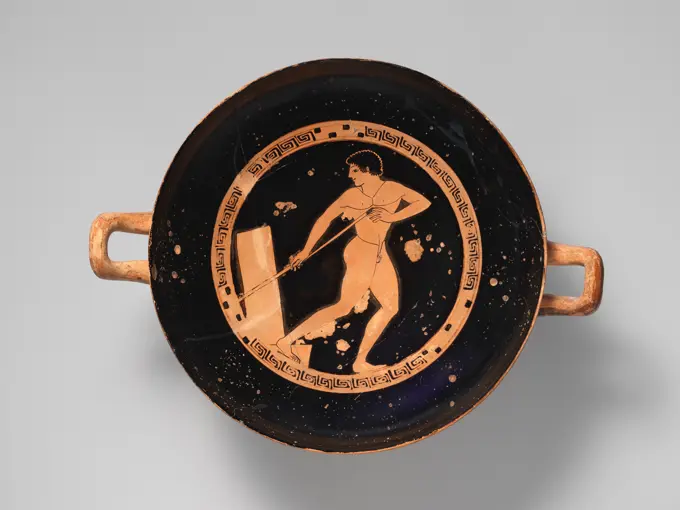
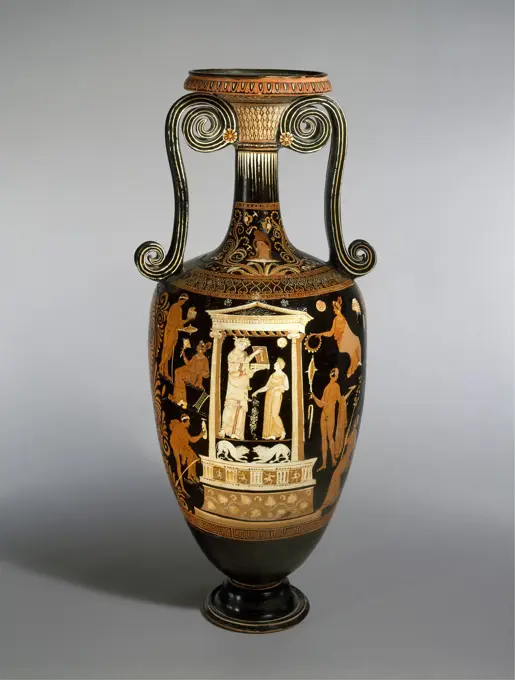
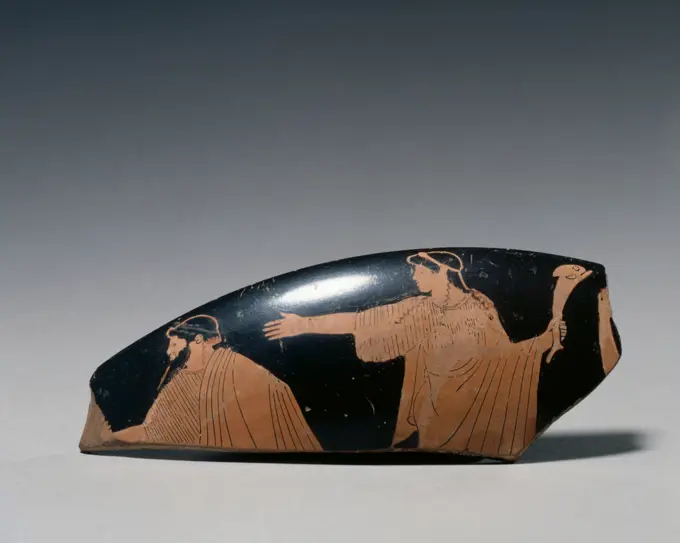
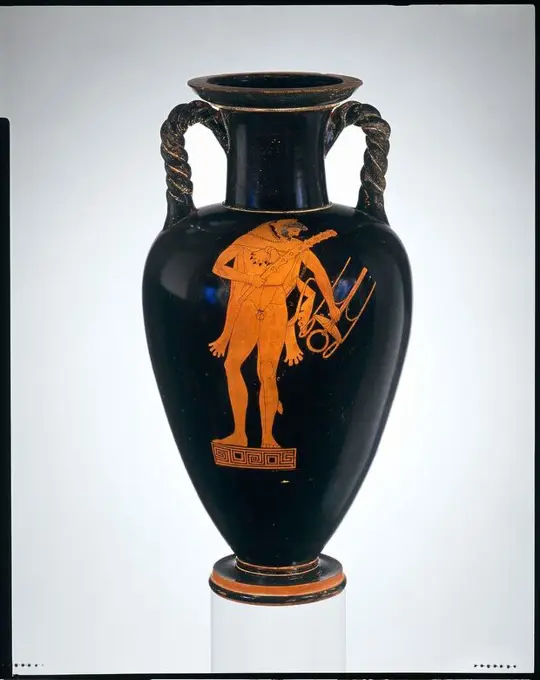
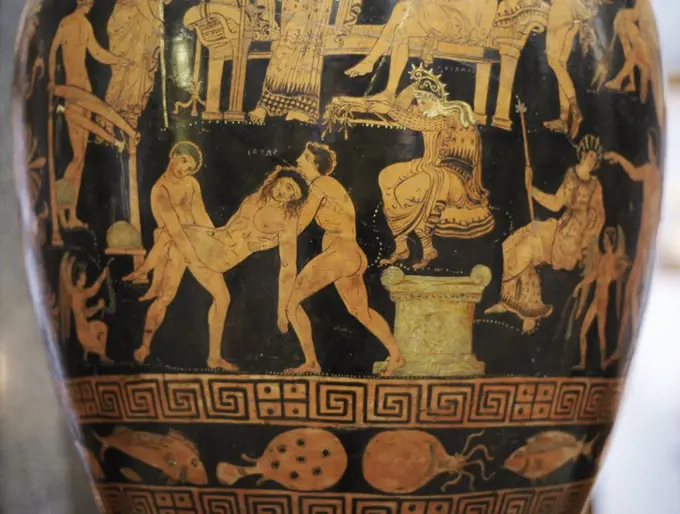
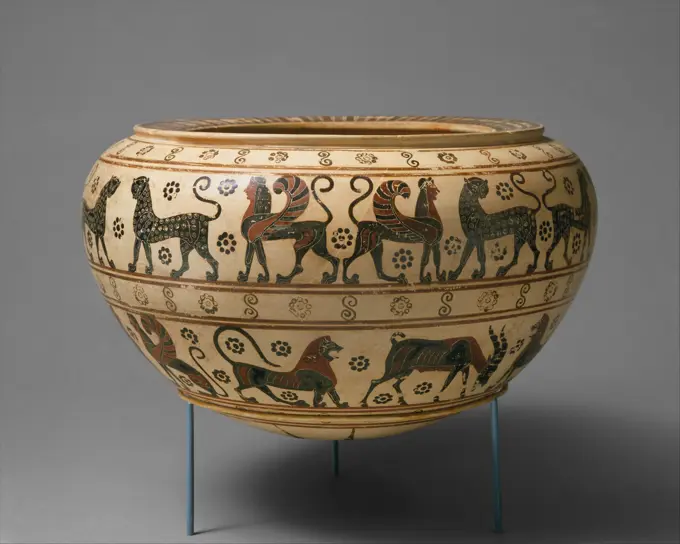
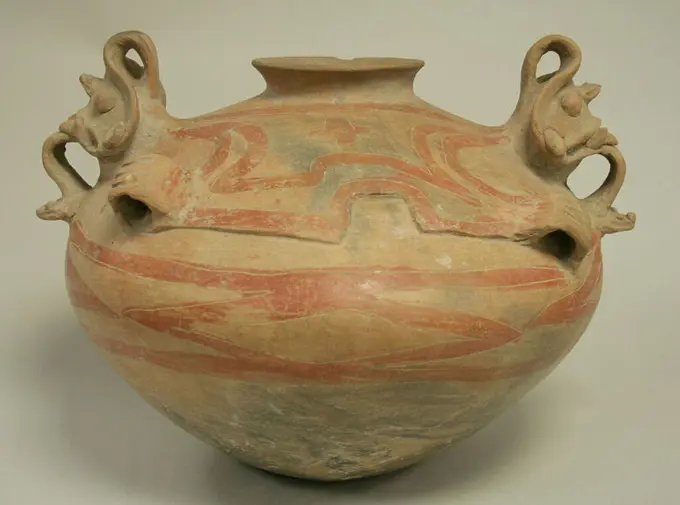
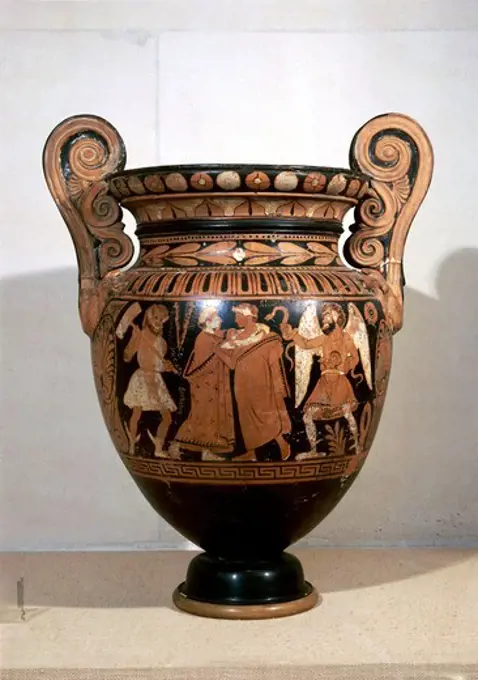
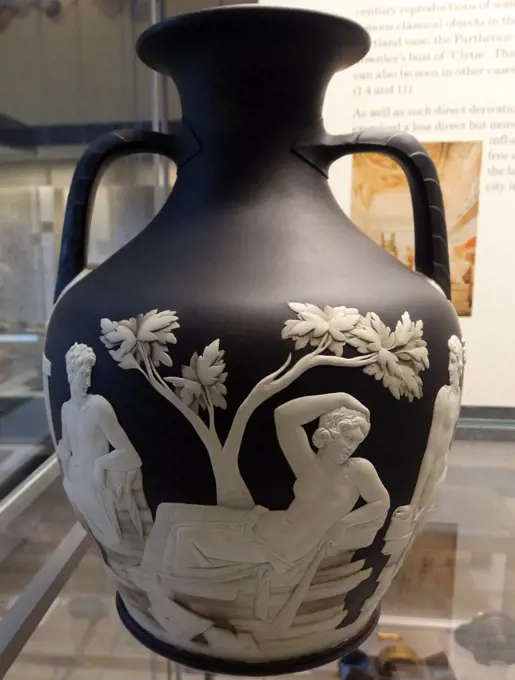
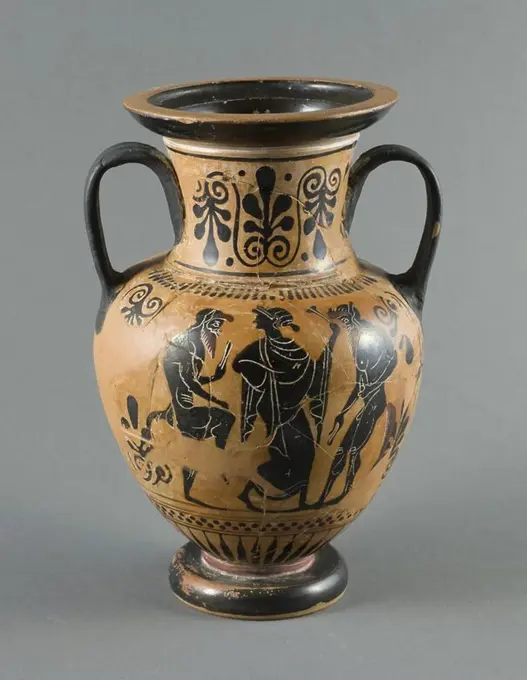
Amphora (Storage Jar). Greek; Athens; Attributed to the Michigan Painter. Date: 490 BC-480 BC. Dimensions: 21.2 x 13.9 x 13.9 cm (8 3/8 x 5 1/4 x 5 1/4 in.). Terra-cotta, decorated in the black-figure technique. Origin: Greece. Museum: The Chicago Art Institute, Chicago, USA.Attic Black-Figure Amphora. Attributed to Lydos or a painter close to Lydos (Greek (Attic), active about 565 - 535 B.C.)Vessel with a Girl Riding Piggyback on a Satyr; Carlsruhe Painter (Greek, active 475 - 450 B.C.); Athens, Greece; 470 - 460 B.C; Terracotta; 24.5 cm (9 5,8 in.)SquatlekythosTerracotta amphora (jar) ca. 520-510 B.C. Attributed to the Lysippides Painter Obverse, introduction of Herakles to Mount OlymposReverse, combat of two warriors over a thirdHerakles was the only hero to be introduced among the gods. He had a divine father, Zeus, and a mortal mother. He is shown here with his protectress, Athena, mounting the chariot, and with Dionysos, Kore, and Hermes. This scene allowed the combination of three subjects popular at the timeDionysos, chariots, and Herakles.. Terracotta amphora (jar). Greek, Attic. ca. 520-510 B.C.. Terracotta; black-figure. Archaic. VasesAttic Red-Figure Oinochoe, Shape 3 (Chous). Attributed to Oionokles Painter (Greek (Attic), active about 470 B.C.)Attic Black-Figure Neck Amphora. Attributed to Leagros Group (Greek (Attic), active 525 - 500 B.C.)Italy, Matera, Red figured crater, Dionysus processionTerracotta neck-amphora (jar) ca. 520 B.C. Attributed to the manner of the Lysippides Painter. Terracotta neck-amphora (jar) 251402 : Attributed to the manner of the Lysippides Painter, Terracotta neck-amphora (jar), ca. 520 B.C., Terracotta, 13 7/8in. (35.3cm). The Metropolitan Museum of Art, New York. Rogers Fund, 1923 (23.160.60)Attic Black-Figure Amphora with (A) Dionysos, Satyrs and Maenads and (B) Battle Scene. Greece, Athens, circa 520 B.C.. Furnishings; Serviceware. CeramicAmfora nolańska czerwonofigurowa z przedstawieniem Hermesa z kaduceuszem i paterą oraz Ateny z włócznią i wstążką; postaciom towarzyszą inskrypcje. unknown, authorTerracotta neck-amphora (jar) ca. 550-540 B.C. Attributed to the Affecter Obverse and reverse, on the shoulder, horseman setting out; on the neck, men pursuing youths; under each handle, Pegasos, the mythical winged horseThe decoration derives entirely from the Athenian man's world. Because one onlooker proffers an aryballos (oil flask), the protagonists in the primary zone may be returning home rather than departing. The scenes on the neck probably pertain to the gymnasium where older trainers mingle with the athletes.. Terracotta neck-amphora (jar). Greek, Attic. ca. 550-540 B.C.. Terracotta; black-figure. Archaic. VasesTerracotta Panathenaic prize amphora ca. 500 B.C. Attributed to the Kleophrades Painter Obverse, AthenaReverse, pankration (athletic contest) and judgeAfter the mid-sixth century B.C., artists' signatures do not appear on Panathenaic prize amphorae. It seems, however, that certain artists used their own "trademark" shield devices. The Kleophrades Painter favored Pegasos, the winged horse. The reverse of this vase depicts the pankration, which combined wrestling, boxing, and kicking. The inclusion of the judge may highlight the particular danger of the event to the competitors.. Terracotta Panathenaic prize amphora. Greek, Attic. ca. 500 B.C.. Terracotta; black-figure. Archaic. VasesLekythos representing Zeus, Hermes and knights, by the Amasis painter, black-figure pottery, Sicily, Italy. Ancient Greek civilization, Magna Graecia, 6th Century BC.Calyx krater Faliscan with red figures, by Nazzano Painter, 380-IV Century, cm h. 37.6/39.9 - diamentro orlo 42 cmTerracotta neck-amphora (jar). Culture: Greek, Attic. Dimensions: H. 40.3-40.5 cm.Diameter 27.3 cm.. Date: ca. 510 B.C..Introduced on vases and monuments of the sixth century B.C. and becoming less popular after 510 B.C., the motif of Herakles struggling with a sea deity is predominantly Attic. On one side, Herakles stands over Triton, an angry fish-tailed monster; on the other, a calm is represented with Nereus, father of the sea, in the company of two of his daughters, the nereids. It has been suggested that perhaps the story of Herakles and Triton alludes to Athenian maritime victory under the Pisistratid rule. Museum: Metropolitan Museum of Art, New York, USA.Attic Black-Figure Lekythos. Gela Painter (Greek (Attic), active about 510 - 490 B.C.)Red-Figure Squat Lekythos (Oil Vessel): Birth of Erichthonios, c. 420-410 BC. Attributed to Meidias Painter (Greek, Attic, active c. 420-400 BC). Ceramic, with gilding; diameter: 18.6 cm (7 5/16 in.); diameter of mouth: 8.7 cm (3 7/16 in.); overall: 30.3 cm (11 15/16 in.); diameter of foot: 14.5 cm (5 11/16 in.).Terracotta column-krater (bowl for mixing wine and water) ca. 360-350 B.C. Attributed to the Group of Boston 00.348 Obverse, artist painting a statue of HeraklesReverse, Athena with deitiesRepresentations of artists at work are exceedingly rare. This vase illustrates a craft for which virtually no evidence survives, that of applying pigment to stone sculpture using the technique of encaustic. The column and phiale (libation bowl) at the far left indicate an interior space, probably a sanctuary. In the foreground stands a statue of Herakles with his club, bow, and lion-skin. The painter, characterized by his cap and his garment worn to leave his upper body bare, applies a mixture of pigment and wax with a spatula to Herakles lion-skin. To the left, an African boy tends the brazieron which rods are heating that will spread the tinted wax. Above, Zeus, ruler of the gods, and Nike, personification of victory, preside as Herakles himself ambles in from the right to survey his image. The reChalice-shaped krater from the Painter of Turmuca depicting a scene of the afterlife with virgins and Caronte. Red-figure pottery from Vulci (Lazio). Etruscan Civilization, 4th Century BC.Terracotta Panathenaic prize amphora. Culture: Greek, Attic. Dimensions: H. 25 in. (63.5 cm). Date: ca. 525-500 B.C..Obverse, AthenaReverse, chariot raceIn addition to stylistic criteria, the device of a flying horse on Athena's shield suggests an attribution to the Kleophrades Painter. The motif seems particularly appropriate here because the artist conveys the speed of the chariot by the position of the horses who appear to be flying over the ground. Museum: Metropolitan Museum of Art, New York, USA.Prize-amponhora depicting an equestrian contest. Made in Athens. Dated 400 BCRed -support amphora with two scenes; Dresden painter Walters (350-325 A.C.); 350-325 BC (-350-00-00--325-00-00);Terracotta amphora (jar) ca. 600 B.C. Attributed to The Horse-Head Amphorae Obverse and reverse, head of a horseThe so-called Horse-Head amphorae were produced during the first half of the sixth century B.C., especially the early part. With few exceptions, the subject of the front and back is a horse's head and neck. While the precise significance is unclear, the reference is clearly to the horse as a symbol of status and wealth. The vases vary in size and were widely exported in antiquity, to Italy, the eastern Mediterranean, and Egypt. Their function would have varied as well. Because of its size and the signs of wear, this example may have stood on a grave.. Terracotta amphora (jar) 251187 : Attributed to The Horse-Head Amphorae, Terracotta amphora (jar), ca. 600 B.C., Terracotta, H. 22 11/16 in. (57.6 cm). The Metropolitan Museum of Art, New York. Rogers Fund, 1922 (22.139.7)Attic Red-Figure Column Krater. Attributed to the Painter of London E489 (Greek (Attic))Red-figure Calyx Krater; A: Nike and Poseidon; B: Woman and OldMan.  Artist: Aegisthus Painter, Greek, Attic, ca. 480-460Enócoe de figuras negras, vaso cerámico de boca trilobulada usado para servir vino en el banquete. 500 a.c. Etruria. Museum: MUSEO ARQUEOLOGICO, MADRID, SPAIN.White-ground oinochoe (wine-jug): Heracles and the Nemean lion. Made in Athens about 520-500 BC; attributed to the painter of London.Terracotta amphora (jar) ca. 530 B.C. Signed by Andokides On the body, obverse, Herakles and Apollo vying for possession of the Delphic tripod, which was central to the oracle of Apollo; reverse, Dionysos, the god of wine, between satyr and maenadOn the lip, obverse and reverse, Herakles and the Nemean LionThe introduction of the red-figure technique is attributed to the workshop of Andokides. While we think of red-figure mainly in terms of drawing, it differs from black-figure also in the very different apportionment of glazed and unglazed surfaces on a vase. The preparation of these surfaces was probably the responsibility of the potter, and for this reason, the new technique is associated with a potter rather than a painter. On some works combining red-figure and black-figure, a single painter seems to have done both; here, however, two different artists are likely. The scene on the obverse depicts the hero Herakles with his club and the god Apollo with bow and arrows, struggling ovApulian Red-Figure Chous (Shape 3). Attributed to Near the Black Fury Group (Greek (Apulian), active early 300s B.C.)Etruscan Black-Figure Neck Amphora; Attributed to the Lotus Bud Group; Orvieto (probably), Etruria; about 490 B.C; Terracotta; 34.6 × 21.5 cm (13 5,8 × 8 7,16 in.)Oinochoe (Pitcher) 325 BCE-299 BCE Greece. This vase depicts a woman shown running to the right, but turning back to the left. She wears a peplos and a white sakkos (hat), snake bracelets and a necklace. She carries in her right hand a wicker-work kanoun (topped by pomegranates and what seem to be small torches), as well as a fillet and a rosette wreath over her forearm. In her left hand is a large fan. Below her left arm is a large, elaborate tambourine.. terracotta, decorated in the red-figure technique . Ancient GreekJavelin throwing riders, Panathenaic amphora. Greek vase painting, 4th cent. BC. GREECE.Stamnos with killing of Argos, by Painter of Argos, 480-460 B.C.Attic pelike depicting Poseidon, Ares and Hermes fighting against Giants, by School of Pronomos Painter, red-figure potteryMixing-bowl (krater), Red-figure technique from Athens, Greece. Dated 400 BCTerracotta neck-amphora (jar) with twisted handles ca. 440 B.C. Attributed to the Lykaon Painter Obverse, Neoptolemos departingReverse, man and two womenThe magnificent decoration here depicts the departure of a warrior for combat; every figure is identified by name. Kalliope, the woman with the oinochoe (jug) and phiale (libation bowl), and Antimachos, the man holding the shield and helmet, define the immediate subject. At the same time, the seated man, Antiochos, who clasps his son's hand, and the general tenor of the representation have direct counterparts on grave stelai. The funerary overtones are emphasized by the palmette on the neckequivalent to the palmette finials on marble stelai.. Terracotta neck-amphora (jar) with twisted handles 247282Volute Krater (Mixing Bowl) 340 BCE Apulia. On the front of this vessel a young warrior and a tutor or philosopher are shown standing in a naiskos (tomb) surrounded by attendants with offerings; above them is the head of the mythical poet and singer, Orpheus.On the back, another naiskos (tomb) is decorated with large white figures. Since the krater is a funerary vessel, these figures may be symbolic representations of the dead or they may depict marble statues of the tombís occupants.. terracotta, decorated in the red-figure technique . Ancient GreekTerracotta lekythos (oil flask) 2nd quarter of the 5th century B.C. Attributed to the Icarus Painter Winged youth and birdThe identity of the winged figure and of the scene as a whole is unclear. The figure is most often called Icarus or Hypnos. The former seems more plausible, given the contorted pose of the figure and the position of the bird that suggests a precipitous descent.. Terracotta lekythos (oil flask). Greek, Attic. 2nd quarter of the 5th century B.C.. Terracotta; red-figure. Classical. VasesTerracotta amphora (jar). Culture: Greek, Attic. Dimensions: H. 10 3/8 in. (26.4 cm). Date: ca. 540 B.C..Obverse and reverse, chariotThis is the earliest preserved vase with the signature of the potter Andokides. Thus it constitutes a most important piece of evidence concerning the beginnings of the artist from whose workshop the red-figure technique emerged. It shares features with vases of Nikosthenes and Group E. The shape and the allocation of ornament--the zone of ivy for instance--testify to an independent artistic personality. Museum: Metropolitan Museum of Art, New York, USA.Terracotta skyphos (deep drinking cup). Culture: Greek, Attic. Dimensions: H. with handles 5 13/16 in. (14.8 cm); width with handles 10 15/16 in. (27.8 cm); diameter of bowl 7 1/4 in. (18.4 cm). Date: ca. 470 B.C..Obverse, DionysosReverse, AriadneDuring the sixth and fifth centuries B.C., Dionysos is usually shown as a mature bearded god wearing a long chiton and cloak. Here, he has a band of cloth and a wreath of vine leaves around his head. He often carries a thyrsos, a fennel stalk topped with ivy leaves. On the skyphos, he pursues his wife, Ariadne. With a single figure on each side, the artist could be expansive with movement and details of drapery. Museum: Metropolitan Museum of Art, New York, USA.Terracotta hydria: kalpis (water jar). Culture: Greek, Attic. Dimensions: H. 14 7/16 in. (36.6 cm)diameter 12 1/4 in. (31.1 cm). Date: ca. 500 B.C..Achilles and PenthesileaPenthesilea, the queen of the Amazons who assisted the Trojans in the Trojan War, was killed by the Greek hero Achilles. He fell in love with her even as he dealt the mortal blow. The Berlin Painter wraps the figures diagonally around the shoulder of the kalpis. For artistic effect, Penthesilea is disproportionately tall and assumes an unnaturally balletic pose. The composition, however, is admirably appropriate for its placement. Museum: Metropolitan Museum of Art, New York, USA.Terracotta amphora (jar). Culture: Greek, Attic. Dimensions: H. 15 3/8 in. (39.1 cm)diameter 6 7/8 in. (17.5 cm). Date: ca. 550 B.C..Obverse and reverse, warrior putting on armorAlthough both sides of this amphora show the same subject, the Amasis Painter has introduced subtle variations in the sequence of action and in detail. On one side, a warrior holds a greave (shin guard); on the other side, he adjusts it on his leg. A nude youth with a spear and a wreath is replaced in the opposite scene by a woman with a spear and an aryballos (oil flask). This is an interesting conflation of two important themes because both the wreath and the oil flask are usually associated with athletes, not warriors. The male figures have the same long hair and proud stance as contemporary marble statues and reliefs of kouroi (youths) and embody the same ideal of young manhood. Museum: Metropolitan Museum of Art, New York, USA.Vessel decorated with a winged monster. From Phrygia, Turkey from the 8th-7th century BC.Attic Red-Figure Squat Lekythos; Athens, Greece; about 430 B.C; Terracotta; 9.8 cm (3 7,8 in.)Two fragments of a terracotta skyphos (deep drinking cup) ca. 420-400 B.C. Attributed to the Palermo Painter The punishment of MarsyasIncomplete though it is, this beautiful work illustrates the South Italian predilection for large vases and the ample surface they provide for decoration. The goddess Athena invented the double flutes but rejected them because her face was disfigured when she played them. The satyr Marsyas mastered the instrument and in time challenged the god Apollo to a contest. Marsyas lost and was flayed for his presumption. On one side of the skyphos, Artemis and Leto, sister and mother of Apollo, face the satyr who leans on a pillar inscribed with his name and holds a large knife. The other side preserves much of Athena, with her martial attributes, seated pensively on a rock.. Two fragments of a terracotta skyphos (deep drinking cup) 248730Class of Oxford's wine in the mermaid. "Oenochoe with black figures". Ceramics, yellowish clay, orange surface, black figures, red and white highlights. -525/510 BC .. Museum of Fine Arts in the city of Paris, Petit Palais. 99936-3 Antiquity, clay, ceramic, black figure, quarter quarter of the life VI 6th 6th 6th 6th century before Av. JC, ancientTerracotta loutrophoros (ceremonial vase for water). Culture: Greek, Attic. Dimensions: H. 29 3/8 in. (74.6 cm). Date: last quarter of 6th century B.C..On the body, obverse, prothesis (laying out of the deceased) with mourners; reverse, mournersOn the neck, obverse and reverse, mournersOn the subsidiary frieze, horsemenThe iconography of this vase is canonical for a loutrophoros. Of interest is the subsidiary frieze of horsemen. Horses play a significant role in funerary iconography, in the form of war chariots, racing chariots, or riders. The reference will be to the status of the deceased, for ownership of a horse in ancient Athens was a mark of wealth and privilege. Museum: Metropolitan Museum of Art, New York, USA.Chalcidian Black-Figure Hydria. Attributed to the Painter of the Orvieto Hydria (Greek (South Italian), active 530 - 500 B.C.)Terracotta lekythos (oil flask) ca. 515 B.C. Greek, Attic Poseidon, Herakles, and Hermes fishingThe immortals of Mount Olympos were not exclusively engaged in momentous feats. Here three of them are shown fishing, each perched on a rock. Poseidon holds his catch in one hand, his trident in the other; Herakles tries his luck with a rod; and Hermes gesticulates at the right.. Terracotta lekythos (oil flask) 254891 Greek, Attic, Terracotta lekythos (oil flask), ca. 515 B.C., Terracotta, H. 13 15/16 in. (35.4 cm) diameter of foot 3 3/4 in. (9.5 cm). The Metropolitan Museum of Art, New York. Fletcher Fund, 1956 (56.171.33)Attic Black-Figure Panel-Amphora Type B; Attributed to the Medea Group, Greek (Attic), active 530 - 510 B.C.; Athens, Greece, Europe; 530 - 520 B.C.; Terracotta; Object: H: 34 x Diam. (body): 22.1 cm (13 3/8 x 8 11/16 in.), Object (rim): Diam.: 15.5 cm (6 1/8 in.), Object (foot): Diam.: 12.9 cm (5 1/16 in.)Fluted krater painted by Altamura, 470 b.C. with Zeus handing infant Dionysus to nymphs. Museum: ARCHAEOLOGICAL MUSEUM, FERRARA, ITALIA.Terracotta neck-amphora (jar) ca. 550-540 B.C. Attributed to the Affecter Obverse, Hermes and woman between menReverse, Hermes and warrior between menUnder the handles, horseman and Bellerophon on PegasosThe scenes on the body are certainly connected. Hermes brings together a warrior and a woman, who, as indicated by the cloak that covers her head, is married. The aggressive posture of the warrior suggests that he is Menelaos reclaiming his wife, Helen, at Troy. The horseman and bird under one handle may allude to Troilos, the Trojan prince ambushed by Achilles.. Terracotta neck-amphora (jar) 247955Lekythos ca. 500 B.C. Attributed to the Emporion Painter. Lekythos. Greek, Attic. ca. 500 B.C.. Terracotta; black-figure, white-ground. Archaic. VasesChiron, holding a branch with two hares hanging from it, extends his right hand to Peleus, with the infant Achilles, followed by Hermes. Amphora made in Athens. Antimenes Painter, 520 BC. National Archaeological Museum. Naples. Italy.Mixing Vessel with Triptolemos; Attributed to the Syleus Painter (Greek (Attic), active 490 - 470 B.C.); Athens, Greece; about 470 B.C; Terracotta; 36.8 × 35.7 cm (14 1,2 × 14 1,16 in.)White-Ground black-figure Lekythos with unharnessingscene.  Artist, attributed to: Beldam Painter, Greek, Attic, active ca. 500-ca. 450 B.C.Orientalising pottery krater signed by Aristonothos, with side depicting blinding of giant Polyphemus, from CerveteriAttic Red-Figure Kylix; Interior attributed to Meidias Painter, Greek (Attic), active 420 - 390 B.C.; Athens, Greece, Europe; about 410 B.C.; Terracotta; Object: H: 12.4 to 13 x W: 47.2 x Diam.: 35.4 to 35.5 cm (4 7/8 to 5 1/8 x 18 9/16 x 13 15/16 to 14 in.), Object (foot): Diam.: 13.5 cm (5 5/16 in.)Mayan terracotta vase depicting a king or ruler on a throne covered by a jaguar skin. From Peten, Yucatan, Mexico. 600-900 ADLekythos depicting Poseidon, 480-460 BC, by the Berlin painter, red-figure pottery, from Gela, Sicily, Italy. Ancient Greek civilization, Magna Graecia, 5th Century BC.Column-krater. Culture: Greek, Attic. Dimensions: H. 39.50 cm.. Date: ca. 475-465 B.C..Obverse and reverse, youths and flute player. Museum: Metropolitan Museum of Art, New York, USA.Terracotta bell-krater (mixing bowl). Culture: Greek, South Italian, Apulian. Dimensions: H. 12 in. (30.5 cm). Date: ca. 380-360 B.C..Obverse, satyr and maenad. Reverse, two youthsThe representation is interesting because the maenad, asleep in an outdoor setting, recalls the pose of Ariadne when she was found on the island of Naxos by the wine god Dionysos; she had been abandoned there by Theseus. The iconography of an "elevated" mythological subject has been applied to members of Dionysos' retinue. Museum: Metropolitan Museum of Art, New York, USA.Red-figure pottery, Attic krater depicting Heracles and Achelous, detailBlack-Figure Lekythos with chariot andhoplite.  Artist: Haimon Painter, Greek, Attic, ca. 460-ca. 435 B.C.Terracotta alabastron (perfume vase). Culture: Greek, Attic. Dimensions: H. 8 3/4 in. (22.3 cm); diameter 2 5/16 in. (5.9 cm). Date: ca. 460 B.C..Obverse, upper zone, women at home; lower zone, youth pursuing womanReverse, upper and lower zones, women at homeIn Attic pottery of the fifth century B.C., the phenomenon of superposed or concentric rows of decoration occasionally appears. It is best represented on kraters, among the large shapes; on cups and bobbins, among vases with a circular format; and on alabastra. The iconography of this alabastron resembles that of many pyxides (boxes with lids)--the confinement of the home and the seductions of the world beyond. Museum: Metropolitan Museum of Art, New York, USA.Terracotta kylix (drinking cup). Culture: Greek, Attic. Dimensions: H.: 3 1/4 in. (8.3 cm)Diam.: 9 1/2 in. (24.1 cm). Date: ca. 420 B.C..Interior, two youthsExterior, obverse and reverse, men and youthsKylikes predominate numerically in the oeuvre of the Eretria Painter, although they do not always represent his most innovative work. This cup shows the persistence of the theme of men and youths into the last quarter of the fifth century B.C. and the increasing looseness in the handling of the red-figure technique. Indeed, the magnificent palmette ornament is the most structured part of the decoration. Museum: Metropolitan Museum of Art, New York, USA.Dionysus brings Hephaestus, god of fire.... Genick, A.. still image. Prints. 1883. The Miriam and Ira D. Wallach Division of Art, Prints and Photographs: Picture Collection. Mules, Lyres, Tongs, Satyrs (Greek mythology), Dionysus (Greek deity), Greeks , Clothing & dress , To 499, Hephaestus (Greek deity)Greek art. Tyrrenian neck-amphora: riders, animals and monsters. 570-560 BC. Clay. The State Hermitage Museum. Saint Petersburg. Russia.Woman at fountain. Greek Black Figure style vase. Athens.Terracotta lekythos (oil flask). Culture: Greek, Attic. Dimensions: H. 10 1/4 in. (26 cm). Date: 1st quarter of 5th century B.C..TrainerThe young man is characterized as a trainer by the himation (overgarment) draped over his body and the staff on which he leans. The strigil (scraper) suspended before him and the column behind him indicate a setting for the training of athletes. The painter's artistic ambitions appear in the representation of the figure from the back. Museum: Metropolitan Museum of Art, New York, USA.Terracotta lekythos (oil flask). Culture: Greek, Attic. Dimensions: H. 13 1/2 in. (34.3 cm). Date: ca. 440 B.C..Youth and woman at a tombThe fugitive color of the figures' garments results in the fact that today we see only the underdrawing. Museum: Metropolitan Museum of Art, New York, USA.Helena's bath in front of Aphrodite, bell crater from the funerary chamber of Prince Iltirtiiltir, 4th century BC, necropolis of Piquia, Arjona, Iberian culture, Iberian Museum of Jaén, Andalusia, Spain.SACRIFICIO DE DIONISIO (HYDRA JONICA DE ITALIA). Location: MUSEO DE ARTE ETRUSCO VILLA GIULIA. Rome. ITALIA.Apulian crater with handles and red figures, by workshop Pittore di Dario, 340 - 320, 4th Century, . Italy: Campania: Naples: National Archaeological Museum: inv.81934 - ex Museo Borbonico 3255 - Da Ruvo di Puglia. Whole artwork. Side B. Apulian crater with handles and red figures snake tree horse tambourineEmilia-Romagna Ferrara Ferrara Museo Civico di Schifanoia25. Hutzel, Max 1960-1990 General Notes: INCOMPLETE RECORD--NEGATIVES PROCESSED, PRINTS FILED German-born photographer and scholar Max Hutzel (1911-1988) photographed in Italy from the early 1960s until his death. The result of this project, referred to by Hutzel as Foto Arte Minore, is thorough documentation of art historical development in Italy up to the 18th century, including objects of the Etruscans and the Romans, as well as early Medieval, Romanesque, Gothic, Renaissance and Baroque monuments. Images are organized by geographic region in Italy, then by province, city, site complex and monument.Apulian Hydria with Grave Scene. Attributed to the Group of the Dublin Situlae (South Italian (Apulian), active 360 - 350 B.C.)Stamnos depicting Herakles and Hydra, 480-460 BC, red-figure pottery from Sicily, Italy. Ancient Greek civilization, Magna Graecia, 5th Century BC.Paestan Red-Figure Neck Amphora. UnknownTerracotta plate. Culture: Greek, Attic. Dimensions: Diam.: 7 3/8 in. (18.7 cm). Date: ca. 520-510 B.C..Youth riding roosterPlates were favored by some of the major vase-painters, both black-figure and red-figure, during the last decades of the sixth century B.C. The tondo presented the same challenge as the interior of a cup. This young man astride a rooster touches the bird's neck with his right hand and, curiously, rests his toes on the framing circle. The meaning is not evident, but the reference undoubtedly has to do with the rooster as a love gift. Museum: Metropolitan Museum of Art, New York, USA.Attic amphora depicting scenes of Trojan War. Neoptolemus kill Priam and Achilles pursuing Troilus and Polyxena, sons of Priam. 550-540 BC. Black-figures. From Vulci, Italy. Neues Museum. Berlin. Germany.Emilia-Romagna Ferrara Ferrara Museo Civico di Schifanoia72. Hutzel, Max 1960-1990 General Notes: INCOMPLETE RECORD--NEGATIVES PROCESSED, PRINTS FILED German-born photographer and scholar Max Hutzel (1911-1988) photographed in Italy from the early 1960s until his death. The result of this project, referred to by Hutzel as Foto Arte Minore, is thorough documentation of art historical development in Italy up to the 18th century, including objects of the Etruscans and the Romans, as well as early Medieval, Romanesque, Gothic, Renaissance and Baroque monuments. Images are organized by geographic region in Italy, then by province, city, site complex and monument.Terracotta oinochoe with trefoil mouth late 6th-early 5th century B.C Greek, Attic The subject of this oinochoe is appropriate to the shape. Oinochoai were typically used for pouring wine, and this vase shows the wine-god Dionysos and one of his followersa maenad. Maenads were inspired by the god to abandon their homes and families and roam the mountains and forests, singing and dancing in a state of ecstatic frenzy.. Terracotta oinochoe with trefoil mouth 329993Attic Red-Figure Calyx Krater. Near Nekyia Painter (Greek (Attic), active 450 - 400 B.C.)Apulian Red-Figure Amphora. Patera Painter (Greek (Apulian))Corinthian bowl showing a scene from the Iliad. Achilles and Hector fighting. Greek vase painting.Mayan bowl in the new de Young Museum, built by the Pritzker prize winning architects Herzog and de Meuron - San Francisco, CaliforniaAttic amphora, Detail of women with amphorae at fountain, from Vulci, Latium region, ItalyTerracotta kylix (drinking cup) ca. 500 B.C. Attributed to the Colmar Painter Interior, youth with javelinExterior, obverse and reverse, symposium (drinking party)The Colmar Painter belongs to the circle of artists who were influenced by Euphronios and Onesimos. Like many artists working just before and after 500 B.C., he favored athletic scenes because they permitted the depiction of the nude body in a great variety of poses. Behind the youth here is a stone shaft on a plinth that represents the goalpost in the gymnasium.. Terracotta kylix (drinking cup). Greek, Attic. ca. 500 B.C.. Terracotta; red-figure. Archaic. VasesTerracotta loutrophoros (ceremonial vase for water) 3rd quarter of the 4th century B.C. Attributed to the Metope Painter On the body, obverse, woman with attendant in naiskos (shrine) flanked by youths and womenReverse, woman in naiskos flanked by youths and womenOn the shoulder, obverse, head of a woman wearing a Phrygian cap within foliageReverse, head of a woman within foliageThis loutrophoros is a slightly simpler counterpart of the adjacent example. The naiskos has only two columns, and the lower part of the podium is covered with vinetendrils. The woman opens a casket, while her maid holds a garland of flowers. Although the function of such vases is not fully understood, it was most probablyfunerary. From its origins in Athens, the loutrophoros was associated with weddings and with rites for those who died unmarried. The iconographical formula of figuresin a naiskos was established in sculpture on the Greek mainland, whence it reached Southern Italy.. Terracotta loutrophoros (cerTerracotta calyx-krater (bowl for mixing wine and water). Culture: Greek, Attic. Dimensions: H. 14 3/4 in. (37.5 cm)diameter of mouth 14 9/16 in. (37 cm)diameter of foot 6 9/16 in. (16.7 cm). Date: ca. 440-430 B.C..Obverse, Theseus seizing the bull of MarathonReverse, three youthsWhen Theseus made his way from Troizen to Attica, he performed a number of feats, including the capture of a bull that had been ravaging the region around Marathon; he sacrificed the bull to Apollo. Here the two protagonists move gracefully in unison, much like their counterparts on the south frieze of the Parthenon. Museum: Metropolitan Museum of Art, New York, USA.Fragment from Red-Figure Kylix: Nereus() and Nereid, c. 470-460 BC. Manner of Pistoxenos Painter (Greek, Attic, active c. 470-460 BC). Ceramic; overall: 14.5 cm (5 11/16 in.). Broken from the rim and bowl of a drinking cup, this fragment shows a woman looking back and moving away from a bearded man. Because she holds a dolphin, she is likely a Nereid, or sea nymph. The man may be her father, Nereus, although he is usually shown with white hair and beard (appropriately, for he is often called “Old Man of the Sea”).Terracotta olpe (jug). Culture: Greek, Attic. Dimensions: H. 12 15/16 in. (32.8 cm)diameter 6 1/2 in. (16.5 cm). Date: ca. 520 B.C..Courting sceneA bearded man in an elaborate fringed cloak approaches a woman who holds a myrtle branch and offers him a rose. She is dressed like a bride with her cloak pulled over her head and a wreath of myrtle in her hair. Museum: Metropolitan Museum of Art, New York, USA.Terracotta neck-amphora (jar) with twisted handles. Culture: Greek, Attic. Dimensions: H. 18 5/8 in. (47.3 cm). Date: ca. 490-480 B.C..Obverse, Apollo; reverse, Herakles: the struggle for the Delphic tripodIn the Archaic tradition, depictions of the struggle for the Delphic tripod emphasize the narrative: Herakles comes to Delphi to carry off the tripod, which is central to the sanctuary's prophetic activity; Apollo, the presiding deity, keeps firm hold of it. By contrast, the Kleophrades Painter emphasizes the protagonists rather than the action: Apollo moves purposefully, asserting himself simply by raising his right hand; Herakles has possession of the tripod, which he appears to defend with his club. The outcome is conveyed by the characterization of the figures. Museum: Metropolitan Museum of Art, New York, USA.Greek art. Red-figure volute-krater. Ransom of Hector. Apulia, Southern Italy. Ca. 350 BC. The Lycurgus painter. Clay. The State Hermitage Museum. Saint Petersburg. Russia.Terracotta dinos (mixing bowl) ca. 630-615 B.C. Attributed to the Polyteleia Painter The finest vases from the region of Corinth are generally datable to the seventh century B.C. This dinos, a bowl for the wine diluted with water that was consumed at symposia, is decorated in two zones with large-scale animals. Above, panthers and sphinxes, and below are goats and lions between sphinxes. Listen to experts illuminate this artwork's story Listen Play or pause #1009. Terracotta dinos (mixing bowl) Supported by Bloomberg Philanthropies We're sorry, the transcript for this audio track is not available at this time. We are working to make it available as soon as possible.. Terracotta dinos (mixing bowl). Greek, Corinthian. ca. 630-615 B.C.. Terracotta; black-figure. Transitional. VasesEmilia-Romagna Ferrara Ferrara Museo Civico di Schifanoia70. Hutzel, Max 1960-1990 General Notes: INCOMPLETE RECORD--NEGATIVES PROCESSED, PRINTS FILED German-born photographer and scholar Max Hutzel (1911-1988) photographed in Italy from the early 1960s until his death. The result of this project, referred to by Hutzel as Foto Arte Minore, is thorough documentation of art historical development in Italy up to the 18th century, including objects of the Etruscans and the Romans, as well as early Medieval, Romanesque, Gothic, Renaissance and Baroque monuments. Images are organized by geographic region in Italy, then by province, city, site complex and monument.Painted Bowl with Lugs and Faces. Culture: Chorrera. Dimensions: H. 10 1/2 x Diam. 15 in. (26.7 x 38.1 cm). Date: 10th-4th century B.C.. Museum: Metropolitan Museum of Art, New York, USA.Red-figure pottery, Volute krater depicting Alcestis embracing A.D.metus and inscription of names, by Alcestis PainterCopy of the Portland vase, by Josiah Wedgwood & Sons, Etruria, known work of Roman cameo. Staffordshire, about 1790. glass, in 1784