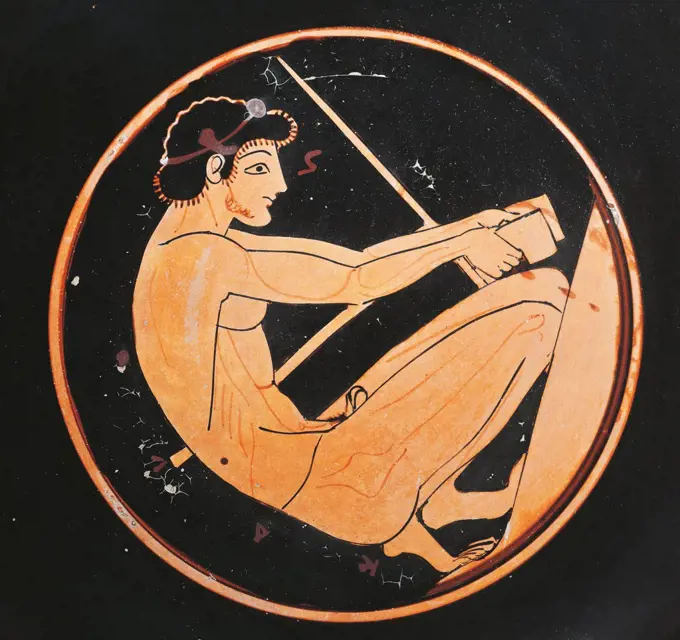
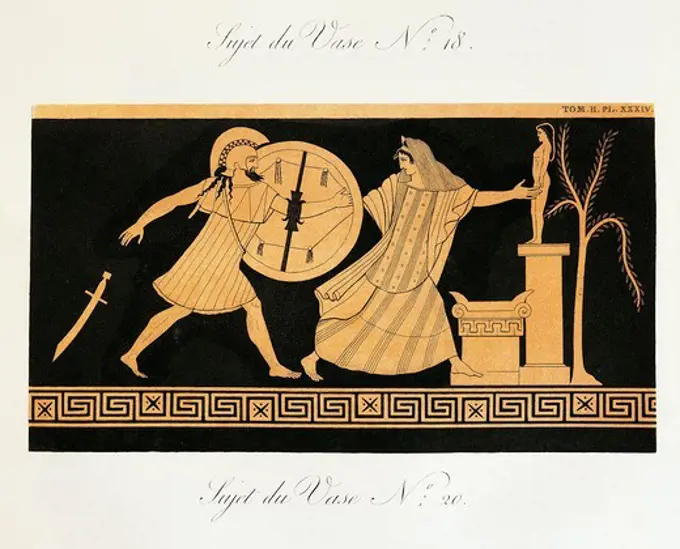
Ancient Greek Vessels

Terracotta amphorae and vessels with black-figure and red-figure techniques, depicting mythological themes from ancient Greek culture.
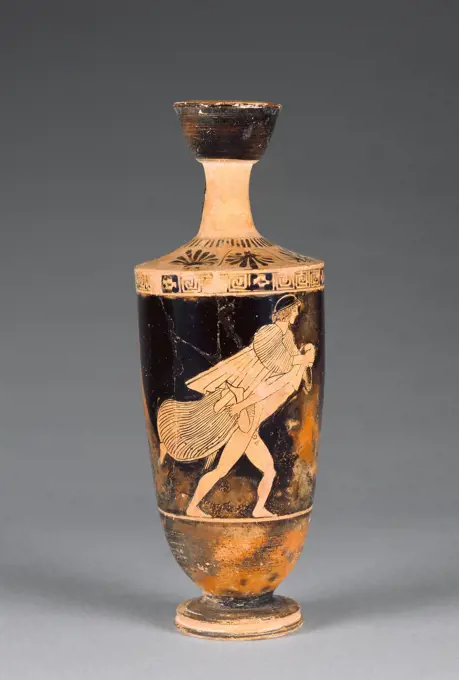
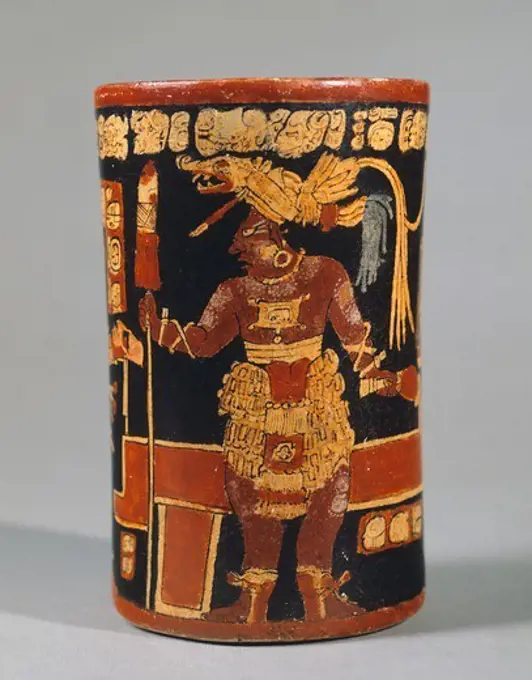
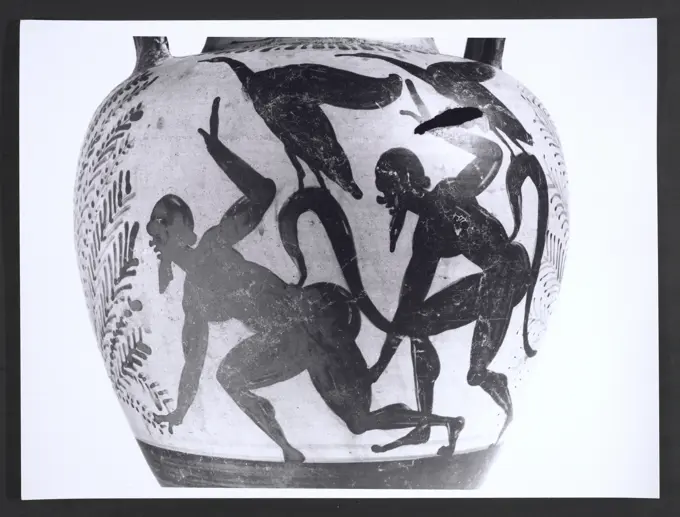
Vessel with a Girl Riding Piggyback on a Satyr; Carlsruhe Painter (Greek, active 475 - 450 B.C.); Athens, Greece; 470 - 460 B.C; Terracotta; 24.5 cm (9 5,8 in.)
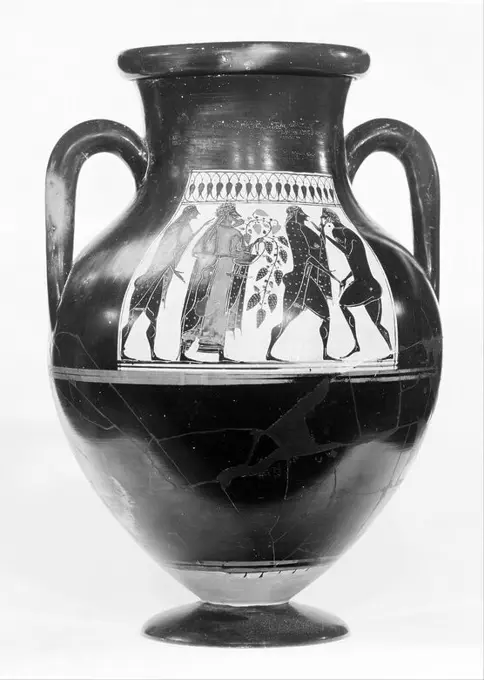
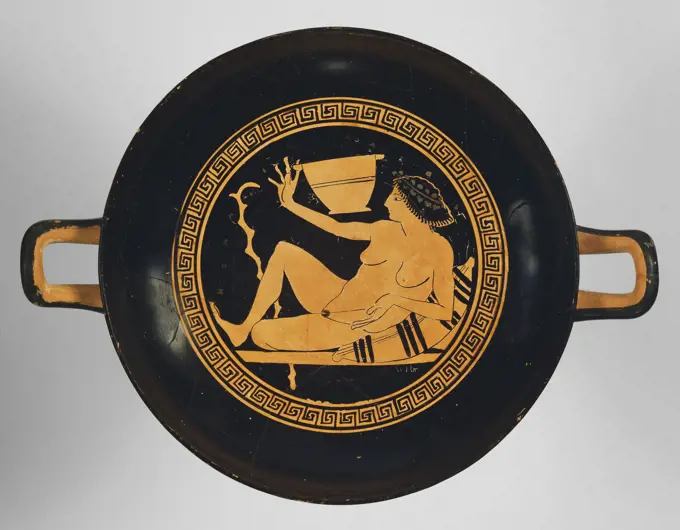
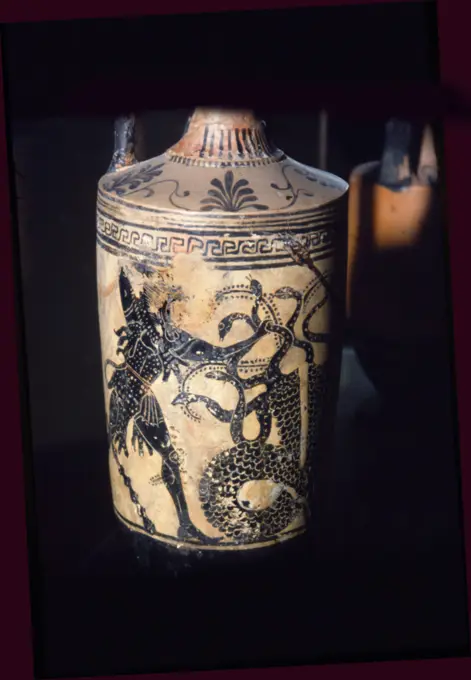
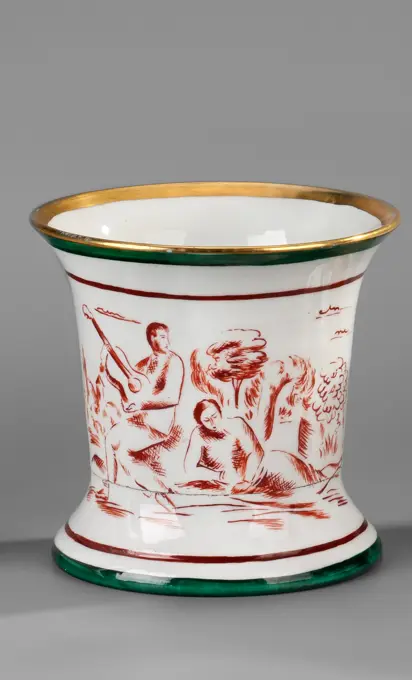
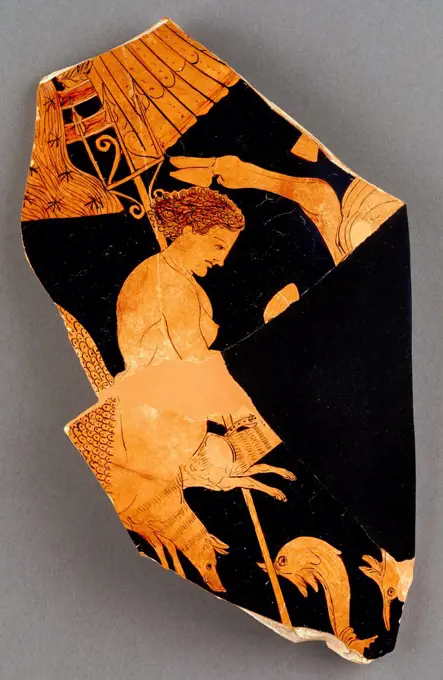
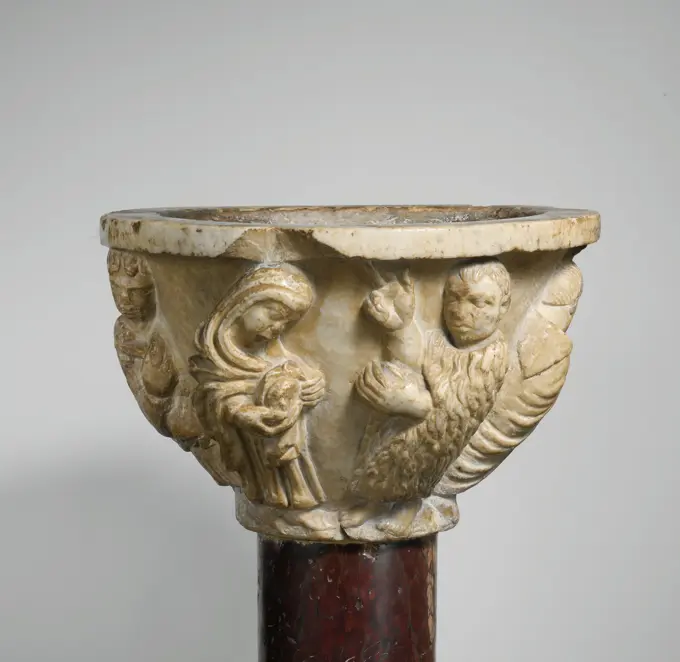
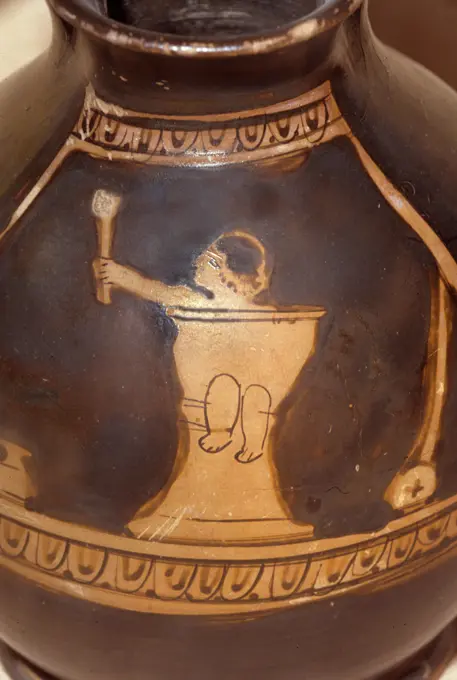
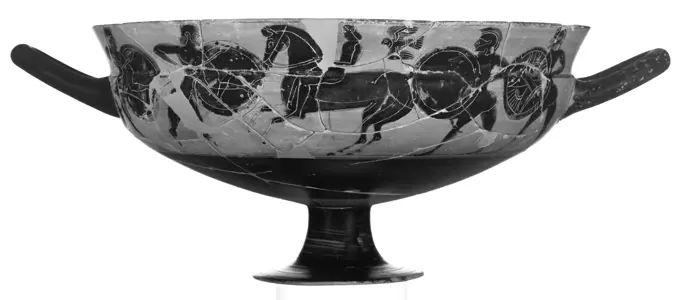
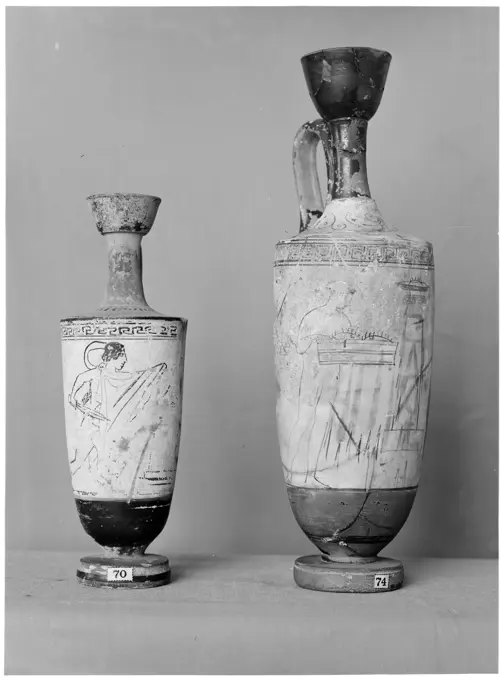
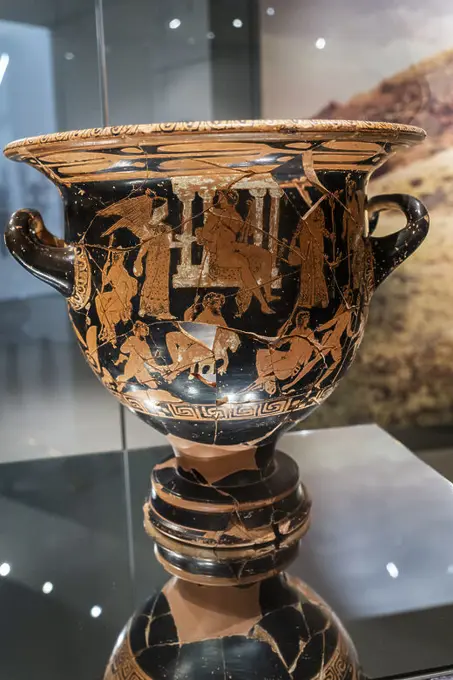
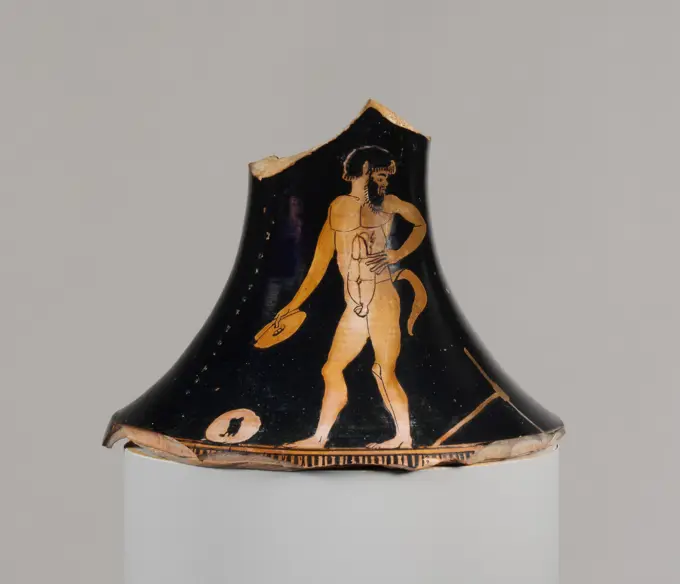
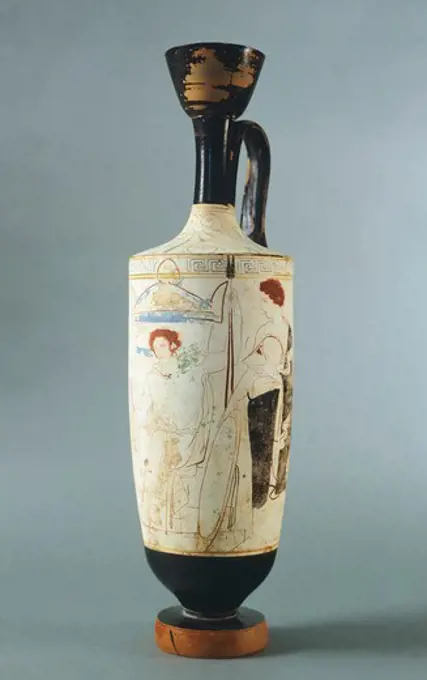
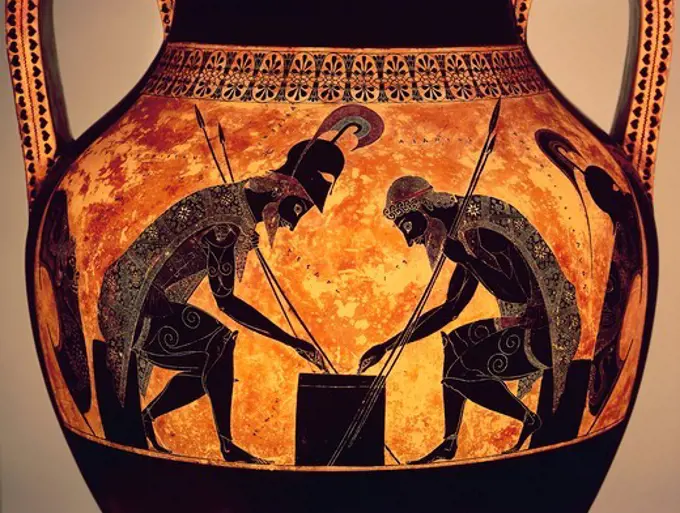
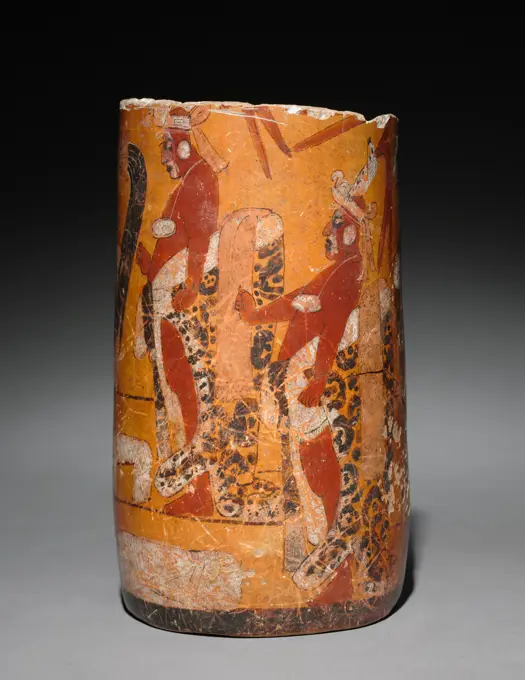
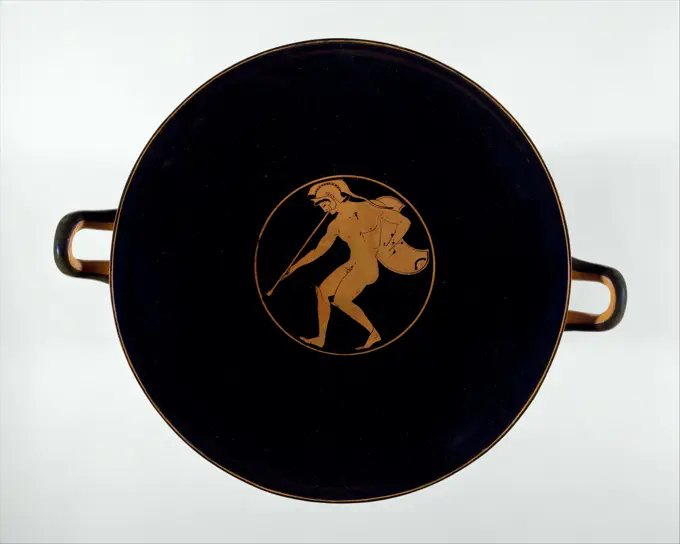
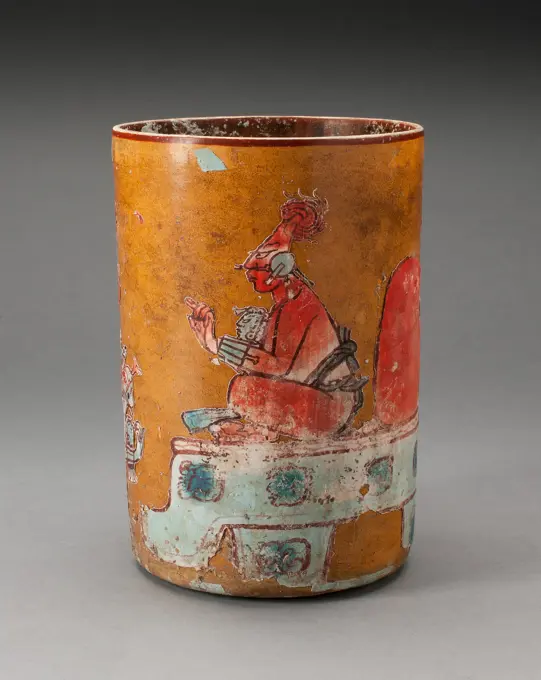
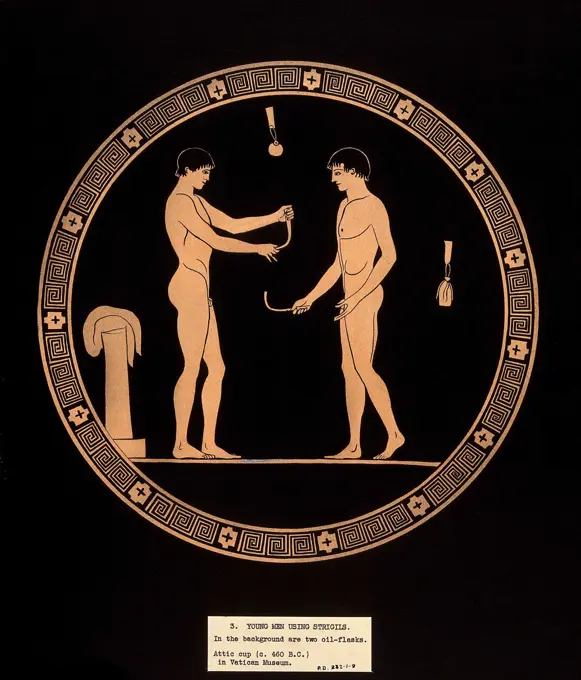
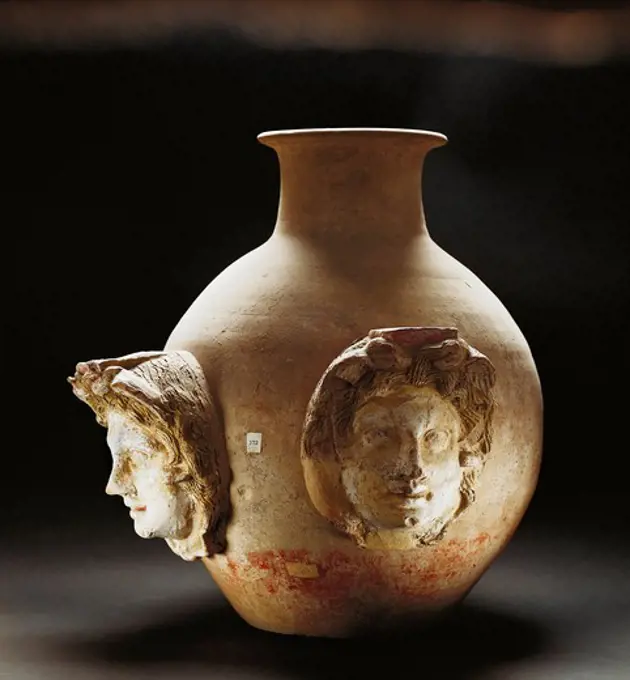
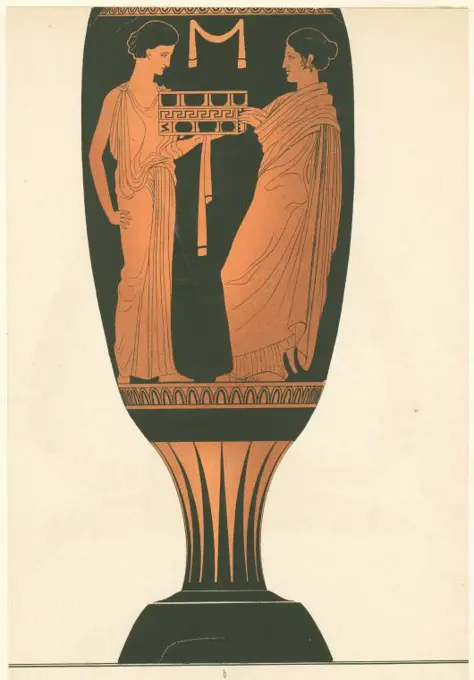
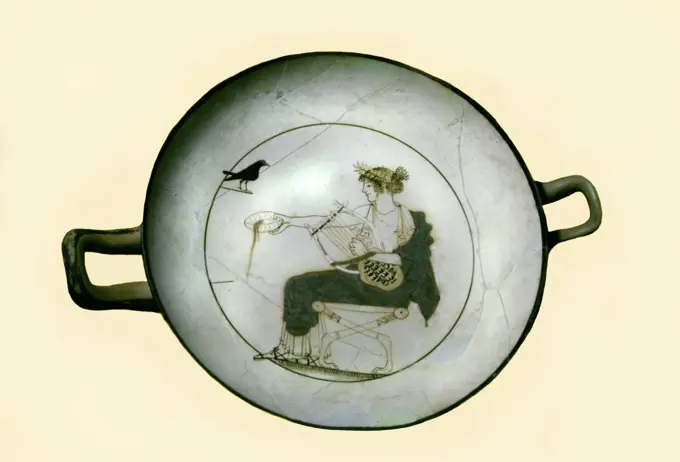
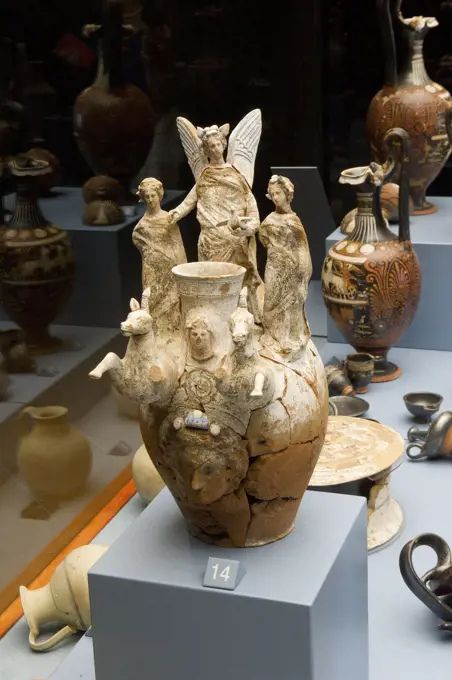
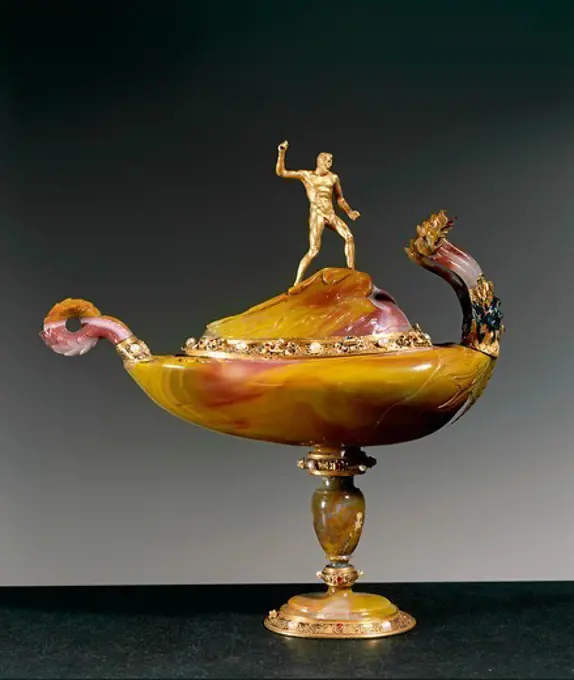
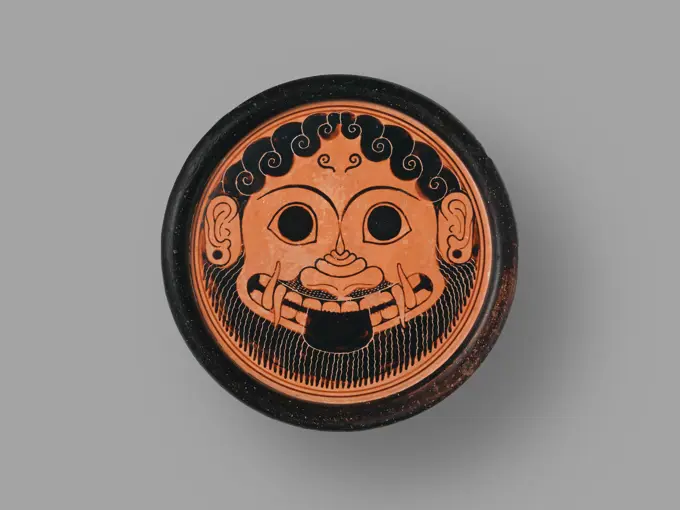
Cylindrical vase showing a depiction of a figure in a parade and hieroglyphic text, artifact originating from Tikal (Peten, Guatemala). Mayan Civilization.Hercules bring Cerberus to Eurystheus (sheltering in the large jar), c6th century BC Artist: Unknown.Ceramica pintada de tradicion celtiberica, Museo-Centro de Interpretacion del parque arqueologico de Segobriga, Saelices, Cuenca, Castilla-La Mancha, Spain, EuropeTerracotta amphora (jar). Culture: Greek, Attic. Dimensions: H. 16 in. (40.7 cm). Date: ca. 550-530 B.C..Obverse and reverse, Dionysos with men and youthsThough the name the Affecter may have a pejorative ring, attention to his work reveals his accomplishment as an artist. The representation of Dionysos, the god of wine, exemplifies the Affecter's solid, slow-moving figures, sometimes ungainly but always articulated with the most precise and varied detail. Museum: Metropolitan Museum of Art, New York, USA.Decorated vase with figurative scene. Painted ceramic. Maya culture. Late Classic Period (600-900 AD). Mesoamerica. Mayan region. Museum of the Americas. Madrid, Spain. Attic Red-Figure Stamnos Fragment. Kleophrades Painter (Greek (Attic), active 505 - 475 B.C.)Plate, c. 550 - 950 CE, 3 1/4 x 12 3/8 in. (8.26 x 31.43 cm), Clay, pigments, Guatemala, 6th-10th centuryWine Cup with a Woman Playing a Game; Attributed to Onesimos (Greek (Attic), active 500 - 480 B.C.); Athens, Greece; about 490 B.C; Terracotta; 8.5 × 36.9 cm (3 3,8 × 14 1,2 in.)Fragment of a terracotta kylix (drinking cup) ca. 480 B.C. Attributed to the Brygos Painter AthleteThe column with the strigil (scraper) and aryballos (oil flask) identifies the setting of the scene as a gymnasium. The man is removing the fillet from his head in order to use it to tie his penis before exercising.. Fragment of a terracotta kylix (drinking cup). Greek, Attic. ca. 480 B.C.. Terracotta; red-figure. Classical. VasesGreek Black Figure vase - lekythos. Herakles fights the Lernean Hydra.Music’ cache-pot (part of the triptych), with a figure of a woman playing guitar. Wąsowicz, Wacław (1891-1942), painterScylla by Black Fury Group (active early 300s B.C.) J. Paul Getty Museum, Los Angeles 375-350 B.C. Clay, paint 19x18,5 Apulian Classical Antiquities Mythology, Allegory and Literature,Objects Applied ArtsHoly-water Font ca. 1160-65 Follower of Guglielmus Italian Scenes of the life of Saint Rainerius encircle this font. The son of a merchant of Pisa, he lived for a time in the Holy Land. The saint wears a hair shirt, emblematic of his austere life. Several of Rainerius miracles involve holy water; his legend is thus appropriate for a font. Rainerius became the patron saint of Pisa following his death in 1160. Carved in high relief from fine marble, the font probably was created in the workshop of a sculptor named Guglielmus, who was responsible for much of the interior stone decoration of Pisa Cathedral.. Holy-water Font 471922Greek art. Red-figure drinking-cup: Dionysus. Clay. Attica, c. 520 BC. Hermaios Painter. The State Hermitage Museum. Saint Petersburg. Russia.Greek vase painting of infant on toilet with rattle, 440 BC.Attic Black-Figure Siana Cup. Malibu Painter (Greek, active about 570 - 560 B.C.)Lekythos 2nd quarter of the 5th century B.C. Attributed to the Tymbos Painter. Lekythos. Greek, Attic. 2nd quarter of the 5th century B.C.. Terracotta; red-figure, white-ground. Classical. Vasesthe hero and the goddess, bell crater from the funerary chamber of Prince Iltirtiiltir, 4th century BC, necropolis of Piquia, Arjona, Iberian culture, Iberian Museum of Jaén, Andalusia, Spain.Attic Lekane red-figure with scene of gynaeceum or women's appartments, IVth century b.C. from Trebbia Valley. Museum: ARCHAEOLOGICAL MUSEUM, FERRARA, ITALIA.Egypt, Alexandria, Painted tumbler with a mythological scene (Ganymede and the Eagle) found in the treasure of Bergam, glassTerracotta kylix (drinking cup). Culture: Greek, Attic. Dimensions: H. 3 1/4 in. (8.2 cm)diameter 8 3/8 in. (21.3 cm). Date: ca. 480-470 B.C..Thracian womanThe large piece of patterned cloth used as a shield identifies the figure as Thracian. She hastens forward holding a spear in her right hand. The characterization suggests that she is an excerpt from a larger scene depicting the death of Orpheus, the irresistible musician. After losing his wife, Eurydice, Orpheus became a recluse. Thus spurned, the enraged women of Thrace killed him. In one version, they tore him to pieces. Museum: Metropolitan Museum of Art, New York, USA.Neck of a terracotta oinochoe (jug) ca. 490 B.C. Attributed to the Harrow Painter Satyr in the palaistra (exercise ground)The satyr stands with his left arm akimbo and his right hand holding a pair of jumping weights. On the ground to either side are a diskos and a pick for loosening soil. During the first half of the fifth century, artists often showed satyrs engaged in human activities, such as cooking, writing, and exercising.. Neck of a terracotta oinochoe (jug) 248682Roman portland vase, me of blue glass decorated with white figures using cameo technique, 1st CenturyAttic lekythos, showing a funeral scene of a warrior seated in front of his tomb, 420-410 BC, attributed to the Painter Parrhasius of Ephesus, white ground pottery from Athens, Greece. Greek Civilization, 5th Century BC.Dish with white background color depicting The Rape of Europa. Zeus transformed into a bull. Athens, ca. 470 BC. Glyptothek. Munich. Germany.Amphora (Storage Jar). Greek; Campania, Italy; Attributed to the Ixion Painter. Date: 340 BC-330 BC. Dimensions: 86.4 × 36.1 × 26 cm (34 1/2 × 14 1/4 × 10 1/4 in.). Terra-cotta, decorated in the red-figure technique. Origin: Campania. Museum: The Chicago Art Institute, USA.Terracotta kylix: eye-cup (drinking cup) ca. 540-530 B.C. Greek, Attic Obverse, between eyes, warrior and woman (Menelaos and Helen)Reverse, between eyes, fightGraffito under the foot: I am Melousa's prize; she won the girl's carding contestThe special interest of this kylix lies in the inscription. It is surprising that a girl who won a carding contest would choose or be given a cup decorated with military scenes. One explanation is that the prize was chosen from the potter's stock. When Menelaos reclaimed his wife, Helen, at Troy, he approached her threateningly but was disarmed by her beauty. If this is the subject of the obverse, the other combats also concern the Trojan War.. Terracotta kylix: eye-cup (drinking cup). Greek, Attic. ca. 540-530 B.C.. Terracotta; black-figure. Archaic. VasesBlack-figure pottery, Attic amphora by Exekias, detail, Achilles and Ajax play diceLazio Viterbo Viterbo Museo Civico96. Hutzel, Max 1960-1990 Views of paintings (Middle Ages through 18th c.), frescoes, a tabernacle, coffin, sculpture reliefs, portal fragments, busts, sculpture, tapestry found in the Pinacoteca, Second floor gallery and Second floor cloister sequences. Antiquities: Many views of Etruscan and Roman fragments, sculpture, sarcophagi, pottery, masks, jewelry and other objects found in the Storeroom sequence (inventory numbers on back of prints), and the Cloister, Second floor Cloister, Valle Giulia, Sala Romana and Sala Etrusca sequences. General Notes: There are eight separate numerical sequences for this location. The cloister as an architectural structure, rather than museum site, is documented in the record and file for S. Maria della Verita, Cloister, all views of which are stored in Medieval core collection. Five views from the Museo Civico Second floor cloister sequence are stored in Medieval. German-born photographer and scholar Max Hutzel (1911-Cylindrical Vessel with Palace Scene, 600-900. Mexico or Central America, Maya stye (250-900). Earthenware with colored slips; diameter: 19 x 11.3 cm (7 1/2 x 4 7/16 in.); overall: 19.1 cm (7 1/2 in.).Terracotta kylix (drinking cup) ca. 500 B.C. Attributed to the Ashby Painter Interior, warrior testing his trumpetExterior, obverse and reverse, symposium (drinking party)The conceit of a drinker looking over a cup is preserved on two major vases by Euphronios and may be considered his invention. Contemporary artists like the Ashby Painter adopted it. Here, the youth holds the flutes for a flute player as she binds her hair. On the other side, a youth holds a drinking cup and a drinking horn while the flute player performs.. Terracotta kylix (drinking cup) 256167Two Joined Attic Red-Figure Calyx-Krater Fragments. UnknownVase Depicting a Courtly Scene Made 600 CE-800 CE Guatemala. Earthenware, slip, stucco, and pigment . MayaTwo young men using strigils. Gouache painting.Italic civilizations, civilization of Canosa di Puglia, Askos decorated with heads in relief, from Canosa di Puglia, Barletta-Andria-Trani Province, ItalyAttic Red-Figure Stamnos Fragments (3). Kleophrades Painter (Greek (Attic), active 505 - 475 B.C.)Greek civilization. Red-figure pottery. Krater attributed to Peleus Painter, detail depicting Apollo CitharoedusOedipus the wanderer, Greek red figure vase, 5th c. BC.Vase dedicated to a dead unmarried person to be placed in tomb Red-figure loutrophoros still image. 1883. The Miriam and Ira D. Wallach Division of Art, Prints and Photographs: Picture Collection. Pottery , Greece, Pottery, Greek, Antiquities, Funeral rites & ceremonies , Greece , To 499, Women , Greece , To 499, Vases, Greek, VasesAncient Greek vase. Apollo with lyre makes offering. White Attic kylix cup.Europe, Italy, Basilicata, Melfi, Museo Archeologico Nazionale del Melfese "Massimo Pallottino"Vessel with Palace SceneTerracotta column krater bowl for mixing wine and water in Ancient Greece. Old 19th century engraved illustration, El Mundo Ilustrado 1880Trojan War killing old man, replica pottery, Athens, GreeceWaza from the cover; Kanzan, Denshichi (1821-1890); nineteenth century (1880-00-00-1899-00-00);ceramics, gift (provenance), Japanese (culture), Rakan (iconography), Japanese artGoldsmith's art, Italy, 16th century. Workshop of Annibale Fontana (1540-1587), Hercules and the Hydra, jasper and enamelled gold vase set with pearls, diamonds and rubies. Height cm. 34.Terracotta stand ca. 570 B.C. Signed by Ergotimos Gorgoneion (Gorgon's face)Ergotimos and Kleitias signed a large volute-krater, now in the Archaeological Museum, Florence, that is a veritable compendium of Greek mythology, particularly relating to Achilles. This stand is the only other preserved work with their signatures. The three Gorgons were so horrible-looking that whoever saw them turned to stone. In Archaic art, the face is a frequent motif, partly because it fits well into a circular format.. Terracotta stand. Greek, Attic. ca. 570 B.C.. Terracotta; black-figure. Archaic. VasesKylix depicting an athlete lifting weights, red-figure pottery, Italy. Detail of the interior. Ancient Greek civilization, Magna Graecia, 5th Century BC.Vase with horses in relief by Angelo Biancini (1911-1988)VASIJA - CULTURA NAZCA - ARTE PERUANO PRECOLOMBINO - 100 AC-700 DC. Location: MUSEO DE AMERICA-COLECCION. MADRID. SPAIN.Scene from ancient Greek vase with Menelaus in Helen's pursuit before altar of Apollo, Scene from Trojan War by Piringer (after Greek original), engravingEtruscan Nasiterne vase from Nola, decorated with an image of a youth beating two mating dogs with sticks. Handcoloured lithograph by A. Delvaux from Cesar Famin's "Musee royal de Naples (The Royal Museum at Naples)," Abel Ledoux, Paris, 1836. This rare volume is a catalog of the collection of erotic paintings, bronzes and statues excavated in Pompeii and Herculaneum and stored in a Secret Cabinet at Naples.