Ancient Iron Tools and Artifacts

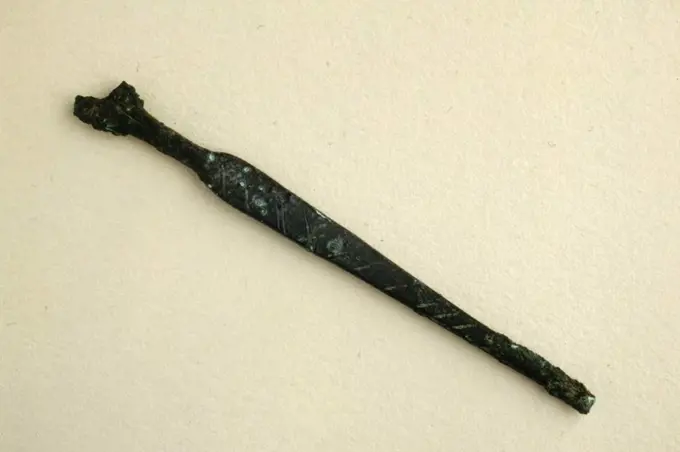
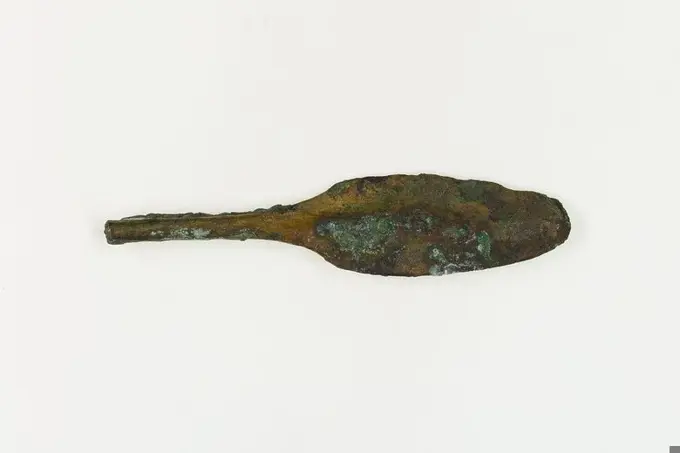
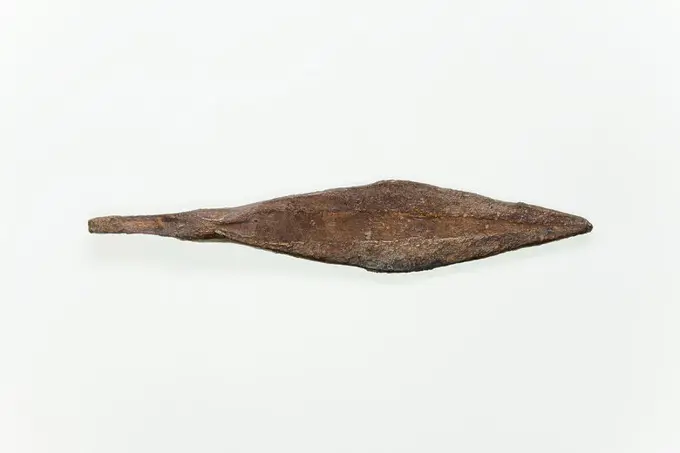
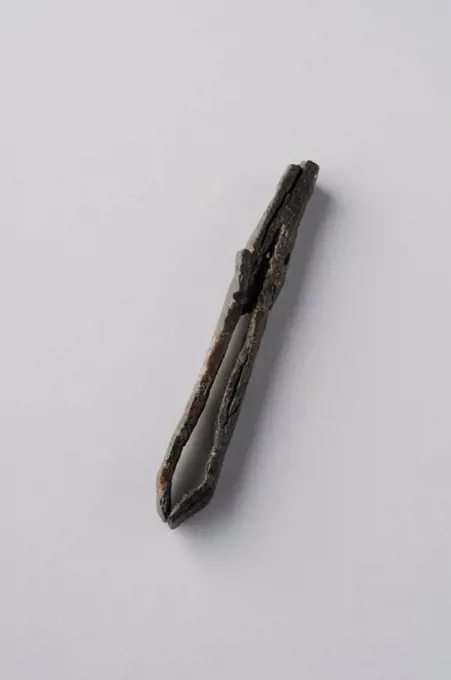
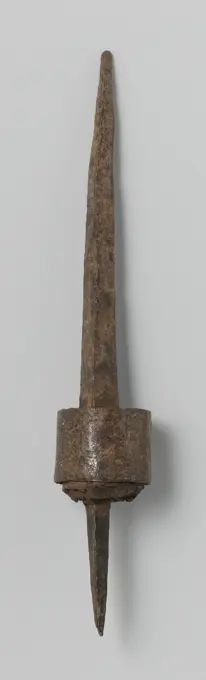
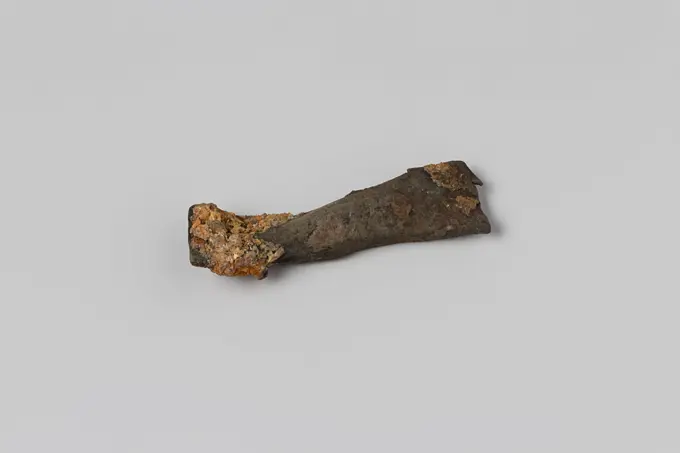
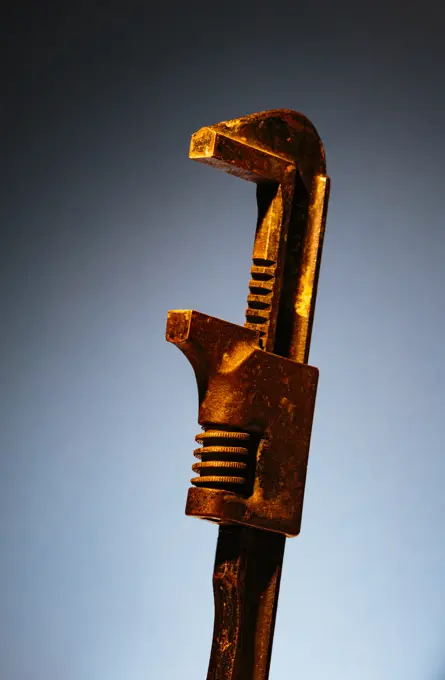
A collection of historical iron and brass tools, including a crowbar, table knife, and censer. The items exhibit unique shapes and are indicative of past craftsmanship.

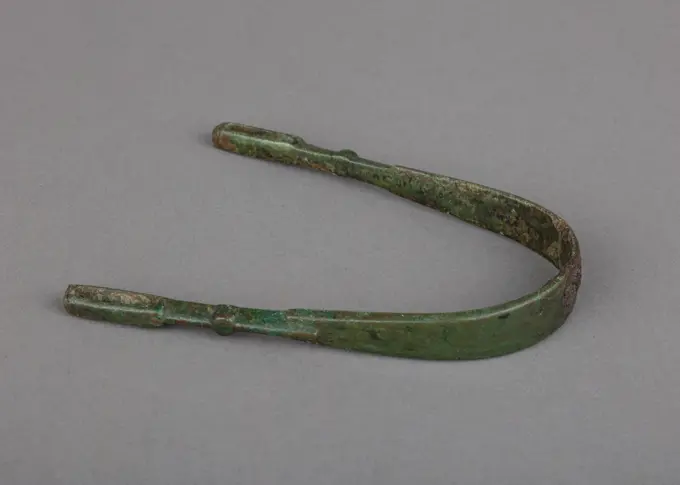
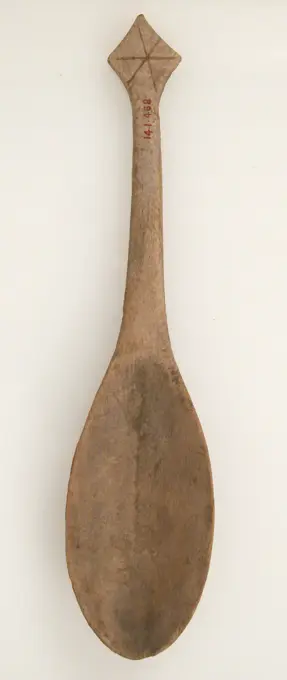
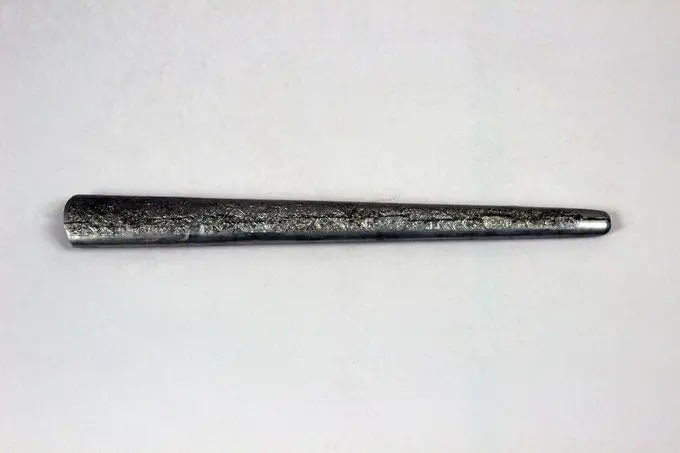
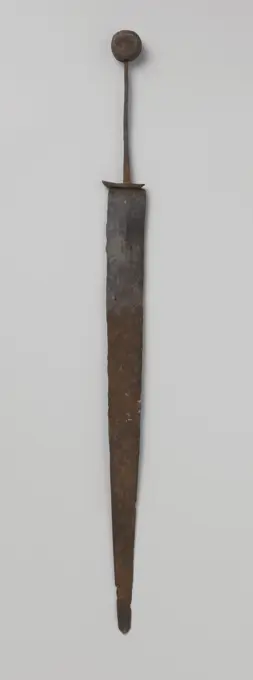
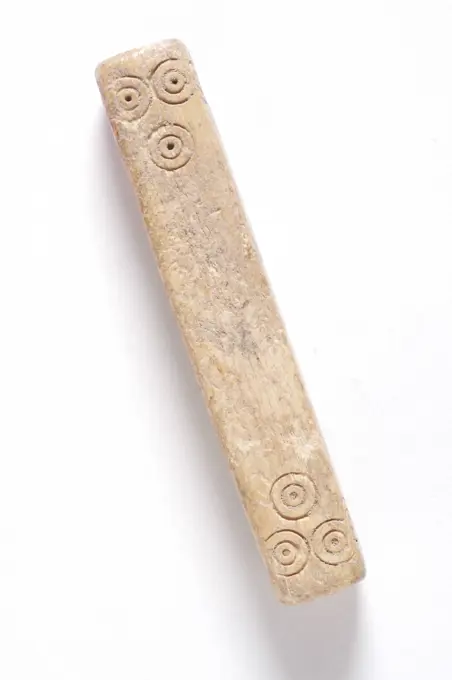
Brass book fittings with decoration, decorative fittings ground find copper brass metal, whipped riveted engraved Double fittings with hook at the end. The other tip flares out and is scalloped. Three cavities are covered by the scallops and little figure is made out of four holes. Along the long sides two notches archeology Rotterdam rail tunnel book adorn close Soil discovery: trajectory rail tunnel Rotterdam.
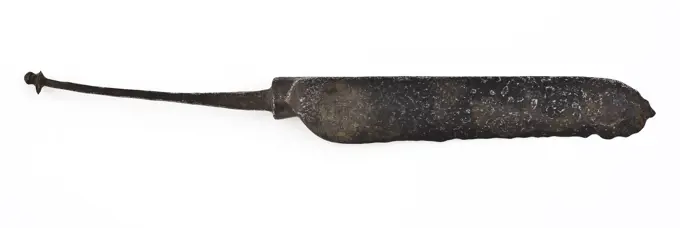
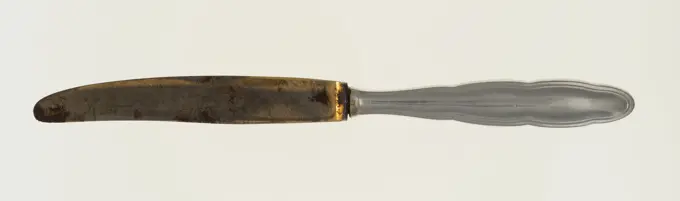
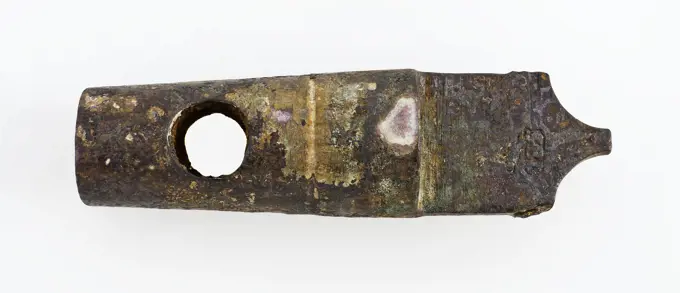
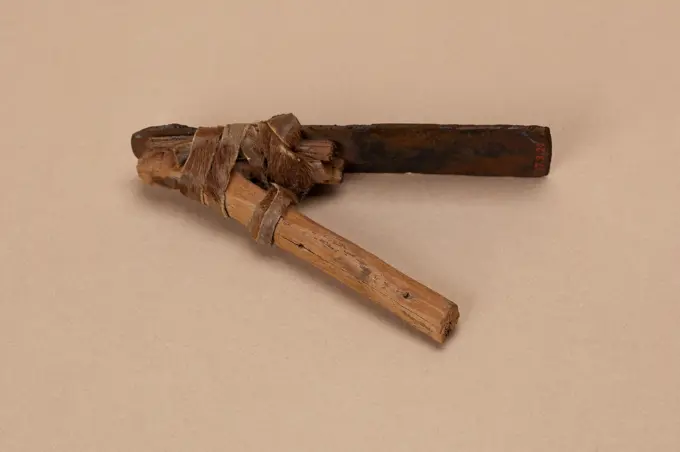
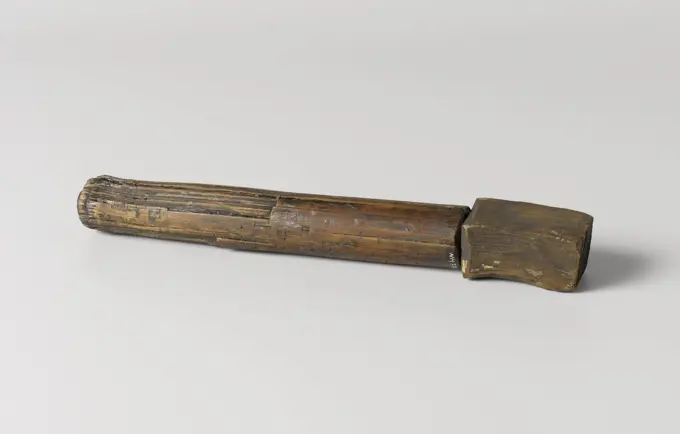
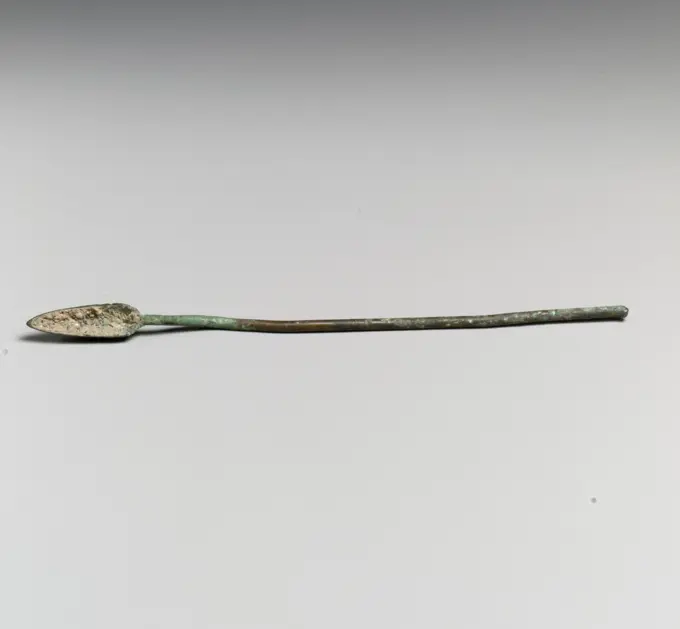
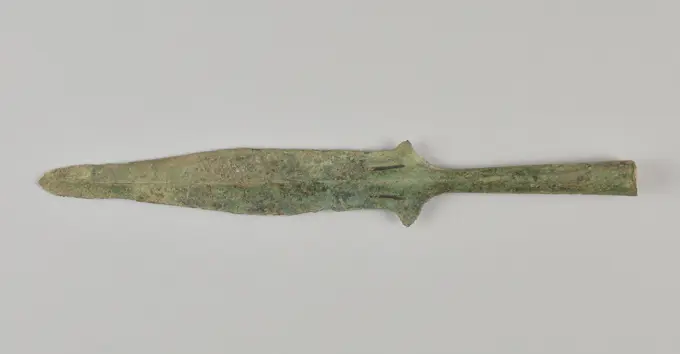
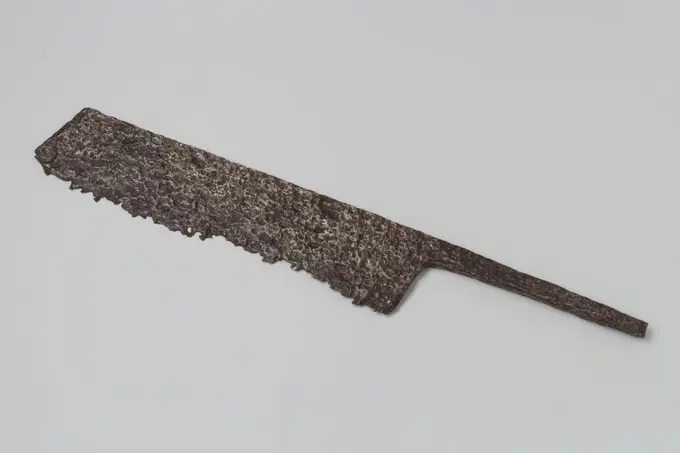
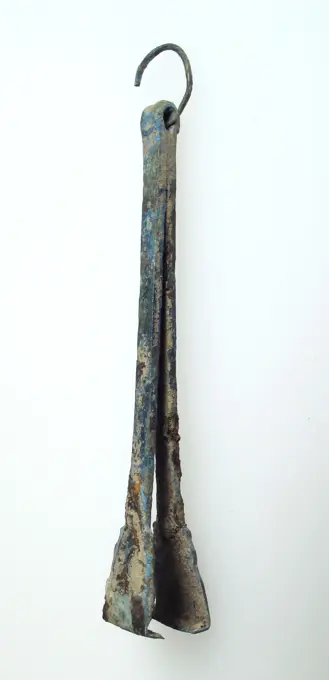
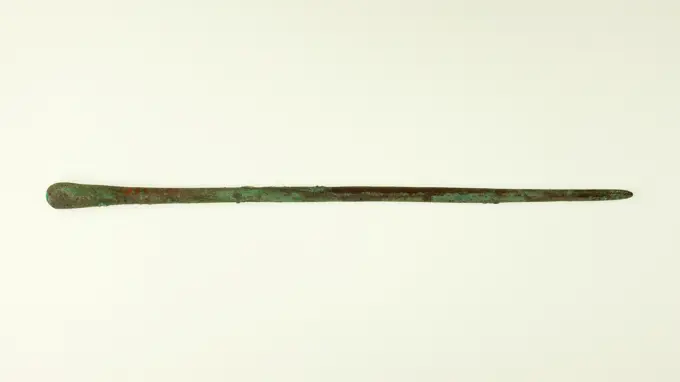
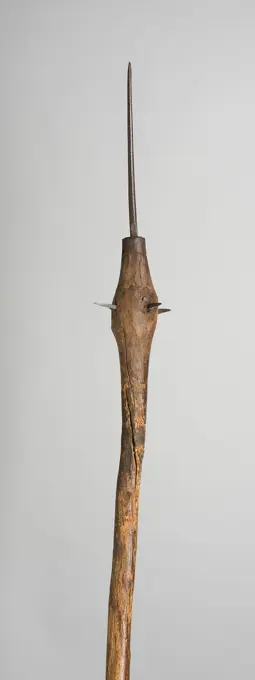
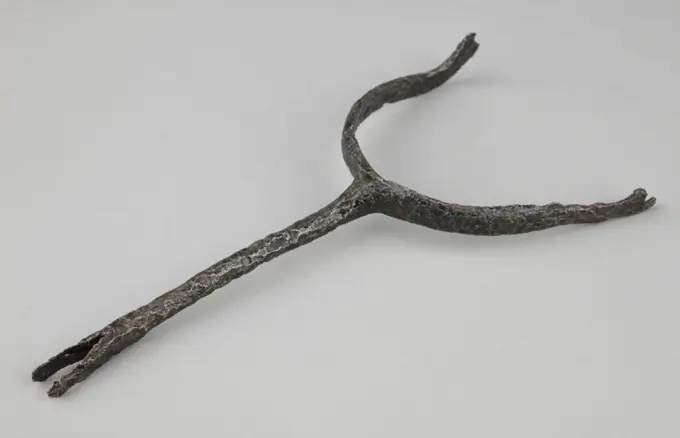
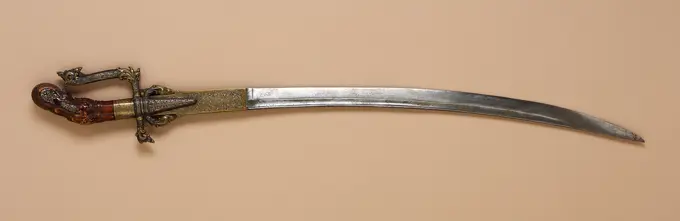
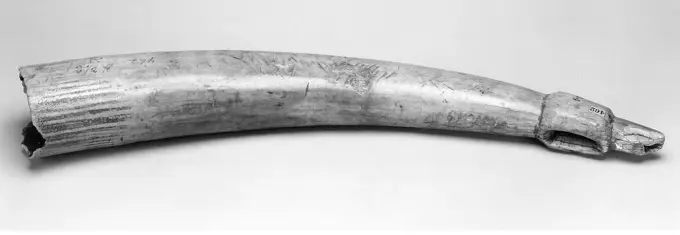
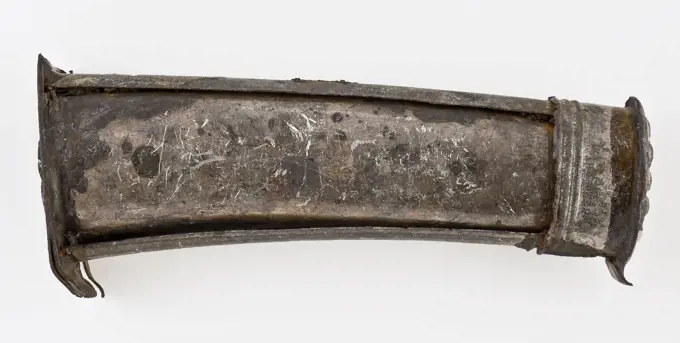
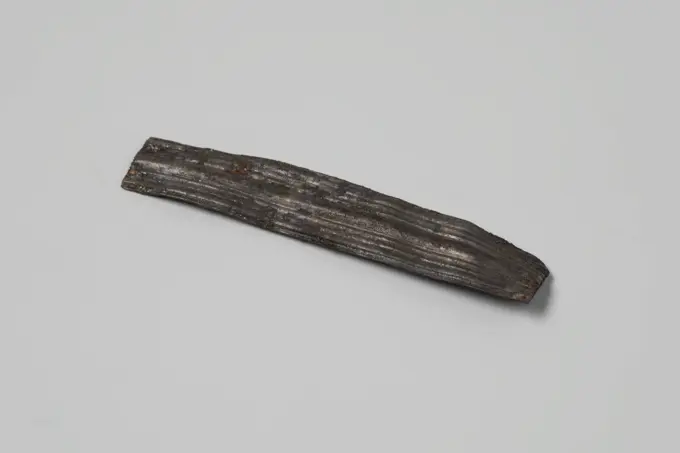
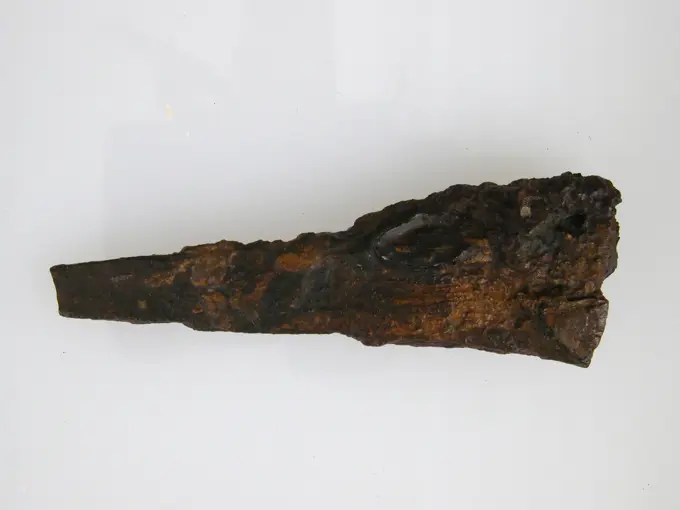
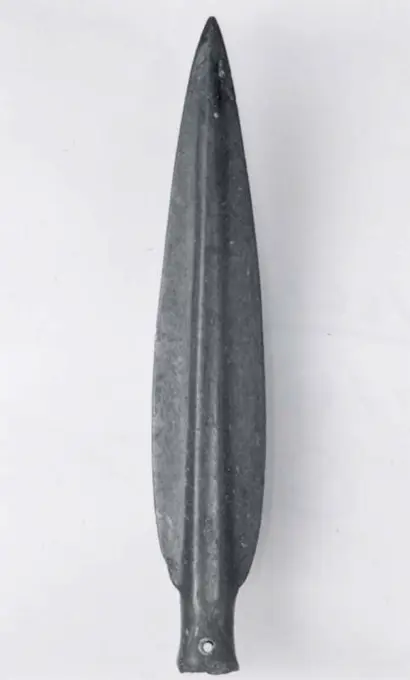
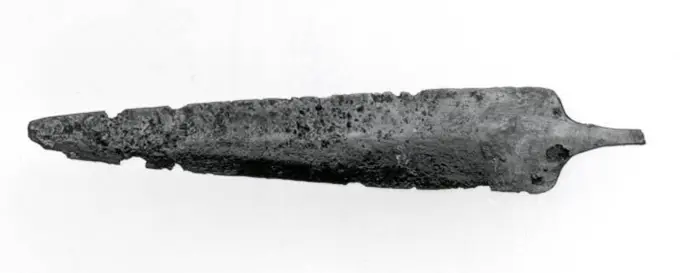
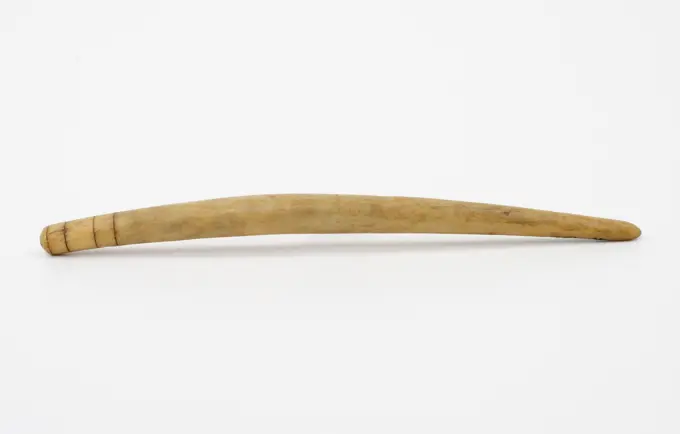
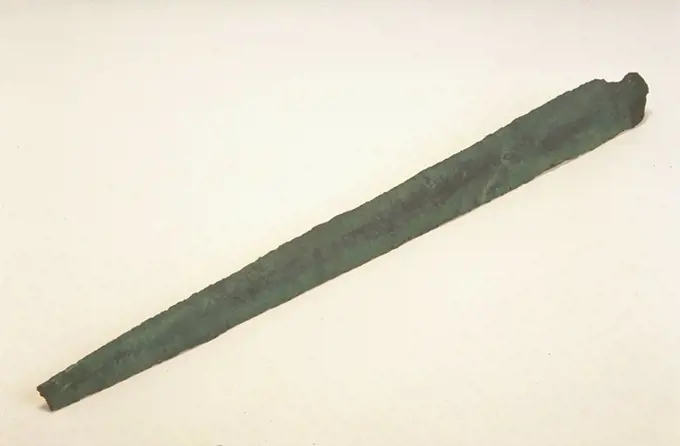
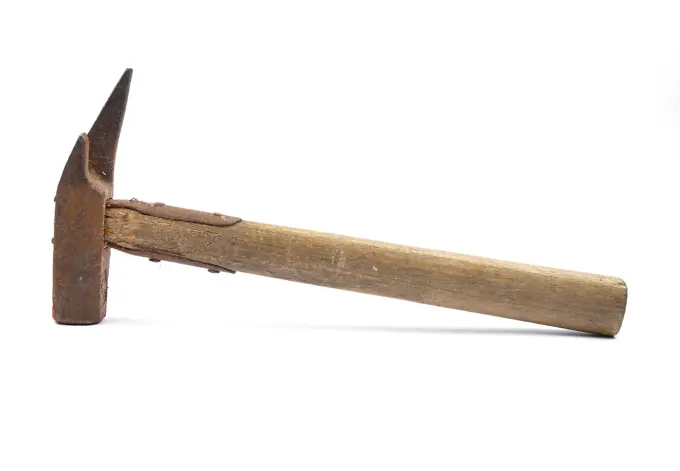
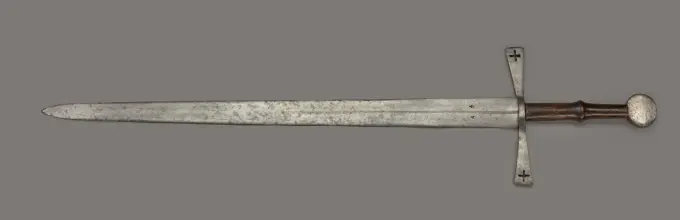
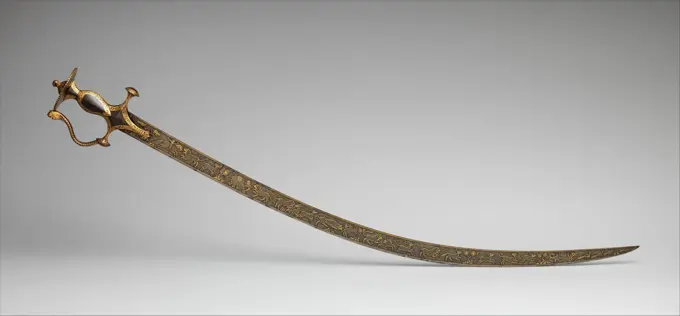
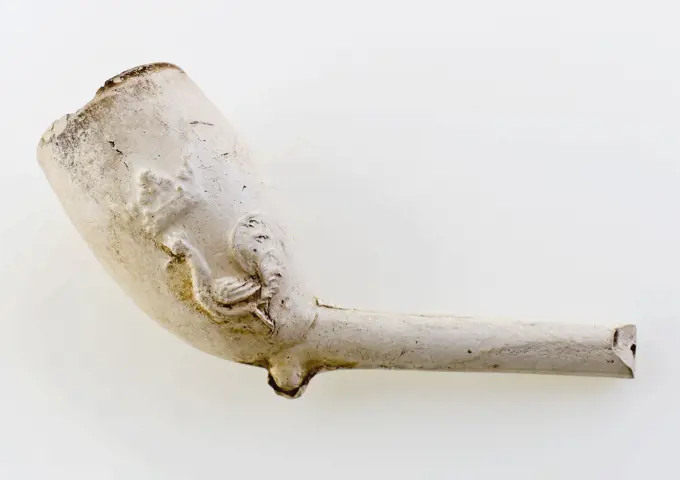
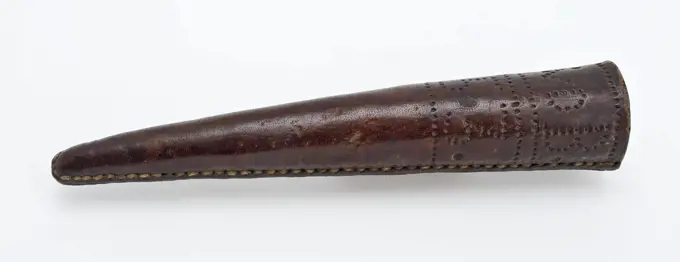
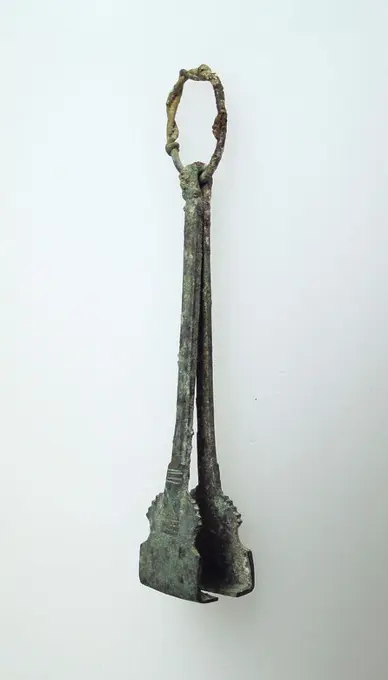
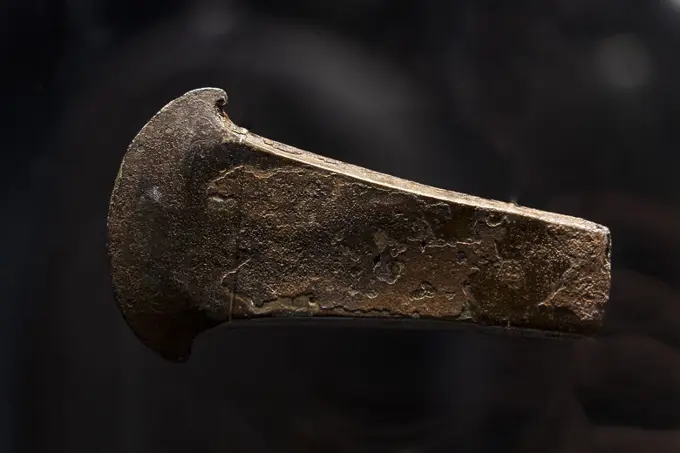
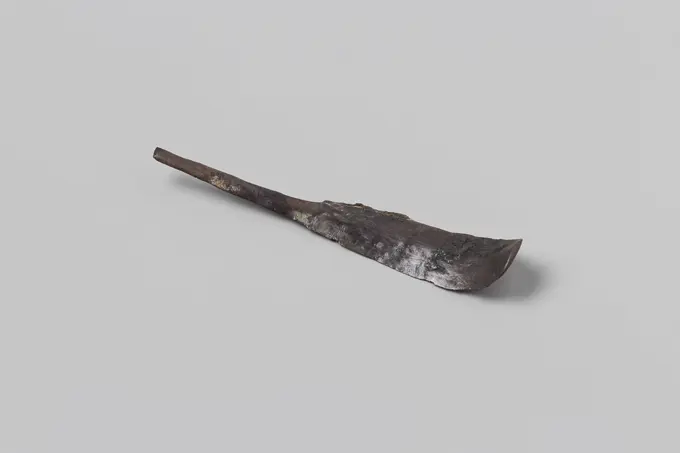
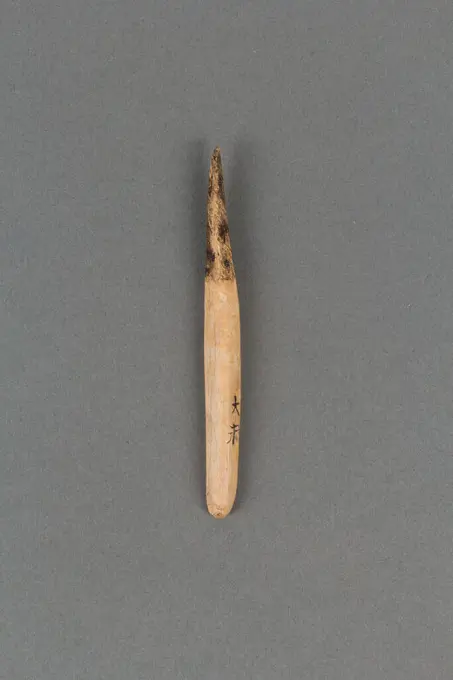
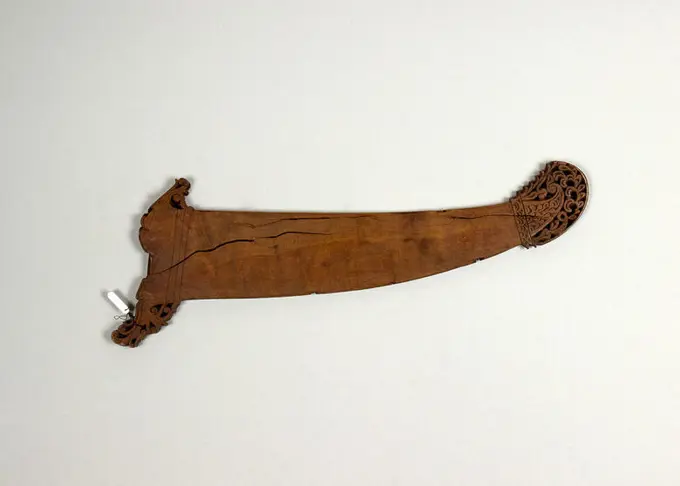
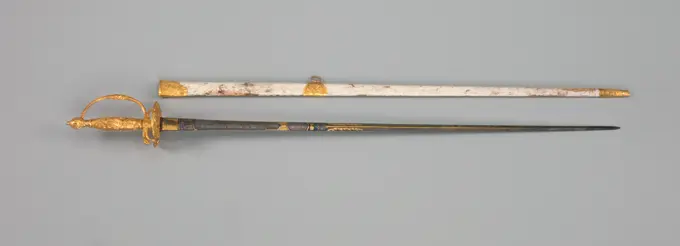
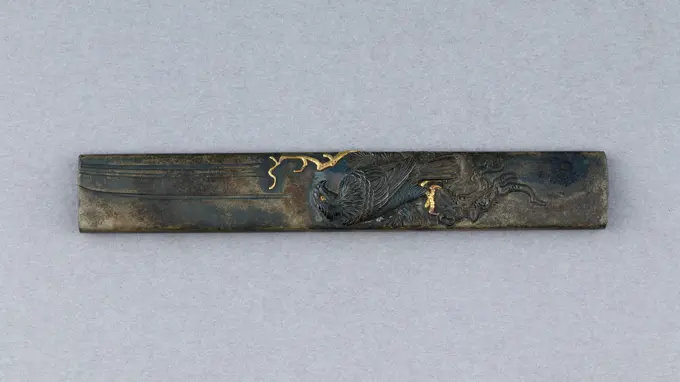
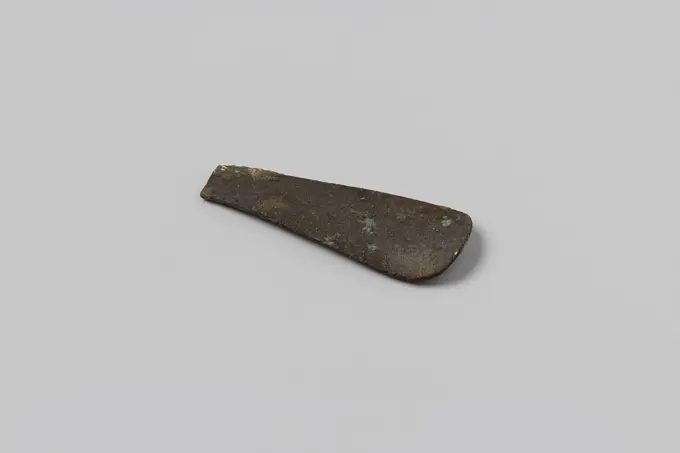
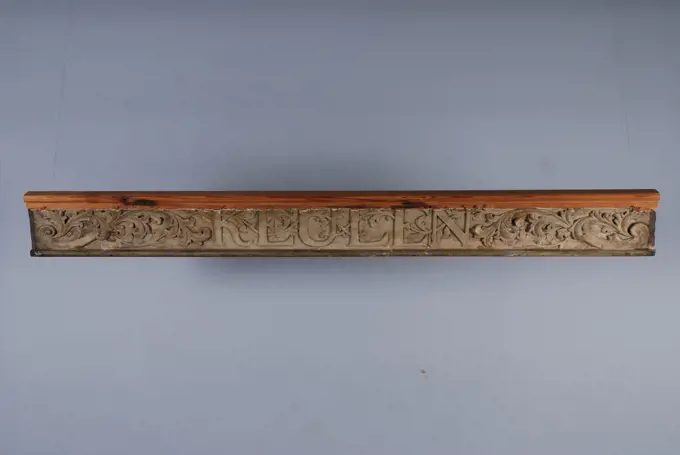
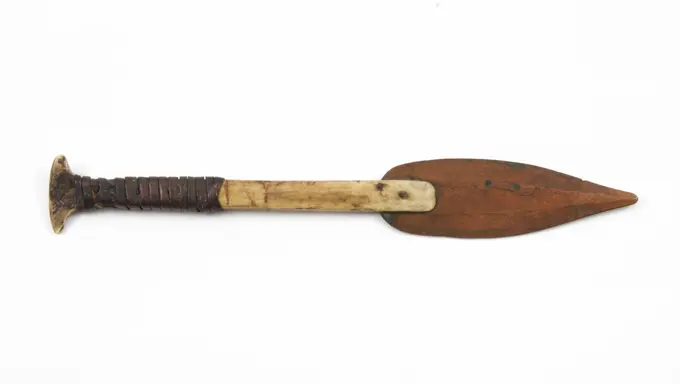
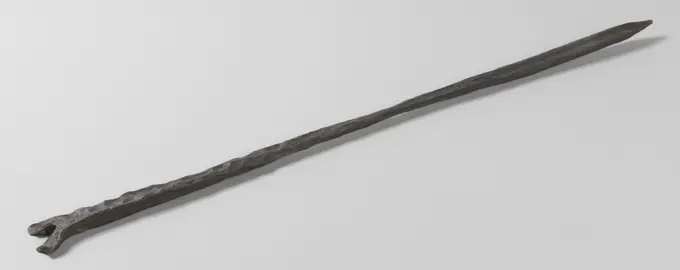
Iron's crowbar with a point on the bottom end and two flat broken wings, anonymous, c at the top end. 1590 - c. 1596  Iron forefeat, narrower in the middle with a point on the bottom end and two flat broken wings (Y-shaped excellent) at the top end. This crowbar was probably used as a standard of a roasting spit. (derived from the fact that the space between the two wings has been worn around).  iron (metal) forging  Nova Zembla. Saving HuysBlade of table knife to point rounded back with long sting with on end knob with knob plate of brass, blade knife cutlery soil find iron brass metal, archeology underground pit Rotterdam Kralingen Muted Slaak Soil discovery underground pit Muted Slaak January 1978.Test from the wreck of the East Indies' t Vliegend Hart, Anonymous, 1700 - 1735  Messions key, slightly bent, in the form of a handle with a round scoop. Key.  brass (alloy)A portion of a censer in the shape of a hand 30 B.C.-A.D. 364 Roman Period. A portion of a censer in the shape of a hand 551073Crossbow Bolt, 1500s-1600s. Germany, 16th-17th century. Wood, leather, steel; average: 37.2 cm (14 5/8 in.).Bowl fragment, inscribed latter part of the 6th century B.C. Cypriot. Bowl fragment, inscribed 243821Yeah dessert; Würtembergische metallwarefabrik - WMF (Germany; Wytwónia Z Otnarz; 1880-1914); after 1880 (1880-00-00-1905-00-00);Brass book fittings with decoration, decorative fittings ground find copper brass metal, whipped riveted engraved Double fittings with hook at the end. The other tip flares out and is scalloped. Three cavities are covered by the scallops and little figure is made out of four holes. Along the long sides two notches archeology Rotterdam rail tunnel book adorn close Soil discovery: trajectory rail tunnel Rotterdam.SBL, Incomplete, metal, labeled plug from tap, stop closure part soil found bronze brass metal, cast finished bronze stop: solid tapered rod in which round opening is recessed handle (in the form of tripod) broken down two more quarter circles are visible. mark on the basis of the grip: SBL underneath sitting bird D archeology Valckensteyn Poortugaal Albrandswaard tap tap holder component barrel beer wine Soil discovery of the Poortugaal castle Valckensteyn.Model adze ca. 1981-1802 B.C. Middle Kingdom. Model adze. ca. 1981-1802 B.C.. Copper, wood. Middle Kingdom. From Egypt, Middle Egypt, Asyut (Lykopolis), Tomb of Ankhef (Tomb 9), Khashaba excavations. Dynasty 12Knife with horns handles oval cross-section and narrowed angel. There is a copper () Rose on the back of the handle. The lifting protector has been profiled.Hollow tube made of wood, part of pattern shape with matching pattern mold made of wood, anonymous, c. 1590 - c. 1596  Hollow wooden tube, part of pattern shape with matching wood pattern mold. Description NM-7769-1 and NM-7769-2. The mold served to make a paper pattern in which the load of gunpowder and the bullet could be prepared for a shot. Kruit and bullet were fixed by means of a wire. The shooter had to do not do more than bite his firearm than to bite the bottom of the pattern and to stomp the pattern with bullet and all in the course of his weapon. The military musket was not loaded with so much precaution in the fight, the bullet went loose in the barrel, possibly wounded with a piece or a piece of paper. If they wanted to shoot over any distance, carefully loading was needed, hence the presence of this device in the preserved huys.  wood (plant material) cutting  Nova Zembla. Saving HuysIce strainer -Flint gun, 1717 - 1750 pistol Pistool with flint lock, iron round smooth run that is interrupted by a profile band. Iron lock plate whose rooster is missing and on the right is the name "Corbav le" (Godfried Corbeau de Jonge) with "Mastricht" below. The left -hand side consists of a plate of brass in which a sample head is engraved by vendors. The flask is made of wood and in poor condition. The flask hood is made of brass on which a sample head with tenders is made. At the top the flask is worked with various decorations. The tractor bracket is missing so that two slots are visible next to the iron tractor. A brass visor grain at the end of the loop. Maastricht Walk, closing plate: Iron (metal). Batting hood: Brass (Alloy). LADE, BAV: WOOD (PLANT MATERIAL)Pin ca. 1295-1070 B.C. New Kingdom, Ramesside. Pin 568381Hunting knifeTweezers 7th century Frankish. Tweezers 465449 Frankish, Tweezers, 7th century, Copper alloy, Overall: 2 11/16 x 1 1/4 x 5/16 in. (6.8 x 3.1 x 0.8 cm). The Metropolitan Museum of Art, New York. Gift of J. Pierpont Morgan, 1917 (17.193.139)Arrowheads, needles, hooks and harpoons. Culture: Japan. Dimensions: W. 3/4 in. (1.9 cm); L. 3 7/8 in. (9.8 cm).These implements--an arrowhead, fishhooks, needle, and harpoon--were skillfully carved from bone, a material worked by Japanese artisans since Paleolithic times. They were found in the Obara Shell Mound at Ofunato Bay in Iwate Prefecture. According to information gleaned from shell mounds, or middens, the people of the Jomon period relied on a variety of strategies to obtain food. The large number of fishhooks, fashioned with and without barbs, together with the rich array of marine remains found in these rubbish heaps since very early times indicate that some fifty species of fish and shellfish constituted an essential dietary staple. Toggle-head harpoons, a later innovation, facilitated the hunting of sea mammals. Attaching a line to the toggle allowed the hunter to draw in his prey once the toggle had broken away from the harpoon shaft. Further evidence gathered from thesSchede van Algerian Sabel by Cornelis Tromp, Anonymous, c. 1600 - c. 1700 sheath Schede of the Algerian Sabel of Nimcha with Hoorn and silver lined (sheath not in the setup). Algeria brass (alloy). leatherKey 13th century German. Key 463321Hammered Copper Chisel 1st-mid-16th century Peru; north coast (). Hammered Copper Chisel 308871Shield handle. Dimensions: L. 57 × H. 8.5 cm (22 7/16 × 3 3/8 in.). Dynasty: Dynasty 11-18. Date: ca. 2124-1504 B.C..Found in the debris of Tomb MMA 808, this is the handle from a wooden shield. It was originally attached to the shield by a set of holes. The ends were later cut off, and notches cut to replace the holes. Museum: Metropolitan Museum of Art, New York, USA.Curette or spoon Roman. Curette or spoon 250621 Roman, Curette or spoon, Bronze, Other: 5 9/16 in. (14.1 cm). The Metropolitan Museum of Art, New York. Rogers Fund, 1917 (17.230.94)Spearhead. Bronze. Cernuschi Museum, Asia Museum of Asia in the city of Paris.Schede van Mes from the wreck of the East Indians Hollandia, Anonymous, 1700 - in Or Before 1743 knife (tool). sheath Knife, scabbard; fragm, eroded: tapering, pointed lower end, longitudinal seam, oval in section. Netherlands leather   SecondHakmes, c. 1400 - C. 1950  A chopping knife.  iron (metal)   Zeeuwsche UytkyckTweezers 7th century Frankish. Tweezers 465484 Frankish, Tweezers, 7th century, Copper alloy, Overall (with ring): 3 3/8 x 1/2 x 3/8 in. (8.6 x 1.3 x 1 cm) without ring: 3 1/16 x 1/2 x 3/8 in. (7.7 x 1.3 x 1 cm). The Metropolitan Museum of Art, New York. Gift of J. Pierpont Morgan, 1917 (17.193.170)Hair pin ca. 1295-1070 B.C. New Kingdom, Ramesside. Hair pin 568384Fish of light green and light brown Jade, Anonymous, -1100 --800  China jade (rock)  China jade (rock)Seat hook with input motifs in gold, silver and turquoise, anonymous, c. -400 - c. -100 Decorated with five lanes in length filled with diamond motifs; Inlaying with silver, gold and turquoise. China bronze (metal). silver (metal). gold (metal). turquoise (mineral) Decorated with five lanes in length filled with diamond motifs; Inlaying with silver, gold and turquoise. China bronze (metal). silver (metal). gold (metal). turquoise (mineral)Morgenstern Made 1600-1675 Switzerland. Iron and wood .Old wooden spindle isolated on white backgroundKnife Switzerland. Knife. Switzerland. Nephrite, deerhorn handle. JadeTalon ax (title awarded). Bronze. Carnavalet museum, history of Paris.Fragment of excavationsBlade with narrowed sting, blade knife cutlery soil find iron wood metal, Blade with narrowed angel bottom bent in connection with the fastening of the handle. Remains archaeological history Rotterdam rail tunnel cutting Soil discovery: rail tunnel Rotterdam.Surveyor's Stake from a Foundation Deposit for Hatshepsut's Temple ca. 1479-1458 B.C. New Kingdom The Egyptian foundation ceremony was called "the stretching of the cord." This refers to the ritual of dedicating a temple, but it also describes the action of laying out the temple's ground plan by driving stakes into the earth and stretching a piece of cord between them. The stake (22.3.246) and a mallet (22.3.245) in this photograph are from one of the foundation deposit delineating the perimeter of Hatshepsut's temple at Deir el-Bahri.. Surveyor's Stake from a Foundation Deposit for Hatshepsut's Temple. ca. 1479-1458 B.C.. Wood. New Kingdom. From Egypt, Upper Egypt, Thebes, Deir el-Bahri, Temple of Hatshepsut, Foundation Deposit 2b (B), MMA excavations, 1921-22. Dynasty 18Sword. Sri Lanka, 18th century. Arms and Armor; swords. Wooden handle inlaid with gold and silver; steel bladeHorn ca. 1874 Zulu Most Sub-Saharan horns and trumpets are blown from the side rather than from the tip where they may be pierced to allow the player to sound different notes by opening and closing the end hole. Depending on regional tradition, blowholes may have a distinctive shape and appear on the concave or convex curve of the tube. Despite diminished importance as military signal instruments, side-blown horns remain a symbol of power and retain an important position in royal regalia. They are played singly or more often, in a large ensemble.. Horn 501080Lifts knife, with oval cross-section, has knife cutlery soil find iron metal, Heft consisting of two parts: core oval in cross-section. The core is contained in 'frame' consisting of lifting guard and hood that are connected to each other by means of two narrow bands. Archeology Rotterdam rail tunnel food Soil discovery: rail tunnel Rotterdam.Decorative batter from the wreck of the East Indies Hollandia, Anonymous, 1700 - in or Before 1743  Fitting, decorative fitting or fragment; strip, flat, straight, relieved multiple-reeded pattern. Netherlands silver (metal)   SecondBelt Buckle Tongue 4th-7th century Frankish. Belt Buckle Tongue 469798Hammered Copper Miniature Spear Thrower 8th-mid-16th century Peru; north or central coast (). Hammered Copper Miniature Spear Thrower 309189A base for writing utensils by Henryk SiemiradzkiDagger 1st millennium B.C. () Iran. Dagger 324545Spearhead ca. 1780-1580 B.C.. Spearhead 323125Skewer -Hat, only half, from a knife, c. 1400 - c. 1950 A half or side of a handle of a knife.  bronze (metal) A half or side of a handle of a knife.  bronze (metal)Fibula with silver bead 7th-6th century B.C. Italic The bow is four-sided in section and strung with a silver bead.. Fibula with silver bead 246351Wooden spoon, spoon, cutlery, earthquake, timber, sawn cut Wooden spoon More or less around the scoop blade End of an ascending stalk archeology Rotterdam food Soil discovery terrain.Fer de Lanaticigarau . Fer, China, Iv-Iie s. to. J.-C. Par musée musée malée. Asian art, Chinese art, Asian civilization, Chinese civilizationESPADA ARGARICA. BRONCE ARGARICO. (DEPOSITO: MUSEO ARQUEOLOGICO NACIONAL).Hinge ,, c. 1400 - c. 1950 Handle with circular ornament. Coming from a Northern Italian or southern German box. Italy (possibly) iron (metal) Handle with circular ornament. Coming from a Northern Italian or southern German box. Italy (possibly) iron (metal)Zimmermannshammer - Claw hammer Zimmermannshammer - Claw hammer Copyright: xZoonar.com/lantapixx 7185373Key 1st-7th century Roman. Key 462947Kris. Culture: Javanese. Dimensions: L. 15 1/8 in. (38.4 cm); L. of blade 12 1/2 in. (31.7 cm); W. 3 in. (7.6 cm); Wt. 9.1 oz. (258 g). Date: 16th-19th century. Museum: Metropolitan Museum of Art, New York, USA.Two handed sword after the Knights TemplarsPin late 4th-early 3rd millennium B.C.. Pin 327529Hunting Sword (Shamshir Shikargar) with Modern Scabbard 18th-mid-19th century Indian, Rajasthan Rajput and Mughal painted hunting scenes commonly depict royalty and nobility wielding swords while pursuing prey on horseback. This example depicts such scenes, sculptured in low-relief decoration. On both sides, running the full length of the blade, is a menagerie of animals, from real to mythical, together with hunters. The guard terminates in the head of a tiger.. Hunting Sword (Shamshir Shikargar) with Modern Scabbard. Indian, Rajasthan. 18th-mid-19th century. Steel, gold, textile (velvet), wood. Rajasthan. SwordsClay pipe, marked with crowned rooster on the kettle, clay pipe smoking equipment smoking ground find ceramic pottery, pressed finished baked Clay pipe marked with crowned rooster on the kettle on the left Small heel without stamping surface. mark: crowned rooster archeology indigenous pottery tobacco smokingNail. Culture: European. Dimensions: Overall: 15/16 in. (2.4 cm). Date: 15th-16th century. Museum: Metropolitan Museum of Art, New York, USA.Goldweight Knot, 19th-20th century, 2 5/16 x 1 3/16 in. (5.87 x 3.02 cm), Brass, Ghana, 19th-20th centuryLeather sheath or sheath, dated, for knife or awl, sheath sheath holder leather, tanned cut sewn Dated leather sheath or knife sheath. Year and initials of the owner made in point stamping around opening: MHVDB below: 1853 carrying storage knifeAgrafe. Jade, China, Iv-Iie s. to. J.-C. Par musée musée malée. Asian art, Chinese art, Asian civilization, Chinese civilization, JadePrick Spur 6th-7th century Longobardic As in all the Germanic cultures, horses had great importance in the Longobardic society, in both its social and religious aspects. Equestrian equipment, like stirrups, spurs and bits, are regularly found in their traditional burials, among the goods warriors wanted to bring with them to the afterlife. The elite would sometimes even be accompanied by sacrificed horses, a meaningful practice at that time, considering the high economic value of horses.This spur has been found at Castiglione del Lago, Italy.The prick spur was the first type of spur to be invented, and it consists of a goad or prick, more or less pointed (missing here), connected to side arms or a heel plate. The earliest spurs were probably simple thorns attached at the back of the heel, before they started to be made out of metal in antiquity. Prick spurs were the main type of spurs used in the Middle Ages until the mid-14th century, when they were supplanted by rowel spurs, which apSpoon 580-640 Coptic. Spoon 474940Kris Sheath. Culture: Javanese. Dimensions: L. 13 3/4 in. (34.9 cm); W. 1 1/2 in. (3.8 cm); Wt. 1.2 oz. (34 g). Date: 16th-19th century. Museum: Metropolitan Museum of Art, New York, USA.Iron sword, anonymous, 1200 - 1300 sword Iron sword, double -edged, the handle with straight -ranging rod broken on either side, ends in a large round button, and is somewhat curved. The length is missing. West-Europa whole: Iron (metal)   NijmegenGaming Piece. Syria, 10th-11th century. Bone, carved and drilledAttachment. UnknownBRONZE SPATULAS (INV-TG-7065 AND 7066). FROM THE CASTLE OF TORREGROSSA, JIJONA (XIII-XIII). (EXHIBITION THE SCIENTIFIC LEGACY OF AL-ANDALUS) (LOCATION: ARCHAEOLOGICAL MUSEUM OF ALICANTE).Javelin head. Dimensions: l. 5.7 cm (2 1/4 in). Dynasty: Dynasty 12-13. Date: ca. 1850-1640 B.C.. Museum: Metropolitan Museum of Art, New York, USA.Wooden clapplate of tub with round hole for handle or rope, tons of stony foundations timber, archeology Rotterdam City center Stadsdriehoek Groenendaal underground pit Soil discovery Rotterdam underground pit Groenendaal at 115 meters from 15th century dirt day 1975-09-22.Tweezers. Culture: Frankish. Dimensions: Overall (with ring): 2 15/16 x 1/2 x 3/8 in. (7.5 x 1.3 x 1 cm)without ring: 2 3/8 x 3/8 in. (6 x 1 cm). Date: 7th century. Museum: Metropolitan Museum of Art, New York, USA.Musketmaat, fragment consisting of leather bottom with ears and remains of powder .. Musketie Fragment consisting of leather bottom with ears and remainder of Kruit. The remainder of the powder is paved.Pin from the wreck of the East Indies Hollandia, Anonymous, 1700 - in Or Before 1743  Tools and instruments, sewing and sailmaking, pin; fragm, handle, id. NG 1980-27H3265. Netherlands copper (metal)   SecondExcerpt or part of the wreck of the East Indians Hollandia, Anonymous, Before 1743 fragment. part Varied parts or fragments, bar(-shaped) fragments; fragm, eroded; curved, circular in section, incurving ends: possibly handle fragm. Netherlands copper (metal)   Secondworking axe, late bronze, beginning of the Iron Age, Museum of prehistory and archeology (MUPAC), Santander, Cantabria, Spain.Fragments copper from the wreck of the East Indians Hollandia, 1700 - in or before 1743 fragment Parts of artefacts; eroded fragments: materials; copper. Netherlands copper (metal)   SecondMiniature canoe -Steel from fork or spoon from the wreck of the East Indiesman Hollandia. Cutlery, fragment: voice or fork or spoon; (1) Fragm, end, eroded, sim. NG 1980-27H1089 / 1291 (-1.1./-4.1.), No Marks Legible.Ladle used in the army unknown labelKnife with broad, rather short blade and legs with cut decoration on end, knife cutlery soil find iron bone metal, archeologyExcavationsWhite clay pipe, marked with stalk decorated with fleur de lis stamps, clay pipe smoking equipment smoke floor pottery ceramics pottery, hand-formed baked White clay pipe marked with fleur de lis stamps decorated handle. Heel mark. heel mark: II in between star the letters cross the bead edge archeology smoking tobaccoArrowheads, needles, hooks and harpoons. Culture: Japan. Dimensions: W. 3/8 in. (1 cm); L. 3 1/8 in. (7.9 cm). Museum: Metropolitan Museum of Art, New York, USA.Arrow or Javelin Point of Neferkhawet. Dimensions: L. 8.1 cm (3 3/16 in.); W. 1.5 cm (9/16 in.); Greatest thickness 0.5 cm (3/16 in.). Dynasty: Dynasty 18, early. Reign: reign of Thutmose I-early sole Thutmose III. Date: ca. 1504-1447 B.C.. Museum: Metropolitan Museum of Art, New York, USA.Tweezers made of bronze ( Volsellae ). Length 61 mm Width 11 mm Thickness 2 mm.( 2nd- 4 th CE ) - Roman period from the archaeological site of Complutum in Alcalá de Henares ( Madrid ). SPAIN.Point of Vaarstok, with tire and leftover wood, anonymous, c. 1590 - c. 1596 fragment Ship section, point of Vaarstok, with strap and leftover wood.  wood (plant material). iron (metal) forging  Nova Zembla. Saving HuysFragment of buyer from the wreck of the East India Hollandia.parts or artifacts; eroded fragments: Materials; Copper.Large legs pointed with four barbs, pointed harpoon soil found bone, sawn cut cut Late stone age archeology Maglemose culture Rotterdam Maasvlakte prehistoric stone age late stone age fishing fishing catch feeding hunt Soil discovery Maasvlakte Maglemose culture.Old rusty hammer, toolKnife Sheath. Culture: Filipino. Dimensions: L. 17 in. (43.2 cm); W. 6 1/4 in. (15.9 cm); Wt. 7.1 oz. (201.3 g). Date: 18th-19th century. Museum: Metropolitan Museum of Art, New York, USA.Embalmer's Swab Third Intermediate Period-Late Period ca. 945-525 B.C. View more. Embalmer's Swab. ca. 945-525 B.C.. Linen. Third Intermediate Period-Late Period. From Egypt, Upper Egypt, Thebes, Asasif, Ramesside Temple Area, Birbiyeh No. 45 (Embalmers' cache II), MMA excavations, 1935-36. Dynasty 22-26Sword and Scabbard for StephenDecatur.   Maker: Liberty Browne, American, 1776-1831Honorand: Stephen Decatur, American, 1779-1820Knife Handle (Kozuka) ca. 1615-1868 Japanese A kozuka is a handle of a by-knife that is part of a sword mounting. It is kept in a slot on the reverse of a katana scabbard, often with a matching kōgai (hairdressing tool).. Knife Handle (Kozuka) 34606Fragment stem from fork or spoon from the wreck of the East Indiesman Hollandia. Cutlery, fragment: voice or fork or spoon; Fragm, ID. NG 1980-27H1373a.Adjustable pipe wrench, USAWooden rectangular lintel with carved acanthus motifs around COLOGNE lettering, door frame wood carving sculpture sculpture wood paint gypsum gg 18,0, COLOGNE print shop Waesberghe Westnieuwland Grotemarkt Stadsdriehoek City center Rotterdam house Cologne House Cologne on the Westnieuwland (Grotemarkt) in Rotterdam.Knife -