Ancient Iron Tools and Artifacts

A collection of historical iron and brass tools, including a crowbar, table knife, and censer. The items exhibit unique shapes and are indicative of past craftsmanship.

Brass book fittings with decoration, decorative fittings ground find copper brass metal, whipped riveted engraved Double fittings with hook at the end. The other tip flares out and is scalloped. Three cavities are covered by the scallops and little figure is made out of four holes. Along the long sides two notches archeology Rotterdam rail tunnel book adorn close Soil discovery: trajectory rail tunnel Rotterdam.
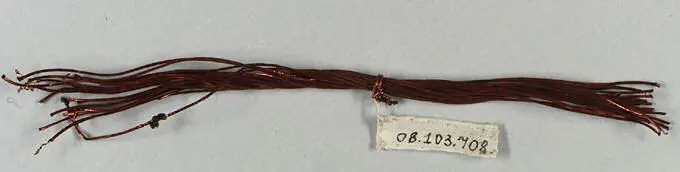
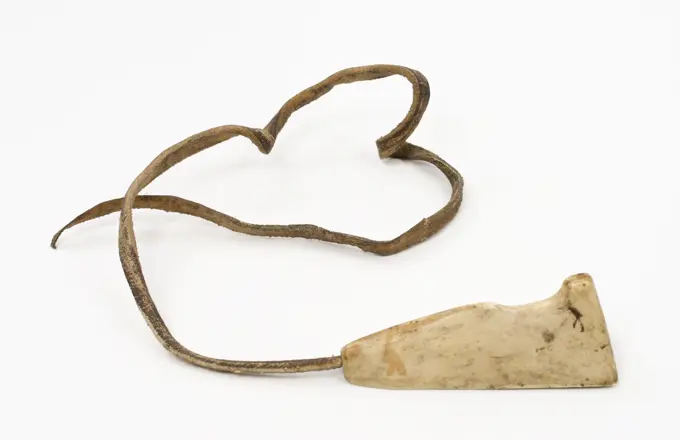
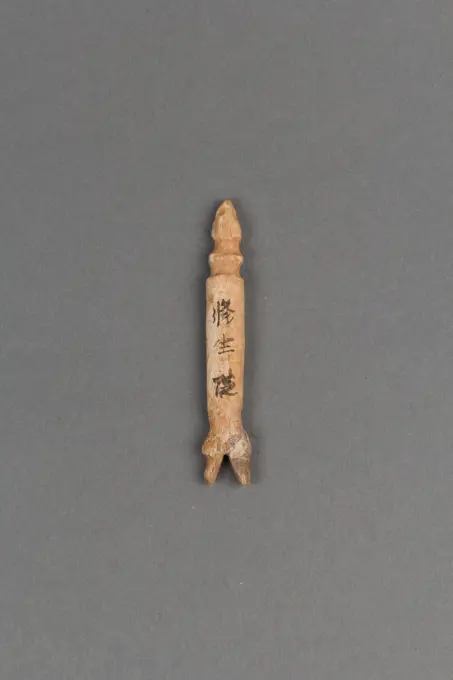
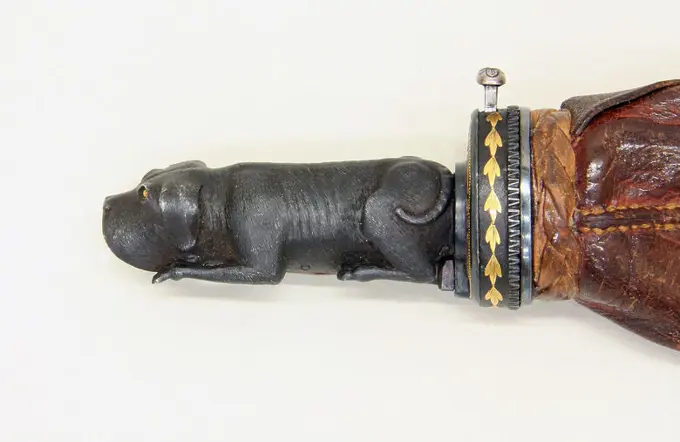
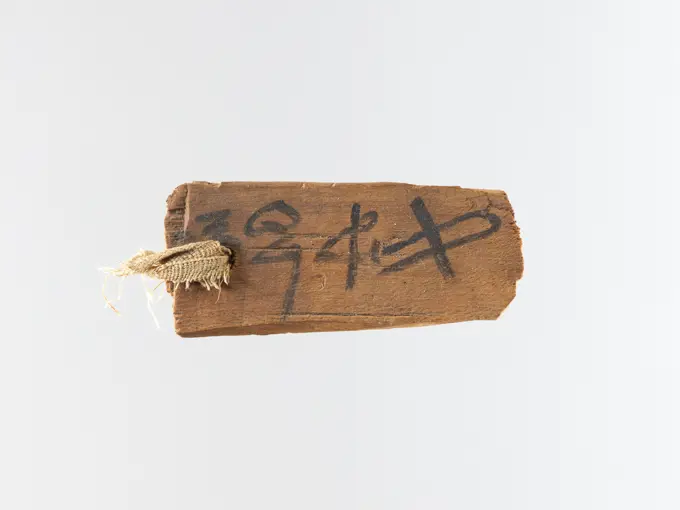
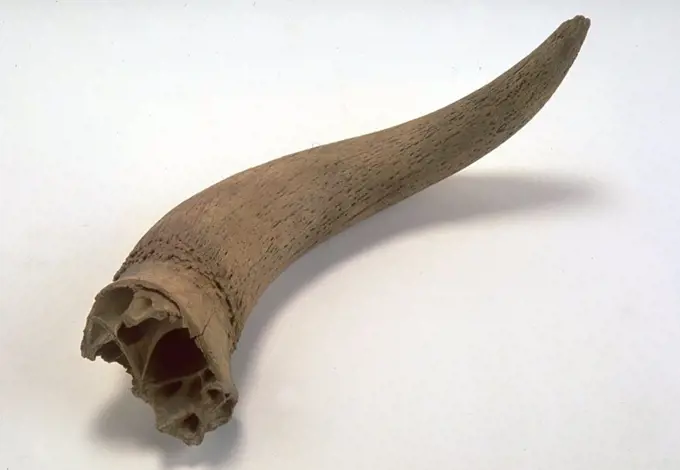
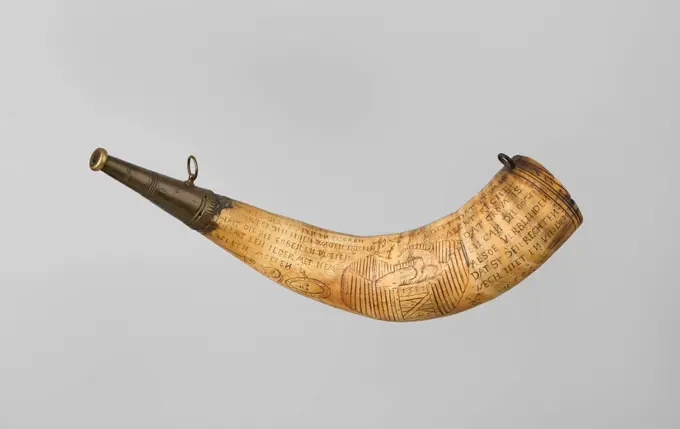
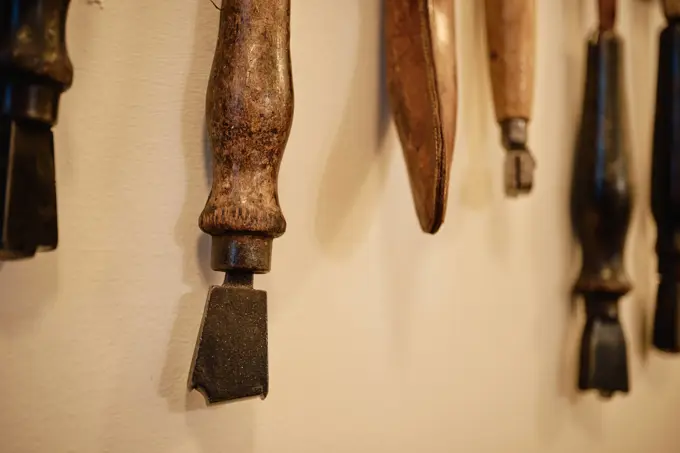
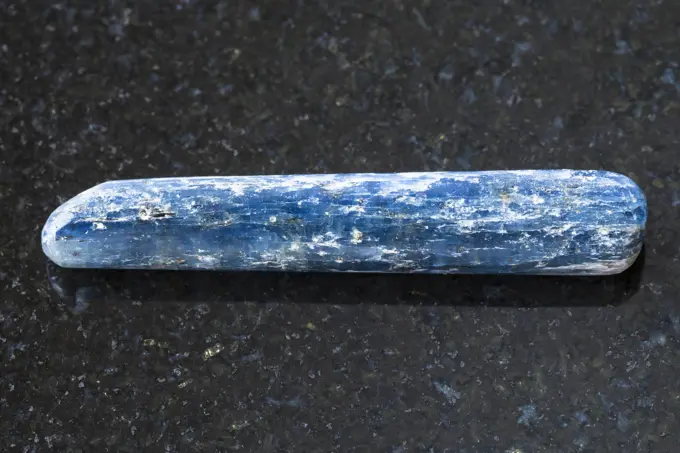
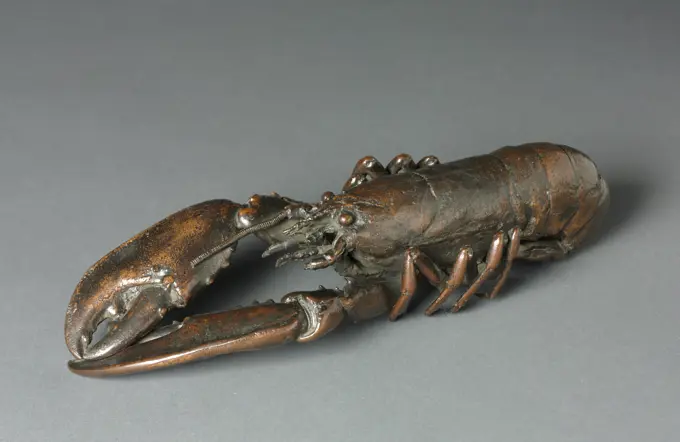
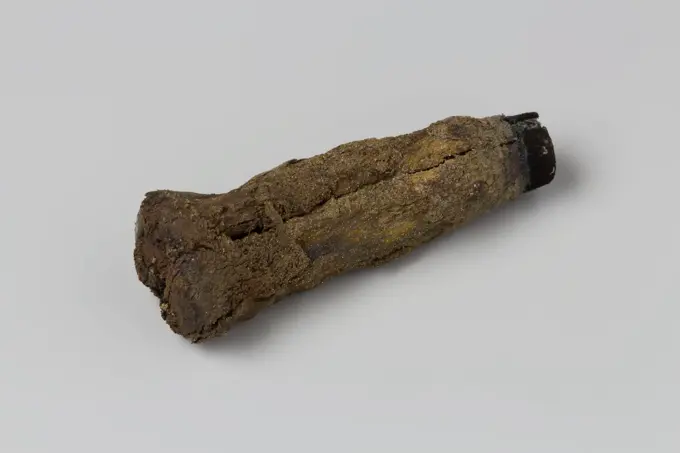
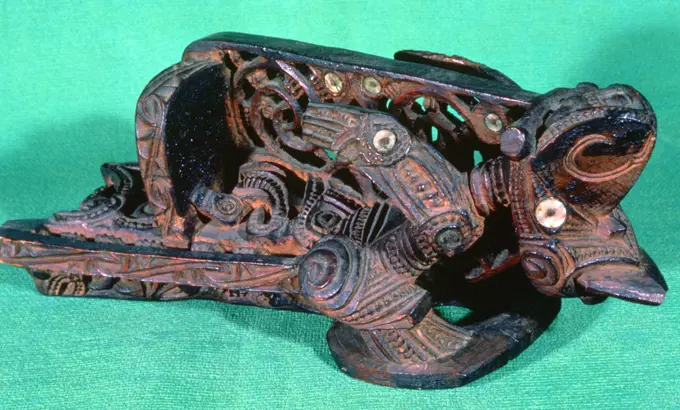
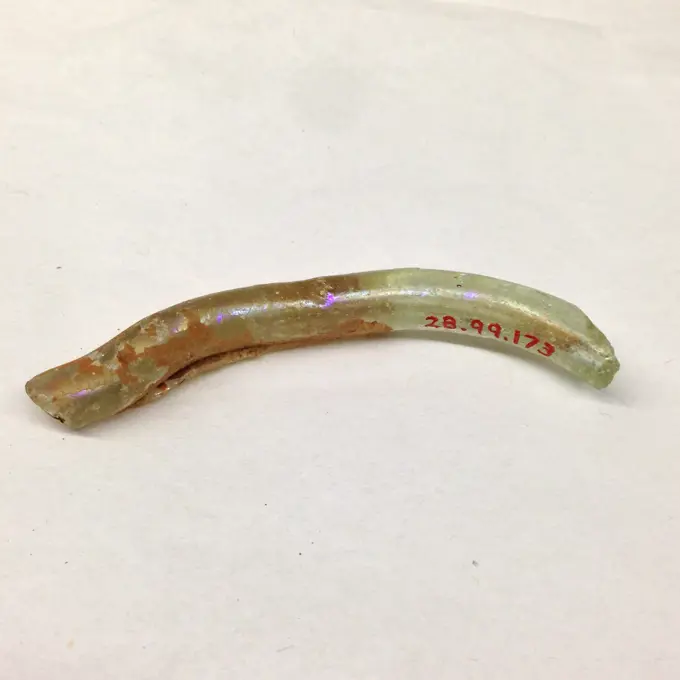
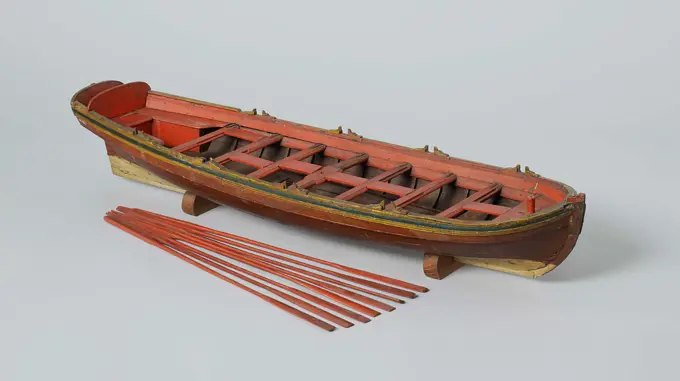
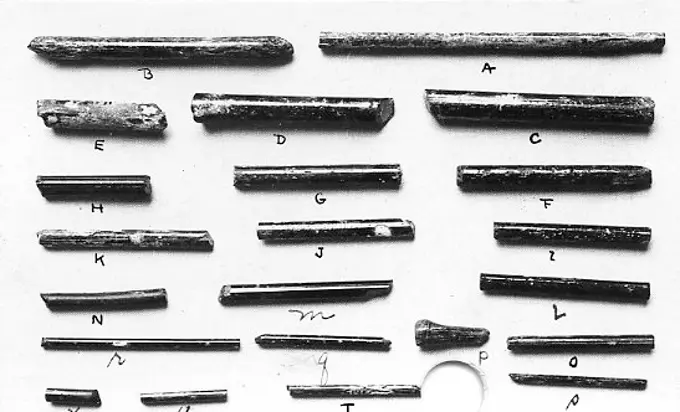
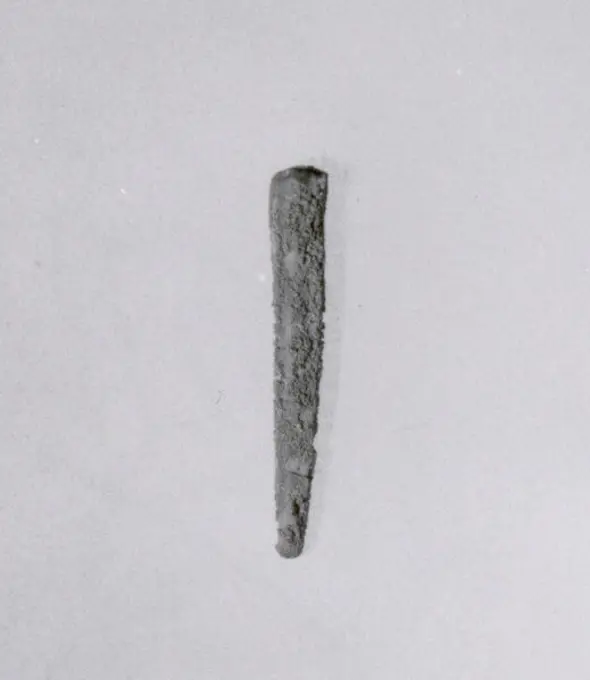
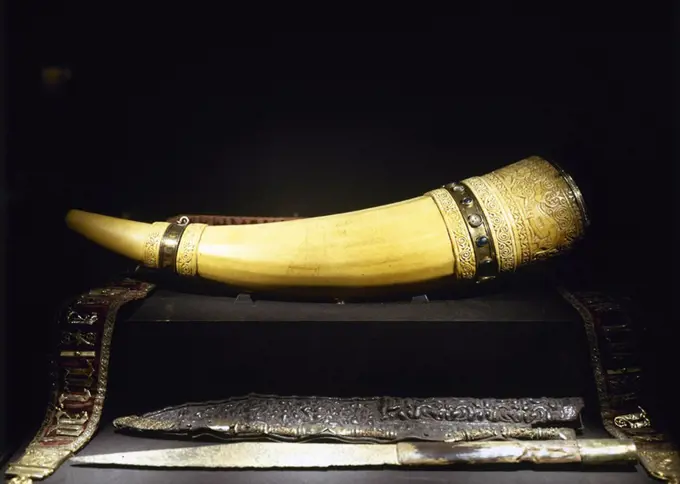
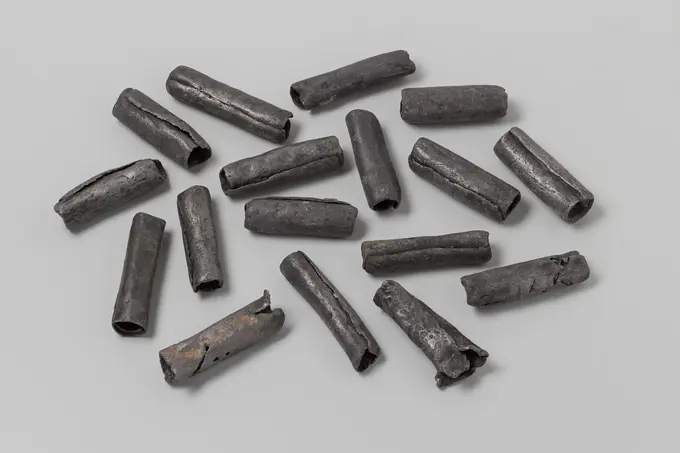
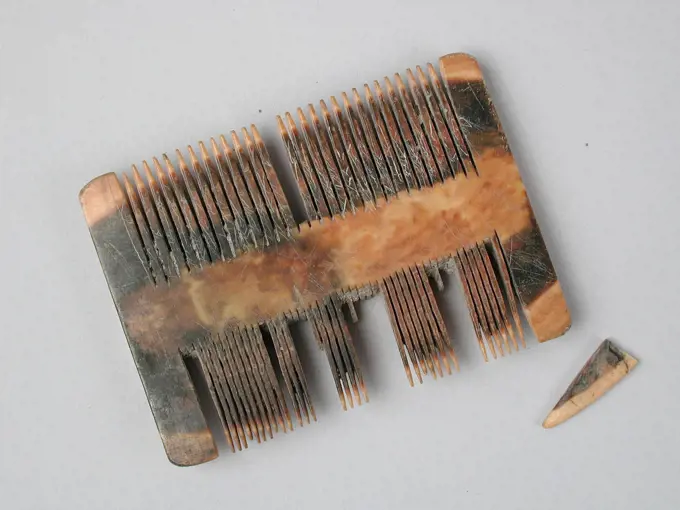
Fragment. Culture: European or Middle Eastern. Dimensions: L. 2 1/2 in. (6.4 cm). Date: ca. 1150-ca. 1250. Museum: Metropolitan Museum of Art, New York, USA.HACHA DE PIEDRA PULIMENTADA ENCONTRADA EN LA VEGA DEL JARAMA - NEOLITICO MADRILEÑO.Tinsel and metal thread 17th-18th century French. Tinsel and metal thread. French. 17th-18th century. Metal thread. Textiles-TrimmingsFragment ca. 1150-ca. 1250 European or Middle Eastern. Fragment 695396Oarlock -Neve Melanesian (Santa Isabel,Solomon Islands) 19th centuryBody ornament Japan By the Middle Jmon period, the food supply in Japan had stabilized enough that the Jmon people could focus their activities more on crafts and spiritual life. This led to the development of a wide variety of body ornaments, including necklaces and hairpins, some of which feature very elaborate designs. It is speculated that body ornamentation may have served a religious or spiritual purpose, but it may also have represented social rank and status.. Body ornament. Japan. Bone. Final Jmon period (ca. 1000-300 B.C.). BoneFunerary Cone of the Herald Ibety. Dimensions: Preserved L. 26.2 cm (10 5/16 in.); Diam. 8 cm (3 1/8 in.). Dynasty: Dynasty 18. Date: ca. 1550-1295 B.C.. Museum: Metropolitan Museum of Art, New York, USA.Shot bag (Perdigonera). Culture: Spanish. Dimensions: L. 50 1/2 in. (128.2 cm); W. 3 1/2 in. (8.2 cm). Date: ca. 1830-40.This type of shot bag was worn over the shoulder and across the body like a bandolier. It held shot, the pellets fired from a shotgun and used for hunting birds or small game. Its nozzle, in the shape of a hunting dog, is made of chiseled iron, highlighted in gold. The shot is poured out of the bag through the dog's mouth when the button at the base of the nozzle is pushed. Museum: Metropolitan Museum of Art, New York, USA.Mummy label Third Intermediate Period-Late Period ca. 1070-343 B.C. View more. Mummy label. ca. 1070-343 B.C.. Wood. Third Intermediate Period-Late Period. From Egypt, Upper Egypt, Thebes, Southern Asasif, Tomb of Meketre (TT 280, MMA 1101), later use, MMA excavations, 1920PRIMIGENIUS BOS HORN. PALEONTOLOGY. PALEOLITHIC. (LOCATION: NATIONAL ARCHAEOLOGICAL MUSEUM).Jachthoorn met afbeelding en opschrift.Hunting horn of cow horn; On one side a pioneer on a wild boar in a forest with two farms in the background; On the other side centrally a fence with a lion in it; On the door of the fence is engraved: 1587; Left of the middle is the text: Laet a mocked one shark ... ... Selvenen Muffl. There are a heart catcher or saber from left to right, a helmet (), a shield with spear, on the shield is a face Pictured. On the right the text is: Gel that is stupid ... ... not and find a ... and the year 1587 from left to right. A copper ring is attached to the copper nozzle, as well as at the end of the handset .WIen, Austria - May 09, 2025 Scheer Maßschuhe in der Bräunerstrasse, Wien. WIen Wien Austria *** WIen, Austria May 09, 2025 Scheer Maßschuhe in der Bräunerstrasse, Vienna WIen Vienna Austria PUBLICATIONxNOTxINxAUTLead Role from the wreck of the East Indies' t Vliegend Hart ,, 1700 - 1735 lead Tubes rolled plates. Black-gray and silver gray of color. One has been rolled out. Roll of Lead. Middelburg lead (metal) Dried Carob pods on white backgroundKnife Handle (Kozuka). Culture: Japanese. Dimensions: L. 3 7/8 in. (9.8 cm); W. 9/16 in. (1.4 cm); thickness 1/4 in. (0.6 cm); Wt. 1.3 oz. (36.9 g). Date: ca. 1615-1868. Museum: Metropolitan Museum of Art, New York, USA.tumbled Kyanite crystal gemstone on dark macro shooting of natural mineral rock specimen - tumbled Kyanite crystal gemstone on dark granite background Copyright: xZoonar.com/ValeryxVoennyyx 11383800Garrote para atar gavillas. Museu Català de les Arts i Tradicions Populars.Fragment. Culture: European or Middle Eastern. Dimensions: L. 2 9/16 in. (6.5 cm). Date: ca. 1150-ca. 1250. Museum: Metropolitan Museum of Art, New York, USA.Knife lifting out of the wreck of the East India hollandia.knife, handle, cylindrical: tapering; ID. NG 1979-403H.Spiral Fibula. Greek; Thessaly. Date: 800 BC-700 BC. Dimensions: 3.5 x 5.0 x 1.1 cm (1 3/8 x 2 x 1/2 in.). Bronze. Origin: Thessaly. Museum: The Chicago Art Institute, Chicago, USA. Author: ANCIENT GREEK.Small white fish. Jade. Shang dynasty (1765-1122 BC), China. Paris, Cernuschi museum. 101270-11 Asian art, Chinese art, art of extreme orient, Shang dynasty, Yin dynasty, Shang time, iieme II 2nd 2 millennial, jade, fishOrnament 13th-16th century Colombian. Ornament. Colombian. 13th-16th century. Gold. Colombia. Metal-OrnamentsBurdockLobster, c. 1500-1550 or later. Italy, possibly Padua, 16th century. Bronze; overall: 7 x 8.5 cm (2 3/4 x 3 3/8 in.).Implements and accessories, for hair styling. Korean, Early 20th century. Paktong, enamel, glass, and woodSlippers 1868-69 American. Slippers. American. 1868-69. leatherStylus-Shaped Instrument With Decorative Grooves. Unknown 4th century A.D. Rod with grooves at both ends for decoration.Pin from the wreck of the East Indies Hollandia, Anonymous, 1700 - in Or Before 1743  Pin, tools and instruments, sewing and sailmaking, pin; id. NG 1979-434H. Netherlands copper (metal)   SecondFragment. Culture: European or Middle Eastern. Dimensions: L. 1 5/8 in. (4.1 cm). Date: ca. 1150-ca. 1250. Museum: Metropolitan Museum of Art, New York, USA.White piddock (Barnea candida) on white backgroundH-shapedHingePowder Horn 1760 Colonial American This powder horn is engraved with views of Saint Paul's Church and Fort Solom ().. Powder Horn. Colonial American. 1760. Horn (cow), wood, leather. Firearms Accessories-Powder HornsMessenheft from the wreck of the East Indians Hollandia, Anonymous, 1700 - in Or Before 1743  Knife, handle, cylindrical: tapering; id. NG 1979-403H, eroded. Netherlands wood (plant material). copper (metal)   SecondAmulet - IsisMiddle Ages. Latvia. Ancient beliefs. 12th-13th centuries. Images of trees (idols). Museum of History and Navigation. Riga. Latvia.Maori tribal wooden canoe prow, with haliotis shell inlays. Circa 1900. New ZealandTwo pairs of tefilIInFragment ca. 1150-ca. 1250 European or Middle Eastern. Fragment 694327Model of a surgical with 8 belts ..Beaded Necklace 1st-mid-16th century Peru; north coast (). Beaded Necklace 309242Shadow Puppet (Wayang Kulit) of TombakRicikanInstruments of a Roman doctor. 1st-2nd century. Bronze. Germany. The German Historical Museum. Berlin. Germany.Tradition Carved Wooden Figure by Alutiiq students, Kodiak Island, AlaskaFragment. Culture: European or Middle Eastern. Dimensions: L. 1 1/4 in. (3.2 cm). Date: ca. 1150-ca. 1250. Museum: Metropolitan Museum of Art, New York, USA.Copper Lime Spoon with Bird Top 15th-16th century Inca. Copper Lime Spoon with Bird Top 315266Glass rod ca. 1295-1070 B.C. New Kingdom, Ramesside. Glass rod 553786Classic axesTextile Ornament. Culture: Chimú. Dimensions: D. 2 3/8 in. (6 cm). Date: 14th-15th century. Museum: Metropolitan Museum of Art, New York, USA.Model of a fence sloop, anonymous, c. 1762 ship model  unknown wood (plant material)Rivet ca. 5th-early 2nd century B.C. Achaemenid or Seleucid This silver rivet or nail was found in the courtyard of the Tall-i Takht at Pasargadae in southwestern Iran, about 90 km northeast of Shiraz. Pasargadae was the first capital of the Achaemenid Persian Empire, founded by Cyrus the Great c. 546 B.C. Tall-i Takht, a massive artificial platform presumably built as the site of a royal palace but converted into a fortified compound after Darius established a new capital at Persepolis around 520.Rivets and nails would normally be made of a sturdy base metal, such as bronze or iron. The only reason to have a silver rivet would be if it were part of a larger silver object, such as an item or jewelry or other personal adornment, or perhaps as part of some elaborate piece of décor. The Takht may have served as a storehouse or treasury during the 5th and 4th centuries B.C.; Elamite tablets from Persepolis refer to a treasury there during the reign of Darius, and according to the Greek hisrostig 1 -rusty 1 rostig 1 -rusty 1 Copyright: xZoonar.com/murxxxx 1131017Charred timber fencing with sea shells at the Calgary Art in Nature visitor centre, Calgary Bay, Isle of Mull, Scotland, UKBUMERANG CON DECORACION GRABADA Y FINALES DE ORO- NUEVO IMPERIO-TUTAMKANTAN. Location: EGYPTIAN MUSEUM. KAIRO. EGYPT.Kemenche late 19th century possibly Bulgarian. Kemenche 501036Fragment ca. 1150-ca. 1250 European or Middle Eastern. Fragment. European or Middle Eastern. ca. 1150-ca. 1250. Glass, ceramic. Glass-VesselsAntique sheep wool shears scissors vintage rusted on retro woodOliphant of Charlemagne. C. 1000. Ivory. Hunting knife (8th century) and sheath (10th - 11th centuries). Aachen Cathedral Treasury. Germany.Amulet of Two Fingers 664 BCE-332 BCE Egypt. Obsidian . Ancient EgyptianFragment; linenCalcite. minerals. North America; Mexico; Oaxaca; Etla; Magdalena MinesA fragment of zinc sheet from Adam Mickiewicz's coffinOhkay Owingeh Pueblo, New Mexico, Usa. Stone tool with obsidianKnife with Sheath, Belt and Chopsticks. Culture: Tibetan. Dimensions: Knife (a); L. with sheath 10 3/8 in. (26.4 cm); L. without sheath 7 7/16 in. (18.9 cm); W. 7/8 in. (2.2 cm); Wt. 2.6 oz. (73.7 g); sheath (b) with belt; Wt. 1 lb. 6.4 oz. (635 g); chopsticks (c, d); L. 6 1/8 in. (15.6 cm); W. 1/4 in. (0.6 cm); Wt. 0.3 oz. (8.5 g). Date: 18th-19th century. Museum: Metropolitan Museum of Art, New York, USA.Half Model of a 24-Gun Bomb Sloop of War, anonymous, c. 1820 ship model. half model. builder's model Polychromed planks Mallen model (starboard) of a three -mast. Eleven gun gates on one deck; campaign deck and baking deck indicated by Gillingen. Gilded flower as a shit. Get mirror, almost flat wulf, fence and side gallery of one floor; Straight with square stirring king. The model is equipped with all the rest with Juffer blocks. Seeping a little rising and behind, one bark wood and one reehout. Peaked around, sharp underwater ship. Scale 1:40 (scale on model). Netherlands wood (plant material)Close up still life raw trofie pasta on blue backgroundTinsel and metal thread 17th-18th century French. Tinsel and metal thread 214201Loden role from the wreck of the East Indiesman 't flying heart. To tubularly loden pictures. Black-gray to silver gray in color. Roll or lead.Shot Breaking Water Filled Red BalloonLegs undecorated comb with teeth on both sides, comb soil found leg, sawn Rectangular legs comb with coarse and fine teeth. Curved in shape. On the flat side discolored by the bone structure archeology haircut haircut hair hair care personal care lousepolished axe, Dima, Arkeologi Museoa, museo aqueologico, Bilbao, Bizkaia, Pais Vasco, Spain.