Ancient Jars and Vessels

A collection of terracotta and pottery jars from ancient cultures, featuring decorative patterns and various shapes, showcasing historical artistry from different eras.

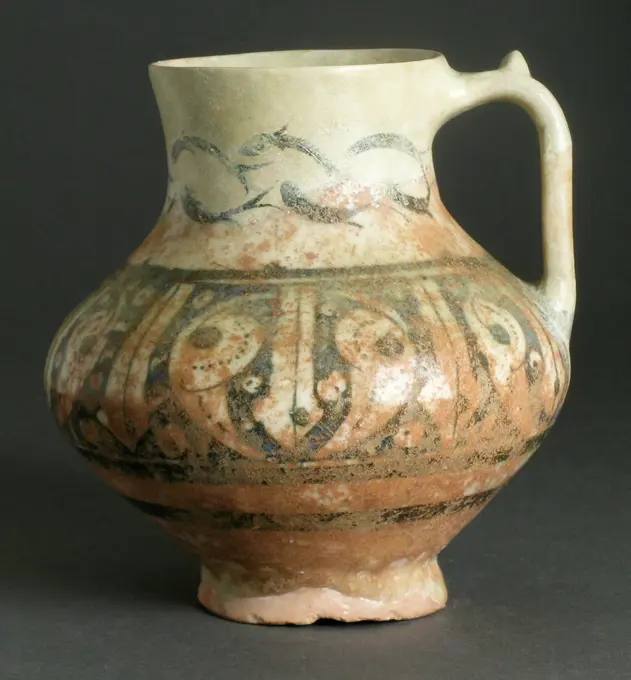
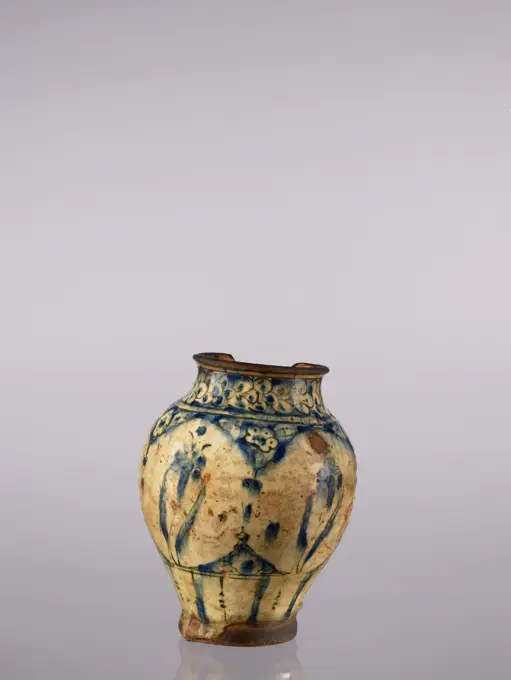
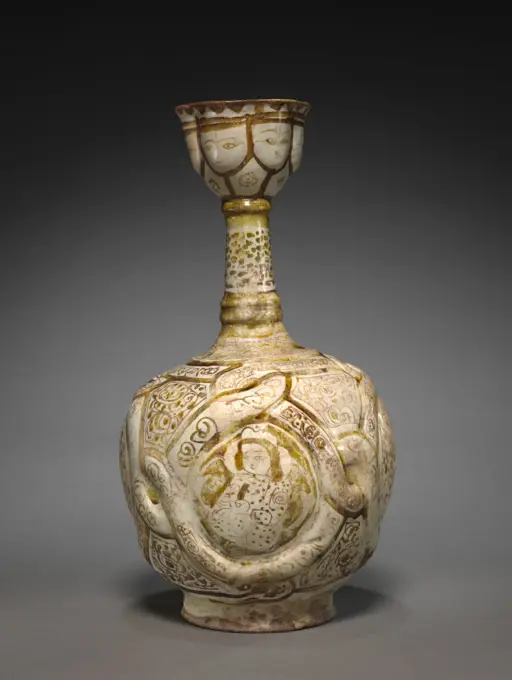
Jar late 12th-first half 13th century. Jar 450932
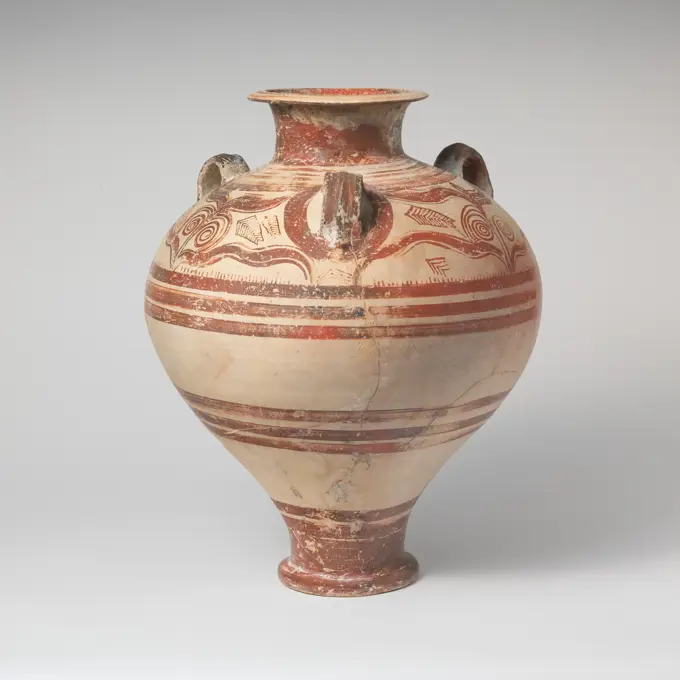
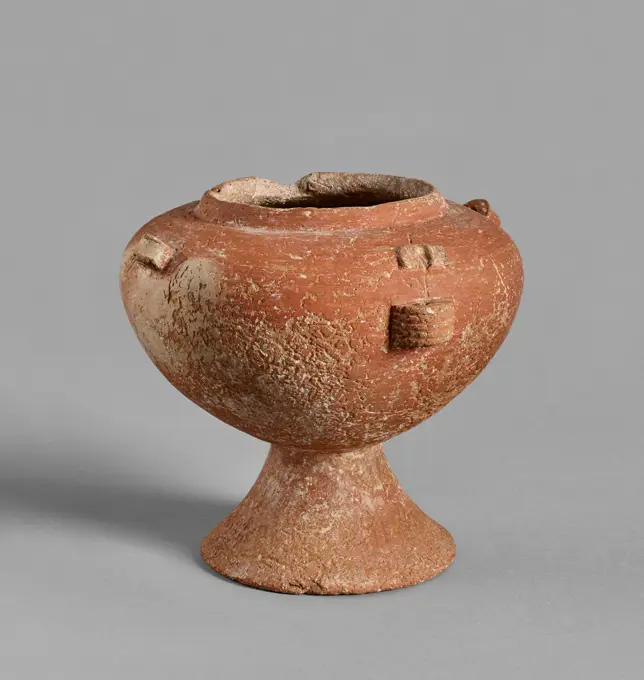
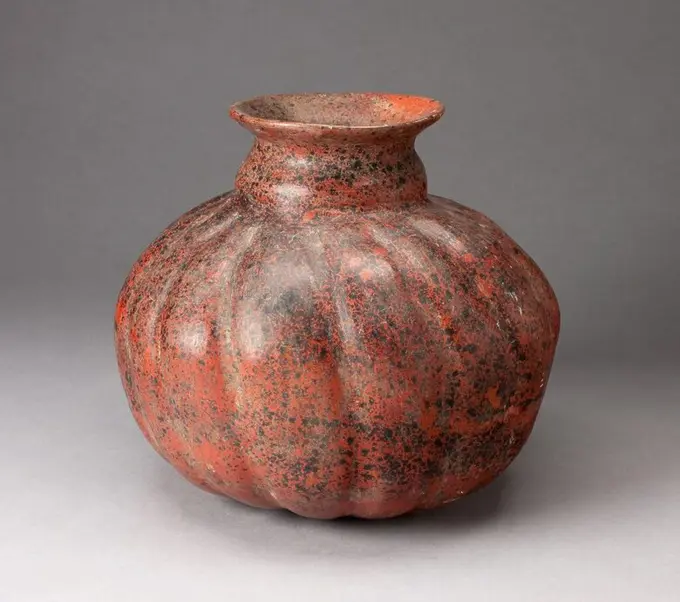
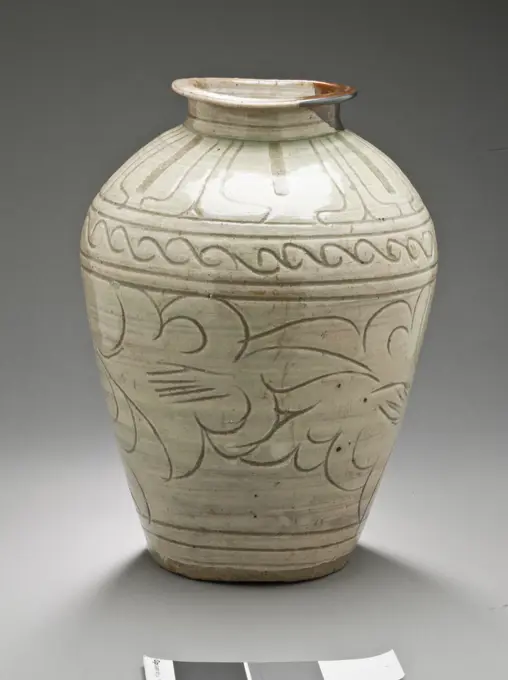
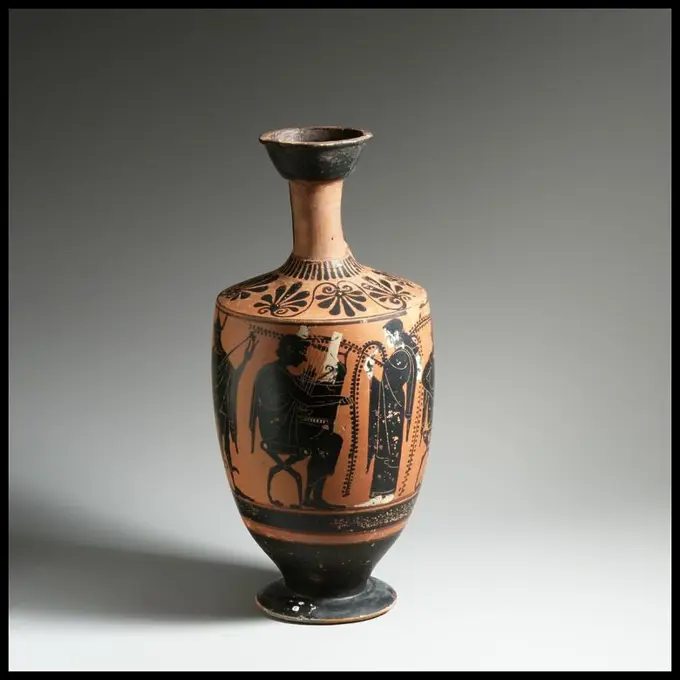
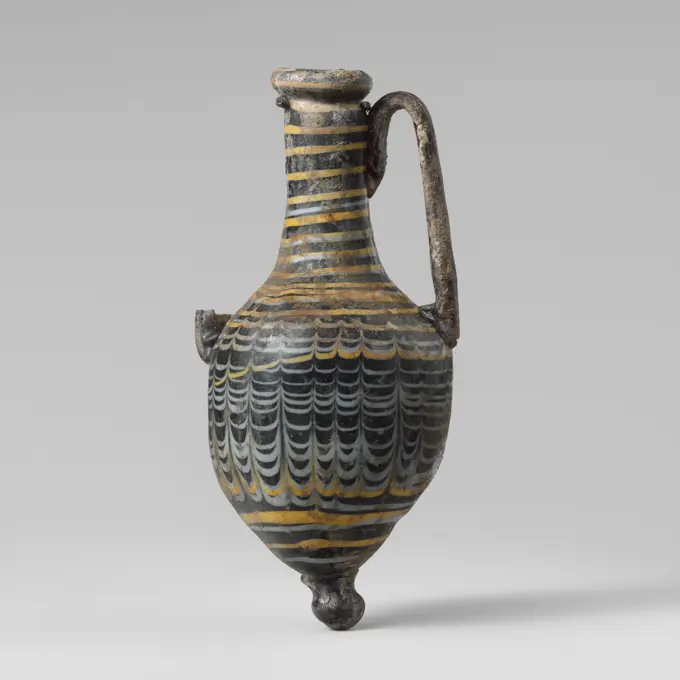
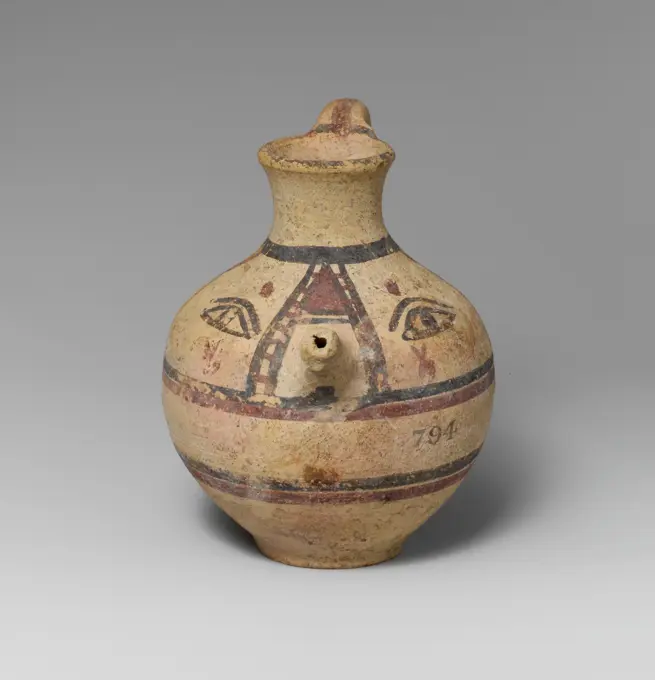
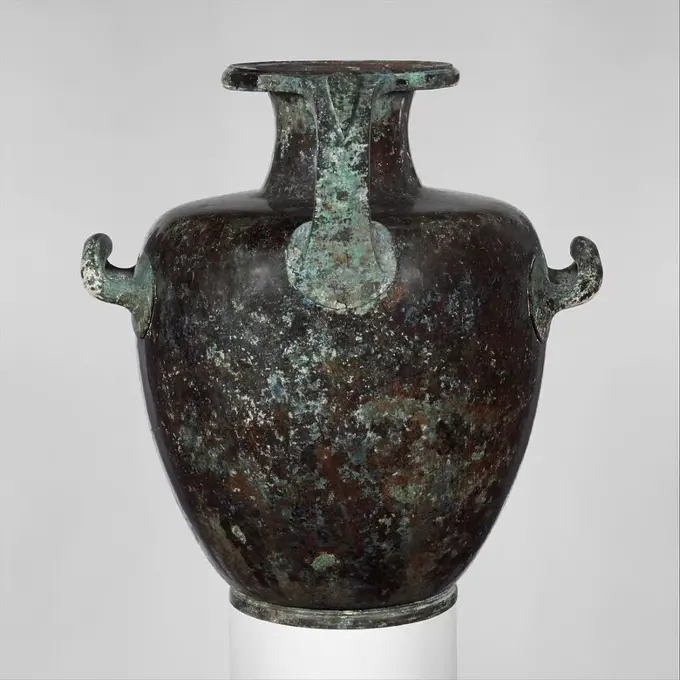
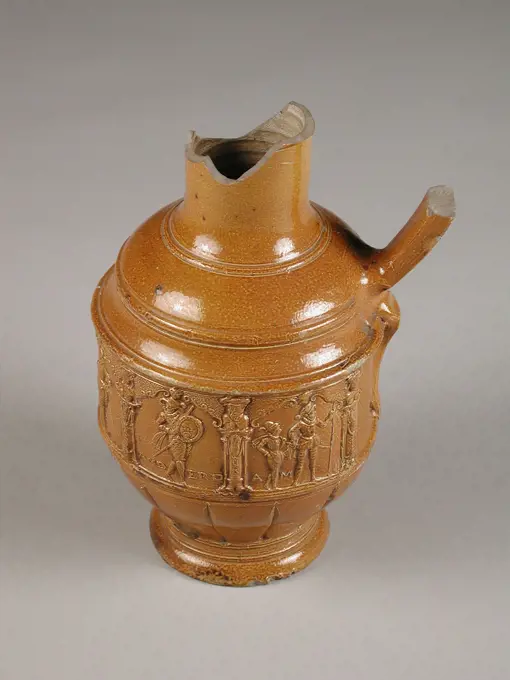
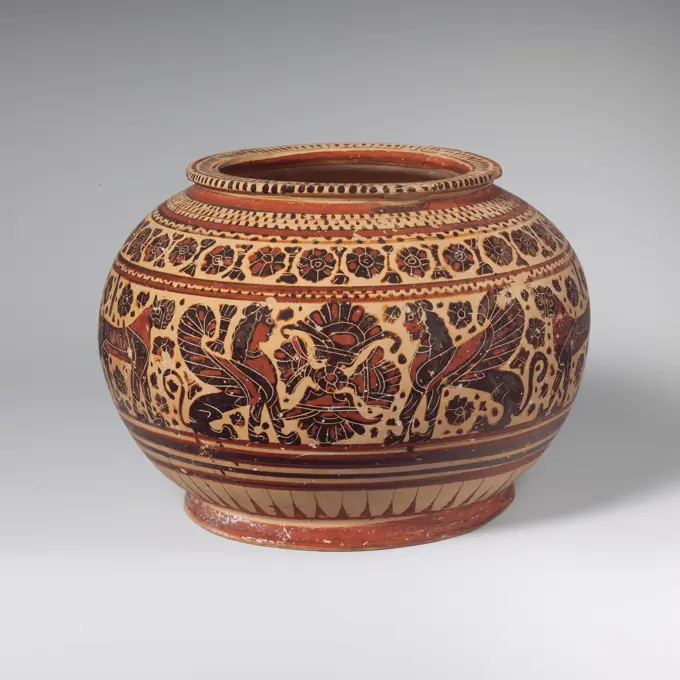
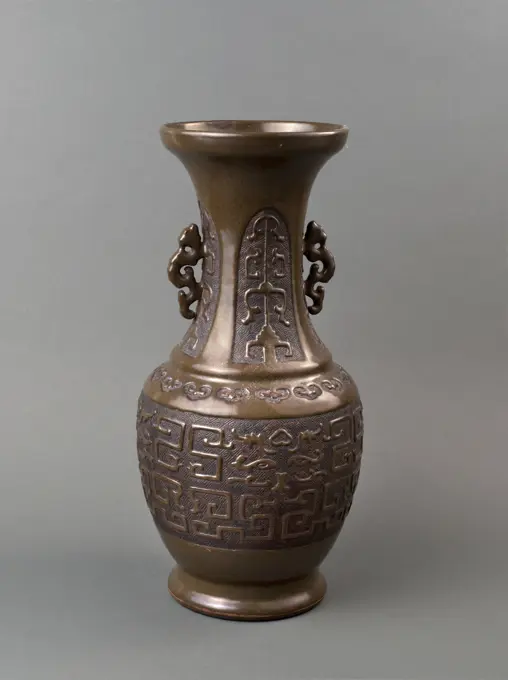
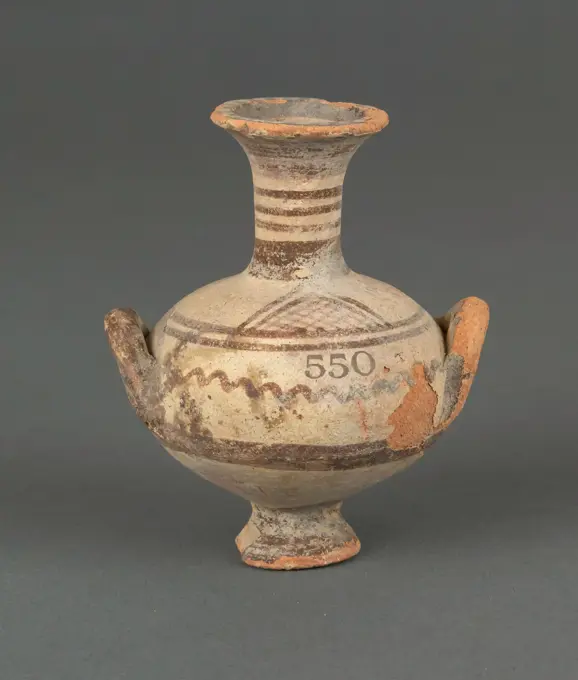
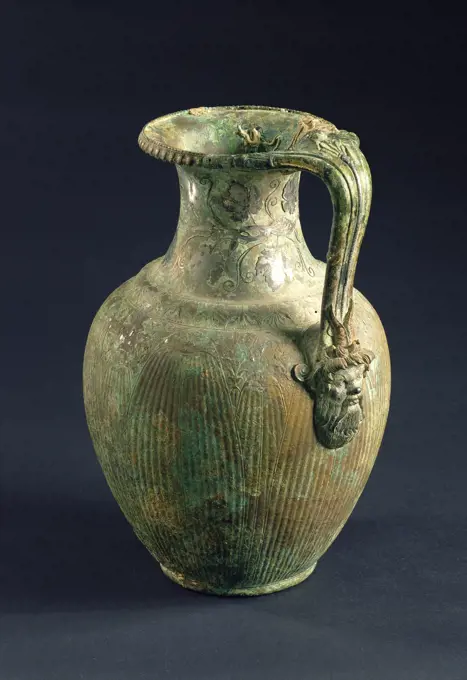
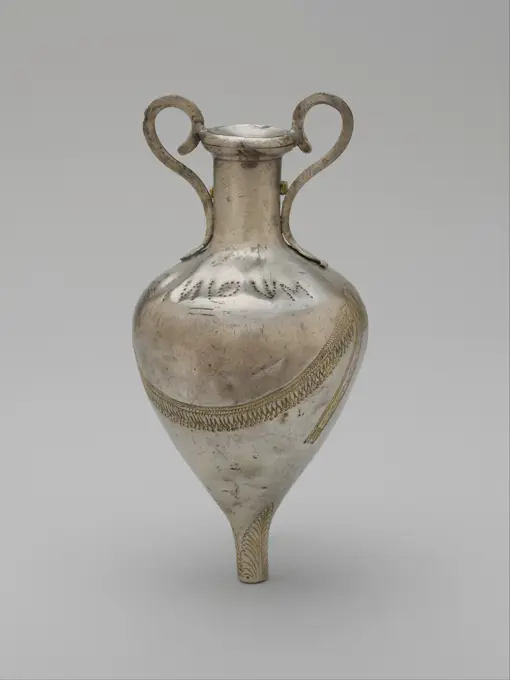
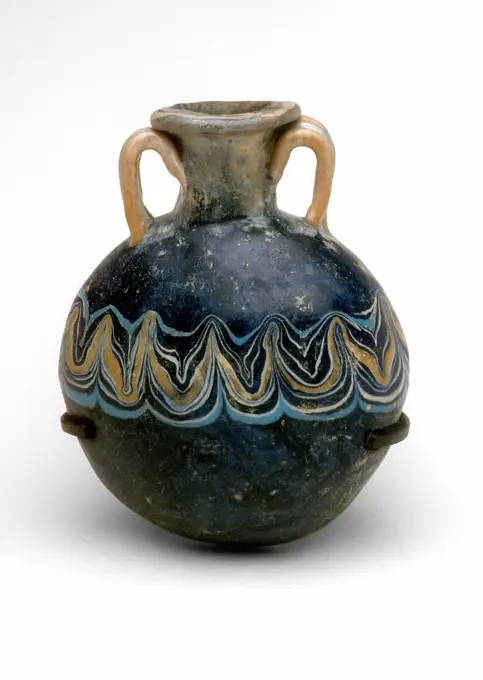
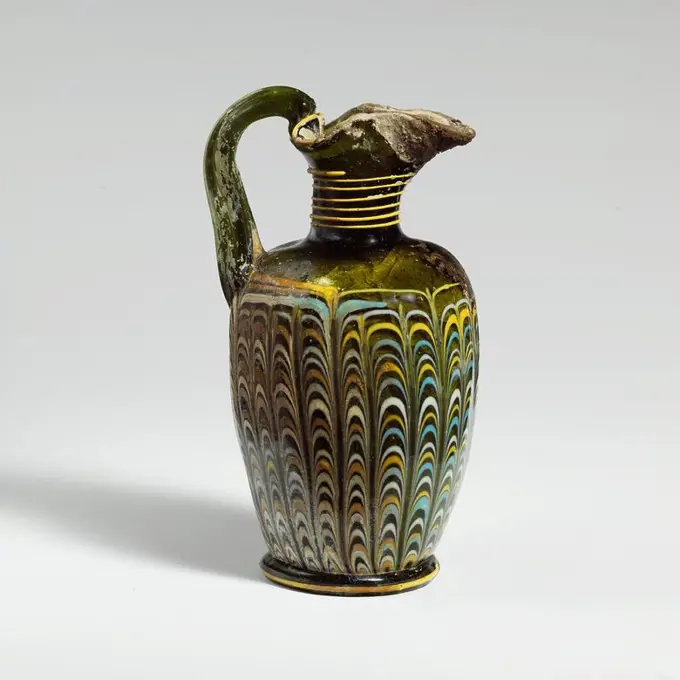
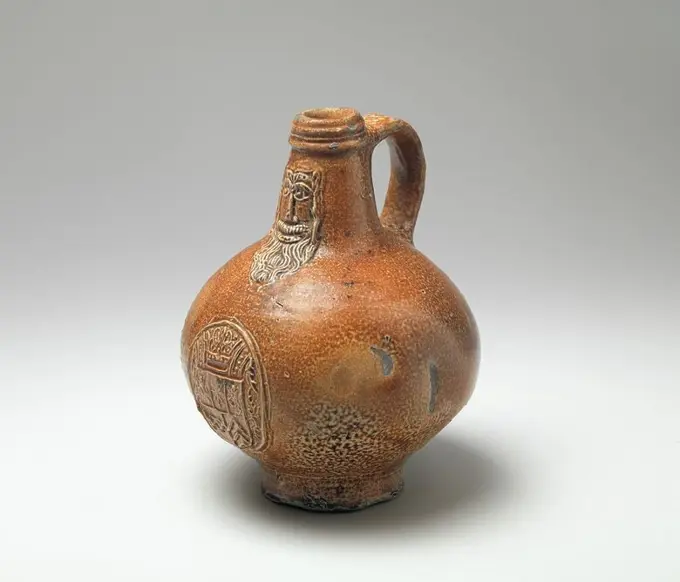
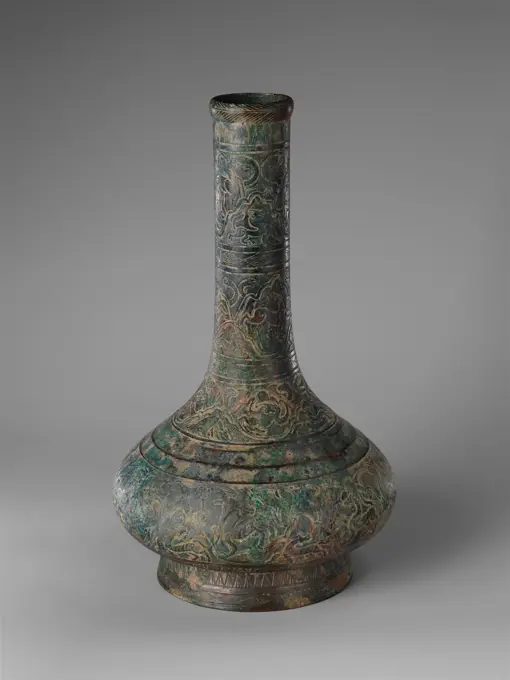
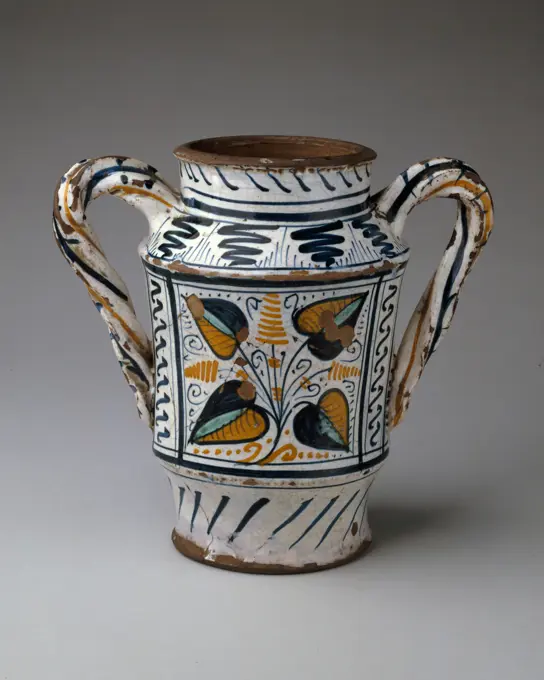
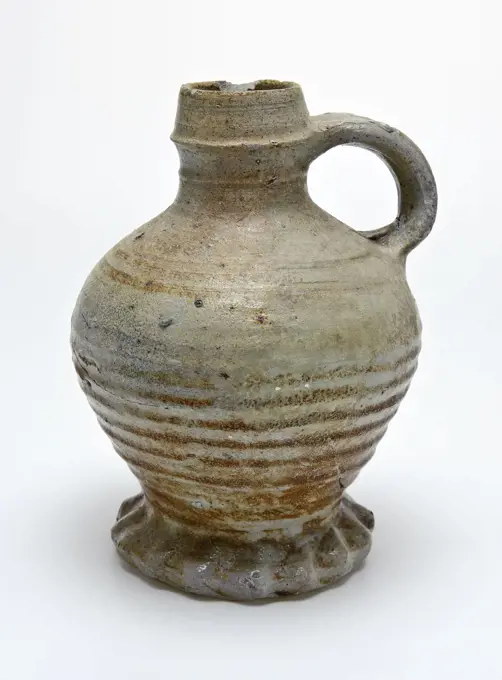
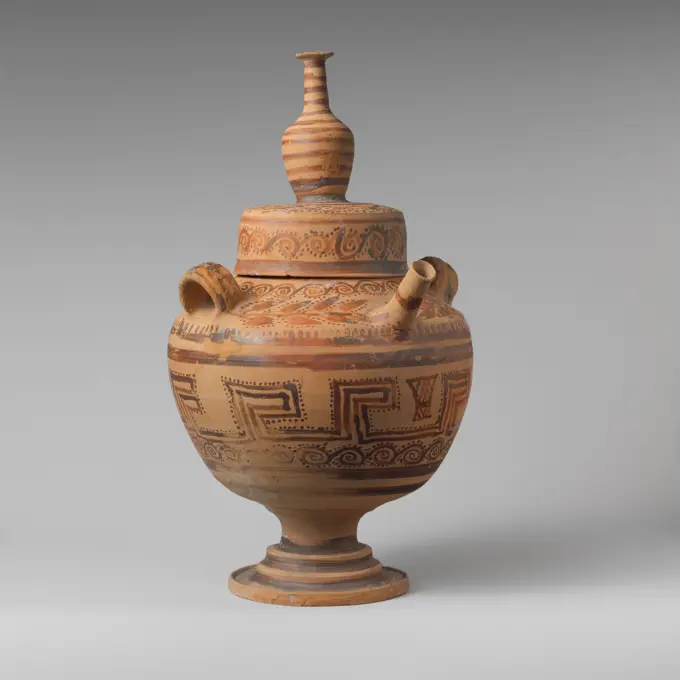
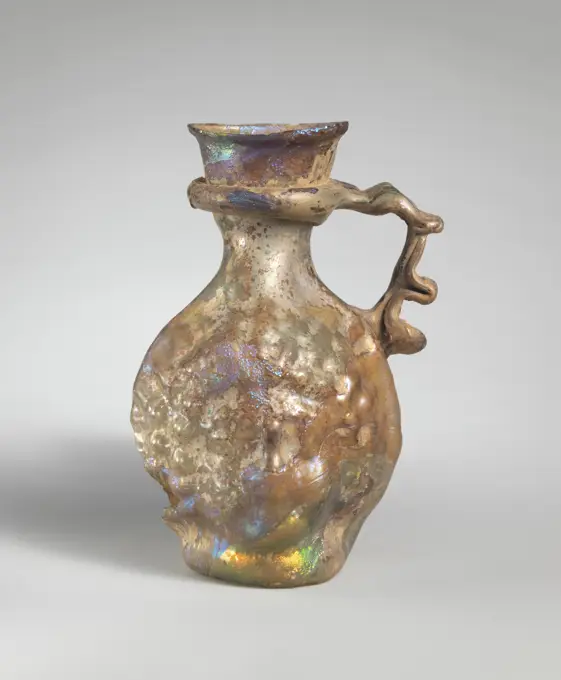
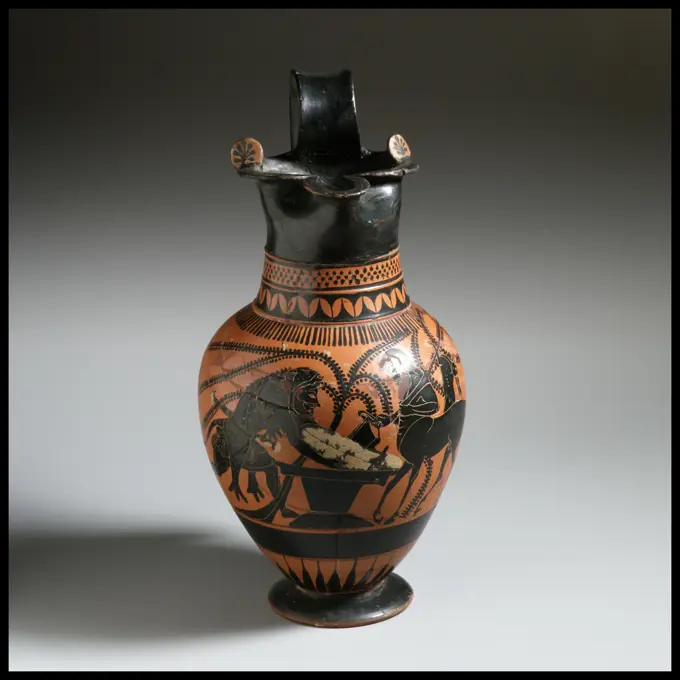
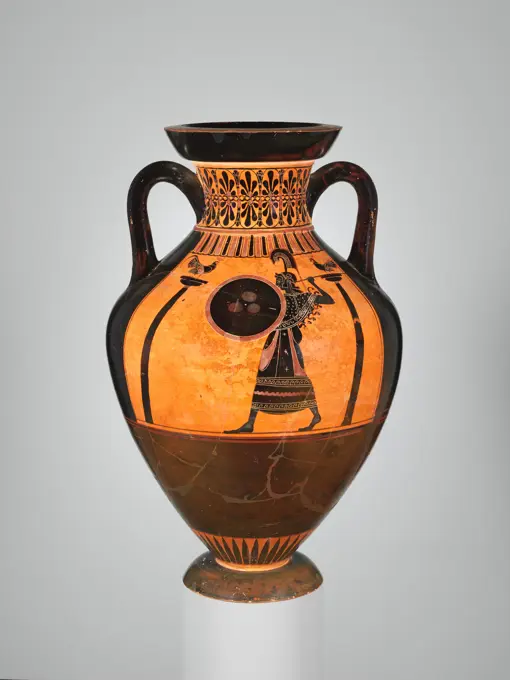
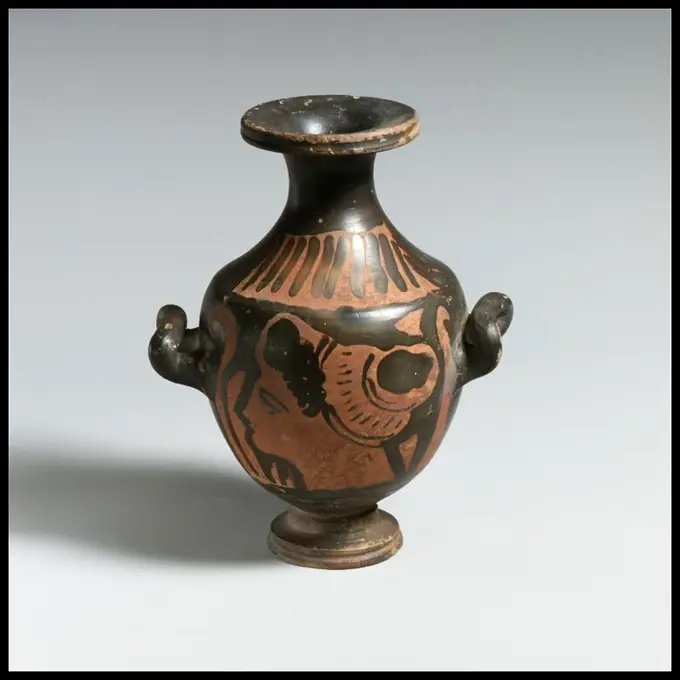
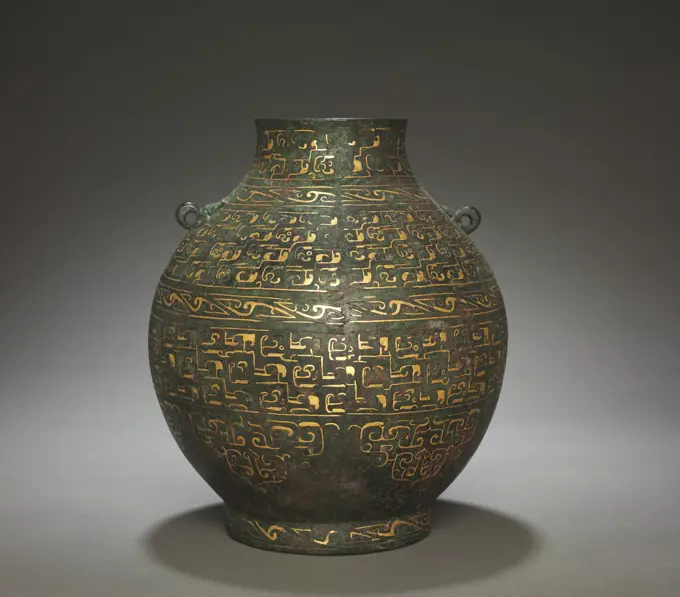
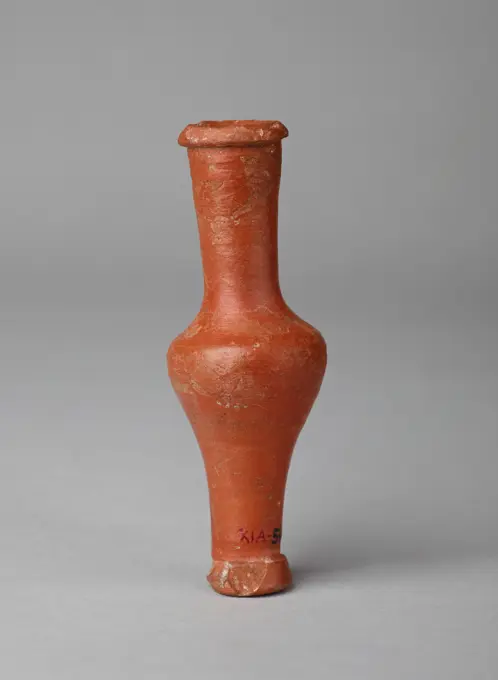
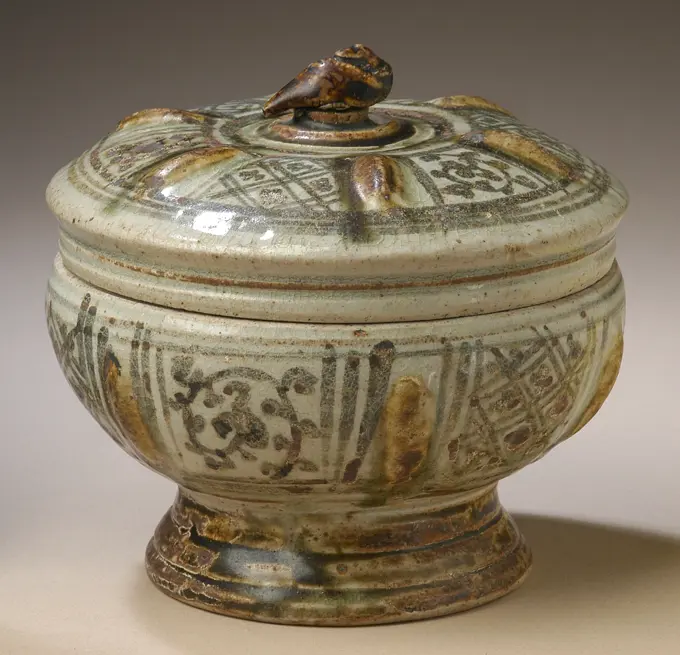
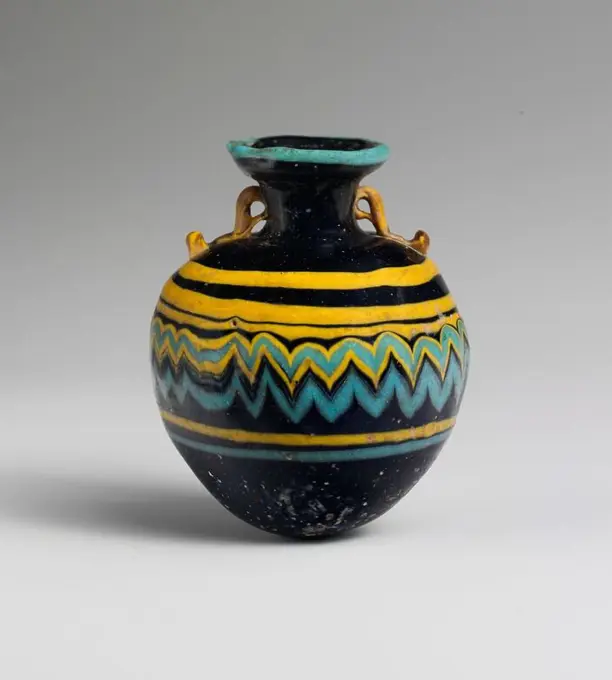
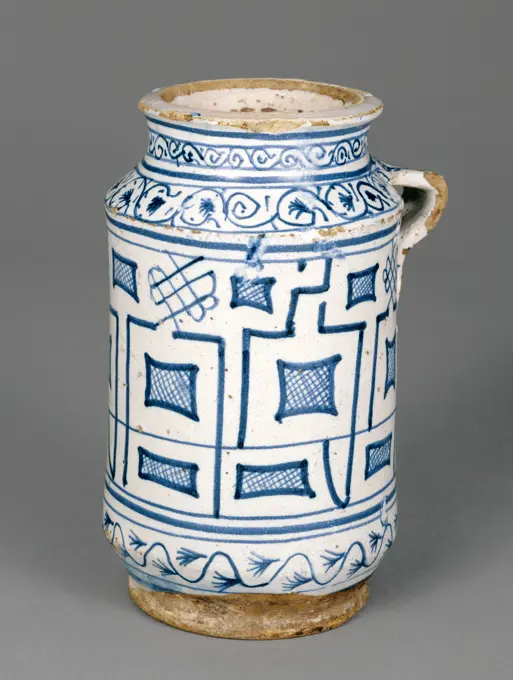
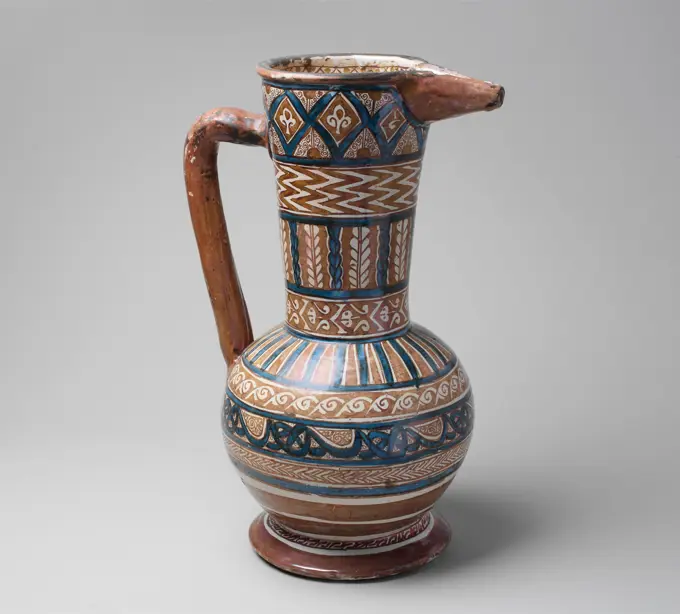
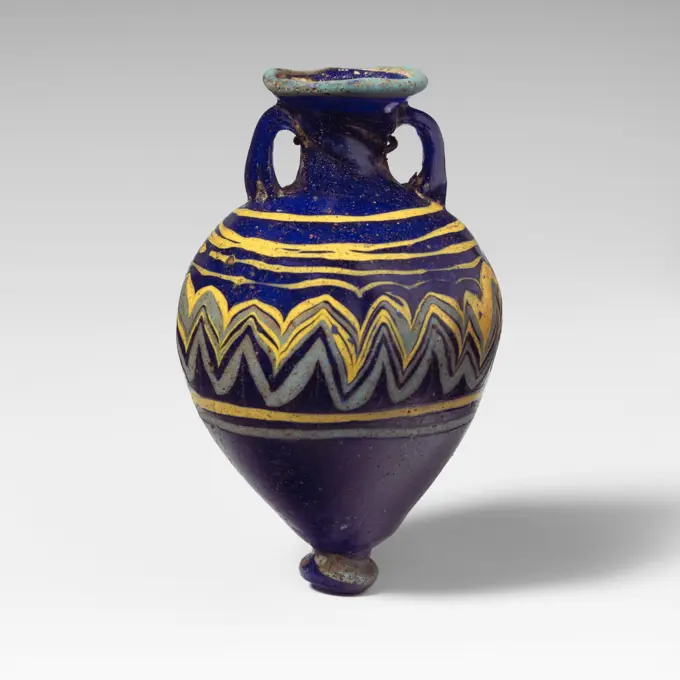
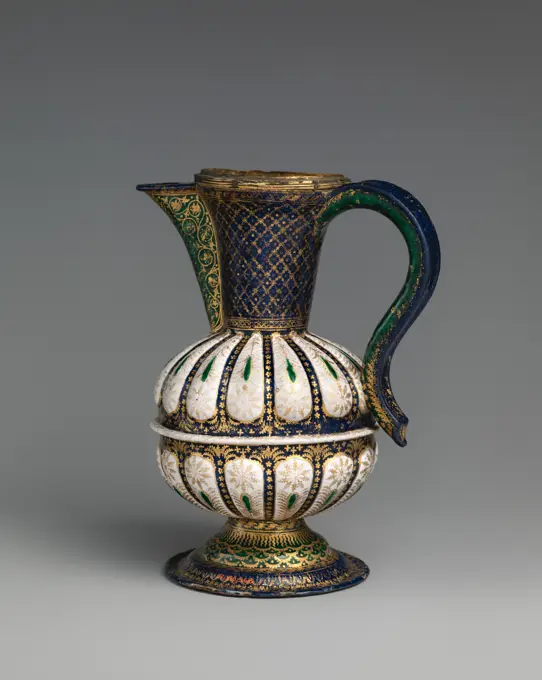
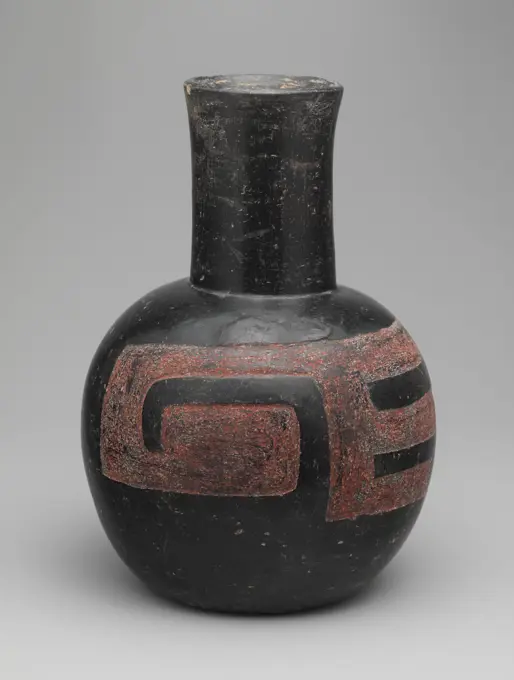
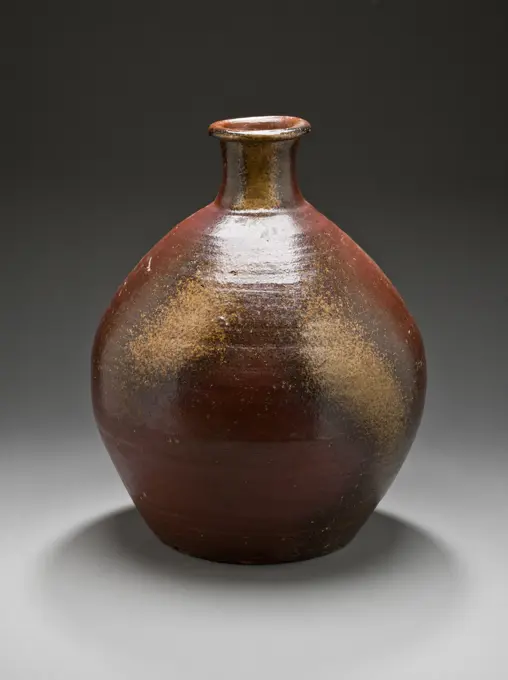
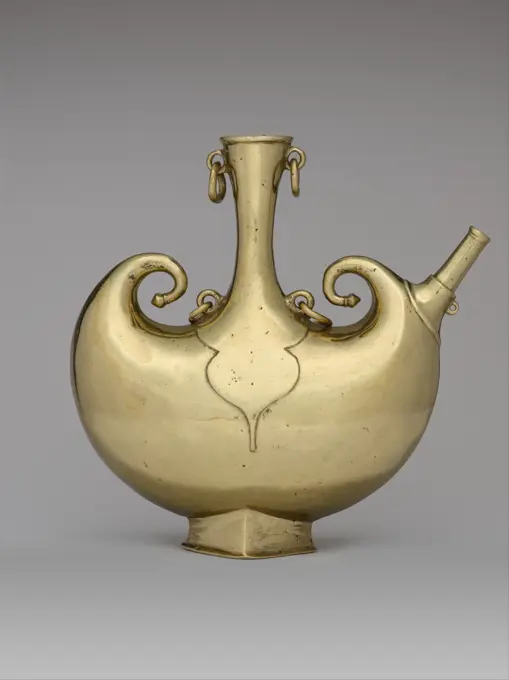
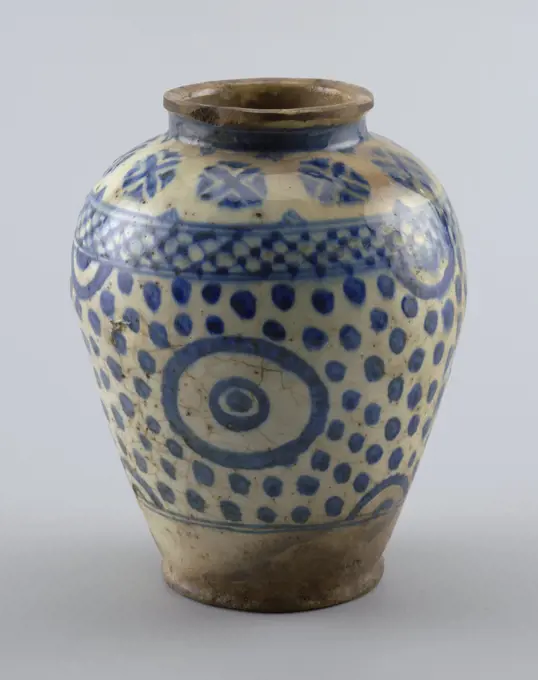
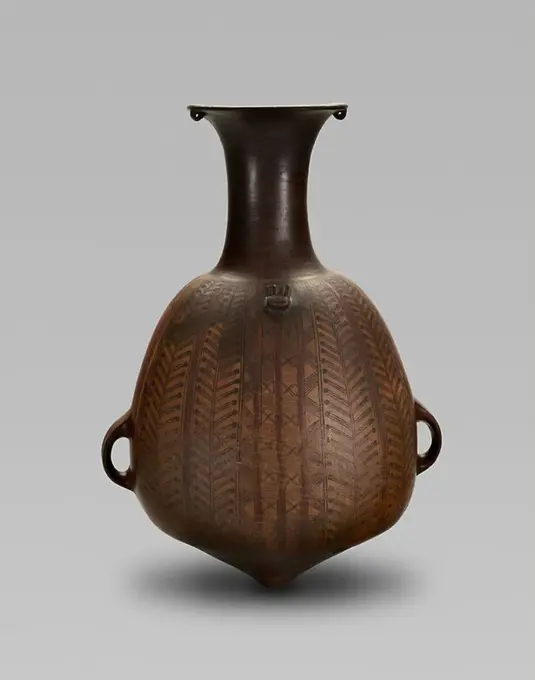
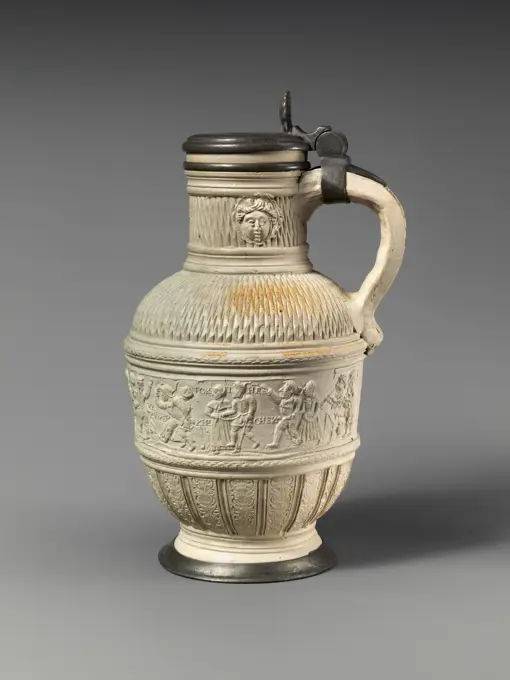
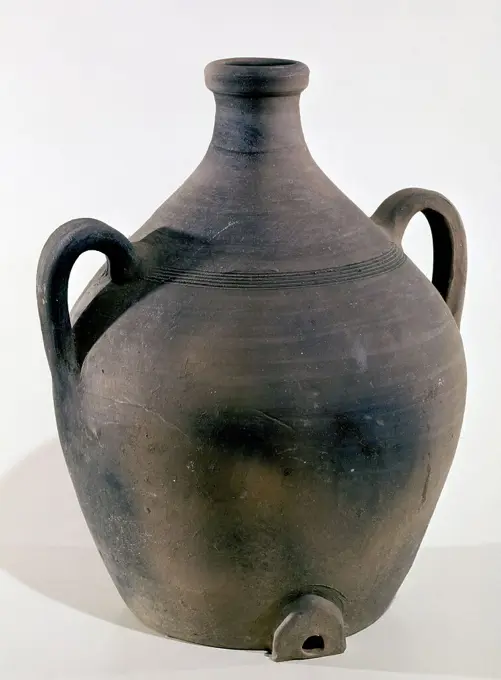
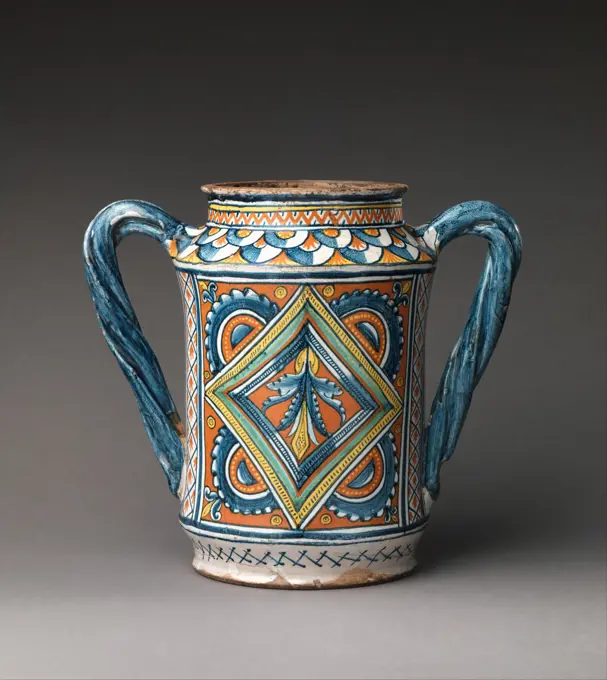
Terracotta stirrup jar. Culture: Mycenaean. Dimensions: H. 7 5/16 in. (18.6 cm.). Date: ca. 1300-1190 B.C..Broad and narrow bands and degenerate floral treatment. Museum: Metropolitan Museum of Art, New York, USA.Jar with three ears. Yellow-brown jug with three ears, unevenly colored. With pear-shaped body and a wide, short neck that is horizontal ribbed.Jar from the Burial of the Child Amenhotep ca. 1479-1458 B.C. New Kingdom In the tomb of the child Amenhotep (36.3.153), six jars had been placed on either side of the coffin. The contents of the jars indicated that they had once held various liquids. Three of the jars (including 36.3.161. 36.3.164) are decorated with geometric patterns in red and black paint. One of the undecorated jars (36.3.162) still has its closure of linen cloth that covers the mouth andhas been tied in a square knot around the neck.. Jar from the Burial of the Child Amenhotep. ca. 1479-1458 B.C.. Pottery, paint. New Kingdom. From Egypt, Upper Egypt, Thebes, Sheikh Abd el-Qurna, below the Tomb of Senenmut (TT 71), burial of Amenhotep, Pot D, MMA excavations, 1935-36. Dynasty 18Terracotta pithoid jar ca. 1375-1325 B.C. Mycenaean Conventionalized floral designs on the shoulder.. Terracotta pithoid jar 247962Spherical Pyxis with Pedestal Foot of the Syros Type. UnknownEwer. Syria, late 12th century. Ceramics. Fritware, underglaze-paintedSquat lekythos. Culture: Greek, South Italian, Campanian. Dimensions: Overall: 9 7/8 in. (25.1 cm)Diameter: 5 1/2 × 3 × 3 13/16 in. (14 × 7.6 × 9.8 cm). Date: ca. 330-320 B.C.. Museum: Metropolitan Museum of Art, New York, USA.Jug Late Period 664-332 B.C. View more. Jug. 664-332 B.C.. Faience. Late Period. From Egypt. Dynasty 26-30Jar late 12th-first half 13th century. Jar 450932Fluted Vessel, Possibly in the Form of a Gourd. Colima; Colima, Mexico. Date: 100 AD-300 AD. Dimensions: 21 × 24.1 cm (8 1/4 × 9 1/2 in.). Ceramic and pigment. Origin: Colima state. Museum: The Chicago Art Institute, Chicago, USA.Bearded manner, decorated with tendrils of oaks and acorns and a bird in the middle. Bearded manner of stoneware. The bullet-shaped belly is decorated with tendrils of oak slow with acorns and a bird in the middle. Bearded a beard man with chamfered on the neck.Snuff Bottle, 17th-19th century, 2 7/8 x 1 7/8in. (7.3 x 4.8cm), Iron stone, jade, China, 17th-19th centuryJug with men beneath arches, anonymous, c. 1600 - c. 1624 Jug of stoneware on high foot with a cylindrical body with round shoulder and wide neck. The C-shaped ear is attached to the neck and shoulder. Profiles on the neck, belly and foot. Covered with a green glaze. On the belly in relief, a printed and laid band of men in 16th century clothing (warriors) opposite bows. The lower part of the abdomen runs slanted to the foot and has canelures. On the shoulder core cut and a band with satek heads in medallions connected by curl work in the form of fabel animals on the neck. Cologne/ Raeren. Cologne (possibly) stoneware. glaze vitrification Jug of stoneware on high foot with a cylindrical body with round shoulder and wide neck. The C-shaped ear is attached to the neck and shoulder. Profiles on the neck, belly and foot. Covered with a green glaze. On the belly in relief, a printed and laid band of men in 16th century clothing (warriors) opposite bows. The lower part of the abdomen runs slTwo-colour kantharos from Garaguso, Basilicata, Italy. Ancient Greek civilization, Magna Graecia.Bottle with Flower, Birds and Peony Design. Korea, Joseon dynasty, late 15th century. Furnishings; Serviceware. Buncheong ware: stoneware with incised slip decoration and pale green glazeLekythos. Culture: Greek, Attic. Dimensions: 12 1/2in. (31.8cm). Museum: Metropolitan Museum of Art, New York, USA.Pitcher. Eastern Mediterranean. Date: 500 BC-401 BC. Dimensions: 7.6 × 5.4 × 5.1 cm (3 × 2 1/8 × 2 in.). Glass. Origin: Egypt. Museum: The Chicago Art Institute, Chicago, USA. Author: Ancient Egyptian.Vase Hu ". Terracotta with green lead glaze. Han dynasty (206 BC J.-220). Paris, Cernuschi museum. Chinese art, Chinese ceramic, han dynasty, green lead, terracotta, humJar ca. 1773 Attributed to Christian Klinker. Jar 4506Glass amphoriskos (perfume bottle) 1st century B.C. Greek, Cypriot Translucent dark blue, appearing black; colorless handles and base-knob with purple streaks; trails in opaque yellow and pale grayish blue.Thick rim-disk, withuneven top surface and tooling indent underneath; concave, cylindrical neck; broad, sloping shoulder; piriform body; large spherical base-knob; two rod handles pressed onto shoulder, drawn up and slightly in, then looped in down, and attached to neck over trail decoration with long, downward trail.Yellow trail applied around lip of rim and then wound in a spiral around neck and shoulder to body, then down across upper part of body as a diagonal line; another trail in blue applied halfway down neck above yellow and wound down to body; both tooled from edge of shoulder to undercurve of body into a festoon pattern with twenty-four upward strokes, then continuing in plain spirals at bottom, ending around knob.Body intact, but most of one handle missing; patches of limTerracotta juglet 750-480 B.C. Cypriot The tubular spout at the front may have served for pouring or for use of the vase as a feeding bottle.. Terracotta juglet 240157Ovoid vase. unknown, craftsmanGlass amphora (two-handled bottle). Culture: Roman. Dimensions: 5 15/16 in. (15.1 cm)Other: 3 1/8 in. (7.9 cm)Diam. of rim: 1 11/16 in. (4.4 cm). Date: 4th century A.D..Colorless with pale green tinge; handles and trails in same color.Rounded rim, folded out, over, and in; flaring mouth; cylindrical neck, expanding downwards; sloping shoulder; piriform body, tapering downwards; integral, tubular base ring; pushed-in bottom with off-center pontil scar; handles applied in a tooled pad to shoulder, drawn up vertically, turned in and down at an acute angle, and trailed onto neck.Trails applied to body in six pairs of wavy vertical lines and one extra single line, forming irregular X-shaped patterns; fire-rounded but in relief on both exterior and interior.Badly broken and cracked around neck and upper body, with one large hole; few pinprick bubbles; dulling, slight pitting, and iridescent weathering, with small patches of limy encrustation on interior. Museum: Metropolitan Museum of Bronze hydria (water jar). Culture: Greek. Dimensions: H. 15 in. (38.1 cm). Date: 5th century B.C..This hydria is said to come from Galaxidi, a site in central Greece that has yielded many bronzes of the Classical period; the larges number are in the British Museum. However it may have served previously, the last use of this example was as a cinerary urn; it was found with the bones still inside. Museum: Metropolitan Museum of Art, New York, USA.Hans Hilgers, Siegburg, Brown stoneware jug, on belly frieze with arcades, musketeers and text THIS IS WAITING FROM AMDERDAM, musketeer jar jug crockery holder soil find ceramic stoneware clay engobe glaze salt glaze, surface 8.3 hand turned stamped molded glazed baked stoneware jug gray shard brown engobe and salt glaze bandoor with tail. Upper half of the abdomen partially profiled Profiled foot Bottom of the frieze: THIS IS WAITING OF AMDERDAM (= Amsterdam) archeology import pottery serve drink pouring wine beerVase. Bronze. Chine. Par musée musée malée. Ring, Chinese art, bronze, vaseVase (usual name). Sandstone, Céladon. Cernuschi Museum, Asia Museum of Asia in the city of Paris.Terracotta pyxis (box) ca. 590-570 B.C. Attributed to the Canessa Painter Frieze with animals and two women.Sirens, sphinxes, panthers and two women.. Terracotta pyxis (box) 247194Vase. Porcelain, Qing dynasty (1644-1911). Provenance: China. Paris, Cernuschi museum. 78847-10 Anse, Chinese Ceramic, Quing Dynasty, Porcelain, VaseJuglet 1050-950 B.C. Cypriot Lattice triangles and wavy line.. Juglet. Cypriot. 1050-950 B.C.. Terracotta. Cypro-Geometric I. VasesTerracotta lydion (perfume jar) 6th century B.C. Lydian Great numbers of these jars have been found at Sardis as well as around the Mediterranean. Because they seem to have been a specialty of Lydia, modern scholars call this type of vase a lydion. Such jars probably contained baccaris, a perfume for which Sardis was noted in antiquity.. Terracotta lydion (perfume jar) 252590 Lydian, Terracotta lydion (perfume jar), 6th century B.C., Terracotta, H. 4 1/8 in. (10.5 cm). The Metropolitan Museum of Art, New York. Gift of The American Society for the Excavation of Sardis, 1926 (26.164.27)Glass jug. Culture: Roman. Dimensions: Overall: 5 15/16in. (15.1cm). Date: 4th-5th century A.D..Translucent greenish yellow; handle and trail in same color.Rim folded out, over, and in; flaring mouth; cylindrical neck, expanding downwards; slender bulbous body; splayed tubular foot, made by folding; small flat bottom with pontil scar; handle applied as a claw pad to base of neck and top of body, drawn up and out in a curve, then turned in and trailed onto underside and edge of rim.On neck a single fine trail, applied in a large pad and drawn down in a spiral, ending at handle.Intact, but part of trail missing; many bubbles and blowing striations; thick creamy weathering, mostly flaked off on exterior, and brilliant iridescence. Museum: Metropolitan Museum of Art, New York, USA.Pitcher with Bacchic Imagery; Alexandria, Egypt; 25 B.C. - A.D. 25; Bronze and silver; 32 × 22 × 20.3 cm (12 5,8 × 8 11,16 × 8 in.)Ewer 12th century. Ewer. 12th century. Stonepaste; painted in luster and blue on opaque white glaze under transparent colorless glaze. Attributed to Syria, Raqqa. CeramicsSilver and gilt amphoriskos (scented oil flask) early 3rd century B.C. Apulian, possibly Tarentine Several elegant vases of this type have been found in Southern Italy, and it is likely that this one was imported from there. Except for the solid handles and small collar-like mouth, it was raised from a single sheet of silver. A pair of gilded swags (or perhaps necklaces) emphasizes the widest part; gilded acanthus leaves ornament the base. The monogram D:M (R.M. in English) appears on the base, referring to the Etruscan owner.. Silver and gilt amphoriskos (scented oil flask) 247076. Jug or pouring jar of quartz frying with a ribbed wall and decorated on the shoulder with curled curlwork or leaf reflections covered with a monochrome turquoise glaze.Bottle 1505 BCE-1202 BCE Egypt. Most early glass vessels, such as this example, are small, sealable containers designed to hold aromatic oils, scented unguents (ointments), or valuable insence.. Glass, core-formed technique . Ancient EgyptianOrza de farmacia, Late sixteenth century - early seventeenth century, Ceramics (earthenware decorated in blue and metallic reflections, with overlapping borders of plant and geometric motifs in negative), of Manises, Valencia, Height: 22.5 cm. Museum: Museo Fundación Francisco Godia, Barcelona, Cataluña, España.Glass oinochoe (perfume jug). Culture: Eastern Mediterranean or South Italian. Dimensions: 4 3/8 × 2 5/16 in. (11.2 × 5.8 cm)Diam. of foot: 1 11/16 in. (4.3 cm). Date: late 4th-early 3rd century B.C..Translucent green, with handle and pad-base in same color; trails in opaque yellow, opaque white, and opaque turquoise blue.Applied trefoil rim-disk with long spout; cylindrical neck; broad rounded shoulder; slightly convex sides to body with downward taper; applied low oval pad-base with concave bottom; strap handle attached to outer edge of shoulder drawn up and round in a loop, arching above the rim-disk, and pressed onto back of rim-disk and top of neck.A fine yellow trail attached at edge of rim-disk; another unmarvered yellow trail wound spirally six and a half times around neck; a third yellow trail, marvered, begun at edge of shoulder and wound round once in a horizontal line on body, then tooled into an inverted festoon pattern, extending to base; mingling with it in alternatiJug. Culture: German, Cologne-Frechen. Dimensions: Height: 7 1/4 in. (18.4 cm). Date: 17th century. Museum: Metropolitan Museum of Art, New York, USA.Wine container (Hu) ca. 1st century B.C.-1st century A.D. China. Wine container (Hu) 73673Jar with crolled handle and horizontal bands of floral polychrome motifs. Culture: Mexican. Dimensions: Diam. 8 1/2 in. (21.6 cm). Date: early 19th century. Museum: Metropolitan Museum of Art, New York, USA.Vase China. Vase 61004Glass bottle 4th-5th century A.D. Roman Translucent blue green; handles and trails in same color.Rounded rim; flaring mouth; cylindrical neck; narrow sloping shoulder; tall, cylindrical body with slightly convex side; thick rounded bottom with deep pontil scar; two handles applied in pads to edge of shoulder, drawn up and outwards, then turned down and trailed onto neck above trail decoration.A horizontal trail wound once around underside of mouth; another horizontal trail wound once around lower part of neck; on body; thirty-two faint vertical or slightly wavy ribs, formed by dip mold.Intact; pinprick bubbles, and a few black impurities in handles; dulling and creamy brown weathering on exterior, soil encrustation, weathering, and brilliant iridescence on interior.. Glass bottle 256731Covered Jar. Thailand, Sawankhalok, 16th century. Furnishings; Serviceware. Stoneware with cream slip and underglaze brown painted decorationJug late 1200s-early 1300s French. Jug 470127Apothecary Jar (albarello) ca. 1470-90 Italian, probably Florence or vicinity. Apothecary Jar (albarello). Italian, probably Florence or vicinity. ca. 1470-90. Maiolica (tin-glazed earthenware). Ceramics-PotteryStoneware jug pinched, short neck with ledge and standing ribbon ear, jug crockery holder soil find ceramic stoneware glaze salt glaze, hand-turned glazed baked Stoneware can be pinched. Gray with brown salted glaze. Curved body with short neck Richelle around the neck at the height of the attachment of the ear. Spinning mills on the entire height archeology inn The Heart Geervliet Bernisse indigenous pottery import donate serve water to save wine Soil discovery: Geervliet Dorpsplein 1 demolition Trouw put 5 city inn 't Hart 1985.Terracotta spouted jar with lid 310-30 B.C. Cypriot Two-handled vase with spout and cover, the knob in form of a miniature vase.The shape and decoration of this unusual vessel combine to give it a rather exotic appearance, which may be taken to reflect the eclecticism of Cypriot art.. Terracotta spouted jar with lid. Cypriot. 310-30 B.C.. Terracotta. Hellenistic. VasesGlass double head-shaped flask 4th century A.D. Roman Translucent colorless with greenish tinge, with handle of indeterminate color.Unworked, uneven, and everted rim, with slight bulge below; funnel neck; body in the shape of a double head; oval base with flat bottom and rounded, slightly bulging edge; handle wound round neck anticlockwise to form thick, round coil, drawn out horizontally, turned in and down, and then attached to side of body. On body, two heads, back to back, with similar but not identical features (one smiling, one serious ): hair rendered as three rows of evenly-spaced knobs framing the faces to below chin level, arched brows, prominent bridge to nose, small mouth with parted lips, chubby cheeks, and rounded chin; on handle, three tooled crimps projecting outwards.Two large holes in sides of body; some bubbles and blowing striations; dulling, pitting, iridescence, and patches of thick creamy weathering, and some soil encrustation on interior.. Glass double head-shaGlass amphoriskos (perfume bottle). Culture: Greek, Eastern Mediterranean. Dimensions: Other: 2 5/8 × 1 11/16 in. (6.7 × 4.4 cm)Diam. of rim: 1 in. (2.5 cm)Diam. of foot: 1/2 in. (1.3 cm). Date: 5th century B.C..Opaque streaky red brown, with handles and base-knob in same color; trails in opaque yellow and opaque turquoise blue.Outsplayed, inward-sloping rim-disk; cylindrical neck; broad sloping shoulder; ovoid body tapering to a point; circular base-knob with rounded edge and small indent on bottom; two ring handles applied over trail decoration, drawn up from shoulder, turned in, and pressed on to neck.One yellow trail attached at edge of rim-disk; another yellow trail applied to shoulder and wound unevenly round in a spiral and twice around top of body in horizontal lines, then tooled into a close-set zigzag pattern, at which point a turquoise blue trail is added, becoming wider towards bottom; below, a third yellow trail wound horizontally around lower part of body.Intact; duVase with archaic-style motifs China 14th century This extravagant vase epitomizes the innovative spirit of archaistic bronze design in the fourteenth century. The clever design makes this vessel appear much larger than its actual size. The illusion of height is created by the vessels elongated neck, tall foot, and outward curving handles. The ornamental bands encircling the vessel are derived from fanciful designs in contemporary woodblock-printed antiquarian books. Not satisfied to copy an ancient model, however, the artist who designed this vessel was intent on creating a “new antique.” He did this by combining decorative motifs from different models and time periods. View more. Vase with archaic-style motifs. China. 14th century. Cast bronze. Yuan dynasty (1271-1368). MetalworkBottle 301 CE-500 CE Syria. Glass, blown technique . Ancient RomanTerracotta oinochoe (jug) ca. 515 B.C. Attributed near the Altenburg Class Herakles and PholosWhile Herakles was performing his labor to capture the Erymanthean Boar, the centaur Pholos received him. Pholos provided food but hesitated to offer wine, as it belonged to all the centaurs. Herakles insisted, however, and this representation shows him removing a large flat stone from the mouth of a storage jar. The body of the jar was buried in the ground. The fragrance of the wine attracted the other centaurs, and a melee ensued.. Terracotta oinochoe (jug) 254890 : Attributed near the Altenburg Class, Terracotta oinochoe (jug), ca. 515 B.C., Terracotta, H. 10 15/16 in. (27.8 cm); diameter of foot 3 1/16 in. (7.7 cm). The Metropolitan Museum of Art, New York. Fletcher Fund, 1956 (56.171.32)Ceramic jug from " La Mancha". Spain.Oinochoe orientalizująca z fryzem zwierzęcym. unknown, authorTerracotta oinochoe (wine jug). Culture: Roman. Dimensions: H.: 6 1/4 in. (15.9 cm). Date: 1st century A.D..On handle, heads of lion and woman. Museum: Metropolitan Museum of Art, New York, USA.Terracotta neck-amphora (jar) of Panathenaic shape ca. 520 B.C. Attributed to the Antimenes Painter Obverse, AthenaReverse, boxersAlthough this vase resembles Panathenaic prize amphorae in shape and decoration, the absence of the inscription from the games at Athens and the smaller size suggest that it was not a prize. The Antimenes Painter is most familiar from standard neck-amphorae showing mythological scenes that have the same sureness as the boxing match here.. Terracotta neck-amphora (jar) of Panathenaic shape. Greek, Attic. ca. 520 B.C.. Terracotta; black-figure. Archaic. VasesEwer. Culture: China. Dimensions: H. 5 3/4 in. (14.6 cm). Date: 9th century. Museum: Metropolitan Museum of Art, New York, USA.Jug (Bartmann jug) with portraits, leaves and an inscription, anonymous, c. 1530 - c. 1570 Jug (beard fancier bush) of stoneware on a high base with a spherical body and wide neck. The C-shaped ear is attached to the neck and shoulder. Profiles on the neck. Covered with a brown Engobe. On the belly in relief a printed and laid bond with the inscription 'Ala fvr einen goten druncke', repeated twice. On either side of the inscription medallions with portraits and profil, leaf motifs and rosettes. On the neck, continuously on the shoulder, a bearded man. Cologne/ Frechen. Cologne stoneware. glaze. engobe vitrification Jug (beard fancier bush) of stoneware on a high base with a spherical body and wide neck. The C-shaped ear is attached to the neck and shoulder. Profiles on the neck. Covered with a brown Engobe. On the belly in relief a printed and laid bond with the inscription 'Ala fvr einen goten druncke', repeated twice. On either side of the inscription medallions with portraits and prHydria. Culture: Greek, South Italian, Apulian. Dimensions: 4 7/8in. (12.4cm). Date: ca. 350-325 B.C.. Museum: Metropolitan Museum of Art, New York, USA.Wine Vessel (Hu), early 400s BC. China, Warring States period (475-221 BC). Bronze with gold inlay; diameter: 24.1 cm (9 1/2 in.); diameter of mouth: 10.1 cm (4 in.); overall: 27.6 cm (10 7/8 in.).Pyksis orientalizująca z przedstawieniami zwierząt. Malarz Geladakisa (ok. 570 p.n.e.), authorPitcher with Stepped-Interlocking Motifs and Vertical Hatching 900 CE-1450 Arizona. Ceramic and pigment . Ancestral Pueblo (Anasazi)FOREIGN OLDMug 4th century B.C. Attributed to the Xenon Group. Mug 255329Vase. Manufacturer: Meriden Britannia Company, American, 1852-1898Ewer with a bleu glaze, anonymous, c. 1100 - c. 1299 Can be covered from quartz fritry with monochrome blue alarm laze. Iran earthenware. glaze vitrification Can be covered from quartz fritry with monochrome blue alarm laze. Iran earthenware. glaze vitrificationAlto Adriatico type pottery vase , Veneto, Italy. Italic Civilization.Covered Box. Thailand, Sawankhalok, 16th century. Furnishings; Accessories. Stoneware with underglaze brown painted decorationCovered Vase (one of a pair), c. 1850. Josiah Wedgwood and Sons (British, Staffordshire, est. 1759). Jasper ware with relief decoration; overall: 29.9 cm (11 3/4 in.).Covered jar. Culture: Mexican. Dimensions: 27 3/4 in. (70.5 cm). Date: ca. 1675-1700.Ceramic vessels of this type, known as búcaros de Indias, were highly prized by European collectors during the 17th and 18th centuries. They were appreciated not only for their exotic shapes and New World origin, but also for the distinctive aroma and taste of the clay from which they were made. Búcaros were used to contain water and gave it a pleasing flavor. The clay was thought to have medicinal qualities and it was fashionable among Spanish and Italian elites, especially women, to consume fragments of the pottery. This unusual practice made their complexions pale which was considered desirable at the time. The popularity of this kind of pottery in Europe during the 17th and 18th centuries is well documented in the art and literature of the period. The infanta Margarita in Diego Velázquez's Las Meninas is served a small búcaro of water on a silver tray and artists like Tomás Hiepes and Juan van deTerracotta conical rhyton (vase for liquid offerings) ca. 1600-1500 B.C. Minoan Among the various forms of rhyton from the latter part of the Bronze Age, the conical type is particularly common, not only in terracotta but also in stone, faience, and silver.. Terracotta conical rhyton (vase for liquid offerings) 247643Bottle with Figures Riding Buffaloes or Antilopes, and Monkeys 15th century. Bottle with Figures Riding Buffaloes or Antilopes, and Monkeys 446652Jug, late 1100s. Iran, Rayy, Seljuk period. Fritware with luster-painted design; overall: 35.3 x 19.4 cm (13 7/8 x 7 5/8 in.).Glass aryballos (perfume bottle). Culture: Greek, Eastern Mediterranean. Dimensions: H.: 2 1/2 in. (6.4 cm). Date: late 6th-5th century B.C..Translucent cobalt blue, with handles in opaque yellow; trails in opaque yellow and opaque turquoise blue.Broad inward-sloping rim-disk; cylindrical neck; right-angled shoulder; almost spherical body; convex, somewhat pointed bottom; two vertical ring handles with knobbed tails extend from shoulder to neck.Turquoise blue trail applied to outer edge of rim-disk; a thick yellow trail applied on upper body and wound spirally, at first in horizontal lines, then tooled into a close-set zigzag pattern around central section of body, formed by shallow vertical tooling indents; two turquoise blue trails applied, the upper one over yellow, also forming part of the zigzag pattern; below this, a yellow trail and a turquoise blue trail wound horizontally once around body.Intact; slight dulling and pitting, and small patches of brown encrustation. Museum: Ewer with Lid 15th century. Ewer with Lid 451795Single Spout Painted Jar 7th-5th century B.C. Paracas. Single Spout Painted Jar. Paracas. 7th-5th century B.C.. Ceramic, pigment. Peru. Ceramics-ContainersJar with a Kufic Pattern. UnknownLight Tan Pitcher, 1800s. Germany, Rhenish, probably Sieberg, 19th century (). Stoneware; overall: 21.1 x 15 cm (8 5/16 x 5 7/8 in.).Beaker. UnknownCampania Caserta Capua Museo Campano040. Hutzel, Max 1960-1990 Medieval: Byzantine architectural fragments; parchment fragments with miniatures (12th century) from Montecassino; painted wooden crucifix (13th century); Carolingian crucifixes; Bishop's miter (11th century) of gold and silver damask; fresco (13th century). Post-medieval: Architecture (15th century). Formerly the Palazzo Antignano. Unusual Catalan/Moorish-style portal; Paintings on panel and canvas (15th-18th centuries); marble intarsia (16th century); marble sculpture: busts of Christ and Mary (17th century); sculpture of saints in marble and in wood (15th century); painted and gilded sculpture in wood; marble grave sculpture (16th century); sarcophagus with allegorical carvings; gold reliquary "Rosa d'Oro"; crucifix made of elephant tusk Specific Location: Pianterreno Antiquities: Italic sculpture (seated women holding babies); inscription. Photo campaign #1: 533 photos. Roman relief and sculpture; cinerary urns; Greek aPitcher ca. 1430 Spanish Pitchers with exaggeratedly tall necks, beaklike spouts, and large heavy handles were common in fifteenth-century Spain. This unusually large pitcher, probably made in Manises, the principal center of Spanish lusterware throughout the fifteenth century, holds almost eight quarts, and is a rare example of earthenware technique. Although pitchers were common items of tableware, this particular example, when full, would have been much too heavy to wield conveniently. It therefore might have been used for dispensing wine or water to smaller table pitchers, or for serving wine at large banquets. Its large size and ornamentation have also made it a valuable decorative piece, which perhaps explains its fine state of preservation. The decoration, which includes patterns of pseudo-Kufic script, points to the Muslim origin of all Spanish lusterware. The technique, which originated in the Near East, found its way into Andalusia by the tenth century. By the fifteenth centuCERAMICA IBERICA-S III AC-PROC NECROPOLIS CABECICO DEL TESORO-VERDOLAY(MURCIA). Location: MUSEO ARQUEOLOGICO-COLECCION. MURCIA. SPAIN.Glass amphoriskos (perfume bottle) late 6th-5th century B.C. Greek, Eastern Mediterranean Translucent cobalt blue, with handles in same color; trails in opaque yellow and opaque turquoise blue.Uneven inward-sloping rim-disk; cylindrical neck with spiral tooling marks, tapering downwards; broad sloping shoulder; top-shaped body; circular base-knob with indent on uneven bottom; two strap handles applied to top of shoulder, drawn up, and pressed onto neck.Turquoise blue trail attached at edge of rim-disk; a yellow trail applied in an irregular spiral around shoulder and top of body; a second thicker yellow trail tooled into an uneven zigzag pattern around middle of body, where a turquoise blue trail is added, mingling with the yellow, forming shallow vertical ridges in sides; below, a yellow and a turquoise blue trail wound horizontally once around lower body; a turquoise blue trail wound carelessly around base-knob.Intact, except for weathered chip in outer edge of rim-disk; dulling and Food Vessel (Li) China. Food Vessel (Li) 61037. Egg-shaped pot of stoneware, covered with a gray-green cracked glaze. Belly with two rows of leaf motifs in embossed and on the shoulder a band with flower branches in relief. Celadon.Ewer late 15th-early 16th century Italian, Venice. Ewer. Italian, Venice. late 15th-early 16th century. Painted enamel on copper, partly gilt; gilt brass. EnamelsGlass jug mid-1st-2nd century A.D. Roman One-handled jug of olpe shape, made to resemble metal (bronze) jugsTranslucent blue green; handle and trail in same color.Rim folded out, down, up, and out, with rounded lip; broad cylindrical neck expanding downward to join imperceptibly with elongated bulbous body; low integral base and concave bottom with uneven surface; handle with central rib applied to top of body with long downward claw, drawn up and out, turned in horizontally to rim, with vertical fold forming thumb rest above.Single trail applied to part of top outer edge of rim in front of handle with tooled vertical rib to either side of handle.Intact, except for chip in rim and trail with one rib missing; few bubbles and glassy inclusions; dulling and iridescent weathering, with some soil encrustation on interior.. Glass jug 239726Bottle 12th-9th century B.C. Olmec This blackware vessel has a spherical body and long, cylindrical neck with a flaring rim. A potter created this bottle by hand likely through the coiling technique, then smoothing the walls with a palette, and finally painting the surface with a dark-colored slip composed of dark-colored minerals dissolved in water. The uniformity in color over the surface indicates a consistent firing temperature in what was probably a pit kiln. Either when leather hard or after firing, an artist gouged and incised an abstract design that wraps horizontally around the body of the bottle. The rough textured field spirals into three long fingerlike projections, each of which contains a section of ungouged ground outlined by incision. The uppermost projection terminates in a pointed end that resembles a claw or talon. This iconographic element has been designated the paw-wing” motif, a symbol that appears across media in Olmec art in the Gulf Coast and in highland centSake Bottle. Japan, early Edo period (1615-1868), early 17th century. Ceramics. Tanba ware; stoneware with red-brown and naturally occurring ash glazePilgrim Flask early 17th century This flask relates to a group of similarly shaped vessels made of animal hide in India and earlier prototypes from Ottoman Turkey. The four metal rings on this brass example were possibly used for suspension. Containers of precisely this form are depicted in Deccani court painting, suggesting this works provenance.. Pilgrim Flask. early 17th century. Brass; cast. Attributed to India, Deccan or Northern India. MetalJar, Glazed earthenware, Body swells at upper section, raised rim. Glazed white background; a wide band of blue dots intersperced with larger blue concentric circlular motifs; above that a diapered band, at top a band of crossed circular motifs; blue band at rim., 18th century, ceramics, Decorative Arts, JarVase 19th century Elkington & Co. British. Vase 443145Ceremonial Vessel (Aryballos). Inca; Probably vicinity of Cuzco, Peru. Date: 1400-1532. Dimensions: 78 × 49 cm (30 3/4 × 19 1/4 in.) (ma×.). Ceramic and pigment. Origin: Cuzco. Museum: The Chicago Art Institute, Chicago, USA.Italic civilizations, 5th century b.C. Fictile candelabrum. From the necropolis of Albate in the surroundings of Como.Jug ca. 1590-1600 Decoration after a design by Sebald Beham German This stoneware was produced on speculation for a middle-market clientele. Though handmade, its decoration was quick work, pressed on with reusable molds based on designs lifted from prints. Siegburg potters developed a reputation for interesting forms and the latest styles rendered in a distinctive gray-white glaze; higher end pieces (like a related Siegburg stoneware ewer, 17.190.2058) boasted silver rather than pewter mounts. They were able to reach a huge market by distributing their work via trading posts controlled by the Hanseatic League, a powerful federation of merchant guilds and their market towns that included Lübeck, Cologne, London, Bruges, and later Antwerp and, to the north, Riga and Tallinn.Elizabeth Cleland, 2017. Jug. German, Siegburg. ca. 1590-1600. Salt-glazed stoneware; pewter lid. Ceramics-PotteryCANTARO O AGUAMANIL SIN VIDRIAR - ARTE POPULAR S XX. Location: ALFARERIA. QUART. GERONA. SPAIN.Vessel in the Form of an Ancient Bronze Jar (Hu) 1736-1795 China. Porcelain .Storage jar (albarello) ca. 1480-1500 Italian, Umbria, probably Deruta Storage vessels were among the most frequently produced maiolica wares in late medieval and Renaissance Italy. Made in fairly standard shapes, they were designed to fit with dozens of others on a shelf, often in a pharmacy or shop. Their handles therefore tend to fit within the vessels profile, and the cylindrical albarello type is generally narrower at the middle than at the top or bottom, making it easy to grip. Other common features include inscriptions indicating contents and flanged lips to help secure cloth or paper seals. The decoration, usually more elaborate on one side than the other, can sometimes link pieces to a known dispensary or specific workshop or artist.. Storage jar (albarello) 199730