Ancient Jars and Vessels

A collection of terracotta and pottery jars from ancient cultures, featuring decorative patterns and various shapes, showcasing historical artistry from different eras.

Jar late 12th-first half 13th century. Jar 450932
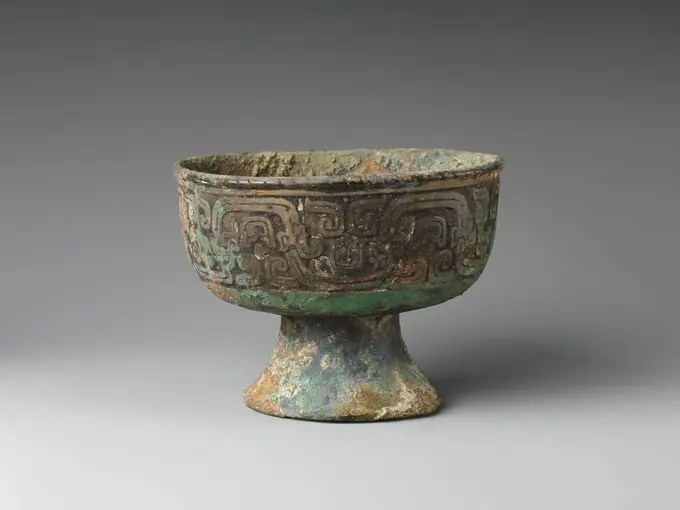
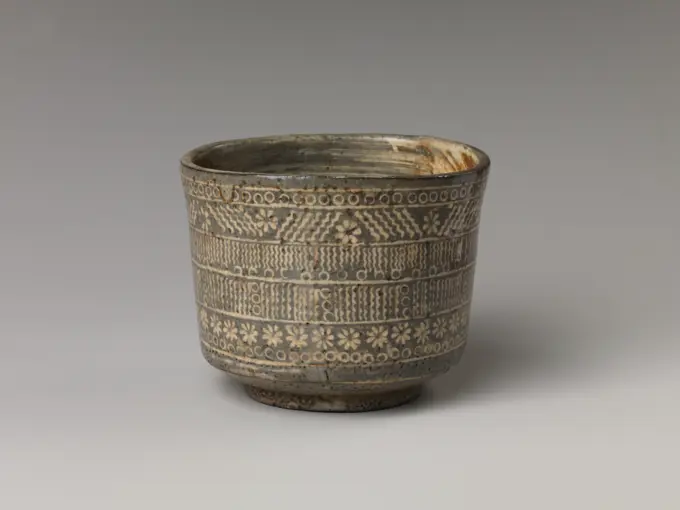
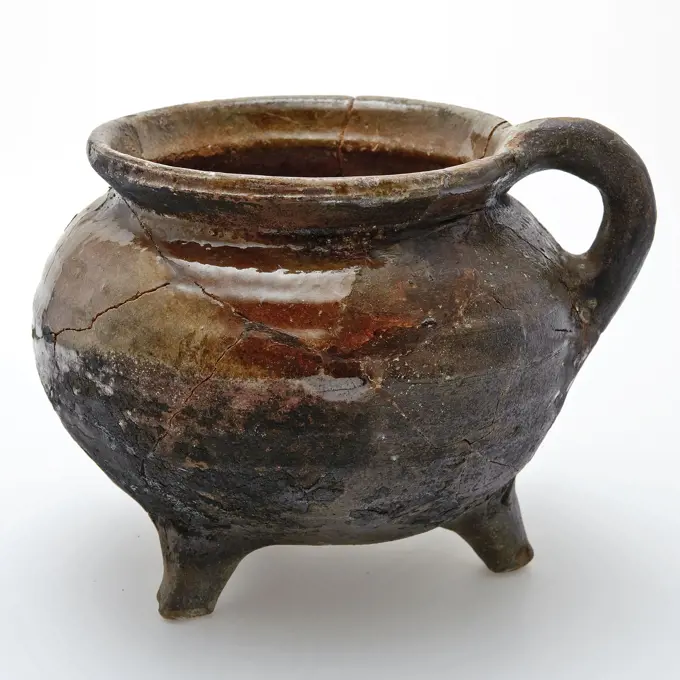
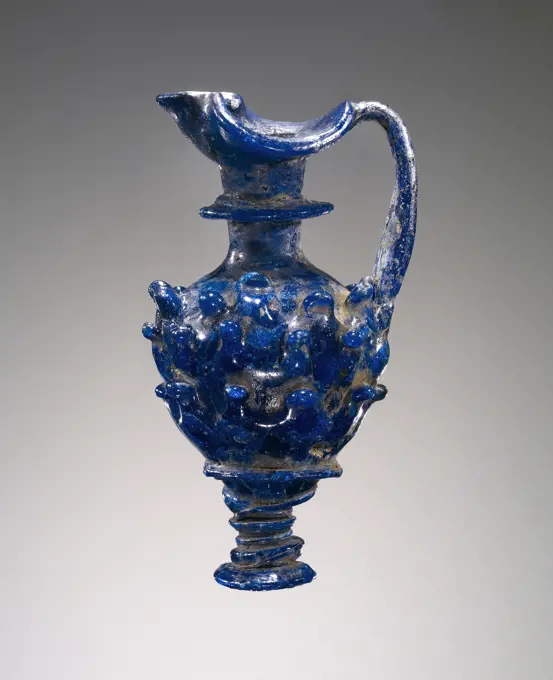
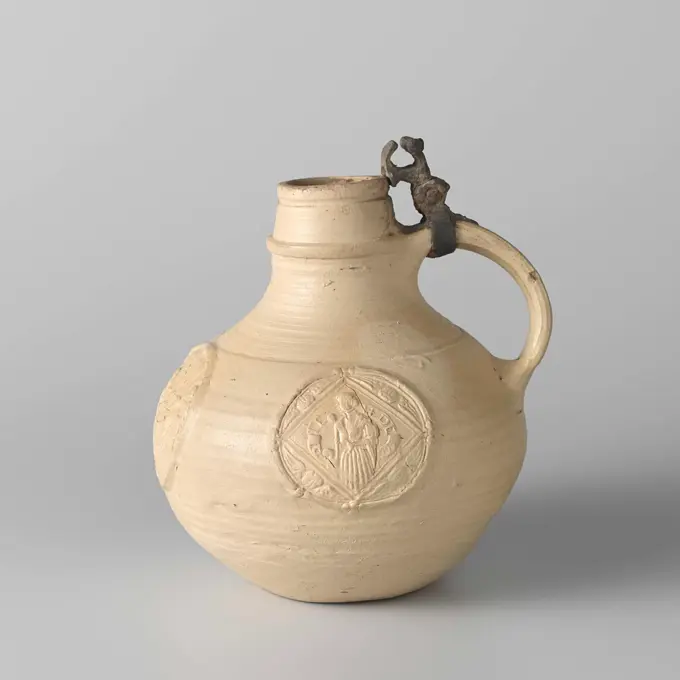
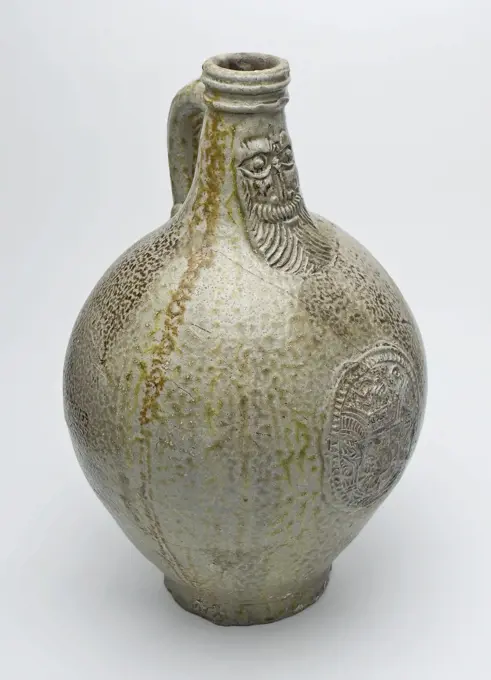
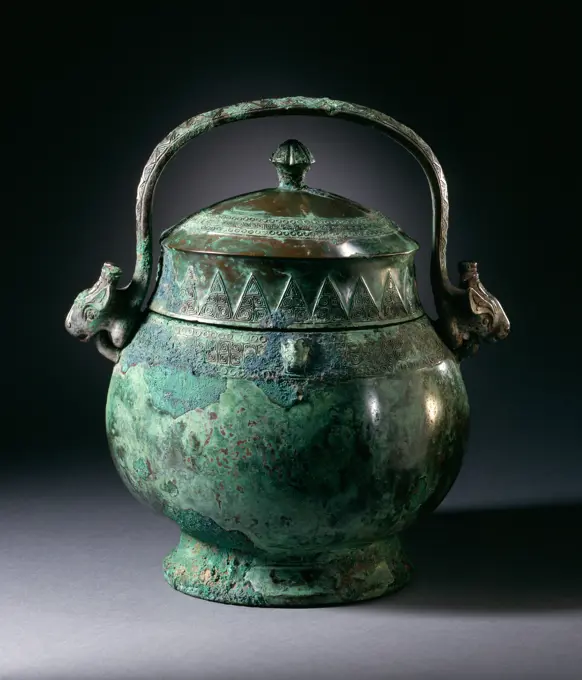
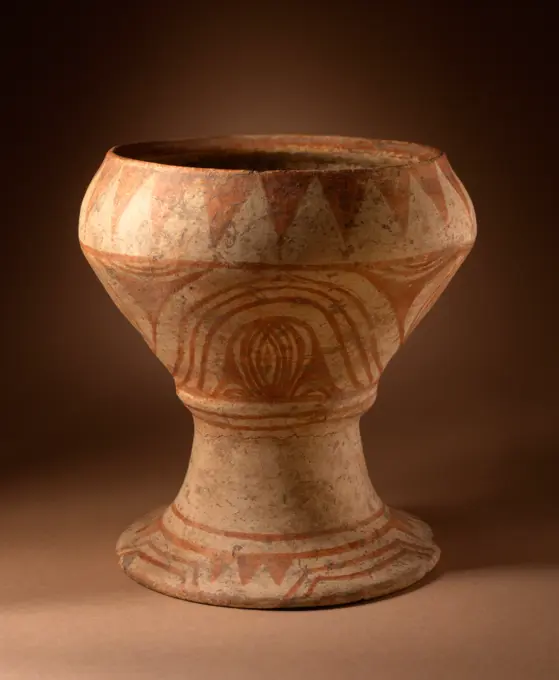
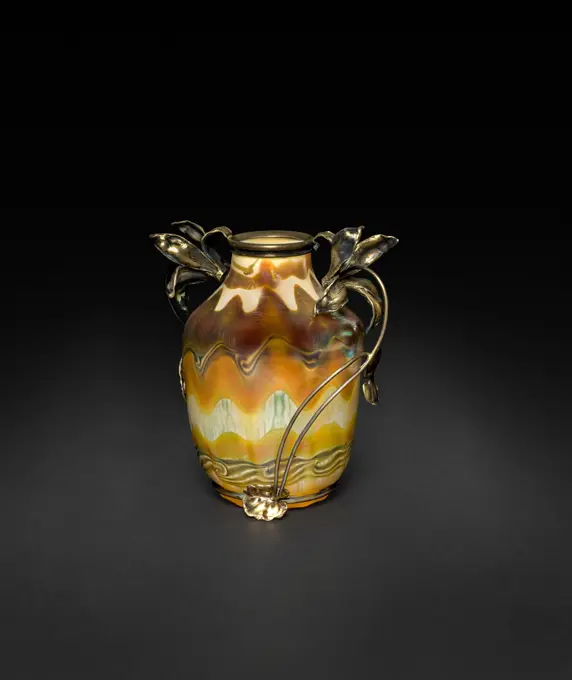
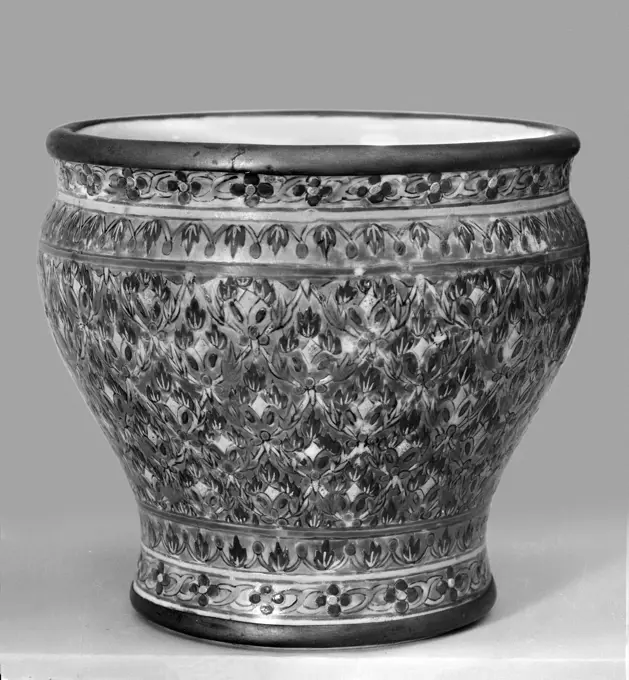
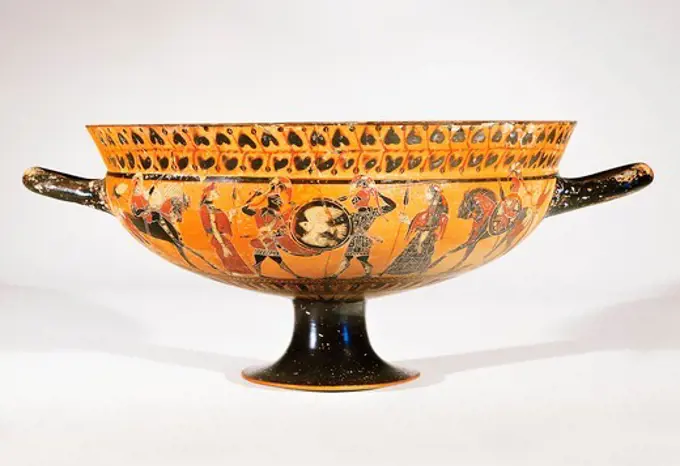
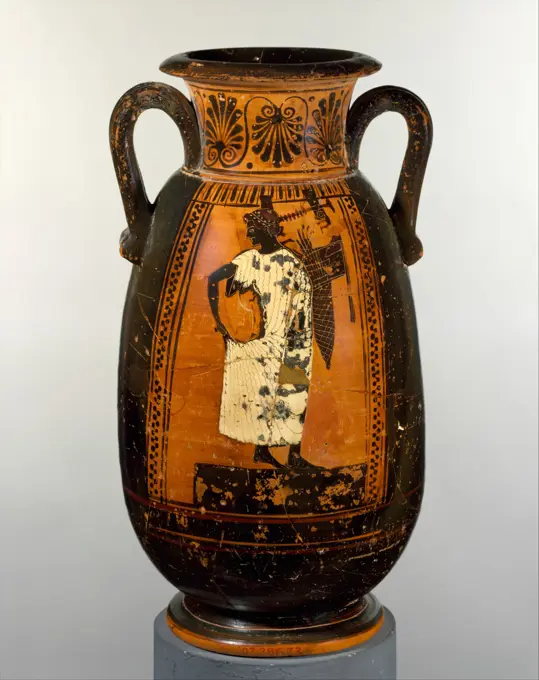
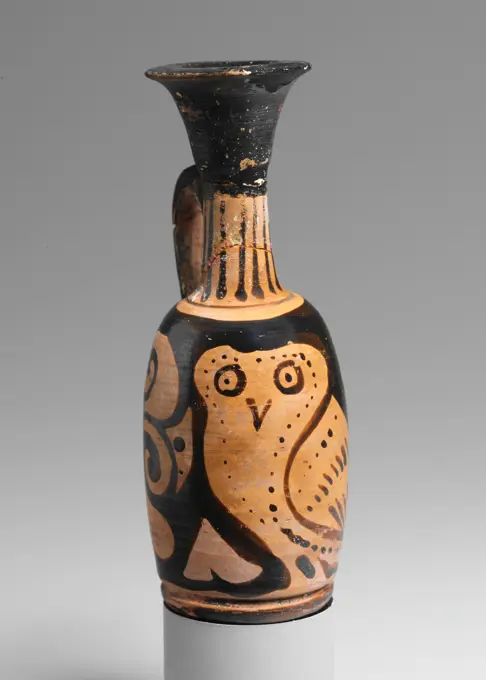
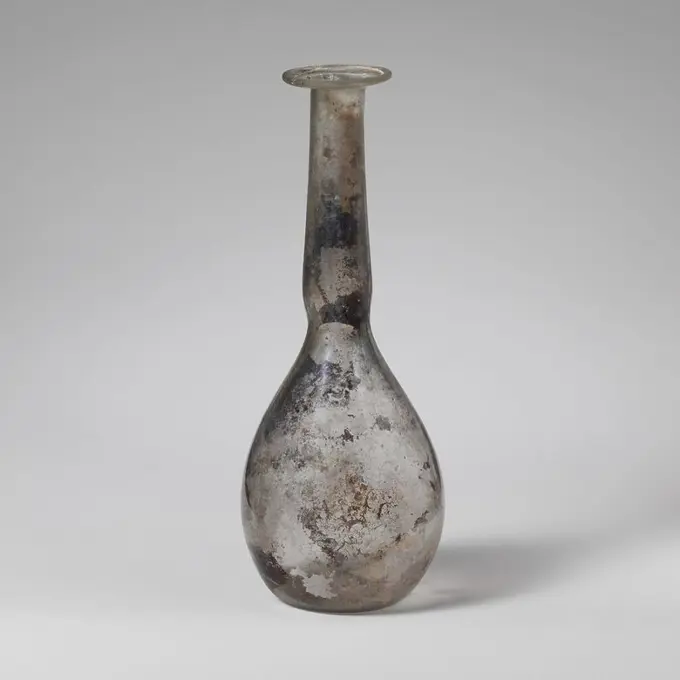
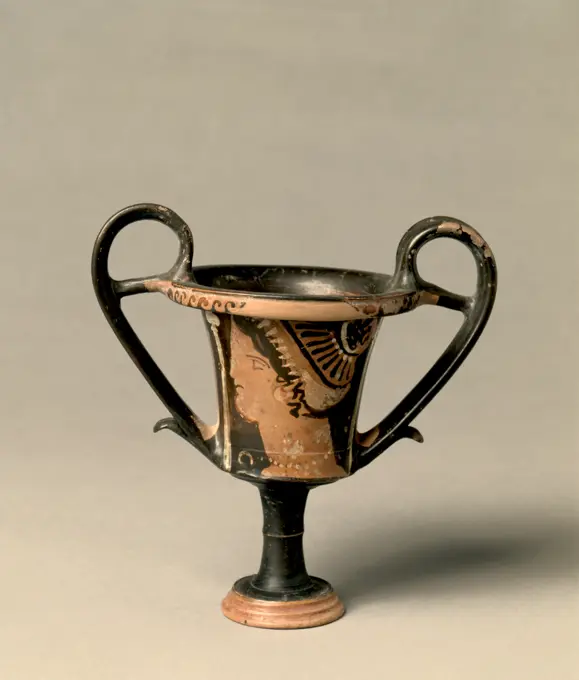
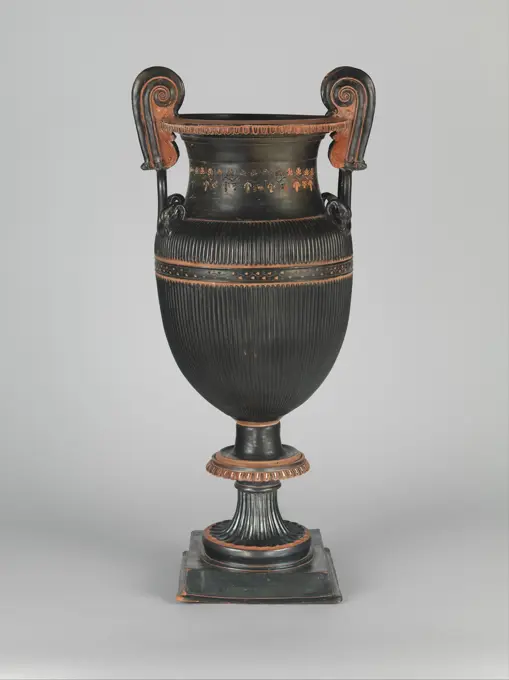
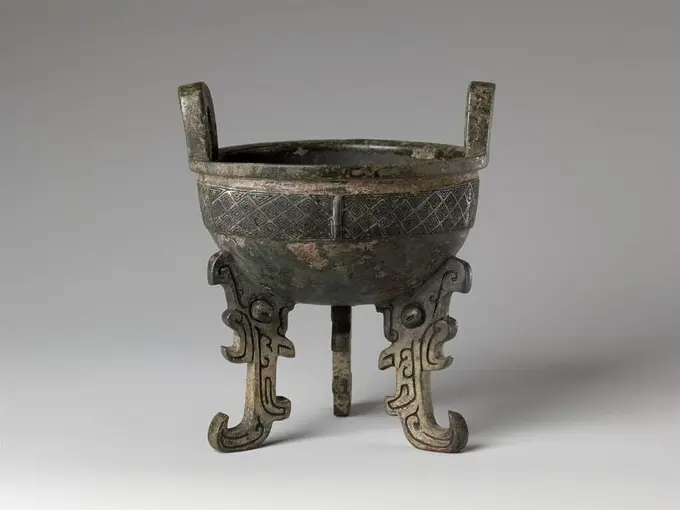
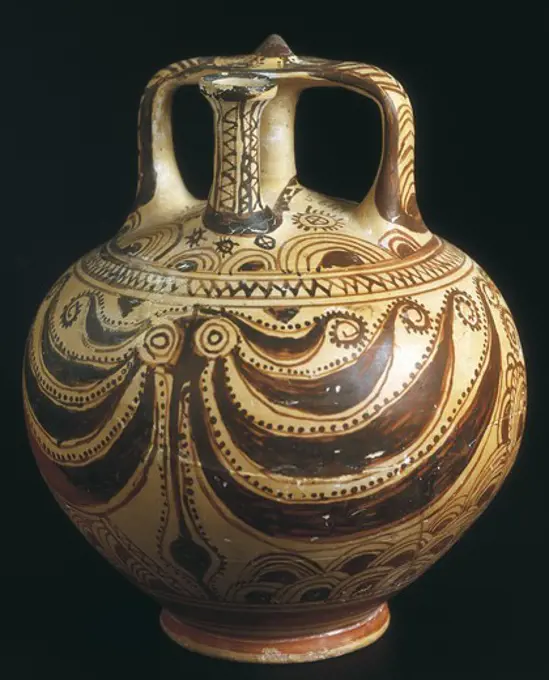
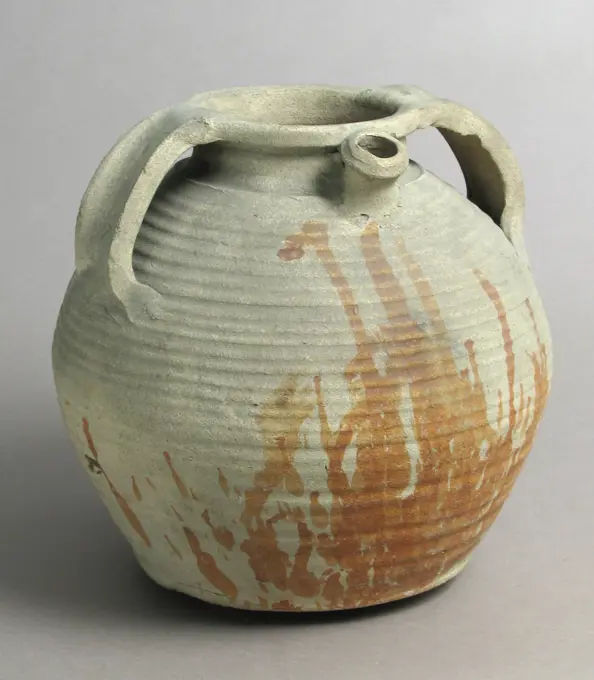
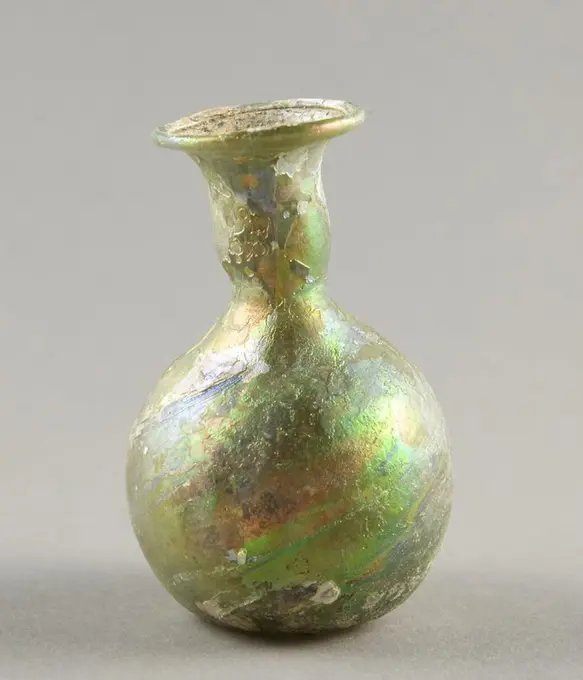
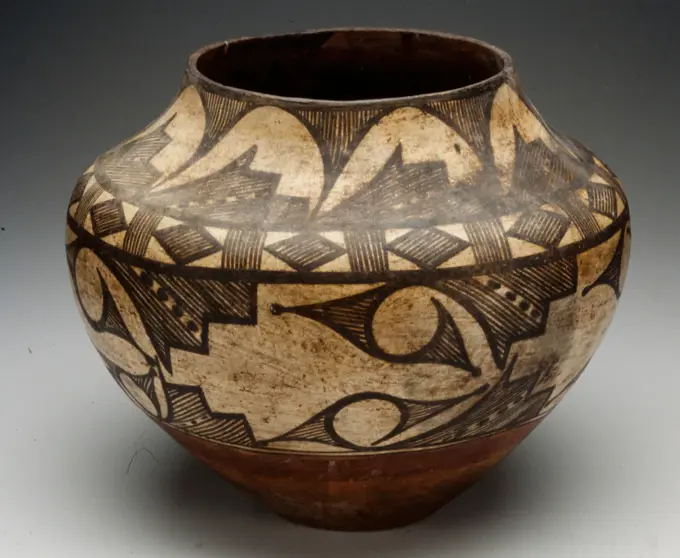
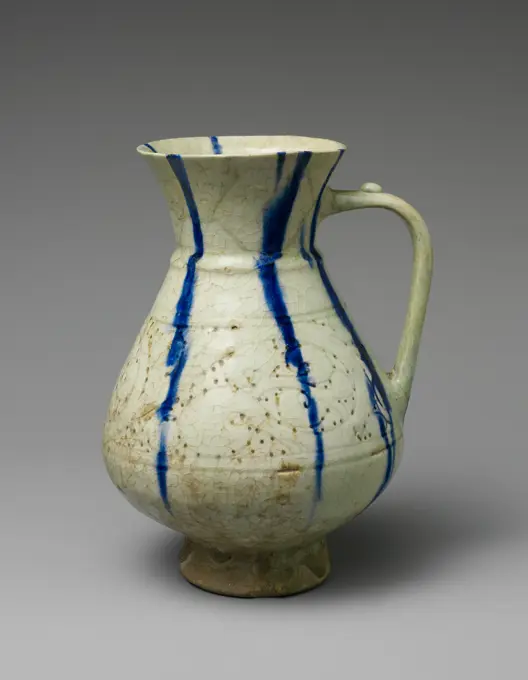
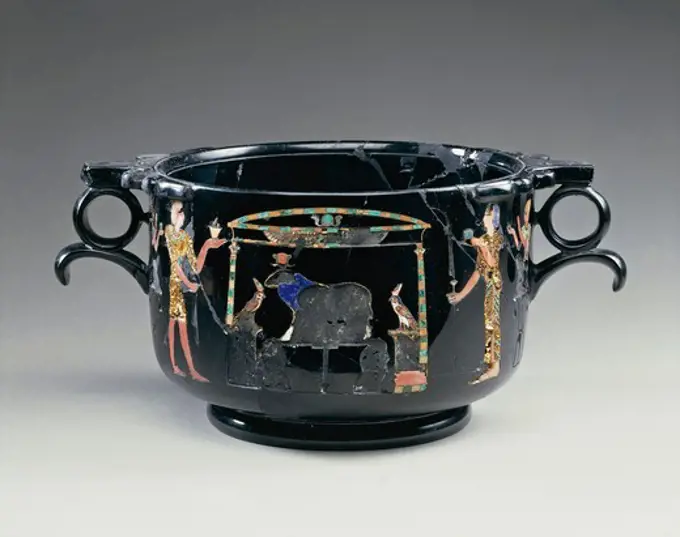
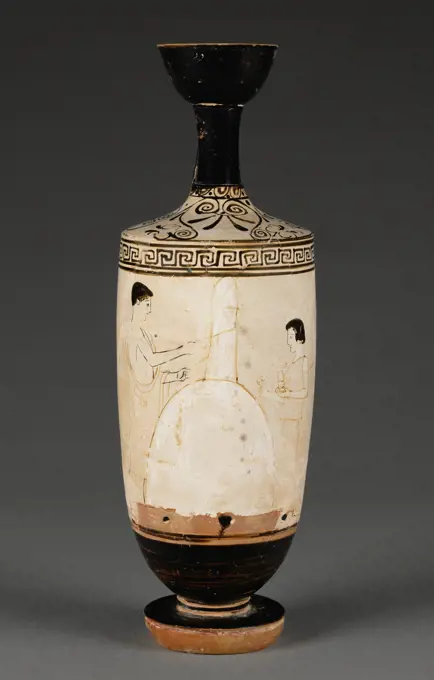
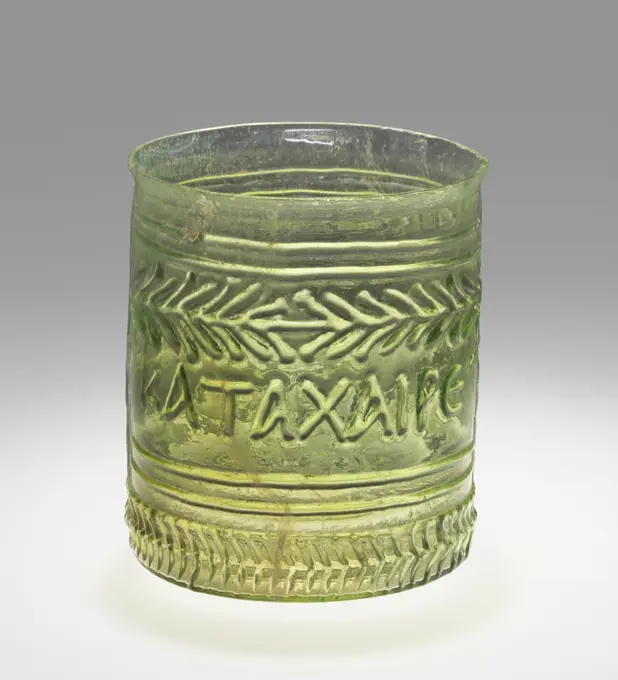
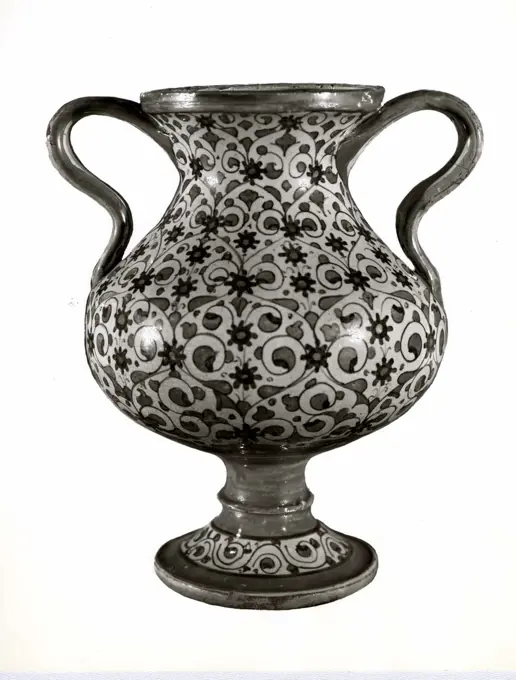
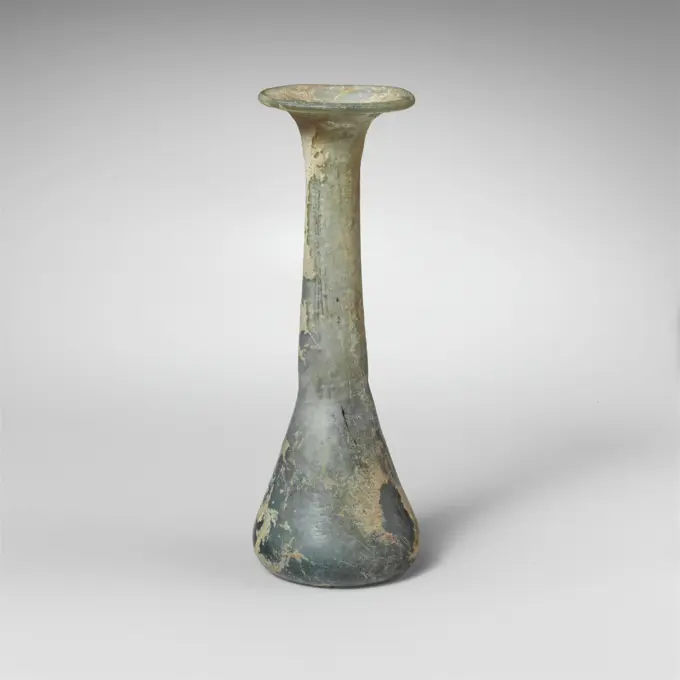
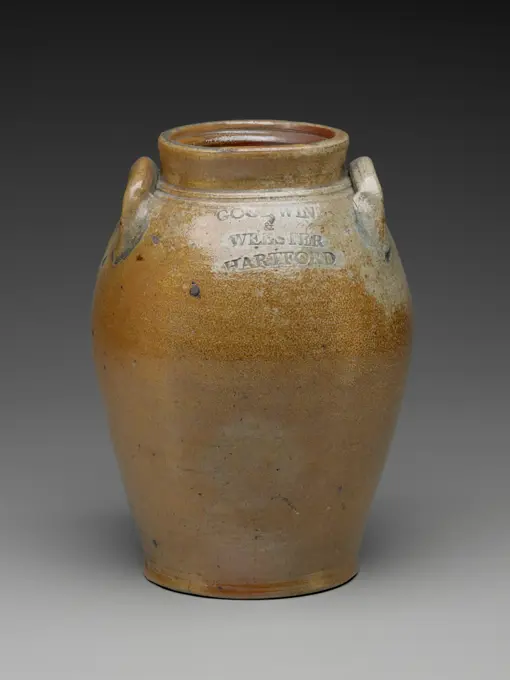
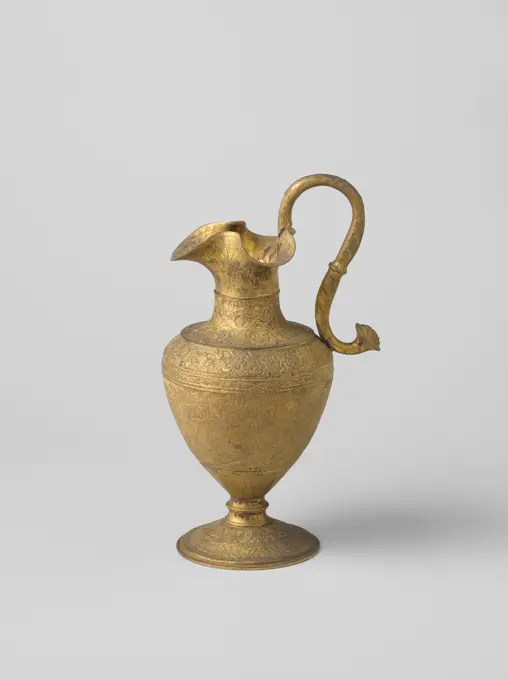
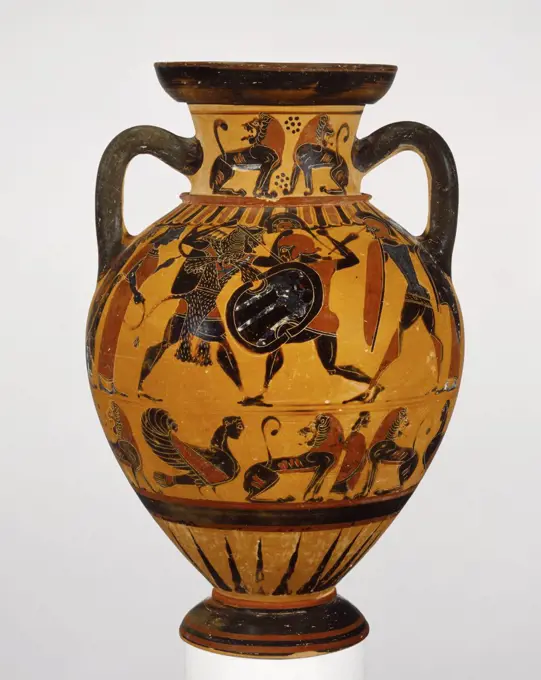
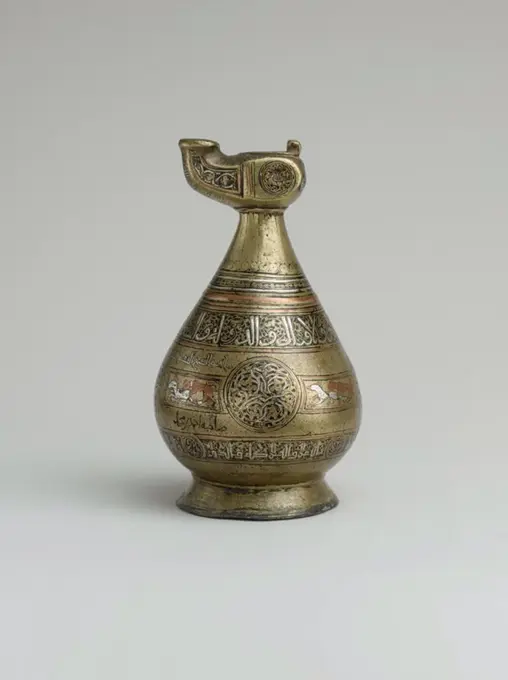
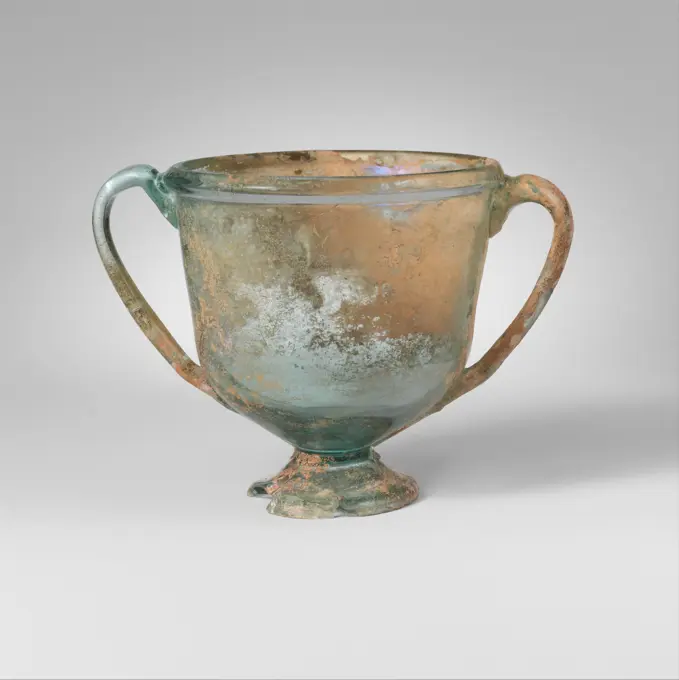
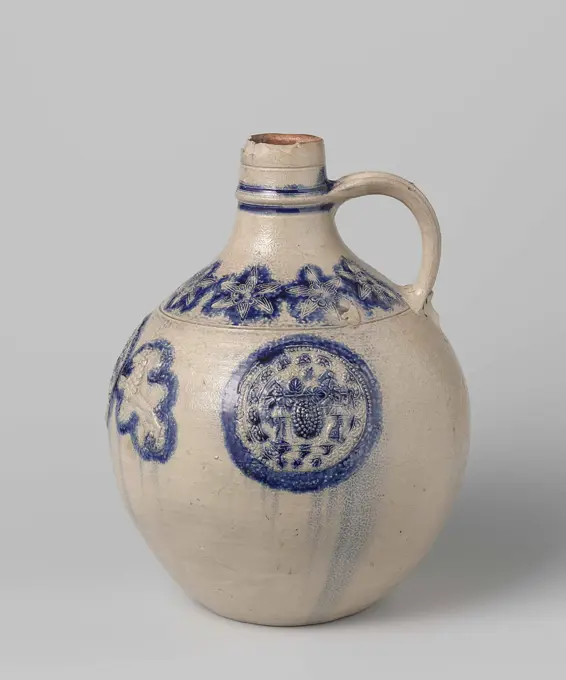
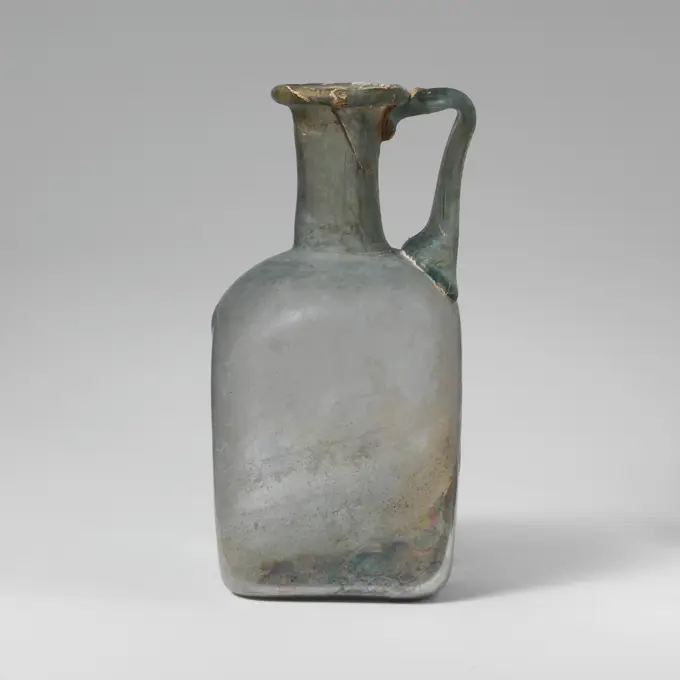
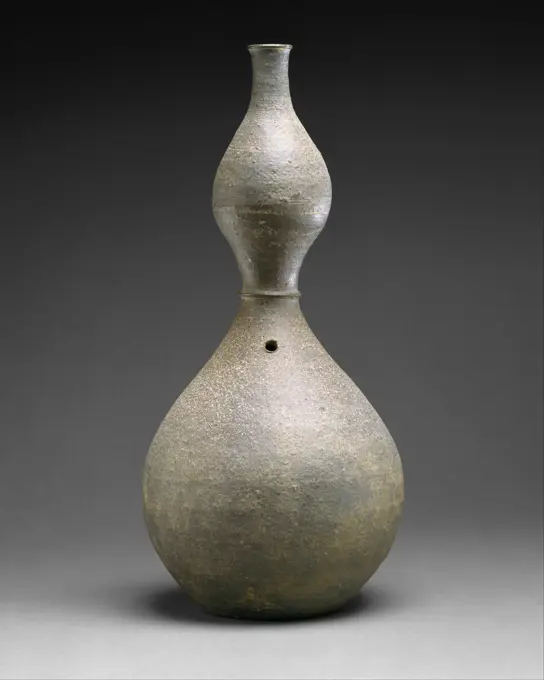
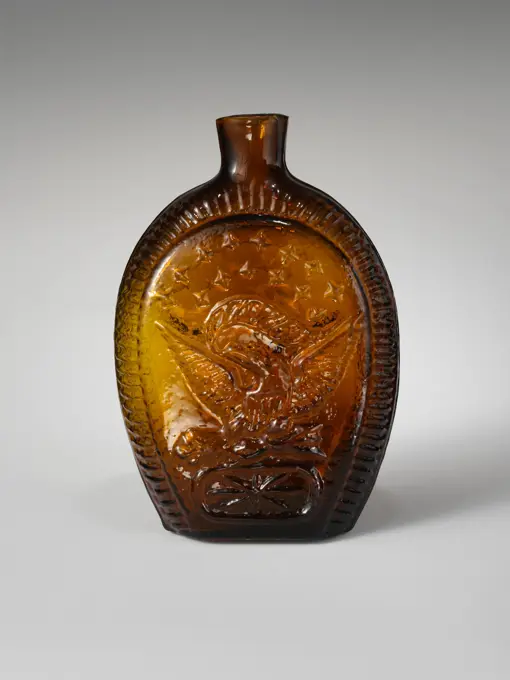
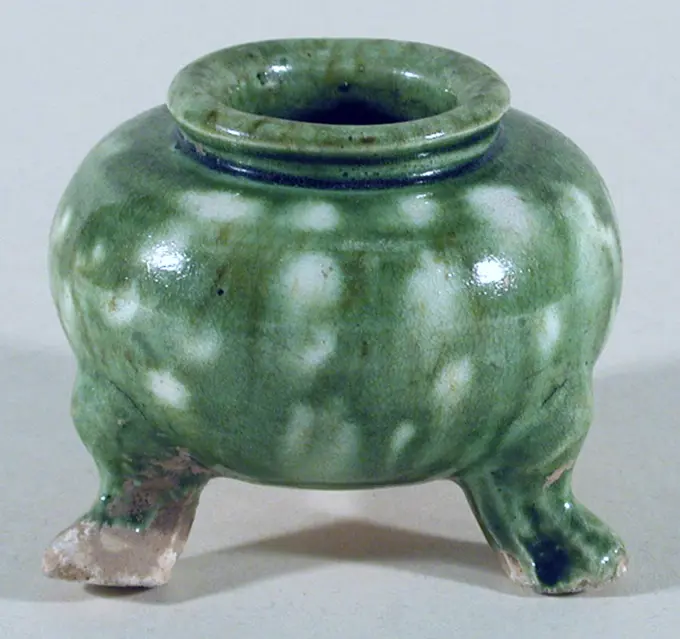
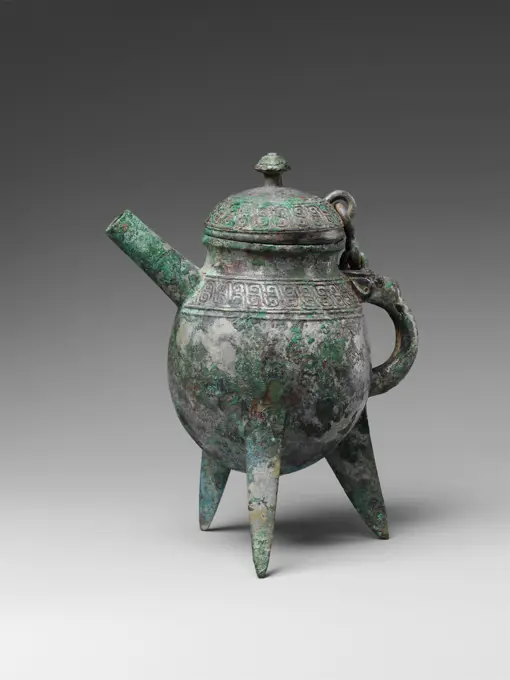
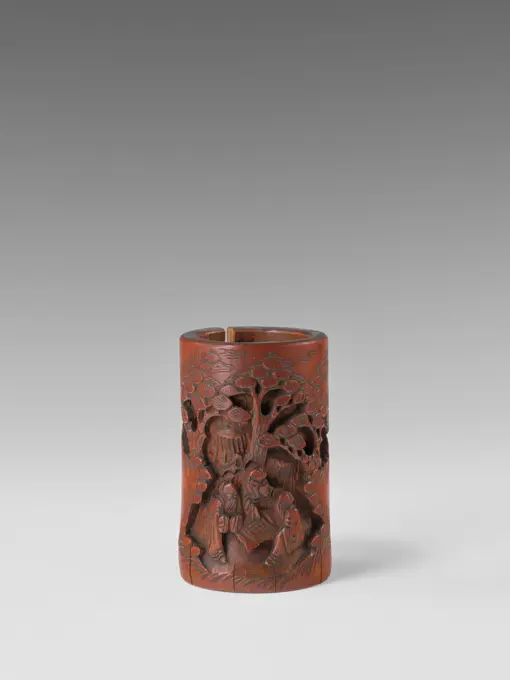
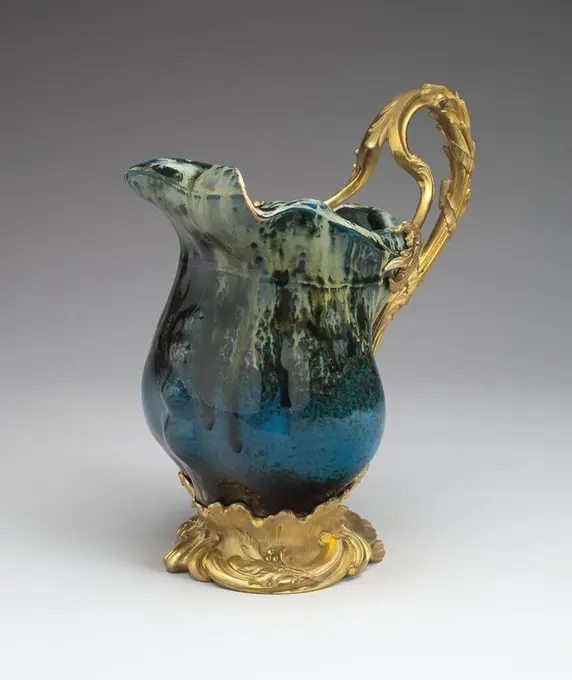
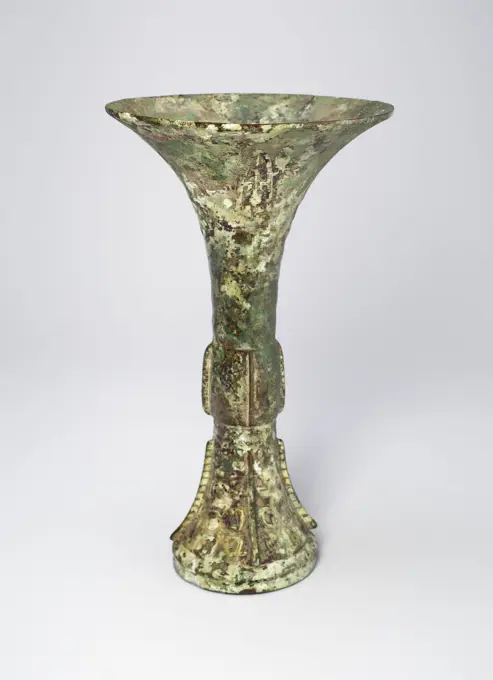
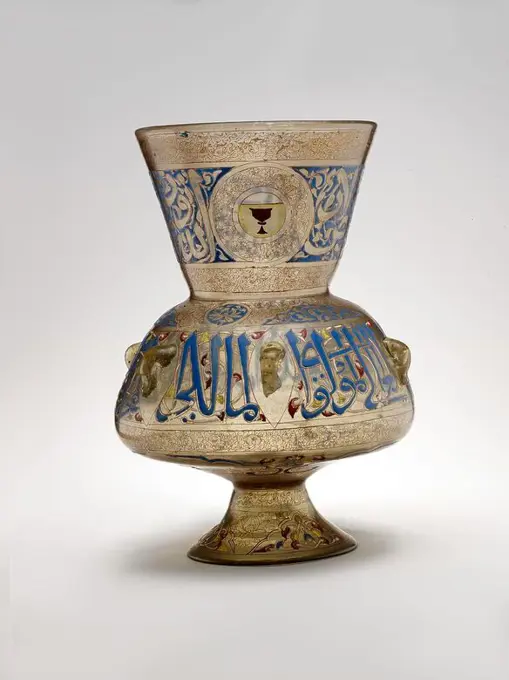
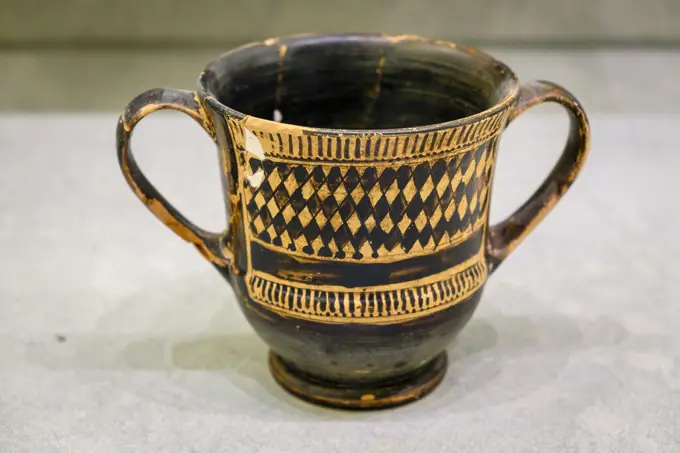
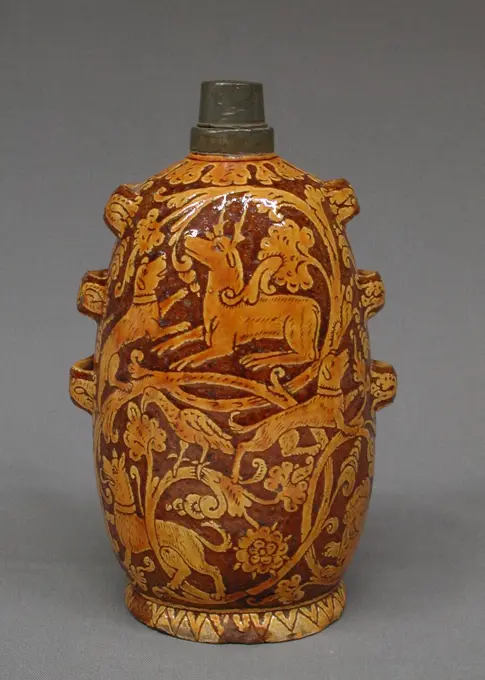
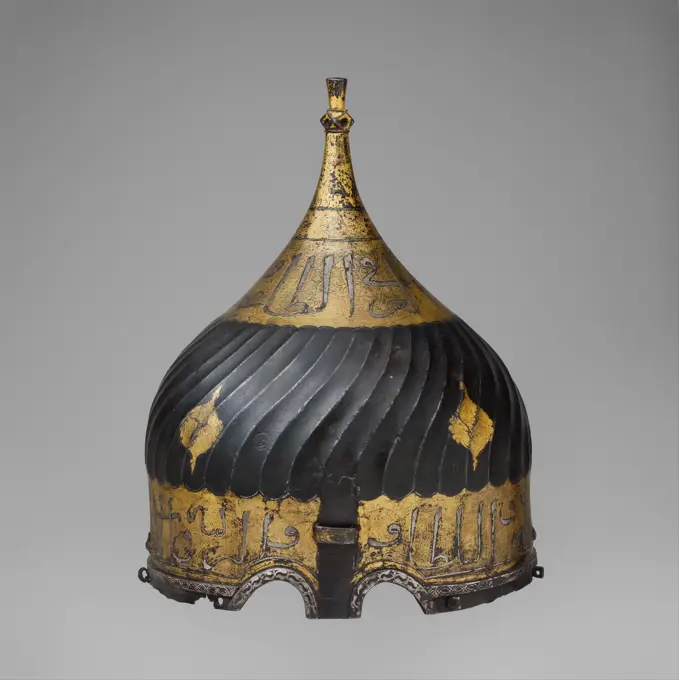
Cup in form of flowers and leafs late 17th-early 18th century China. Cup in form of flowers and leafs. China. late 17th-early 18th century. Porcelain painted in overglaze polychrome enamels (Jingdezhen ware). Qing dynasty (1644-1911), Kangxi period (1662-1722). CeramicsTerracotta oinochoe (jug). Culture: Greek, Attic. Dimensions: H. 5 3/8 in. (13.7 cm). Date: 5th century B.C..Reflecting the many uses to which it was put, the oinochoe is a shape that appears in a wide variety of variants. Museum: Metropolitan Museum of Art, New York, USA.Ewer with Bird andLotusGourd-Shaped Ewer with Lotus Flowers. Korea. Date: 1165-1235. Dimensions: H. 25.5 cm (10 1/16 in.); diam. 17.3 cm (6 13/16 in.). Celadon-glazed stoneware with underglaze incised decoration. Origin: Korea. Museum: The Chicago Art Institute, Chicago, USA.Glass beaker. Culture: Roman. Dimensions: H. 5 5/8 in. (14.3 cm)diameter 3 5/8 in. (9.2 cm). Date: 2nd half of 1st-early 2nd century A.D..Colorless with pale yellow green tinge.Thick, outsplayed rim, cracked off and ground; cylindrical body with almost straight side, then curving in; large integral tubular splayed ring base, made by folding; almost flat but uneven bottom.On body, five horizontal grooves, arranged at regular intervals down vertical side.One large hole in rim, one chip in exterior edge of rim, and one large crack extending round upper body from hole; pinprick bubbles; dulling, iridescence, and patches of whitish weathering. Museum: Metropolitan Museum of Art, New York, USA.Stemmed Bowl. Culture: China. Dimensions: H. 4 3/4 in. (12.1 cm), Diam. of rim: 6 1/4 in. (15.9 cm). Diam. of foot: 3 3/4 in. (9.5 cm). Date: 8th century B.C.. Museum: Metropolitan Museum of Art, New York, USA.Tea bowl with decoration of chrysanthemums and wavy lines first half of the 17th century Probably Korea The white slip, stamp technique, and chrysanthemum motif of the tea bowl indicate that it was produced specifically for the Japanese market. It was likely made in the early seventeenth century; however, it is also possible that it was a product of the so-called Busan kilns (active 1639-1718) in southeastern Korea, which manufactured and exported revivalist Korean-style ceramics designed to cater to the tastes of Japanese consumers.. Tea bowl with decoration of chrysanthemums and wavy lines 63156Vase, 1736-1795. China, Qing dynasty (1644-1911), Qianlong reign (1735-1795). Porcelain; overall: 28.6 cm (11 1/4 in.).Aryballos 550-500 B.C. Late Period. Aryballos 550929Flask; Eastern Mediterranean; 1st century; Glass; 8 cm (3 1,8 in.)Jug, 19th century, 6 x 6 1/2 x 4 1/2 in. (15.24 x 16.51 x 11.43 cm), Pottery, England, 19th centuryPottery cooking jug, grape-model, on three legs, one ear, wide and rounded, grape cooking pot tableware holder kitchenware earthenware ceramics pottery glaze lead glaze, hand-turned glazed baked Pottery cane grape-model on three legs. Red shard sparsely glazed. Round and wide model Oblique top edge Sturdy standing sausage ear Crumbled soot on the underside due to use. Coarse spinning mills on the entire height archeology inn The Heart Geervliet Bernisse indigenous pottery cooking cuisine nutrition food preparation Soil discovery: Geervliet Dorpsplein 1 demolition Trouw put 5 city inn 't Hart 1985.Storage Jar (Olla) with Black, White, and Hathed Linked Scrolls, Triangles, and Stepped Motifs 900 CE-1450 New Mexico. Ceramic and pigment . Ancestral Pueblo (Anasazi)Ovoid Covered Jar With A Light Blue Glaze. Egg-shaped lid pot of stoneware with four small ears on the shoulder, partially covered with a light blue / gray-white glaze. The lower part of the pot is unglazed.Core-formed dark blue small Oinochoe; Etruria (perhaps), Italy; 7th century B.C; Glass; 8.8 × 4.4 × 4.2 cm (3 7,16 × 1 3,4 × 1 5,8 in.)Can. Can be from stoneware. The bullet-shaped belly is partly ribbed. Pressed are 3 round medallions with representations of the 'fall', 'Esther for Ahasverus' surrounded by 4 cherubs and the figure of love. On a banderole: 'D Leifde 1566'.Gray Bartmann jug, also called Bellarmine jug, stoneware, with beard and cartouche, beard masonry tableware holder soil find ceramics stoneware glaze salt glaze, hand-turned glazed pan stoneware stoneware jug gray shard brown-gray glaze partially brindled no tail two ridges under mouth edge archeology Valckensteyn Poortugaal Albrandswaard indigenous pottery drink drink emplacement pour storage transport archaeological find in the soil: castle Valckensteyn in Poortugaal now Albrandswaard 1961-1962.Lidded Ritual Wine Bucket (You) with Spirals. China, Late Shang dynasty, late Anyang phase, about 1100-1050 B.C.. Furnishings; Serviceware. Cast bronzeJar with Spirals. Thailand, late Ban Chiang culture, circa 300 B.C.-A.D. 200. Furnishings; Serviceware. Coil-built earthenware with cream slip and painted decorationVase, c. 1900. Tiffany Glass & Decorating Company (American, New York, 1892-1902), Siegfried Bing (German, active in France, 1838-1905). Favrile glass, silver mount; 13 x 11.5 cm (5 1/8 x 4 1/2 in.). This small vase is made of Louis Comfort Tiffany's signature Favrile glass. Early on when Tiffany began collaborating with glass artists on new types of production, his aesthetic ambitions were realized in the development of Favrile glass, deliberately named to sound French, expensive, and handmade.” Largely through Tiffany's marketing ability, Favrile glass became America’s greatest contribution to the Art Nouveau style. His works were exhibited at international expositions; galleries in major European cities, where his creations were bought by many museums; and in his store in Manhattan, known as the Tiffany Glass and Decorating Co., later Tiffany Studios. Along with the many shapes and sizes of his decorative vases, Tiffany used Favrile glass in mosaic panels, stained glass windows, aJar with floral pattern 19th century China. Jar with floral pattern. China. 19th century. Porcelain painted in overglaze polychrome enamels (Bencharong ware for Thai market ). Qing dynasty (1644-1911). CeramicsAttic Siana cup depicting Hoplite warriorsVase. Martin Brothers (English, 1873-1914); England, London and Southall. Date: 1893. Dimensions: 24.8 x 16.5 x 16.5 cm (9 3/4 x 6 1/2 x 6 1/2 in.). Salt-glazed stoneware. Origin: Southall. Museum: The Chicago Art Institute, Chicago, USA. Author: Martin Brothers.Terracotta neck-pelike (wine jar) ca. 500 B.C. Greek, Attic Musical contests: obverse, kithara player; reverse, youth singing to double fluteThe platforms on which the performers stand indicate that they are participating in musical competitions. The figure on the obverse holds a kithara, the type of lyre used for performances. His pose and the wreath he wears suggest that he may already have won. The figures on the reverse are entirely absorbed, the flute player within himself, the boy projecting toward his audience.. Terracotta neck-pelike (wine jar) 247952Covered Bowl, 15th-16th century, 4 7/8 x 5 x 5 in. (12.38 x 12.7 x 12.7 cm), Sawankalok ware Stoneware with iron painted decor under a clear glaze, Thailand, 15th-16th centuryGlass perfume bottle. Culture: Roman, Cypriot. Dimensions: 6 5/8in. (16.8cm)Other: 3 5/8in. (9.2cm)Diam. of rim: 1 11/16 in. (4.3 cm). Date: 2nd-3rd century A.D..Translucent pale bluish green.Tubular rim unevenly folded out, over and in; cylindrical neck expanding slightly downward, with horizontal tooling groove around base; squat, bulbous body; slightly concave base.Intact; many bubbles; pitting and iridescent weathering. Museum: Metropolitan Museum of Art, New York, USA.Jug with concentric circles with floral ornamentation, anonymous, c. 1650 - c. 1724 Jug of stoneware on high foot with a spherical belly and wide, short neck. The C-Vomige Oor is attached to the neck and belly. Some of the lines of the foot and the neck. Partly covered with cobalt blue and mangangan purple. On the abdomen a relief decoration with three times a medallion of concentric circles with leaf motifs and a rosette in the center. The circles consist of printed and imposed tires, interspersed with blue and purple. A heart-shaped medallion on the top and bottom between the circles. Blue lines on the foot and neck. Westerwald. Westerwald stoneware. glaze. cobalt (mineral). manganese oxide vitrification Jug of stoneware on high foot with a spherical belly and wide, short neck. The C-Vomige Oor is attached to the neck and belly. Some of the lines of the foot and the neck. Partly covered with cobalt blue and mangangan purple. On the abdomen a relief decoration with three times a medalKan, anonymous, c. 1600 - c. 1675 Narrow, reversed peer -shaped can or jug of lead glaze pottery. The jug has a high cylindrical neck, a C-shaped ear and a wide-losing profiled foot. Horizontal Red Zig-Zag lines are engraved in the abdomen. Hesse earthenware. lead glaze Narrow, reversed peer -shaped can or jug of lead glaze pottery. The jug has a high cylindrical neck, a C-shaped ear and a wide-losing profiled foot. Horizontal Red Zig-Zag lines are engraved in the abdomen. Hesse earthenware. lead glazeDzbanek. warsztat rzymski, workshopTerracotta lekythos (oil flask) with an owl 4th century B.C. Greek, South Italian, Apulian With an owl.. Terracotta lekythos (oil flask) with an owl 246123Glass perfume bottle. Culture: Roman. Dimensions: 7in. (17.8cm)Other: 2 11/16in. (6.8cm)Diam. of rim: 1 7/16 in. (3.6 cm). Date: 2nd-3rd century A.D..Colorless with pale blue green tinge.Thick, rounded rim, folded out, over, and in, with fairly broad collar to mouth; cylindrical neck, expanding downward and tooled in around base; elongated piriform body; pushed-in bottom with kick and slight trace of pontil scar.Intact; a few elongated and pinprick bubbles; slight dulling on exterior; iridescent weathering on interior. Museum: Metropolitan Museum of Art, New York, USA.Vessel, 11th-13th century, 8 1/4 x 5 1/16 x 5 1/2 in. (20.96 x 12.86 x 13.97 cm), Ceramic, pigment, Panama, 11th-13th centuryEwer, 1300s. China, Yuan dynasty (1271-1368) - Ming dynasty (1368-1644). Porcelain; overall: 17.5 cm (6 7/8 in.).Jar (Hu) with MusicalScenesRed-Figure Kantharos (Drinking Cup): Female Heads, 330-320 BC. Attributed to Prague Group (South Italian, Apulian). Ceramic; diameter: 11.5 cm (4 1/2 in.); overall: 17.8 cm (7 in.).Sugar Bowl. American; Probably Pennsylvania. Date: 1820-1850. Dimensions: H. 10.8 cm (4 1/4 in.). Earthenware. Origin: United States. Museum: The Chicago Art Institute, Chicago, USA.Pair of terracotta volute-kraters (vases for mixing wine and water) with stands 3rd quarter of the 4th century B.C. Greek, South Italian, Apulian Although these volute-kraters may have been modeled after examples of bronze, they are imposing works in their own right. South Italian vases are often interpretedas having been made for the tomb. Regardless of their final disposition, black-glazed pieces with no evident funerary reference probably first served in life.. Pair of terracotta volute-kraters (vases for mixing wine and water) with stands 256209Tripod Cauldron (Ding). Culture: China. Dimensions: H. 6 in. (15.2 cm); W. at handles 5 1/4 in. (13.3 cm). Date: 11th century B.C..Four characters are cast on the inner wall of the vessel: "X Zu? Ce clan sign made for deceased father Gui.". Museum: Metropolitan Museum of Art, New York, USA.Vase decorated with an octopus. Minoan art / Cretan art. Ceramics. GREECE. CRETE. IRAKLION. Iraklion. Archaeological Museum.Jar French 13th-14th centuryPre-Columbian pottery in the Museum of Archaeology, Trujillo, Peru, South AmericaCeltic bronze vessel, 6th century BC. Artist: UnknownBowl 12th-14th century Byzantine. Bowl 463598Terracotta aryballos (perfume vase) 7th century B.C. Greek, Corinthian Pointed aryballos with scale patttern on body.. Terracotta aryballos (perfume vase). Greek, Corinthian. 7th century B.C.. Terracotta. Protocorinthian. VasesBottle. Roman; Eastern Mediterranean. Date: 101 AD-400 AD. Dimensions: H. 8.75 cm (3 1/4 in.); diam. 6 cm (2 1/4 in.). Glass, blown technique. Origin: Mediterranean Region. Museum: The Chicago Art Institute, Chicago, USA. Author: ANCIENT ROMAN.Pot (Olla), c. 1890-1900, 10 1/2 x 13 in. (26.67 x 33.02 cm), Clay, pigments, United States, 19th-20th centuryWhite Ewer with Blue Streaks 12th-13th century. White Ewer with Blue Streaks 453454Black obsidian bowl depicting Egyptian style offering scene, from Stabile, Villa San MarcoShengding food vessel, 6th century BCE, 20 7/8 × 24 × 26 3/4 in., 101 lb. (53.02 × 60.96 × 68 cm, 45.8 kg), Bronze, China, 6th century BCE, This magnificent ritual food vessel was cast around 575 BCE for use in religious or state ceremonies. The term shengding is given to the type of tripod with a flat bottom and pronounced waist seen here. The word sheng refers to the meat sacrifices that were offered in them. It was originally part of a graduated set of seven ding found in a tomb in southern China; this ding was the second largest.Oil Jar with a Boy and Girl Visiting a Grave; Painter of Athens 1826 (Greek (Attic), active about 460 - 450 B.C.); Athens, Greece; 470 - 460 B.C; Terracotta; 24.7 × 8.9 cm (9 3,4 × 3 1,2 in.)Beaker with Inscription. UnknownVase (vaso) ca. 1530-40 Italian, Deruta. Vase (vaso). Italian, Deruta. ca. 1530-40. Maiolica (tin-glazed earthenware). Ceramics-PotteryGlass perfume bottle 1st-2nd century A.D. Roman Translucent pale blue.Rounded rim, folded down and over; broad, flaring mouth; cylindrical neck, expanding downwards, with tooling marks around base; conical body; thick, pushed-in bottom with central pontil scar.Intact; pinprick and some large bubbles and a few black impurities; dulling, limy encrustation and faint weathering, with some soil encrustation on interior.. Glass perfume bottle 244691A pitcher with a pear -shaped abdomen and ruddy decoration;  around 1900 BC (-1905-00-00--1895-00-00);Ewer 17th century. Ewer 446900Jar 10th century. Jar 448976StonewareJar.  Maker: Goodwin and Webster, American, active 1810-1840Galvanoplastic reproduction of a can with the representation of a classic fighting scene. Galvanoplastic reproduction of a can with driven representation of a classic fighting scene.Bottle 17th-18th century. Bottle. 17th-18th century. Glass; mold blown and painted. Attributed to India. GlassBlack-Figure Neck Amphora; Unknown; Greece, Euboea, Europe; about 570 - 560 B.C.; Terracotta; Object: H: 35.8 x Diam. (body): 23.8 cm (14 1/8 x 9 3/8 in.), Object (rim): Diam.: 15.5 cm (6 1/8 in.)JARRAS DE CERAMICA DECORADAS EN AZUL. Location: MUSEO RUIZ DE LUNA. TALAVERA DE LA REINA. Toledo. SPAIN.Grain Server(Pu)Ewer with Lamp-Shaped Spout. Dimensions: H. 6 in. (15.24 cm). Date: 12th century.The shape and decoration of this ewer is similar to 33.96. Both represent an early phase of the inlay technique, when areas of intricate inlay were balanced by broad zones of brass. Both bear Arabic inscriptions of good wishes to their owners, and this ewer now missing its handle is also inscribed with the maker's name. On this piece, the central band includes pairs of animal predators and prey. Museum: Metropolitan Museum of Art, New York, USA.Glass cantharus (cup with two handles) 1st century A.D. Roman Translucent blue green, with same color foot and handles.Solid beveled rim, with outward horizontal bulge below on exterior and horizontal groove on interior; cylindrical body, tapering slightly downwards, then sloping in to small bottom; hollow conical foot formed from separate gather, with edge cracked off and ground; two plain rod handles applied to top of sides and bulge below rim in thick pads, drawn up and out, then curved round and down, and pressed onto lower sides with thin trails extending onto top of foot.Body intact, but foot broken and repaired with parts of edge missing; few bubbles; some pitting, creamy brown weathering, and iridescence.Two handled cup with short foot.. Glass cantharus (cup with two handles) 245218Jar with three medallions in which the spies of canan. Globly jar of stoneware, with a cylindrical neck and an ear. The belly is decorated with three medallions in which the spies of canan, within an enthusiastic edge and the year 1647. The middle medallion has been placed between two crowned living lions. The neck is decorated at the bottom with a border of pressed stars.Glass square bottle 2nd-3rd century A.D. Roman Translucent blue green; handle in same color.Rim folded out, round, and in, with flaring mouth; cylindrical, slightly concave neck, with tooling marks around base; sloping shoulder with rounded corners; four flat sides, tapering downward; flat but slightly uneven bottom with slight ribbing in parallel lines; claw handle applied to shoulder, drawn up and outward, then turned in horizontally and trailed on to top of neck and underside of rim.Intact; few bubbles; slight pitting, dulling, and iridescence on exterior; patches of creamy weathering on interior.. Glass square bottle. Roman. 2nd-3rd century A.D.. Glass; mold-blown. Mid Imperial. GlassRitual Wine Storage Jar (Zun) with Masks and Birds. China, Early Western Zhou dynasty, about 1050-950 B.C.. Furnishings; Serviceware. Cast bronzeGourd-shaped bottle early 12th century Korea A graceful example of non-celadon stoneware from the Goryeo period, this bottle possesses pleasingly attenuated proportions. The double-gourd shape, a clever incorporation of a vegetal form, can also be found in celadon.. Gourd-shaped bottle. Korea. early 12th century. Stoneware with incidental ash glaze. Goryeo dynasty (918-1392). CeramicsPharmacy Jar first half 15th century Spanish. Pharmacy Jar. Spanish. first half 15th century. Tin-glazed earthenware. Made in probably Manises, Valencia, Spain. CeramicsARTE PRECOLOMBINO. INCA. Cerámica antropomorfa de la CULTURA MOCHICA, que se desarrolló en el norte de la costa peruana entre-200 y 900. Es una de las más importantes culturas del periódo incaico y es conocida especialmente por su cerámica, que alcanzó un gran perfeccionamiento técnico.Flask 1825-60 Attributed to Kentucky Glass Works. Flask. American. 1825-60. Free-blown molded amber glass. Possibly made in Zanesville, Ohio, United States; Possibly made in Louisville, Kentucky, United StatesBeakerWine Beaker (Gu) 13th century B.C. China A single character (clan sign) is cast inside the foot of the vessel.. Wine Beaker (Gu). China. 13th century B.C.. Bronze inlaid with black pigment. Shang dynasty (ca. 1600-1046 B.C.). MetalworkKAZAN DE BARRO BLANCUZCO - SIGLO XIII - PERSA. Location: MUSEO ARQUEOLOGICO NACIONAL-COLECCION. MADRID. SPAIN.Tripod incense burner 8th century China. Tripod incense burner. China. 8th century. Earthenware with green and white glazes. Tang dynasty (618-907). CeramicsTerracotta pilgrim flask 3rd-2nd century B.C. Greek, South Italian, Campanian Flask stands on two feet, with two small lug handles near mouth. One broad and one narrow strip around the circumference.. Terracotta pilgrim flask. Greek, South Italian, Campanian. 3rd-2nd century B.C.. Terracotta; black-glaze. Hellenistic. VasesBarrel of turned, solid wood. A barrel of solid maple wood.Ceramic ewer with oblique spout decorated with spirals and whorls, example of Kamares pottery, from Palace of FestosCANDIL VIDRIADO EN VERDE Y NEGRO-S XX ARTE POPULAR. Location: ALFARERIA LAS VISTILLAS. Malaga. SPAIN.Campania Caserta Capua Museo Campano022. Hutzel, Max 1960-1990 Medieval: Byzantine architectural fragments; parchment fragments with miniatures (12th century) from Montecassino; painted wooden crucifix (13th century); Carolingian crucifixes; Bishop's miter (11th century) of gold and silver damask; fresco (13th century). Post-medieval: Architecture (15th century). Formerly the Palazzo Antignano. Unusual Catalan/Moorish-style portal; Paintings on panel and canvas (15th-18th centuries); marble intarsia (16th century); marble sculpture: busts of Christ and Mary (17th century); sculpture of saints in marble and in wood (15th century); painted and gilded sculpture in wood; marble grave sculpture (16th century); sarcophagus with allegorical carvings; gold reliquary "Rosa d'Oro"; crucifix made of elephant tusk Specific Location: Pianterreno Antiquities: Italic sculpture (seated women holding babies); inscription. Photo campaign #1: 533 photos. Roman relief and sculpture; cinerary urns; Greek aBirchbark Pail Made 1755-1765 Maine. Birchbark . PenobscotSpouted Wine Vessel (He) 11th century B.C. China Seven characters are cast on the body of the vessel beneath the handle: "Ya-X clan sign I have had a vessel made for Zhong Zi Xin personal name.". Spouted Wine Vessel (He). China. 11th century B.C.. Bronze. Shang dynasty (ca. 1600-1046 B.C.). MetalworkVase, two copies Necel, Franciszek (1868 1935)Vase (Etruscan vessel of Naples) ..Naczynie na pędzle. unknown, craftsmanGlass jug. Culture: Roman, Rhenish. Dimensions: H.: 4 1/2 in. (11.4 cm). Date: 3rd-4th century A.D..Translucent cobalt blue; trail and base ring in semi-opaque yellowish white.Rim folded over and in, and smoothed into side of flaring mouth; cylindrical neck, expanding slightly downwards; biconical body; applied thick base ring; small, uneven bottom. Thick trail wound horizontally around underside of mouth, then dropped down in a fine trail, and wound three times around upper neck.Body complete except for small chip in rim and cracks around mouth, and all of handle missing; some pinprick bubbles, a few gritty inclusions, and blowing striations; patches of creamy weathering and iridescence.With white handle, foot and threads around neck. Museum: Metropolitan Museum of Art, New York, USA.Ewer. Léonard-Agathon van Wydeveld (French, born Belgium, 1841-1923); Designed and made by Louchet Frères (French, active 19th century). Date: 1898. Dimensions: 27.3 × 25 cm (10 3/4 × 9 7/8 in.). Flambé-glazed pottery and gilt bronze mounts. Origin: France. Museum: The Chicago Art Institute, Chicago, USA.Beaker Made 1600 BCE-1050 BCE China. Bronze .Mosque Lamp of Amir Qawsun. Dimensions: H. 14 1/8 in. (35.9 cm)Max. diam. 10 1/16 in. (25.6 cm)Diam. with handles 10 5/16 in. (26.2 cm). Maker: 'Ali ibn Muhammad al-Barmaki . Date: ca. 1329-35.Large glass lamps of this type were commissioned by sultans and members of their court for mosques, madrasas (Qur'anic schools), tombs, hospices, and other public buildings in fourteenth-century Mamluk Cairo. This example bears the name of its patron, Qawsun (d. 1342), amir of the Sultan al-Nasir Muhammad ibn Qalaun (r. 1293-1341 with brief interruptions), and was probably intended for one of his two architectural commissions in Cairo--a mosque or a tomb-hospice complex. Museum: Metropolitan Museum of Art, New York, USA.Vase: Qingbai Shufu-type ware (pair with 1975.1.1669) 14th century Chinese. Vase: Qingbai Shufu-type ware (pair with 1975.1.1669) 461494Terracotta vase, 450-425 BC, Archaeological Museum of Ibiza and Formentera, Spain.Incised and Painted Container for Lime with Carved Stopper. Probably Ica; South coast, Peru. Date: 1000-1470. Dimensions: 9.8 x 4.1 cm (3 7/8 x 1 5/8 in.). Gourd with leather and string. Origin: Peruvian South Coast. Museum: The Chicago Art Institute, Chicago, USA.HUEVO DE AVESTRUZ CON DECORACION PINTADA. PUNICO AJUAR. (DEPOSITO: MUSEO ARQUEOLOGICO NACIONAL).Terracotta footed bowl ca. 650 B.C. Etruscan, Italo-geometric Banded body; zigzags between vertical lines at lip.. Terracotta footed bowl. Etruscan, Italo-geometric. ca. 650 B.C.. Terracotta. Geometric. VasesPilgrim bottle ca. 1650 Italian, Squillache. Pilgrim bottle. Italian, Squillache. ca. 1650. Slipware; pewter. Ceramics-PotteryTurban Helmet late 15th-16th century Turkish, possibly Istanbul, in the style of Turkman armor Helmets of this type are usually called turban helmets because of their large bulbous shape and the flutings that imitate the folds of a turban. Because certain dervish groups wore turbans wound with a prescribed number of folds to represent an important mystical number, it is likely that turban helmets were regarded not merely as armor but also as a kind of religious insignia, their very shape marking the wearer as a fighter in a Holy War.Turban helmets, together with mail-and-plate armor of matching decoration, were intended for the heavy cavalry and are recorded as early as the fourteenth century. The examples exhibited here appear to have belonged to the dynasty of Aq Quyunlu (White Sheep Turkoman) that ruled northwestern Iran and Anatolia in the fifteenth century. The inscriptions, damascened with gold and silver, glorify temporal rulers, wish the owner well, or give advice on how to attBeaker, mid 1700s. Germany, Munich, mid-18th century. Silver; diameter of mouth: 10.1 cm (4 in.); overall: 14 cm (5 1/2 in.).Acoma Pueblo jar, E1235  Museum of Northern Arizona, Flagstaff, ArizonaJar with Cover 15th century Vietnam. Jar with Cover 37540Stirrup Spout Vessel with Relief Depicting a Fishing Scene Made 100 BCE-500 CE North Coast. Ceramic and pigment . Moche