Ancient Jars and Vessels

A collection of terracotta and pottery jars from ancient cultures, featuring decorative patterns and various shapes, showcasing historical artistry from different eras.

Jar late 12th-first half 13th century. Jar 450932
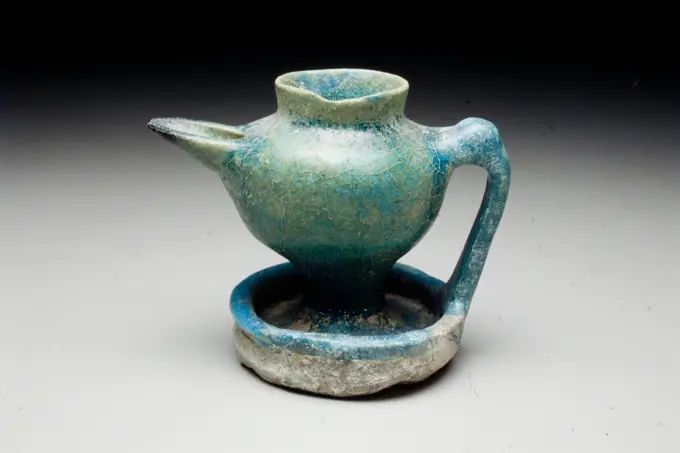
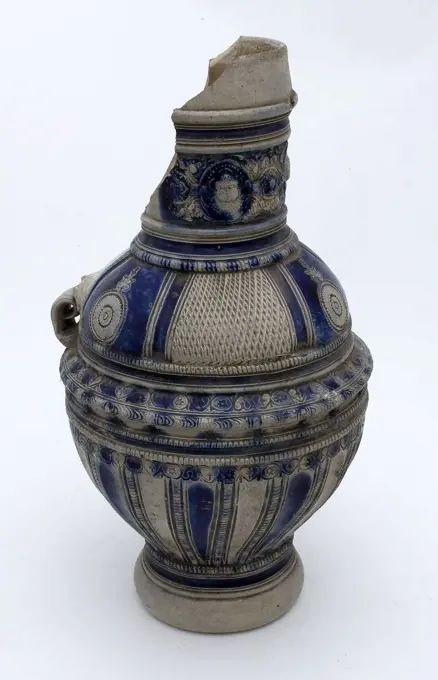
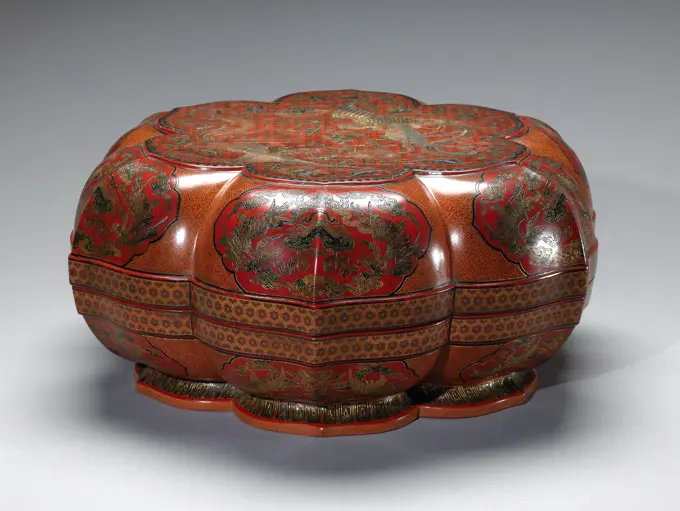
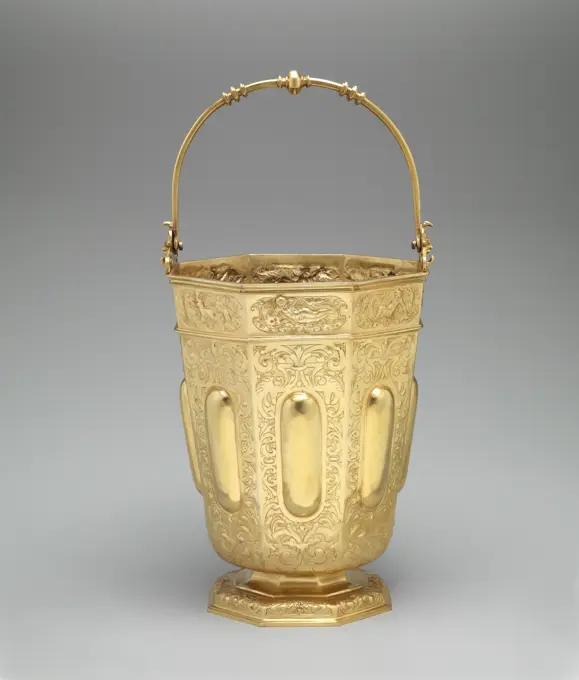
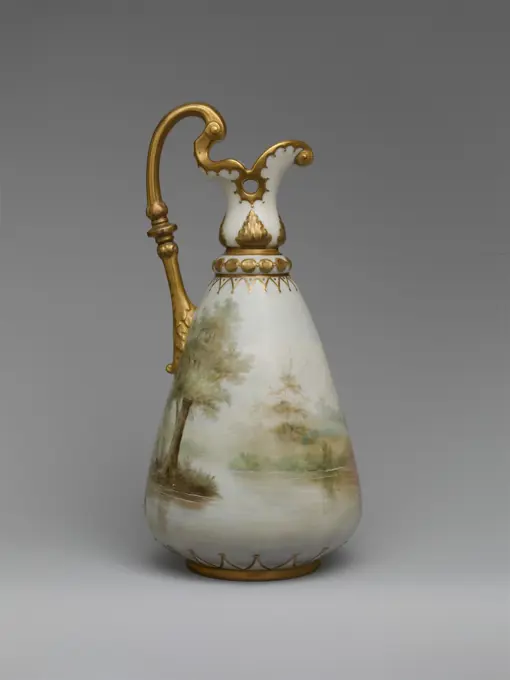
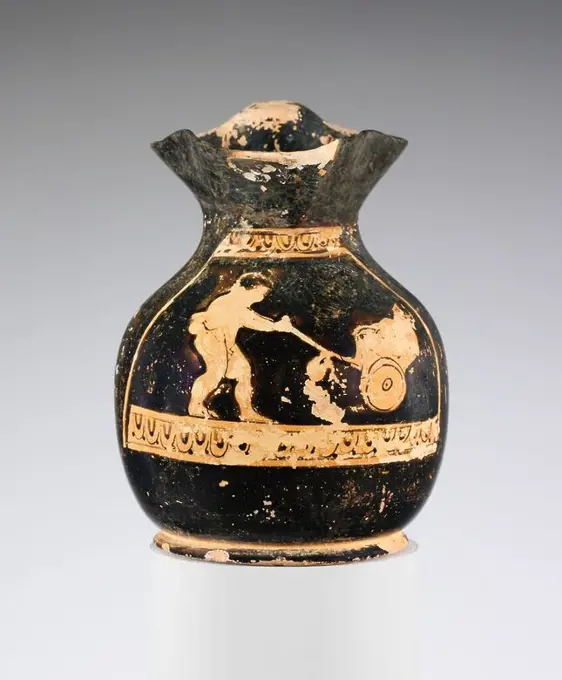
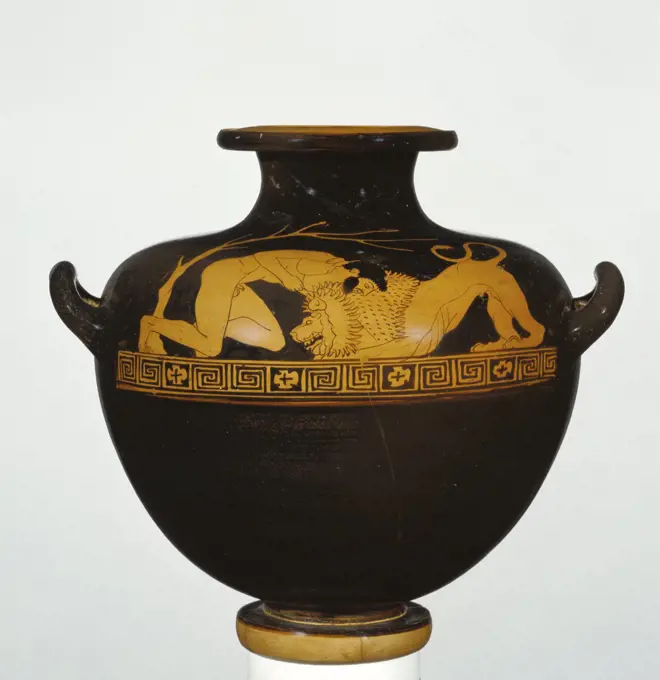
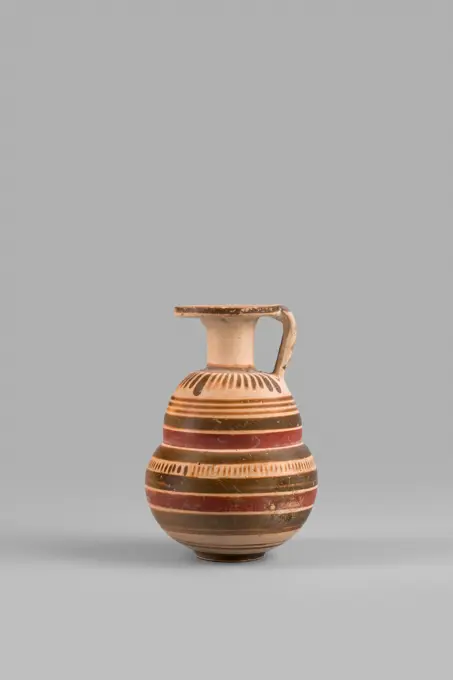
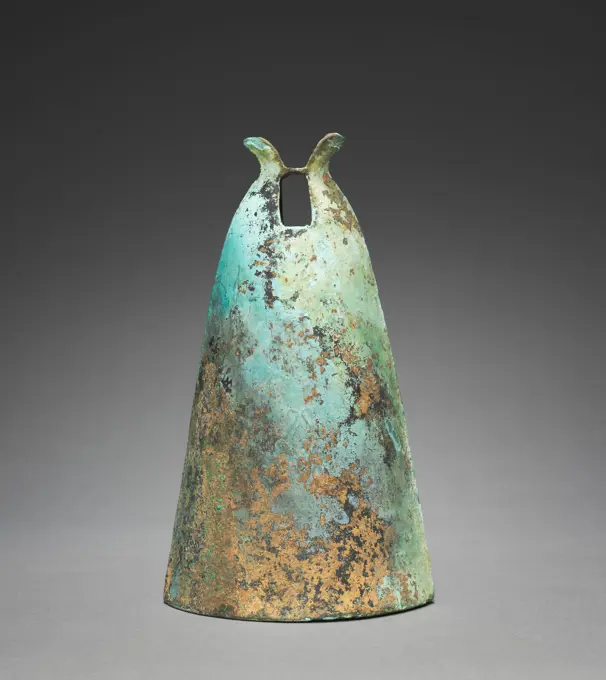
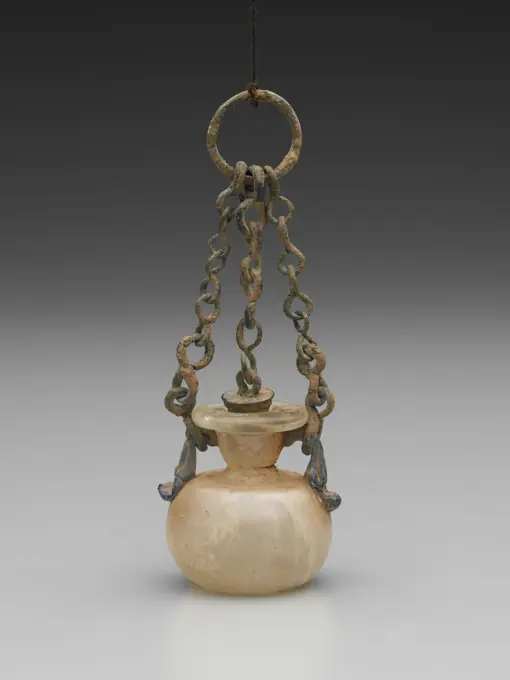
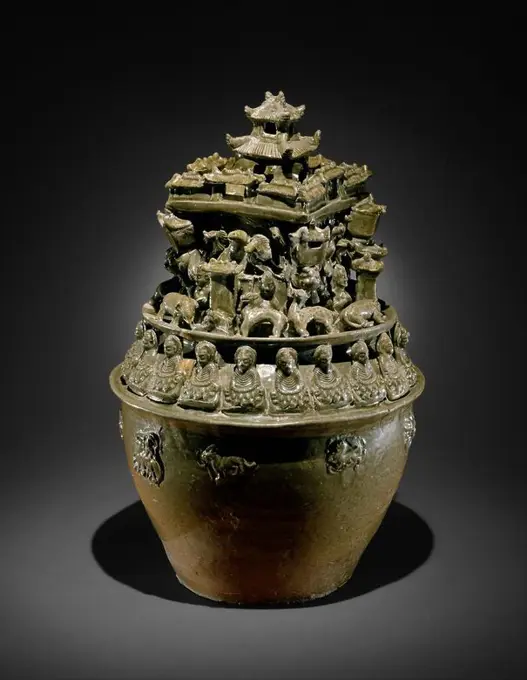
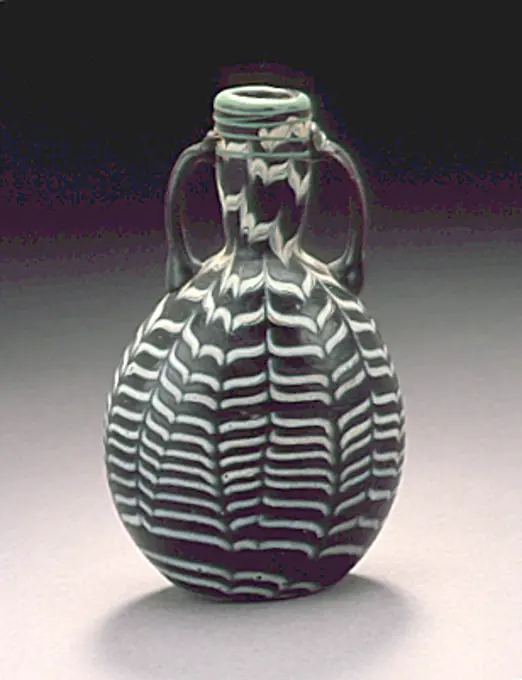
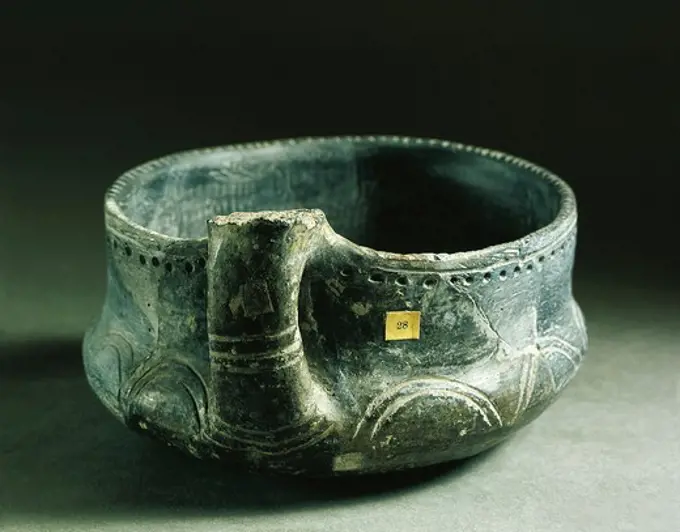
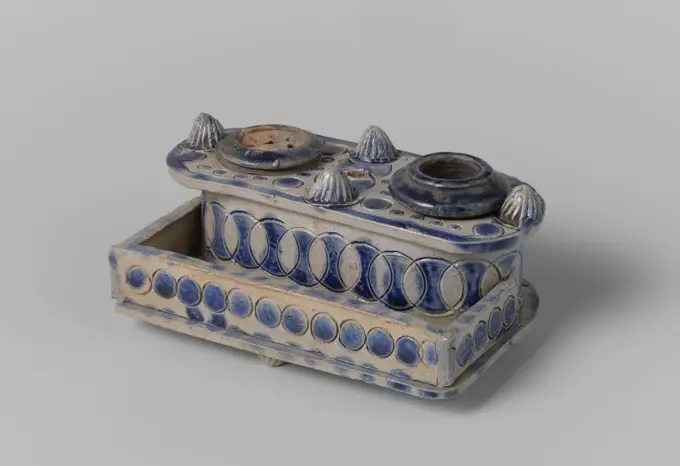
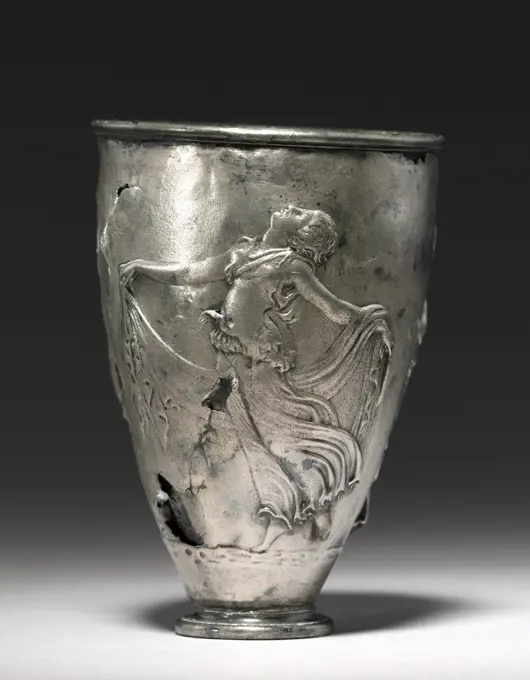
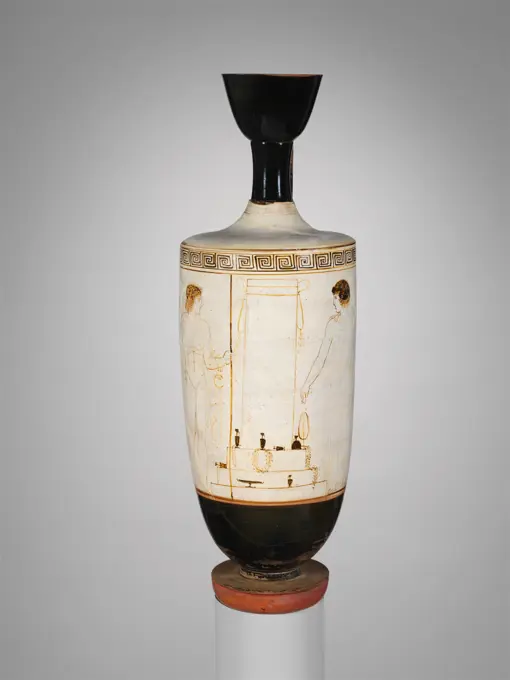
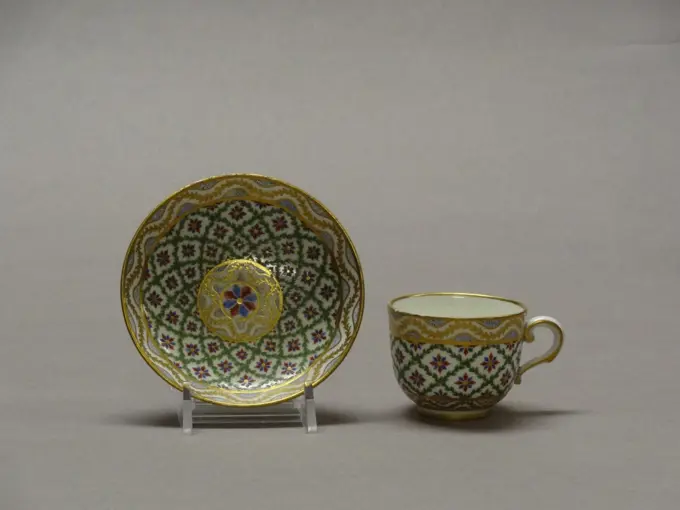
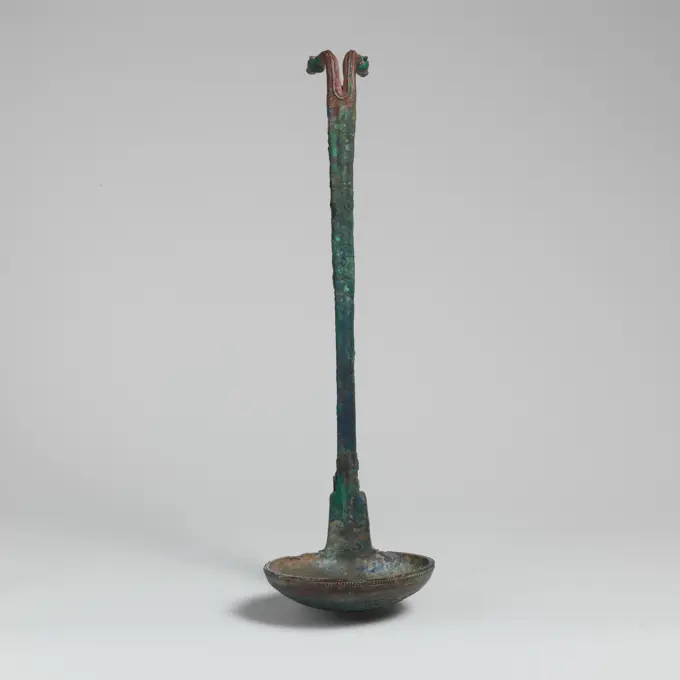
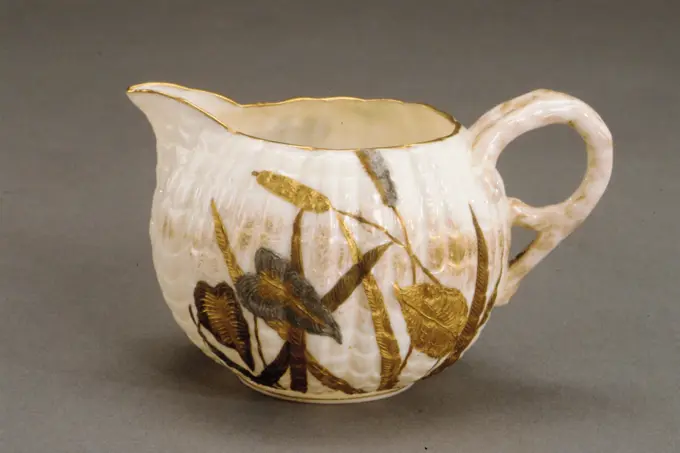
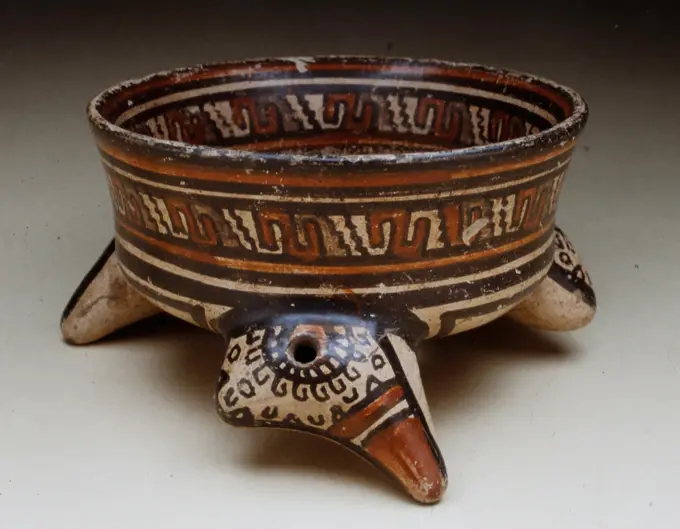
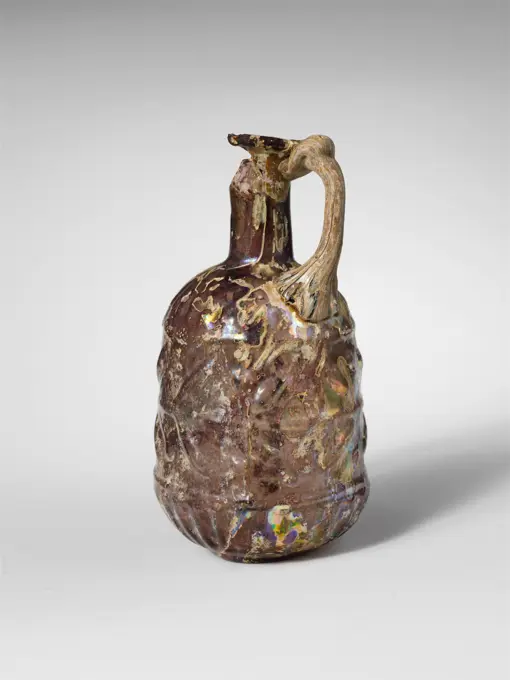
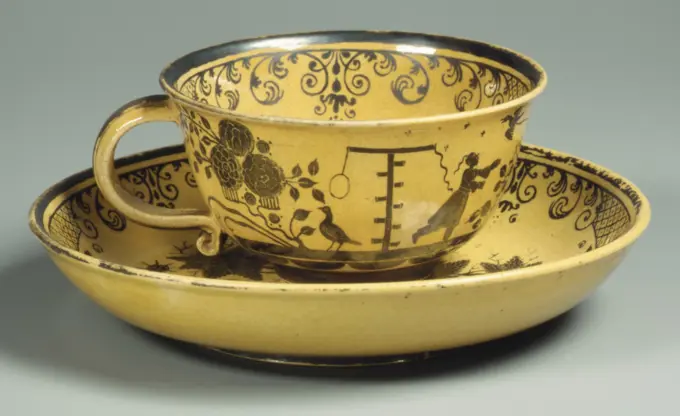
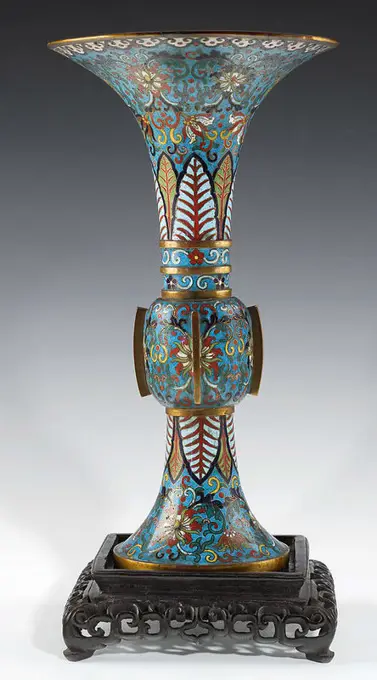
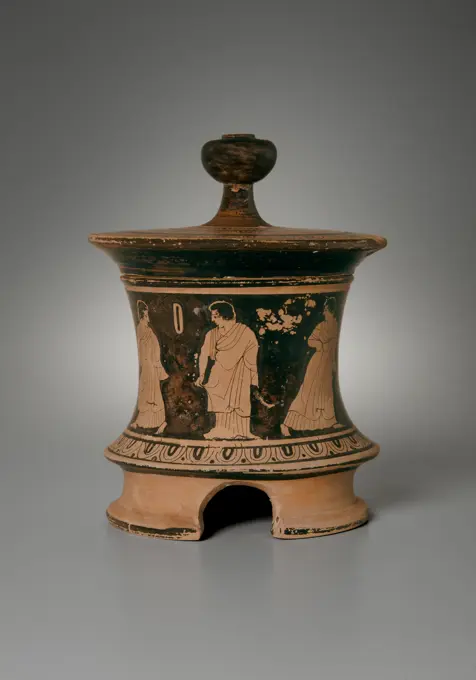
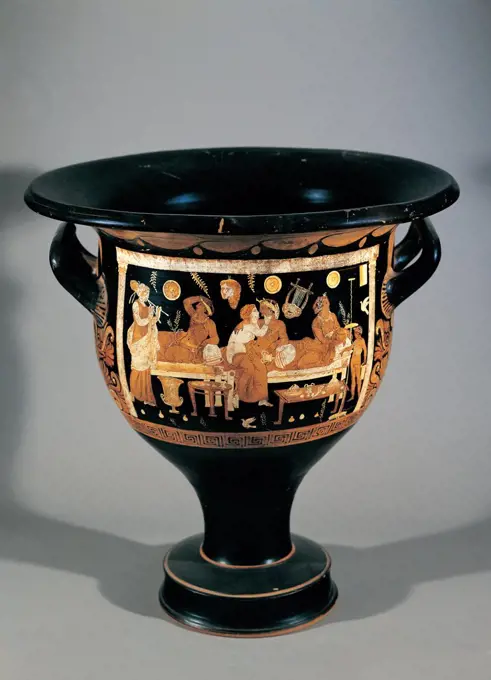
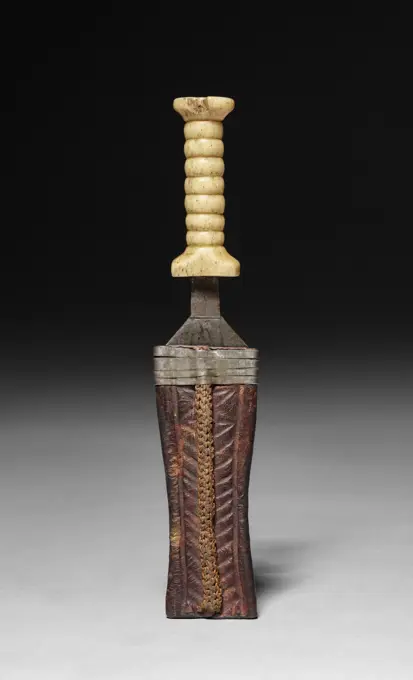
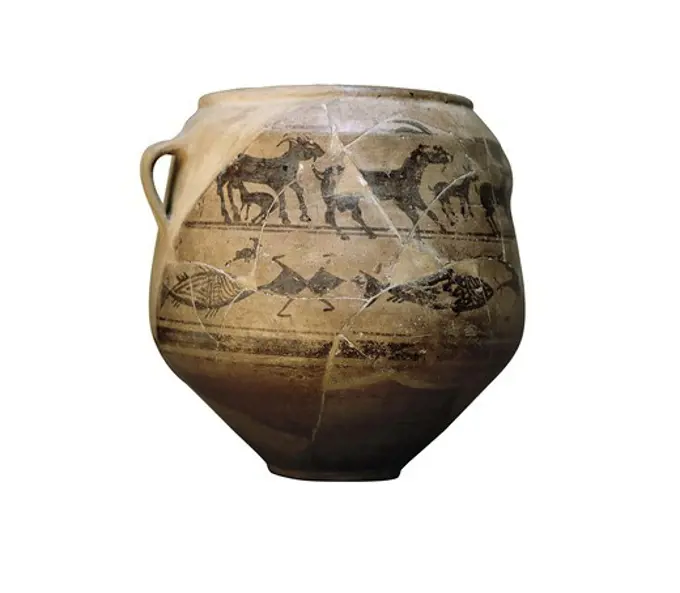
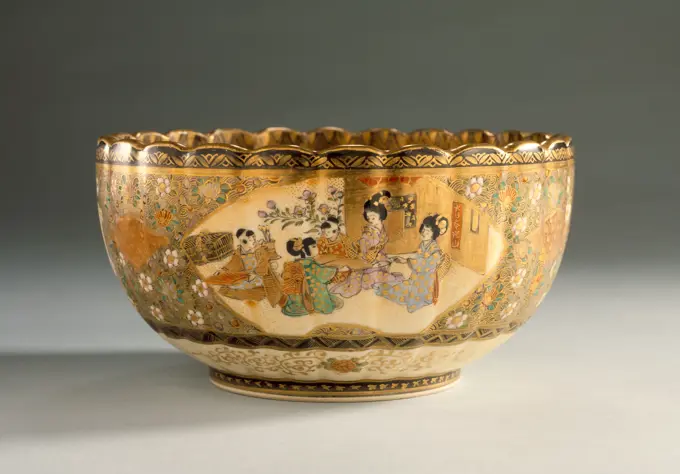
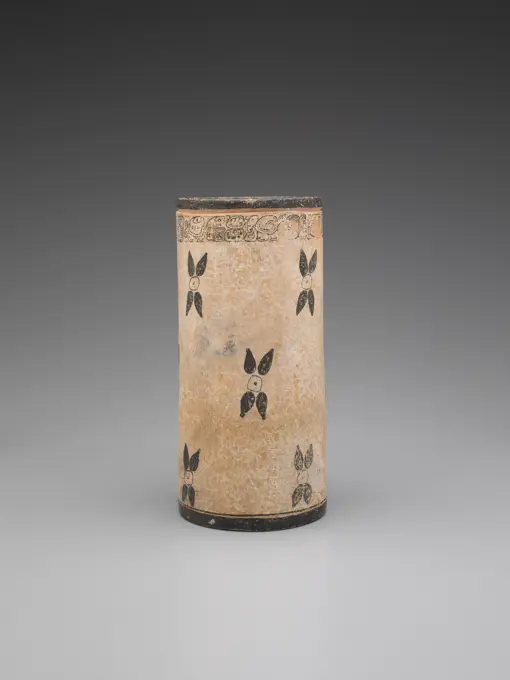
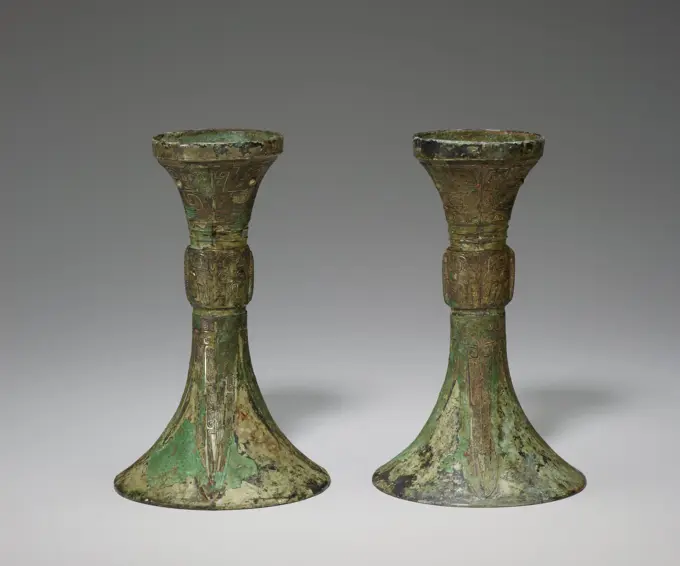
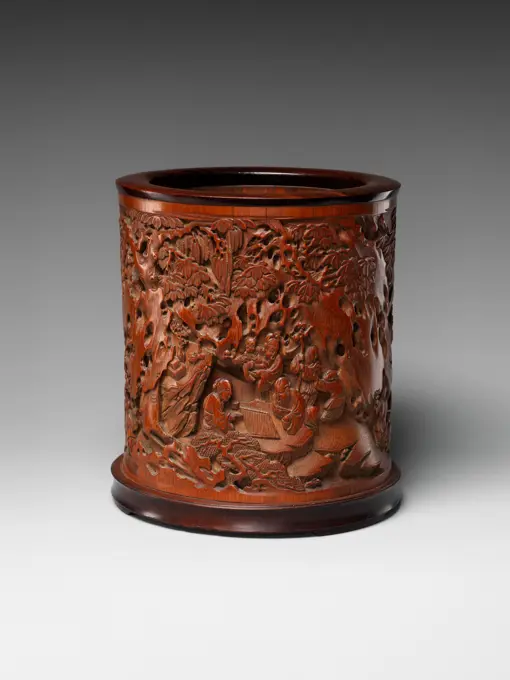
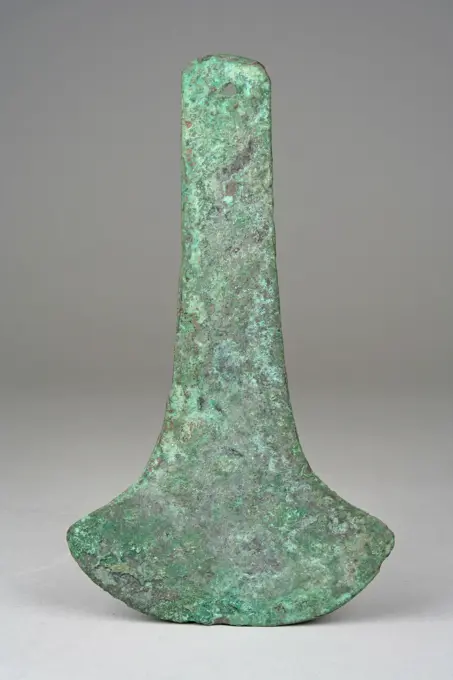
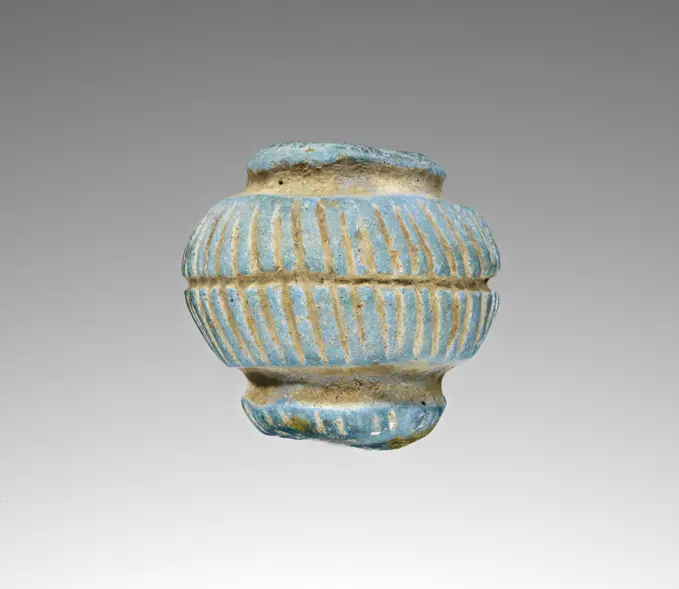
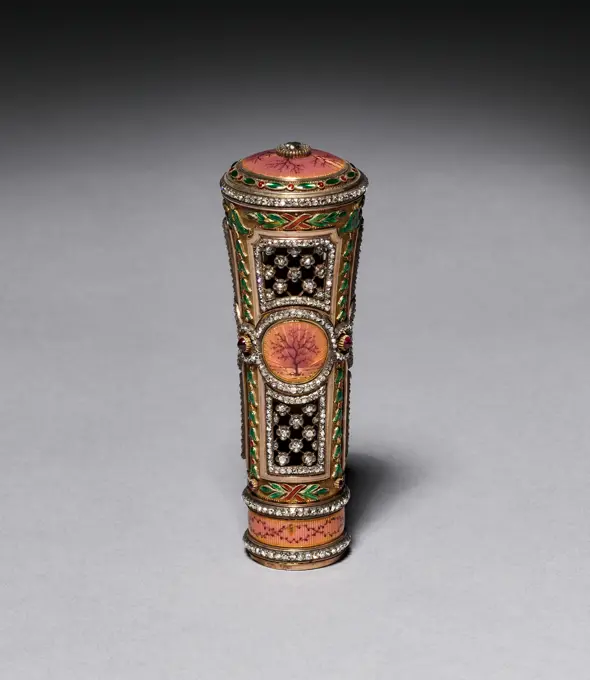
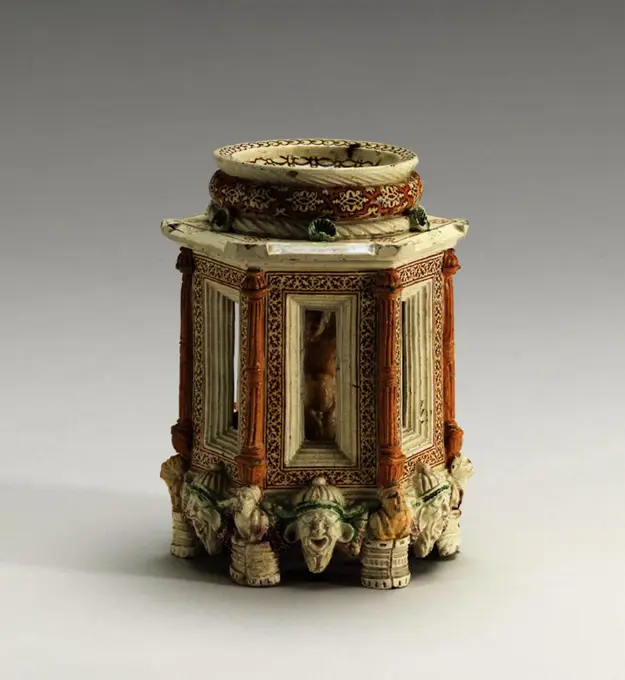
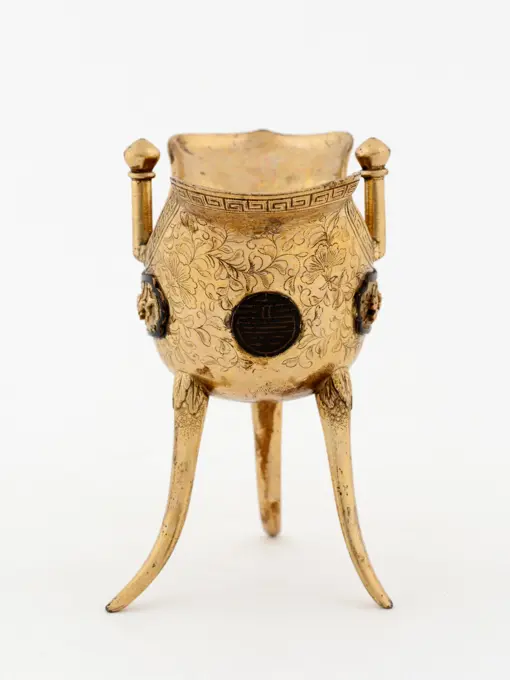
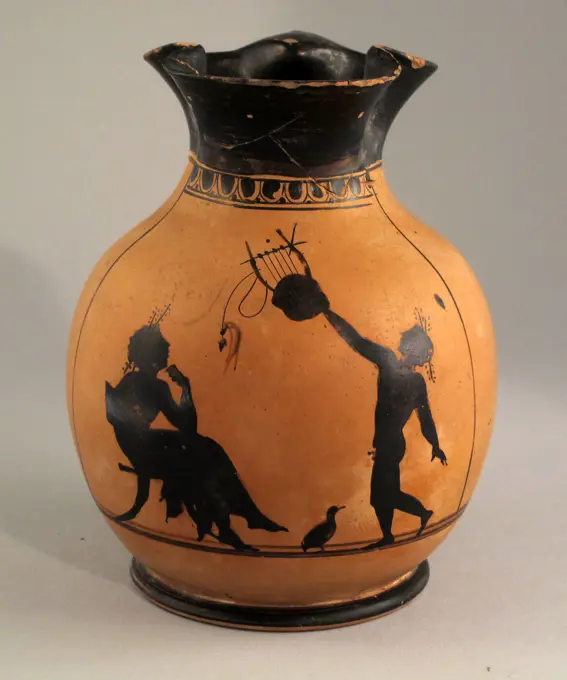
Red -Popular Situla.; Green group in pilosie, campaign; after. 4th century BC (-350-00-00--350-00-00);Terracotta spindle bottle 1600-1050 B.C. Cypriot Spindle-shaped bottle with handle and no decoration.. Terracotta spindle bottle. Cypriot. 1600-1050 B.C.. Terracotta; Red Lustrous Wheel-made Ware. Late Cypriot. VasesVotive Oil Lamp, c. 1200, 3 1/2 x 4 x 2 3/4in. (8.9 x 10.2 x 7cm), Glazed ceramic, Iran, 12th-13th centuryBottle, Qianlong period, 1736-1795, 8 1/4 x 2in. (21 x 5.1cm), Ivory, China, 18th centuryStem Cup 618 CE-906 CE China. Earthenware with three color (sancai) lead glazes and underglaze molded decoration .Pair of Vases. Wedgwood Manufactory; England, founded 1759; Etruria, Staffordshire, England. Date: 1765-1775. Dimensions: 1912.332: Height: 19.7 cm (7 3/4 in.); Diameter: 10.2 cm (4 in.)1912.333: Height: 19.7 cm (7 3/4 in.); Diameter: 10.2 cm (4 in.). Earthenware (surface agateware) and gilding. Origin: Burslem. Museum: The Chicago Art Institute, Chicago, USA.Stoneware jug with profiled frieze, shoulder with surfaces of carved cut decor, medallions on the neck, jug crockery holder soil find ceramic stoneware glaze salt glaze, hand turned stamped molded glazed baked carved Stoneware jug gray shard with salt glaze curled tail profile rings and cord straps around the neck and foot In neck frizz below left flower: 92 ( ) archeology import pottery serve serve wine beerHexafoil Box, 1736-1795, 6 x 13 in. (15.24 x 33.02 cm), Polychrome lacquer with incised decor, China, 18th century, Excellent workmanship, as well as an inscription on the base, indicate that this lobed box was made in the imperial workshop of the Qianlong Emperor (1736-95). A pair of phoenixes soar amongst flowering peonies on the top while dragons confront one another on the sides. This type of lacquer is termed tianqi ('filled in') and is quite distinct from the more common carved variety, often called tihong. The technique relies on the use of incised gold outlines for precise designs in combination with inlaid lacquer in various colors to produce the polychrome decor. Tianqi was especially popular during the 1500s and enjoyed newfound appreciation during Emperor Qianlong's reign.Pail 19th century, after 1614-28 original Elkington & Co. British This electrotype is after a 1614-28 original in the treasure of the Kremlin, Moscow, at the time of reproduction.. Pail 186520Ewer 1893-1900 Manufactured by Columbian Art Pottery (Morris and Willmore). Ewer 13455Terracotta oinochoe: chous (jug). Culture: Greek, Attic. Dimensions: H. with handle 4 3/4 in. (12.1 cm). Date: ca. 440-420 B.C..Boy pushing a child in a cartAt the Anthesteria, the festival of the new wine that took place in the autumn, children participated. The small choes made for their use are often decorated with games and playthings. Museum: Metropolitan Museum of Art, New York, USA.Stand under Mis;  around 2494-2181 BC ; Old PAFooted bowl ca. 1500-1525 Italian (Venice). Footed bowl 460748Terracotta tripod-pyxis (box) ca. 575-525 B.C. Greek, Corinthian Lines on body and lid.. Terracotta tripod-pyxis (box) 254280 Greek, Corinthian, Terracotta tripod-pyxis (box), ca. 575525 B.C., Terracotta, H. of box 2 1/8 in. (5.4 cm); total H. 3 1/8 in. (8 cm); diameter 3 3/8 in. (8.6 cm). The Metropolitan Museum of Art, New York. Rogers Fund, 1941 (41.162.108a, b)Amphoraism; unknown eastern workshop; VI-IV century BC (-600-00-00--301-00-00);Attic Red-Figure Kalpis; Probably by Aegisthus Painter, Greek (Attic), active about 480 - about 460 B.C.; Athens, Greece, Europe; about 470 B.C.; Terracotta; Object: H: 27.7 to 27.8 x Diam. (shoulder): 26.1 cm (10 7/8 to 10 15/16 x 10 1/4 in.), Object (rim): Diam. (outside): 13 to (inside): 8.5 cm (5 1/8 to 3 3/8 in.), Object (foot): 10.7 cm (4 3/16 in.)Pug with inscription and putti that lead a cart. The cast round auger widens upwards has a high curtaining edge, a flared profiled foot and two dolphin ears. On the edge in Latin Majuskels the inscription Praise Godt from all in 1604 with interpunctions consisting of a horizontal window (six times). The upper fries consists of upright leaves. The lower fries consists of putti that lead a figure on a cart (twice). It is closed down by a wound pearl and string edge.SmallPitcher.   Maker: Lyman, Fenton & Co, American, 1849-52Terracotta amphoriskos (flask). Culture: Greek, Attic. Dimensions: H. 6 15/16 in. (17.6 cm). Date: 4th century B.C..Black glazed with a pointed ribbed body used for perfume. Museum: Metropolitan Museum of Art, New York, USA.Glass perfume bottle 1st-2nd century A.D. Roman Colorless with pale blue green tinge.Slanting rim, folded out, over, and in, and pressed unevenly to one side; tall cylindrical neck; small, squat, globular body; pushed-in bottom with traces of pontil mark.Intact; pinprick bubbles; dulling, pitting, and patches of brilliant iridescent weathering on exterior, soil encrustation and creamy brown weathering on interior.. Glass perfume bottle 244689Polychrome Jar 1880-1900 New Mexico (Object made in), United States (Object made in). Ceramic and pigment . ZuniAryballos italo-koryncki. unknown, authorMortar. Culture: North German. Dimensions: Overall: 9 1/16 x 7 3/4 x 7in. (23 x 19.7 x 17.8cm)Base: 5 1/2in. (14cm). Date: 15th century. Museum: Metropolitan Museum of Art, New York, USA.Darabukka late 19th century Middle East Darabukka is the Arabic term for this single-headed goblet shaped drum that is found In North African, the Middle East, Eastern Europe, South and Southeast Asia. It is known by many names such as dombek and zarb (Iran) and may be made of pottery or wood. The playing technique uses light and heavy strokes, rolls, and finger-snaps on different sections of the head to produce discrete sounds, articulation and rhythms. The drum may be held under the arm, hung from a strap and most often resting on the player's left thigh.. Darabukka 500960Double Beaker 1100-1470 North Coast. Silver . ChimúBell with Diamond-Shaped Insignia, 300s-100s BC. China, along the southern borders, Eastern Zhou dynasty (771-256 BC) - Han dynasty (202 BC-AD 220). Bronze; overall: 24.1 cm (9 1/2 in.).Aryballos with Chain andStopperFunerary Urn (Hunping). Culture: China. Dimensions: H. 17 7/8 in. (45.4 cm); W. 11 15/16 in. (30.3 cm).One modern theory about the use of this elaborately modeled urn is that it may have been intended to serve as an eternal dwelling place for the soul of the deceased. It is topped with a heavenly palatial structure held aloft by a flock of birds. Auspicious animals, including an elephant and a deer, surround the palace. To ensure its efficacy, this Daoist vision of paradise is ringed with a row of Buddhas seated in meditation on lion thrones with lotus petals. These are among the earliest Buddhist images known in China, and their presence on this vessel indicates how Buddhism was gradually integrated into indigenous belief systems. Museum: Metropolitan Museum of Art, New York, USA.Flask. Eastern Mediterranean, 11th century. Glass. Glass, free-blown, marvered and combedPixis d ars Pixis d ars LicenseRF Copyright: xZoonar.com/Tolox 23160092Auger with yachts scenes and the inscription Antoni Wilkes Me Fecit Enchvsae Anno 1661. The molded round auger widens upwards, has a high curving edge and a profiled base, which is mounted higher than the bottom of the object. On the edge in Latin Majuskels The inscription Antoni Wilkes Me Fecit Enchvsae Anno 1661 with interpunctions consisting of a rosette built out of seven balls (seven times). The wall is decorated with two Frisians. On the upper, more than twice the motif is repeated from a Renaissance vase between two symmetrically placed angels with a palm branch, sitting on tendrilder work, in which a horn of plenty has been recorded and the second voltage ends in a mask. The partially repeated performance on the lower Frisian is derived from the hunt: a rider and his foot servant are on the falcon yacht, a man holds a piece of meat () For a lion, a rider hunts with three dogs on a deer, that too is approached by a foothand with a lance, while a man blows on a horn.Ceramic bowl from Emilia Romagna regionSake Pourer with Bamboo, c. 1844-57. Attributed to Seifū Yohei I (Japanese, 1801-1861). One of a pair of sake flasks; stoneware with white slip, underglaze blue and gold repair (kintsugi) (Kyoto ware);Clay jug isolated on white backgroundPitcher 1800-1830 American. Pitcher 5675Bowl, 1200-1300. Fritware, Ilkhanid Dynasty (1256-1353), Persia/Iran, Rhages .Ink stand with circles, anonymous, c. 1750 - c. 1799 Ink set of stoneware on three low feet, with a pen box and two holders for the ink pot and the sand spreader. In addition, there is a pewter container in one holder. Partly covered with cobalt blue. The front and back with a decoration of stamped, connected circles. Circles stamped on the outer wall of the pen box and on the top. On the top four times a modeled 'Klinknagel'. Westerwald. Westerwald Stoneware. Glaze. Cobalt (Mineral). container: tin (metal) vitrification Ink set of stoneware on three low feet, with a pen box and two holders for the ink pot and the sand spreader. In addition, there is a pewter container in one holder. Partly covered with cobalt blue. The front and back with a decoration of stamped, connected circles. Circles stamped on the outer wall of the pen box and on the top. On the top four times a modeled 'Klinknagel'. Westerwald. Westerwald Stoneware. Glaze. Cobalt (Mineral). container: tin (metal) vitrificationThe Vicarello Goblet, 25 BC-AD 25. Italy, Vicarello (ancient Aquae Apollinares), Roman, Augustan period. Silver; overall: 12.2 x 7.8 cm (4 13/16 x 3 1/16 in.).Silversmith's art, Italy, 15th century. Sardonyx and gilded silver tankard with handle and hinged lid. Height cm. 42 cm. Signed LAV.R.MED.VASIJA DE BARRO IBERICA. Location: MUSEO ARQUEOLOGICO-COLECCION. CORDOBA. SPAIN.Terracotta lekythos (oil flask) ca. 440-430 B.C. Attributed to the Bosanquet Painter Youth and woman at tombThe depiction of a stele (grave monument) shows how funerary vases like this one were used. On the stepped plinth there are five standard lekythoitwo of which have toppled overand one squat lekythos. In addition, there is a kylix (drinking cup) as well as two wreaths and a fillet (band). The mourners carry an aryballos and an alabastron, vases that probably contained perfumed oil.. Terracotta lekythos (oil flask). Greek, Attic. ca. 440-430 B.C.. Terracotta; white-ground. Classical. VasesNaczynie na pędzle. unknown, craftsmanSpherical utensil. unknown, craftsmanAttic Panathenaic Amphora with Lid; Attributed to the Marsyas Painter, Greek (Attic), active 330 - 320 B.C.; Athens, Greece, Europe; 340 - 339 B.C.; Terracotta; Object (body): H: 78.5 x Diam.: 39.2 cm (30 7/8 x 15 7/16 in.), Object (with lid): H: 99.5 cm (39 3/16 in.)Tall Cup. Iran, modern. Furnishings; Serviceware. GoldTerracotta guttus (flask with handle and vertical spout). Culture: Greek, South Italian, Apulian. Dimensions: H. 3 7/16 in. (8.8 cm). Date: 4th century B.C..Medallion with head of a black youth. Museum: Metropolitan Museum of Art, New York, USA.Plastic Aryballos. UnknownPhotographs of Persian bowls and lustre.Sèvres Porcelain Manufactory, Small Cup and Saucer, 1770, soft-paste porcelain.Bronze ladle ca. 500 B.C. Etruscan At the top, two animal heads.At the lower end of the shaft, an athlete holding a diskos.. Bronze ladle. Etruscan. ca. 500 B.C.. Bronze. Archaic. BronzesPedestal Bowl. Culture: Isla de Sacrificios. Dimensions: Overall: 4 x 7 1/8 in. (10.16 x 18.11 cm)Other: 7 1/8 in. (18.11 cm). Date: 9th-15th century. Museum: Metropolitan Museum of Art, New York, USA.Basket. Culture: Japan. Dimensions: H. 7 in. (17.8 cm). Date: 19th century. Museum: Metropolitan Museum of Art, New York, USA.Creamer 1876-83 Ott and Brewer. Creamer. American. 1876-83. Porcelain. Made in Trenton, New Jersey, United StatesJug with a protruding plank figure of a human form, Incised Red Polished Ware, Early Bronze Age, 2000 BC. from Cyprus.Footed Bowl, 300-799, 2 1/4 x 5 1/8 x 5 1/8 in. (5.72 x 13.02 x 13.02 cm), Ceramic, pigment, Costa Rica, 4th-8th centuryGlass jug mid-1st century A.D. Roman Translucent streaky pale purple, with handle in uncertain color.Rim, folded out, over, and in; broad flaring mouth; slender cylindrical neck; convex curving shoulder; cylindrical body, expanding downwards, then cup-shaped lower section; low circular base, with rounded edge and bottom concave at center; rod handle attached in a pad to shoulder, drawn up, round, and in, and folded onto underside of rim with slight fold above rim. A mold seam runs down sides; a separate cup-shaped section probably forms the lower body and base.On shoulder, frieze of indistinct downturned raised tongues and twenty-eight upturned raised tongues on lower body, joined by a broad central band of two facing horizontal laurel sprays with matching pairs of leaves and berries, bordered above and below by a single raised line.Most of rim and part of neck missing; many pinprick bubbles; deep pitting and brilliant iridescence on exterior, creamy weathering on handle.. Glass jug 2Cup and saucer ca. 1730 German, Bayreuth. Cup and saucer 205851Gu-type chalice/cup on a stand. unknown, craftsmanRed figure jarTripod pyxis with lid showing four women in a domesticinterior. Artist: Painter of London E777Attic Red-Figure Cup. UnknownBell-shaped crater with red figures crafted in Campania, by manifacture CA. Fabbrica Campana painter, 340 - 330, 4th Century, . Italy: Campania: Naples: National Archaeological Museum. Detail. Bell-shaped crater with red figures crafted in Campania flute harp table yellow red black tricliniumBowl with Maize God and Chahk in Watery Locale. Guatemala, Petén, Maya, 250-550 CE. Ceramics. Slip-painted ceramic with post-fire pigmentDagger, 1900s. Central Africa, Democratic Republic of the Congo, Mangbetu, 20th century. Iron, elephant ivory, leather, and tin; knife including handle: 19.5 cm (7 11/16 in.).Quirijn de Visser Willemszoon (1675 - 1732), Mortar with QUIRINUS DE VISSCHER MEFECIT ROTERODAMI 1698, auger equipment bronze, cast Wide round profiled foot wall with two decorative friezes of the same width projecting top edge with inscription. The friezes are separated by ridge. Transition cantilever and middle part is formed by two broad and narrow ridge In Latin majusles cast in the upper rim QUIRINUS DE VISSCHER MEFECIT ROTERO DAMI 1698 (Quirinus de Visser has made me) with punctures in the form of rhombus (six times) metal caster health care pharmacy grindingBeaker 6th-10th century Tiwanaku. Beaker 310676Vase of the Goats. 4th c. BC. Found at the Tomb 80. Iberian art. Ceramics. SPAIN. Murcia. Murcia Museum. Proc: SPAIN. MURCIA. Murcia. Necropolis of Cabecico del Tesoro.Ice Cream Cooler 1804 Vienna. Hard-paste porcelain and enamel decoration . Vienna State Porcelain Manufactory (Manufacturer)Stool, before 1929. Central Africa, Democratic Republic of the Congo, Nyanga, early 20th Century. Wood; diameter: 26.8 cm (10 9/16 in.); overall: 27 cm (10 5/8 in.).Covered footed vessel China. Covered footed vessel 40502Blackware Vessel with a Relief Depicting a Figure Fighting a Crab Made 100 BCE-500 CE Moche Valley. Ceramic and pigment . MocheMiniature Wine Cup (Zhi) China. Miniature Wine Cup (Zhi) 53950Brushpot Depicting a Daoist Paradise 1795 China. Jade .Jar with Spiral Designs, 3300-2650 BC. Northwest China, Neolithic period, Majiayao culture, Majiayao phase (3300-2650 BC). Earthenware with slip-painted decoration; diameter: 39.1 cm (15 3/8 in.); overall: 45.2 cm (17 13/16 in.).Fluted Bowl. Japan, 19th century. Ceramics. Satsuma ware; faience with gold enamelsCacao Vessel with FloralDesign. Artist: UnknownVessel with Gilloche Pattern. Northern Afghanistan, 2000-1500 B.C.. Furnishings; Serviceware. ChloriteGu wine vessel, 13th-12th century BCE, 7 3/8 × 4 9/16 in., 1.3 lb. (18.7 × 11.6 cm, 0.6 kg), Bronze, China, 13th-12th century BCE, These beakers, used in the ritual pouring of wine, are decorated on their flared necks with four elongated blades filled with an incised spiral, or leiwen, pattern. The central zone is composed of four kui (single horn) dragons separated by raised 'nose ridges' between their round eyes, creating, in effect, a pair of symbolic taotie animal masks. The flared feet also display a taotie on either side of the vessel. The overall incised linear decoration seen here is associated with one of the stylistic phases documented from burials at Anyang, the last capital of Shang. The all-important taotie masks are hard to discern here. Later, artisans developed a more sculptural style, with the masks distinctly cast in high relief against the incised spiral patterns.Brush holder with immortal realms China Features such as the gourd held by a standing attendant, the peach blossom clasped by another, and the individual riding on the back of a deer suggest that the figures on this brush holder represent tales of people who visited the mountains, inadvertently entered other realms, and transgressed time, respectively. The two gentlemen playing chess may refer to a story about two individuals who played the game for so long that the eggs they had in their pockets disintegrated.. Brush holder with immortal realms 76453Cup with Cranes. UnknownWooden vessels (Keros) used during libation ritual as offering to Mor Earth from Lake Titicaca, Bolivia, Inca civilizationVase ca. 1815-20 Manufactured by Marc Schoelcher French With lavish gilded decoration and delicately painted landscapes, this pair of vases is among the most ornate known with a history of American ownership.. Vase. French. ca. 1815-20. Porcelain. Made in Paris, FranceCovered Jar, early 700s. China, Tang dynasty (618-907). Glazed earthenware; overall: 14.4 cm (5 11/16 in.); diameter of lid: 11.5 cm (4 1/2 in.).Knife 1st-mid-8th century Moche. Knife 308850Pair of Wine Bottle Coolers (seaux à demi-bouteilles ordinaires).Brush holder with garden scene 17th century China. Brush holder with garden scene 42157Sake Pourers with Crane and Tortoises, c. 1893-1914. Seifū Yohei III (Japanese, 1851-1914). Pair of sake flasks; porcelain with overglaze color enamel; height: 13.7 cm (5 3/8 in.); diameter: 7.1 cm (2 13/16 in.).Mate cup decorated from Argentina.Bead. UnknownMortar 16th century Italian. Mortar. Italian. 16th century. Bronze. Metalwork-BronzeParasol Handle, c. 1886-1903. Michael Evlampievich Perchin (Russian, 1860-1903), House of Fabergé (Russian, 1842-1918). Gold, enamel, diamonds, and platinum filigree; 8.5 cm (3 3/8 in.); diameter: 3.2 cm (1 1/4 in.). Women devised many methods to protect themselves from the sun when strolling outside at the end of the nineteenth century. One constant barrier from the harsh rays was the daytime parasol which looked like an umbrella but was used strictly for shade. The House of Fabergé specialized in providing fashionable wealthy ladies with bejeweled handles such as this example, which could be screwed directly into the end of the parasol shaft when a more formal look was desired.Salt. Dated: c. 1540/1560. Dimensions: overall (height): 12 cm (4 3/4 in.). Medium: lead-glazed fine earthenware. Museum: National Gallery of Art, Washington DC. Author: French 16th Century, probably Saint-Porchaire (Deux-Sevres).Terracotta oinochoe (jug) ca. 420 B.C. Attributed to Polion Eros riding fawnThis pretty and playful vase brings together the companions of two goddesses. Eros is associated with Aphrodite, and the fawn is associated with Artemis. Since Eros has his own means of rapid locomotion, the purpose of the combination is to amuse and delight.. Terracotta oinochoe (jug) 254916BOTE HISPANOMUSULMAN DE MARFIL. Location: VICTORIA AND ALBERT MUSEUM. LONDON. ENGLAND.Golden tripod vase. Bronze. China. Paris, Cernuschi museum. 70625-15 Anse, Chinese art, bronze, leaf, flower, tripod, three feet, Dore tripod vaseOinochoe V Century B.C.-Late Greek, Boeotian. Oinochoe. Greek, Boeotian. V Century B.C.-Late. Terracotta; black-figure. Classical. VasesFood container. China. Date: 1050 BC-1000 BC. Dimensions: H. 27.0 cm (10 3/4 in.); diam. at lip: 22.2 cm (8 3/4 in.). Bronze. Origin: China. Museum: The Chicago Art Institute, Chicago, USA.Imitation of a Proto-Corinthian Aryballos in the Shape of an Owl. UnknownWaschbecken und Kanne.. Prints. 1912. The Miriam and Ira D. Wallach Division of Art, Prints and Photographs: Art & Architecture CollectionCeremonial Knife (Tumi). Culture: Moche. Dimensions: Height 3-3/8 in. (8.5 cm). Date: 3rd-7th century. Museum: Metropolitan Museum of Art, New York, USA.