Ancient Jars and Vessels

A collection of terracotta and pottery jars from ancient cultures, featuring decorative patterns and various shapes, showcasing historical artistry from different eras.

Jar late 12th-first half 13th century. Jar 450932
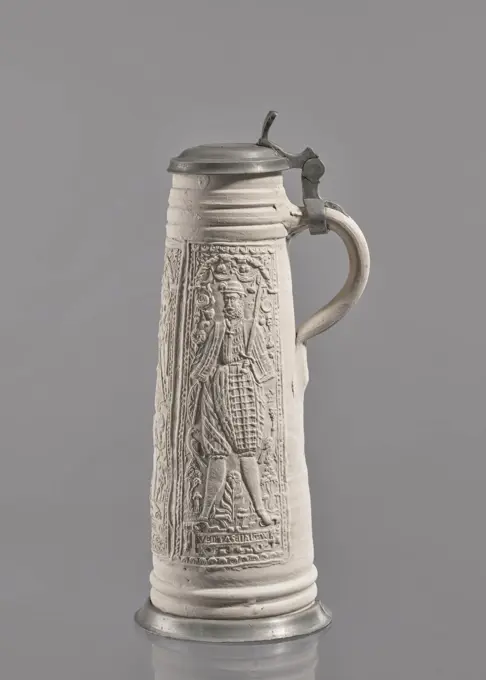
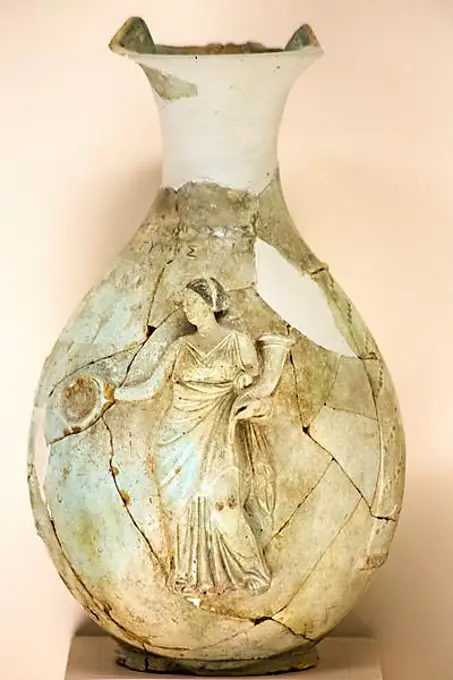
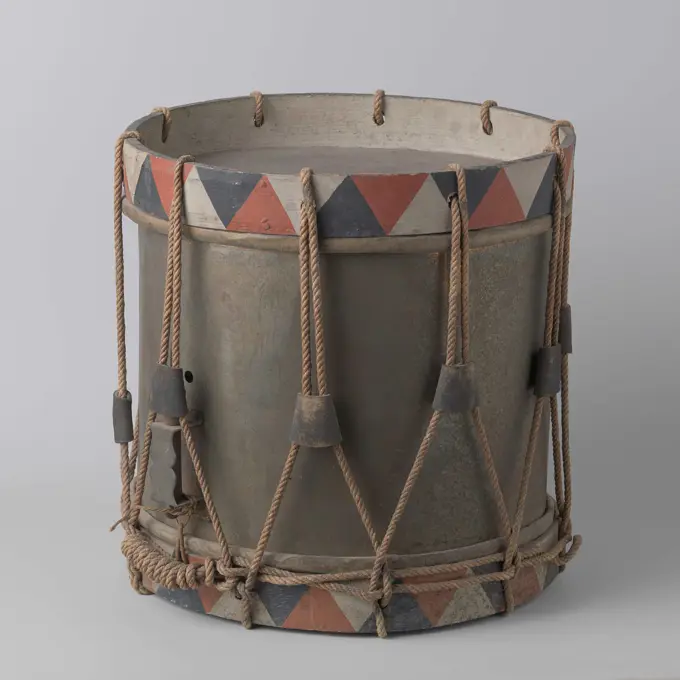
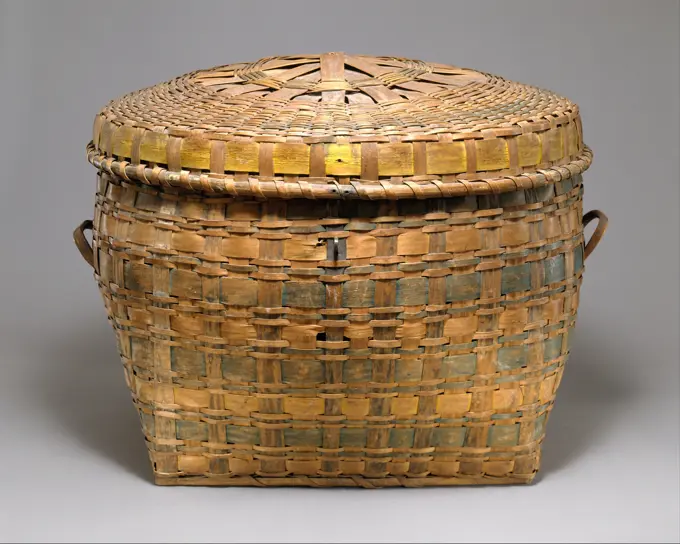
Face Mask Ornament with Headdress 6th-7th century Moche (Loma Negra). Face Mask Ornament with Headdress. Moche (Loma Negra). 6th-7th century. Gilded copper. Peru. Metal-OrnamentsSnella; Siegburg (Ceramic family; Ca 1300-Ca 1900); 2. PO. 16th century (1550-00-00-1600-00-00);Vase, Archaeological Museum, Antalya, Turkey, Antalya, Turkey, AsiaDrinking cup with red figure technique. Dated 425 BC.Types of Indian Drums. covered tankard by Johann Eissler (active 1665-1708), German from Nuremberg. made from Ivory, silver-gilt, gems, circa 1700Drom, old model of the arches. Groom of the militia. The brass boiler is provided with a veal sheet on both sides, held by a hoop and tense by means of a tensioner with tractors and screws. Both hoops are decorated with a motif of triangles in the colors red, white and blue. With engraved numbers: 1855-16.Lidded Storage Basket ca. 1840 Passamaquoddy (). Lidded Storage Basket 319067Neck-amphora ca. 500 B.C. Attributed to the manner of the Red-Line Painter. Neck-amphora 256609Capital ca. 1130-40 Catalan. Capital 470737Handled basket with fruit. Culture: Italian. Dimensions: Overall (confirmed): 2 1/2 × 1 3/4 × 1 3/4 in. (6.4 × 4.4 × 4.4 cm). Date: second half 18th-mid-19th century.The practice of using crèche figures to restage religious events reached the height of its complexity and artistic excellence in eighteenth-century Naples, and the Metropolitan Museum of Art's group of Neapolitan crèche is one of the finest and most complete survivals of the art form. The ensemble consists of characters traditional to eighteenth-century Italian Christmas holiday customs. The Nativity, featuring the holy family, shepherds and their flocks, and a host of angels and cherubs is joined by the procession of the three Magi and colorful peasants, townspeople, and animals. The figures have articulated bodies of tow and wire with polychromed terracotta heads, and are all in partially distressed condition.These vibrant characters are further brought to life by a wide-ranging set of cloth, embroidery, leather, wickeGhutru late 19th century Indian or Burmese. Ghutru 500821Drom, old model of the arches. Groom of the militia. The brass boiler is provided with a veal sheet on both sides, held by a hoop and tense by means of a tensioner with tractors and screws. Both hoops are decorated with a motif of triangles in the colors red, white and blue. With engraved numbers: 1850-1898.Vase with red figures, vintage engraved illustration.