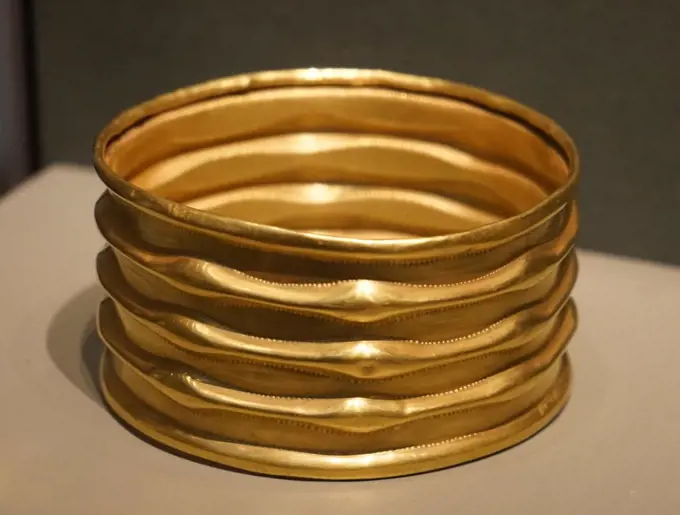
Ancient Jewelry and Accessories

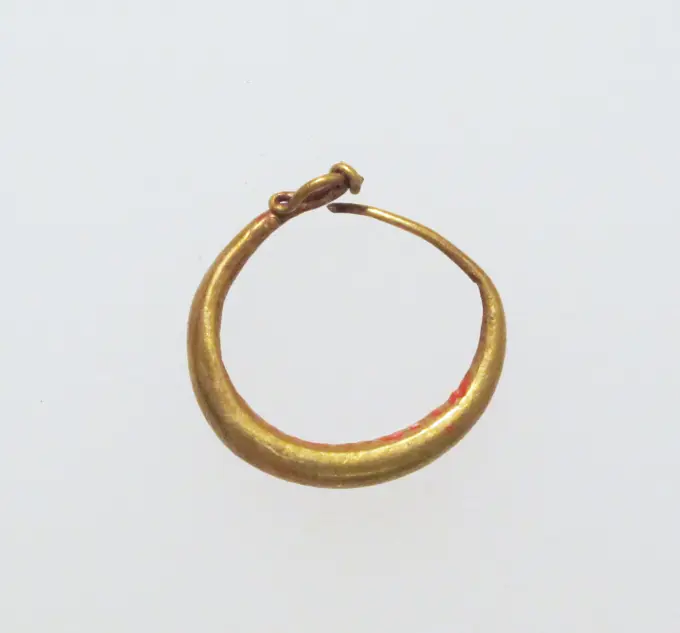
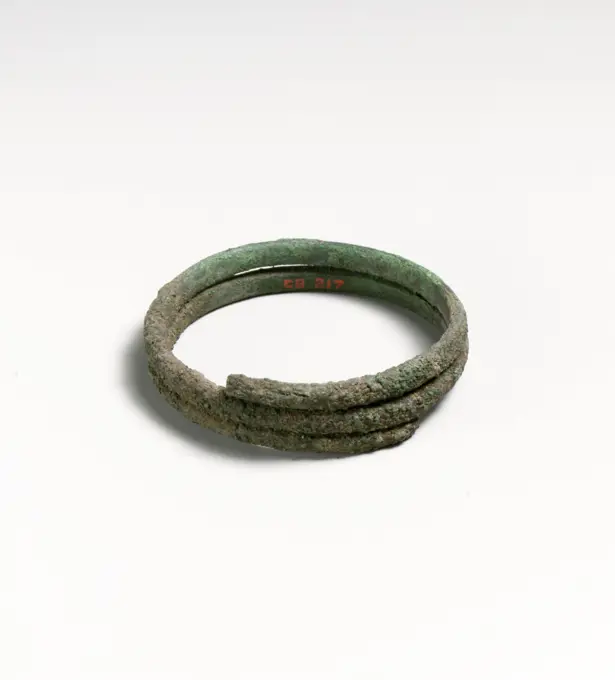
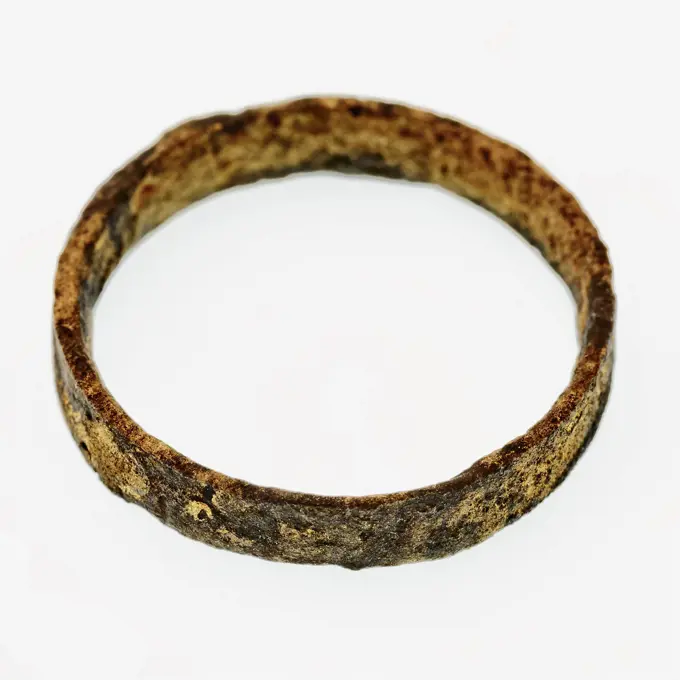
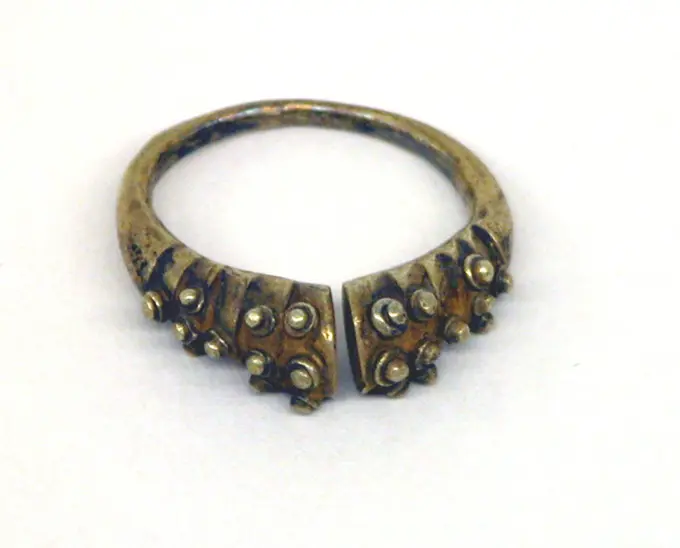
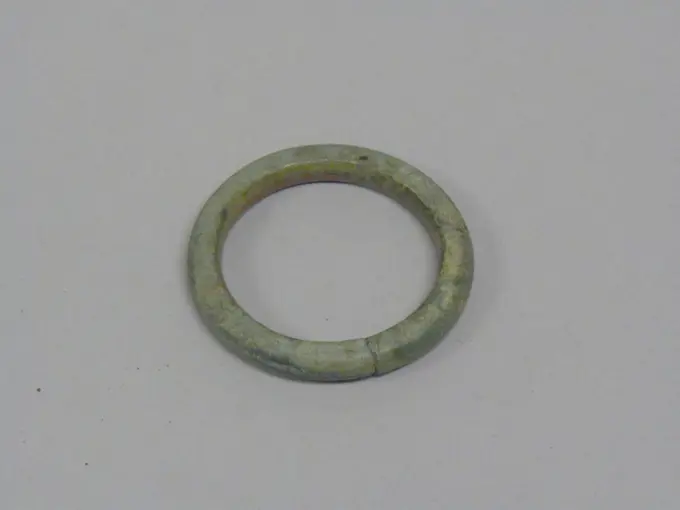
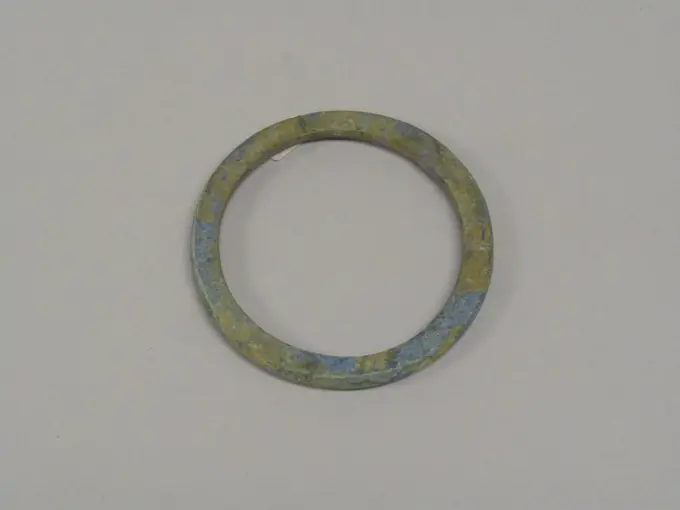
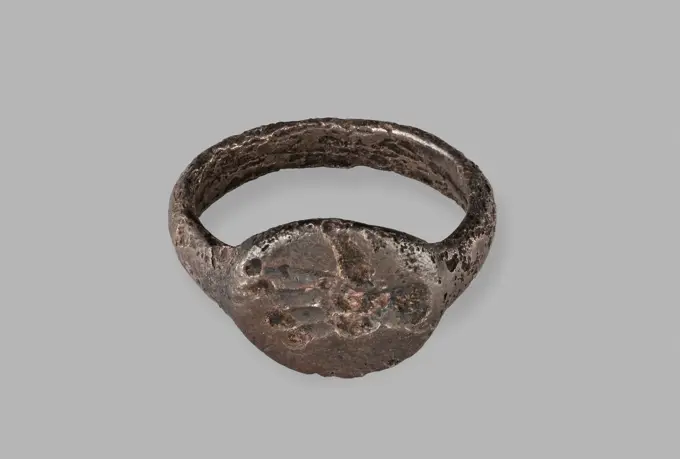
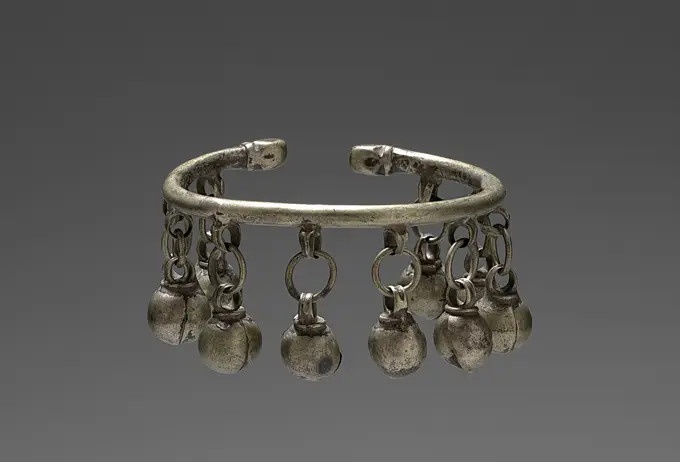
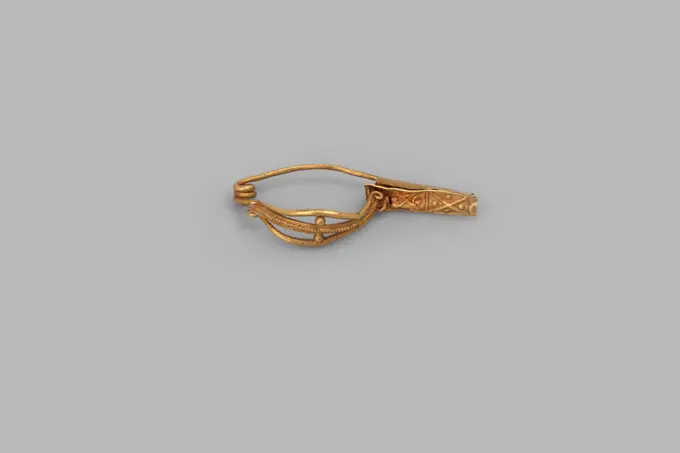
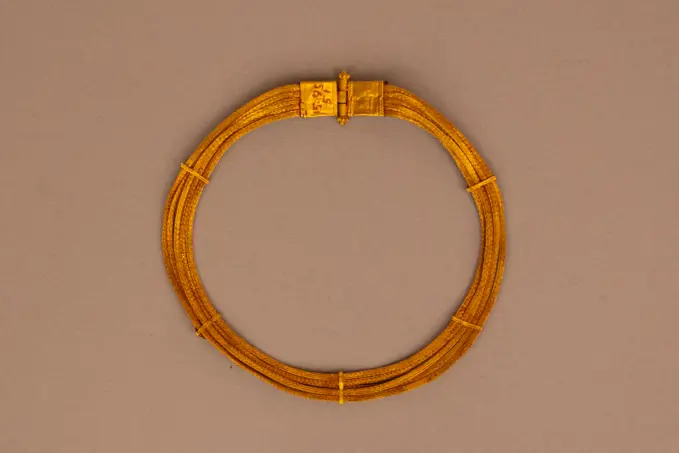
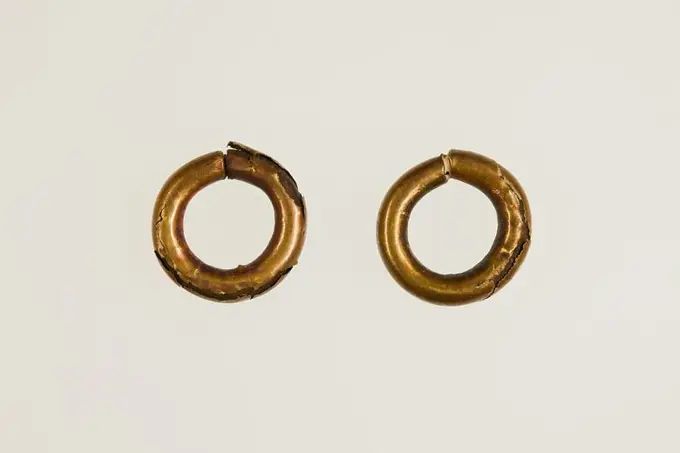
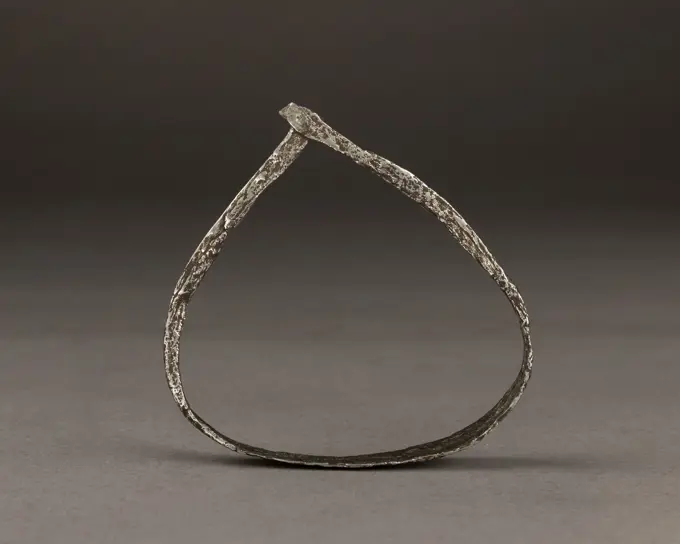
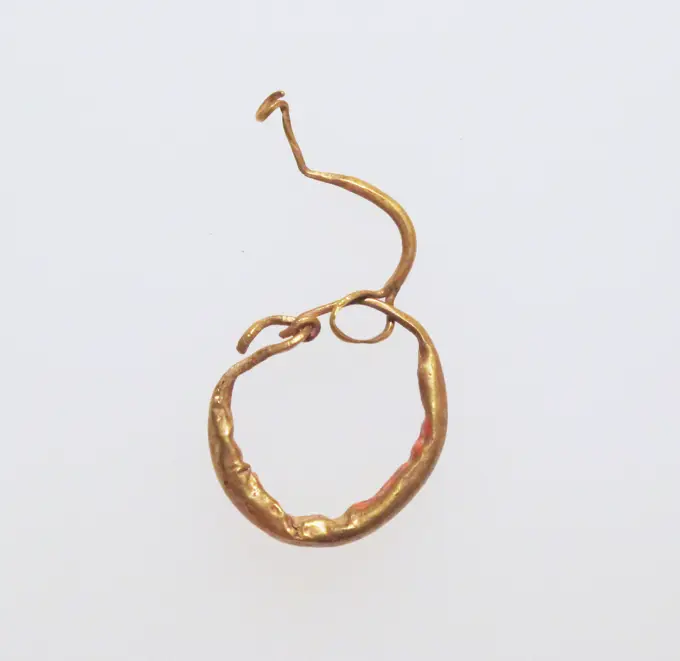
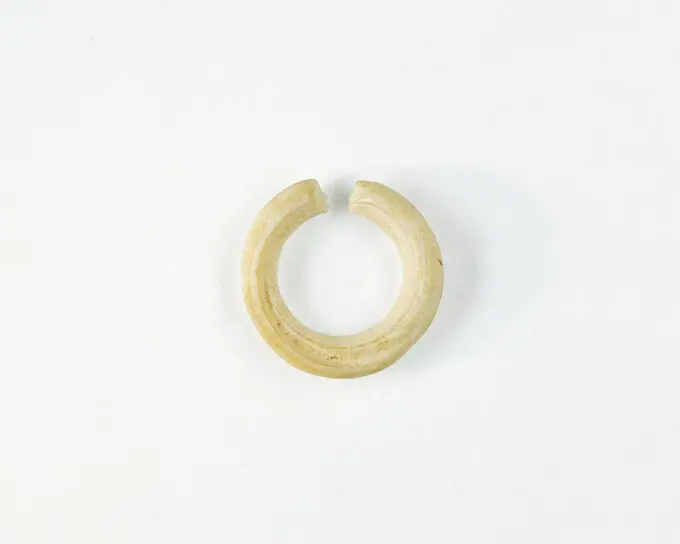
Images of ancient bracelets, anklets, and earrings crafted from various metals, showcasing intricate designs.

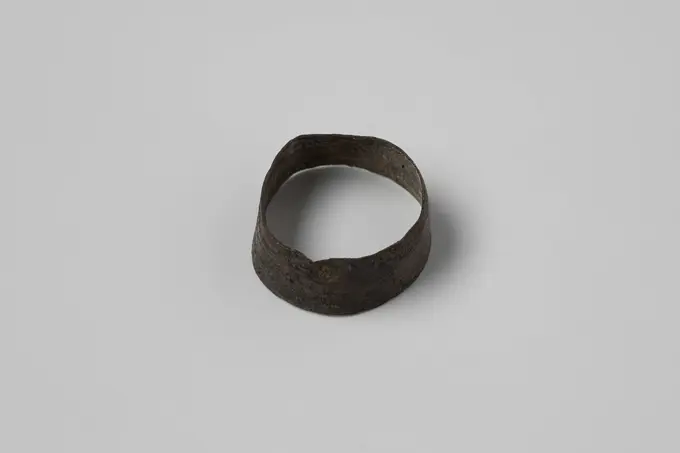
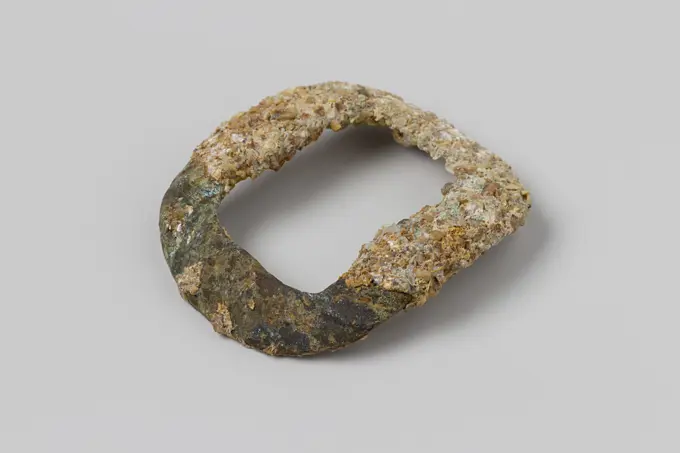
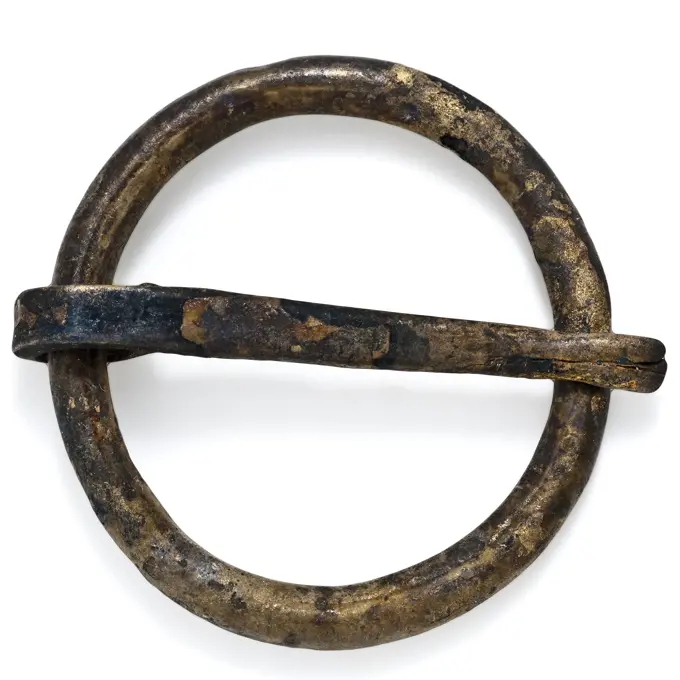
Messenlift ring from the wreck of the East Indians Hollandia, Anonymous, 1700 - in Or Before 1743  Knife-handle, ferrule; id. NG 1980-27H426. Netherlands copper (metal)   Second
Messenlift ring from the wreck of the East Indians Hollandia, Anonymous, 1700 - in Or Before 1743 Knife-handle, ferrule; id. NG 1980-27H426. Netherlands copper (metal) Second
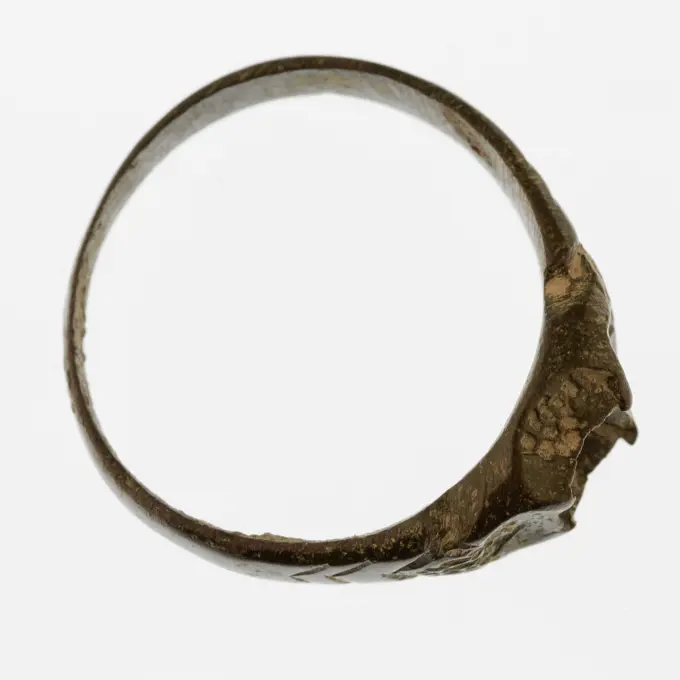
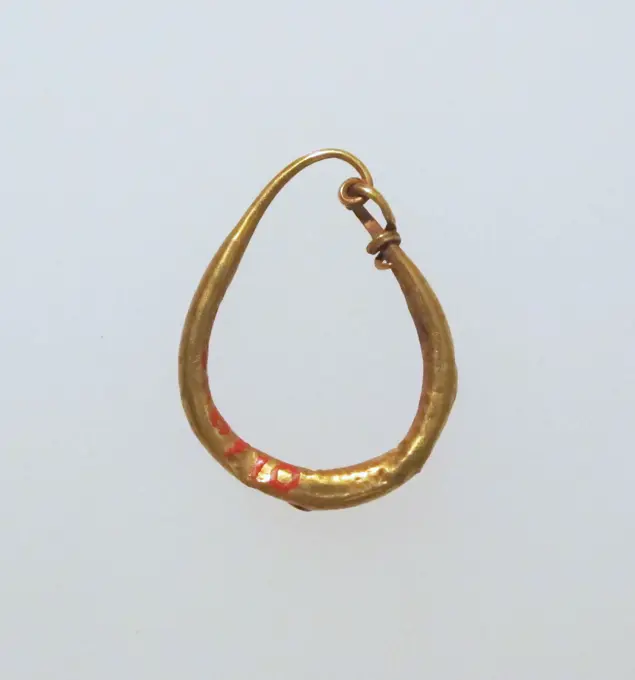
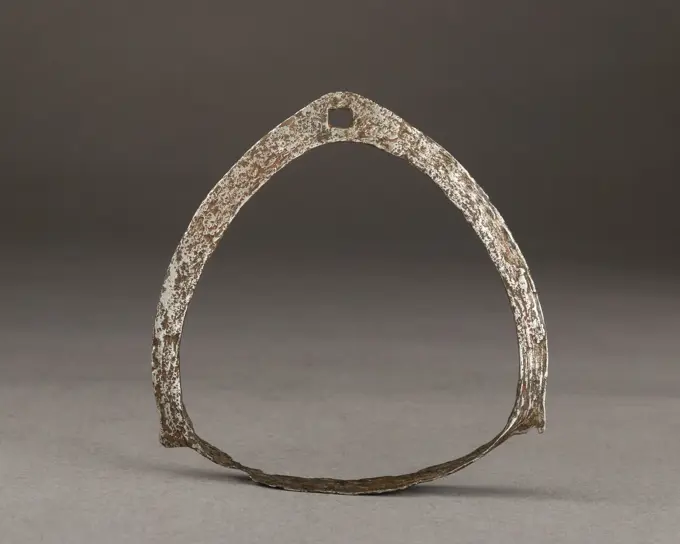
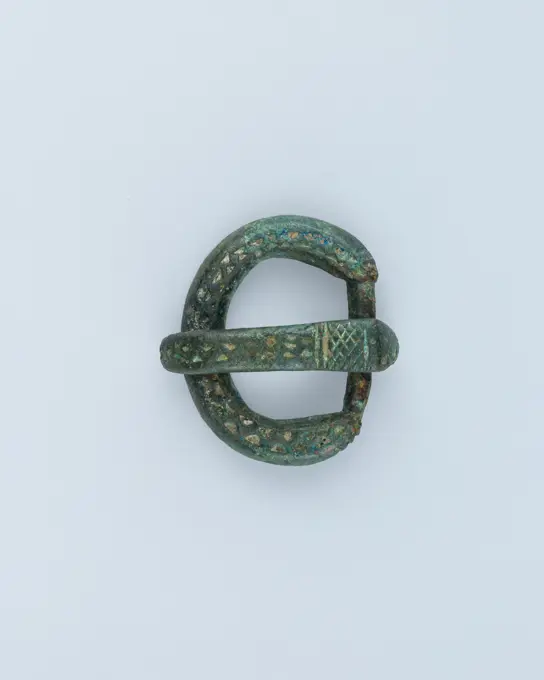
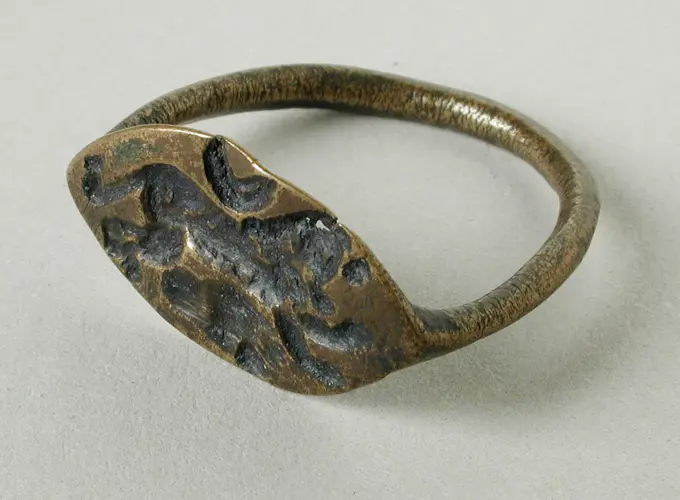
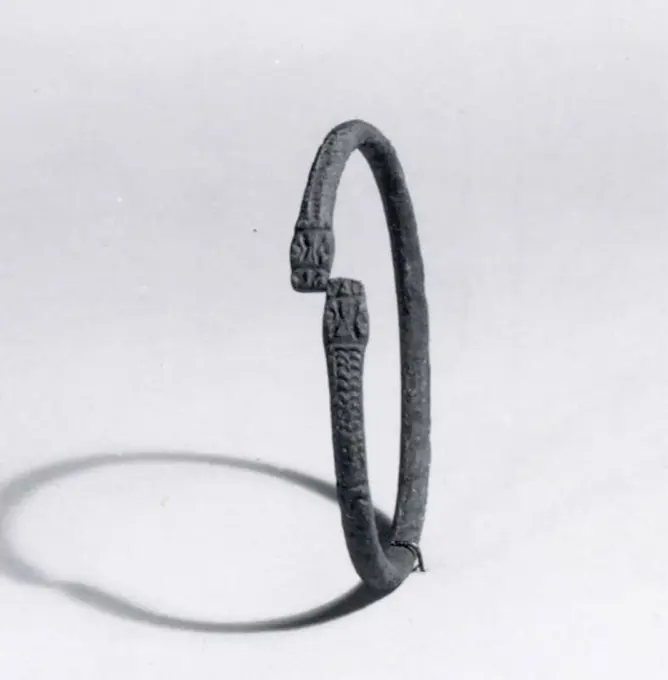
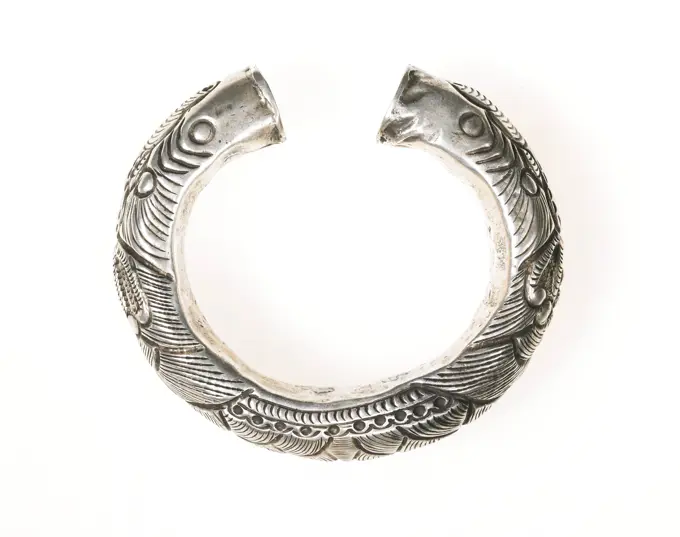
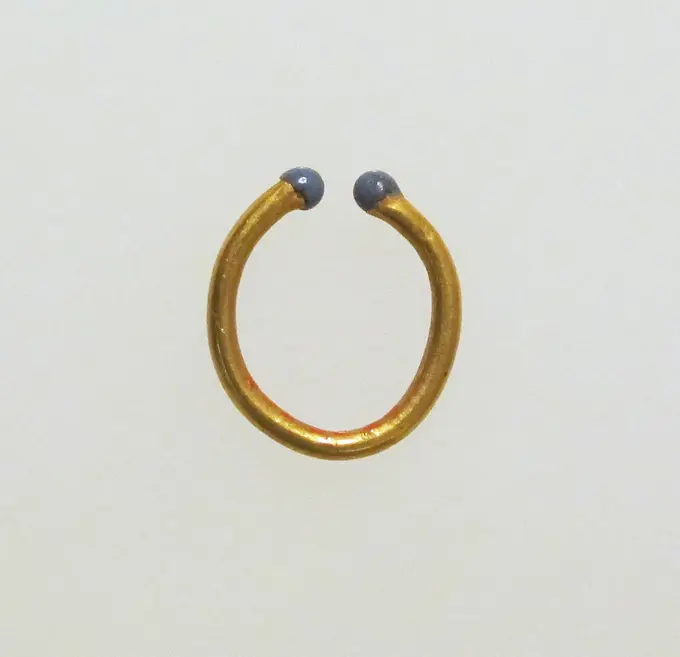
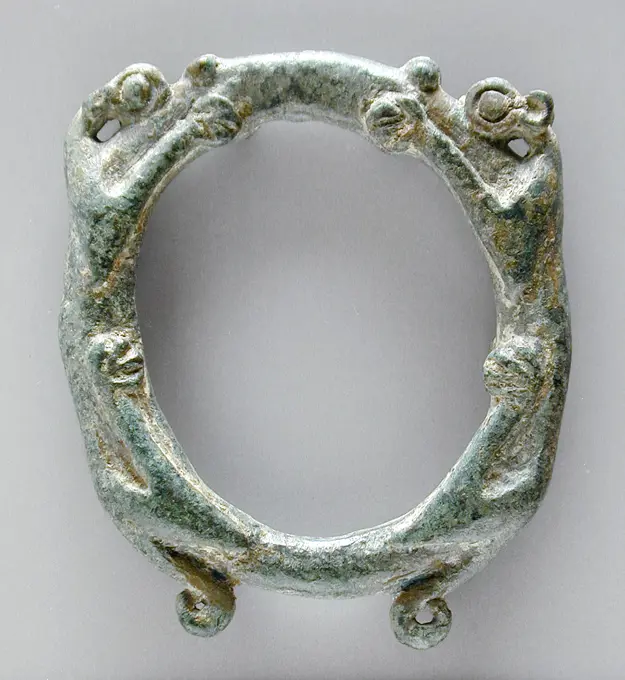
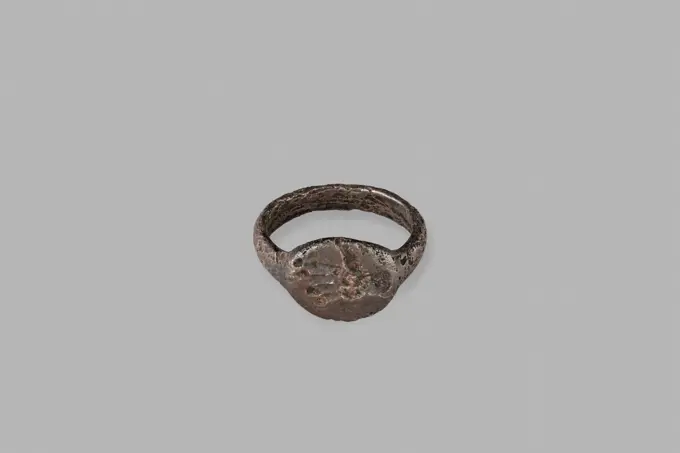
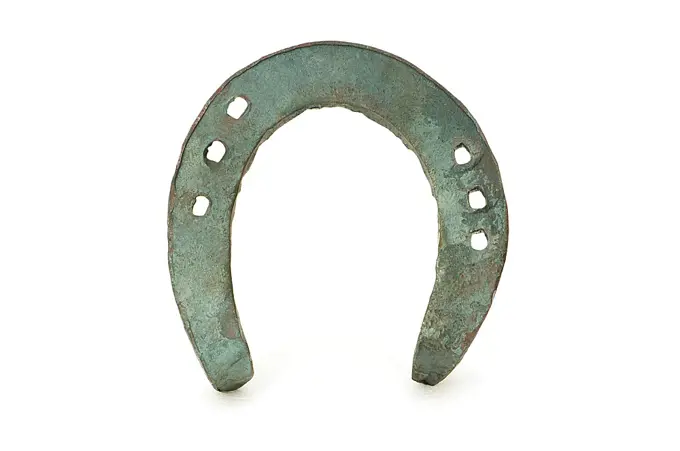
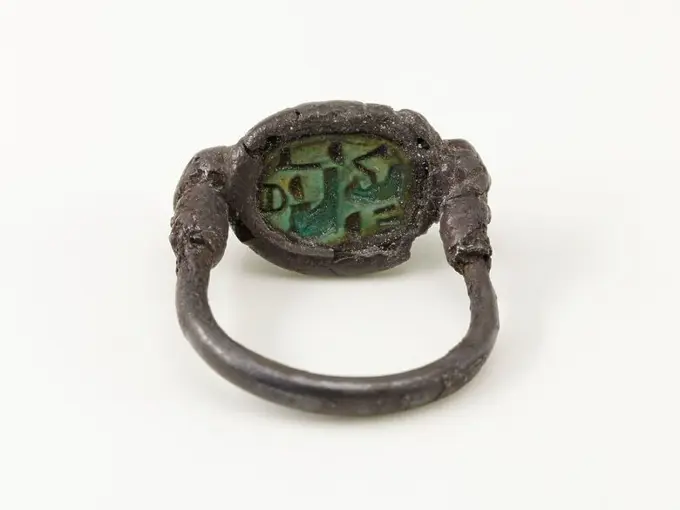
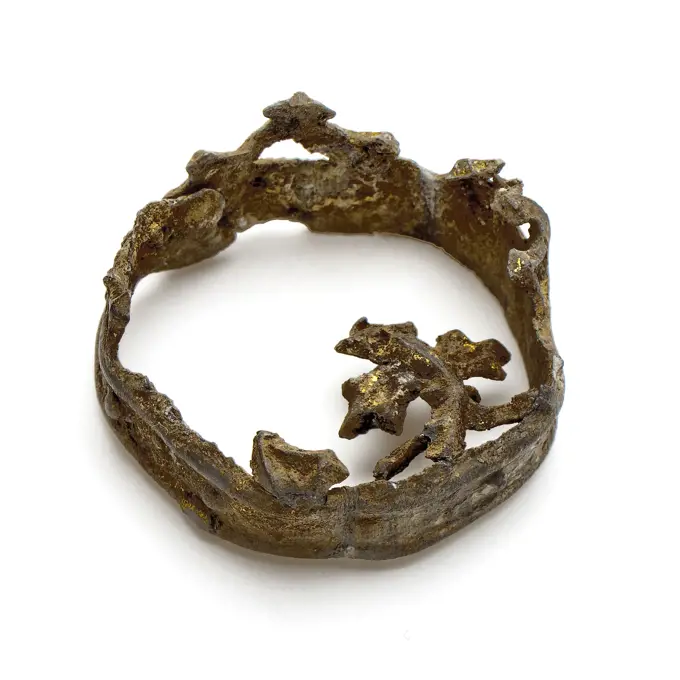
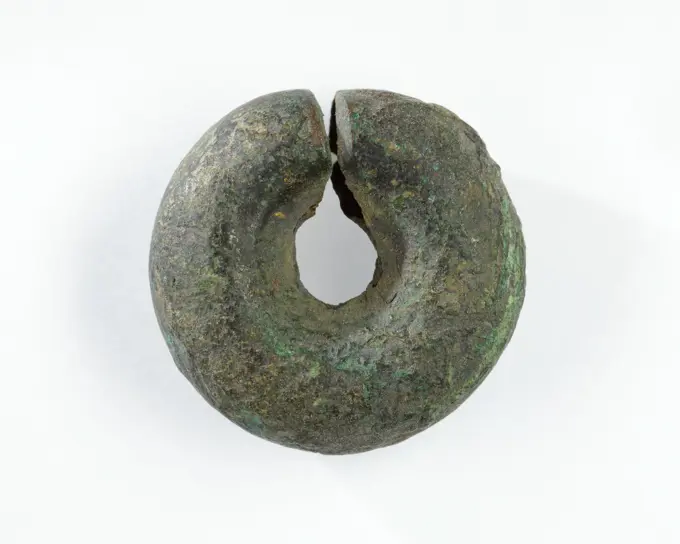
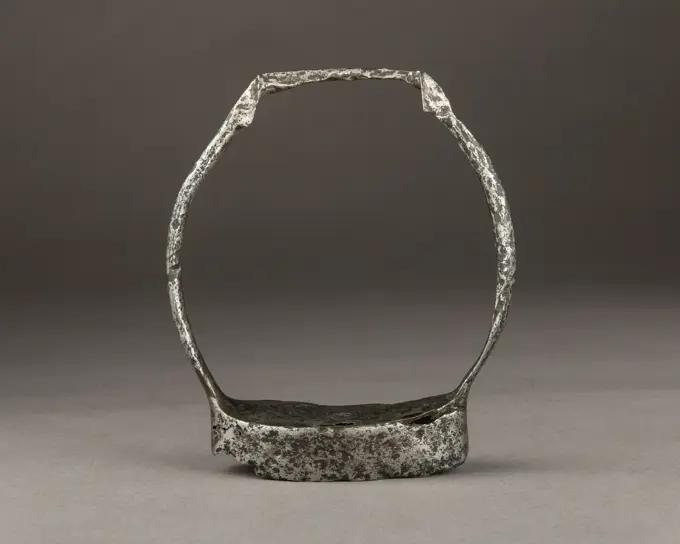
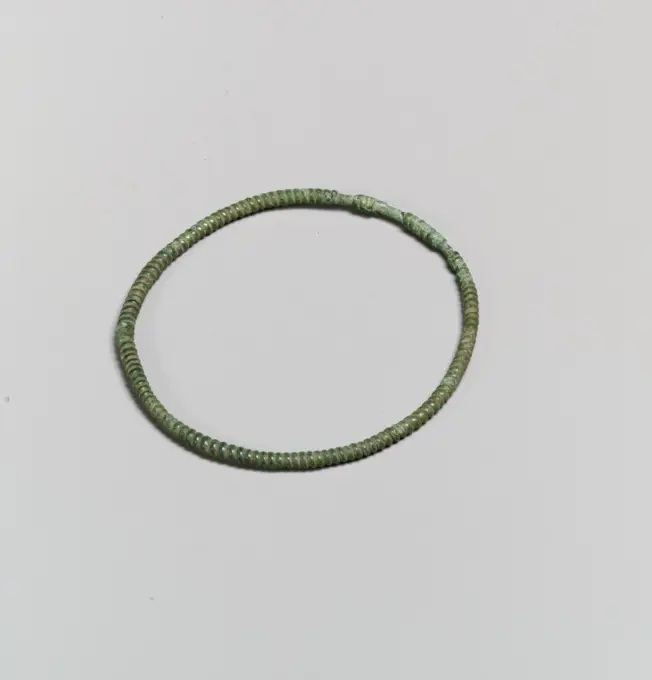
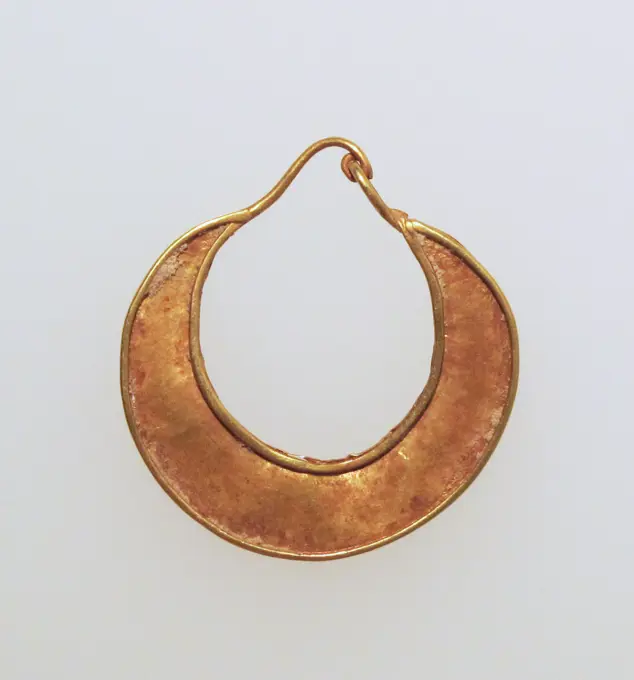
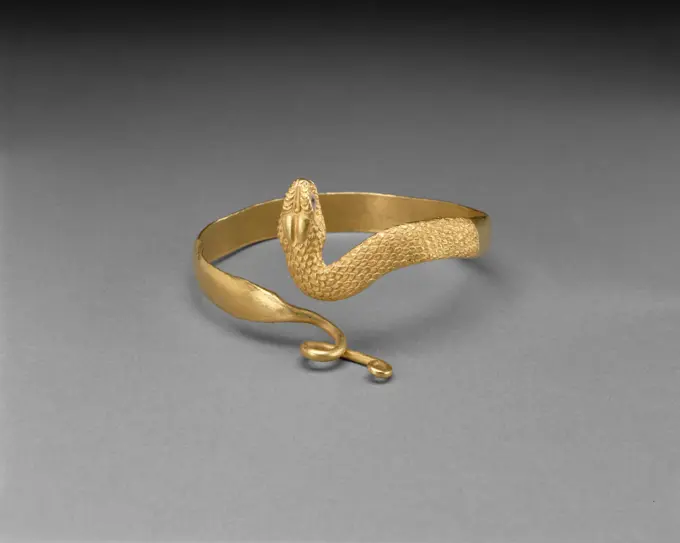
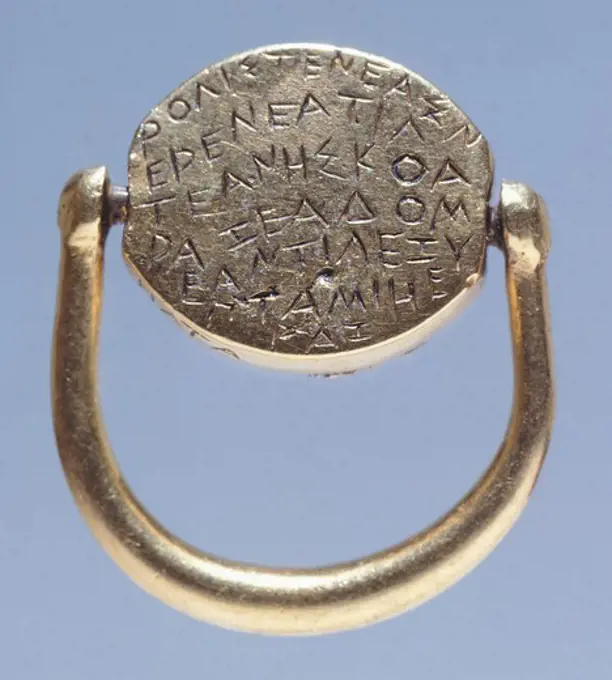
Bracelet Cypriot. Bracelet. Cypriot. Bronze. BronzesBracelet Cypriot. Bracelet 244353Anklet 500 B.C.-A.D. 300 Vietnam (North, Highlands). Anklet 53290Earring-loop type, plain. Earring-loop type, plain 243260Messenlift ring from the wreck of the East Indians Hollandia, Anonymous, 1700 - in Or Before 1743  Knife-handle, ferrule; id. NG 1980-27H426. Netherlands copper (metal)   SecondOne from a Pair of Solid Anklets with Spiral Decoration 300 B.C.-A.D. 400 Thailand. One from a Pair of Solid Anklets with Spiral Decoration 53306Bracelet Cypriot. Bracelet. Cypriot. Bronze. BronzesGold earring with head of a bull 4th-3rd century B.C. Greek. Gold earring with head of a bull 242849Ring with hollow hoop. Ring with hollow hoop 243539Ring with sard. Ring with sard 243668Earring-loop type, plain. Earring-loop type, plain 243255Roman belt buckle made of bronze from the Archaeological site of Complutum in Alcalá de Henares ( Madrid ). SPAIN.Ring 1st century B.C.-3rd century A.D. Roman. Ring. Roman. 1st century B.C.-3rd century A.D.. gold. GemsEarring 4th century Late Roman. Earring 465583 Late Roman, Earring, 4th century, Copper alloy, Overall: 1 3/4 x 1 7/8 x 1/2 in. (4.5 x 4.8 x 1.2 cm). The Metropolitan Museum of Art, New York. Gift of J. Pierpont Morgan, 1917 (17.193.258)Ring -Open Bracelet with Linear Incising 300 B.C.-A.D. 400 Thailand. Open Bracelet with Linear Incising 53275Brass ring, flat and smooth-walled, ring jewel clothing accessory clothing bottomfound brass metal, d 0.4 brass ring What broader model. Smooth-walled and flat on the inside and outside archeology Rotterdam rail tunnel wear adorn status prosperity Soil discovery: railway tunnel 1988-1993.Earring, crescent-shaped. Earring, crescent-shaped 243280Ear Clip Second half of the 8th-second half of the 10th century Indonesia (Java). Ear Clip 50002Spirals, 18 Cypriot. Spirals, 18 242527Solid Undecorated Bangle 4000 B.C.-A.D. 400 Thailand. Solid Undecorated Bangle 53374Ring Etruscan Flat hoop with flattened and incised ball on bezel.. Ring. Etruscan. Gold. Gold and SilverKnife leftring from the wreck of the East Indiesman Hollandia. Knife-Handle, Ferrule; (1) ID. NG 1980-27H426.One from a Pair of Solid Undecorated Bangles with Flat Surface 4000 B.C.-A.D. 400 Thailand. One from a Pair of Solid Undecorated Bangles with Flat Surface 53377Frucion decorated with a print;  II-III century (101-00-00-300-00-00);Gold ring 8th-7th century B.C. Etruscan Possibly once lined with ivory.. Gold ring. Etruscan. 8th-7th century B.C.. Gold. Geometric. Gold and SilverEarring, delta-shaped. Earring, delta-shaped 243333Bronze ring, green patina, empty setting for stone, ring ornament clothing accessory clothing soil find bronze metal d 0.9, cast engraved bronze ring Deep square pit as setting for stone Engraved decoration consisting of chevrons and sinks. Rough processing tracks on the inside archeology Rotterdam rail tunnel wear adorn prosperity status Soil discovery: railway tunnel 1988-1993.Small Bracelet of Twisted Wire Second half of the 8th-second half of the 10th century Indonesia (Java). Small Bracelet of Twisted Wire 49680One from a Pair of Solid Undecorated Bangles with Flat Surface 4000 B.C.-A.D. 400 Thailand. One from a Pair of Solid Undecorated Bangles with Flat Surface 53376Ring 4th century Coptic. Ring 477772Earring-loop type, plain. Earring-loop type, plain 243252Silver bracelet in the form of a snake. Culture: Roman. Dimensions: Diameter: 1 7/8 in., 0.9oz. (4.8 cm, 26.7g). Date: 3rd century A.D..Bracelet terminating in snakes' heads. Museum: Metropolitan Museum of Art, New York, USA.Anklet, without decoration with some incons. .Stirrup 10th-11th century West Slavic This simple stirrup of Slavic type is said to have been found in East Prussia, today in Northern Poland.Horses had great importance in Slavic society, in both its social and religious aspects. Equestrian equipment, like stirrups, spurs and bits, are regularly found in their burials, even after their Christianization, among the goods warriors wanted to bring with them to the afterlife. The elite would sometimes even be accompanied by sacrificed horses, a meaningful practice at that time, considering the high economic value of horses.. Stirrup. West Slavic. 10th-11th century. Iron. East Prussia. Equestrian Equipment-StirrupsBraceletBuckle ca. 100 B.C.-ca. 500 A.D. Ibero-Roman. Buckle. Ibero-Roman. ca. 100 B.C.-ca. 500 A.D.. Bronze. Miscellaneous-Buckles & Ornament. Ring composed of wounded gold threadJewellery ring isolated on the white backgroundPendant in the Shape of an Arc. Culture: China. Dimensions: H. 1 3/16 in. (3 cm); W. 3 7/8 in. (9.8 cm). Museum: Metropolitan Museum of Art, New York, USA.Ring. Western Iran, circa 1350-800 B.C.. Jewelry and Adornments. BronzeGold earring with head of a lion 4th3rd century B.C. Greek. Gold earring with head of a lion 242921Finger Ring. Western Iran, circa 550-330 B.C.. Jewelry and Adornments; rings. Bronze, castBracelet ca. 9th century B.C. Iran. Bracelet 325160Pin from the wreck of the East Indiesman Hollandia. Tools and Instruments, Sewing and Sailmaking, PIN; Fragm, Bow, ID. NG 1980-27H3265.Bracelet, one of a pair, 3 7/8 x 3 7/8 x 15/16 in. (9.84 x 9.84 x 2.38 cm), Silver, ChinaEarring Etruscan Open ring, each extremity covered with blue enamel.. Earring 245960Ring, 1800s. India. Silver; diameter: 2 cm (13/16 in.).Harness Ring. Iran, Luristan, Luristan bronzes, circa 1000-650 B.C.. Tools and Equipment; horse trappings. Bronze, castUnknown Implement ca. 1295-1070 B.C. New Kingdom, Ramesside. Unknown Implement 551964Ear Spool before 16th century Mexican. Ear Spool 317404Pair of Closed Crescent-Shaped Earrings 500 B.C.-A.D. 300 Cambodia. Pair of Closed Crescent-Shaped Earrings 72422Pierścionek dekorowany odciskiem dłoni. unknown, authorMetal horse shoe isolated on the whiteScarab Finger Ring Inscribed "God's Wife Hatshepsut". Dimensions: Ring: w. 2.4 cm (15/16 in); l. with setting 2.7 cm (1 1/16 in); h. 1.3 cm (1/2 in)Scarab: l. 1.4 cm (9/16 in); w. 1.2 cm (1/2 in); th. 0.7 cm (1/4 in). Dynasty: Dynasty 18. Reign: Joint reign of Hatshepsut and Thutmose III. Date: ca. 1479-1458 B.C..This ring is typical in shape for New Kingdom rings having a mounted scarab. The inscription names the "God's Wife" Hatshepsut. It was discovered on the third finger of a man's left hand. Museum: Metropolitan Museum of Art, New York, USA.Wristlet, 1800s. India. Silver; diameter: 4.8 cm (1 7/8 in.).. .. .ShoeSP from the wreck of the East India Hollandia.schoen SP. With concrete. Buckle, Chape Buckle, Shoe Buckle; (1) Ring, ID. NG 1980-27H2872Fibula łukowata z wydłużoną pochewką. unknown, authorFibula 8th-6th century B.C. Italic The bow is four sided in section. The head is formed by a spiral of two turns.. Fibula. Italic. 8th-6th century B.C.. Bronze. BronzesC.E. Juncker. "Ringkragen 10 Kommandantur". Metal. 1939-1945. General Leclerc Museum of Hauteclocque and the Liberation of Paris, Jean Moulin Museum. 158818-29Glass mosaic ribbed bowl late 1st century B.C.-early 1st century A.D. Roman Translucent deep purple and opaque white.Vertical rim with rounded and slightly uneven top edge; plain, vertical band around top of side, then bulging outward before curving in sharply to small concave bottom.On interior, two concentric grooves around outer edge of bottom and small, broader circle at center; on exterior, twenty-eight prominent vertical ribs, with rounded tops, tapering downward and extending onto bottom.Broken and repaired, with two large holes in rim and top of side and one small chip in rim; pinprick and a few larger bubbles; pitting, dulling, and faint iridescence.Rotary grinding marks on interior and on band around top of exterior.Ribbed bowls were a very common and popular type of early Roman cast tableware. Examples have been found right across the Roman world and even beyond. Those in mosaic glass like this one were intended to resemble luxury vessels carved out of semiprecious stone sucNecklet (Musi) 18th-19th century. Necklet (Musi). 18th-19th century. Gold. Attributed to India, Rajasthan. JewelryFinger Ring 7th century Frankish. Finger Ring 465278 Frankish, Finger Ring, 7th century, Silver, gold bezel, glass paste or carnelian(), Overall: 15/16 x 13/16 x 3/8 in. (2.4 x 2 x 1 cm) bezel: 3/8 x 5/16 x 3/16 in. (1 x 0.8 x 0.5 cm). The Metropolitan Museum of Art, New York. Gift of J. Pierpont Morgan, 1917 (17.192.212)Pair of Earrings (with 16.10.311). Dimensions: Diam. 1.6 cm (5/8 in.); H. 0.3 cm (1/8 in.). Dynasty: Dynasty 17-Early Dynasty 18. Date: ca. 1635-1458 B.C.. Museum: Metropolitan Museum of Art, New York, USA.Rolled up copper wire from the wreck of the East Indians Hollandia, Anonymous, 1700 - in Or Before 1743  Varied parts or fragments, wire; circularly looped, circular in section, one end pointed, with fragm of cloth. Netherlands copper (metal)   SecondBracelet probably 19th century Indian This collection of largely ethnographic jewelry includes examples from cultures in South America, North America, Europe, Asia, and Africa and dates from the Pre-Columbian period to the twentieth century. Owned by renowned art collector and fashion enthusiast Muriel Kallis Newman, the collection represents her knowledge and appreciation of a wide range of jewelry design and making traditions. Numerous items in her collection are composite artifacts made from various cultures and time periods reappropriated as modern jewelry creations by or for Muriel. It is important to note that Newman wore many of the pieces in the collection, interpreting them to suit and express her own singular, often avant-garde style.. Bracelet 141597BRAZALETE DE RIOTORTO. Location: MUSEO PROVINCIAL. LUGO. SPANIEN.Small Bronze Finger Ring withStoneArcher's Ring. Culture: Turkish. Dimensions: L. 1 5/8 in. (4.1 cm); W. 1 1/8 in. (2.9 cm); Wt. 0.7 oz. (19.8 g). Date: possibly 18th century. Museum: Metropolitan Museum of Art, New York, USA.HB-7 American helmet. Metal, leather, fabric (electric wires), 1941-1945. General Leclerc Museum of Hauteclocque and the Liberation of Paris, Jean Moulin Museum.Lightly oval buckle with angel, clasp fastener component soil find bronze copper brass metal, cast Light oval buckle of copper or bronze. Angel archeology Rotterdam railway tunnel confirm fastening close dress Soil discovery: railway tunnel Rotterdam.A church of a metal church sword (Fuchi); Nara, Toshinaga (1667-1736), Nara; 18th century (1701-00-00-1800-00-00);Stirrup 9th-10th century West Slavic This simple stirrup of Slavic type is said to have been found on the site of Dolkheim, today in Northern Poland.Horses had great importance in Slavic society, in both its social and religious aspects. Equestrian equipment, like stirrups, spurs and bits, are regularly found in their burials, even after their Christianization, among the goods warriors wanted to bring with them to the afterlife. The elite would sometimes even be accompanied by sacrificed horses, a meaningful practice at that time, considering the high economic value of horses.. Stirrup. West Slavic. 9th-10th century. Iron. Dolkheim, East Prussia. Equestrian Equipment-StirrupsEarring with pendant. Earring with pendant 243187Silver ring seal . Diameter 1, 8 cm Thickness 0, 2 cm Weight 1, 3 grams ( 1st- 3rd CE ) - Roman period , from the archaeological site of Complutum in Alcala de Henares ( Madrid ). SPAIN.Penannular Earring. Dimensions: Diam. 1.2 cm (1/2 in.). Dynasty: Dynasty 18. Date: ca. 1550-1295 B.C.. Museum: Metropolitan Museum of Art, New York, USA.Vingerhoed uit het wrak van de Oost-Indiëvaarder Hollandia. Tools and instruments, sewing and sailmaking, thimble; fragm: circular rim with fragm of body, tapering, top missing, pitted surface.Circular band with openwork metal edge and leaf ornament, crown, crown headpiece clothing toy relaxation agent soil find tin gold metal h 1,4, textile Circular band with an open worked metal edge and leaf ornament (bent inwards). Remains of gilding Miniature crown Possibly associated with statue of saints or toys archeology Rotterdam rail tunnel head coverings dress symbolize holy child play child's game Soil discovery: route rail tunnel Rotterdam.rusty horseshoe isolated detailed vintage rusty horseshoe isolated on white Copyright: xZoonar.com/YuryxZapx 16563122Penannular Earring ca. 1550-1295 B.C. New Kingdom. Penannular Earring. ca. 1550-1295 B.C.. Copper alloy. New Kingdom. From Egypt; Probably from Northern Upper Egypt, Deir el-Ballas. Dynasty 18Strigile holder ring. The final tène. Copper alloy, cast iron. Coming from: Impasse Nicole (3-5), 1882. Paris, Carnavalet Museum. Swans heads. Copper alloy, ring holder ring, melting, final period, protohistory, protohistoric, second age of ironRing. Gold ring decorated with a wreath of a wreath of beads of beads between two scooped pearl edges, held by alternating buttons and rosettes.Stirrup 15th century Hungarian The footplate shaped as a circular hollow box is typical of the Magyar stirrups made in Hungary from the 15th century onwards. It would have also been adorned with a pointed plate at the front of the suspension bar (has broken off).. Stirrup. Hungarian. 15th century. Iron. Equestrian Equipment-Stirrups. Round cross-section that broadcasts towards the opening.Rock crystal ring 1st-2nd century A.D. Roman Plain circlet of crystal lined with gold foil.. Rock crystal ring 243704Oval frame Golden oval frame isolated included clipping path Copyright: xZoonar.com/Baloncicix 7273257Tooth of a Babiroussa (Zwijn) from v.o.c.-ship De 'Witte Leeuw', Before 1613 tooth (material) Tooth of a Babiroussa (Zwijn) from V.O.C. ship the 'Witte Leeuw', ivory-colored and committed, hollowed out and broken off. southeast Asia tooth (material)   Sint-HelenaWaldhorn with partially silver-plated nozzle. Waldhorn with partially silver-plated nozzle. Signature: Francois Perinet, Rue Bourbon Villeneuve a Paris.Men's head ring, Gerrit Beekhuis, 1738 Gold ring. The scanning tire is decorated with alternating windows and cups. At the top of the ring, a picture decorated with cartouches, shells and a man's portrait is attached. Amsterdam gold (metal) Gold ring. The scanning tire is decorated with alternating windows and cups. At the top of the ring, a picture decorated with cartouches, shells and a man's portrait is attached. Amsterdam gold (metal)Plain Ring end of 6th or beginning of 7th century Frankish. Plain Ring 465576 Frankish, Plain Ring, end of 6th or beginning of 7th century, Copper alloy, Overall: 1 1/16 x 1/8 in. (2.7 x 0.3 cm). The Metropolitan Museum of Art, New York. Gift of J. Pierpont Morgan, 1917 (17.193.251)Bracelet 14th century () Middle Niger civilization. Bracelet 317910Dog collar isolated on the white backgroundBracelet 1st-3rd century A.D. Roman The surface is slightly corroded in places.. Bracelet 246435Earring, crescent-shaped. Earring, crescent-shaped 243304Snake Bracelet. UnknownGold ring with inscriptions in Thracian, from Ezerovo, Bulgaria. Goldsmith art. Thracian Civilization, 5th Century BC.Ring: Figure of Tawaret (Thoeris). Egyptian. Date: 1390 BC. Dimensions: 0.5 cm (3/16 in.); diam. 1.9 cm (3/4 in.). Faience. Origin: Egypt. Museum: The Chicago Art Institute, Chicago, USA. Author: Ancient Egyptian.Gold armlets from the early Bronze Age. Dated 2100 BC