Ancient Jewelry and Accessories

Images of ancient bracelets, anklets, and earrings crafted from various metals, showcasing intricate designs.

Messenlift ring from the wreck of the East Indians Hollandia, Anonymous, 1700 - in Or Before 1743  Knife-handle, ferrule; id. NG 1980-27H426. Netherlands copper (metal)   Second
Messenlift ring from the wreck of the East Indians Hollandia, Anonymous, 1700 - in Or Before 1743 Knife-handle, ferrule; id. NG 1980-27H426. Netherlands copper (metal) Second
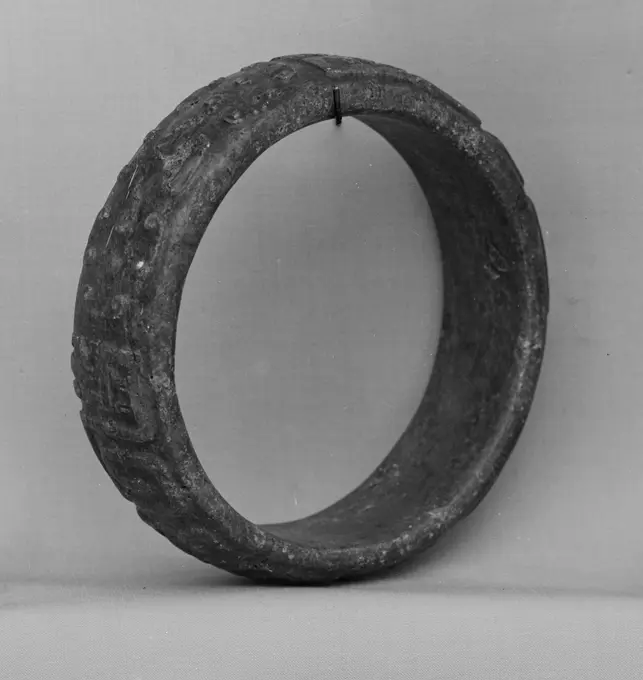
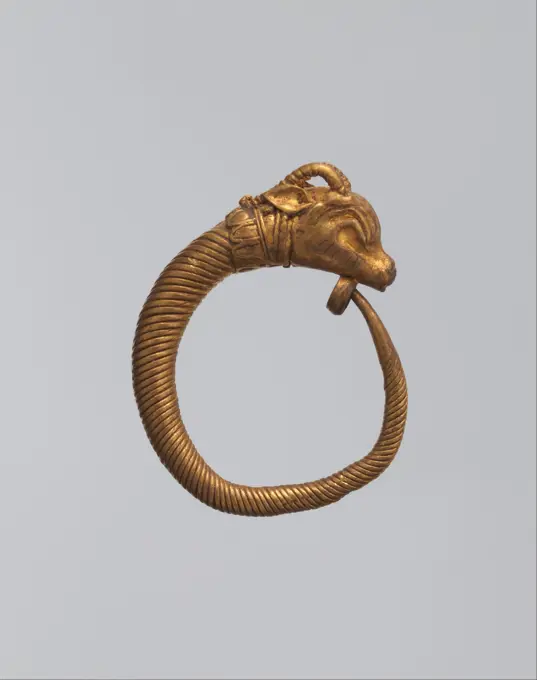
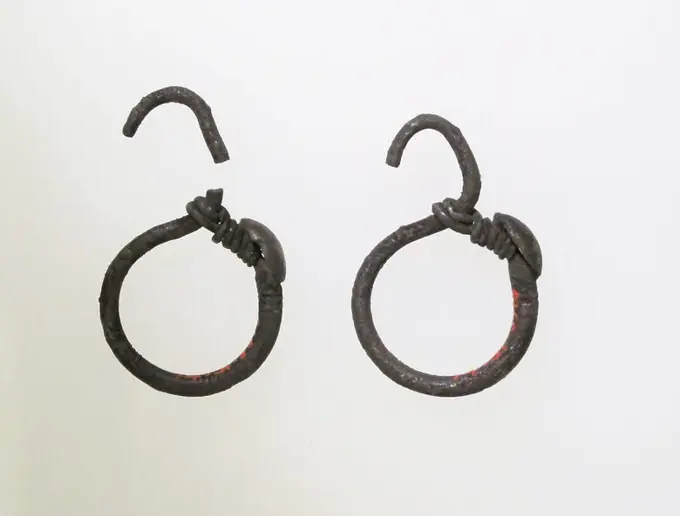
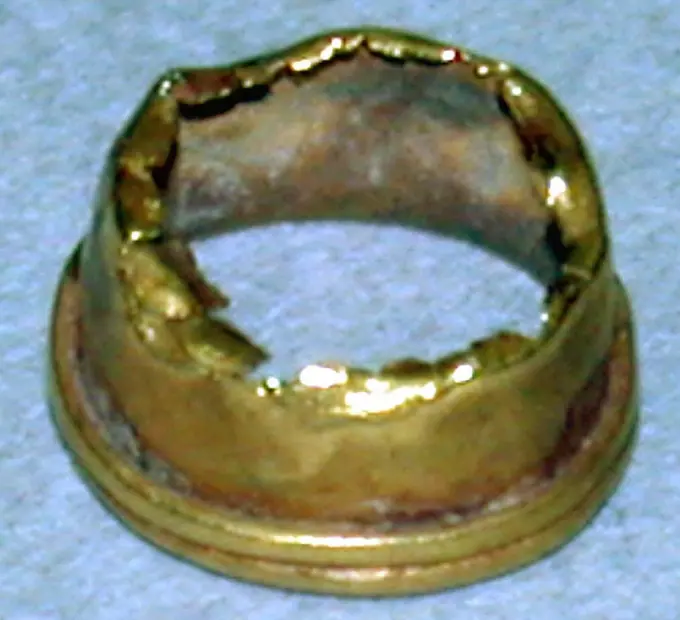
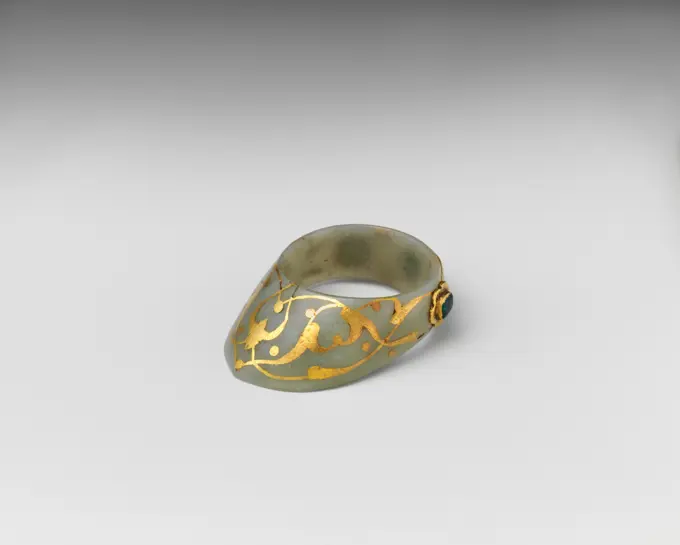
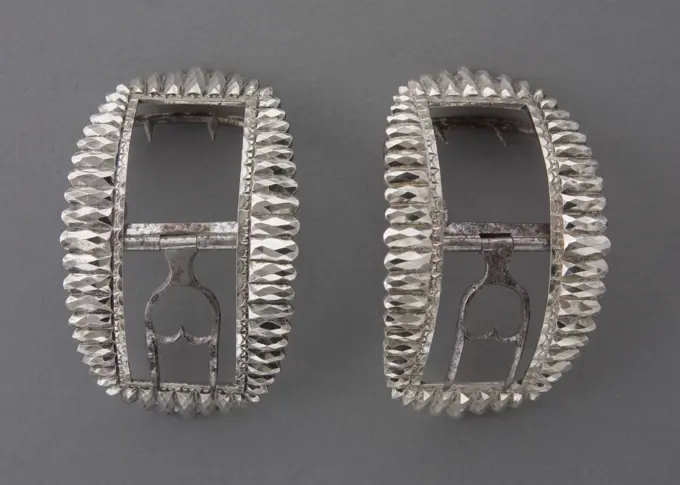
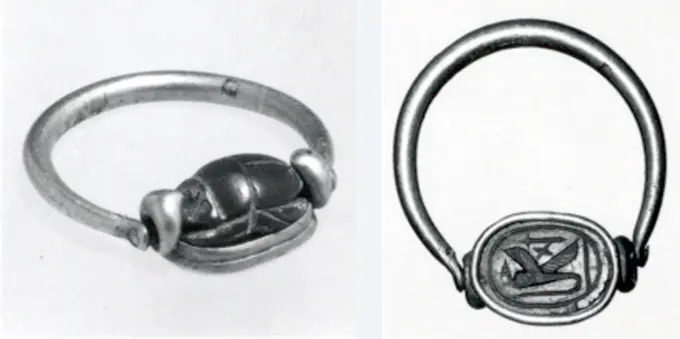
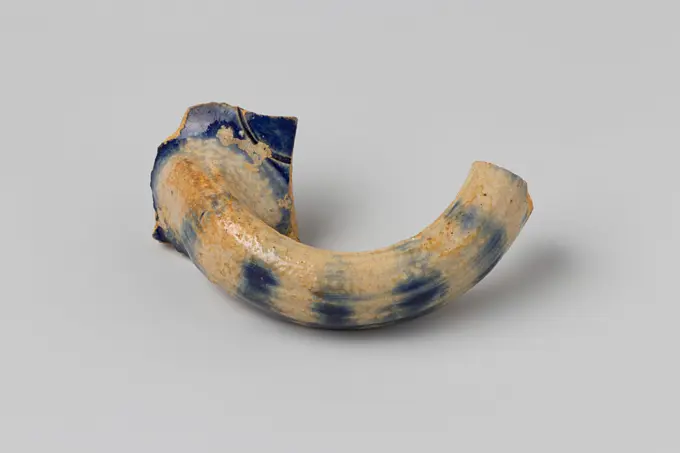
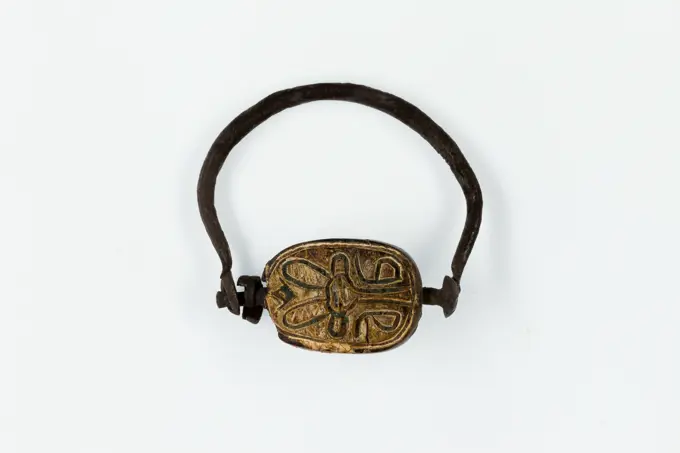
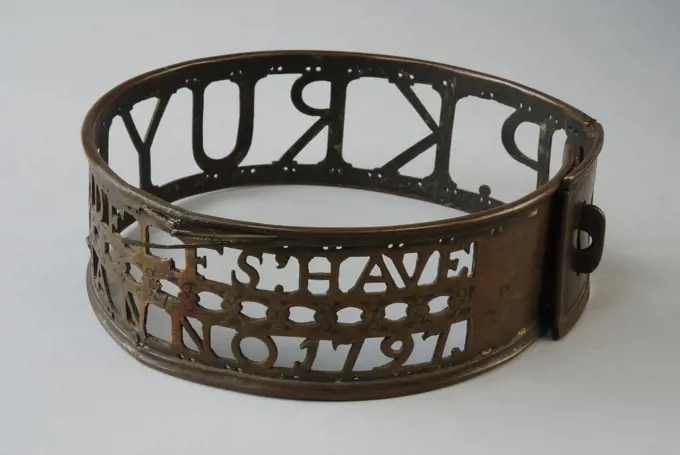
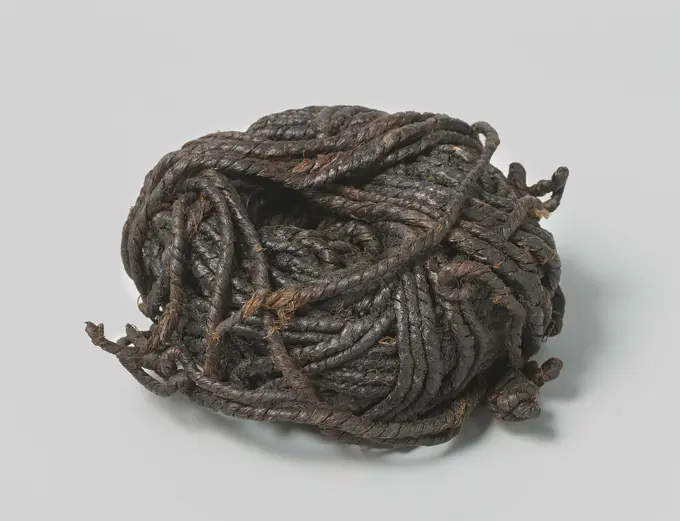
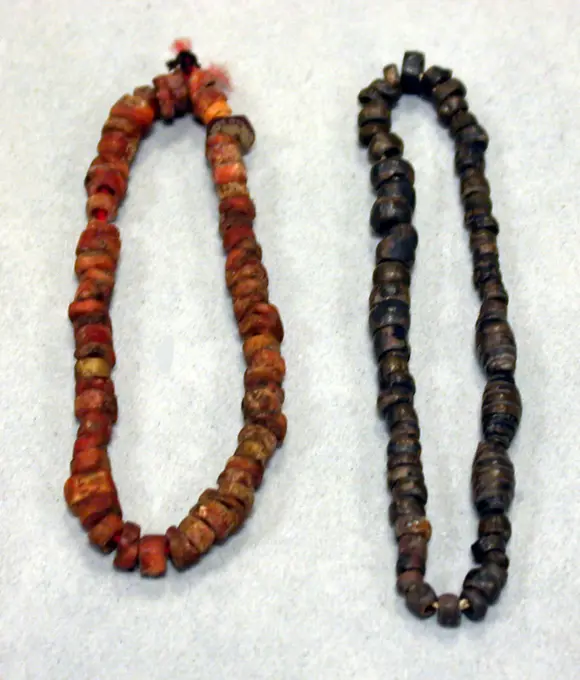
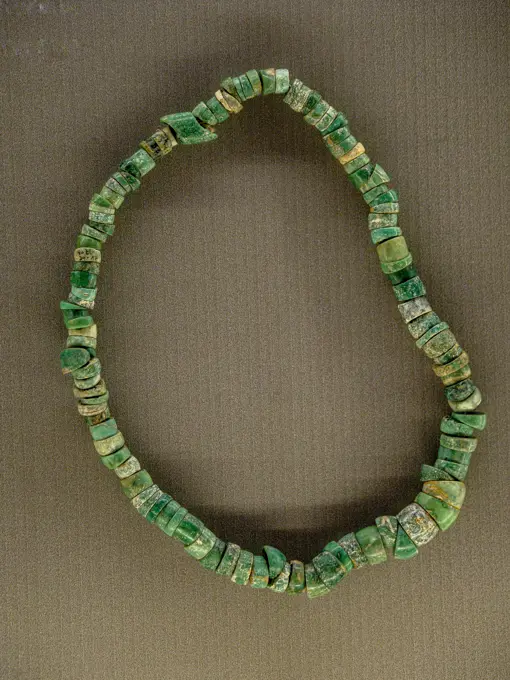
Halskette aus scheibenförmigen Perlen necklace of discoidal beads, Goikolau cave, Berriatua, Arkeologi Museoa, aqueologico museum, Bilbao, Bizkaia, Pais Vasco, Spain Copyright: xZoonar.com/Tolox 22845380Bracelet probably 14th-15th century The earliest known examples of this type of seamless mosaic glass bracelet are from the late thirteenth century; it continued to be produced well into the nineteenth century at Hebron, in Palestine. This bracelet, together with thirty-three others in the collection, comes from UpperEgypt and was probably made during the Mamluk period.. Bracelet 446023Bracelet China. Bracelet. China. Jade. Han dynasty (206 B.C.-A.D. 220). JadeBracelet ca. 800 B.C. Halstatt Many Bronze Age objects, like these bracelets, were finished with subtle geometric designs incised into the cast metal surface.. Bracelet. Halstatt. ca. 800 B.C.. Copper alloy. Metalwork-Copper alloyNecklace -Earring with ibex head 4th-3rd century B.C. Ptolemaic Period Hoops formed of wound wire with animal head terminals are the commonest type of Hellenistic earring. The heads on these earrings have been referred to as those of gazelles, but is now thought more likely to be an ibex. Ibex-head earrings are well-known in Egypt, but also Asia Minor and Cyprus.The relatively simple decoration of these earrings points to an early Ptolemaic date.. Earring with ibex head. 4th-3rd century B.C.. Gold. Ptolemaic Period. From EgyptBuckle 15th-16th century European. Buckle. European. 15th-16th century. Bronze. Miscellaneous-Buckles & OrnamentRing of cannon boat iron 2 of J.C.J. from Speyk. An iron ring of the gunboat No.2 from J.C.J. from Speyk; Widely finished to the octagonal flat area where inscription "Engine".Earring, delta-shaped with disc. Dimensions: Other: 3/4 × 1/4 × 7/8 in. (1.9 × 0.7 × 2.2 cm)Other (fragment of hook): 1/16 in. (0.2 cm). Museum: Metropolitan Museum of Art, New York, USA.Amazigh bracelets decorated with flower relief, Tunisia "Corral del Carbón" , "al-fundaq al-yadida", 14th century, Granada, Andalusia, Spain.Necklace pendants and beads ca. 17th-16th century B.C. Babylonian. Necklace pendants and beads 328891Archer's Thumb Ring 16th-17th century Turkish A thumb ring provided the archer with a firmer grip of the bowstring. As archery was considered a noble sporting exercise, thumb rings, often carried ostentatiously on strings hung from the belt, were worn as symbols of elevated social status. This example, fashioned in pale green nephrite jade set with gemstones in gold foliate mounts, is typically Ottoman. Similar rings are associated with Sultan Süleyman the Magnificent (r. 1520-66) and his immediate successors.. Archer's Thumb Ring. Turkish. 16th-17th century. Jade, gold, emeralds, ruby. Archery Equipment-Archer's RingPair of Earrings 8th-12th century Indonesia (Central Java). Pair of Earrings 64398Peter Getz, Pair of Shoe Buckles, c. 1780, silver.Ring of Hatnefer ca. 1492-1473 B.C. New Kingdom This ring was found on the middle finger of Hatnefer's left hand. It has been set with an amulet shaped like a cowrie shell and inscribed on the base with a geometric pattern vaguely resembling a lizard. The rings and small scarabs found on Hatnefer's mummy were personal jewelry, not part of her funerary equipment.. Ring of Hatnefer 545142Ring: Scarab. Egyptian. Date: 1350 BC. Dimensions: W. 0.6 cm (1/4 in.); diam. 1.9 cm (3/4 in.). Faience. Origin: Egypt. Museum: The Chicago Art Institute, Chicago, USA. Author: Ancient Egyptian.Planets-manager. Cornalet Collection Sites 2013-2016. Numismatic.Linked rings 13th-16th century Colombia. Linked rings. Colombia. 13th-16th century. Gold. Colombia. Metal-Ornaments Old metal horseshoe onn white backgroundGold ring with green jasper scaraboid ca. 5th century B.C. Cypriot Scaraboid winged uraeus snake and obscure sign; in a claw mounting.These rings, like the pendant rings, all have a swivel bezel with engraved scarabs decorated with Egyptian gods and symbols. However, this type of ring originates from Phoenicia, where Egyptianizing designs were very popular.. Gold ring with green jasper scaraboid 243558Ear of a pot from the wreck of the East Indiesman Hollandia.Stoneware, Rhenish, Westerwald, pot; or handle, sim. NG 1980-27H2624R.Ear of a pot from the wreck of the East Indians Hollandia, Anonymous, 1700 - in or Before 1743 pot Stoneware, Rhenish, Westerwald, pot; of handle, sim. NG 1980-27H2624r. Westerwald stoneware   SecondScarab Finger Ring ca. 1786-1482 B.C. Second Intermediate Period-Early New Kingdom. Scarab Finger Ring 552428Brass dog collar, in which cut out: P. KRUYF - delfshave anno 1797, dog collar collar copper, Yellow copper dog collar with cut out letters and between the decoration of balls and closure with two possibilities P. KRUYF - DELFS'HAVE ANNO 1797. Delfshaven Rotterdam dog animal petRing: Udjat Eye. Egyptian. Date: 1325 BC. Dimensions: W. 0.6 cm (1/4 in.); diam. 2.1 cm (13/16 in.). Faience. Origin: Egypt. Museum: The Chicago Art Institute, Chicago, USA. Author: Ancient Egyptian.Pair of Ear Clips with Granulate Clusters on Hoops Second half of the 8th-second half of the 10th century Indonesia (Java). Pair of Ear Clips with Granulate Clusters on Hoops 50054Anonymous, fragments of American equipment parts (username), 1941, metal, Paris Liberation Museum - General Leclerc Museum - Jean Moulin Museum.RingRing with Hexagonal Bezel and "Sri" Inscription Second half of the 9th-first quarter of the 10th century Indonesia (Java). Ring with Hexagonal Bezel and "Sri" Inscription. Indonesia (Java). Second half of the 9th-first quarter of the 10th century. Gold. late Central Javanese period. JewelryThree Rings, anonymous, c. 900 - c. 1200 Ring of solid gold, engraved with a word in old Javanese 'Kawi' writing written in mirror image. The word is 'cable' (read 'kebal') and means 'immune' or 'immunity' in Oud Malay and perhaps also in Oud Javanese. Oud Malay is originally a trade language and the word here has a diplomatic meaning. Java gold (metal) engraving Ring of solid gold, engraved with a word in old Javanese 'Kawi' writing written in mirror image. The word is 'cable' (read 'kebal') and means 'immune' or 'immunity' in Oud Malay and perhaps also in Oud Javanese. Oud Malay is originally a trade language and the word here has a diplomatic meaning. Java gold (metal) engravingPicks rope in litter shape. Picks rope in litter shape. The rope is paved.Necklace of Stone and Shell Beads 1st-mid-16th century Peru; north coast (). Necklace of Stone and Shell Beads 309253Fragment ca. 1150-ca. 1250 European or Middle Eastern. Fragment 694347MourningRing.  Maker: Adrian Bancker, American, 1703-1772Honorand: Gov. Jonathan Belcher, American, 1682-1757Key. UnknownVector round gold frame with glitter effect on dark violet background. Gold or copper round frame with metallic sheen on a dark background.. Vector round gold frame with glitter effect