Ancient Jewelry and Artifacts

A series of intricate ancient ornaments and decorative pieces, including earrings and ear decorations, crafted from gold and bronze, showcasing historical artistry.

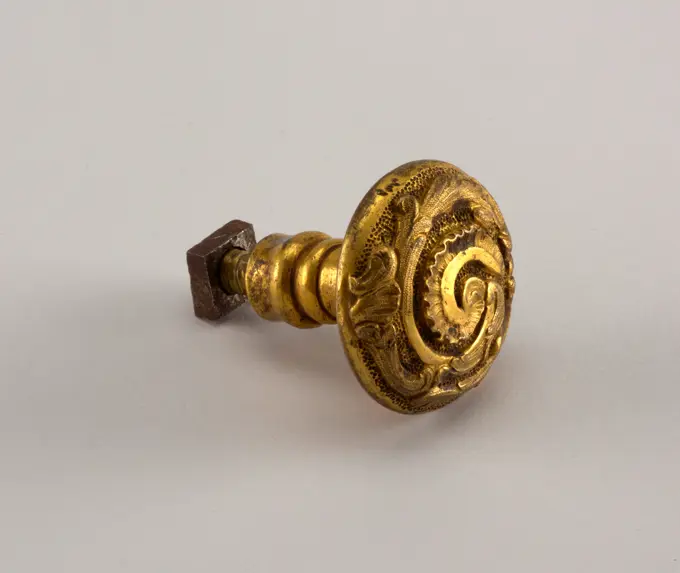
Nail protector;  19th century (1801-00-00-1900-00-00);
Nail protector; 19th century (1801-00-00-1900-00-00);
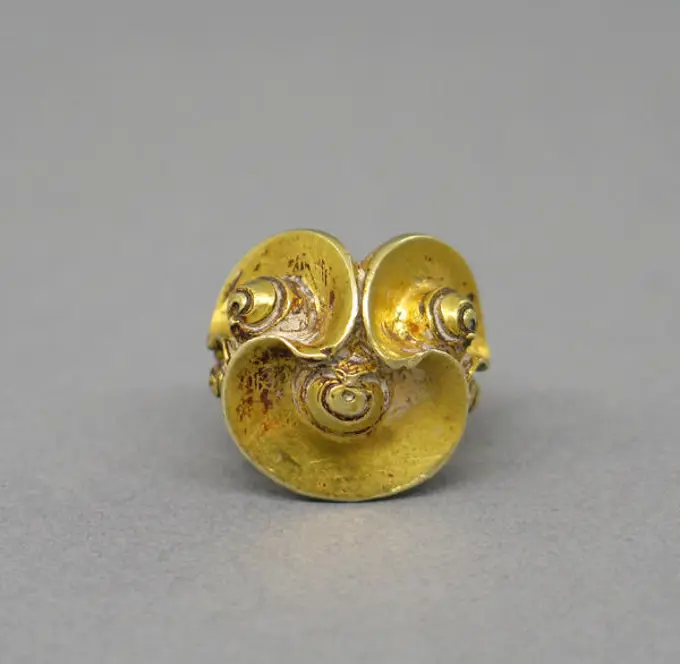
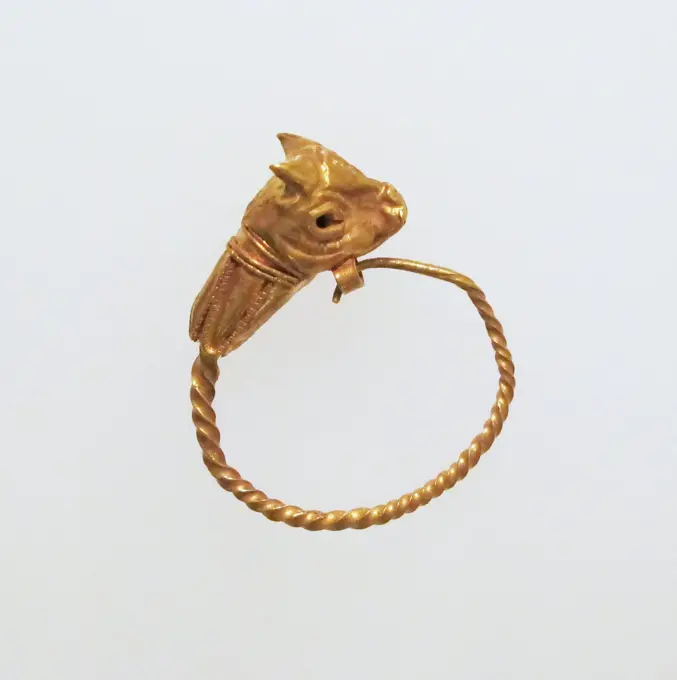
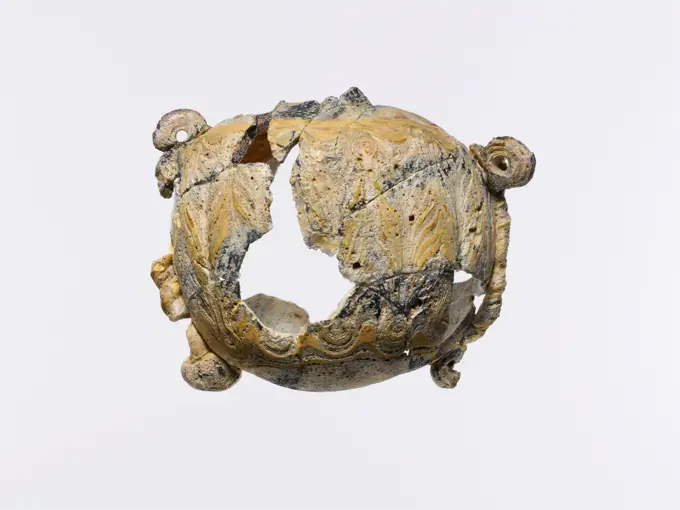
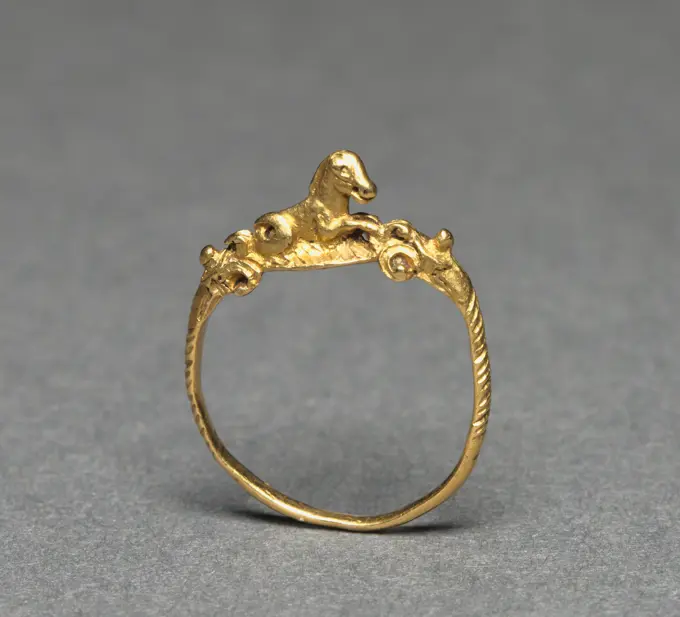
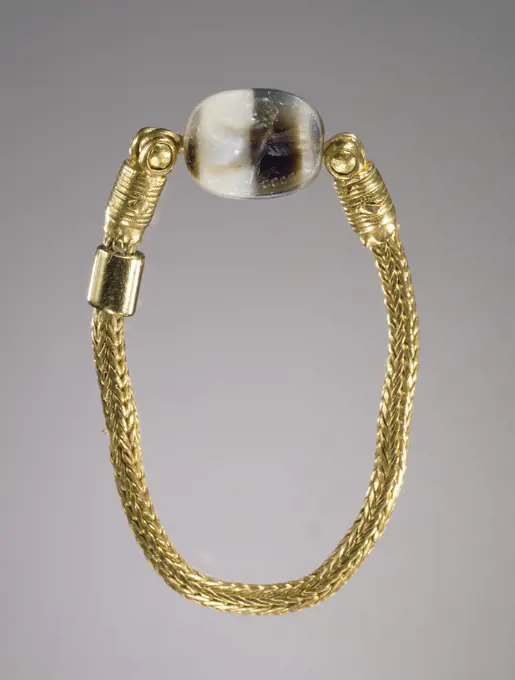
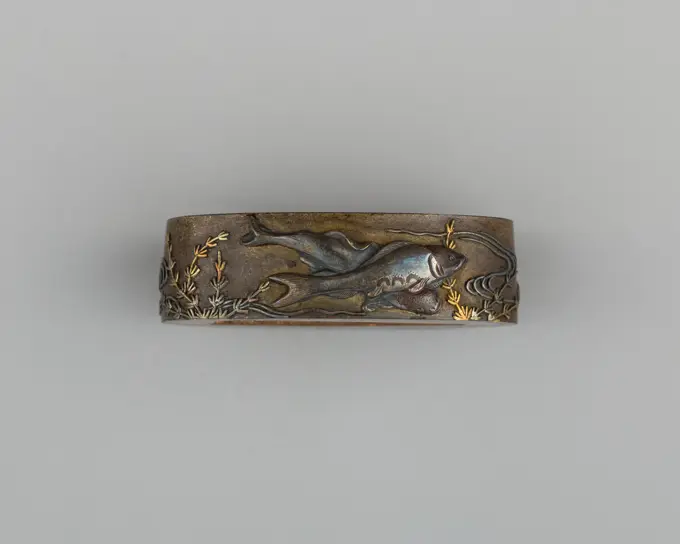
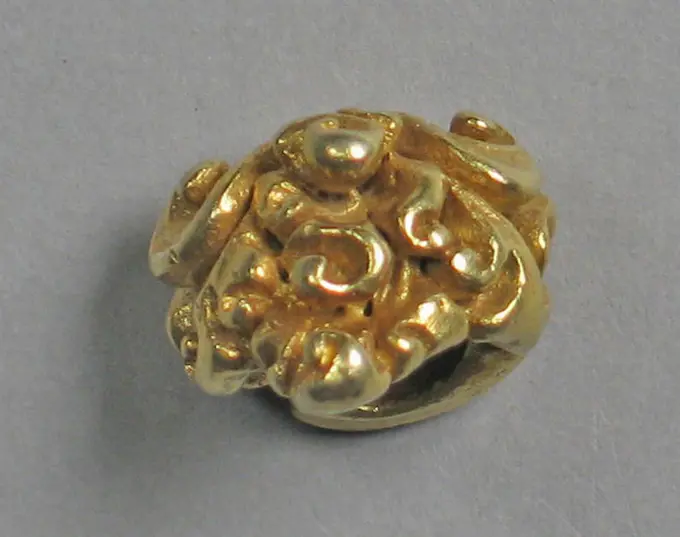
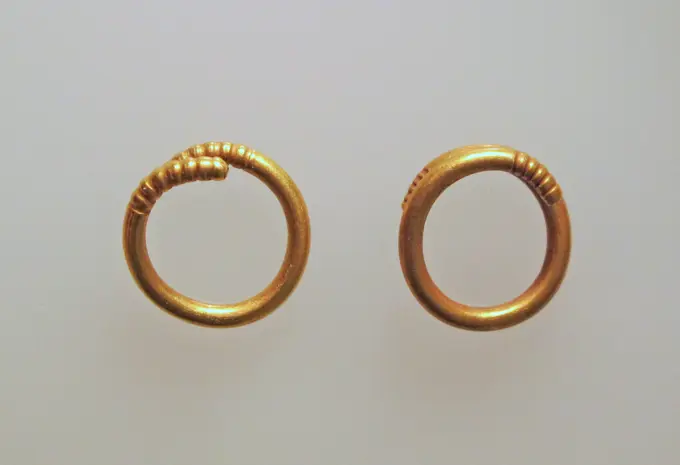
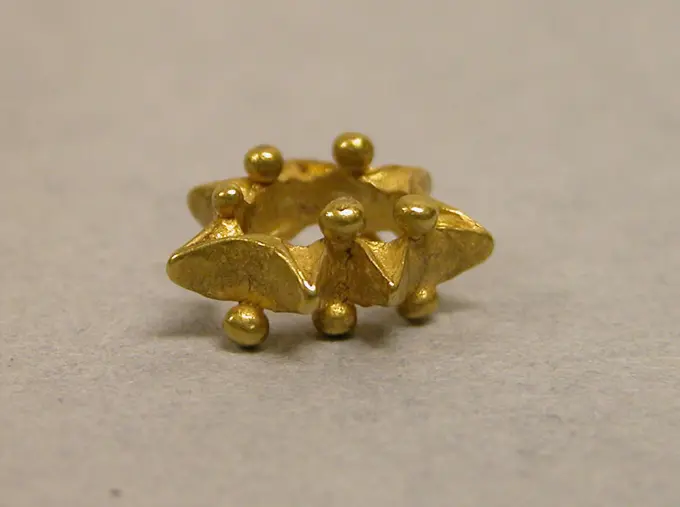
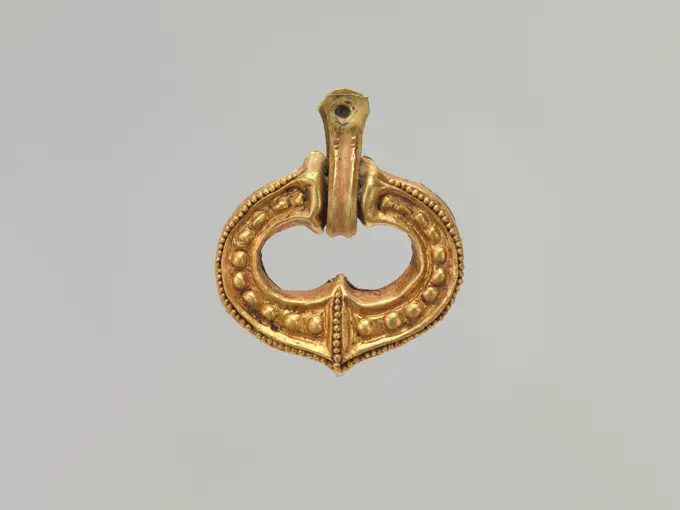
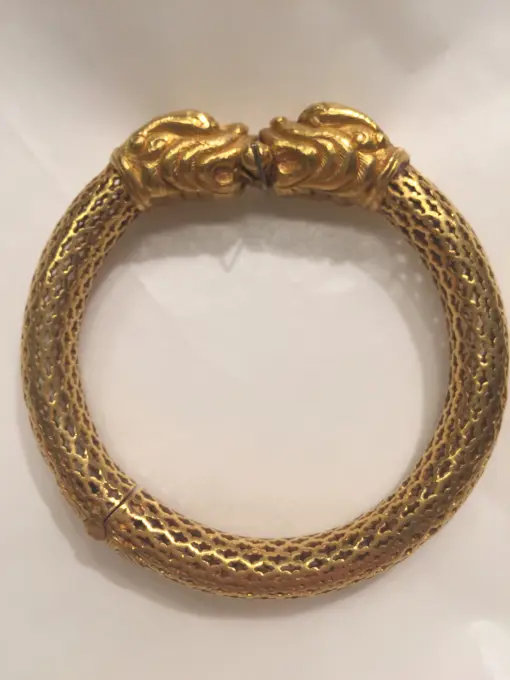
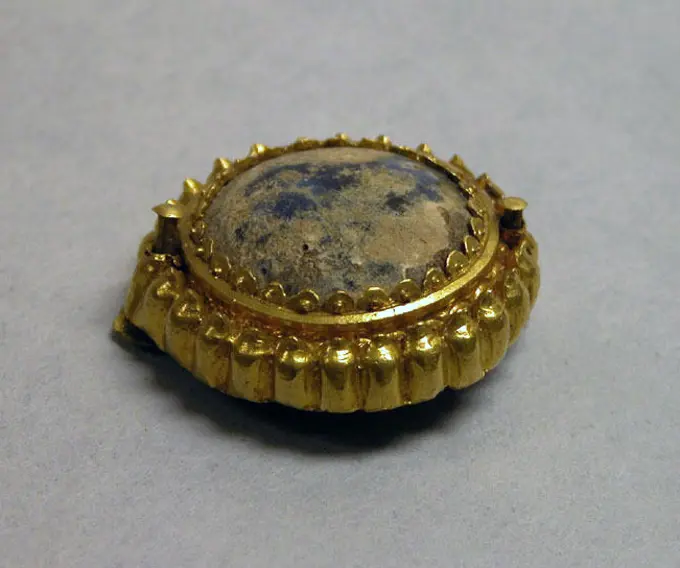
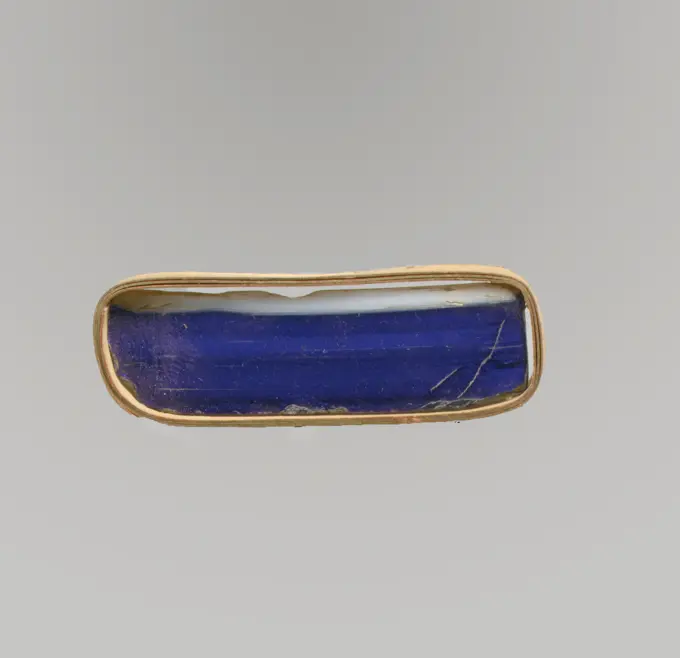
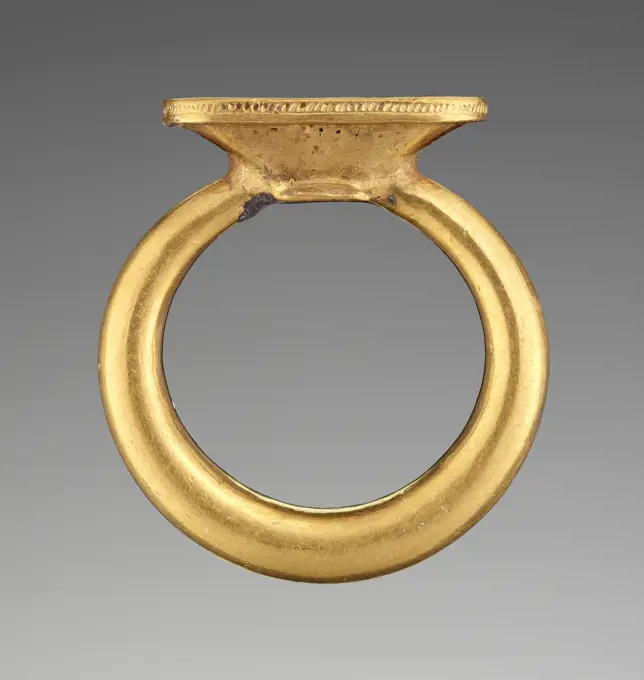
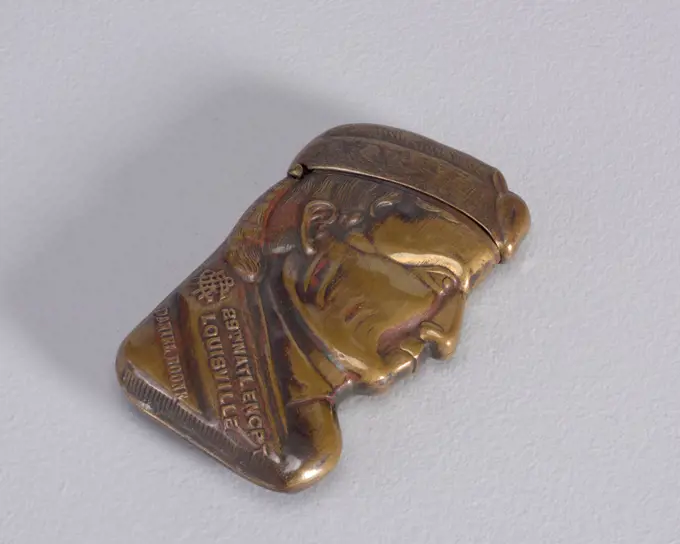
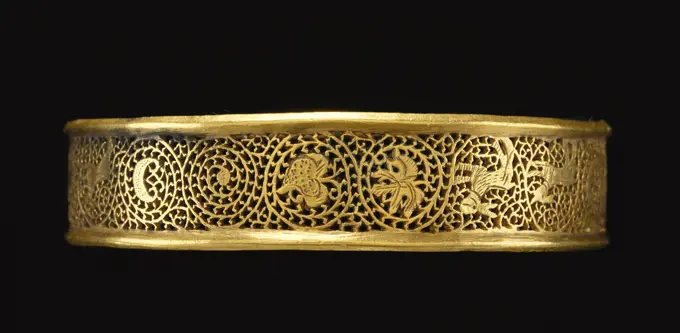
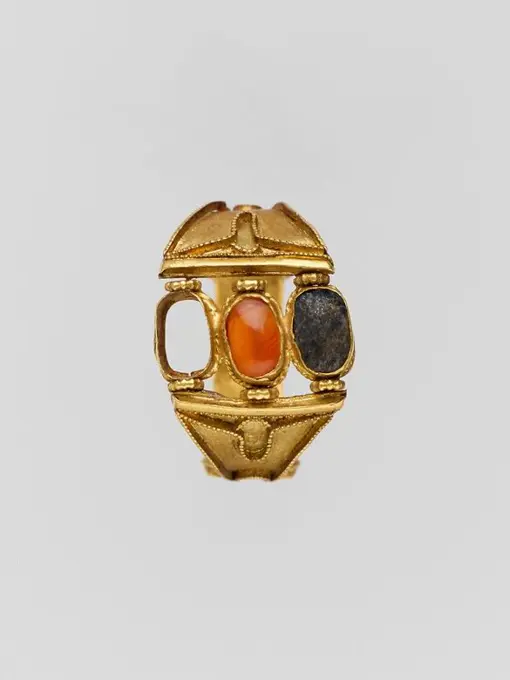
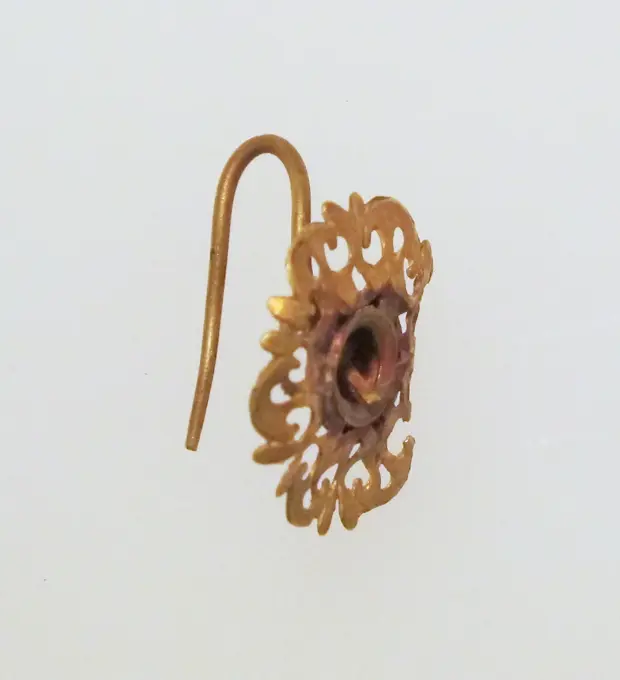
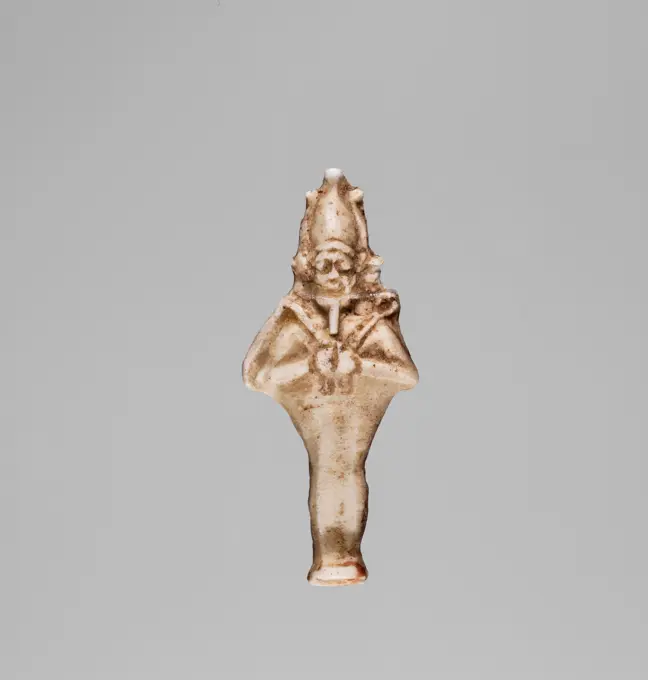
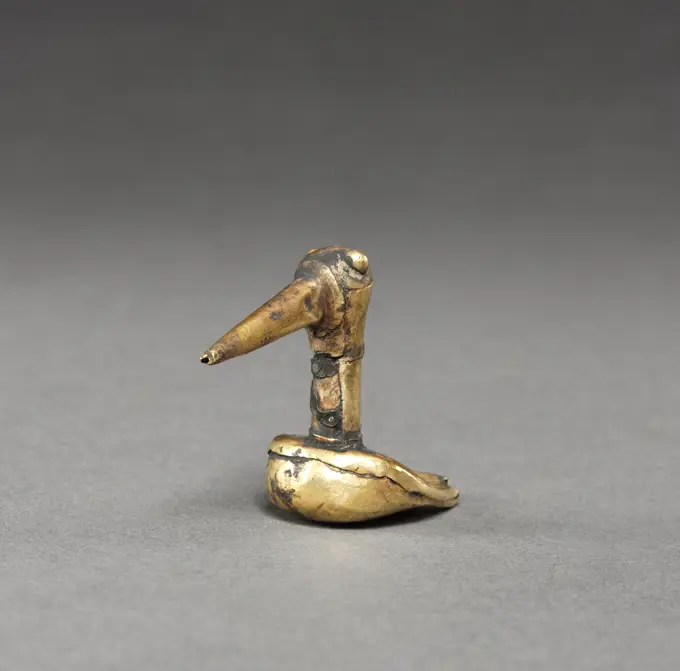
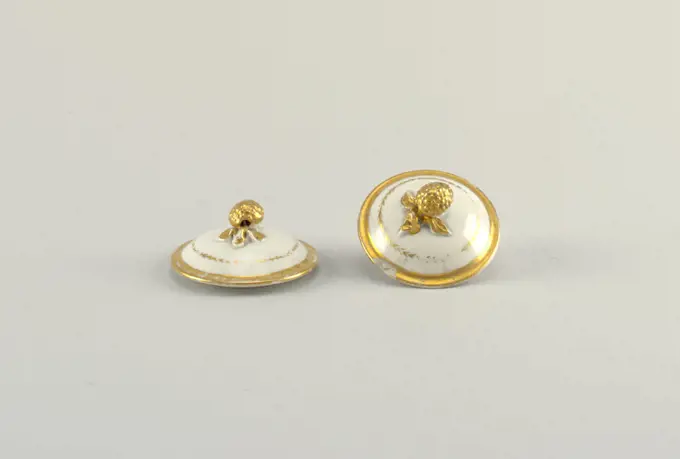
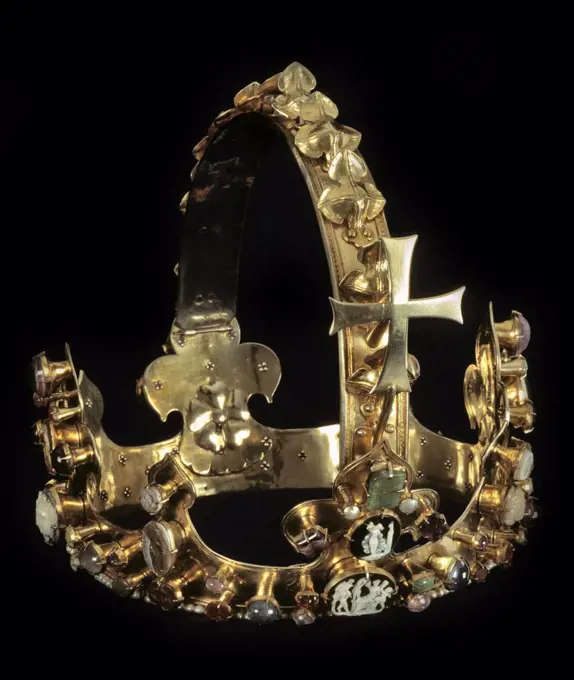
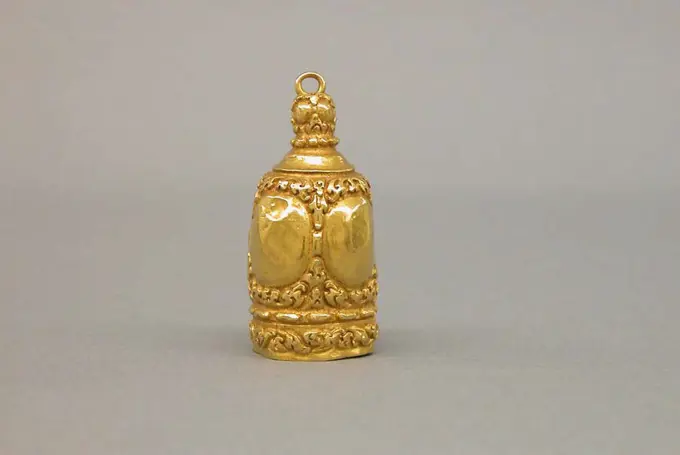
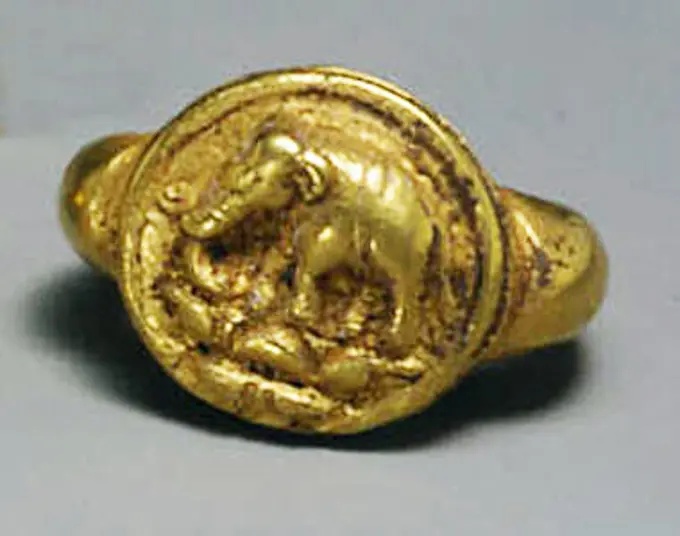
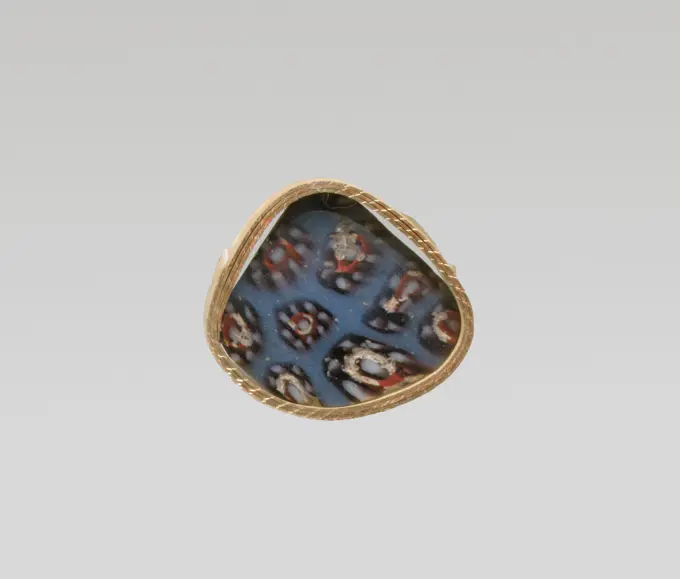
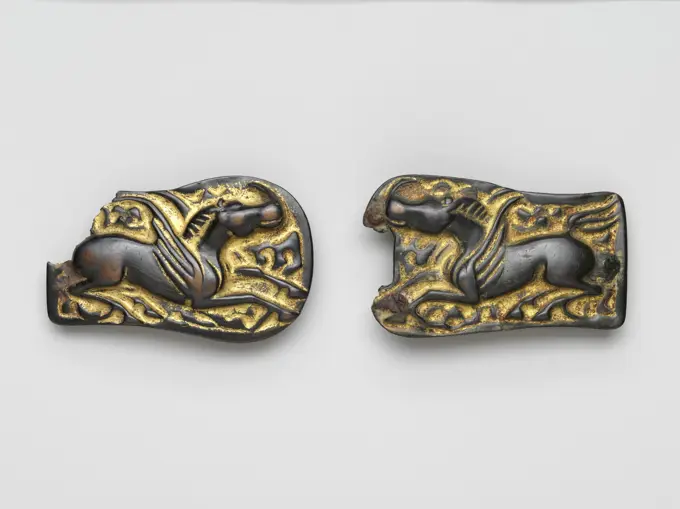
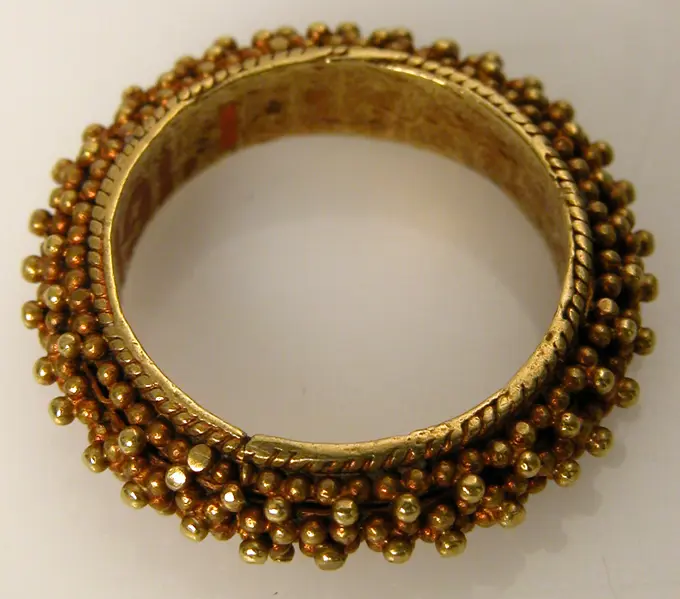
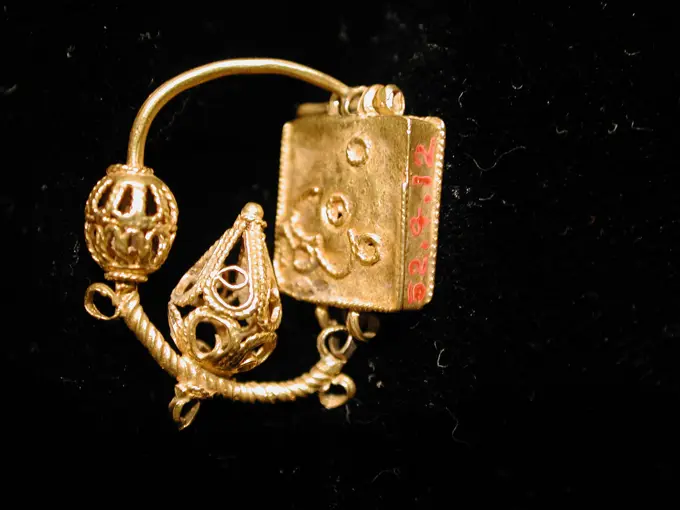
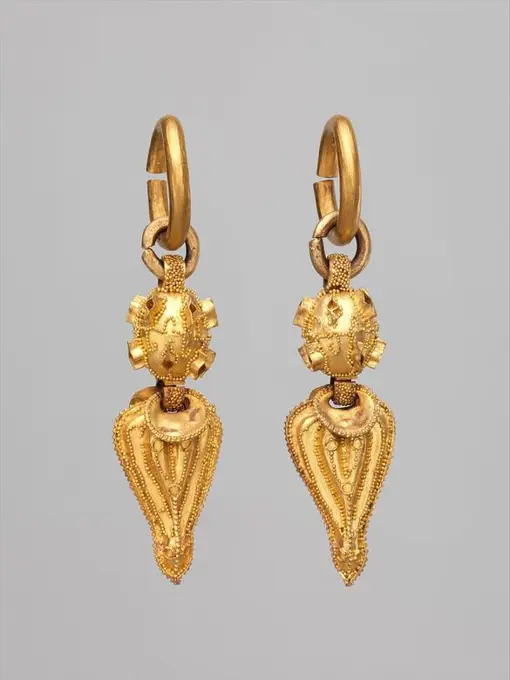
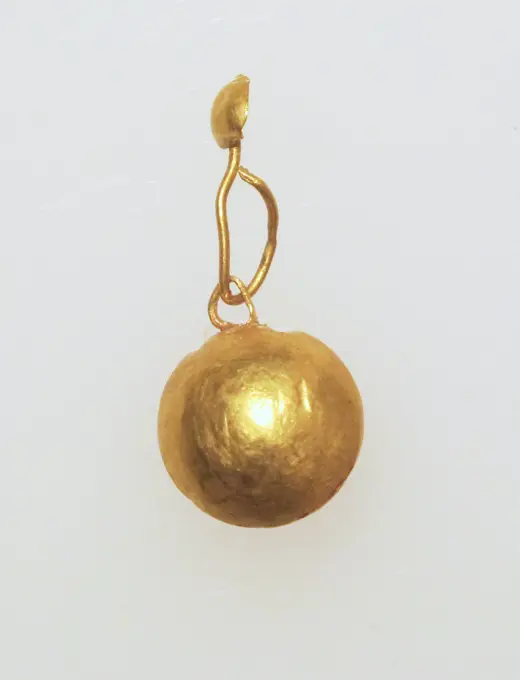
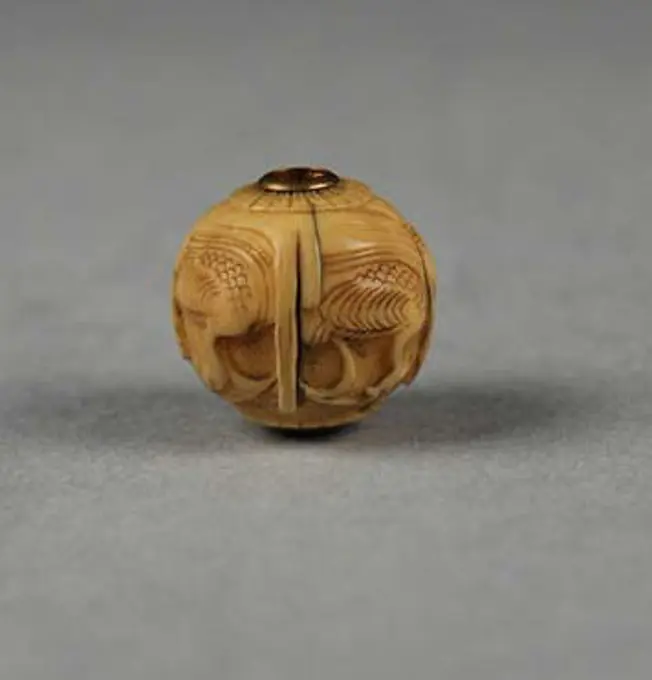
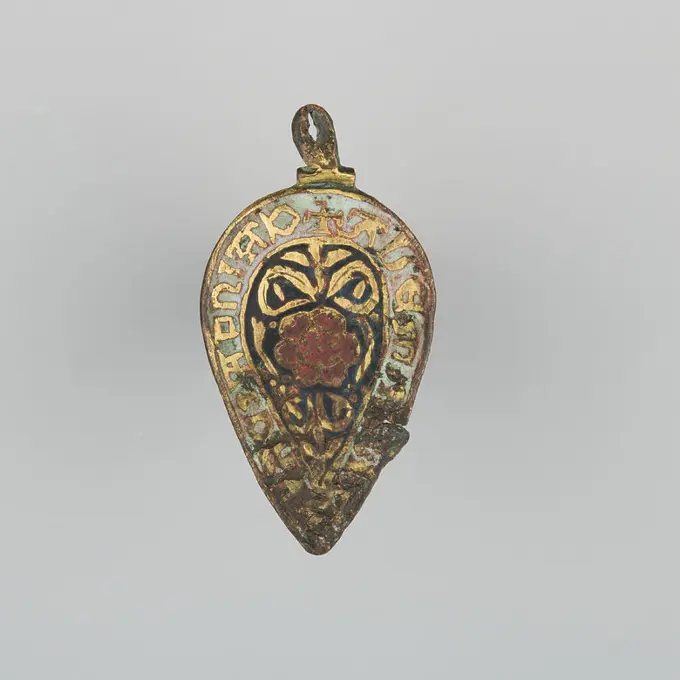
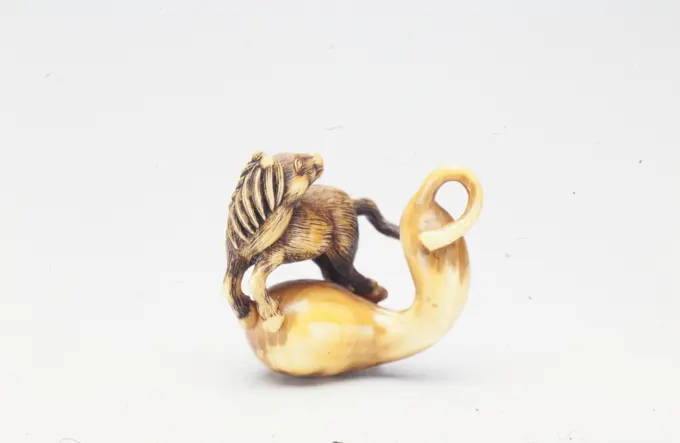
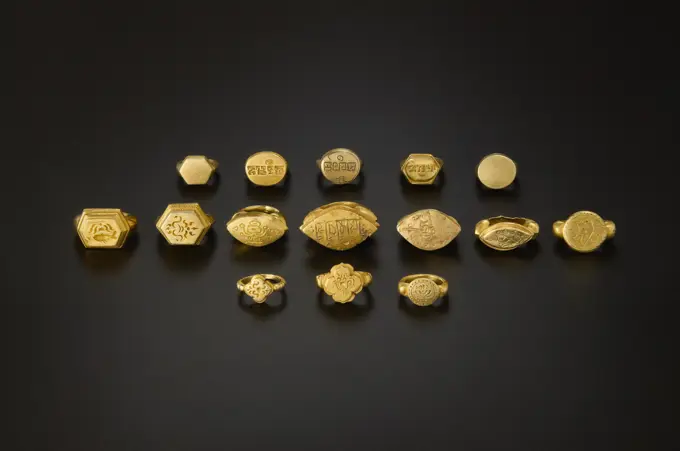
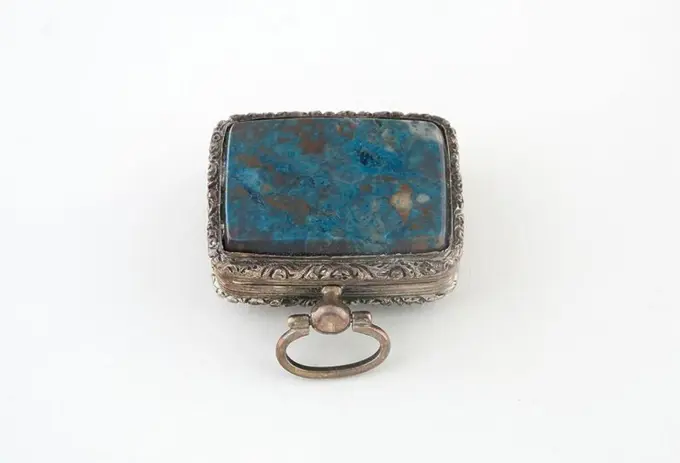
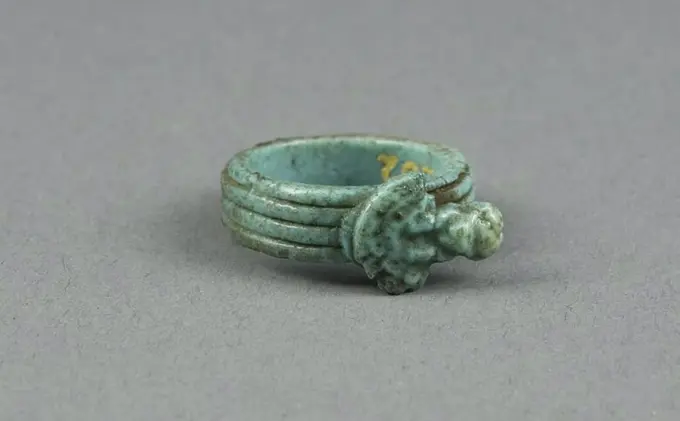
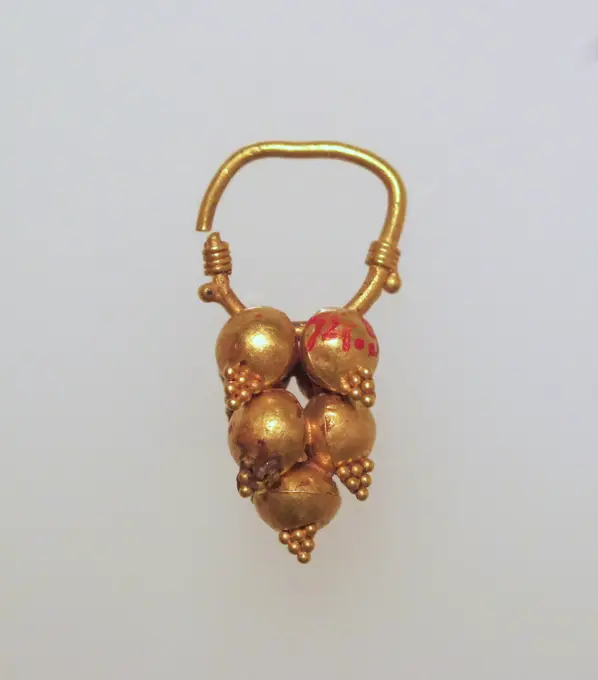
Earring or spiral 5th century B.C. Cypriot Gold plated bronze.. Earring or spiral 242784Ear Ornament Second half of the 8th-second half of the 10th century Indonesia (Java). Ear Ornament 49982Nail protector;  19th century (1801-00-00-1900-00-00);Ear Ornament Second half of the 8th-second half of the 10th century Indonesia (Java). Ear Ornament 50000Frame, Cast and fire-gilt bronze, Circular, with large rocaille foliation; hinged circular rim on inner circumference for holding glass. Part of a clock., France, ca. 1745, metalwork, Decorative Arts, FrameRing, SerpentGold earring with head of a bull 4th-3rd century B.C. Greek. Gold earring with head of a bull 242845Ring with Large Purple Stone in Oval Mount 8th-early 10th century Indonesia (Java). Ring with Large Purple Stone in Oval Mount 50220Netsuke of Bee on a Leaf. Culture: Japan. Dimensions: H. 1 1/8 in. (2.9 cm); W. 1 3/4 in. (4.4 cm); D. 1 in. (2.5 cm). Date: 19th century. Museum: Metropolitan Museum of Art, New York, USA.Pendant in the form of a seated cat. Culture: probably Spanish. Dimensions: Height: 2 1/16 in. (5.2 cm). Date: late 16th-early 17th century.The tiny animal of this pendant has the expectant look of an impatient house cat awaiting its bowl of cream. A design for a comparable jewel with a seated but somewhat more placid cat appears in a drawing by Gabriell Gomar, dated 1603, from the Llibres de Passanties, a set of volumes in the Barcelona Archivo Histórico de la Ciudad, containing the master drawings of applicants for admission to the Barcelona goldsmiths' guild. The drawing was illustrated by Priscilla E. Muller, who noted that similar jewels had previously been considered to be German.1 From the evidence provided by the design, however, Yvonne Hackenbroch has attributed this jewel to a Spanish goldsmith working about 1580 to 1590.The Spanish design shows the cat seated on a cushion-like base decorated with ornamental scrolling. The base of this jewel consists of an oval plinth with opCupids and Scroll Work Matchsafe; Manufactured by Unger Brothers; USA; silver; 7 x 4.5 x 1.1 cm (2 3/4 x 1 3/4 x 7/16 in. )Glass lentoid aryballos (perfume bottle) late 4th-early 3rd century B.C. Greek Semi-opaque dark blue, with handles, coils, and feet in same color; trails in opaque yellow.Broad sloping horizontal shoulder; flattened globular body, with convex sides; shallow convex bottom; two rolled cylindrical feet on either side of bottom; two vertical ring handles attached to shoulder; two coils running down sides between handles and feet.An unmarvered fine yellow trail attached at the edge of rim-disk; another similar yellow trail wound spirally round neck; on body, a third trail applied to outer edge of shoulder and tooled into a feather pattern with alternating upward and downward strokes, forming vertical ridges in sides; coils decorated with a spiraling yellow trail.Broken and partially restored from fragments, about half of body preserved with several unattached fragments of rim, neck, and body; heavily pitted with white iridescent weathering covering all surfaces and broken edges.. Glass lentHair ornament 8th-12th century Indonesia (Central Java). Hair ornament. Indonesia (Central Java). 8th-12th century. Gold. JewelryEarring, delta-shaped. Earring, delta-shaped 243340Ring, AD 100-200. Italy, Roman, 2nd Century. Gold; diameter: 2 cm (13/16 in.).Engraved scaraboid gem set into a swivel ring; gem 5th century B.C; ring modern; Gem: onyx; Ring: gold; 0.7 cm (1,4 in.)Gold ring with inscribed bezel 2nd-3rd century A.D. Roman. Gold ring with inscribed bezel 243519Sword-Hilt Collar (Fuchi) ca. 1615-1868 Japanese A fuchi is a collar that is mounted at the base of the grip of a sword hilt, usually made as part of a set with a matching kashira (pommel cap).. Sword-Hilt Collar (Fuchi). Japanese. ca. 1615-1868. Copper-silver alloy (shibuichi), gold, silver, copper. Sword Furniture-Fuchi-KashiraEar ornament , Garuda, Meru 8th-12th century Indonesia (Central Java). Ear ornament , Garuda, Meru. Indonesia (Central Java). 8th-12th century. Gold. Jewelry. Earring in the form of a stylized Kalakop.Decorative object. Ornament in light brown jade; Curved shape, tips: fabached cup and sharp point. Fine decorations.Earring or spiral Cypriot. Earring or spiral. Cypriot. Gold. Gold and SilverEarring with pendant Roman. Earring with pendant 243216Pair of Earrings with Granulation 8th-12th century Indonesia (Central Java). Pair of Earrings with Granulation 64256Harness Fitting with Zoomorphic Motif 3rd century B.C. North China. Harness Fitting with Zoomorphic Motif 59585Earring, baule type 4th century B.C. Etruscan. Earring, baule type. Etruscan. 4th century B.C.. Gold. Gold and SilverDecorated Fitting 7th-9th century China (Xinjiang Autonomous Region, Central Asia) The nomadic communities of Central Asia used such plaques to embellish clothing and horse trappings. As these nomadic cultures herded animals and were constantly moving, their artistic production was expressed in portable objects that marked the wearers status and wealth. The outstanding preservation of these fragile ornaments suggests they were used in conjunction with burials, where the body was aggrandized with valuable textiles and augmented with gold. Although it is difficult to date and place these objects geographically, their presence in Central Asia and has a long, established history.. Decorated Fitting 65318Ring with a sliced nozzle. Gold ring. Consisting of a wide, flat tire with silent gold thread. In a high cupboard in the form of a flower celk, a Kornalijn intaglio has captured in which a bird.Ear Ornament with Granulate Design and Foliate Motif second half of the 8th-second half of the 10th century Indonesia (Java). Ear Ornament with Granulate Design and Foliate Motif 50427Bracelet, One of a Pair 18th century This gold bracelet is one of pair (along with 15.95.33) and has been fabricated in openwork gold, and culminates with two facing Makara or dragon heads, which also serve as its clasp. Small metal pellets within the bracelet jingle when it is moved, adding a musical quality to the beauty of the piece. Such sonorous jewels are sometimes known as jhanjhan. The hinge of this bracelet is inscribed with the Chinese Shou character (longetivity) in flattened wire.. Bracelet, One of a Pair. 18th century. Gold. Attributed to India. JewelryGold pendant in the form of a bull's head ca. 1400-1050 B.C. Cypriot Most of the raw materials for Cypriot jewelry came from the East. Gold became plentiful in the Late Bronze Age, when Syria and Egypt were the primary sources. These earrings are a Cypriot creation, an ornament in the form of a bull's head.. Gold pendant in the form of a bull's head. Cypriot. ca. 1400-1050 B.C.. Gold. Late Bronze Age. Gold and SilverPapkom, anonymous, c. 1600 - c. 1700 Round porridge on a foot. The bowl is eight -lobbig due to incentives. The bowl has two horizontal, flat openwork ears. The foot is lobed and runs wide down. The brandy bowl is marked with an illegible master sign. Netherlands silver (metal) Round porridge on a foot. The bowl is eight -lobbig due to incentives. The bowl has two horizontal, flat openwork ears. The foot is lobed and runs wide down. The brandy bowl is marked with an illegible master sign. Netherlands silver (metal)Hexagonal Bezel EarOrnamentGarment Clasp 14th-15th century or earlier Visayas. Garment Clasp 317658Ring Consisting of Lobed Sections with Incised Designs Second half of the 9th-first quarter of the 10th century Indonesia (Java). Ring Consisting of Lobed Sections with Incised Designs 50404Tooth pendant set in gold 4th century B.C. Etruscan Shark's tooth mounted in gold, ornamented with filigree.. Tooth pendant set in gold. Etruscan. 4th century B.C.. Gold, tooth. Late Classical. Gold and SilverHeaddress Ornament China. Headdress Ornament. China. Gold, pottery, lapis lazuli. Ming dynasty (1368-1644). JewelryEarring, baule type 7th-5th Century B.C. Etruscan. Earring, baule type. Etruscan. 7th-5th Century B.C.. Gold. Gold and SilverGold earring with head of a lion 4th3rd century B.C. Greek. Gold earring with head of a lion 242924Glass inlay fragment late 1st century B.C.-early 1st century A.D. Roman Translucent deep cobalt blue and opaque white.Fragment of thin, slightly curved strip, with rounded edges on both sides and uneven back with projecting lip along one side.Straight band of white overlay on surface along one side.Broken at both ends, with weathered edges; polished surface; dulling and slight creamy weathering on back.Probably used as decoration in wall or ceiling revetment or as inlay for furniture.. Glass inlay fragment. Roman. late 1st century B.C.-early 1st century A.D.. Glass. Early Imperial. GlassEar Clip Inlaid with Eight Stones Second half of the 8th-second half of the 10th century Indonesia. Ear Clip Inlaid with Eight Stones 50016Salt cellar; Bandau, Johann Georg I (1734-1812); 1780-1790 (1780-00-00-1790-00-00);Inscription: IC Bin Dün Ave Maria Plena Caspar Melsior Baltasar,. Finger ring of gold, consisting of three parallel bands with inscriptions. The middle has been opened and has between stylized animals: "IC BIN DIIN" (twice). On the outskirts is engraved respectively: "Ave Maria Gracia plena" and "Caspar, Melsior, Baltasar".Earring, 1800s. India. Silver; diameter: 5.2 cm (2 1/16 in.).Siren, Sphinx, and Hippocamp; Etruria; 550 - 500 B.C; Gold; 1.9 × 0.9 cm (3,4 × 3,8 in.)Gilt bronze spiral with griffin terminal. Culture: Cypriot. Dimensions: Other: 1 1/2 in. (3.8 cm). Date: ca. 400-350 B.C..Such spirals, which often come in pairs, may have been used as earrings or to hold locks of hair. Museum: Metropolitan Museum of Art, New York, USA.MountDecoration of gold headdress with figures of sphinxes, from the region of Kherson, Ukraine. Goldsmith art. Scythian Civilization, 4th Century BC.Knotted Wire-coiled Ring with Solid Hoop Second half of the 8th-second half of the 10th century Indonesia. Knotted Wire-coiled Ring with Solid Hoop. Indonesia. Second half of the 8th-second half of the 10th century. Gold. Central Javanese period. JewelryDaniel Boone, Patinated brass, In the shape of Daniel Boone's head in profile, with racoon hat, and banner draped across shoulder inscribed : 'unidentified monogram, 29th NATL ENCPT, LOUISVILLE' and below 'DANIEL BOONE', some red patination on surface, identical on reverse. Hat serves as lid, hinged on side. Striker on bottom., ca. 1890, containers, Decorative Arts, Matchsafe, MatchsafeBracelet; Roman Empire; 250 - 400; Gold; 1.4 × 6.3 cm (9,16 × 2 1,2 in.)Earring, delta-shaped with beads. Earring, delta-shaped with beads 243350Badge or Harness Pendant ca. 1400 Spanish Heraldry, or coat-of-arms, were vitally important in Europe throughout the Middle Ages and the Renaissance. Heraldic emblems were used to identify noble families, cities, regions, and even countries. In addition to being displayed on shields and flags, heraldry was incorporated into architectural decoration on the interior and the exterior of buildings, on furniture, works of art, clothing, and horse equipment. Harness pendants, like this example, would have been attached to a headstall, bridle, or other straps making up the tack of a horse ridden by a nobleman or noblewoman, or a member of their household. Many harness pendants also have decoration that is simply ornamental, or have symbols that are not specifically heraldic in nature.. Badge or Harness Pendant. Spanish. ca. 1400. Copper, gold, enamel. Miscellaneous-BadgesGold ring: 3 box settings on the bezel and cloisons on the sides. Culture: Cypriot. Dimensions: Other: 7/8 in. (2.2 cm). Date: 6th century B.C..Two elements of the bezel are filled with plasma and glass paste. Museum: Metropolitan Museum of Art, New York, USA.Ring 17th-19th century Philippines. Ring 40588Earring-hook type with disc. Earring-hook type with disc 243409Ear Clip with Light Blue Stone in Four Prong Setting Second half of the 8th-second half of the 10th century Indonesia (Java). Ear Clip with Light Blue Stone in Four Prong Setting. Indonesia (Java). Second half of the 8th-second half of the 10th century. Gold with light blue stone. Central Javanese period. JewelryBadge or Harness Pendant ca. 1400 Spanish Heraldry, or coat-of-arms, were vitally important in Europe throughout the Middle Ages and the Renaissance. Heraldic emblems were used to identify noble families, cities, regions, and even countries. In addition to being displayed on shields and flags, heraldry was incorporated into architectural decoration on the interior and the exterior of buildings, on furniture, works of art, clothing, and horse equipment. Harness pendants, like this example, would have been attached to a headstall, bridle, or other straps making up the tack of a horse ridden by a nobleman or noblewoman, or a member of their household. Many harness pendants also have decoration that is simply ornamental, or have symbols that are not specifically heraldic in nature.. Badge or Harness Pendant. Spanish. ca. 1400. Copper, gold, enamel. Miscellaneous-BadgesVasePendant. Pendant. Gold. Gold and SilverIn the form of a dragon. In the form of dragon.Gold earring with disc and pendant Roman. Gold earring with disc and pendant 243176Amulet - stojący bóg Ozyrys. unknown, authorSpirals Cypriot. Spirals 242539Bird, 1200s-1400s. Peru, North Coast, Chimú Culture, 13th-15th century. Bronze; overall: 3.9 x 2.3 x 5 cm (1 9/16 x 7/8 x 1 15/16 in.).Gold and copper alloy bracelet with lion-head finials. Culture: Cypriot. Dimensions: Diam.: 3 3/8 in. (8.6 cm). Date: 5th century B.C..With a head of a lion on the end. Museum: Metropolitan Museum of Art, New York, USA.Covers, porcelain, gold, 2 lids, China, late 18th century, ceramics, Decorative Arts, covers, coversThe crown of King Charles IV., Historic Object  Finial Cap Second half of the 9th-first quarter of the 10th century Indonesia (Java). Finial Cap 49708Silver FingerRingBracelet 12th century. Bracelet 452807Thin copper ring with shin and low chaton, ring jewel clothing accessory clothing soil find copper metal, d 0.2 Narrow undecorated shone on which chaton with in the middle circle that may have been filled with email archeology Rotterdam rail tunnel adorn prosperity status Soil discovery: trajectory Rotterdam rail tunnel.Ring with Oval Bezel with an Elephant on a Lotus 8th-early 10th century Indonesia (Java). Ring with Oval Bezel with an Elephant on a Lotus. Indonesia (Java). 8th-early 10th century. Gold. Central Javanese period. JewelryGlass mosaic fragment late 1st century B.C.-early 1st century A.D. Roman Body fragment.Semi-opaque greyish blue, translucent deep purple appearing black, opaque white and brick red.Very shallow convex curving side.Mosaic pattern formed from polygonal sections of a single cane in a blue ground with a circular band in purple containing a circle of white dots, and a white rod at center surrounded by a red circle.Polished exterior; pitting and weathering of surface bubbles; dulling, pitting, and iridescent weathering on interior and edges.. Glass mosaic fragment. Roman. late 1st century B.C.-early 1st century A.D.. Glass; cast. Early Imperial. GlassGold hoop with glass pendant stamped disk late 4th-5th century A.D. Roman Pendant:Translucent brownish yellow.Circular disk with rounded edge and flat underside; at top, rounded suspension tab pierced with hole sideways and flattened into a point.Stamped with a lion facing left; star above.Intact; few bubbles; dulling, faint iridescence, and small patches of weathering.. Gold hoop with glass pendant stamped disk. Roman. late 4th-5th century A.D.. Gold, glass; stamped. Late ImperialLoopPair of Belt Plaques with Winged Horses 1st century Made by Unidentified artist Unlike the ornaments favored by the Xiongnu, few plaques or other adornments used by the Xianbei are known. Gilt plaques embellished with images of flying horses similar to these have been excavated at sites on the Manchurian plain in northeast China; however, it is rare for a pair with facing horses to survive.The name Xianbei refers to a confederation of tribes that spoke different languages and came from varying regions. Originally part of the Xiongnu empire, the Xianbei broke away and resumed control of their lands in the mid-first century B.C. From that time until the sixth century A.D., they played a complicated role in Central Asian and Chinese history. The Xianbei ruled many of the small states that vied for control of North China from the third to the mid-fifth century. The Tuoba, a subsidiary branch of the eastern Xianbei, established the powerful Northern Wei dynasty that ruled North China from tFinger Ring 10th century Byzantine. Finger Ring 465975 Byzantine, Finger Ring, 10th century, Gold, Overall: 13/16 x 3/16 in. (2.1 x 0.5 cm). The Metropolitan Museum of Art, New York. Rogers Fund, 1974 (1974.191.1)Hammered Gold Band with Bells 1st-mid-16th century Peru; north coast (). Hammered Gold Band with Bells 308905Slot, 1600 - 1699 A lock with clover -shaped lid.  iron (metal) A lock with clover -shaped lid.  iron (metal)Ring with a Scarab Bezel 1985 BCE-1550 BCE Egypt. Gold and green jasper . Ancient EgyptianEarring, One of a Pair 11th-12th century. Earring, One of a Pair 451077Earring (One of a Pair). Culture: Korea. Dimensions: L. 3 1/8 in. (7.9cm). Date: 6th century.Gold earrings were worn by both men and women of the Silla and Gaya elite and are the most prevalent type of jewelry found in tombs. Goldsmith techniques on display here range from simple hammering to the more complex method of granulation, in which tiny gold beads were adhered to the surface to create intricate designs. Museum: Metropolitan Museum of Art, New York, USA.RingPullBox; silverEarring with pendant and disc. Earring with pendant and disc 243208Torque, 11 1/2 x 11 x 1 1/8 in. (29.21 x 27.94 x 2.86 cm), Silver, ChinaBracelet 9th-8th century B.C. Italic, Villanovan. Bracelet 256027Carved Bead 19th century Japan. Carved Bead. Japan. 19th century. Ivory. OjimeBuckle, 1900s. China, 20th century. Brass or bronze gilt, engraved and set with three onxy stones; overall: 7.4 cm (2 15/16 in.).Badge (probably from Horse Harness). Culture: Spanish. Dimensions: H. 2 7/8 in. (7.3 cm); W. 1 1/2 in. (3.8 cm); Wt. 0.5 oz. (14.2 g). Date: 14th century. Museum: Metropolitan Museum of Art, New York, USA.Netsuke Chokaro's horse jumping over gourd, 19th century, Shigemasa, Japanese, 1 1/8 x 1 1/4 x 1in. (2.9 x 3.2 x 2.5cm), Ivory, Japan, 19th centuryGolden ring, exterior decorated with rosettes and studs, marked, ring ornament clothing accessory clothing soil find gold metal, forged Closed band. Exterior decorated with alternating circles and oval inside smooth inside ring (stamped) archeology Rotterdam adorn status prosperity archaeological find in the soil Rotterdam.Quatrefoil BezelRingRing with band settings 1st century B.C.-3rd century A.D. Roman. Ring with band settings. Roman. 1st century B.C.-3rd century A.D.. Silver, glass paste. Imperial. Gold and SilverVinaigrette. Possibly Birmingham, England. Date: 1825-1835. Dimensions: 3.8 × 3.5 cm (1 1/2 × 1 3/8 in.). Silver, silver gilt, and hardstone. Origin: Birmingham. Museum: The Chicago Art Institute, Chicago, USA.Gold earring with convex disk and small disk. Culture: Roman. Dimensions: Other: 1 3/16 in. (3 cm). Date: 1st-2nd century A.D..Convex discs of plain foil. Museum: Metropolitan Museum of Art, New York, USA.Ring: Aegis of Sekhmet/Bastet. Egyptian. Date: 1550 BC-664 BC. Dimensions: W. 1 cm (3/8 in.); diam. 2.5 cm (1in.). Faience. Origin: Egypt. Museum: The Chicago Art Institute, Chicago, USA. Author: Ancient Egyptian.Earring 2nd-3rd century A.D Roman. Earring 242689