Ancient Jewelry Artifacts

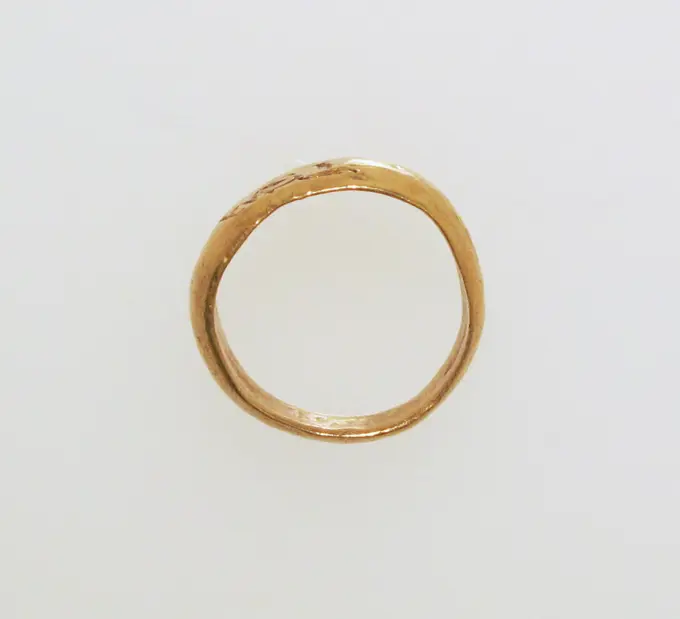
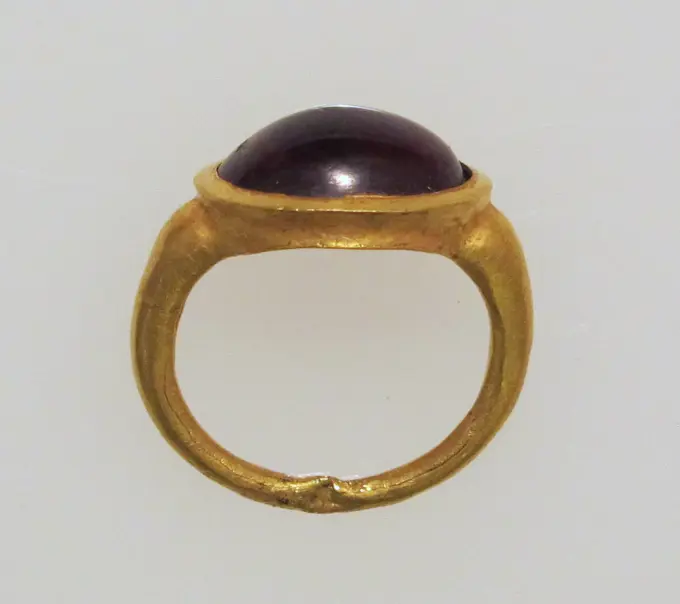
An assortment of ancient gold jewelry pieces including ear ornaments, rings, and fibulae, showcasing intricate craftsmanship and historical origins.
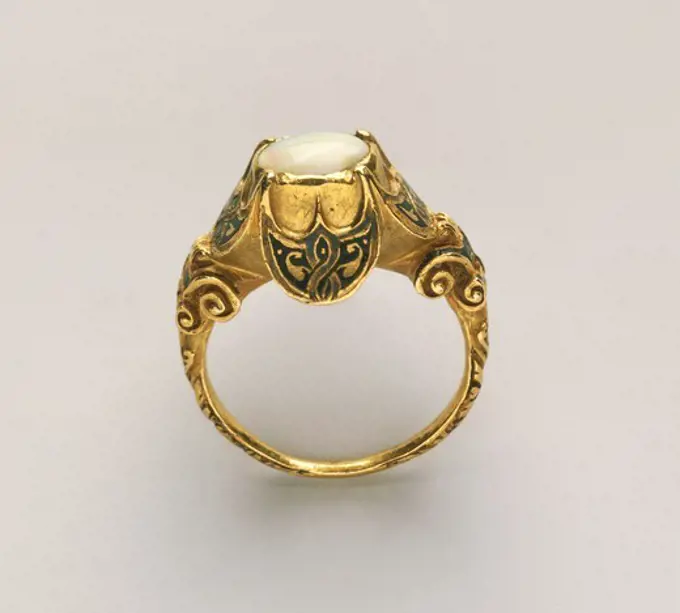
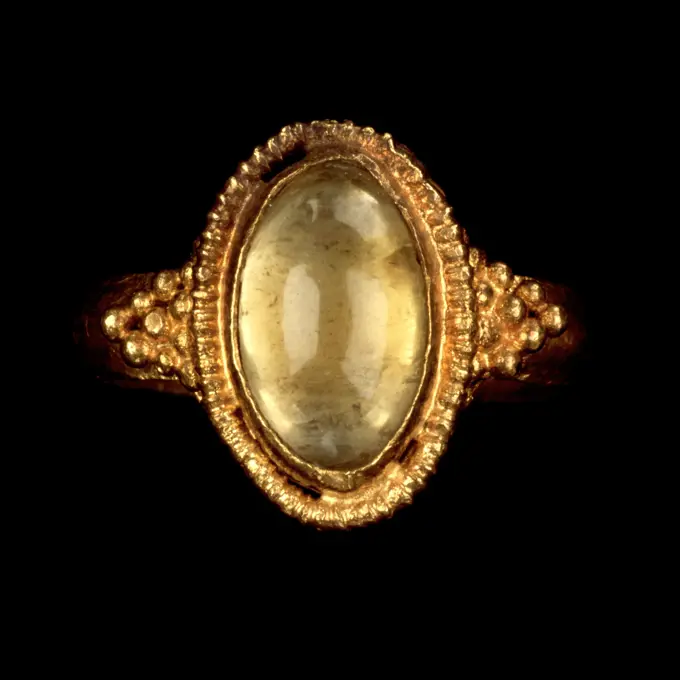
Goldsmith's art, Italy, 16th century. Gold ring set with an oval cabochon opal, diameter mm. 18
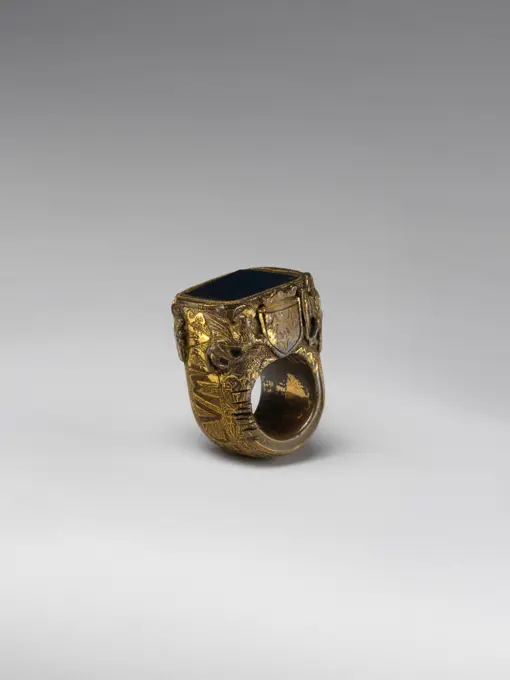
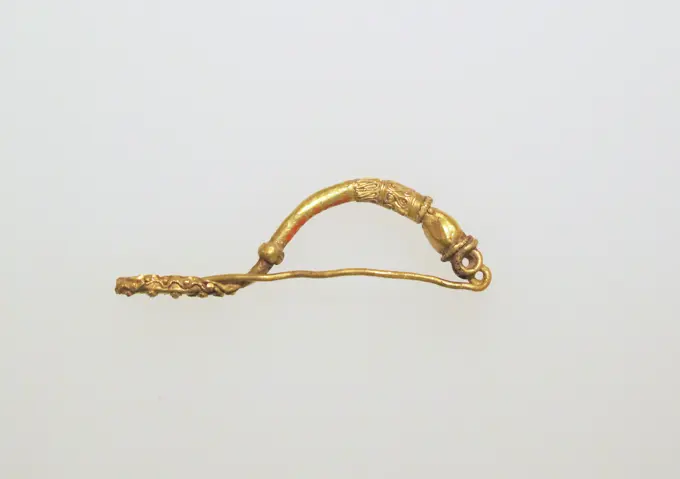
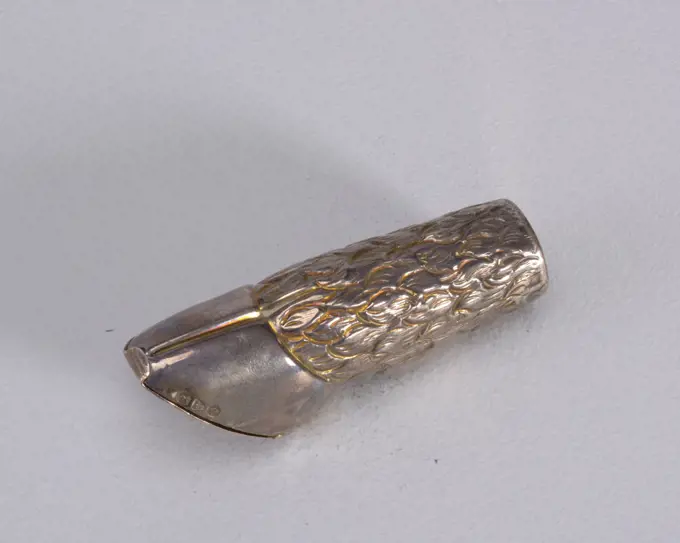
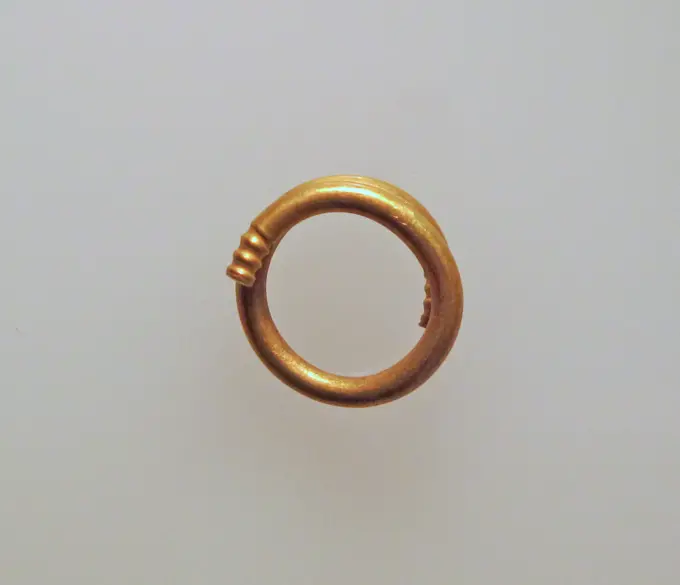
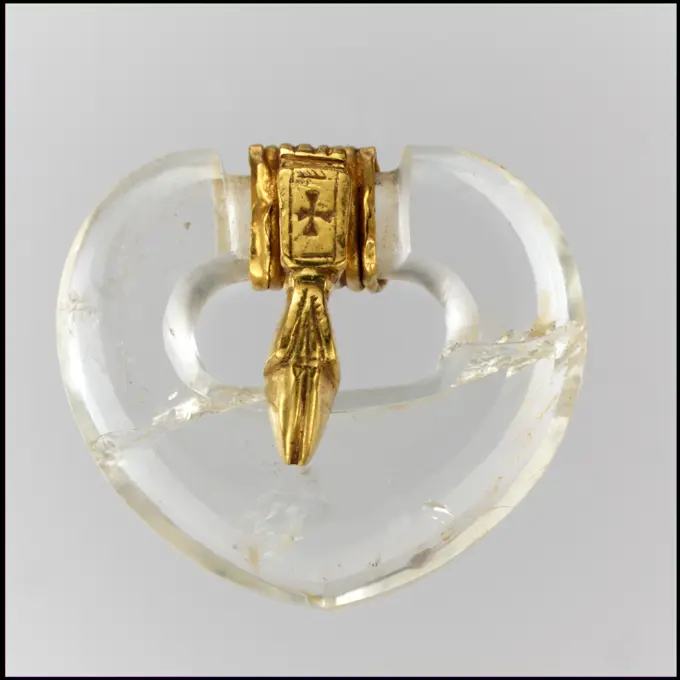
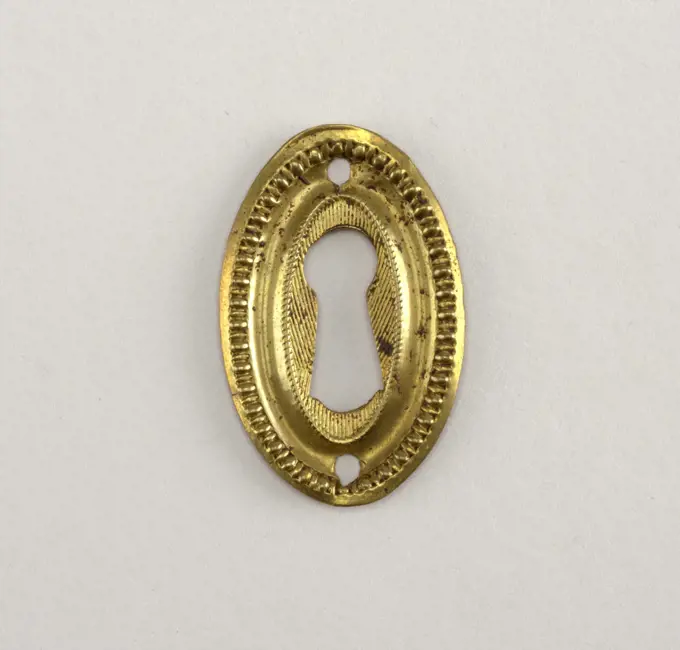
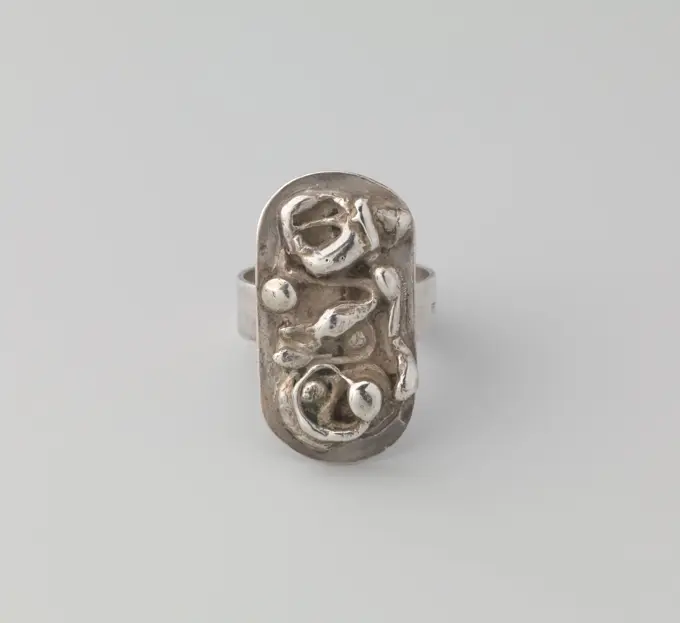
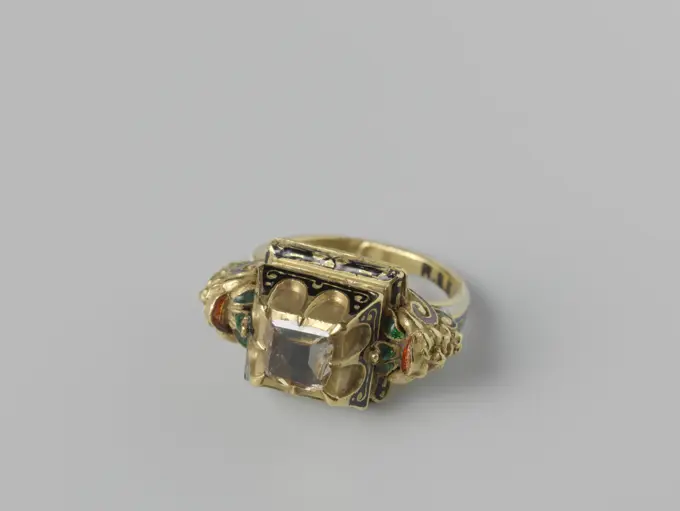
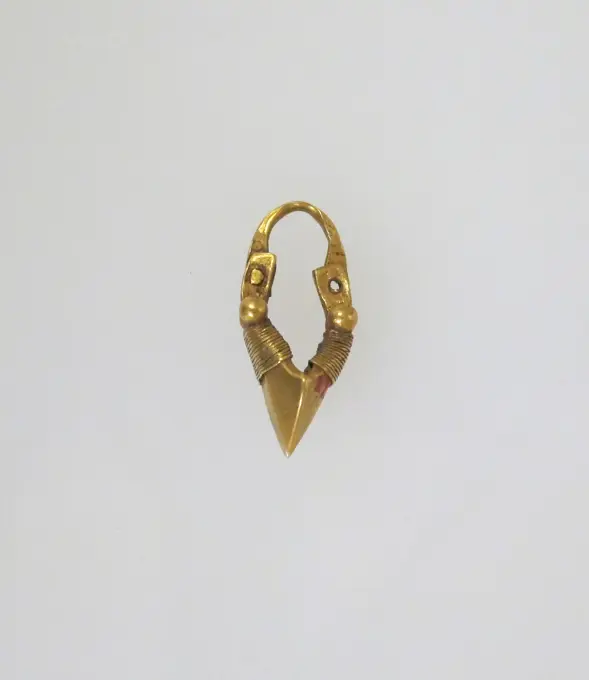
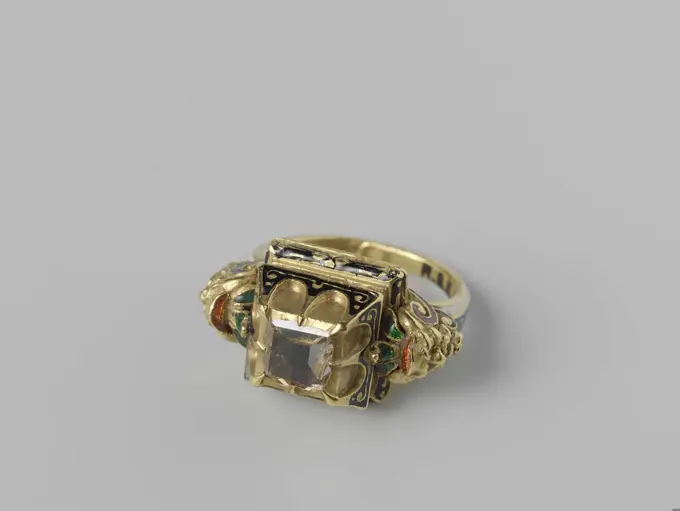
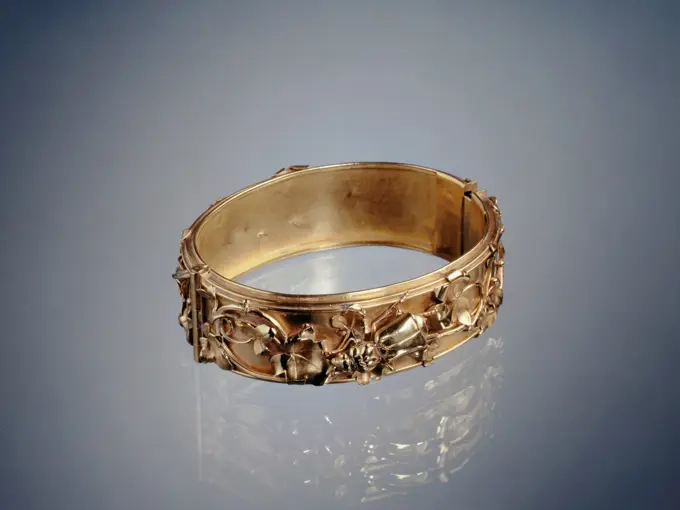
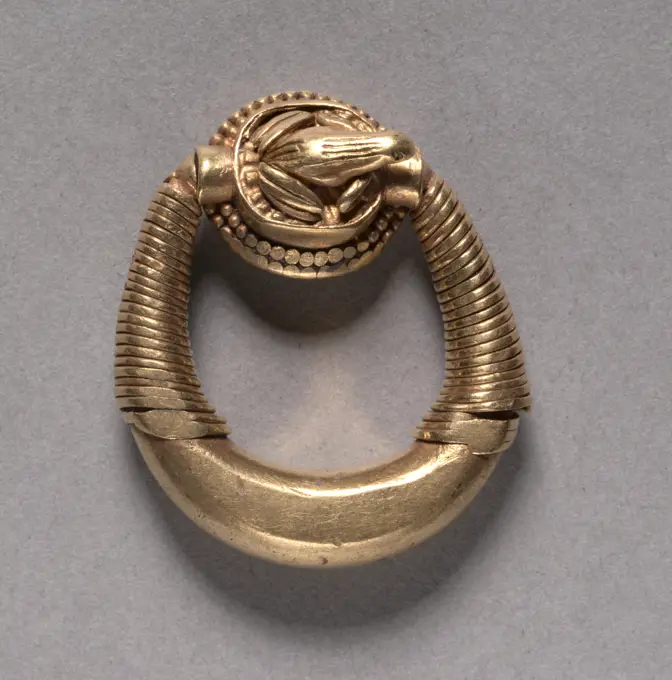
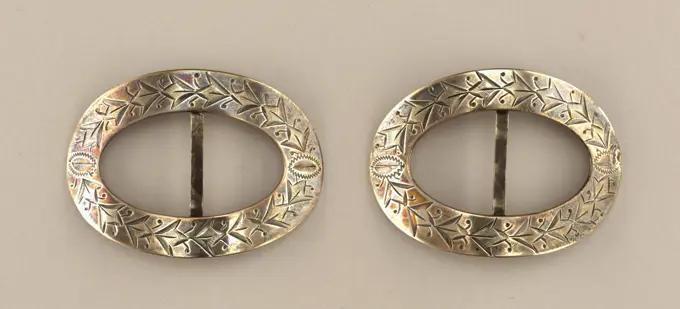
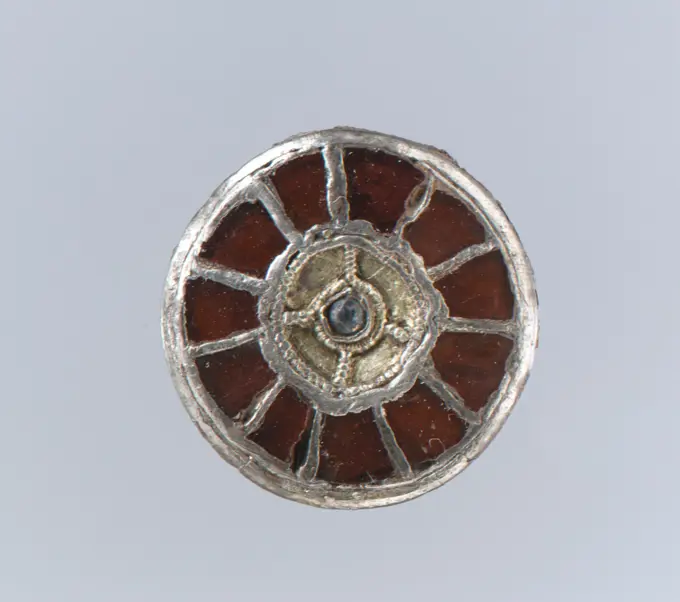
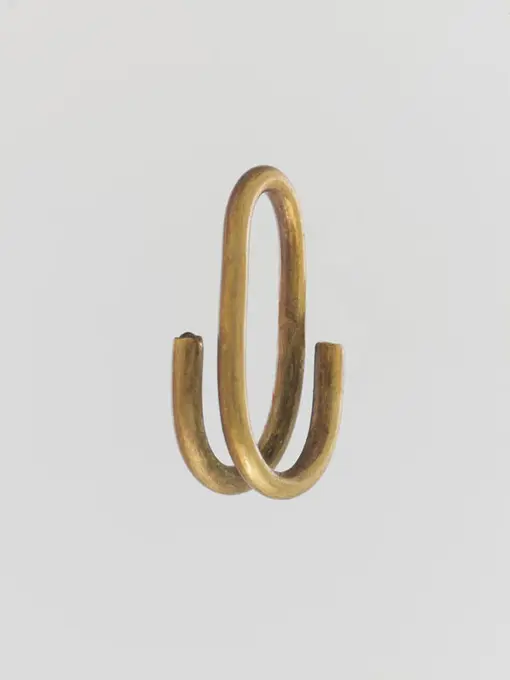
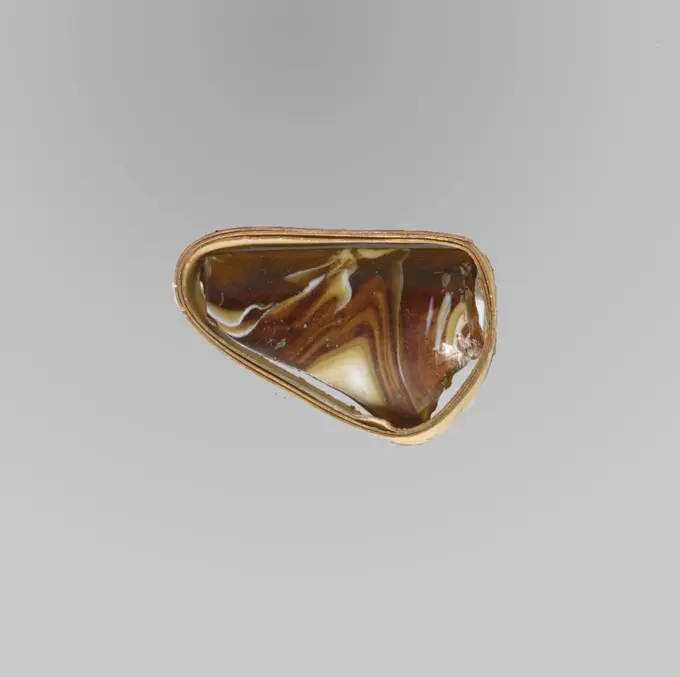
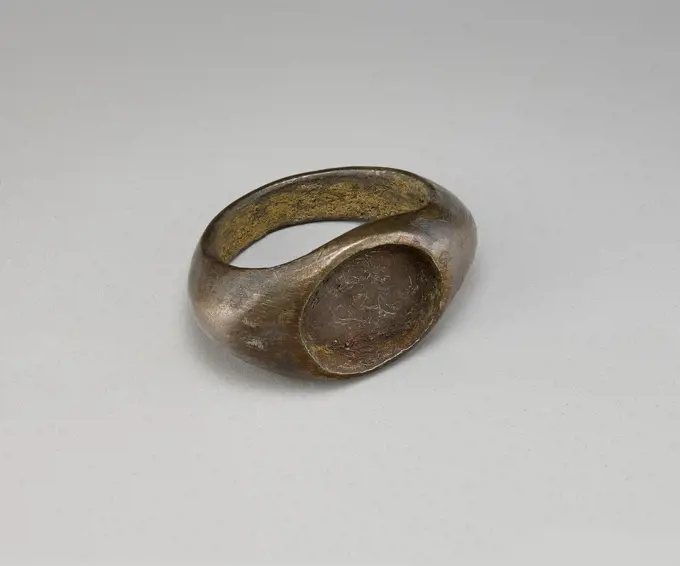
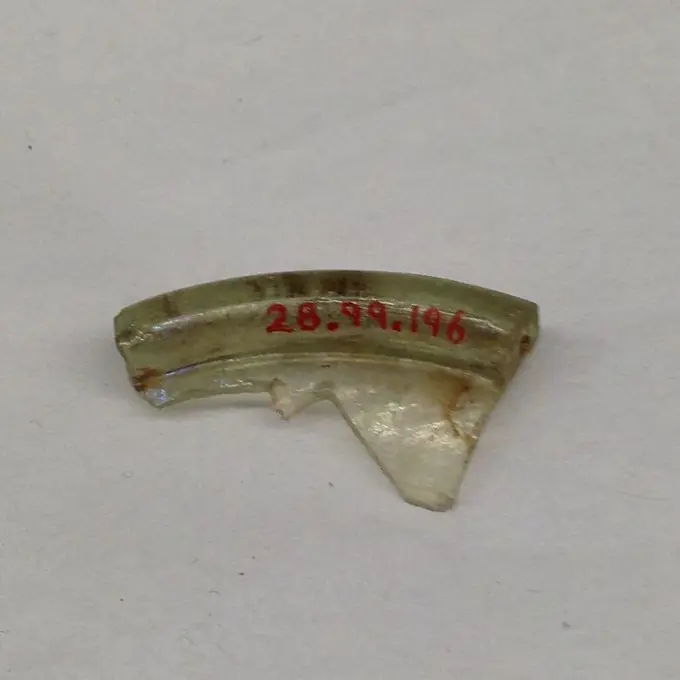
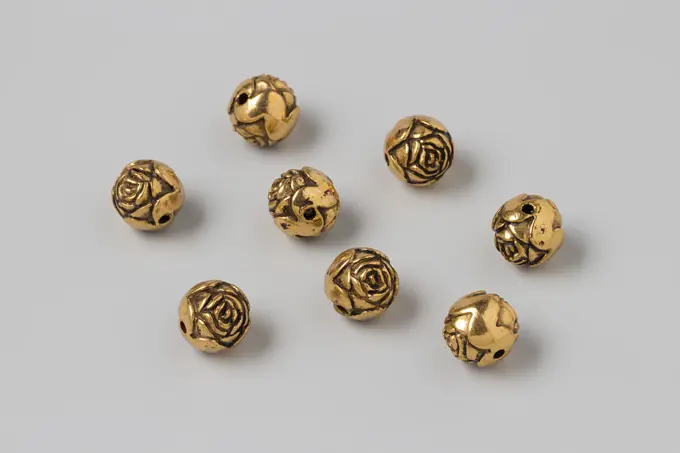
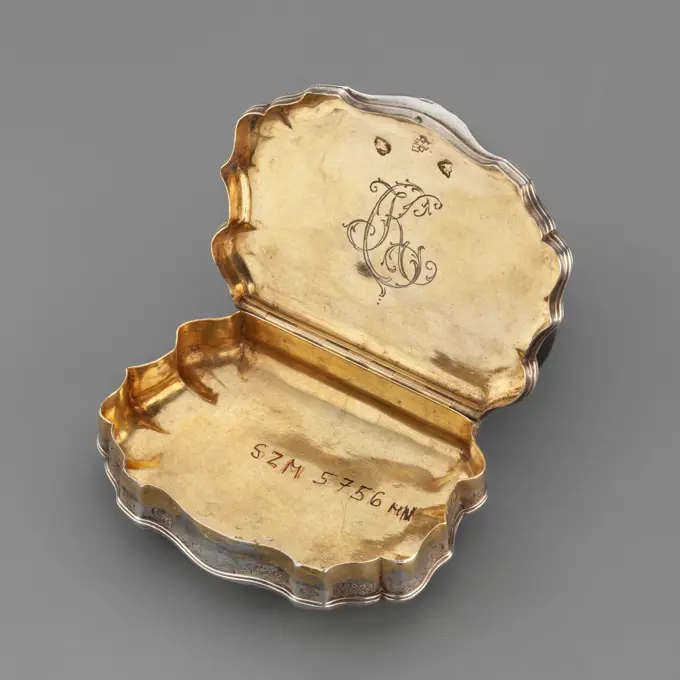
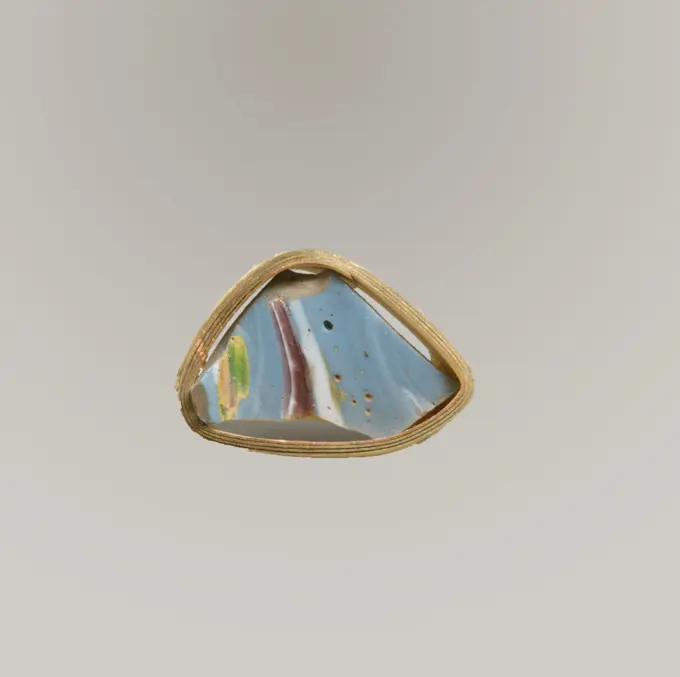
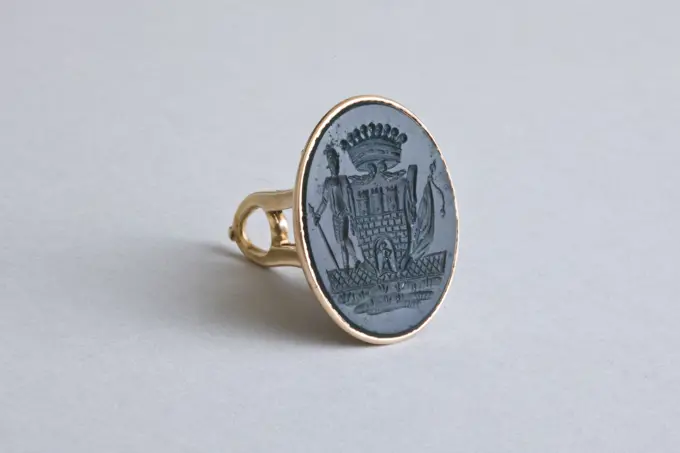
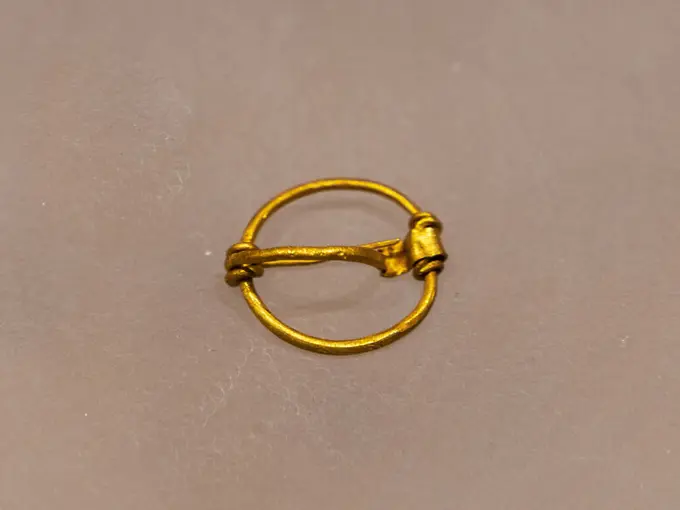
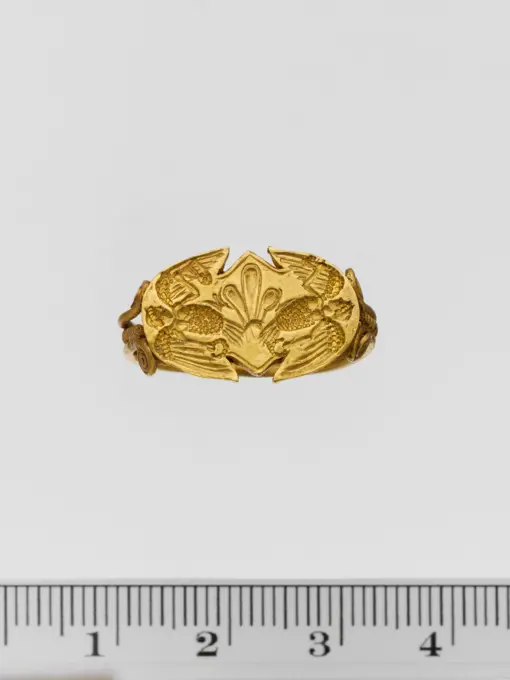
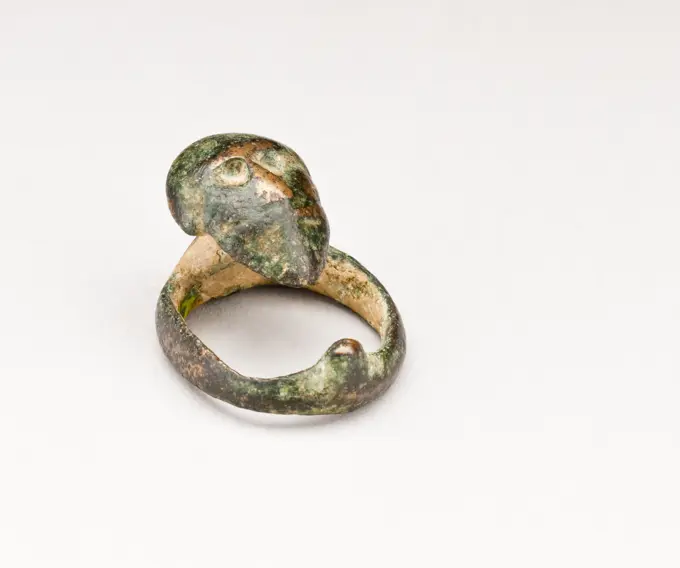
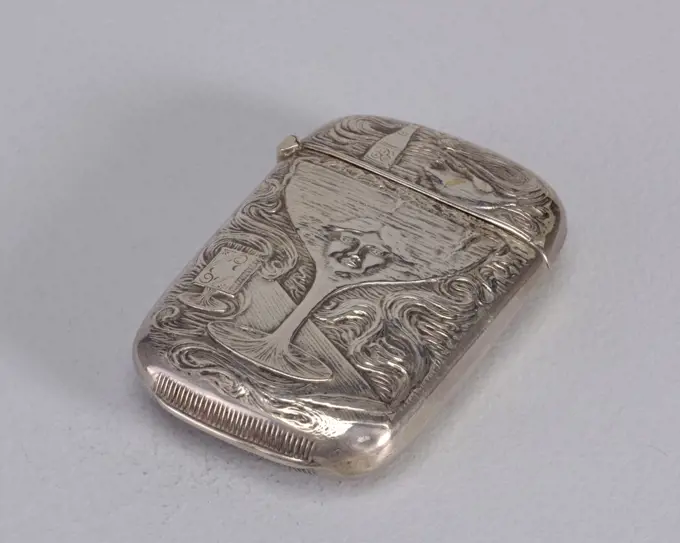
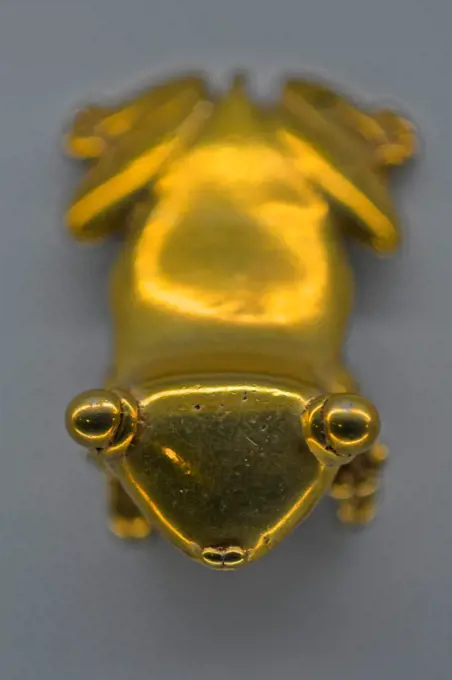
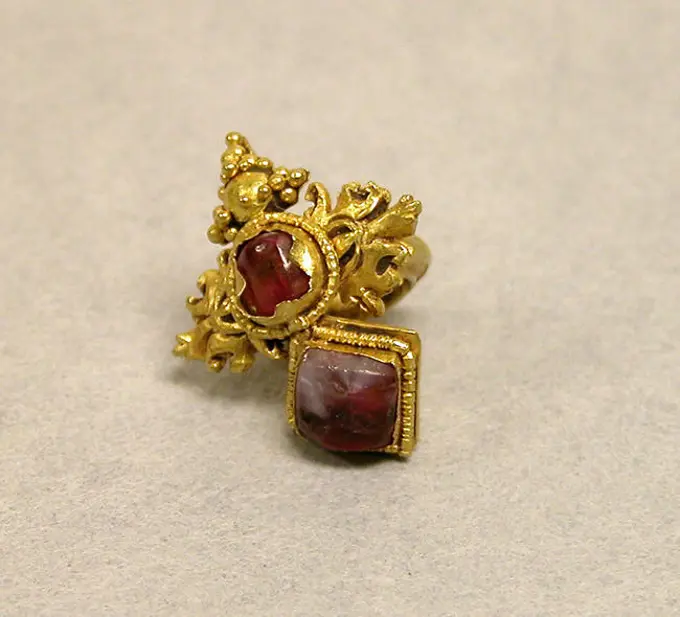
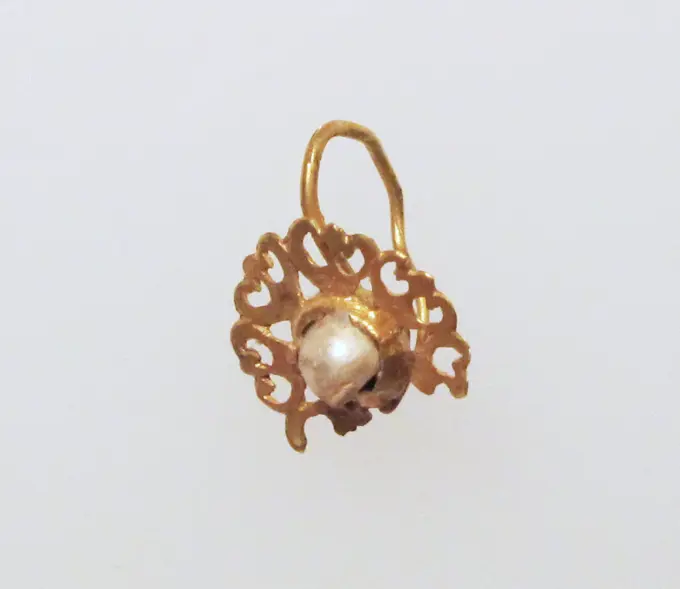
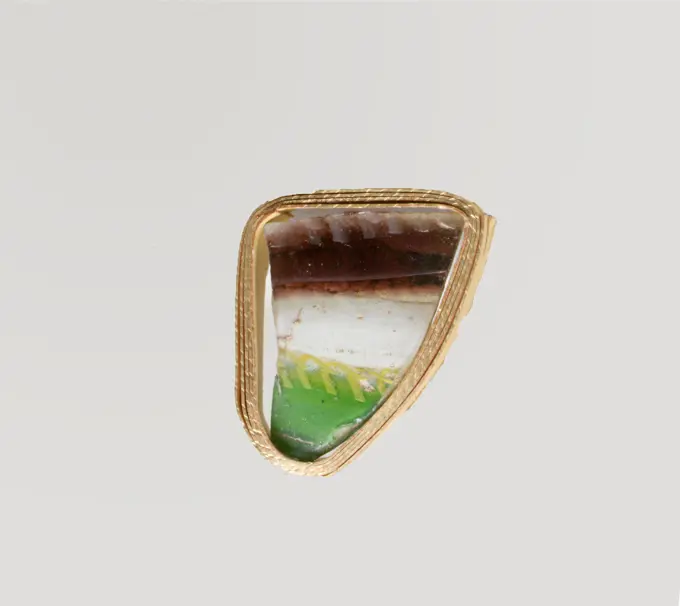
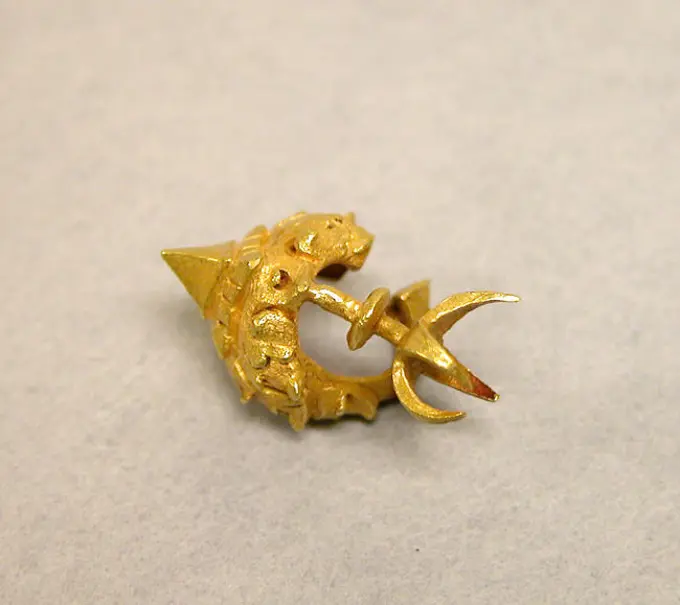
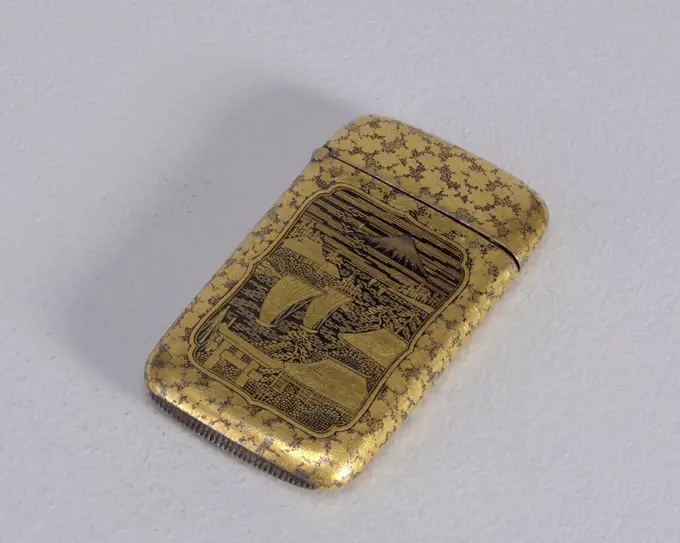
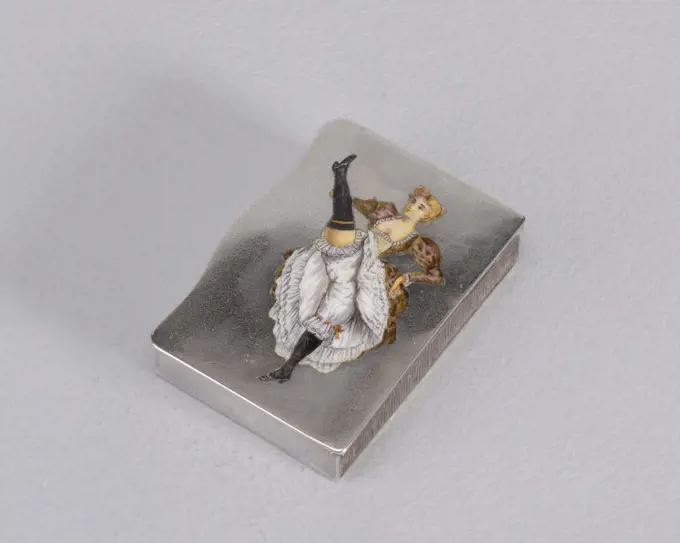
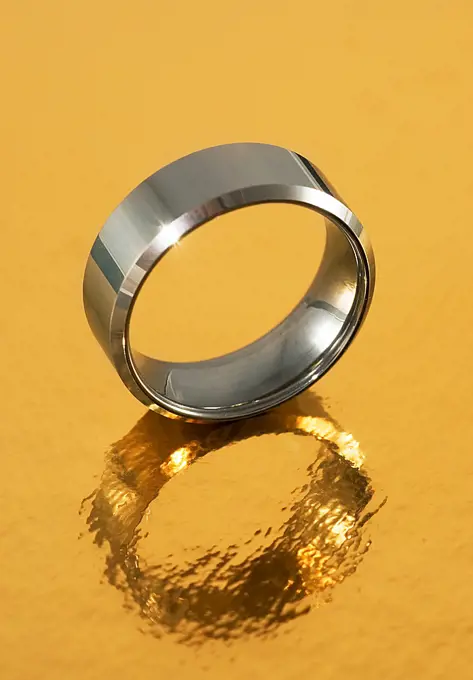
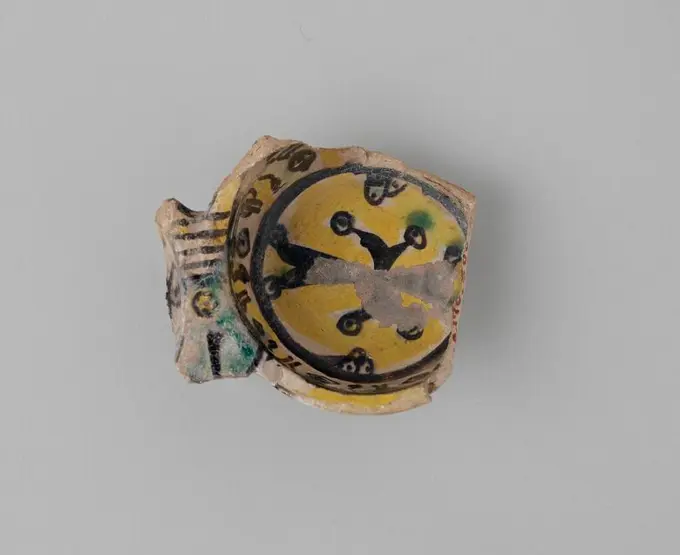
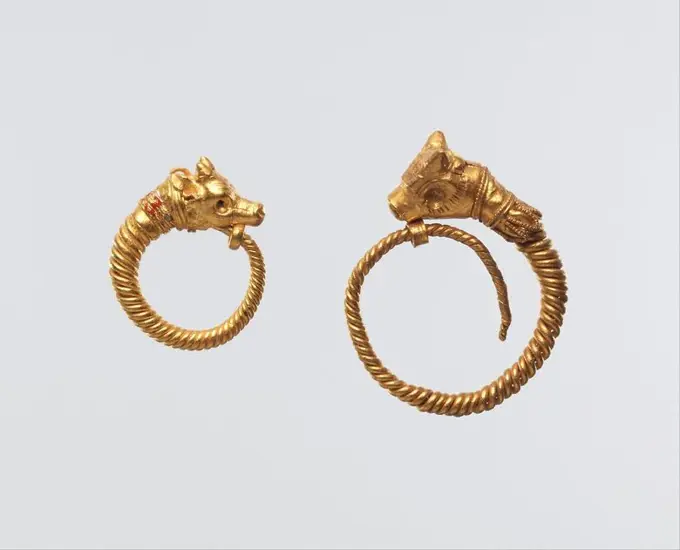
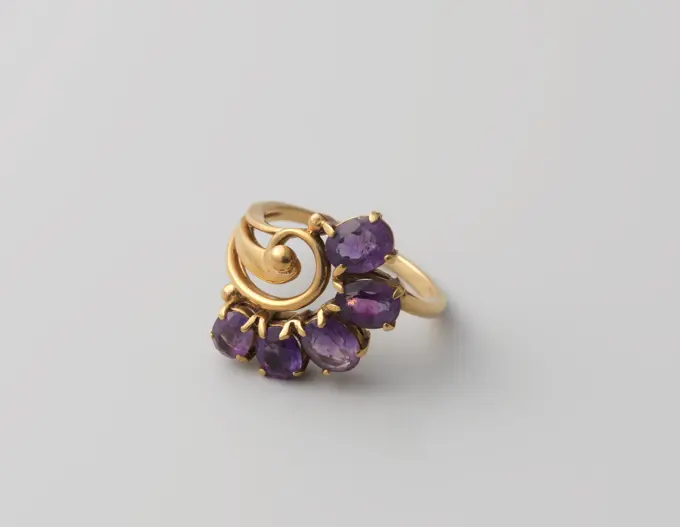
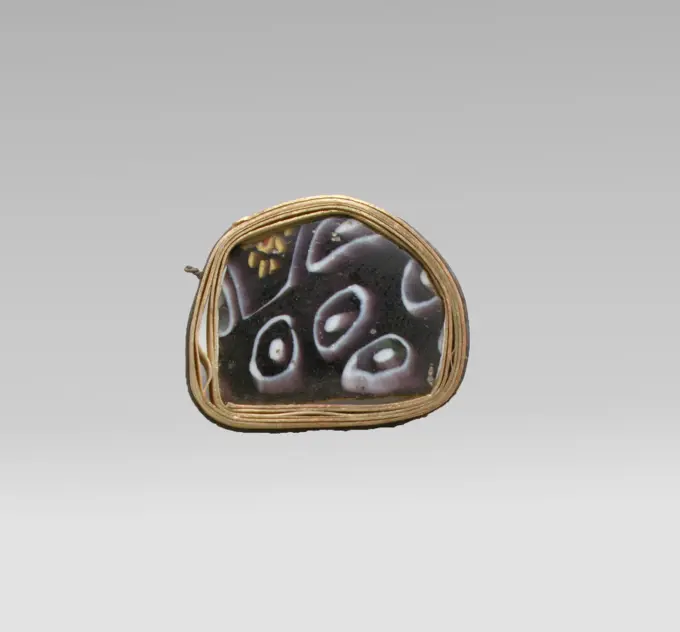
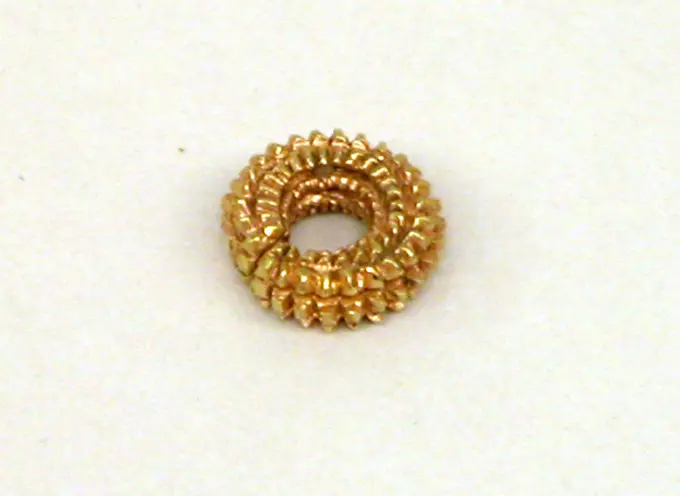
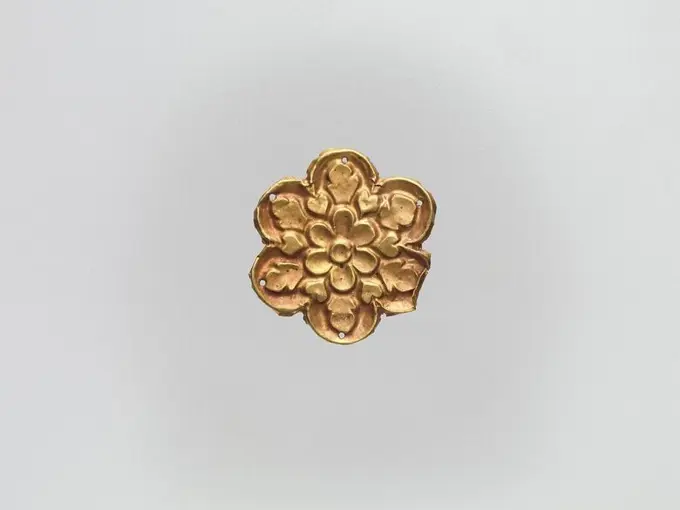
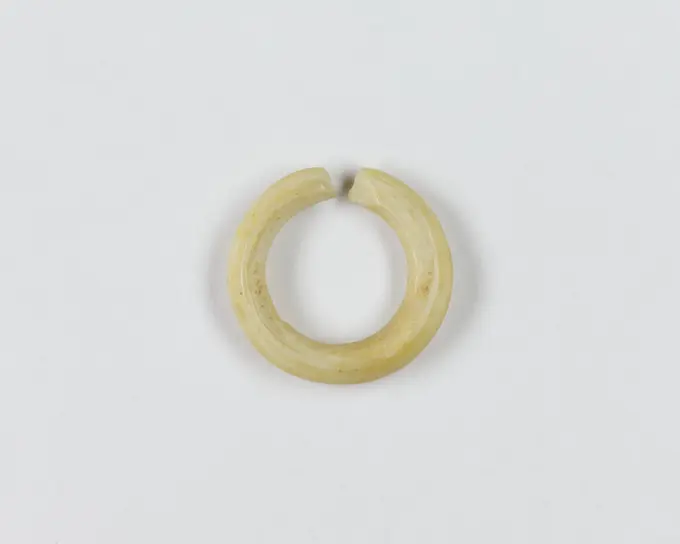
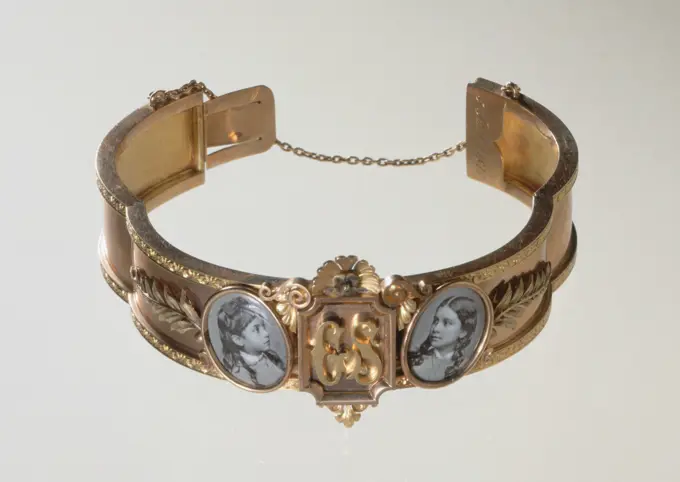
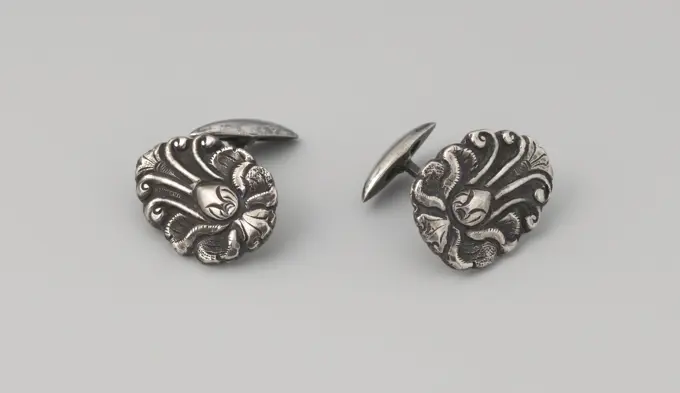
Ear Ornament Second half of the 8th-second half of the 10th century Indonesia (Java). Ear Ornament 49998Gold earring with head of a bull 4th-3rd century B.C. Greek. Gold earring with head of a bull 242896Goldsmith's art, Italy, 16th century. Gold ring set with an oval cabochon opal, diameter mm. 18Ring with the Name of Pope Paul II (r. 1464-71) 1464-71 Italian, Rome At the corners of the bezel are emblems of the four Evangelists, and on the sides are the shield of Paul II and that of the French crown. Papal rings may have been used at investitures or in establishing diplomatic credentials.. Ring with the Name of Pope Paul II (r. 1464-71). Italian, Rome. 1464-71. Gilt brass, blue glass. Metalwork-Gilt BronzeFibula, bow-shaped Italic. Fibula, bow-shaped 245987Rosette"Here Is Your Match" Matchsafe; USA; plated metal; 6.8 x 4 x 1 cm (2 11/16 x 1 9/16 x 3/8 in. )Ear Ornament Second half of the 8th-second half of the 10th century Indonesia (Java). Ear Ornament 49977Earring or spiral Cypriot. Earring or spiral 242546Diamond-Shaped Pendant 19th-20th century Indonesia (Java). Diamond-Shaped Pendant 50069Coiled Rattlesnake, William B. Kerr & Company, American, 1855 - 1927, Silver, Oblong, with irregular curved sides conforming to shape of coiled rattlesnake, its mouth open, fangs displayed, fork-tongue extended, rattle at end of tail, overall raised scale texture to simulate snake skin, identical decoration on reverse. Lid hinged on side. Striker in recessed groove on bottom., ca. 1890, containers, Decorative Arts, Matchsafe, MatchsafeGoldweight Coiled Bean, 19th-20th century, 1/2 x 1 9/16 x 1 3/8 in. (1.27 x 3.97 x 3.49 cm), Brass, Ghana, 19th-20th centurymatchsafe, silver, 1877, containers, Decorative Arts, matchsafeGevest uit het wrak van de Oost-Indiëvaarder Hollandia. Hilt, guard; fragm, shells, broken, squashed; consisting of two curved oval plates, raised rim, relieved decoration of martial attributes with scrolling floral motifs on both sides, square central hole with 3 marks on the edge on the concave (rear) side, 2 legible coat of arms of Amsterdam, Z.Spirals Cypriot. Spirals 242535Rock Crystal Belt Buckle ca. 500 (buckle), 500-600 (tongue) East German (buckle), Byzantine (tongue) It is impossible to know precisely when the delicate gold tongue was added to the buckle, but the ensemble conveys the ease with which Byzantine and Germanic styles were combined.. Rock Crystal Belt Buckle. East German (buckle), Byzantine (tongue). ca. 500 (buckle), 500-600 (tongue). Rock crystal, gold foil. Lapidary Work-CrystalBuckle dated 1520 German. Buckle. German. dated 1520. Brass. Miscellaneous-Buckles & OrnamentEscutcheon, England, ca. 1790, metalwork, Decorative Arts, EscutcheonTeenage ring with oval plate with relief, c. 1960 - c. 1970 Teenage ring of silver with oval plate with relief. Groningen silver (metal) Teenage ring of silver with oval plate with relief. Groningen silver (metal)Ring with table -cut diamond, anonymous, c. 1500 - c. 1600 Ring of gold and enamel, in which a large, flat -ground, square diamond is caught. Mascarons on either side of this. Italy gold (metal). diamond (mineral). Ring of gold and enamel, in which a large, flat -ground, square diamond is caught. Mascarons on either side of this. Italy gold (metal). diamond (mineral).Earring. Earring. Gold. Gold and SilverEar Ornament, Rows of Teeth 8th-12th century Indonesia (Central Java). Ear Ornament, Rows of Teeth 64207. Gold and email, in which a large, flat-cut, square diamond is caught. On either side of this mascarons.Henri Husson. Lierre terrestrial bracelet: side B, around 1909 (after restoration). Museum of Fine Arts of the City of Paris, Petit Palais. 71786-6 Jewel, bracelet, coast b, terrestrial ivy, orfevrery, cateringPenannular Earring ca. 1550-1425 B.C. Second Intermediate Period-Early New Kingdom. Penannular Earring. ca. 1550-1425 B.C.. Gold. Second Intermediate Period-Early New Kingdom. From Egypt, Upper Egypt, Thebes, Asasif, Carnarvon excavations. Dynasty 17-Early Dynasty 18Electrotype copy of a gold bracelet 6th-5th century B.C. Cypriot The original bracelets, stolen from the Metropolitan Museum in 1887, bore inscriptions indicating that they belonged to a certain Eteander, king of Paphos. These exact copies were made by Tiffany & Co., drawing on records made by the Museum before the theft.. Electrotype copy of a gold bracelet 242989Finger Ring with Frog, c. 1353-1337 BC. Egypt, New Kingdom, Dynasty 18, reign of Akhenaten. Gold; diameter: 2.3 cm (7/8 in.); overall: 1.3 cm (1/2 in.).Ring 4th-3rd century B.C. Roman. Ring. Roman. 4th-3rd century B.C.. gold. GemsRing with inscription: sie must have loved lefen, who is not on good, anonymous, c. 1540 - c. 1560 Gold ring. In the form of a flat spiral. On this in Roman letters the inscription 'sie should not be die on the lefen that is not on (let them who envy me, tolerate me and let me live, if they do not (but) do anything). Northern Netherlands gold (metal) Gold ring. In the form of a flat spiral. On this in Roman letters the inscription 'sie should not be die on the lefen that is not on (let them who envy me, tolerate me and let me live, if they do not (but) do anything). Northern Netherlands gold (metal)Ring with garnet 1st century B.C.-1st century A.D. Roman. Ring with garnet 243672Pair Of Breeches Buckles (USA); Made by Henry Vintage Allien; silverFragment ca. 1150-ca. 1250 European or Middle Eastern. Fragment 694377Bracelet 100-300 () Roman (). Bracelet 464063 Roman (), Bracelet, 100300 (), Gold, glass or stone setting, Overall: 2 7/8 x 1/2 in. (7.3 x 1.2 cm). The Metropolitan Museum of Art, New York. Gift of J. Pierpont Morgan, 1917 (17.190.1658)Disk Brooch first half 6th century Frankish. Disk Brooch 465339 Frankish, Disk Brooch, first half 6th century, Silver, glass and garnets, Overall: 7/8 x 1/4 in. (2.3 x 0.6 cm). The Metropolitan Museum of Art, New York. Gift of J. Pierpont Morgan, 1917 (17.192.33)Gold spiral. Culture: Cypriot. Dimensions: L. 1.8 cm. Date: ca. 1600-1100 B.C..Of plain wire with one turn. Museum: Metropolitan Museum of Art, New York, USA.Glass mosaic bowl fragment late 1st century B.C.-early 1st century A.D. Roman Rim fragment.Translucent honey brown and opaque white.Thick, outplayed rim with slightly beveled lip; side tapering downward.Ribbon mosaic pattern formed from lengths of one or more canes in a brown ground with wavy white threads in parallel lines.Polished interior; pitting of surface bubbles on interior; dulling and creamy iridescent weathering on exterior, underside of rim, and jagged edges.. Glass mosaic bowl fragment. Roman. late 1st century B.C.-early 1st century A.D.. Glass; cast. Early Imperial. GlassRingEarring with plain loop and disc. Earring with plain loop and disc 243123Silver FingerRing, ca. 323 B.C.-A.D.256, Silver, 1.9 × 2.55 cm (3/4 × 1in.), Yale-French Excavations atDura-Europos, Excavated in Dura-Europos, Syria, Syrian,Dura-Europos, Greco-Roman orParthian, JewelryFragment. Culture: European or Middle Eastern. Dimensions: L. 1 1/8 in. (2.9 cm). Date: ca. 1150-ca. 1250. Museum: Metropolitan Museum of Art, New York, USA.Ornament in the Shape of a Bee Indonesia (Java) Second half of the 8th-second half of the 10th centuryRingRingRing with Domed Bezel of Foliate Shape Second half of the 8th-second half of the 10th century Indonesia (Java). Ring with Domed Bezel of Foliate Shape 50138Buttons from copper, in the form of a round rose. Buttons from copper, in the form of a round rose, with two small openings to confirm.Gold earring with head of a bull 4th-3rd century B.C. Greek. Gold earring with head of a bull. Greek. 4th-3rd century B.C.. Gold. Classical or Hellenistic. Gold and SilverOrnament in the Shape of a Bee Second half of the 8th-second half of the 10th century Indonesia (Java). Ornament in the Shape of a Bee 50113Vinaigrette, Silver, niello, Egg-shaped container with chevron pattern., France, early 19th century, metalwork, Decorative Arts, VinaigretteSnuffbox; Herbert, David (Fl. 1747-1773); after. 18th century (1750-00-00-1750-00-00);Cupid (mitol.), Danae (Mitol.), Danae and Golden Rain (Mitol.), Mars (Mitol.), Venus (Mitol.), Monum Bond, shells, Putta, Rocaille (ornament), Rococo (style), Purchase (provenance)Pinkring, anonymous, c. 1750 - c. 1775 Pinkring of gold. With serving decoration. Netherlands (possibly) gold (metal) filigree Pinkring of gold. With serving decoration. Netherlands (possibly) gold (metal) filigreePenannular Earring ca. 1550-1425 B.C. Second Intermediate Period-Early New Kingdom. Penannular Earring. ca. 1550-1425 B.C.. Gold. Second Intermediate Period-Early New Kingdom. From Egypt, Upper Egypt, Thebes, Asasif, Carnarvon excavations. Dynasty 17-Early Dynasty 18Glass mosaic dish fragment late 1st century B.C.-early 1st century A.D. Roman Translucent purple, layered blue and yellow appearing green, opaque pale blue, yellow, and white.Almost flat bottom with rounded edging curving up to almost vertical, shallow side, with outward turn at top.Marbled mosaic pattern formed from sections of a single cane in blue with irregular stripes in white, purple, yellow, and green.Polished interior, with pitting of surface bubbles; dulling and creamy iridescence weathering on exterior and jagged edges.. Glass mosaic dish fragment. Roman. late 1st century B.C.-early 1st century A.D.. Glass; cast. Early Imperial. GlassSeal with Grzymała coat of armsHispanic gold annular fibula with embossed decoration, Montemolín, Marchena, Iberian culture, Iberian Museum of Jaén, Andalusia, Spain.Gold ring ca. late 6th-early 5th century B.C. Cypriot Two flying sirens flanking a palmette.. Gold ring. Cypriot. ca. late 6th-early 5th century B.C.. Gold. ArchaicBelt Buckle. Iran, circa 150 B.C.-A.D. 225. Costumes; Accessories. Bronze, castVices Theme, with Large Goblet, Silver, Oblong, with curved sides, top and bottom, featuring raised decoration of oversized champagne goblet with image of female's face visible inside, goblet sits on table with large, table-top matchsafe, and burning cigar at table's edge, smoke swirls fill background and extend into lid where there is a champagne bottle and cooked poultry. Reverse slightly concave. Lid hinged on side. Striker on bottom., late 19th century, containers, Decorative Arts, Matchsafe, MatchsafeCosta Rica, San Jose, Pre-Columbian Gold Museum, Gold metalworking with shape of frogs and toadsbell on a white backgroundBracelet, c. 1953 - c. 1960 Bracelet made of wire work in gold with eleven square cut citrine with a baking closure. Zeist gold (metal). citrine grinding Bracelet made of wire work in gold with eleven square cut citrine with a baking closure. Zeist gold (metal). citrine grindingPair of Ear Ornaments, Two-Section Ruby 8th-12th century Indonesia (Central Java). Pair of Ear Ornaments, Two-Section Ruby 64244Solid Bangle 300 B.C.-A.D. 400 Thailand. Solid Bangle 53323Ring. UnknownVinaigrette 1825-1826 Birmingham. Silver, silver gilt, and agate . John BettridgeGold earring with pelta disc and pearl setting 3rd century A.D. Roman. Gold earring with pelta disc and pearl setting. Roman. 3rd century A.D.. Gold, pearl. Late Imperial. Gold and SilverGold ring with plain carnelian scaraboid 5th century B.C. Greek Gold filigree ring with a plain carnelian.. Gold ring with plain carnelian scaraboid. Greek. 5th century B.C.. Gold, carnelian. Classical. Gold and SilverGolden handbell close-up on white backgroundGlass striped mosaic bowl fragment late 1st century B.C.-early 1st century A.D. Roman Body fragment.Translucent purple, turquoise blue and opaque yellow appearing green, opaque white, yellow, and colorless.Convex curving side.Decorated with parallel bands forming a pattern: colorless glass with white spiral thread, purple, white, colorless glass with yellow spiral thread, and green.Pinprick bubbles; exterior polished, with slight pitting of surface bubbles; dulling and creamy iridescent weathering on interior and edges.. Glass striped mosaic bowl fragment. Roman. late 1st century B.C.-early 1st century A.D.. Glass; cast. Early Imperial. GlassEar Ornament Pennanular Hook 8th-12th century Indonesia (Central Java). Ear Ornament Pennanular Hook 64251Finger Ring 16th-18th century Italian. Finger Ring 465147Gate, Thatched-Roof Buildings, Sail Boats and Mt. Fuji in central reserve, late 19th century, containers, Decorative Arts, Matchsafe, MatchsafeTwisted WireRingCancan Dancer, Cast silver, enamel, Rectangular, snuff box type container, featuring vertically situated, polychrome enamel image of blond cancan dancer with right leg kicked high. She wears patterned pink dress with low bodice, white petticoats and bloomers, thigh-high black stockings and black shoes. Lid's lip or left edge curved. Lid hinged on right side. Striker on back of same long right side panel., late 19th century, containers, Decorative Arts, Matchsafe, MatchsafeFlower-Shaped Clothing Plaque. Culture: China (Xinjiang Autonomous Region, Central Asia). Dimensions: Diam. 1 1/4 in. (3.2 cm). Date: 7th-9th century.The nomadic communities of Central Asia used such plaques to embellish clothing and horse trappings. As these nomadic cultures herded animals and were constantly moving, their artistic production was expressed in portable objects that marked the wearer's status and wealth. The outstanding preservation of these fragile ornaments suggests they were used in conjunction with burials, where the body was aggrandized with valuable textiles and augmented with gold. Although it is difficult to date and place these objects geographically, their presence in Central Asia and has a long, established history. Museum: Metropolitan Museum of Art, New York, USA.Keyhole Escutcheon; brass; L x W: 3.7 × 2.8 cm (1 7/16 × 1 1/8 in.). Filigree sleeve containing a measuring ribbon. The sleeve has a lid with a profiled button with which the tailiff can be rolled up. The measuring ribbon is made of cream-colored silk. The sleeve has not been marked.Silver ring reflected in golden surfaceFragment of a Bowl. Dimensions: Diam. 3 3/8 in. (8.5 cm). Date: 9th-10th century. Museum: Metropolitan Museum of Art, New York, USA.Earring with bull head terminal. Dimensions: As Worn: H. 1.7 × W. 1.8 cm (11/16 × 11/16 in.). Date: 4th-mid 2nd century BC.Hoops formed of wound wire with animal head terminals are the commonest type of Hellenistic earring. The bull-head earring appears throughout the Mediterranean, probably a positive image because of the physical and sexual prowess attributed to bulls. Examples like this one predate those that have bead added to the collar of the earring behind the bull head. Museum: Metropolitan Museum of Art, New York, USA.Gold ring with five amethists, 1951 Gold ring with five amethists. Five amethists are placed around a curl of wire work, rising in size. Zeist gold (metal). amethyst (mineral) grinding Gold ring with five amethists. Five amethists are placed around a curl of wire work, rising in size. Zeist gold (metal). amethyst (mineral) grinding. .Glass mosaic bowl fragment late 1st century B.C.-early 1st century A.D. Roman Rim fragment.Translucent purple, opaque white, yellow, and brick red.Vertical rim with beveled inner edge; shallow convex curving side, tapering downward.Mosaic pattern formed from polygonal sections of two canes: one in a purple ground with a circle in white and a central white rod, and the other in a purple ground outlined in white, radiating yellow spokes around a yellow circle enclosing a central red rod.Polished exterior; pitting of surface bubbles; dulling, pitting, and iridescent weathering on interior, rim, and edges.. Glass mosaic bowl fragment. Roman. late 1st century B.C.-early 1st century A.D.. Glass; cast. Early Imperial. GlassFour Ear Ornaments Second half of the 8th-second half of the 10th century Indonesia (Java). Four Ear Ornaments 49955Ear Ornament Second half of the 8th-second half of the 10th century Indonesia (Java). Ear Ornament 49975Knob With Plate-pin; 1904-21-76-bFlower-Shaped Clothing Plaque. Culture: China (Xinjiang Autonomous Region, Central Asia). Dimensions: Diam. 1 1/4 in. (3.2 cm). Date: 7th-9th century.The nomadic communities of Central Asia used such plaques to embellish clothing and horse trappings. As these nomadic cultures herded animals and were constantly moving, their artistic production was expressed in portable objects that marked the wearer's status and wealth. The outstanding preservation of these fragile ornaments suggests they were used in conjunction with burials, where the body was aggrandized with valuable textiles and augmented with gold. Although it is difficult to date and place these objects geographically, their presence in Central Asia and has a long, established history. Museum: Metropolitan Museum of Art, New York, USA.Carnavalet Museum, Medals CollectionSmall demon crying over the severed arm of the Rashomon demon, 19th century, Unknown Japanese, 13/16 x 2 1/8 x 15/16in. (2.1 x 5.4 x 2.4cm), Ivory, Japan, 19th centuryGold and lapis-lazuli boat-shaped earring 6th-5th century B.C. Cypriot Boat-shaped earring with lapis lazuli setting.. Gold and lapis-lazuli boat-shaped earring. Cypriot. 6th-5th century B.C.. Gold, Lapis lazuli. Late Archaic. Gold and SilverFragment ca. 1150-ca. 1250 European or Middle Eastern. Fragment 694242Penannular Earring ca. 1550-1295 B.C. New Kingdom. Penannular Earring. ca. 1550-1295 B.C.. Shell. New Kingdom. From Egypt; Probably from Northern Upper Egypt, Deir el-Ballas. Dynasty 18Signet ringRingScarab Ring, 1279-1213 BC. Egypt, New Kingdom, Dynasty 19, reign of Ramses II. Green glazed steatite; diameter: 2.5 cm (1 in.); overall: 1.5 cm (9/16 in.).Bracelet given to George Sand by the Literator H. Aimé le Jeune with the photographs of the granddaughters of George Sand, 1875. Paris, Museum of Romantic Life. 34870-17 Jewel, bracelet, writer, family, daughter, french, literator, granddaughter, photography, portraitVajraEgg -shaped cufflink of silver, c. 1940 Egg -shaped cuff knot of silver with floral relief with mechanism. Jogjakarta silver (metal) Egg -shaped cuff knot of silver with floral relief with mechanism. Jogjakarta silver (metal)Gold swivel ring with carnelian scarab 5th-4th century B.C. Etruscan On the scarab, kneeling warrior with vase and sword.. Gold swivel ring with carnelian scarab. Etruscan. 5th-4th century B.C.. Carnelian, gold. Classical. GemsPin cushion, wood, Scotland, 1880, appliances & tools, Decorative Arts, Pin cushionSpool-shaped bead 100 BC-200 AD Ptolemaic Period-Roman Period Gold glass beads were a Hellenistic development. They were created by combining drawn tubes of colorless glass with gold foil. The earliest examples were finished bead by bead. These are all modern stringings; most ancient stringing patterns are lost as the string decays.. Spool-shaped bead 560800