Ancient Jewelry Artifacts

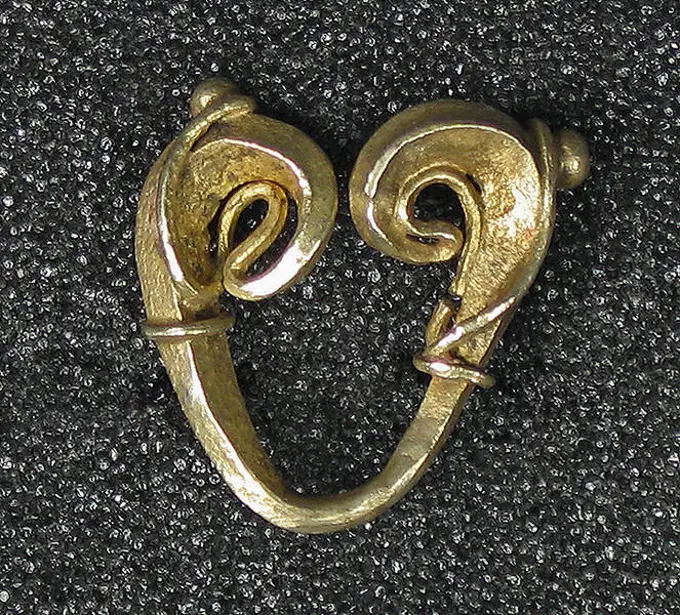
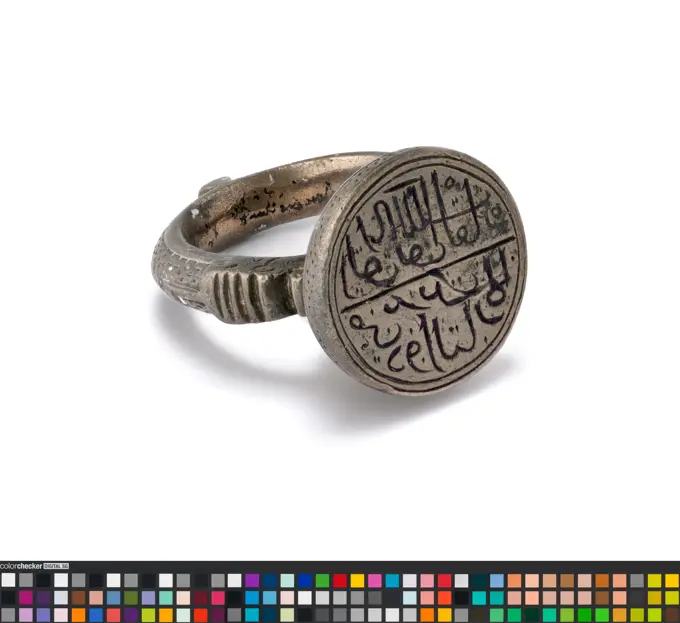
An assortment of ancient gold jewelry pieces including ear ornaments, rings, and fibulae, showcasing intricate craftsmanship and historical origins.
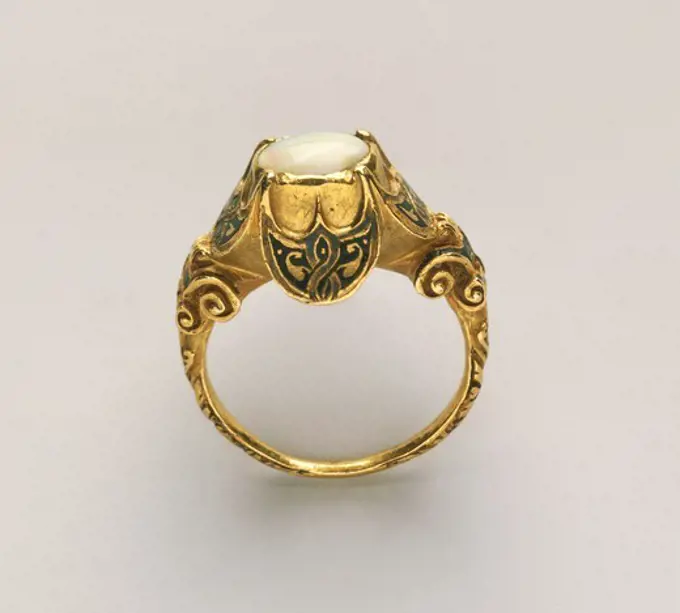
Goldsmith's art, Italy, 16th century. Gold ring set with an oval cabochon opal, diameter mm. 18
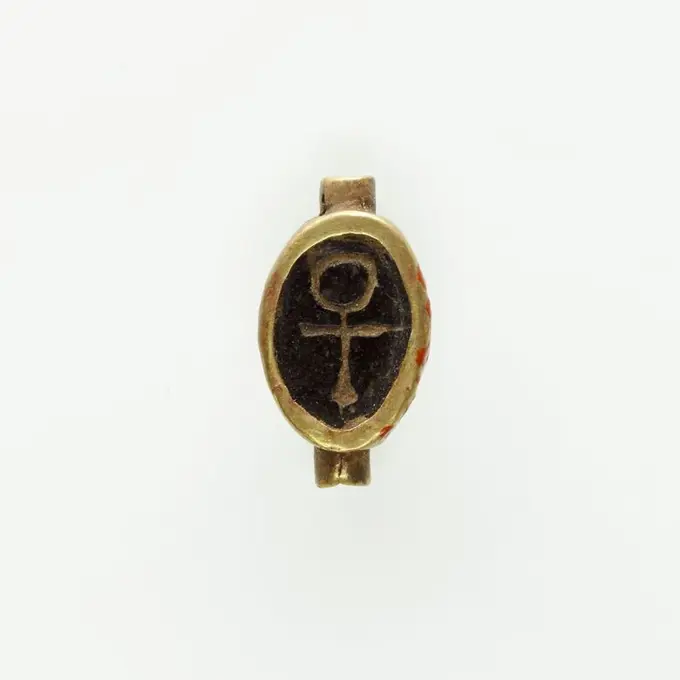
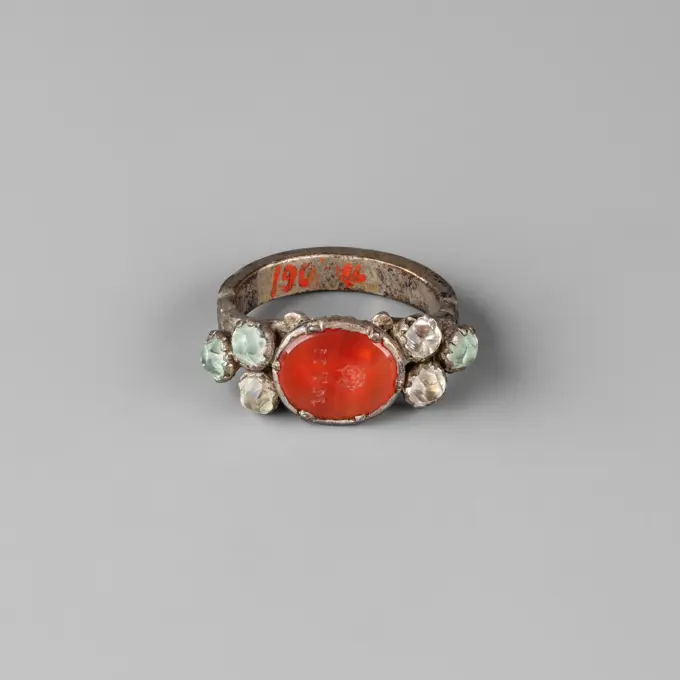
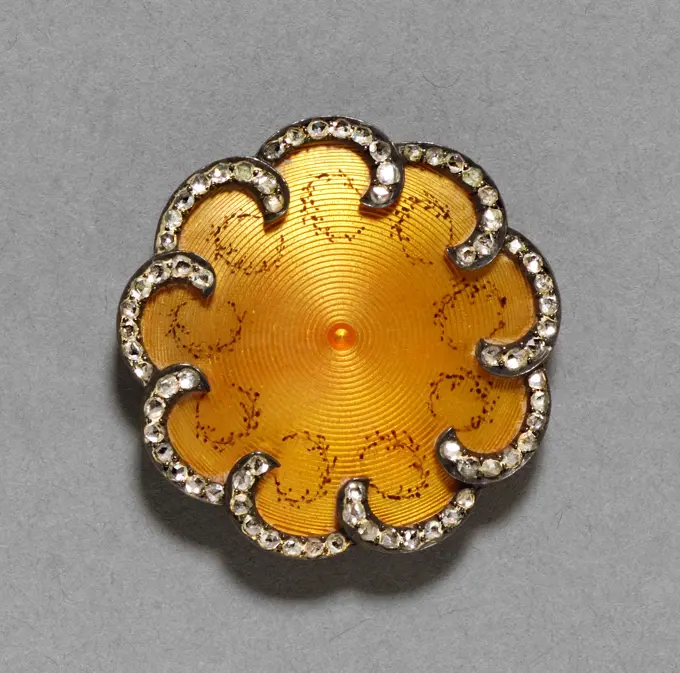
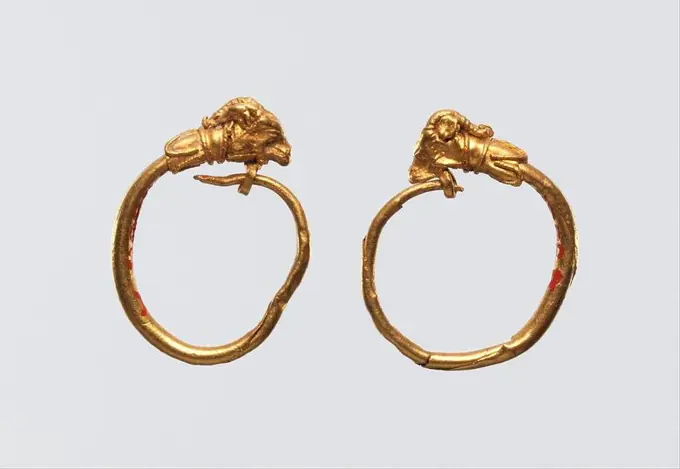
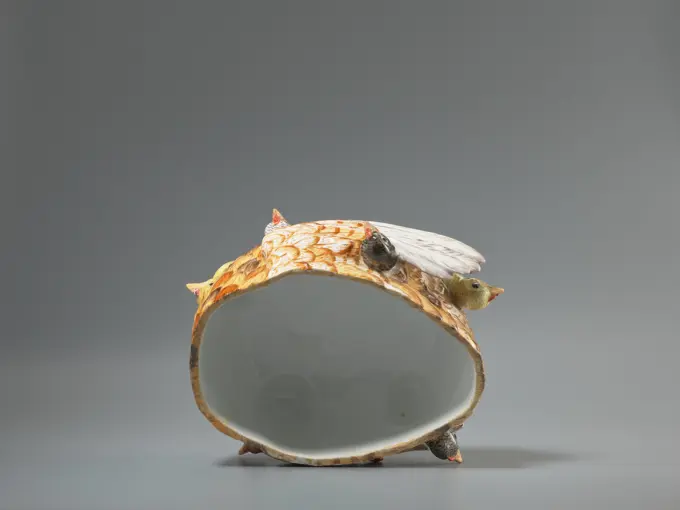
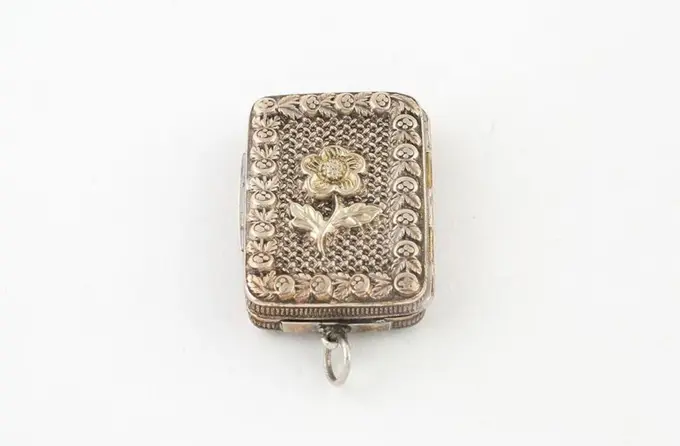
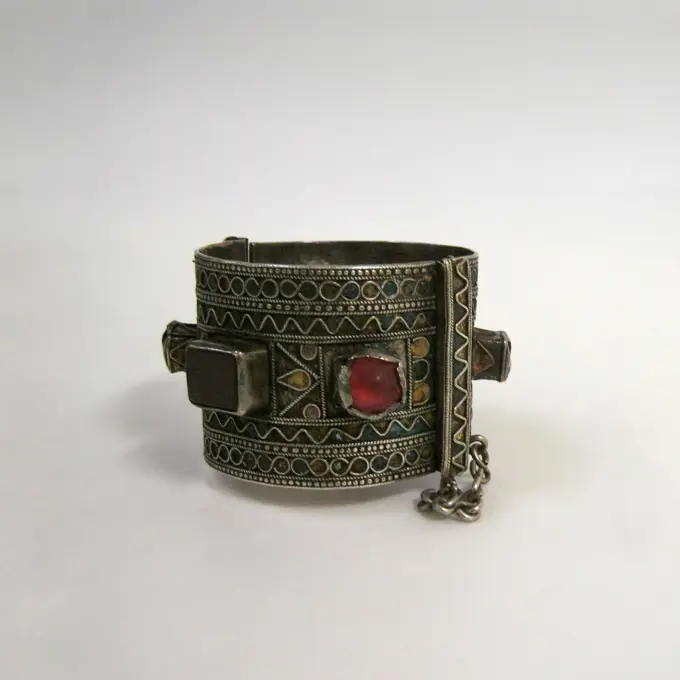
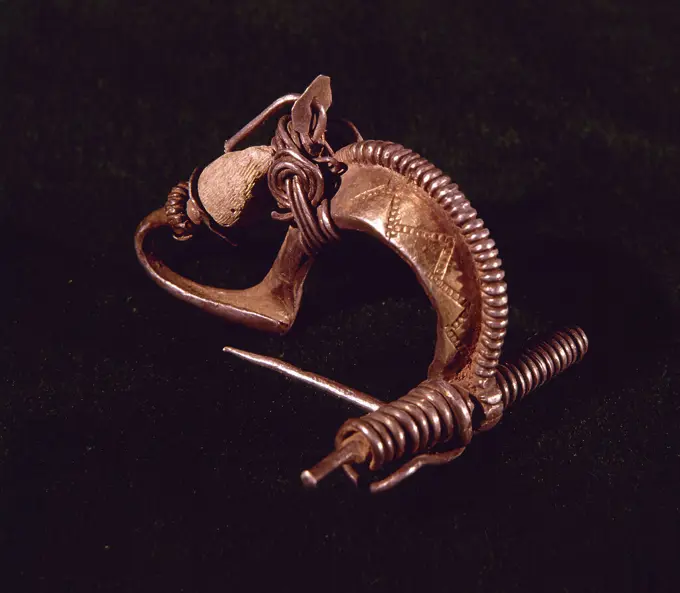
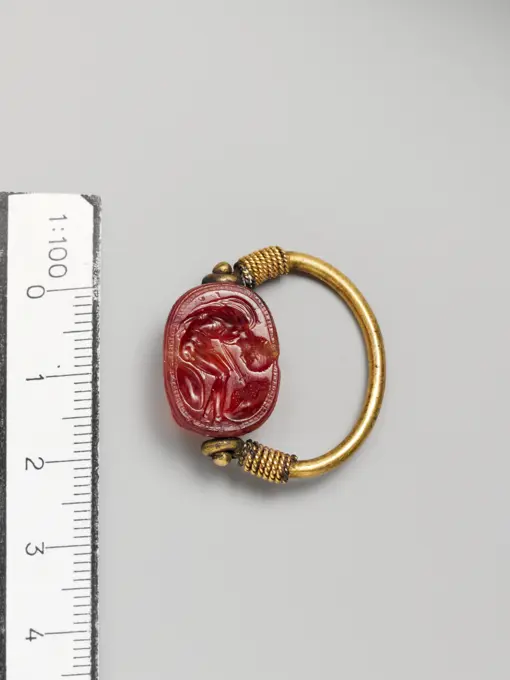
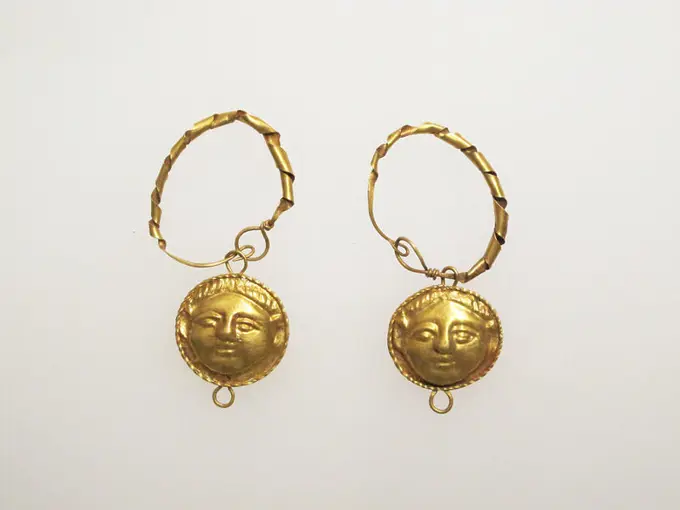
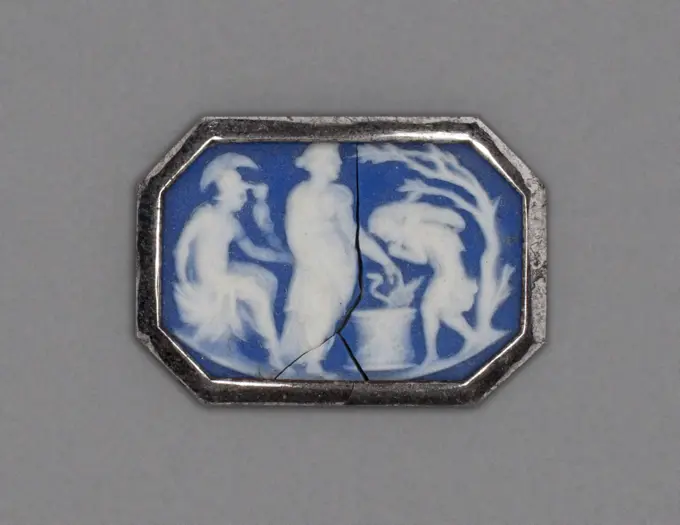
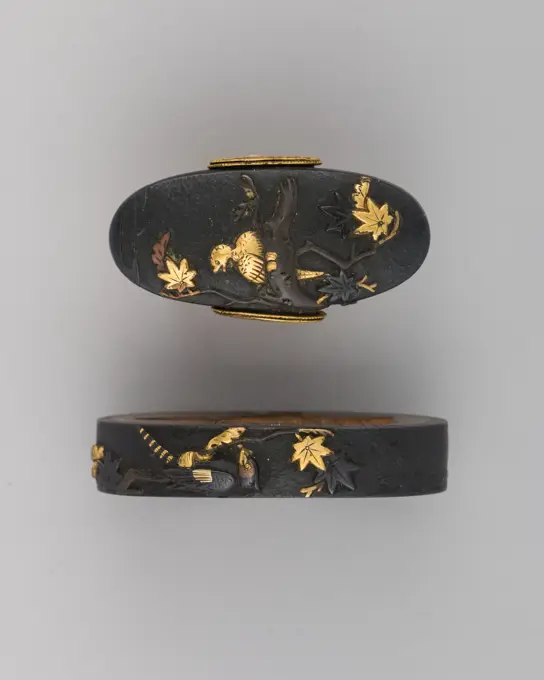
Golden ring with Elegant design 3d illustratedCowroid Inscribed with an Ankh. Dimensions: L. 1.15 cm (1/2 in.); W. 0.65 cm (1/4 in.); H. 0.3 cm (1/8 in.). Dynasty: Dynasty 18, early. Reign: reign of Thutmose II-Early Joint reign. Date: ca. 1492-1473 B.C..This cowrie-shaped seal-amulet was found with twenty-three scarabs and seal-amulets in the coffin of a young woman who was buried in Hatnefer's tomb (see 36.3.1 and 36.3 26). This example has been set in a gold mount for a ring. The base is iinscribed iwth an ankh hieroglyph (meaning life). Museum: Metropolitan Museum of Art, New York, USA.Pierce;  PO PO. 18th century (0-00-00-0-00-00);monograms, rosesRing with Oval Bezel and "Sri" Inscription Second half of the 9th-first quarter of the 10th century Indonesia (Java). Ring with Oval Bezel and "Sri" Inscription. Indonesia (Java). Second half of the 9th-first quarter of the 10th century. Gold. late Central Javanese period. JewelryLarge Piloncito Coin Second half of the 8th-second half of the 10th century Indonesia (Java). Large Piloncito Coin 50075Finger ring, anonymous, c. 1750 Finger ring (Anguthi) of gold with filigrein Appliqué and inlaying of red and green stones. Surat gold (metal) filigree Finger ring (Anguthi) of gold with filigrein Appliqué and inlaying of red and green stones. Surat gold (metal) filigreeEar Ornament with Ram's Head Second half of the 8th-second half of the 10th century Indonesia (Java). Ear Ornament with Ram's Head 49965Button, after 1896. Firm of Peter Carl Fabergé (Russian, 1846-1920), August Wilhelm Holmström (Russian, 1929-1903). Gold, enamel, diamonds; diameter: 3.5 cm (1 3/8 in.).Yellow Amblygonite from Brazil, phosphate, Blue Apatite from lake Bajkal, phosphate, and Hambergite from Madagascar, borate.Ring, scarab ca. 1550-1295 B.C. New Kingdom. Ring, scarab 554697Ring Amun-Ra, flanked by nb signs 1390 BCE Egypt. Faience . Ancient EgyptianEscutcheonRingFigure Pendant 8th-16th century Costa Rica (). Figure Pendant 310270Earrings with ibex head terminal. Dimensions: a. As Worn: H. 1.4 × W. 1.5 cm (9/16 × 9/16 in.)b. As Worn: H. 1.4 × W. 1.5 cm (9/16 × 9/16 in.). Date: 2nd century B.C., perhaps.Hoops with animal head terminals are the commonest type of Hellenistic earring. The heads on these earrings have been referred to as those of gazelles, but is now thought more likely to be an ibex. Ibex-head earrings are well-known in Egypt, but also Asia Minor and Cyprus. The gold bead that forms part of the collar behind the animal's head is scarcely rounded, pointing to a 3rd or probably 2nd century date.The hoops on these earrings are formed of sheet gold. Museum: Metropolitan Museum of Art, New York, USA.Ring Figure of Serpent Uto ( ) 1390 BCE Egypt. Faience . Ancient EgyptianChicken with cramps - vase; ChurfuerStliche Porcellain Fabrique, Meissen (1763/74-1814), Kaendler, Johann Joachim (1706-1775); Kon. XVIII century (1780-00-00-1800-00-00);Vinaigrette. Possibly John Lawrence and Co.; Birmingham, England. Date: 1817-1828. Dimensions: 3.2 × 2.3 cm (1 1/4 × 7/8 in.). Silver and silver gilt. Origin: Birmingham. Museum: The Chicago Art Institute, Chicago, USA.Matchsafe (England); silverCollection of golden shiny frames. Round and square golden frame on a transparent background.. Collection of golden shiny frames.Farting;  19th century (1801-00-00-1900-00-00);Pair of Earrings in Cruciform Shape 8th-12th century Indonesia (Central Java). Pair of Earrings in Cruciform Shape. Indonesia (Central Java). 8th-12th century. Gold. JewelryCoil ca. 7th-6th century B.C. Iran This silver coil was excavated at Tepe Nush-i Jan, an Iron Age hilltop site about 60 km sound of Hamadan in western Iran. Nush-i Jan was occupied in the 7th and 6th centuries B.C., and its occupants are generally thought to be the Medes, an Iranian people known from Assyrian, Achaemenid and Biblical sources. Though the textual sources portray them as a powerful empire, archaeological evidence for the Medes has yet to sustain this impression. Rather, they seem to have lived in scattered fortified sites in western and central Iran, without any clear capital. Nush-i Jan, one of the best known of these sites, features two temples, a columned hall, and a fort, where the coil was found.The coil was discovered in a bronze bowl containing 231 pieces of silver, including jewelry, ingots and scraps. At the time coins were not yet in use in Iran, and silver bullion was the primary form of money. The form of the silver did not matter, only the weight, so any silvAmulet of the God Thoth, as a Baboon with Lunar Disk 1500 BCE-332 BCE Egypt. Stone (mottled black and white) . Ancient EgyptianRingRing with Plain Hexagonal Bezel and Java Kuno Script 8th-early 10th century Indonesia (Java). Ring with Plain Hexagonal Bezel and Java Kuno Script. Indonesia (Java). 8th-early 10th century. Gold. late Central Javanese period. JewelryBracelet (tanbelt), 1850-1900, 1 15/16 x 2 13/16 x 3 in. (4.92 x 7.14 x 7.62 cm) (closed, without chain), Silver, enamel, glass, Morocco, 19th-20th centuryFIBULA IBERICA. Location: MUSEO ARQUEOLOGICO-COLECCION, CORDOBA, SPAIN.Fragment. Culture: European or Middle Eastern. Dimensions: L. 2 in. (5.1 cm). Date: ca. 1150-ca. 1250. Museum: Metropolitan Museum of Art, New York, USA.Carnelian scarab early 4th century B.C. Etruscan Suicide of Ajax. Carnelian scarab. Etruscan. early 4th century B.C.. Carnelian, gold. Late Classical. GemsLittle white metal bird house made of meta in handlTürklopfer Türklopfer Copyright: xZoonar.com/GabrielexSitnik-Schmachx 22490938Set of four enamelled silver plaquettes. Culture: German, Augsburg or Nuremberg. Dimensions: Overall (.2, .3, .4- confirmed): 2 7/16 × 1 3/4 in. (6.2 × 4.4 cm);Overall (.1- confirmed): 2 7/16 × 1 11/16 in. (6.2 × 4.3 cm). Date: 1520-30.These sculptural reliefs (2015.388.1-.4) display extraordinary, jewel-like enameling accomplished through an innovative technique involving molten glass paste built up over an armature of gold wires on a silver base. In expressive detail, they represent four scenes of Christ's Passion at a tiny scale--fully appreciable only to those privileged enough to view the reliefs at close range. (The compositions owe more than a little to the Small Passion print series by the famous Northern Renaissance master Albrecht Dürer.) Expensive as they were, the plaques would have been worth only a fraction of the treasure in the container they decorated: most likely some lost relic, imbued with spiritual power and believed to bridge our world with the divine. Museum: Mmetal    brown    morocco in    africa the old wood  facade home and rusty safe padlock Buttons (France); glass and brassEarring with pendants of female heads. Culture: Greek or Roman. Dimensions: Other (.99): 13/16 × 1 13/16 in. (2.1 × 4.6 cm)Diameter (ornament): 11/16 in. (1.8 cm)Other (.100): 13/16 × 1 3/4 in. (2.1 × 4.5 cm)Diameter (ornament): 11/16 in. (1.8 cm). Museum: Metropolitan Museum of Art, New York, USA.Cameo with Sacrifice of a Lamb 1775-1799 Burslem. Stoneware (jasperware) . Wedgwood Manufactory (Manufacturer)Sword-Hilt Collar and Pommel (Fuchigashira) 19th century Japanese A fuchigashira is a pair of matching sword fittings comprising the fuchi (collar at the base of the grip of the sword hilt) and kashira (pommel cap at the end of a sword hilt).. Sword-Hilt Collar and Pommel (Fuchigashira). Japanese. 19th century. Copper-gold alloy (shakud), gold, copper-silver alloy (shibuichi), copper. Sword Furniture-Fuchi-KashiraSnuff Box. Russia. Date: 1881-1894. Dimensions: 3.5 x 5.9 x 5.9 cm (1 3/8 x 2 5/16 x 2 5/16 in.). Gold, paste stones and metal setting. Origin: Russia. Museum: The Chicago Art Institute, Chicago, USA.Double Scroll Fertility Earring 8th-12th century Indonesia (Central Java). Double Scroll Fertility Earring 64427Child hand holding a retro styled golden color decorative keyMetal ring with heart shape on band. Liljenquist Family Collection of Civil War Photographs , pp/liljmem. Pomroy, Rebecca, 1817-1884, Associated objects, Hearts (Symbols), 1800-1890, United States, History, Civil War, 1861-1865, Women, Union.Signet Ring. Iran, 15th-16th century. Jewelry and Adornments; rings. SilverMatchsafe (Japan); Overall: 6.6 cm (2 5/8 in.)War 1939-1945. French tricolor cockade buttonhole badge. Enamelled metal. 1944-1945. General Leclerc Museum of Hauteclocque and the Liberation of Paris, Jean Moulin Museum. War 1939-1945, War 39-45, Boutonniere insignia, military insignia, Second World WarRingDiamond-shaped pin inscribed 'Lawrence High School 1902' , Schools, Lawrence High School Lawrence, Mass.