Ancient Jugs and Vessels

A collection of historical jugs made from terracotta and glass, featuring intricate patterns and details, showcasing ancient craftsmanship from various cultures.
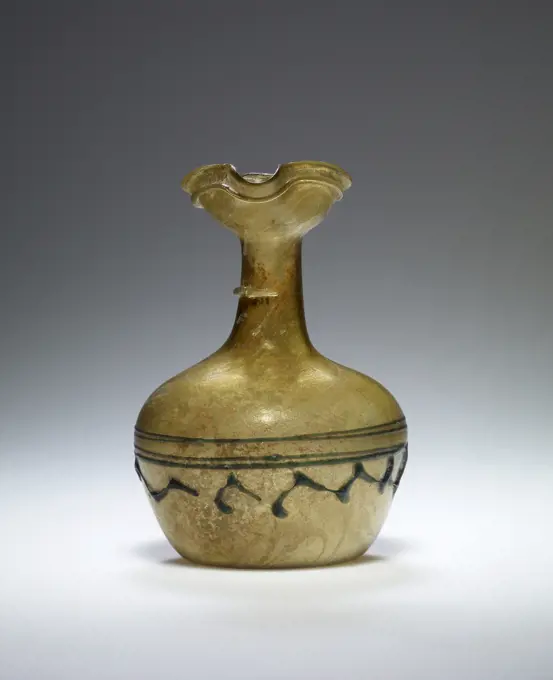
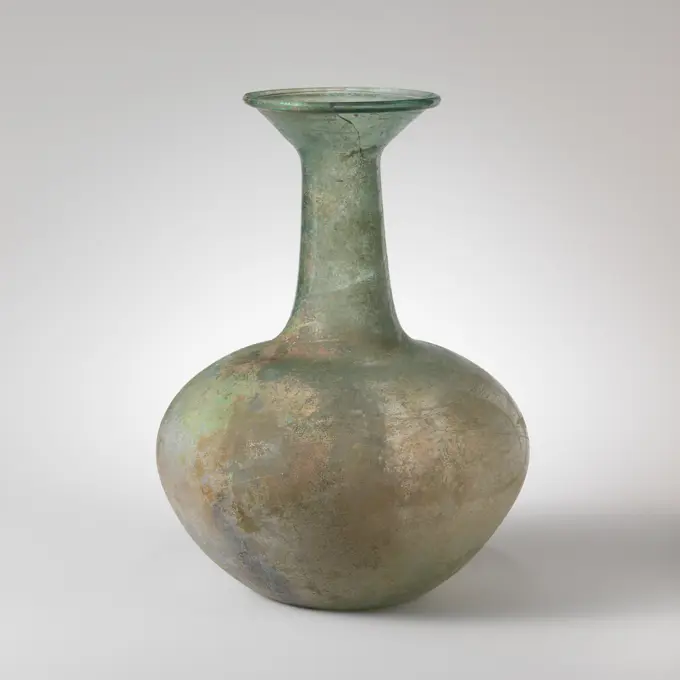
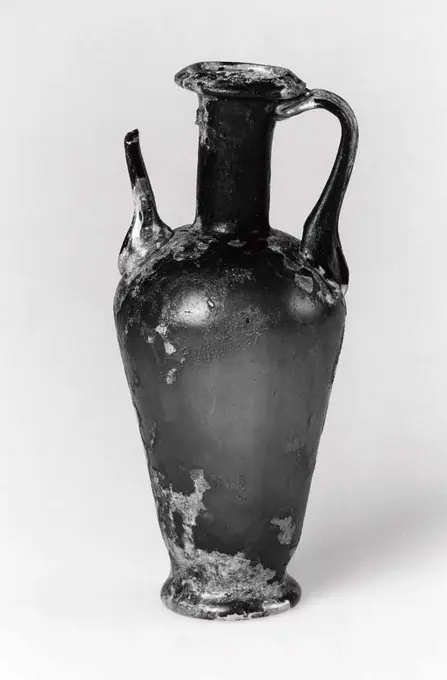
Yellowish-Green Oinochoe with blue trails; Roman Empire; 3rd - 4th century; Glass; 11 x 7.5 cm (4 5,16 x 2 15,16 in.)
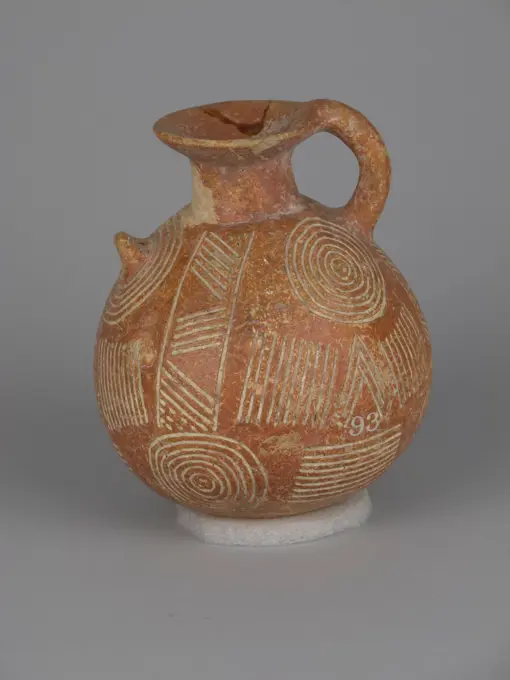
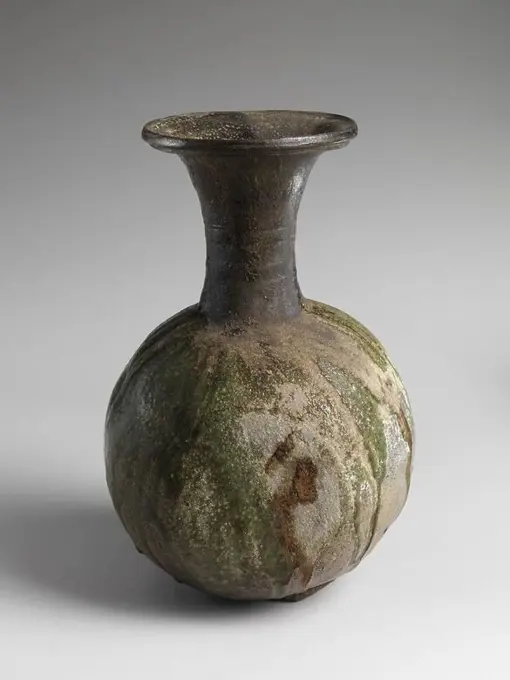
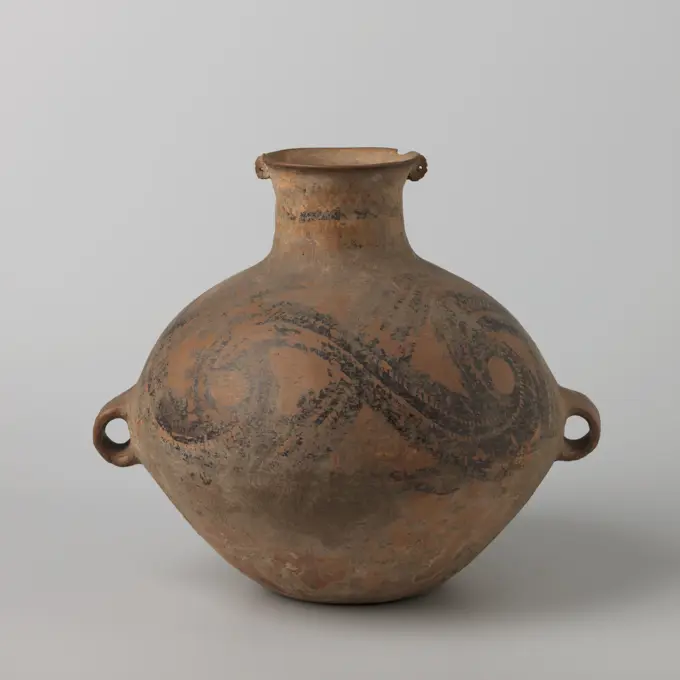
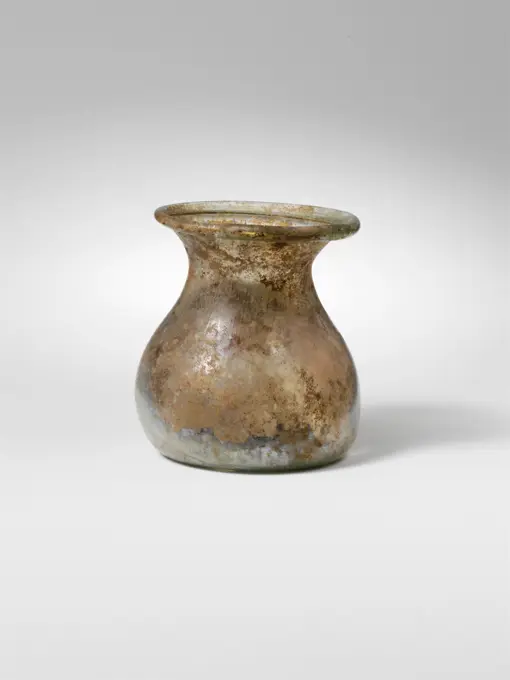
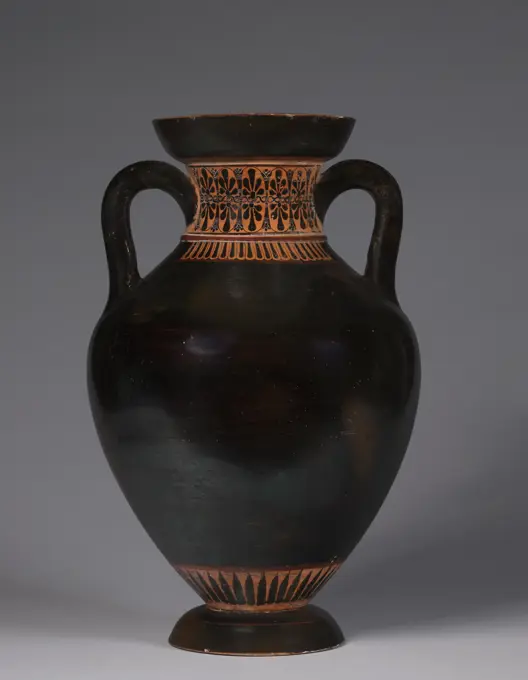
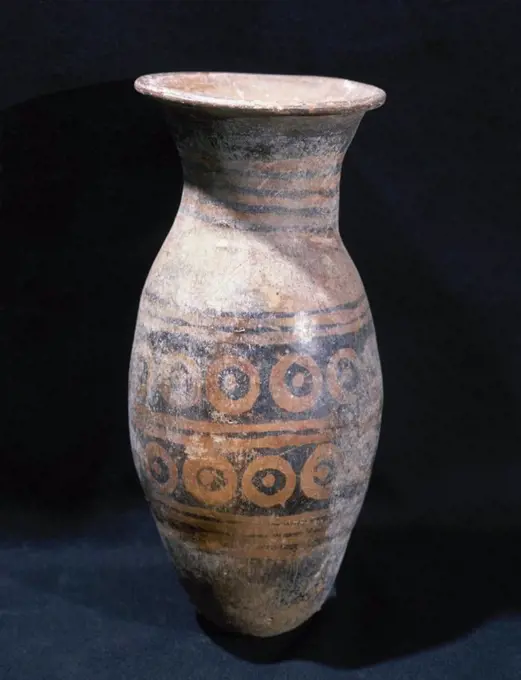
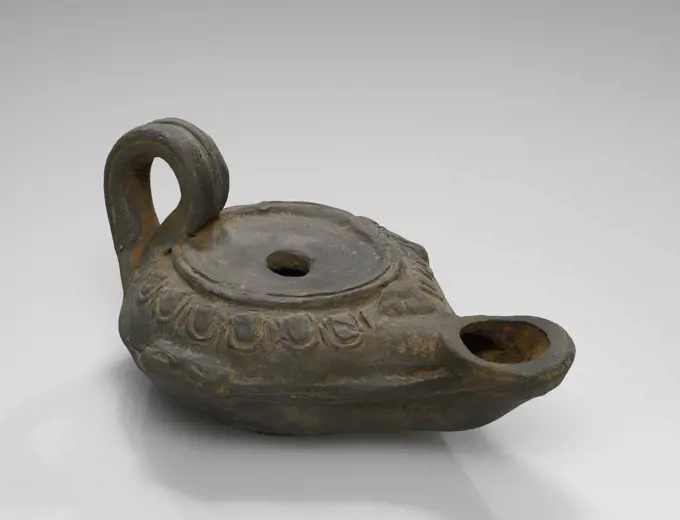
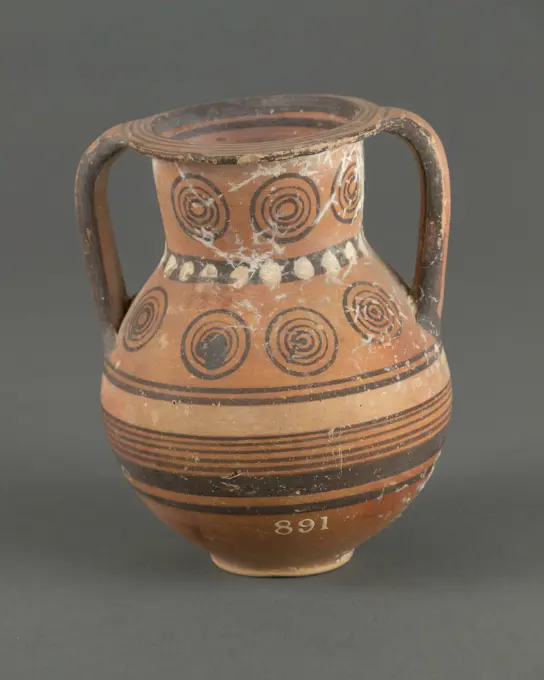
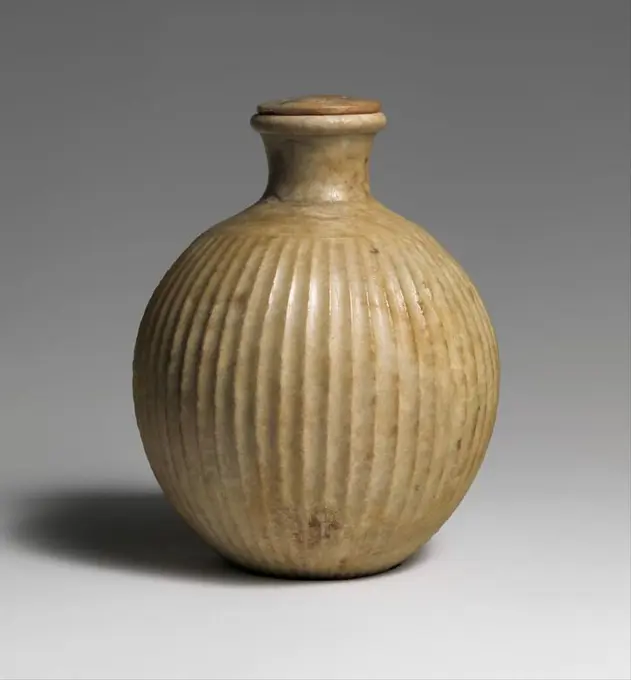
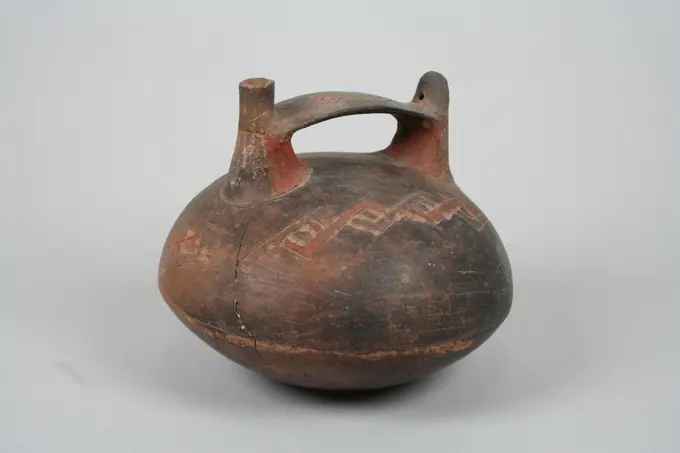
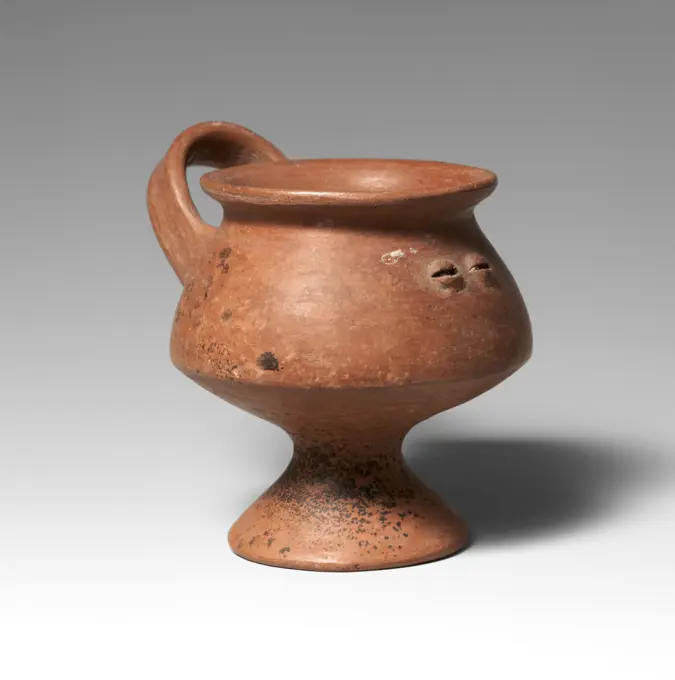
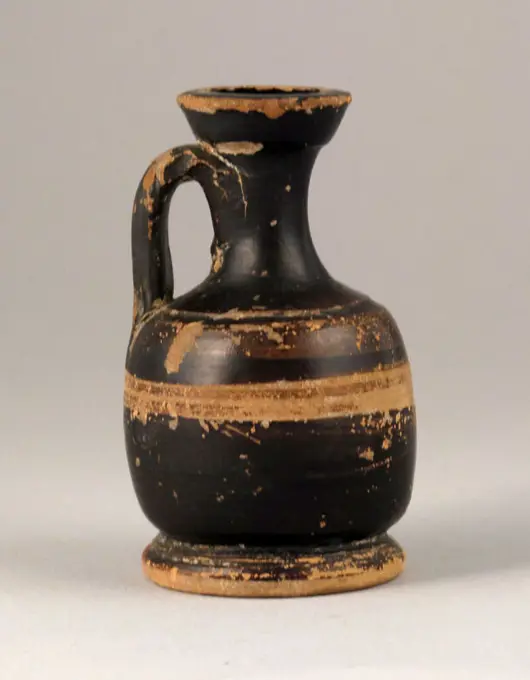
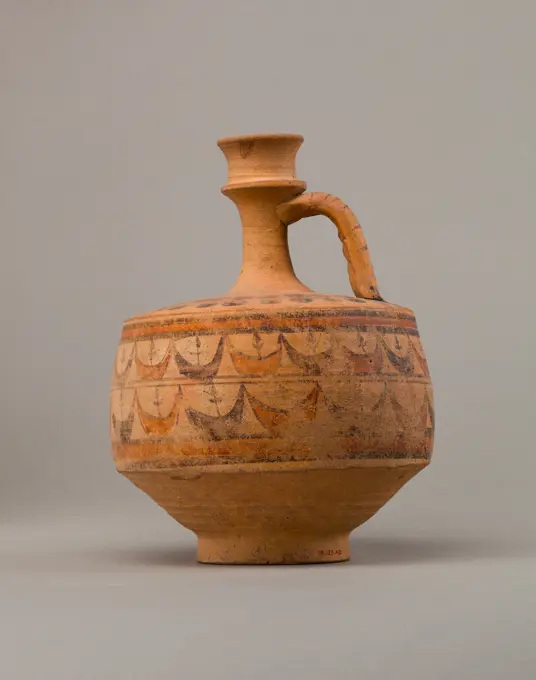
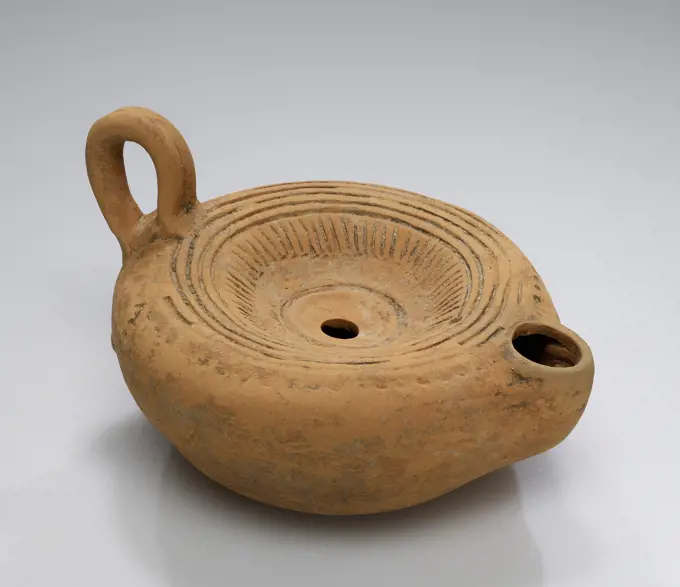
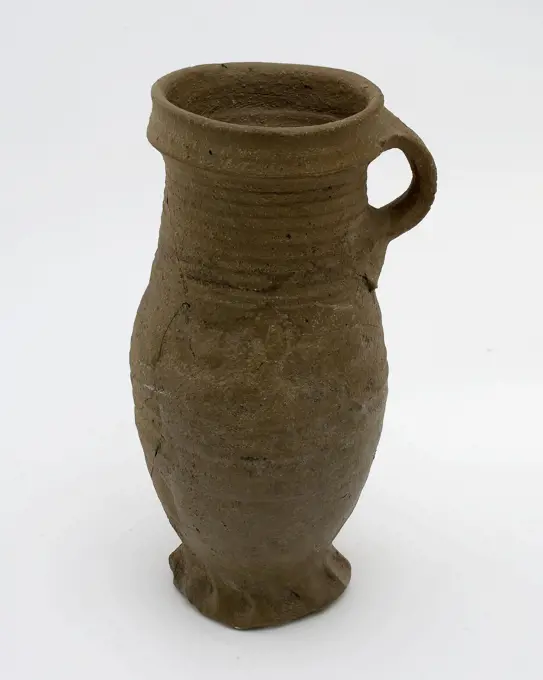
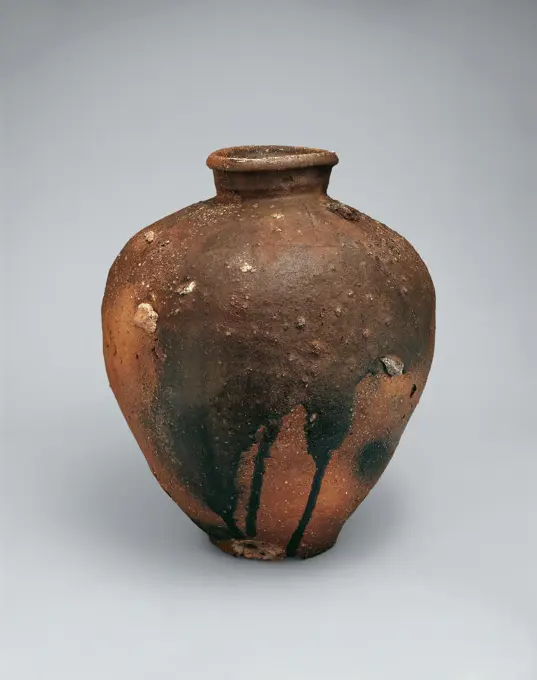
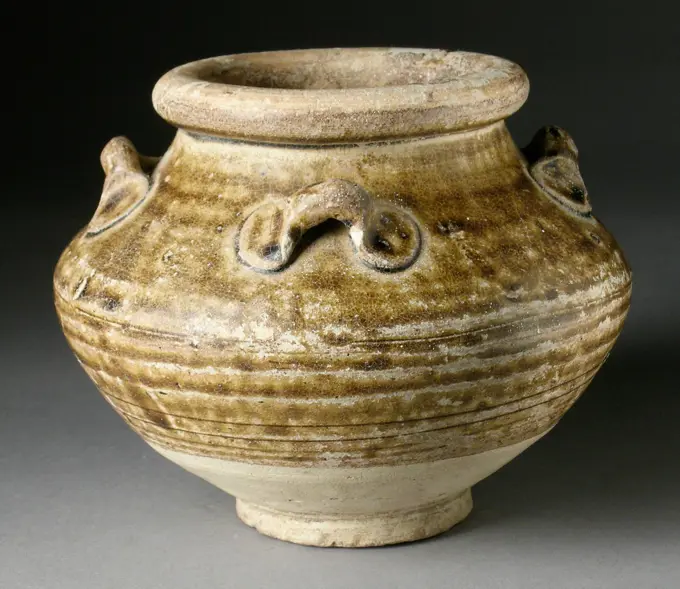
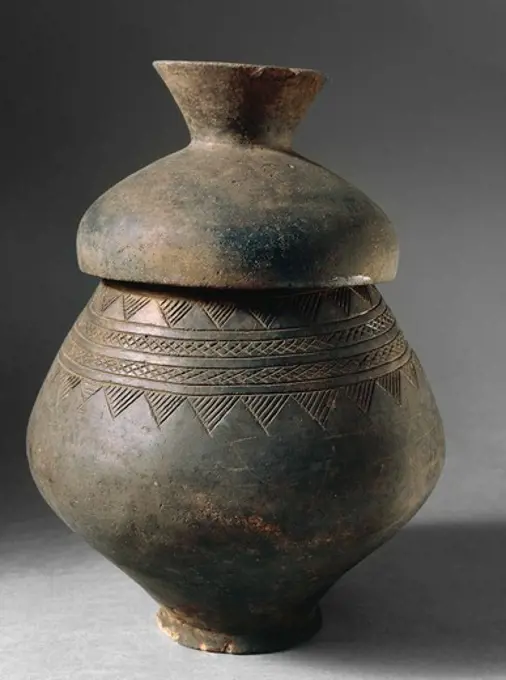
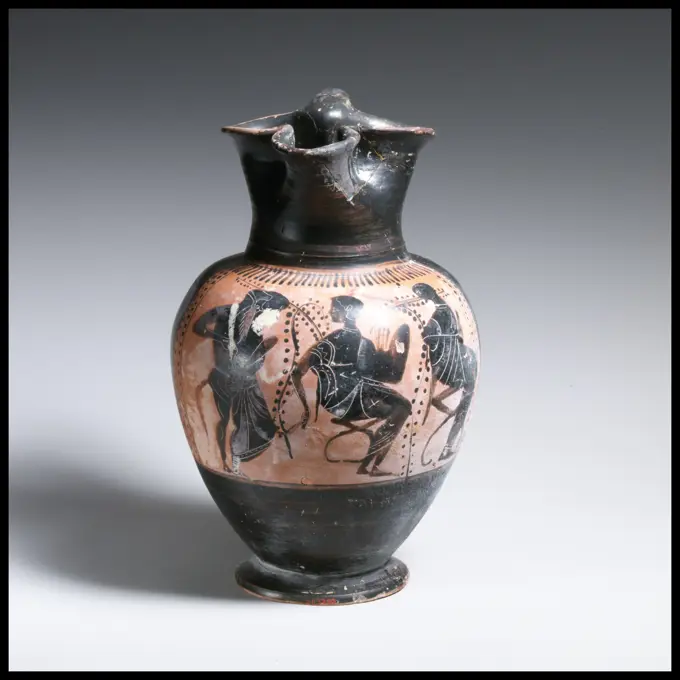
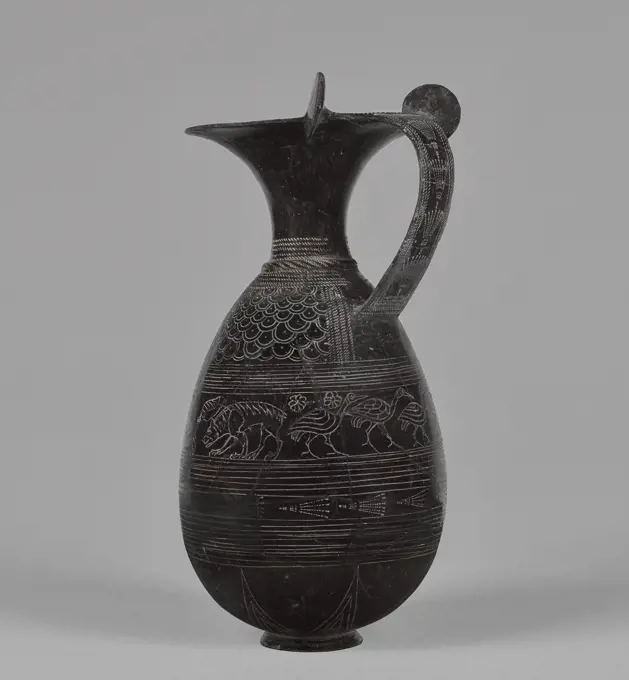
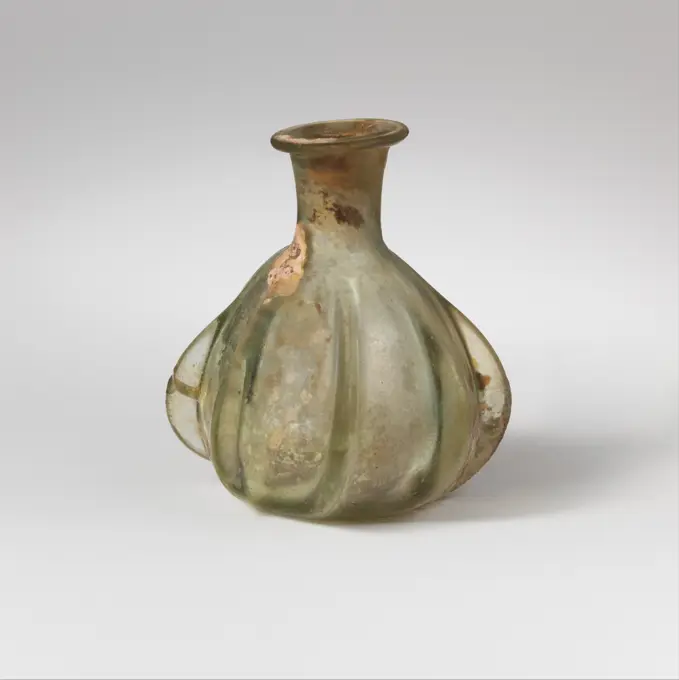
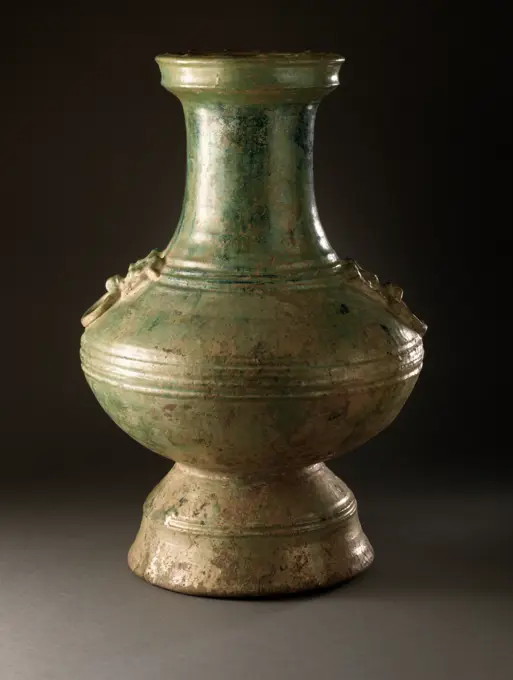
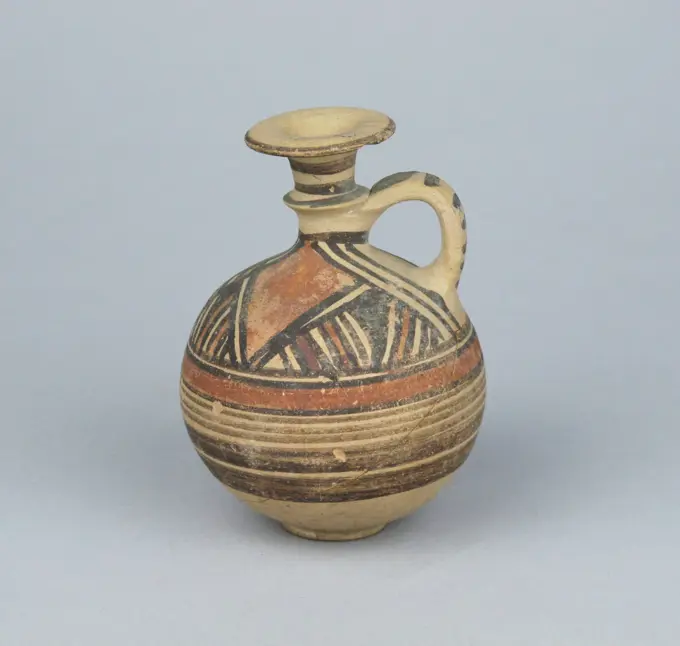
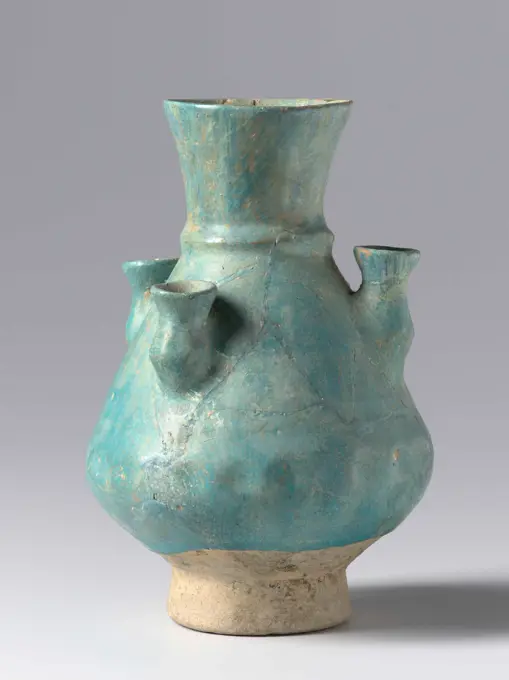
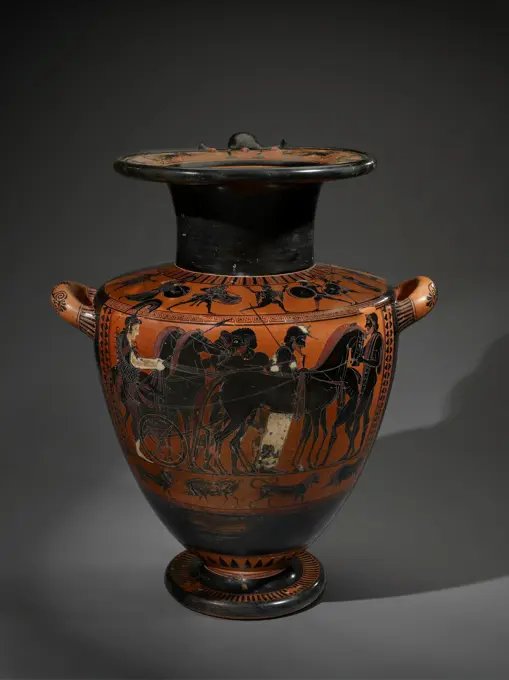
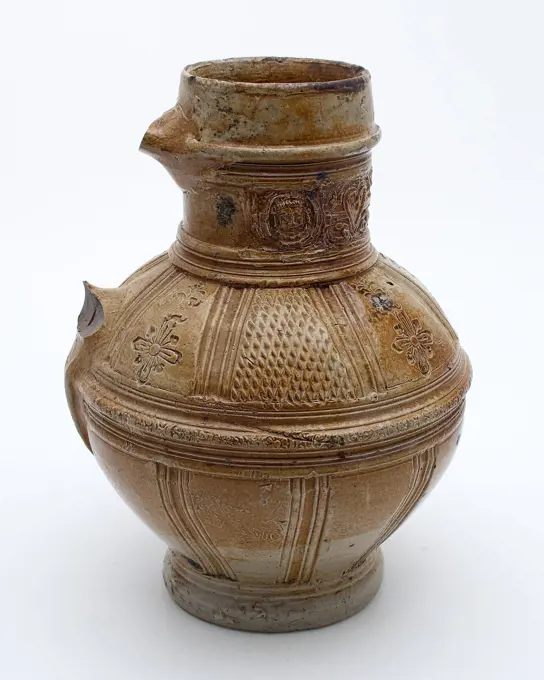
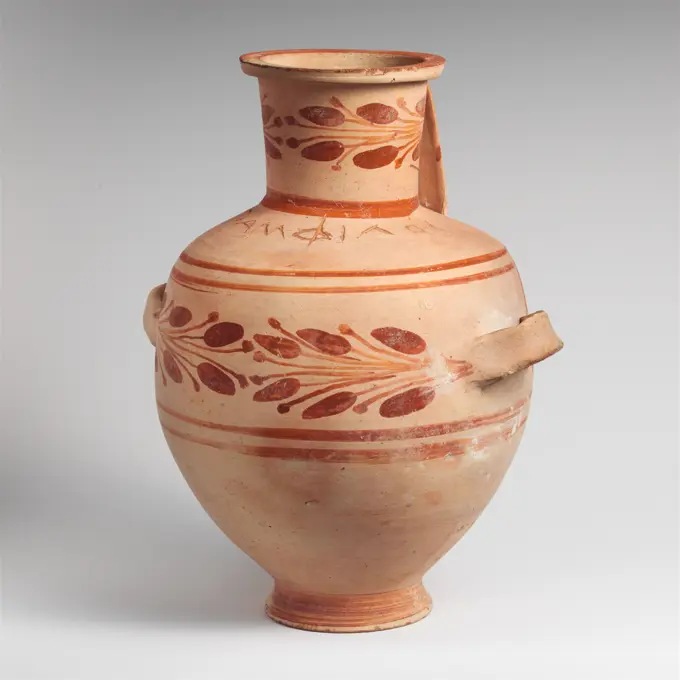
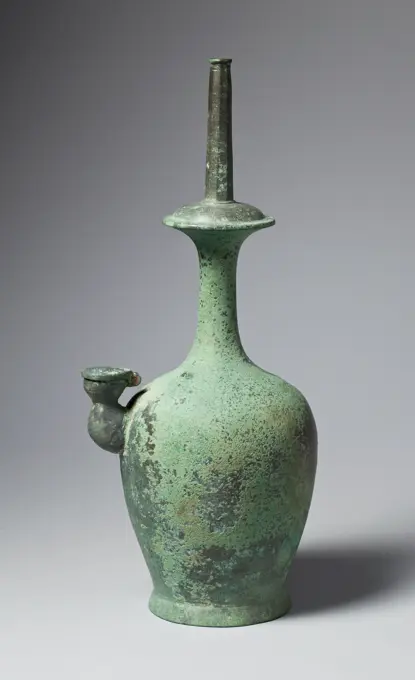
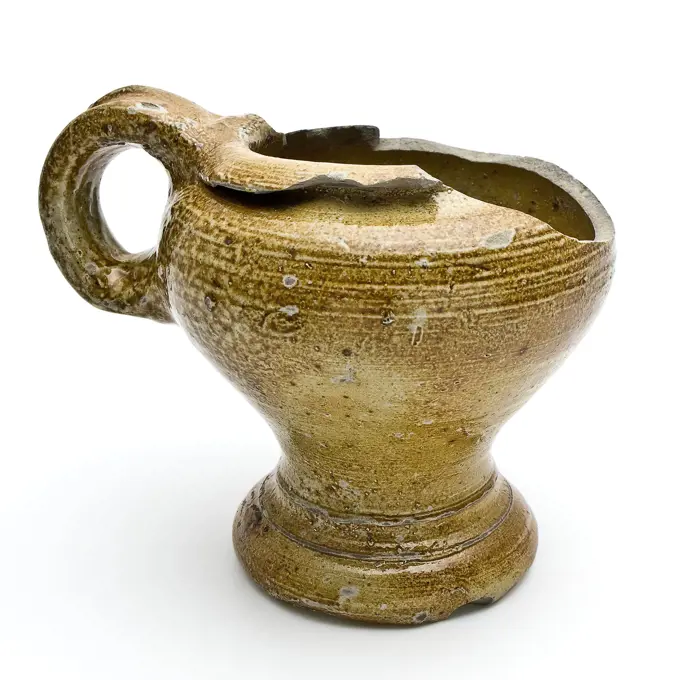
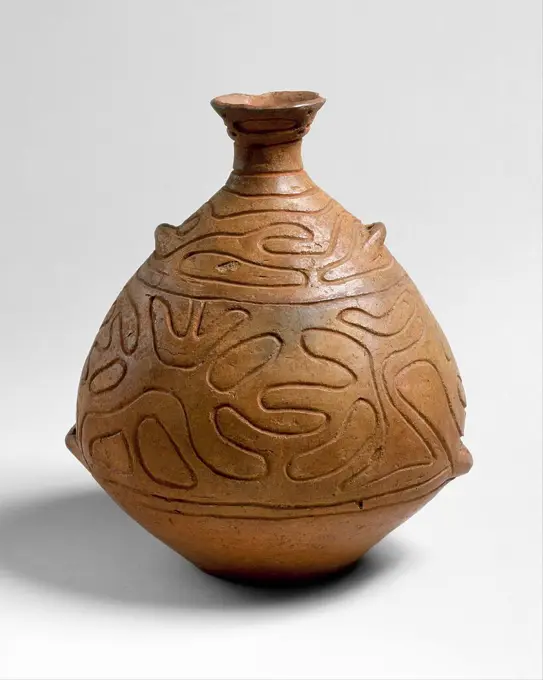
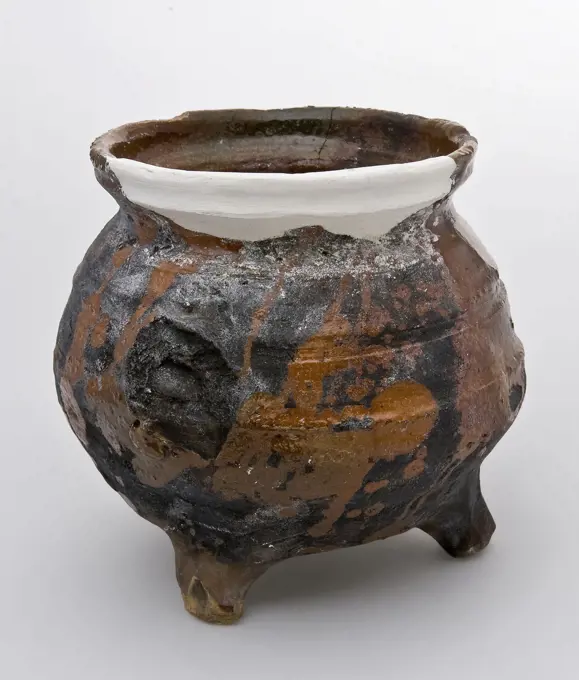
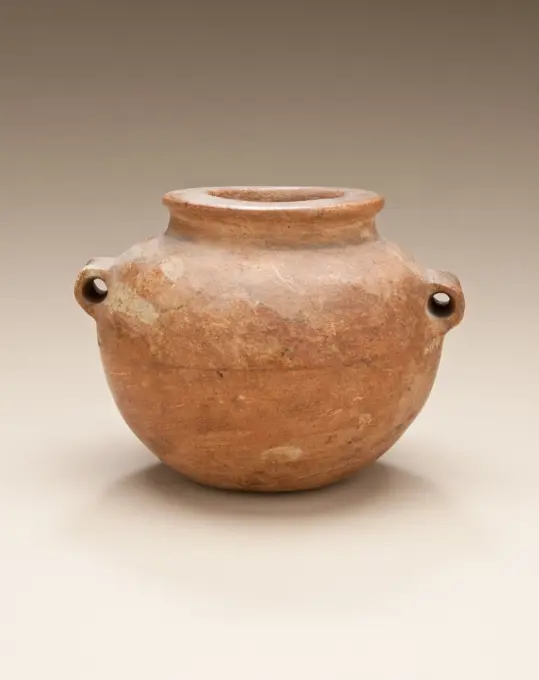
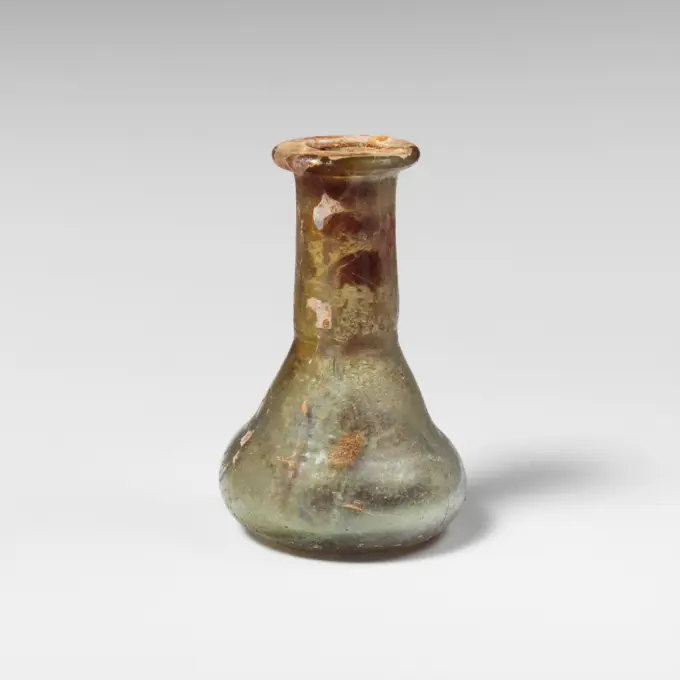
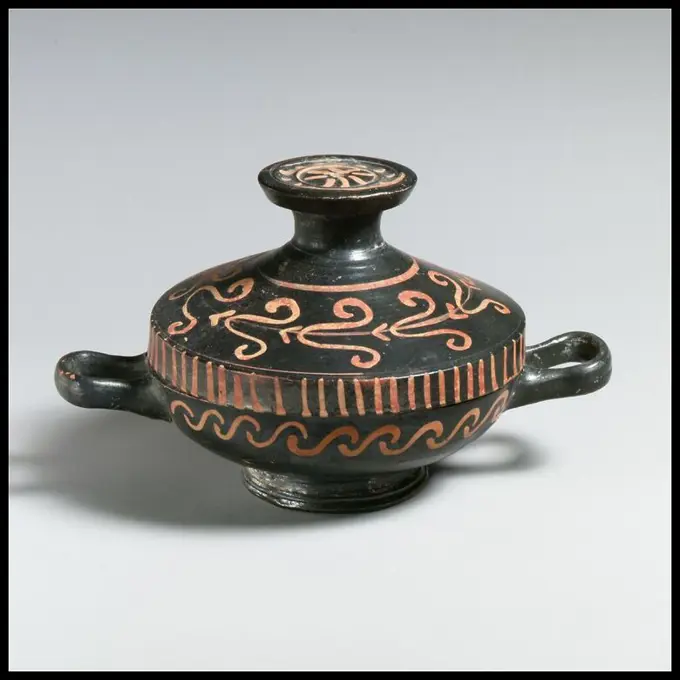
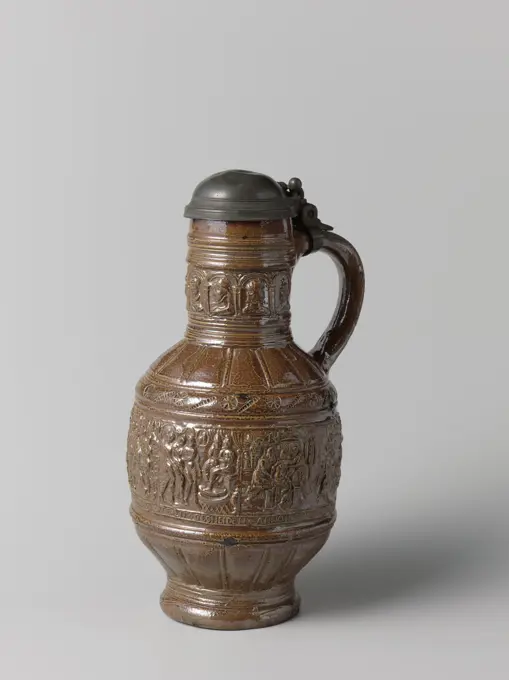
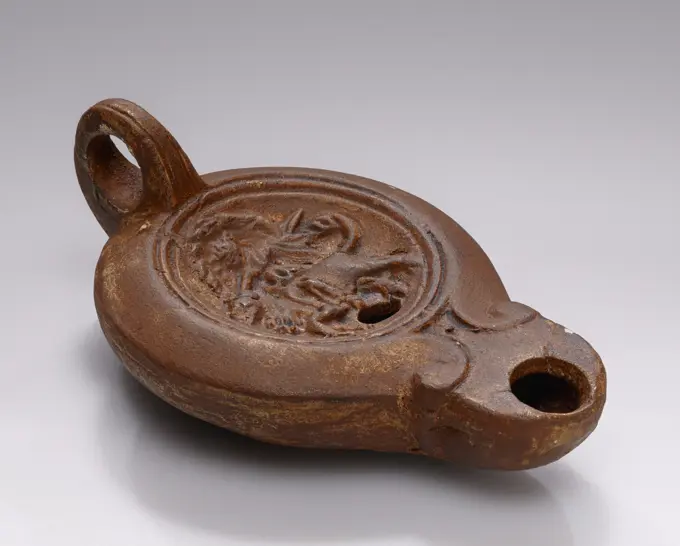
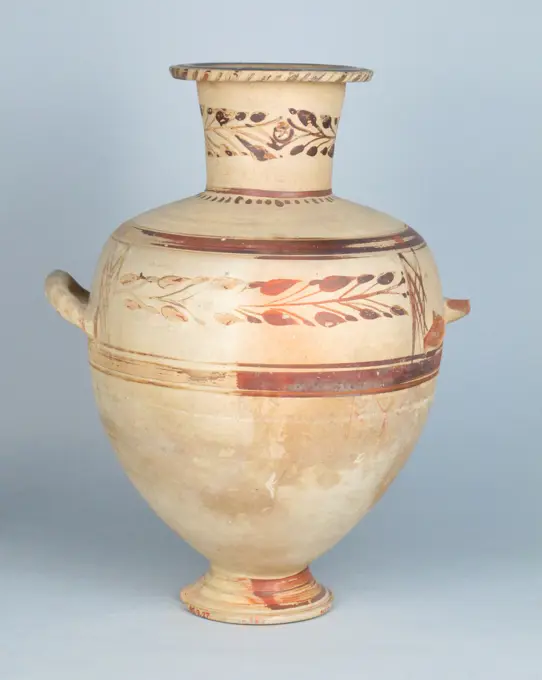
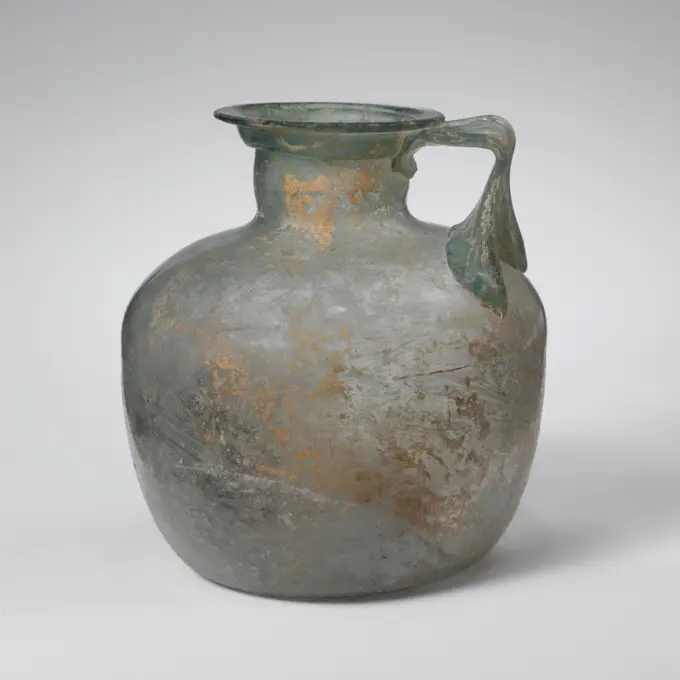
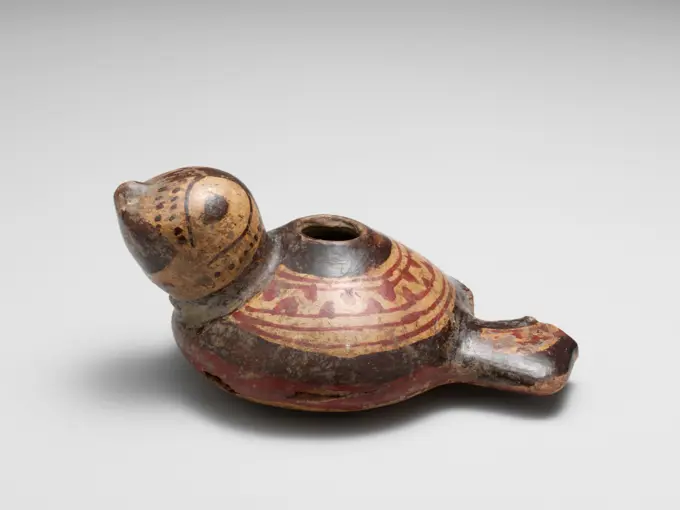
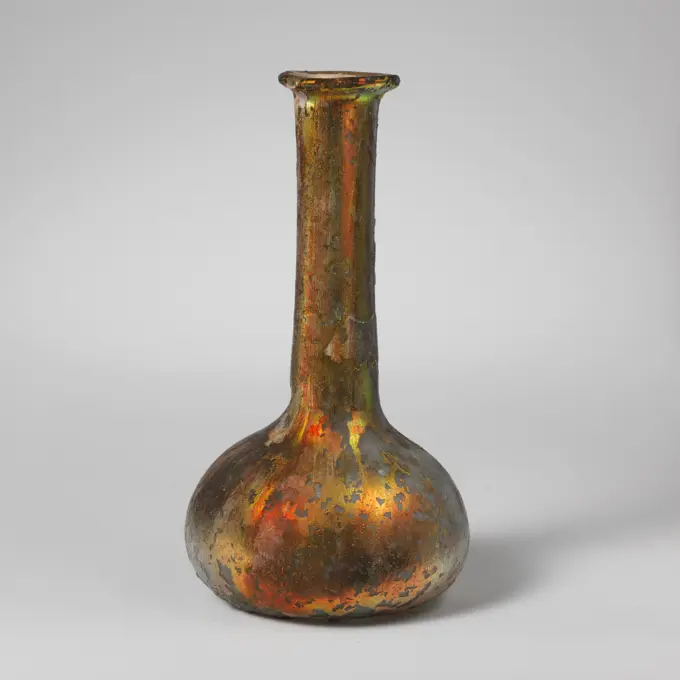
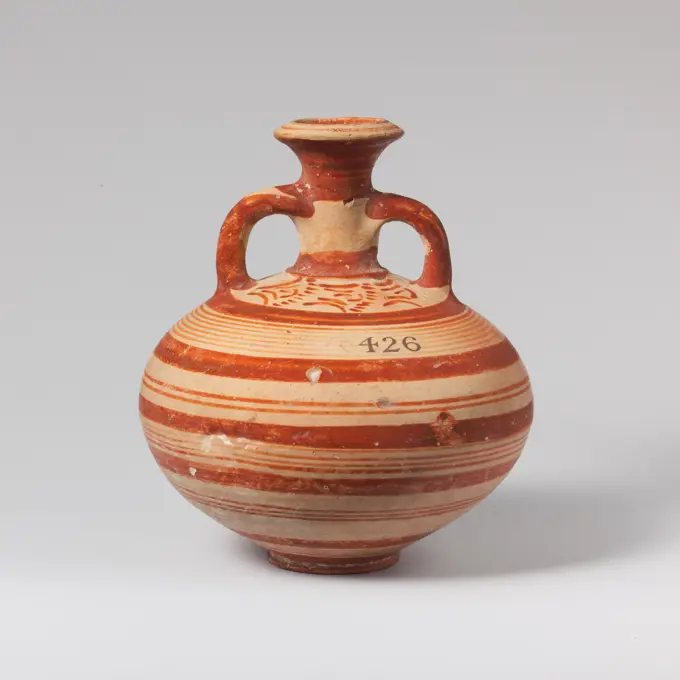
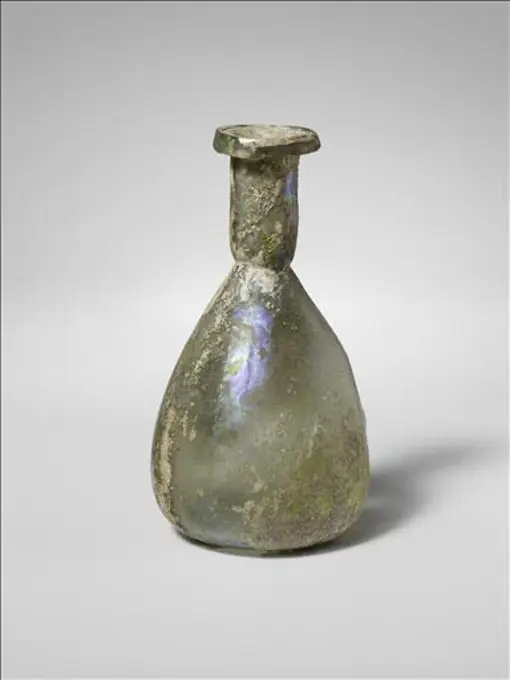
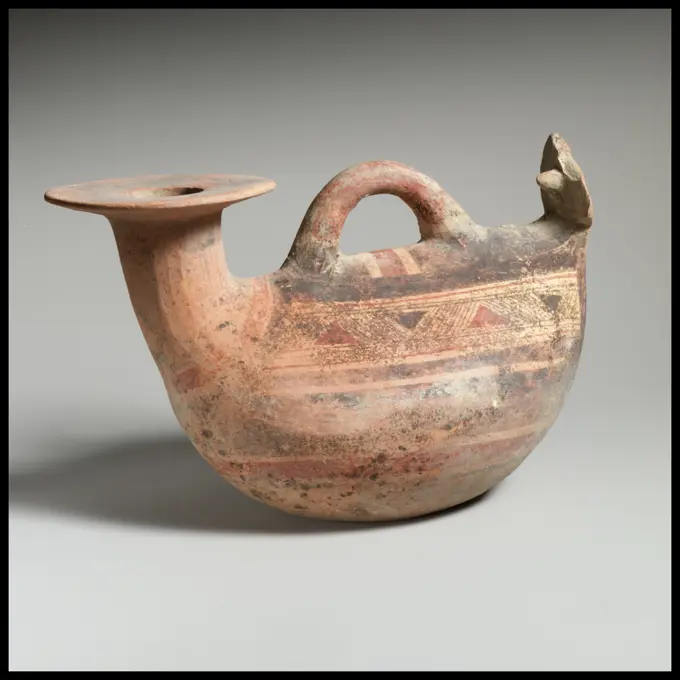
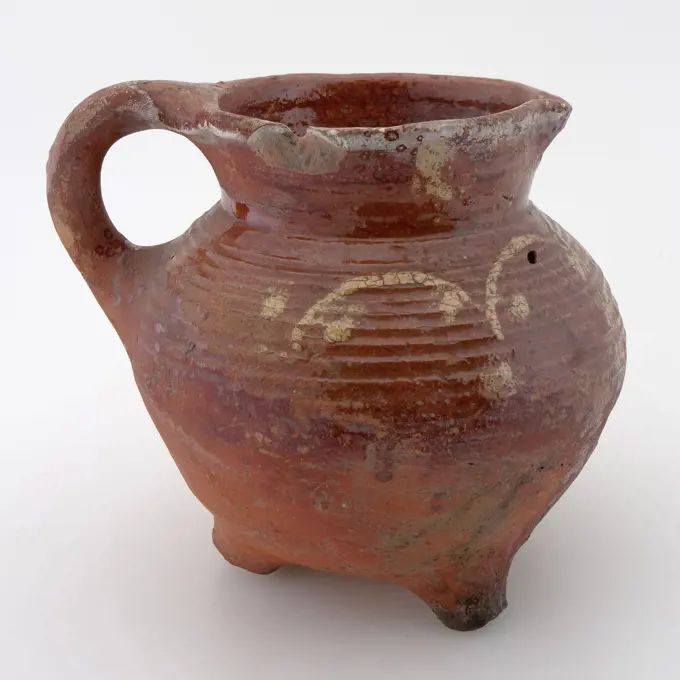
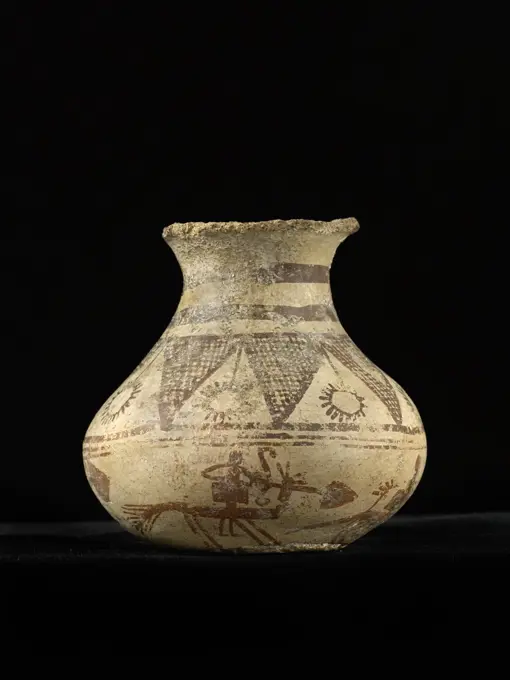
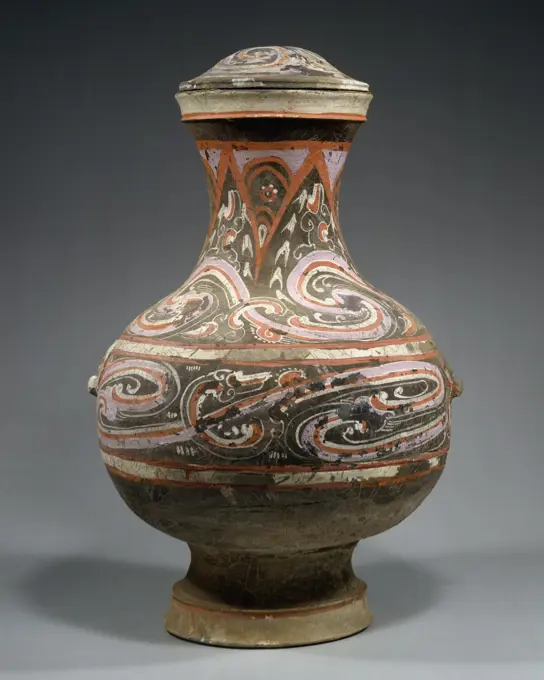
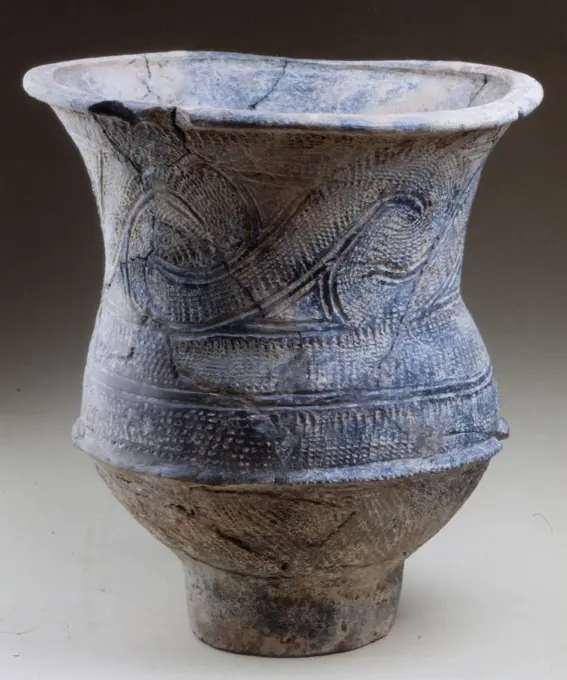
Terracotta jug. Culture: Cycladic. Dimensions: H. 10 5/8 in. (27 cm). Date: ca. 2300-1900 B.C..The jug was found together with the jar (2004.363.2) and the kernos (2004.363.1) displayed nearby in this gallery. Museum: Metropolitan Museum of Art, New York, USA.Yellowish-Green Oinochoe with blue trails; Roman Empire; 3rd - 4th century; Glass; 11 x 7.5 cm (4 5,16 x 2 15,16 in.)Glass jug. Culture: Roman. Dimensions: Overall: 5 3/4in. (14.6cm). Date: 4th century A.D..Translucent yellow green; handle in blue green streaked with red; two trails in yellow green streaked with red on mouth and neck, and another in turquoise blue on body.Rim folded over and in; broad, flaring mouth; cylindrical neck, expanding downwards; sloping shoulder; tall, slender body with straight side tapering downwards; thick round bottom with pontil mark; rod handle attached as a claw to lower edge of shoulder, drawn up and slightly out, then turned in and down, and folded onto lip of rim over trail.One trail applied to underside of mouth, drawn up to lip, turned back in opposite direction and wound horizontally one and a half times around underside of mouth; another thicker trail wound horizontally slightly over once around bottom of neck; another fine trail applied to body and drawn from right to left in an irregular zigzag pattern once round side, then drawn upwards and wound two andARTE PREHISTORICO. JARRA EXCISA. VALLE DEL MANZANARES. BRONCE FINAL. MUSEO MUNICIPAL. MADRID.Juglet 2500-1900 B.C. Cypriot Globular with handle, concentric circles and groups of lines.. Juglet. Cypriot. 2500-1900 B.C.. Terracotta. Early Cypriot. VasesGlass jug. Culture: Roman. Dimensions: H. 6 1/4 in. (15.9 cm). Date: 4th-5th century A.D..Translucent yellow green, with same color handle and trail.Rounded rim with slight inward fold on one side; broad, flaring mouth; cylindrical neck expanding downwards to join bulbous body; kick in bottom with pontil mark; broad, three-ribbed strap handle attached to top of body, drawn up and slightly outwards, then turned in at acute angle, and trailed onto underside of mouth, ending in jagged edge slightly above rim.Single trail wound five times round underside of mouth in an uneven spiral from rim to top of neck; on body, thirty-eight spiral ribs, extending from horizontal bulge at base of neck to edge of bottom.Intact; many bubbles and some black impurities; slight dulling and pitting, faint iridescence, and limy encrustation and weathering on underside of mouth, on bottom, and on handle. Museum: Metropolitan Museum of Art, New York, USA.Terracotta jug. Culture: Cypriot. Dimensions: H. 6 3/8 in. (16.2 cm). Date: ca. 1450-1200 B.C..Narrow-necked jug with handle, with white binding pattern. Museum: Metropolitan Museum of Art, New York, USA.Long-Necked Jar. Culture: Japan. Dimensions: H. 11 1/4 in. (28.6 cm); Diam. 7 1/4 in. (18.4 cm); Diam. of rim 4 7/8 in. (12.4 cm). Museum: Metropolitan Museum of Art, New York, USA.Aryballos early 4th century B.C. Attributed to the Bulas Group. Aryballos. Greek, Attic. early 4th century B.C.. Terracotta; black-figure. Late Classical. Vases. Bearded manner of stoneware, brown speckled. A frieze with inscription is pressed on the bullet-shaped belly. Under and above the fries, 5 medals are displayed, interspersed with Acanthus sheet. For a grotesque beard man with symmetrical beard on the neck.Glass perfume bottle. Culture: Roman. Dimensions: 3 1/16 in. (7.7 cm)Diameter: 1 9/16 x 13/16 in. (4 x 2.1 cm). Date: 1st century A.D..Translucent blue green, with trail in same color.Rim folded out, round, and in; short, flaring mouth; cylindrical neck, expanding downward; globular body; slightly flattened bottom.Single trail applied to neck and drawn downward in a spiral, ending on bottom.Intact; pinprick bubbles; pitting and iridescent weathering. Museum: Metropolitan Museum of Art, New York, USA.Jug from V.O.C. ship De 'Witte Leeuw', Before 1613  Jug from V.O.C. ship the 'Witte Leeuw'. Pear -shaped bottle with uneven base. The bottle is crooked; The neck runs towards the lip. The lip is flattened. The shard is thin, hard and gray. There are black smoke and sooth traces on the Buk.  earthenware   Sint-HelenaVase with two handles, anonymous, c. -2000 Large convex vase of red earthenware with two ears on the belly, painted in black with on the abdomen with a spiral pattern. Slightly damaged at the top on the edge. Themselves earthenware painting Large convex vase of red earthenware with two ears on the belly, painted in black with on the abdomen with a spiral pattern. Slightly damaged at the top on the edge. Themselves earthenware paintingGlass jar 2nd-3rd century A.D. Roman Colorless with blue green tinge.Tubular rim folded out, over, and in; funnel-shaped mouth; short, concave neck; uneven, bulbous body; pushed-in bottom.Intact; pinprick bubbles and blowing striations; faint iridescence on exterior, patches of soil encrustation, weathering, and brilliant iridescence on interior.. Glass jar 245236Black-Figure Neck-Amphora of Panathenaic Shape (Storage Vessel), 525-500 BC. Greece, Attic. Ceramic; overall: 41.4 cm (16 5/16 in.).South America. Tuncahuan culture. Central highlands of Ecuador. 500 BC-500 AD. Ceramic vessel decorated with white paint and red slip. 34 x 15 cm. (diameter). From Ecuador. Private collection.Terracotta lebes gamikos (jar) and lid. Culture: Greek, Ptolemaic, Cretan. Dimensions: h. with lid 10 1/8 in (25.7 cm); d. 8 in. (20.3.cm). Date: late 3rd century B.C..The decorative motifs on this lebes gamikos are similar to those painted on the so-called Hadra hydriai, examples of which are on display in this case. Like the hydriai, lebetes gamikoi have also been discovered in Alexandrian cemetaries, in particular the necropolis at Sciatbi, which has yielded several vases of this shape, presently in the collection of the Alexandria Museum. Museum: Metropolitan Museum of Art, New York, USA.Jar, 1st century BCE - 1st century CE, 6 3/4 x 6 x 6 in. (17.15 x 15.24 x 15.24 cm), Glazed ceramic, Vietnam, 1st century BCE - 1st century CELamp, Anatolia; 1st century B.C. - 1st century A.D; Terracotta; 2.7 × 6.5 × 10 cm (1 1,16 × 2 9,16 × 3 15,16 in.)Amphoriskos 750-600 B.C. Cypriot. Amphoriskos. Cypriot. 750-600 B.C.. Terracotta. Cypro-Archaic I. VasesFluted bottle with lid. Dimensions: h. 1..5 cm (4 1/2 in). Dynasty: Dynasty 12. Date: ca. 1950 B.C.. Museum: Metropolitan Museum of Art, New York, USA.Double Spout and Bridge Bottle with Bird 5th-2nd century B.C. Paracas. Double Spout and Bridge Bottle with Bird 308713Olpe etrusko-koryncka. Malarz Queen's College, author, Malarz Hercle, authorMiniature Vessel 15th-early 16th century Inca. Miniature Vessel. Inca. 15th-early 16th century. Ceramic. Peru. Ceramics-ContainersSquat lekythos. Culture: Greek, Attic. Dimensions: Diameter: 1 7/16 × 7/8 × 1 5/16 in. (3.7 × 2.2 × 3.4 cm)Height: 2 7/16 in. (6.2 cm). Date: 5th century B.C..Black with offset band around belly. Museum: Metropolitan Museum of Art, New York, USA.Juglet. Culture: Cypriot. Dimensions: 3 5/8in. (9.2cm). Date: 750-480 B.C..Handle-ridge jug with bands and lotus flowers. Museum: Metropolitan Museum of Art, New York, USA.Jug with painted decoration 30 B.C.- A.D. 364 Meroitic Period After a stable border had been established between Roman Egypt and areas controlled by Meroë, settlement in the Meroitic regions of lower Nubia intensified and economic prosperity grew. Several cemeteries of the first to third centuries A.D. have been found in this area. Inlaid woodwork, glass, metalwork, jewelry of faience, shell, metal, semiprecious stones, and politshed quartz, and a rich repertoire of pottery are characteristic objects in lower Nubian burials.Ceramics produced in Meroë are known mainly through the lower Nubian finds. Most of the pottery is painted, but stamped and barbotine (a type of applied clay decoration) wares are also represented. Among the examples of painted pottery the hands of different artists can be identified, and archaeologists have found vessels by the same painter at widely separated sites, testifying to a thriving ceramics industry and active trade, or possibly to the movement of painterGlass bottle 4th-5th century A.D. Roman Translucent blue green.Everted tubular rim, folded over and in; funnel-shaped mouth; cylindrical neck, expanding downwards; broad but squat body with maximum diameter above mid-point; concave bottom.Broken and repaired on one side of rim and mouth; pinprick bubbles and blowing striations; dulling, pitting, and iridescent weathering.. Glass bottle. Roman. 4th-5th century A.D.. Glass; blown. Late Imperial. GlassLamp, Asia Minor; 1st - 4th century; Terracotta; 3.5 x 8 x 10.2 cm (1 3,8 x 3 1,8 x 4 in.)Gray stoneware drink jug on pinched foot, rough wall, cuff collar, pot jug crockery holder soil find ceramic stoneware clay engobe, hand-turned baked Gray stoneware jug be scraped pottery gray shard and smeared with green brown engobe Pinched foot Wide cuff collar and crooked set ear Lightly curled body and slightly constricted neck. Spinning mills on the entire height archeology Poortugaal Albrandswaard indigenous pottery import drinking serving wine beer Soil discovery: Poortugaal from rubble layer medieval settlement.Storage jar, 15th century, Unknown Japanese, 17 7/8 × 14 1/2 × 14 3/4 in. (45.4 × 36.83 × 37.47 cm), Shigaraki ware; stoneware with natural ash glaze, Japan, 15th century, The town of Shigaraki, southeast of Kyoto, was one of Japans great pottery-making centers, producing huge numbers of large storage jars and sturdy mortars (vessels used for grinding seeds and spices). Shigaraki clay contains high levels of sand and the mineral feldspar—imperfections that burst, or 'bloom,' in the kiln, giving the surface its characteristic roughness. This jar also has an unusually heavy deposit of natural glaze, the result of wood ash settling on the vessels shoulder, liquefying in the heat, and then running down the sides in dramatic, uneven drips.Jug. Jug of stoneware. Above along the egg-shaped belly a band with shell-shaped decoration. Below it 7 triangles each formed by 6 windows.Pot ". Terracotta. Vietnam-Xe-Xive s. Paris, Cernuschi museum. 72185-20 Vietnamese object, pot, terracottaLamp, Central Anatolia, Anatolia; 1st century B.C; Terracotta; 2.8 × 7 × 10.4 cm (1 1,8 × 2 3,4 × 4 1,8 in.)Glass perfume bottle. Culture: Roman. Dimensions: 4 7/8 in. (12.4 cm)Diameter: 3 x 1 1/8 in. (7.6 x 2.9 cm). Date: 1st century A.D..Colorless with purple tinge; trail in opaque white.Rim folded out, round, and in; short, flaring mouth; cylindrical neck, expanding slightly downward; globular body; small, flattened bottom.Single trail applied to neck and drawn in a spiral downward, getting thicker, and ending on bottom.Complete, but small break in rim repaired; pinprick bubbles; pitting and iridescent weathering. Museum: Metropolitan Museum of Art, New York, USA.Jug ca. 1050-900 B.C. Cypriot. Jug. Cypriot. ca. 1050-900 B.C.. Terracotta. Iron Age. VasesJar. Vietnam, Champa culture, late 14th - late 16th century. Furnishings; Serviceware. Stoneware with brown glazeTerracotta hydria: kalpis (water jar). Culture: Greek, Attic. Dimensions: H. 14 5/16 in. (36.4 cm). Date: ca. 490 B.C..Ajax and Achilles gamingAbout 540 B.C. Exekias invented the representation of Achilles and Ajax passing the time during the siege of Troy by playing a board game. The original is preserved in the Vatican Museums. The subject remained popular into the fifth century B.C. The warriors are evenly matched. They hold their spears and shields as they play. The artist's concern seems less to characterize them than to dispose an interesting, symmetrical composition on the shoulder of the kalpis. Museum: Metropolitan Museum of Art, New York, USA.Prehistory, Italy, Iron Age. Cinerary olla.Glass perfume bottle 2nd century A.D. Roman Translucent pale blue green.Rim folded out, down, over, and in; cylindrical neck, expanding slightly downwards and tooled in at base; globular body; slightly concvae bottom. Thick, heavy glass.Broken around body and repaired; strain cracks; heavy weathering and pitting; brilliant iridescence.. Glass perfume bottle. Roman. 2nd century A.D.. Glass; blown. Mid Imperial. GlassOinochoe last quarter of the 6th century B.C. Close to the Class of the Oxford Siren-Jug. Oinochoe. Greek, Attic. last quarter of the 6th century B.C.. Terracotta; black-figure. Archaic. VasesBowl;  Hellenistic period (0-00-00-0-00-00);Daszewski, Wiktor A. (1936-), Daszewski, Wiktor A. (1936-)-collection, gift (provenance)Pitcher with Incised Decoration; Etruria; 640 - 620 B.C; Terracotta; 23.9 × 10.7 cm (9 7,16 × 4 3,16 in.)Bolle jug with ear, from yellow -baking stoneware, damaged on the upper edge ,, c. 1500 - c. 1899 fragment   stoneware. glazeGlass ribbed bottle 1st century A.D. Roman Translucent light green.Everted, horizontal rim; cylindrical, slightly funnel-shaped neck; squat piriform body; slightly concave bottom.On body, seven irregularly spaced and shaped ribs with projecting rounded edges.Intact, but one internal crack in body; some pinprick bubbles; patches of limy encrustation and creamy weathering, dulling, and iridescence.Small, with heavy protruding ribs.. Glass ribbed bottle 245238Funerary Jar (Hu) with Horizontal Bands. China, Han dynasty, 206 B.C.-A.D. 220. Furnishings; Serviceware. Wheel-thrown earthenware with molded and applied decoration and green glazeJar with two handles. Culture: Roman. Dimensions: H. 13,6 cm; diam. of rim 3.8 cm; diam. of shoulder 6.2 cm. Date: 1st century. Museum: Metropolitan Museum of Art, New York, USA.Juglet 750-480 B.C. Cypriot Handle-ridge jug with bands and lotus flowers.. Juglet. Cypriot. 750-480 B.C.. Terracotta. Cypro-Archaic I-II. VasesVaseMiniature Vase. Culture: China. Dimensions: H. 5 5/16 in. (13.5 cm); Diam. 2 7/8 in. (7.3 cm). Museum: Metropolitan Museum of Art, New York, USA.Bowl with two handles, anonymous, c. -3300 - c. -2050 Come with two ears on the edge of red earthenware, painted in black with a spiral and guirlandem motif. Small strip on the bottom is not painted. A decorative band on the inner edge. Themselves earthenware painting Come with two ears on the edge of red earthenware, painted in black with a spiral and guirlandem motif. Small strip on the bottom is not painted. A decorative band on the inner edge. Themselves earthenware painting. Vase of quartz frying with three spouts on the belly, covered with a monochrome turquoise alkalilation.Jug (Bartmann jug) with a coat of arms, anonymous, c. 1625 - c. 1674 Jug (beard fancier bush) of stoneware on the standing surface with a spherical body and narrow neck. The C-shaped ear is attached to the neck and shoulder. Profiles on the neck. Covered with a brown engobe and cobalt blue. On the abdomen in relief three times a printed and imposed medallion with a crowned weapon. On the neck, continuously on the shoulder a bearded man. Cologne/ Frechen. Cheek stoneware. glaze. cobalt (mineral). engobe vitrification Jug (beard fancier bush) of stoneware on the standing surface with a spherical body and narrow neck. The C-shaped ear is attached to the neck and shoulder. Profiles on the neck. Covered with a brown engobe and cobalt blue. On the abdomen in relief three times a printed and imposed medallion with a crowned weapon. On the neck, continuously on the shoulder a bearded man. Cologne/ Frechen. Cheek stoneware. glaze. cobalt (mineral). engobe vitrificationJug with medallions and roundels, anonymous, c. 1600 - c. 1630 Jug of stoneware on stand ring with a spherical body and wide neck. The C-shaped ear is attached to the neck and shoulder. Profiles on the neck and foot. Partly covered with cobalt blue. On the belly a tire with notch cut containing six medallions with a rosette. The lower part of the abdomen with canelures and on the shoulder a band with stamped rosettes. The neck with a printed and laid bond with rolling work interrupted by medallions with a mask. Raeren. Rae stoneware. glaze. cobalt (mineral) vitrification Jug of stoneware on stand ring with a spherical body and wide neck. The C-shaped ear is attached to the neck and shoulder. Profiles on the neck and foot. Partly covered with cobalt blue. On the belly a tire with notch cut containing six medallions with a rosette. The lower part of the abdomen with canelures and on the shoulder a band with stamped rosettes. The neck with a printed and laid bond with rolling work interruBlack-figured Hydria, c. 530 BCE, Attributed to the Antimenes Painter, Greek, (Attica), 20 3/4 x 17 x 15 in. (52.71 x 43.18 x 38.1 cm), Slip-glazed earthenware, Greece, 6th-5th century BCE, The Antimenes Painter decorated many hydriae--three-handled water jars--of the sort seen here. In the main scene the goddess Athena, painted white to indicate her gender, helps harness her four-horse chariot, assisted by several grooms and the bearded charioteer. This harnessing technique accurately reflects sixth-century b.c. practices. The appearance of Athena dressed for war may refer to her legendary invention of the war chariot or perhaps to an episode from the Iliad.The scene on the shoulder of the vase depicts Zeus, the central figure, intervening in the fight between Heracles (on Zeus' right) and Cycnus (on his left). This divine battle occurred because Cycnus stole the sacrificial animals of the god Apollo.Pottery water jug stand on stand, standing ear, with yellow-white sludge trim on shoulder, water jug crockery holder soil find ceramic earthenware glaze lead glaze, hand-turned glazed decorated fried lemonade Pottery jug red shard inside top edge glazed pouring lip sausage stand foot archeology indigenous pottery serve serve water wash prepare food kitchen CookBrown stoneware jug with frieze around neck, around the belly carved ornament and stamped floral pattern, jug crockery holder soil find ceramic stoneware glaze salt glaze tin, hand turned stamped glazed glazed baked carved Stoneware jug gray shard gray light brown salt glaze bandoor with pointed tail Profiled foot archeology City Triangle Rotterdam Town Hall City Hall import pottery serving drink wine beer Soil discovery Rotterdam found at the construction of the Town Hall 1915.02.05Terracotta Hadra hydria (water jar) 3rd century B.C. Greek, Ptolemaic On body and neck, laurel sprays between bands.. Terracotta Hadra hydria (water jar) 245559Water vessel (Kundika), 918-1392, Unknown Korean, 14 × 6 1/16 × 5 in. (35.56 × 15.4 × 12.7 cm), Bronze with patina, Korea, 13th centuryJug (Bartmann jug) with the coat of arms of Amsterdam, anonymous, c. 1625 - c. 1749 Jug (beard fancier bush) of stoneware on the standing surface with a spherical body and narrow neck. The C-shaped ear is attached to the neck and shoulder. Profiles on the neck and the foot. Covered with a brown Engobe. The belly with a printed and imposed medallion with the Weapon of Amsterdam. On the neck, continuously on the shoulder, a bearded man. Frechten. Cheek stoneware. glaze. engobe vitrification Jug (beard fancier bush) of stoneware on the standing surface with a spherical body and narrow neck. The C-shaped ear is attached to the neck and shoulder. Profiles on the neck and the foot. Covered with a brown Engobe. The belly with a printed and imposed medallion with the Weapon of Amsterdam. On the neck, continuously on the shoulder, a bearded man. Frechten. Cheek stoneware. glaze. engobe vitrificationKalpis. UnknownHu vase;  15th century (1368-00-00-1644-00-00);Mustard pot or drinking cup on pinched foot, stoneware, mustard pot pot holder drinking cup soil finding ceramic stoneware glaze salt glaze, hand-turned glazed baked Cup on round foot constricted above the foot and wider upwards. Neck opening narrowed and folded over top ear. Gray clay entirely brown mottled glazed archeology Rotterdam rail tunnel packaging drinking Soil discovery: rail tunnel Rotterdam.Jar. Culture: Japan. Dimensions: H. 7 7/8 in. (20 cm); Diam. 6 1/2 in. (16.5 cm).This small, bulbous-shaped bottle with narrow neck is typical of wares found at Late Jomon sites in the Tohoku region. While the southern and western parts of Japan were responding to foreign influences at this time, this area in northern Honshu became a center of traditional pottery production. Although the red pigment applied to the surface of this vessel is unusual, the sophisticated, incised decoration is typical. The small size of this bottle and its relatively simple, compact profile exemplify Late Jomon ceramic-making trends, which reveal a declining interest in sculptural embellishment and elaborate decoration in favor of greater integration of ornamentation and form. The thin walls of the bottle indicate improvements made in potting methods. Flanking the shoulders and lower section are two sets of apertures, through which a thin cord could be threaded to suspend the container. Museum: MetropolitanGlass cup. Culture: Roman. Dimensions: H.: 2 3/4 in. (7 cm)Diam.: 2 7/8 x 3 5/8 in. (7.3 x 9.2 cm). Date: mid-1st century A.D..Colorless with faint blue green tinge.Knocked-off, uneven rim; slightly bulging collar below rim; sides expanding downward, then sharply angled in to join slightly concave bottom.Band of faint wheel-abraded lines on lower part of sides above angle.Intact, except for hole in bottom; bubbles and blowing striations; deep pitting and brilliant iridescent weathering; soil encrustion on interior of bottom. Museum: Metropolitan Museum of Art, New York, USA.Pottery cooking jug on three legs, grape-model with one broken-off ear, ball-shaped, grape cooking pot crockery holder kitchen utensils earthenware ceramic earthenware glaze lead glaze, hand turned glazed baked Pottery cooking jug on three legs grape-model One broken ear. Sphere and round model with slanting top edge. Round top edge Lid slot Decorated with two grooves over the belly. Heavily raked Red shard and sparingly glazed. Restoration is left empty archeology Landpoortstraat Geervliet Bernisse indigenous pottery cooking cuisine nutrition food preparation Soil discovery: Geervliet waste pit barn Landpoortstraat 1 September 1983.Skyphos. Culture: Greek, South Italian, Apulian. Dimensions: 4 1/16in. (10.3cm). Date: ca. 350-300 B.C.. Museum: Metropolitan Museum of Art, New York, USA.Vase. Egypt or Anatolia, Coptic, Coptic Period (500 - 1000 CE). Furnishings; Accessories. TerracottaAn amphora (English plural: amphorae or amphoras) is a type of container of a characteristic shape and size, descending from at least as early as the Neolithic Period. Amphorae were used in vast numbers for the transport and storage of various products, both liquid and dry, but mostly for wine. It is most often ceramic, but examples in metals and other materials have been found. Stoppers of perishable materials, which have rarely survived, were used to seal the contents. Two principal types of amphorae existed: the neck amphora, in which the neck and body meet at a sharp angle; and the one-piece amphora, in which the neck and body form a continuous curve. Neck amphorae were commonly used in the early history of ancient Greece, but were gradually replaced by the one-piece type from around the 7th century BCE.URNE. Bronze. Chine. Par musée musée malée. 71171-15 Handle, Chinese art, bronze, decorative motif, urnJar painted to imitate stone. Egypt, Naqada II Period (3500 - 3150 BCE). Furnishings; Serviceware. CeramicGlass perfume bottle 1st century A.D. Roman Small perfume bottleTranslucent pale green.Rim folded out, over, and in, with flattned upper surface; cylindrical neck, with tooling marks around base; convex sloping shoulder with tooling marks below; very squat bulbous body; flat bottom.Intact; some bubbles; dulling and iridescent weathering.. Glass perfume bottle 239774Mosque Lamp 13th century. Mosque Lamp 451445Vase; de Vallombreuse Henri (1856-1919); around 1900 (1890-00-00-1900-00-00);Grohmann, Henryk (1862-1939)-collection, de Vallombreuse Henri (1856-1919), secession (style)Archaic-style Vase (hu). Culture: China. Dimensions: H. 7 1/4 in. (18.4 cm); Diam. 6 in. (15.2 cm)Diam. of rim: 3 5/8 in. (9.2 cm)Diam. of foot: 3 3/4 in. (9.5 cm). Date: 15th-16th century.This exquisitely decorated bronze vase has a generous bulbous belly that sits on a short circular foot. Two ring handles with animal-faced bases are attached to its gently sloped shoulders, one on each side. Although the extensive geometric patterns of gold and silver inlays on its surface recall the decoration of ritual vessels of the late Warring States period (475-256 BC), its slightly squat shape and short neck show resemblance to the porcelain wares of the Song to Ming period, reflecting the taste of contemporary literati collectors. Having been in private collections for ages, it has acquired a mellow brownish patina that sets off well the sumptuous inlays of precious metals. Museum: Metropolitan Museum of Art, New York, USA.Ewer 1662-1722 Chinese. Ewer 460716Terracotta footed cup ca. 2600-2200 B.C. Minoan Mottled red and black ware cup with stemmed foot.. Terracotta footed cup 252361 Minoan, Terracotta footed cup, ca. 26002200 B.C., Terracotta, H. 3 11/16 in. (9.4 cm) diameter 3 11/16 in. (9.4 cm). The Metropolitan Museum of Art, New York. Bequest of Richard B. Seager, 1926 (26.31.439)Lekanis with lid. Culture: Greek, South Italian, Apulian. Dimensions: Overall: 3 9/16 x 6 5/16in. (9 x 16cm)diameter 4 3/16in. (10.7cm). Date: 4th century B.C.. Museum: Metropolitan Museum of Art, New York, USA.Jug with the story of Susanna, anonymous, c. 1584 - c. 1600 Jug of stoneware on a high base with a cylindrical body with round shoulder and wide neck. The C-shaped ear is attached to the neck and shoulder. Profiles on the neck, belly and foot. Covered with a brown Engobe. Printed and imposed on the belly in relief and imposed representations from the history of Susanna with the inscription 'This is Dei Scho ... E ... Estoria of Susanna Int Korte Eit killed in 1584 ...'. The shoulder and the lower part of the abdomen are divided into courses. On the neck an imposed band of portraits in Bogen. Attached to the ear a pewter frame with lid. An unreadable brand on the inside of the lid. Raeren. Rae Stoneware. Glaze. Engobe. frame: tin (metal) vitrification Jug of stoneware on a high base with a cylindrical body with round shoulder and wide neck. The C-shaped ear is attached to the neck and shoulder. Profiles on the neck, belly and foot. Covered with a brown Engobe. Printed and imposed on theLamp. UnknownLamp. UnknownTerracotta alabastron (perfume vase) ca. 575-550 B.C. Attributed to near the Laurion Painter Pair of heraldic seated lions.. Terracotta alabastron (perfume vase). Greek, Corinthian. ca. 575-550 B.C.. Terracotta. Late Corinthian. VasesTerracotta Hadra hydria (water jar) 3rd century B.C. Greek, Egypt, Alexandria-Hadra On body, laurel branch and network between bands; on neck, laurel sprays.. Terracotta Hadra hydria (water jar). Greek, Egypt, Alexandria-Hadra. 3rd century B.C.. Terracotta. Hellenistic. VasesLekyt aryballosowy. unknown, authorBowl with two handles, anonymous, anonymous, c. -2000 Small bowl with two ears of red earthenware with black painting with an shaded motif. China earthenware painting Small bowl with two ears of red earthenware with black painting with an shaded motif. China earthenware paintingGlass jug mid-1st-2nd century A.D. Roman Translucent blue green; handle in same color.Collar rim folded out, down, up and out, with rounded outer lip; short, slightly convex cylindrical neck, with tooling marks at base; broad sloping shoulder; cylindrical body with convex side, tapering downward; concave bottom; strap handle applied in large splayed claw pads to shoulder, drawn up and turned in horizontally, and then pressed on to underside of rim and top of neck.Intact; some bubbles and blowing striations; slight weathering, dulling, and iridescence; one patch of encusted earth on lower side of interior.. Glass jug 239709Covered Box. Thailand, Sawankhalok, 16th century. Furnishings; Accessories. Stoneware with uncised decoration and brown and white glazePottery Whistle ca. 800-1525 Costa Rican. Pottery Whistle. Costa Rican. ca. 800-1525. Clay. Pre-Columbian. Diquis Region, Costa Rica. Aerophone-Whistle Flute-whistleGlass perfume bottle late 1st-mid-2nd century A.D. Roman Translucent blue green.Uneven rim folded out, over, and in, and pressed flat on top and into mouth; cylindrical neck, expanding slightly downward and then curving out to join squat, bulbous body; flat bottom.Intact, except for crack across bottom and lower body; many pinprick bubbles; brilliant iridescent weathering and pitting.. Glass perfume bottle 239608Terracotta globular flask ca. 1400-1300 B.C. Mycenaean Two handles, broad and narrow bands, and floral ornament on shoulder.. Terracotta globular flask 240343Glass perfume bottle 1st-2nd century A.D. Roman Colorless with pale blue green tinge.Collared rim folded out, down, round, and up; slightly flaring mouth; cylindrical neck with tooled indent around base; slightly elongated ovoid body; pushed-in bottom.In lower side of body one projecting vertical pinched knob.Intact; pinprick and larger bubbles; some pitting, dulling, and brilliant iridescence, with patches of creamy white weathering.. Glass perfume bottle. Roman. 1st-2nd century A.D.. Glass; blown. Early to Mid Imperial. GlassTerracotta askos (flask with a spout and handle over the top) 4th century B.C. Native Italic, Daunian Geometric patterns.. Terracotta askos (flask with a spout and handle over the top) 255311Pottery cooking jug, grape model, decorated in sludge technology, on three legs, cooking jug be found in the earthenware ceramic earthenware glaze lead glaze clay, hand-turned fried loin pottery pottery red shard grape model decorated in sludge technology on three legs. Vertical sausage ear pouring clip. Turning on the shoulder. Internal glazed interior Decoration consists of bows and dots on the shoulder archeology Rotterdam Spangen castle indigenous pottery cook prepare food store kitchen Soil discovery: Spangen Spanisch Spaanse Polder Rotterdam.Glass oinochoe (perfume jug). Culture: Eastern Mediterranean or South Italian. Dimensions: H.: 5 7/8 in. (14.8 cm). Date: late 4th-early 3rd century B.C..Translucent cobalt blue, with handle and pad-base in same color; trails in opaque yellow, opaque white, and opaque turquoise blue.Applied trefoil rim-disk with long spout; cylindrical neck; narrow angular shoulder; straight-sided cylindrical body, expanding downward, and then curving in to applied low circular pad-base with uneven flattish bottom; strap handle attached in pad to upper body over trail decoration, drawn up and round in a loop, arching above the rim-disk, and pressed onto back of rim-disk and top of neck.A fine yellow trail attached at edge of rim-disk; another unmarvered yellow trail wound spirally five and a quarter times around neck; a third yellow trail, marvered, begun on shoulder and wound round on body, tooled into a feather pattern and extending as far as the point of greatest diameter; mingling with it in altUrn, c. 2000 BC. Japan, Jōmon period (c. 10,500-300 BC). Earthenware, terracotta, impressed and incised; diameter: 33 cm (13 in.); overall: 39.4 cm (15 1/2 in.).Vase. Lurctan. Jairmane milleénénaire av. J.-C. Par musée musée malée. 35407-13 Arc, ceramic, hunter, arrow, geometric, decorative motif, vaseAryballos (perfume jar) Late Period 6th century BC View more. Aryballos (perfume jar). 6th century BC. Faience. Late Period. From Egypt. Dynasty 26Aryballos;  1. W. VI century BC (-600-00-00--576-00-00);Covered Jar (Hu) 1st century B.C. China During the Warring States period (475-221 B.C.), jades, bronze, textiles, musical instruments, books and other luxuries were often placed in tombs to serve the needs of the deceased in the afterlife. In the early Han dynasty pottery models known as mingqi or "spirit goods" began to be produced as substitutes for more valuable possessions, and to provide figures of servants, entertainers, livestock, pets, and vessels and other necessities for the tomb. Made of low-fired earthenware and painted with chalky mineral pigments that flake off when handled, this covered jar is too porous to hold liquids. The swirling cloud-like designs covering the vessel are thought to represent celestial mists through which the deceased would travel to join the immortals.. Covered Jar (Hu). China. 1st century B.C.. Earthenware with painted decoration. Western Han dynasty (206 B.C.-A.D. 9). CeramicsBan Chieng Type Storage Jar, 3000 BCE, 10 1/8 x 9 15/16 x 9 15/16 in. (25.72 x 25.24 x 25.24 cm), Earthenware, Thailand, 30th century BCE