Ancient Jugs and Vessels

A collection of historical jugs made from terracotta and glass, featuring intricate patterns and details, showcasing ancient craftsmanship from various cultures.
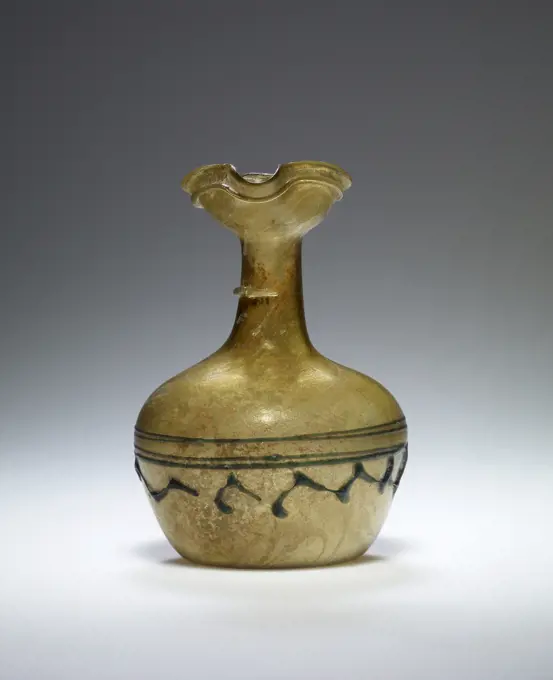
Yellowish-Green Oinochoe with blue trails; Roman Empire; 3rd - 4th century; Glass; 11 x 7.5 cm (4 5,16 x 2 15,16 in.)
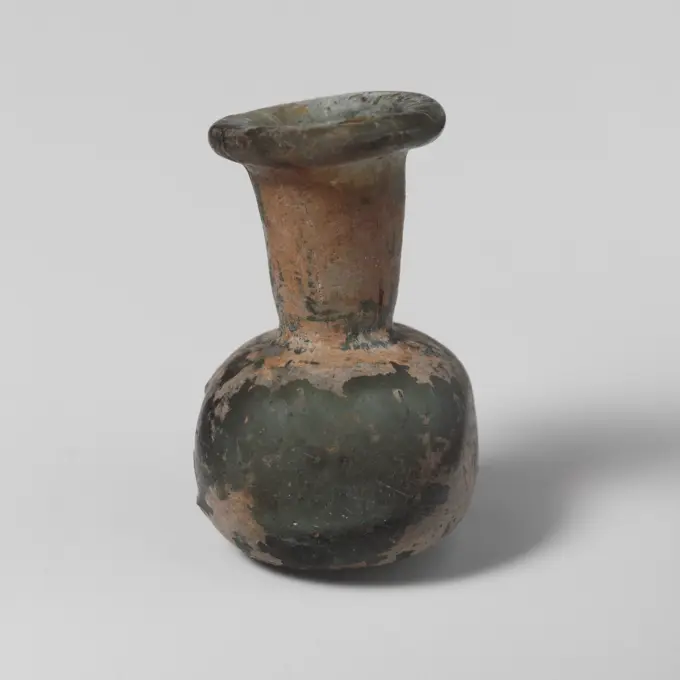
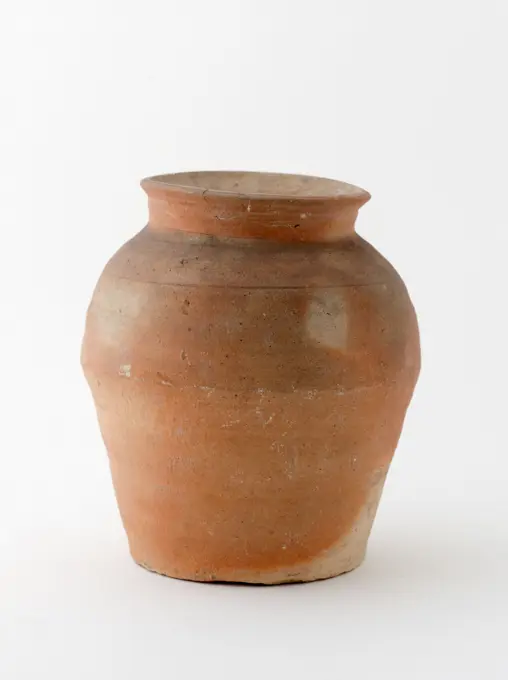
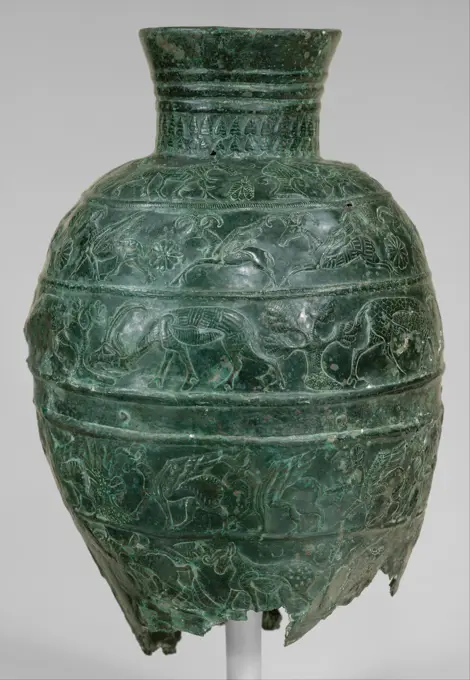
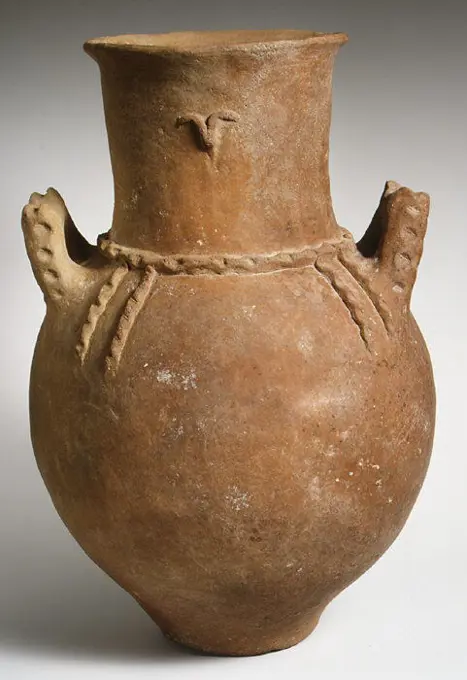
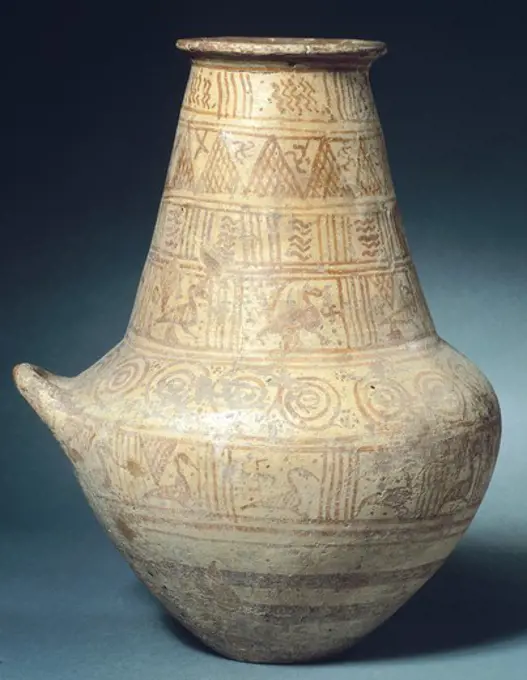
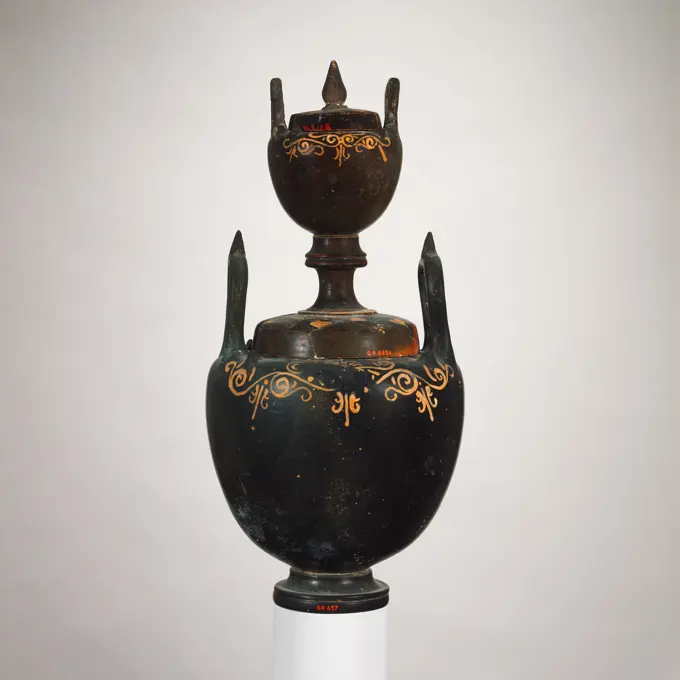
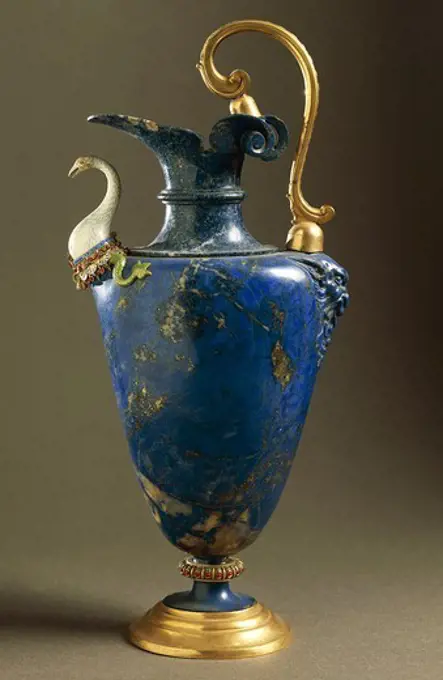
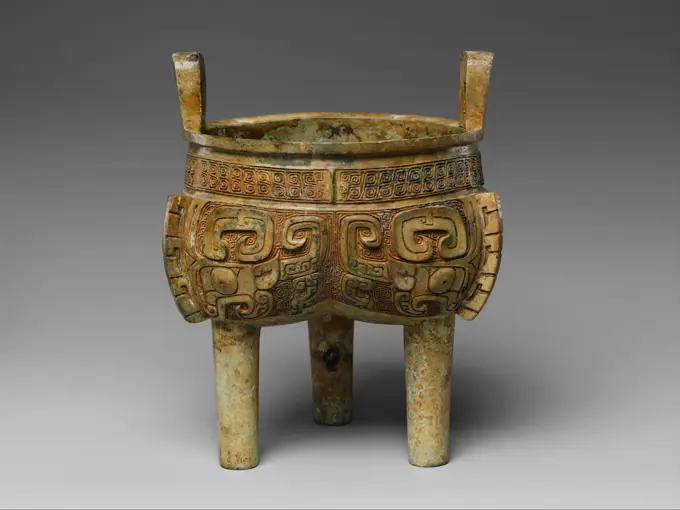
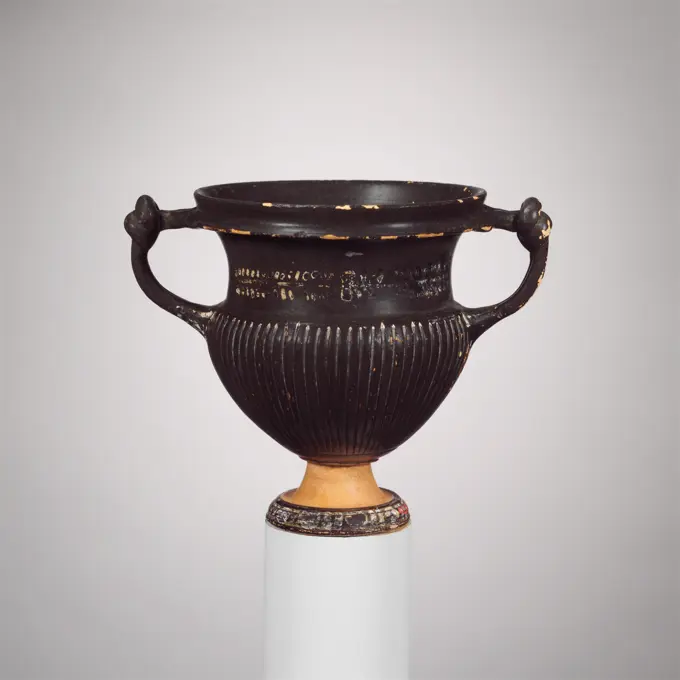
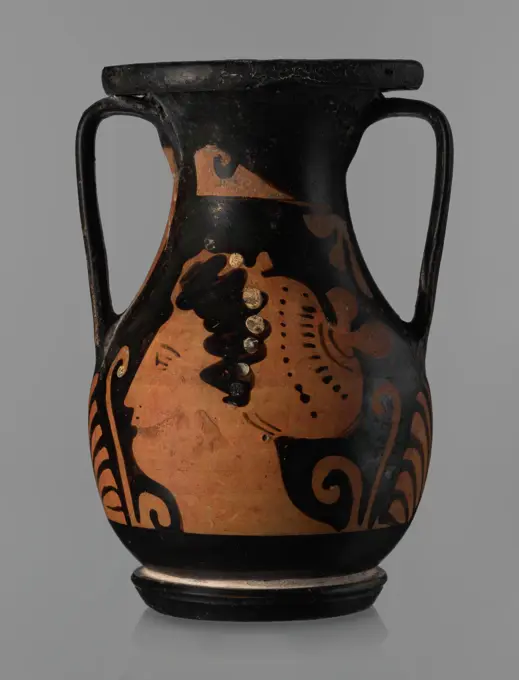
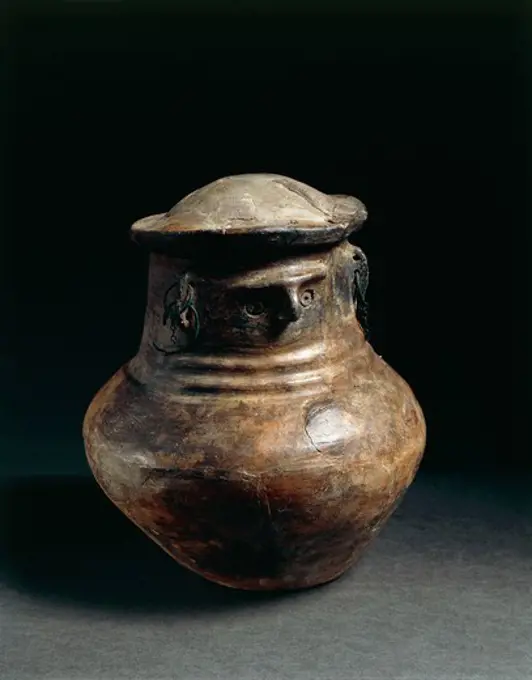
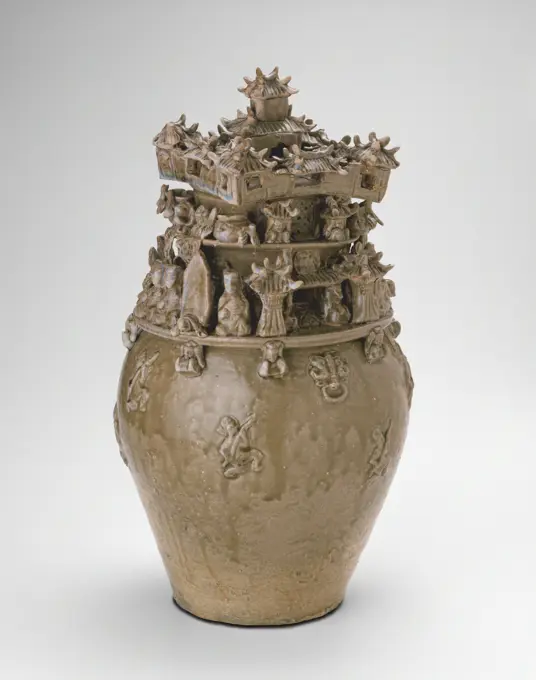
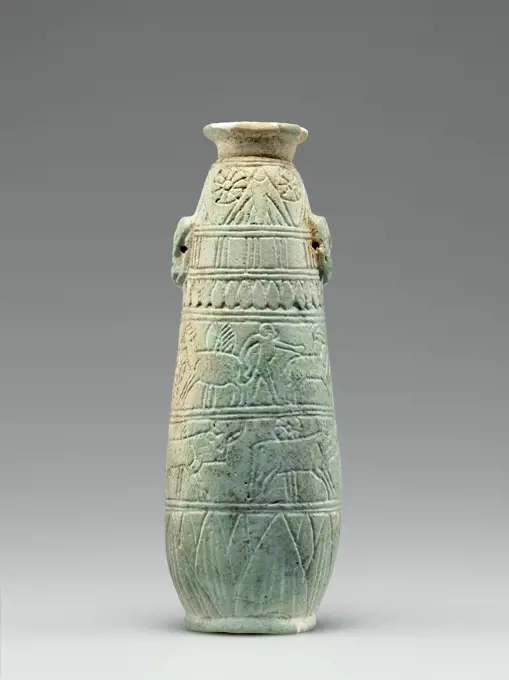
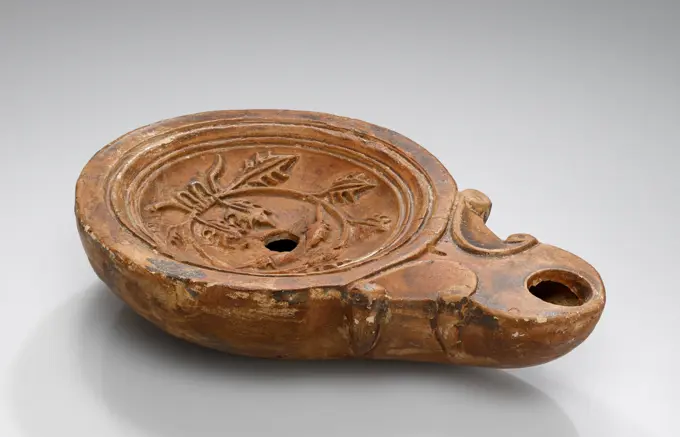
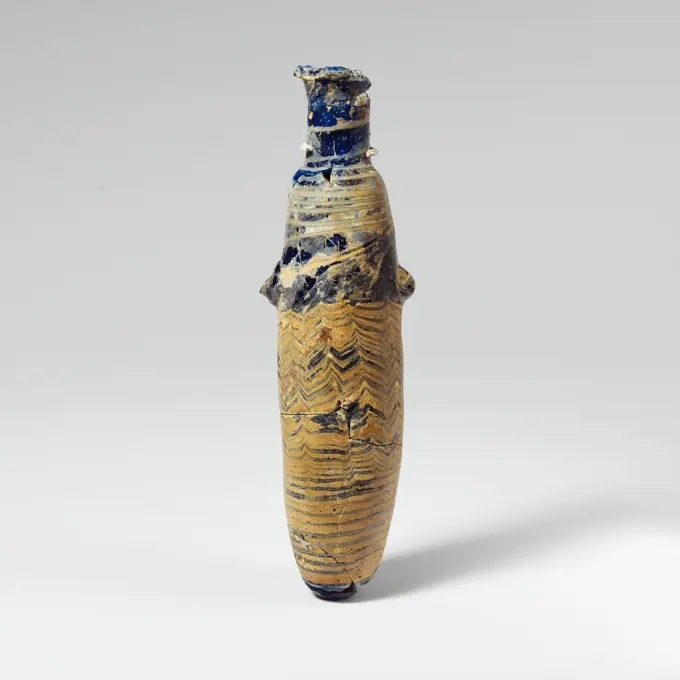
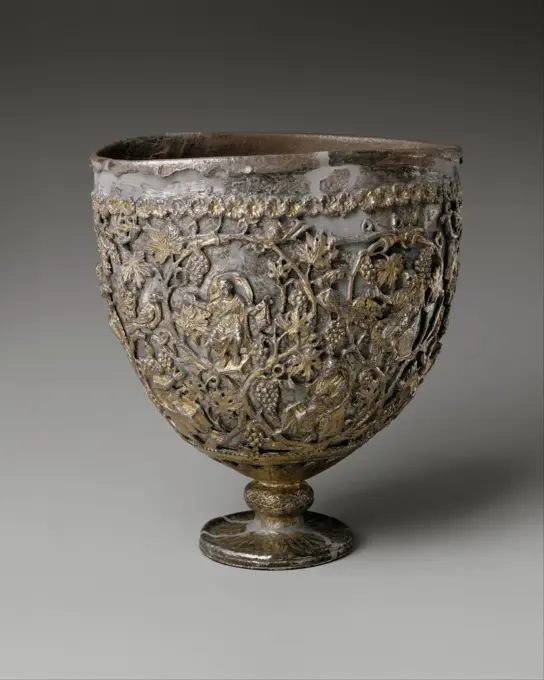
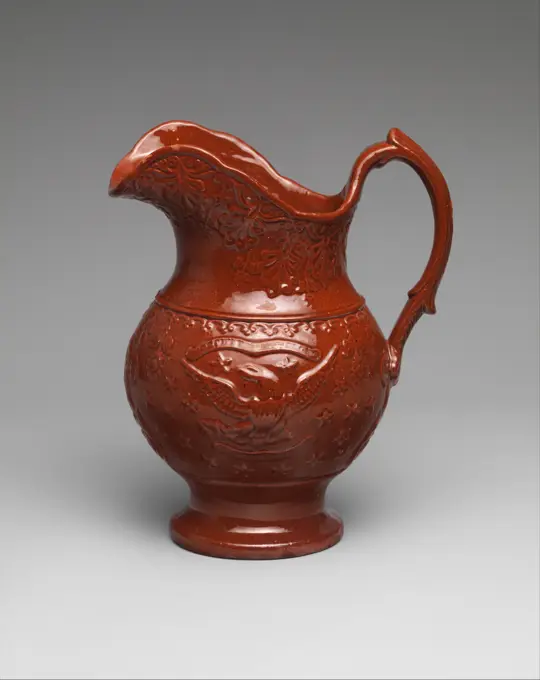
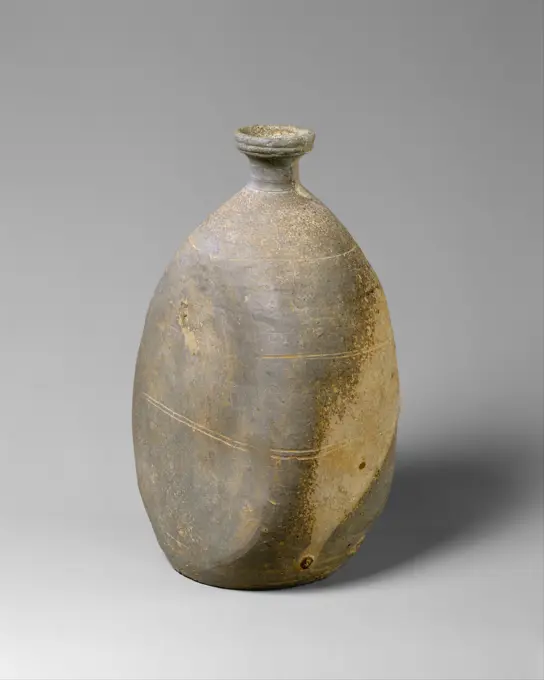
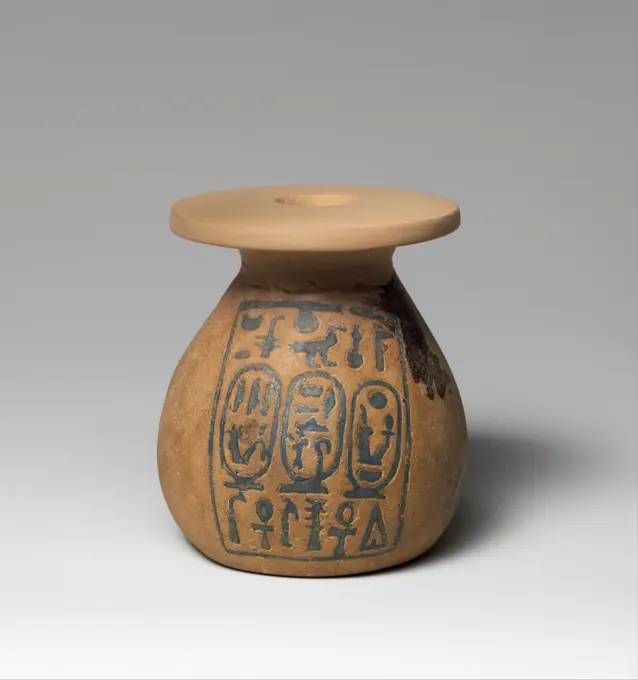
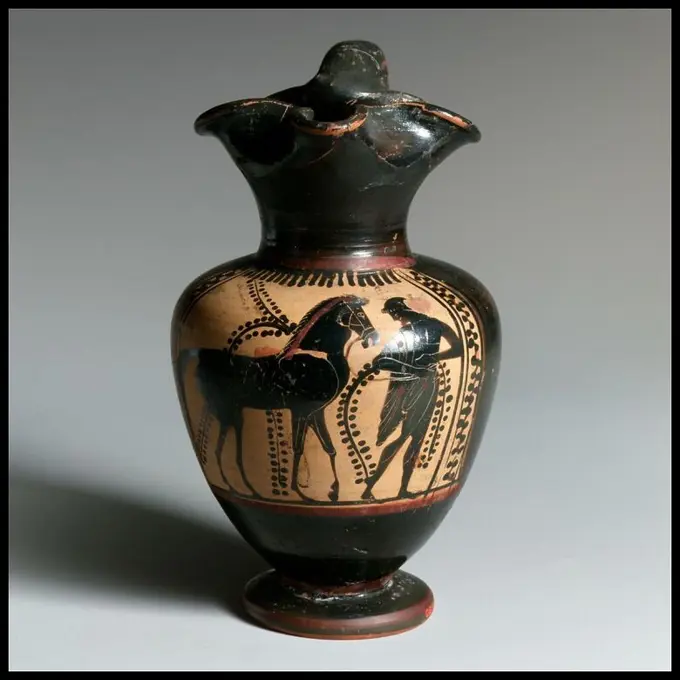
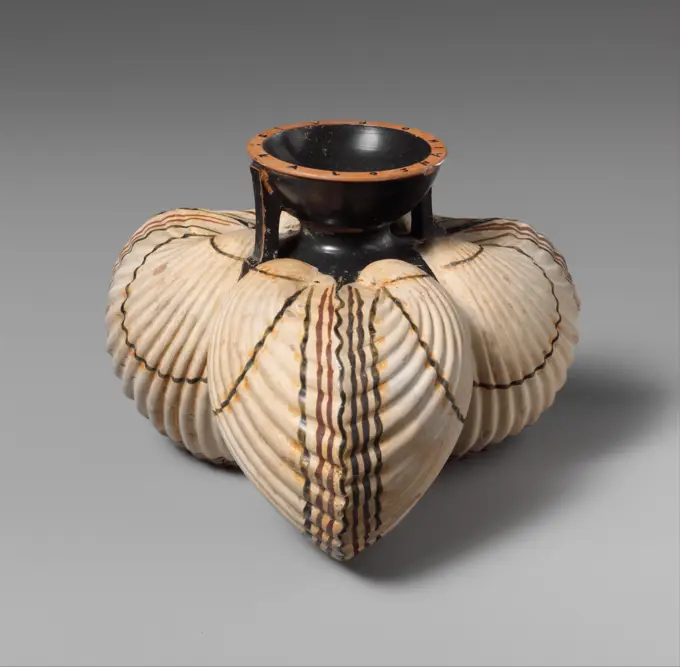
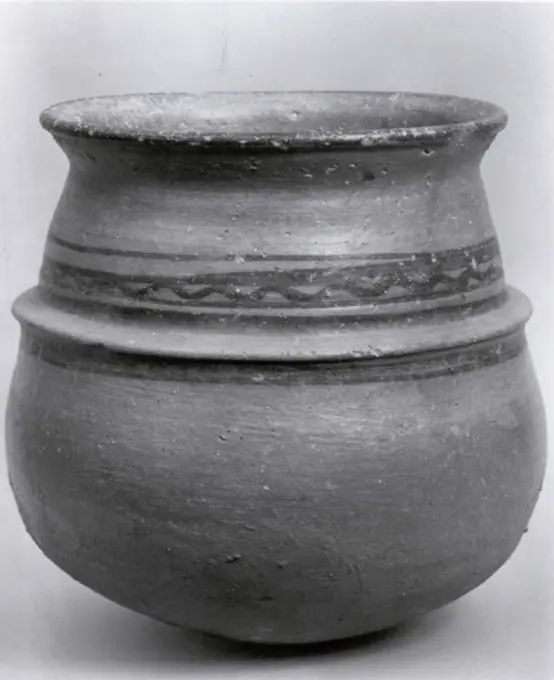
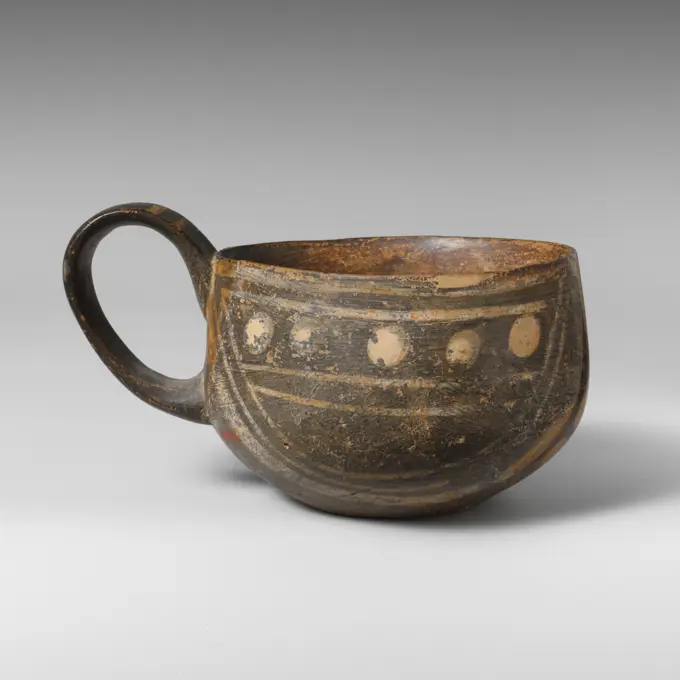
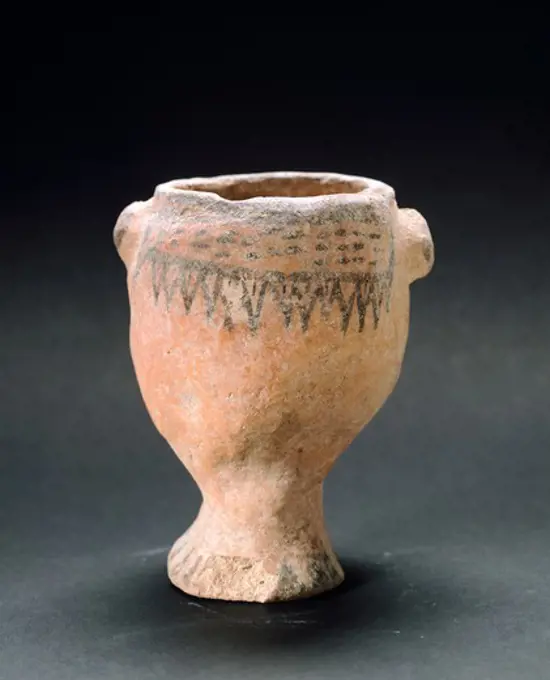
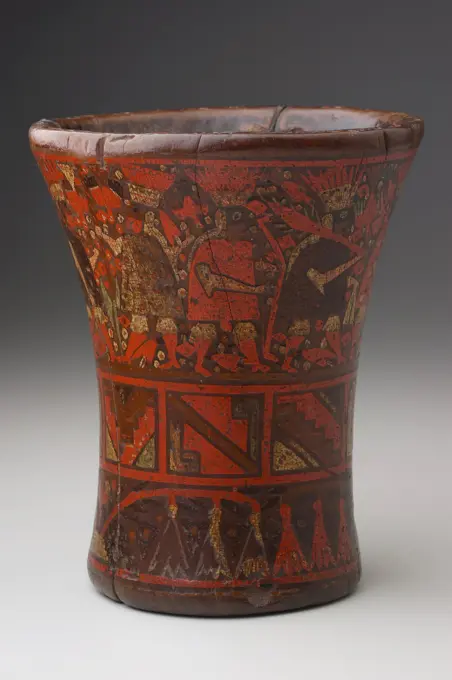
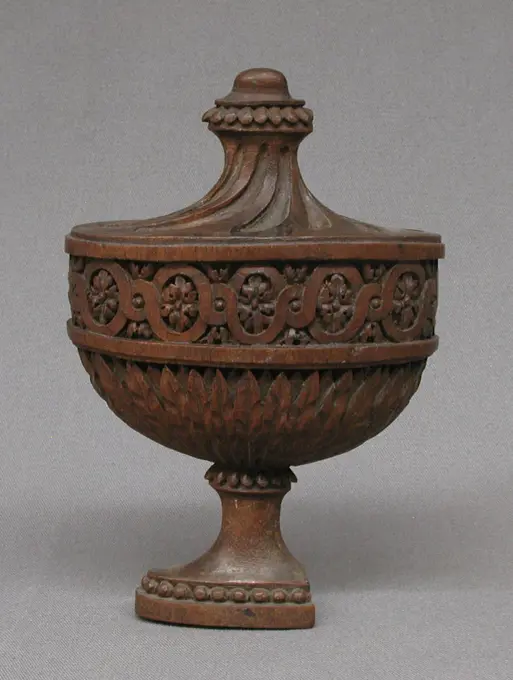
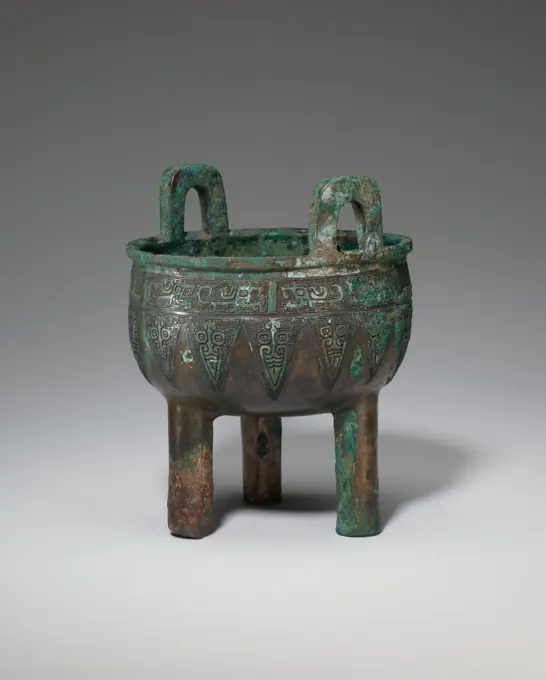
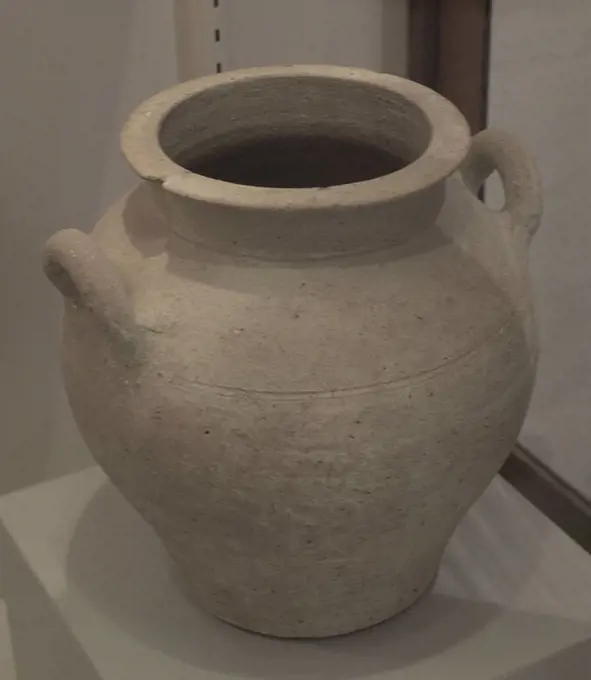
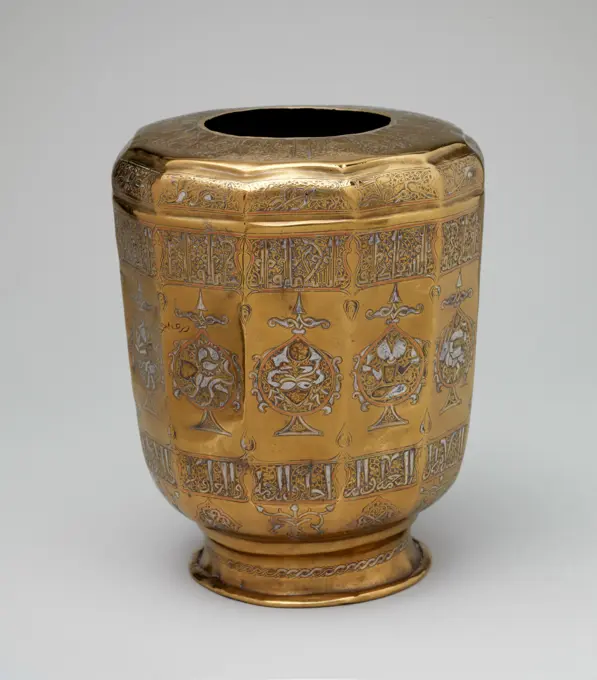
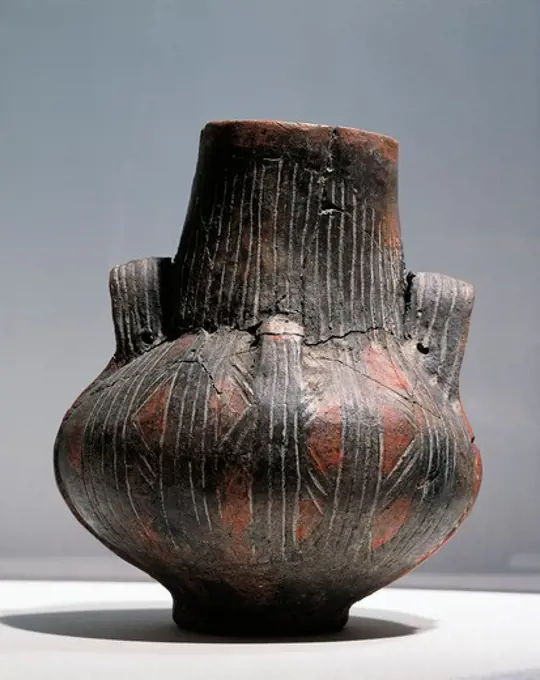
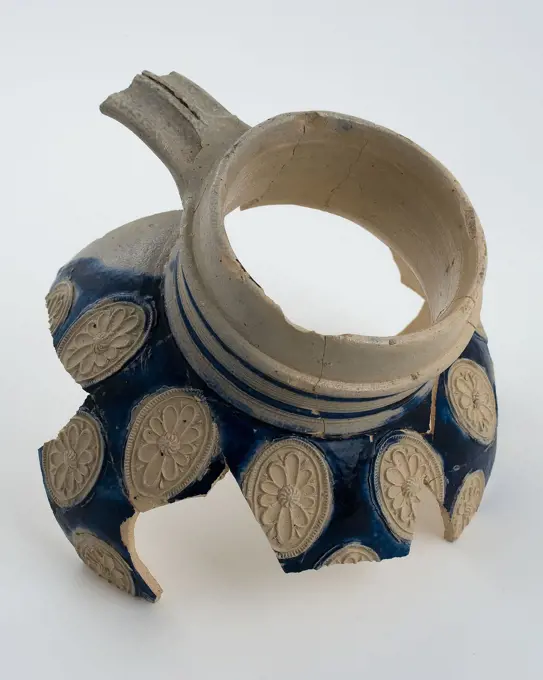
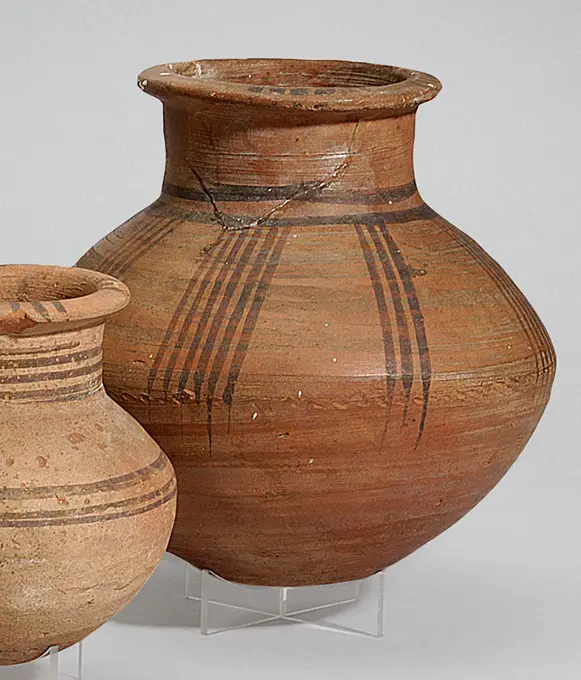
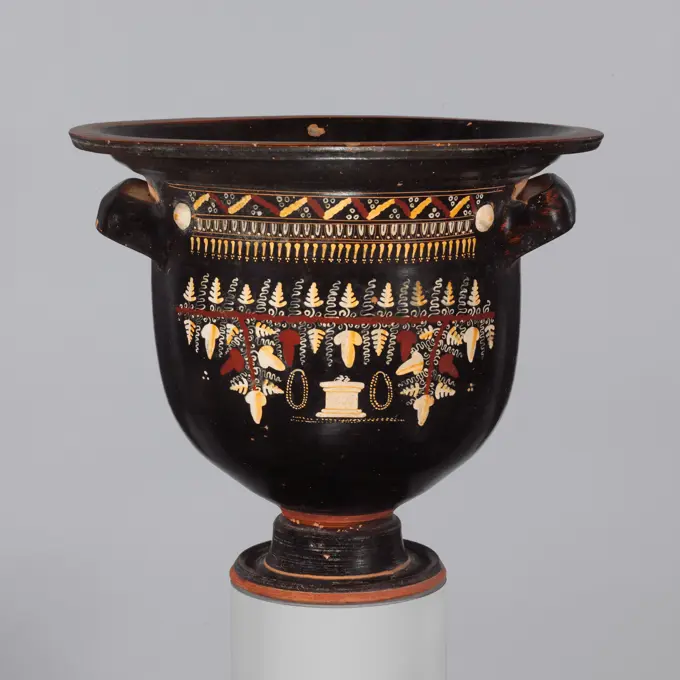
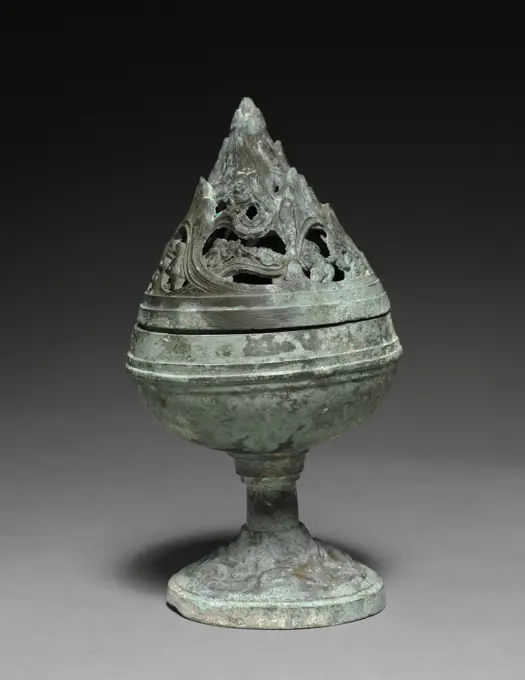
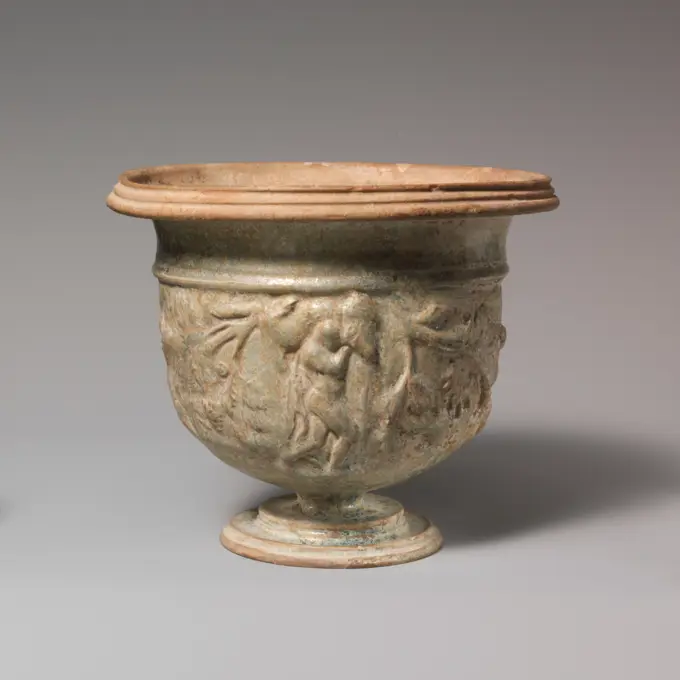
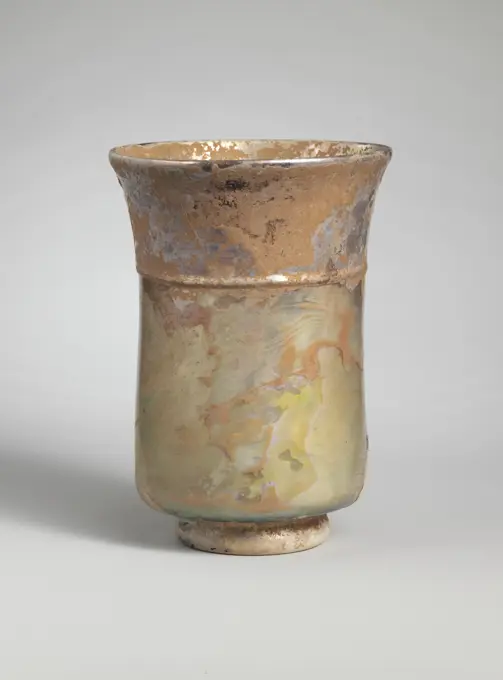
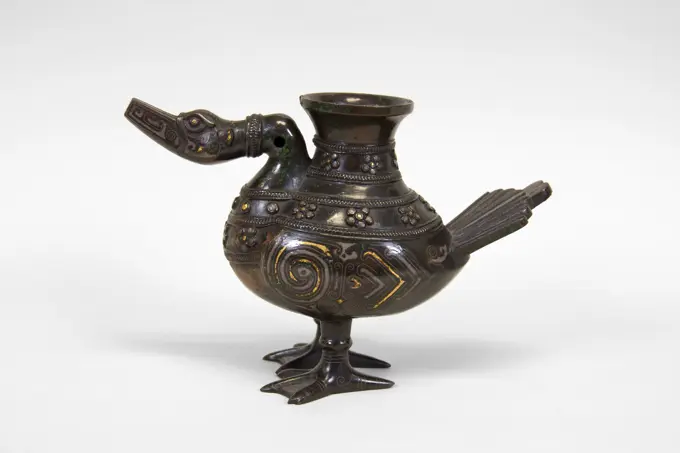
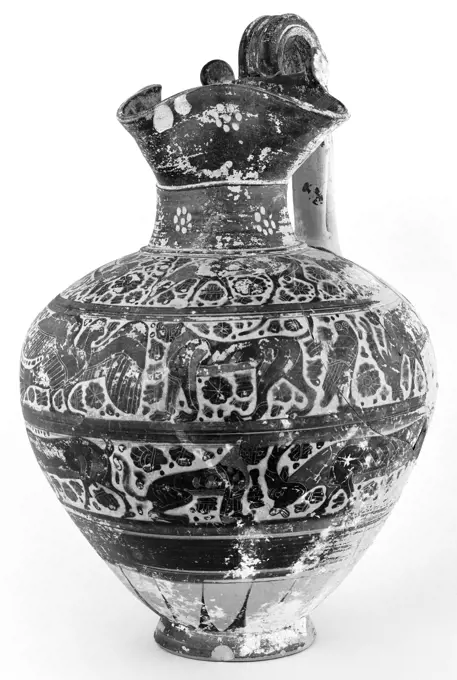
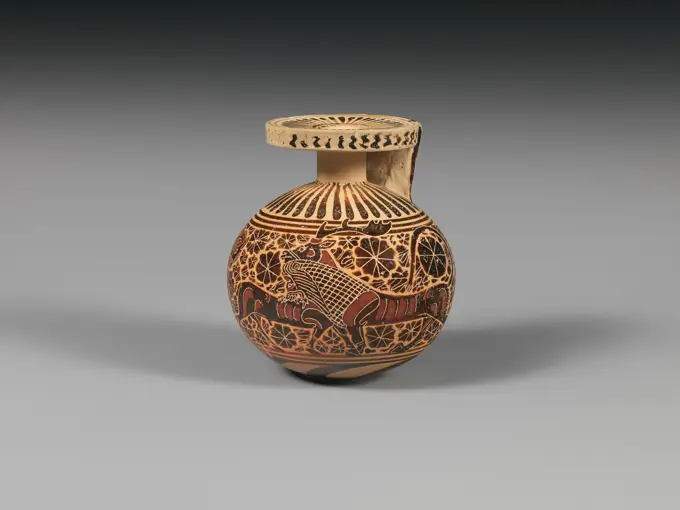
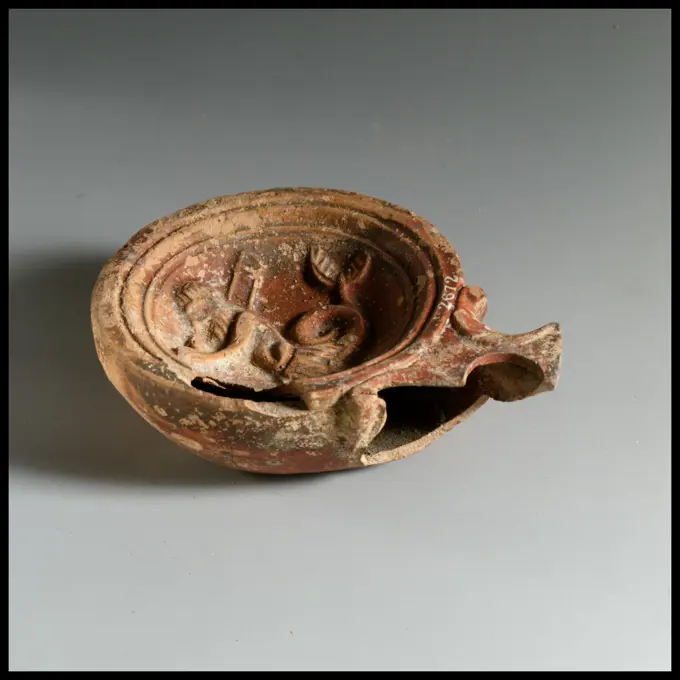
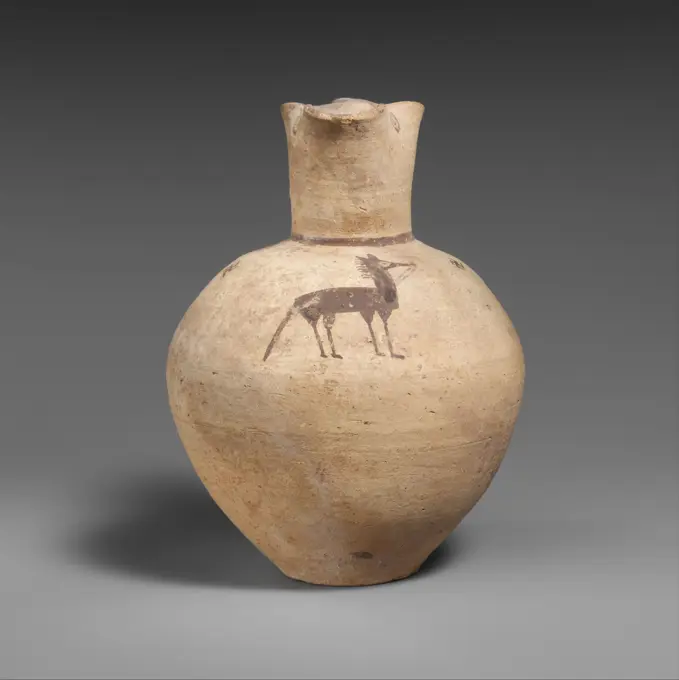
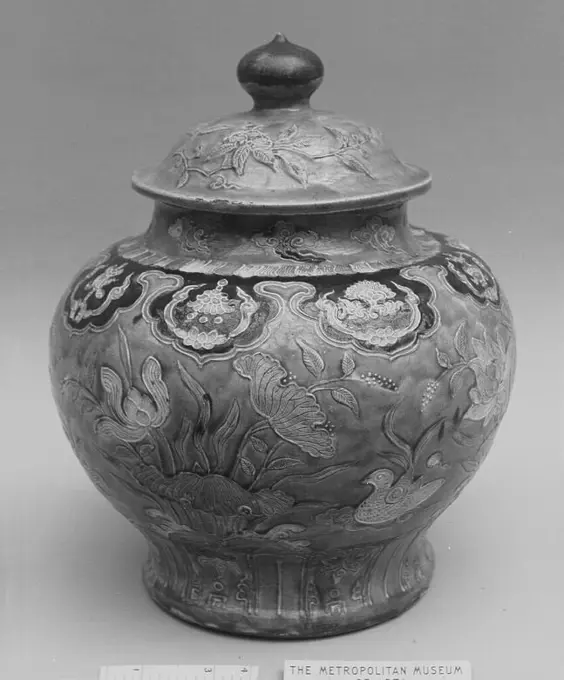
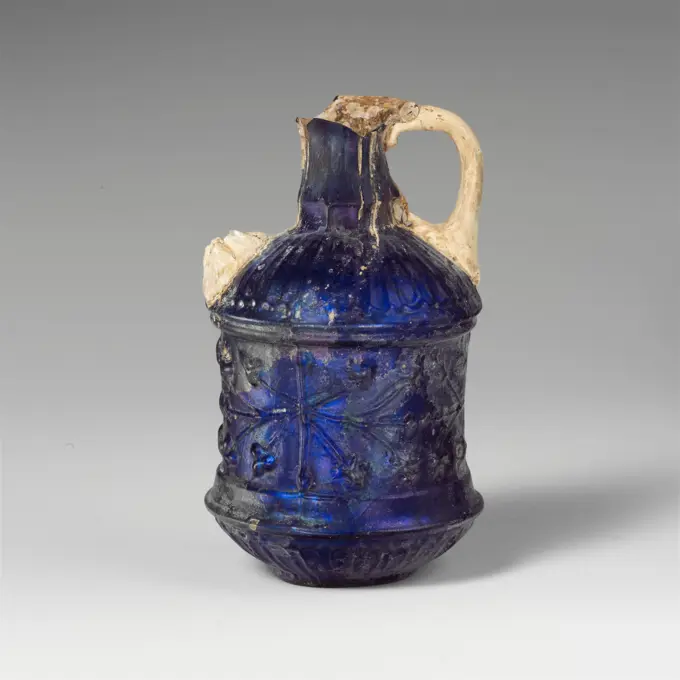
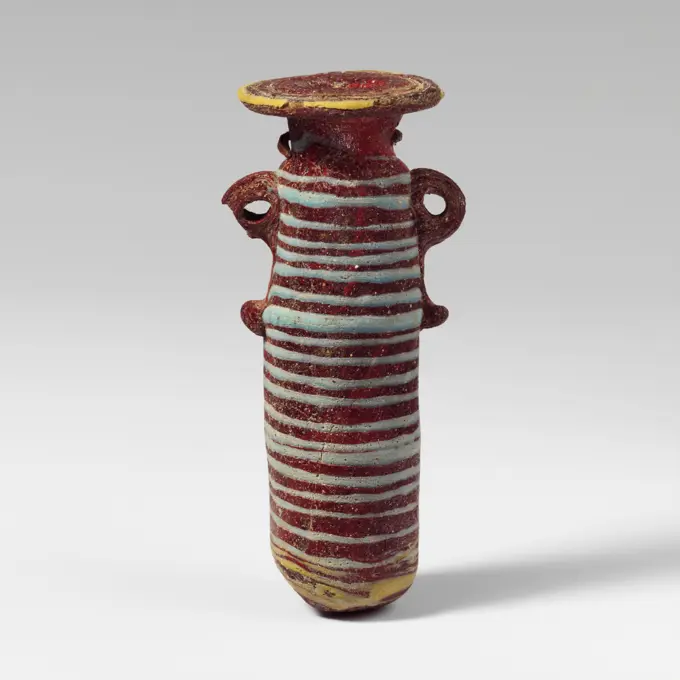
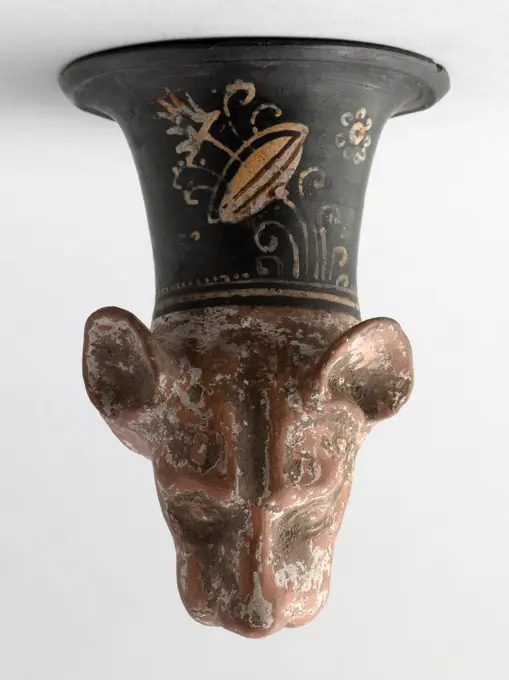
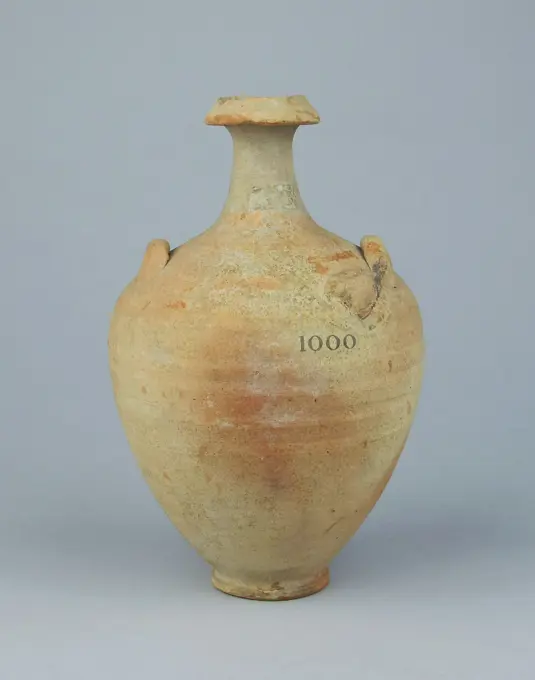
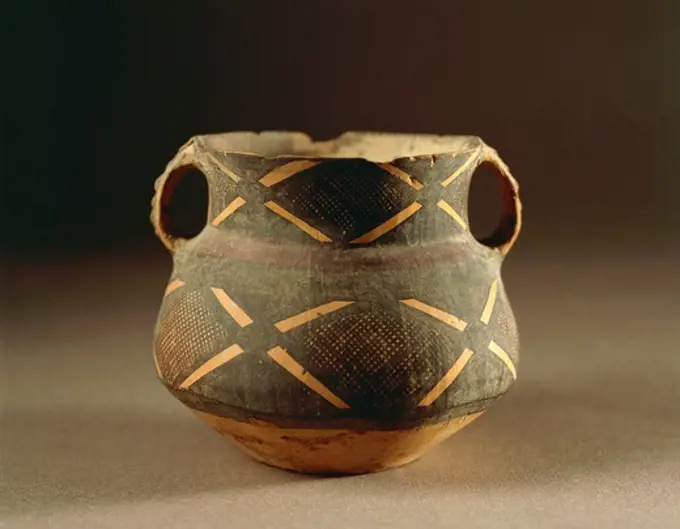
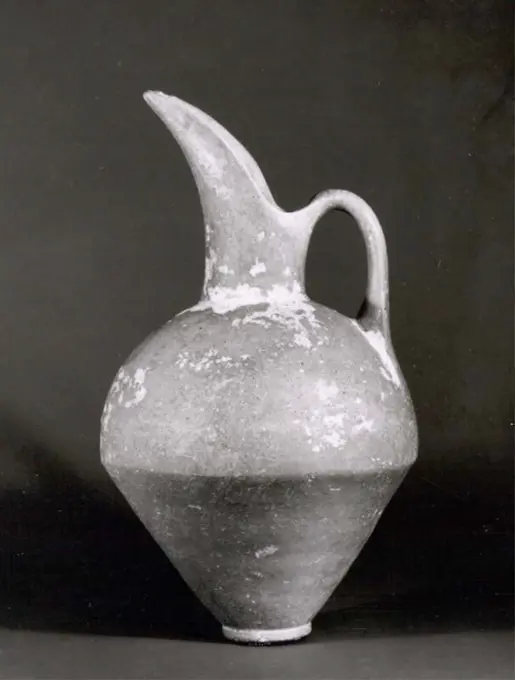
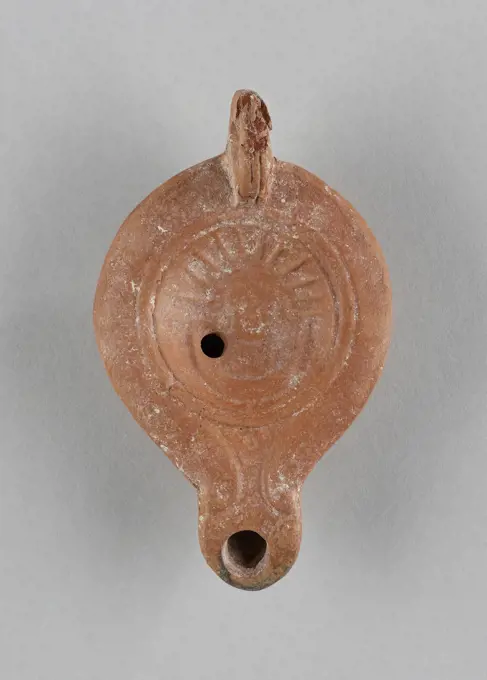
Terracotta footed bowl. Culture: Etruscan. Dimensions: H. 9 7/16 in. (24 cm); diameter of mouth 9 1/8 in. (23.2 cm). Date: ca. 650-625 B.C..Pendant triangles and compass-drawn concentric circles. Museum: Metropolitan Museum of Art, New York, USA.Jar. Culture: China. Dimensions: 6 x 7 1/2 in. (15.2 x 19.1 cm). Date: ca. 2000 B.C.. Museum: Metropolitan Museum of Art, New York, USA.Glass perfume bottle 2nd-3rd century A.D. Roman Small perfume bottleTranslucent blue green.Thick rim folded out, over, and in; funnel-shaped neck, with slight tooling marks around base; horizontal shoulder with sloping edges; roughly squared body with slightly indented sides; pushed-in bottom with pontil scar.Intact; many bubbles and surface glassy inclusions on one side; dulling, faint iridescence, and patches of creamy weathering.. Glass perfume bottle 239759Jar 13th-14th century. Jar. 13th-14th century. Earthenware. Made in Spain or North Africa. CeramicsJar ". Terracotta. Vietnam-Xe-Xive s. Paris, Cernuschi museum. 72187-17 Jar, Vietnamese object, terracottaVessel with six animal friezes ca. 10th-8th century B.C. Iran Bronze, an alloy of copper and tin, was widely used throughout the Near East by the late third millennium B.C. It could be made into many forms by casting, in which molten metal was poured into a mold, or by hammering.This vessel was formed entirely by hammering two sheets of metal, joined in the middle by bronze rivets. Six registers of birds, trees, and horned and striding animals were hammered up from the vessel's surface in the repoussé technique. The bodies were then elaborately decorated with chased lines created by a dull tool that, when struck, pushed the metal to either side. The chased and repoussé decoration has parallels to ivory plaques from the burned fortress of Hasanlu and to gold and silver vessels from the rich burials at Marlik. The decoration has a striking similarity to Wild Goat-style pottery of eastern Greece, suggesting that Greek potters were familiar with this type of Near Eastern vessel.. Vessel wiTerracotta amphora ca. 1900-1600 B.C. Cypriot Amphora with necklace relief around the neck.. Terracotta amphora 240775Bowl 4th millennium B.C.. Bowl. 4th millennium B.C.. Ceramic. Uruk. Mesopotamia, NippurVase first half of the 19th century China. Vase. China. first half of the 19th century. Porcelain with tea-green glaze. Qing dynasty (1644-1911). CeramicsPitcher. Roman; Levant or Syria. Date: 101 AD-200 AD. Dimensions: 13.7 × 6.4 × 6.4 cm (5 3/8 × 2 1/2 × 2 1/2 in.). Glass, blown technique. Origin: Syria. Museum: The Chicago Art Institute, Chicago, USA. Author: ANCIENT ROMAN.Terracotta amphora (storage jar) ca. 530 B.C. Rhodian (Fikellura) Scroll and lotus designs.. Terracotta amphora (storage jar) 251379Large Jar early 19th century Hosho Japanese. Large Jar. Hosho. Japan. early 19th century. Pottery decorated in polychrome enamels (Agano ware). Edo (1615-1868) or Meiji period (1868-1912). CeramicsBetty Jacob, Pitcher, c 1940 PitcherBiconical cinerary urn. Geometric pottery. Etruscan Civilization, 725-700 BC.Lebes gamikos (jar associated with weddings) 4th century B.C. Attributed to the Xenon Group The lid that belongs to the vase is 96.9.17.. Lebes gamikos (jar associated with weddings) 246122Goldsmith's art, Italy, 15th century. Hans Domes (active 1563-1601), Lapis lazuli water ewer, with enamelled gold and gilt bronze. Height 27.5 cm. Manufacture of the Casino di San Marco Workshop.Olpe with high handle. UnknownAmphora-Type Vase with Stylized Flowers 1165-1234 China. Glazed stoneware with underglaze molded decoration .Aryballs orientalized;  580-550 BC (-580-00-00--550-00-00);Wine or water jug; Schwartz, Jan Maciej (Fl. Ca 1800); 1920s (0-00-00-0-00-00);Dinos 750-600 B.C. Cypriot Deep bowl on high foot with two handles and panels of triangles and rosettes.. Dinos. Cypriot. 750-600 B.C.. Terracotta. Cypro-Archaic I. VasesLobed Tripod Cauldron (Liding) 11th century B.C. China The shape of this vessel is derived from utilitarian pottery prototypes. Listen to experts illuminate this artwork's story Listen Play or pause #7350. Ritual Lobed Tripod Cauldron (Liding) 00:00 / 01:20 Supported by Bloomberg Philanthropies We're sorry, the transcript for this audio track is not available at this time. We are working to make it available as soon as possible.. Lobed Tripod Cauldron (Liding) 53947Terracotta kantharos (drinking cup with high handles) late 4th-early 3rd century B.C. Greek, South Italian, Apulian, Gnathian The knotted handles and the ribbing are characteristic of the latest phase of Gnathian pottery.. Terracotta kantharos (drinking cup with high handles) 254348 Greek, South Italian, Apulian, Gnathian, Terracotta kantharos (drinking cup with high handles), late 4thearly 3rd century B.C., Terracotta, H. 4 1/2 in. (11.4 cm). The Metropolitan Museum of Art, New York. Rogers Fund, 1941 (41.162.177)Amphora; Unknown Cypriot workshop; 850-700 BC (-850-00-00--700-00-00);Cyprus, Cyprus, PartageSingle Spout Bottle in Melon Form 5th-3rd century B.C. Paracas. Single Spout Bottle in Melon Form 308615Red -support peliquea;  3. W. 4th century BC (-350-00-00--326-00-00);Prehistory, Poland, Iron Age. Hallstatt culture. Anthropomorphic cinerary urn, 6th-5th century b.C.Funerary Urn (Hunping) 265 CE-316 CE China. This complex and imaginatively modeled vessel is known as an ìurn of the soul,î a symbolic dwelling for the spirit of the deceased. A profusion of figures was molded and applied to its sealed lid, which takes the form of a multistory pavilion. In the balcony-like mouth-rim, a tortoise supports a large vertical tablet, a common form of memorial stone. The real and mythical creatures on the vesselóbirds, monkeys, bears, dragons, kneeling figures, and immortals riding dragonsóall follow the iconography of early Chinese funerary art. Intermingled with these images, however, are depictions of the Buddha, who is identified by his meditating posture, topknot, and halo. The marginal role of Buddhist art in this decorative scheme reflects the adoption of the alien Indian religion, as the Chinese then understood it, into a hospitable mÈlange of different spiritual beliefs. Additionally, this jar reflects a formative stage in the development of Chinaís Anonymous / 'Case for vase in the shape of a cockerel'. 1650 - 1711. Leather, Wood, Metal, Cloth. Museum: Museo del Prado, Madrid, España.Herding Scenes; East Greece; about 580 B.C; Faience; 11.9 × 4.2 cm (4 11,16 × 1 5,8 in.)Lazio Roma Subiaco Monastery of S. Scolastica Archaeological Museum5. Hutzel, Max 1960-1990 Antiquities: Views of antiquities in museum, including sarcophagi, plates, vases, coins. General Notes: Hutzel guide says we have negatives, but we cannot find them. German-born photographer and scholar Max Hutzel (1911-1988) photographed in Italy from the early 1960s until his death. The result of this project, referred to by Hutzel as Foto Arte Minore, is thorough documentation of art historical development in Italy up to the 18th century, including objects of the Etruscans and the Romans, as well as early Medieval, Romanesque, Gothic, Renaissance and Baroque monuments. Images are organized by geographic region in Italy, then by province, city, site complex and monument.Lamp. UnknownJug. Dated: c. 1939. Dimensions: overall: 40.6 x 30.5 cm (16 x 12 in.) Original IAD Object: 11 1/8" High. Medium: watercolor, graphite, and colored pencil on paperboard. Museum: National Gallery of Art, Washington DC. Author: John Tarantino.Water Jar 18th century Japan. Water Jar 47788Wine Vessel (Hu), c. 1000-900 BC. China, early Western Zhou dynasty (c. 1046-771 BC). Bronze; overall: 46.1 cm (18 1/8 in.); without cover: 41.7 cm (16 7/16 in.).Glass alabastron (perfume bottle) mid-4th-early 3rd century B.C. Greek, Eastern Mediterranean or Italian Translucent cobalt blue, with handles in same color; trails in opaque white (appearing very pale greyish blue) and opaque yellow.Rim-disk; tall cylindrical neck; sloping shoulder; slightly bulbous cylindrical body; small convex bottom; on body, two large lug handles, applied over trail pattern, both with tooled upward indents.A white trail applied to neck and wound spirally down across body, ending in circle around bottom; another yellow applied to rim-disk and trailed down across neck and upper body over white trail, tooled into a close-set zigzag pattern with shallow vertical ribbing around middle of body, then continuing in uneven horizontal lines and ending with a thick blob spiral around base of body.Broken and repaired; most of rim-disk and part of neck missing, one large crack with losses around body, and one large hole around bottom; dulling, some pitting, and iridescent milMexico.Mexico city.National Museum of Anthropology.Ceramic vessel.Italy, Calabria, Black-figure Attic Lekythoi (vases used to store oil) from the grave no.165Corinthian Trefoil Oinochoe. UnknownThe Antioch "Chalice" 500-550 Byzantine When it was discovered at the beginning of the twentieth century, this "chalice" was claimed to have been found in Antioch, a city so important to the early Christians that it was recognized with Rome and Alexandria as one of the great sees of the church. The chalice's plain silver interior bowl was then ambitiously identified as the Holy Grail, the cup used by Christ at the Last Supper. The elaborate footed shell enclosing it was thought to have been made within a century after the death of Christ to encase and honor the Grail. The fruited grapevine forming the rinceau pattern of the gilded shell is inhabited by birds, including an eagle; animals, including a lamb and a rabbit; and twelve human figures holding scrolls and seated in high-backed chairs. Two of the figures are thought to be images of Christ. The other ten figures have been variously identified as ten of the twelve apostles, or philosophers of the classical age, who, like the prophePitcher ca. 1830-31 Orcutt & Thompson. Pitcher 20743Oil lamp. unknown, craftsmanCovered Box. Thailand, Sawankhalok, 14th-15th century. Furnishings; Accessories. Stoneware with incised decoration and brown glazeBottle with flattened side 9th or 10th century Korea This shape likely derives from leather water bottles carried by northern nomadic tribes of Eurasia. Stoneware bottles of this type were produced at the kilns in Jinjuk-ri, South Chungcheong Province, during the ninth century, and they continued to be made into the early tenth century at the Gurim-ri kilns in South Jeolla Province.. Bottle with flattened side 36452Worked Obsidian Core. Mexico, Mezcala, 500-1500 CE. Stone. ObsidianVase 19th century. Vase 444611Félix Massoul (Félix-Victor, dit). Jar. Sandstone enamelled and glued. Before 1907. Museum of Fine Arts of the City of Paris, Petit Palais. Ceramic, gres emaille, pot, pottery, 19th 19th 19th 19th 19th 19th centuryCERAMICA DE GALICIA.Vessel with a hieratic inscription;  around 2686- 2181 BC ; Old state (-2686-00-00--2181-00-00);Bronze oinochoe: olpe (jug) 6th century B.C. Etruscan The olpe is a common shape due, certainly, to its simplicity and convenient size. The Greek world, especially Attica, furnishes many variants of terracotta. Bronze examples are better documented in Etruria.. Bronze oinochoe: olpe (jug) 256651Double Spout Bottle 2nd-1st century B.C. Paracas. Double Spout Bottle 308466Kohl Jar Inscribed with the Names of Amenhotep III and Queen Tiye ca. 1390-1352 B.C. New Kingdom. Kohl Jar Inscribed with the Names of Amenhotep III and Queen Tiye 553927Whistling pot, 5th century BCE - 2nd century CE, 8 1/2 x 7 1/2 x 5 in. (21.6 x 19.05 x 12.7 cm), Earthenware, Peru, 5th century BCE - 2nd century CEOinochoe. Culture: Greek, Attic. Dimensions: 5 7/16in. (13.8cm). Date: 1st quarter of 5th century B.C.. Museum: Metropolitan Museum of Art, New York, USA.Terracotta aryballos (oil flask) in the form of three cockleshells late 6th century B.C. Greek, Attic Inscribed on the lip, "the boy is fair"Such small bottles held the olive oil used by athletes to cleanse themselves after exercise. This exquisite vase is embellished with black and red lines that accentuate the outer rims of the three shells.. Terracotta aryballos (oil flask) in the form of three cockleshells. Greek, Attic. late 6th century B.C.. Terracotta. Archaic. VasesFlasza. unknown, authorJar ca. 2000-1600 B.C. Iran This jar has a globular body, a ring base, a ridge around its shoulder, a high neck and an everted rim. It is made of a buff clay, with dark brown horizontal lines on the shoulder. It was found in a grave at Kamterlan II, a mound in Luristan in the Zagros Mountains of western Iran. Although it had been a settlement in the late third millennium B.C., by the second millennium the site had become a cemetery. It is difficult to say what purpose this bowl served, or even to determine whether it was a special funerary item or an object of everyday use. The raised ridge at the shoulder might suggest that the shape of this vessel imitates a metal prototype.It is often thought that the inhabitants of Luristan in this period were pastoral nomads, who moved with their herds from the high valleys of the Zagros during the summer to lowland pastures in the winter. This theory arises from the dearth of evidence for settlements, and the occurrence of isolated cemetery sitesTerracotta one-handled cup ca. 2200-1900 B.C. Minoan On the body, festoons, dots, and horizontal bandsWhite-on-dark ware was the principle fine ware of the Early Minoan III period in eastern Crete. It marks the beginning of a long Middle Bronze Age tradition of white-painted and polychrome pottery on Crete.. Terracotta one-handled cup. Minoan. ca. 2200-1900 B.C.. Terracotta; White-on-dark ware. Middle Minoan I. VasesPottery cup, Apulia, Italy. Daunia Civilization, 5th-4th Century BC.An element of architectural decoration with the name of the Elamic king Untasz-Napiriszy; unknown ELAMIC workshop; around 1250 BC ; Dennieelamic period (-1255-00-00--1245-00-00);Elam, Untasz-D.Napirish (1275-1240 A.C.), decorative elements, Zigurat in Dur -untasz (Hush Zanbil, Iran)Vessel, c. 1470-1560, 7 5/8 x 6 3/8 in. (19.37 x 16.19 cm), Wood, pigment, Peru, 15th-16th century, Chicha - fermented maize beer - was served in keros at Inka religious ceremonies and social celebrations. The imagery on this kero is divided into three registers. At the top, men participate in a procession or mock battle carrying drums, staffs, weapons, and a flag. Two wear Spanish costume; the others are dressed as Antis or Chunchos, enemies of the Inka from the neighboring Amazon region. The middle band is decorated with tocapu - symbolic geometric designs adapted from Andean textiles. Indigenous birds and flowers adorn the lower register.Vase detail 18th century French. Vase detail 189568 French, Vase detail, 18th century, Walnut, Overall: 5 1/2  4 in. (14  10.2 cm). The Metropolitan Museum of Art, New York. Gift of J. Pierpont Morgan, 1906 (07.225.329)Ding food vessel, 12th century BCE, 8 1/16 × 6 7/16 × 6 1/4 in., 4.2 lb. (20.4 × 16.4 × 15.8 cm, 1.9 kg), Bronze, China, 12th century BCEEarly Roman Period. Funerary urn with cremated human remains from a Punic tomb found at Ta'Daxxa, Ghasri, Gozo Island, Malta. 2nd-1st century B.C. Gozo Museum of Archaeology. Cittadella de Victoria. Gozo, Malta.Ewer Base with Zodiac Medallions first half 13th century The full zodiacal cycle is depicted in the twelve medallions on the facets of this vessel. Three inscriptional bands, each with a different calligraphic style, also carry traditional blessings to the owner.. Ewer Base with Zodiac Medallions. first half 13th century. Brass; engraved, inlaid with silver and copper. Probably made in Iran. MetalBulgaria, Burgas region, Jug decorated with geometric ribbon motives, terracottaNeck fragment of stoneware jug with oval cartouches and blue glaze, jug crockery holder soil find ceramic stoneware glaze salt glaze, hand twisted stamped glazed glazed fry Neck fragment of spherical jug or ball flask. Stoneware Wide neck short and cylindrical decorated with some profile rings and blue bands Decorated on the belly with oval cartouches in which an elongated rosette Between the cartouches blue glazed cobalt blue Strong profiled standing ear. Turning locks on the inside archeology Rotterdam City center Stadsdriehoek Oostplein underground pit indigenous pottery import drinking wine beer serving serving table Soil discovery Rotterdam underground pit Oostplein from large waste pit 1976.Naczynie dekorowane malowanymi liniami. unknown, authorPommander. Egypt, Roman Period or later (100 - 600 CE). Tools and Equipment; containers. BronzeTerracotta bell-krater (mixing bowl) ca. 350-300 B.C. Greek, South Italian, Apulian, Gnathian Altar and wreaths below a grapevineThe motifs depicted here are more than purely decorative. The pendants reflect a contemporary predilection for embellishing vases with necklaces. This tradition continued even into Roman paintingnote the Black Bedroom from Boscotrecase. The grapevine here alludes to Dionysos, god of wine, while the altar may indicate his connection with the theater.. Terracotta bell-krater (mixing bowl). Greek, South Italian, Apulian, Gnathian. ca. 350-300 B.C.. Terracotta; applied color. Classical. VasesIncense Burner (Boshan Lu), 200-100 BC. China, Western Han dynasty (202 BC-AD 9). Bronze; diameter: 9.9 cm (3 7/8 in.); overall: 18.4 cm (7 1/4 in.); lid: 7.8 x 9.1 cm (3 1/16 x 3 9/16 in.); container: 11.3 cm (4 7/16 in.).Terracotta bowl 1st half of 1st century A.D. Roman The figure may represent Hercules performing one of his twelve laborscarrying off the Erymanthian boar, a scene that was long familiar from Greek art.. Terracotta bowl. Roman. 1st half of 1st century A.D.. Terracotta; lead-glazed ware. Early Imperial, Julio-Claudian. Vases'Molar' flask 8th-9th century This bottle was wheel-cut from a rectangular block of glass, then a thin channel was drilled in the middle that was filled with kohl or scented oil. The object is called a molar flask because its feet resemble the roots of molar teeth.. 'Molar' flask. 8th-9th century. Glass, green; cast or blown, cut. Attributed to probably Iran. GlassBlack -refreshed amphora;  5th century BC (-500-00-00--401-00-00);Glass lentoid bottle Roman 2nd-3rd century CE Translucent pale blue green.Uneven, rounded rim; small, flaring mouth; cylindrical neck, tooled in around base; globular, flattened body; small, flattened pad with pontil marks on bottom.Intact, except for cracked and chipped rim; some bubbles; dulling and faint iridescence on one side; patches of pitting and iridescent weathering on the other.Glass beaker 4th century A.D. Roman Colorless with a pale blue green tinge; trail in translucent deep blue green.Everted rim with rounded lip; cylindrical body with concave side, then curving in sharply to solid pad base; kick in bottom with central pontil scar.Single horizontal trail wound once round upper body.Intact; some bubbles and blowing striations; soil encrustation, thick enamel-like whitish weathering, and brilliant iridescence.. Glass beaker 253433 Roman, Glass beaker, 4th century A.D., Glass, H.: 4 5/16 in. (10.9 cm) Diam.: 3 1/8 in. (8 cm). The Metropolitan Museum of Art, New York. Gift of Mrs. Elias Kempner, 1934 (34.132.3)Vessel in the Shape of a Waterfowl 12th-13th century China Vessels in the shape of waterfowl are known from before the Han dynasty (206 B.C.-A.D. 220). During the eleventh century, this form was revived as part of a widespread interest in antiquarianism and, in particular, in early vessels in bronze and clay. The date of this vessel derives from a comparison to one such illustrated in a twelfth century compendium of antiquities and is reinforced by the fluidity of the inlaid decoration, which becomes more rigid and geometric over time.. Vessel in the Shape of a Waterfowl 39622JARRITA. Nº INV. M-18-1-84-A-16. DIAMETRO BOCA 6,4 CM. MUSULMAN. (EXPOSICION :ARTE ISLAMICO ESPAÑOL)(DEPOSITO: C.E.A.A.IBN ARABI. ).ARIBALO - CERAMICA PERUANA CON DECORACION GEOMETRICA - CULTURA INCA - SIGLO XV Y XVI DC. Location: MUSEO DE AMERICA-COLECCION. MADRID. SPAIN.Corinthian Trefoil Oinochoe; Greece (Corinth); 575 - 550 B.C; Terracotta; 43.2 cm (17 in.)Clay pot Clay pot of manual work. It is possible to store milk or other liquid Copyright: xZoonar.com/ValeryxxSibrikovx 2418764Terracotta aryballos (perfume vase) ca. 620-590 B.C. Attributed to an artist near the Sydney Cluster Panther to right, stag attacked by lions, swan with spread wings; in field, above panther's back, helmeted head.. Terracotta aryballos (perfume vase). Greek, Corinthian. ca. 620-590 B.C.. Terracotta; black-figure. Early Corinthian. VasesTerracotta oil lamp 1st century B.C.-1st century A.D. Roman, Cypriot Loeschcke Type 1A. Mold-made. Discus: bearded Triton, facing left, naked to waist, and a curled fish tail issuing from a leafy skirt, and holding over his proper right shoulder a rudder (); a single filling hole at bottom left; band of a single broad line flanked by two concentric grooves towards edge. Volutes flanking angular nozzle. Broad, raised base ring, and flat base.Hole in left side of discus missing; another large hole in front of body and underside of nozzle, with left side of nozzle missing.. Terracotta oil lamp. Roman, Cypriot. 1st century B.C.-1st century A.D.. Terracotta. Early Imperial. TerracottasTerracotta jug 850-750 B.C. Cypriot Swastikas and a horse at front.. Terracotta jug 240136Vessel with Feline, 700 BC-1. Peru, South Coast, Paracas (Cavernas) style (700 BC-AD 1). Earthenware, resin-based paint; diameter: 14.2 cm (5 9/16 in.); overall: 11.3 cm (4 7/16 in.).Beaker. UnknownCovered Jar. Culture: China. Dimensions: H. 17 in. (43.2 cm). Date: 16th century. Museum: Metropolitan Museum of Art, New York, USA.Terracotta miniature jar with two handles. Culture: Greek, Laconian. Dimensions: H. 2 1/8 in. (5.4 cm). Date: 7th-6th century B.C..Two handles, traces of white paint. Museum: Metropolitan Museum of Art, New York, USA.Glass two-handled bottle 1st half of 1st century A.D. Roman Translucent cobalt blue, with handles in opaque white.Rim folded out, round, and pressed into flaring mouth; cylindrical, slightly concave neck, with horizontal indented band around base; convex sloping shoulder; cylindrical body with recessed central panel, then cup-shaped below; low circular base with rounded edge and flat bottom; two rod handles applied to shoulder in large round pads, drawn up in a curving loop, and pressed onto top of neck and underside of rim. Three mold seams run from lower neck, across shoulder, and down sides to top of prominent horizontal ridge; a separate cup-shaped section forms the lower body and base.Decoration in three registers: on shoulder, downturned tongues in raised outline, interspersed at bottom with pointed darts, with two horizontal raised ridges below; on body, central panel divided into three sections by a vertical thrysos-like staff or rod, with bud-like knobs on each end, floral sprWater Pot 18th century Japan. Water Pot. Japan. 18th century. Clay covered with a dappled glaze and an overglaze (Takatori ware). Edo period (1615-1868). CeramicsBottle decorated with peonies 13th-early 14th century China. Bottle decorated with peonies 44737Vase. Culture: China. Dimensions: H. 6 1/2 in. (16.5 cm). Museum: Metropolitan Museum of Art, New York, USA.Glass alabastron (perfume bottle) 5th century B.C. Greek, Eastern Mediterranean Opaque red brown, streaked with sealing wax red, with handles in same color; trails in opaque yellow and opaque turquoise blue.Broad horizontal rim-disk; cylindrical neck, tapering downwards; narrow rounded shoulder; straight-sided cylindrical body, tapering upwards; uneven convex bottom; two large vertical ring handles with knobbed tails, applied over trail decoration; one higher than the other.A yellow trail attached at edge of rim-disk; a turquoise blue trail applied to neck, wound in a close-set spiral down body; another yellow trail applied over the turquoise blue in an uneven band around lower body and bottom.Intact, except for part of one ring handle and one circular hole in bottom; dulling and pitting, and faint iridescence.. Glass alabastron (perfume bottle) 245761Rhyton in the shape of a lion cub. Red figures. Taranto, 350 -340 BC. AD Museum of Fine Arts of the City of Paris, Petit Palais. 59537-2 Antiquity, Greek-Roman antiquity, ancient art, ceramic, feline, red figure, large Greece, 4th 4th 4th 4th 4th 4 Center AV.JC, lionceau, molding, ancient period, pottery, container, rhyton, funeral rite, ritual, earth Cooked, head, drinking vase, ancient vase, funeral vase, black varnish, wine, animal, ancientJuglet 480-400 B.C. Cypriot Vase with narrow neck and very small handles on shoulder.. Juglet. Cypriot. 480-400 B.C.. Terracotta. Cypro-Classical I. VasesTerracotta flask. Culture: Roman. Dimensions: H. 4 5/16 in. (11 cm). Date: 2nd century A.D..On the sides of the flask is barbotine decoration inset with small chunks of colored glass. Museum: Metropolitan Museum of Art, New York, USA.Vase. Culture: China. Dimensions: H. 5 1/4 in. (13.3 cm). Date: ca. 1700-22. Museum: Metropolitan Museum of Art, New York, USA.Prehistory, China, 2nd millennium b.C. Painted ceramic vessel in Ma-Tchang style.Spouted vessel ca. 17th-16th century B.C. Hittite. Spouted vessel 325957Lamp, Asia Minor; 1st - 4th century; Terracotta; 2.4 x 6.6 x 10.8 cm (15,16 x 2 5,8 x 4 1,4 in.)