Ancient Jugs and Vessels

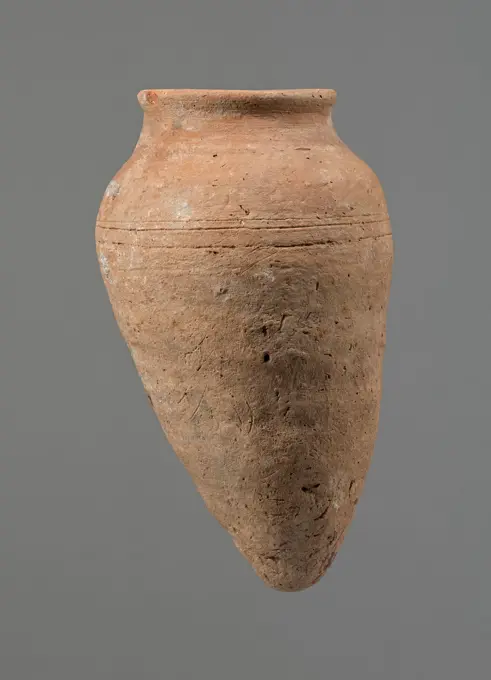
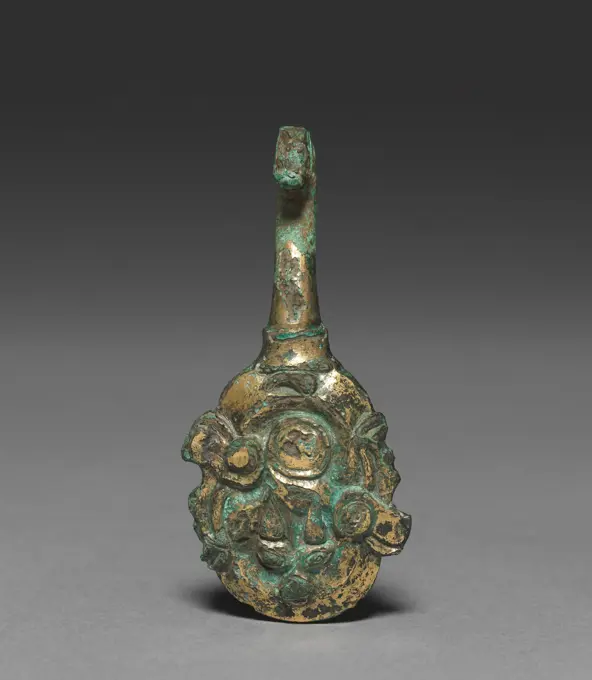
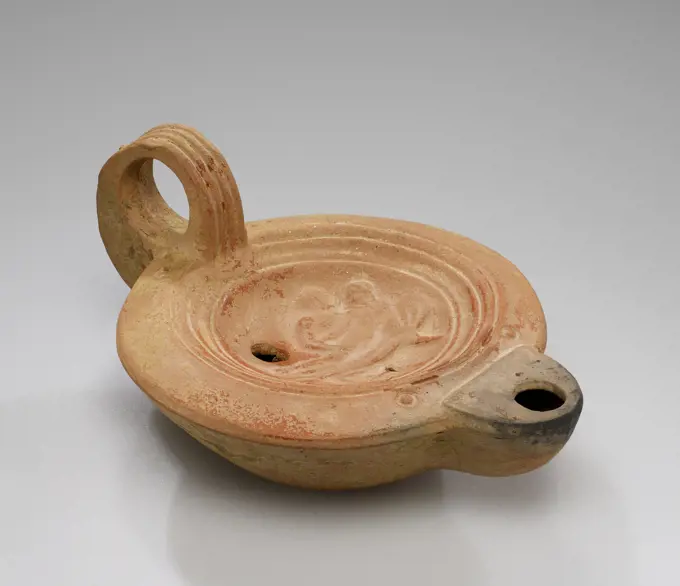
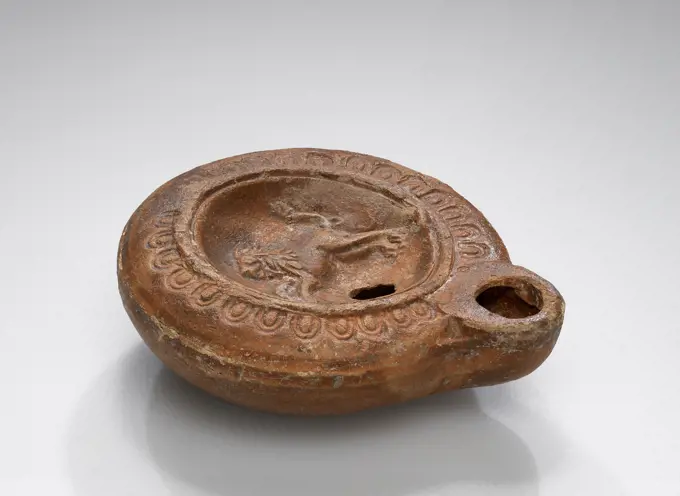
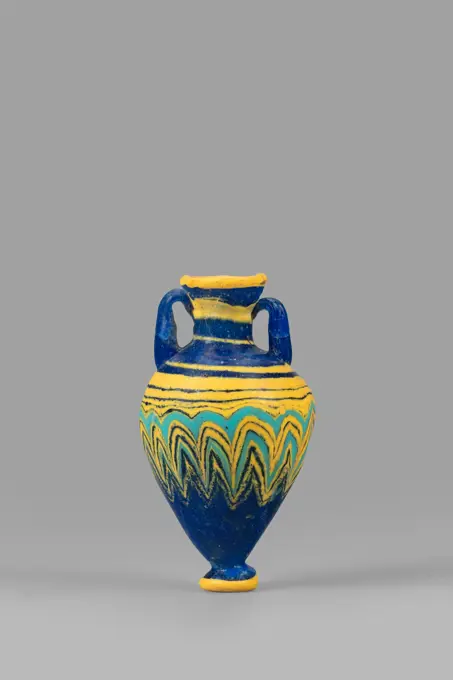
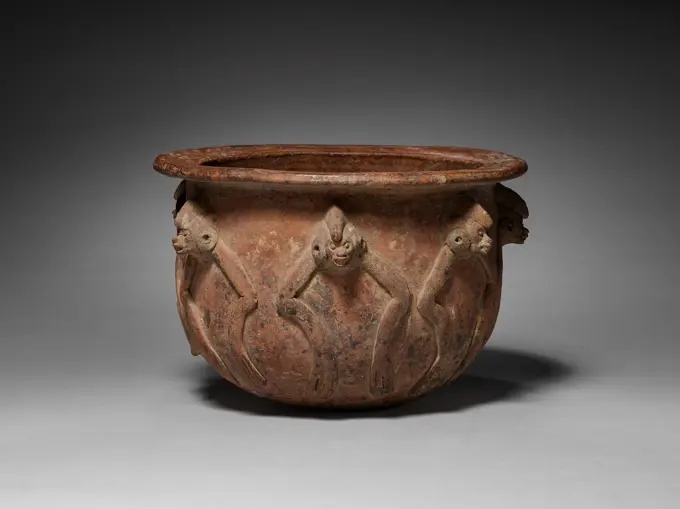
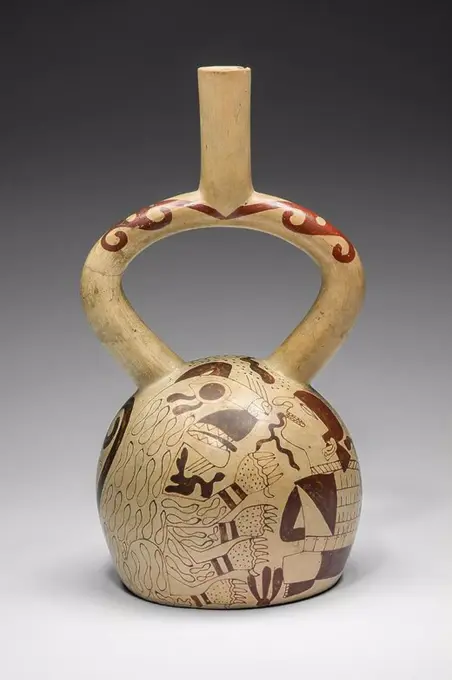
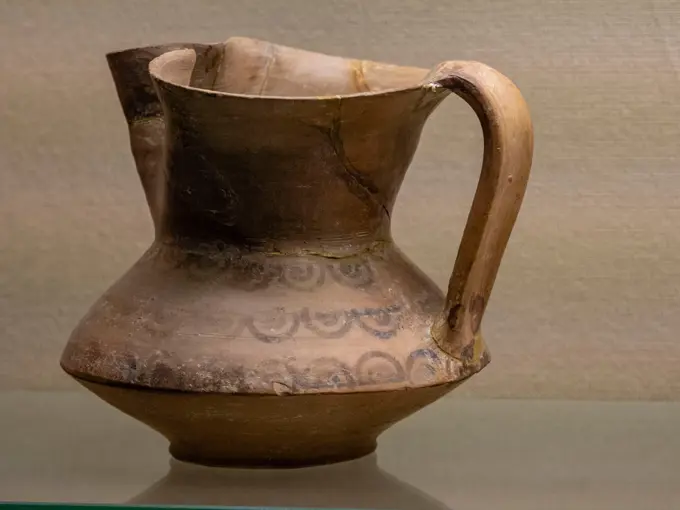
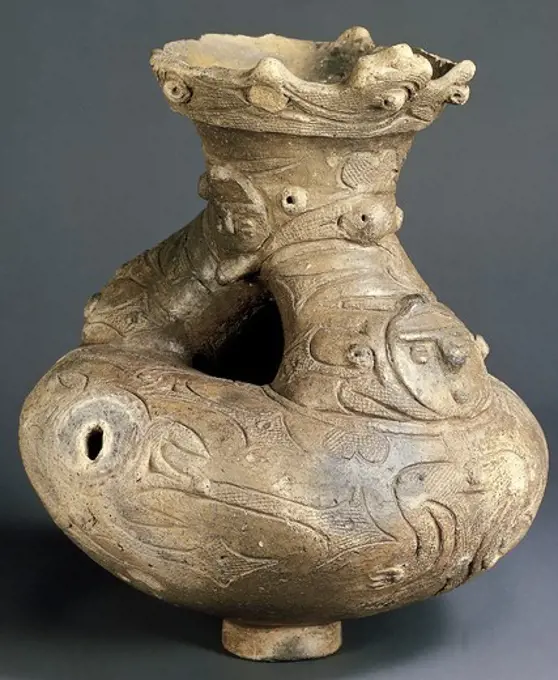
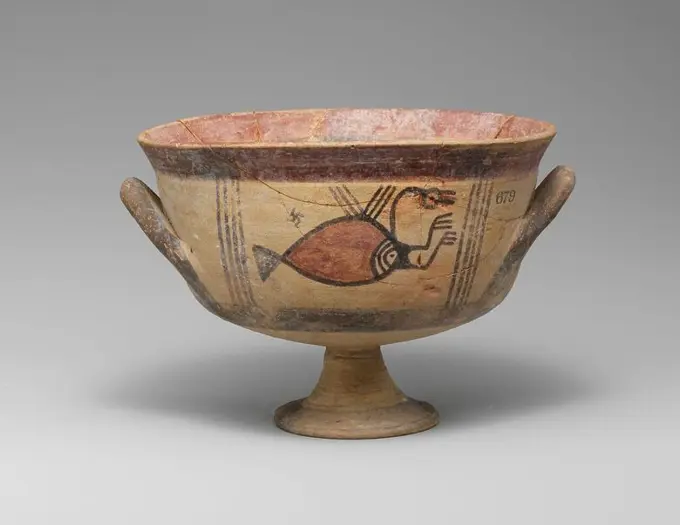
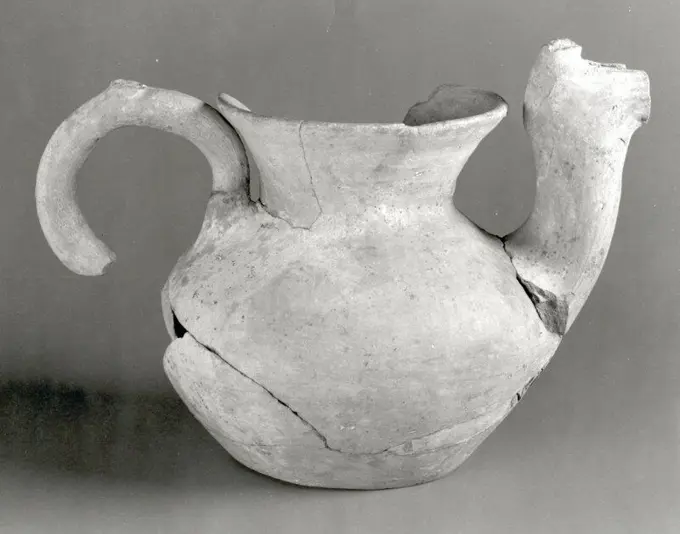
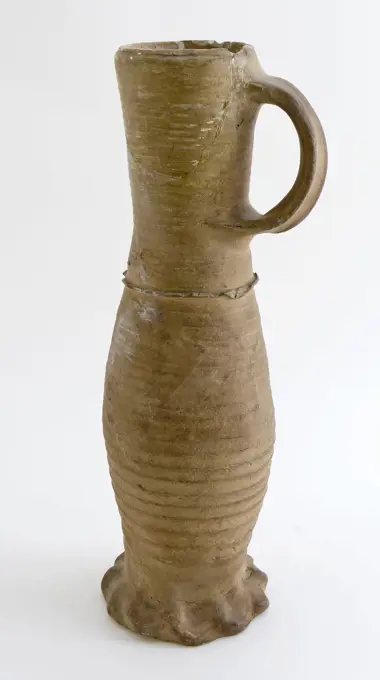
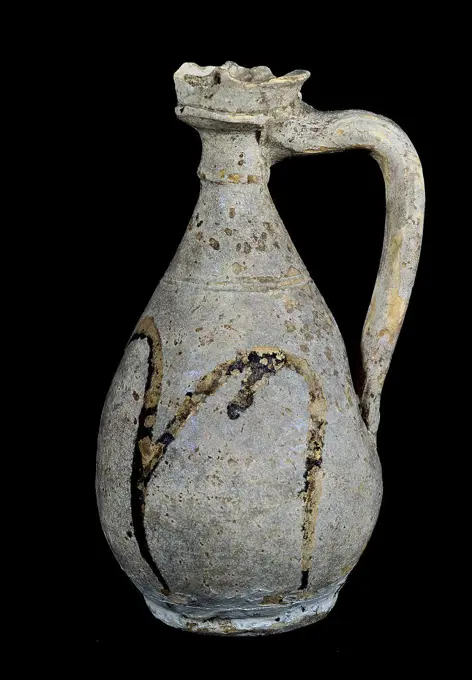
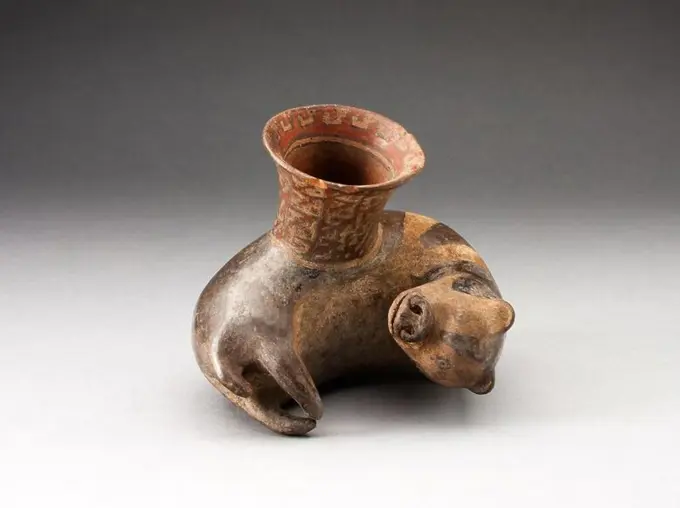
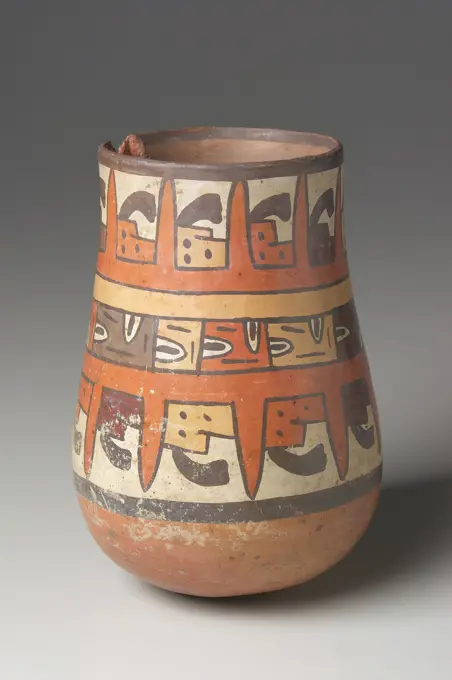
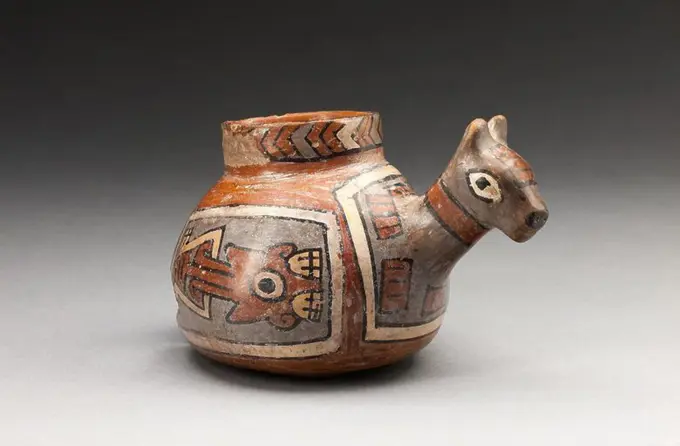
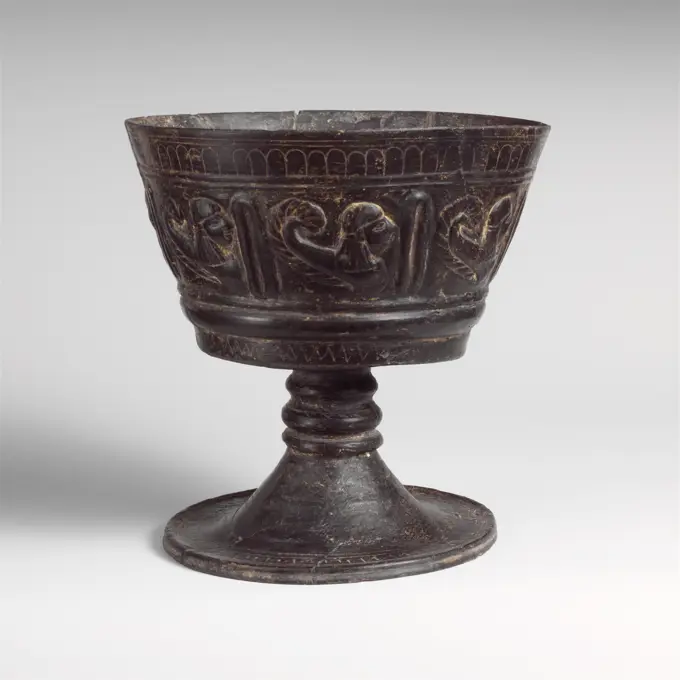
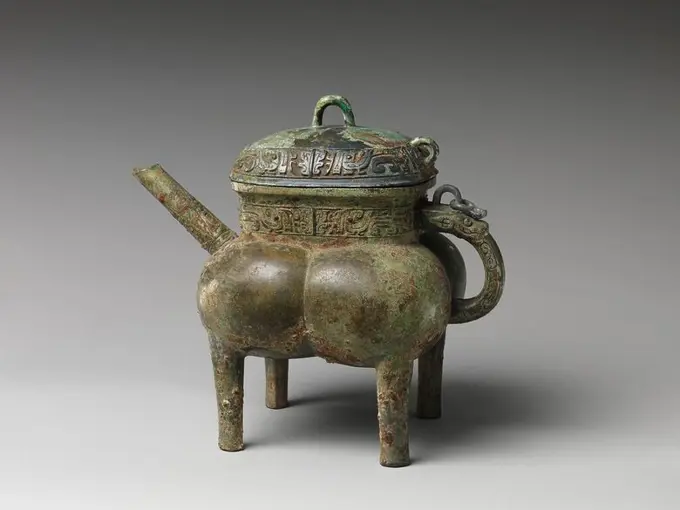
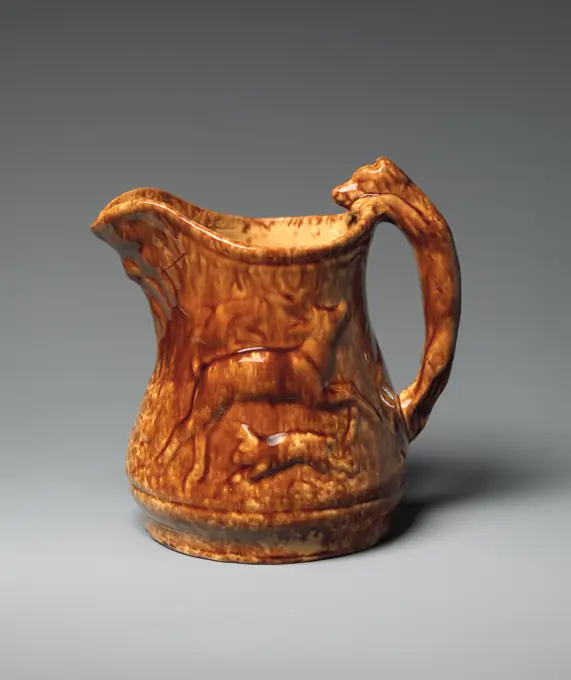
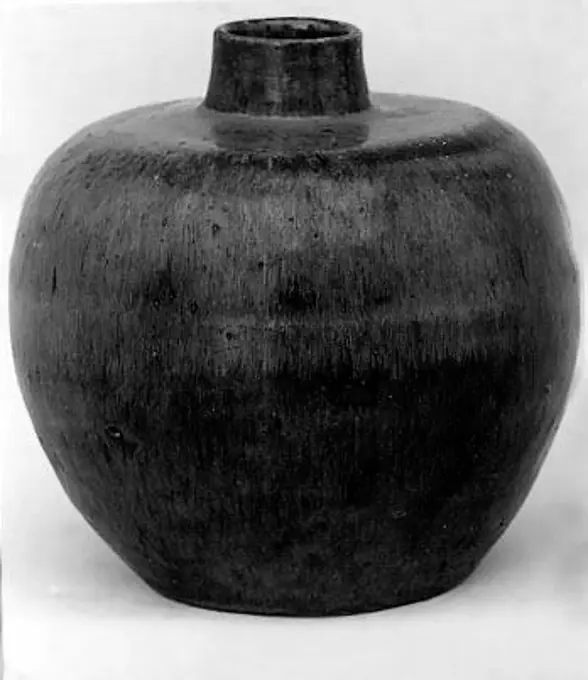
A collection of historical jugs made from terracotta and glass, featuring intricate patterns and details, showcasing ancient craftsmanship from various cultures.
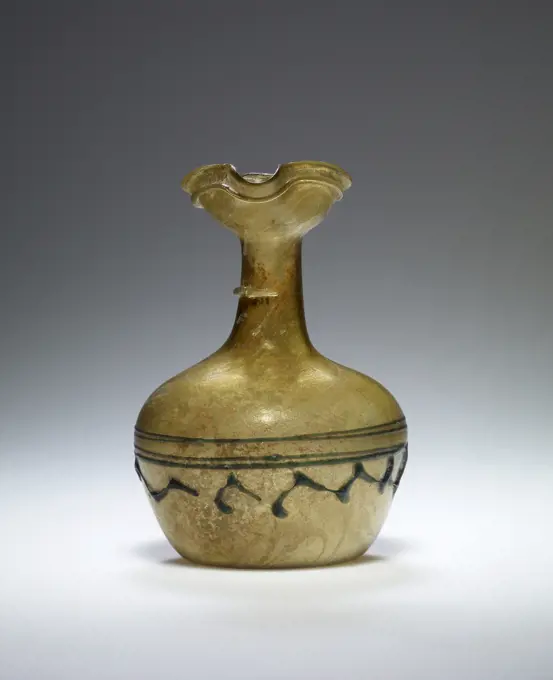
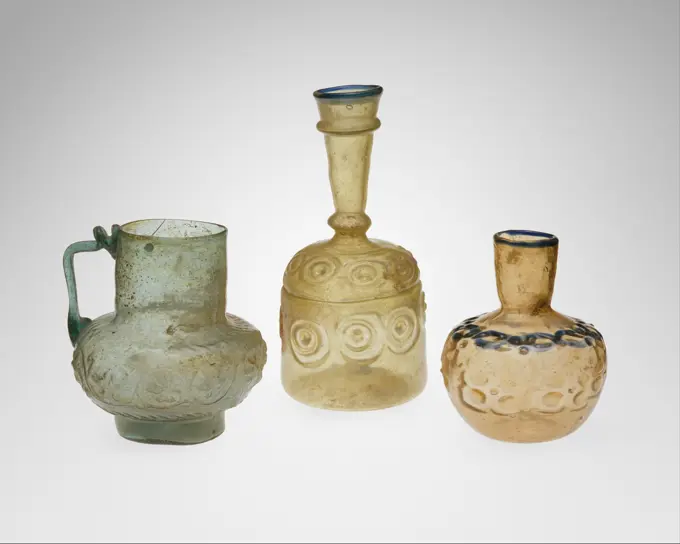
Yellowish-Green Oinochoe with blue trails; Roman Empire; 3rd - 4th century; Glass; 11 x 7.5 cm (4 5,16 x 2 15,16 in.)
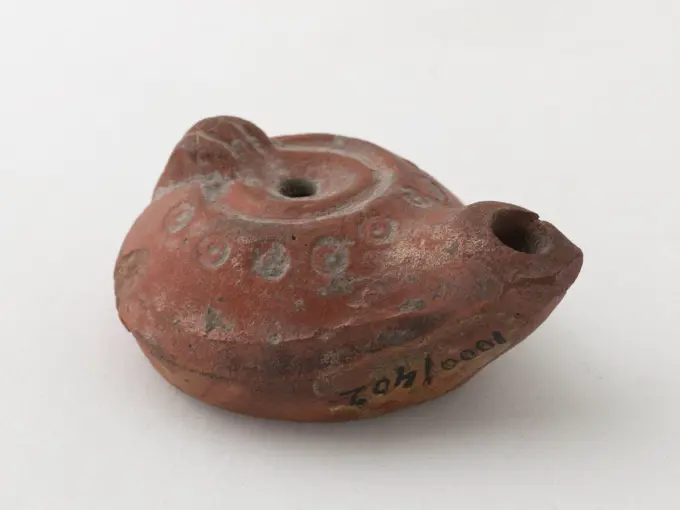
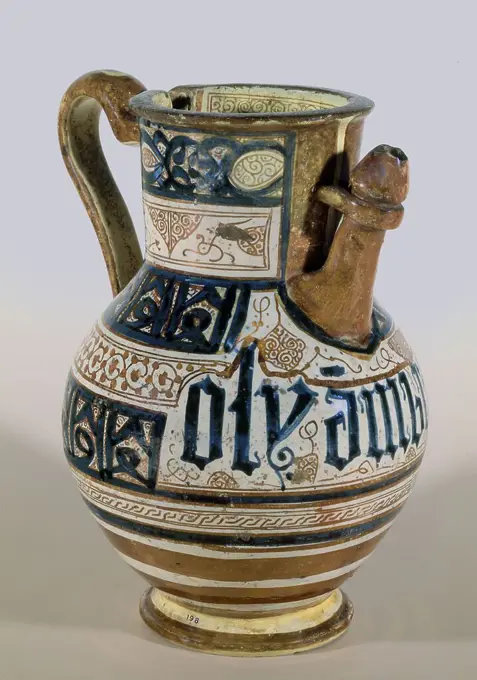
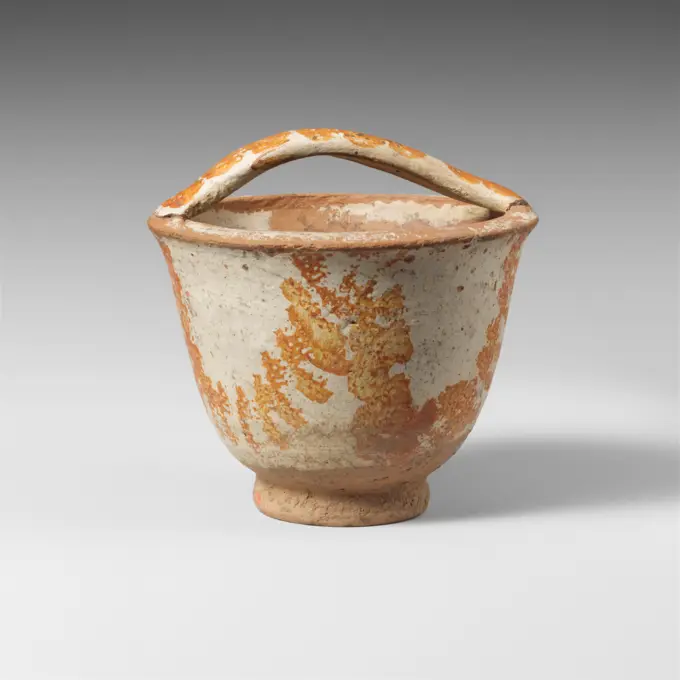
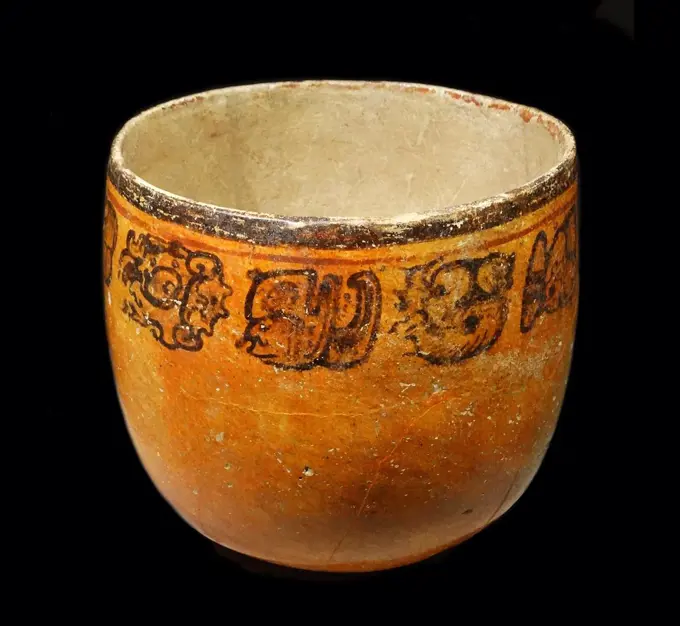
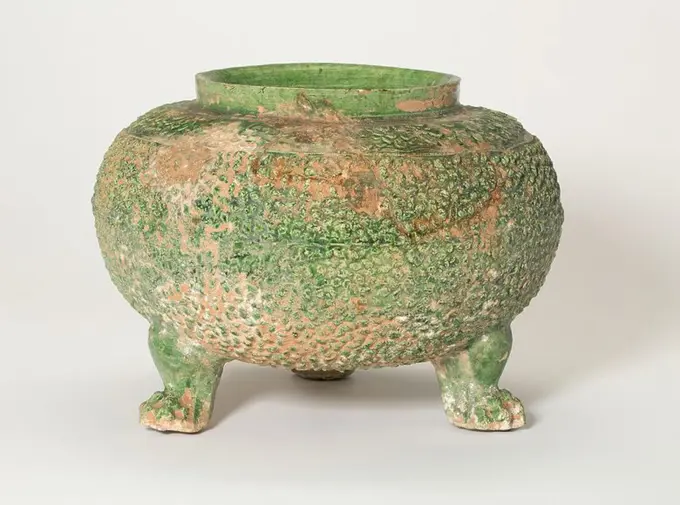
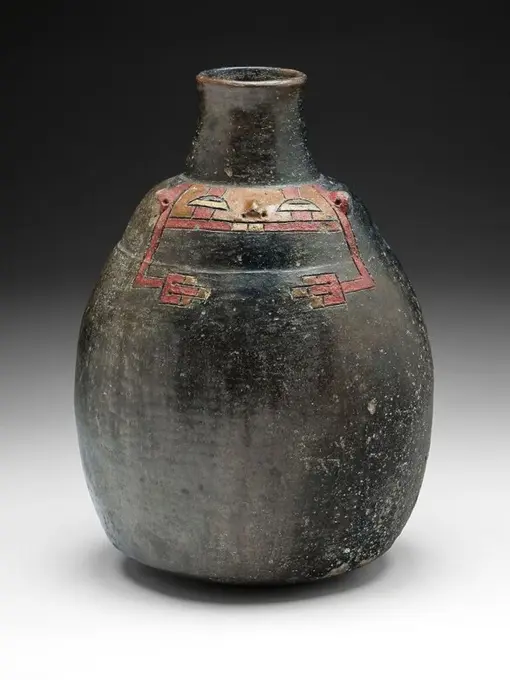
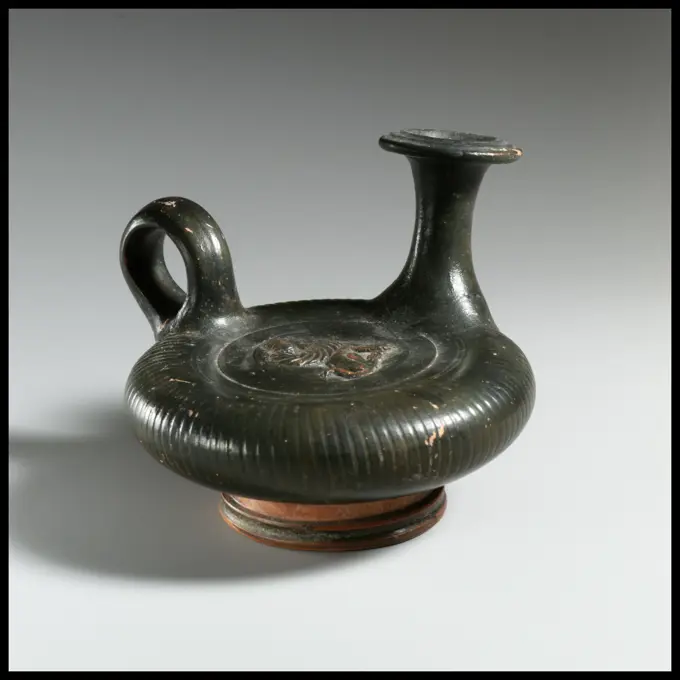
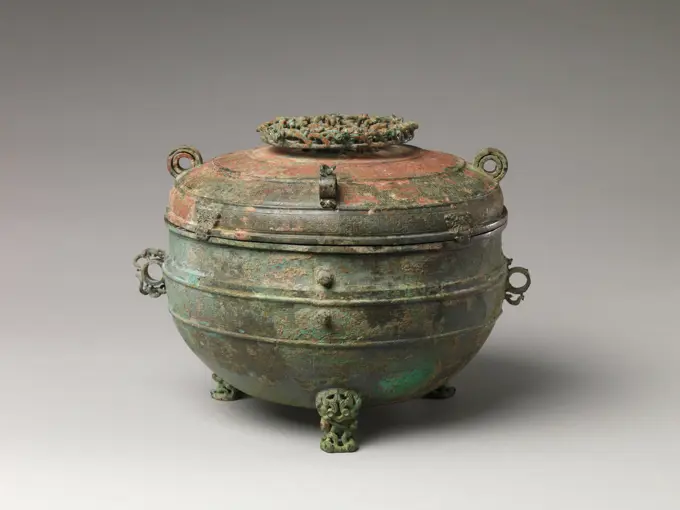
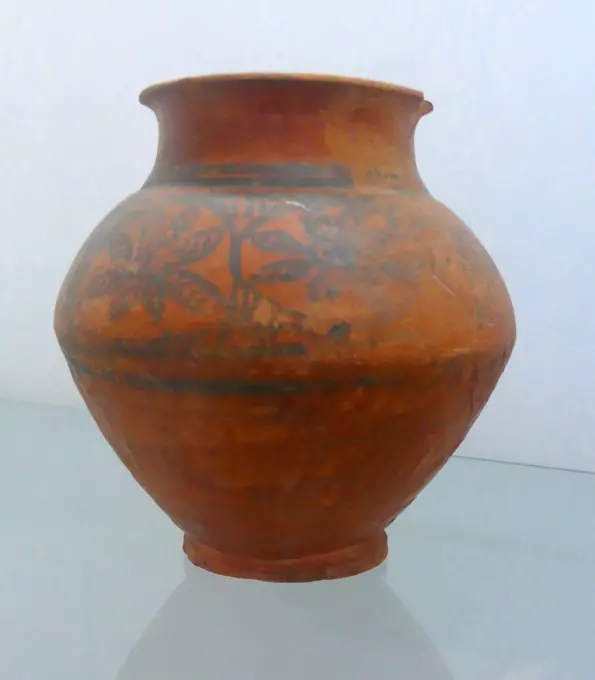
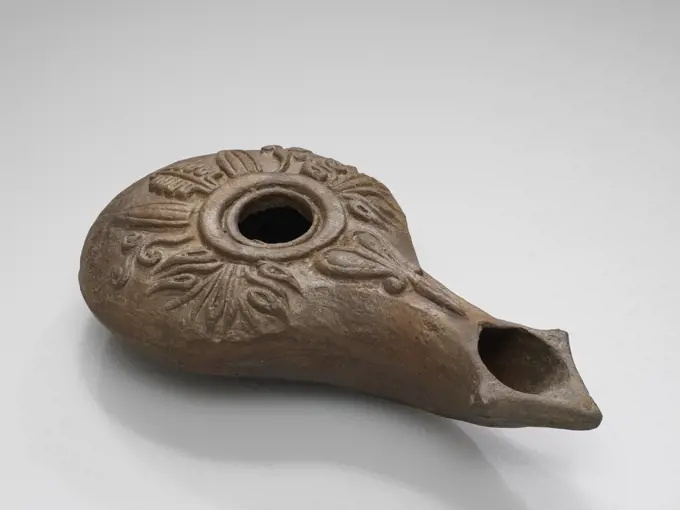
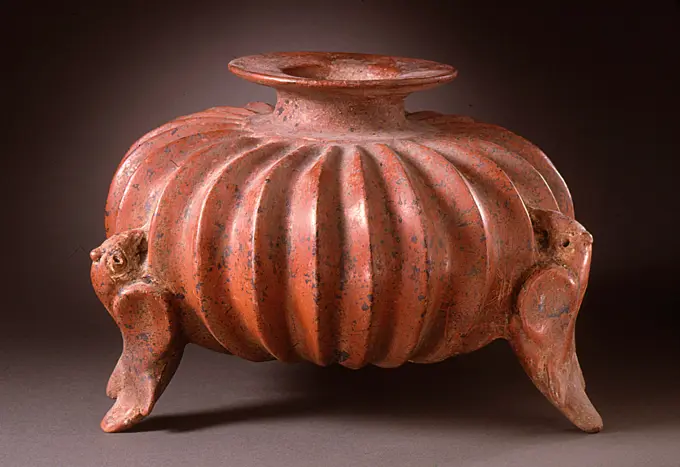
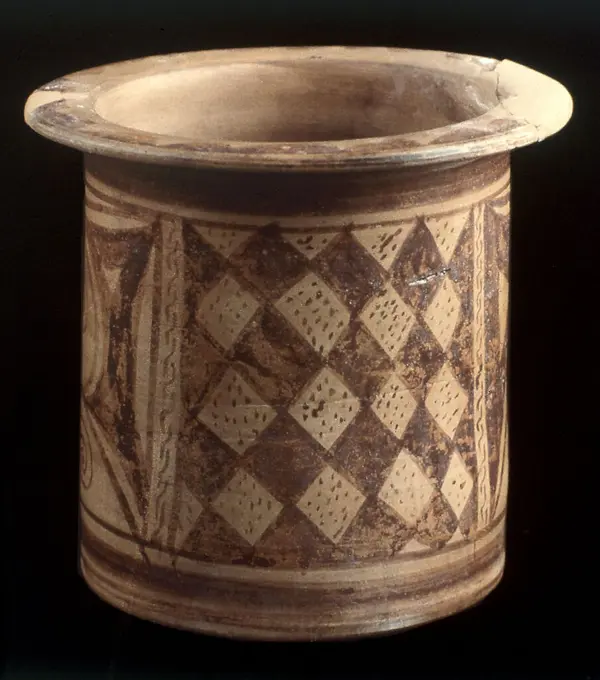
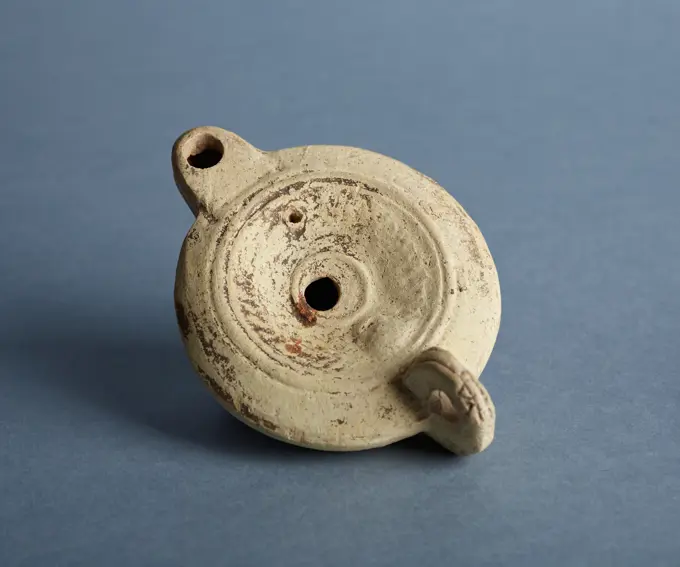
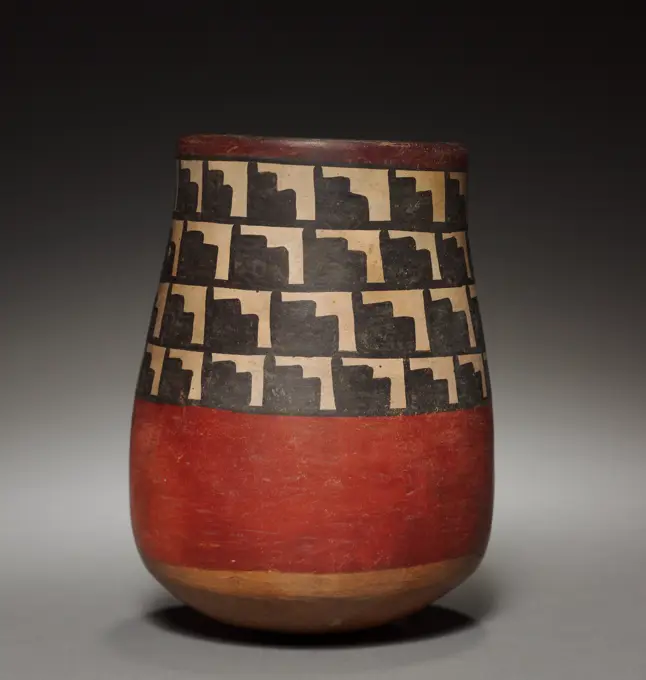
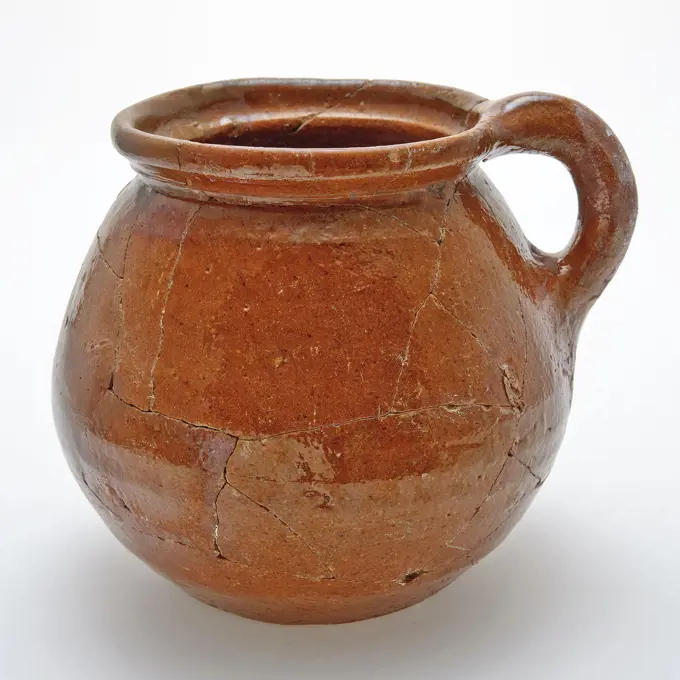
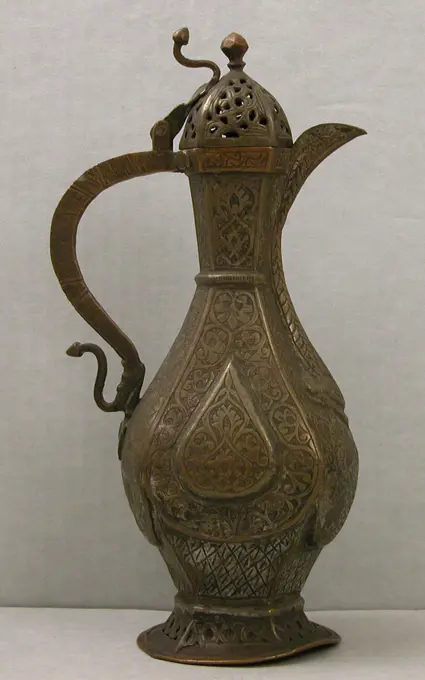
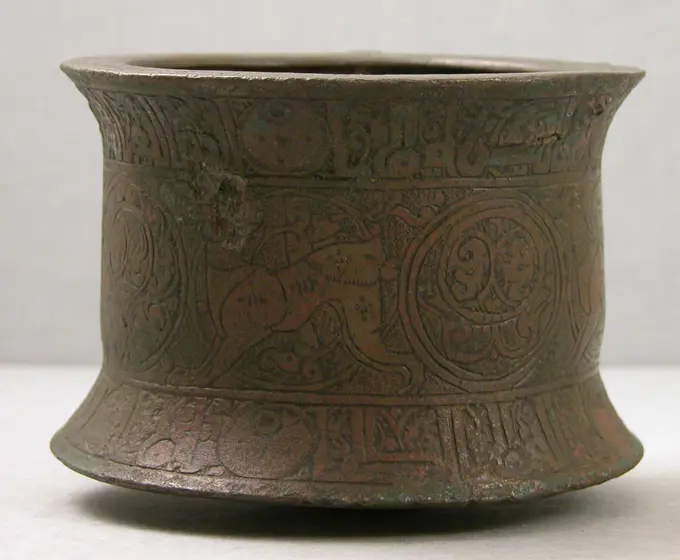
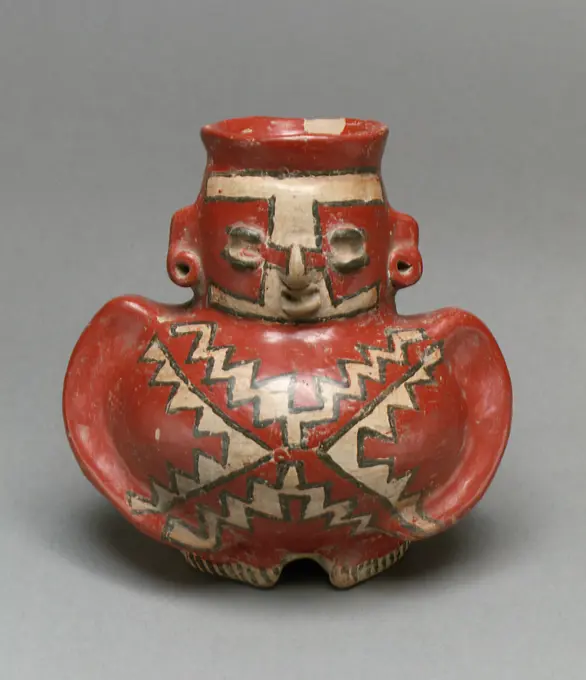
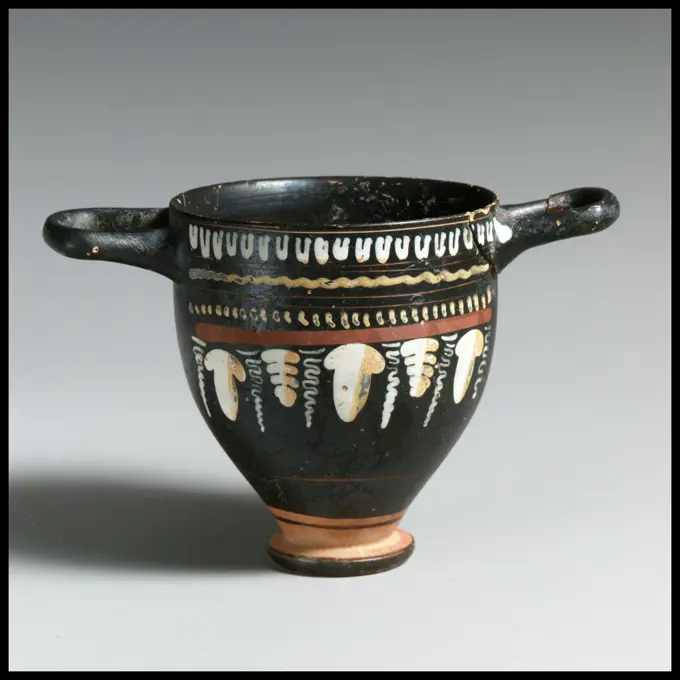
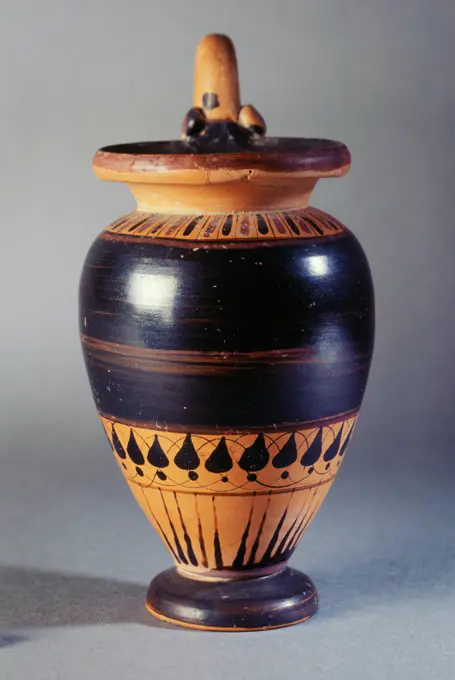
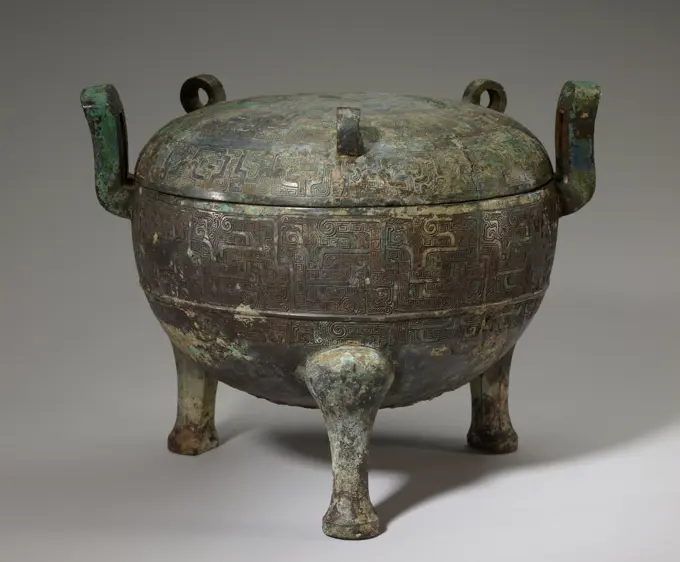
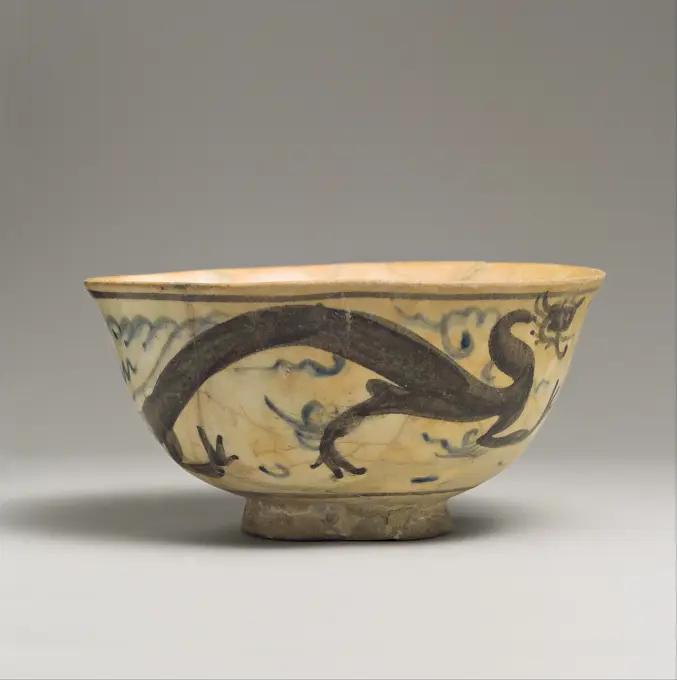
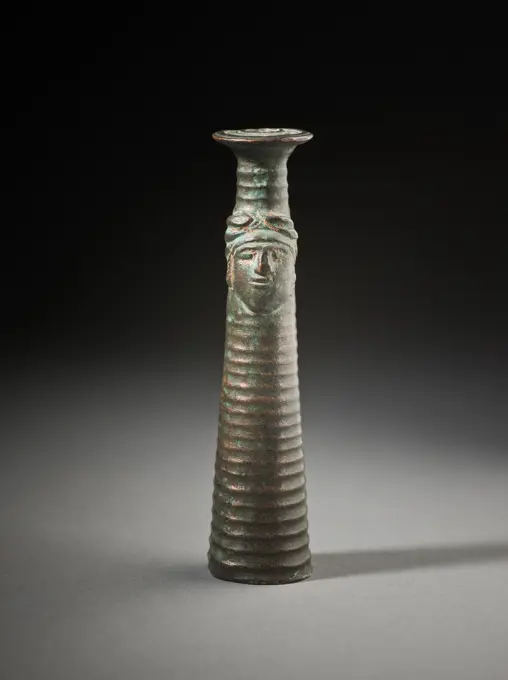
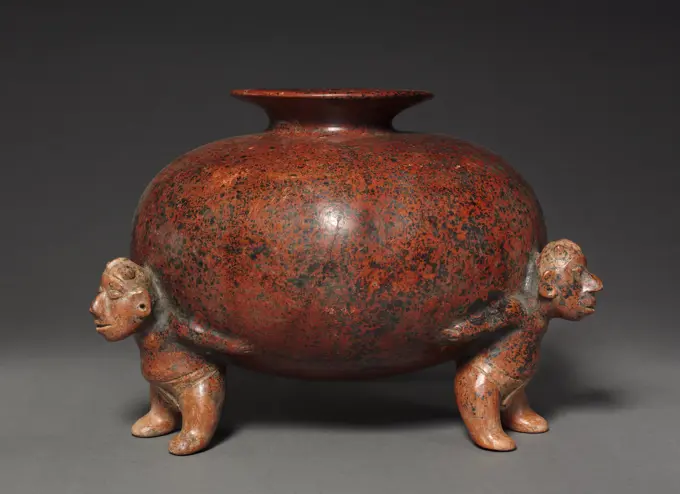
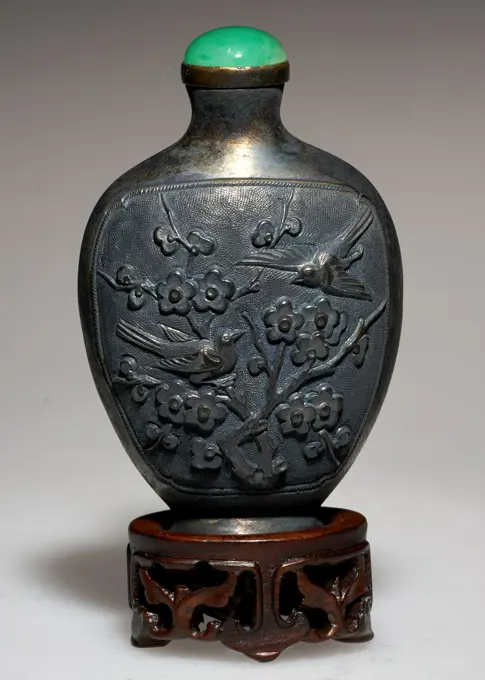
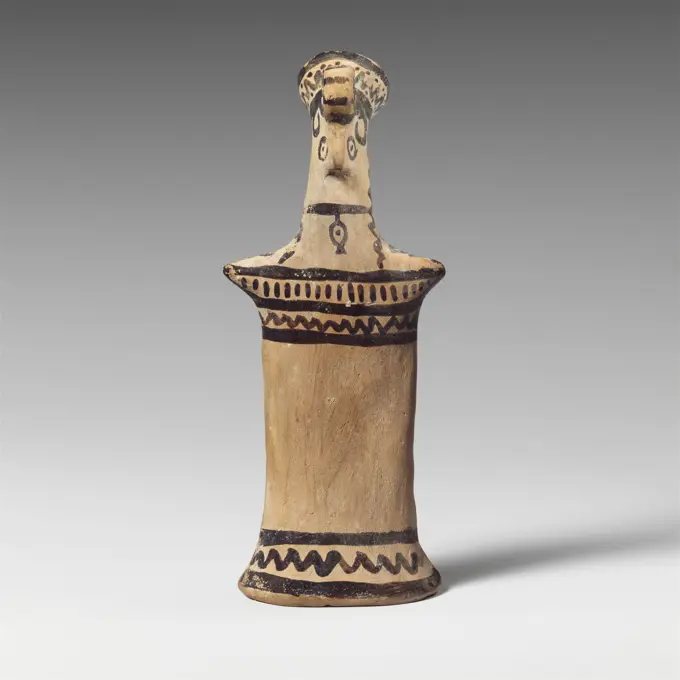
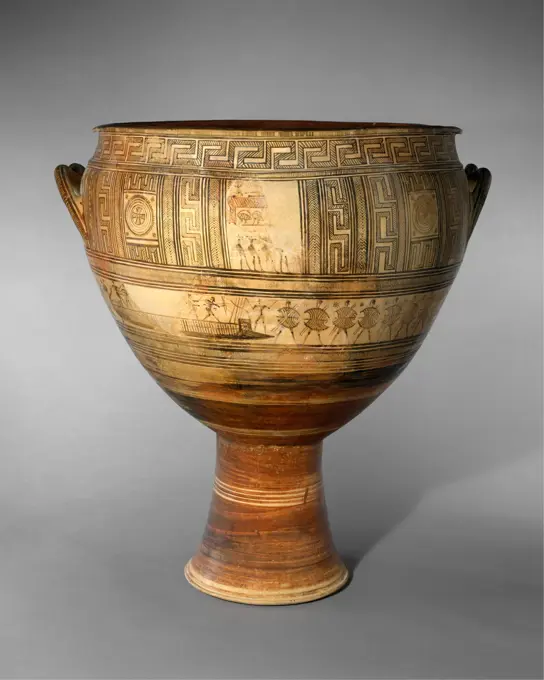
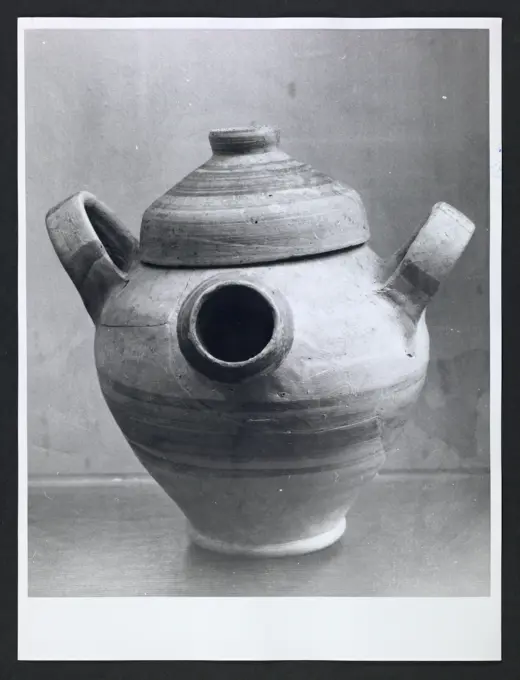
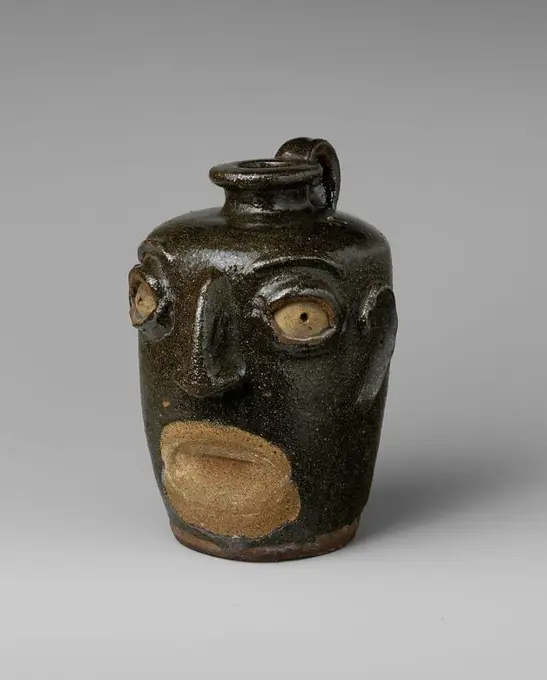
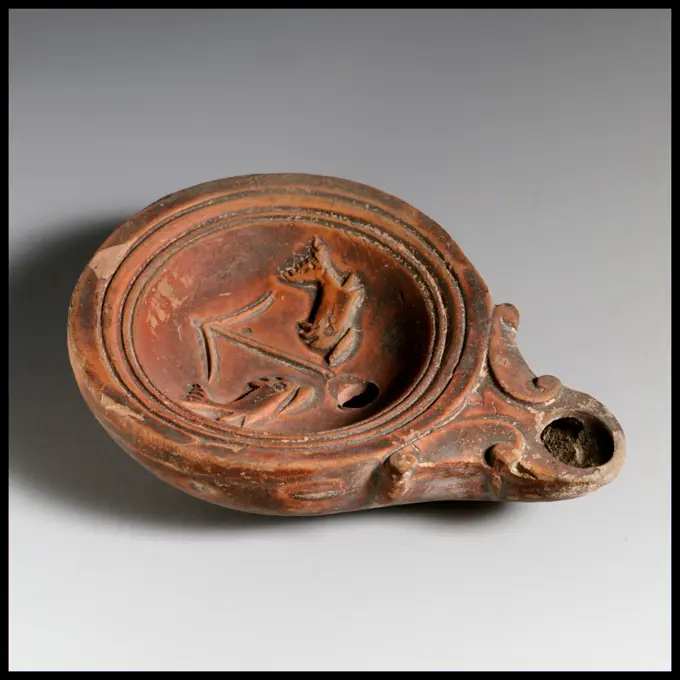
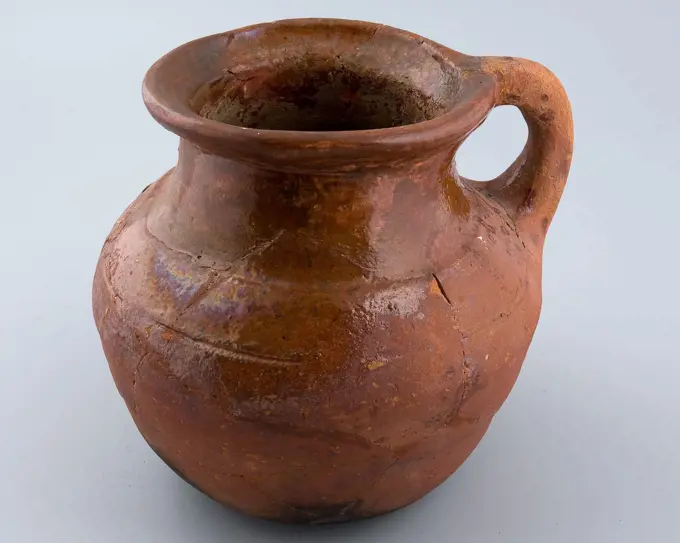
Earthenware chamber pot, with vaulted bottom, sparsely glazed, pot holder sanitary soil find ceramic earthenware glaze lead glaze, hand-turned glazed fired Chamber pot Red shard sparingly glazed. Standing sausage ear Bol model with curved bottom. Groove over the belly. Short neck and funnel-shaped upper edge. Restoration is repainted archeology underground pit Rotterdam City Triangle Groenendaal indigenous pottery drains night sleeping room hygiene Soil discovery cesspit in the underground pit Groenendaal.Lamp. Crust of rue Zaccharie (1898), coll. MAGNE. Terracotta. High Empire. Decor circles. Paris, Carnavalet museum. Circle, decor, high-Empire, lamp, oil lamp, terracotta"PORRO" AL MODO DE LOS "BOCALI" DE FARMACIA ITALIANOS - CERAMICA DE MANISES - SIGLO XV. Location: INSTITUTO VALENCIA DE DON JUAN-COLECCION. MADRID. SPAIN.Italy, Sicily, Naxos, Jars and vases from the necropolis of San VeneroTerracotta situla (bucket) 2nd-1st century B.C. Greek, Asia Minor The small size of this situla, which renders it impractical for daily use, implies its intended function was either as a votive offering or perhaps a toy.. Terracotta situla (bucket). Greek, Asia Minor. 2nd-1st century B.C.. Terracotta; white-ground. Hellenistic. VasesMayan, ceramic polychrome feeding bowl. Yucatan, Mexico. 600-900 AD. The decoration carries themes associated with cosmic and seasonal changeTripod Jar. China. Date: 618 AD-906 AD. Dimensions: H. 16.7 cm (6 5/8 in.); diam. 23.0 cm (9 1/16 in.). Stoneware with underglaze molded decoration and green glaze. Origin: China. Museum: The Chicago Art Institute, Chicago, USA.Lazio Latina Sezze Antiquarium Comunale64. Hutzel, Max 1960-1990 German-born photographer and scholar Max Hutzel (1911-1988) photographed in Italy from the early 1960s until his death. The result of this project, referred to by Hutzel as Foto Arte Minore, is thorough documentation of art historical development in Italy up to the 18th century, including objects of the Etruscans and the Romans, as well as early Medieval, Romanesque, Gothic, Renaissance and Baroque monuments. Images are organized by geographic region in Italy, then by province, city, site complex and monument.Bottle with Incised Geometric Figure. Paracas; Ica Valley, south coast, Peru. Date: 650 BC-150 BC. Dimensions: 17.8 × 12.7 cm (7 × 5 in.). Ceramic with resinous postfire paint. Origin: Ica Valley. Museum: The Chicago Art Institute, Chicago, USA.Terracotta guttus (flask with handle and verticle spout) 3rd century B.C. Greek, South Italian, Campanian The cental medallion of a seated sphinx in relief was a common feature on gutti.. Terracotta guttus (flask with handle and verticle spout) 255796Fragment of a ewer with a turquoise glaze, anonymous, c. 1100 - c. 1299 Fragment of a jug of quail fritry covered with a monochrome turquoise alternal laze. Iran earthenware. glaze vitrification Fragment of a jug of quail fritry covered with a monochrome turquoise alternal laze. Iran earthenware. glaze vitrificationGrain Vessel (Dui) early 6th century B.C. China Listen to experts illuminate this artwork's story Listen Play or pause #2602. Ritual Grain Vessel with Cover (Dui), Part 1 Play or pause #2602. Ritual Grain Vessel with Cover (Dui), Part 2 Supported by Bloomberg Philanthropies We're sorry, the transcript for this audio track is not available at this time. We are working to make it available as soon as possible.. Grain Vessel (Dui) 44734Double spout jar, 3rd century BCE - 7th century CE, 8 1/2 x 4 1/8 x 4 1/8 in. (21.6 x 10.48 x 10.48 cm), Polychromed earthenware, Peru, 3rd century BCE - 7th century CE, In the Andean region the Nazca once called home, barren desert sand dunes plunge into the deep, cold waters of the Pacific Ocean. These waters are cooled by a current which yields some of the richest fishing grounds in the world. Fish and coastal birds appear frequently in ancient Andean imagery. This jar portrays a pelican fishing and catching three mythical killer whales, showing the importance of coastal activities in Nazca culture.Strainer. UnknownTerracotta Harappa ceramic vase from the Indus Valley Civilisation at Mohenjo-Daro, Pakistan. The Indus Valley Civilisation was a Bronze Age culture, (33001300 BCE; mature period 26001900 BCE) mainly in the north-western regions of South Asia, extending from what today is northeast Afghanistan to Pakistan and northwest IndiaBottle, Crab Deity 2nd-4th century Moche. Bottle, Crab Deity 308403Lazio Viterbo Viterbo Museo Civico07. Hutzel, Max 1960-1990 Views of paintings (Middle Ages through 18th c.), frescoes, a tabernacle, coffin, sculpture reliefs, portal fragments, busts, sculpture, tapestry found in the Pinacoteca, Second floor gallery and Second floor cloister sequences. Antiquities: Many views of Etruscan and Roman fragments, sculpture, sarcophagi, pottery, masks, jewelry and other objects found in the Storeroom sequence (inventory numbers on back of prints), and the Cloister, Second floor Cloister, Valle Giulia, Sala Romana and Sala Etrusca sequences. General Notes: There are eight separate numerical sequences for this location. The cloister as an architectural structure, rather than museum site, is documented in the record and file for S. Maria della Verita, Cloister, all views of which are stored in Medieval core collection. Five views from the Museo Civico Second floor cloister sequence are stored in Medieval. German-born photographer and scholar Max Hutzel (1911-Lamp, Central Anatolia, Anatolia; 3rd - 2nd century B.C; Terracotta; 3.2 x 6.5 x 11.4 cm (1 1,4 x 2 9,16 x 4 1,2 in.)Campanian Black Duck Askos (large-sized). UnknownVessel. Mexico, Colima, Colima, 200 BCE-500 CE. Ceramics. Burnished red-slipped ceramicKALATHOS PROCEDENTE DE ALHAMA (MURCIA) - VI/IV AC - CERAMICA IBERICA. Location: MUSEO ARQUEOLOGICO NACIONAL-COLECCION. MADRID. SPAIN.Attic White Ground black-figure Lekythos with PalmettedecorationOil LampVase, c. 1000. Peru, Nasca style (100 BC-AD 700). Pottery; overall: 17.3 x 13 cm (6 13/16 x 5 1/8 in.).Ewer with Floral Scroll 12th century This small glass ewer demonstrates the way in which vessel forms may be adapted from one medium in order to suit other media. With its distinctive conical mouth, round body, and thumb rest, this piece draws heavily upon the influence of the ubiquitous ceramic ewers produced throughout Iran during the medieval period.. Ewer with Floral Scroll 453381Incense burner with magical dog, 13th-14th century, 5 1/2 x 3 1/2 x 3 1/2 in. (13.97 x 8.89 x 8.89 cm), Earthenware, Le or Tran dynasty, 13th-14th century, This three-footed light-green glazed vessel was used to burn incense; the aromatic smoke would have billowed from the dogs open mouth. The dragon-like canine could represent Panhu, a totemic figure in the creation myths of many of the pre-Buddhist/Hindu cultures of Vietnam, as well as among Yao ethnic groups of southern China.Pottery room comfort with vaulted bottom, ovoid shape with lid groove in the edge, pot holder sanitary earthenware ceramic earthenware glaze lead glaze, hand-turned glazed baked earthenware chamber pot on curved floor Covered entirely with lead glaze. Red shard One standing sausage ear Outstanding top edge with lid slot. Egg shaped model archeology inn The Heart Geervliet Bernisse indigenous pottery drains night sleeping room hygiene Soil discovery: Geervliet Dorpsplein 1 demolition Trouw put 5 city inn 't Hart 1985.Vessel with a hieratic inscription;  around 2686- 2181 BC ; Old state (-2686-00-00--2181-00-00);Green glazed amphora ca. 2nd century B.C.-3rd century A.D. Parthian. Green glazed amphora 324764Clasp, 918-1392. Korea, Goryeo period (918-1392). Bronze gilt; overall: 3.9 cm (1 9/16 in.).Berry-Gathering Basket 1895-1905 Washington. Plant fibers and hide . KlikitatLamp, Anatolia; 1st century B.C. - 4th century A.D; Terracotta; 2.4 x 7.5 x 10.2 cm (15,16 x 2 15,16 x 4 in.)Ovoid Jar (Hu). Culture: China. Dimensions: H. 13 in. (33 cm). Museum: Metropolitan Museum of Art, New York, USA.Lamp, South Anatolia, Anatolia; 1st - 4th century; Terracotta; 2.5 x 6.2 x 7.4 cm (1 x 2 7,16 x 2 15,16 in.)Coffee Pot 19th century. Coffee Pot 444545Bottle, Monkey Handles 6th-10th century Wari. Bottle, Monkey Handles. Wari. 6th-10th century. Ceramic, pigment. Peru. Ceramics-ContainersMortar 12th century. Mortar 447961Jar 1st-6th century Nasca. Jar 313302Figure Vessel 3rd-1st century B.C. Chupicuaro The bold geometric patterns in red, black, and white are characteristic of works in Chupicuaro style. Known from a region in the western state of Guanajuato that was flooded when a large dam was built in the late 1940s, Chupicuaro ceramic figures merge human and vessel forms in a manner well illustrated here. The figure's arms appear winglikeno fingers are indicatedand they may have functioned as handles. The feet have been stretched out to form the base of the entire vessel. The striking step-fret pattern is continuous on the figure's chest and back. While such renditions are traditionally interpreted as textiles, they cover Chupicuaro figures so completely that body paint may be represented.. Figure Vessel 312802Skyphos ca. 350-300 B.C. Greek, South Italian, Apulian. Skyphos 255314Flask. UnknownDouble Spout and Bridge Bottle with Bird 5th-2nd century B.C. Paracas. Double Spout and Bridge Bottle with Bird 308705Amforiskos. warsztat egipski, workshopBeaker; Eastern Mediterranean; 1st century; Glass; 7 x 7 cm (2 3,4 x 2 3,4 in.)Pilgrim Bottle, 1368-1644. China, Ming dynasty (1368-1644). Porcelain; overall: 20.4 cm (8 1/16 in.).Lamp 16th-17th century This object was found and purchased in Nishapur.Nishapur was a vital city in the early and middle Islamic periods, located along one of the main trajectories that connected Iran and West Asia Islamic lands with Central Asia and China. These itineraries are often referred to by the term Silk routes but were in fact crucial to the movement of constellations of materials and objects, as well as people and ideas. The diverse population of Nishapur and its surroundings, from the better-researched elite groups of merchants, land-owning aristocracy, and literates, to the less-known artisans, farmers, miners, and servants, were instrumental in adapting global cultural trends to create their own distinctive visual languages. This is seen in the material remains of everyday life in medieval Nishapur - from pots and pans to lighting devices, inkwells, textiles and trimmings, jewelry, games and toys, talismanic devices, weapons, coins, and architectural fragments.Nishapur loIncense Burner, 600-1000. Guatemala, Quiché, San Juan Cotzal, Maya, 7th-11th century. Pottery; overall: 16.3 x 25.5 cm (6 7/16 x 10 1/16 in.). According to the Popol Vuh, a sixteenth-century Quiché Maya manuscript, the world has been created and destroyed twice, and we now live in the third creation. In the second creation, human beings were made from wood and reeds. They lacked souls and minds, and they did not revere their creator. Because of these imperfections, most were killed by an uprising of utensils and domestic animals. Monkeys are the descendents of the survivors.Terracotta lid of the lebes gamikos 96.9.20 (jar associated with weddings). Culture: Greek, South Italian, Apulian. Dimensions: H. 7 11/16 in. (19.5 cm). Date: 4th century B.C..On the shoulder, tendril in added color. Museum: Metropolitan Museum of Art, New York, USA.Vessel Depicting a Bound Prisoner Facing a Jaguar. Moche; North coast, Peru. Date: 250 AD-500 AD. Dimensions: 30.5 × 16.9 cm (12 × 6 5/8 in.). Ceramic and pigment. Origin: North Coast. Museum: The Chicago Art Institute, Chicago, USA.Ritual food vessel, China. Chinese Civilisation, Shang Dynasty, 12th century.jarra celtibera , siglos IV-I a. C, Cerro de San Miguel, Arnedo, Museo de la Romanización, Calahorra, La Rioja , Spain, Europe.Anonymous. "Olpè Chalcidienne à Anse Haute". Ceramics, yellowish clay, black figures, red highlights. -550/500 BC .. Museum of Fine Arts in the city of Paris, Petit Palais. 99935-30 Antiquity, clay, ceramic, black figure, ieme half of life VI 6th 6th 6th century before av. JC, ancientPair of terracotta volute-kraters (vases for mixing wine and water) with stands. Culture: Greek, South Italian, Apulian. Dimensions: Base: 10 in. (25.4 cm)vase: 29 1/4 in. (74.3 cm)39 × 18 in. (99.1 × 45.7 cm). Date: 3rd quarter of the 4th century B.C..Although these volute-kraters may have been modeled after examples of bronze, they are imposing works in their own right. South Italian vases are often interpretedas having been made for the tomb. Regardless of their final disposition, black-glazed pieces with no evident funerary reference probably first served in life. Museum: Metropolitan Museum of Art, New York, USA.Medical Cup. UnknownTerracotta loutrophoros (ceremonial vase for water) last quarter of 6th century B.C. Greek, Attic On the body, obverse, prothesis (laying out of the deceased) with mourners; reverse, mournersOn the neck, obverse and reverse, mournersOn the subsidiary frieze, horsemenThe iconography of this vase is canonical for a loutrophoros. Of interest is the subsidiary frieze of horsemen. Horses play a significant role in funerary iconography, in the form of war chariots, racing chariots, or riders. The reference will be to the status of the deceased, for ownership of a horse in ancient Athens was a mark of wealth and privilege.. Terracotta loutrophoros (ceremonial vase for water). Greek, Attic. last quarter of 6th century B.C.. Terracotta; black-figure. Archaic. VasesDing food vessel, 6th-5th century BCE, 10 1/2 x 10 1/2 in. (26.67 x 26.67 cm), Bronze, China, 6th-5th century BCE, Over hundreds of years, the form and decoration of the bronze ding cauldron evolved from the Shang and Western Zhou style to a new type prevalent during the Spring and Autumn period (c. 770-476 BCE) and the Warring States period (c. 475-221 BCE). In contrast to the earlier ding, the newly fashioned ding showcases a bulbous body that is smaller in size and displays simpler decoration. Its classic domed lid has three looped knobs representing stylized serpents. Archaeological evidence indicates that the casting of ritual bronzes in this form and style originated in the Jin state in present-day Shanxi province.Bowl 15th century Although true Chinese blue-and-white porcelain was available to elite members of Timurid society, local imitations in stonepaste were popular among the wider public. Modeled after a bowl from Ming China in both decoration and shape, this thin-walled stonepaste example has a three-clawed dragon running along its exterior. Its interior is decorated with a single flower composed of seven small dots in blue and black.. Bowl. 15th century. Stonepaste; painted in blue and black under transparent glaze. Attributed to Iran or Central Asia. CeramicsBell (Zhong). Culture: China. Dimensions: H. 7 in. (17.8 cm); W. 3 3/4 in. (9.5 cm); D. 3 in. (7.6 cm). Museum: Metropolitan Museum of Art, New York, USA.Kohl Tube. Western Iran, Luristan bronzes, about 800-500 BC. Tools and Equipment; containers. BronzeCeramic ewer, Japan. Japanese Civilisation, Jomon period, 5th century BC.Terracotta kylix (cup). Culture: Cypriot. Dimensions: H. 4 1/2 in. (11.4 cm); diameter 6 1/4 in. (15.9 cm). Date: 850-750 B.C..Kylix of angular form, on each side a bird between vertical bands. Museum: Metropolitan Museum of Art, New York, USA.Beak-spouted jug ca. 1st century B.C.-1st century A.D. Parthian This spouted jug has a globular body, a flat base, and a high flaring rim. On one side is a looped handle with a tab at the top for the thumb, and on the other is a spout that rises upward from the jugs body before extending out horizontally, though only a little bit of it remains. It is made of a pale, light pink clay, using a potters wheel, with the handle and spout added. It was excavated at Shahr-i Qumis in northern Iran, which has been identified as the ancient city of Hecatompylos, established by the Parthians as their capital by about 200 B.C. In Greek Hecatompylos means ‘a hundred gates, suggesting that the city was quite large. Indeed, the modern archaeological site includes several mounds, only a few of which have been excavated, and a vast area covered with potsherds. This vessel was found in a large building at Site V, which has been tentatively identified as an elite residence. This building was completely Cup;  beginning of the 20th century (1901-00-00-1910-00-00);Jug, Jug or jacobakan on pinched foot, slender stoneware jug with twisted feathers, Jug or jacobakan jug crockery holder soil find ceramic stoneware, surface 8.3 hand-turned baked Stoneware jug gray shard unglazed bandoor rings round neck and belly protruding narrow ridge round transition neck belly pinched foot archeology Rotterdam Hillegersberg import pottery serving serving drinks serving Soil discovery: found in Hillegersberg Rotterdam.VASIJAS DEL TESORO DE SALVACAÑETE. Location: MUSEO ARQUEOLOGICO NACIONAL-COLECCION. MADRID. SPAIN.Vessel with Crested Atlantean (Supporting) FIgures, 200 BC-300. West Mexico, Colima, Comala style (200 BC-AD 300). Earthenware with colored slip, black burial deposits; diameter: 24.5 x 33.5 cm (9 5/8 x 13 3/16 in.); overall: 22.9 cm (9 in.).Snuff Bottle, 1800-1900, 3 1/16 x 1 7/8in. (7.8 x 4.8cm), Paktong or copper-nickel, jadeite, China, Qing dynastyPosset pot with cover early 18th century British, Staffordshire. Posset pot with cover 192335Terracotta statuette of a goddess 6th century B.C. Greek, Boeotian The identification of the figure as a goddess comes from the high headdress that she wears.. Terracotta statuette of a goddess 254693 Greek, Boeotian, Terracotta statuette of a goddess, 6th century B.C., Terracotta, H.: 5 in. (12.7 cm). The Metropolitan Museum of Art, New York. Rogers Fund, 1952 (52.11.1)Tripod Vessel 6th-15th century Diquís. Tripod Vessel 315712Ornament. Culture: French. Dimensions: Overall: 4 1/4 x 3 1/8 in. (10.8 x 7.9 cm). Date: 16th century. Museum: Metropolitan Museum of Art, New York, USA.Black-Figure Neck Amphora. UnknownTerracotta krater late 1st quarter of the 8th century B.C. Attributed to the Workshop of New York MMA 34.11.2 The funerary purpose of this krater is indicated by the prothesis scenethe laying out of the deceasedin the central metope on each side of the vase. Of particular interest are the images of battles on and around the two ships. The center of one ship is occupied by a figure seated under an awning as two warriors fight with swords near the stern. The central portion of the other ship is missing. The archer on the prow of this vessel, the warrior just above the prow, the proximity of the foot soldiers as well as the birds perched on the sterns of both ships suggest that the vessels are beached or at least close enough to be boarded from the shore. The person of rank under the awning, the variety of combatants, and the number of foot soldierseven if they are repeated for decorative purposesindicate that a specific event is depicted.. Terracotta krater 253422 : Attributed to thSkyphos ca. 350-325 B.C. Attributed to the Group of Altenburg 331. Skyphos 247376Antique glass 1898, Middle EastREDOMA CALIFAL CON ENGALBA, VIDRIO DE MANGANESO Y PLUMBIFERO - SIGLO X - COLOR BLANCO. Location: INSTITUTO VALENCIA DE DON JUAN-COLECCION. MADRID. SPAIN.Lamp. UnknownMiniature Vessel in the Form of a Reclinging Animal. Inca; South coast or southern highlands, Peru. Date: 1450-1532. Dimensions: 10.8 x 14 cm (4 1/4 x 5 1/2 in.). Ceramic and pigment. Origin: Peru, southern. Museum: The Chicago Art Institute, Chicago, USA.Pitcher (aph);  19th century (1801-00-00-1900-00-00);Vase with Faces, 2nd century BCE - 6th century CE, 6 1/4 x 4 1/2 x 4 1/2 in. (15.9 x 11.43 x 11.43 cm), Earthenware, pigment, Peru, 2nd century BCE - 6th century CEBowl in the Form of a Llama with Geometric Motifs. Tiwanaku-Wari; South coast Peru or northern Bolivia. Date: 600 AD-1000. Dimensions: . Ceramic and pigment. Origin: Bolivia. Museum: The Chicago Art Institute, Chicago, USA.Flask 201 CE-300 CE Syria. Glass, blown technique . Ancient RomanTerracotta chalice ca. 550 B.C. Etruscan Goblet-shaped cup with frieze of heads of sphinxes in relief.. Terracotta chalice 246166Spouted Wine Vessel (He). Artist: Yin Lingde (Chinese). Culture: China. Dimensions: H. 10 3/4 in. (27.3 cm); W. 7 3/4 in. (19.7 cm); L. (with spout and handle) 12 1/4 in. (31.1 cm). Date: 12th-11th century BC. Museum: Metropolitan Museum of Art, New York, USA.Bottle. Iran, 9th century. Glass. Glass, free-blown, cut decorationPitcher ca. 1850 American. Pitcher 5814Bottle early 19th century Japan. Bottle 62571Whistling Vessel, 11th-15th century, 8 x 6 1/4 in., Ceramic, Peru, 11th-15th centuryFragment 14th-15th century. Fragment 445526John Tarantino, Jug, c 1940 JugWater Bottle 1720-50 British (American market). Water Bottle. British (American market). 1720-50. Stoneware. Made in Staffordshire, EnglandCampania Salerno Nocera Inferiore Museo dell'Agro Nocerino2. Hutzel, Max German-born photographer and scholar Max Hutzel (1911-1988) photographed in Italy from the early 1960s until his death. The result of this project, referred to by Hutzel as Foto Arte Minore, is thorough documentation of art historical development in Italy up to the 18th century, including objects of the Etruscans and the Romans, as well as early Medieval, Romanesque, Gothic, Renaissance and Baroque monuments. Images are organized by geographic region in Italy, then by province, city, site complex and monument.Face Jug. Culture: American. Dimensions: 7 x 5 x 5 1/2 in. (17.8 x 12.7 x 14 cm). Maker: John Lewis Miles Pottery (1868-75). Date: ca. 1860-70.Face jugs were made by African American slaves and freedmen working in potteries in the Edgefield District of South Carolina, an area of significant stoneware production in the nineteenth century. The distinctive features of the jugs, notably the kaolin inserts for the eyes, relate in style and material to ritualistic objects of the Congo and Angola region of western Africa, whence many slaves in South Carolina descended. This jug is missing its teeth and lips--a common loss, sometimes occurring as early as the firing stage. Museum: Metropolitan Museum of Art, New York, USA.Terracotta oinochoe (jug) ca. 725-690 B.C. Greek, Corinthian On the body, snakeThe shape, with its long narrow neck and trefoil mouth, and the dense, very disciplined decoration are characteristic of Corinth during the transition from the Late Geometric to the Early Protocorinthian period.. Terracotta oinochoe (jug). Greek, Corinthian. ca. 725-690 B.C.. Terracotta. Late Geometric-Early Protocorinthian. VasesDouble Spout Bottle 1st-6th century Nasca. Double Spout Bottle 312486Terracotta oil lamp ca. A.D. 40-100 Roman, Cypriot Loeschcke Type 4. Mold-made. Discus: two, confronted dolphins in relief to either side of a vertical, inverted anchor with a band of concentric lines and grooves towards edge. Single filling hole towards nozzle. Volutes flanking nozzle. Within raised base ring, flat base, with a small raised letter N or Z in retrograde ) twoards the edge.Intact, except for chip on shoulder at back... Terracotta oil lamp. Roman, Cypriot. ca. A.D. 40-100. Terracotta. Early Imperial. TerracottasSingle Spout Vessel with Bird Attached to Strap Handle 200 BCE-200 CE Northern Peru. Ceramic and pigment . SalinarAnimal Ornament. Culture: Moche (Loma Negra). Dimensions: H. 4 5/16 x W. 2 5/8 in. (11 x 6.6 cm). Date: 390-450. Museum: Metropolitan Museum of Art, New York, USA.Storage jar ca. 1500 Japan. Storage jar 49273Ancient China, Lidded wine goblet (Zhi) Shang Dynasty, 1600 - 1027 BC. Bronze.