Ancient Jugs and Vessels

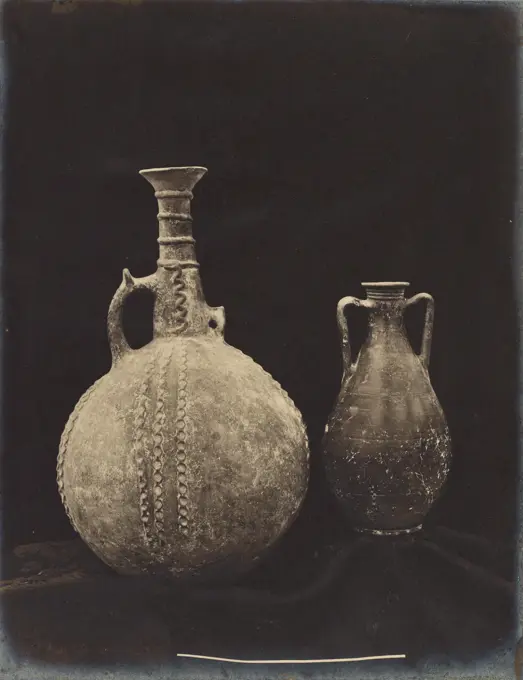
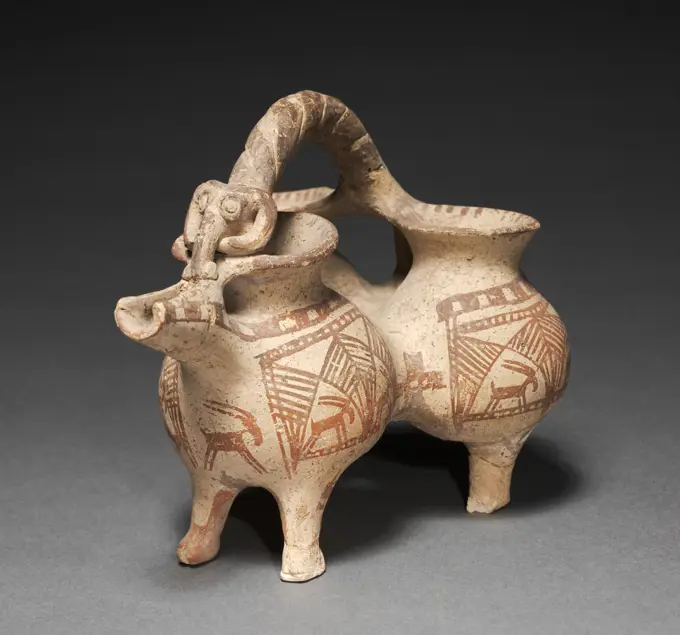
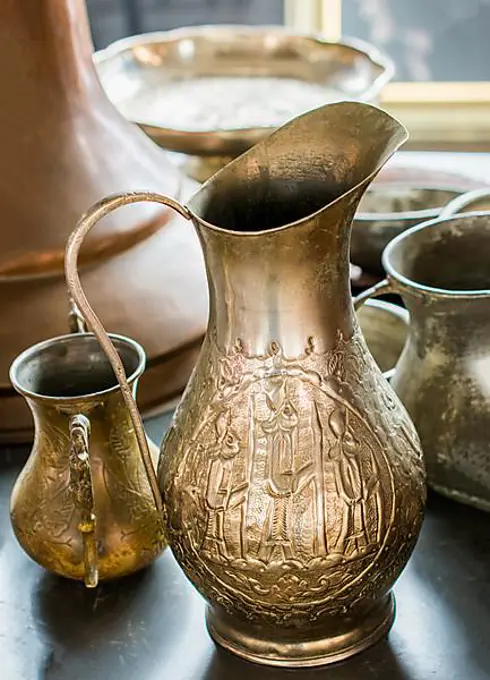
A collection of historical jugs made from terracotta and glass, featuring intricate patterns and details, showcasing ancient craftsmanship from various cultures.
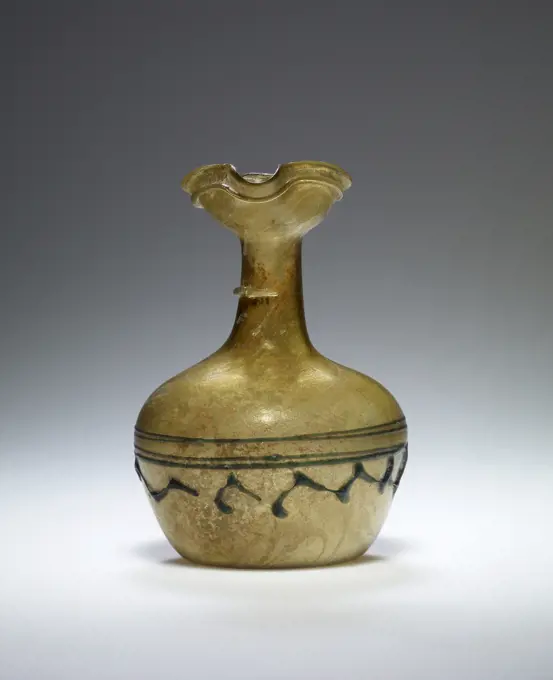
Yellowish-Green Oinochoe with blue trails; Roman Empire; 3rd - 4th century; Glass; 11 x 7.5 cm (4 5,16 x 2 15,16 in.)
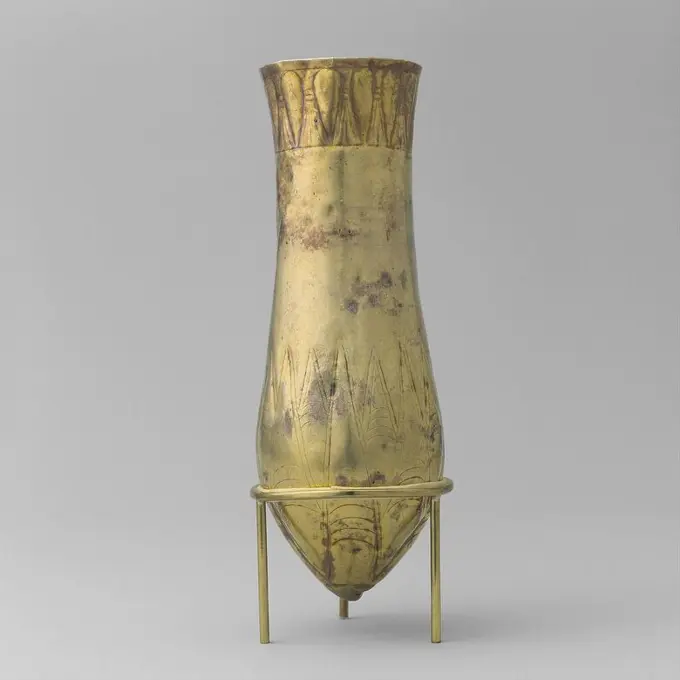
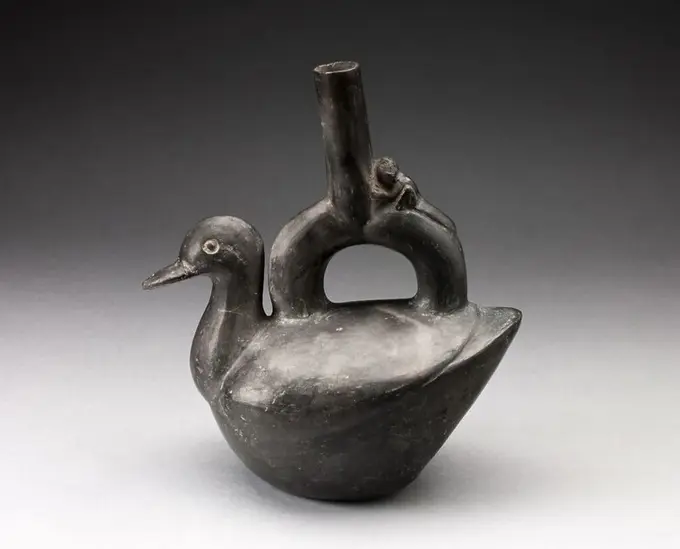
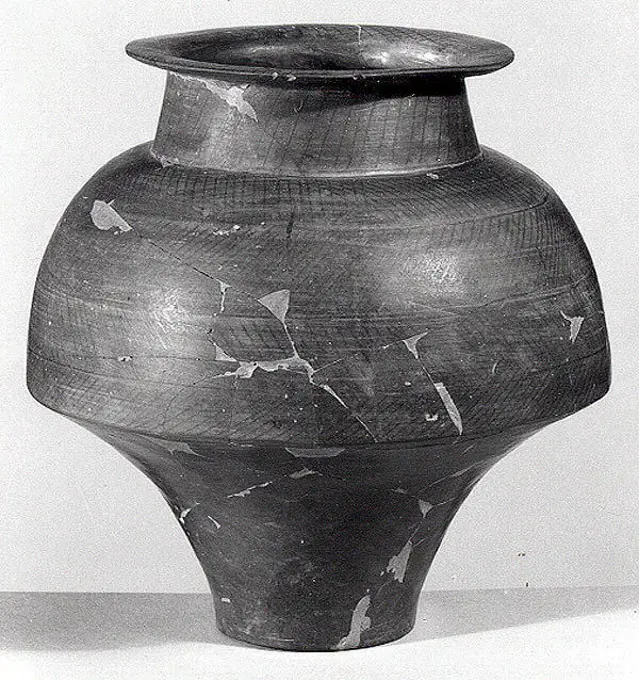
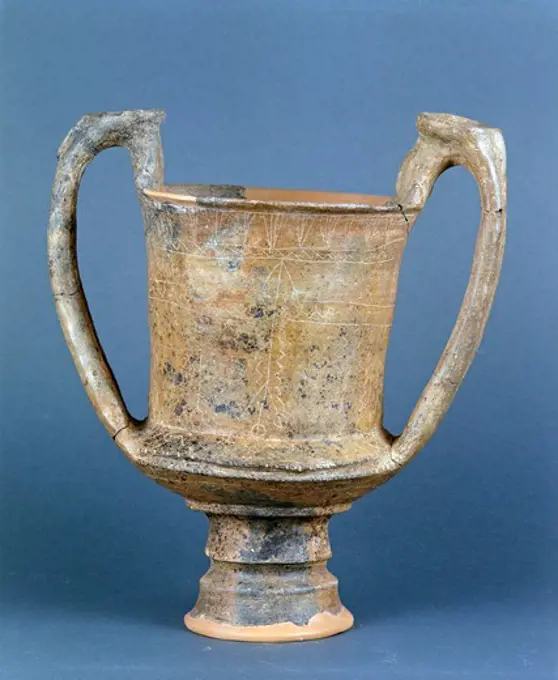
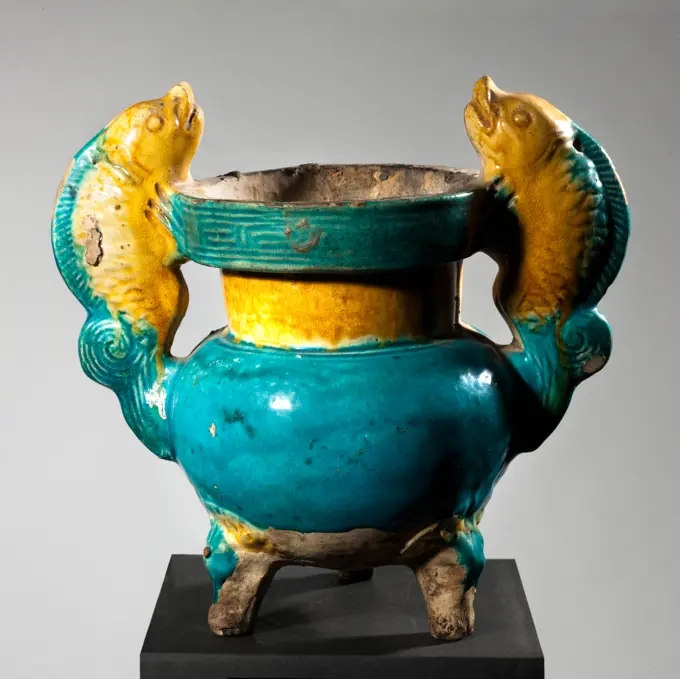
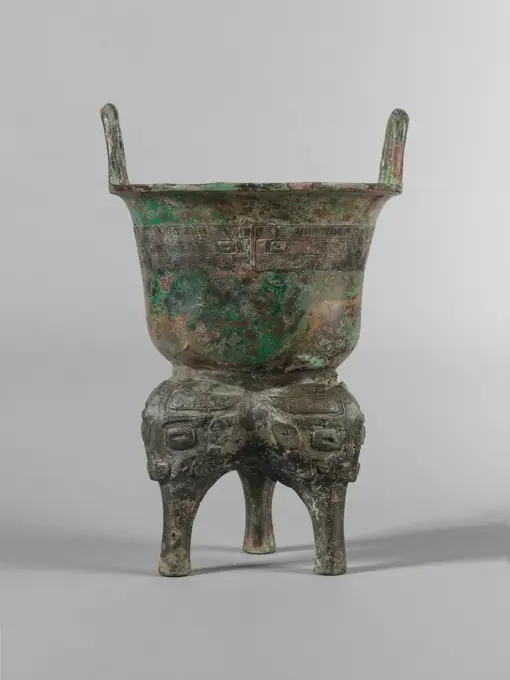
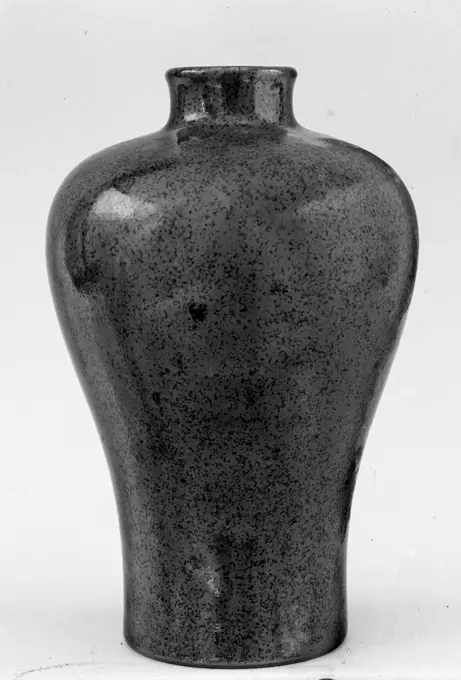
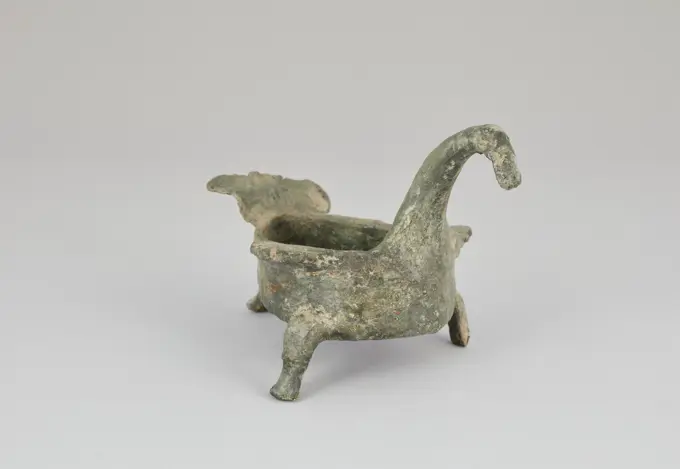
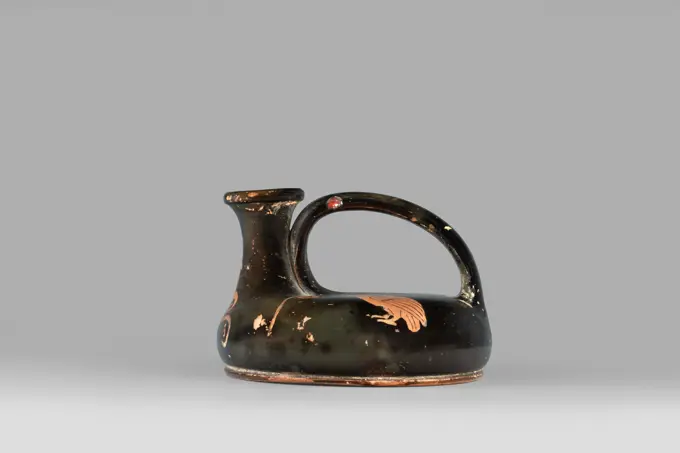
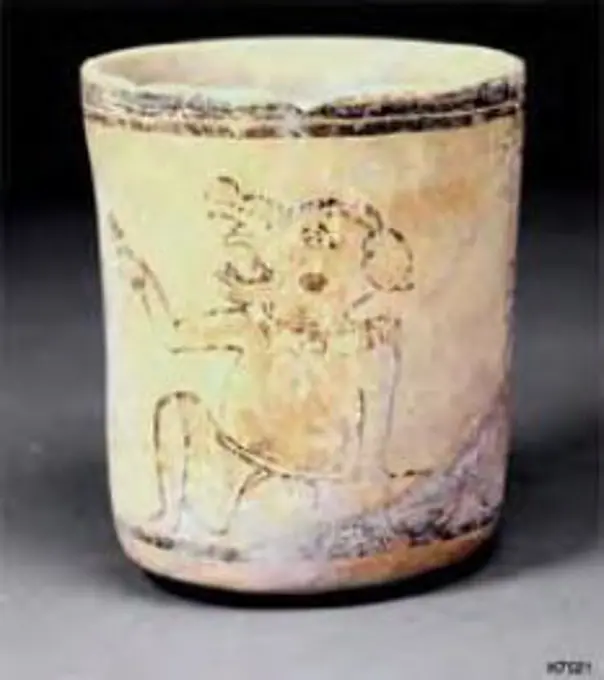
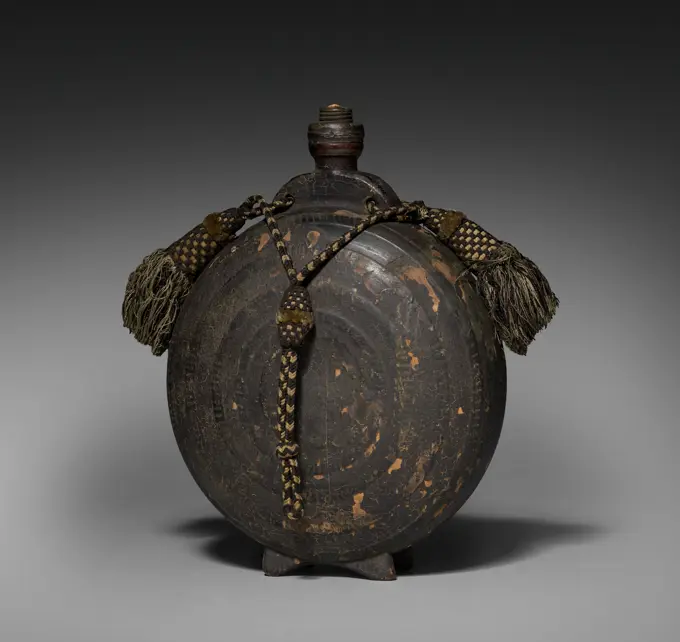
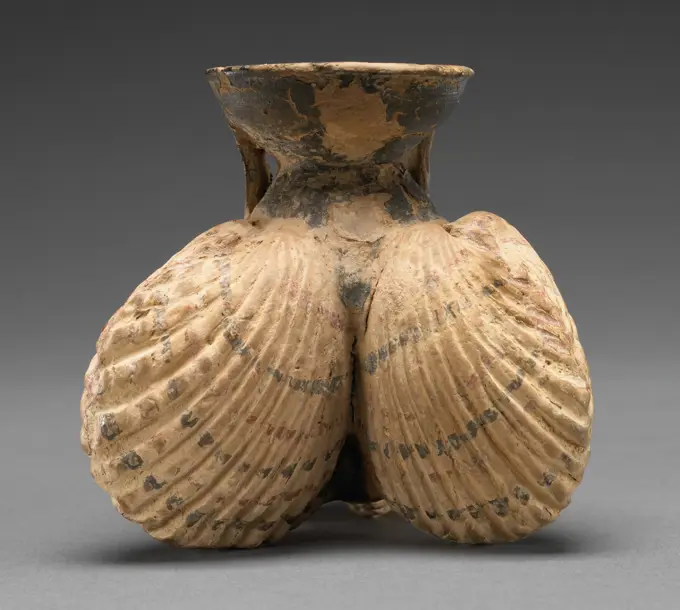
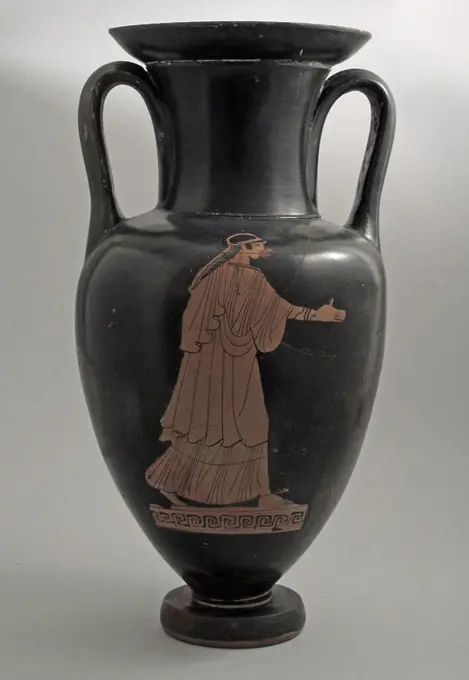
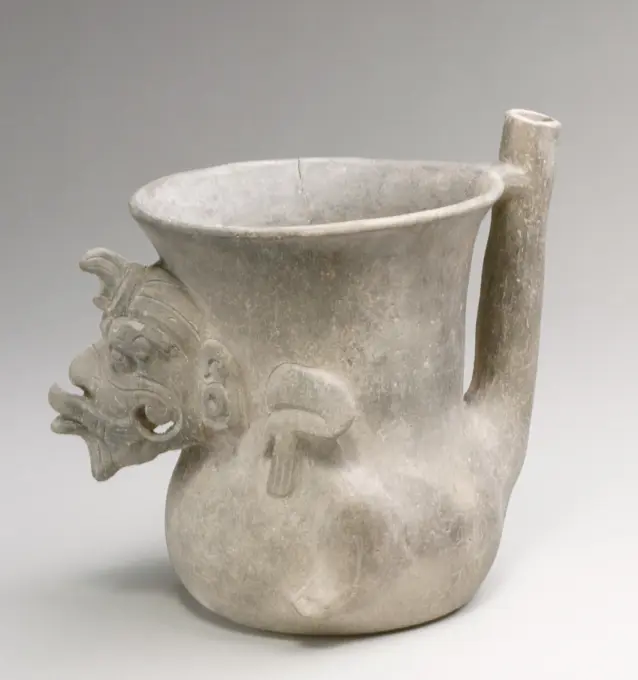
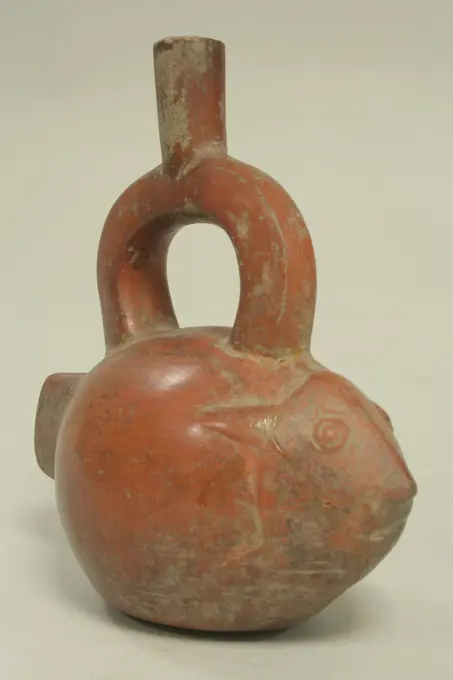
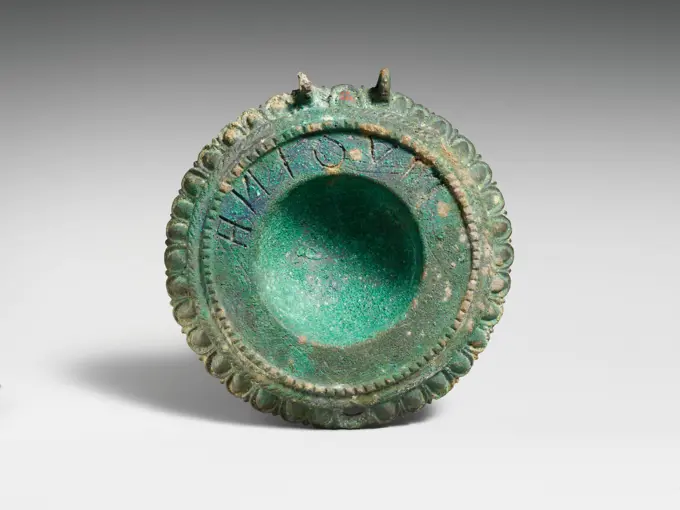
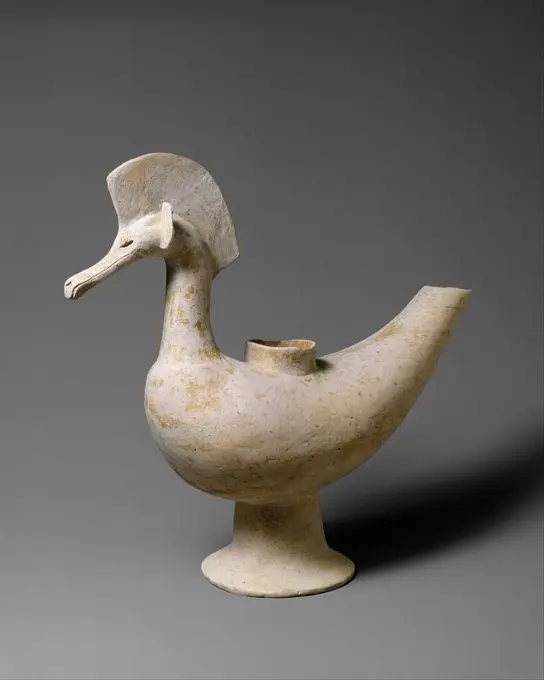
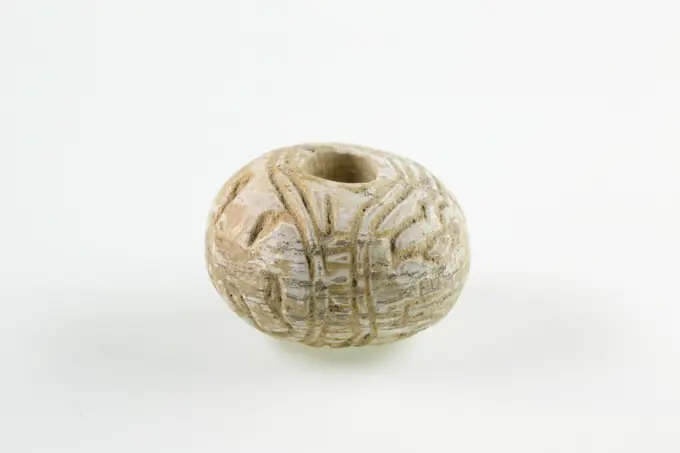
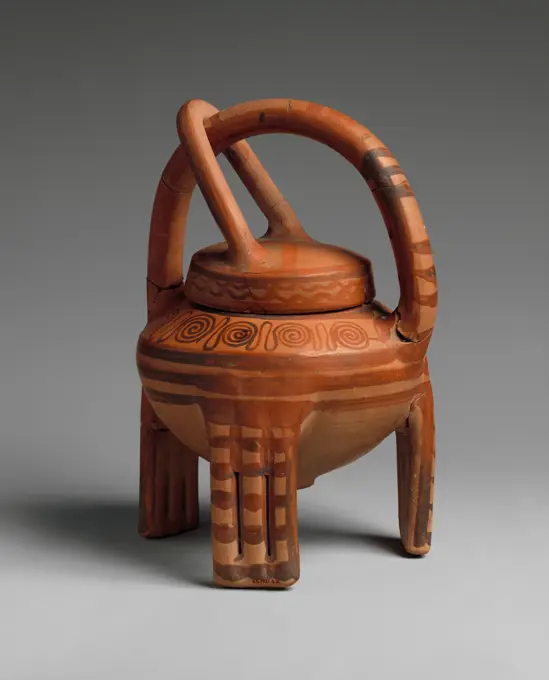
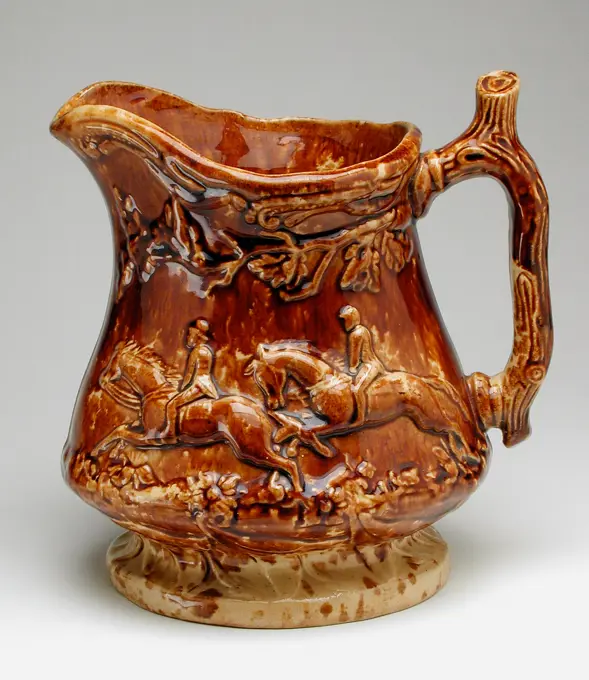
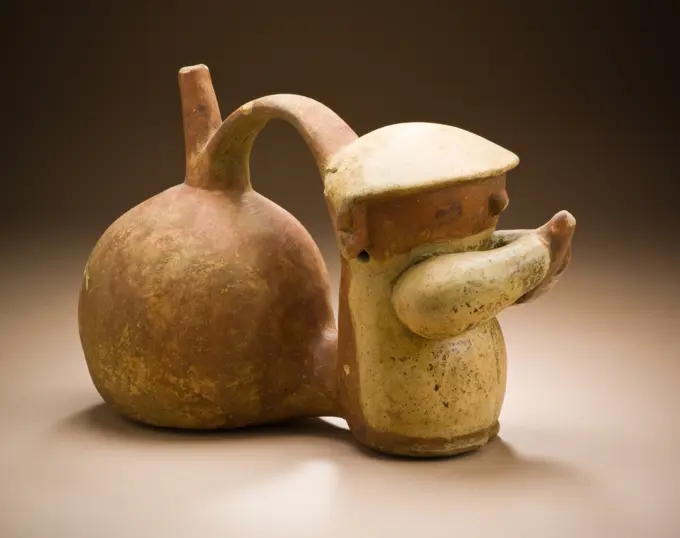
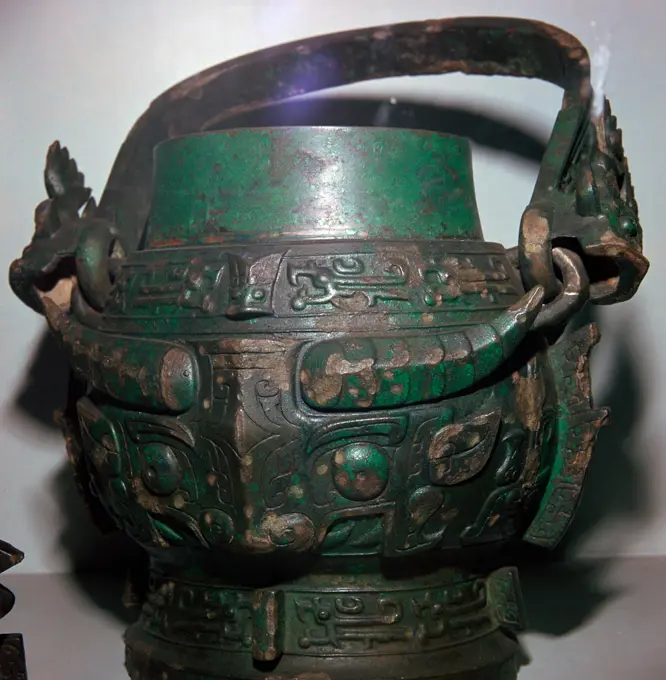
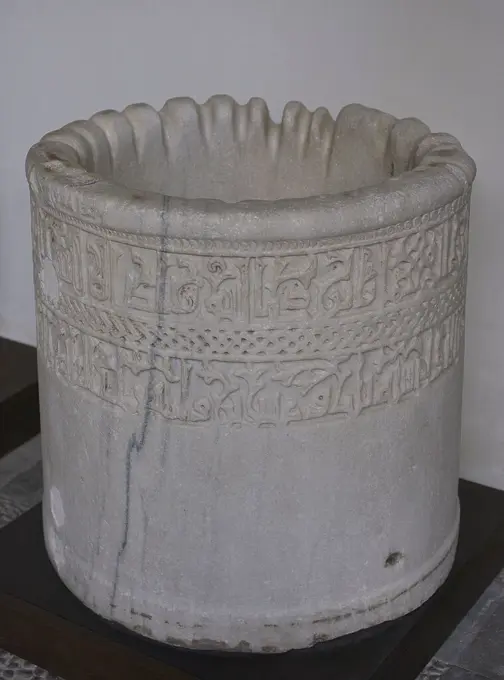
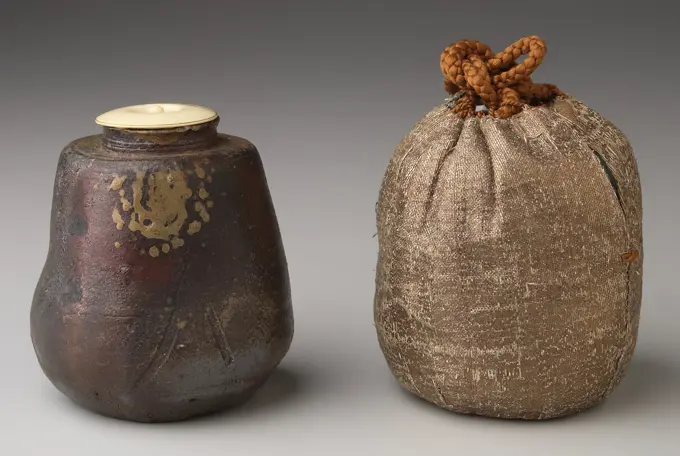
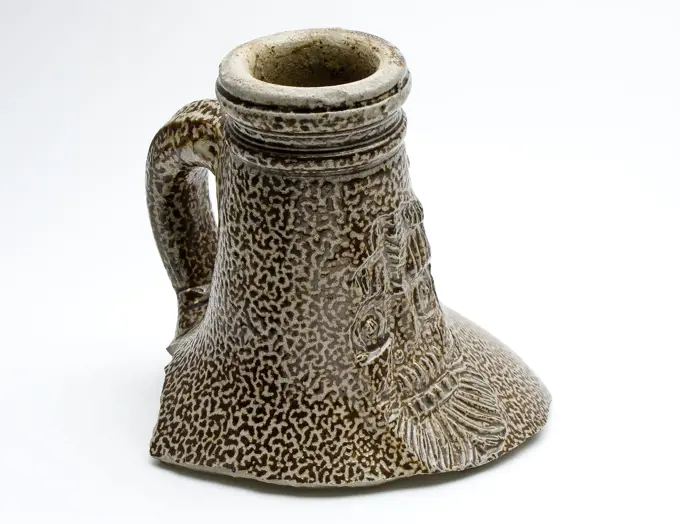
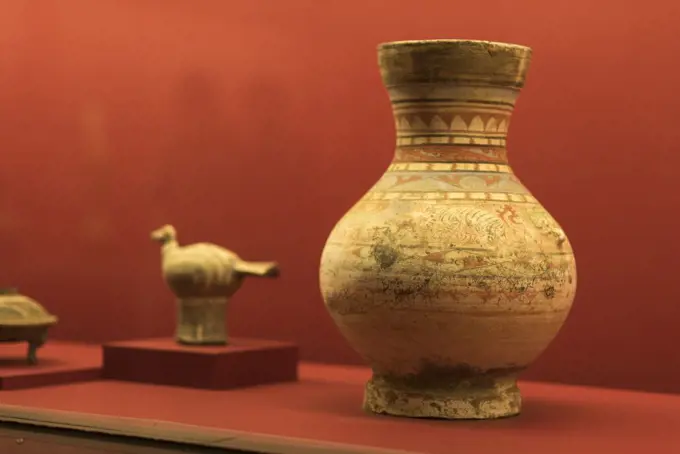
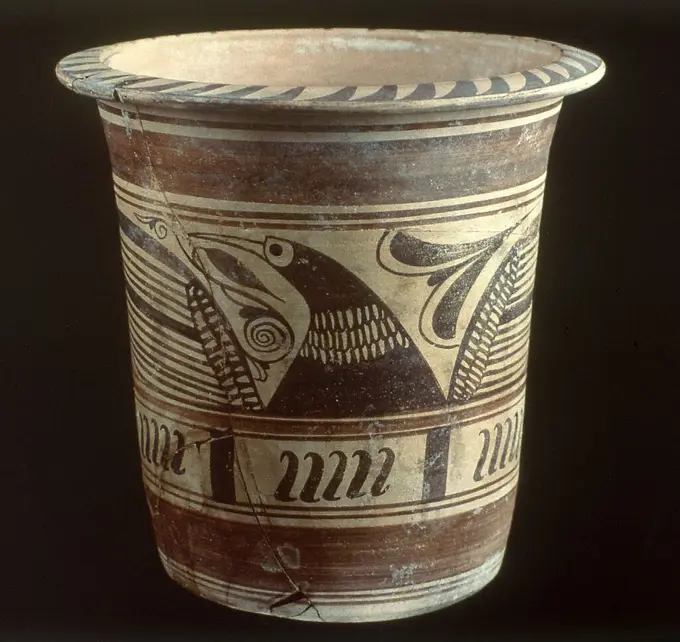
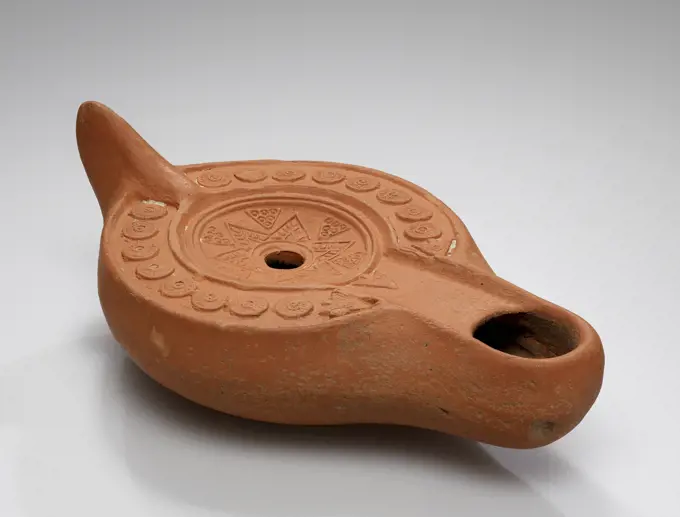
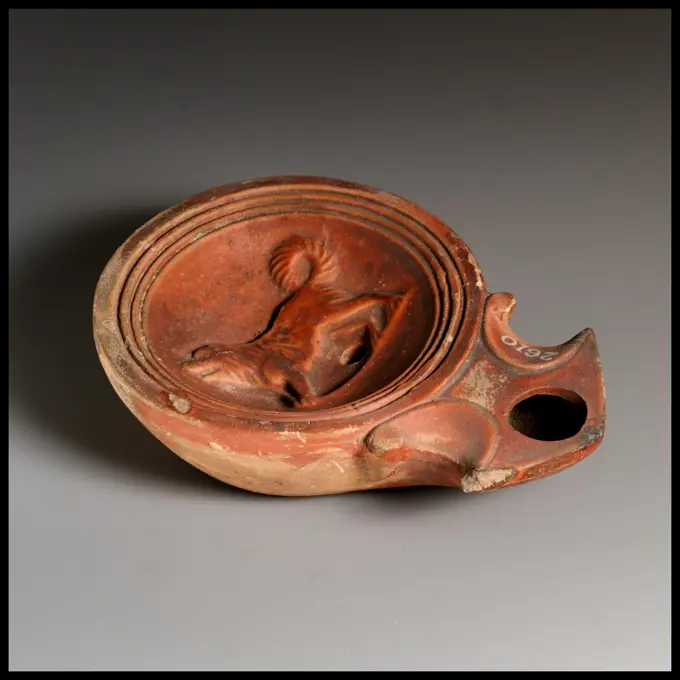
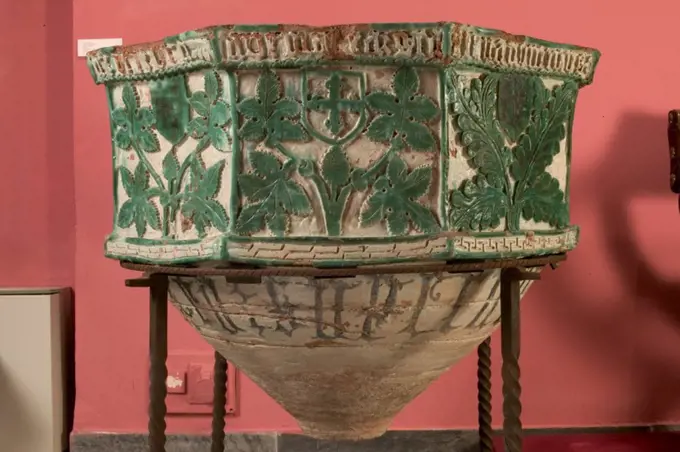
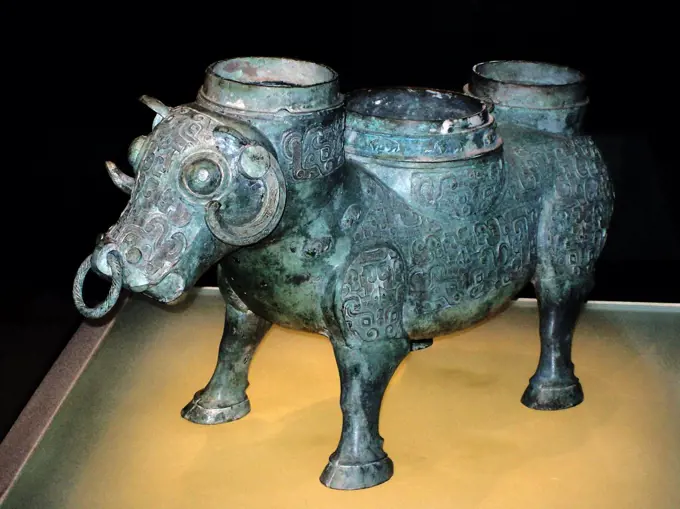
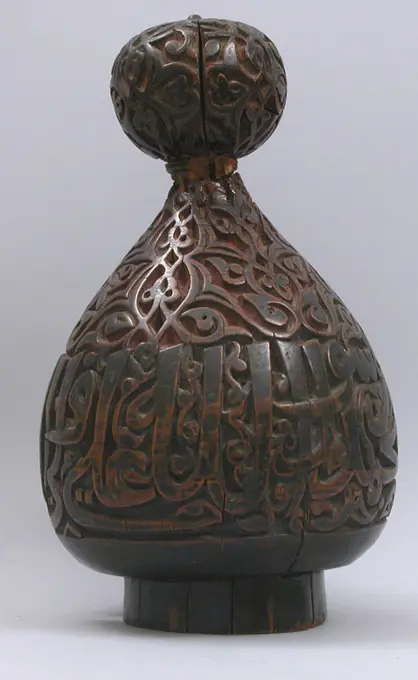
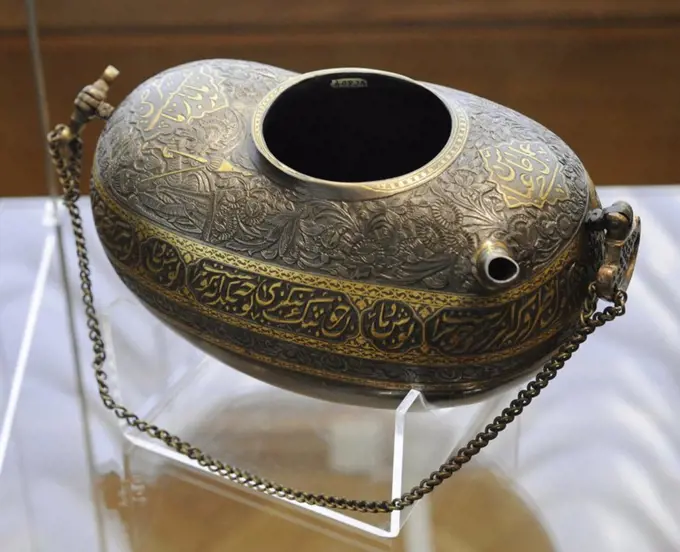
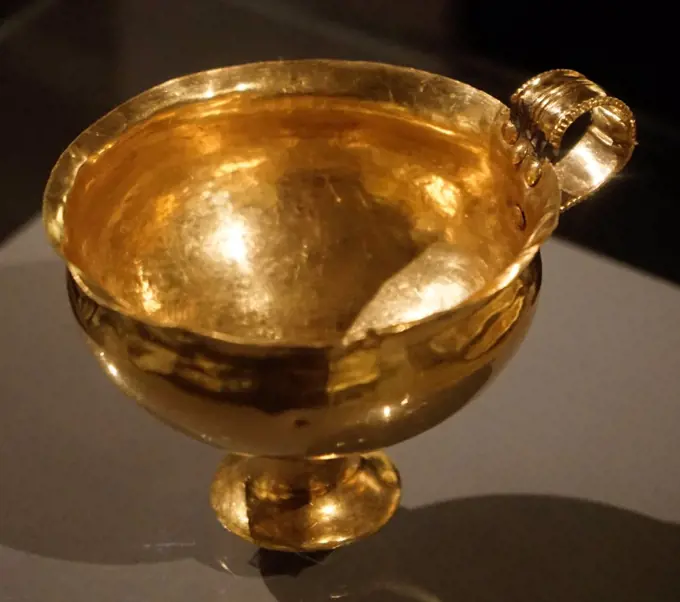
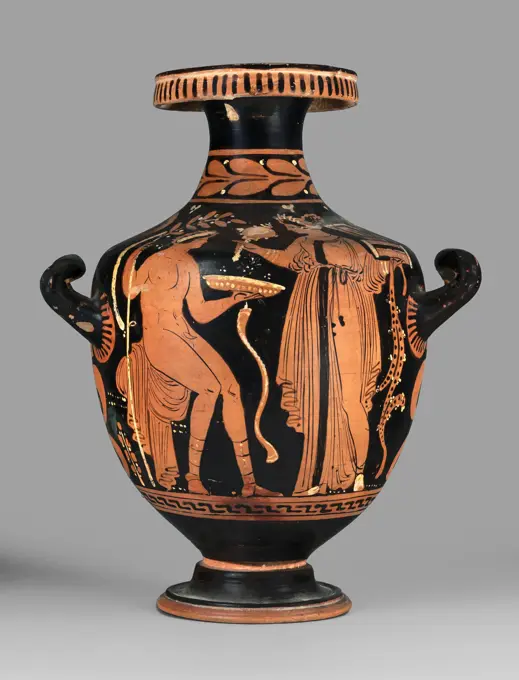
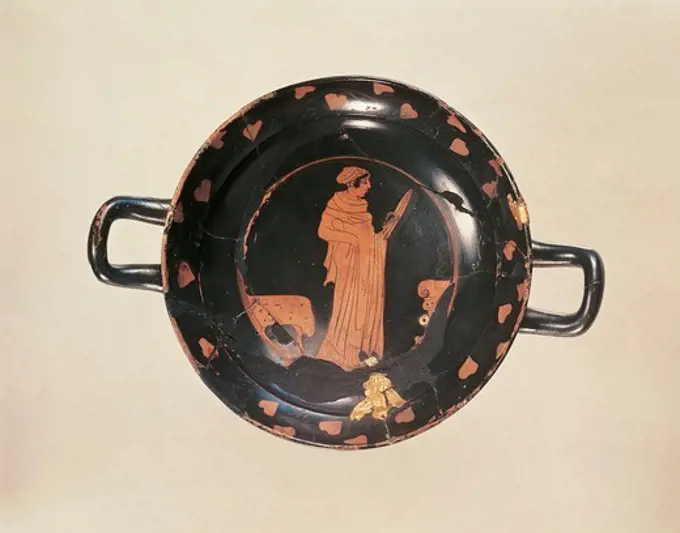
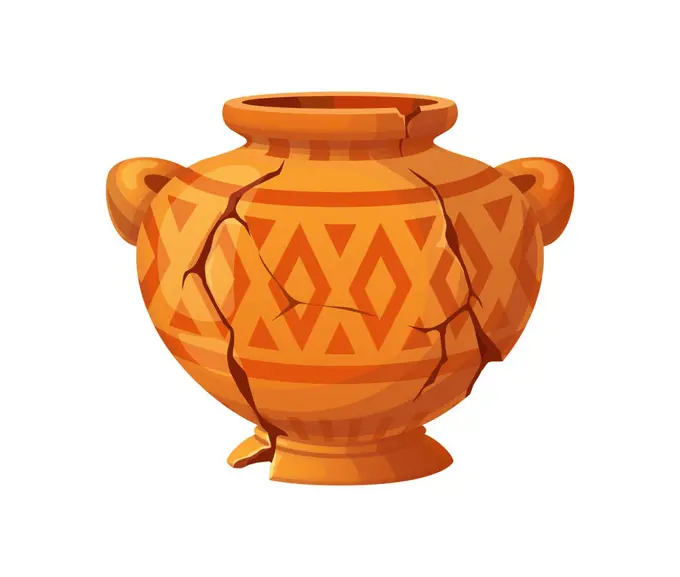
Terracotta lamp with gladiator. Culture: Roman. Dimensions: Overall: 1 x 4 in. (2.5 x 10.2 cm). Date: late 1st century B.C.-early 1st century A.D.. Museum: Metropolitan Museum of Art, New York, USA.Situla with floral decoration. Dimensions: h. 13.5 cm (5 5/16 in). Dynasty: Dynasty 19. Reign: Ramesses II or slightly later. Date: ca. 1279-1213 B.C..Situlae formed part of wine-drinking sets, apparently used for sipping wine. This electrum example is decorated with olive leaves around the neck, and a lotus calyx embracing the base. Museum: Metropolitan Museum of Art, New York, USA.Ceramic Painted Vessel. Culture: Casas Grandes. Dimensions: H. 8 1/4 x Diam. 8 3/4 in. (21 x 22.2 cm). Date: 6th century. Museum: Metropolitan Museum of Art, New York, USA.Single Spout Blackware Vessel in the Form of a Duck. Chimú; North coast, Peru. Date: 1000-1400. Dimensions: 22 × 17.2 × 10.8 cm (8 5/8 × 6 3/4 × 4 1/4 in.). Ceramic and pigment. Origin: North Coast. Museum: The Chicago Art Institute, Chicago, USA.Terracotta skyphos (deep drinking cup) mid-5th century B.C. Greek, Attic Obverse and reverse, owl between laurel spraysThe owl was Athena's animal attribute. It figures most prominently as the device on the reverse of Athenian coinage. It also decorates a rather large group of fifth-century vases such as this one, which are known as owl skyphoi.. Terracotta skyphos (deep drinking cup). Greek, Attic. mid-5th century B.C.. Terracotta; red-figure. Classical. VasesCarinated vase ca. 3000-2250 B.C. Iran This biconical pottery vessel has a sharp edge around its middle where the two halves of the vessel were joined. It also has an abrupt shoulder and a wide, flaring rim. It is made of grey clay using a potters wheel, and decorated with several horizontal registers of hatching.This vessel was excavated at Yarim Tepe in northeastern Iran, six miles south of the modern town of Gonbad-e Kavus. Yarim Tepe was a small settlement, inhabited from the Neolithic to the Parthian period, with many interruptions. Very similar vessels have been excavated at Tureng Tepe near modern Gorgan, about 50 miles to the southwest, dating to the Bronze Age. This vessel likely dates to the same period. The similarity shows that these sites were in close contact with one another, perhaps as part of the trade network that linked Mesopotamia with Afghanistan, one of the few sources of tin and lapis lazuli in the ancient Near East.. Carinated vase 325594Impasto kantharos, Etruscan civilization, 7th century b.c.Incense burner. Turquoise and yellow glaze sandstone. Paris, Cernuschi museum. 78846-18 Asian art, burn-brurge, old ceramic, covered, email, glacide, refinement, terracotta, terracotta emailleeClose-up of a vase, FranceAnonymous, vase to steam yan (usual name), -1050, dark patina. Cernuschi Museum, Asia Museum of Asia in the city of Paris.Meiping vase early 18th century China. Meiping vase. China. early 18th century. Porcelain with teadust glaze (Jingdezhen ware). Qing dynasty (1644-1911), Yongzheng period (1723-35). CeramicsContainer. Bronze printed decor. Cernuschi Museum, Asia Museum of Asia in the city of Paris.Whistling Huaco, one of a pair, 11th-15th century, 9 1/4 x 8 x 3 7/8 in. (23.5 x 20.3 x 9.8 cm), Earthenware, Peru, 11th-15th centuryAskos czerwonofigurowy z przedstawieniem sów. unknown, authorCodex-style VesselPowder Canister, 1700s. Italy, 18th century. Wood painted black, lead charger, pewter mount; overall: 30.5 x 22.9 cm (12 x 9 in.).Cockleshell Aryballos. UnknownYolande Delasser, Jug, c 1938 JugNolan neck-amphora with ridged handles. Culture: Greek, Attic. Dimensions: H. 33.30 cm.. Date: ca. 480-470 B.C..Obverse, woman runningReverse, king. Museum: Metropolitan Museum of Art, New York, USA.Spouted jar 3rd-1st century B.C. Monte Alban During the late first millennium B.C., fine grayware ceramics associated with the hilltop site of Monte Albán and its neighbors in the southern Mexico state of Oaxaca have their most significant manifestation in the vessel form known as a bridge-and-spout (or bridge-spout). The bodies of such vessels were elaborated on the front opposite the spout with raised images of what appear to be the deities venerated in the region. In this example, for instance, head, arms, and legs were worked in relief on the surface, transforming the body of the vessel into the body of the figure. The high-relief head, with its wrinkled face and extended lips, may relate to the deities known later in Mexico as the "old god," Huehuetotl, and Ehecatl, the "wind god.". Spouted jar 313145Flask. UnknownJARRONES DE CERAMICA CON CONNOTACIONES SEXUALES-ARTE MESOPOTAMICO. Location: MUSEO. ALEPO.Stirrup Spout Bottle with Fish 14th-16th century Inca or Chimú. Stirrup Spout Bottle with Fish 309753Bronze bowl from a thymiaterion (incense burner) late 4th century B.C. Etruscan "Suthina" is deeply inscribed in Etruscan letters around the inner rim of the bowl.. Bronze bowl from a thymiaterion (incense burner). Etruscan. late 4th century B.C.. Bronze. Late Classical. BronzesBird-shaped vessel. Culture: Korea. Dimensions: H. 12 7/8 in. (32.7 cm); W. 4 1/2 in. (11.4 cm); L. 13 7/8 in. (35.2 cm). Date: 3rd century.Footed bird-shaped vessels have been found primarily at burial sites on the southern Korean peninsula, near the Nakdong River. Occurring in pairs, they probably served as funereal ritual vessels and burial objects. Liquid was poured into the vessel through an opening at the back and flowed out through the bird's tail. Museum: Metropolitan Museum of Art, New York, USA.Fire pot. Round earthenware pot with a short neck. The three vertically placed ears of this pot have been smoothed and lost; This pot still has remains of the original content.Bead with the name of Amenemhat II ca. 1859-1813 B.C. Middle Kingdom. Bead with the name of Amenemhat II. ca. 1859-1813 B.C.. Unglazed faience. Middle Kingdom. From Egypt, Memphite Region, Lisht North, Cemetery, debris, MMA excavations, 1920-22. Dynasty 12Parrot Head Bottle 1st century B.C.-A.D. 2nd century Salinar (). Parrot Head Bottle 314684Terracotta "basket vase" ca. 1400-1300 B.C. Helladic, Mycenaean The conceit of having the lid of a vase attached to the body so that the two parts remain together recurs in antiquity. Compare the Archaic vase (14.30.22) from Sardis (Lydia) on the east side of the gallery.. Terracotta "basket vase" 247177Pitcher. United States and England, mid-19th century. Furnishings; Serviceware. Earthenware (Bennington Ware)unknown, Red earthenware bathtub from the Palace of Knossos, verso upper left - handwritten on cardboard with pen and black ink, Bathtub decorated with three animals., photograph, photo, photos, 56. Crete. Palace at Knossos. Red earthenware bathtub., height 162 mm, width 233 mm, height 239 mm, width 328 mm, photographer, 1895 - 1915, fourth quarter 19th century, first quarter 20st century, first quarter 20th century, paper, cardboard, daylight gelatin silver printEmilia-Romagna Ferrara Ferrara Museo Civico di Schifanoia30. Hutzel, Max 1960-1990 General Notes: INCOMPLETE RECORD--NEGATIVES PROCESSED, PRINTS FILED German-born photographer and scholar Max Hutzel (1911-1988) photographed in Italy from the early 1960s until his death. The result of this project, referred to by Hutzel as Foto Arte Minore, is thorough documentation of art historical development in Italy up to the 18th century, including objects of the Etruscans and the Romans, as well as early Medieval, Romanesque, Gothic, Renaissance and Baroque monuments. Images are organized by geographic region in Italy, then by province, city, site complex and monument.Amphora 30 B.C.-A.D. 400 Egyptian. Amphora 475484Octagonal Ewer with Dragon Handle, 1736-95. China, Qing Dynasty (1644-1911), Qianlong reign (1736-95). Jade; overall: 13 cm (5 1/8 in.).Double-Chambered Vessel with Strap Handle and Spout. Colombia, Valle del Cauca, Calima, Calima Yotoco, 100-800 CE. Ceramics. CeramicChinese bronze wine-vessel, 11th century BC. Artist: UnknownBrush holder with scholars in a garden late 18th century-early 19th century China. Brush holder with scholars in a garden. China. late 18th century-early 19th century. Bamboo. Qing dynasty (1644-1911). BambooVase painting. Athletes running with shield and helmet. Umpire. 500 BC.Stirrup Spout Bottle. Culture: Moche. Dimensions: H. 8 in. (20.4 cm). Date: 1st century B.C.-A.D. 7th century. Museum: Metropolitan Museum of Art, New York, USA.Curbstone of well. Dated 1032. From the Aljama Mosque of Toledo, which existed on the site of the present-day cathedral. It shows an inscription in kufic characters, commemorating the end of the construction of a well or cistern in the major mosque of Toledo, ordered by Ismail Dü-l-Nün al-Zafir, first king of the Du-l-nuníes Dynasty in the taifa of Toledo. White marble. Museum of Santa Cruz. Toledo. Spain.Ewer, 800s. China, Hunan province, Tongguan, early Tang dynasty (618-907). Glazed stoneware with molded and applied decoration, Changsha ware; overall: 22.5 cm (8 7/8 in.).Pot with Geometric Motifs. 11th-13th c. Pre-Columbian art. Terra-cotta. MEXICO. FEDERAL DISTRICT. Mexico City. National Museum of Anthropology. Proc: MEXICO. Chihuahua.Presentation bag for tea caddy, late 16th century, Unknown Japanese, Silk, Japan, 16th centurySung/ Song Dynasty ceramic ewer from Chu Lu Hsien, 11th c. China.Fragment of bearded jug, neck fragment, brown and gray speckled glaze, beard masonry vessel holder soil find ceramic stoneware glaze salt-glaze, hand-turned glazed fried Fragment of Bartmann jug's neck fragment brown and gray speckled glaze Embossed Bartmann jug; male face with beard. Vertical sausage ear archeology Rotterdam Kralingen-Crooswijk Struisenburg Oostmaaslaan Buizengat indigenous pottery import store packaging drink kitchen room Soil discovery: Buizengat Oostmaaslaan Rotterdam an old landfill of urban waste.TAIPEI, TAIWAN - November 24 : Antiques are displayed in Taipei’s National Palace Museum on November 24, 2016 in Taipei, Taiwan, Asia.KALATHOS PROCEDENTE DE ARCHENA (MURCIA) - III/I AC - CERAMICA IBERICA. Location: MUSEO ARQUEOLOGICO NACIONAL-COLECCION. MADRID. SPAIN.Fox Effigy Bottle. Culture: Paracas. Dimensions: Overall: 9 1/4 x 8 in. (23.5 x 20.32 cm)Other: 8 in. (20.32 cm). Date: 7th-4th century B.C.. Museum: Metropolitan Museum of Art, New York, USA.Lamp, North Africa; 1st - 4th century; Terracotta; 3.3 x 8.2 x 14 cm (1 5,16 x 3 1,4 x 5 1,2 in.)Archaic Vases, of various grotesque and fanciful forms. Stephen Thompson (British, about 1830 - 1893)Italy, Garda Lake, Fictile votive lamp decorated with Hercules (Heracles) head from the excavation site of Riva del GardaAnimalPenCentral America, Guatemala, Western Highlands, Lake Atitlan, Panajachel. Lake Atitlan Museum. Clay pottery vase found underwater in Lake Atitlan. (Editorial Usage Only)Cake pan with lid, anonymous, c. 1675 - c. 1699 Cake pan with lid, made of earthenware with yellow shard and spotty brown -bleached lead glaze. The pan is on three legs and originally had two ears, the flat lid with slightly raised edge, on which originally also two ears. Netherlands earthenware. lead glaze Cake pan with lid, made of earthenware with yellow shard and spotty brown -bleached lead glaze. The pan is on three legs and originally had two ears, the flat lid with slightly raised edge, on which originally also two ears. Netherlands earthenware. lead glazeThree-Part Pitcher, c. 800-700 BC. Iran, Luristan. Earthenware, unglazed slip; overall: 18.1 x 17 x 21.5 cm (7 1/8 x 6 11/16 x 8 7/16 in.).Terracotta oil lamp ca. A.D. 40-100 Roman, Cypriot Loeschcke Type 1A. Mold-made. Discus: large dog standing to left, with curly tail; ground line below; single filling hole in front of the dog's rear legs, with a broad band of lines and grooves at edge. Volutes flanking angular nozzle. Raised base ring, and flat base.Intact.. Terracotta oil lamp. Roman, Cypriot. ca. A.D. 40-100. Terracotta; mold-made. Early Imperial. TerracottasPILA BAUTISMAL PROCEDENTE DE LA IGLESIA DE SAN SALVADOR (TOLEDO), EN EL MUSEO DE SANTA CRUZ.Elegant clay jug Isolated on a white background. Retro item. There is free space for your text.Red-Slip Head Vase. Workshop of Gududio (Roman, active about 300 A.D.)Cook pot on three legs, with outstanding mouth edge and two ears, anonymous, c. 1675 - c. 1699 Pottery cooking pot with light yellow shard and a little brown -bleached lead glaze. The convex pot on three legs with outstanding mouth edge and two ears Netherlands earthenware. lead glaze Pottery cooking pot with light yellow shard and a little brown -bleached lead glaze. The convex pot on three legs with outstanding mouth edge and two ears Netherlands earthenware. lead glazeBracket mid-16th century Southern French. Bracket 205617Silver kantharos with gilt portrayals of Dionysus and Maenad with a deer, from the Goliama Kosmatka burial mound at Chipka, Stara Zagora Region, Bulgaria. Goldsmith art. Thracian Civilization, 5th Century BC.Hydria, water jug also used as burial object, 530 BC, Archaeological Museum in the former Order Hospital of the Knights of St John, 15th century, Old Town, Rhodes Town, Greece, EuropeBronze zoomorphic vessel, Shanghai Museum, China.Finial, Possibly from a Cenotaph late 14th-16th century Finials are by nature ornamental rather than integral elements of architecture or furniture. In this appealingly proportioned wooden object carved in low relief, the monumental yet softly rounded thuluth inscription carries the same weight as the large-scale arabesque decoration with interlacing rumi or split-palmette leaves and trefoil-like flowers. The Arabic inscription proclaims the Shia profession of faith: "There is no God but God (Allah); Muhammad is the Prophet of God and Ali is the friend of God." The nature of the inscription suggests that the finial may have been part of the interior decoration of a Shia tomb or shrine.. Finial, Possibly from a Cenotaph 453310Islam. Near East. Persia. Kashkul (begging bowl for a Dervish). Steel; casting, carving, gilding. Iran, Late 19th- early 20th century. By Hajji 'Abbas (). The State Hermitage Museum. Saint Petersburg. Russia.Mycenaean gold stemmed goblet with one handle. Dated 1500 BCLimestone votive square capital 5th or 4th century B.C. Cypriot Votive capital decorated with three bands of triangles, branches in relief and rosettes and ivy leaves on the top.. Limestone votive square capital 242349Drum, 1847 musical instrument. percussion instrument. drum Trom of the militia. The brass kettle is equipped with a veal sheet on both sides, held by a hoop and tense by means of a tension with tractors and screws. Both hoops are decorated with a motif of triangles in the colors red, white and blue. With engraved numbers: 1847-16. Netherlands Kettle: Brass (Alloy). Hoop: Wood (Plant Material). Team resorts: RopeVessel with Deity Figures 7th-8th century Maya. Vessel with Deity Figures 313315Ceramic vessel Sicán-Lambayeque culture 700AC-1375AC Perú.Very old style metal ewer water jar in viewUrn or Jug, 1532. Peru, 16th century. Pottery; overall: 28 x 18.5 x 15.5 cm (11 x 7 5/16 x 6 1/8 in.).Red -purital hydria;  4th century BC (-400-00-00--301-00-00);Double Capital late 13th-early 14th century French. Double Capital. French. late 13th-early 14th century. Stone. Made in Pyrénées. Sculpture-ArchitecturalFour-Cornered Hat 7th-9th century Wari Finely woven, brightly colored hats, customarily featuring a square crown, four sides, and four pointed tips, are most frequently associated with two ancient cultures of the Andes: the Wari and the Tiwanaku. The Wari Empire dominated the south-central highlands and the west coastal regions of what is now Peru from 500-1000 A.D. The Tiwanaku occupied the altiplano (high plain) directly south of Wari-populated areas around the same time, including territory now part of the modern country of Bolivia. The cultures not only developed and flourished as contemporaries, but also occupied adjacent lands for nearly four centuries. A Wari ceremonial center called Cerro Baúl was located a mere five miles from Tiwanaku-settled fields in the Moquegua Valley of Peru. The two cultures likely encountered each other at Cerro Baúl and elsewhere, but the nature of these interactions remains largely unknown. Four-cornered hats from both the Wari and the Tiwanaku were Rectangular ClayBoxRed-figure Attic cup with later gold trimming, from the Kleinaspergle TreasureMinoan pot painted with dolphins. Artist: UnknownUrn with Satyr Heads, 1700s. France, 18th century. Bronze; overall: 80.6 x 67 x 55.9 cm (31 3/4 x 26 3/8 x 22 in.).Ancient antique broken vase or pot, cartoon ceramic museum jar. Old cracked pottery or crockery item. Isolated vector clay urn or tableware with geometric pattern. Historical archeological relic. Ancient antique broken vase or pot, ceramic jarNgonge late 19th century Central African. Ngonge 501098Greek vases silhouettes. Ancient amphoras and pots glyph illustration. Clay ceramic earthenware. Vector. Greek vases silhouettes. Ancient amphoras and pots glyph illustration. Clay ceramic earthenware. Vector.