Ancient Keys and Hardware

Historical keys and metalwork pieces from various periods, showcasing unique designs and functionalities, reflecting craftsmanship from ancient to medieval times.
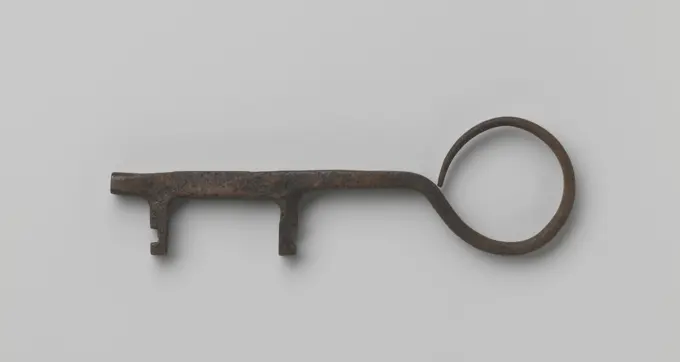
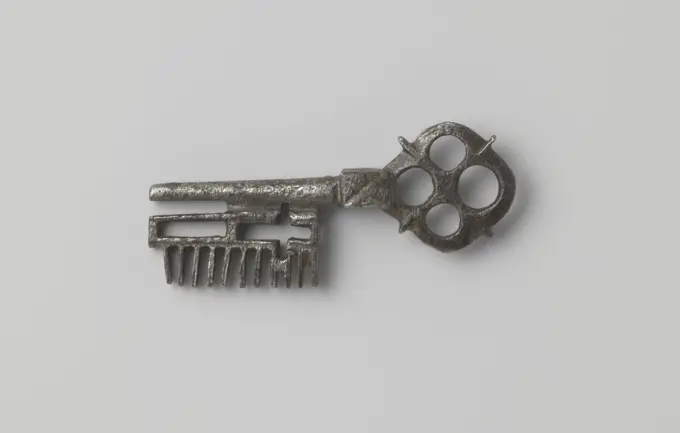
Key, 1700 - 1900 Key with square handle, at the end of the striker giving and in an eye. The beard is two -fold.  iron (metal) Key with square handle, at the end of the striker giving and in an eye. The beard is two -fold.  iron (metal)
Key, 1700 - 1900 Key with square handle, at the end of the striker giving and in an eye. The beard is two -fold. iron (metal) Key with square handle, at the end of the striker giving and in an eye. The beard is two -fold. iron (metal)
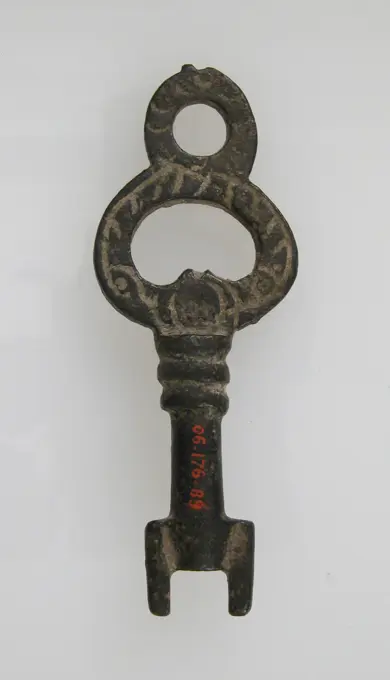
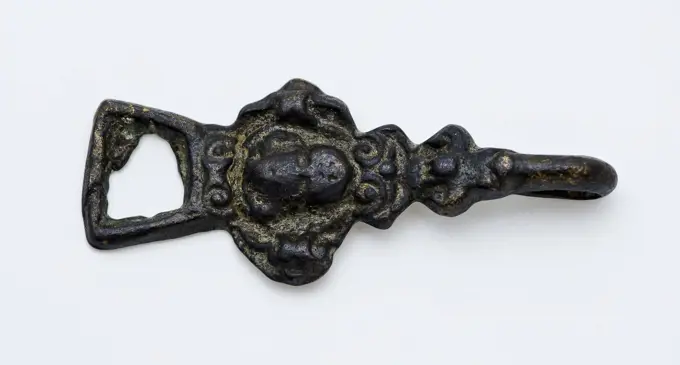
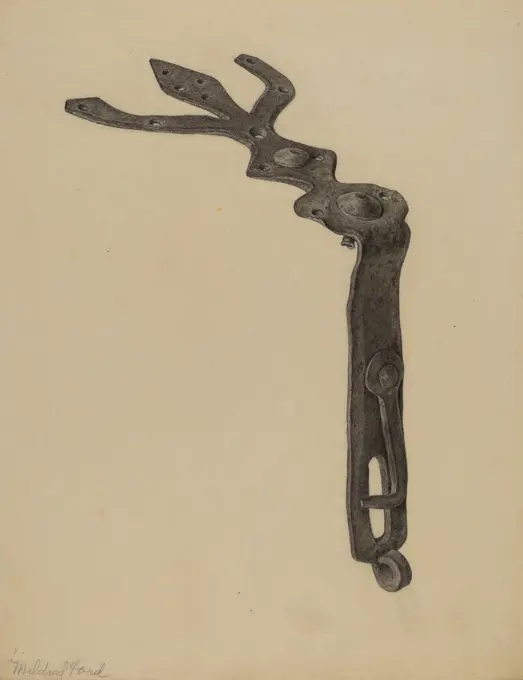
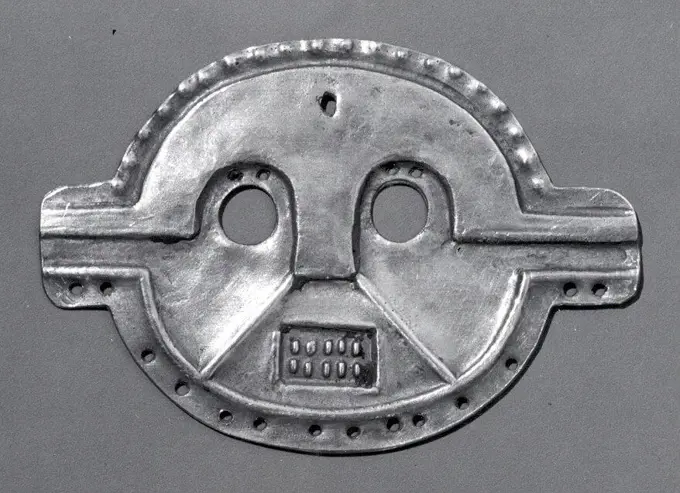
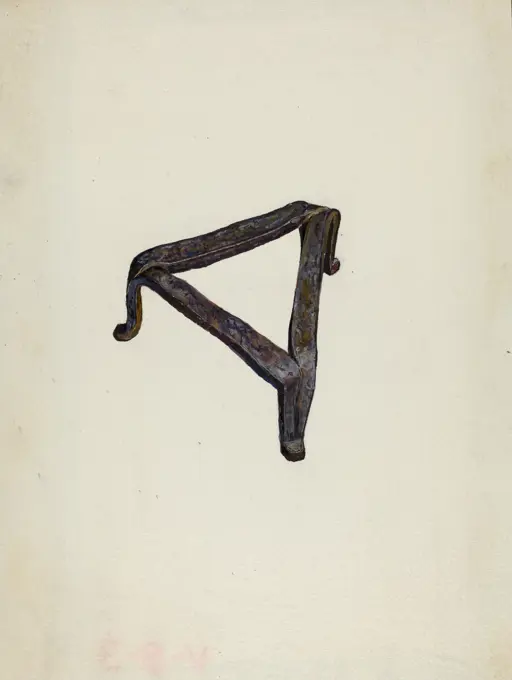
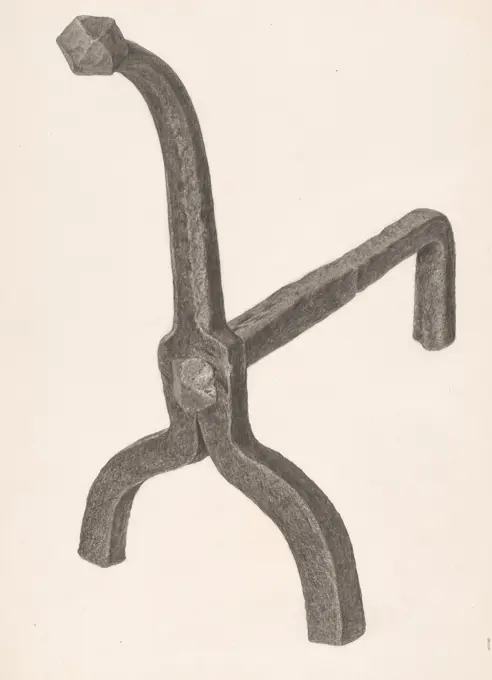
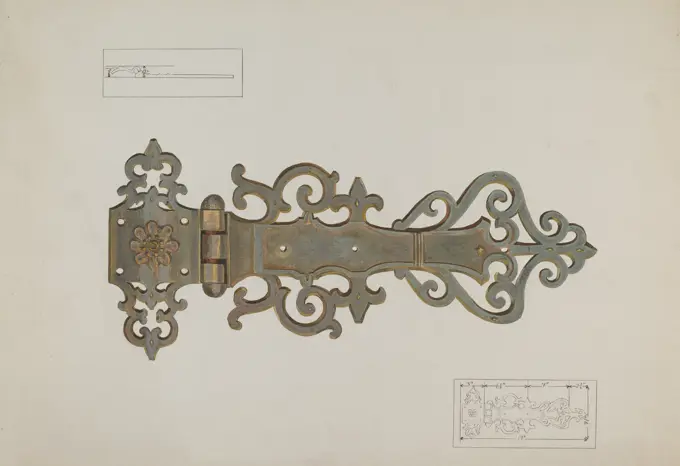
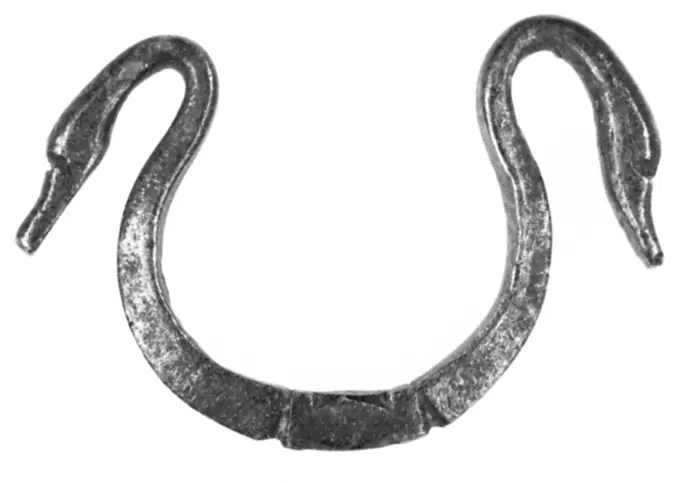
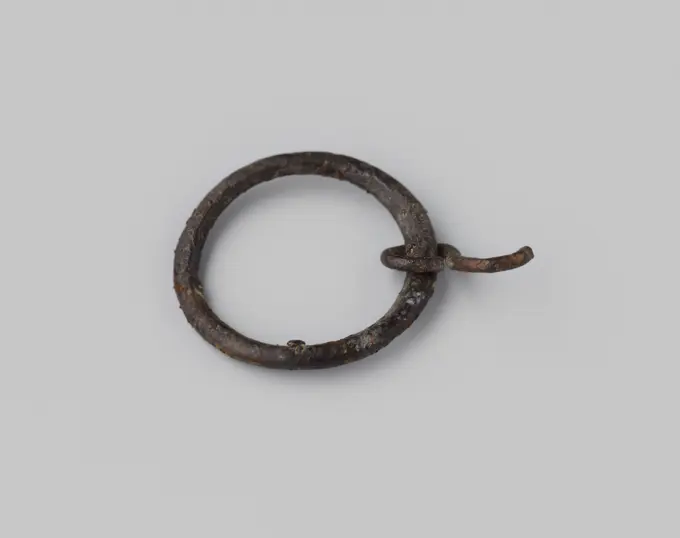
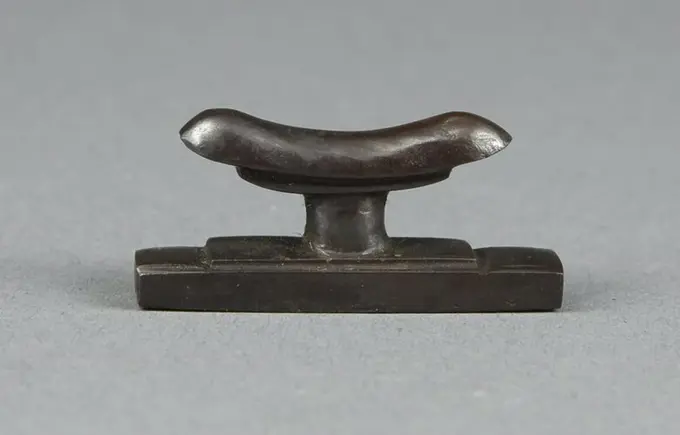
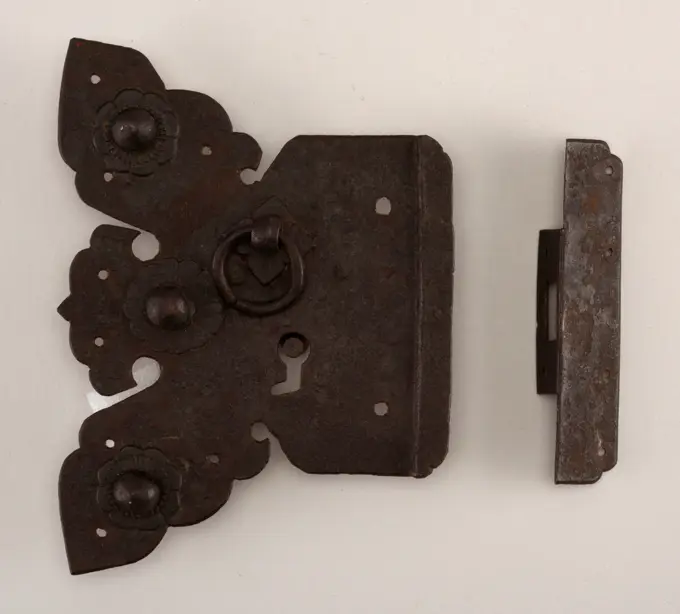
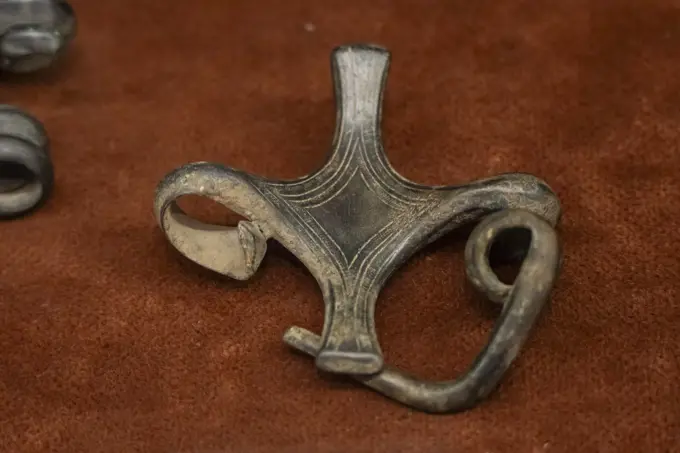
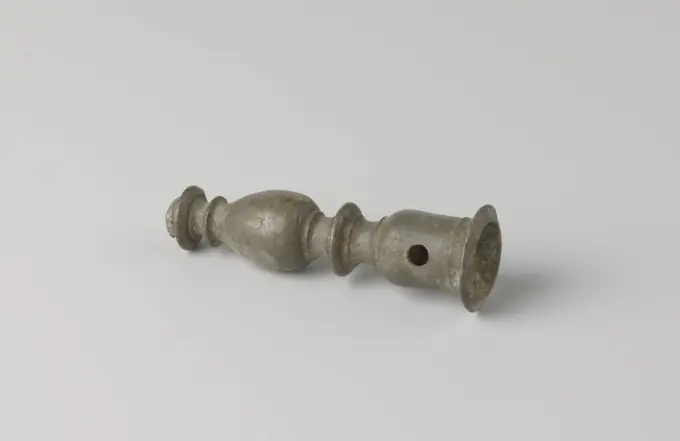
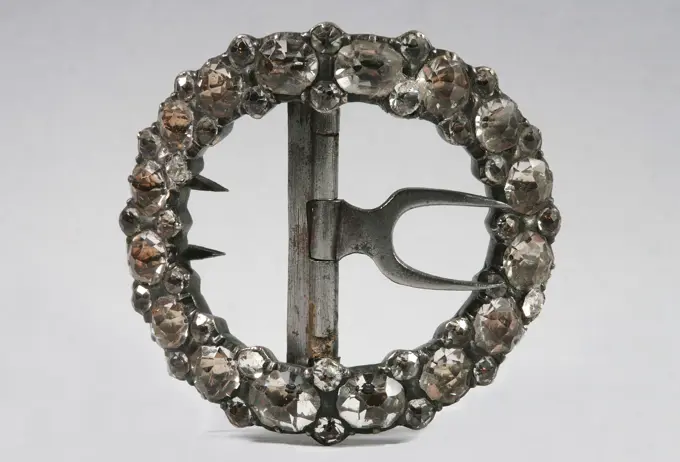
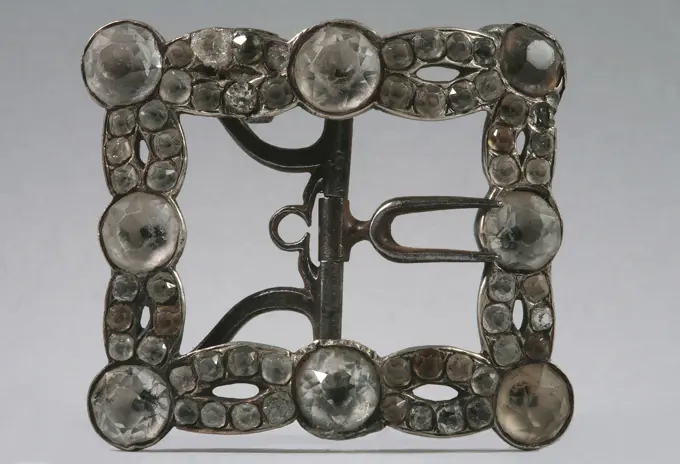
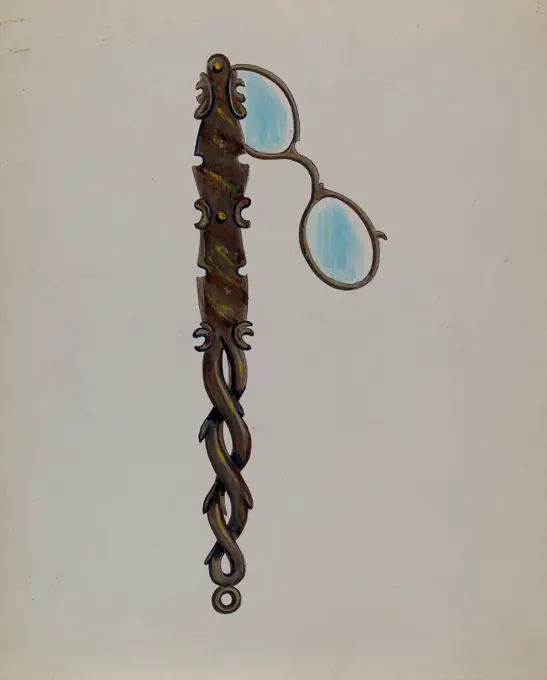
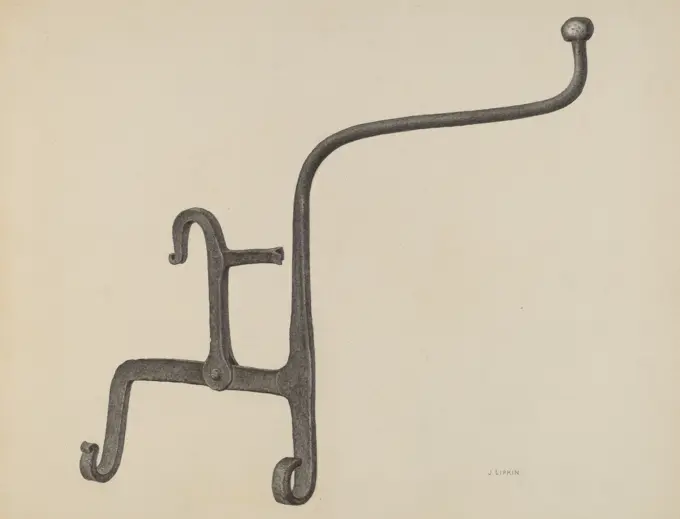
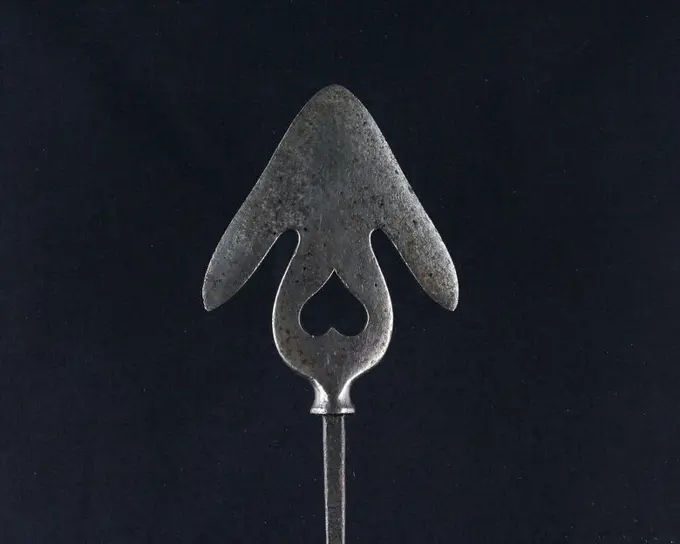
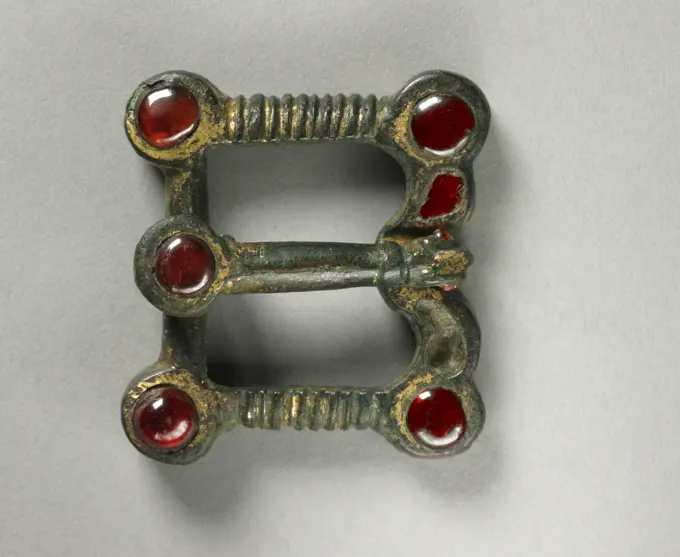
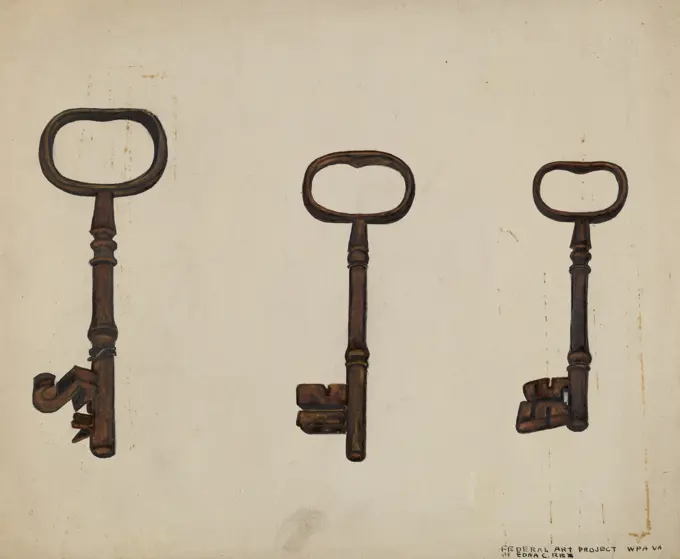
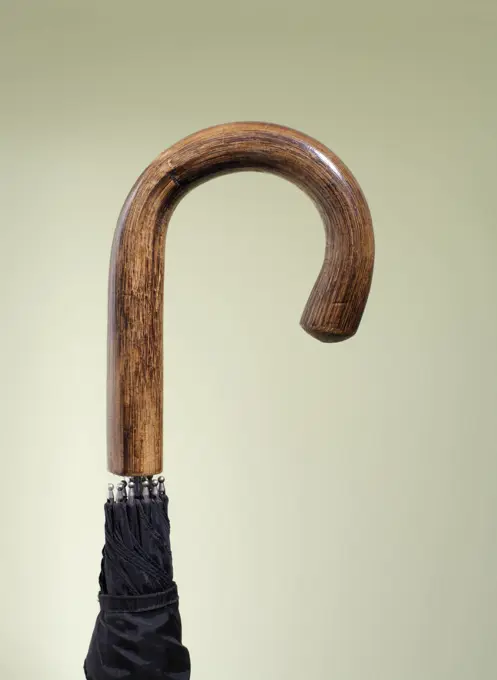
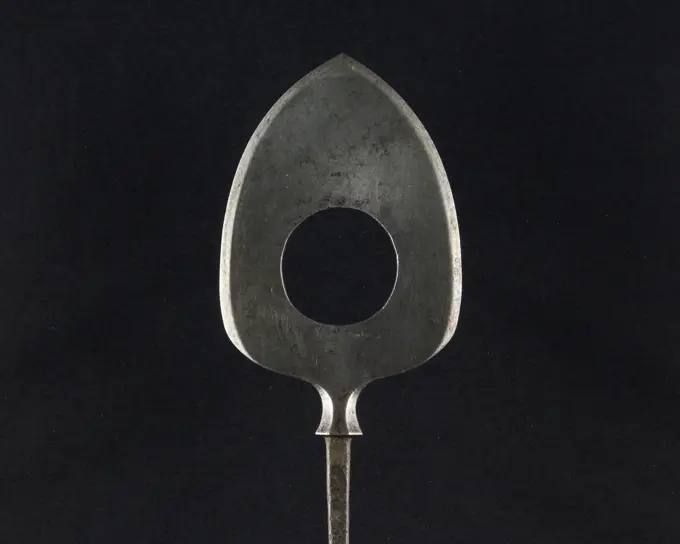
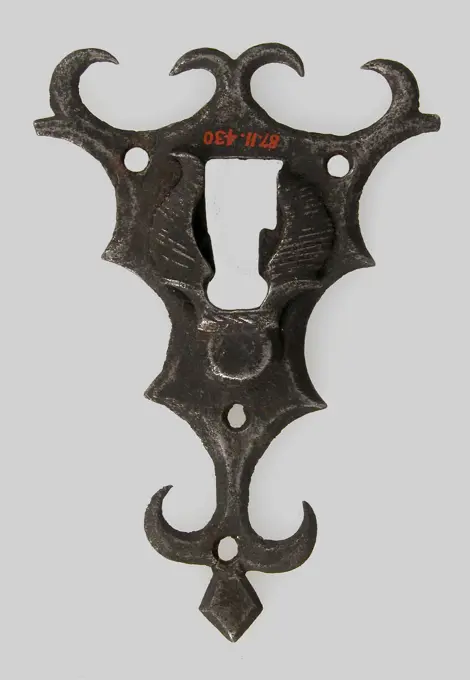
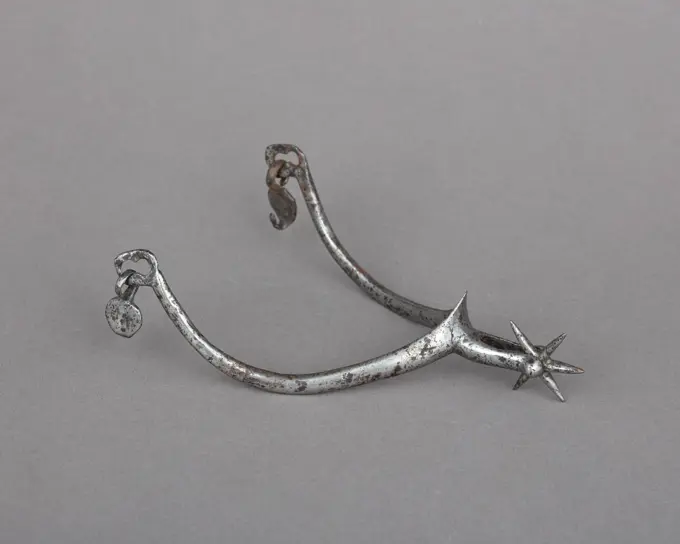
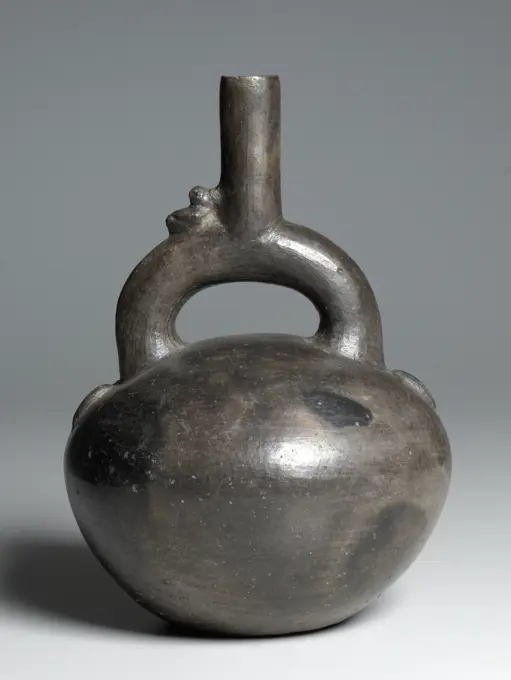
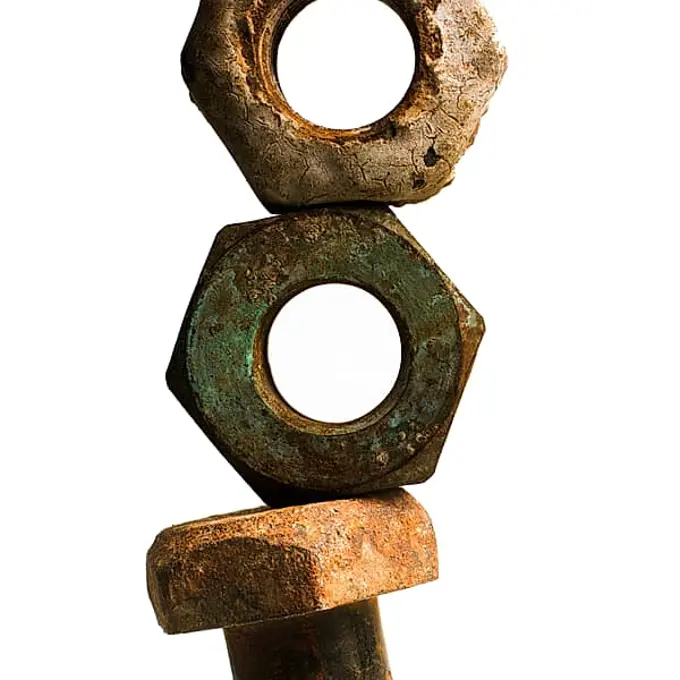
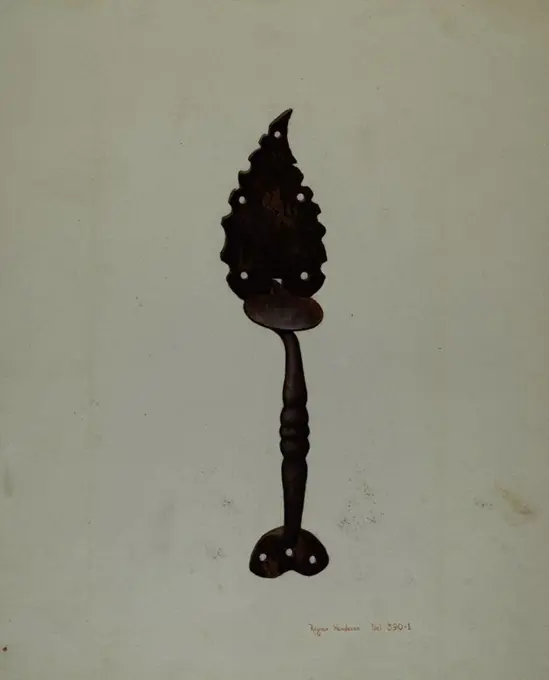
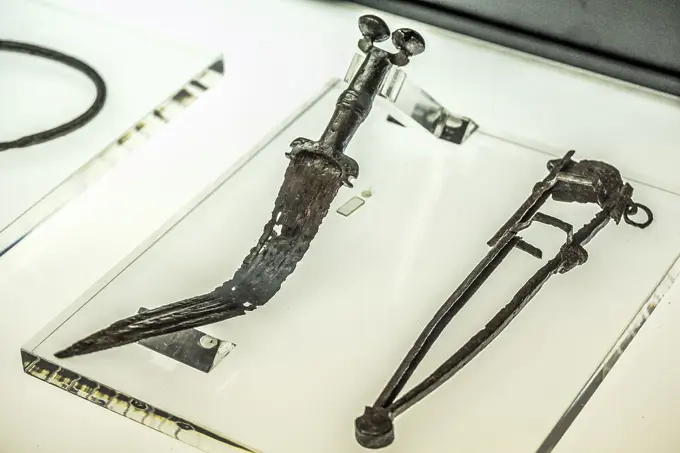
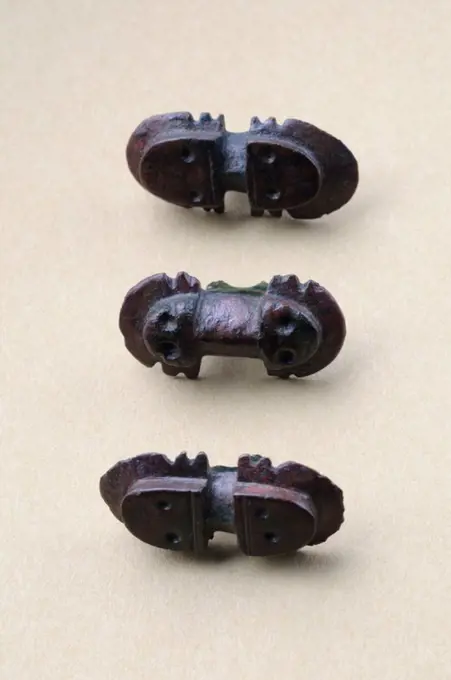
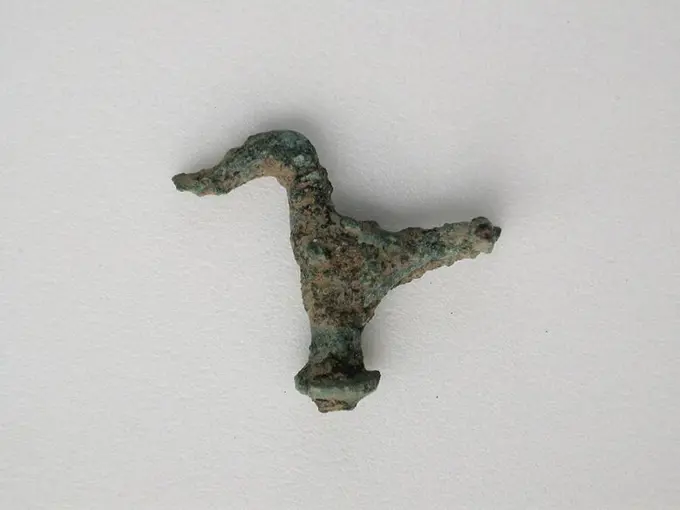
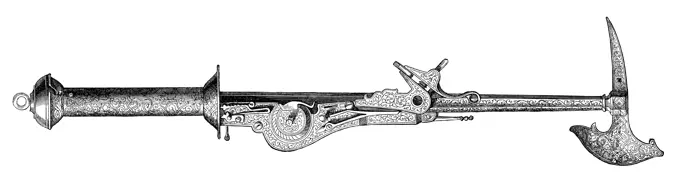
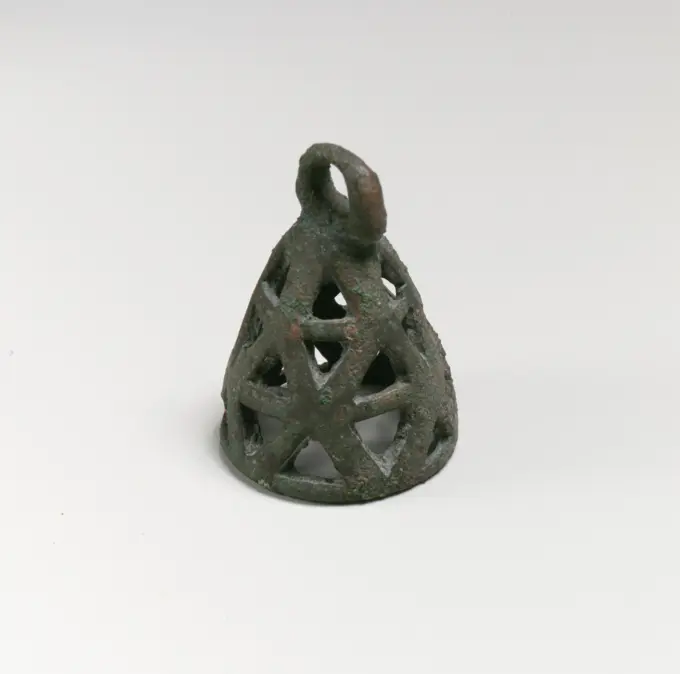
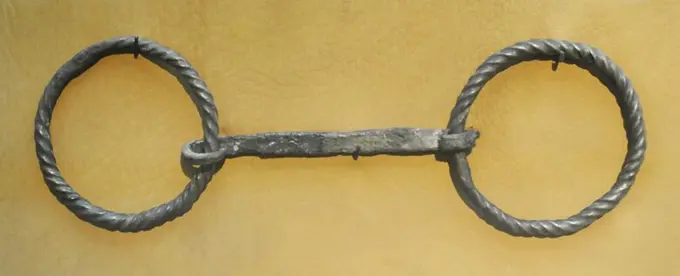
Scandinavia. Bit from a bridle of horse. Historical Museum. Oslo. Norway.Rotary Pump. Rotation pump on the suction-and-push principle, consisting of a cylindrical drum with an arrangement and output pipe and a swelling. Inside, the drum is not cylindrical but heart-shaped. A large cylinder in the middle touches the inner wall where the inward point of the heart is. A slat is provided in the cylinder, which protrudes through a slot in the cylinder wall and serves as a piston. Cylinder and piston are rotated with the crank around a central heart-shaped core that controls the movement of the piston so that it always forms a wall between cylinder and inner wall of the drum. If cylinder and piston are now turned around, the space between the cylinder and the inner wall of the drum is distributed by the piston in two rooms, which differ depending on the position of the piston in size. For example, a room is created at the supply that is increasingly increasing and therefore sucks liquid, and if the piston comes along the supply again, this liquid is pushed to theLoop. Hollowed out shape.Can Hook. Molenaar to solve empty barrels. This consists of a shaft with a ring at the top and arms running in the other, forked end. One of the arms has a hole to reduce its weight so that the poems are usually vertical; For example, it was lowered through a hole in a barrel, the arms were put horizontally and the vessel could be lifted.Sier wrench. Crafted SIERS wrench WAAVAN The eye consists of two devices to each other, with leaf rights decorated C volutes. The shaft under the eye and above the beard is surrounded by acanthus sheet; She ends in a profiled button. The beard has a heart-shaped opening.Key 1st-7th century Roman. Key 462978Coat hook or coat closure, cherub head on front, with eye and hook at ends, closure clothing accessory clothing soil find copper metal, cast archeology Rotterdam Kralingen-Crooswijk Kralingsche Bos Kralingse Plas dress close Soil discovery Kralingse Plas.Auger. Dated: 1938. Dimensions: overall: 34.9 x 27.5 cm (13 3/4 x 10 13/16 in.) Original IAD Object: overall: 17" long; handle: 10 3/4" long; 7/8" wide; blade: 2 5/8" wide. Medium: watercolor, graphite, and pen and ink on paperboard. Museum: National Gallery of Art, Washington DC. Author: Herman O. Stroh.Clich� of an ECU surmounted by a Phrygian cap, s. d. Anonymous. Clich� of an ECU surmounted by a Phrygian cap. Copper.Key, c. 1600 - c. 1625 Drilled key with three -sided pipe, the handle of which consists of a Neptune and on the other side a mermaid; They carry a basket filled with fruits on the head and are placed between two masks, dolphins and leaf vines.  iron (metal) Drilled key with three -sided pipe, the handle of which consists of a Neptune and on the other side a mermaid; They carry a basket filled with fruits on the head and are placed between two masks, dolphins and leaf vines.  iron (metal)Mildred Ford, Tool Box Hasp, c 1938 Tool Box HaspBolt isolated on whiteOrnament, Face 1st-7th century Calima (Yotoco). Ornament, Face 312740Fixed-Ruban War Cross 1939-1945. Fabric, metal, 1945-1968. General Leclerc Museum of Hauteclocque and the Liberation of Paris, Jean Moulin Museum.Edna C Rex, Trivet, 1935 1942 TrivetCandle holder, Anonymous, 1650 - 1725 The object is composed of the following five parts: the arm, the fat catcher, the turner, the candle holder. The arm is bent twice, ending on one side in a spiral with bird or dolphin head, ending in a thickening. Here the turner is screwed on the round fat catcher on the bottom. Two cylindrical candle holders with cylindrical tribes have been screwed on the turner. The object is attached with an iron pin in the eyes of an iron part, which can be held on the one wall. The candle holder and fat catcher were originally part of a candle crown. The baluster on which the arm was originally stabbed, as well as the buttons are missing. Netherlands brass (alloy) casting The object is composed of the following five parts: the arm, the fat catcher, the turner, the candle holder. The arm is bent twice, ending on one side in a spiral with bird or dolphin head, ending in a thickening. Here the turner is screwed on the round fat catcher on the bottom. Two cylindBliżej Kultury unknownHinge. Dated: c. 1939. Dimensions: overall: 22 x 28.7 cm (8 11/16 x 11 5/16 in.) Original IAD Object: 25 3/8" long. Medium: graphite on paper. Museum: National Gallery of Art, Washington DC. Author: Alexander Berth.Irene Lawson, Man's Watch Chain, c 1939 Man's Watch ChainAntique lockBrooch 1st century B.C.-A.D. 1st century Celtic (). Brooch 468355Jack Staloff, Andiron (one of pair), c 1939 Andiron (one of pair)Steel socket wrench, c. 1300 - c. 1500 Steel cover key with highly detailed beard, ring with four round holes. France steel (alloy) Steel cover key with highly detailed beard, ring with four round holes. France steel (alloy)Verna Tallman, Hinge, c 1937 HingeEarringCurved Handle with Swan Head Terminals. UnknownEarring-hook type. Earring-hook type 243388Ring -shaped fragment with link from the wreck of the East Indies Hollandia, Anonymous, 1700 - in or before 1743 fragment Varied parts or fragments, rings or ring-shaped fragments; circular, circular in section with fragm of chain (link id. 80H785). Netherlands copper (metal)   Secondbrass flat key brass flat key isolated on white background Copyright: xZoonar.com/ValeryxVoennyyx 5660510Amulet of a Headrest. Egyptian. Date: 664 BC-332 BC. Dimensions: 1.7 × 3.6 × 0.9 cm (5/8 × 1 3/8 × 3/8 in.). Hematite. Origin: Egypt. Museum: The Chicago Art Institute, Chicago, USA. Author: Ancient Egyptian.Brooch -old rusty steel door key old rusty steel door key for cylinder lock isolated on white background Copyright: xZoonar.com/ValeryxVoennyyx 5660480Door beater, c. 1400 - c. 1950 A door beater.  iron (metal) A door beater.  iron (metal)Comb 3rd-8th century Byzantine. Comb 474441Kurtar late 19th century Indian. Kurtar. Indian. late 19th century. Wood, brass. India. Idiophone-ConcussionWijzer from the timepiece in the Stadstoren in Middelburg, Anonymous, 1600 - 1699 Wijzer from the timepiece in the Stadstoren in Middelburg. Partly old, partly of a later date. Gold paint. Pieces broken down and broken down. Northern Netherlands (possibly)Netherlands (possibly) wood (plant material) Wijzer from the timepiece in the Stadstoren in Middelburg. Partly old, partly of a later date. Gold paint. Pieces broken down and broken down. Northern Netherlands (possibly)Netherlands (possibly) wood (plant material)Fibula, 450-1 BC. Classical. Bronze; overall: 6.2 cm (2 7/16 in.).One screw isolated on white backgroundSleutel.Key whose oval eye is tilted at the bottom. The shaft has been profiled in the middle.PendantWilbur M Rice, Wooden Harrow or Cultivator, c 1937 Wooden Harrow or CultivatorCrossLock; 1906-3-5-a,bDoppelfederfibel double spring brooch, Iberian culture, Valladolid Museum - Provincial Museum of Antiquities, Autonomous Community of Castile and Leon, Spain Copyright: xZoonar.com/Tolox 22539353Garden Gate Latch. Dated: c. 1940. Medium: graphite on paperboard. Museum: National Gallery of Art, Washington DC. Author: Maurice Van Felix.Fragment of tin candlestick, upper part, anonymous, c. 1590 - c. 1596 candlestick. fragment Fragment of a pewter candlestick. Befreft only the upper part without a fat bowl or foot.  tin (metal) casting  Nova Zembla. Saving HuysLoopAdjustable spontage. Adjustable using AAV two screws. The picture is taken for article in Daedalus in 1966.Robert WR Taylor, Spur, c 1938 SpurLoop . Band of 16 large alternating stones with 2 borders of small stones.City of Enkhuizen, a lead with no. 4, Anonymous, 1833  One -sided, rod -shaped lead with bent ends with rectangular recess. Front: coat of arms with the year -left year, on the right -hand number 4. Tours side: Blanco Enkhuizen brass (alloy) striking (metalworking)  EnkhuizenOld iron isolated on white backgroundAntique golden door key with shadow isolated on grey background. Blank copy space may be used for any emotions or ideas.. Key represented on backgroundCINTURON DE CASTIDAD. Location: MUSEO ARQUEOLOGICO NACIONAL-COLECCION. MADRID. ESPAíA.Loop .Charles Enjoian, Tortoise Shell Lorgnette, c 1936 Tortoise Shell LorgnetteJacob Lipkin, Kettle Tilter, c 1939 Kettle TilterArrowhead (Yanone). Culture: Japanese. Dimensions: L. 12 7/8 in. (32.7 cm); L. of head 3 1/2 in. (8.9 cm); W. 2 3/4 in. (7 cm); Wt. 3 oz. (85 g). Date: 18th century. Museum: Metropolitan Museum of Art, New York, USA.Watch ca. 1650 German or Swiss. Watch. German or Swiss. ca. 1650. Rock crystal, gilt metal. HorologyFour-sided buckle with two posts, ornamental buckle or batter, buckle fastener component soil find tin metal, cast archeology Rotterdam City Triangle Meent Markt Inside tread adornment Ground well corner Meent Markt (Binnenrotte).An iron with copper mounted guy ..Key;  18th century (1701-00-00-1800-00-00);Buckle with Animal-Shaped Thorn and Belt Plate, AD 400s. Sarmato-Gothic, Migration period, 5th century. Bronze with traces of gilding and garnets; overall: 4.3 x 4.5 cm (1 11/16 x 1 3/4 in.).Viele Schließfächer und Schlüssel Many copper locks and keys Copyright: xZoonar.com/IvonnexWierinkx 21257342Edna C Rex, Keys to John Marshall House, c 1937 Keys to John Marshall HouseEmilia-Romagna Ferrara Ferrara Museo Civico di Schifanoia10. Hutzel, Max 1960-1990 General Notes: INCOMPLETE RECORD--NEGATIVES PROCESSED, PRINTS FILED German-born photographer and scholar Max Hutzel (1911-1988) photographed in Italy from the early 1960s until his death. The result of this project, referred to by Hutzel as Foto Arte Minore, is thorough documentation of art historical development in Italy up to the 18th century, including objects of the Etruscans and the Romans, as well as early Medieval, Romanesque, Gothic, Renaissance and Baroque monuments. Images are organized by geographic region in Italy, then by province, city, site complex and monument.Vintage looking Anchor isolated Vintage looking Anchor isolated over white background Copyright: xZoonar.com/ClaudioxDiviziax 9920564Key, c. 1200 - c. 1300 Key whose eye consists of a down-desired C-Volut on which three protrusions occur. She rests on a broad, in the middle, very recurring key breast. The beard that has been placed in relation to the eye shows vertical arcing.  bronze (metal) Key whose eye consists of a down-desired C-Volut on which three protrusions occur. She rests on a broad, in the middle, very recurring key breast. The beard that has been placed in relation to the eye shows vertical arcing.  bronze (metal)Umbrella Handle of an old umbrella on green background Copyright: xZoonar.com/J.xSandvikx 1291130Parts of a Model or a rowing mechanism. Parts of a very incomplete model of a rowing or wrapping tool consisting of two pairs of identical parts. The first few are rowing or stirring, with a hole in the standard at a height, and a kind of tiller that can move vertically. The other components consist of a failed piece of wood with a large disk in the fork, and a kidney-shaped piece of wood at the other end; This part also has a hole in the middle. This inventory number originally also contained some models of masts, scenery, willing and donkey heads, which have not been found. The components of the rowing equipment are found separately and without inventory number, so that the identification is merely assumed. However, the parts are clearly two pairs and are of the same creation.Arrowhead (Yanone) 18th century Japanese Although today Japanese warriors are renowned most for their swordsmanship, archery, especially from horseback, has been an essential part of samurai warfare and culture for centuries. Arrows were fitted with heads of varying shape according to their intended use in war, the hunt, or target practice. Arrowheads made for use on the battlefield incorporated different designs intended for specialized purposes such as the piercing of armor or to cause maximum damage to horses and unarmored personnel.Large arrowheads, pierced and elaborately chiseled with landscapes, birds, flowers, dragons, and Buddhist divinities, were created to be admired for the beauty of their metalwork and design rather than for use in archery. Such highly elaborate examples may have been made for presentation or as a votive offerings to a shrine.. Arrowhead (Yanone). Japanese. 18th century. Steel. Archery Equipment-ArrowheadsStar molds for making cookies on sifted flourEscutcheon plate 16th century German The decoration of Gothic locks and keys was often elaborate and of the highest standard of workmanship. These examples offer a glimpse of the creativity and inventiveness of medieval ironsmiths who forged such objects. Some scholars have suggested that the greatly expanded use of locks was the result of the increasing urbanization of life and the new emphasis on material wealth and private ownership that characterized the later Middle Ages.. Escutcheon plate 468811Maurice Van Felix, Andiron (one of pair), c 1938 Andiron (one of pair)Rowel Spur late 14th century possibly Italian The first rowel spurs, featuring a revolving disc or star at the end of the neck, appeared in Western Europe around the mid-13th century. They cohabitated with the earlier form, the prick spur, for about a century, before replacing it almost completely in Europe by the mid-14th century. The advantage of the rowel spur over the prick was it allowed the rider to reach the flanks of its horse with one of the points whatever the angle of its foot, which was very convenient regarding the riding position of the time, with long stirrups-leathers and extended legs. The fact that the rowel rolled against the horse instead of hitting it directly reduced also the probability of injuring it too seriously. As a knights status was closely related to his horse, spurs became one of the symbols of chivalry, and one of the tokens given to him during his knighting.. Rowel Spur. possibly Italian. late 14th century. Iron alloy. Equestrian Equipment-SpursCollection Dutch Heidematschappij. Tools, saw. undatedOriental Frame Isolated Oriental Style Metal Frame Mirror Isolated Copyright: xZoonar.com/MarkoxBericx 11916464Bit. Dated: c. 1937. Dimensions: overall: 26.4 x 32.6 cm (10 3/8 x 12 13/16 in.). Medium: watercolor, graphite, and colored pencil on paper. Museum: National Gallery of Art, Washington DC. Author: Gerald Transpota.Darkware Vessel, Chimú style (900-1470). Peru, North Coast, Chimú style (900-1470). Black ware; overall: 24 x 17.1 cm (9 7/16 x 6 3/4 in.).Antique concept. Two vintage keys over grey or white background. Antique golden keys with shadows over white or grey.. Keys represented on backgroundGrab Rail Grab rail for the elderly on a white wall outdoors Copyright: xZoonar.com/TimxHesterx 6192746Iron ball lock, convex body with keyhole and arcuate hinged hook, padlock lock closing device soil find iron metal, forged Bullet lock. Padlock with locking mechanism in round housing archeology close theft preventionRoman belt buckle made of bronze from the Archaeological site of Complutum in Alcalá de Henares ( Madrid ). SPAIN.Metallic gear from gear Metallic gear from gearThree worn nuts and a rusty bolt are arranged vertically, highlighting their aged surfaces and unique textures. The composition emphasizes their weathered appearance against a plain backdropSuffolk Latch. Dated: c. 1939. Dimensions: overall: 28.3 x 23 cm (11 1/8 x 9 1/16 in.). Medium: watercolor, graphite, and goauche on paperboard. Museum: National Gallery of Art, Washington DC. Author: Regina Henderer.remains of scabbard and sword, Carratiermes, 4th-3rd century BC. Museum of the archaeological site of Tiermes, Soria, Spain.Hat Model. Dated: c. 1938. Dimensions: overall: 50.7 x 38.9 cm (19 15/16 x 15 5/16 in.) Original IAD Object: 33 1/2" high. Medium: watercolor, graphite, and goauche on paperboard. Museum: National Gallery of Art, Washington DC. Author: Beverly Chichester.Spain. Prehistoric Art. Metal Age. Iron Age. Torques. Archaeological Museum of Asturias. Oviedo. Asturias.Three bronze buttons of similar proportions with incised decoration. Dimensions ( 5 th - 8 th CE ) - Visigoth period, from the " Calle Victoria "- Archaeological site of Complutum in Alcalá de Henares ( Madrid ). SPAIN.Bird Fragment. Greek; Thessaly. Date: 800 BC-701 BC. Dimensions: 2.8 x 3.2 x 1.1 cm (1 1/8 x 1 1/4 x 1/2 in.). Bronze. Origin: Greece. Museum: The Chicago Art Institute, Chicago, USA. Author: ANCIENT GREEK.American 20th Century, Full Rigged Pack Saddle, c 1942 Full Rigged Pack-SaddleSaint-Germain-en-Laye, France , 1921 - Seine -et -Oise - Auguste Léon - (June) (French - Saint-Germain-en-Laye , France). Museum, archaeological vestige, sculpture, accessory, prehistory, sculpted decor, Habitat , architecture, art, clothing, France, St Germain-en-Laye, Museum: 2 sticks of Commt 55038 with notch 55043Folding key. Fold key whose wide handle over the beard and shaft can be folded.Metal shackles isolated on the whiteA flintlock axe pistol, 16th century A flintlock axe pistol, 16th century Copyright: xZoonar.com/Heinz-DieterxFalkensteinx 21665224baby on sootherBell Conical in shape with openwork decoration consisting of a series of triangular perforations.. Bell. Bronze. BronzesToys, Animal made the turn, vintage engraving. Toys, Animal made the turn, vintage engraved illustration. Magasin Pittoresque 1870. Copyright: xZoonar.com/PatrickxGuenettex 10678994Vintage keys