Ancient Keys and Hardware

Historical keys and metalwork pieces from various periods, showcasing unique designs and functionalities, reflecting craftsmanship from ancient to medieval times.
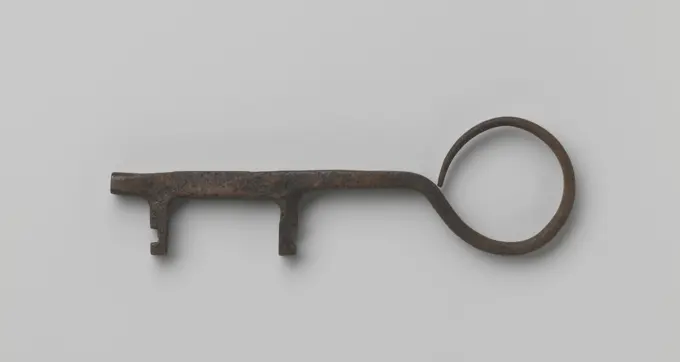
Key, 1700 - 1900 Key with square handle, at the end of the striker giving and in an eye. The beard is two -fold.  iron (metal) Key with square handle, at the end of the striker giving and in an eye. The beard is two -fold.  iron (metal)
Key, 1700 - 1900 Key with square handle, at the end of the striker giving and in an eye. The beard is two -fold. iron (metal) Key with square handle, at the end of the striker giving and in an eye. The beard is two -fold. iron (metal)
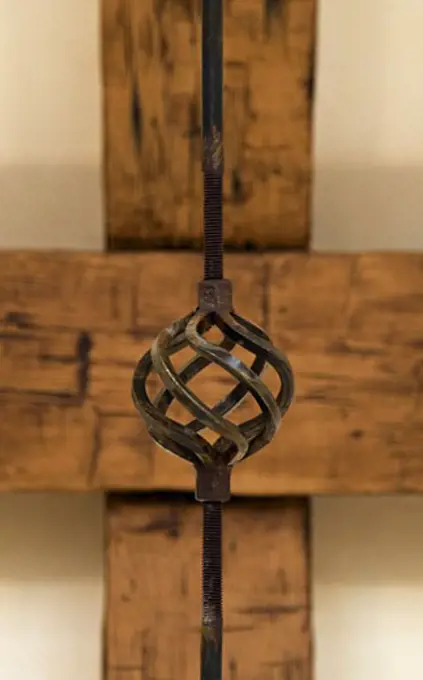
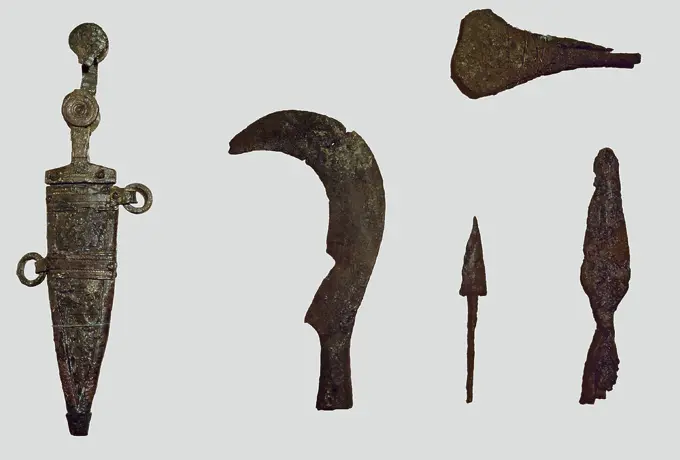
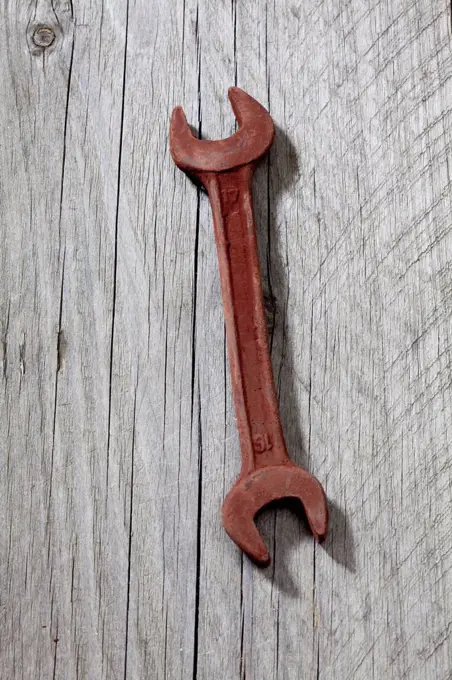
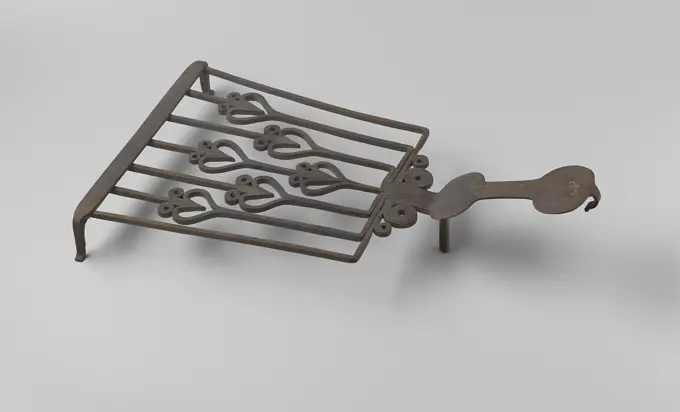
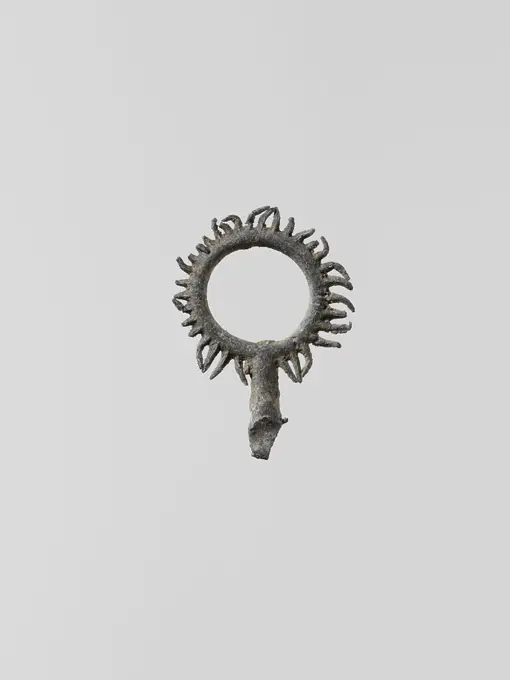
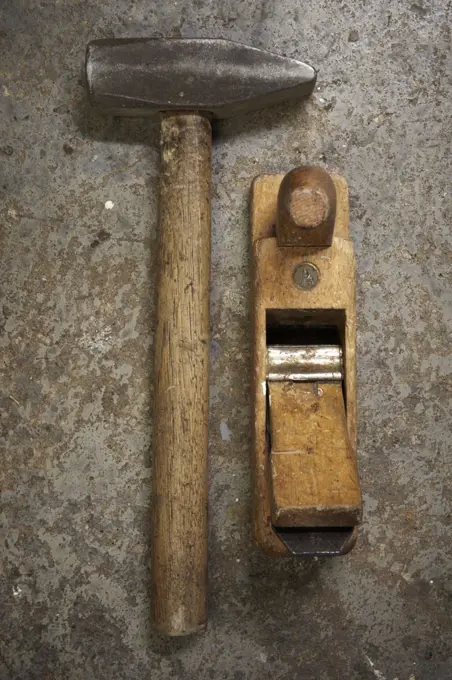
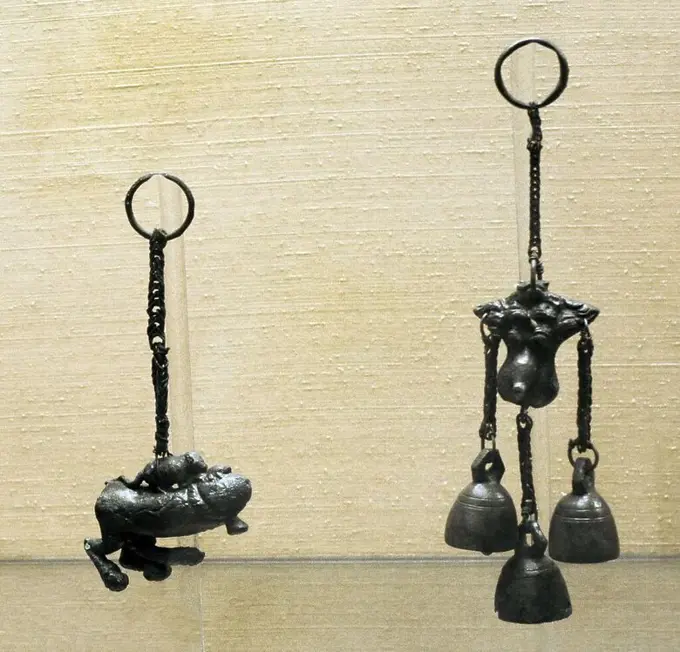
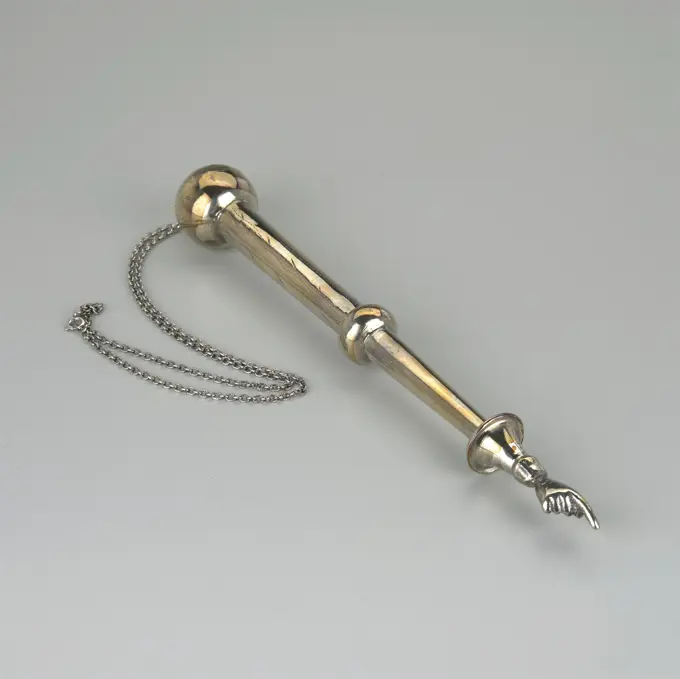
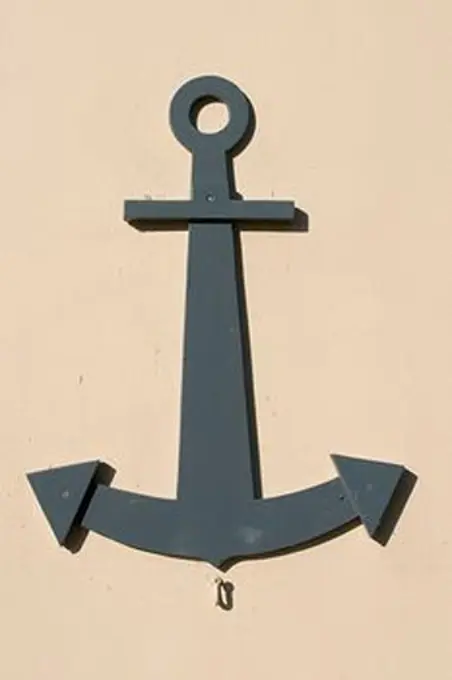
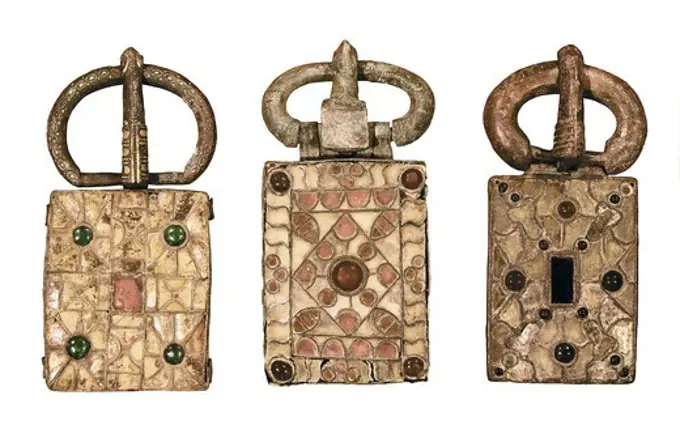
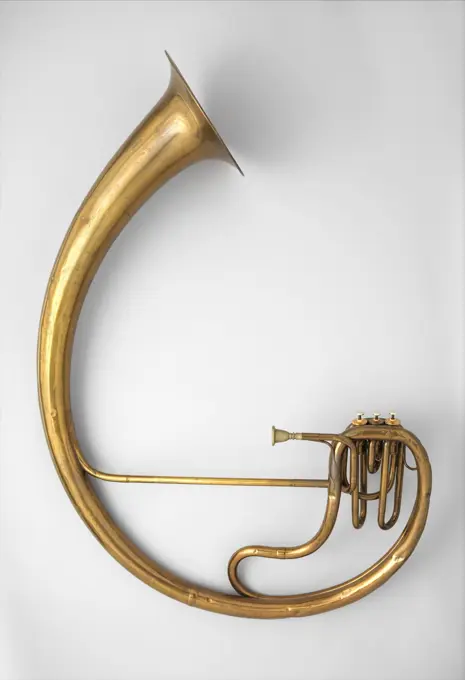
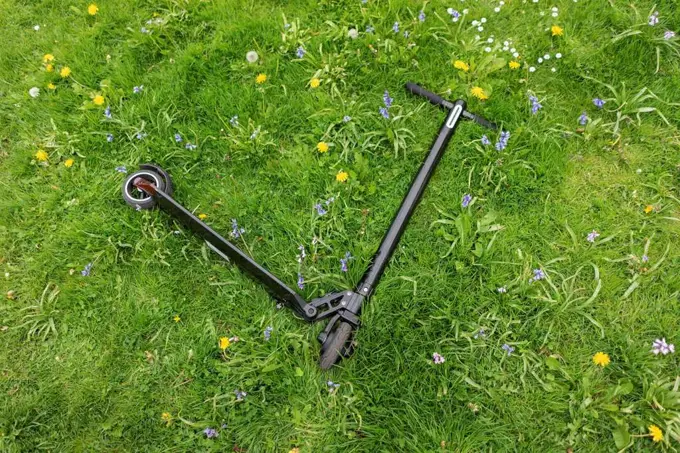
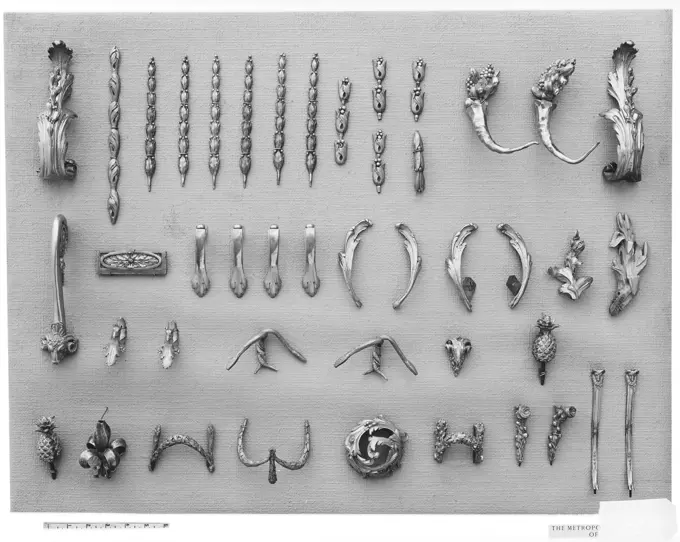
Plate and Nail 15th-16th century European. Plate and Nail. European. 15th-16th century. Iron. Metalwork-IronPendant in the form of a Dragon, 480-221 BCE, 5 5/16 x 1 7/8 x 3/16 in. (13.49 x 4.76 x 0.48 cm), Grey-green jade, China, 5th-3rd century BCESugarScissors.   Maker: John Waite, 1742-1817A wrought iron TURNBUCKLE and OPEN BEAM CEILING in a CALIFORNIA LUXURY HOMETwo old wrenches rest crossed on a weathered wood surface, revealing their rust and signs of many years in mechanical work. The rustic backdrop emphasizes their vintage characterRESTOS DE HERRAMIENTAS Y ARMAS CELTIBERICAS. Location: MUSEO NUMANTINO. Soria. SPANIEN.metal latch of wooden case metal latch of wooden case close up Copyright: xZoonar.com/ValeryxVoennyyx 5048796Screw wrench made of chocolate lying on grey woodTREEBERS. Grate of forged iron.Key from the collection of Roman Szewczykowski, formerly in the collections of the National Museum in Warsaw;  Not after 16.05.1922 (1914-00-00-1922-00-00);Curb Bit. Culture: German, Saxony. Dimensions: H. 16 1/4 in. (41.3 cm); W. 5 1/2 in. (14 cm); Wt. 2 lb. 4.7 oz. (1040.4 g). Date: early 17th century.This type of bit is called a geschraubt Biss in German, literally a 'screwed bit', a kind of adjustable dressage bit popular in Germany in the 16th and 17th centuries. The three lengths of the shanks (the levers on the sides of the bit to which the reins were attached), allow the rider to adjust the severity of their leverage effect. In its shortest position the bit is weaker. The longer its shanks and the further forward its swivel rings for the reins, the more severe it becomes. The rider also had the option of changing either the whole mouthpiece or only the elements (missing here) on both sides of the central high port. Thus, the rider could transform it into different bits in order to find the perfect one for a horse under training, or to use the same bit on different horses with different needs. The trebuchet, the swinging csword with cup handle, Solingen-Germany, 17th century, Álava Armory Museum, Vitoria, Basque Country, Spain.Bronze miniature tools from ancient Rome. Dated 1st CenturyBanche detail. From Casa Calvet. Author: ANTONI GAUDI.Lead wreath. Culture: Greek, Laconian. Dimensions: Height: 7/8 in. (2.2 cm). Date: 6th-5th century B.C..Small flat votive figurines of cast lead have been found in great quantities at the ancient sanctuaries of Laconia; over one hundred thousand, dating from the seventh century B.C. to the Classical period, were dedicated to the goddess Artemis Orthia in Sparta. Museum: Metropolitan Museum of Art, New York, USA.Retro style gold color key on green sandClose up of Old hammer and smoothing planeTintinnabullum, wind chimes with form of a bronze phalllic figure to ward off the evil eye. Tintinnabullum in form of a phallus mouse and tortoise, Pompeii 1st century. Bronze Tintinabullum from Herculaneum. National Archaeological Museum. Naples. Italy.Retro style metal keys on a black backgroundYad (Torah pointer), 20th century, 10 1/4 x 1 1/4 x 1 1/4 in. (26.04 x 3.18 x 3.18 cm), Sterling silver, Germany, 20th century, The person reading a Torah always uses a yad (Hebrew for 'hand'), or Torah pointer, to keep his or her place, because touching the parchment with fingers causes the ink to deteriorate.the  lentate rusty brass brown knocker in a  door curch  closed wood italy  lombardy  AnchorPadlock with key possibly 18th century French. Padlock with key 191473Belt clasp. 6th-7th centuries. Visigothic art. Jewelry. SPAIN. CATALONIA. BARCELONA. Barcelona. Archaeology Museum of Catalonia. Proc: SPAIN. CASTILE AND LEON. SEGOVIA. Duruelo. DuratÑn necropolis.Tevau, also called "feather money". It consisted of a strip of plant fiber about 7 cm. wide and 10 m. long, wheel-shaped threaded on two rings of tree bark, being woven on one side with rows of tiny red feathers superimposed, of a honey-eating bird called Cardinal Myzomela. Its manufacture was very complex and was passed down from father to son, since its magical components were not within the reach of everyone. These feather rolls were used as money for ritual payments, such as the marriage ceremony, and to acquire high-value goods. They were carefully stored in dry and warm places to preserve their flexibility and color. Despite the massive influx of Australian coins and banknotes since World War II, this form of money continued to be used for traditional payments until at least the 1950s. In 1975, the existing tevau were declared cultural heritage, prohibiting the government from exporting them outside the islands. 19th-20th century. Santa Cruz Islands (Solomon Islands, Oceania). NaBass saxtuba in E-flat 1855 Adolphe (Antoine Joseph) Sax Belgian, active France Saxtubas were built as a family with instruments ranging from B-flat sopranino to B-flat contrabass. This bass in E-flat was the second largest size. The striking appearance of the larger sax tubas was inspired by the Roman cornu as depicted on Trajan's Column. Saxtubas were first used in 1852 in the premiere performance of Halevy's opera Le juif errant in the Paris Academie Nationale de Musique, where they featured in a 15-piece stage ensemble. They also appeared in a military and national ceremony in Paris on the Champ de Mars later in 1852. This instrument and a B-flat tenor held in the Trompetenmuseum in Bad Saeckingen, Germany are the only saxtubas known to survive.. Bass saxtuba in E-flat. French. 1855. brass. Paris, France. Aerophone-Lip Vibrated-hornHasp. Dated: 1935/1942. Dimensions: overall: 28 x 22.7 cm (11 x 8 15/16 in.). Medium: watercolor and pen and ink on paper. Museum: National Gallery of Art, Washington DC. Author: Geoffrey Holt.Still life - Lock in the shape of a heart with a key to heartClose-up of a key on a mapE-Scooter lying on flower meadowAge Carpet Beater to a Basement Wall in A GermanMans House 1093512406Metal shackles isolated on the whitePair of chutes French 18th century View more. Pair of chutes. French. 18th century. Gilt bronze. Metalwork-Gilt BronzeA black metal chain with large links lies on concrete slabs on the ground. A black metal chain with large links lies on concrete slabs on the ground Copyright: xZoonar.com/OvchinnikovaxOlgax 11093049