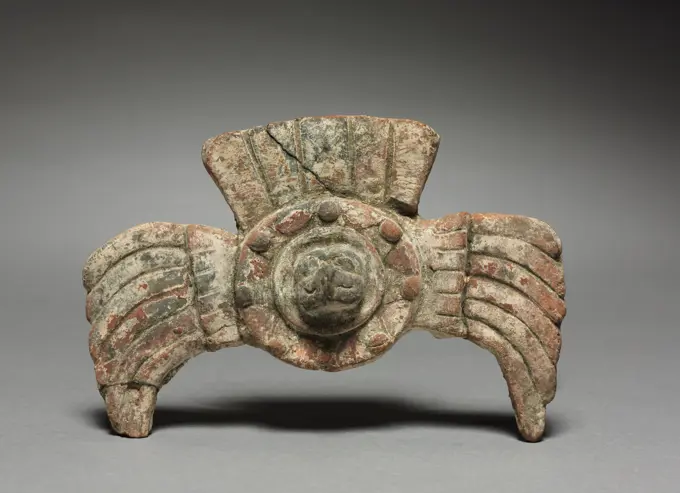
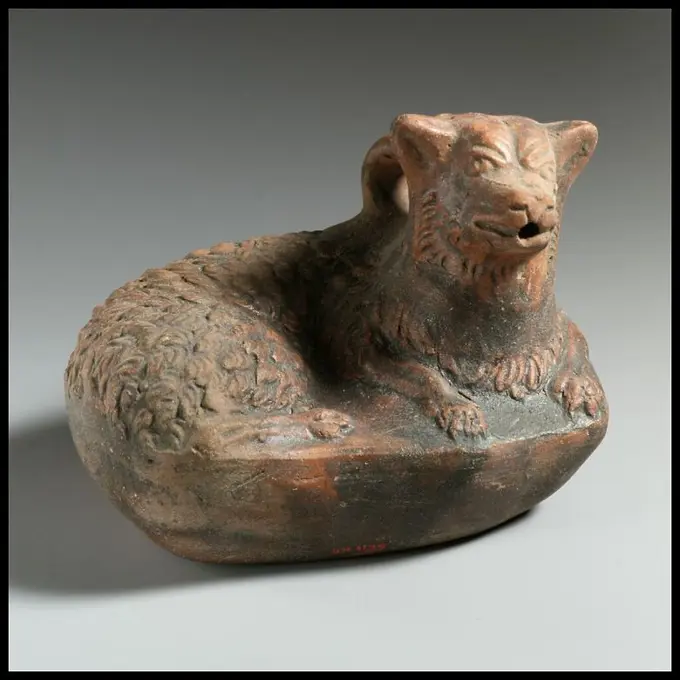
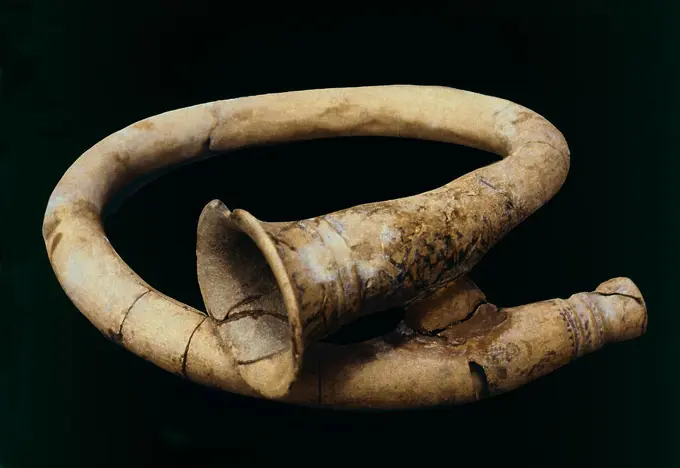
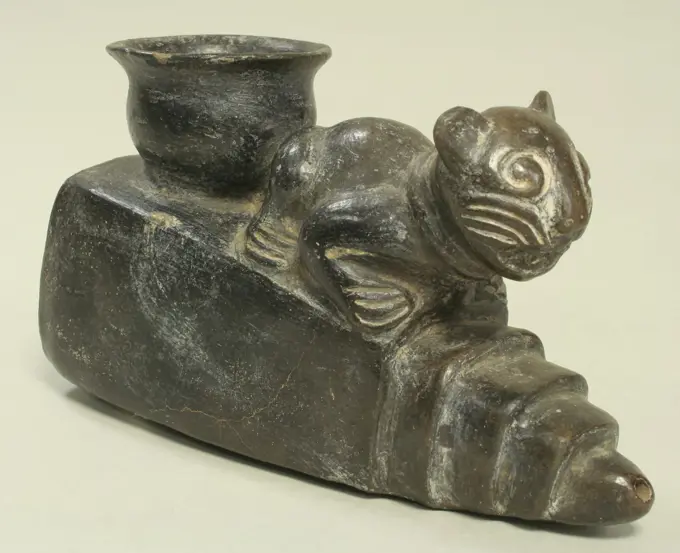
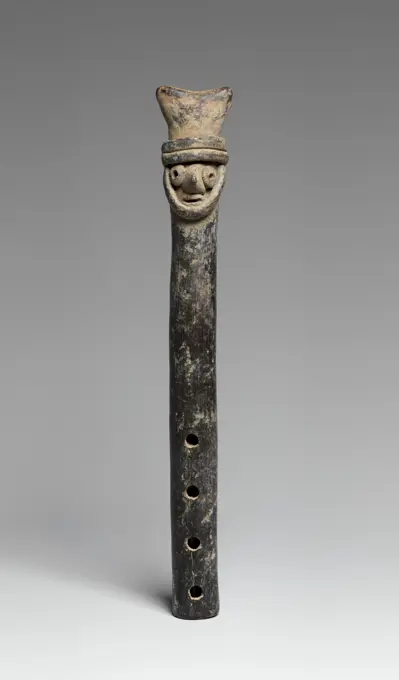
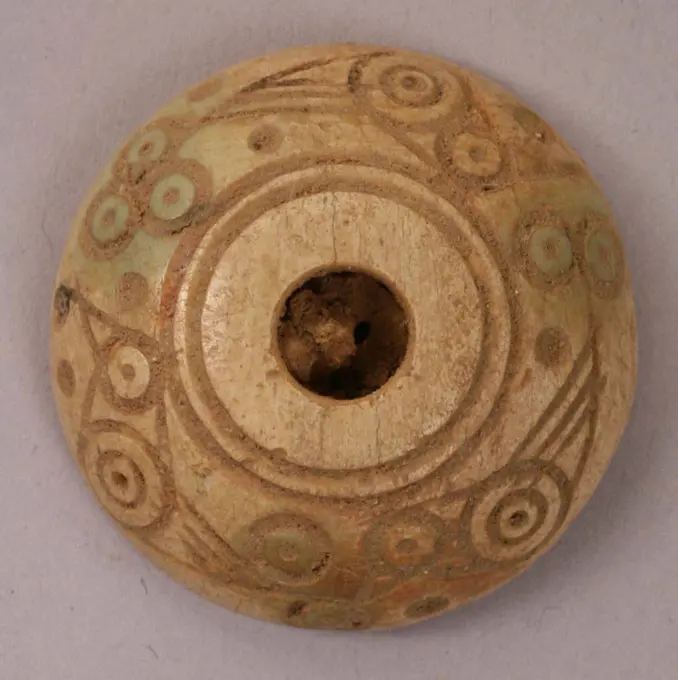
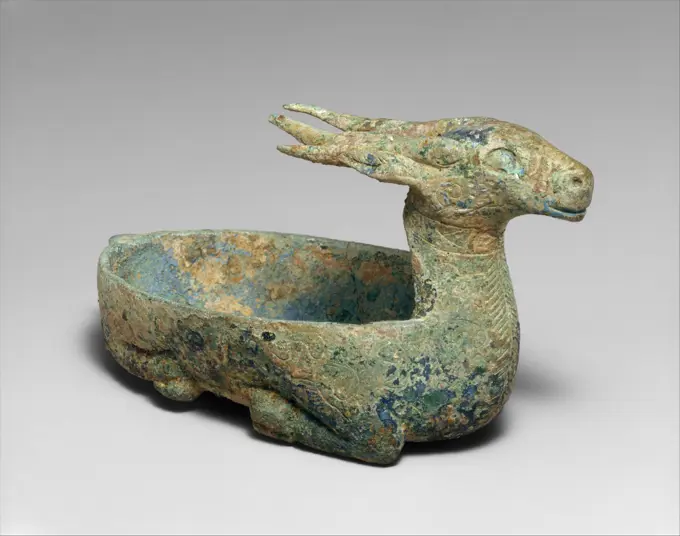
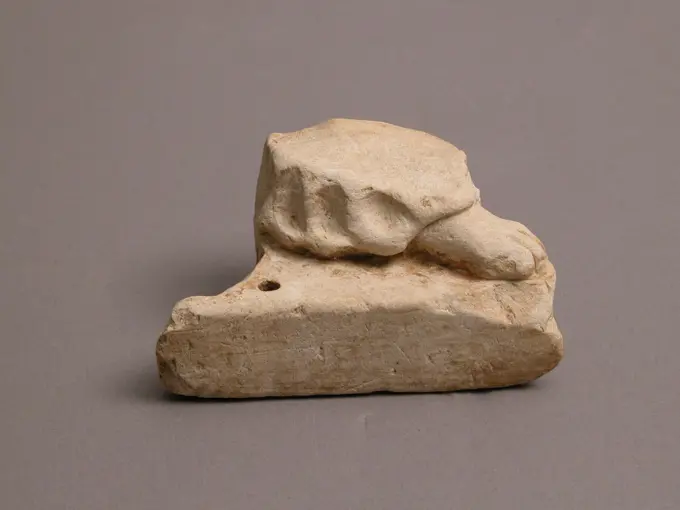
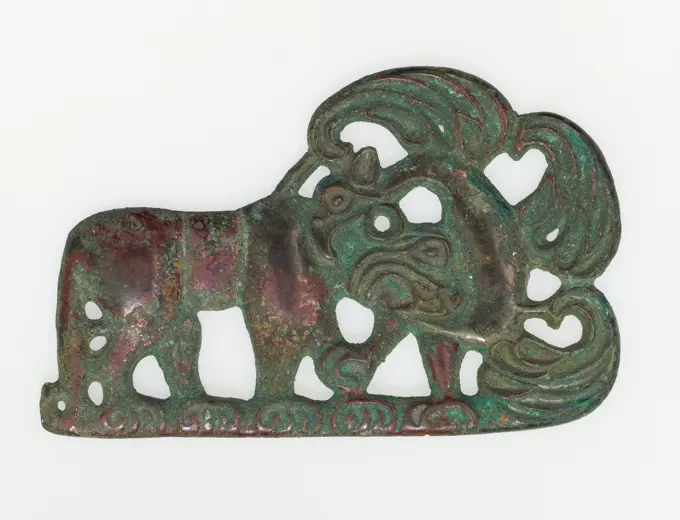
Ancient Lamps and Whistles

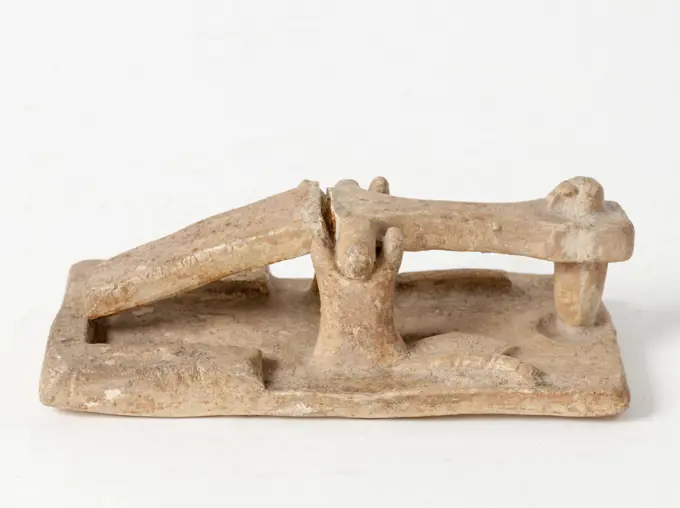
A collection of ancient terracotta lamps and pottery whistles, featuring various shapes and styles from Greek and Costa Rican origins, showcasing historical craftsmanship.
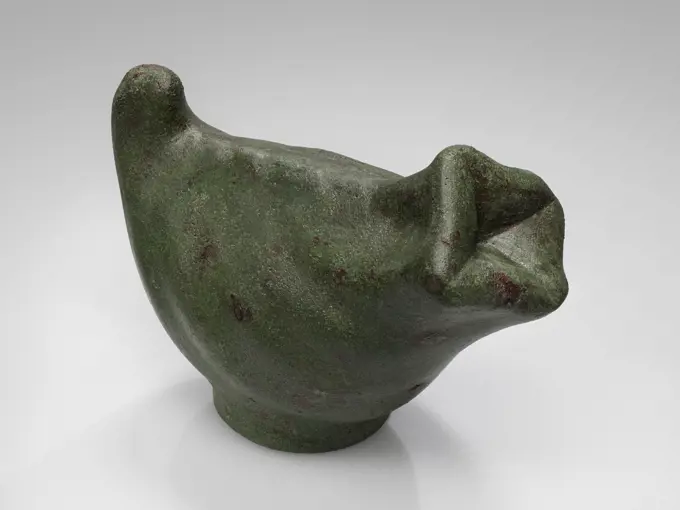
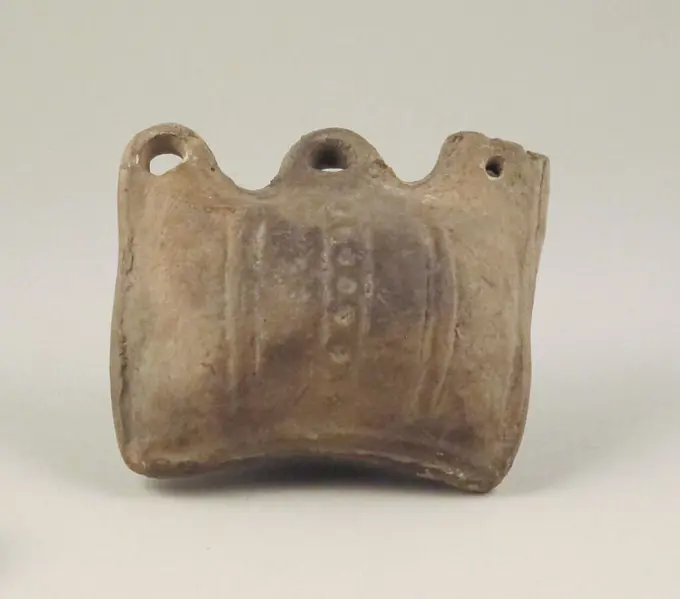
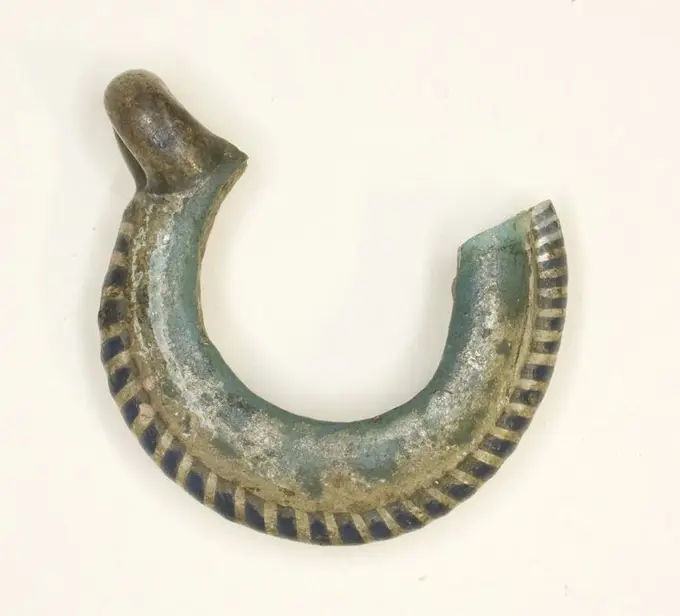
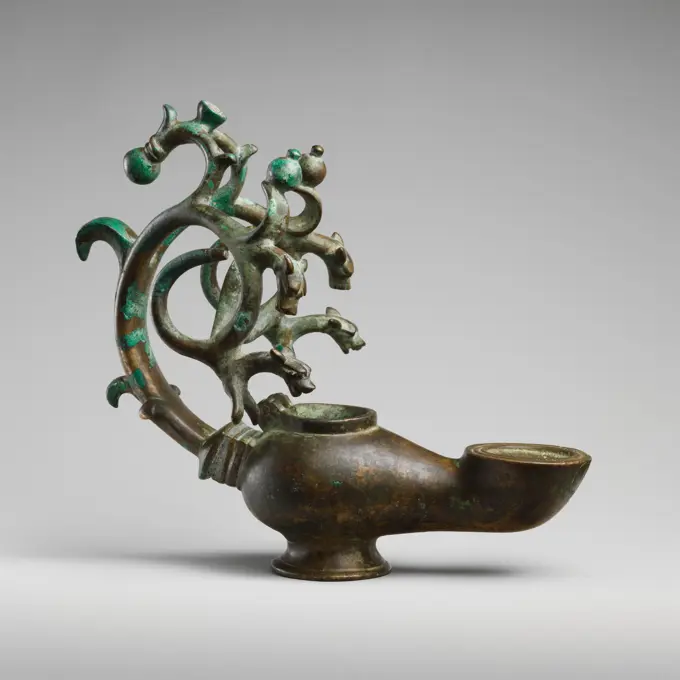
Votive Uterus; Etruria; 4th century B.C; Bronze; 9.4 x 12.7 cm (3 11,16 x 5 in.)
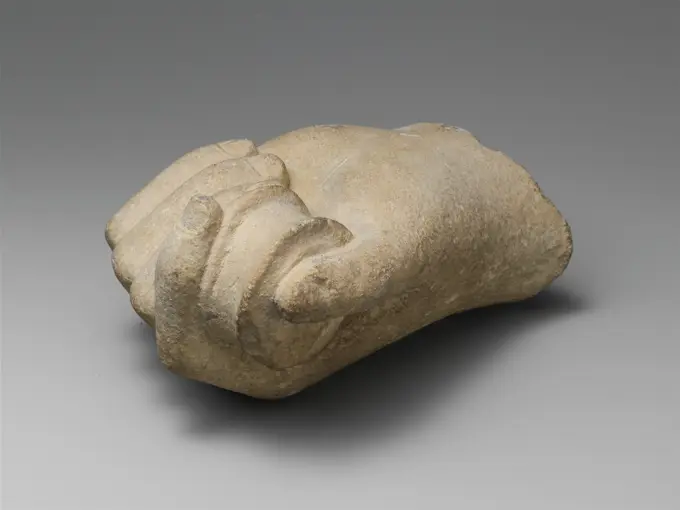
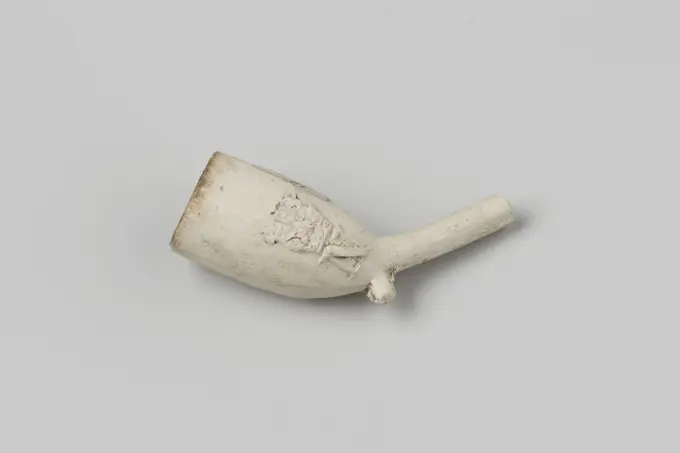
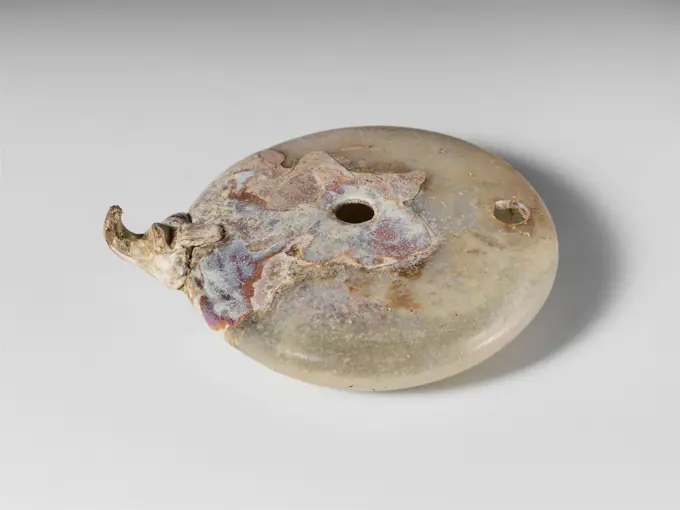
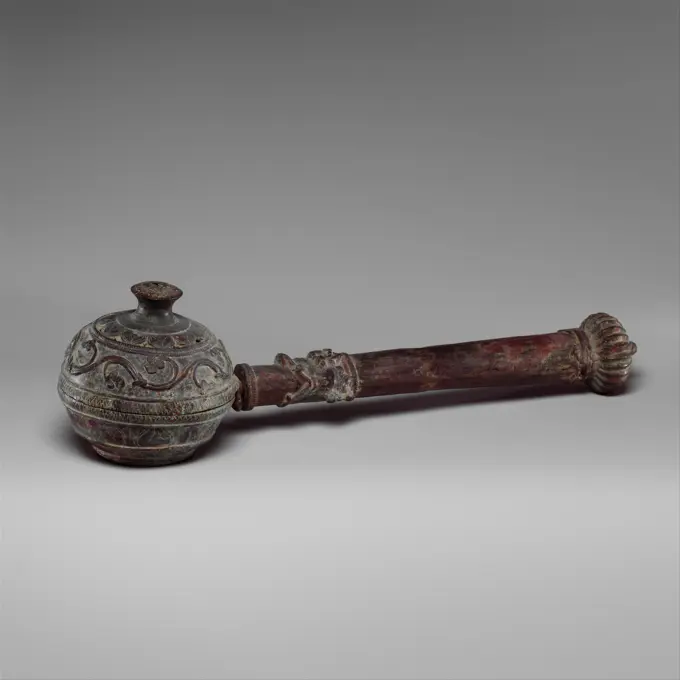
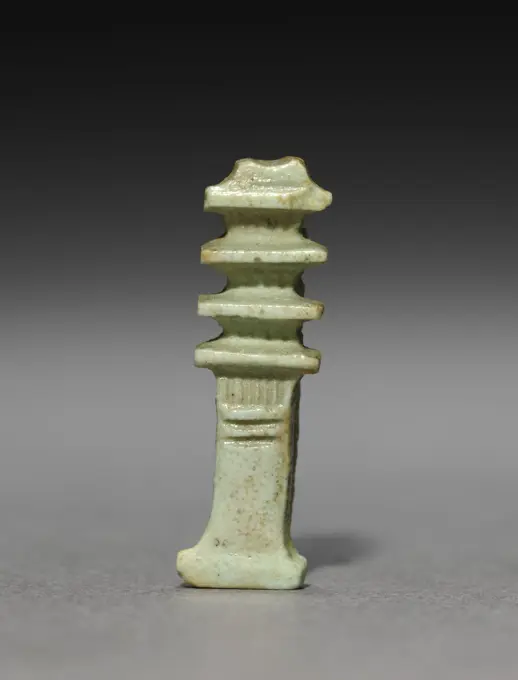
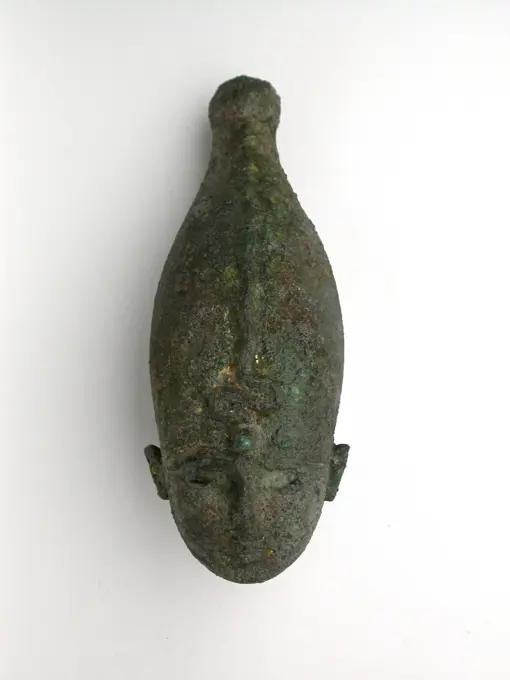
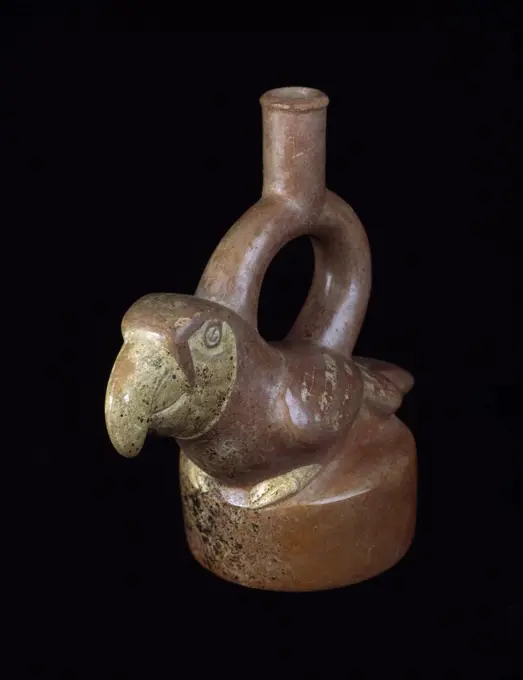
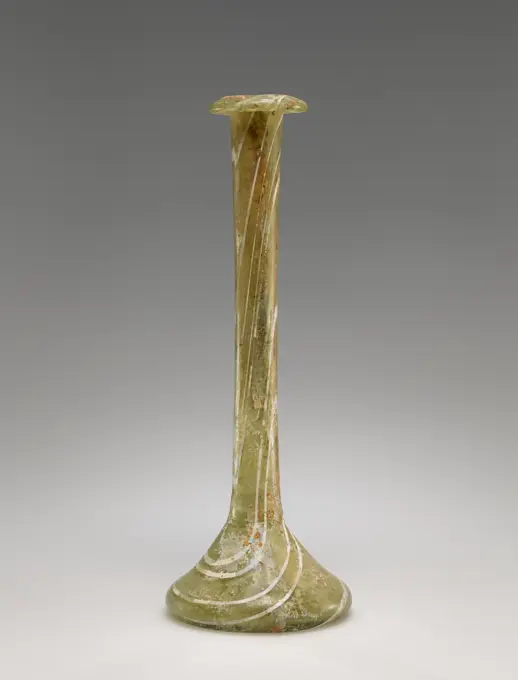
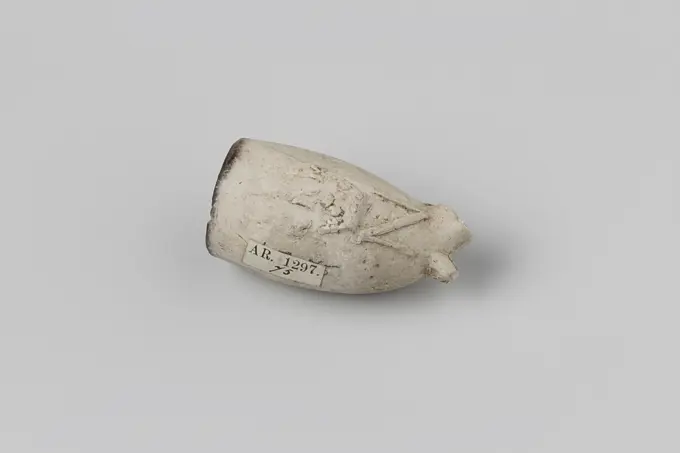
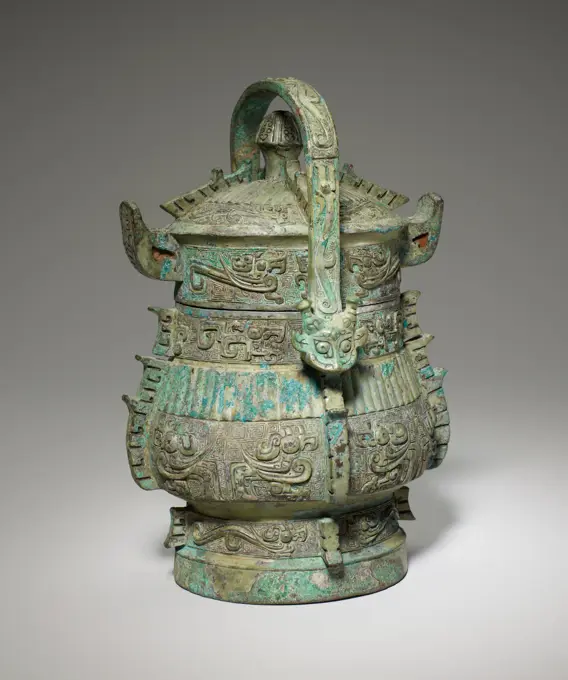
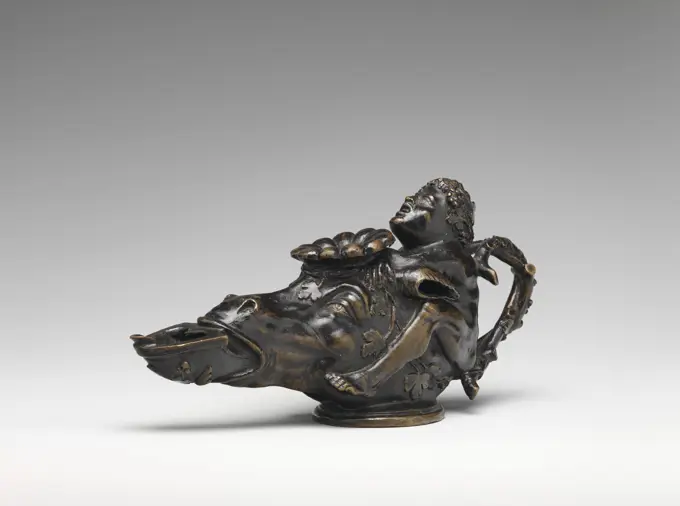
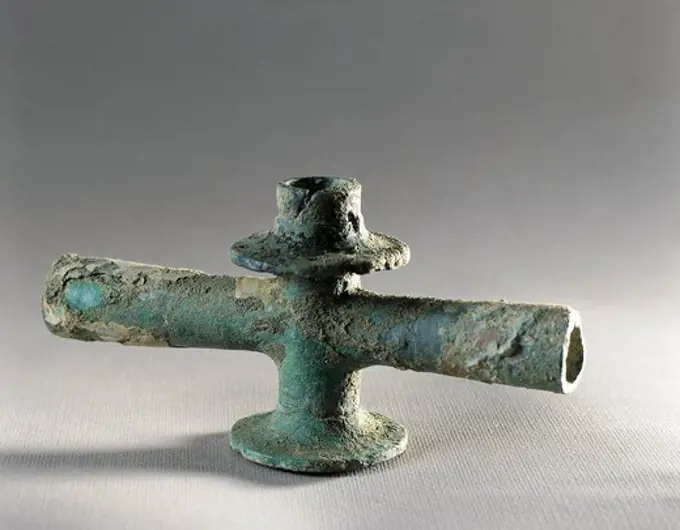
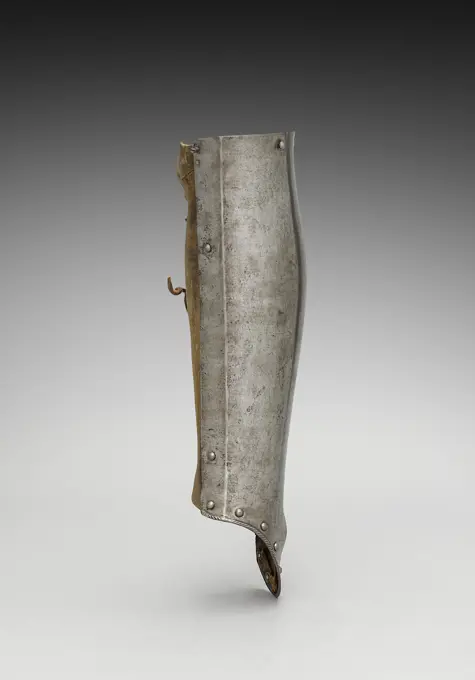
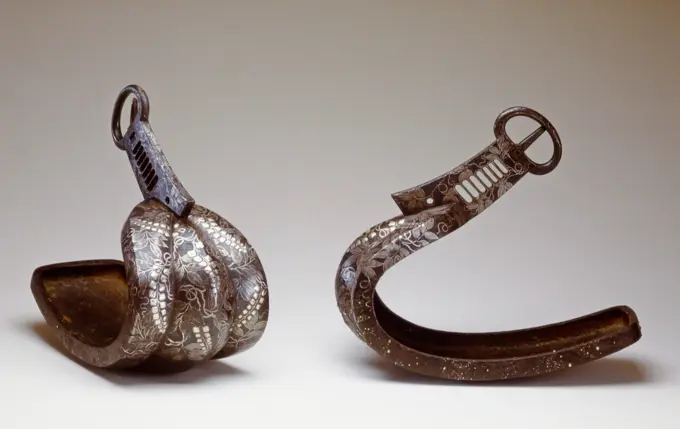
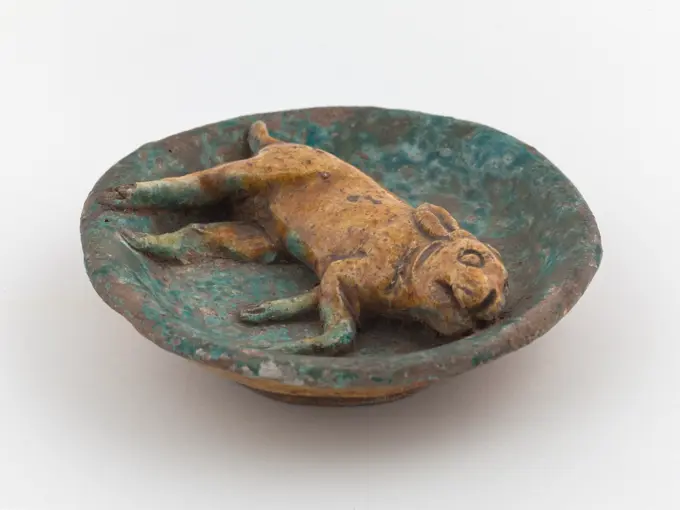
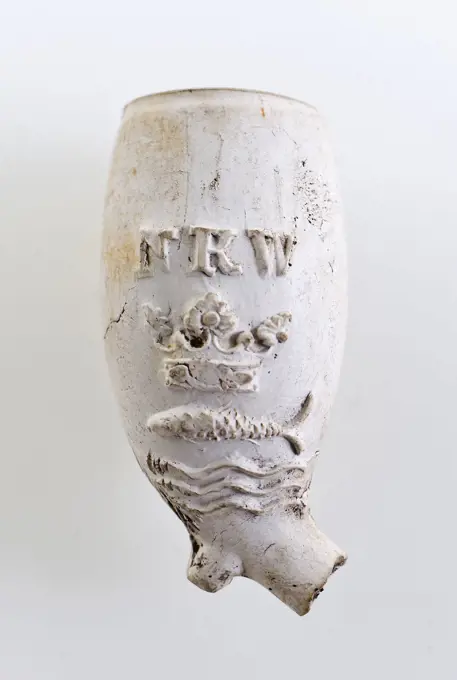
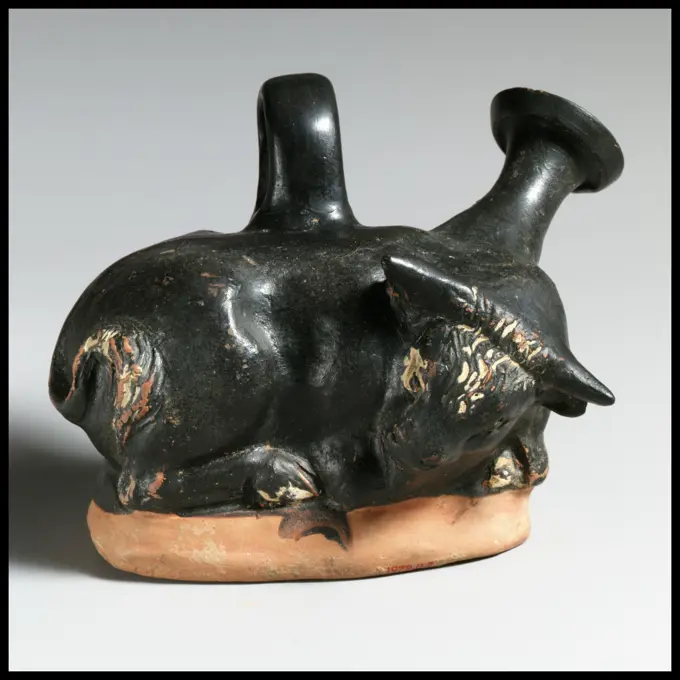
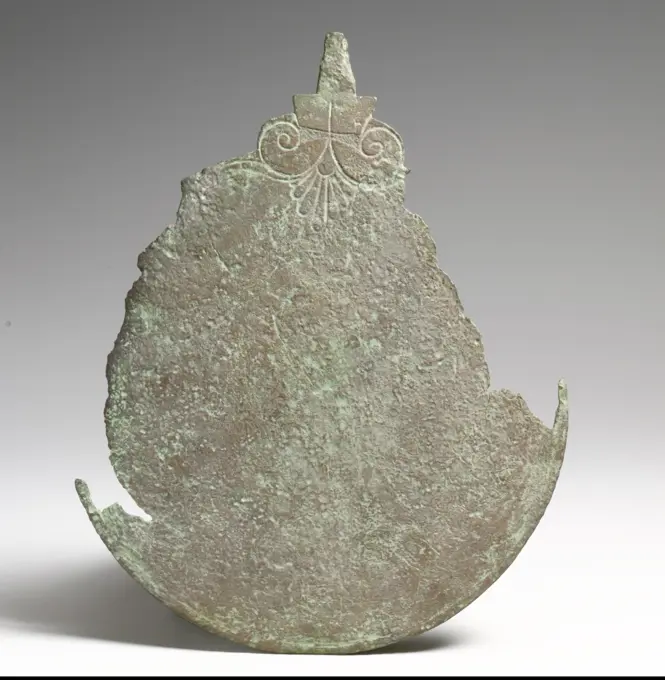
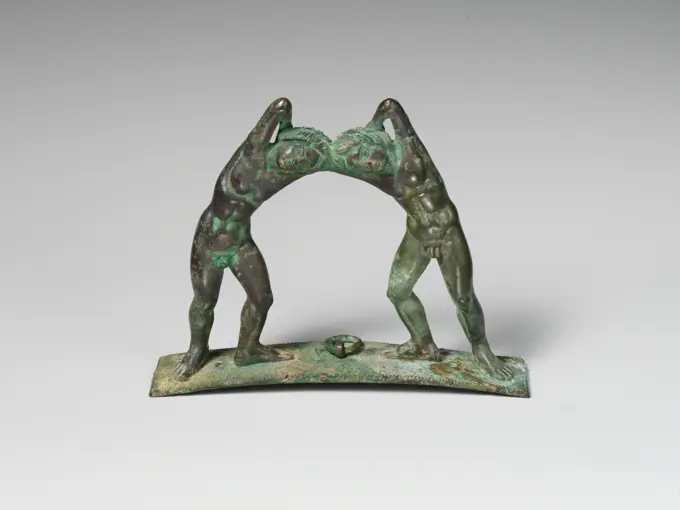
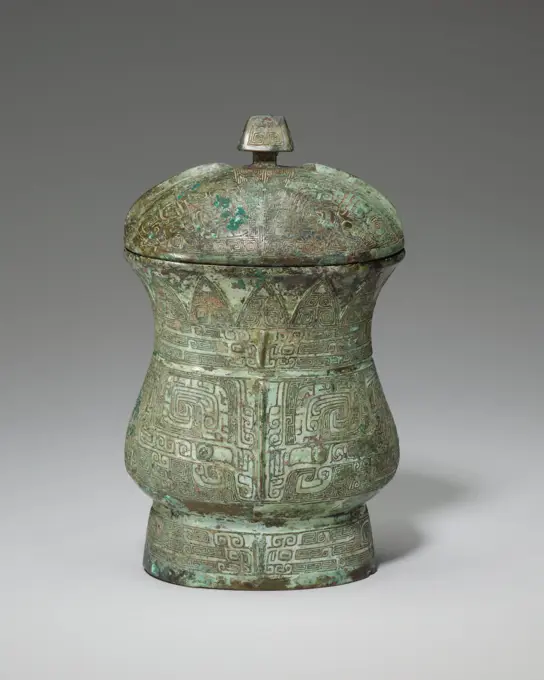
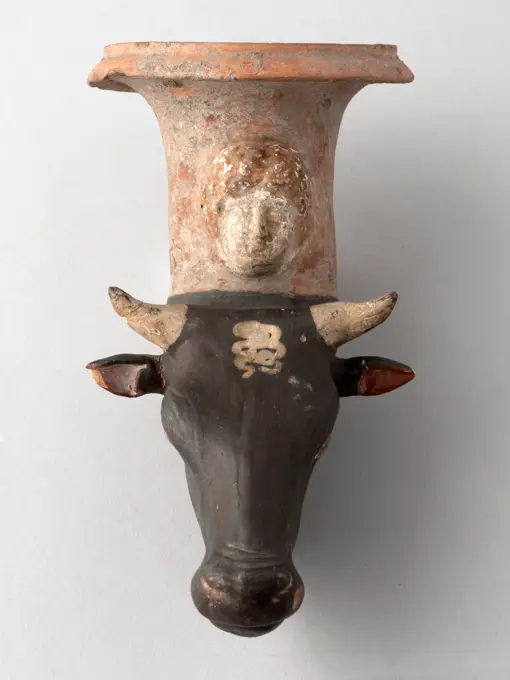
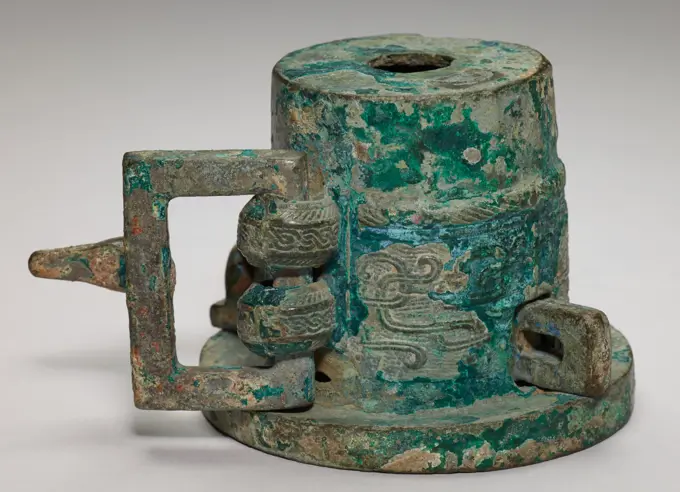
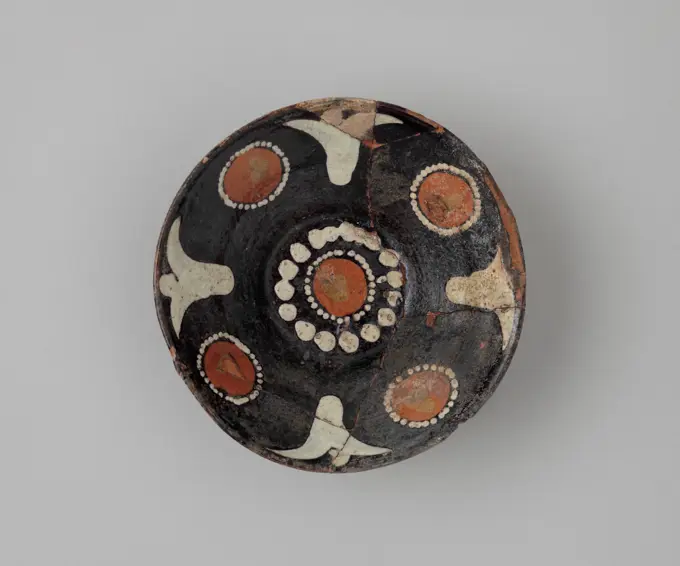
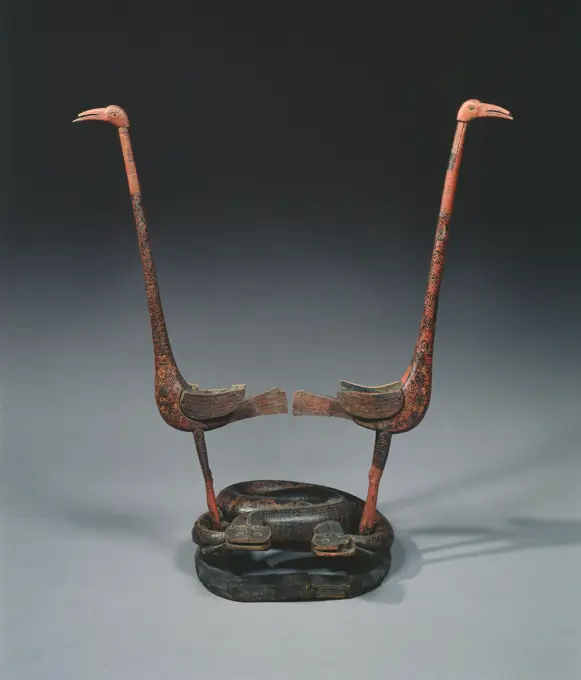
Cranes and Serpents, 475-221 BC. China, reportedly from Hunan province, Changsha, Warring States period (475-221 BC), State of Chu (c. 1046-223 BC). Lacquered wood with polychromy; overall: 132.1 x 124.5 cm (52 x 49 in.). A different style of ritual art developed in the state of Chu in South China. In addition to bronze vessels, lacquered wood artifacts expanded the repertory of ritual implements. This extraordinary sculpture was probably a drum stand for supporting a suspended drum in ritual ceremonies. It is unique among other excavated drum stands of the Chu, which typically show two birds standing on tigers. The theme of the bird stepping on the serpent was common in the Chu visual culture. Yet the slender proportions and seemingly flimsy structure of this particular set raise the question of whether it was utilitarian or mostly served symbolic functions in the tomb. The birds' and serpents' bodies have designs painted in red lacquer and yellow pigment against the black lacquer. SLimestone statue fragment of a hand holding a pyxis or bobbin 3rd-1st century B.C. Cypriot The left hand, the nails of which are well rendered, holds a small pyxis.. Limestone statue fragment of a hand holding a pyxis or bobbin 244803Fragment of bone ". Os. China, Shang dynasty. Paris, Cernuschi museum. 72679-54 Chang dynasty, bone fragment, decorative motifFragment Tobacco Pipe, Gerrit Hollands/Hollander and widow Debora de Ruyter, 1750 - 1790 Fragment tobacco pipe with a crown and the letters g h l and n. Of the excavations on the Hofstede Arentsburg 1827-1831 under the supervision of Professor Reuvens. Schoonhoven pipe clay Fragment tobacco pipe with a crown and the letters g h l and n. Of the excavations on the Hofstede Arentsburg 1827-1831 under the supervision of Professor Reuvens. Schoonhoven pipe clayAlabastron. unknown, authorAppliqué for a funeral couch. UnknownKohl Stick. Iran, circa 150 B.C.-A.D. 225. Tools and Equipment. Bronze, castGlass lamp 2nd-3rd century A.D. Roman Colorless, with handle of same glass.Horiziontal rounded inward lip to small central mouth; almost flat top to lentoid body with rounded side, then curving in to pushed-in bottom with large oval pontil scar; ring handle applied as a large pad to side and trailed off on top.Small hole cut in top near edge opposite handle, forming nozzle for wick.Body complete, but handle broken and most of ring missing; many pinprick bubbles; dulling, pitting, iridescence, and patches of thick creamy weathering.. Glass lamp 245811Ceremonial Knife (Tumi) 15th-16th century Inca. Ceremonial Knife (Tumi) 315227Ritual Incense Burner ca. 6th century Pakistan (ancient region of Gandhara). Ritual Incense Burner 37426Pair of Djed-Pillar Amulets, 380-30 BC. Egypt, Dynasty 30 to Ptolemaic Dynasty. Gray-green faience; overall: 3.1 cm (1 1/4 in.).Head of the God Osiris 1069 BCE-664 BCE Egypt. Bronze . Ancient EgyptianClaw in the shape of a vague;  VI-V century BC (-600-00-00--401-00-00);Pawłowski - PurchaseParrot stirrup spout vessel,  from Moche I,  Peru,  USA,  Florida,  Jacksonville,  The Museum of Contemporary Art,  Pre-Columbian Ceramic Collection,  circa 200 B.C.Flask. UnknownMingqi: Pilon models for rice ". Terracotta. Han dynasty (206 BC-220 AD). Paris, Cernuschi museum. Chinese art, Han dynasty, Han time, mingqi, Chinese object, rice pestle, funeral substitute, terracottaAskos, miniature. Culture: Roman. Dimensions: H. 5.69 cm..Small vase. Museum: Metropolitan Museum of Art, New York, USA.Lamp Handle with a Griffins Head 6th-7th century Byzantine The size and weight suggest that this handle was fastened to a large standing lamp.. Lamp Handle with a Griffins Head 466151Plaque. Inner Mongolia or northern China, 5th-3rd century B.C.. Sculpture; plaques. Gilt bronze, castLamp 4th century . Lamp 448002Miniature Skeleton. UnknownHead and upper body of a female figurine ca. 600-480 B.C. Cypriot The figurine is handmade and solid. The head, shoulders and arms, and upper chest are preserved. She bends both arms to her chest to hold an unidentifiable object just below her pellet breasts.. Head and upper body of a female figurine. Cypriot. ca. 600-480 B.C.. Terracotta; hand-made. Cypro-Archaic II. TerracottasTerracotta alabastron (perfume vase) in the shape of a hare. Culture: Etruscan, Etrusco-Corinthian. Dimensions: H. 2 3/4 in. (6.9 cm)length 6 9/16 in. (16.6 cm). Date: ca. 600-550 B.C..In the form of a dead hare. Museum: Metropolitan Museum of Art, New York, USA.Headdress, 1-750. Mexico, Teotihuacan. Pottery; overall: 9 x 13 cm (3 9/16 x 5 1/8 in.).Terracotta composite vase ca. 2500-1600 B.C. Cypriot All seven bowls and the handle were made from one piece of clay.. Terracotta composite vase 240891Shabti fragment, 4th prophet of Amun Mentuemhat Late Period 690-645 BC Large stone shabtis, known from the late Middle Kingdom and 18th Dynasty, reappeared in the 25th Dynasty for the pharaohs, Theban God's Wives, and highest officials of Dynasty 25 at Thebes. Mentuemhat, the powerful 'count' of the Theban region, had several such shabtis. Three of them (19.3.5-19.3.7) were excavated by the Metropolitan Museum in the vicinity of his tomb in Western Thebes. This fragment entered the museum before the Egyptian Art Department was founded in 1906. View more. Shabti fragment, 4th prophet of Amun Mentuemhat. 690-645 BC. Serpentinite. Late Period. From Egypt. Dynasty 26-30Martavaan from V.O.C. ship De 'Witte Leeuw', Before 1613  Martavaan from V.O.C. ship De 'Witte Leeuw'. 50 present. southeast Asia stoneware. porcelain   Sint-HelenaTerracotta askos in the form of a dog. Culture: Greek. Dimensions: h. 3 9/16 in. (9.1 cm); w. 4 7/16 in. (11.3 cm). Date: 2nd-1st century B.C..inscribed "EUPLOUS"This askos in the form of a reclining dog is related to the Magenta Ware flasks displayed nearby (06.1021.265, 07.286.131). Its classification as an example of Magenta Ware pottery, however, is prevented by the lack of any traces of the deep red pigment, which normally characterizes the technique. The name inscribed on the base of the askos is attested in inscriptions from Boeotia in central Greece, and may perhaps point to the place of its manufacture. Museum: Metropolitan Museum of Art, New York, USA.Architectural ModelFragment Pijpenkop, Gerrit Hollands/Hollander and widow Debora de Ruyter, 1750 - 1790 Fragment piping head with a three -mast. Of the excavations on the Hofstede Arentsburg 1827-1831 under the supervision of Professor Reuvens. Schoonhoven pipe clay Fragment piping head with a three -mast. Of the excavations on the Hofstede Arentsburg 1827-1831 under the supervision of Professor Reuvens. Schoonhoven pipe clayTROMPETA O CORNAMUSA DE CERAMICA PROCEDENTE DE NUMANCIA - S III AC/S II DC. Location: MUSEO NUMANTINO. Soria. SPAIN.Blackware Paccha with Feline 15th-early 16th century Inca. Blackware Paccha with Feline 310233Bird Head VesselVase fragment East Greek/Sardis, Lydian Half circles in red and black.. Vase fragment 252695 East Greek/Sardis, Lydian, Vase fragment, Terracotta, Overall: 5 3/8 x 4 3/16in. (13.6 x 10.7cm). The Metropolitan Museum of Art, New York. Gift of The American Society for the Excavation of Sardis, 1926 (26.199.127)Bell with Anthropomorphic Face 500 B.C.-A.D. 300 Indonesia (Java). Bell with Anthropomorphic Face 51371Pipes head. Pipes head with a crown and the letters k u m and n pictured. Of the excavations at the Hofstede Arentsburg 1827-1831 under the supervision of professor Reuvens.Glass rhyton (drinking horn). Culture: Roman. Dimensions: H. 6 3/8", Diameter,2 5/16". Date: mid-1st century A.D..Translucent pale blue green.Tubular rim, folded out, slightly down, over, and in; flaring mouth; short cylindrical neck; elongated cylindrical body, tapering downwards and then curving out and down to pointed end.Intact, but broken at end and missing tip of horn; some elongated bubbles; slight pitting of surface bubbles, small areas of whitish weathering, iridescence on exterior, most of interior covered with soil-encrusted weathering and brilliant iridescence.With curved foot ending in a point. Museum: Metropolitan Museum of Art, New York, USA.You wine vessel, 12th-11th century BCE, 9 3/4 × 6 3/4 × 6 1/4 in., 6.8 lb. (24.8 × 17.1 × 15.9 cm, 3.1 kg)3 7/8 × 3 3/8 in. (9.9 × 8.5 cm) (object part, mouth-a)4 1/2 × 3 15/16 in. (11.5 × 10 cm) (object part, mouth-b)4 13/16 × 4 5/16 in. (12.22 × 10.95 cm) (object part, foot), Bronze, China, 12th-11th century BCE, You vessels like these began to appear during the late 1100s BCE and became prevalent during the late Shang and early Western Zhou (c. 1300-977 BCE). In line with late Shang tastes, the vessel is richly decorated within seven horizontal registers. These registers are further divided into four panels by heavy scored flanges with tooth-like projections. One noticeable change in decoration is that the bird motif has replaced the ubiquitous taotie animal mask as the dominant decoration. This change heralded a flourishing period from late 900 to 800 BCE, when pairs of large, elaborately designed birds became the visual focus on bronze vessels.Oil Lamp in the Form of a Dwarf on a Donkeys Head mid-16th century Manner of Andrea Briosco, called Riccio Italian. Oil Lamp in the Form of a Dwarf on a Donkeys Head. Manner of Andrea Briosco, called Riccio (Italian, Trent 1470-1532 Padua). Northern Italian. mid-16th century. Bronze. Sculpture-BronzeBronze tap from House of MessiiFlute 200 B.C.-100 A.D. Colima. Flute. Colima. 200 B.C.-100 A.D.. clay. PreColumbian. Colima, Mexico. Aerophone-Whistle Flute-recorderSpindle Whorl or Button 8th-10th century The dot-in-circle motif recalls designs presumed to be of magical significance, most likely an abstract eye to ward off the evil-eye, which serves an apotropaic function. Easily reproduced with a tool and visible in many cultures and times, this symbol may have lost its meaning, and become simply a decorative pattern, or may have one that we have not yet discovered. Spindle Whorl or Button 447869Parrot (common name), 0100. Dense black stone. Cernuschi Museum, Asia Museum of Asia in the city of Paris.Double Spout Vessel Depicting Sharks 180 BCE-500 CE Peru. Ceramic and pigment . NazcaHarness or bridle fitting in the form of a boar's head. Culture: Achaemenid. Dimensions: 1.38 x 1.18 in. (3.51 x 3 cm). Date: ca. 6th-4th century B.C.. Museum: Metropolitan Museum of Art, New York, USA.Large Elbow Reinforce (Pasguard or Soprabracciale) ca. 1550 to 1575 Italian This large elbow reinforce (soprabacciale) is part of an unusually large armor garniture (acc. no. 27.159.1) from the armory of the Dos Aguas family in Valencia, Spain. The garniture contains pieces for use in battle and for the tilt in both the Italian and German fashions. The tilt was a tournament fought on horseback between two opponents armed with lances and separated by a lengthwise barrier.The armor as mounted is equipped with a helmet and vambraces (arm defenses) for the tournament. The buffe (chin defense), second breastplate (27.159.2), and manifer (reinforced left gauntlet) (27.159.6) would have been added to make the armor ready for exchange pieces for different forms of the tournament. For the German tilt, the trellised targe (shield) (27.159.7), small elbow defense (27.159.5), and small stomach defense (27.159.3) were added. For the Italian tilt, these elements were replaced by the form-fitting reiLeft Arm Defense (Vambrace). Culture: Italian. Dimensions: H. 12 1/4 in. (31.1 cm); W. 4 3/4 in. (12.1 cm); D. 4 1/4 in. (10.8 cm); Wt. 1 lb. 9.5 oz. (722.9 g). Date: ca. 1380-1400.Fine armor of this period was often fitted with decorative trim of brass along the edges. This vambrace is one of the few pieces that have survived with their original brass borders intact. Museum: Metropolitan Museum of Art, New York, USA.Cast Pendant; Greece; about 14th century B.C; Glass; 2.5 cm (1 in.)Mat Weight in the Shape of a Doe 1st century B.C.-1st century A.D. China A low bed, small table, and screen were often the only furnishings in a Han-dynasty room. The floors were generally covered with mats kept in place with weights in the shape of single animals, fighting beasts, or entertainers. Comparable deer-shaped weights excavated in north China are inlaid with marine shells, suggesting that the back of this was once similarly filled.. Mat Weight in the Shape of a Doe 52104Fragment 7th-8th century. Fragment 448750Glass perfume bottle Roman late 1st-3rd century CE Translucent pale blue green.Rim folded out, over, and in; tall, slender, cylindrical neck, with irregular indents above and around base; conical body; slightly concave bottom.Intact; many pinprick and a few large, elongated bubbles; dulling, pitting, and brilliant iridescent weathering. View more. Glass perfume bottle. Roman. late 1st-3rd century CE. Glass; blown. Imperial. GlassFoot Fragment 4th-7th century Coptic. Foot Fragment 478558Vase fragment ca. 700-650 B.C. East Greek/Sardis, Lydian Part of handle of a vase with basket pattern.. Vase fragment 252690 East Greek/Sardis, Lydian, Vase fragment, ca. 700650 B.C., Terracotta, Overall: 4 3/4 x 2 5/8in. (12 x 6.6cm). The Metropolitan Museum of Art, New York. Gift of The American Society for the Excavation of Sardis, 1926 (26.199.122)SpoonDecorated Bowl Fragment ca. 1981-1640 B.C. Middle Kingdom. Decorated Bowl Fragment 556910Dagger blade ca. 3000-2000 B.C. Cypriot. Dagger blade 244170Ornament Figure. Culture: Moche (Loma Negra). Dimensions: H. 2 5/16 x W. 2 1/4 x D. 3/4 in. (6 x 5.7 x 1.9 cm). Date: 390-450. Museum: Metropolitan Museum of Art, New York, USA.Weight. Copper alloy. Gallo-Roman. Paris, Carnavalet museum. 51467-1 Copper alloy, Gallo-Roman, Gallo-Roman time, weightAlabaster alabastron (perfume vase) 5th-4th century B.C. Cypriot The narrow alabastron has two rounded lugs. The neck is short. The lip is slightly convex.. Alabaster alabastron (perfume vase) 243974Earring. Egyptian. Date: 1400 BC-1295 BC. Dimensions: 2.7 × 2.5 × 0.6 cm (1 1/16 × 1 × 1/4 in.). Glass. Origin: Egypt. Museum: The Chicago Art Institute, Chicago, USA. Author: Ancient Egyptian.Glass perfume bottle Roman late 1st-2nd century CE Translucent deep emerald green.Everted rim, folded over and in, with beveled outer lip; tall cylindrical neck, with tooled horizontal indent around base; conical body with rounded bottom edge; bottom slightly pushed-in.Intact; many pinprick bubbles; deep pitting, weathering, and brilliant iridescence.Thick-walled, heavy vessel. View more. Glass perfume bottle. Roman. late 1st-2nd century CE. Glass; blown. Early to Mid Imperial. GlassLeft Greave, 1801-1900. Germany, 19th century. Steel with black paint; overall: 27.3 x 33 cm (10 3/4 x 13 in.).(War Stirrup, one of a pair), 17th century, Unknown Japanese, 10 1/8 x 10 1/4 in. (25.72 x 26.04 cm) (each), Iron alloy with silver inlay, Japan, 17th century, During the Edo period (1600-1868), only warriors of middle or high rank were permitted to own horses. Feudal lords and the shogun's guards used riding equipment ornamented in a manner appropriate to their social position. This pair of stirrups is sumptuously decorated with designs of blossoming wisteria. According to the inlaid inscription on each of the buckle-brackets, the stirrups were made by the metalsmith Kuniyuki, who worked in the town of Kanagawa in Kashu province (modern-day Ishikawa prefecture).Rabbit in a dish. Terracotta, glaze. Paris, Cernuschi museum. 78844-24 Asian art, ancient ceramic, covered, email, glacure, Chinese pottery, terracotta emaillee, animal, natureBase for a Cross 11th century Byzantine This miniature building is a base to support a portable cross. Its equal-armed cross shape and dome reproduce in miniature the church design most popular during the Middle Byzantine centuries.. Base for a Cross 468588Nicolaas Walters, Clay pipe with brand on boiler: NKW over crown, clay pipe smoking equipment smoke floor pottery ceramics pottery h 5,0, pressed finished baked Clay pipe with brand on kettle: NKW top crown including fish and wave lines Small heel without stamping mark on the kettle: crowned fish on corrugations above NKW archeology indigenous pottery smoking tobaccoTerracotta askos (flask with a spout and handle over the top) 4th century B.C. Greek, South Italian, Apulian Recumbent bullSouth Italian pottery is rich in hand-sized flasks for oil. The askos shape originates in that of a leather bag; when used for wine, the source is an oxhide, trimmed and sewn closed. Askoi often assume the form of animals.. Terracotta askos (flask with a spout and handle over the top) 255648CABEZA CERAMICA DE CABALLO (DINASTIA WEI 220/267). Location: MUSEO REAL ARTE CHINO. STOCKHOLM.Model of a cart with a human figure. Culture: Cypriot. Dimensions: H. 4 1/16 in. (10.3 cm). Date: ca. 600-480 B.C..The figurine is handmade. A male figure is seated on the floor of the cart, which has low sides, a curved rear, and an open front. Museum: Metropolitan Museum of Art, New York, USA.Mirror 6th century B.C. Greek, Cypriot. Mirror. Greek, Cypriot. 6th century B.C.. Bronze. BronzesFinial. Western Inner Mongolia, 5th-4th century B.C.. Architecture; Architectural Elements. Bronze, castBallgame Yoke in the Shape of aToad.  Artist: UnknownBronzebeetleBit and Cheek Plaques, 899-400 BCE, 4 7/8 x 3 5/8 x 7 1/4 in. (12.38 x 9.21 x 18.42 cm), Bronze, Persia (Iran), 9th-4th century BCELamp 7th-11th century. Lamp 451756Bronze handle from a cista (toiletries box) 4th century B.C. Praenestine The solid-cast handle is in the form of two nude male wrestlers. Wrestling was a popular sport, and the subject was used often for cista handles. Several complete cistae are on view in a nearby case.. Bronze handle from a cista (toiletries box) 246541Standing Lamp with Running Dogs 5th-6th century Byzantine Lamps with flat bases were designed to be set on stands when lit. This lamp with its running hounds may refer to a favorite aristocratic pastime, the hunt.. Standing Lamp with Running Dogs. Byzantine. 5th-6th century. Copper alloy, cast. Metalwork-Copper alloySpain, Madrid, Zoomorphic vase from Rio Gor areaZhi wine vessel, 13th-12th century BCE, 8 1/4 × 4 7/8 × 4 1/8 in., 3.1 lb. (20.9 × 12.4 × 10.4 cm, 1.4 kg)4 1/16 × 2 15/16 in. (10.32 × 7.46 cm) (object part, mouth-b)4 15/16 × 3 5/8 in. (12.54 × 9.21 cm) (object part, mouth-a)4 1/8 × 2 15/16 in. (10.48 × 7.46 cm) (object part, foot), Bronze, China, 13th-12th century BCESocketed Axe, Late Bronze Age. Found in Gloucestershire, UKRhyton in the shape of a cow's head. Relief decor. Taranto, 350 -330 BC. AD Museum of Fine Arts of the City of Paris, Petit Palais. 59537-8 Livestock animal, antiquity, Greek-Roman antiquity, ancient art, cattle, ceramic, red figure, large Greece, 4th 4th 4th 4th 4th century AV.JC, molding, ancient period, pottery, container, rhyton, funeral rite, Ritual, terracotta, cow, drinking vase, ancient vase, funeral vase, wine, ancientLécythe in the shape of a Griffon head. Molded tower and terracotta, enhanced. Taranto (Italy), 4th century BC. AD Museum of Fine Arts of the City of Paris, Petit Palais. 58729-3 Fantastic animal, legendary animal, handle, ceramic, griffon, 4th 4th 4th 4th 4th 4th century AV.JC, lecythe, lecythe zoomorphic, molding, ancient period, pottery, terracotta, griffon head, tower, drink to drink, profile viewPair of Axle-Caps with Lynch Pins, 5th-4th century BCE, 3 5/16 × 3 5/16 × 2 5/8 in., 1.3 lb. (8.41 × 8.41 × 6.67 cm, 0.6 kg), Bronze, China, 5th-4th century BCEWaterpuit of earthenware with face, anonymous, 1850 - 1900 Image of pottery. The image represents a spherical water jet with a sample -like face with bulging eyes and blowing through a pipe. Cracked through the fire. Mataram (possibly) earthenware   MATAZAM Image of pottery. The image represents a spherical water jet with a sample -like face with bulging eyes and blowing through a pipe. Cracked through the fire. Mataram (possibly) earthenware   MATAZAMKrzyż ręczny. unknown, authorChlorite pendant in the form of the head of an Assyrian 6th century B.C. Cypriot Bearded head, Assyrian type.. Chlorite pendant in the form of the head of an Assyrian. Cypriot. 6th century B.C.. Steatite. Archaic. Miscellaneous-StoneRitual Plot Cup, Anonymous, c. -1300 - c. -1000 Cup on three -foot, with a protruding edge and a large pour. Two ears and two raised buttons on the edge. China bronze (metal) casting Cup on three -foot, with a protruding edge and a large pour. Two ears and two raised buttons on the edge. China bronze (metal) castingDetail picture of rails in rail.Fragment of an object in the form of a stylized ram, c. 1400 - c. 1950 Excerpt of a bronze object in the form of a stylized ram, to which an iron stem is attached unknown bronze (metal). steel: iron (metal) casting Excerpt of a bronze object in the form of a stylized ram, to which an iron stem is attached unknown bronze (metal). steel: iron (metal) castingVase 12th century. Vase 452735Foot of a Vase in the Form of a Double-Bodied Sphinx with a Single Head. UnknownBowl with Polychrome Decoration on a Black Slip Ground 10th century Bowls made with boldly colored slips (diluted clay) were made throughout the area surrounding Nishapur. These slip wares are easily distinguished from the ceramics produced in the rest of the Abbasid Empire, and bear no relation to the popular Chinese-style ceramics also produced in Nishapur. Similar rosettes decorate bowls from other nearby sites, including Samarqand, but the peculiar leaf design is more common in the finds from Nishapur. This small bowl was probably made for daily household use.. Bowl with Polychrome Decoration on a Black Slip Ground 449332Dollhouse cradle. Dollhouse cradle with embroidered flowers on the hood and the cradle.Finial 1000-1600 Tairona. Finial 319465Ordos Belt Plaque, one of a pair, 3rd-2nd century BCE, 2 15/16 x 4 11/16 x 5/16 in. (7.46 x 11.91 x 0.79 cm), Bronze, China, 3rd-2nd century BCE, These two mirror-image plaques cast in shallow relief show a feline and an eagle with griffin head locked in combat. Animal combat and hunting themes were popular with the nomadic peoples of Chinas northern frontier during the late Bronze Age. Numerous bronze horse trappings, weapons, belt hooks, and plaques such as these have been excavated from tombs in Mongolia, Siberia, the Ordos region, and northern provinces of China. This so-called 'animal style' influenced the art of the more settled populations of China during the late Bronze Age.Lampka z przedstawieniem Acheloosa. warsztat rzymski, workshopStatuette of a swan, fragment. Culture: Roman. Dimensions: length 3.30 cm.. Museum: Metropolitan Museum of Art, New York, USA.The Academician's' animal head-post from the Oseburg Viking ship burial, 9th century. Artist: UnknownFrog ca. 3100-2650 B.C. Early Dynastic Period. Frog 547486Kohl Container 401 CE-600 CE Levant. Glass containers like this one were used to store kohl, a mineral compound used to dramatic effect to darken eyelids and eyelashes. Containers for cosmetics were fashioned out of a variety of materials in addition to glass, including metal, ivory, bone, and wood. In his writings, the third-century church father Saint Clement of Alexandria (d. 215) mentions white lead, charcoal, and even the ìdroppings of crocodilesî as common ingredients for cosmetics, although he must be regarded as a hostile witness at best. Nevertheless, the fact that his writings feature such detail about the use of makeup attests to its ubiquity.Multicompartment kohl containers were formed when a hollow tube of glass was folded in half, thereby creating two tubular containers from one. Over time, the appearance of these vessels became more elaborate and whimsical.. Glass, blown technique . Byzantine