Ancient Lamps and Whistles

A collection of ancient terracotta lamps and pottery whistles, featuring various shapes and styles from Greek and Costa Rican origins, showcasing historical craftsmanship.
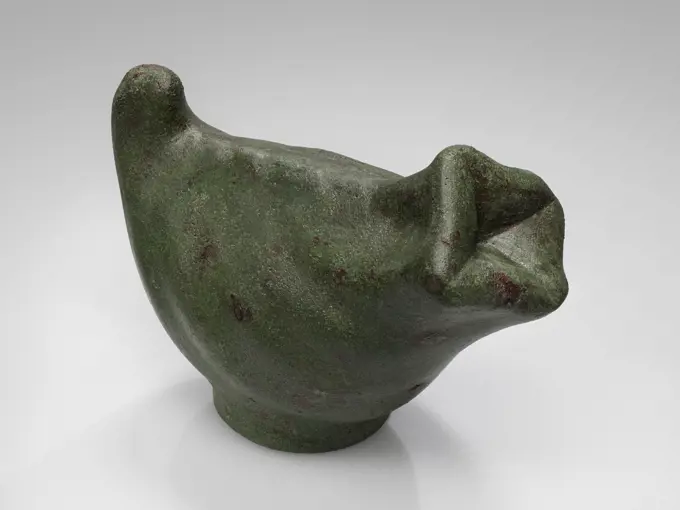
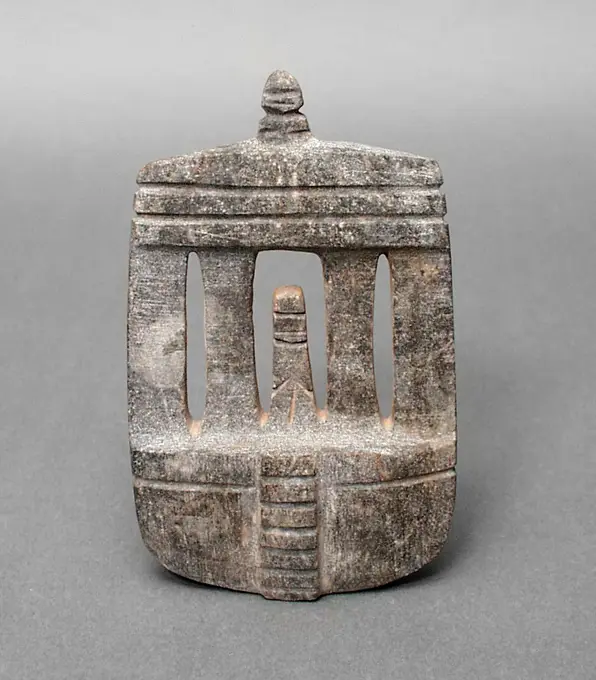
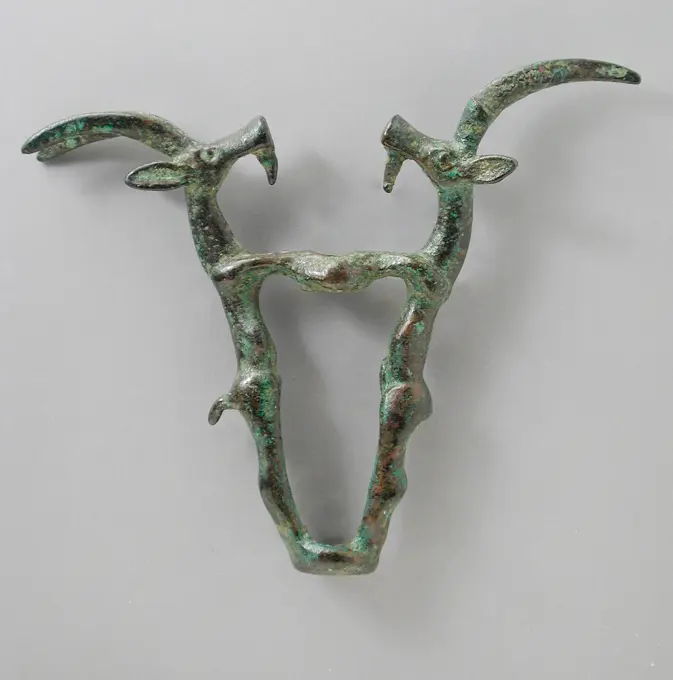
Votive Uterus; Etruria; 4th century B.C; Bronze; 9.4 x 12.7 cm (3 11,16 x 5 in.)
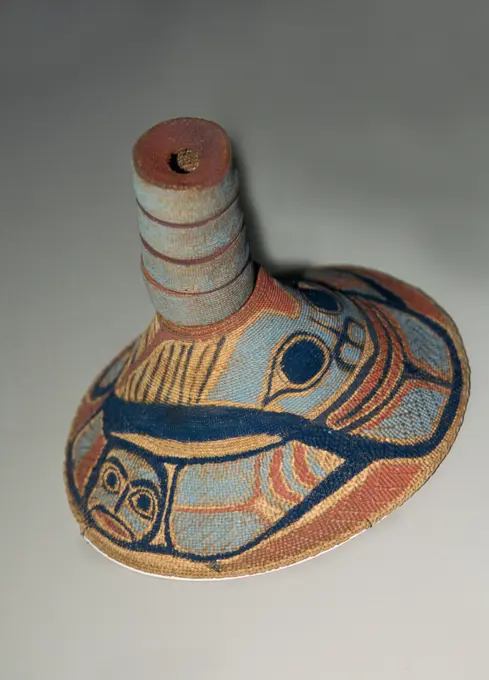
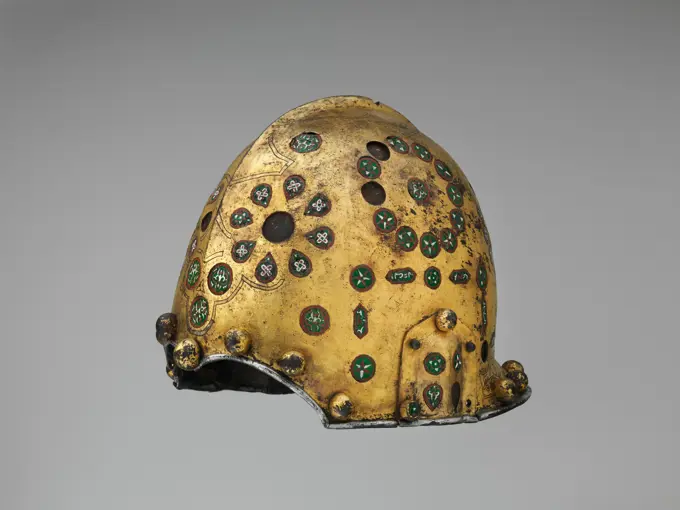
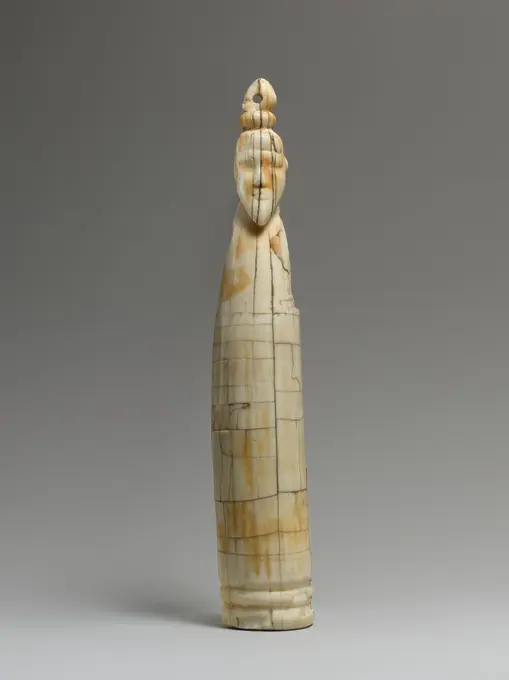
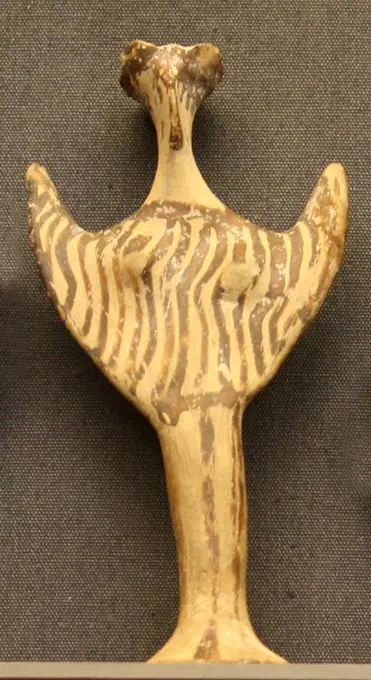
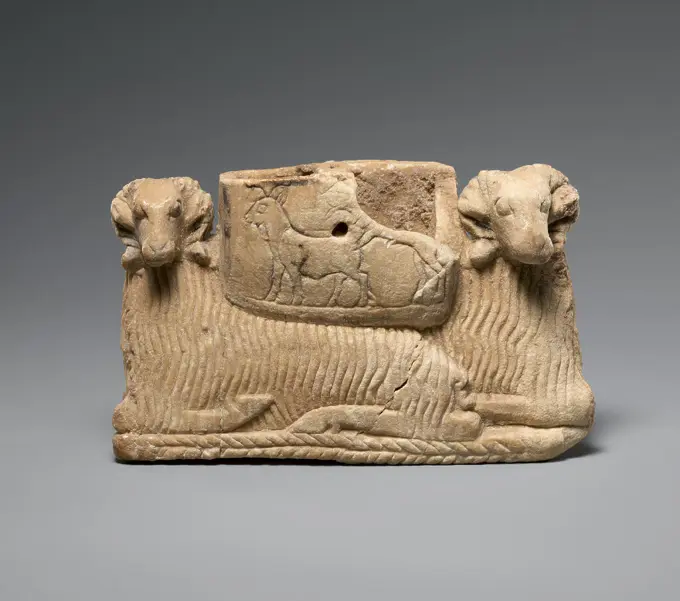
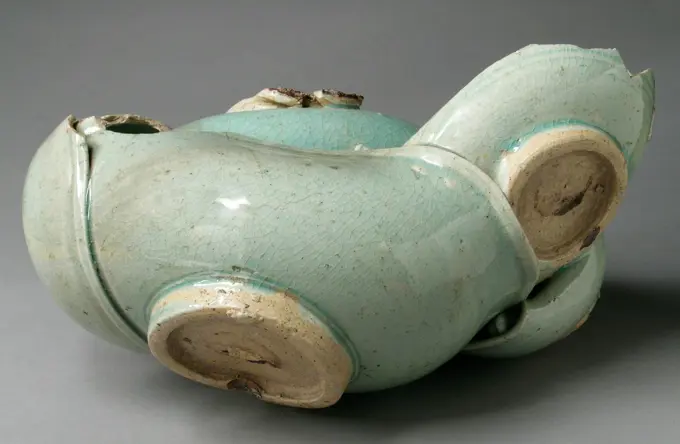
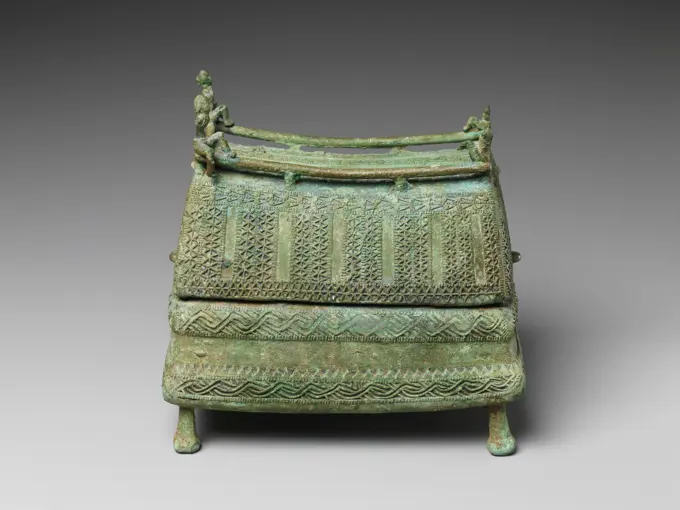
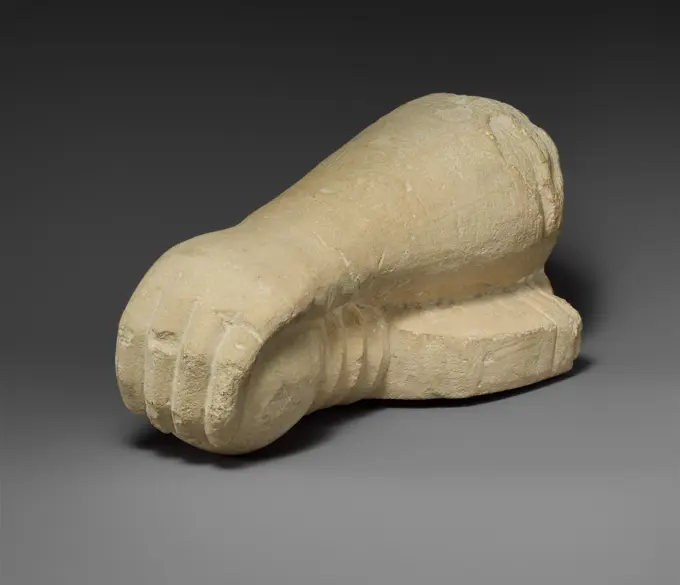
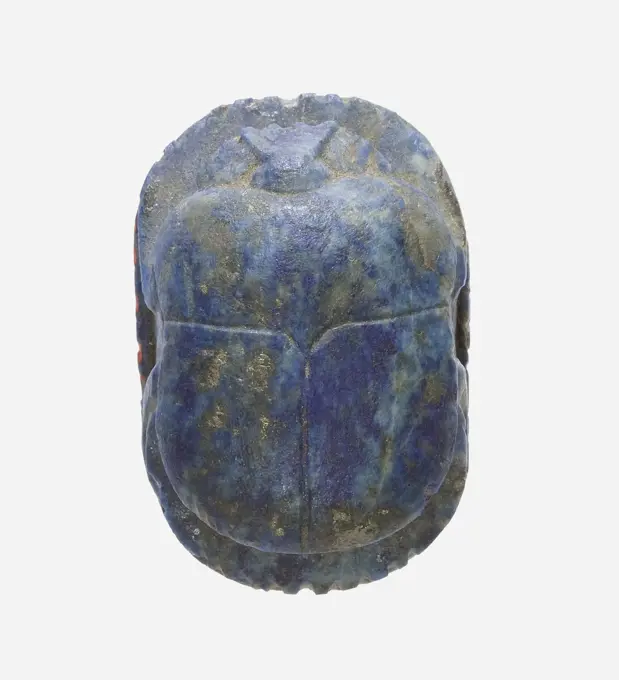
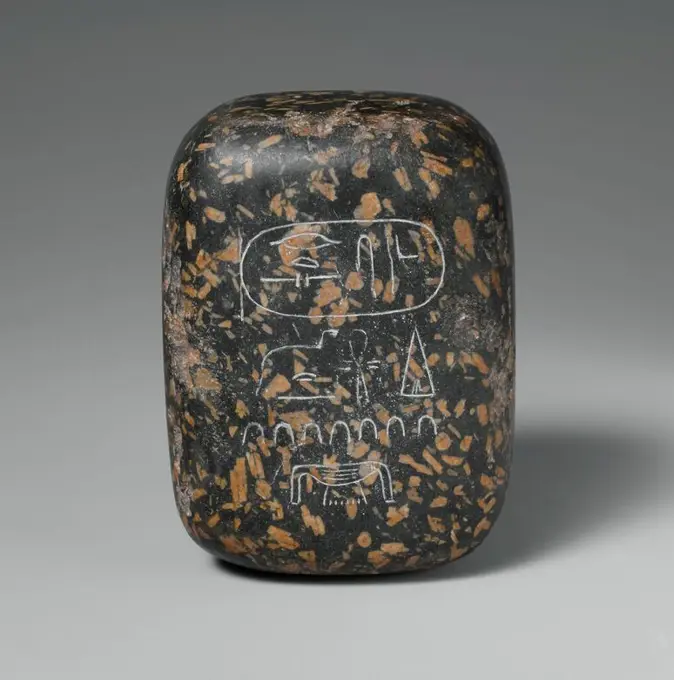
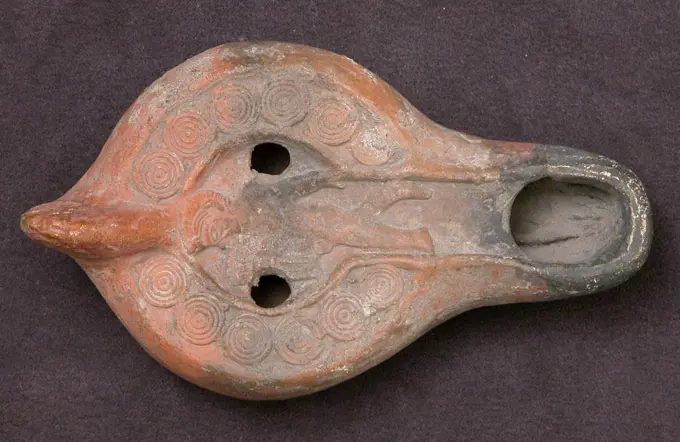
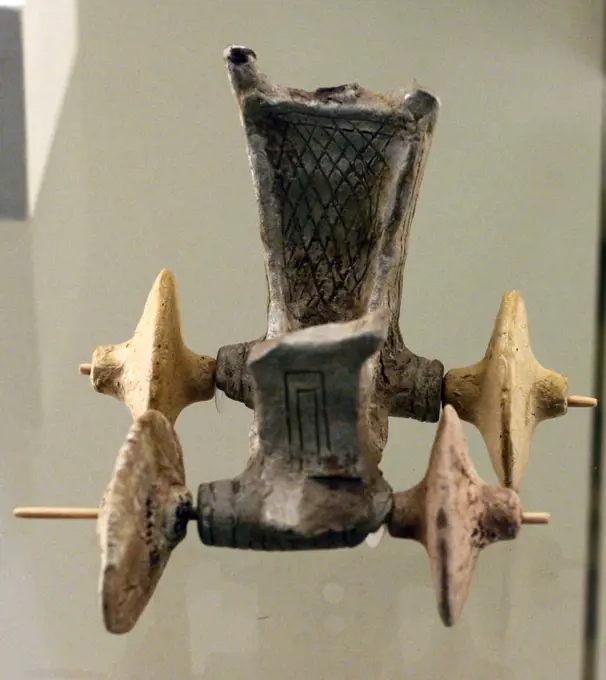
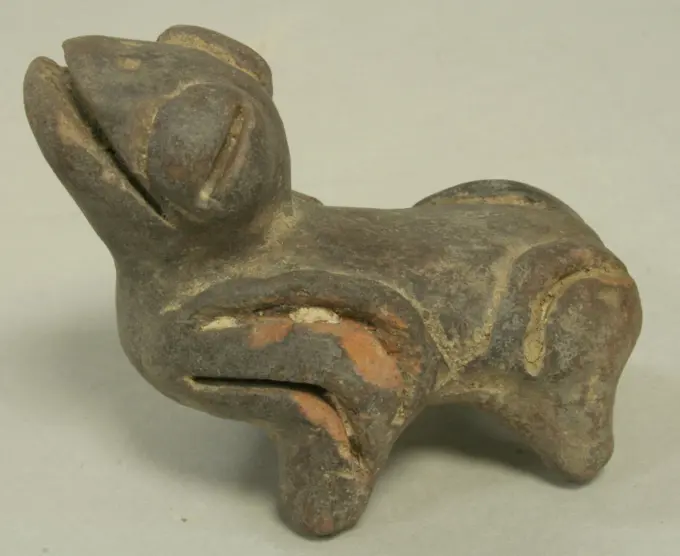
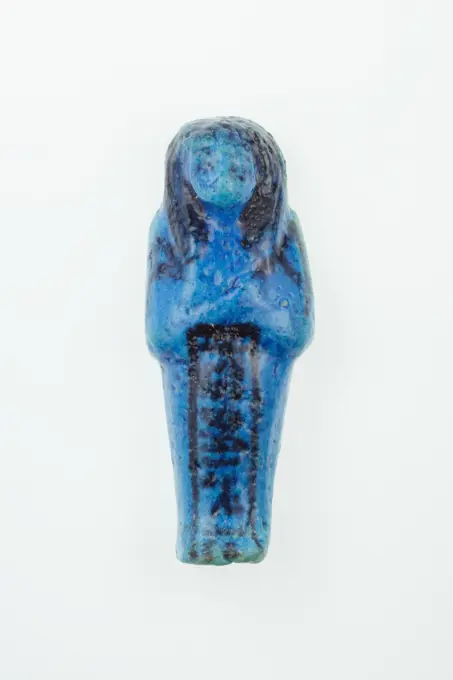
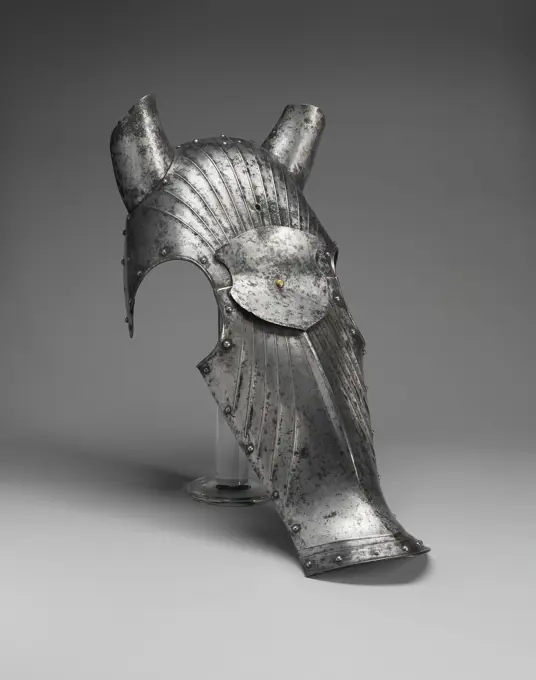
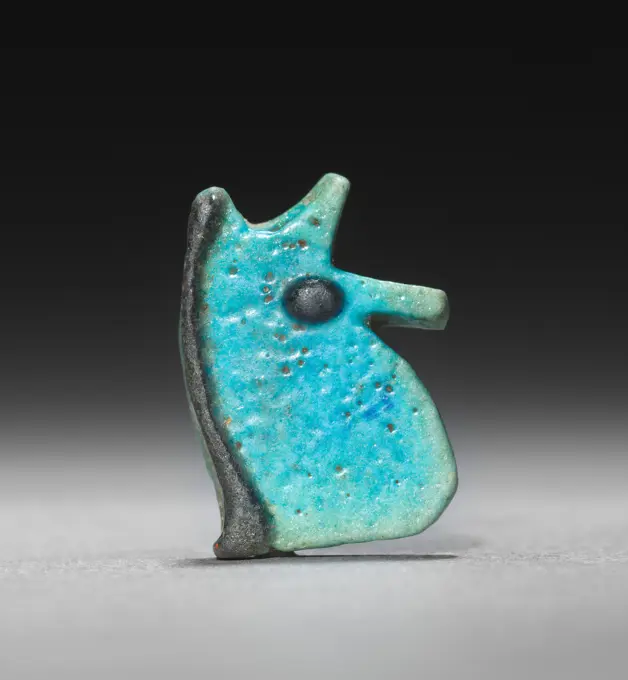
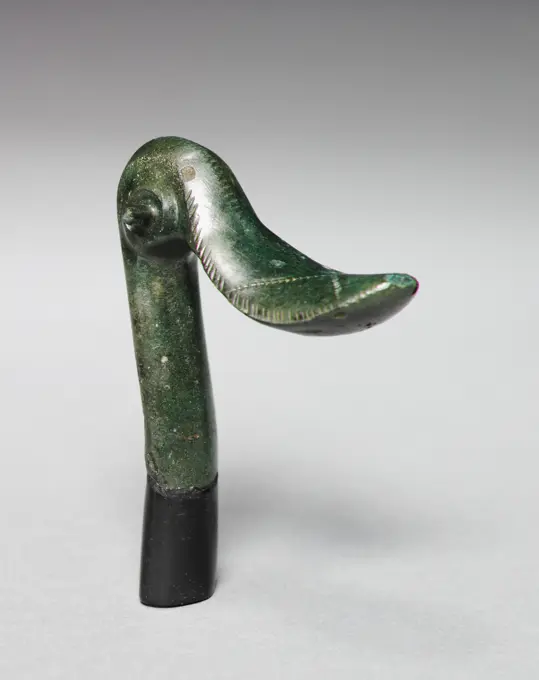
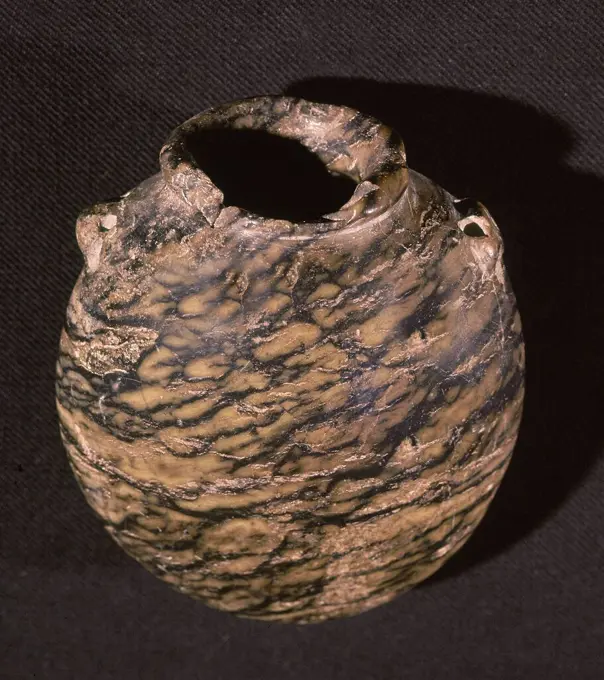
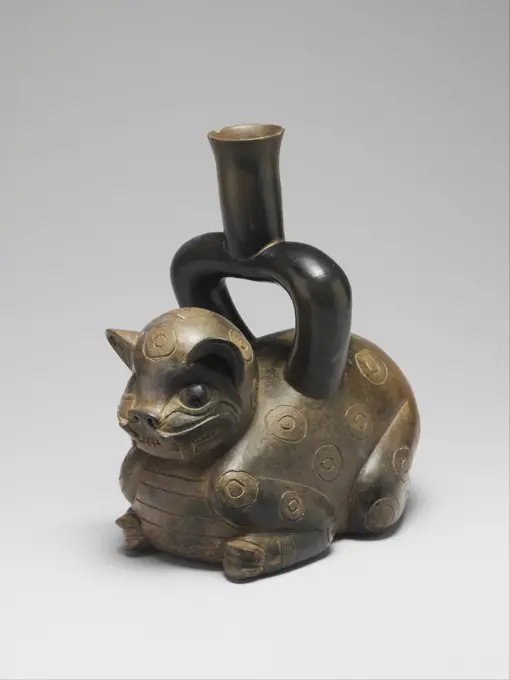
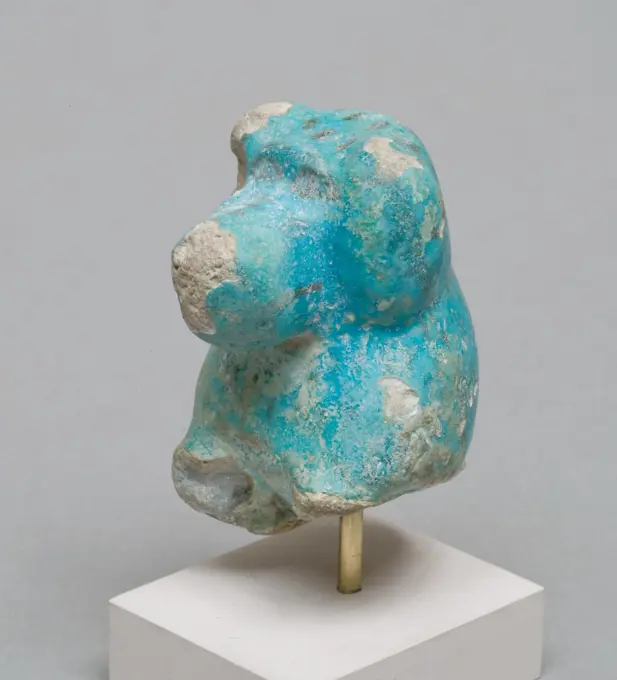
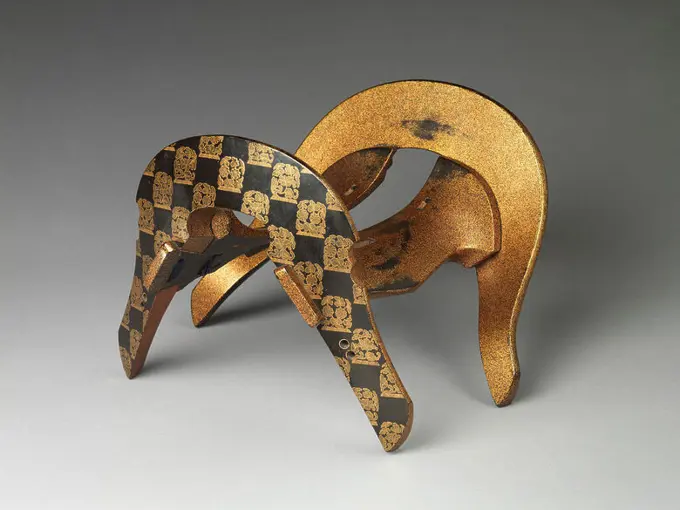
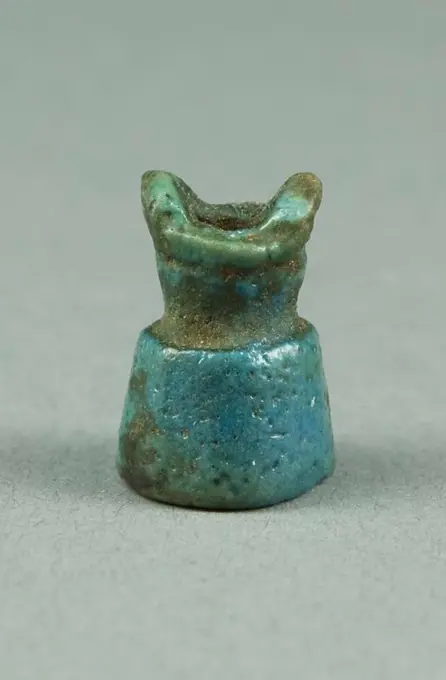
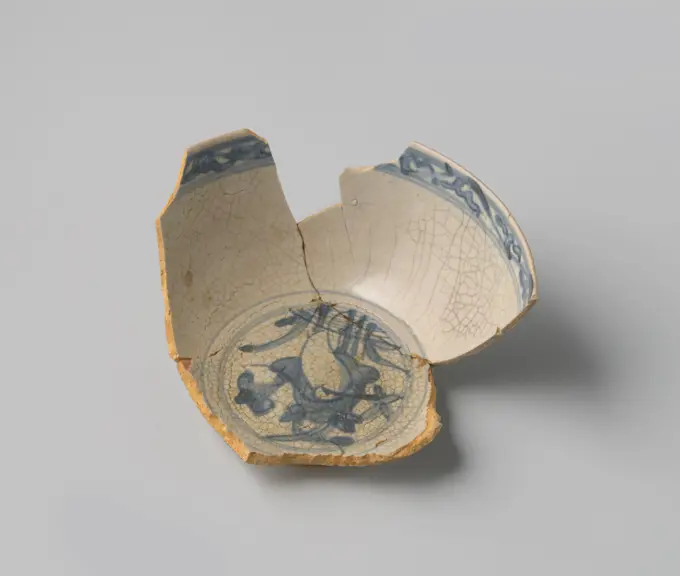
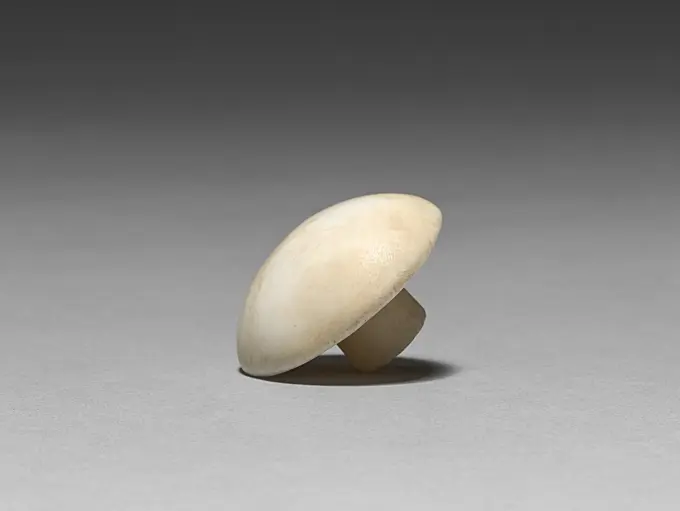
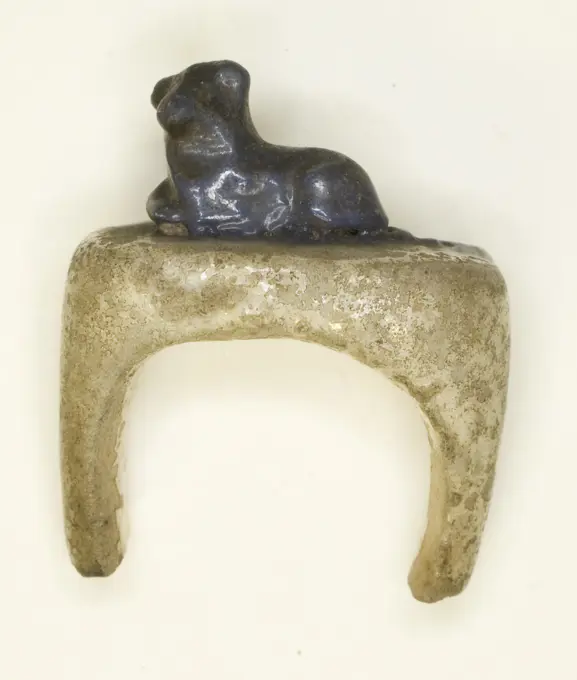
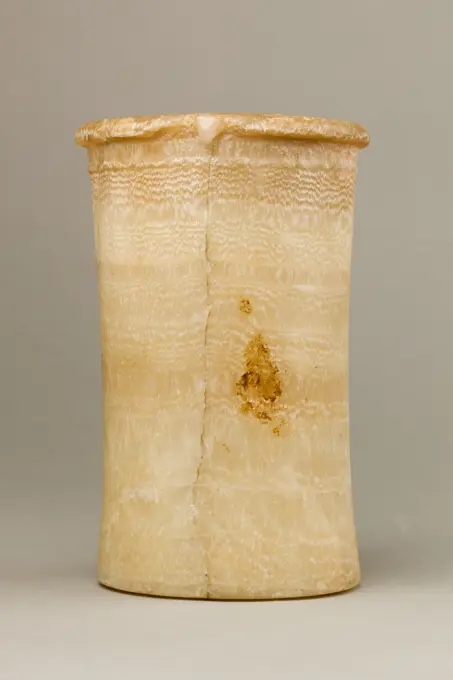
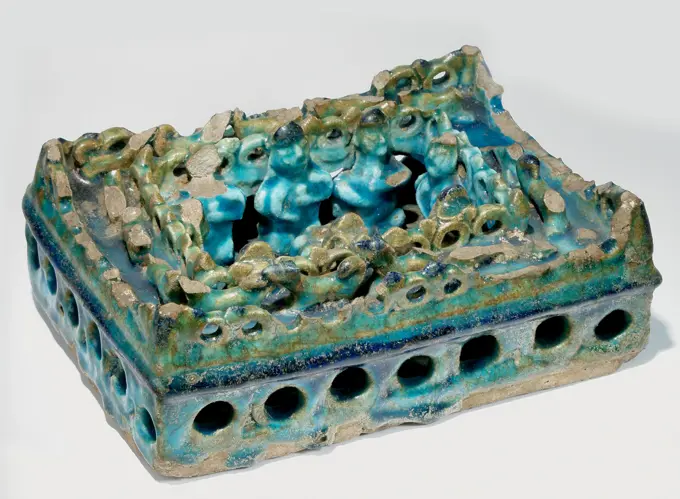
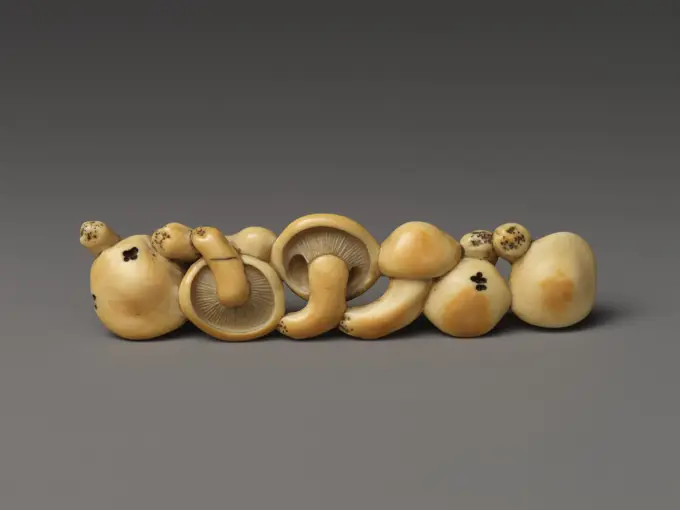
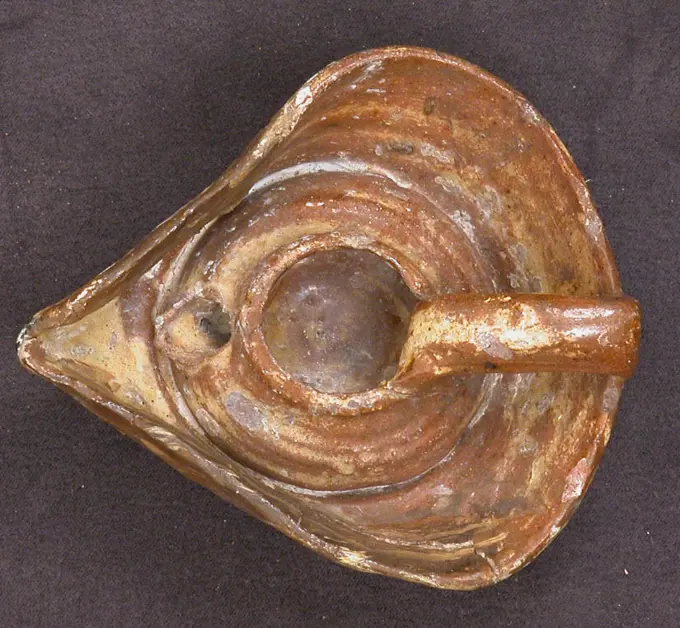
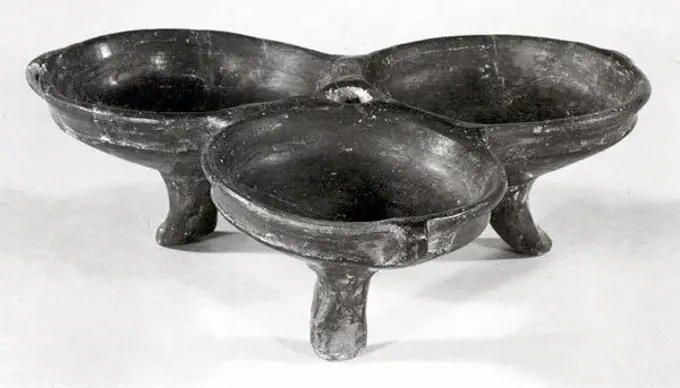
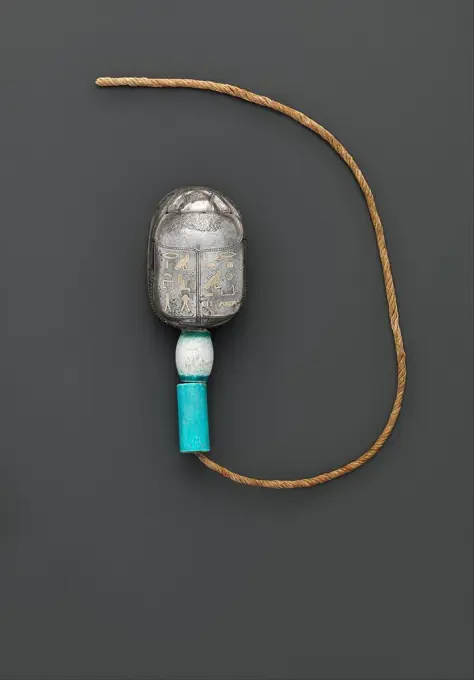
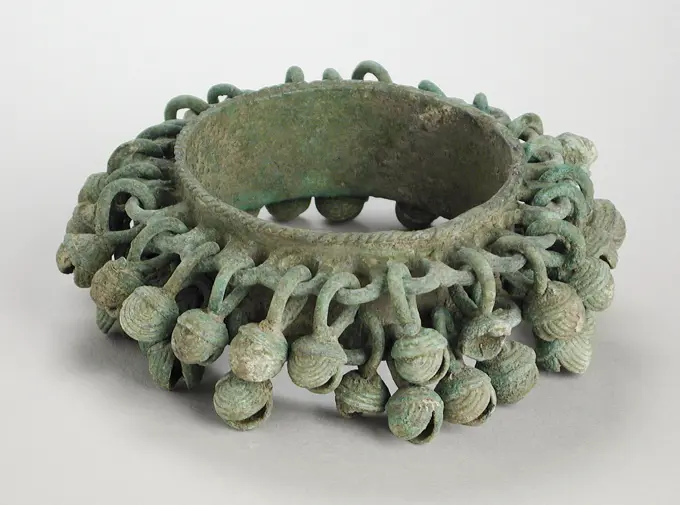
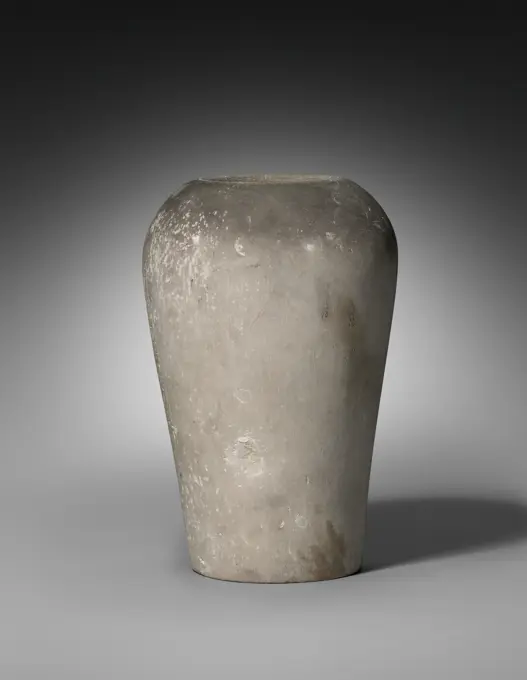
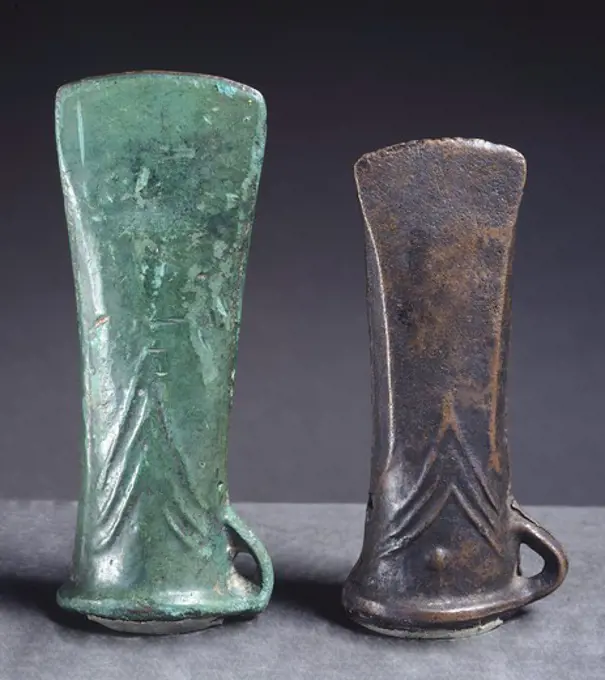
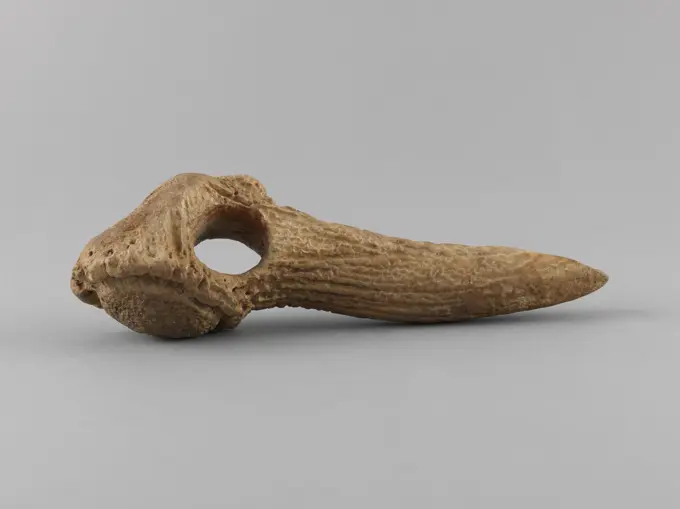
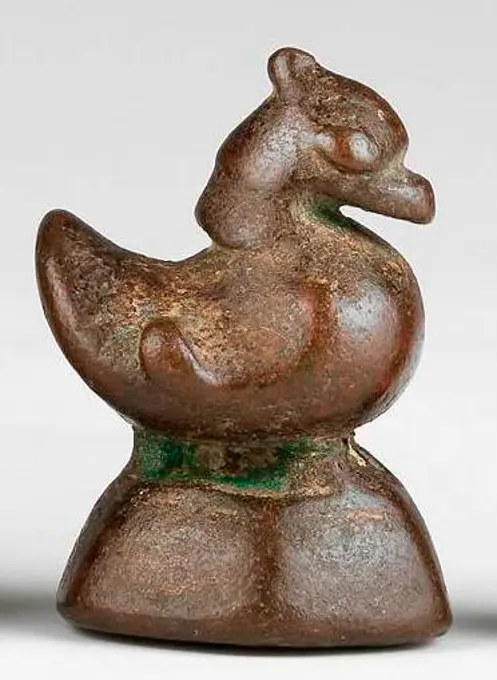
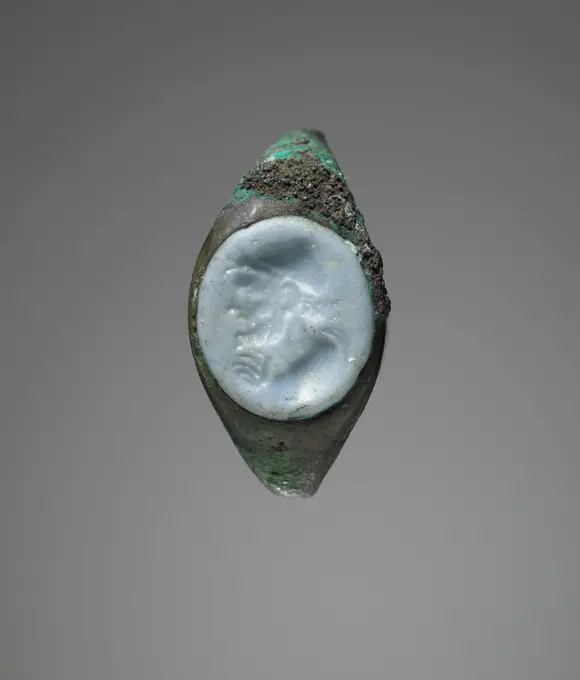
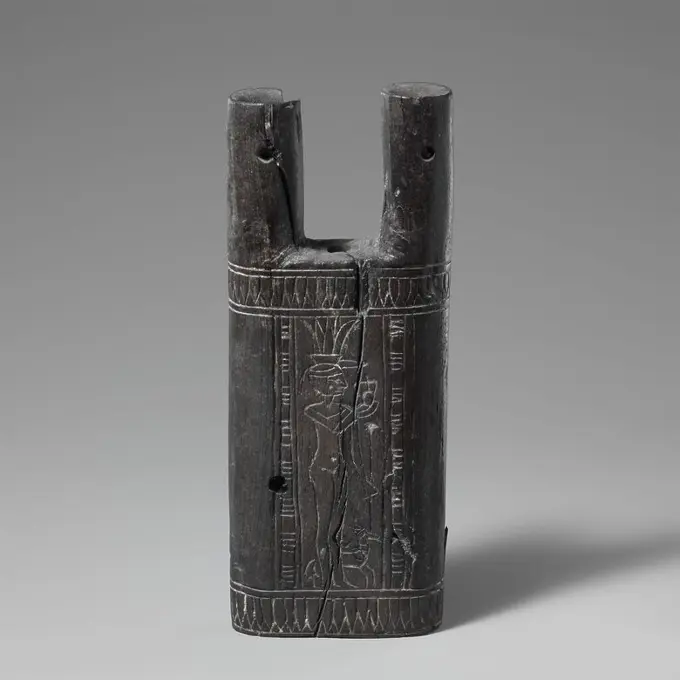
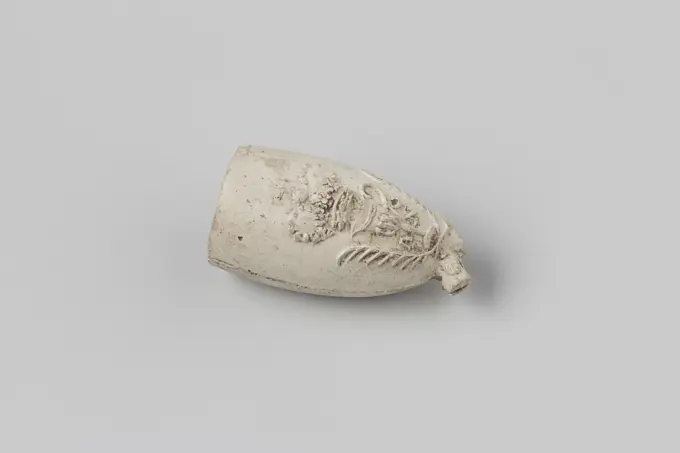
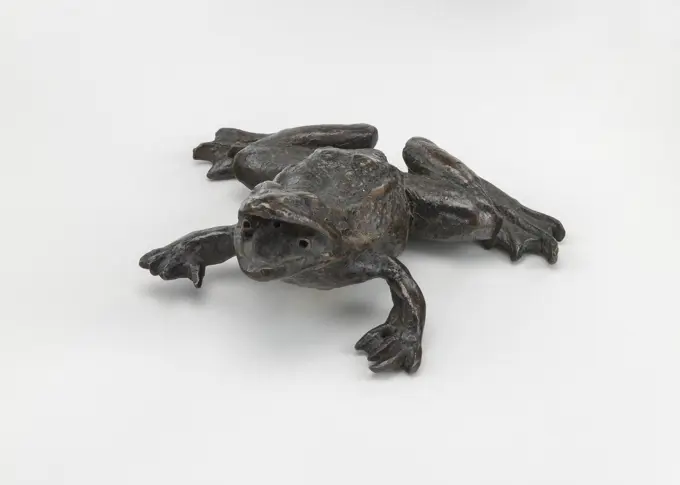
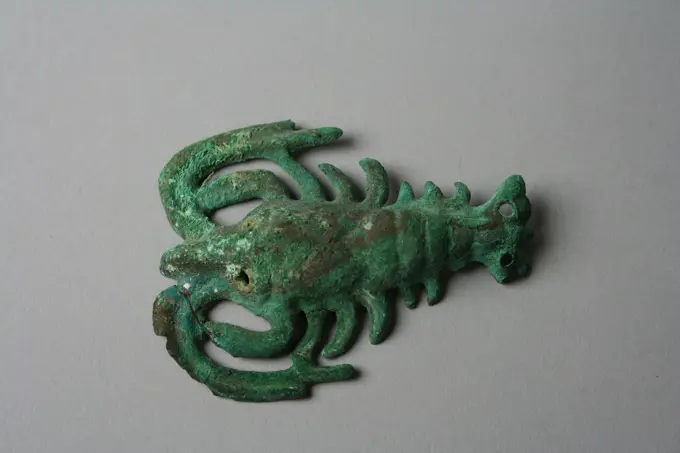
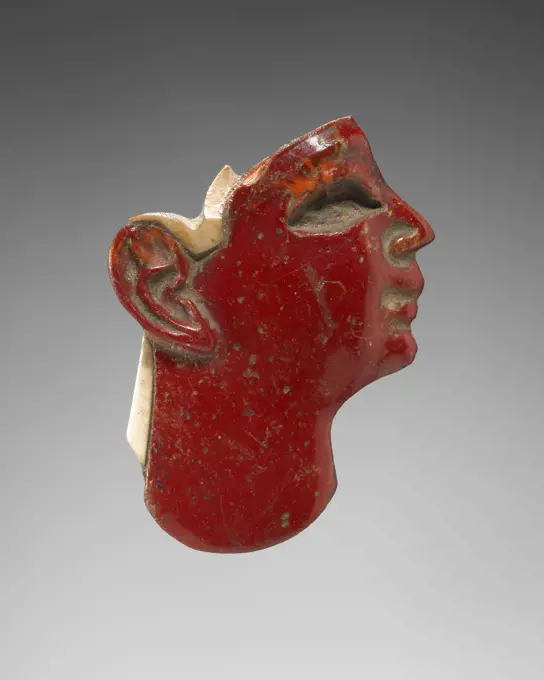
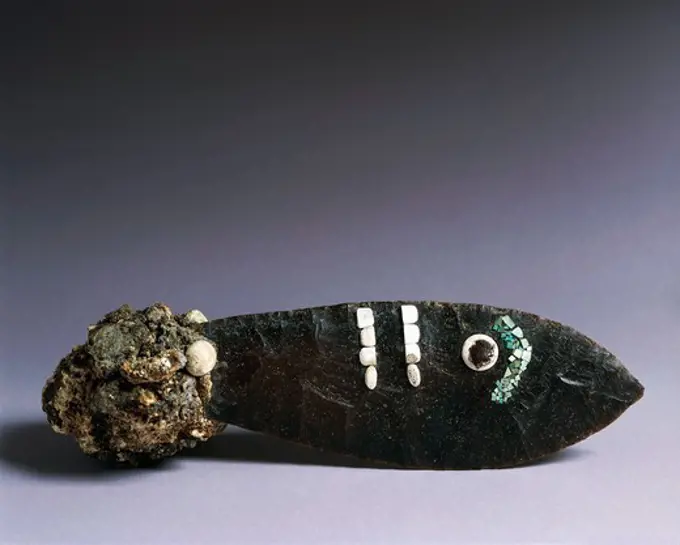
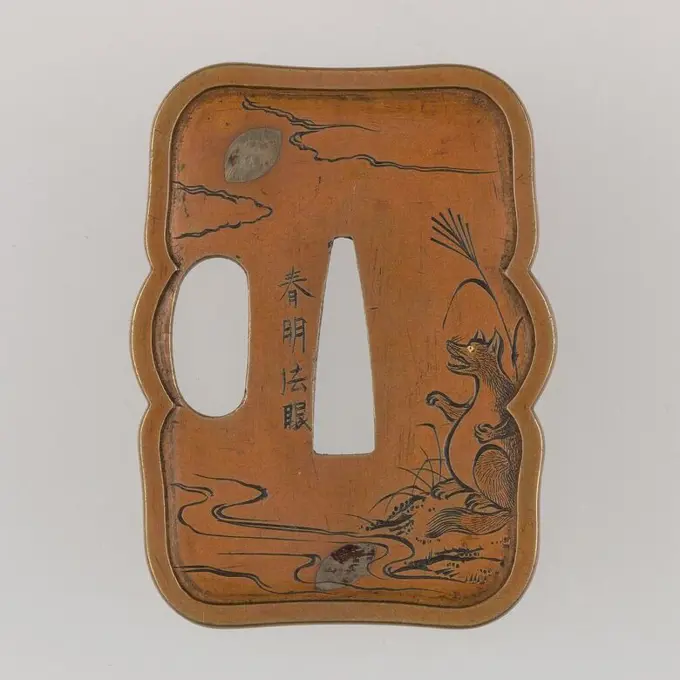
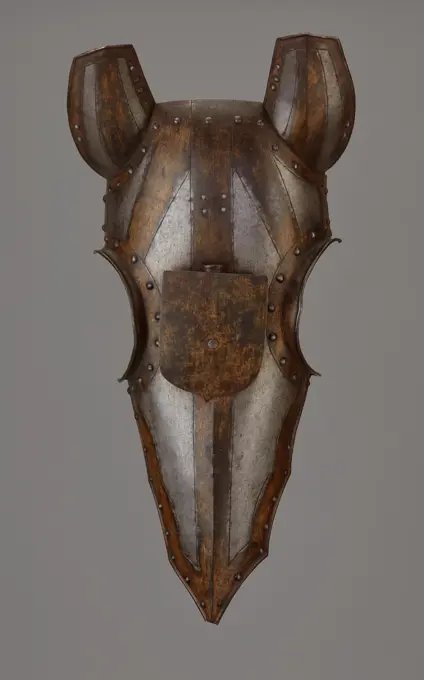
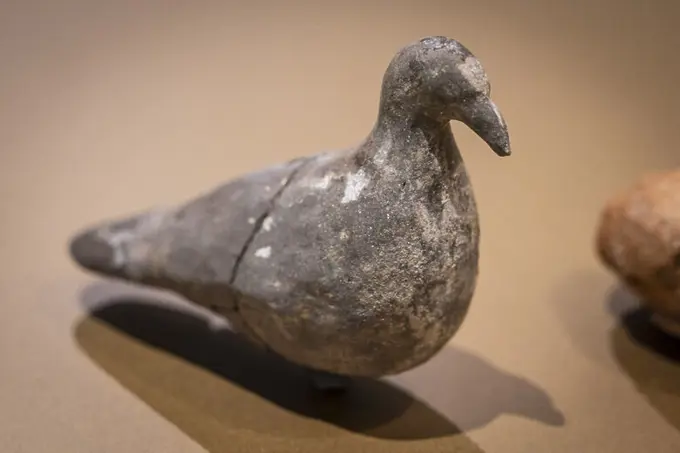
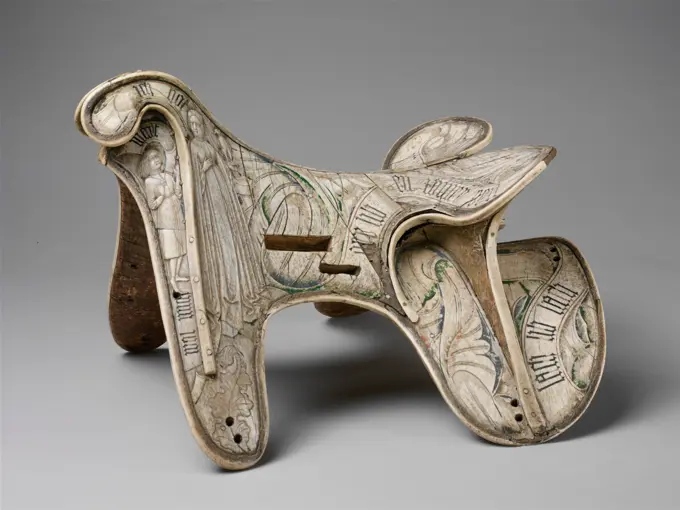
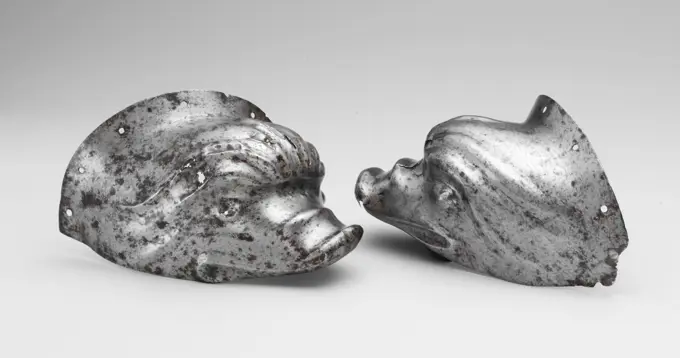
Vase fragment East Greek/Sardis, Lydian. Vase fragment 252776 East Greek/Sardis, Lydian, Vase fragment, Terracotta, Other: 2 5/8in. (6.7cm). The Metropolitan Museum of Art, New York. Gift of The American Society for the Excavation of Sardis, 1926 (26.199.209)Tlingit Chief's conical dance hat made from basket woven cedar fiber. (PR)Bird. Western Siberia or Volga/Kama region, 4th-11th century A.D.. Sculpture. Bronze, castterracotta rimsherdBrackets, 2 6th century B.C. Etruscan. Brackets, 2. Etruscan. 6th century B.C.. Bronze. Archaic. BronzesAnimal. Afghanistan, 1st century. Sculpture. Terracotta with paintHelmet (Sallet) late 15th-early 16th century Spanish, possibly Granada This helmet is the only known example of armor to survive from the entire Nasrid period in Spain (1230-1492). Traditionally, it is said it belonged to Abd 'Abd Allāh Muhammad, known in the West as Boabdil, the last Nasrid king of Granada (reigned 1482-83 and 1487-92) before it was reconquered by the Spanish.The helmet has the form of a typical Spanish sallet of the late fifteenth century, with cutouts over the eyes inspired by Islamic examples. The decoration, however, is extraordinarily rich and distinctive. The steel is covered entirely in a layer of gold leaf that is finely engraved with geometric and foliate designs; the edges are trimmed with silver. Delicate cloisonné enamels, evocative of Nasrid jewelry, are inset overall, further distinguishing this helmet as one of great rarity, quality, and beauty.. Helmet (Sallet) 24900Tusk figure of a man. Dimensions: H. 20.3 × Diam. 3.8 × Th. 0.5 cm (8 in. × 1 1/2 in. × 3/16 in.). Date: ca. 3900-3500 B.C.. Museum: Metropolitan Museum of Art, New York, USA.Handle with Eros. Handle with Eros 248163ancient stone bucket ancient stone bucket finely carved with iced water over black backgroungd Copyright: xZoonar.com/FrancescoxPerrex 737082Terracotta female figures wearing a long skirt and a flat head-dress (polos). Made during various times between 1350-1200 BC. Found in Athens and Melos.Bronze figure of a recumbent lion ca. 550-500 B.C. Etruscan The figure likely adorned a larger object, perhaps a brazier, a vessel that was associated with ritual offerings and banqueting that are frequently found in Etruscan tombs.. Bronze figure of a recumbent lion 330029Vessel supported by two rams. Culture: Sumerian. Dimensions: H. 2 3/4 x W. 4 5/8 x D. 1 3/16 in. (7 x 11.8 x 3 cm). Date: ca. 2600-2500 B.C.. Museum: Metropolitan Museum of Art, New York, USA.Waster Bowls. Thailand, Swankhalok, 14th-15th century. Furnishings; Serviceware. Stoneware with celadon glazeLead figure of a warrior with a helmet, shield, and spear 6th-5th century B.C. Greek, Laconian Small flat votive figurines of cast lead have been found in great quantities at the ancient sanctuaries of Laconia; over one hundred thousand, dating from the seventh century B.C. to the Classical period, were dedicated to the goddess Artemis Orthia in Sparta.. Lead figure of a warrior with a helmet, shield, and spear 251626 Greek, Laconian, Lead figure of a warrior with a helmet, shield, and spear, 6th5th century B.C., Lead, Height: 1 13/16 in. (4.6 cm). The Metropolitan Museum of Art, New York. Gift of A. J. B. Wace, 1924 (24.195.60)Box for Betel Leaves ca. 500 B.C.-A.D. 300 Indonesia (Sulawesi). Box for Betel Leaves. Indonesia (Sulawesi). ca. 500 B.C.-A.D. 300. Bronze. Bronze and Iron Age period. MetalworkLimestone arm holding a sword 3rd century B.C.-1st century A.D. Cypriot The left forearm and hand, the thumb of which is missing, belongs to a large statue. The hand holds the lower part of a wide, flat object, probably a sword.. Limestone arm holding a sword 242255Toggle from a Sword(Mandau)Lynx Rhyton. UnknownLazio Latina Sezze Antiquarium Comunale18. Hutzel, Max 1960-1990 German-born photographer and scholar Max Hutzel (1911-1988) photographed in Italy from the early 1960s until his death. The result of this project, referred to by Hutzel as Foto Arte Minore, is thorough documentation of art historical development in Italy up to the 18th century, including objects of the Etruscans and the Romans, as well as early Medieval, Romanesque, Gothic, Renaissance and Baroque monuments. Images are organized by geographic region in Italy, then by province, city, site complex and monument.Heart Scarab 688-525 B.C. Late Period. Heart Scarab. 688-525 B.C.. Lapis lazuli. Late Period. From Egypt, Upper Egypt, Thebes, Southern Asasif, Tomb MMA 1151, MMA excavations, 1920-22. Dynasty 26Bracelet. Western Iran, circa 1000-650 B.C.. Jewelry and Adornments; bracelets. Bronze, castHand of a Buddha. Culture: Japan. Dimensions: H. 6 1/8 in. (15.6 cm); W. 6 in. (15.2 cm); L. 15 1/2 in. (39.4 cm).One of the most common mudras in Japanese Buddhist sculpture--an open hand with an inflected index or third finger touching the thumb--symbolizes peace and the exposition of Buddhist teaching. It is most often associated with Shakyamuni, the historical Buddha, or Amida (Sanskrit: Amitabha), the Buddha of the Western Paradise. The modeling of this carving suggests the sensuous forms of religious sculpture of the early Heian period, when the styles and iconography of Tang-dynasty Esoteric Buddhist art were introduced to Japan from China. Museum: Metropolitan Museum of Art, New York, USA.Seventy deben weight. Dimensions: h. 9 cm (3 9/16 in); w. 6.5 cm (2 9/16 in); d. 5.5 cm (2 3/16 in); weight 1 kg (2.1 lbs). Dynasty: Dynasty 12, late. Date: ca. 1850-1640 B.C.. Museum: Metropolitan Museum of Art, New York, USA.Lamp 5th-6th century Small earthenware lamps, made from double molds, were the most commonly used source of illumination in daily Coptic life. A wick produced from plant fiber or linen fabric was placed in a reservoir filled with oil, generally castor or sesame oil. The disc of this red earthenware lamp is decorated with Pan playing pipes and is surrounded by a border of concentric circles.. Lamp 448013Terracotta sculptures in the form of vehicles, maybe offerings at funerals or gifts to the deity Last Quarter 3rd Millennium BC.Lime Pot in the Form of an Elephant late 11th-12th century Cambodia. Lime Pot in the Form of an Elephant. Cambodia. late 11th-12th century. Stoneware. Angkor period. CeramicsCeramic Animal Whistle 5th century B.C.-A.D. 4th century Bahia. Ceramic Animal Whistle 318640Worker Shabti of Nany ca. 1050 B.C. Third Intermediate Period See 30.3.28.1a, b. Worker Shabti of Nany. ca. 1050 B.C.. Faience. Third Intermediate Period. From Egypt, Upper Egypt, Thebes, Deir el-Bahri, Tomb of Meritamun (TT 358, MMA 65), first corridor, burial of Nany, MMA excavations, 1928-29. Dynasty 21Bronze helmet. Culture: Italic, Picene. Dimensions: H. 6 7/8 in. (17.4 cm). Date: early 6th century B.C..Hemispherical shape with deep brim. Museum: Metropolitan Museum of Art, New York, USA.Cover for a carriage axle.Shaffron Made 1510-1530 Nuremberg. Steel and leather .Eye of Horus Amulet, 945-715 BC. Egypt, Third Intermediate Period, Dynasties 22-25. Turquoise faience; overall: 1.8 x 0.4 cm (11/16 x 3/16 in.).Duck Head Finial, c. 1400-1300 BC. Possibly Hungary, Bronze Age, c. 2500-800 BC. Bronze, cast; overall: 5 x 2.1 x 4.9 cm (1 15/16 x 13/16 x 1 15/16 in.).VASO DE PIEDRA DURA. URNA DE SERPENTINA. PREDINASTICO. Location: EGYPTIAN MUSEUM. KAIRO. EGYPT.Horse and rider ca. 750-600 B.C. Cypriot The figurine is handmade and solid. A small figure rides a horse with two heads and one body. He sits on a flat "handle" that splits to join each horse's neck.. Horse and rider 241322Attic Black-Figure Neck Amphora Fragment. Unknown about 510 B.C.Djed pillar 525-30 BC Late Period-Ptolemaic Period Starting in the later Late Period and continuing through the Ptolemaic Period, a type of glass amulet cast by pressing the glass into a shallow open mold appears. The back was left rough, and the amulets may look ragged because glass overflowed the mold around the edges. The earlier amulets are monochrome, bi- or multicolor amulets supplement the repertoire during the Ptolemaic Period.. Djed pillar. 525-30 BC. Blue Glass. Late Period-Ptolemaic Period. From EgyptAuguste Rodin, Right Hand, possibly 1880s Right HandFeline Bottle 600-400 B.C. Tembladera An unusual vessel shape known as the stirrup-spout bottle appeared with the Cupisnique culture on Perus north coast during the Formative period (1800-200 B.C.). The name “stirrup spout” refers to a bottle with a spout resembling the footrest of an equestrian saddle. This piece was said to have been found at the archaeological site of Tembladera (1200-800 B.C.) in the Jequetepeque Valley, where it was likely one of several prestigious objects placed in a grave. Its trapezoidal handle with a long, flaring neck is typical of the ceramic vessels from this region and is among the earliest examples in the Museums collection. Elaborate stirrup-spouts are attached to chambers that are modeled or, in later periods, slip-painted. In this example, the body of the vessel is in the shape of a crouching feline. The figure was likely fired in a low oxygen environment, producing the dark grey-brown, almost black color. Before firing, its surface was burnished wiArchitectural ModelUpper part of a baboon ca. 1950-1900 B.C. Middle Kingdom. Upper part of a baboon. ca. 1950-1900 B.C.. Faience, Paste. Middle Kingdom. From Egypt, Memphite Region, Lisht North, Cemetery south of pyramid below house A2:2, Pit 304, MMA excavations, 1913-14. Dynasty 12, earlyDotaku (Bronze Bell). Culture: Japan. Dimensions: H. 43 1/2 in. (110.5 cm). Date: 1st-2nd century.Produced during the late Yayoi period, the distinctive clapperless Japanese bronze bells known as dotaku are thought to derive from earlier, smaller Korean examples that adorned horses and other domesticated animals. Dotaku were buried, singly, in pairs, and in large groups--occasionally with bronze mirrors and weapons--in isolated locations, often on hilltops, perhaps to ensure a community's agricultural fertility. Later dotaku had relatively thin walls and would not have resonated, so it assumed their purpose was primarily ritual. Museum: Metropolitan Museum of Art, New York, USA.Shell with Inlaid Feline, 100 BC-700. Peru, South Coast, Nasca style (100 BC-AD 700). Spondylus shell with shell, stone, and gold inlay; overall: 7.5 x 7.4 cm (2 15/16 x 2 15/16 in.).Compressed Spherical Bowl ("Alms Bowl"). China. Date: 960 AD-1279. Dimensions: H. 6.4 (2 9/16 in.); diam. 10.6 cm (4 3/16 in.). Marbled earthenware with clear glaze. Origin: China. Museum: The Chicago Art Institute, Chicago, USA.Saddle with Stylized Flowers. Culture: Japan. Dimensions: H. 13 in. (33 cm); L. 15 3/8 in. (39.1 cm). Date: inscribed 1491; relacquered, 17th century.During the peaceful Edo period, sets of saddles and stirrups were often richly decorated with matching maki-e (sprinkled picture) designs and mother-of-pearl inlays. This light, carefully crafted saddle, however, is dated on its reverse to 1491 (Entoku 3), which suggests that it might have seen use during the turbulent samurai warfare of the Muromachi period. Saddles such as this one were treasured by samurai families and were not only carefully preserved but also relacquered and redecorated in the Edo period to reflect the tastes of the time. The flower decoration on this saddle's pommel is inspired by Chinese brocades. Museum: Metropolitan Museum of Art, New York, USA.Jardiniere Jardiniere; Manufactured by Stellmacher Teplitz; earthenwareAmulet of a Situla (Jar). Egyptian. Date: 1070 BC-664 BC. Dimensions: 1.9 × 1.3 × 1.3 cm (3/4 × 1/2 × 1/2 in.). Faience. Origin: Egypt. Museum: The Chicago Art Institute, Chicago, USA. Author: Ancient Egyptian.Grape shot. Green painted grape, in terms of caliber, corresponds to the balcony.Fragment Come from V.O.C. ship De 'Witte Leeuw', Anonymous, Before 1613 bowl Fragment Come from V.O.C. ship De 'Witte Leeuw', 45 present. Shatou porcelain   Sint-HelenaEarring, 1540-1296 BC. Egypt, New Kingdom, Dynasty 18, 1540-1296 BC. Travertine;Ring with a Recumbent Lion 1550 BCE-1069 BCE Egypt. Glass, faience . Ancient EgyptianCylinder vase ca. 3100-2900 B.C. Early Dynastic Period. Cylinder vase. ca. 3100-2900 B.C.. Travertine (Egyptian alabaster). Early Dynastic Period. From Egypt, Northern Upper Egypt, Abydos, Umm el-Qaab, Tomb of Djer, Egypt Exploration Fund excavations. Dynasty 1Bronze emblem-sword, detail of hilt, from MedgidiaStock market of turquoise blue satin on which floral motifs embroidered with silver and gold thread and colorful silk, anonymous, c. 1650 - c. 1700 Fair of turquoise-blue satin on which floral motifs embroidered with silver and gold thread and colorful silk. The fair consists of four equal shield -shaped parts that form a square top and walk around at the bottom. On the parts two varied symmetrically constructed patterns of flowers, flower vines and two bows, which almost completely decorate the satin. The edge of the stock market is trimmed with gold passion, along the eyes of the opening before the locking cord (which is missing) embroidery stitches with gold thread. At the bottom of a double brush of o-shaped gold thread. The fair is lined with unadorned green silk. France (possibly) whole: Silk. decoration:. Decoration: Silver thread. Decoration: Silk. lining: Silk embroidering Fair of turquoise-blue satin on which floral motifs embroidered with silver and gold thread and colorful PendantAntical Art Collection, Piątkowski A., PurchaseFragments Pijpenkoppen from the wreck of the East Indians Hollandia, Anonymous, 1700 - in Or Before 1743  Pipe, bowl, heelmark: crowned 82; fragment, no hsm. Netherlands pipe clay   SecondLadleStone Temple Model. Culture: Mezcala. Dimensions: Height 6-5/16 in.. Date: 1st-8th century. Museum: Metropolitan Museum of Art, New York, USA.Home model;  XIII century (1201-00-00-1300-00-00);Ceramics, models, Islamic art, Persian art, purchase (provenance), templesString of Mushrooms first half 19th century Japan Mushroom and fungi are symbols of longevity. Their simple yet aesthetically appealing arrangement in a horizontal line emphasizes this association. Mushrooms and vegetables became favored subjects of eccentric Edo period painters.. String of Mushrooms. Japan. first half 19th century. Ivory. Edo period (1615-1868). NetsukeLamp 7th-11th century. Lamp 451759Footed tripartite dish ca. 9th century B.C. Iran. Footed tripartite dish 325046Fragment of Suspension Hook, possibly for BirdCageBucranium ca. 1640-1550 B.C. Second Intermediate Period. Bucranium 559402Scarab of the Storehouse Overseer Wah. Dimensions: scarab: l. 3.9 cm (1 1/2 in.); w. 2.7 cm (1 1/16 in.); h. 2.5 cm (1 in.); barrel bead: l. 1.4 cm (9/16 in.); diam. 1 cm (3/8 in.); cylindrical bead: l. 1.9 cm (3/4 in.); 0.8 cm (5/16 in.)overall length: 43 cm (16 15/16 in). Dynasty: Dynasty 12. Reign: reign of Amenemhat I, early. Date: ca. 1981-1975 B.C..The estate manager Wah was buried in a small tomb near the imposing one of his employer, Meketre, an important official who began his career under Mentuhotep II of Dynasty 11 and continued to serve successive kings into early Dynasty 12. Wah's burial was found intact by the Museum excavators and the objects came to the Museum in the division of finds. In 1939, x-rays of Wah's mummy revealed the presence of jewelry and in 1940 the mummy was unwrapped. Among the jewelry were three scarab and bead bracelets (40.3.12-.14). All three were found in wrappings over the wrists of Wah's mummy. This large silver scarab is of exceptionally fine woAmida (base), 1300s. Japan, Kamakura period (1185-1333) to Nanbokuchō period (1336-92). Wood;Bracelet with Bells. Thailand, Ban Chiang culture, Dongson Culture, 300 B.C.-A.D. 150. Jewelry and Adornments; bracelets. Copper alloyCanopic Jar with Lid, 1540-1296 BC. Egypt, New Kingdom, Dynasty 18. Limestone; diameter: 23 cm (9 1/16 in.); diameter of mouth: 10.6 cm (4 3/16 in.); overall: 48.4 cm (19 1/16 in.).Vase fragment Roman. Vase fragment. Roman. Terracotta. VasesFinial. Iran, Luristan, Luristan Bronzes, circa 1350-800 B.C.. Architecture; Architectural Elements. Bronze, castSwan of iron, c. 1400 - c. 1950 An iron swan.  iron (metal) An iron swan.  iron (metal)Bronze axes, Poland. Lusatian Culture.Bird. Culture: Coptic. Dimensions: Overall: 1 7/8 x 2 11/16 x 1 13/16 in. (4.8 x 6.9 x 4.6 cm). Date: 4th-7th century. Museum: Metropolitan Museum of Art, New York, USA.Fragment 15th-16th century. Fragment 446362Tool, pickaxe (common name). Cervid, cut and polished wood. Carnavalet museum, history of Paris.Hintha duck weight, 20 Tical. unknown, craftsmanFour-piece bronze mold for the bottom of possible pepper spreader, cast molding tool tools base metal bronze, cast turned Four-piece bronze mold for pouring bottom with base for possible pepper spreader bottom, Rotterdam tin casting tin tin Meeuws Druy craft Forms come from the originally 18th century Rotterdam tinnegieter J Druy. The large molds that were not signed or dated were the property of the tinker guild and were rented to the small tin caster.Bucranium ca. 1640-1550 B.C. Second Intermediate Period. Bucranium 554389SpoonNetsuke of Three Turtles 18th century Japan. Netsuke of Three Turtles 60461Purse, Medium: silk, gilt wire, metal-wrapped silk-core threads Technique: plain weave with discontinuous weft (tapestry weave), Small purse with four identical shield-shapes sides and a draw-cord top, lined with blue silk damask. On each side is a symmetrical design of a flowering plant with birds perched in the branches. The panels are joined with narrow gold braid; the top is bound with the same. Beads at the ends of the draw-cord are covered with silver and gold net., France, 17th century, costume & accessories, PurseMolded Gem Inset Into Fragmentary Ring. UnknownDouble Kohl Tube. Dimensions: H. 15.9 (6 1/4 in); w. 6.2 (2 7/16 in); th. 2.5 cm (1 in). Dynasty: Dynasty 18-19. Date: ca. 1400-1200 B.C.. Museum: Metropolitan Museum of Art, New York, USA.Fragment blowjob. Fragment pipe head with crown and cup and letters A and N depicted, enclosed by flower branches. Of the excavations at the Hofstede Arentsburg 1827-1831 under the supervision of professor Reuvens.Conch Shell Trumpet. Culture: Melanesian. Dimensions: 12 × 6 in. (30.5 × 15.2 cm). Date: late 19th century. Museum: Metropolitan Museum of Art, New York, USA.Paduan 16th Century, A Frog, early 16th century A FrogWeather Vane, anonymous, c. 1400 - c. 1950  A Windwijzer in the form of a herring tube with a large mast ironed. The breeding mast is placed slanted. unknown iron (metal)Crayfish 6th-7th century Moche (Loma Negra). Crayfish 314470Head Inlay; Egypt; 1540 - 1075 B.C; Glass; 3 cm (1 3,16 in.)Fangyi wine vessel, early 12th century BCE, 11 5/8 × 7 3/16 × 5 11/16 in., 11.7 lb. (29.53 × 18.26 × 14.45 cm, 5.3 kg)6 × 4 11/16 in. (15.24 × 11.91 cm) (object part, mouth-b)6 3/8 × 4 13/16 in. (16.19 × 12.22 cm) (object part, mouth-a)6 × 4 1/2 in. (15.24 × 11.43 cm) (object part, foot), Bronze, China, 12th century BCEAztec civilization, Mexico, ceremonial knifeFIGURA DE TORO DE BRONCE. IBERICO ESCULTURA. (DEPOSITO: MUSEO ARQUEOLOGICO NACIONAL).Paisley OrnamentSword Guard (Tsuba). Culture: Japanese. Dimensions: H. 2 1/4 in. (5.7 cm); W. 1 5/8 in. (4.1 cm); thickness 1/8 in. (0.3 cm); Wt. 2.1 oz. (59.5 g). Date: 19th century. Museum: Metropolitan Museum of Art, New York, USA.Some of the armor for the horse's head, according to the tradition, covered the spinoli horse unknownclay figure in the shape of a bird, 5th-1st century BC, Giribaile, Vilches, Iberian Museum of Jaén, Andalusia, Spain.Parade Saddle 1400-1450 German or Tyrolean The German inscriptions are a romantic dialogue and translate in part, "I hope for dear summertime; wait--be willing in favor of me; smile, love, smile." The lady holds a falcon, symbol of Minne (courtly love), because it was believed to return to its master by affection and not by force. In the nineteenth century, this saddle was part of the collection of Tratzberg Castle in the Austrian Tyrol.. Parade Saddle 21990Appliqué for a funeral couch. UnknownPair of Ear Guards from a Shaffron (Horse's Head Defense) ca. 1525-30 German, probably Augsburg Long overlooked in the Museum's collection, these unusual ear guards are exceptional in taking the form of stylized dolphins. Each dolphin is forged in high relief from a style plate with an outward-turned flange at the base that is pierced with a series of rivet holes through which it was attached to the shaffron. Each dolphin has a bulbous, furled brow with ridges that extend down either side of the face; eyes; a rippled snout with upturned end; and a mouth. When mounted, each would have faced upward, its brow facing forward and the horse's ear contained within its mouth. The ear guards have never been etched and show no signs of surface coloring such as bluing, blackening, gilding, or damascening. They therefore may have been intended to be left "white" (brightly polished). The plates have suffered heavy corrosion over the years, resulting in a number of small holes or cracks that were fi