Ancient Lamps and Whistles

A collection of ancient terracotta lamps and pottery whistles, featuring various shapes and styles from Greek and Costa Rican origins, showcasing historical craftsmanship.
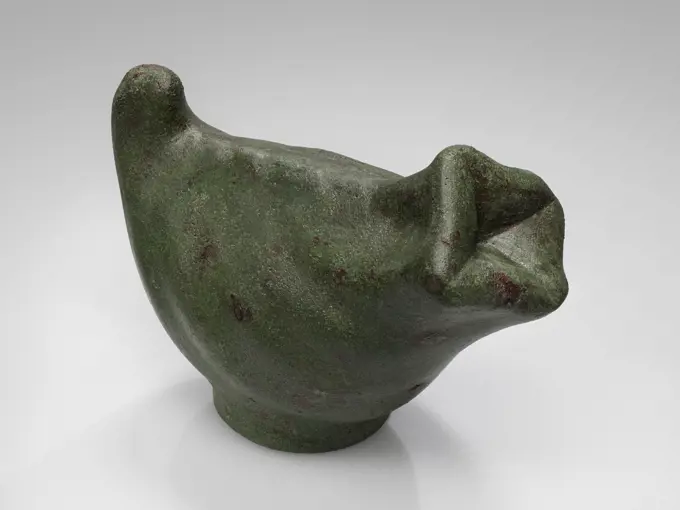
Votive Uterus; Etruria; 4th century B.C; Bronze; 9.4 x 12.7 cm (3 11,16 x 5 in.)
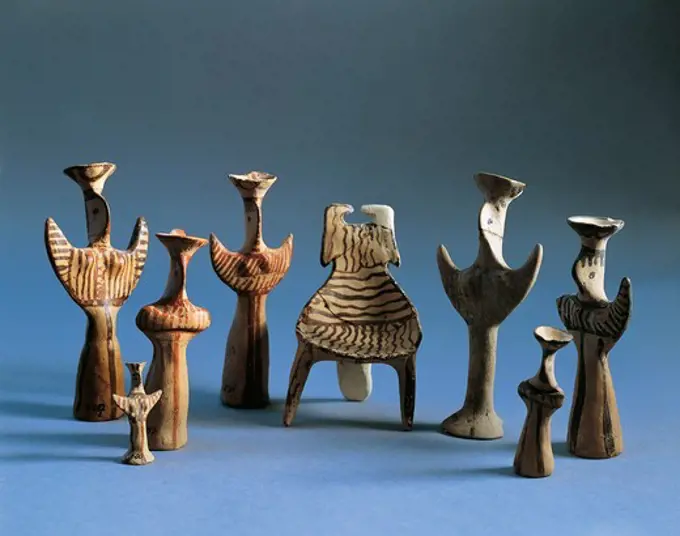
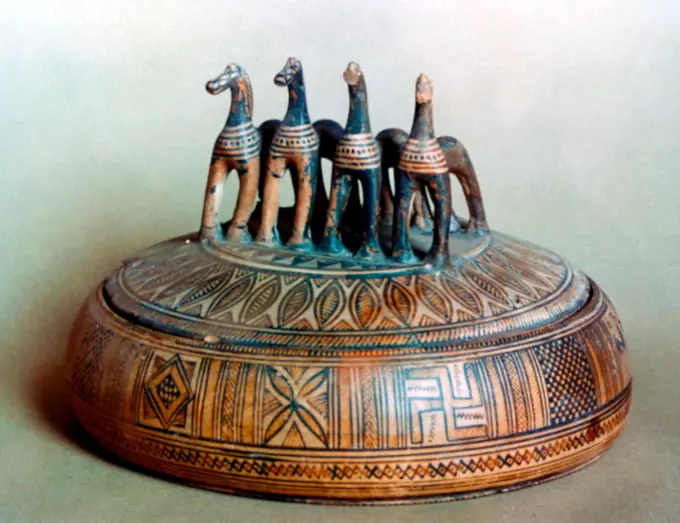
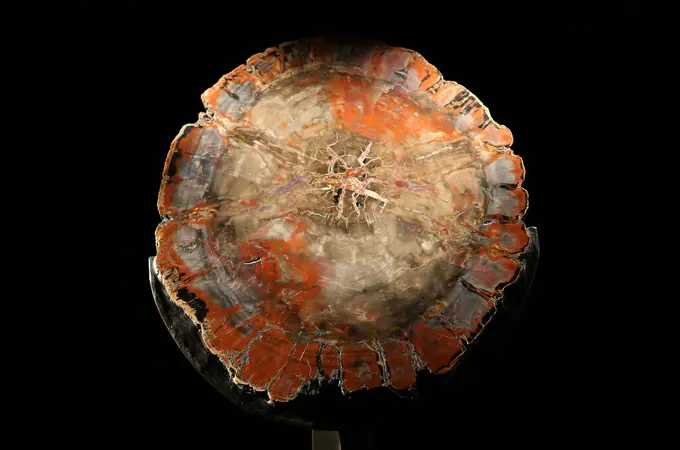
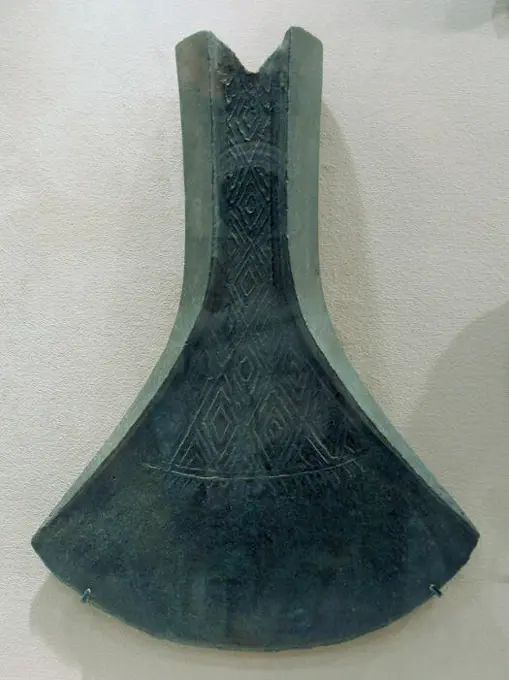
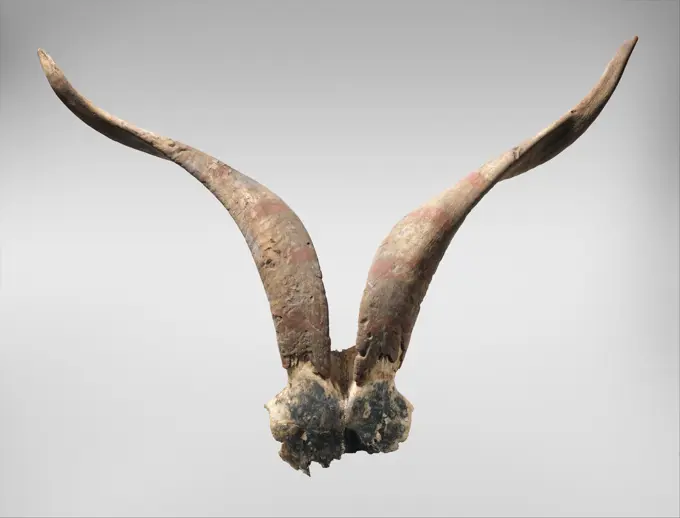
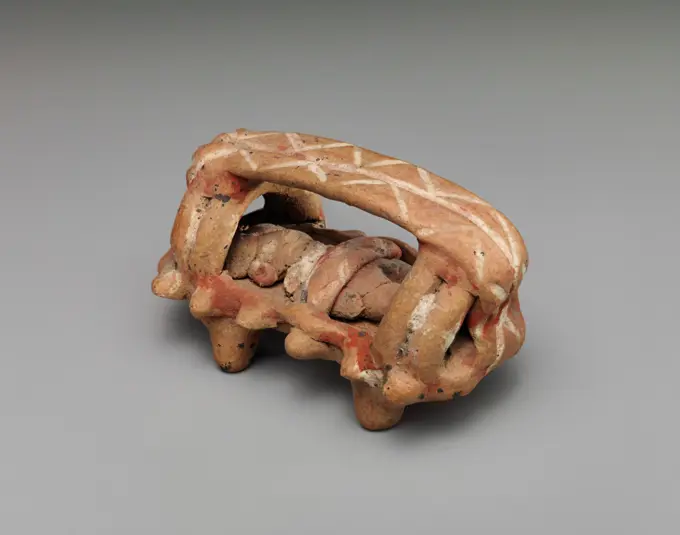
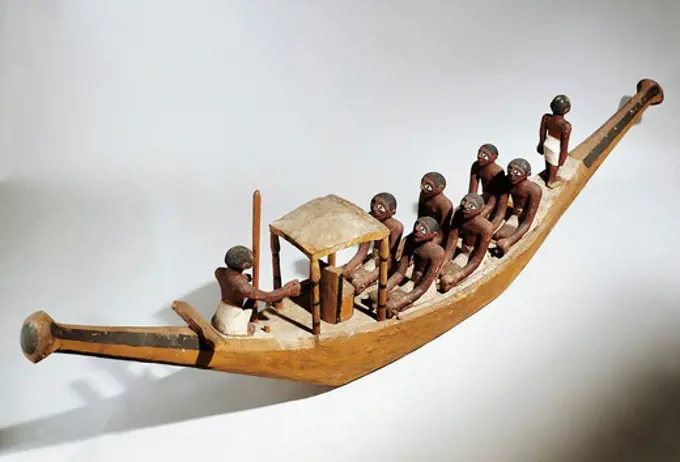
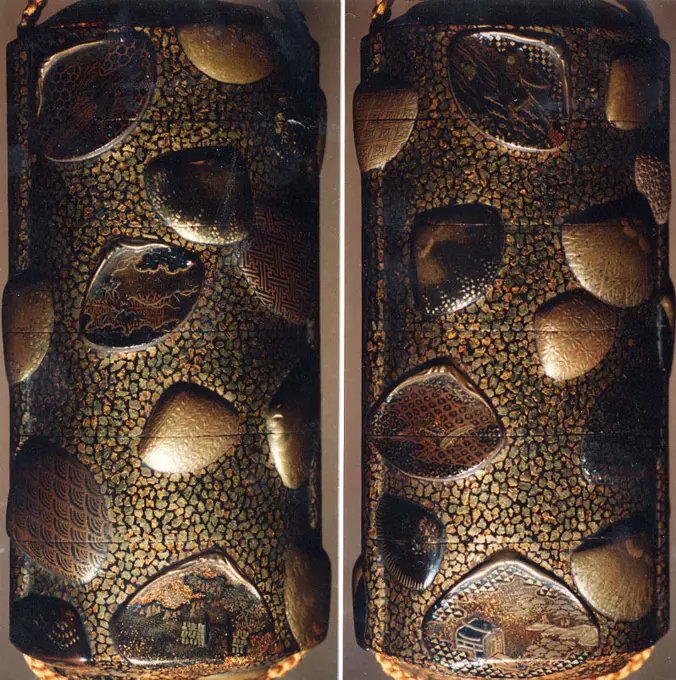
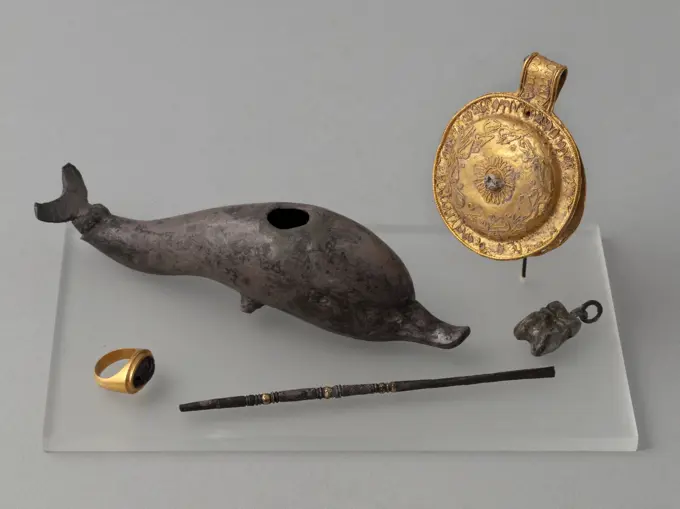
Funeral furniture: plastic vase in the shape of a dolphin; ossicle; ring; Box pendant. Silver metal; gold and garnet; gold. Héllenistic period, around 200 BC. AD Museum of Fine Arts of the City of Paris, Petit Palais. 59721-11 Antiquity Greco-Romaine, silver, ancient art, funeral bagciérite, belief, dolphin, hellenistic time, iiieme IIIe III 3e 3e 3rd century AV.J-C., Precious metal, funerary furniture, gold, bone, pendant, semi-pronouous stone, vase Ancient, animalFemale idols and terracotta model of chair, from tomb 25 of Kolonaki cemetery at ThebesLid from an Attic pyxis (7th-6th centuries BC), Late Geometric pottery pyxis with a quadriga of horses. A pyxis was a shallow and circular lidded receptacle used by women for cosmetics and jewellery.Marble right hand and wrist with a supporting strut. Culture: Roman. Dimensions: L.,5 3/4", W.,5". Date: 1st or 2nd century A.D..The strut supported the arm against the side of the (now lost) statue. Museum: Metropolitan Museum of Art, New York, USA.Pair of Stirrups. Culture: possibly Netherlandish or Spanish. Dimensions: H. 5 in. (12.7 cm); W. 5 1/2 in. (13.97 cm). Date: early 17th century.This shape of stirrup, with its flaring sides, evolved from 16th-century German types and became very popular in several other countries in the first decades of the 17th century, including the Netherlands, Northern Italy or Spain. Museum: Metropolitan Museum of Art, New York, USA.Inlay in the Form of an Eye. UnknownPetrified wood. Chalcedony Park, Arizona, United States. American Museum of Natural History, New York. USA.Headrest 16th-19th century Tellem peoples. Headrest 310391Megalodon s tooth on a white stand. a Megalodon tooth on a white stand. Copyright: xZoonar.com/NikolayxZirovx 16569057String of 7 Eyed Beads 1st Millennium BC-1st Millennium AD Third Intermediate Period-Islamic Period. String of 7 Eyed Beads. 1st Millennium BC-1st Millennium AD. Glass. Third Intermediate Period-Islamic Period. From EgyptSwallowtail Hafted Ax with Diamond Pattern ca. 500 B.C.-A.D. 300 Indonesia (Java, Lumajang, Pasiran). Swallowtail Hafted Ax with Diamond Pattern. Indonesia (Java, Lumajang, Pasiran). ca. 500 B.C.-A.D. 300. Bronze. Bronze and Iron Age period. MetalworkBucranium ca. 1640-1550 B.C. Second Intermediate Period. Bucranium 559398Bed Figure 3rd century B.C.-A.D. 4th century Michoacan This figure features a modelled human figure complete with appliqued facial features, coiffure, and ear spools lying stretched out on a flat surface supported on four legs at the corners, hence the name bed figures. The figure appears to be strapped to the bed with a wide decorated band across the midsection. Across the top and bottom ends of the bed are arches, and an additional cover stretching over the top and bottom arches. The bed has modelled and incised decoration and remains of red and white pigment.. Bed Figure. Michoacan. 3rd century B.C.-A.D. 4th century. Ceramic. Mexico, Mesoamerica. Ceramics-SculptureHand of a mannequinStill-life, antique shoes, early 19th century Turkish shoes in inlaid leather with silver plaques.Egypt, Gebelein, Ship model in coloured plastered wood from tomb of EniCase (Inr) with Design of Shells 19th century Ty Japanese. Case (Inr) with Design of Shells. Ty (Japanese, active second half of the 18th century). Japan. 19th century. Lacquer, roiro, gyobu, gold, black, silver and brown hiramakie, takamakie; Interior: nashiji and fundame. Inr