Ancient Lamps

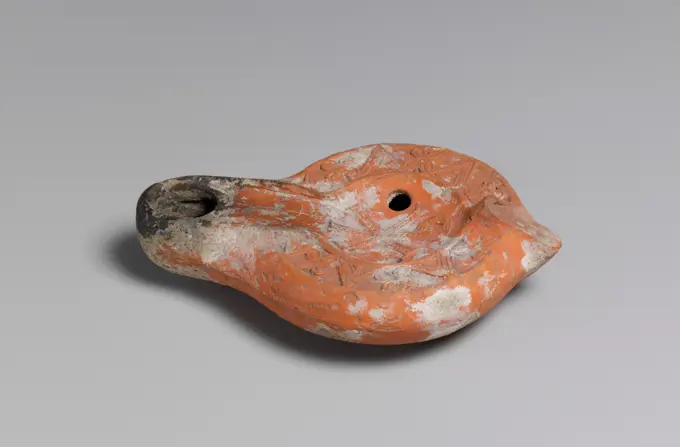
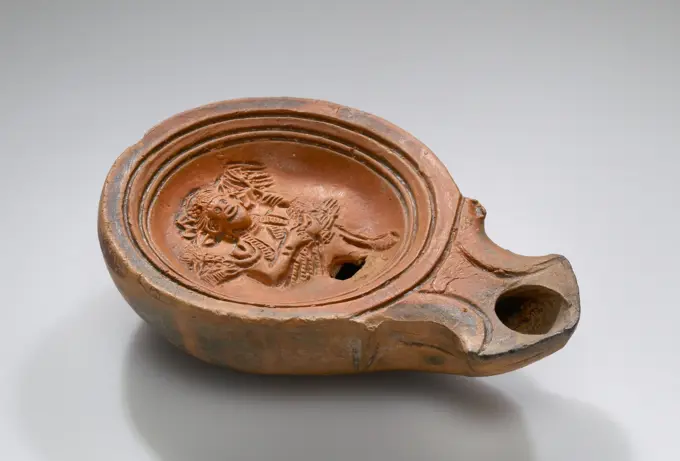
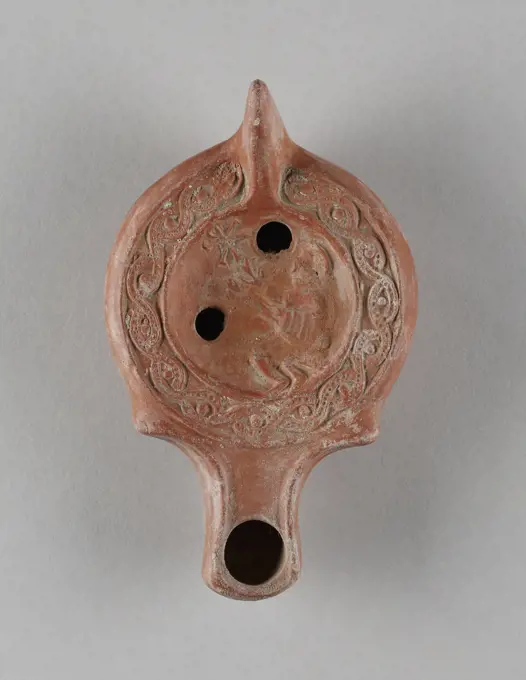
Terracotta oil lamps with historical significance from various cultures, showcasing unique designs and craftsmanship, reflecting ancient lighting methods.
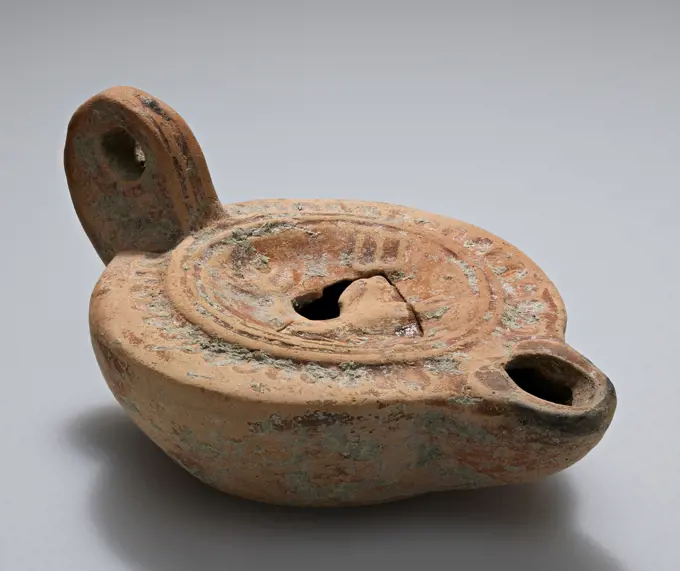
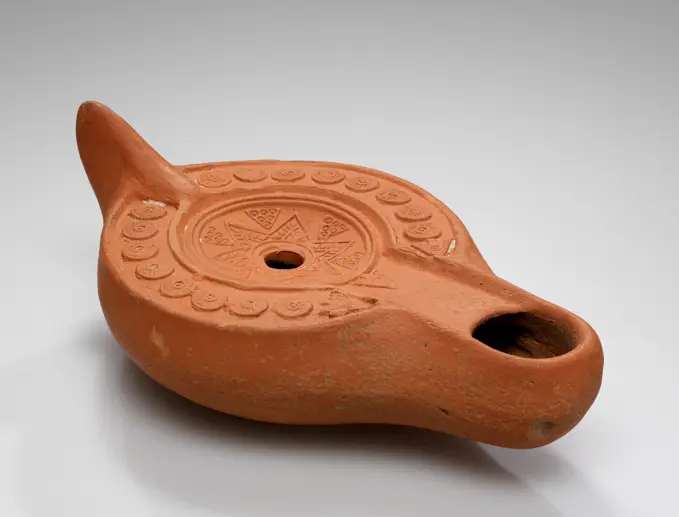
Lamp; Italy; 2nd century; Terracotta; 3.6 × 5.4 × 7.7 cm (1 7,16 × 2 1,8 × 3 1,16 in.)
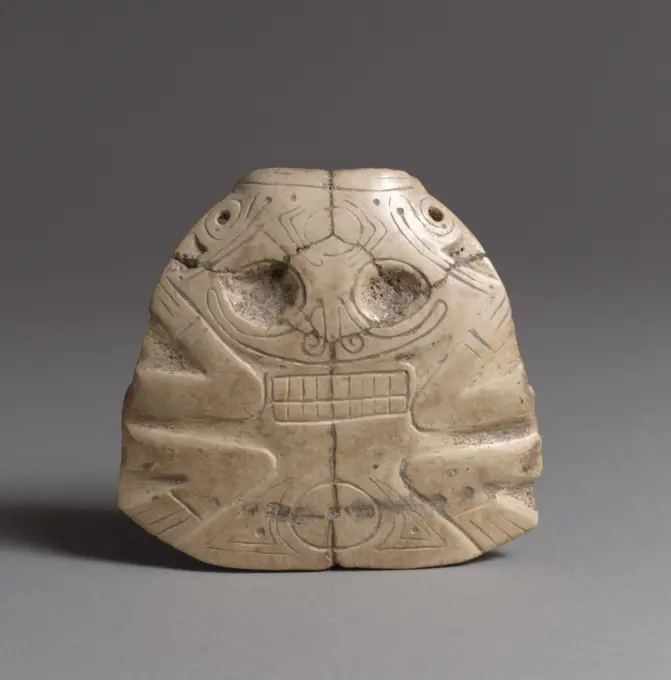
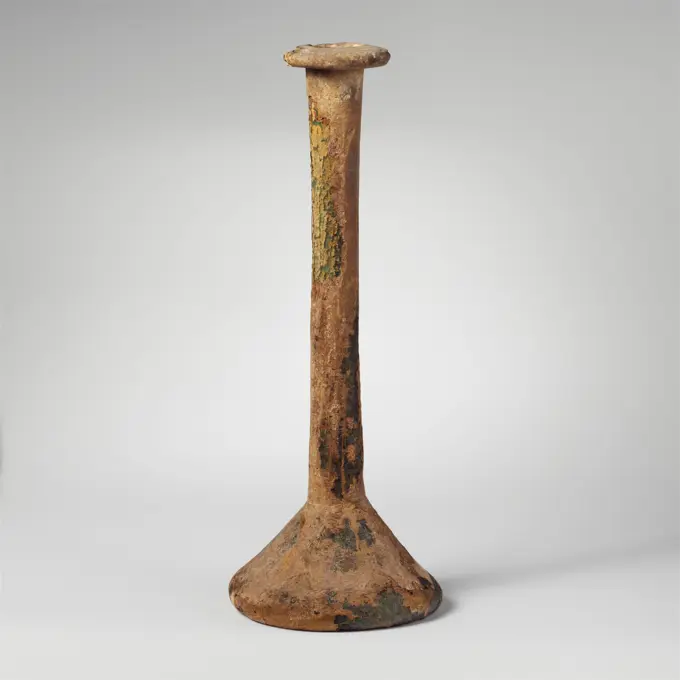
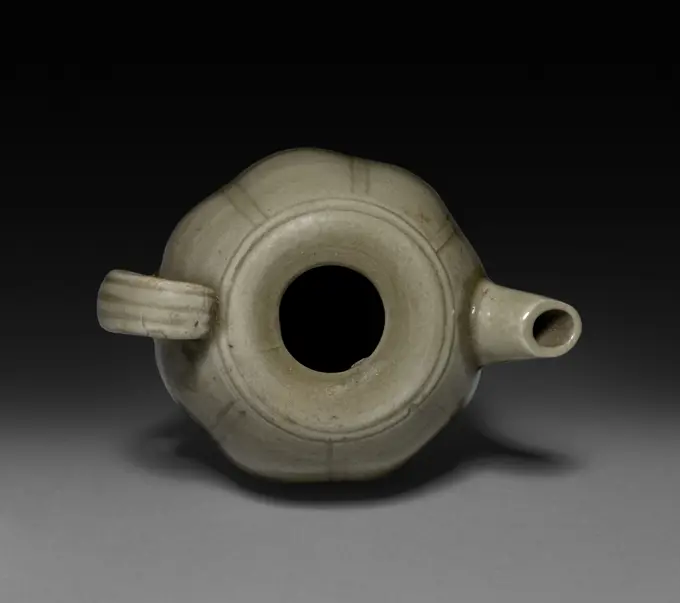
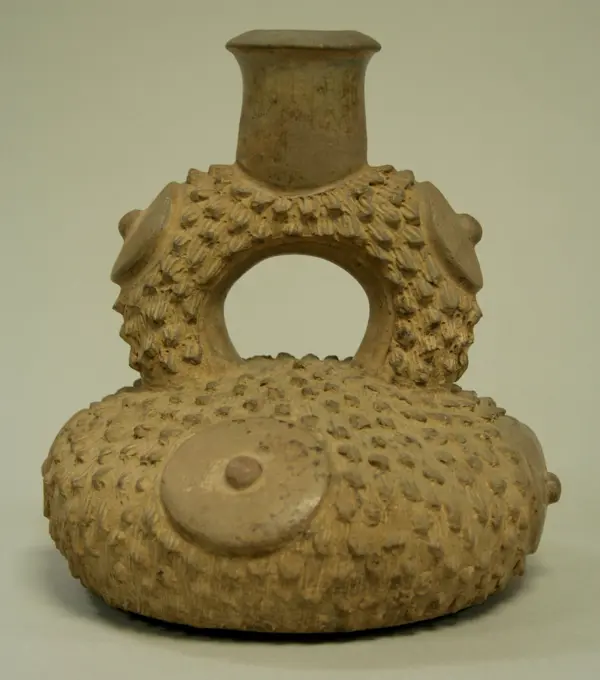
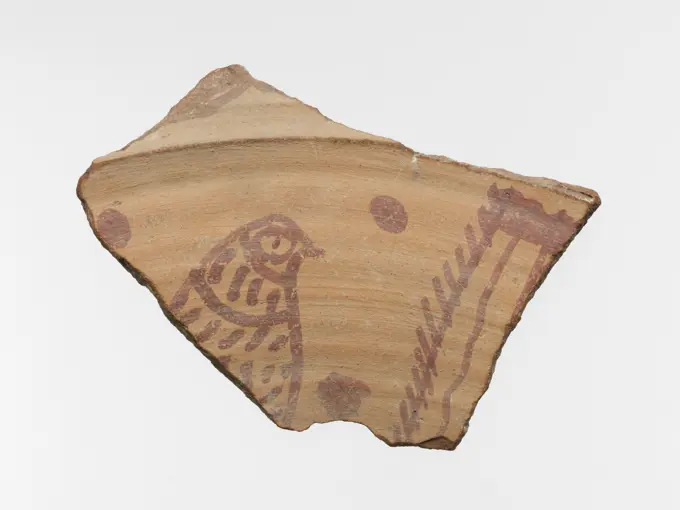
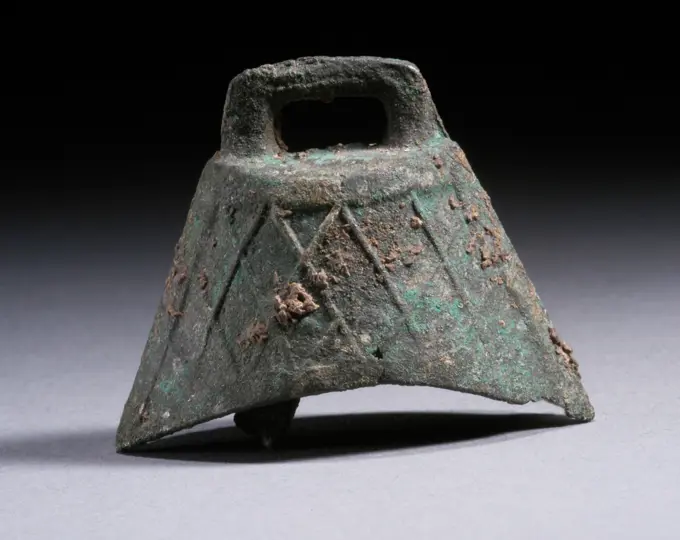
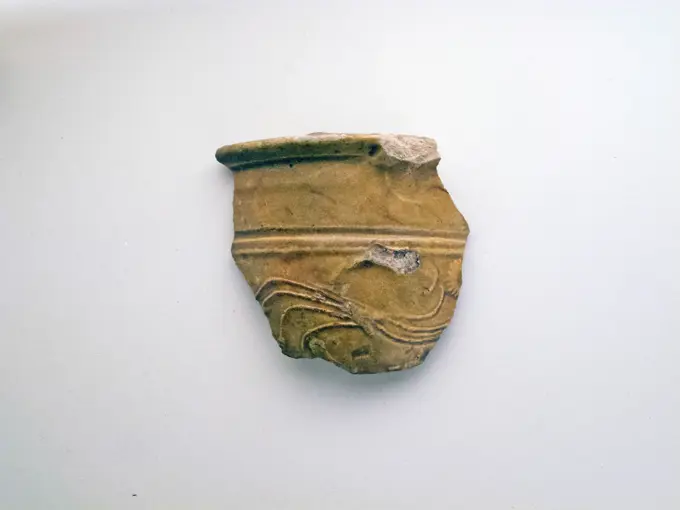
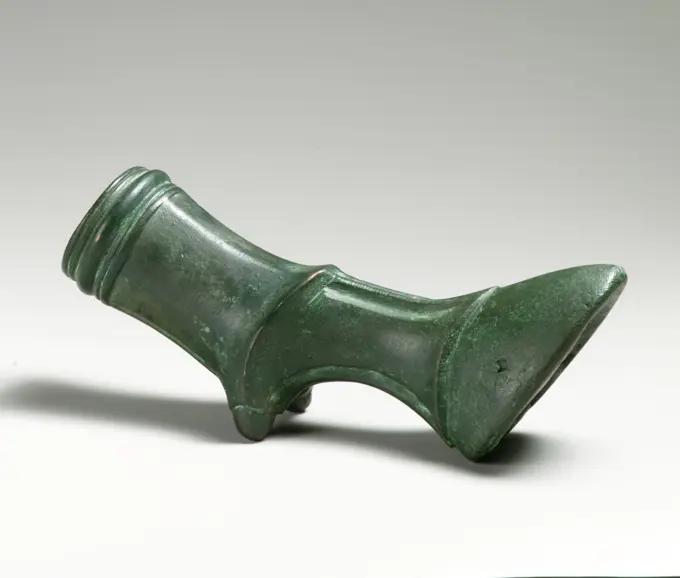
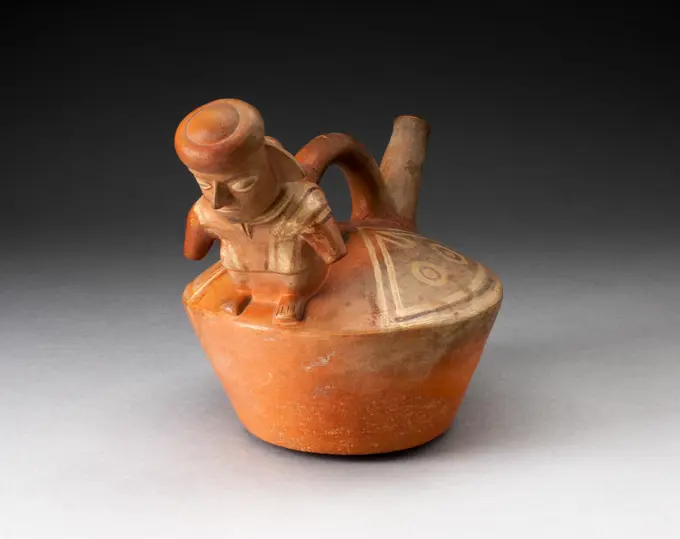
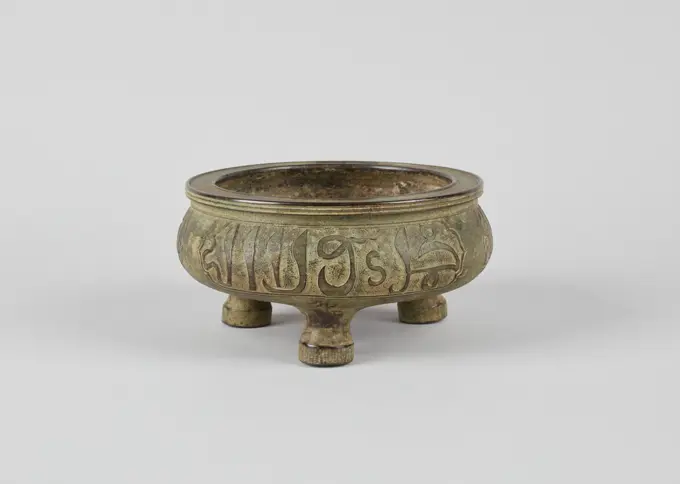
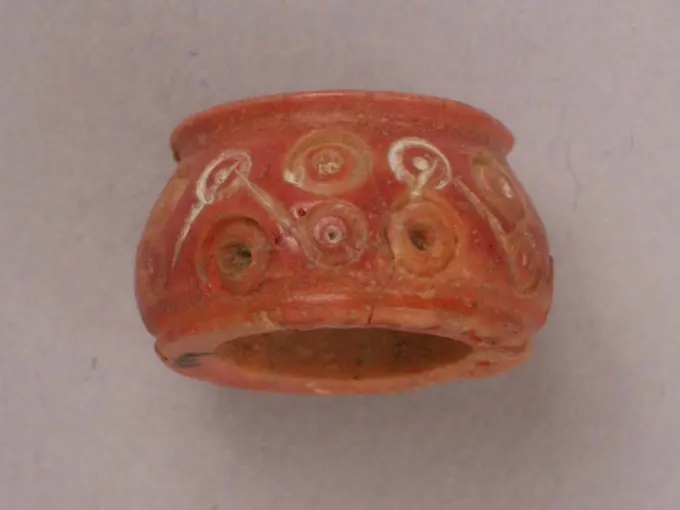
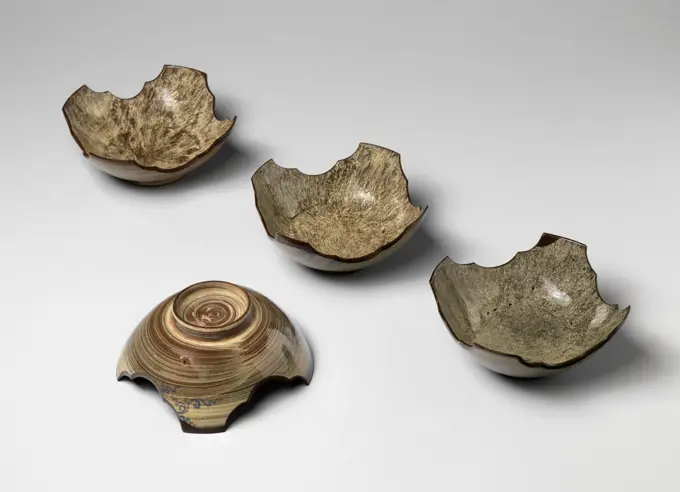
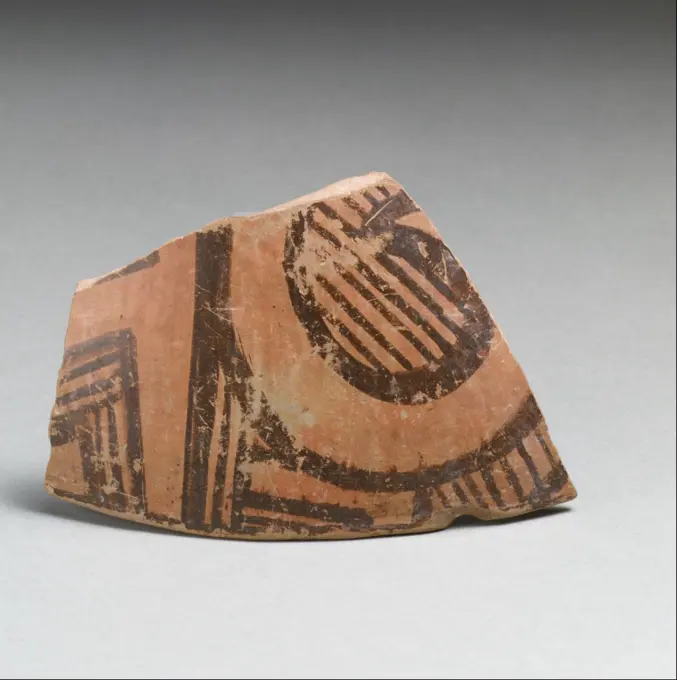
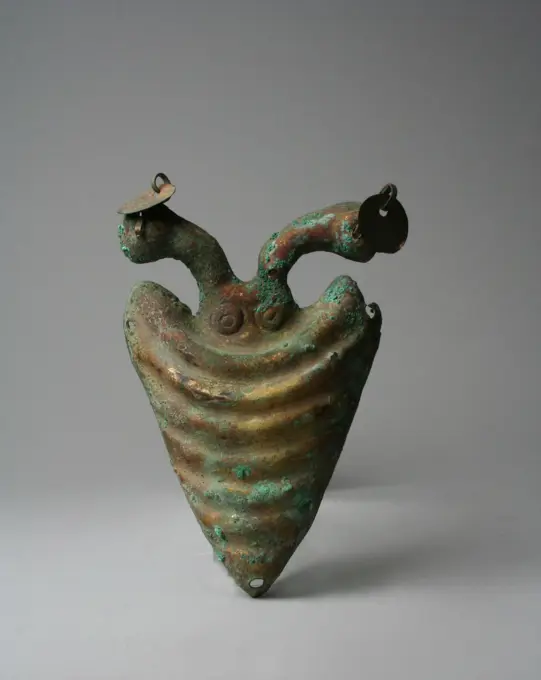
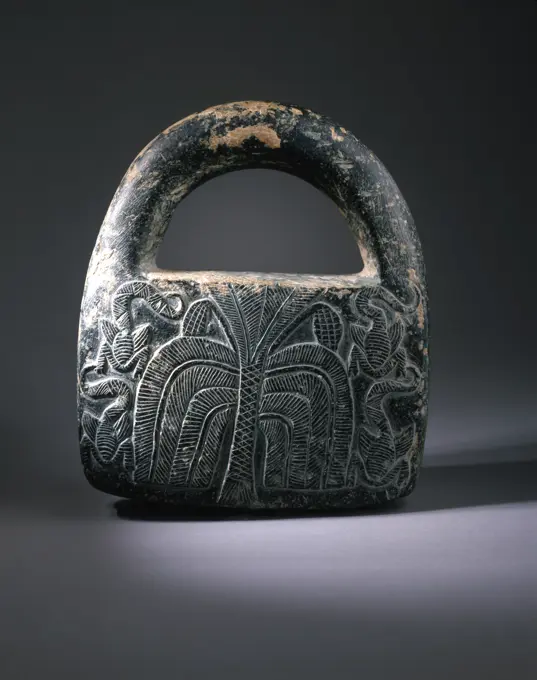
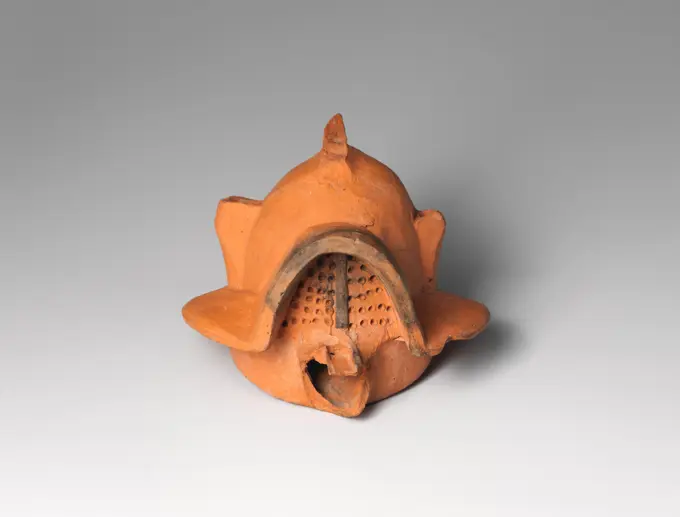
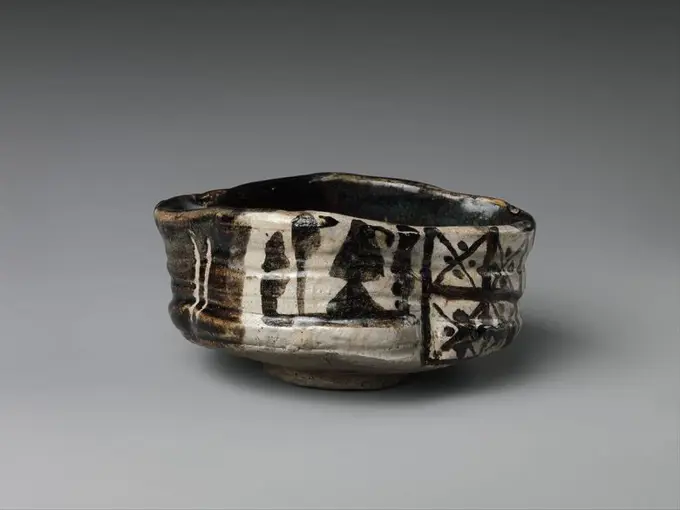
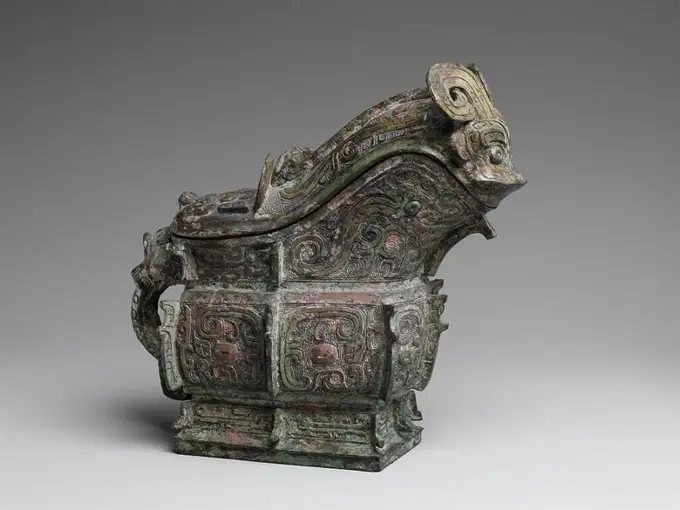
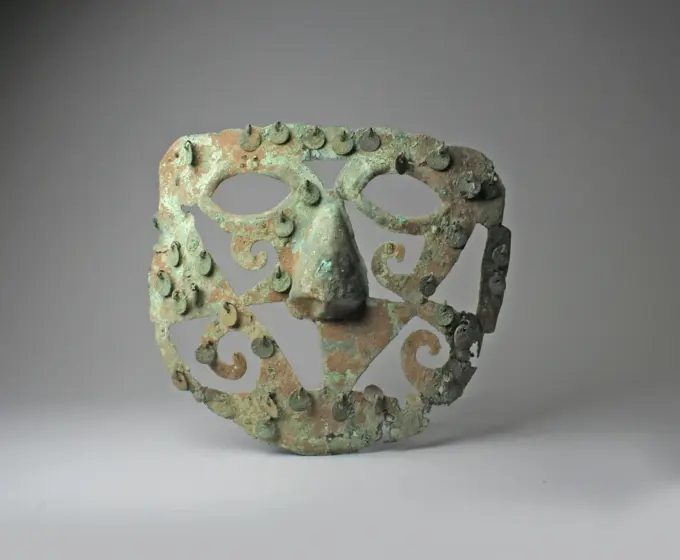
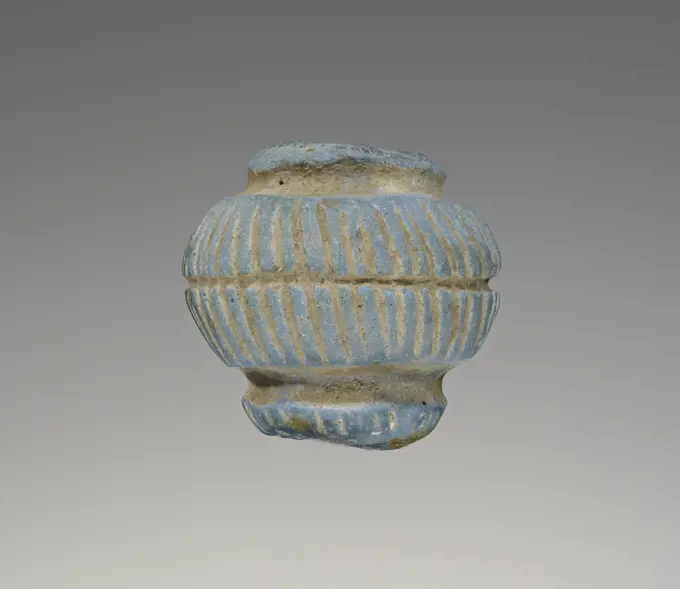
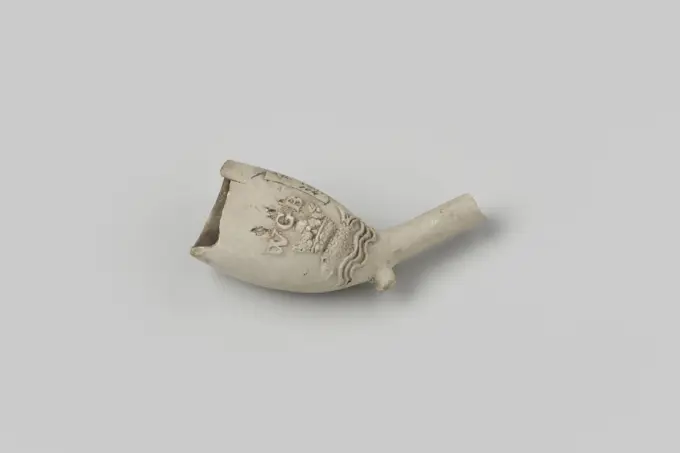
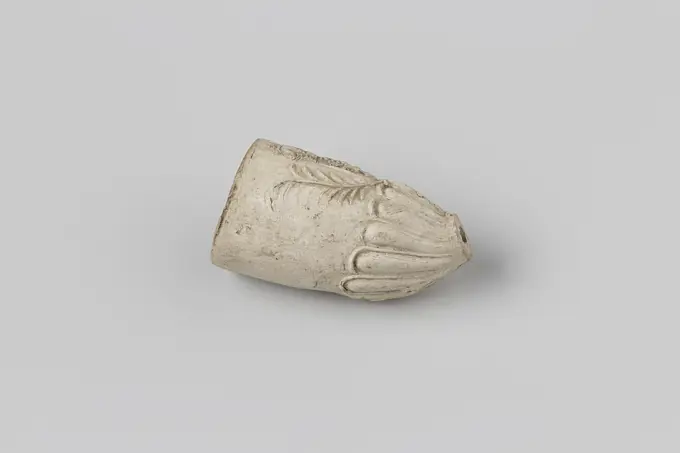
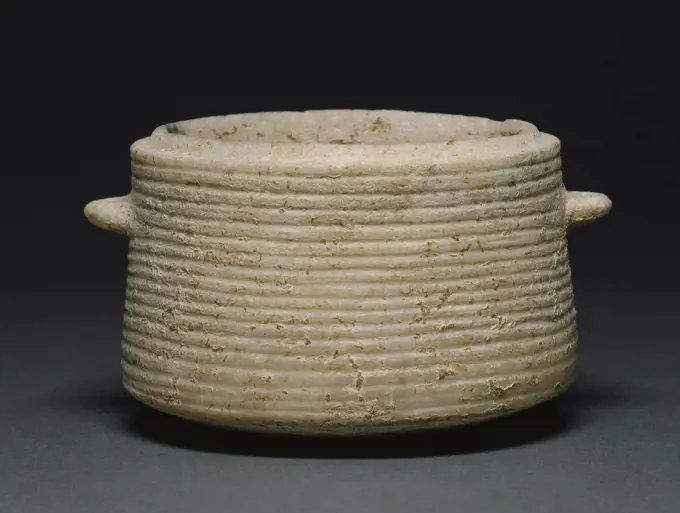
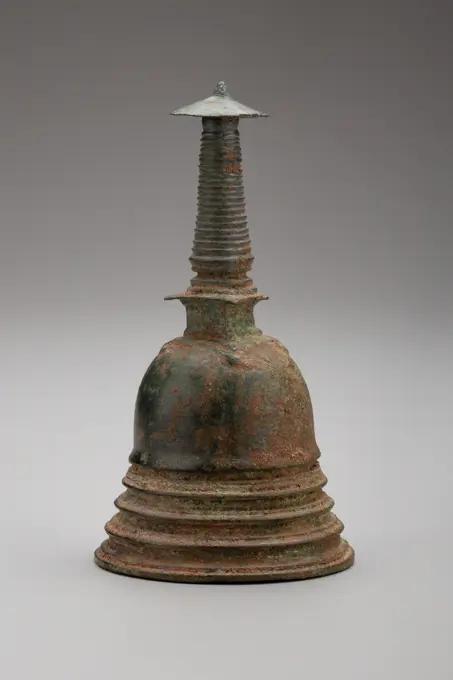
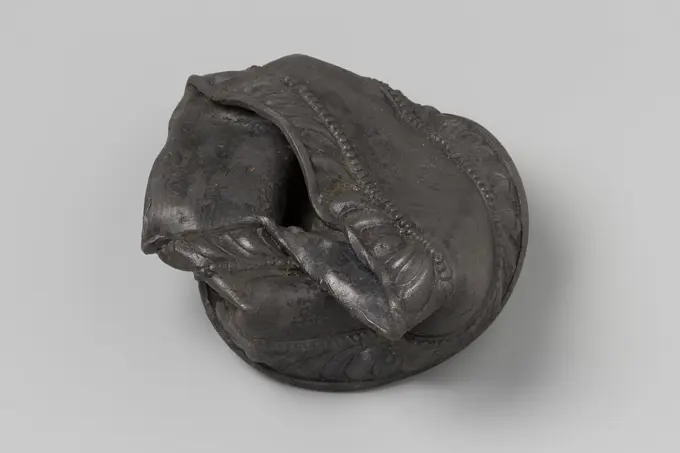
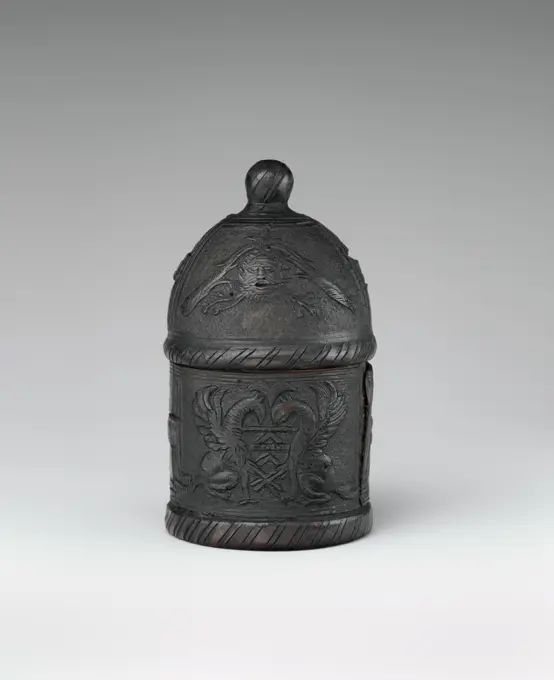
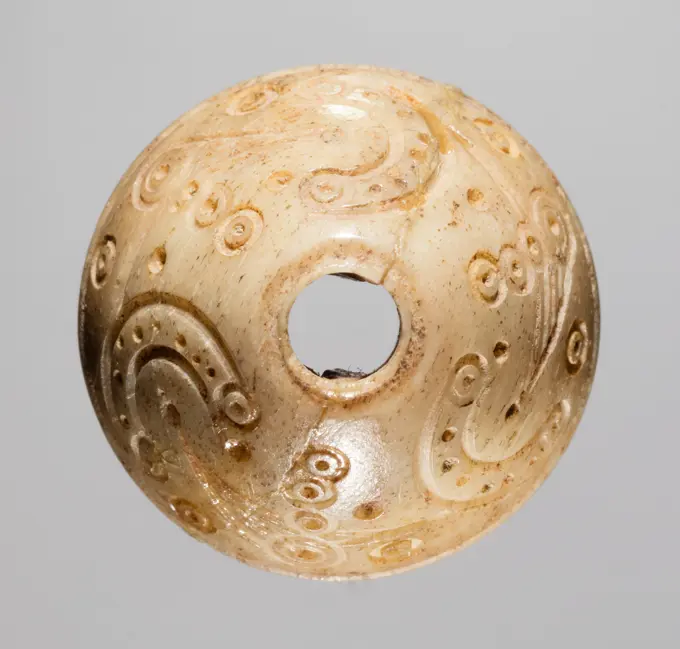
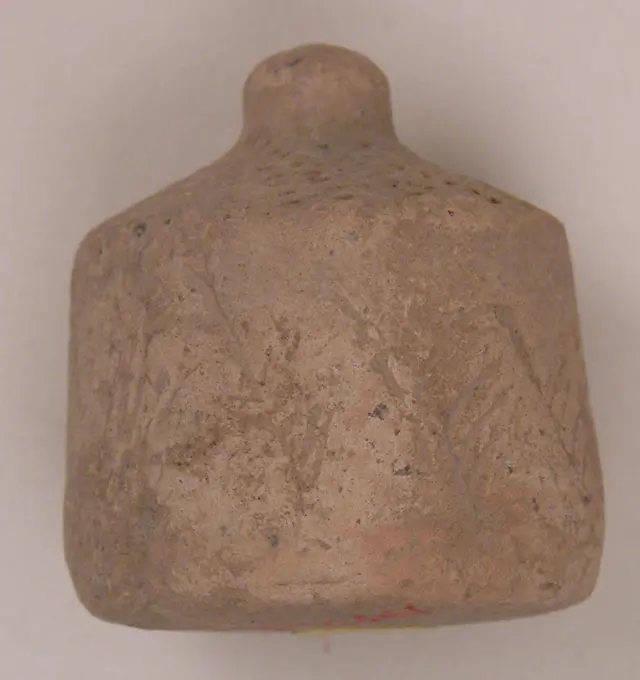
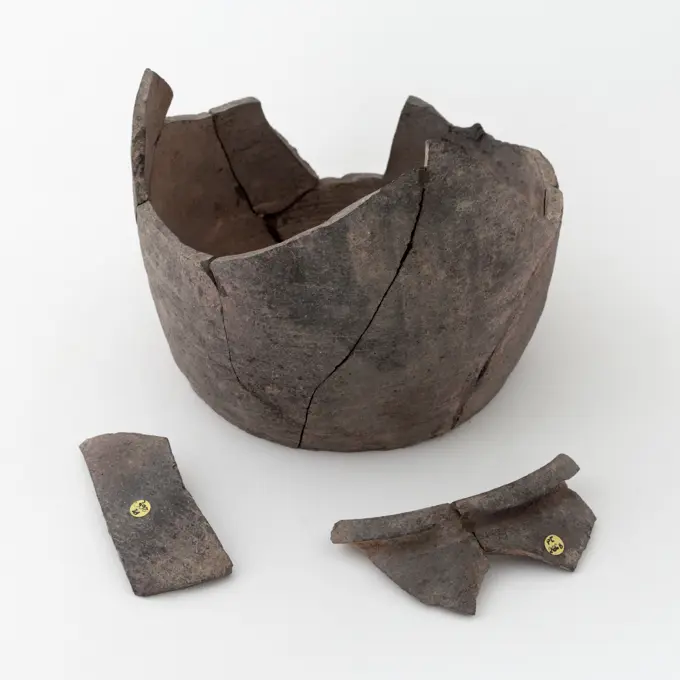
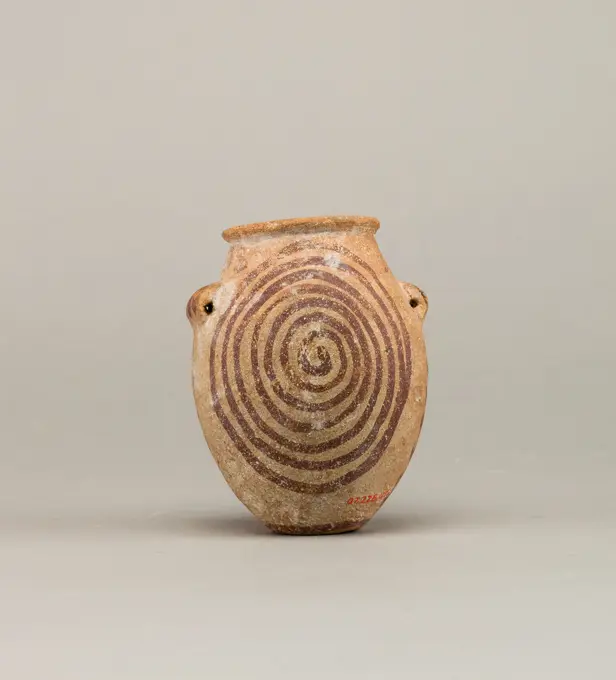
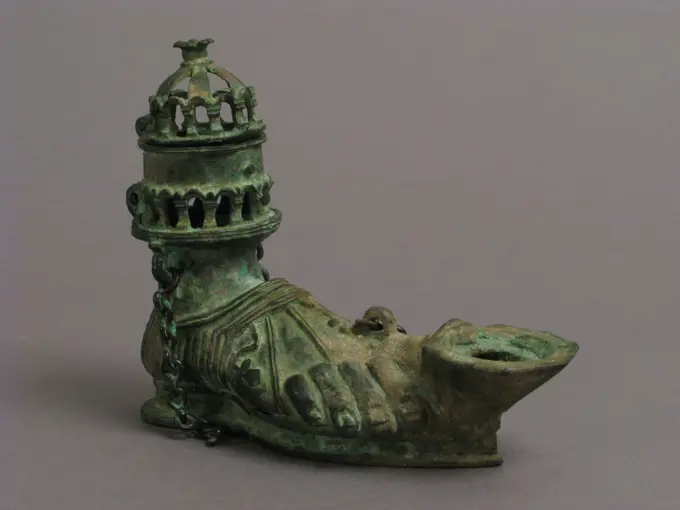
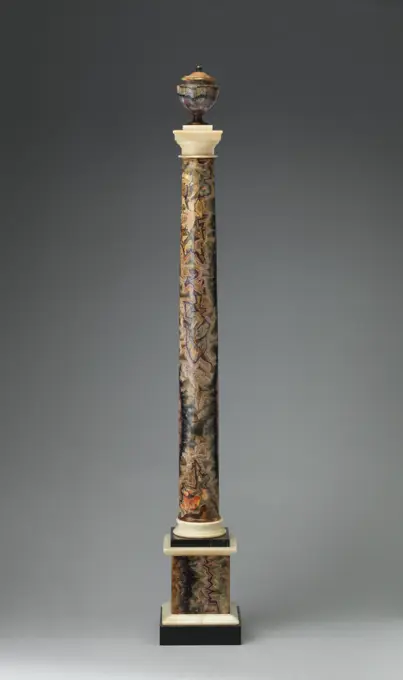
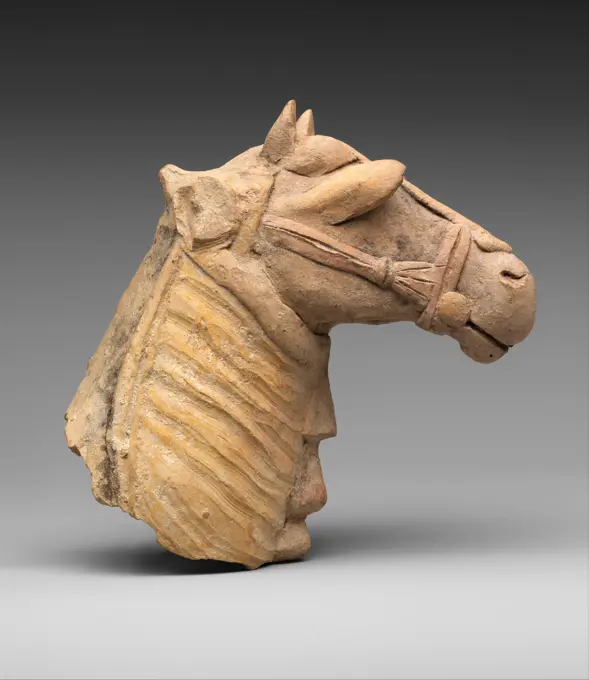
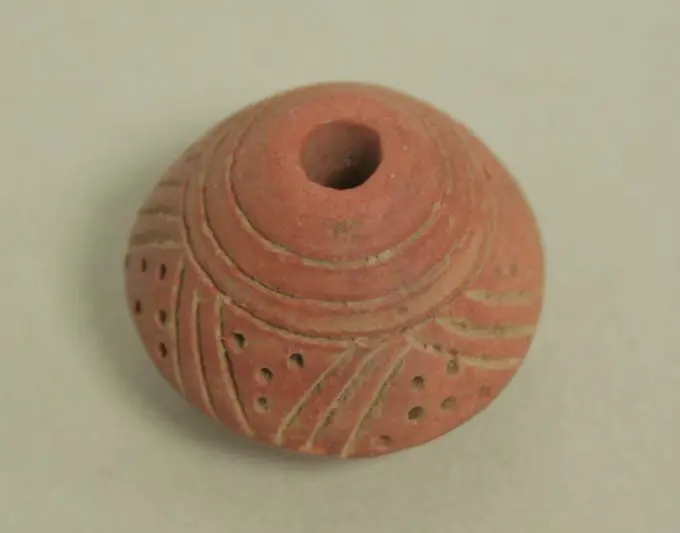
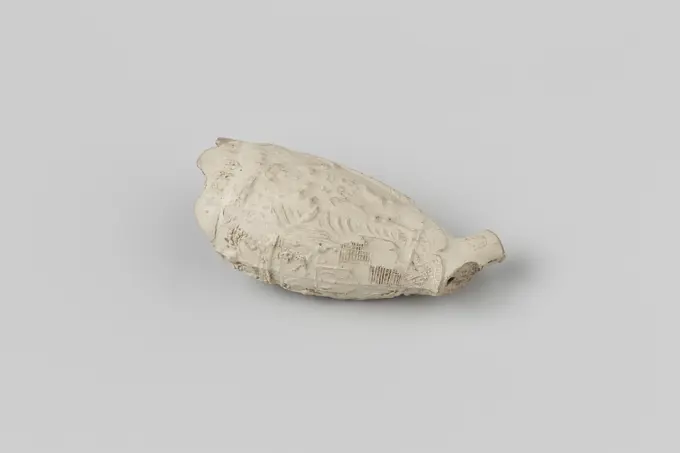
Bronze handle of a jug ca. 1550-1185 B.C. Egyptian Bronze jugs with such handles have been found on Cyprus in tombs of the thirteenth and twelfth centuries B.C.. Bronze handle of a jug 244340Persian terracotta vase from Necropolis B in Tepe Sialk, Iran. Persian civilisation 10th-8th Century BC.Double Spout and Bridge Bottle in Feline Shape 5th-3rd century B.C. Paracas. Double Spout and Bridge Bottle in Feline Shape 308616Martavaan from V.O.C. ship De 'Witte Leeuw', Before 1613  Martavaan from V.O.C. ship De 'Witte Leeuw'. The mouth, neck and small part of the wall. southeast Asia stoneware. porcelain   Sint-HelenaBronze helmet of conical shape 5th century B.C. or later Greek Conical shape, with a brim in the form of a vertical band. There is a rivet hole on either side.. Bronze helmet of conical shape 248086Siren in amber (view 1), ancient Rome, 6th century BC .. Museum of Fine Arts in the city of Paris, Petit Palais. 79210-9 Amber, archeology, sculpt object, ancient Rome, sirene, life century before J.CPendant Mask 13th-15th century Taíno This bone pendant features a crouching figure with wide eyes and grimacing mouth, known as a zemí. Zemí (or cemí) is a term used by Taíno peoples, the diverse societies that inhabited the Antilles archipelago before European contact, that linguistically relates to a quality akin to sweetness. Zemí refers not to an object or image but to an immaterial, spiritual, and vital force pertaining to deities and ancestors. There are several known zemí identities recorded by the Spanish, some of which have been linked to archaeological images.. Pendant Mask 317825Glass perfume bottle 2nd-3rd century A.D. Roman Tall candlestick unguentarium.Translucent deep blue green.Tubular rim folded out, down, over and in, with beveled upper surface; tall, slender, and slightly concave cylindrical neck, with tooling marks around base; conical body; deep pushed-in bottom, with small circular pontil mark at center.Intact; pinprick and elongated bubbles; deep pitting, dulling, and iridescence with patches of thick creamy brown, enamel-like weathering.. Glass perfume bottle 244622Spindle Whorl 9th-15th century Mexican. Spindle Whorl 315822Vase fragment East Greek/Sardis, Lydian. Vase fragment 252794 East Greek/Sardis, Lydian, Vase fragment, Terracotta, Overall: 4 1/8 x 3 7/8in. (10.5 x 9.9cm). The Metropolitan Museum of Art, New York. Gift of The American Society for the Excavation of Sardis, 1926 (26.199.227)Wine Pot: Southern Celadon Ware, 1200s-1300s. China, Southern Song Dynasty (1127-1279) - Yuan Dynasty (1271-1368). Glazed porcelain; diameter: 8 cm (3 1/8 in.); overall: 6.4 cm (2 1/2 in.).Alabastron. UnknownLimestone hand holding a dove Cypriot A small right hand holds a dove by the wings. There is a break on the inner surface.. Limestone hand holding a dove 242270Prehistory, Spain, Eneolithic. Cylindrical alabaster idol with face depicted. From a megalithic tomb in Estremadura.Chalcedony scaraboid ca. 525-500 B.C. Greek Scaraboid gem engraved of a ship with steersman, oarsmen and warriors.. Chalcedony scaraboid 254464 Greek, Chalcedony scaraboid, ca. 525500 B.C., Chalcedony, width 1 3/16 in. (3 cm). The Metropolitan Museum of Art, New York. Purchase, Joseph Pulitzer Bequest, 1942 (42.11.21)Altar or Incense Burner 4th-7th century Coptic. Altar or Incense Burner 479334Neolithic Pot Lid, 6500 BC - 4000 BC. Pottery lid excavated in Vinča region, Yugoslavia (present day Serbia), central BalkansLamp. UnknownLid of Chinese porcelain of a winepot or kendi from the wreck of the Dutch East Indiaman Witte Leeuw, before 1613 lid Lid of Wijnkan NG-1977-119-W from V.O.C.-ship De 'Witte Leeuw' Jingdezhen bone china (material)   Sint-HelenaLampka dekorowana przedstawieniem bogini Romy. unknown, authorStirrup Spout Bottle 12th-5th century B.C. Cupisnique. Stirrup Spout Bottle 309517Pignon fragment. Gray cutting sandstone. Cernuschi Museum, Asia Museum of Asia in the city of Paris.Shard with Bird 3rd-7th century Coptic. Shard with Bird. Coptic. 3rd-7th century. Earthenware. Made in Byzantine Egypt. CeramicsPatten-type Shoe, c 1800s. Africa, Central Africa, Democratic Republic of the Congo, Kuba or Bushongo, 19th century. Wood and glass beads; overall: 29 x 10 x 6.3 cm (11 7/16 x 3 15/16 x 2 1/2 in.).Dog Bell with Lozenges. China, Late Shang dynasty, Anyang phase, about 1300-1050 B.C.. Tools and Equipment; musical instruments. Cast bronzeLamp 5th-6th century Small earthenware lamps made from double molds were the most commonly used source of light in daily Coptic life. A wick produced from plant fiber or linen fabric was placed in a reservoir filled with oil, generally castor or sesame oil, and illuminated. The disc of this lamp is decorated with a chi-rho monogram, consisting of the superimposed capital Greek letters chi (X) and rho (P), the first two letters of Christ in Greek. The pearled monogram is reversed and surrounded by an alternating border of chevrons and quatrefoils.Christian symbols such as this monogram were thought to offer protection for the lamps owner.. Lamp 447037Serving vessel(Ding)Nursing Bottle () in Shape of AnimalLamp. UnknownLamp, North Africa; 1st - 4th century; Terracotta; 3.4 x 8.6 x 13.8 cm (1 5,16 x 3 3,8 x 5 7,16 in.)Terracotta oil lamp. Culture: Roman. Dimensions: Overall: 1 3/4 x 3 5/8 in. (4.4 x 9.2 cm). Date: 7th century A.D.. Museum: Metropolitan Museum of Art, New York, USA.Cylindrical Seal with Flower-like Motif. Possibly Tlatilco; Valley of Mexico, Mexico. Date: 1200 BC-200 BC. Dimensions: 13.3 × 5.7 cm (5 1/4 × 2 1/4 in.). Ceramic. Origin: Tlatilco. Museum: The Chicago Art Institute, Chicago, USA.Vase fragment Roman Fragment of brownish-yellow enamelled vase with raised vine decoration.. Vase fragment. Roman. Terracotta. VasesCast Pendant. UnknownBronze hoof early 7th century B.C. Possibly Cypriot Painstaking scholarship over twenty years has discovered that these pieces and others now in Berlin originally belonged to one bronze and iron rod tripod. Luigi Palma di Cesnola and his brother Alessandro divided their finds made in Kourion in 1873-74 and sold them to New York and Berlin, respectively. Bronze tripods represent one of the most prestigious and costly creations of the Archaic period. While they originated in the Near East, by the eighth century B.C. they were exported westward to the Greeks and Etruscans as well as copied locally. Thanks to its copper mines, Cyprus was probably an important production center; numerous examples have come to light on the island.The tripod originally had six bulls' heads at the top and three bovine hooves forming the feet. The missing heads and feet are in Berlin.. Bronze hoof 244453Lamp 5th-6th century Small earthenware lamps, made from double molds, were the most commonly used source of light in daily Coptic life. A wick produced from plant fiber or linen fabric was placed in a reservoir filled with oil, generally castor or sesame oil, and illuminated. The disc of this red earthenware lamp is decorated with a lion running and is surrounded by a border of ornamental squares, quatrefoils, and concentric circles.. Lamp 447976SIngle Spouted Vessel with Sculpted Figure Attached to the Handle Made 100 BCE-500 CE North Coast. Ceramic and pigment . MocheLamp. UnknownLamp. UnknownBronze cylindrical cup ca. 1st-2nd century A.D. Roman Decorated with five moulded bands on the outside; on the bottom, moulded concentric circles.. Bronze cylindrical cup 251017 Roman, Bronze cylindrical cup, ca. 1st2nd century A.D., Bronze, H. 2 in. (5.1 cm). The Metropolitan Museum of Art, New York. Rogers Fund, 1920 (20.264.3)Fragment Tobacco Pipe, Johannis Lammoree, 1750 - 1770 Fragment tobacco pipe with city coat of arms of Utrecht and the letters H l r shown. Of the excavations on the Hofstede Arentsburg 1827-1831 under the supervision of Professor Reuvens. Schoonhoven pipe clay   Utrecht Fragment tobacco pipe with city coat of arms of Utrecht and the letters H l r shown. Of the excavations on the Hofstede Arentsburg 1827-1831 under the supervision of Professor Reuvens. Schoonhoven pipe clay   UtrechtLamp. UnknownBurn-Parfums, 1368. Bronze. Cernuschi Museum, Asia Museum of Asia in the city of Paris.Temple with Figures 1st-8th century Mezcala. Temple with Figures 317470Staff Finial. Egypt, Late Period, 712-332 B.C.. Architecture; Architectural Elements. BronzeCapital 12th century Northeast Italian. Capital 466553Vase fragment. Culture: Roman. Dimensions: width 5.72 cm..Fragment of brownish-yellow enamelled vase with raised vine decoration. Museum: Metropolitan Museum of Art, New York, USA.Bracelet. Western Iran, circa 1000-650 B.C.. Jewelry and Adornments; bracelets. Bronze, castMagnesite bobbin Cypriot Spindle shaped object with concentric circles.. Magnesite bobbin 244002Left foot ca. 600-480 B.C. East Greek Hollow, mold-made left foot wearing a shoe, from a figure of approximately two-thirds life size or a little less.. Left foot 241018Button 9th-10th century The dot-in-circle motif recalls designs presumed to be of magical significance, most likely an abstract eye to ward off the evil-eye, which serves an apotropaic function. Easily reproduced with a tool and visible in many cultures and times, this symbol may have lost its meaning, and become simply a decorative pattern, or may have one that we have not yet discovered.. Button 449218Set of food dishes (mukōzuke), early 18th century, Unknown Japanese, 2 1/8 × 5 1/8 × 5 1/4 in. (5.4 × 13.02 × 13.34 cm), Utsutsugawa ware; glazed stoneware with underglaze slip decorations, Japan, 18th century, 川 Utsutsugawa ware; In a formal tea gathering, a meal precedes the preparation and service of tea. The meal usually consists of soup and rice accompanied by two or three side dishes featuring grilled, simmered, raw, and/or pickled seasonal ingredients. Grilled dishes would be served on large plates and simmered dishes in individual lidded bowls. A third type of side dish, often sashimi (slices of raw fish), was served in small individual dishes placed farthest from the guest. For this reason, this type of side dish and the bowls in which they were served were called mukōzuke, which literally means 'placed on the far side.' This set of four mukōzuke dishes were produced at Utsutsugawa, a kiln site in Nagasaki that specialized in dishes, bowls, and incense containers for the tea Bronze funnel-strainer 6th century B.C. Etruscan Finely crafted with ornamental handles terminating in horse's and duck's heads. Two rampant lions sit on the rim.. Bronze funnel-strainer 255182 Etruscan, Bronze funnel-strainer, 6th century B.C., Bronze, Other: 13 in. (33 cm). The Metropolitan Museum of Art, New York. Rogers Fund, 1965 (65.11.1)Vase fragment ca. 4000-3000 B.C. Neolithic, Thessaly. Vase fragment. Neolithic, Thessaly. ca. 4000-3000 B.C.. Terracotta. Neolithic, second period. VasesSingle Spout Vessel in the Form of a Long-Beaked Bird with Turned Head 180 BCE-500 CE Peru. Ceramic and pigment . NazcaTerracotta ring-kernos (offering vase). Culture: Cypriot. Dimensions: H. 4 7/16 in. (11.3 cm). Date: ca. 1050-950 B.C..There are small holes in the bull's head and the cups that allowed liquid to flow into the hollow, horizontal ring. Museum: Metropolitan Museum of Art, New York, USA.Dish 7th century Molded ceramic vessels - both with and without glaze - were made in the earliest centuries of the Islamic period. The technique seems to have lost popularity as artists turned their attention to other techniques, notably lusterware. Vessels of this unglazed type often feature dense, stamped decoration, including vegetal patterns, geometric repeats, and even jewelry-like designs, often organized in bands. Although the function of this vessel is not clear, the decoration that covers the entire exterior surface and the presence of tear-drop shaped, protruding bosses suggests it may have served as a lid.. Dish. 7th century. Earthenware; molded, unglazed. Made in Iran or Iraq. CeramicsFragment of the lamp;  Roman period (0-00-00-0-00-00);Polish excavations in Tell ATRIB (Egypt)Animal Ornament 6th-7th century Moche (Loma Negra). Animal Ornament 315151StandHandled Weight. Northern Afghanistan, Bactria, late 3rd-early 2nd century B.C.. Tools and Equipment; weights. ChloriteTerracotta lamp in the form of a gladiators helmet 1st half of 2nd century A.D. Roman In addition to a central crest, gladiators helmets often had feathers attached above the ears. The holes for such ornaments are faithfully reproduced on this helmet-shaped lamp.. Terracotta lamp in the form of a gladiators helmet. Roman. 1st half of 2nd century A.D.. Terracotta; mold-made. Mid Imperial. TerracottasClog-Shaped Teabowl with Design of Plum Blossoms and Geometric Patterns. Culture: Japan. Dimensions: H. 3 in. (7.6 cm); W. 5 5/8 in. (14.3 cm); Diam. of foot 12 1/4 in. (5.7 cm). Date: early 17th century.Tea bowls in the Oribe style were often shaped something like ancient clogs and described as kutsugata, or "clog-shaped." After a round tea bowl had been formed on the wheel, it was indented in several places, destroying the circular shape and producing an asymmetrical form. The exterior surface of the bowl was then worked with a spatula to make it rough and uneven. Flamboyant distortions and irregularities of this type characterize the aesthetics of Oribe ware.This tea bowl's vital, organic-seeming form is paired with vigorous surface design. The rich iron-black glaze that covers most of the bowl frames the patterns in the white areas. Inside the bowl, each diamond-shaped compartment of the grid is filled with either the representational depiction of a flower or a stylized motif resSpouted Wine Vessel (Gong). Culture: China. Dimensions: H. 8 1/4 in. (21 cm); W. 3 1/2 in. (8.9 cm); D. 8 3/4 in. (22.2 cm). Date: mid-10th century B.C..A composite character is cast on the interior of the vessel and on the inside of the lid: "Fu" (name, in the center) and "mian" (designation of rank, on either side). Museum: Metropolitan Museum of Art, New York, USA.Bronze funnel-strainer. Culture: Etruscan. Dimensions: Other: 13 in. (33 cm). Date: 6th century B.C..Finely crafted with ornamental handles terminating in horse's and duck's heads. Two rampant lions sit on the rim. Museum: Metropolitan Museum of Art, New York, USA.Covered bowl 7th-8th century China. Covered bowl 53906Face Mask Ornament 6th-7th century Moche (Loma Negra). Face Mask Ornament 315170Bead; Workshop in the Eastern Mediterranean, Eastern Mediterranean; 1st century B.C. or Modern; Glass; 1.6 cm (5,8 in.)Glass Fragment probably 16th century. Glass Fragment. probably 16th century. Glass; enameled. Attributed to Egypt or Syria. GlassFragment Tobacco Pipe, Wouter Groenenberg, 1750 - 1785 Fragment tobacco pipe with a crown, a fish, three waves and the letters w g b. Of the excavations on the Hofstede Arentsburg 1827-1831 under the supervision of Professor Reuvens. Gorinchem pipe clay Fragment tobacco pipe with a crown, a fish, three waves and the letters w g b. Of the excavations on the Hofstede Arentsburg 1827-1831 under the supervision of Professor Reuvens. Gorinchem pipe clayFragment blowjob. Fragment pipe head with floral fashed motif and a coat of arms with lion and crown, enclosed by flower raft. Of the excavations at the Hofstede Arentsburg 1827-1831 under the supervision of professor Reuvens.Dove from a Funerary Monument. Unknown 350-300 B.C.Spindle-Shaped Unguentarium, Roman, An unguentarium (plural unguentaria) was a small bottle used to store balms or scented oils (unguents)., Glass, Classical Roman, Antiquities, Ancient Civilisations, Bottle, Antiquities, EuropePair of Stirrups 19th century Peruvian These slipper stirrups, cast in bronze, mimic in metal the shape of a leather boot. They are decorated with vegetal scrolls inspired by European Baroque and neo-classical designs, probably imitating contemporary embroidery. A leather lining is sewn on the edges by means of small holes pierced in the metal. The high quality of the metal casting is a direct inheritance of the metalworking skills displayed by Peruvian native populations before the conquest. Introduced to South America by the Spaniards in the 16th century, horses soon became an important element in the lives of many local populations, of both colonial and native origin. As a horse would be highly valued by its owner, the latter would likely cover it with beautiful and elaborated tack, especially during festivals or other celebrations. Closed stirrups, or regular stirrups covered with a leather hood called a tapadero, are still regularly used in South America, as they protect the riderAryballs spherical; Unknown Korinthian workshop; 630-620 BC (-630-00-00--620-00-00);Salt box. Culture: German. Dimensions: Overall: 10 1/2 × 4 1/2 × 4 3/8 in. (26.7 × 11.4 × 11.1 cm). Date: late 16th century.Pewter was the cheaper alternative to silver, which remained unattainable to most people during the sixteenth century. In contrast, by the 1530s, all except the poorest members of society owned at least a couple of pewter household wares. Composed mainly of tin, usually with small amounts of lead or copper (in ratios regulated by local guilds), pewter was soft, malleable, and easily ornamented with engraved decoration, as here. A vessel like this one--which would originally have included a lid--was made from molds, which were apparently regularly lent between pewterers and brass casters in Augsburg and Nuremberg.Elizabeth Cleland, 2017. Museum: Metropolitan Museum of Art, New York, USA.Cylindrical Box with Incised Lines; Cyclades, Greece; 2800 - 2700 B.C; Marble; 6.5 × 12.5 × 9.2 cm (2 9,16 × 4 15,16 × 3 5,8 in.)Elephant's Head. Roman, A.D. 1st-2nd century. Sculpture. Bronze, castStupa Reliquary 1101-1200 Sri Lanka. Bronze .Horse and rider. Culture: Cypriot. Dimensions: H. 5 7/16 in. (13.8 cm). Date: ca. 750-600 B.C..The figurine is handmade and solid. The rider stretches his arms forward to touch the horse's mane. Museum: Metropolitan Museum of Art, New York, USA.Pewter bake from the wreck of the East India "t flying heart. Pewtered bin, reasonably intact (there is a hole in the bottom) except that the thing is crushed from above. The bottom is still in its original form. The outer edges, both above and below, are soberly decorated. Bowl.Bird Effigy. Panama, 300-600 CE. Ceramics. Slip-painted ceramicFemale fertiity figurine from Tell Halaf, north-eastern Syria, 6500 to 5500 BC, painted pottery. The Halaf culture dates from the late Neolithic. The seated female figure is shown clasping her breasts.Ritual Food Vessel, 12th-11th century BCE, 6 3/16 × 5 13/16 × 5 1/2 in., 2.4 lb. (15.72 × 14.76 × 13.97 cm, 1.1 kg)5 9/16 × 5 3/8 in. (14.13 × 13.65 cm) (object part, mouth), Bronze, China, 12th-11th century BCEMiniature Stone Vase 1st-8th century Mezcala. Miniature Stone Vase 317585Case 16th century Italian The surface of this circular case is embossed with griffins and an expressive mask.. Case 200619Spindle Whorl, 700s - 900s. Iran, early Islamic period, 8th - 10th century. Bone, incised; overall: 1 x 1.9 x 1.9 cm (3/8 x 3/4 x 3/4 in.).Chess Piece, Probably a Pawn 8th-11th century. Chess Piece, Probably a Pawn 452355Horse's head with harness. Culture: Cypriot. Dimensions: H. 4 1/16 in. (10.3 cm). Date: late 6th century B.C..The hollow, mold-made head is probably from a fairly large quadriga group, judging from the harness. The head is quite naturalistic; the artisan attempted to render the headstall correctly. Museum: Metropolitan Museum of Art, New York, USA.Jar in fragments ". Sandstone. Vietnam-Xe-Xive s. Paris, Cernuschi museum. 72361-28 Fragment, gres, jar, Vietnamese objectPlaque with Animal Mask. China. Date: 1300 BC-1000 BC. Dimensions: 1 9/16 × 1 3/8 × 1/4 in. Jade. Origin: China. Museum: The Chicago Art Institute, Chicago, USA.Decorated ware jar depicting spirals ca. 3850-2960 B.C. Predynastic Period. Decorated ware jar depicting spirals. ca. 3850-2960 B.C.. Pottery, paint. Predynastic Period. From EgyptHanging Lamp in the Form of a Sandaled Right Foot 5th century Byzantine One of the classical protective images adapted by Christians was the foot, a symbol of good health and healing. These lamps were lit by an oil-soaked wick, inserted through the hole beside the foots big toe.Round flat hanging lamps, or polycandela, were lit by oil-filled glass vessels hung from the round holes in their designs. Paul the Silentiary in 563 described the effect of huge hanging lamps that lit the great church of Hagia Sophia in Constantinople: “Thus is everything clothed in beauty…no words are sufficient to describe the illumination in the evening: you might say that some nocturnal sun filled the majestic church with light.”. Hanging Lamp in the Form of a Sandaled Right Foot. Byzantine. 5th century. Copper alloy. Made in possibly Syria. Metalwork-Copper alloyColumn (one of a pair) 18th century British Blue John, also known as Derbyshire Spar, is a rare semi-precious mineral, which can be found only in Britain, primarily in Derbyshire. This neo-classical urn and columns are highly evocative of eighteenth-century British taste for hardstones fashioned into classical forms.. Column (one of a pair). British. 18th century. Derbyshire spar "Blue John", marble. Natural SubstancesHorse's head with harness late 6th century B.C. Cypriot The hollow, mold-made head is probably from a fairly large quadriga group, judging from the harness. The head is quite naturalistic; the artisan attempted to render the headstall correctly.. Horse's head with harness 241360SmallSpoonSpindle Whorl A.D.1-500 Peruvian; north coast (). Spindle Whorl 308912Wine Cup with a Gathering of Men, Youths, and Women; Psiax (Greek (Attic), active about 525 - 510 B.C.); Athens, Greece; about 520 B.C; Terracotta; 11 × 27.5 cm (4 5,16 × 10 13,16 in.)Fragment pipe head. Fragment blowjob with a weapon with crown and a figure and the letters Prusse depicted. Of the excavations at the Hofstede Arentsburg 1827-1831 under the supervision of professor Reuvens.Box 7th century. Box 454698