Ancient Lamps

Terracotta oil lamps with historical significance from various cultures, showcasing unique designs and craftsmanship, reflecting ancient lighting methods.
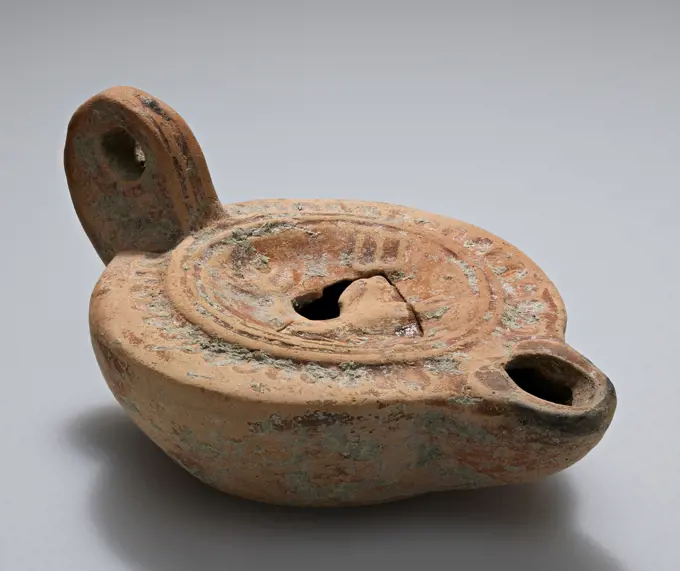
Lamp; Italy; 2nd century; Terracotta; 3.6 × 5.4 × 7.7 cm (1 7,16 × 2 1,8 × 3 1,16 in.)
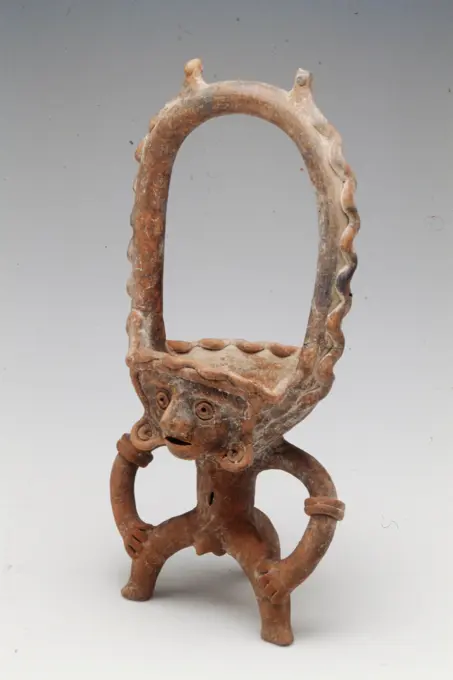
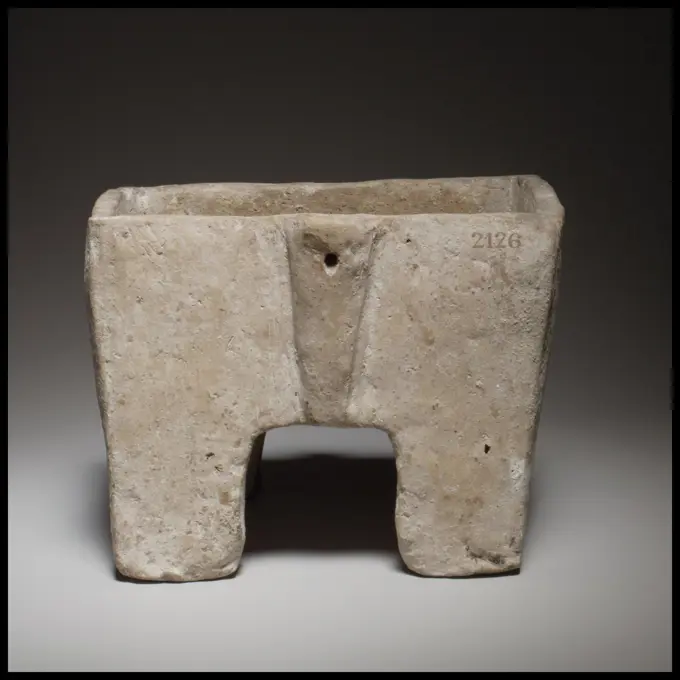
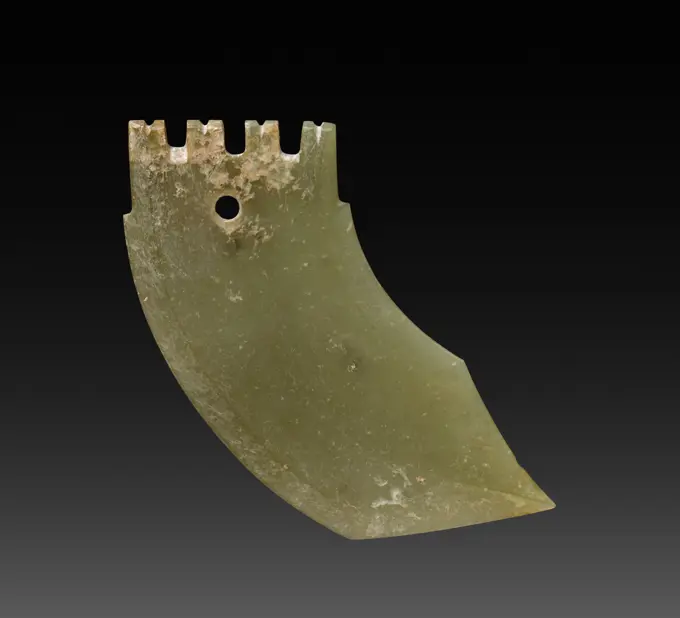
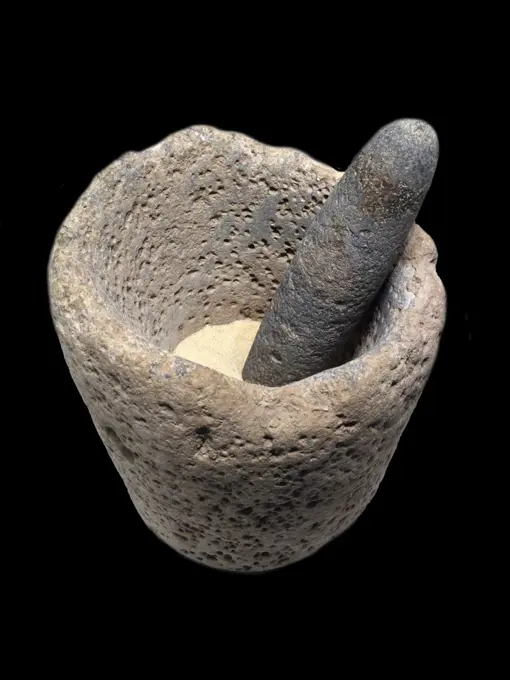
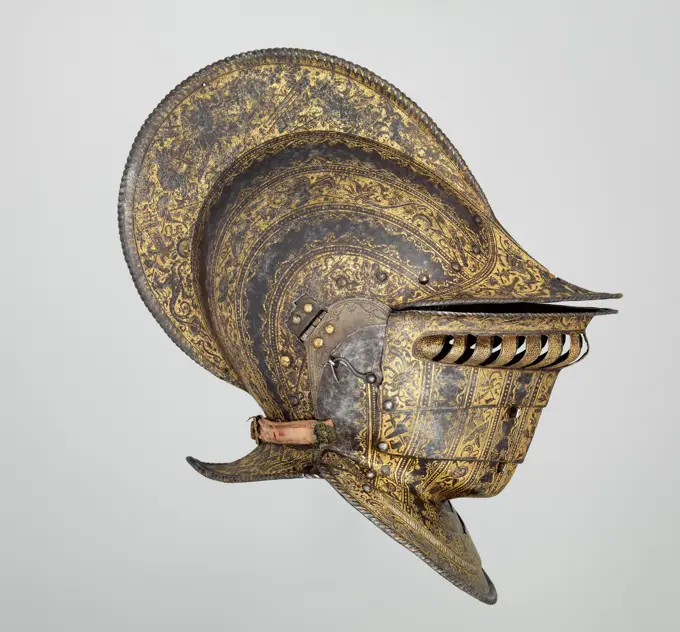
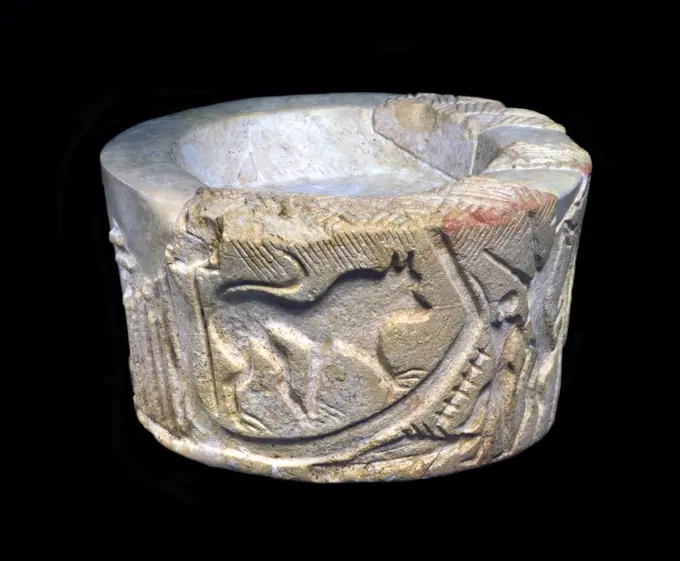
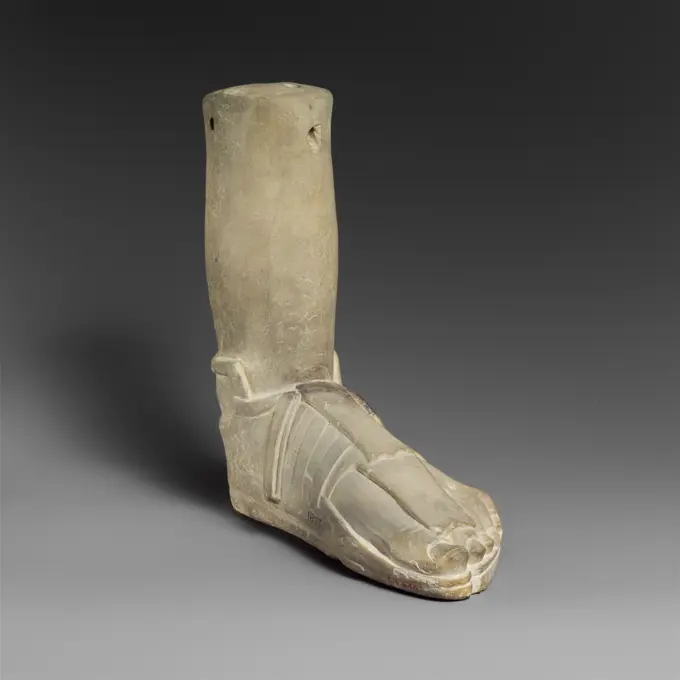
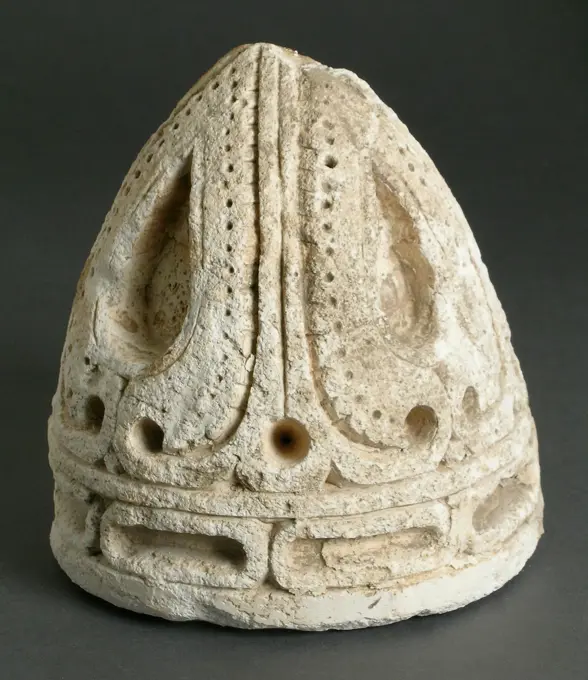
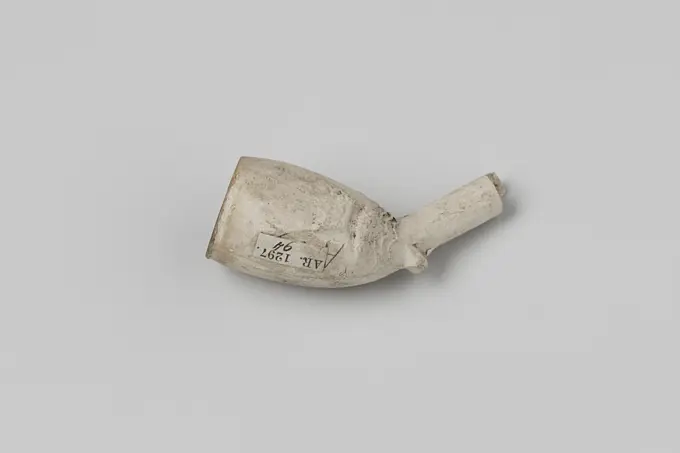
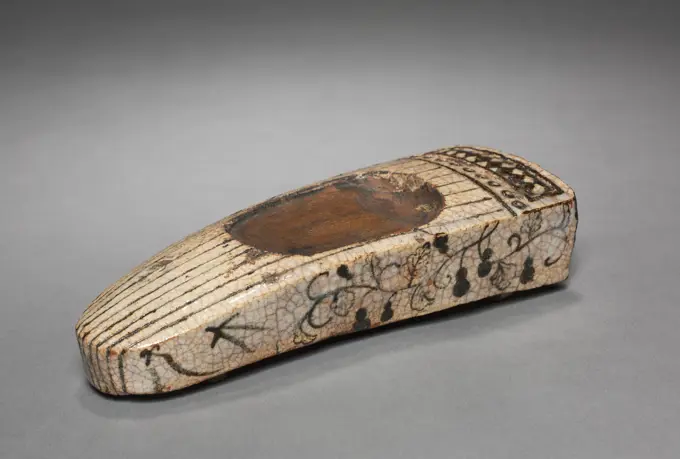
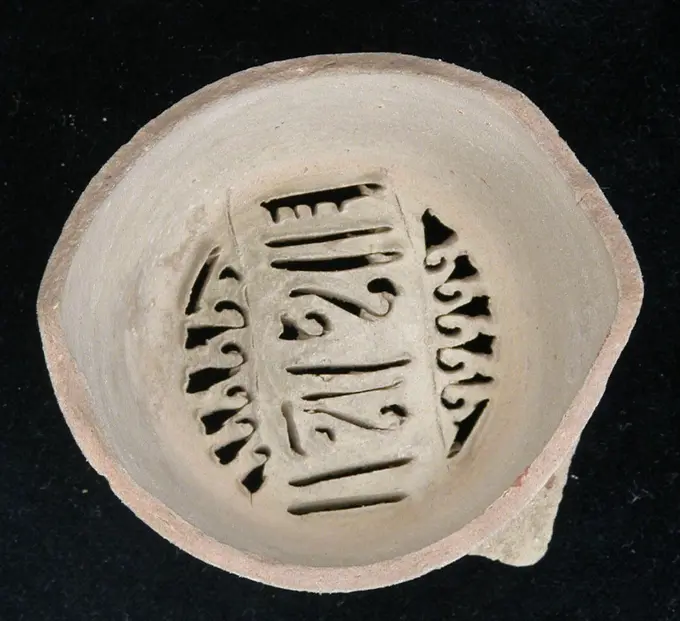
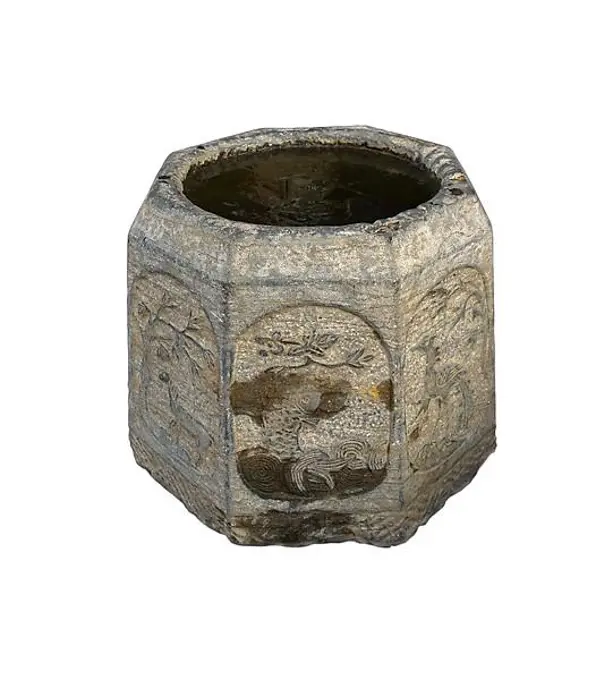
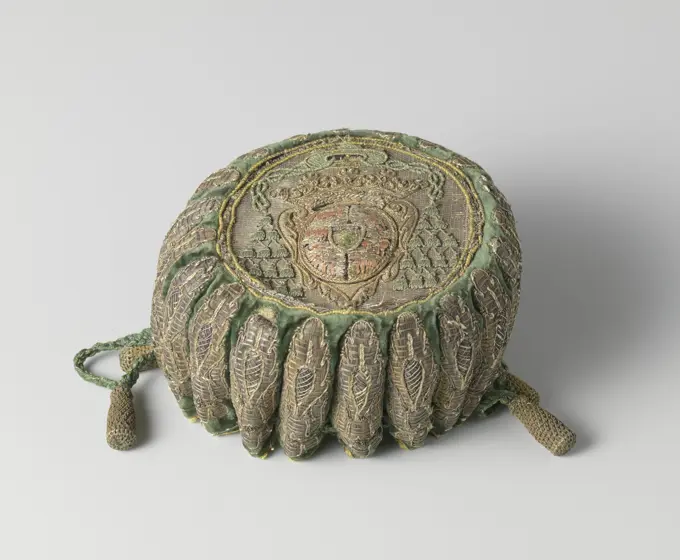
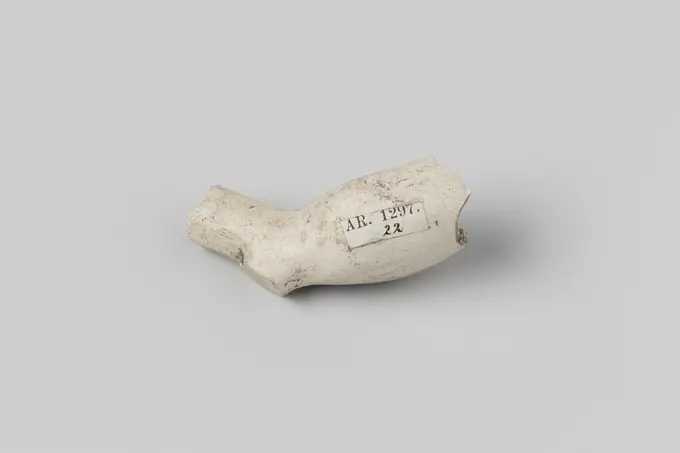
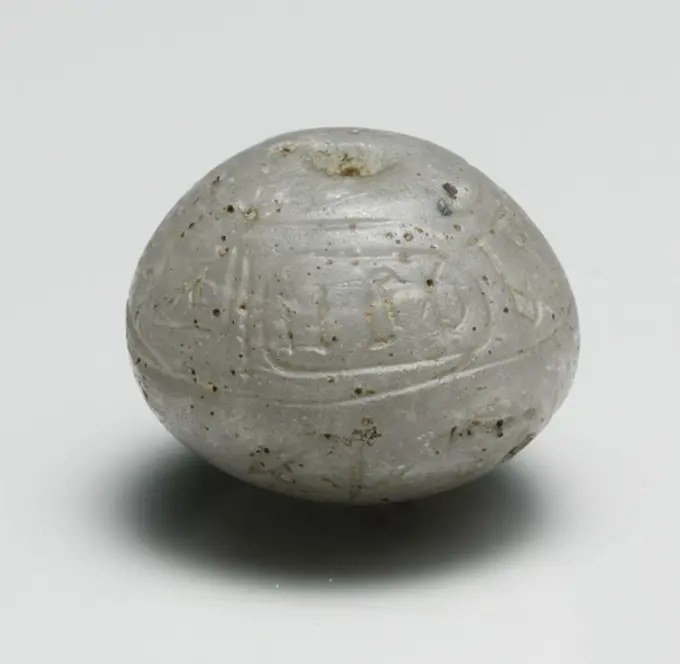
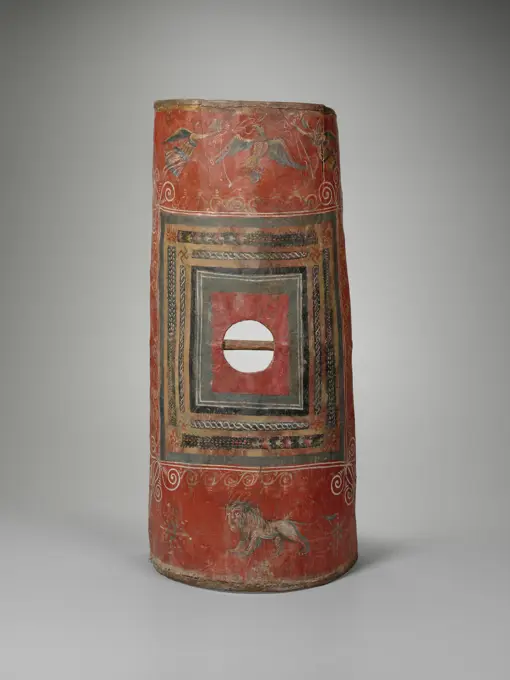
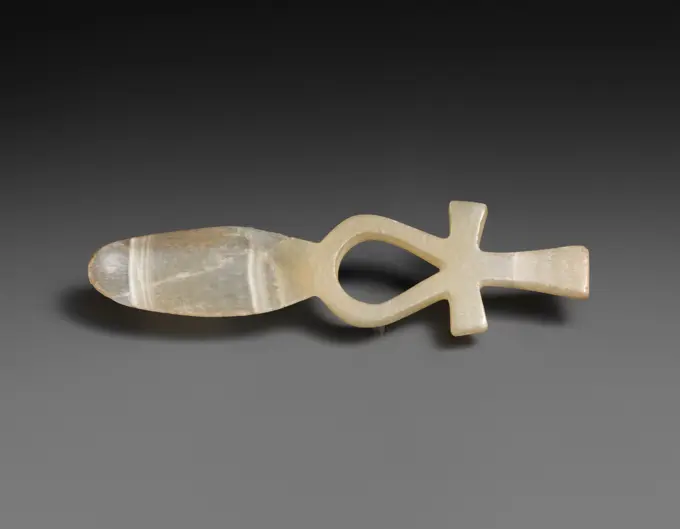
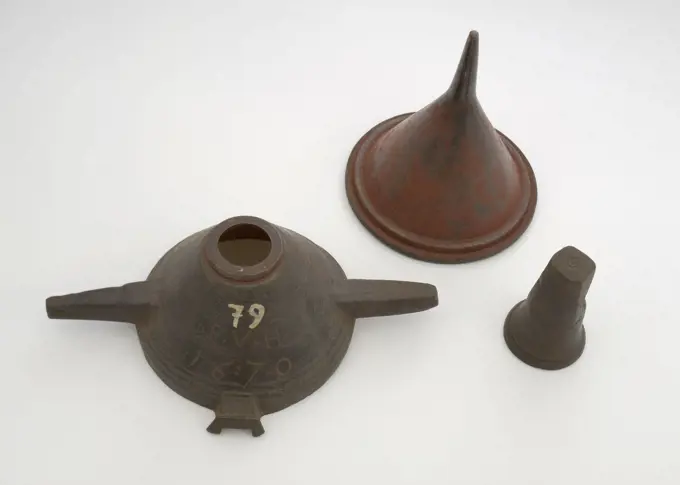
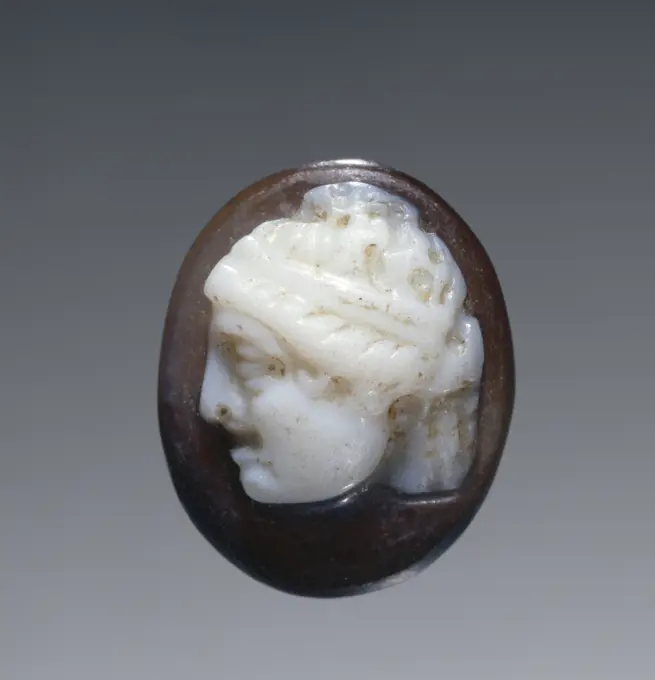
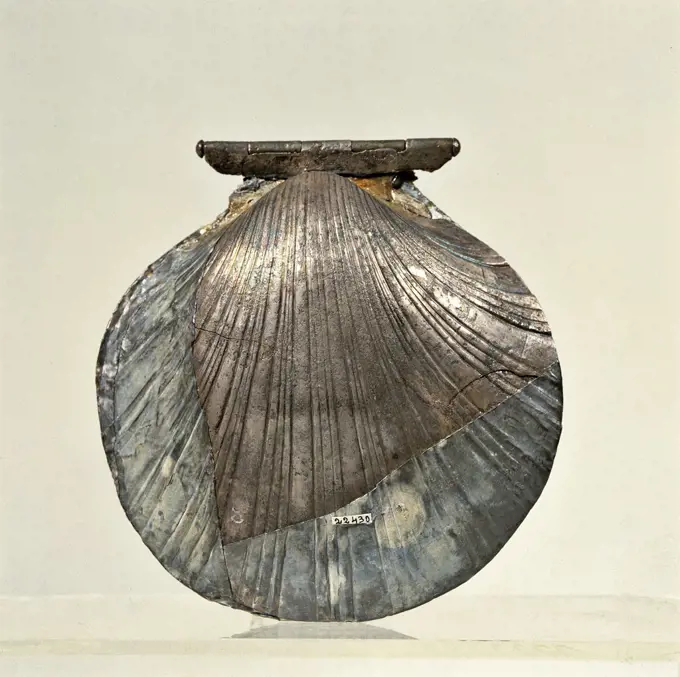
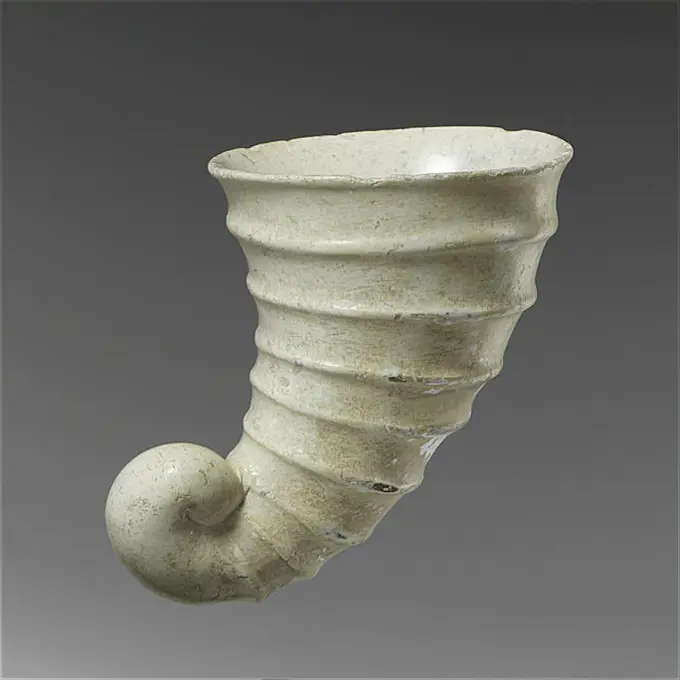
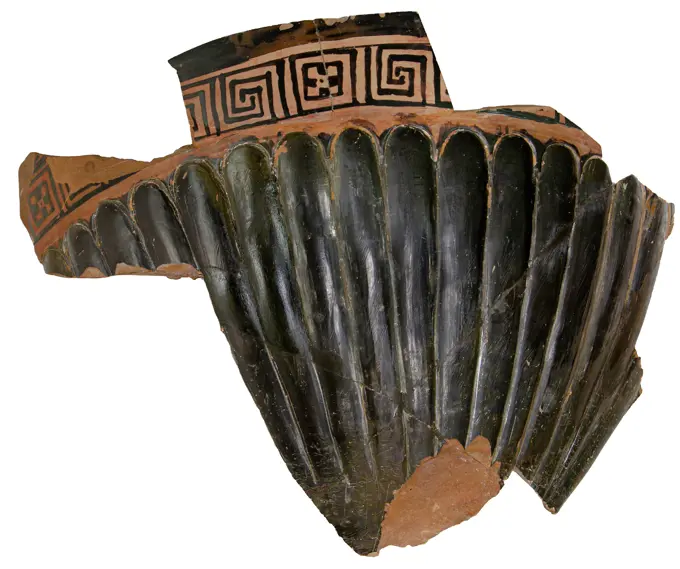
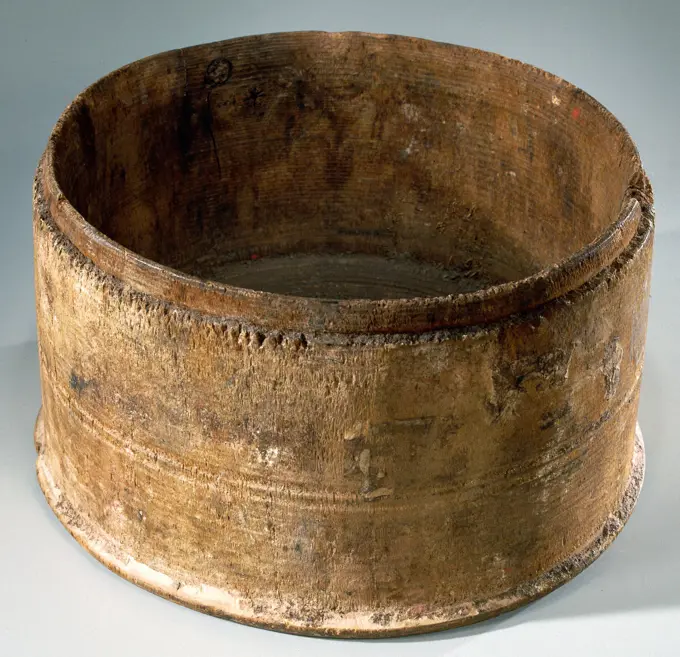
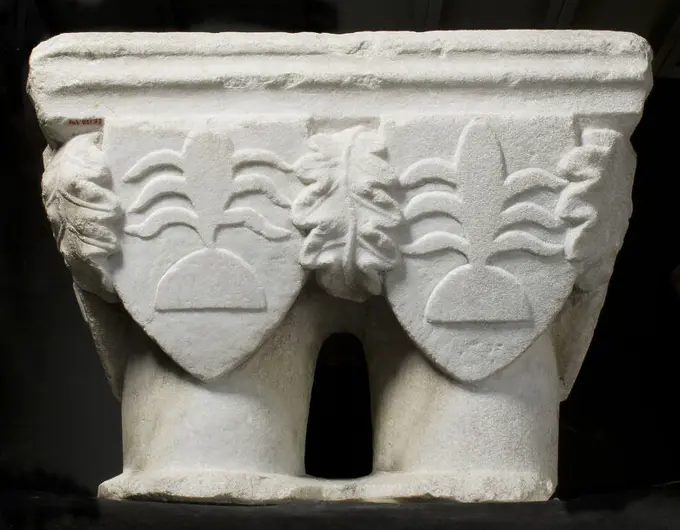
Orangeware Bowl with Fish Design 3rd century B.C. Paracas. Orangeware Bowl with Fish Design 308472Hammered Silver Spoon 8th-mid-16th century Peru; north coast (). Hammered Silver Spoon 308965Turtle, before 1921. Colombia. Pottery; overall: 7 cm (2 3/4 in.).Basket-headed male figure, 3rd century BCE - 3rd century CE, 17 1/4 x 8 1/4 x 6 1/2 in. (43.8 x 20.96 x 16.51 cm), Ceramic, pigment, Mexico, 3rd century BCE - 3rd century CEFragment 14th-15th century. Fragment 453592Lambis lambis shell from the wreck of the Dutch East India ship Witte Leeuw, before 1613  Shell from V.O.C. ship the 'Witte Leeuw'. One of five shells.  .   Sint-HelenaCopper squeezed thimble with square wells, thimble sewing kit soil find copper metal, pressed Copper pressed thimble spirally drawn on the top with square wells passing without groove in the shank with rather wide blank board archeology Rotterdam railway tunnel seamstress tailor sewing textile repair needle and thread Soil discovery: rail tunnel Rotterdam.Model of a chest ca. 600-480 B.C. Cypriot The model is handmade. The lid is missing. The rectangular chest stands on four low rectangular feet, two of which are missing; one foot is restored. The rim is flat. In the middle of one side of the chest is a vertically pierced knob, just below the rim. In the middle of the other side, a long trapezoidal area is marked off with grooves; at its top, a small ledge projects from the rim of the chest, below which the chest wall is partially pierced horizontally.. Model of a chest. Cypriot. ca. 600-480 B.C.. Terracotta; hand-made. Cypro-Archaic II. TerracottasTerracotta rhyton (vase for libations or drinking). Culture: Greek, South Italian, Apulian. Dimensions: H. 8 1/4 in. (21 cm). Date: ca. 350-300 B.C..The rhyton is in the shape of a deer's head. On the cuff is a seated Eros with a bowl of fruit. Museum: Metropolitan Museum of Art, New York, USA.Bottle. Culture: American. Dimensions: H. 5 1/2 in. (14 cm). Date: 1820-50. Museum: Metropolitan Museum of Art, New York, USA.Terracotta lekane (dish). Culture: Greek, Boeotian. Dimensions: 3 × 10 15/16 in. (7.6 × 27.8 cm). Date: ca. 550-540 B.C..Interior, lionExterior, lotus chainThe lekane is a specifically Boeotian shape. The small tondo on the interior, often with a figural subject, reflects Attic influence. The treatment of the exterior is a local development. Museum: Metropolitan Museum of Art, New York, USA.Figurine of female ca. 1981-1640 B.C. Middle Kingdom. Figurine of female. ca. 1981-1640 B.C.. Clay. Middle Kingdom. From Egypt, Memphite Region, Lisht North, Cemetery, MMA excavations, 1906-07. Dynasty 12-13Multi-FigureAltarJug 'driebroederkan', anonymous, c. 1500 - c. 1520 Can (three -brother jug) of stoneware consisting of three baked jugs with one ear. The jugs have an egg -shaped body and wavy foot. On the abdomen in relief a printed, imposed and gripped face. Raeren. Rae stoneware. glaze vitrification Can (three -brother jug) of stoneware consisting of three baked jugs with one ear. The jugs have an egg -shaped body and wavy foot. On the abdomen in relief a printed, imposed and gripped face. Raeren. Rae stoneware. glaze vitrificationPrehistory, Italy, Bronze Age. Ceramic cup, Sant'Angelo Muxaro (Agrigento) type.KnottedRattlesnake.  Artist: UnknownKohl Jar Inscribed for Hatshepsut as God's Wife ca. 1492-1477 B.C. New Kingdom This kohl jar imitates a bundle of reeds. A flat lid (now missing) once swiveled around a metal pin, a piece of which still remains in the hole. Inscribed with the title "God's Wife," the elegant vessel could not have been part of Hatshepsut's final burial equipment but must have been made during the queen's marriage to Thutmose II or during the first years of her joint reign with Thutmose III. She probably gave it to a valued courtier or a family member. We have no means of ascertaining whether she used the little vase herself before she passed it on as a royal gift.. Kohl Jar Inscribed for Hatshepsut as God's Wife. ca. 1492-1477 B.C.. Travertine (Egyptian alabaster). New Kingdom. From Egypt; Probably from Upper Egypt, Thebes. Dynasty 18Conch shell with inciseddesigns.  Maker: UnknownPipes head. Blowjob head with floral fashed motif. Of the excavations at the Hofstede Arentsburg 1827-1831 under the supervision of professor Reuvens.Dagger-Axe Shaped Pendant, 12th-10th Century BC. China, Shang dynasty (c.1600-c.1046 BC) - Western Zhou dynasty (c.1046-771 BC). Jade; overall: 7.3 cm (2 7/8 in.).Limestone grinding tool from the Natufian culture, from the Eastern Mediterranean region. Dated 9,800 B.CBurgonet with Buffe ca. 1555-60 Italian The elegant shape and beautiful decoration of this helmet suggest that it was made in Italy under French influence. The unusually tall and backward-leaning comb along the top of the helmet, the form and attachment of the buffe (face defense), and the fine scrolls that border the etched bands are all characteristic of French armor in the 1550s. However, the style of the etching and the choice of motifs--widely spaced trophies of armor, weapons, and Classical symbolsare more typical of the best Italian armor of the period.. Burgonet with Buffe. Italian. ca. 1555-60. Steel, gold, leather, textile. HelmetsThe Qustul censer is an incense burner depicting three ships sailing toward a serekh (royal palace). In the middle boat a Pharaoh is shown (as archaeologist Bruce Williams discerned) wearing the White Crown of Upper Egypt and is adorned in royal Egyptian regalia. By his crown, a falcon symbol of the god Horus hovers, and in front of the falcon a rosette, an Egyptian royal insignia, is shown. This piece of characteristic Egyptian art was found not in Egypt, but rather 200 miles southward into Nubia. This discovery was mind-boggling. The Qustul censer was dated at 3,300 B.C., long preceding predynastic Egypt. This piece of Egyptian-influenced art was found not in Egypt, but rather 320 km (200 miles) south in Nubia. The Qustul censer is dated at 3,100 BCE, preceding predynastic Egypt.Limestone votive () foot with a sandal ca. 50 B.C.-A.D. 50 Greek or Roman, Cypriot The lower left leg and the large left foot, with toenails clearly rendered, are shod with a sandal that covers the heel and rises to the ankle on the back.. Limestone votive () foot with a sandal 244058Sandstone Holy Water Font. Dated: c. 1940. Dimensions: overall: 27.8 x 35.4 cm (10 15/16 x 13 15/16 in.) Original IAD Object: Block: 6"high; 12"square. Basin: 10"diam.; 3 1/4"deep. Medium: watercolor, colored pencil, and graphite on paperboard. Museum: National Gallery of Art, Washington DC. Author: Rose Campbell-Gerke.Bosse or Finial. Egypt, 9th century. Stucco. Stucco, carved and drilledLamp. UnknownFragment tobacco pipe. Fragment tobacco pipe with a fish and a crown shown. Of the excavations at the Hofstede Arentsburg 1827-1831 under the supervision of professor Reuvens.Inkstone in the Form of a Koto, 1600s. Japan, Momoyama period (1573-1615) to Edo period (1615-1858). Stoneware with underglaze iron decoration (Shino ware, Mino type); overall: 4.4 x 19.2 x 7 cm (1 3/4 x 7 9/16 x 2 3/4 in.).Water Filter 10th-12th century. Water Filter 447459Kylix Fragments. Culture: Greek, Attic. Dimensions: container - fragmentary: 11 × 8 1/2 in. (27.9 × 21.6 cm). Date: ca. 490-480 B.C.. Museum: Metropolitan Museum of Art, New York, USA.Ancient stone bucket finely carved with iced water over white backgroungdStirrup Spout Bottle with Fanged Deity. Culture: Moche. Dimensions: H. 8 7/8 in. (22.5 cm). Date: 2nd-7th century. Museum: Metropolitan Museum of Art, New York, USA.Groene Velvine play fair with a bottom of silver brocade on which a cardinal arming is embroidered with gold thread and colorful silk in relief, anonymous, c. 1666 - c. 1720 Green velvet play fair with a bottom of silver brocade on which a cardinal weapon is embroidered with gold thread and colorful silk in relief. Model: flat round bottom around which a wavy raised edge has holes with holes, which draws a cord of green and silver -woven side - ending in a button with wooden core with metal wire and an open knitting of metal wire - is pulled. On two sides, buttons - just like those on the cord - are attached with goat leather. Decoration: The 20 bulges or 'ribs' are decorated with stacked ornaments consisting of lobed drops, wings and Drieblad. A horizontal line of silver thread runs just below the holes. Along the top the whole is trimmed with a passion of silver wire (largely worn). The bottom is circled with a double edge within which a zigzag line of silver thread. In this a stock Fragment pipe head. Fragment blowjob with dotted flower. Of the excavations at the Hofstede Arentsburg 1827-1831 under the supervision of professor Reuvens.Ball Bead with the Names of Hatshepsut and the Overseer of Work Senenmut ca. 1479-1458 B.C. New Kingdom. Ball Bead with the Names of Hatshepsut and the Overseer of Work Senenmut 547601Scutum(Shield)Face Mask Ornament 6th-7th century Moche (Loma Negra). Face Mask Ornament 314712Cosmetic spoon with a handle in the shape of an ankh ca. 1887-1750 BC Middle Kingdom Probably intended for use as a cosmetic spoon, this example exhibits a very rare style. Its handle is shaped as an ankh, the hieroglyphic sign translating as "life" or "to live." The spoon's bowl is taken from the shape a valve of a local freshwater mollusk. Such shells were also used by scribes in their work.Link to a blog postJewelry from the Haraga Treasure, United at the Met. Cosmetic spoon with a handle in the shape of an ankh. ca. 1887-1750 BC. Travertine (Egyptian alabaster). Middle Kingdom. From Egypt, Fayum Entrance Area, Haraga, Cemetery A, Tomb 124Pieter Jansz van 't Hof, Three-piece bronze mold for funnel with initials PVH and 1670, mold casting tool tools equipment base metal bronze h 13.0, Jansz van 't Hof) Rotterdam tin foundry tinnegieter tin household Meeuws Druy craft Forms originated from the originally 18th century Rotterdam tinnegieter J Druy. The large molds that were not signed or dated were the property of the tinker guild and were rented to the small tin caster.Cameo Gem; Italy; late 1st century B.C. - early 1st century A.D; Sardonyx; 1.2 x 0.9 cm (7,16 x 3,8 in.)Falcon cap. Leather falconry with red decorated sides. A stripe decoration has been applied to the center piece. The different pieces are set to each other with rope. At the front there is an opening for the beak; There are two straps at the back for attracting the cap. On the top is the turn of a feather plug.Bracelet. Culture: Yoruba peoples, Ijebu group. Dimensions: Length 5-3/8 in.. Date: 18th-19th century. Museum: Metropolitan Museum of Art, New York, USA.Canosa, reliquary in shell shape from the Tomb of gold, by Unknown, 3rd Century, Unknow. Italy, Puglia, Taranto, National Archaeological Museum. Whole artwork. Front. Shell-shaped reliquary.Knob with an eight-petaled rosette ca. 883-859 B.C. Assyrian. Knob with an eight-petaled rosette 324766Vessel in the Form of a Horn ca. 500 B.C.-A.D. 100 Vietnam (Sa Huynh culture) This enigmatic object in the shape of a horn with a curled end is related in stone type and patina to two forms of earrings—one circular and the other with addorsed horned animals—associated with the Sa Hyunh culture of southern Vietnam. One end of the "horn" has been carved to form a small cavity that could have been used to hold a liquid. It is possible that this delicate sculpture was a funerary object intended to replace a more perishable horn item. Little understood and known only through archaeological excavations, the Sa Hyunh culture is thought to have played an important role in the trade in luxury goods—ceramics, metalwork, and stone goods—that flourished between different regions of mainland and island Southeast Asia.. Vessel in the Form of a Horn. Vietnam (Sa Huynh culture). ca. 500 B.C.-A.D. 100. Stone. HardstoneOctagonalBoxVolute-krater fragment ca. 400-350 B.C. Greek, South Italian, Apulian. Volute-krater fragment. Greek, South Italian, Apulian. ca. 400-350 B.C.. Terracotta; red-figure/black-glaze. Late Classical. VasesKompasdoos, anonymous, c. 1590 - c. 1596 compass Outer compass box consisting of a round straight -walled box with an excellent edge at the bottom and a slightly recovering edge at the top. The compass box is open at the top and has a round hole of 82 mm diameter in the bottom. On the inside (below upper edge), an edge of traces of copper was observed from a copper cardanus ring in which the compass hung.  wood (plant material)   Nova Zembla. Saving HuysRed decorative sphere on a dark art background.Ko-Tze late 19th century Chinese Whistles like this one, made of bamboo and gourd, weigh only a few ounces. They are attached to the tails of pigeons, and are heard as the birds fly overhead. When attached to a carrier pigeon, the whistle alerted the recipient of the bird's arrival. Each of these ko tzes is inscribed with the character for "loyality," perhaps in reference to the faithful homing of each pigeon.. Ko-Tze 502252Double Capital. Culture: French. Dimensions: 14 x 19 x 12 1/2 in. (35.6 x 48.3 x 31.8 cm). Date: 1450-1500. Museum: Metropolitan Museum of Art, New York, USA.Closeup view of a textured surface, possibly organic, under magnification.Snuff Box (Iqmiutaq), Eskimo Art, USA, Washington DC, Smithsonian Institution (National Museum of Natural History)