Ancient Metal Implements

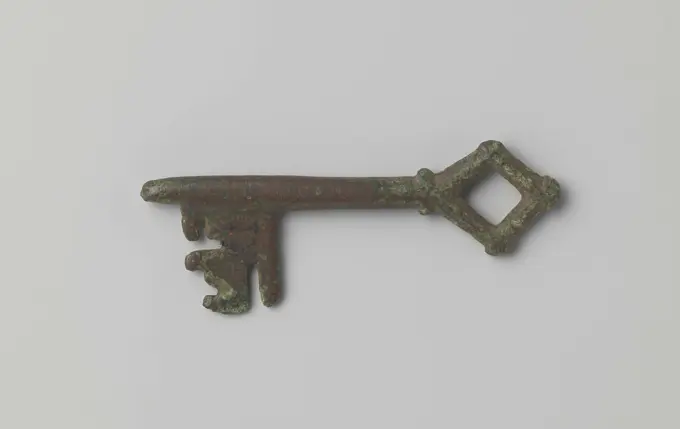
Artifacts including keys, daggers, and decorative tools made from bronze, representing historical craftsmanship and cultural significance.

Spoon with oval bowl and handle with rounded end, spoon cutlery soil find tin metal, cast Spitsovale bin grained stem rounded end Double-sided Reverse side stem unclear mark: crowned weapon of Rotterdam archeology Rotterdam rail tunnel food Soil discovery: trajectory Rotterdam rail tunnel.
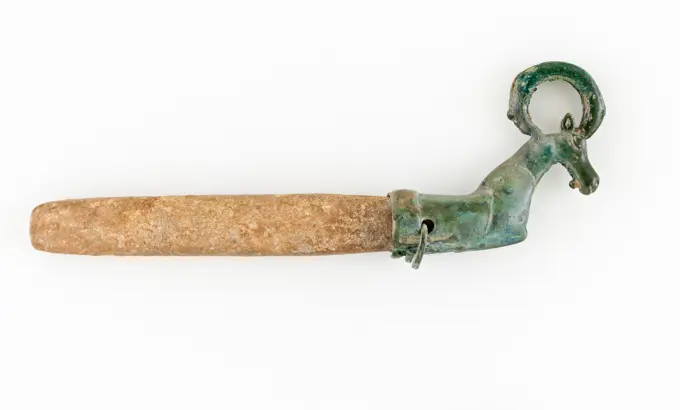
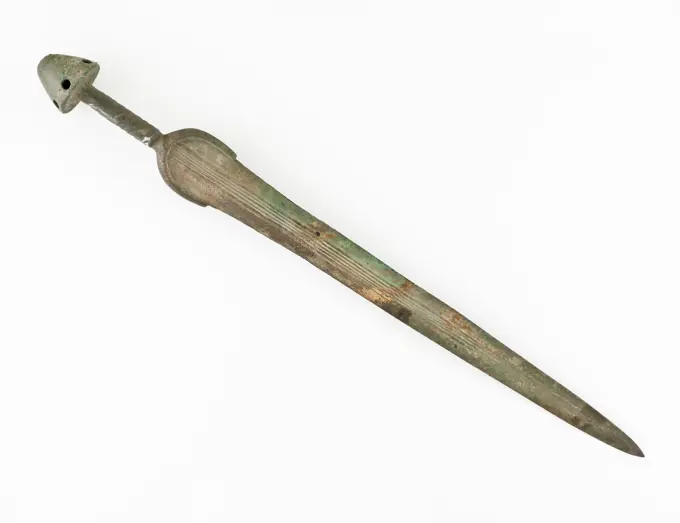
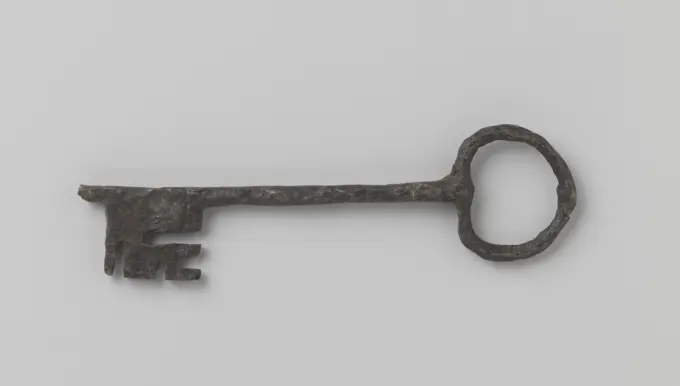
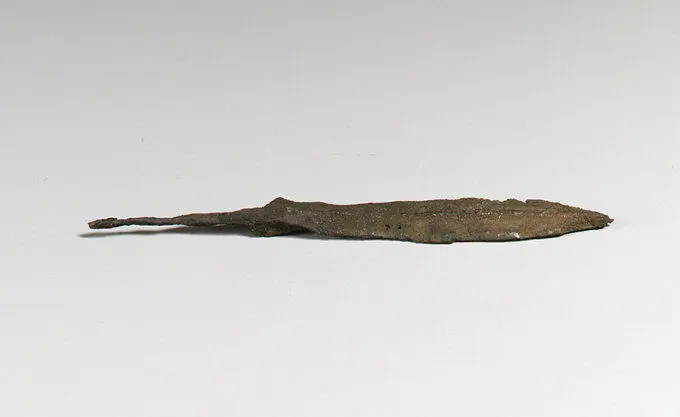
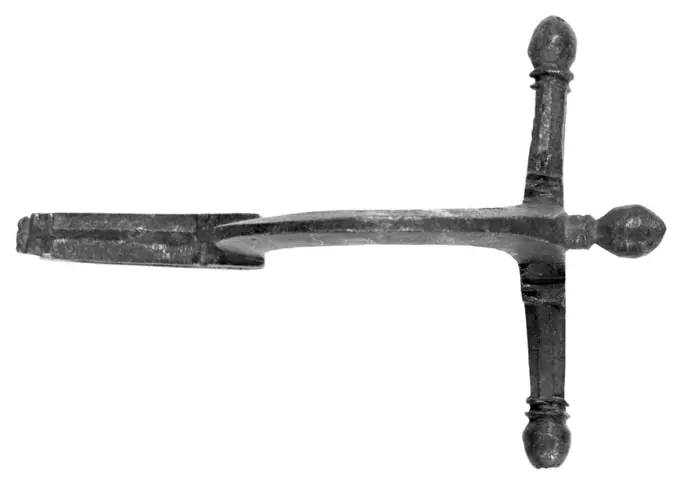
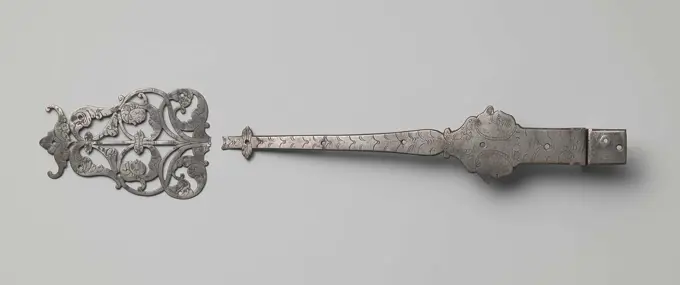
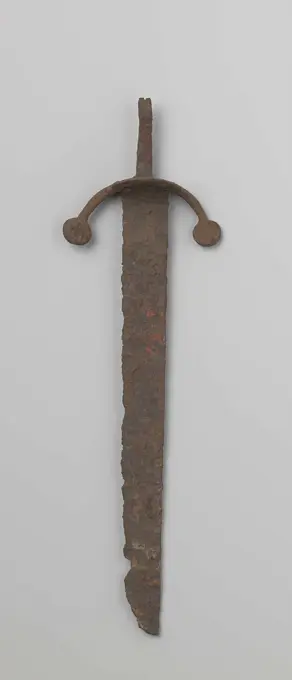
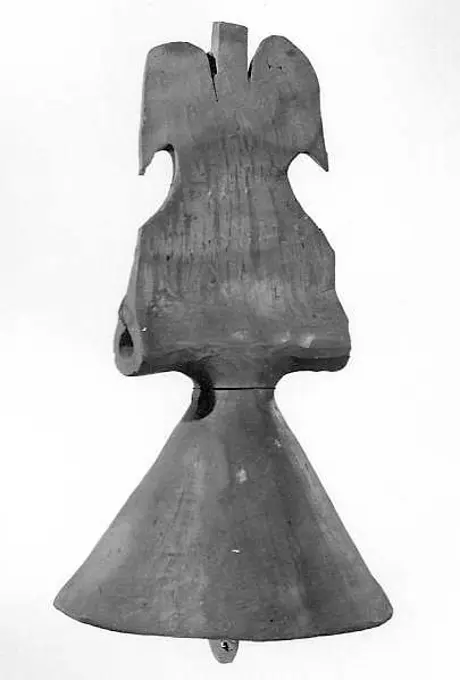
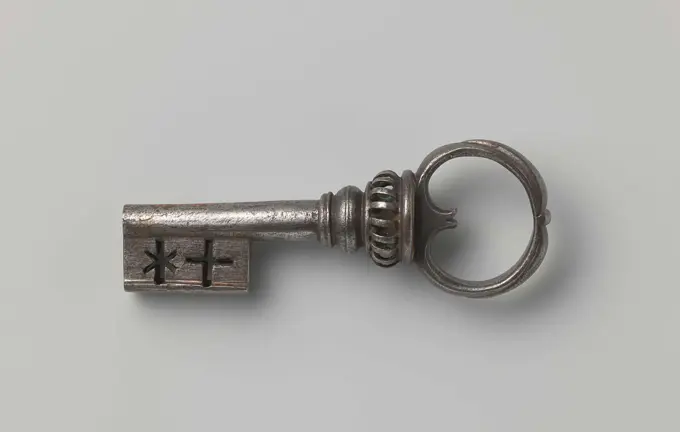
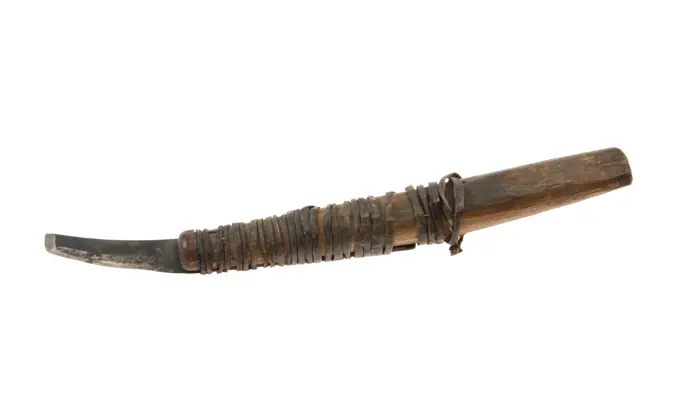
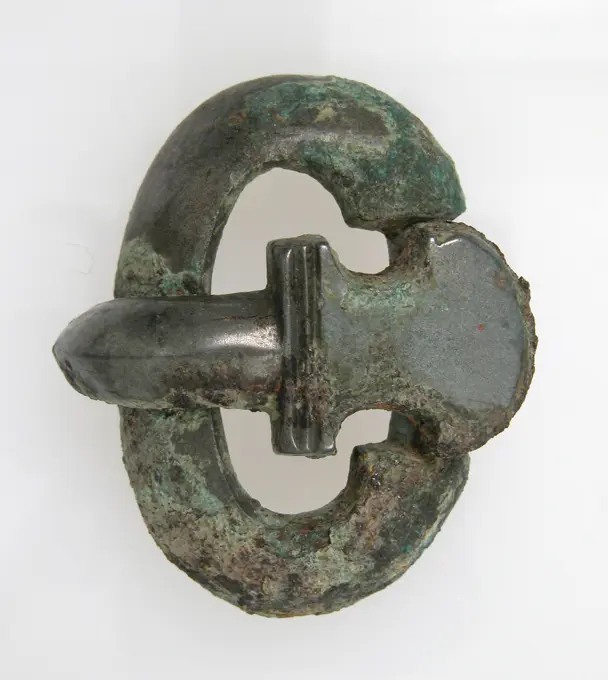
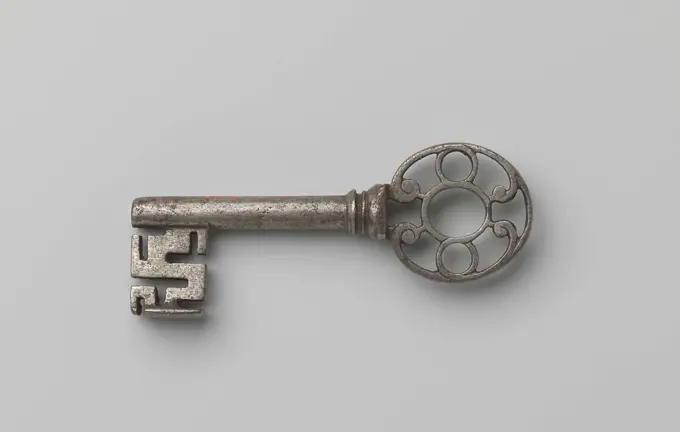
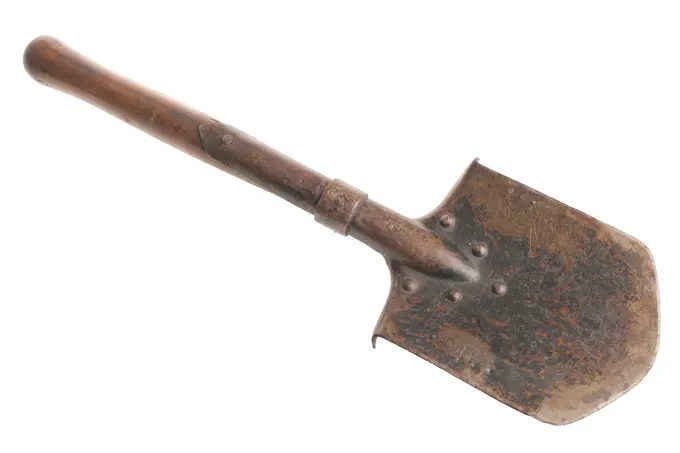
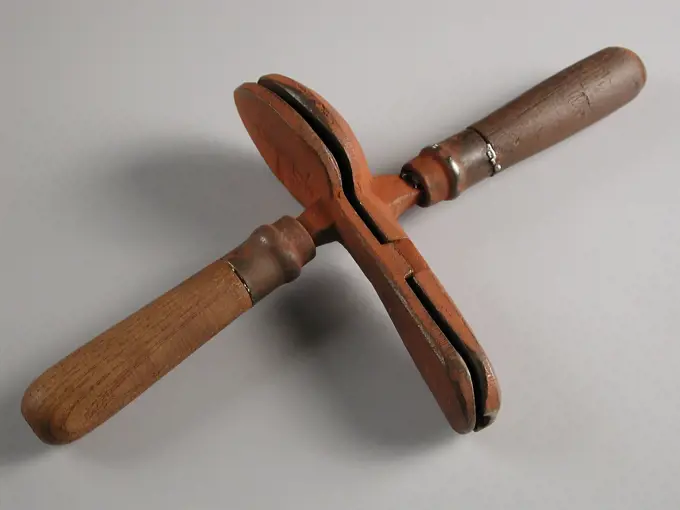
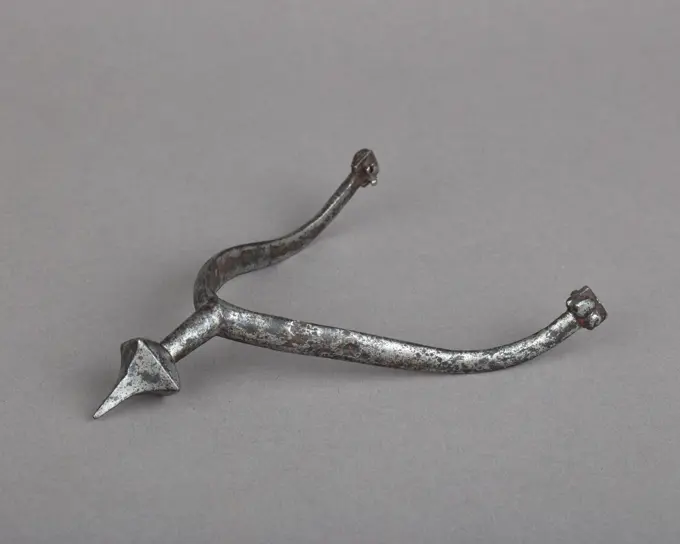
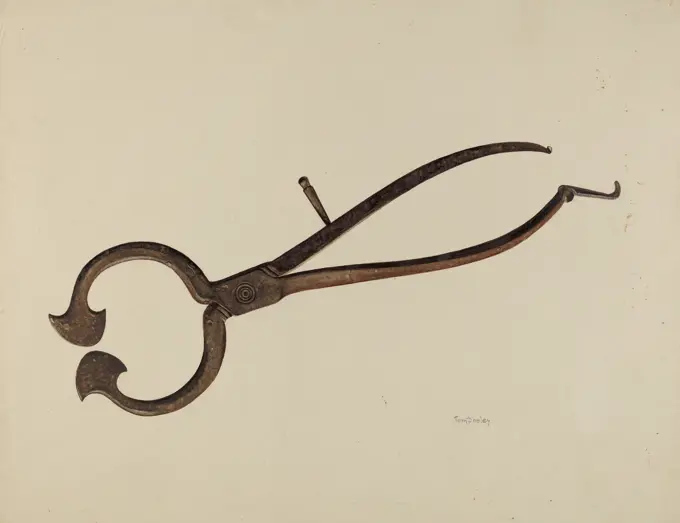
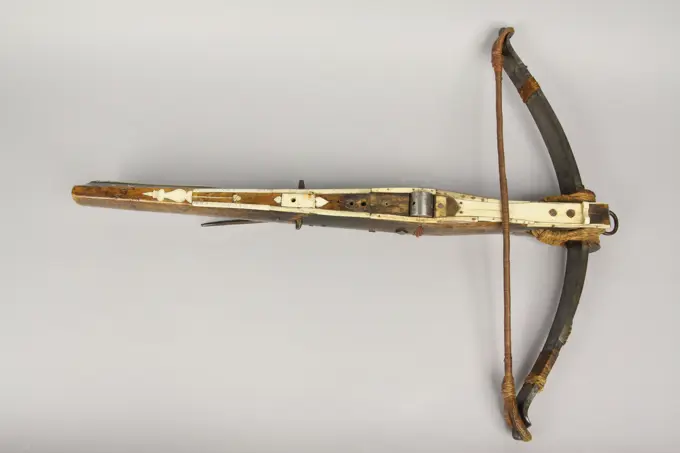
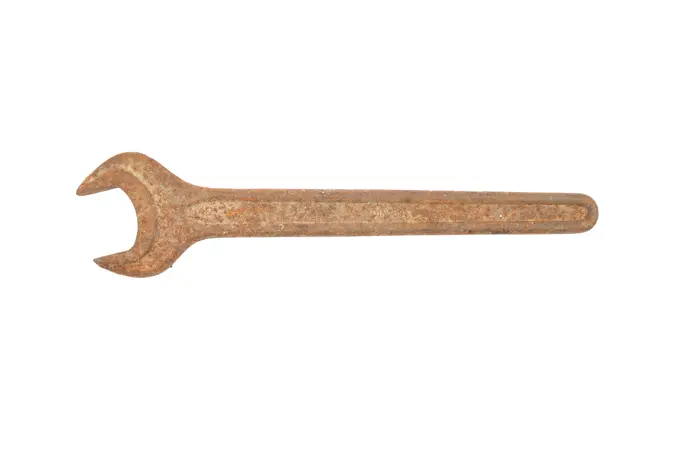
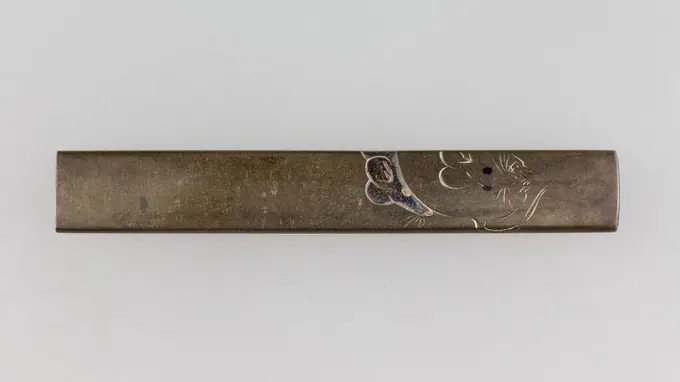
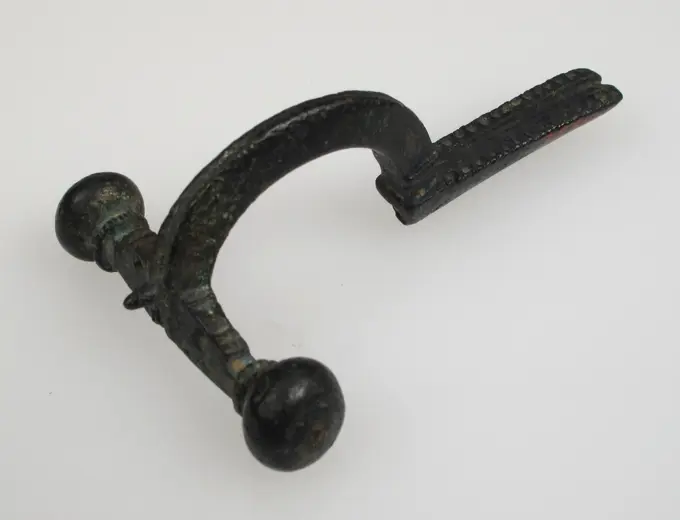
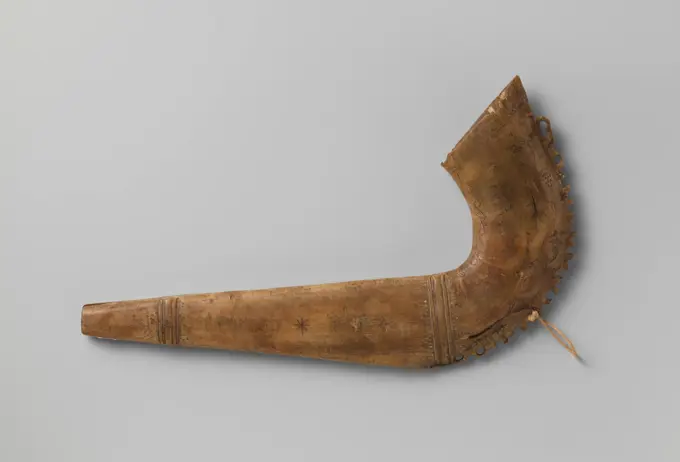
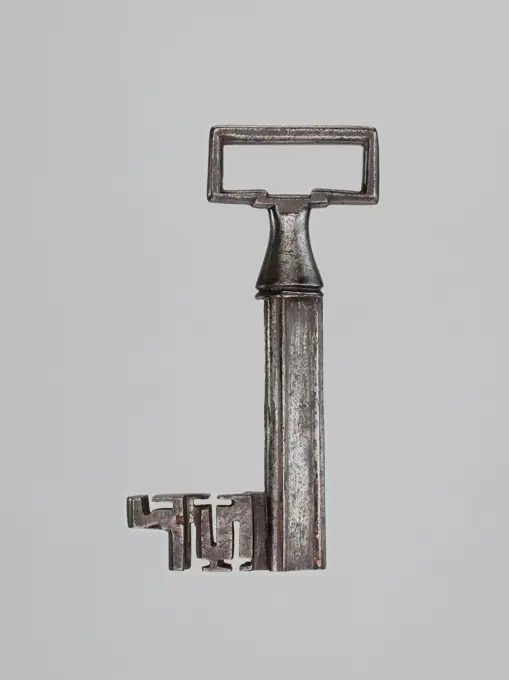
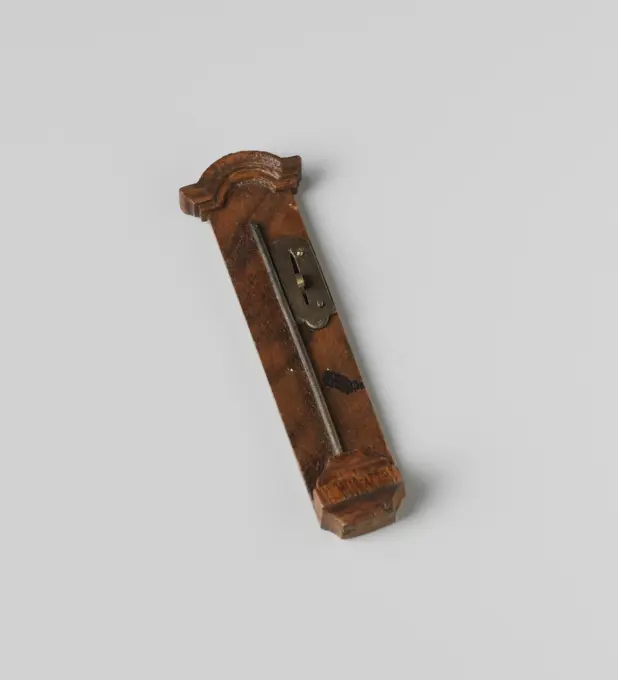
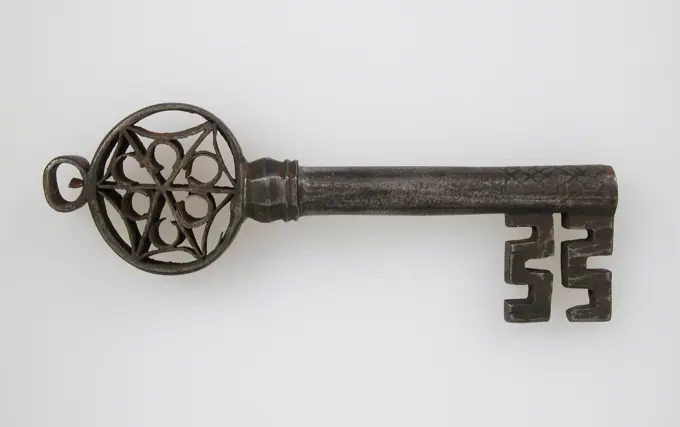
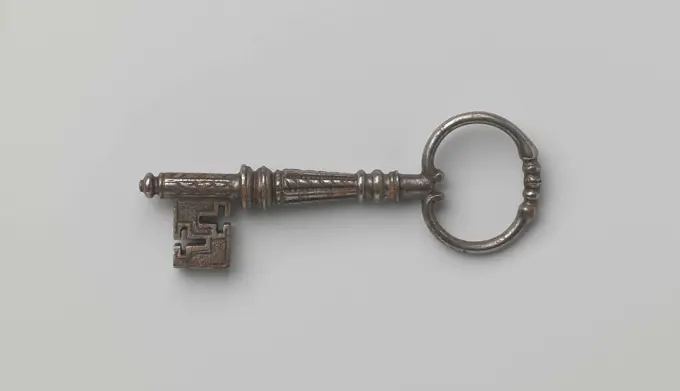
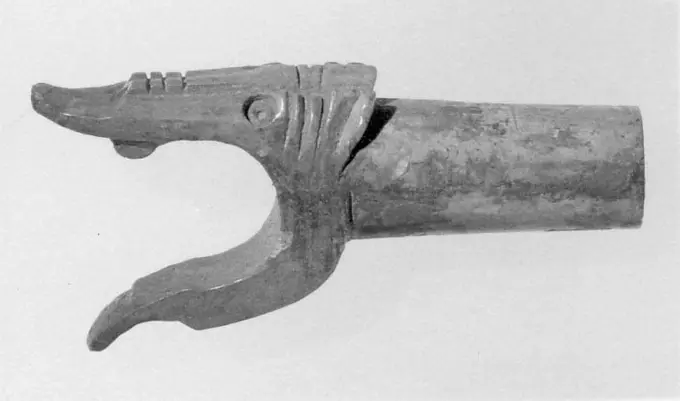
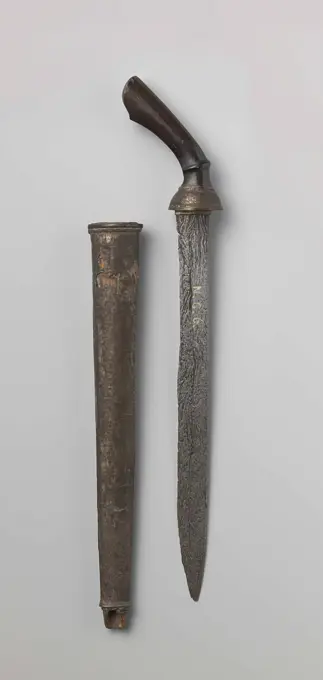
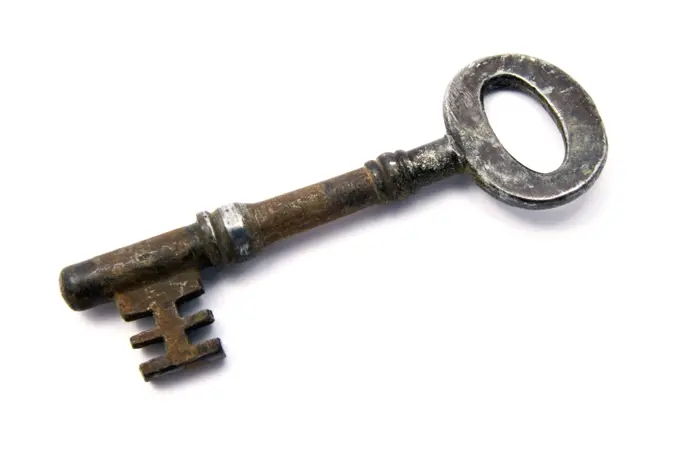
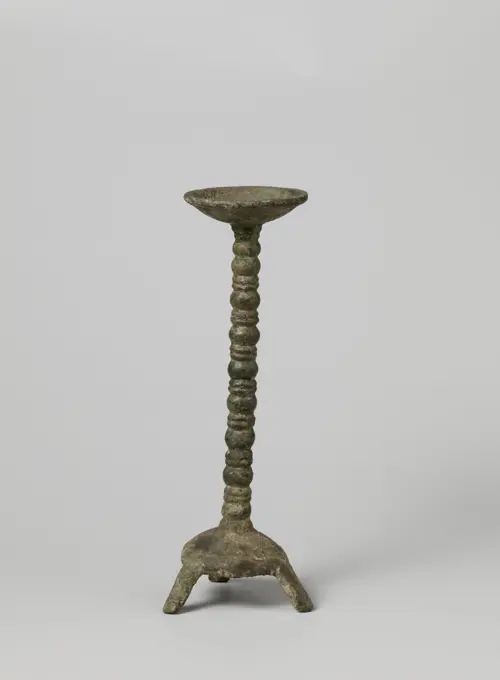
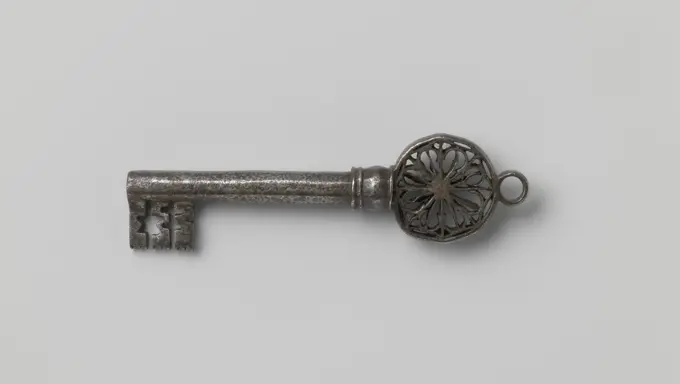
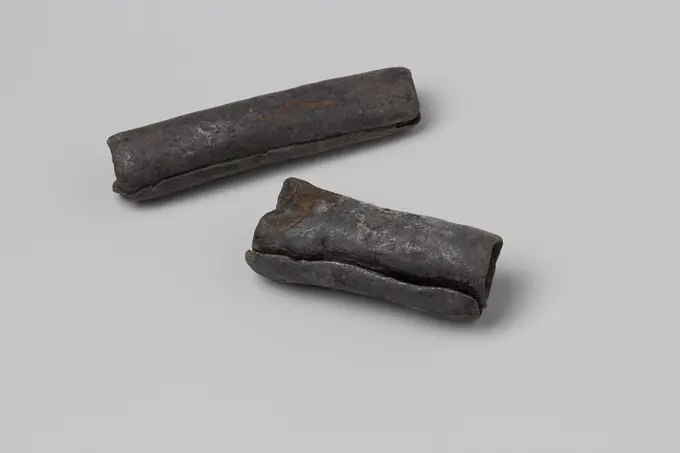
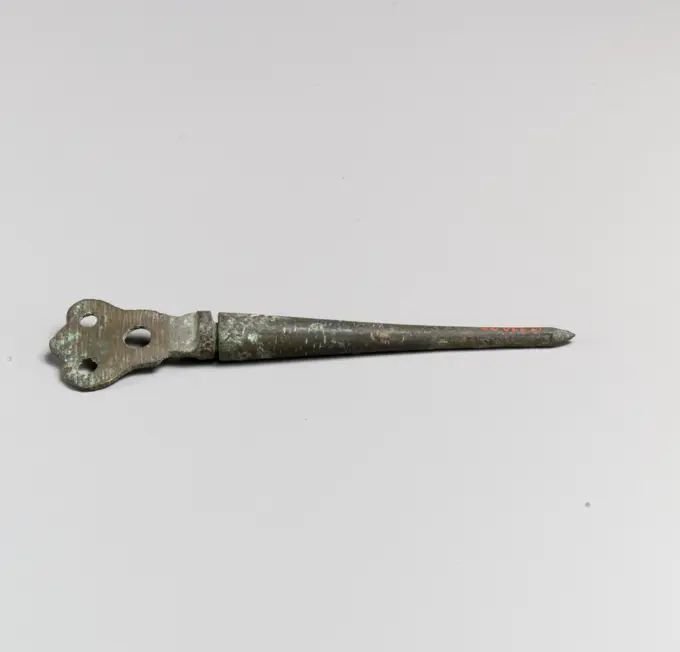
Implement, cone-shaped. Implement, cone-shaped 250605 Implement, cone-shaped, Bronze, Other: 2 1/4 in. (5.7 cm). The Metropolitan Museum of Art, New York. Rogers Fund, 1917 (17.230.72)Key 14th century German. Key 468915Whetstone Socket. Iran, Luristan, circa 1350-1000 B.C.. Tools and Equipment; sockets. Bronze, castDagger. Northern Iran, 1350-1000 B.C.. Arms and Armor; daggers. Bronze, castSpoon with oval bowl and handle with rounded end, spoon cutlery soil find tin metal, cast Spitsovale bin grained stem rounded end Double-sided Reverse side stem unclear mark: crowned weapon of Rotterdam archeology Rotterdam rail tunnel food Soil discovery: trajectory Rotterdam rail tunnel.Key, 1700 - 1800 Key with a triangular eye, corrugated shaft, which broadens downwards and then runs three -sided. The beard has an occupation similar to a stylized German eagle.  iron (metal) Key with a triangular eye, corrugated shaft, which broadens downwards and then runs three -sided. The beard has an occupation similar to a stylized German eagle.  iron (metal)Key, 1300 - 1500 Key with bean -shaped eye and four -sided shaft, which ends beyond the beard.  iron (metal) Key with bean -shaped eye and four -sided shaft, which ends beyond the beard.  iron (metal)Arrowhead ca. 480-330 B.C. Greek, Cypriot. Arrowhead 244222Sleutel.Key with handle consisting of a two rods, downwards, descended on two rods, which was rebuilt from two C volutes. The whole rests on a ball-shaped capital. The shaft is profiled at the top.COURSE-CONSEAUYIDAO. Copper alloy, China, IVe-iiie s, av. Paris, Cernuschi museum. Asian art, Chinese art, Asian civilization, Chinese civilizationFibula. UnknownPin from the wreck of the East Indiesman Hollandia. Tools and Instruments, Sewing and Sailmaking, PIN; Fragm, Bow, ID. NG 1980-27H3265.ObsadkaKey, c. 1600 - c. 1699 Captured key whose oval eye is covered with acanthus leaf and crowned by a flat ellipse -shaped button. The shaft has a nodus decorated with acanthus leaf in the middle. France iron (metal) Captured key whose oval eye is covered with acanthus leaf and crowned by a flat ellipse -shaped button. The shaft has a nodus decorated with acanthus leaf in the middle. France iron (metal)Deurhengsel van vertind ijzer, versierd met graveringen en narrenkoppen.Door mixture of tinned iron decorated with engravings. The batter is as follows from the hinge: a right start; a nod with two trend heads looking outside; Narrow baluster-shaped rod, showing some leaf motifs to the end, which curls like volutes. In the middle of it two narrows look at each other. The whole ends in a pointed leaf with two curling tendrils on either side thereof.Bow-Shaped Brooch 5th century B.C. Celtic. Bow-Shaped Brooch 464801 Celtic, Bow-Shaped Brooch, 5th century B.C., Silver, Copper alloy , Overall: 1 5/16 x 2 x 5/16 in. (3.3 x 5.1 x 0.8 cm). The Metropolitan Museum of Art, New York. Gift of J. Pierpont Morgan, 1917 (17.191.112)Batter ..Model of a Made Mast, anonymous, c. 1821 demonstration model Round mast with square top, ears, longitudinal and side bowls. The Mastvoet is quite square and consists of twelve parts, six in the middle and three cheeks on either side. From the Mastgat, four cheeks have been added to the back that run all the way up, while the front four parts stop just above the longitudinal people; From this point the mast consists of twelve parts again and becomes square again. The parts are held together with a large number of tubs. Two side bowls strengthen the whole; They also support the longitudinal people together with the ears, which are not attached to the front of the mast with irons and bolts. At the Mastgat there are two notches for the ears and two for the visitors, if the mast is reversed. model maker: Netherlands (possibly)after design by: United Kingdom wood (plant material). brass (alloy)Dolk.Iron Dag without hilt (part of a sword). Found in the IJ at the works for Central Station.Key, c. 1500 - c. 1600 Key with winch -shaped eye. Heavily rusted.  iron (metal) Key with winch -shaped eye. Heavily rusted.  iron (metal)Batter, c. 1400 - c. 1950   iron (metal)   iron (metal)Rowel Spur (Right) late 19th century American or English This type of mass produced rowel spur, made of cast iron and tinned to protect it from rust, was the regular cavalry spur used in the late 19th century.. Rowel Spur (Right). American or English. late 19th century. Iron alloy, nickel. Equestrian Equipment-SpursKey 15th century German The decoration of Gothic iron locks and keys was often elaborate and of the highest standard of workmanship. The motifs were frequently drawn from Gothic architecture, reproducing on a miniature scale complicated tracery patterns and even tiny statuettes. A number of these tiny locks were compound, with some of the mechanisms concealed from view, and required two or even three keys used in sequence to open them. It has been suggested that the greatly expanded use of locks on doors, or coffrets and other types of storage chests was a result of the increasing urbanization of life and the new emphasis on material wealth and private ownership which developed in the late Middle Ages.. Key. German. 15th century. Iron. Metalwork-IronCrossbow Brooch 2nd-3rd century () Roman. Crossbow Brooch. Roman. 2nd-3rd century (). Silver. Metalwork-SilverVeldslang.Field hose with loose room (NM-9345-B). Lang cannon with a straight loop. Open top piece (room) on top and bottom. Tailpiece is one whole with a fittings, ending in more or less round rod, at the end facing up and with button. Mik around the taps sitting, flared in pointed rod. Tapping at 1/3 of the loop with two clamping half rings to which the MIK is attached. Mouth, head slightly. To go a loose ring to the walk.Bronze scalpel 1st-2nd century A.D. Roman This scalpel is typical of one of the principal surgical instruments used by Roman doctors and surgeons.. Bronze scalpel 244206Sleutel.Key whose shaft is cylinder-shaped.Left Arm Guard 16th-17th century Turkish. Left Arm Guard 32011Door handle or beater with remnant of mounting hook, anonymous, c. 1590 - c. 1596  Door handle or beater with the remnant of mounting hook.  iron (metal) forging  Nova Zembla. Saving HuysKey, c. 1800 - c. 1900 Key whose hold of four volutes consists and is crowned by a bullet with eye and ring. The shaft is divided into three by two ring -shaped thickening. The beard has an anchor -shaped floor on both sides. In the eyes of silver brand B. France silver (metal) Key whose hold of four volutes consists and is crowned by a bullet with eye and ring. The shaft is divided into three by two ring -shaped thickening. The beard has an anchor -shaped floor on both sides. In the eyes of silver brand B. France silver (metal)Cranequin (Winder) for a Crossbow 1550-1600 Germany. Steel, wood, and cord .Arrowheads, needles, hooks and harpoons. Culture: Japan. Dimensions: 1 7/8 in. (4.8 cm); L. 4 1/2 in. (11.4 cm). Museum: Metropolitan Museum of Art, New York, USA.Key. Culture: Catalan. Dimensions: Overall: 4 x 1 7/16 x 7/16 in. (10.2 x 3.6 x 1.1 cm). Date: 16th century.The decoration of Gothic iron locks and keys was often elaborate and of the highest standard of workmanship. The motifs were frequently drawn from Gothic architecture, reproducing on a miniature scale complicated tracery patterns and even tiny statuettes. A number of these tiny locks were compound, with some of the mechanisms concealed from view, and required two or even three keys used in sequence to open them. It has been suggested that the greatly expanded use of locks on doors, or coffrets and other types of storage chests was a result of the increasing urbanization of life and the new emphasis on material wealth and private ownership which developed in the late Middle Ages. Museum: Metropolitan Museum of Art, New York, USA.Parts or fittings from the wreck of the East Indians Hollandia, Anonymous, 1700 - in or Before 1743 part Strip-shaped fitting; fragm, squashed, eroded; flat, straight with right-angled curve, each with 2 holes along centre. Netherlands copper (metal)Key. Culture: German. Dimensions: Overall: 3 9/16 x 2 1/16 x 7/16 in. (9 x 5.2 x 1.1 cm). Date: 15th century. Museum: Metropolitan Museum of Art, New York, USA.Gunlock (percussion). Percussion lock consisting of a simple hammer on a shaft on a lock plate, painted black. How the lock plate is mounted on the guns is unclear. The retraction rope belongs to the axis of the hammer to be turned.Pottery Bell 19th century () Mexican. Pottery Bell. Mexican. 19th century (). blackware. Morelia, Mexico. Idiophone-Struck-bell-without clapperPijpsleutel.Pipe key with annular eye decorated by simple leaf motif. There is an open-worked spiral between the disks of the capital. The beard has a cross and star-shaped occupancy.key isolated on white backgroundChamber of a Swivel Gun, c. 1750 - c. 1850 cylinder Room with a caliber of 2.9 cm. The wedge is missing. China iron (metal)   BorneoSliding lock. Sliding lock of forged iron.Key, c. 1600 - c. 1699 Key with braces -shaped eye crowned by a button.  iron (metal) Key with braces -shaped eye crowned by a button.  iron (metal)Painters spatulaCrooked knife -Miniature Spear Thrower 8th-mid-16th century Peru; north or central coast (). Miniature Spear Thrower 309191Belt Tongue and Oval Loop from a Buckle 7th century Frankish. Belt Tongue and Oval Loop from a Buckle 464927 Frankish, Belt Tongue and Oval Loop from a Buckle, 7th century, Silvered Copper alloy, Overall: 1 3/4 x 1 7/16 x 9/16 in. (4.4 x 3.7 x 1.4 cm) loop only: 1 3/4 x 1 1/8 x 1/4 in. (4.4 x 2.8 x 0.7 cm) tongue: 1 7/16 x 1/2 x 5/16 in. (3.7 x 1.2 x 0.8 cm). The Metropolitan Museum of Art, New York. Gift of J. Pierpont Morgan, 1917 (17.191.225a, b)Pijpsleutel.Pipe key with doric capital. On this, the circular handle that has been compiled from two C volutes and rings therein.Awl Cypriot. Awl 244398Army shovel. Russia. Eastern Europe. Little army shovel isolated on a white background with cliping path. ,model released, Symbolfoto ,property released Copyright: xZoonar.com/SergeyxxKozoderovx 14953386 ,model released, Symbolfoto ,property releasedPipe key. Pipe wrench whose top of the shaft is rated vase-shaped. From this, two small vultuts from eenses that each wear an inwarded C-volute, covered by a saddle. Handle and the vase-shaped portion of the shaft and beard of iron.Key. Culture: German. Dimensions: Overall: 3 5/8 x 1 5/16 x 1/2 in. (9.2 x 3.4 x 1.2 cm). Date: 15th century.The decoration of Gothic iron locks and keys was often elaborate and of the highest standard of workmanship. The motifs were frequently drawn from Gothic architecture, reproducing on a miniature scale complicated tracery patterns and even tiny statuettes. A number of these tiny locks were compound, with some of the mechanisms concealed from view, and required two or even three keys used in sequence to open them. It has been suggested that the greatly expanded use of locks on doors, or coffrets and other types of storage chests was a result of the increasing urbanization of life and the new emphasis on material wealth and private ownership which developed in the late Middle Ages. Museum: Metropolitan Museum of Art, New York, USA.Two-piece bronze mold for spoon, cast molding tools tool base metal bronze wood, final product, cast Two-piece bronze mold for casting wedding spoon with double rat tail or needle as transition from oval tray and 'pied de biche' as stem end and decoration of heart surrounded by stylized tree of life and drinking chalice and on top shell Rotterdam tingieterij tinnegieter tin wedding Meeuws Druy craft Forms come from the originally 18th century Rotterdam tinnegieter J Druy. The large molds that were not signed or dated were the property of the tinker guild and were rented to the small tin caster.Passer with iron pen and piece of iron guidance arch, anonymous, c. 1590 - c. 1596  Passer with iron pen and piece of iron guide arch. The two straight legs were united by means of a hinge. The iron has largely been lost.  iron (metal). wood (plant material) forging / cutting  Nova Zembla. Saving HuysSnow knife -Bronze stamp 1st century A.D. Roman, Asia Minor The stamp has a retrograde Greek inscription: Alexandras.. Bronze stamp 251529 Roman, Asia Minor, Bronze stamp, 1st century A.D., Bronze, Overall: 1 7/16 x 3 3/8 in. (3.7 x 8.6 cm). The Metropolitan Museum of Art, New York. Fletcher Fund, 1924 (24.97.101)Prick Spur 12th century German The prick spur was the first type of spur to be invented, and it consists of a goad or prick, more or less pointed, connected to side arms or a heel plate. The earliest spurs were probably simple thorns attached at the back of the heel, before they started to be made out of metal in antiquity. Prick spurs were the main type of spurs used in the Middle Ages until the mid-14th century, when they were supplanted by rowel spurs, which appeared in Europe a century before and with which they had cohabitated for a time. As a knights status was closely related to his horse, spurs became one of the symbols of chivalry, and one of the tokens given to him during his knighting.. Prick Spur. German. 12th century. Iron alloy. Equestrian Equipment-SpursThomas Dooley, Loaf Sugar Cutter, c 1942 Loaf Sugar CutterCrossbow -Dagger-Ax China. Dagger-Ax 61292Gabelschlüssel - Open-end spanner on white Gabelschlüssel - Open-end spanner on white Copyright: xZoonar.com/lantapixx 7262006Key 9th century () Carolingian (). Key 462942D-shaped buckle with split angel around style, buckle fastener part soil find iron metal, forged bracket with slightly curved sides that end in point. Metal strip wrapped around the middle post. Iron buckle with split angel archeology Rotterdam Kralingen-Crooswijk Kralingen East Honey dike fastening fastening rigging Soil discovery: Honingerdijk 1982-04-25.Knife Handle (Kozuka). Culture: Japanese. Dimensions: L. 3 13/16 in. (9.7 cm); W. 9/16 in. (1.4 cm); thickness 3/16 in. (0.5 cm); Wt. 1.2 oz. (34 g). Fittings maker: Inscribed by Kano Natsuo (Japanese, 1828-1898). Date: mid-19th century.This kozuka features a design of two mice. Museum: Metropolitan Museum of Art, New York, USA.Crossbow Bolt, 1500s-1600s. Germany, 16th-17th century. Wood, leather, steel; average: 37.2 cm (14 5/8 in.).Crossbow Fibula ca. 350-380 Late Roman. Crossbow Fibula 466263Arm Guard 16th century Indian. Arm Guard. Indian. 16th century. Iron. Armor PartsBoat inlay Late Period 522-343 B.C. View more. Boat inlay. 522-343 B.C.. Serpentinite. Late Period. From Egypt, Upper Egypt, Thebes, Southern Asasif, Unfinished Temple Site, MMA excavations, 1920-22. Dynasty 26Fragment stitch passer from the wreck of the East Indians Hollandia, Anonymous, 1700 - in Or Before 1743  Divider; fragment, semicircular ring, id. NG 1980-27H1171, eroded. Netherlands copper (metal)   SecondHengsel van vertind ijzer met rankmotieven.Handle handle handle. At the bottom of a large, round opening of a hinge. From there, two symmetrical, stylized rank motifs, which curl into the end in Volutes.Snow knife -Timpani hammers, anonymous, 1800 - 1893 Timpani sticks of wood. Horend with three timpani sticks (BK-NM-11430-125-A to BK-NM-11430-125-D).  wood (plant material). wool Timpani sticks of wood. Horend with three timpani sticks (BK-NM-11430-125-A to BK-NM-11430-125-D).  wood (plant material). woolShofar or bazuin with inscription in Hebrew letters. Shofar or trumpet, in use in Jewish worship, also called Ramshoorn. With urban ornaments and ajour decoration to the outer bend. Inscription in Hebrew letters' Heil de Volke, that the therbases understand. Eternal, let them walk in the shine of the faces.Excavation horseshoeSilversmith: Hendrik Vrijman, Silver sugar sprinBlade spoon with round, open-worked container, scoop spoon spoon kitchenware silver, sawn Deep round cut-away tray (transversely placed) back curved stem with rolled end backside stem (smashed) sugar sprinkles sprinkle serve sugarTweezers ca. 3200-2000 B.C. Cypriot. Tweezers 244313Snuffer. Dated: c. 1936. Dimensions: overall: 29.2 x 22.8 cm (11 1/2 x 9 in.). Medium: graphite on paper. Museum: National Gallery of Art, Washington DC. Author: Anna Aloisi.Tweezers Roman. Tweezers 250599 Roman, Tweezers, Bronze, Other: 5 1/8 in. (13 cm). The Metropolitan Museum of Art, New York. Rogers Fund, 1917 (17.230.66)Key. Key with large round eye, a bearded shaft under the beard and symmetrical bearded beard. With associated label.Key;  End of the 18th century (1701-00-00-1800-00-00);Barometer in an elongated cupboard with curved hood. Smooth, elongated wall barometer of walnut, with copper rod, resting on a pedestal, to which a copper plate. The cabinet has been awarded with a curved, profiled roof and can be hung on a rope.Key, c. 1400 - c. 1950 Key with a handling on a Chinese stone garden lantern. The roof is also a bear's head. The exceptionally formed beard shows overlangse grooves.  bronze (metal) Key with a handling on a Chinese stone garden lantern. The roof is also a bear's head. The exceptionally formed beard shows overlangse grooves.  bronze (metal)Key 15th-16th century Catalan The decoration of Gothic iron locks and keys was often elaborate and of the highest standard of workmanship. The motifs were frequently drawn from Gothic architecture, reproducing on a miniature scale complicated tracery patterns and even tiny statuettes. A number of these tiny locks were compound, with some of the mechanisms concealed from view, and required two or even three keys used in sequence to open them. It has been suggested that the greatly expanded use of locks on doors, or coffrets and other types of storage chests was a result of the increasing urbanization of life and the new emphasis on material wealth and private ownership which developed in the late Middle Ages.. Key 468835Sleutel van ijzer.Forged iron key, decorated with carving and engraved. Ring: lying oval from above with rings decorated, assembled in two volutes. Mocking ring: just above the beard. Pipe: closed, baluster-shaped with rings and cannelures decorated. Beard: with two crosses., Soil made rough, the beard walks out more wider.39 keys from the collection of Emmanuel Vita Israël, anonymous, c. 1200 - c. 1400 Pipe key, so -called "bishop's key" of which the quadrangular handle consists of a frame, a thin centerpiece, which is regularly perforated with holes. The frame is raised at the top and pierced with a hole. On the round shaft is the serrated beard, also perforated with holes. Rome bronze (metal) Pipe key, so -called "bishop's key" of which the quadrangular handle consists of a frame, a thin centerpiece, which is regularly perforated with holes. The frame is raised at the top and pierced with a hole. On the round shaft is the serrated beard, also perforated with holes. Rome bronze (metal)Spoon 306-30 B.C. Ptolemaic Period. Spoon. 306-30 B.C.. Copper alloy. Ptolemaic Period. From EgyptKey, 1700 - 1800 Key whose handle also serves as a handle service; This is connected to a hinge on the steel. The large, round handle is formed by C-Voluten, Acanthus leaves and a leaf rosette. The beard is Z-shaped. Handle of bronze, shaft and beard of iron.  iron (metal). bronze (metal) Key whose handle also serves as a handle service; This is connected to a hinge on the steel. The large, round handle is formed by C-Voluten, Acanthus leaves and a leaf rosette. The beard is Z-shaped. Handle of bronze, shaft and beard of iron.  iron (metal). bronze (metal)Dragon-Head Finial China. Dragon-Head Finial. China. Bone. Western Han dynasty (206 B.C.-A.D. 9). BoneDolkmes met schede.Dolk knife with sheath. The wooden sheath is covered with thin layer of silver and has improves inhibition on top and upstairs. The black horns handle is in a skewed direction with respect to Kling and Schede.Samuel Faigin, Rabbet Plane, c 1938 Rabbet PlaneBig old key closeup on white background Keys, c. 1800 - c. 1900 Two soldered keys and a third key hinged, of different sizes.  iron (metal) Two soldered keys and a third key hinged, of different sizes.  iron (metal)Standard to install an oil lamp or a candlestick, anonymous, c. 400 - c. 900 The object, which is cast in one piece, and is probably excavated, has a round foot, a trunk and a bowl standing on three legs. The trunk is decorated with a several times repeated motif consisting of a spherical thickening and two ribs. It was probably used to install an oil lamp or candlestick. West-Europa (possibly) bronze (metal) casting The object, which is cast in one piece, and is probably excavated, has a round foot, a trunk and a bowl standing on three legs. The trunk is decorated with a several times repeated motif consisting of a spherical thickening and two ribs. It was probably used to install an oil lamp or candlestick. West-Europa (possibly) bronze (metal) castingPipe key, c. 1500 - c. 1600 Steel pipe key, at the top of the ring -filled ring a smaller second ring. At the top of the octagonal pipe a capital -shaped thickening. In the pipe a pen, the beard from below and incised from the front. France steel (alloy) Steel pipe key, at the top of the ring -filled ring a smaller second ring. At the top of the octagonal pipe a capital -shaped thickening. In the pipe a pen, the beard from below and incised from the front. France steel (alloy)Dopsleutel van brons.Bronze socket wrench, diamond-shaped ring, pin flared in pointed point, beard of below and from the front.Furniture hinge;  XVII century (1601-00-00-1700-00-00);Loden role from the wreck of the East Indiesman 't flying heart. To tubularly loden pictures. Black-gray in color. Roll or lead.Spanner, c. 1400 - c. 1950 Sight key that can probably serve on both sides. The thick part of the stem ends in two hooks; On the thin part is an openwork square beard, ending in a leaf motif at the bottom.  iron (metal) Sight key that can probably serve on both sides. The thick part of the stem ends in two hooks; On the thin part is an openwork square beard, ending in a leaf motif at the bottom.  iron (metal)Bassoon, c. 1820 musical instrument. wind instrument. bassoon Fagot with eight valves and seventeen holes. Partly affected by woodworm. On the lower tube part the maker: 'L. Embach and Co t 'Amsterdam' and a sticker with 'Nr. 18. '' Amsterdam wood (plant material). copper (metal).Sleutel.Key whose shaft tested and upper is profiled. The handle consists of small, punched C-volups.CONJUNTO DE HERRAMIENTAS DE HIERRO. ROMANO AJUAR. (DEPOSITO: MUSEO ARQUEOLOGICO NACIONAL).