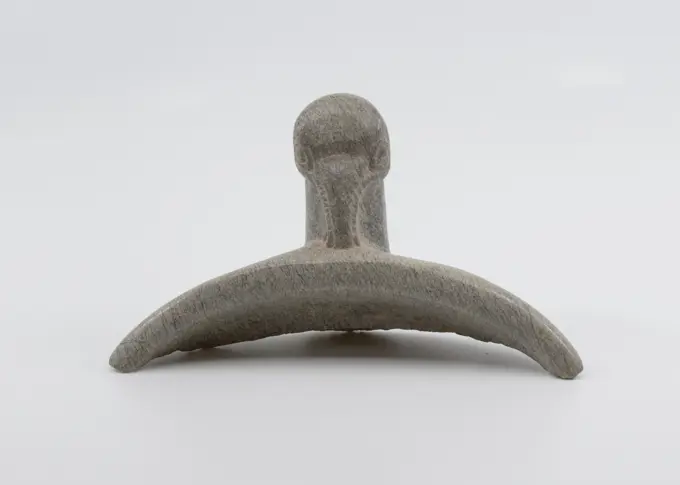
Ancient Metal Implements

Artifacts including keys, daggers, and decorative tools made from bronze, representing historical craftsmanship and cultural significance.

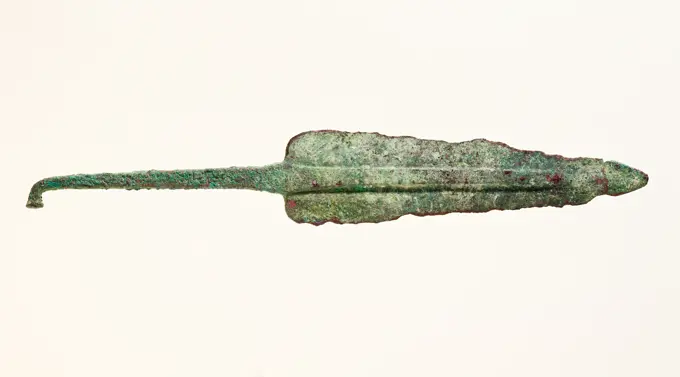
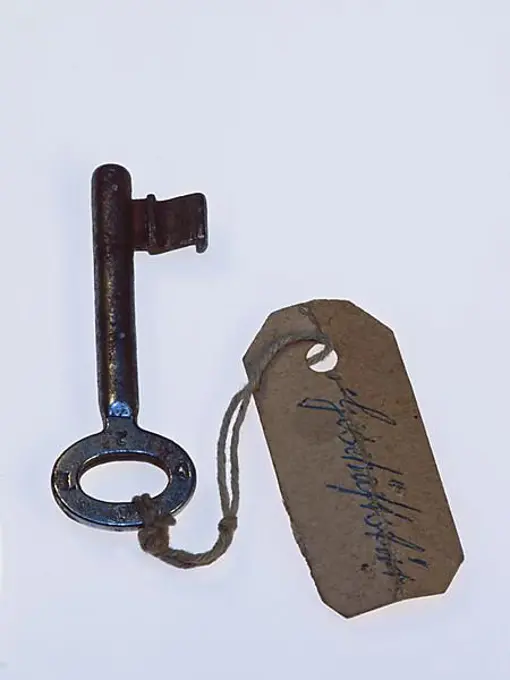
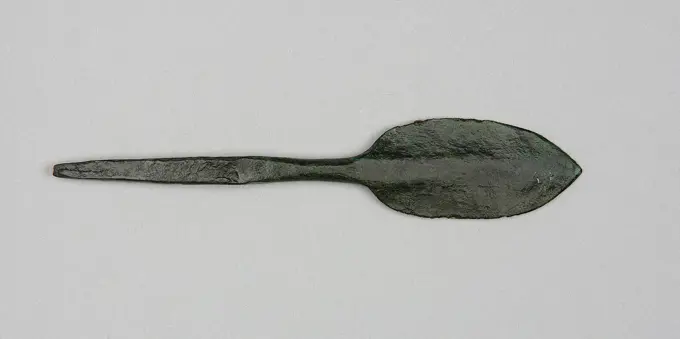
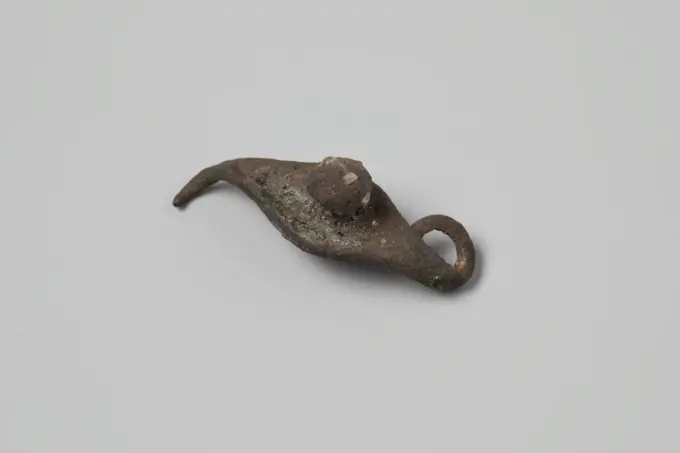
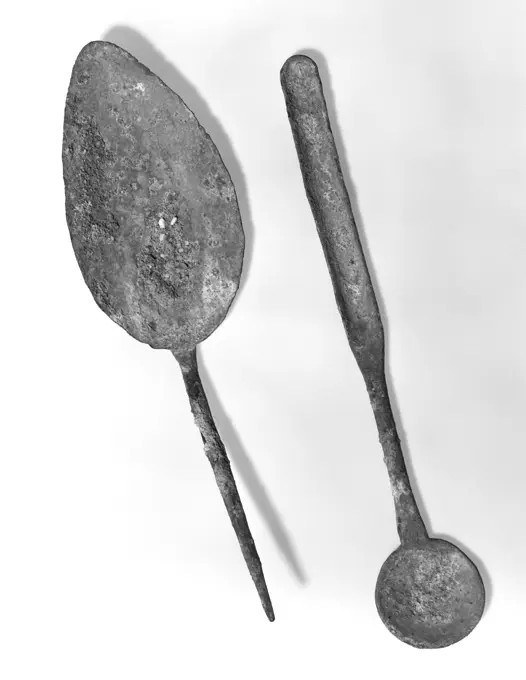
Spoon with oval bowl and handle with rounded end, spoon cutlery soil find tin metal, cast Spitsovale bin grained stem rounded end Double-sided Reverse side stem unclear mark: crowned weapon of Rotterdam archeology Rotterdam rail tunnel food Soil discovery: trajectory Rotterdam rail tunnel.
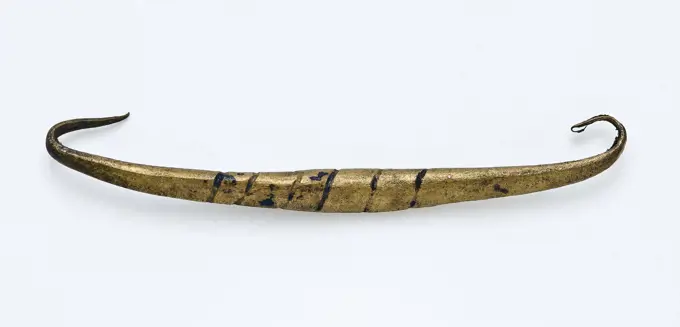
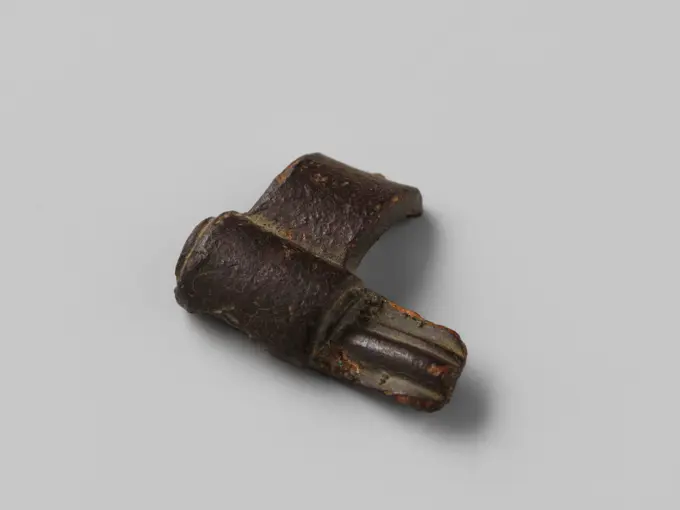
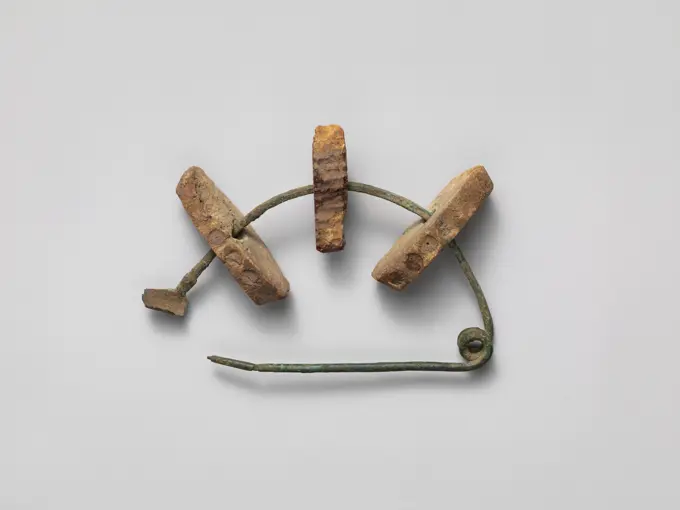
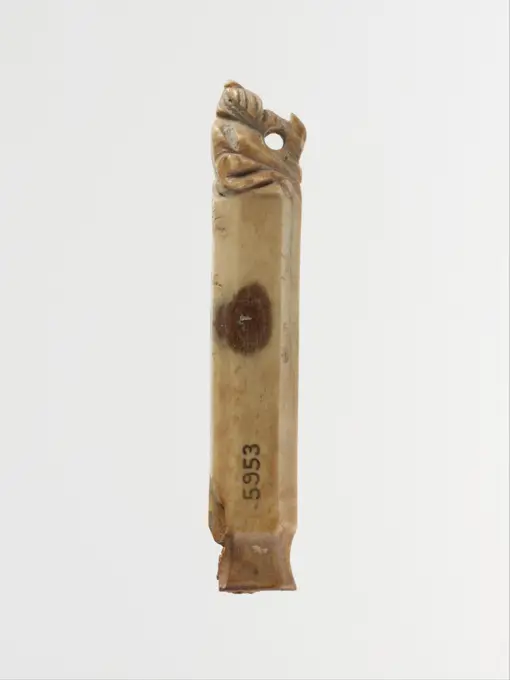
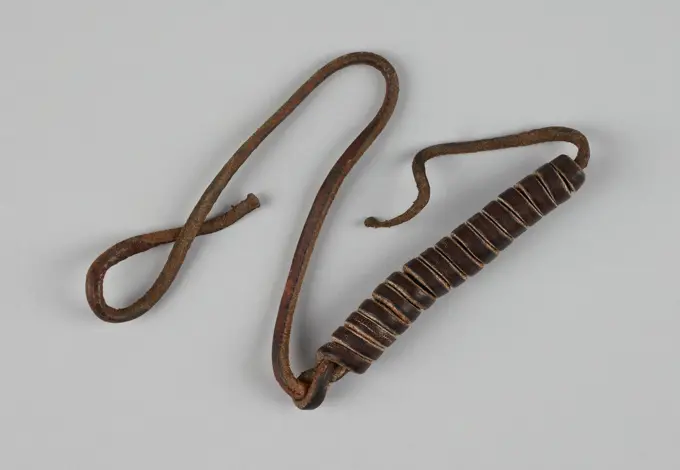
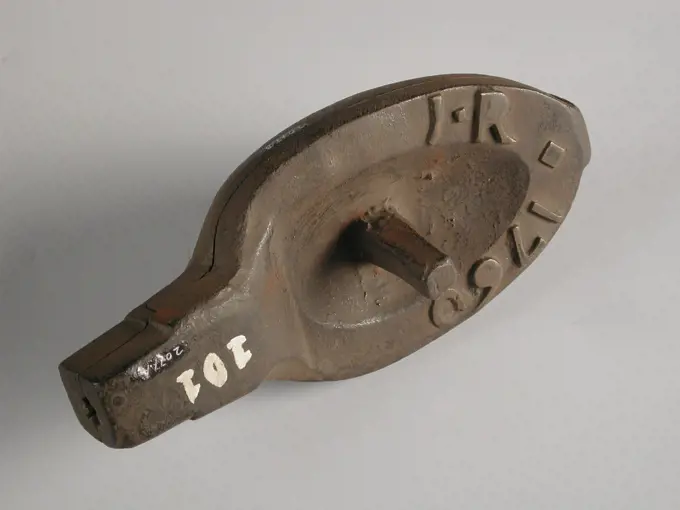
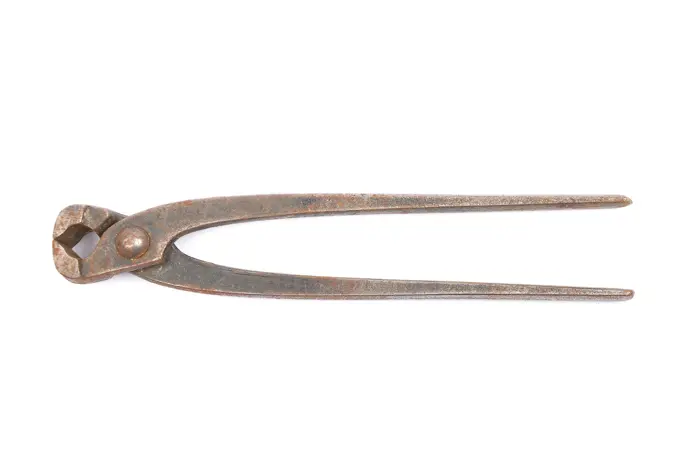
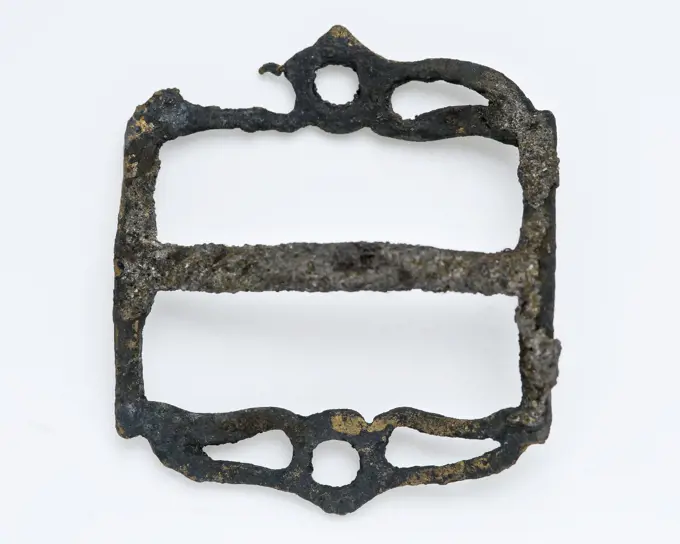
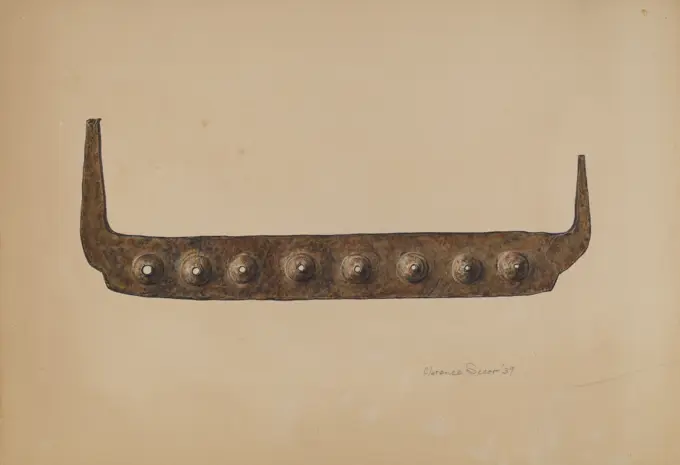
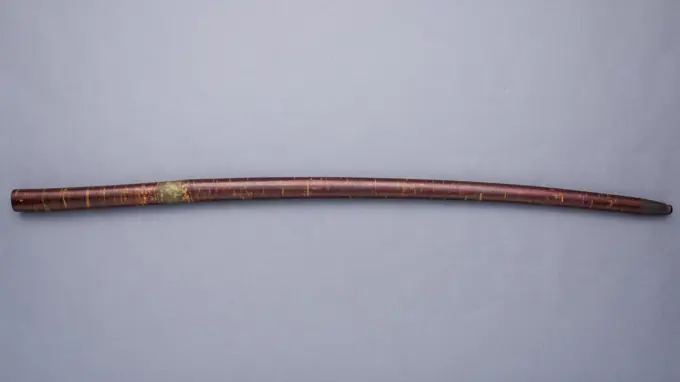
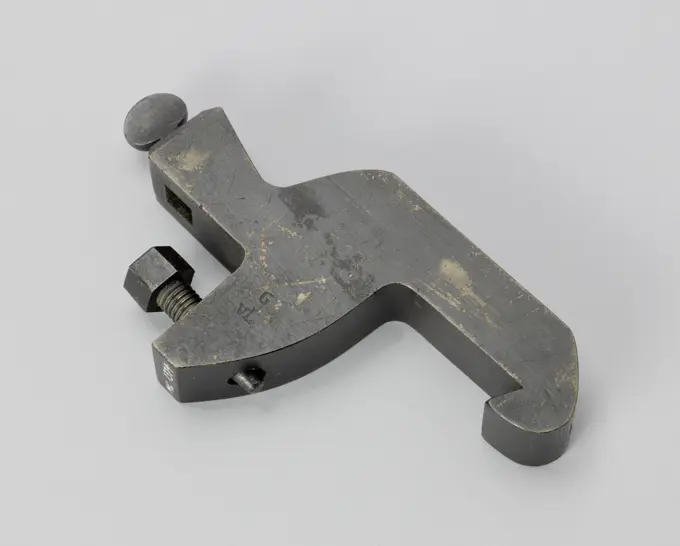
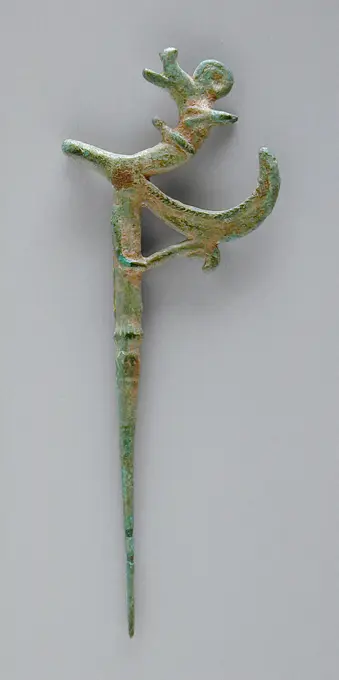
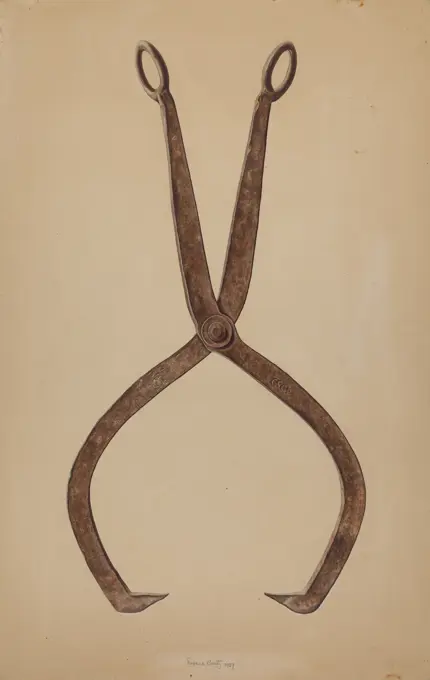
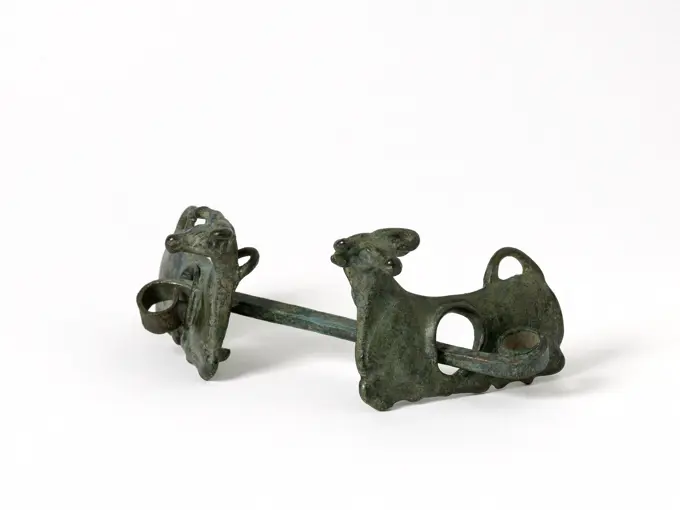
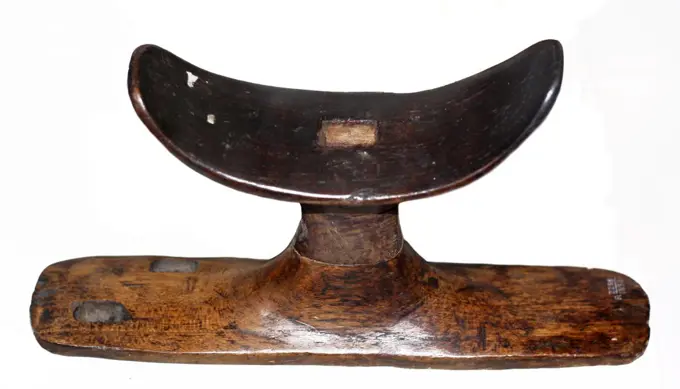
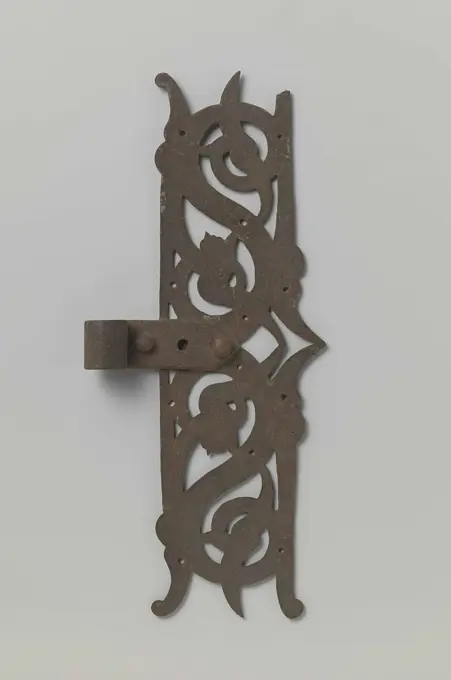
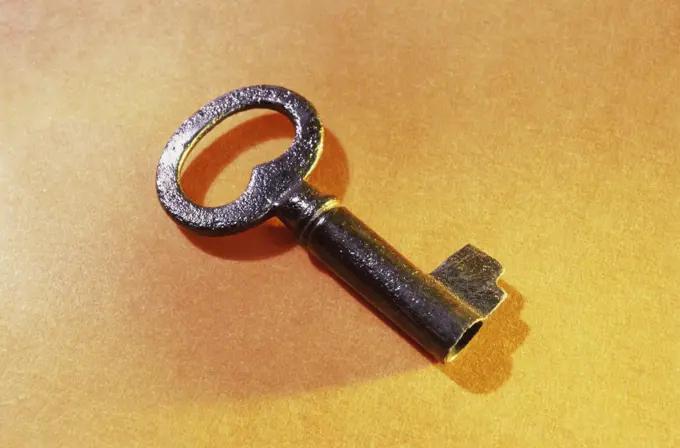
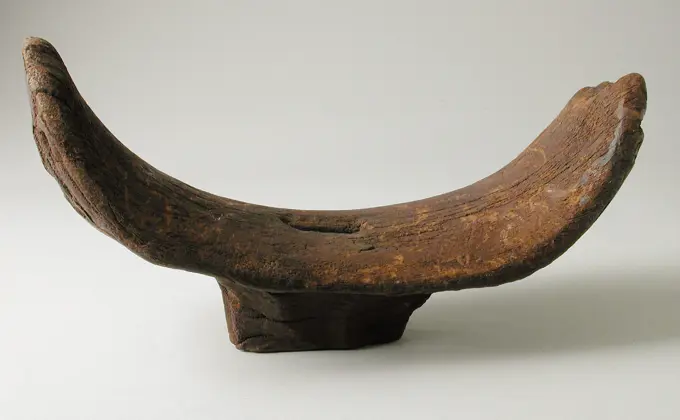
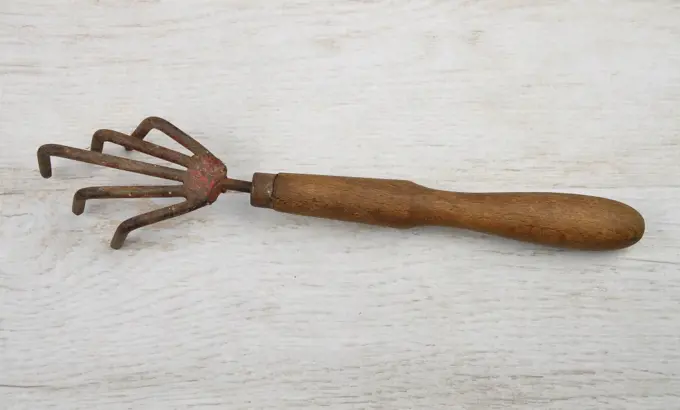
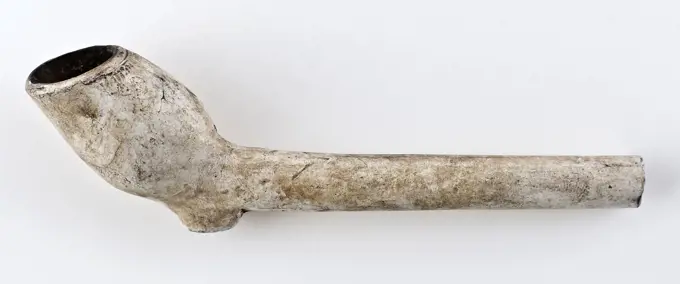
White clay pipe, unnoticed, with smooth handle, clay pipe smoking equipment smoke floor pottery ceramics pottery, pressed finished baked White clay pipe unnoticed with smooth handle. Boiler shows small bump on top of the kettle archeology smoking tobaccoHammered Silver Rattle Beaker 8th-mid-16th century Peru; north coast (). Hammered Silver Rattle Beaker 309020Hammered Silver Miniature Scepter 8th-mid-16th century Peru; north coast (). Hammered Silver Miniature Scepter 309161Ladle 19th century Japan. Ladle 59923Ring -shaped fragment with link from the wreck of the East Indies Hollandia, Anonymous, 1700 - in or before 1743 fragment Varied parts or fragments, rings or ring-shaped fragments; id. 80H1, squashed, oval with link of chain. Netherlands copper (metal)   SecondWall arm of brass. Wall arm of brass, with holder for hourglass (BK kog-1261-1).Copper cloak pin or cloak with linear decoration, closure clothing accessory clothing ground find copper metal, beaten engraved archeology Rotterdam City Triangle Botersloot Inner rotte dress close Soil discovery deposit Binnenrotte backside Botersloot (savings bank) from the Middle Ages.Double key, c. 1850 - c. 1900 Double key consisting of a normal rotary key and a wrench of the Brahma type. The handle of this Brahma key is formed by two C-Voluten, which ends up at the top of the top and enclose a ball. The keys were probably merged later.  iron (metal) Double key consisting of a normal rotary key and a wrench of the Brahma type. The handle of this Brahma key is formed by two C-Voluten, which ends up at the top of the top and enclose a ball. The keys were probably merged later.  iron (metal)Gralen or end from the wreck of the East Indians Hollandia, Anonymous, 1700 - in Or Before 1743  Varied parts or fragments, end or finials; broken off; flat multiple-reeded strip, raised straight end, semicircular in section with 1 curved strip extending laterally, broken, 2nd strip on opposite side broken off. Netherlands copper (metal)   SecondKey. Key with diamond shaped eye, split, short handle and wide beard.Bronze fibula (safety pin) with amber segments 7th-6th century B.C. Etruscan Fibula with three amber segments on the bow.. Bronze fibula (safety pin) with amber segments 246378Metal barbed wire close up against the skyDual sided metal meat mallet isolated on whiteSpearhead. Iran, Luristan, circa 1000-5500 B.C.. Arms and Armor; spears. BronzePipe key. Pipe key with handle composed of three eyes. Capital vase-shaped.Hasp 1770-1830 American. Hasp. American. 1770-1830. Wrought iron. Made in Pennsylvania, United StatesBone knife handle 1st-2nd century A.D. Roman With lion's head.. Bone knife handle 244088Anonymous, case lace (American) 1916 model for pistol M-1911 (attributed title), 1941. Leather. General Leclerc Museum of the Liberation of Paris - Jean Moulin Museum.Knife Coin (tao), 6th-4th century BCE, 1 x 6 1/8 x 1/16in. (2.5 x 15.6 x 0.2cm), Bronze, China, 6th-4th century BCEJohannes van Rees of Jacobus Rutten, Two-piece bronze mold for the shovel with wooden handle with initials IR and 1760, mold casting tool tools equipment base metal bronze, cast Two-piece bronze mold for pouring scoop of vegetable spoon. signed I R and 1760 (Johannes van Rees or Jacobus Rutten) Rotterdam tingieterij tin stainer tableware tin Meeuws Druy craft Shapes are from the originally 18th century Rotterdam tinnegieter J Druy. The large molds that were not signed or dated were the property of the tinker guild and were rented to the small tin caster.Kneifzange - Pincers on white Kneifzange - Pincers on white Copyright: xZoonar.com/lantapixx 7236808Dart Socket 10th century Punuk. Dart Socket 310587Iron equestrian trail. An iron equestrian track, consisting of a part that closes on both sides to the heel. Each side with two holes placed above each other to confirm a belt. A long shaft, to which a suspiced wheel (1 point demolished).Belt accessory in the form of buckle with bent middle post, including hanging loop, clasp fastener component soil find copper metal, bracket with openwork braided edge rectangular basic shape Middle style archeology Rotterdam rail tunnel attachment Soil discovery: trajectory rail tunnel Rotterdam.The old metal hammer with the wooden handle lies on a white backgroundKinband for Sjako officer militia approx. 1830, c. 1830  Kinband, from nineteen scaly plates, corrugated, of silver -plated red metal without rosettes. Attached to brown velvet. Netherlands metal. copper (metal). leather   NetherlandsRanket. The ranket or racket was already known at the beginning of the 16th century. This is a bassoon in which the single wind channel is so contorted that it fits into this compact shape. The finger holes can be seen on the exterior of the instrument.Clarence Secor, Basket Maker's Splint Gauge, 1939 Basket Maker's Splint GaugeLarge rusty chain. Isolated on white backgroundWooden spoon on white backgroundHook from a cooking pot from the wreck of the East India Hollandia. Suspension Cauldron, Suspension Hook; (1) Fragm, SIM. NG 1979-511H, (c.18l), Curved Hook (3.4W, 0.9T, 5.5D), Two-Loboot Central Part, 2 Rivets (10.1W), End Missing.Hammered Silver Mirror Back () 11th-mid-16th century Peru; north or central coast (). Hammered Silver Mirror Back () 309204Small figurine Amulets 600 A.D. Thought to have fertility properties. Made from beaver teeth with a gold setting. Anglo Saxon. Blade for a Sword (Katana) with Mounting (Shikomizue) blade, dated February 1677; mounting, 19th century Blade inscribed by Yokoyama Kzukedaij Sukesada The tang of this sword bears the signature of its maker, the famous swordsmith Yokoyama Kzukedaij Sukesada, and the date of its completion, February 1677. Dated works by this master are rare. The mounting, which dates from the nineteenth century, is in the form of a walking stick, disguising the weapon.. Blade for a Sword (Katana) with Mounting (Shikomizue). Japanese. blade, dated February 1677; mounting, 19th century. Steel, wood, cherry-blossom bark, brass, lacquer. SwordsSupport of a Tangent Sight, anonymous, c. 1860 - c. 1870 demonstration model. test model Support support that is mounted against the back of the lock exhibition, grabbing with a hook in a square notch in the lock support and tightened from behind with a screw. The set -up rod is placed in a ridge Acherop the support, forward, and can move up and down. The inscription refers to guns for a coastal battery. The two set-up rods, described under No. NG-MC-1889-29, fit in this support. Demonstration model or test model. Netherlands brass (alloy). iron (metal)Wooden Harrow or Cultivator. Dated: c. 1937. Dimensions: overall: 40.9 x 48.4 cm (16 1/8 x 19 1/16 in.) Original IAD Object: 37" long. Medium: watercolor and graphite on paper. Museum: National Gallery of Art, Washington DC. Author: Wilbur M Rice.Dolk, anonymous, c. 1400 - c. 1950 dagger Iron dagger without hilt (part of a sword). Found in the IJ at the works for Central Station.  iron (metal)   AmsterdamChinese Ornamental Swords,  Qing Dynasty, Xianfeng Period, 1850-1861Scandinavia. Hunting. Middle Ages. Arrows for larger animals. These were affixed to the shaft with a half or a socket. Norway. Historical Museum. Oslo. Norway.Reed Pipe 19th century Native American (poss. Tlingit). Reed Pipe 501234Two Bandeliers, 1825 - 1832  Two lacquered leather couples with three silver lion heads. Netherlands leather. silver (metal)Alps cowbell on white backgroundPin. Iran, Luristan, circa 1350-800 B.C.. Jewelry and Adornments; pins. Bronze, castStamper, pestle mortar equipment foundations stone, w 4,8 Stamper heavily attacked one half under thick layer of archeology Piet Heyn Piet Hein silver fleet Matanzas Bahia All Saints Bay Hollandia ship ship's equipment Rotterdam Soil discovery: surfaced from Admiral ship Hollandia Bahia All Saints Bay Brazil.Area metal pipe on a white backgroundPipe with stamp v.O.c .. piece of stem with pipe cup of white clay, slightly discolored at the head. Marked; At the bottom of the pipe cup: "VOC" stamp on either side a turtle with two rows of three balls on it and a "s" above it.Kettle Tilter. Dated: c. 1939. Dimensions: overall: 35.8 x 24.3 cm (14 1/8 x 9 9/16 in.). Medium: graphite on paperboard. Museum: National Gallery of Art, Washington DC. Author: Jacob Lipkin.Messenheft in Schede from the wreck of the East Indians Hollandia, Anonymous, 1700 - in Or Before 1743  Knife, handle in scabbard, cylindrical: tapering; handle, plain, flat upper end with partial imprint of original mounting (nailed coin), illegible: ferrule, broken off, square tang cavity, remains of stuffing: fragm of (le) scabbard, oval in section, longitudinal seam, lower end broken off. Netherlands bone (material). leather   SecondShin of sheep or goat from the wreck of the East Indians Hollandia, 1700 - in or before 1743  Faunal remains: bones; sheep/ goat bones (Ovis/ Capra); tibia (part of hind leg), both ends eroded.  bone (material)   SecondOld leather belt with a buckle on a green backgroundKey with beard and pendantEugene Bartz, Ice Tongs, 1939 Ice TongsKey, 1800 - 2000 Profiled T-shaped key, with a hook at the top end.  iron (metal) Profiled T-shaped key, with a hook at the top end.  iron (metal)Building between 1819 and 1838. Local. Alternate patterned strip of stamped and half-chief flowers.Door knocker with bump button from the right building in Groningen. A simple glass door knocker with a button from the right in Groningen. Consisting of two parts: beater and bumping head.Bit. Two bovid -shaped plates, connected by a bar. LURISTAN. 1000-750 BC. J-C. Paris, Cernuschi museum. 35175-9 Age you fer, Barrette, Mother's Bovide, PlaqueArrowhead; Unknown Middle Eastern workshop; IX - VI century BC ; period of Iron (-900-00-00--501-00-00);Weapons, Luristan browns, arrowheads, iron period (approx. 1300-ok. 600 BC), purchase (provenance)Amulet of the Head of the God Anubis 1550 BCE-664 BCE Egypt. Jasper . Ancient EgyptianWooden headrest. New Kingdom 1500-1000 B.C.pipas, siglo XVIII, Arkeologi Museoa, museo aqueologico, Bilbao, Bizkaia, Pais Vasco, Spain.Cylinder box with lid. Cylinder box with lid 251899 Cylinder box with lid, Bronze, Diam.: 7 3/4 x 3/4 in. (19.7 x 1.9 cm). The Metropolitan Museum of Art, New York. Fletcher Fund, 1925 (25.78.119a, b)Lime Spatula with Animal Head 500 B.C.-A.D. 300 Indonesia. Lime Spatula with Animal Head. Indonesia. 500 B.C.-A.D. 300. Bronze. Bronze and Iron Age period. MetalworkSpanner. Old and dirty condition. Close-up. Isolated on white.Handle handle with rank motifs. Handle handle handle. At the bottom of a large, round opening of a hinge with a straight approach. Behind the starter is the openwork, symmetrical batter with ran motifs in full two right tracks. The upper course runs in the middle in a cut-away point.Key. Culture: German. Dimensions: Overall: 10 x 5 3/16 x 9/16 in. (25.4 x 13.2 x 1.5 cm). Date: 13th century. Museum: Metropolitan Museum of Art, New York, USA.Spain water bottle with flattened, spherical body. Slightly inserted soul, sideways flattened around body, accompanying in a high neck.Spear Point. Western Iran, circa 1000-825 B.C.. Arms and Armor; spears. BronzeFragment of presumably a chest of drawers from the wreck of the East Indies' t Vliegend Hart, c. 1700 - c. 1735 framework The elongated, gray wood fragment is equipped with ridges on the outside. Given the appearance, it has probably been a chest of drawers. Ramrod.  wood (plant material)Boat hook or put hook, boat hook hook soil find iron metal, handforged Hook with four nail holes archeology Rotterdam hoist Soil discovery: Rotterdam.Door brace ..The steel wrench lies on a white backgroundInformation office and radio broadcaster Dutch New Guinea. Behind a wooden neckrest in crocodile form from the surroundings of the Humboldt Bay; Diagonal: Penis cooker balebas and sealing plume (Bergland). Diagonal: Stone ax in decorated wooden handle. October 1957. New GuineaFootscraper, 18th century, 9 1/2 x 7 1/8in. (24.1 x 18.1cm), Wrought iron, United States, 18th centuryShovel 1795-1815 Most often consisting of a shovel, brush, and pair of tongs, fire sets also sometimes included pokers and a stand for holding the tools. This shovel matches tongs, 10.125.589b.. Shovel 8716Ritual Stand with Lion Supports. Tibet. Date: 1400-1600. Dimensions: 10 x 66 x 7.8 cm. Copper and wood. Origin: Tibet. Museum: The Chicago Art Institute, Chicago, USA.Wooden brush without hairs with metal binding, brush soil find wood metal, w 2.9 cut sawn planed chiseled drilled Elongated wooden brush with many small round holes in which metal wire is used to fix the hairs. Shaped with pointed ends. Used metal probably copper wire by oxidation not easy to identify archeology Capelle aan den IJssel House in Capelle castle sweeping cleaning house scrubbing dishes Soil discovery: castle Capelle 1612-1797 cesspool north side Capelle aan den IJssel.Decorative batter from the wreck of the East Indies Hollandia, Anonymous, 1700 - in or Before 1743  Fitting, decorative fitting or fragment; squashed; oval with long pointed ends, small flattened knob fitted in centre. Netherlands silver (metal)   SecondWeapons. Sword and tips (Armi. Spada e punte), 8th Century a.D.Amulet (Tongue) China. Amulet (Tongue). China. Jade. Han dynasty (206 B.C.-A.D. 220). JadeWoodcarving knife -cycling key on white backgroundneedles made of bronze, 4th-3rd century BC, Altos del Sotillo, Castellar, Iberian Museum of Jaén, Andalusia, Spain.Ring -shaped fragment from the wreck of the East Indians Hollandia, Anonymous, 1700 - in Or Before 1743 fragment Varied parts or fragments, rings or ring-shaped fragments; eroded, id. 80H946. Netherlands copper (metal)   Secondone brass door key for cylinder lock one brass door key for cylinder lock isolated on white background Copyright: xZoonar.com/ValeryxVoennyyx 5660577Key. Key whose handle has been compiled from leaf and edge motifs. The shaft is currently drilled and goes over in sections to the grip.Dock van Messing, ending in Leeuwenkop, Anonymous, c. 1700 - c. 1725 The object consists of the pipe and the stop. The round piece is brased on the pipe, which is put into the barrel. The pipe is decorated with four leaf motifs in the round and punched start, has a square on either side with French lilies on punched field decorated thickening, in which the stop fits, and ends in a kind of lion's head at the end. The stop has a handle with volutes around a punched field. Neurenberg (possibly) brass (alloy) The object consists of the pipe and the stop. The round piece is brased on the pipe, which is put into the barrel. The pipe is decorated with four leaf motifs in the round and punched start, has a square on either side with French lilies on punched field decorated thickening, in which the stop fits, and ends in a kind of lion's head at the end. The stop has a handle with volutes around a punched field. Neurenberg (possibly) brass (alloy)Steel socket wrench, c. 1300 - c. 1500 Steel socket wrench with open beard, ring on the top. France steel (alloy) Steel socket wrench with open beard, ring on the top. France steel (alloy)Round Spoon. UnknownClose-up of an antique keyHairpin, 1900-2000, 3 11/16 x 7/8 in. (9.4 x 2.22 cm), Bronze, Democratic Republic of Congo, 20th-21st centuryBrooch -Pewter point of knife edge or quiver with relief embossed, leather batter, fitting sheath sheath soil find tin metal, cast Pewter point of sheath quiver or sheath. Leather fitting Embossed with herringbone decor and pointed fields in which kidney-shaped figures archeology Rotterdam City Triangle Meent Market Keeping the inside of the raft stiffening Bottom-finding pit corner Meent Markt (Binnenrotte).Old rusty tinner snips isolated on whiteRing Bit. Culture: Tuareg. Date: 19th century.The shanks and the mouthpiece of this bit are decorated with incised and silver plated ornaments typical of Tuareg jewelry. The Tuareg are a Berber population, mostly nomadic, living in the central Saharan region. Owning a horse in this arid climate was traditionally reserved to wealthy people, for example political and religious chiefs. Indeed, contrary to the livestock, including camels, which can find their food in the wild, horses in these regions need to be fed a special diet by humans, and thus are more expensive to care of. Therefore, horses have a high social value among the Tuareg and are often adorned with expensive and highly decorated horse tack like, this bit.The ring bit is a strong instrument distinguished by the fact that the curb chain is replaced by a ring attached at the top of the mouthpiece, going around the horse's lower jaw. The ring would press the sensitive chin of the horse when the reins are pulled. Typical of Upper Arm Defense (Rerebrace). Culture: Italian. Dimensions: H. 6 1/4 in. (15.9 cm); W. 3 1/4 in. (8.3 cm); D. 4 3/4 in. (12.1 cm); Wt. 9.5 oz. (269.3 g). Date: ca. 1430-40. Museum: Metropolitan Museum of Art, New York, USA.Four-piece bronze mold for 12 dl measuring jug, cast molding tool tools base metal bronze wood iron, cast turned Four-piece bronze mold for casting 12 dl size jug Rotterdam tin foundry tin stain tin Meeuws Druy craft Shapes are from the from origin 18th century Rotterdam tinnegieter J Druy. The large molds that were not signed or dated were the property of the tinker guild and were rented to the small tin caster.Headrest with Dual Carved Images of Bes Emerging from a Lotus Blossom. Egypt, 2687 - 31 BCE. Furnishings; Furniture. WoodHand rake on woodHandle ca. 5th century B.C. Achaemenid This handle is in the shape of a ducks head, with the beak touching the rim. It is made of green stone and was probably originally part of a large bowl or round tray.Stone trays and dishes were found in the Treasury at Persepolis, some with handles in the form of animals, including ducks heads. These were used at royal banquets, where the Persian king displayed his wealth and power and sometimes gave vessels from the table as gifts to his guests. It is unclear whether this handle came from a royal tray or if it was instead from a modest imitation, acquired by someone who merely aspired to be a royal dinner guest. There was a long history in Iran of decorating vessels with animal features, and the Achaemenids adopted and expanded this practice.. Handle. Achaemenid. ca. 5th century B.C.. Stone. Achaemenid. IranHammer by General Chassé on the Citadel used to finish his sugar .,, 1832 hammer EIKENHOUTEN HAMER. Opschrift op de Steel: December 31, 1832. Citadel of Antwerp - Hammer to his general driven / taken in () The c ....... the day when he is. Gedateerd OP of Steel: December 31, 1832. Antwerp (possibly) wood (plant material) pen  Citadel of Antwerp (19th century)