Ancient Metal Implements

Artifacts including keys, daggers, and decorative tools made from bronze, representing historical craftsmanship and cultural significance.

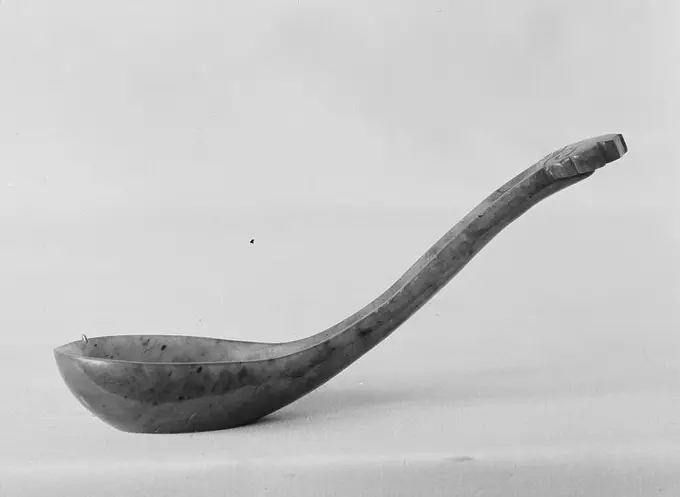
Spoon with oval bowl and handle with rounded end, spoon cutlery soil find tin metal, cast Spitsovale bin grained stem rounded end Double-sided Reverse side stem unclear mark: crowned weapon of Rotterdam archeology Rotterdam rail tunnel food Soil discovery: trajectory Rotterdam rail tunnel.
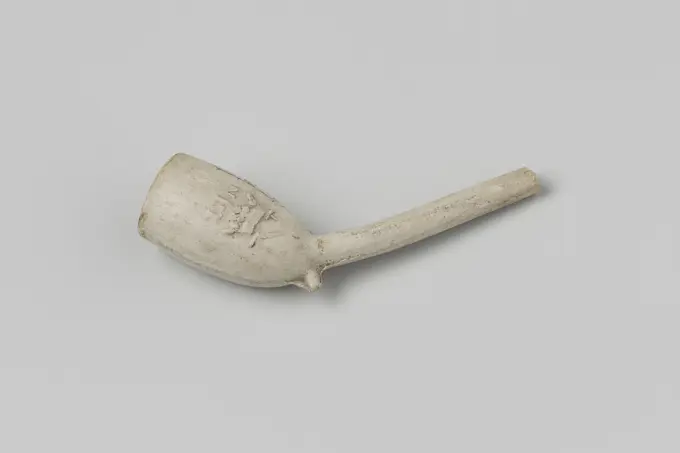
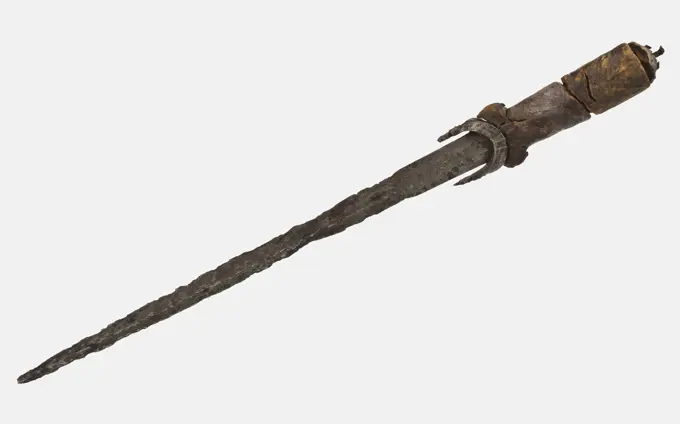
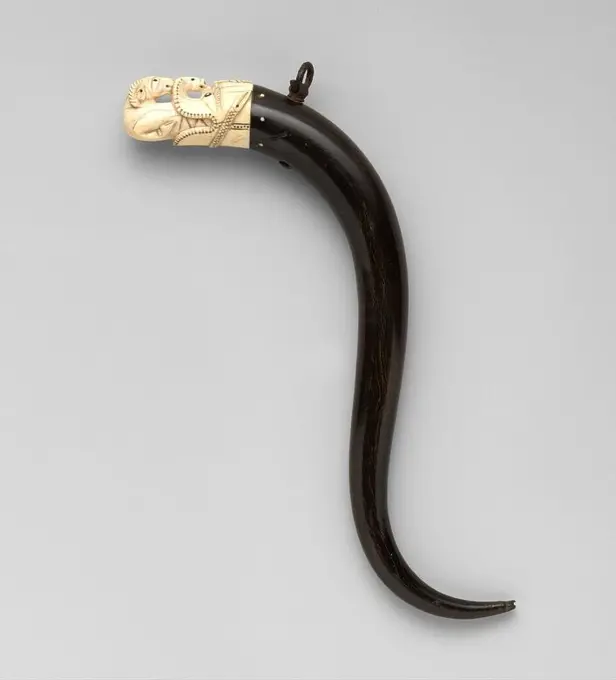
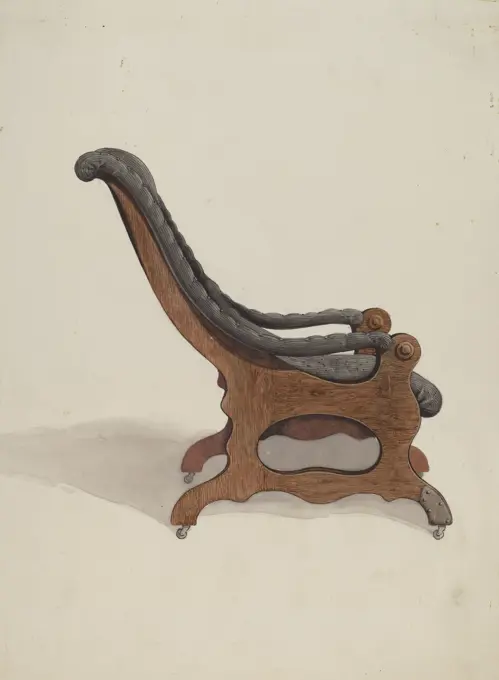
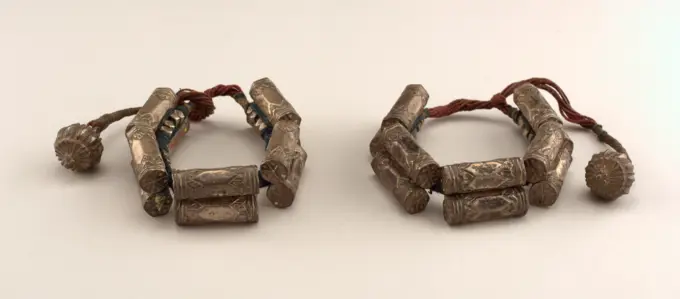
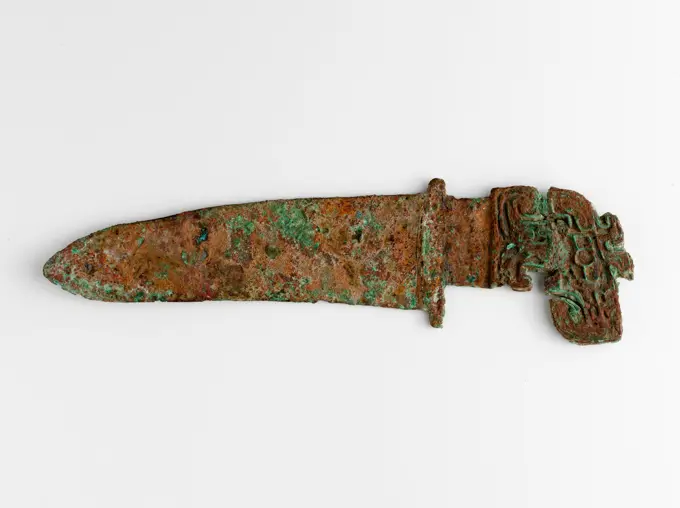
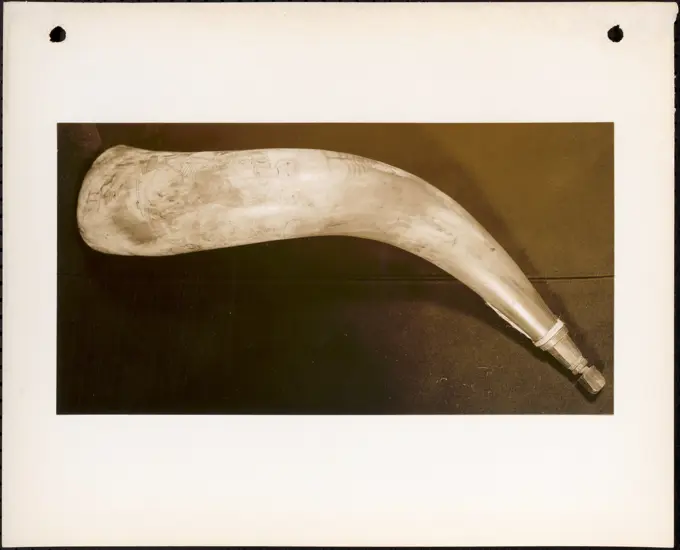
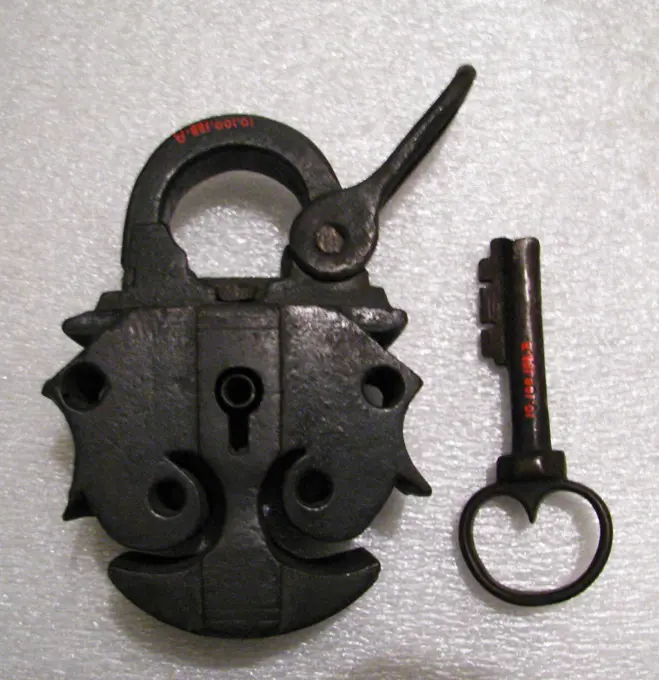
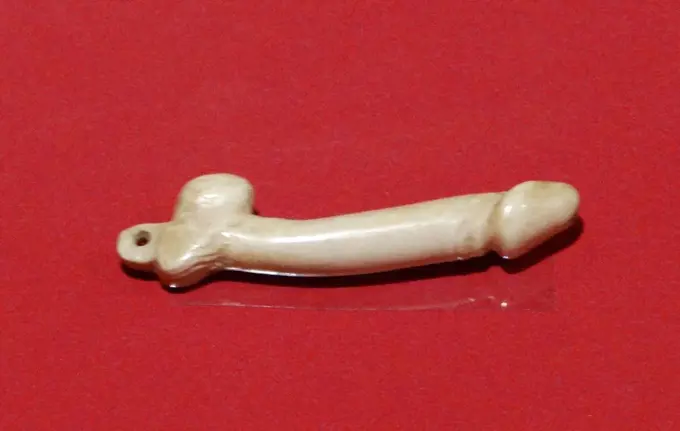
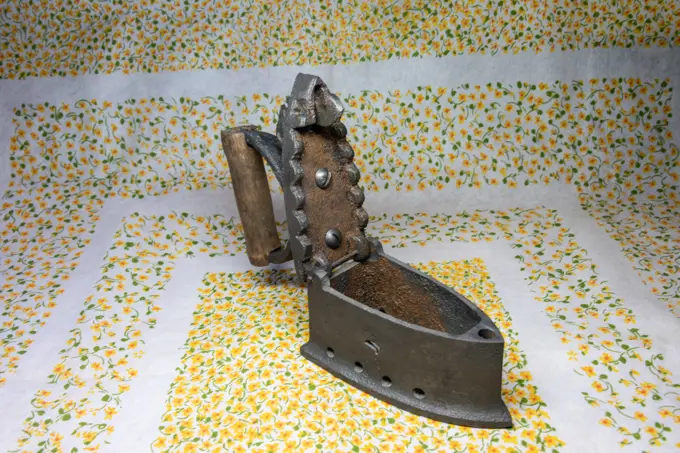
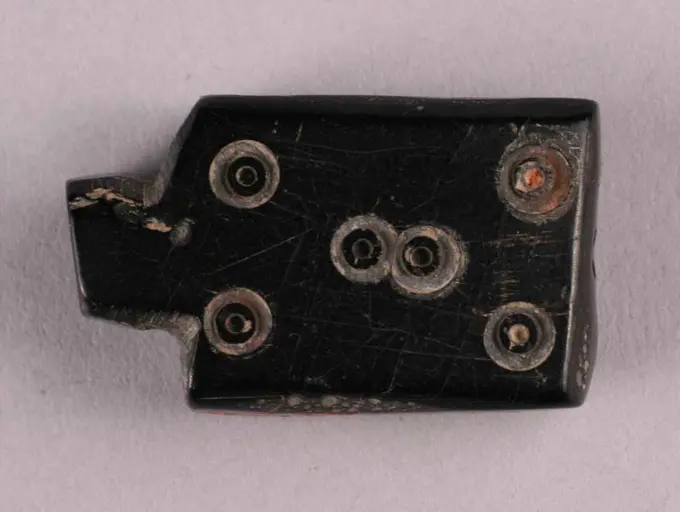
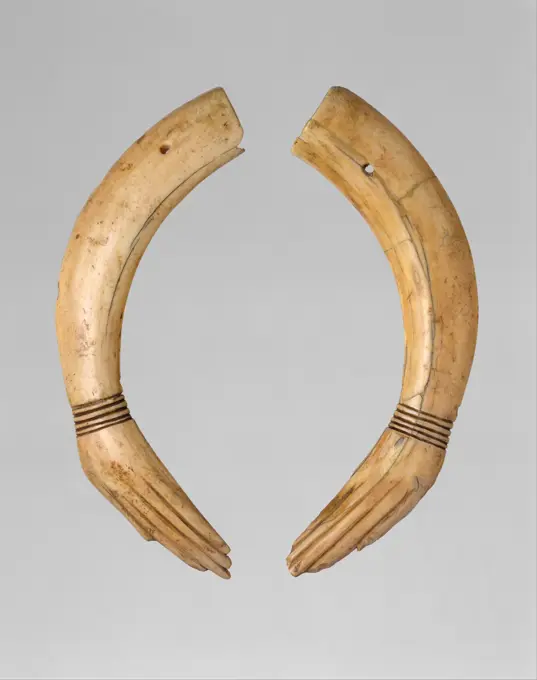
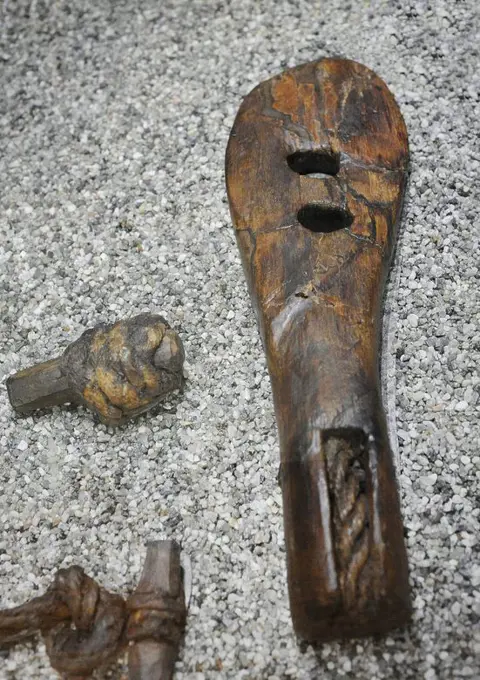
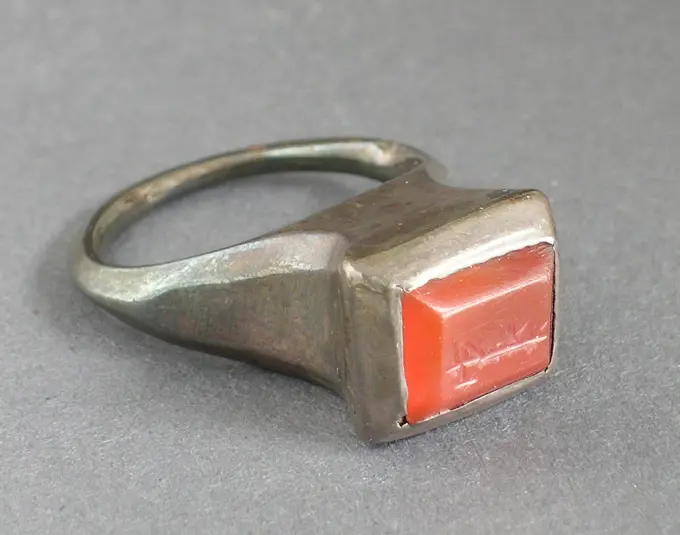
Hollow Bangle in Two Parts with Pellets 300 B.C.-A.D. 400 Thailand. Hollow Bangle in Two Parts with Pellets. Thailand. 300 B.C.-A.D. 400. Bronze. Late period. JewelrySpoons. Culture: China. Dimensions: H. 4 15/16 in. (12.6 cm); W. 1 5/16 in. (3.3 cm); L. 5/8 in. (1.6 cm). Museum: Metropolitan Museum of Art, New York, USA.Fragment tobacco pipe. Fragment tobacco pipe with a crown and the letters I h n and n pictured. Of the excavations at the Hofstede Arentsburg 1827-1831 under the supervision of professor Reuvens.Crochet wrench wrenches made of tool steelKidney dagger with wooden hilt and metal baffle with paratroopers in sawed-out flower with leaves and long thin double-edged blade, kidney dagger dagger knife stab weapon weapon foundations iron wood metal, forged Kidney dagger with long narrow blade. The blade is faceted from the heel to 5.5 cm with flat edges. Then the blade is double-edged and flat diamond-shaped. Kling both suitable for cutting work and for use as shocking weapon. The handle is made of wood with loose wooden handle that is fixed with partly later applied nails. The baffle plate is decorated with rifles in the form of cut-out flowers and letter-like shapes on the side edges. symbol has been stamped on the faceted blade part. The overall shape is gothic in style mark at the heel archeology Rotterdam klotendolk klootdolk kliodolk baldolk decoration status symbol personal equipment defense clothing accessory militaria Gothic Soil discovery of dredging works in Rotterdam.Primer. Culture: Indian, Rajasthan. Dimensions: L. 9 5/8 in. (24.5 cm); D. 1 in. (2.5 cm); Wt. 2.8 oz. (79.4 g). Date: 18th century.A priming flask is used to hold and pour fine gun powder into the priming pan of a matchlock gun. They are produced from a range of materials, as seen here, including metal, horn, and ivory. Their decoration also varied and often showcased artistic ingenuity. This flask features the head of the makara, a crocodile-like creature of Hindu mythology, with a ram leaping from the creature's mouth. The makara design could be a reflection of its use in hunting crocodile, a popular pastime for the royal courts of Rajasthan. Museum: Metropolitan Museum of Art, New York, USA.Przeszo Przyszoci unknownThis close-up showcases a rusty adjustable spanner displaying signs of extensive use and age. The worn metal highlights its utility and craftsmanship, making it a striking object of interestParasol button or umbrella button of wood; The black painted mushroom button is decorated with gold -colored motifs, Gustav Schnitzler, c. 1920 Parasol button or umbrella button made of wood. The black painted mushroom button is painted with gold -colored motifs. There is a black cord through the handle. Nijmegen whole: Wood (plant material). Cord: Cotton (textile) painting Parasol button or umbrella button made of wood. The black painted mushroom button is painted with gold -colored motifs. There is a black cord through the handle. Nijmegen whole: Wood (plant material). Cord: Cotton (textile) paintingGoldweight Mallet, 19th-20th century, 1/4 x 5/8 x 1 1/4 in. (0.64 x 1.59 x 3.18 cm), Brass, Ghana, 19th-20th centuryvintage side cutters joint pliers snips over white, clipping pathBone comb. Neolithic art. Decorative Arts. SPAIN. CATALONIA. BARCELONA. Vic. Vic Episcopal Museum. Proc: SPAIN. CATALONIA. BARCELONA. Vilanova de Sau. Cave of Les Grioteres.Dana Bartlett, Sleepyhollow Armchair, 1937 Sleepyhollow ArmchairTwo parts of three-piece bronze mold for spout of jug, mold casting tool tools equipment base metal bronze, cast Three-piece bronze mold for pouring an S-shaped pouring spout for can Rotterdam tin casting tin tin pourer Meeuws Druy craft Shapes are from the from origin 18th century Rotterdam tinnegieter J Druy. The large molds that were not signed or dated were the property of the tinker guild and were rented to the small tin caster.Pendant for a fireplace, c. 1400 - c. 1950 A copper pendant for a fireplace.  copper (metal) A copper pendant for a fireplace.  copper (metal)Pair Of Anklets (India); silverSilver bell of rattle, bell rattle noise medium soil find silver metal, cast soldered Small silver bell of rattle Pouring over the bulging. Rough shaped eye archeology Rotterdam rail tunnel communication sound child play rattle infant rattling Soil discovery: rail tunnel Rotterdam.Pointe de Hallebarde ". Bronze. Shang dynasty (1765 - 1122 BC), China. Paris, Muse Cernuschi. Hallebarde tip Asian art, Chinese art, art of extreme-East, bronze, Shang dynasty, prehistoric time, Shang time, point of hallebarde, prehistoryPILLOWS - 1996-1997. Author: JOSE MARIA SICILIA. Location: PRIVATE COLLECTION.Openwork cage object ca. 9th century B.C.. Openwork cage object 326575Key, 1600 - 1625 Key with handle consisting of a cartouche between two consoles (gesture men's heads), which again wear two spheres -placed sphinxes, enclose a vase and above which there is still a final piece, consisting of a vase flanked by two sloping dolphins. The whole rests on a composite order capital. The shaft is short and runs beyond the large beard and ends in a profiling.  bronze (metal) Key with handle consisting of a cartouche between two consoles (gesture men's heads), which again wear two spheres -placed sphinxes, enclose a vase and above which there is still a final piece, consisting of a vase flanked by two sloping dolphins. The whole rests on a composite order capital. The shaft is short and runs beyond the large beard and ends in a profiling.  bronze (metal)Wooden fragments or parts from the wreck of the East Indies Hollandia, Anonymous, Before 1743 fragment. part Varied parts or fragments, bar(-shaped) fragments; fragm, eroded, broken. Netherlands wood (plant material)   SecondAcorn-top spoon late 17th-early 18th century Thomas Sibrand Hicht. Acorn-top spoon 188109 Maker: Thomas Sibrand Hicht, 16501719, Acorn-top spoon, late 17thearly 18th century, Silver, 6 in. (15.2 cm.). The Metropolitan Museum of Art, New York. Gift of Mrs. Samuel P. Avery, 1897 (97.2.74)Hendrik Jacobus van Kleef I, Four-piece bronze mold for bottom of, among other things, pepperbox, with initials HIVK and 1773, cast molding tool tools kit metal_metal bronze wood iron h 38.5, V K and year 1773 (Hendrik Jacobus van Kleef I) Rotterdam tin foundry tin stain tin Meeuws Druy handicrafts Forms come from the originally 18th century Rotterdam tinnegieter J Druy. The large molds that were not signed or dated were the property of the tinker guild and were rented to the small tin caster.Cartridge tubes from the wreck of the Dutch East Indiaman Hollandia, anonymous, 1700 - in or before 1743 cartridge shell Cartridge case, tube; straight cylindrical tubes of rolled copper sheet, overlapping seam with at one end oblong drop-shaped piece of solder. Netherlands copper (metal)   Secondaging rusty nut on white backgroundPowder horn , Gunpowder, Horns Anatomy. The Massachusetts WPA Federal Art Project Photograph CollectionPIEZA DE JOYERIA, PULSERA DE VIDRIO NEGRO LISA (EN EL MUSEO DE SANTA CRUZ).Archer's wrist guard ca. 1961-1917 B.C. Middle Kingdom The archers wrist guard was found in a mass grave of at least fifty-nine soldiers. Buried with the individuals were small pieces of military equipment such as bows and arrows, and this wrist guard still tied around the wrist of one man. The bodies showed evidence of violence, and from their wounds it was apparent that they died on the battlefield. The excavator believed that these "slain soldiers" were connected with a specific historical event that lead to the reunification of Egypt under Mentuhotep II, but reevaluation of the evidence does not support this theory. On the corners of their linen wrapping sheets were inscriptions, some with names that were only popular later, in early Dynasty 12. Moreover, the paleography of the inscriptions and the type of wrist guard found with the soldiers also point to an early 12th dynasty date, which can perhaps be narrowed down to the reign of Senwosret I (the second king of Dynasty 12).. ArBracelet possibly 6th-early 7th century () Byzantine. Bracelet 460570fragments of a bronze horse bridle and decoration with a human figure of two riders fragments of a bronze horse bridle and decoration with a human figure of two riders, 5th century BC, Aznalcollar, Iberian culture, Iberian Museum of Jaén, Andalusia, Spain Copyright: xZoonar.com/BartomeuxBalaguerxRotgerx 21704811Goldweight Crocodile with Diamond-Shaped Body, 19th-20th century, 3/16 x 1 1/2 x 2 1/8 in. (0.48 x 3.81 x 5.4 cm), Brass, Ghana, 19th-20th centuryA large, old, rusty keyClose up of old smoothing planeOld wooden mallet hammer on burlap background Old wooden mallet hammer on burlap background Copyright: xZoonar.com/NikolajxKondratenkox 2334057Stone Temple Model 1st-8th century Mezcala. Stone Temple Model 317541Hinge. .Alexander Anderson, Ox Collar, 1938 Ox CollarOld metal tongsAmulet of a Cross. Byzantine. Date: 301 AD-700 AD. Dimensions: 1.9 × 1.3 × 0.3 cm (3/4 × 1/2 × 1/8 in.). Silver. Origin: Egypt. Museum: The Chicago Art Institute, Chicago, USA.Powder Horn. Culture: American. Dimensions: L. 15 1/2 in. (39.4 cm); Diam. 3 1/2 in. (8.9 cm); Wt. 15.2 oz. (430.9 g). Date: 18th century.This powder horn is engraved with a map of New York from New York to the St. Lawrence River which includes small views of New York, Albany, and other towns. Museum: Metropolitan Museum of Art, New York, USA.Detail picture of rails in rail.Close-up of an antique keyBlack and White Illustration; The Faversham Moot Horn; Early 14th Centurypadlock with key over a white backgroundDagger-Axe (ge) Made 1600 BCE-1046 BCE China. The power of the Shang kings depended on their control of bronze production for warfare. The dagger-axe, hafted onto a wood shaft, was the premier weapon of combat. Finely cast examples excavated from tombs suggest that such objects also had strong ritual significance. The rounded butt of this specimen contains a bird in raised lines, which may originally have been inlaid with turquoise.. Bronze .An old padlock.An Open PadlockRings 9th-10th century. Rings 449654Padlock with key 16th century French. Padlock with key 191472Amulet in the shape of a penis. From Italy, 1st century AD.Leather Glove Matchsafe; brass, leather; 6.1 x 2.5 x 1.3 cm (2 3/8 x 1 x 1/2 in. )Tinsel and metal thread 17th-18th century French. Tinsel and metal thread 214211Valve Trumpet in F ca. 1839 John Augustus Köhler British. Valve Trumpet in F. British. ca. 1839. Brass. London, England, United Kingdom. Aerophone-Lip Vibrated-trumpet / tromboneold antique iron iron old antique iron iron with coal compartment Copyright: xZoonar.com/Dr.xNorbertxLangex 20729560Jewelry probably 8th-12th century The dot-in-circle motif recalls designs presumed to be of magical significance, most likely an abstract eye to ward off the evil-eye, which serve an apotropaic function. Easily reproduced with a tool and visible in many cultures and times, this symbol may have lost its meaning, and become simply a decorative pattern, or may have one that we have not yet discovered.. Jewelry 450084Pair of Clappers ca. 1353-1336 B.C. New Kingdom, Amarna Period These clappers in the form of human hands were carved from a single hippopotamus tusk that was split in half. Such percussion instruments were used to keep time during dances or as part of a musical ensemble. These examples, however, were found in a miniature coffin at Amarna and seem to have been part of an offering.. Pair of Clappers. ca. 1353-1336 B.C.. Hippopotamus ivory. New Kingdom, Amarna Period. From Egypt, Middle Egypt, Amarna (Akhetaten), King's House at Amarna, Pit south of the pond, Egypt Exploration Society excavations, 1931-2. Dynasty 18Detail of the part of a rattle used probably as a musical instrument or an object to celebrate religious rituals. Found on the burial chamber of the Tomb of the Oseberg Ship. 9th century. Viking Ship Museum. Oslo. Norway.SILLA DE MONTAR GAUCHA-ARMAZON. Location: MUSEO DE AMERICA-COLECCION. MADRID. SPANIEN.Ring. Iran, 11th-12th century. Jewelry and Adornments. Silver, fabricated from sheet and set with carnelianFibula wężykowata. unknown, author