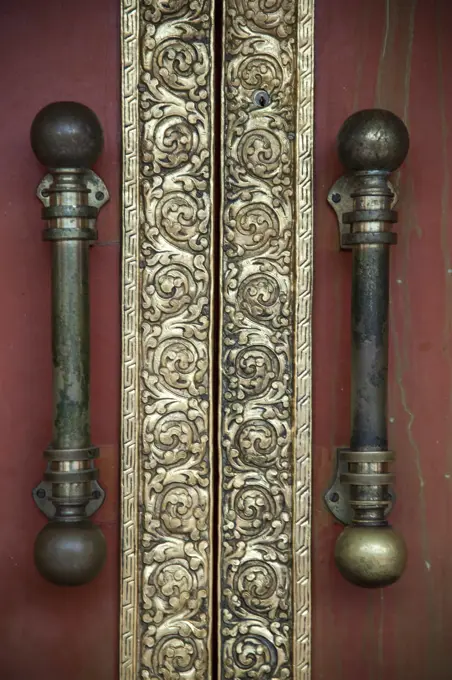
Ancient Metal Ornaments

A collection of ancient metal artifacts including gold earrings, brooches, and decorative ornaments, showcasing intricate designs from Greek and Frankish cultures.
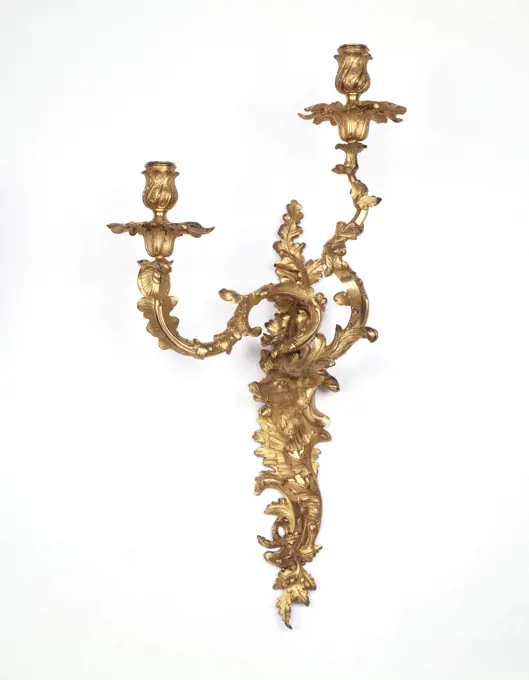
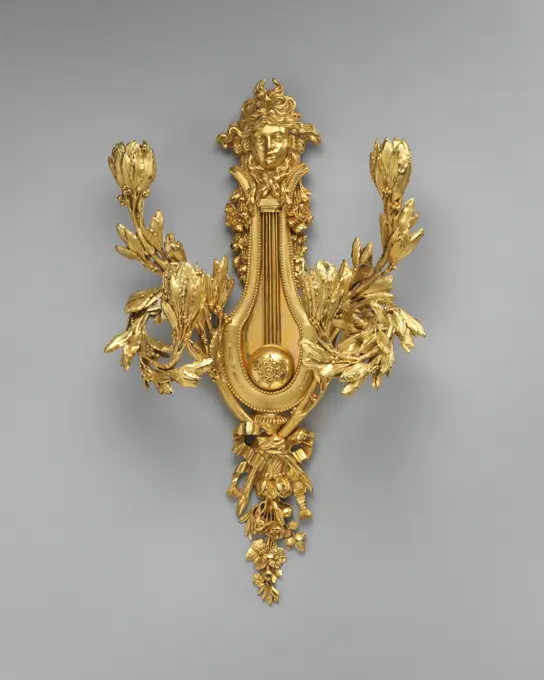
Wall Light; French; about 1735; Gilt bronze; 61.3 × 26.7 × 21.6 cm (24 1,8 × 10 1,2 × 8 1,2 in.)
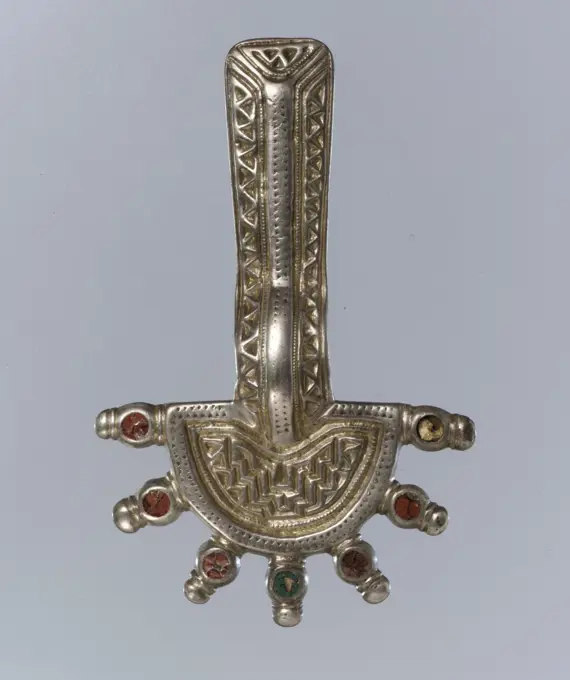
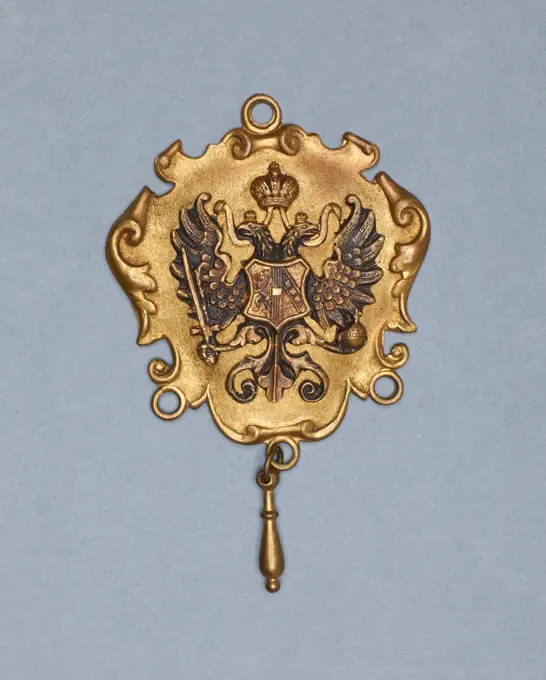
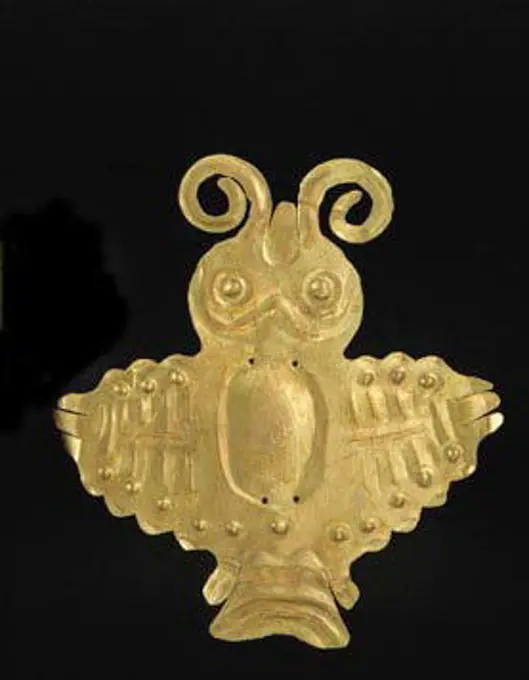
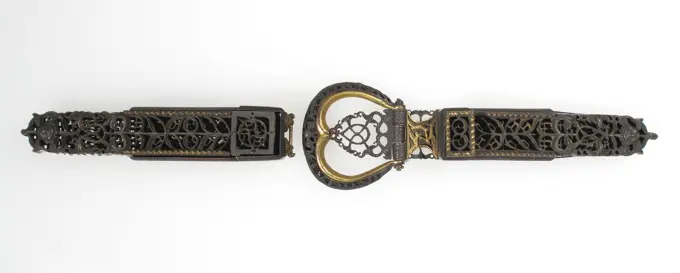
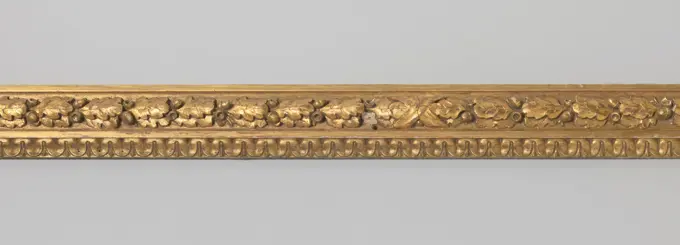
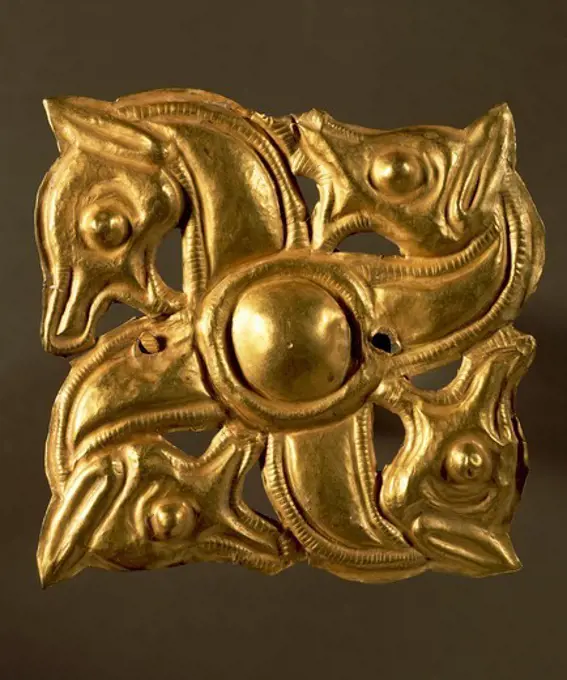
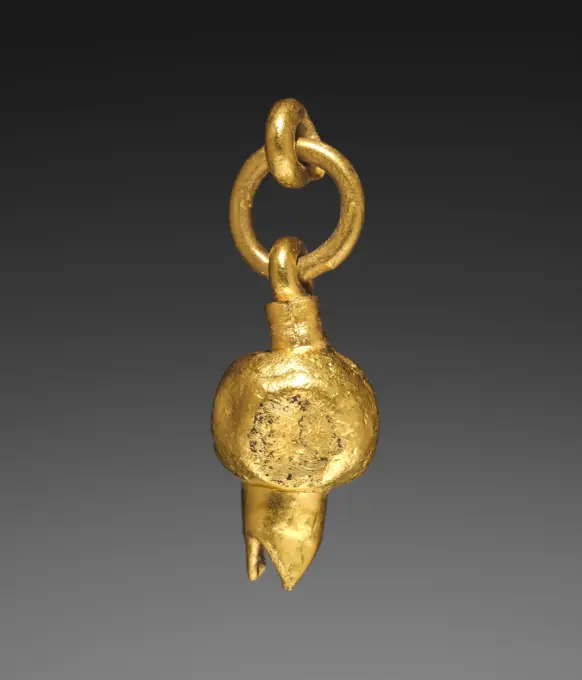
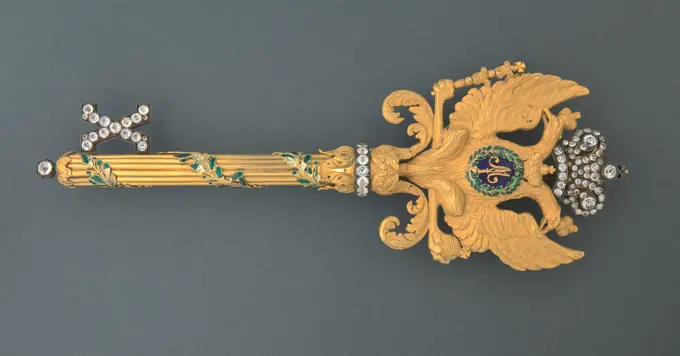
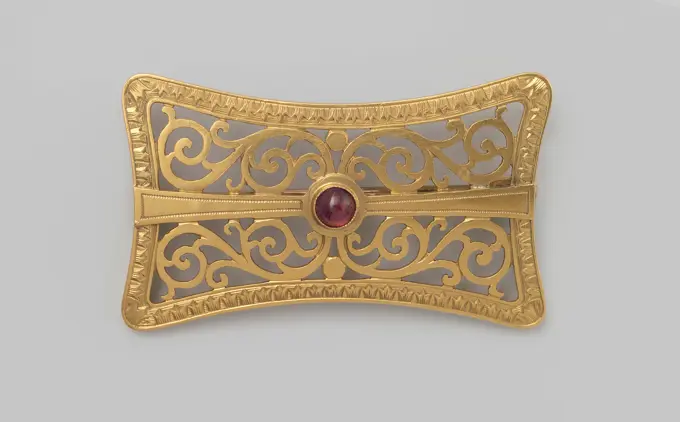
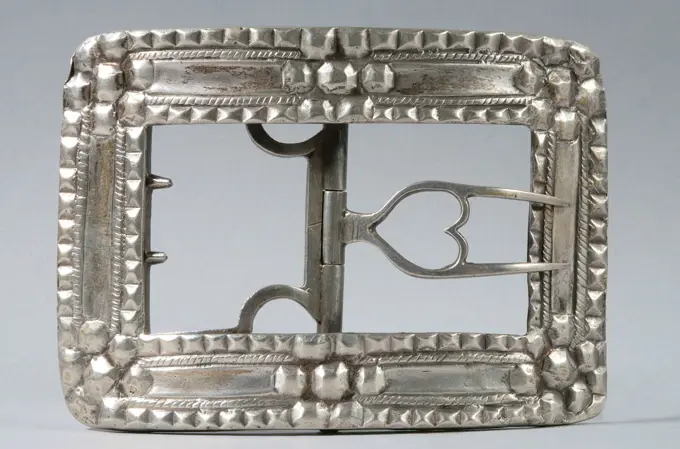
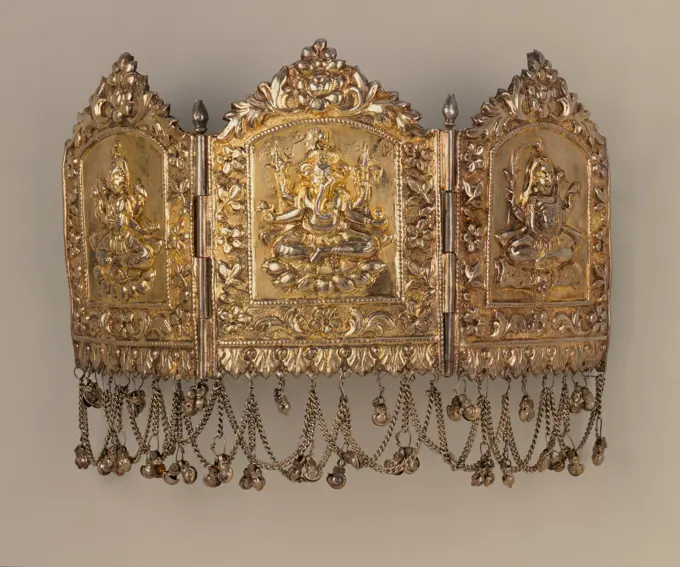
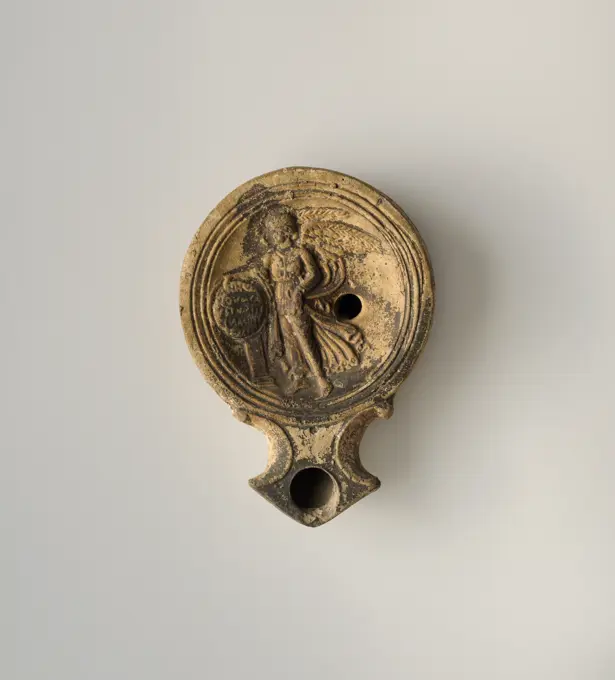
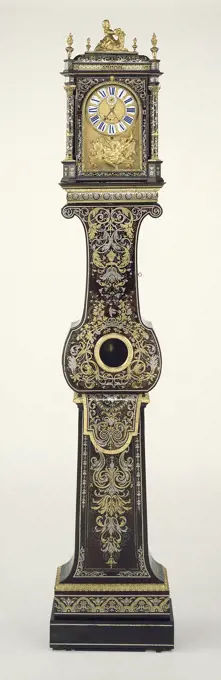
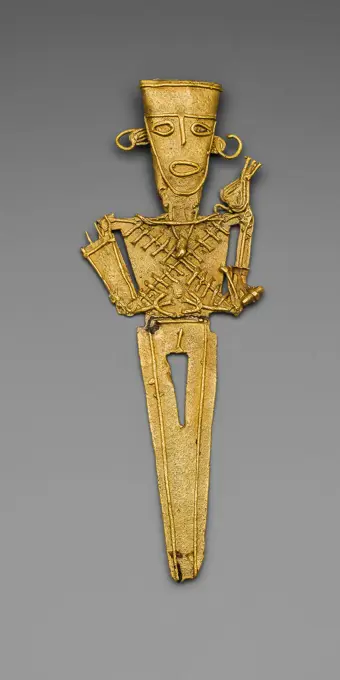
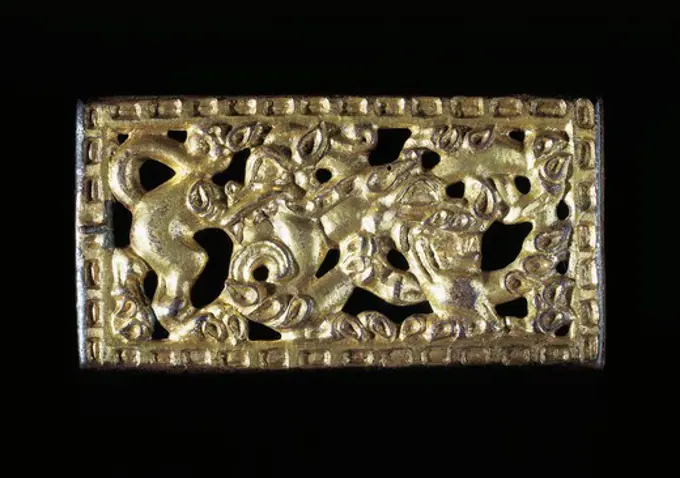
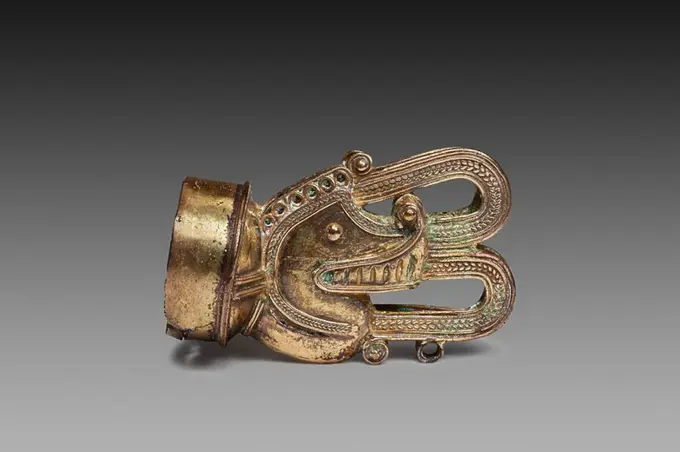
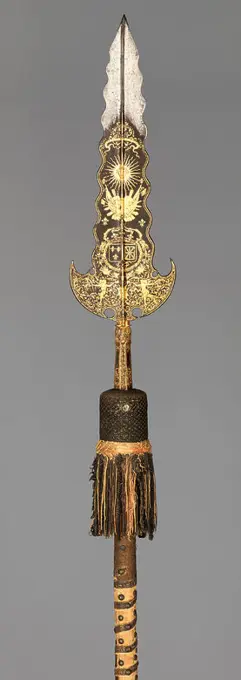
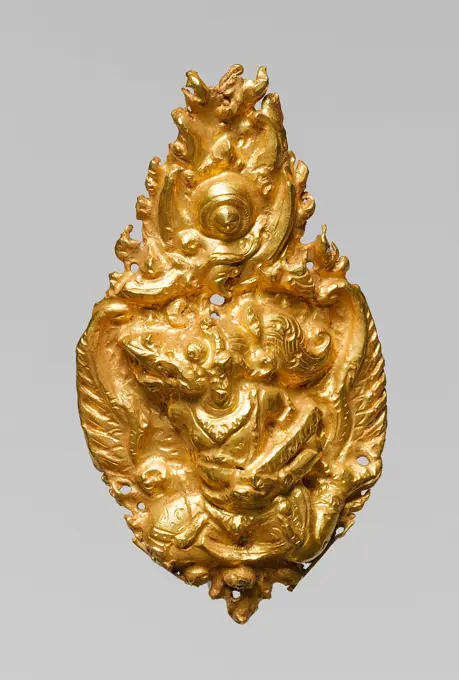
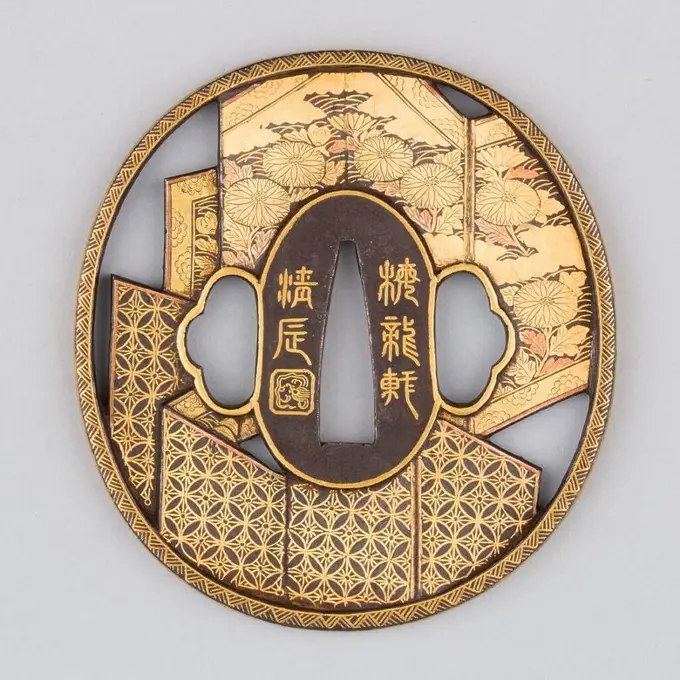
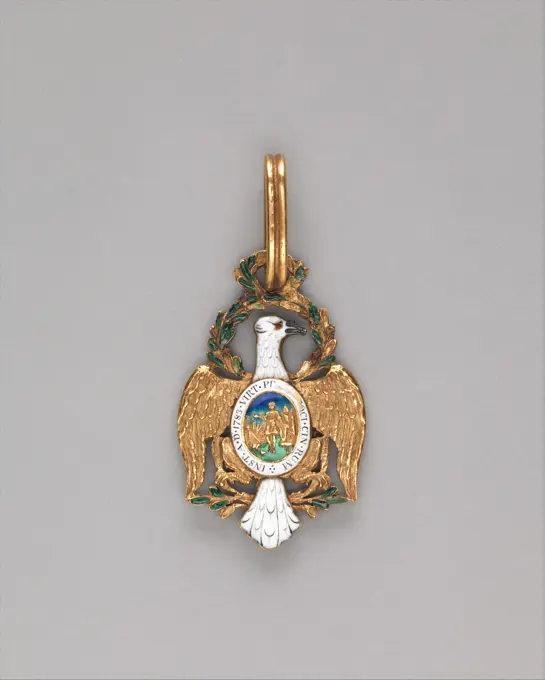
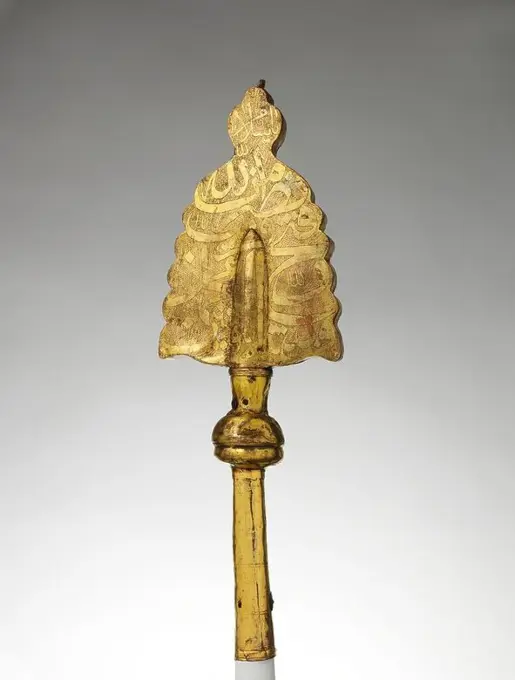
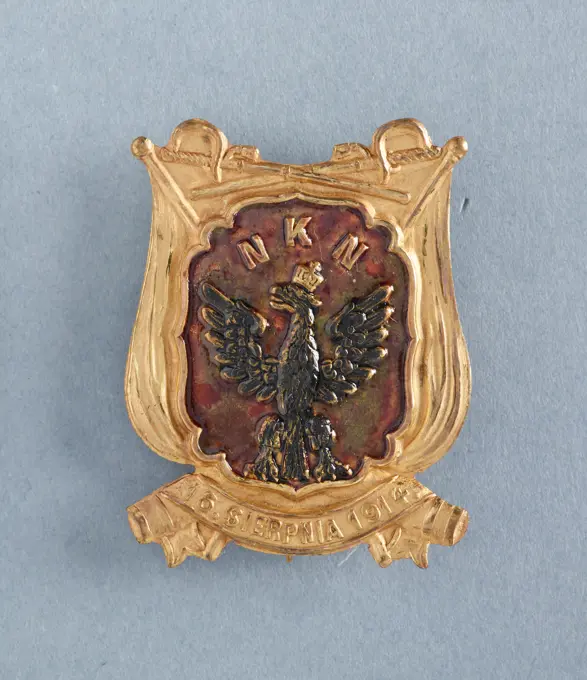
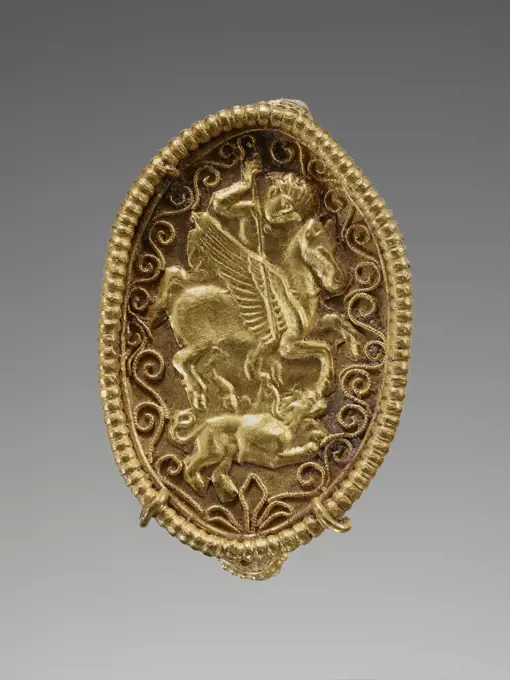
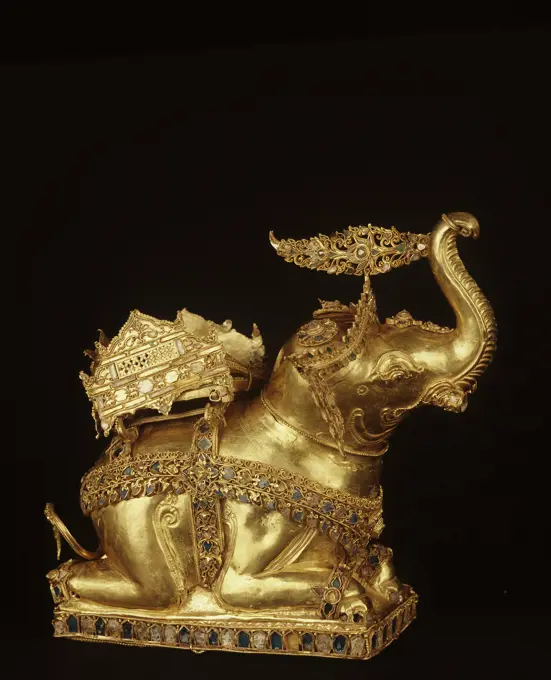
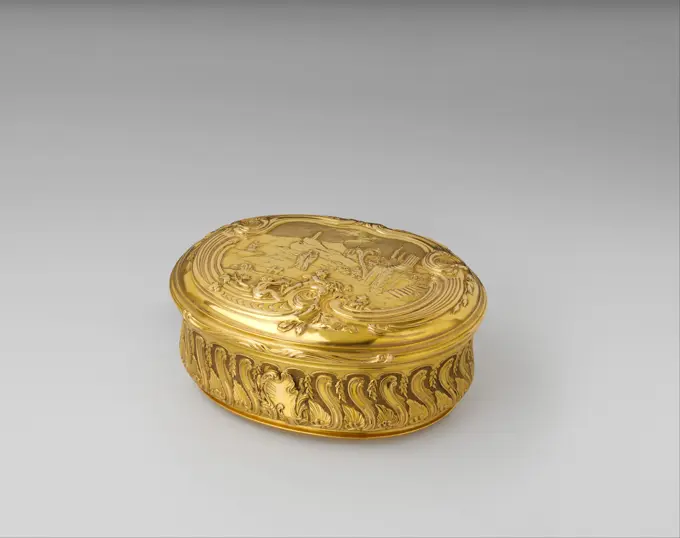
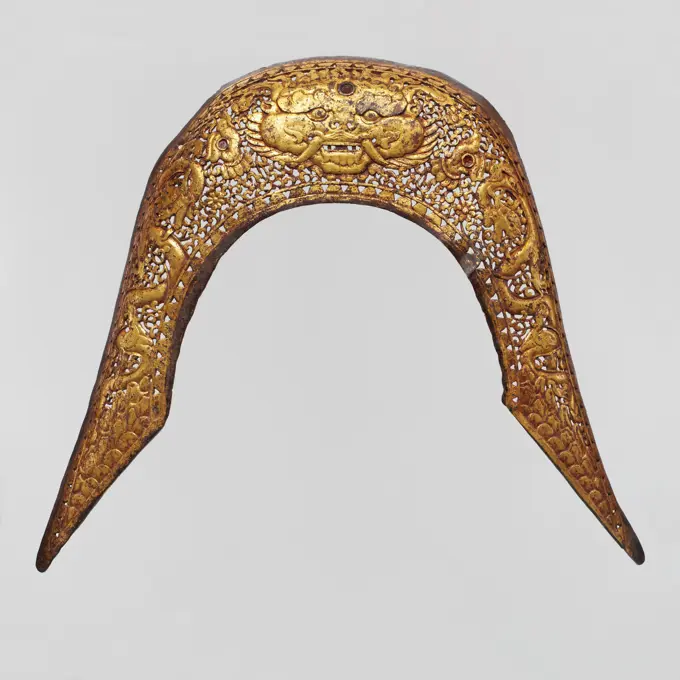
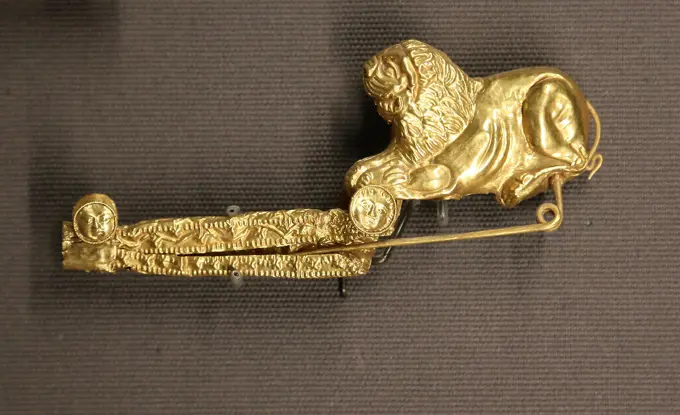
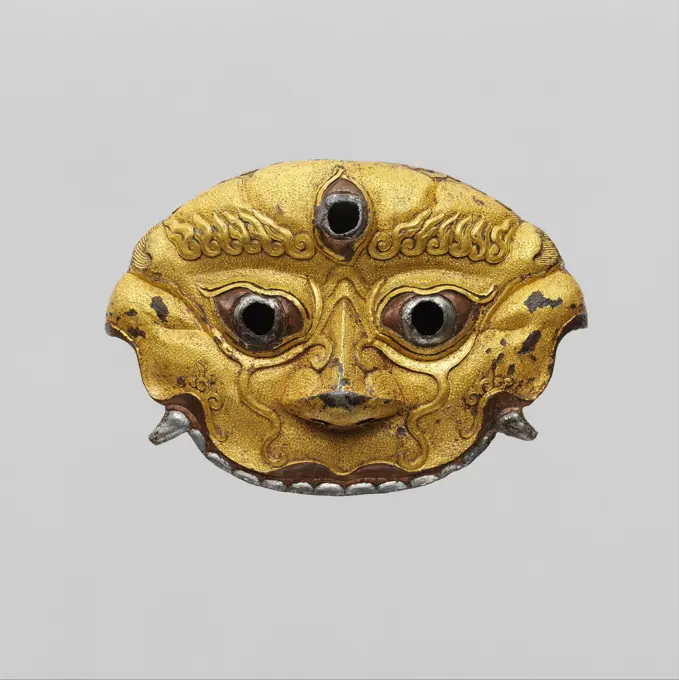
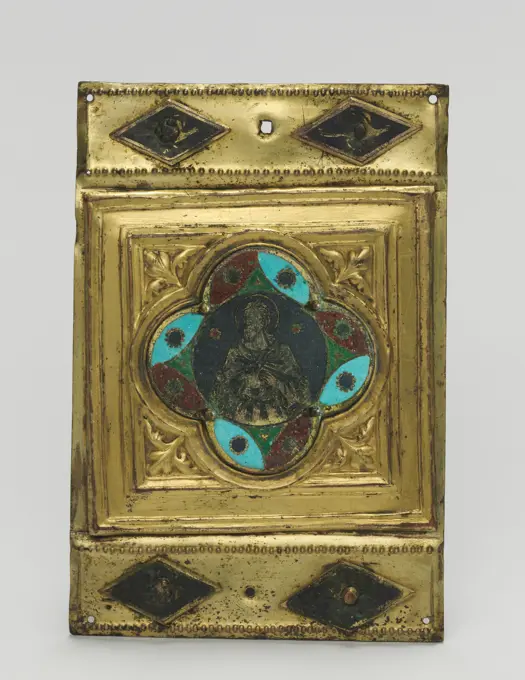
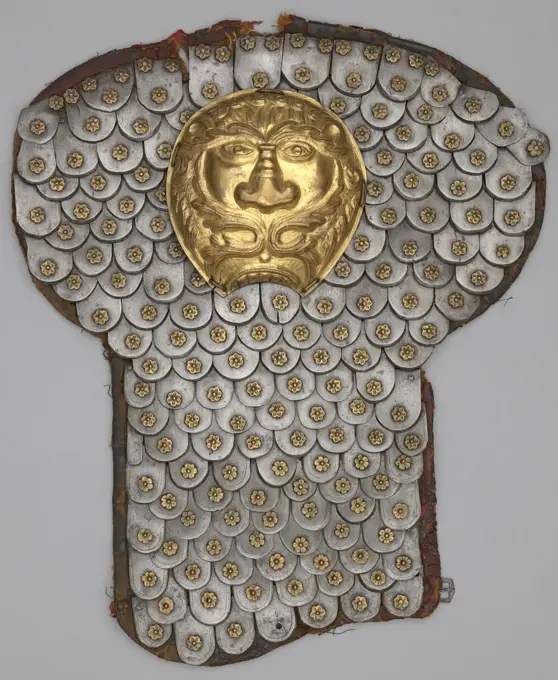
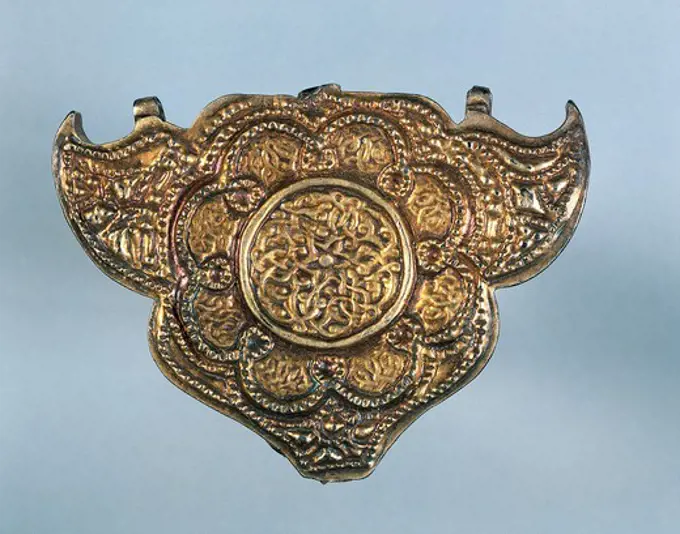
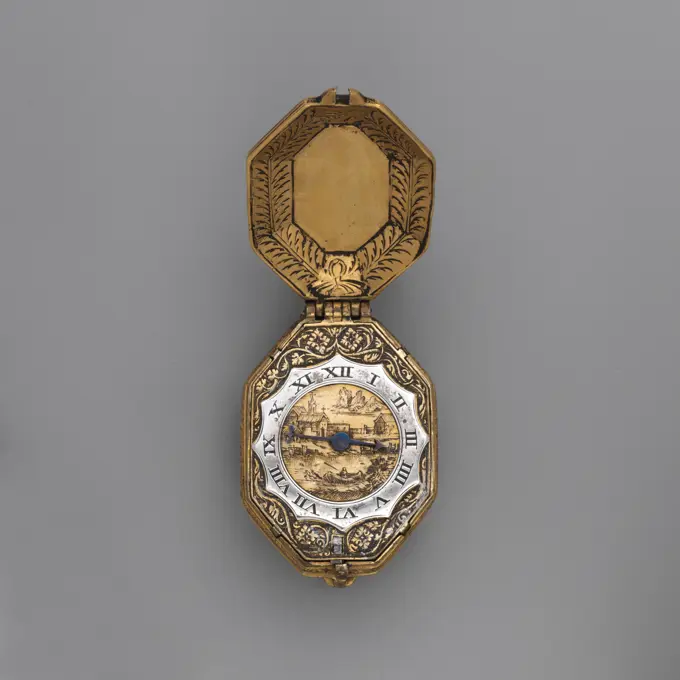
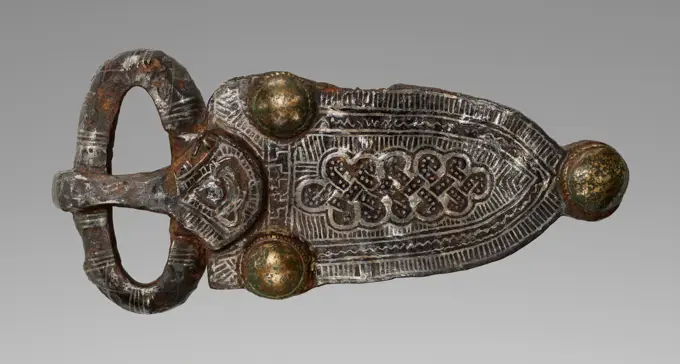
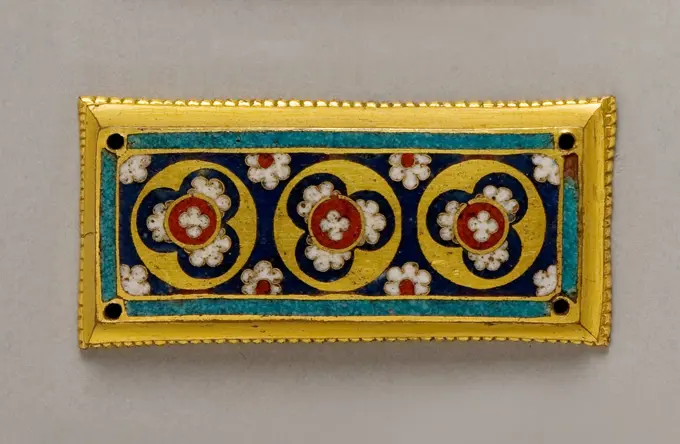
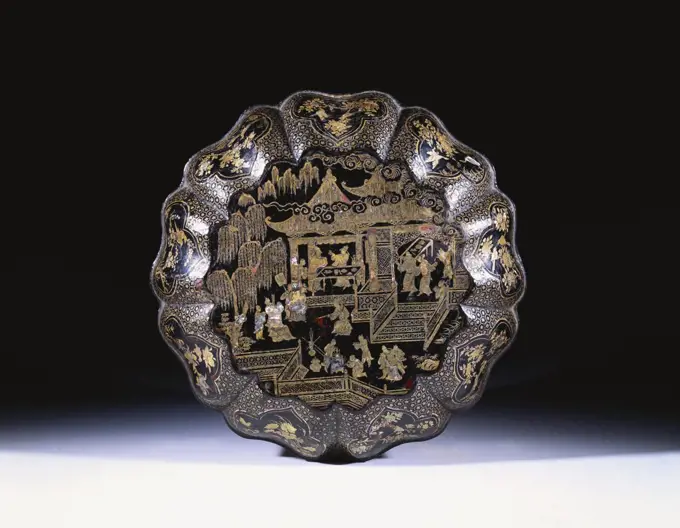
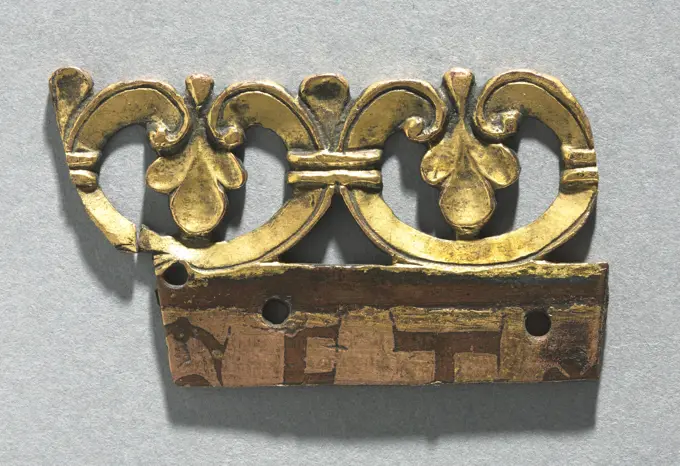
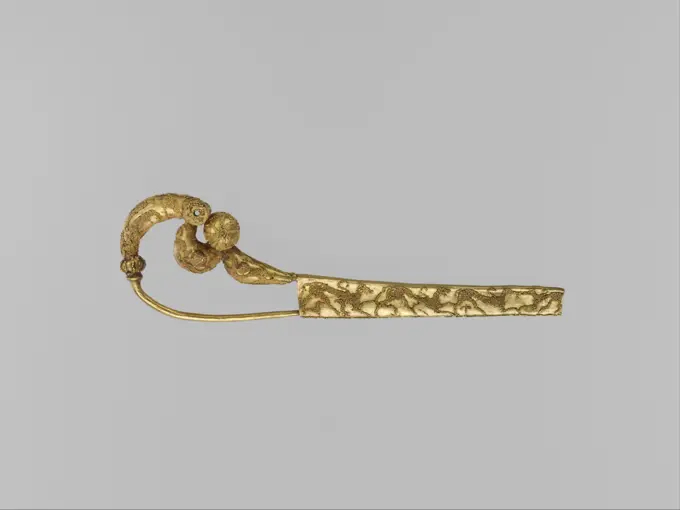
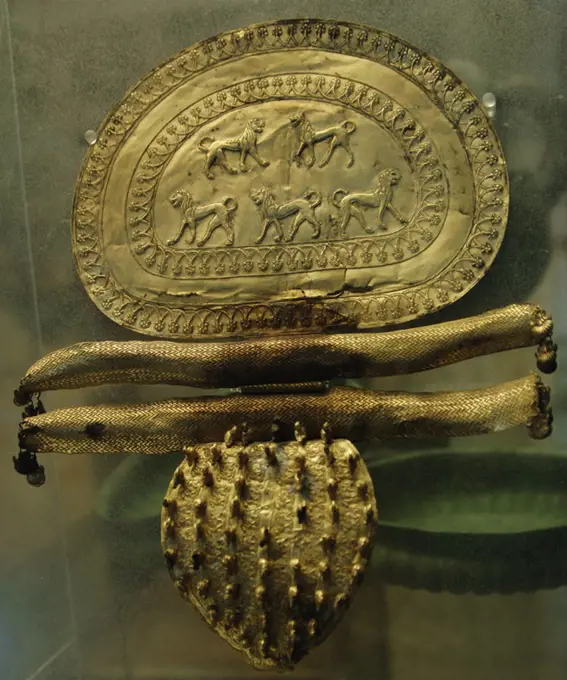
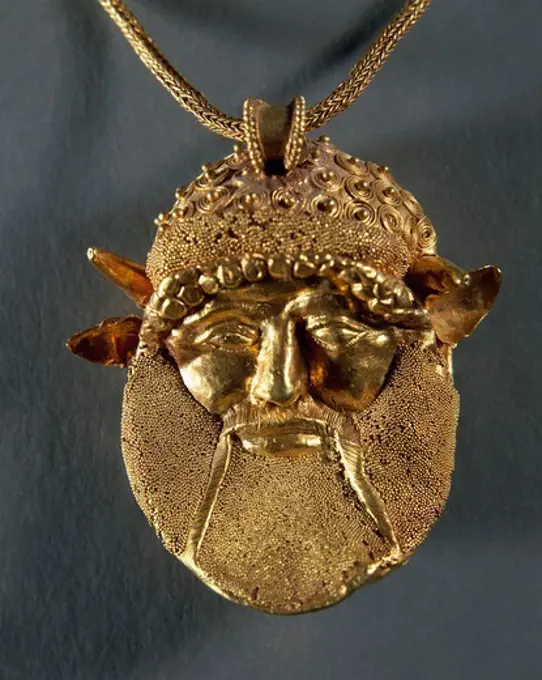
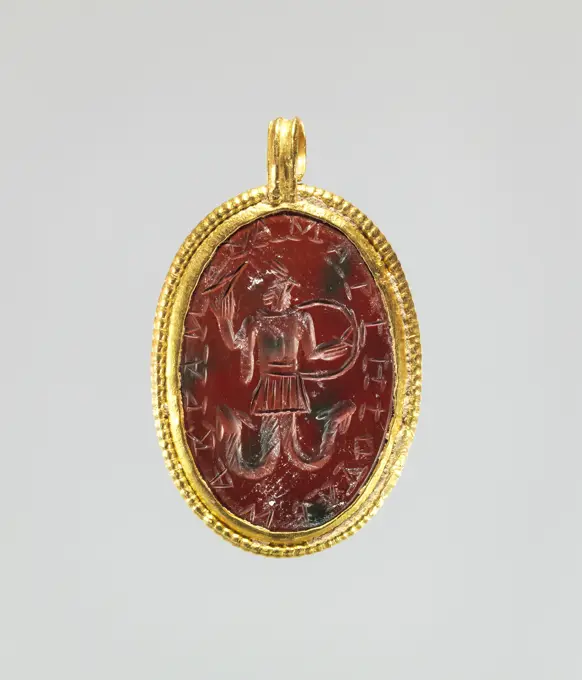
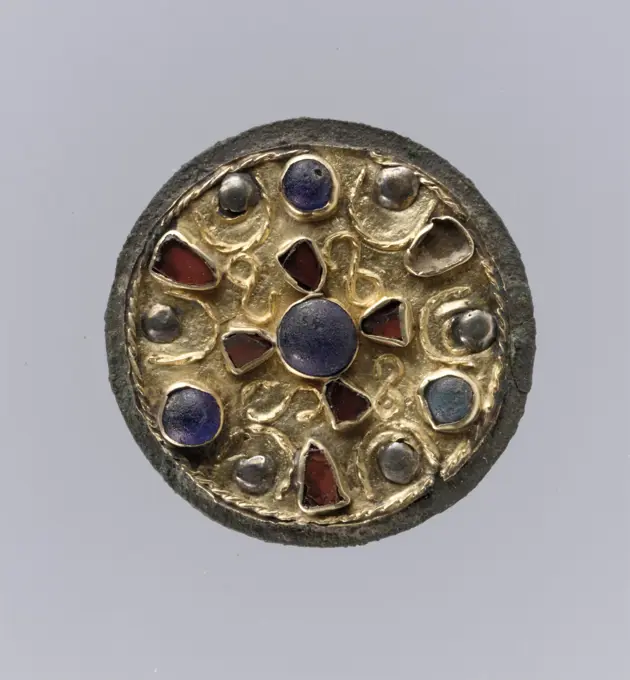
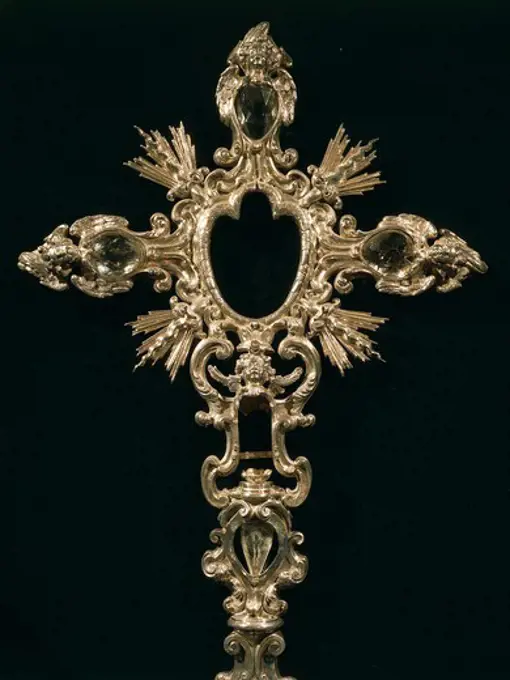
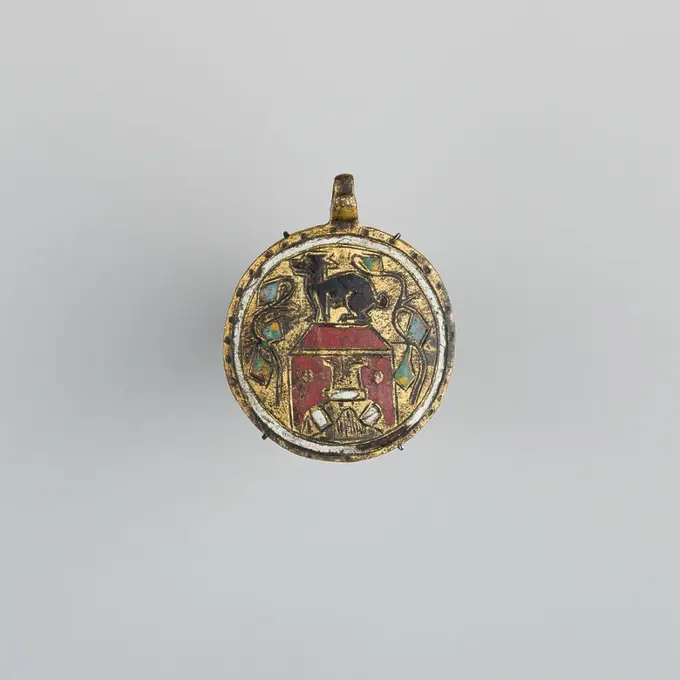
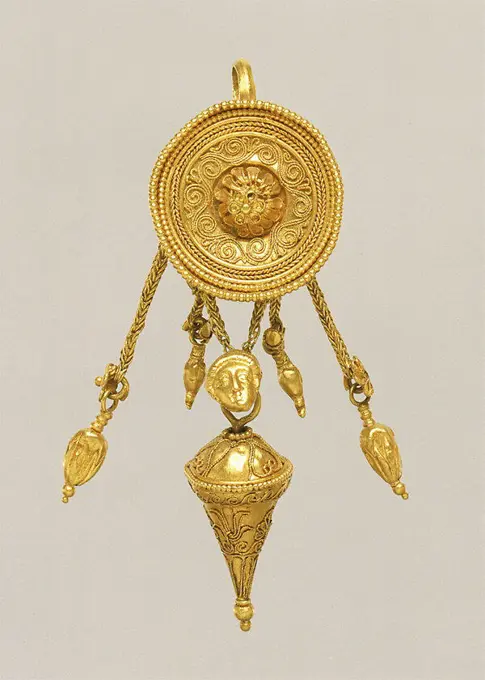
Gold disk earring with a female head and cone pendants ca. 350-300 B.C. Greek. Gold disk earring with a female head and cone pendants. Greek. ca. 350-300 B.C.. Gold. Classical. Gold and SilverBow Brooch 500-550 Frankish. Bow Brooch 468301Cartouche in a two headed eagle, the coat of arms of the Austrian EmpireBird Ornament 1st-2nd century Nasca Compared to the large quantities of spectacular metal objects found in lavish elite burials of Peru's Moche people, the tombs of the contemporary Nazca people of the south have yielded few gold objects. Usually of simple design and technique such as these sheet gold ornaments, perhaps made to embellish textiles, representations share similarities with the imagery painted on Nazca ceramics. Here the creature may depict a composite supernatural that has been called a "cat demon" or a "trophy head taster." The distinctive wavy lines on the tail feathers identify the body, wings, and tail as those of a falcon, while the head and rear paws are thought to be of a feline, perhaps the pampas cat often portrayed with a protruding tongue. Versions of this figure on Nazca ceramics commonly wear feline mouth masks with long whiskers ending in loops. The spirals flanking the tongue on the present ornaments may be a reference to the feline mouth mask.. Bird OrnameSquare-Headed Bow Brooch 530-560 Frankish. Square-Headed Bow Brooch 465786 Frankish, Square-Headed Bow Brooch, 530560, Silver-gilt, niello inlay; iron spring/pin, Overall: 4 1/16 x 1 13/16 x 11/16 in. (10.3 x 4.6 x 1.8 cm). The Metropolitan Museum of Art, New York. Gift of J. Pierpont Morgan, 1917 (17.193.64b)Wall Light; French; about 1735; Gilt bronze; 61.3 × 26.7 × 21.6 cm (24 1,8 × 10 1,2 × 8 1,2 in.)Buckle 1708 French. Buckle. French. 1708. Steel and copper alloy. Metalwork-SteelList fragment: Gilded list of pâte ornaments, under rule., C. 1700 - c. 1899 frame Gilded list of oak leaves with acorns. List part, under line. With written on the back: 'Left or by, Bottom no. 2'.  wood (plant material). gold leaf gildingBracket Bracket; bracketPrehistory, Romania, Iron Age. Getae and Thracian civilization. Gold applique with zoomorphic decoration. From Baiceni.Mount, Pierced and engraved brass, Interlacing foliage motif., The Netherlands, ca. 1700, metalwork, Decorative Arts, MountPendant; silk, metallic threadBasket Earring 10th-11th century Byzantine. Basket Earring 465949 Byzantine, Basket Earring, 10th11th century, Gold, Overall: 1 1/8 x 3/4 x 3/4 in. (2.9 x 1.9 x 1.9 cm). The Metropolitan Museum of Art, New York. Rogers Fund, 1970 (1970.70.2)MountPendant, 1-200. Parthian, 1st-2nd Century. Gold; diameter: 0.7 cm (1/4 in.); overall: 1.9 cm (3/4 in.).Przeszo Przyszoci Hildebrandt, HenrykPair of panel ornaments French late 19th centuryBadge or Harness Pendant ca. 1400 Spanish Heraldry, or coat-of-arms, were vitally important in Europe throughout the Middle Ages and the Renaissance. Heraldic emblems were used to identify noble families, cities, regions, and even countries. In addition to being displayed on shields and flags, heraldry was incorporated into architectural decoration on the interior and the exterior of buildings, on furniture, works of art, clothing, and horse equipment. Harness pendants, like this example, would have been attached to a headstall, bridle, or other straps making up the tack of a horse ridden by a nobleman or noblewoman, or a member of their household. Many harness pendants also have decoration that is simply ornamental, or have symbols that are not specifically heraldic in nature.. Badge or Harness Pendant. Spanish. ca. 1400. Copper, gold, enamel. Miscellaneous-BadgesSilversmith's art, 18th century. Silver necklace set with topazes, amethysts and zircons. Detail.Four-branched wall light in form of Lyre (one of a set of four) 1780s French The celebrated bronze worker Pierre Gouthière supplied a pair of wall lights in the form of a lyre with the head of Apollo and olive-leaf branches for the salon of the Duchess of Mazarin. Sold at auction in 1781, the pair was acquired by the Duchess of Mazarins daughter, Louise-Félicité-Victoire dAumont, Duchess of Valentinois. The model was very successful and was frequently reproduced but with some changes such as this set which is based on Gouthières design but is smaller in size.. Four-branched wall light in form of Lyre (one of a set of four). French. 1780s. Gilt bronze. Metalwork-Gilt BronzeBrooch of opened gold with centrally a red-seater stone of glass. Flat brooch from opened gold with curl ornaments with gun closure. Centrally a round, cabochon cut, red-seater stone of glass.Nose Ornament. Culture: Venado Beach, Canal Zone. Dimensions: H. 1/2 x Diam. 1 in. (1.3 x 2.5 cm). Date: 5th-8th century. Museum: Metropolitan Museum of Art, New York, USA.Pendant with Figure of Fortune 1850-1899 Vienna. Gold, enamel, diamond, ruby, and pearl .Silver loop 800/1000th GAL 1990-148-24 Polybarly hallmark. Charançon lapois of imported itemsBridegroom's Wedding Crown (umlakh) Adorned with Vishnu, Ganesha, and Shiva. India, Panjab, 19th century. Jewelry and Adornments; crowns. Silver repoussé with gildingPassementerie Italian 18th-19th centuryGold necklace from Volos (Greece). Goldsmith art, Greek Civilization, 10th Century BC.Terracotta oil lamp A.D. 1-50 Roman Loeschcke Type 1A. Mold-made. Discus: in high relief, winged Nike (Victory) standing, facing left, holding inscribed shield over altar; a single filing hole at center right behind Nike, with a band of lines and grooves towards edge. Volutes flanking angular nozzle. Within raised base ring, outlined by two incised circles, a flat base, with incised letters across center: FAVSII.On the shield in Latin is a New Year's wish for good fortune and happiness for the owner: ANNV / NOVM FAV/STVM FEL/ICEM MI/HI.Intact.On discus, winged Victory with inscribed shield. On the base is incised the name of the lampmaker: FAVSTI; he had workshops in Italy, Egypt, and Petra, as well as in Cyprus.. Terracotta oil lamp. Roman. A.D. 1-50. Terracotta; mold-made. Early Imperial. TerracottasLong Case Clock (Régulateur); Case attributed to André-Charles Boulle (French, 1642 - 1732, master before 1666), and movement signed by Antoine Gaudron (French (master 1675), juré 1699, died about 1707); Paris, France; about 1680 - 1690; Oak, veneered with tortoise shell, pewter, brass and ebony, with mouldings of ebonized wood and gilt bronze mounts; 247.2 x 47.9 x 19.1 cm (97 5,16 x 18 7,8 x 7 1,2 in.)Pair of Disk Earrings; Etruria; late 6th century B.C; Gold; 4.8 cm (1 7,8 in.)MountButton, 900s-1000s. Iran, 10th-11th century. Gold; diameter: 2.4 cm (15/16 in.).Figurine (Tunjo) of a Standing Figure with Crossed Bands Covering Torso 1000-1500 Colombia. Gold . MuiscaChina, Ordos, Ornamental plaque, bronzeCapital from a Reliquary Shrine. Culture: German. Dimensions: Overall: 1 3/16 x 1 1/2 x 1 1/8 in. (3 x 3.8 x 2.8 cm). Date: ca. 1175-1200. Museum: Metropolitan Museum of Art, New York, USA.Labret in the Form of a Saurian Head with Bifurcated Volute Emerging from Mouth. Tairona; Colombia. Date: 1000-1500. Dimensions: L. 3.8 cm (1 1/2 in.). Gold and copper alloy. Origin: Colombia. Museum: The Chicago Art Institute, Chicago, USA.Partisan Carried by the Bodyguard of Louis XIV (1638-1715, reigned from 1643). Culture: French, Paris. Dimensions: L. 94 3/8 in. (239.7 cm); L. of head: 20 3/4 in. (52.7 cm); W. of head 5 7/8 in. (15 cm);. Date: ca. 1658-1715.This partisan, along with two like it also in the Metropolitan Museum's collection (acc. nos. 14.25.454, 04.3.65), are thought to have been carried by the Gardes de la Manche (literally, "guards of the sleeve," indicating their close proximity to the king), an elite unit of the bodyguard of Louis XIV. This example (along with 04.3.65) bears the king's motto and sunburst above the crowned arms of France and Navarre, which are encircled by the collars of the royal orders of the Holy Spirit and Saint Michael. 04.3.65 is inscribed RAVOISIE FOVRBISSEVR DV ROY A PARIS, probably referring to Bonaventure Ravoisie, a royal cutler recorded between 1678 and 1709.The other partisan (14.25.454) is from a small group designed by Jean Bérain the Elder (1637-1711) for the marrCushion; silk, metal, linenGold pendant from the Ideo Cave, Crete (Greece). Goldsmith art, Greek Civilization, 8th Century BC.Mount, Cast gilt and gilt bronze, Egyptian style, France, early 19th century, metalwork, Decorative Arts, Mount. Leaf-shaped ornament with a representation of a flying bird (Garuda), above his head a one-eyed kala. A hook at the back.Sword Guard (Tsuba). Culture: Japanese. Dimensions: H. 3 1/16 in. (7.8 cm); W. 2 7/8 in. (7.3 cm); thickness 3/16 in. (0.5 cm); Wt. 3.4 oz. (96.4 g). Date: 18th century. Museum: Metropolitan Museum of Art, New York, USA.Tobacco (Tosako-Ire), Anonymous, c. 1600 - c. 1699 bag Gold leather tobacco bag with remains of red and sea green painting. Transhipment with pressure-closure (Kanamono) of bronze with a dragon in the water. At the top copper ornament (representing waves) for the attachment of the brown, braided carrier with a light blue glass bead at the beginning, and at the end a netsuke of Hertshoorn representing a tree branch with leaves and fruits. Japanese kraal: glass. bronze (metal). copper (metal). yarn. paint (coating) sewing / cutting / casting / braiding  JapanBit Boss. Culture: possibly Netherlandish. Dimensions: Diam. 3 1/4 in. (8.3 cm); Wt. 3.1 oz. (88 g). Date: late 16th - first half 17th century.Bit bosses were ornamental elements decorating both sides of a horse bit. The central part of this boss is adorned with scallop shells and volutes, while its rim displays a frieze of other scallops flanked by grotesque winged monsters. Museum: Metropolitan Museum of Art, New York, USA.Golden crown in a museum, Crown Of Silla, Gyeongju National Museum, Gyeongju, South KoreaPouch unknown labelBadge of the Cincinnati Medal ca. 1783 Designed by Pierre Charles L'Enfant In 1783 officers who had served in the Continental Army under General George Washington formed The Society of the Cincinnati, primarily for the purpose of maintaining personal relationships after the end of the Revolutionary War. The order adopted its name from Lucius Quintius Cincinnatus, a Roman statesman who took up arms for the good of the republic, but gladly relinquished power and returned to farming when the crisis had passed. The Society designed an order "by which its members shall be known," which included the figure of Cincinnatus with: "Three senators presenting him with a sword and other military ensigns; on a field in the background his wife standing at the door of their cottage, near it a plough and instruments of husbandry. Round on the whole, Omnia Reliquite Servare Rempublicam’. On the reverse, sun rising, a city with open gates, and vessels entering the port, Fame crowning Cincinnatus with a Banner Staff Head. Culture: Turkish. Dimensions: L. 21 5/8 in. (54.9 cm), W. 7 in. (17.8 cm); Wt. 3 lb. 4 oz. (1483 g). Date: ca. 1675-1700. Museum: Metropolitan Museum of Art, New York, USA.Finial (France); gilt bronzeCommemorative badge of the Supreme National CommitteeRing with Bellerophon Spearing the Chimaera; Attributed to Santa Eufemia Master (Greek (South Italian), active 340 - 320 B.C.); South Italy; about 340 - 320 B.C; Gold; 2 × 1.4 × 0.8 cm (13,16 × 9,16 × 5,16 in.)Ceremonial Chain of the Guild of Saint George of Zevenbergen. All of the visible elements on the chain have a special meaning. The patron saint, Saint George, and his arms signify that the collar belonged to the Guild of Saint George, while the other devices indicate the authority to which it answered. Even the seven mountains, after which the town of Zevenbergen is named, are depicted. The oak leaves stand for religious steadfastness, the storks for piety, and respect for church, state, and master.Ceremonial Knife (Tumi) 10th-11th century Lambayeque (Sicán). Ceremonial Knife (Tumi) 316427Fragment; wood, gildedGoldsmith's art, Italy, 16th century. Enamelled gold, rock crystal and topaz cross.Gold watch, Berthoud firm, c. 1785 - c. 1800 Gold watch with white enamelled dial. In the rear floor a performance of a gentleman and lady in an altar. Hangs on chatelaine bk-nm-12852-b. Paris gold (metal). Gold watch with white enamelled dial. In the rear floor a performance of a gentleman and lady in an altar. Hangs on chatelaine bk-nm-12852-b. Paris gold (metal).Belt. Culture: Austrian. Date: 1806. Museum: Metropolitan Museum of Art, New York, USA.Mount, Brass, Keyhole surrounded by palmette, escutcheon outlines in scrolls of foliage., France, ca. 1640, metalwork, Decorative Arts, MountGold elephant found in the crypt of Wat Ratburana in Ayutthaya, (15th century),Thailand.Snuffbox 1736-37 Jean Ducrollay The basic design of snuffboxes was to a certain extent determined by their function. As the ritual of taking snuff required holding the box in one hand while taking a pinch of the powdered tobacco with the other, a snuffbox had to fit comfortably in the palm of ones hand. The use of a hinged lid on the box minimized any spillage, and the lid had to fit very snugly in order to keep the snuff dry. In addition, the box had to open to a precise angle that would permit easy access to the contents while allowing it to remain stable with the lid raised. The French gold-box makers became extremely skilled in the techniques of construction, as evidenced here, for example, in the visual absence of solder and the beautifully engineered hinges that were standard on most boxes of the eighteenth century.Jean Ducrollay was one of the finest of the Parisian goldsmiths, and this is an early example of his work. Like the snuffbox in gold and diamonds made a few years earGold earrings 4th-early 3rd century B.C. Etruscan This type of earring is called a grappolo; its general shape resembles a bunch of grapes.. Gold earrings. Etruscan. 4th-early 3rd century B.C.. Gold. Late Classical. Gold and SilverCommemorative badge of members of the National Red Cross AssociationPommel Plate from a Saddle 17th-19th century Tibetan. Pommel Plate from a Saddle 27746MountKey. Key whose handle consists of a shield with three lilies, weapon of the bourbons, flanked by two leaf volutes on which women headers are located. The whole is closed by a crown. Handle and upper of the shaft of gold-plated red and yellow copper; Shaft and beard of iron.Etruscan art. Fibula: lion, masks and palms. 5th c. BC. Orvieto (ancient Volsinii, Italy). Gold. Watermark and stamping. Louvre Museum, Paris.Escutcheon; 1904-21-28Screen on a wooden stand. unknown, craftsmanSword Guard 14th-15th century Tibetan or Chinese Depicting the face of a wrathful Tibetan Buddhist guardian deity, this extremely rare sword guard was originally part of a complete and very lavish sword. It is from the peak period of Tibetan or Sino-Tibetan ironwork, coinciding with the rule of the Phagmodrupa kings in central Tibet and the Hongwu and Yongle dynasties in China. It is exceptional for the precision and crispness of its chiseling, punched work, and damascening; for the height of the raised decoration; and for the balance and cohesion of its overall design.. Sword Guard 27846Ornamental Plaque, c. 1380-1400. Italy, Tuscany, 14th century. Champlevé enamel, glass paste stones, and gilding on copper; overall: 11.2 x 7.7 cm (4 7/16 x 3 1/16 in.). These plaques appear to have been part of a larger ensemble forming a band of decoration affixed to a church altar. Each plaque is decorated in multiple techniques-embossing, engraving, enameling, and gilding-to create a sumptuous visual effect.Przeszo PrzyszociKnife case, Medium: silk, metallic yarns Technique: embroidered on supplementary warp pile (velvet) Label: silk velvet embroidered with metallic yarns, Knife case in red velvet embroidered with gold metallic yarns in a stylized floral form. Gold braid on the sides and top, with a drawstring at the top terminating in beaded tassels, with a single gold tassel at the bottom., France, 17th century, costume & accessories, Knife caseTriangular pendants for harnesses. Jewellery. Mongolian Civilization, 13th-14th Century.Decoration element of Red buyer, Anonymous, 1700 - 1710  Amsterdam copper (metal)  Amsterdam copper (metal)Watch ca. 1620-25 Watchmaker: Isaac Symms. Watch. British, London. ca. 1620-25. Brass, gilded; silver; and blued steel. HorologyBelt Attachment. UnknownPlaque from a Reliquary early 13th century Workshop of Master of the Virgin Mary's Reliquary Casket German Although subtle variations of pattern and color distinguish these three plaques from one another, they once formed part of the decoration of a single reliquary. Roman numerals scratched into the reverse indicated where they were to be set, with other figural and decorative elements, on a large house-shaped shrine or other devotional object.. Plaque from a Reliquary. Workshop of Master of the Virgin Mary's Reliquary Casket (German, Aachen). German. early 13th century. Champlevé and cloisonné enamel, copper-gilt. Made in Cologne, Germany. EnamelsWall arm of gilded bronze with three arms. Tribes and arms are made up of asymmetrical C and S-shaped leaf motifs between which flowers have been processed at the bottom., Anonymous, 1750 Gilt bronze wall arm, with three arms. The trunk and the arms are made up of asymmetrical S and C-shaped leaf motifs, between which flowers are processed at the bottom. The fat catchers and candle holders also show leaf motifs. See also: BK-16897-A-C/D. France bronze (metal) gilding Gilt bronze wall arm, with three arms. The trunk and the arms are made up of asymmetrical S and C-shaped leaf motifs, between which flowers are processed at the bottom. The fat catchers and candle holders also show leaf motifs. See also: BK-16897-A-C/D. France bronze (metal) gilding. On each of the two related, cartophormous plates (A and B), a corn field is driven in which a cornmeter is bent over the size, a basket with grain grains. In his left hand, he holds a scoop and in his judge with which he abstracts the size. This scene is shown on the two plates from a different point of view; On a, the cornmeter is diagonally shown from behind; on b from the front. The almost identical cartouches are made up of soft parts that have masqueric shapes in the middle of top and top. The city weapon of Amsterdam has been included in the upper edge. Left and top right lights a corn meter shake from the list; A basket with bar has been processed in the lower edge. At the bottom of every shield hangs on a chain, a banderole decorated with a soft orbums with a roughened ground. The text coor is on that of A.meters and on that of B 16 Gildt 33.An Important Yuan Inlaid Lacquer Circular Foliate Box and Cover Depicting Dignataries at Leisure. 14th Century, 37cm diam.Fragment of an Ornamental Crest from a Reliquary Shrine, c. 1165-1180. Mosan, Meuse Valley, Maastricht, Gothic period, 12th century. Gilded copper, émail brun (brown enamel); overall: 5.5 x 3.1 cm (2 3/16 x 1 1/4 in.).Gold serpentine fibula (safety pin) with animals in granulation 7th century B.C. Etruscan Ornamented with granulation.. Gold serpentine fibula (safety pin) with animals in granulation 245958Etruscan Art. Italy. Great gold fibula decorated with lions. It comes from Regolini-Galassi tomb. Necropolis of Sorbo. 7th century B.C. Gregorian Etruscan Museum. Vatican Museums. Vatican City.Silversmith's art, Germany, 16th century. Gilded silver and copper belt and buckles.Goldsmithery, gold necklace with pendant head of river god AchelousHandles, entrance door of golden temple at coorg, karnataka, india, asia Copyright: xNirbhayxJain/DinodiaxPhotoxCrown with rosette ornaments from Delphi (Greece). Goldsmith art, Greek Civilization, 6th Century BC.Brooch, part of a demi-parding. Brooch of gold, diamond, pearl and email. Decorated with floral motifs and snakes.. Earring in the form of a lime cap with a hanging tongue.Rapier Made 1560-1580 Italy. Steel, iron with gilding, silver, and wood .Jasper intaglio: Cock-headed anguipede ca. 2nd-3rd century A.D. Roman. Jasper intaglio: Cock-headed anguipede. Roman. ca. 2nd-3rd century A.D.. Jasper, red, gold. Imperial. GemsGold box, Hans Reimer (Possible), 1550 - 1575 Round box of gold and email, occupied with diamonds. On the wall the Wapen van Beijeren. Southern Germany (possibly) gold (metal). pearl. diamond (mineral). Round box of gold and email, occupied with diamonds. On the wall the Wapen van Beijeren. Southern Germany (possibly) gold (metal). pearl. diamond (mineral).Disk Brooch 7th century Frankish. Disk Brooch 464832 Frankish, Disk Brooch, 7th century, Gold, filigree, garnets, blue glass; copper alloy support, Overall: 1 1/4 x 3/8 in. (3.1 x 1 cm). The Metropolitan Museum of Art, New York. Gift of J. Pierpont Morgan, 1917 (17.191.140)Funeral Shield of the Cobblers Guild in Amsterdam, Johannes Grill, 1643 The cartouch -shaped plate contains a shield with three attributes of the shoemakers' guild: in the middle a shoe above the year 1643; On the left side of it a pruninges (intended for cropping the sole) and on the right an alder (prime). Above this first shield is a smaller shield with the crowned weapon of Amsterdam held by two lions. From the lion tails down, a wide rim of soft tails runs, in which a cherub is included at the bottom. The execution of the Cherubijn differs on the two shields. Amsterdam silver (metal)   Amsterdam The cartouch -shaped plate contains a shield with three attributes of the shoemakers' guild: in the middle a shoe above the year 1643; On the left side of it a pruninges (intended for cropping the sole) and on the right an alder (prime). Above this first shield is a smaller shield with the crowned weapon of Amsterdam held by two lions. From the lion tails down, a wide rim of soft tails runBadge or Harness Pendant 14th century Spanish Heraldry, or coat-of-arms, were vitally important in Europe throughout the Middle Ages and the Renaissance. Heraldic emblems were used to identify noble families, cities, regions, and even countries. In addition to being displayed on shields and flags, heraldry was incorporated into architectural decoration on the interior and the exterior of buildings, on furniture, works of art, clothing, and horse equipment. Harness pendants, like this example, would have been attached to a headstall, bridle, or other straps making up the tack of a horse ridden by a nobleman or noblewoman, or a member of their household. Many harness pendants also have decoration that is simply ornamental, or have symbols that are not specifically heraldic in nature.. Badge or Harness Pendant. Spanish. 14th century. Copper, gold, enamel. Miscellaneous-BadgesHeaddress Ornament, 1700s or 1800s. China, Qing dynasty (1644-1911). Copper-silver alloy, gilding, kingfisher feathers, glass beads; overall: 11.5 x 2.1 cm (4 1/2 x 13/16 in.).Pendant of gold and enamel with bust Gustaaf Adolf, Anonymous, c. 1632 - c. 1635 Pendant of gold and enamel, representing the bust of Gustaaf Adolf in a laurel wreath. The medallion is cut from a mint. Germany gold (metal). pearl   Sweden Pendant of gold and enamel, representing the bust of Gustaaf Adolf in a laurel wreath. The medallion is cut from a mint. Germany gold (metal). pearl   SwedenMirror, Six times lobed leaf shape, edge of plant motifs around medallion, with flat handle, 900 - 1200  China bronze (metal)  China bronze (metal)Goldsmith's art, Italy, 18th century. Biagio Guariniello (1670-1710), Cross reliquary, 1701. Cathedral of Avellino, Campania region.Badge (probably from Horse Harness). Culture: Spanish. Dimensions: H. 2 1/8 in. (5.4 cm); W. 1 11/16 in. (4.3 cm); Wt. 0.5 oz. (14.2 g). Date: 14th century. Museum: Metropolitan Museum of Art, New York, USA.