Ancient Metal Ornaments

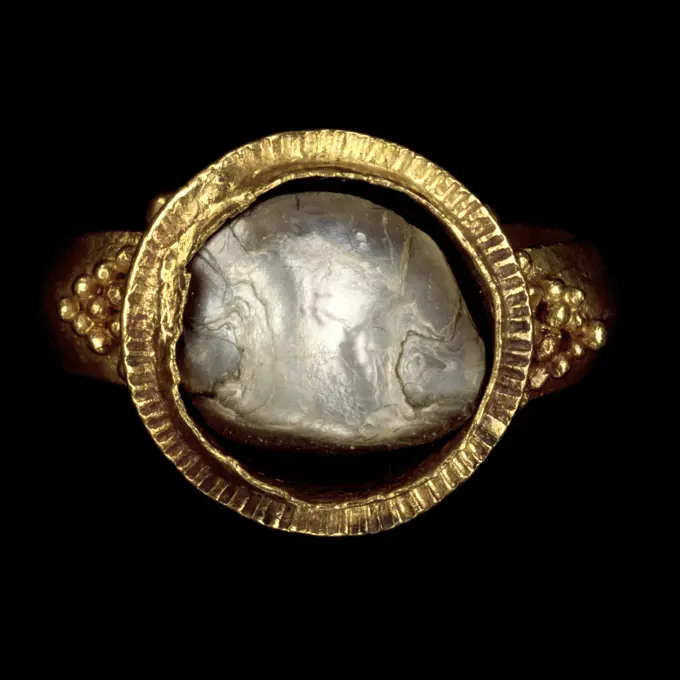
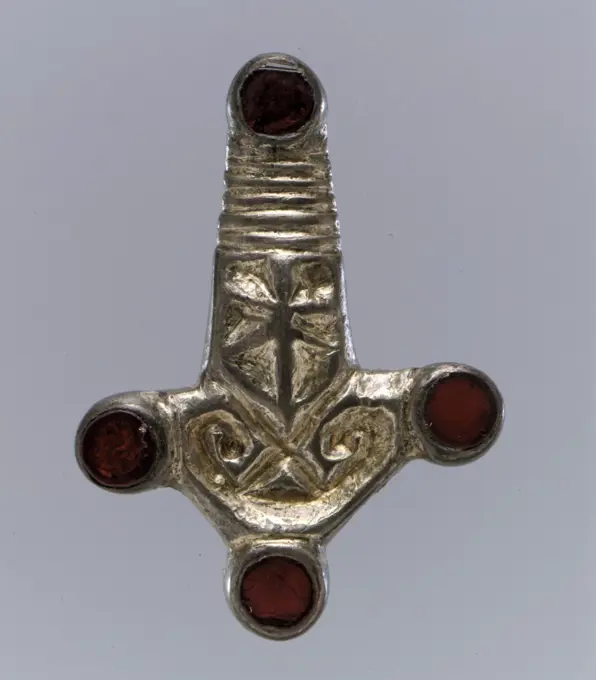
A collection of ancient metal artifacts including gold earrings, brooches, and decorative ornaments, showcasing intricate designs from Greek and Frankish cultures.
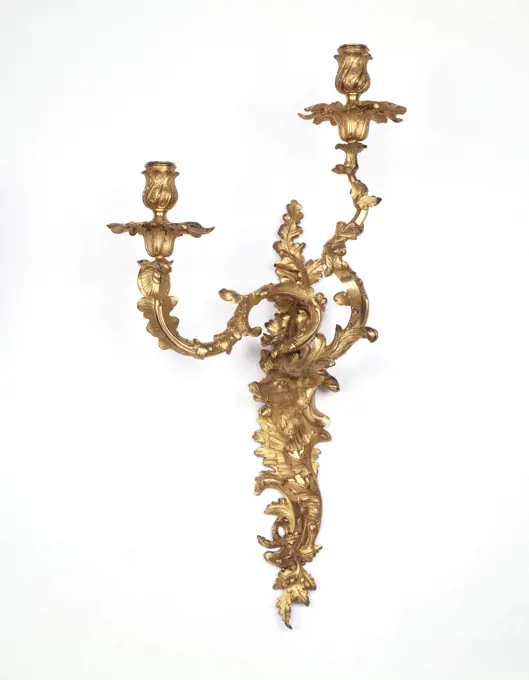
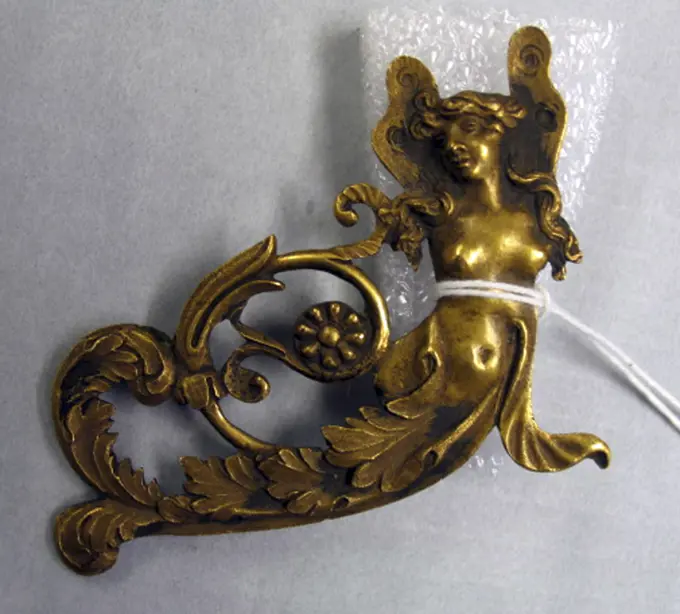
Wall Light; French; about 1735; Gilt bronze; 61.3 × 26.7 × 21.6 cm (24 1,8 × 10 1,2 × 8 1,2 in.)
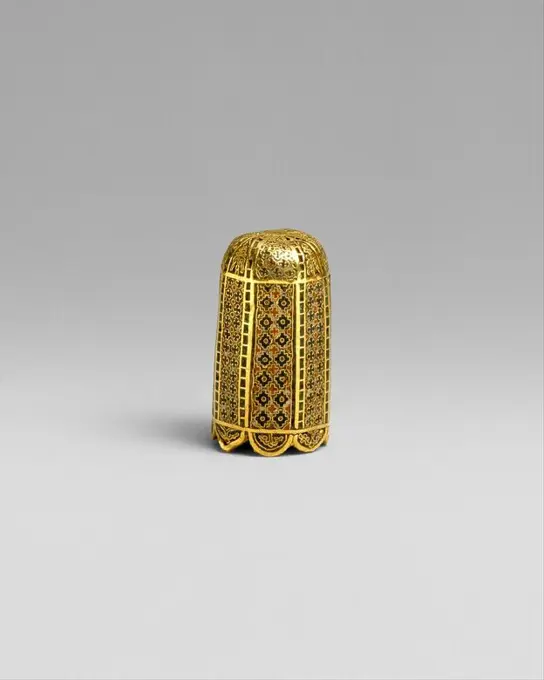
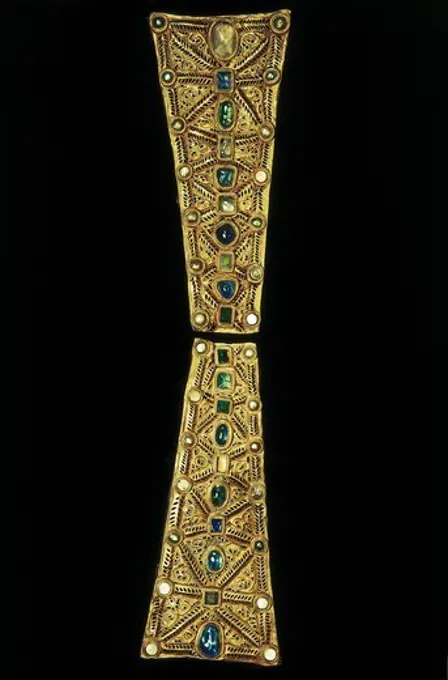
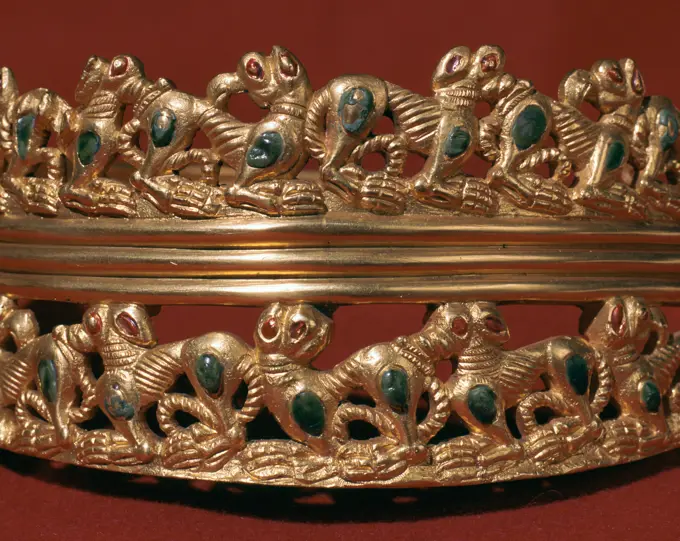
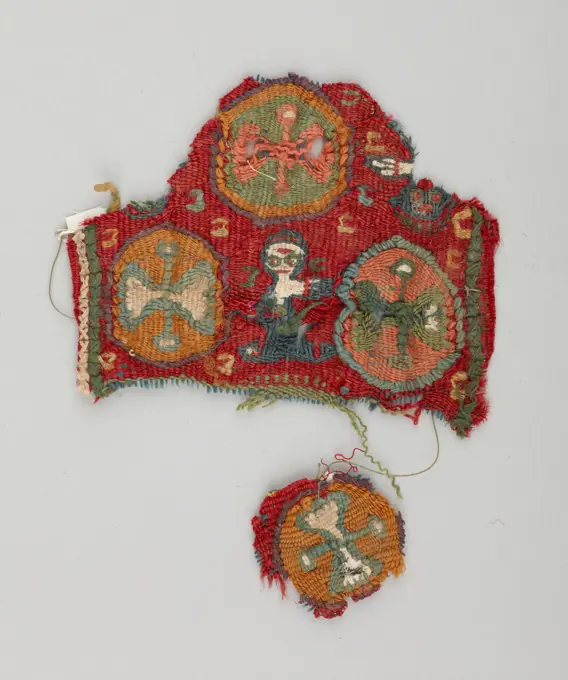
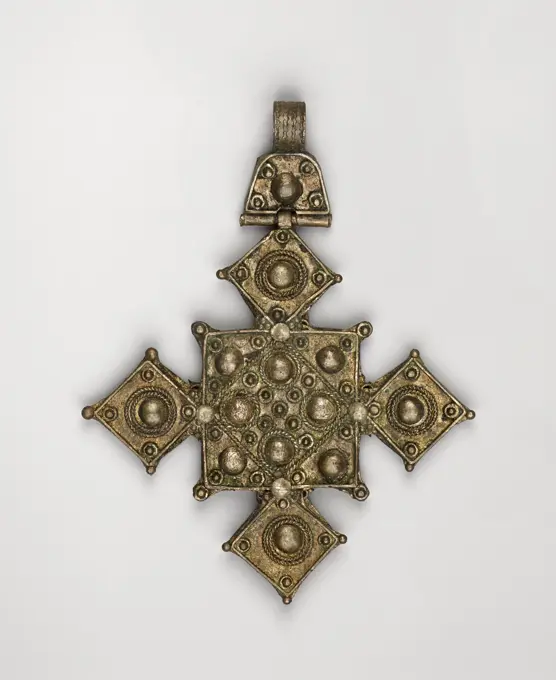
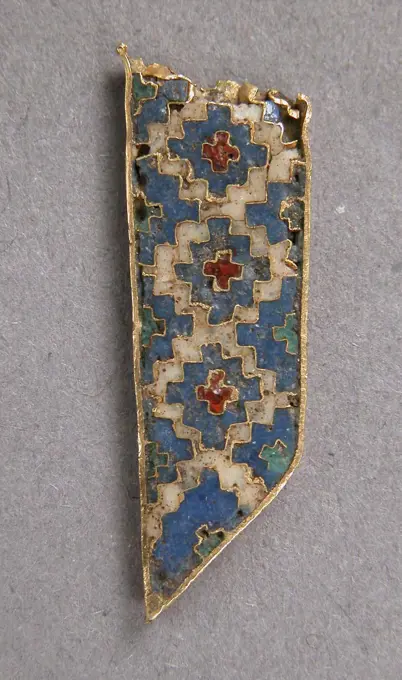
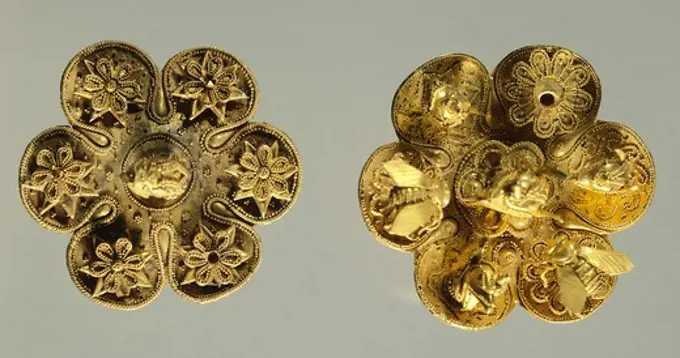
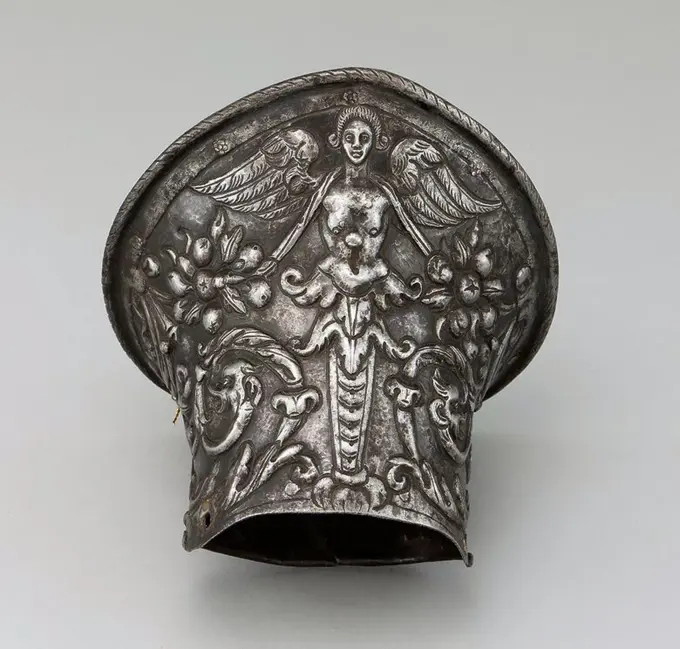
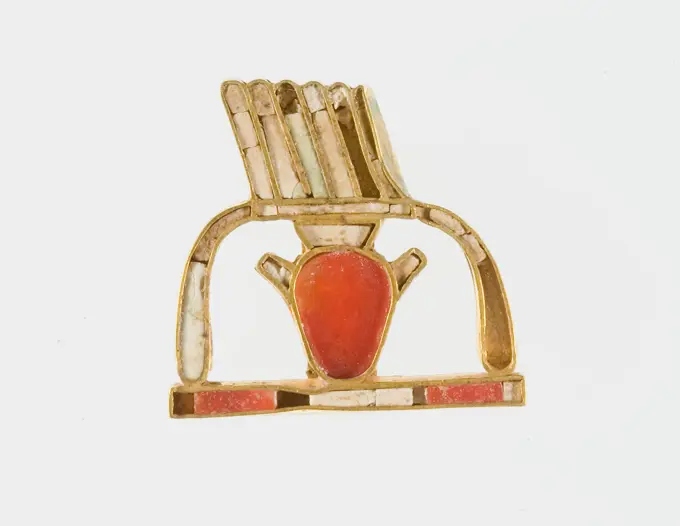
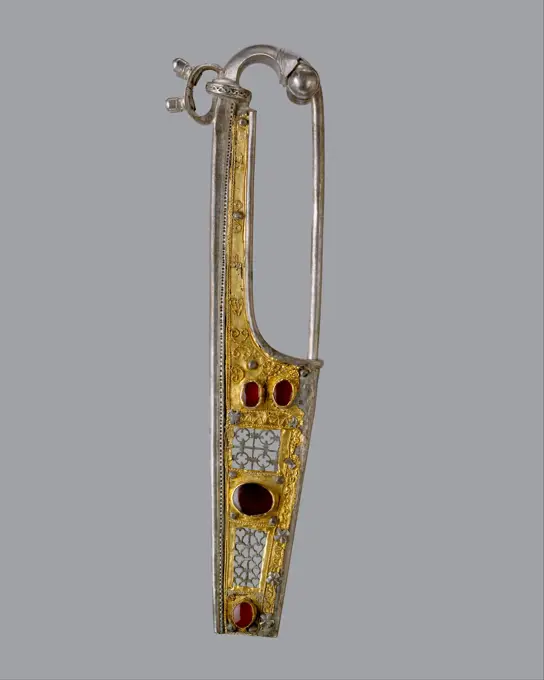
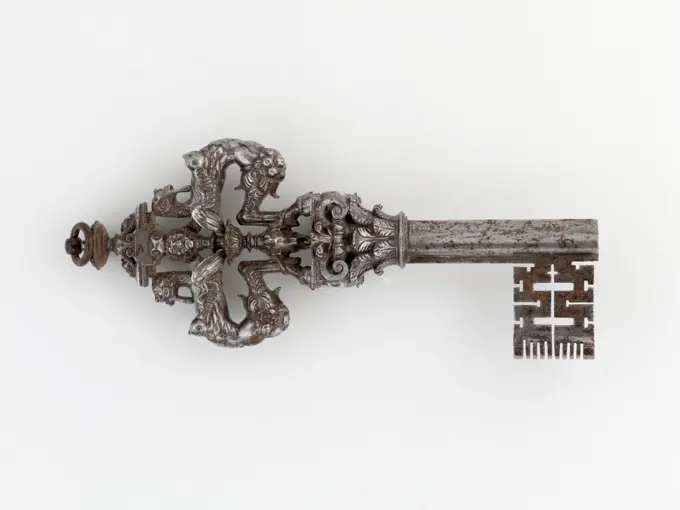
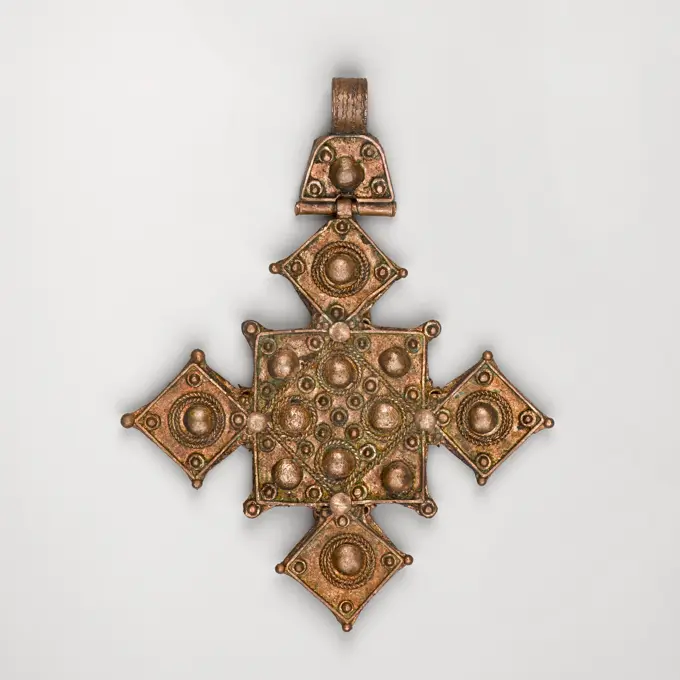
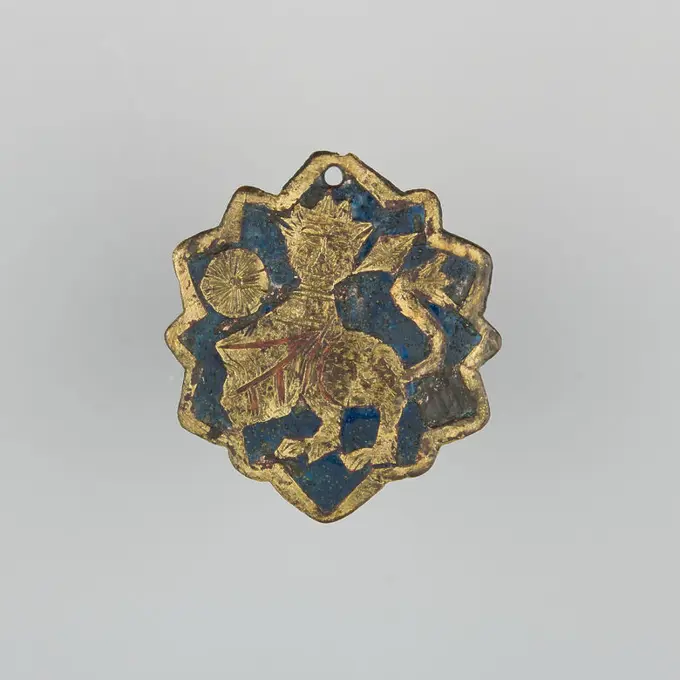
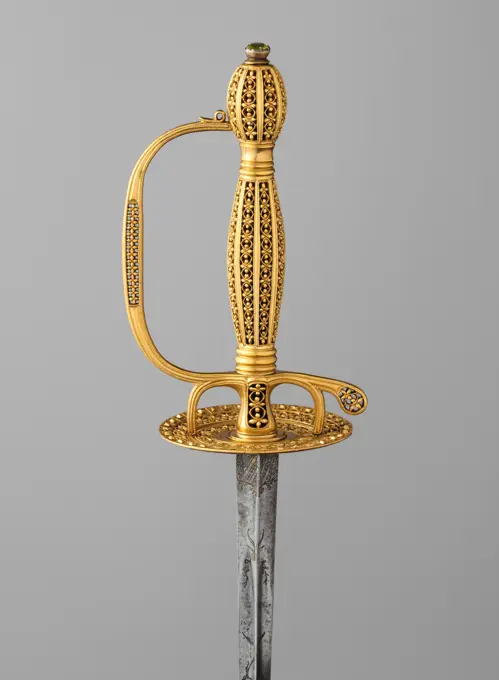
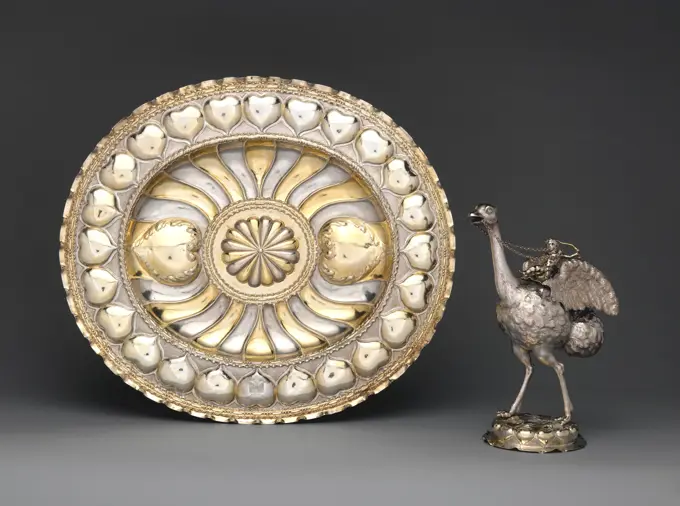
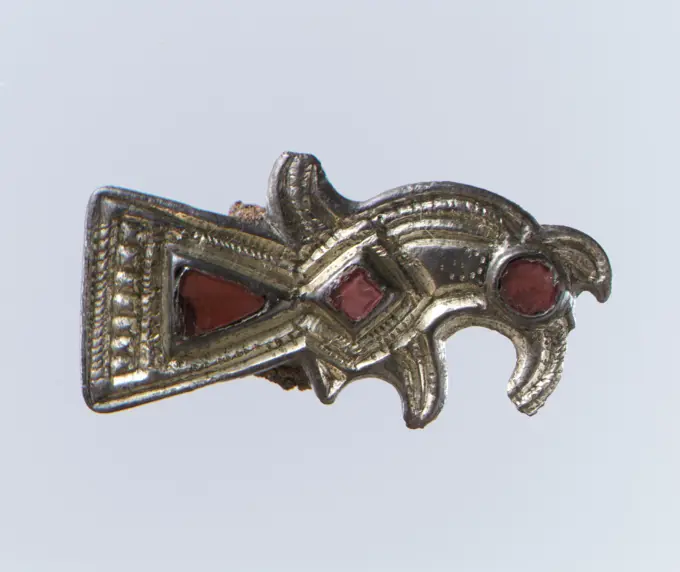
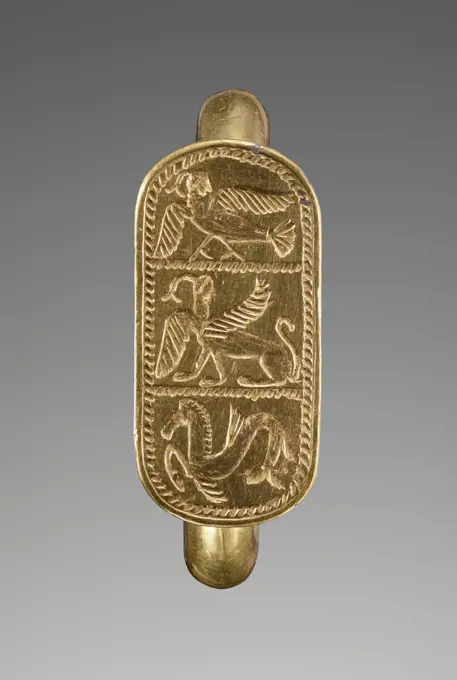
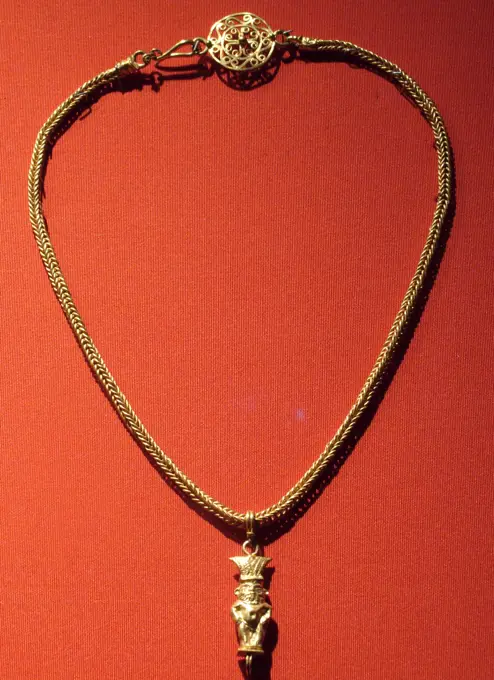
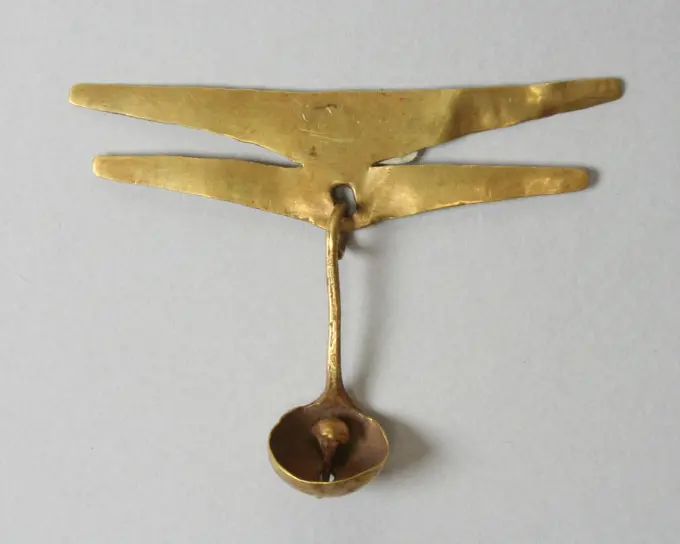
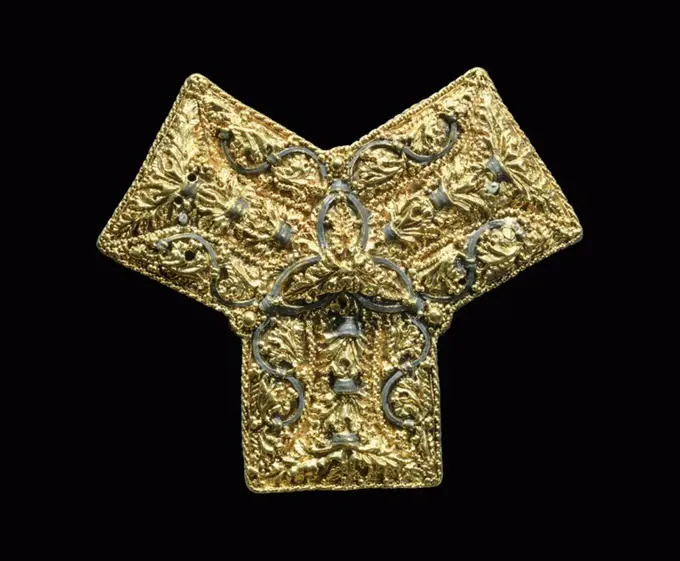
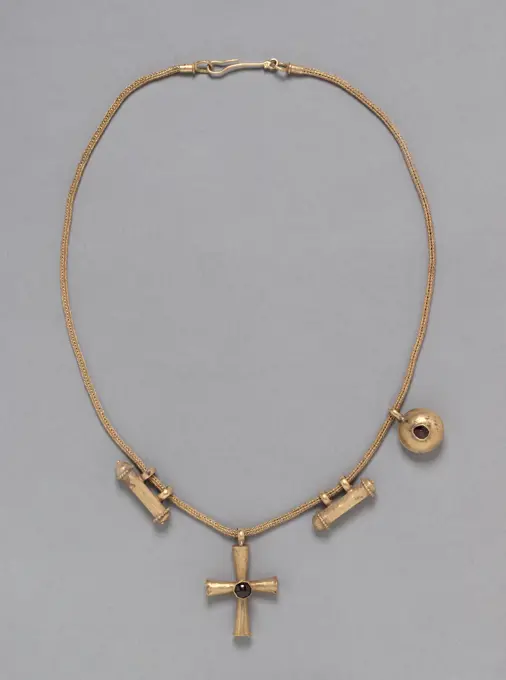
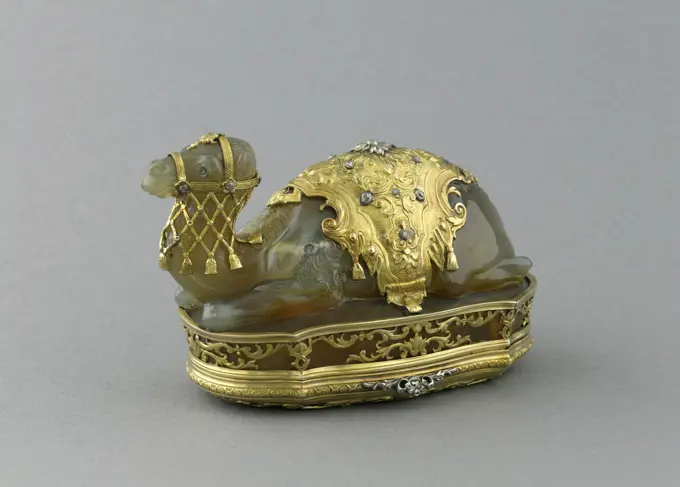
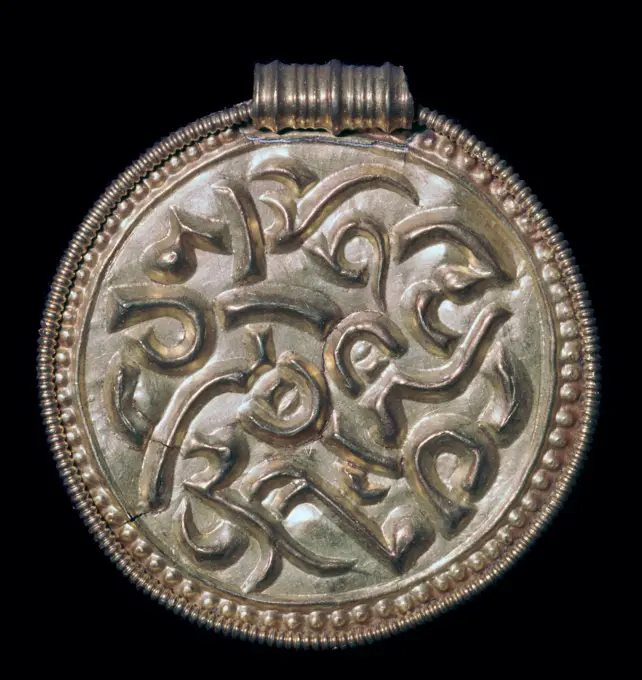
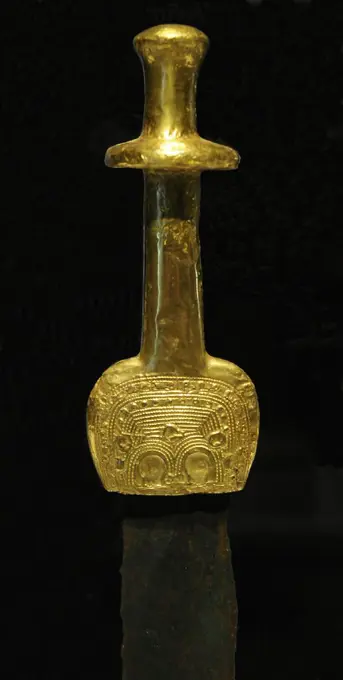
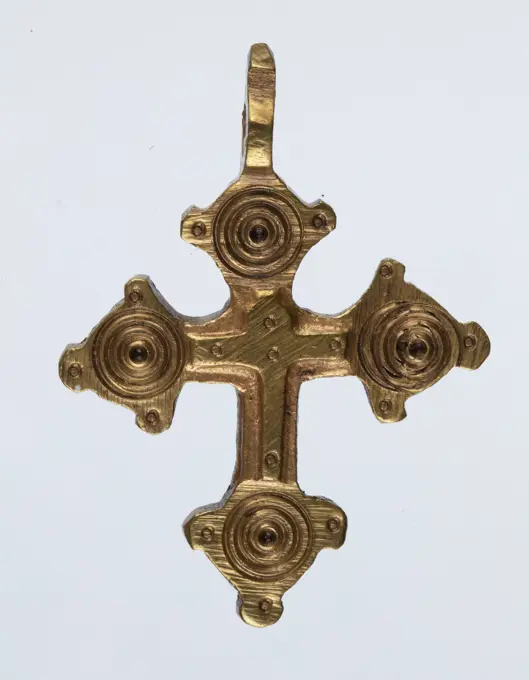
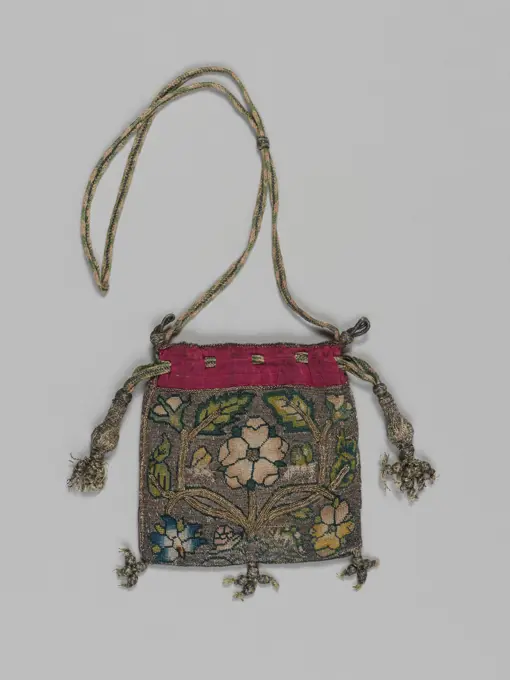
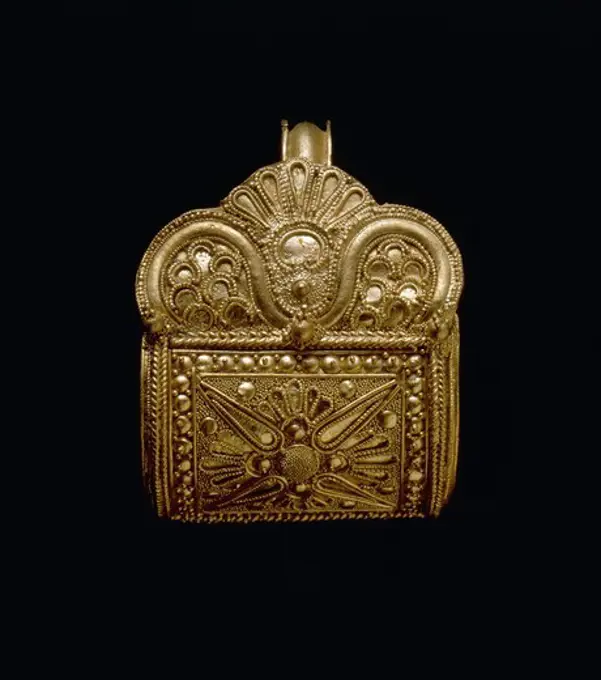
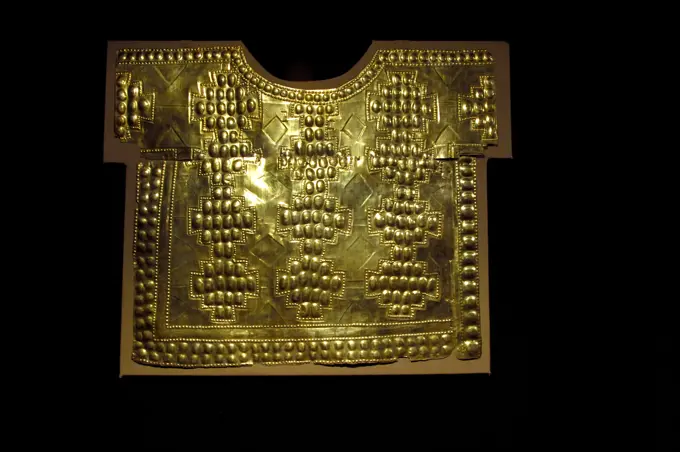
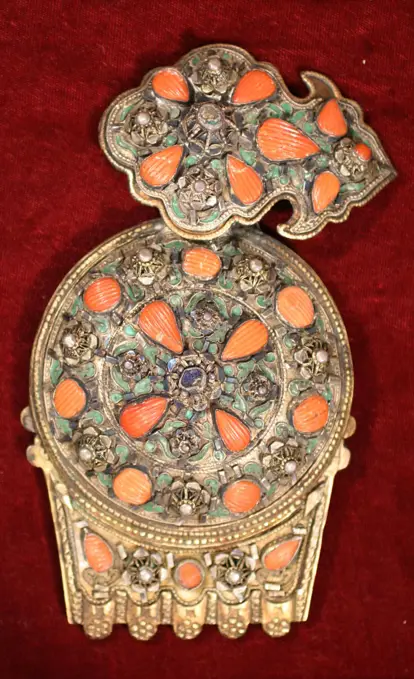
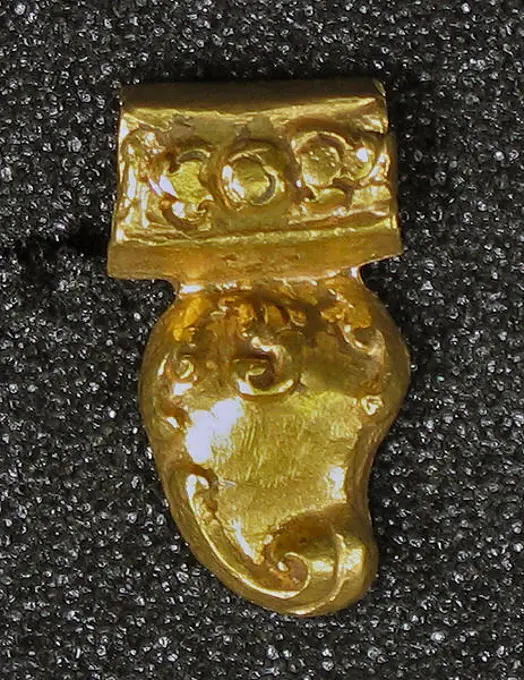
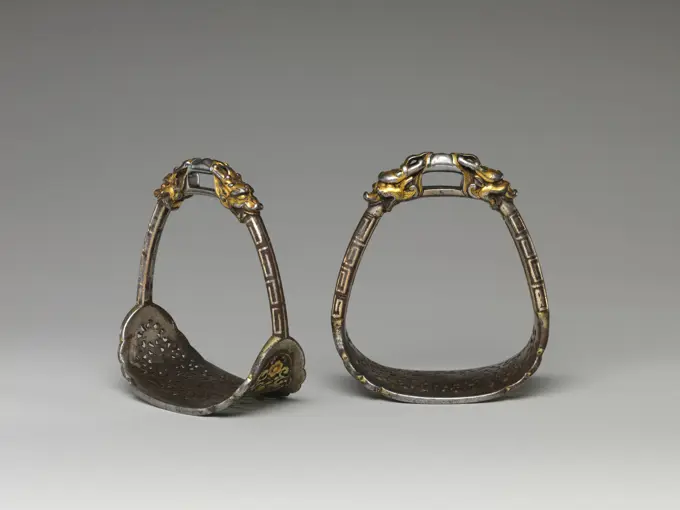
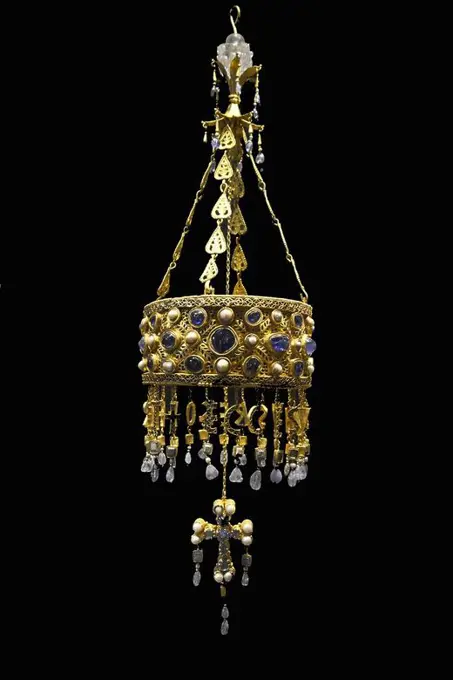
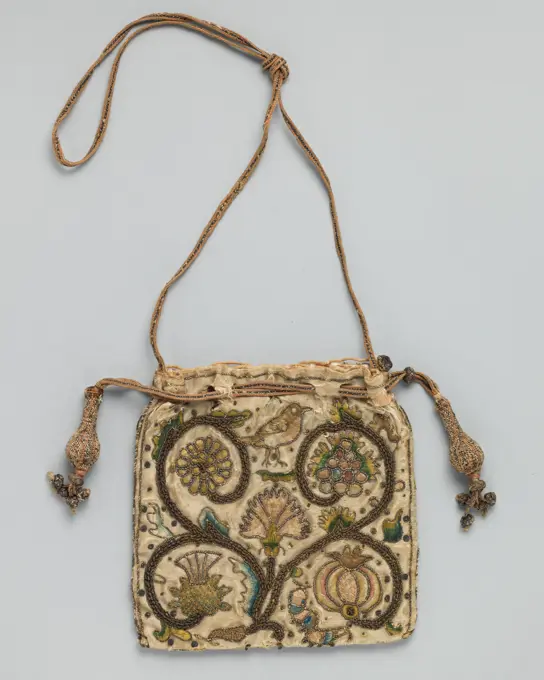
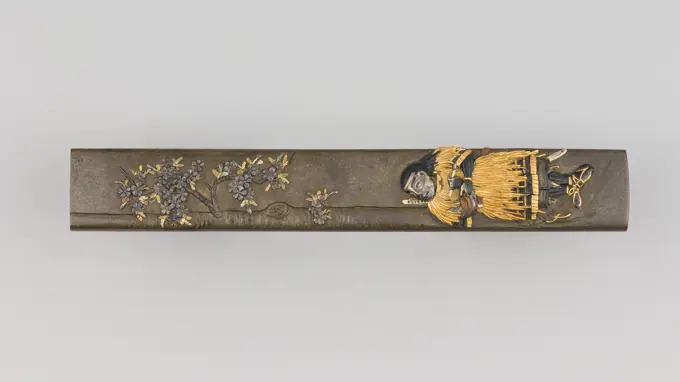
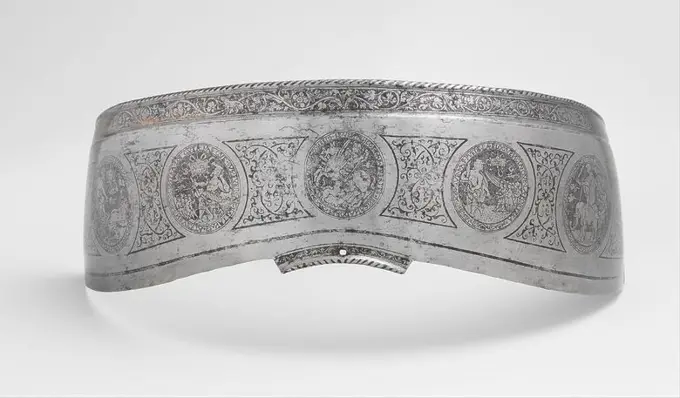
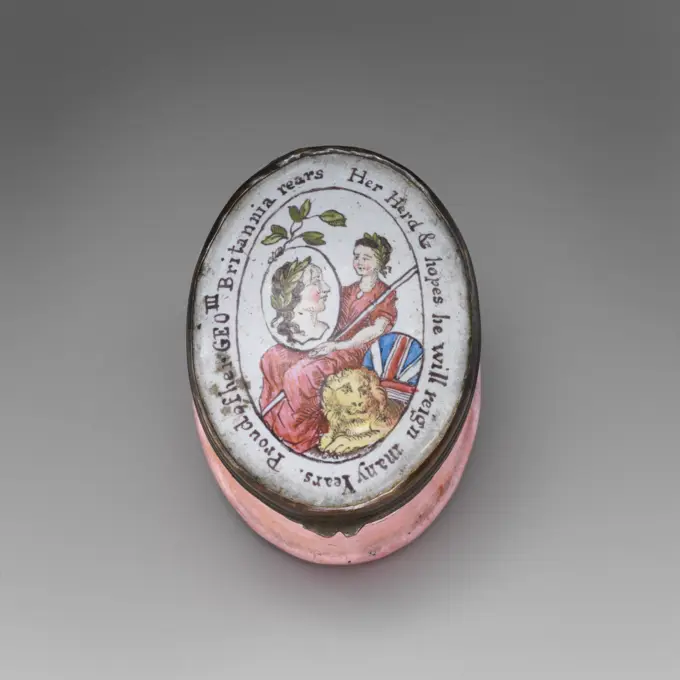
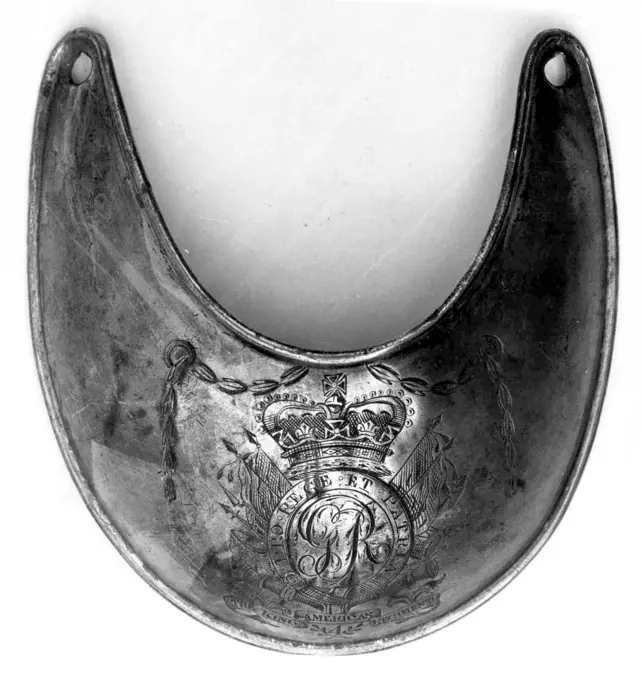
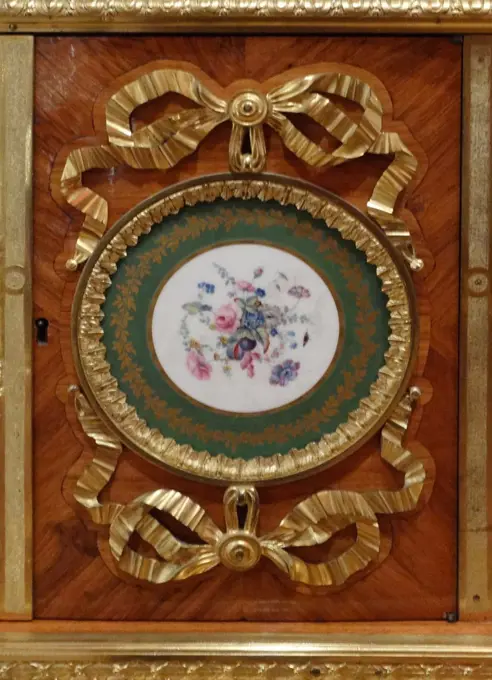
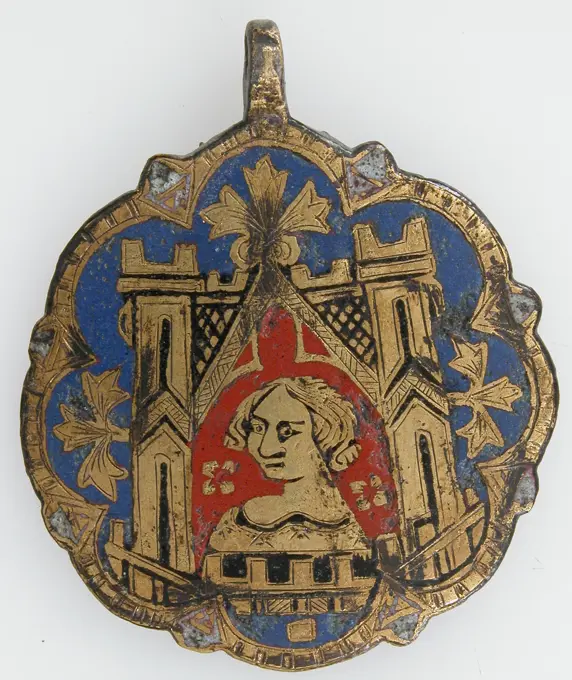
Harness Pendant 13th-early 15th century possibly Spanish Heraldry, or coat-of-arms, were vitally important in Europe throughout the Middle Ages and the Renaissance. Heraldic emblems were used to identify noble families, cities, regions, and even countries. In addition to being displayed on shields and flags, heraldry was incorporated into architectural decoration on the interior and the exterior of buildings, on furniture, works of art, clothing, and horse equipment. Harness pendants, like this example, would have been attached to a headstall, bridle, or other straps making up the tack of a horse ridden by a nobleman or noblewoman, or a member of their household. Many harness pendants also have decoration that is simply ornamental, or have symbols that are not specifically heraldic in nature.. Harness Pendant 25444Tip of a Pointer. Culture: Byzantine. Dimensions: Overall: 1 x 1/2 in. (2.5 x 1.3 cm). Date: 1080-1150.This delicately wrought and finely detailed tip of a pointer, or, less likely, a scepter, is one of the outstanding examples of cloisonné enameling produced during the Middle Byzantine era. Intimate in scale, it is entirely covered in elaborate foliate and geometric designs predominately worked in white, red, and translucent blue enamels. Ladderlike strips of cloisons in translucent green enamel separate the decorative patterns on the sides and hide the angles of the hexagonal form. The top is a flat dome; the base is finished with alternating lobes and semicircles. The enameled patterns are similar to designs found in Byzantine manuscript illuminations of the period. This tiny masterpiece was probably the end of a long pointer used to assist the speaker during the public reading of a manuscript.The refinement of the decoration and the outstanding craftsmanship suggest that this is Arms of processional cross belonging to the Treasure og Guarrazar (7th c.). Made with gold, garnet and pearls. Visigothic art. Jewelry. SPAIN. MADRID (AUTONOMOUS COMMUNITY). Madrid. National Museum of Archaeology. Proc: SPAIN. CASTILE-LA MANCHA. TOLEDO. Guadamur.Military helmet 1890-99 American. Military helmet 173486BracketBliżej Kultury unknownHarness Ornament. Culture: Italian. Dimensions: Diam. 3 7/8 in. (9.8 cm); Wt. 4.3 oz. (121.9 g). Date: late 16th - early 17th century.This large circular copper alloy plaque, cast with scrolls in faux-filigree and enameled, would have probably adorned a horse harness. A central rivet fixed it to the leather or textile while the two small holes, pierced on the top border, would be used for sewing it to its support so it could stay flat despite its weight. Museum: Metropolitan Museum of Art, New York, USA.Rare 1600 Nicholas Vallin Gold Alarm - Antiquity Rare 1600 Nicholas Vallin Gold Alarm Uhr - AntiquityDetail of gold Sarmatian diadem. Artist: UnknownGoldsmith's art, Italy, 19th century. Gold, enamel and pearls necklace in archaeological style, around 1860.Gold cup with embossed decoration depicting four octopuses, from Tholos of Dendra, near Midea (Greece). Goldsmith art, Greek Civilization, 16th Century BC.Mount; bronze, giltFragments of a decorative insert unknownKrzyżyk na szyję. unknown, authorBorder Fragment 10th century Byzantine. Border Fragment 464529 Byzantine, Border Fragment, 10th century, Cloisonn enamel, gold, Overall: 1/4 x 7/8 x 1/16 in. (0.7 x 2.3 x 0.2 cm). The Metropolitan Museum of Art, New York. Gift of J. Pierpont Morgan, 1917 (17.190.658)Gold rosette ornaments from Milos (Greece). Goldsmith art, Greek Civilization.Main Design Component of an Armband Second half of the 9th-first quarter of the 10th century Indonesia (Java). Main Design Component of an Armband 49683Collar en filigrana de oro. Siglos XIV-XV. Reino Nazarí de Granada. Museum: Museo Arqueológico Nacional, Madrid.Romania, Gold buckle with gems from the Pietroasele treasure, found in 1837Cuff of a Gauntlet. Italian or Flemish. Date: 1540-1570. Dimensions: 16.5 x 15.2 x 11.4 cm (6 1/2 x 6 x 4 1/2 in.). Steel, brass, and textile. Origin: Italy. Museum: The Chicago Art Institute, Chicago, USA.Motto Clasp of Sithathoryunet ca. 1887-1813 B.C. Middle Kingdom. Motto Clasp of Sithathoryunet. ca. 1887-1813 B.C.. Gold, carnelian, paste. Middle Kingdom. From Egypt, Fayum Entrance Area, Lahun, Tomb of Sithathoryunet (BSA Tomb 8), Chamber E, box 1, BSAE excavations 1914. Dynasty 12Wing Brooch 100-200 Roman This richly decorated brooch, wrought in silver, is an exceptional example of a type of brooch made in the Roman border province of Pannonia, on the Danube River. These objects are called "wing brooches" because of the winglike extensions that flank the knob at the bend of the bow. On this work, the knob is decorated with a zigzag pattern, and the two wings are adorned with two small knobs. A punchwork design extends from the knob along the length of the bow. As is typical of the few other surviving examples of this quality, the large, trapezoidal catch plate is covered with gold foil, except where it is pierced with elaborate patterns. Twisted gold wire laid down in wavy lines and scroll-and-heart motifs decorate the foil. Four carnelians frame the two intricate openwork patterns near the tip of the catch plateone of linked circles and one of linked hearts. Rounded and rosette-shaped silver studs also ornament the surface. Except for minor losses to the goldEscutcheonVodka Vessel (Kołacz) Ilnicki, DymitrHenri Husson / Adrien-Aurélien Hébrard. Key. Steel. 1909-1914. Museum of Fine Arts of the City of Paris, Petit Palais. 76265-3 Steel, key. Wall arm of gold-plated bronze, with three arms. The trunk and the poor are made up of asymmetrical S and C-shaped leaf motifs, as well as the fat catchers and candle holders. The old inventory number 14 is applied to the wall arms. See also: BK-16895-b.Cross on the neck;  20th century (1901-00-00-1978-00-00);Deposit of Wacław Korabiewicz, Crosses, Ethiopian crosses, Krzyżyki around the neckBadge. Culture: Spanish. Dimensions: H. 2 3/8 in. (6 cm); W. 2 1/8 in. (5.4 cm); Wt. 1 oz. (28.3 g). Date: 14th century. Museum: Metropolitan Museum of Art, New York, USA.Silversmith's art, Italy, 16th century. Paolo di Giovanni Sogliani, Reliquary of the Libretto in enamelled silver gilt, Parisian manufacture, 1500-1501. Detail.Smallsword with Scabbard ca. 1790-1800 hilt and scabbard, probably Spanish; blade, German, Solingen Smallswords were an essential element of male costume throughout Europe in the eighteenth century, the badge of a gentleman. The hilts of these sidearms, employing a variety of materials and embellished in the most current of fashions according to the wealth and whim of the owner, were appreciated as masculine jewelry. While smallsword design changed little over the century, certain aspects of a swords form and decoration can provide subtle evidence that points to its approximate date and place of manufacture and cultural context. In the absence of helpful marks or inscriptions, the identification of the exquisitely worked, gold-hilted smallsword recently acquired as a gift from The Robert M. Lee Foundation offered a test for the efficacy of stylistic analysis.The simple and elegant form of the hilt, especially the tall ovoid pommel and oval shell guard, reflects the neoclassical taste Cap. Culture: German. Date: 1840-60. Museum: Metropolitan Museum of Art, New York, USA.Ewer in the form of an ostrich and basin ca. 1689-92 Ewer by Marx Weinold German The ewer (jug) and basin were used during festive banquets to present rosewater or for display on a parade buffet. The ostrichs base fits onto the basins lobed central sun motif. The birds bustle-shaped plumage serves as a handle. The myth that the not-remembering female ostrich abandons the nest and only looks at the eggs for three days until the chick hatches was connected to the Passion of Christ and an analogous with human search for God. The exotic eggs were believed to be incubated by the rays of the sun - alluded to by the décor of the basin - which evoked a parallel to the Immaculate Conception. Amor, God of Love, sits on a saddle blanket concealing the vessels rectangular filling shaft. The winged Cupid steers the non-flying ‘Giant bird into his direction to efficiently use the sources of his power, the bow and arrow, at his divine will to set a plot in motion. "Amor vincet Omnia"; heavenly aBird-Shaped Brooch late 6th century Frankish The dress of Frankish women generally consisted of a tunic, cinched by a belt from which hung an array of pendants. A wrap or cloak went over the tunic. Shoes and hosiery, fastened with buckles, covered the legs. Earrings, necklaces, and hairpins completed the ensemble.Aspects of this dress changed from the 300s to the 600s, and brooches in particular convey changes in taste. From the 300s to the 500s, pairs of small brooches, in an array of inventive shapes, held the wrap in place. By the 600s, a single large disc brooch, usually elaborately decorated, served the same function. No other piece of jewelry is more characteristic of Frankish dress than the brooch, and no other better demonstrates the virtuosity of Frankish metalworkers.. Bird-Shaped Brooch 465243Bulgaria, Harness stud decorated with a relief representing a knight spearing a bear, a wolf is laying at the horse's feet, gilded silverSiren, Sphinx, and Hippocamp; Etruria; 550 - 500 B.C; Gold; 1.9 × 0.9 cm (3,4 × 3,8 in.)Braided chain with intricate openwork medallion at the clasp and a gold Bes pendant A.D. 2nd century Roman Period Small pendants are found on jewelry, and Bes was particularly popular in the Roman Period.The figure has a second loop below its feet, so potentially another pendant could be attached.. Braided chain with intricate openwork medallion at the clasp and a gold Bes pendant 546083Gold crossbow fibula (brooch) A.D. 286-305 or 306/7-308/9 Roman This type of fibula, used to fasten a cloak around the neck, became part of the standard insignia of military personnel during the third century A.D. This example is inscribed in Latin on the bow: HERCVLI AVGVSTE SEMPER VINCAS (May you always be victorious, Hercules Augustus!); the titles probably refer to the tetrarch Maximian, who styled himself as Hercules. The brooch would have been made at an imperial workshop and presented as a gift to a senior member of the imperial staff.. Gold crossbow fibula (brooch). Roman. A.D. 286-305 or 306/7-308/9. Gold. Late Imperial, Tetrarchic. Gold and SilverRing with Bezel Composed of Double Vajra 8th-early 10th century Indonesia (Java). Ring with Bezel Composed of Double Vajra. Indonesia (Java). 8th-early 10th century. Gold. Central Javanese period. JewelryOrnament 13th-16th century Quimbaya (). Ornament 307792Brooch in gold and precious stones from Ovre Eiker near Buskerud, Norway, IXth century. Museum: Historisk Museet, OSLO, NORWAY.Necklace with Pendants, 500s. Byzantium, Constantinople, early Byzantine period, 6th century. Gold, garnets; part 1: 56.5 cm (22 1/4 in.); part 2: 4.5 x 3.1 x 1.6 cm (1 3/4 x 1 1/4 x 5/8 in.).Gold of Troy, Priams Treasure by anonymous artist, gold, 2400-2300 BC, Russia, Moscow, State A. Pushkin Museum of Fine ArtsCapituline districtTextile Fragment 5th century. Textile Fragment 448913Joseph Taylor, Caddy Spoon, 1822/23, silver.Over -hanger of gold, c. 1045 - c. 1500 Over -hanger of gold, part of one pair. Java gold (metal) casting Over -hanger of gold, part of one pair. Java gold (metal) castingHoly-Water Stoup. Dated: c. 1765-1775. Dimensions: overall: 82 × 50 cm (32 5/16 × 19 11/16 in.). Medium: silver, lapis lazuli, gilded bronze, and copper. Museum: National Gallery of Art, Washington DC. Author: Giovanni Antonio Fornari.Pair of Plaques (Appliqué), 1300s. Spain (Hispano-Moresque), 14th century. Translucent enamel on gold; overall: 2 x 3 cm (13/16 x 1 3/16 in.). This oblong plaque is decorated with pseudo-Kufic (fake Arabic) designs indicating that it was produced in Spain under Muslim influence. It may have served as an applied ornament to some article of personal adornment such as a belt. It is possible that the design was inspired by Arabic coinage.Plaque (Italy); stone (slate), brass, paint; diam.: 11.7 cm (4 5/8 in.); 1917-23-2-a,bDROMADAR SHEET. Agate mounted in gold and diamonds on golden silver. Germany, mid -18th century. Paris, Cognacq-Jay museum. 36975-1 Agate, Dore silver, dragee box, diamond, drageoir, dromedary shape, art, gold object, gold, goldPlaquette with a representation of Saint Michael the Archangel. unknown, authorGold bracteate from a fifth century Norwegian hoard, 6th century. Artist: UnknownSword of Guadalajara. Gold handle and copper blade. 1600-1300 BC. Middle Bronze. Detail. From Guadalajara, Castile-la Mancha, Spain. National Archaeological Museum. Madrid. Spain.Old fashioned bronze door knocker in Ravenna, ItalyBliżej Kultury unknownBag early 17th century British This elaborately embroidered purse probably corresponds to the "sweet bags" recorded in a number of sixteenth- and seventeenth-century inventories. These purses appear to have been worn about the person and carried scented herbs and essences to ward off the evil smells of daily life.. Bag 222245Gold 'bauletto' (bag) earring with curved shape, goldsmitherySouth America, Peru, Lima. National Museum of Archaeology & Anthropology. Gold Incan artifacts.Girdle Clasp ca. 1299-1923. Girdle Clasp. ca. 1299-1923. Gold, coral, turquoise, pearl. Attributed to Turkey. JewelryPair of Tiger Claw Necklace Elements 8th-12th century Indonesia (Central Java). Pair of Tiger Claw Necklace Elements 64338Carving, ca. 1800; wood, gildedDagger Grip ca. 1400 Italian. Dagger Grip. Italian. ca. 1400. Ivory. DaggersCopyright: Ancient Art & Architecture Collection Ltd Gold Celtic torc from Snettisham. England.Two Stirrups 16th-17th century Mongolian or Tibetan A detailed Mongolian inscription on the base of one of the stirrups, gives the name of its maker and of the Mongolian nobleman who commissioned it. Such an inscription appears to be unique not only for a stirrup but also for any example of secular ironwork from Mongolia or Tibet, making these stirrups invaluable as a touchstone against which all other decorative ironwork of this type can be compared.The inscriptions, as translated by Dr. Johan Elverskog, reads: Kiya Darkhan made this stirrup adorned with dragons on the second day of the new moon of the fifth month of the yi-sheep year for Oboodai Taiji. The date yi-sheep is a combination of the Chinese ten stems and the Mongol 12 animal cycle, corresponding to 1595, 1655, or 1715.. Two Stirrups 35963Tesoro de Guarrazar es un tesoro de orfebrería visigoda compuesto por coronas y cruces que varios reyes del reino visigodo de Toledo ofrecieron en su día como exvoto. En el centro corona votiva del rey Recesvinto expuesta en el Museo Arquológico Nacional.Stylized Figure Pendant. Culture: International Style. Dimensions: H. 2 1/8 x W. 1 3/8 in. (5.4 x 3.5 cm). Date: 5th-10th century. Museum: Metropolitan Museum of Art, New York, USA.Ornament French 19th centuryBag first half 17th century British. Bag. British. first half 17th century. Silk and metal thread. Textiles-EmbroideredTARJA HUNGARA O TABLACHINA(ESCUDO)-AUGSBURGO H.1535/40-51X31,7 CM. Author: FRAUENPREIS MATHAUS. Location: PALACIO REAL-REAL ARMERIA DE MADRID. MADRID. SPAIN.Crown on the TorahFurniture Mount (probably France), 19th century; gilt bronzeEarring, baule type 7th-5th Century B.C. Etruscan. Earring, baule type 245940Knife Handle (Kozuka) 18th century Japanese A kozuka is a handle of a by-knife that is part of a sword mounting. It is kept in a slot on the reverse of a katana scabbard, often with a matching kgai (hairdressing tool).. Knife Handle (Kozuka). Japanese. 18th century. Copper-silver alloy (shibuichi), gold, silver, copper-gold alloy (shakud), copper. Sword Furniture-KozukaSeptic tank;  half. XVIII W (1740-00-00-1759-00-00);Ring; Roman Empire; 250 - 400; Gold, mother-of-pearl; 3 × 2.8 cm (1 3,16 × 1 1,16 in.)Arqueta de cobre campeado, grabado, dorado y esmaltado con elementos de fundición y aplicación de pedrería. 16x16x6 cm. Limoges, Francia, aprox.1250.Retro style key on brown color backgroundJudge chain of the Royal Polish Supreme Court in Warsaw Traveling, Stanis AWOrnate Upper Roof Pendant 8th-12th century Indonesia (Central Java). Ornate Upper Roof Pendant 64341MountAnillo, obra de Alfons Serrahima i Bofill, siglo XX. Colección privada.Bow Brooch 450-500 Frankish Garnets, worked in the cloisonné technique, featured prominently in the luxury jewelry of the Franks. Jewelers would solder small compartments arranged in geometric patterns onto the surface of a metal disk. In those cells, or cloisons, they would place a textured piece of gold foil, which would show through the thin translucent garnet that would then be set on top.. Bow Brooch 465234 Frankish, Bow Brooch, 450500, Silver-gilt, garnets, Overall: 7/8 x 1 1/4 x 1/4 in. (2.2 x 3.1 x 0.7 cm). The Metropolitan Museum of Art, New York. Gift of J. Pierpont Morgan, 1917 (17.192.173)Carnavalet museum, medal collection Right the reward walking on the right, the bare chest, the draped legs of a fabric that flies over it, and stretching with the right arm a bay branch; Reverse A medallion registered with four lines followed by a monumental oak.Fragment (Italy); linenBabyCarrierLamp Bracket. Dated: c. 1942. Dimensions: overall: 29.1 x 45 cm (11 7/16 x 17 11/16 in.) Original IAD Object: 17 1/4" long; 7 1/2" high; cup: 6 13/16"in diameter. Medium: watercolor and graphite on paperboard. Museum: National Gallery of Art, Washington DC. Author: John H. Tercuzzi.Antique carved top of chair back. Antique carved top of chair back. Isolated on a black background. Copyright: xZoonar.com/OlegxBegunenkox 5803446Shaffron (Horse's Head Defense). Culture: Turkish. Dimensions: H. 23 1/4 in. (59.1 cm); W. 8 3/4 in. (22.2 cm); Wt. 4 lb. 4 oz. (1917 g). Date: first half 16th century.Armor made of gilt copper (tombak) was probably too flimsly for use in battle but was ideally suited for parades. Tombak helmets, shields, shaffrons, and other military equipment may have been worn by the Ottoman imperial guard. Museum: Metropolitan Museum of Art, New York, USA.Goldsmith's art, Spain-Portugal, 18th century. Gold and amber necklace.Arqueta, siglo XV. Fundación Juan March.Wall arm, the arms and candle holders are designed as flower branches. An iron forged altar bouquet. Painted with the original colors.Cantle Plate. Culture: Italian, possibly Milan. Dimensions: H. 6 1/2 in. (16.5 cm); W. 19 1/2 in. (49.5 cm); Wt. 2 lb. 8 oz. (1.13 kg). Date: ca. 1550-60.This cantle plate is etched (formerly gilt) with five emblematic scenes in rondels, each of which is surrounded by a motto in Spanish. The emblems and mottoes are taken from Los emblemas de Alciato traduciados in rhimas espanolas (Lyon, 1549), the first Spanish edition of the widely influential emblem books of Andrea Alciato (1492-1550), a renowned Milanese humanist. The Museum's cantle plate was probably made shortly after 1550, possibly for a Spanish nobleman serving in Italy. Museum: Metropolitan Museum of Art, New York, USA.Barometer.This barometer was made for the assembly hall of the States General in the Binnenhof at The Hague. The coats of arms of the Republic of the Seven United Provinces are arranged around the mercury barometer.Ear Ornament withSwirlsA Victorious Hero. Dated: early 16th century. Dimensions: overall (diameter): 5 cm (1 15/16 in.) diameter (plaquette only): 3.3 cm (1 5/16 in.) gross weight: 89 gr (0.196 lb.). Medium: gilded bronze. Museum: National Gallery of Art, Washington DC. Author: North Italian 16th Century.Snuffbox ca. 1780-1800 British, Staffordshire. Snuffbox. British, Staffordshire. ca. 1780-1800. Enameled copper. EnamelsGorget of an Officer of the King's American Regiment 1781 Anglo-American Gorgets are a symbolic vestige of armor worn by officers in the eighteenth century as a sign of rank. This gorget has the emblems of the King's American Regiment, which was raised in New York in 1776 by the Loyalist Edmund Fanning (1737-1818), who served as its colonel.. Gorget of an Officer of the King's American Regiment 21810Silversmith's Art, Hungary 19th century. Silver sugar bowl.18th Century filing-cabinet and clock attributed to Jean-Francois Leleu, the clock case designed by Jean-Claude Thomas Chambellan Duplessis, the Younger and finished by Jacques-Laurent CossonWindowpane 1840-70 Possibly made by Boston & Sandwich Glass Company. Windowpane 9856