Ancient Metal Ornaments

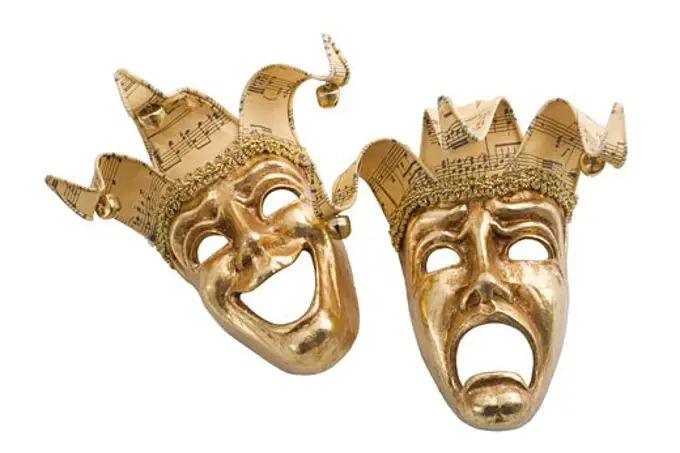
A collection of ancient metal artifacts including gold earrings, brooches, and decorative ornaments, showcasing intricate designs from Greek and Frankish cultures.
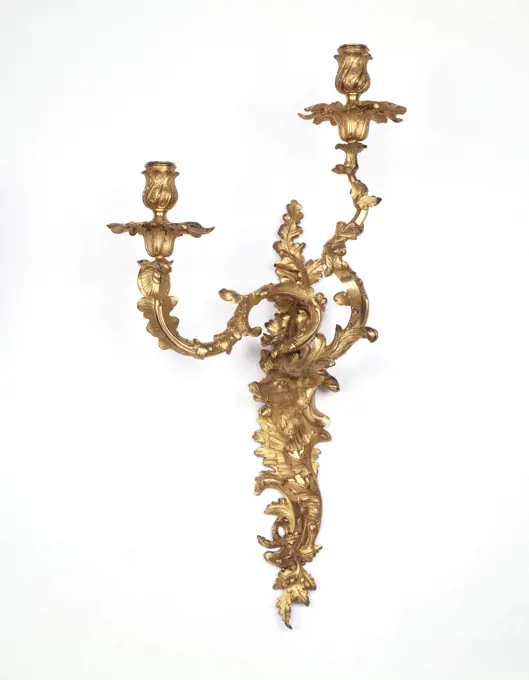
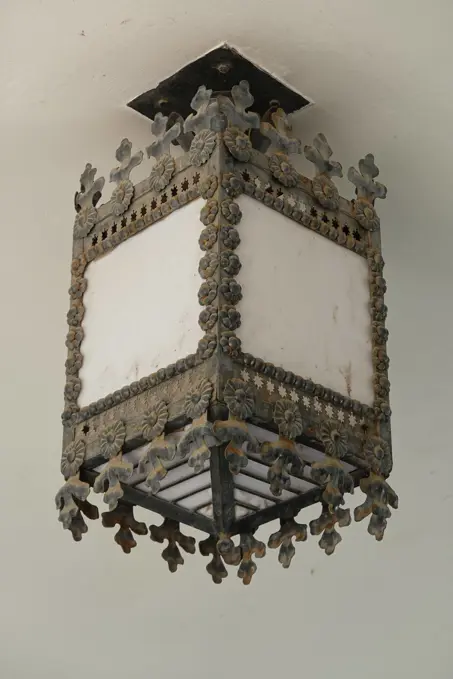
Wall Light; French; about 1735; Gilt bronze; 61.3 × 26.7 × 21.6 cm (24 1,8 × 10 1,2 × 8 1,2 in.)
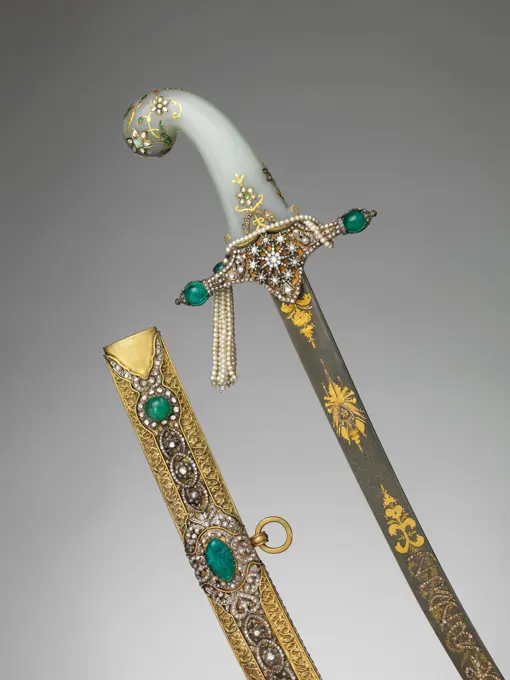
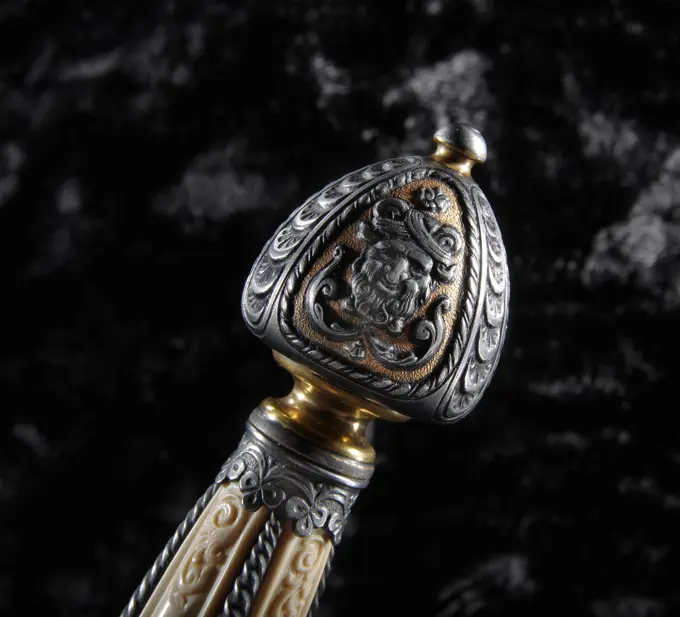
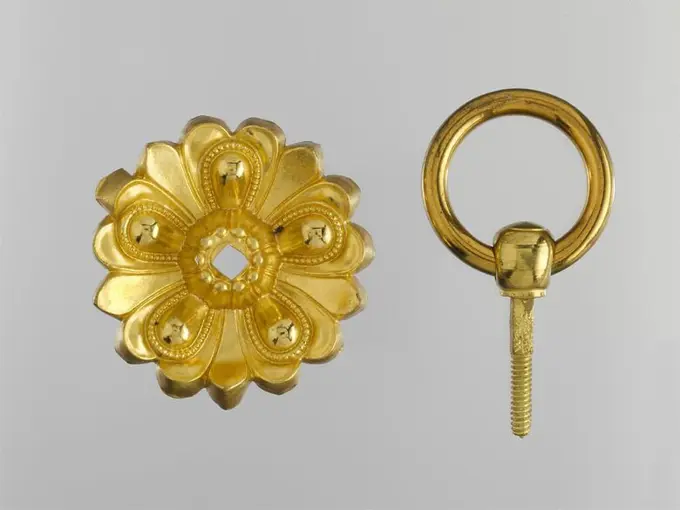
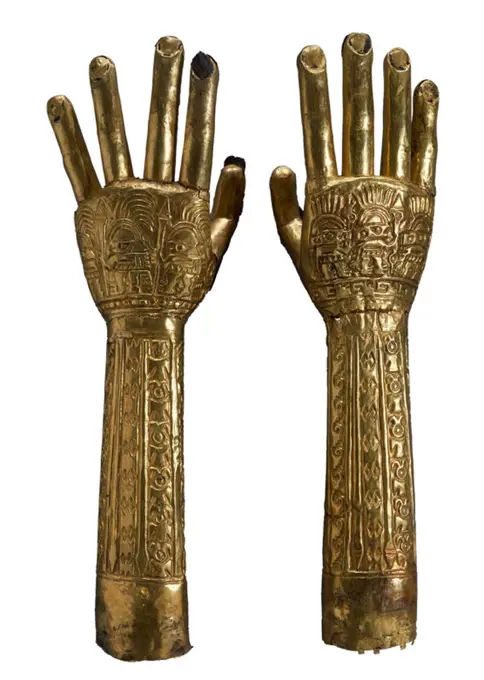
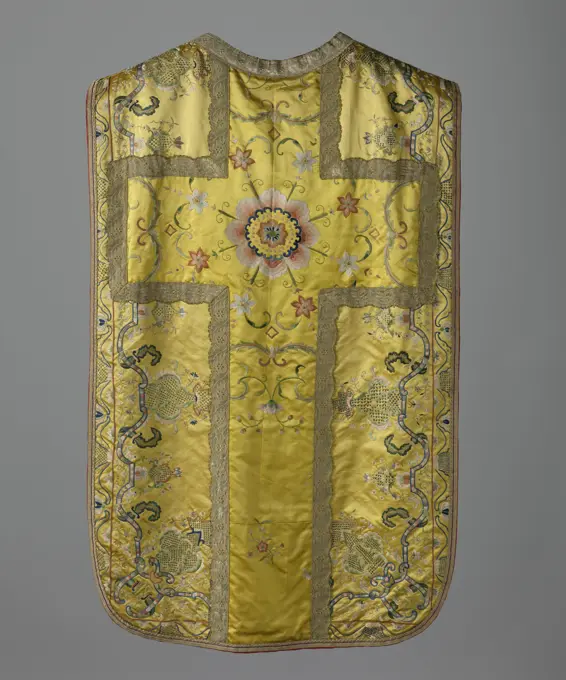
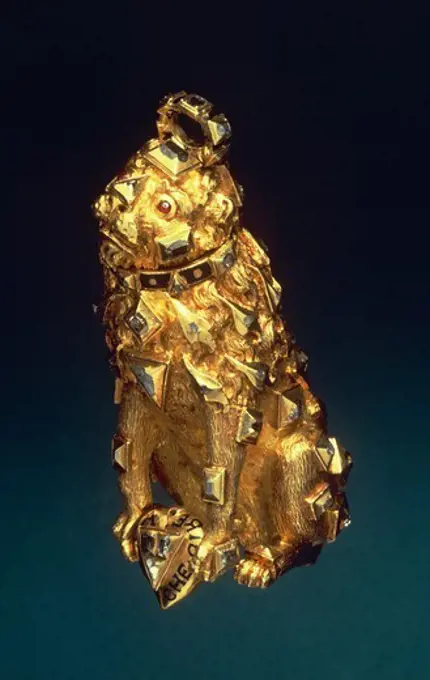
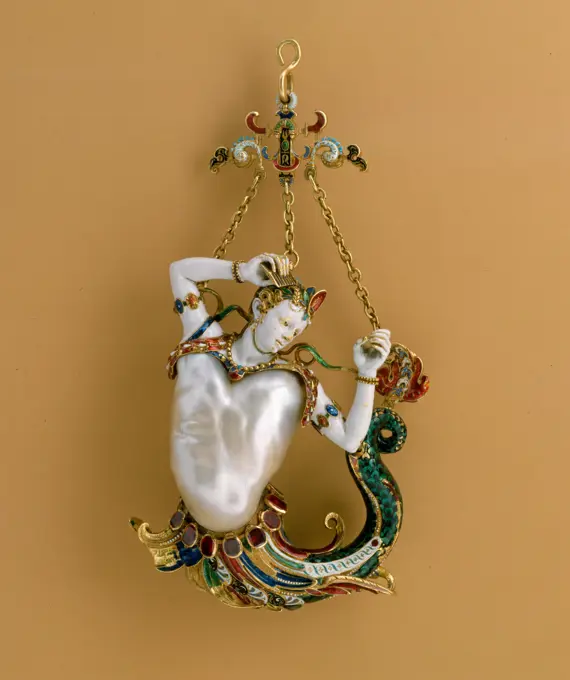
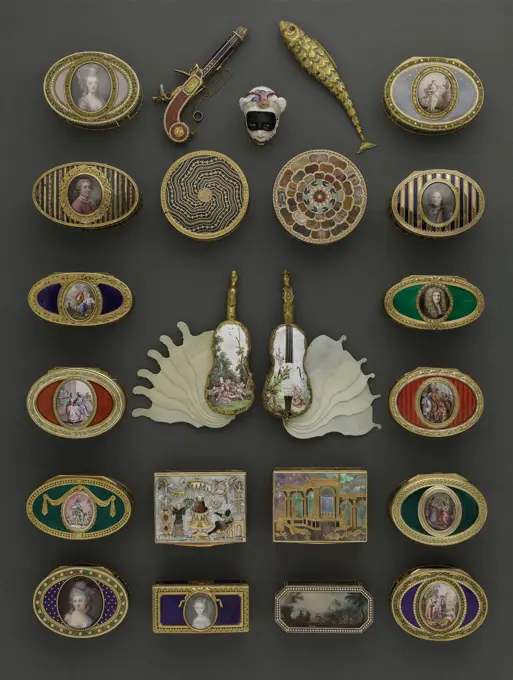
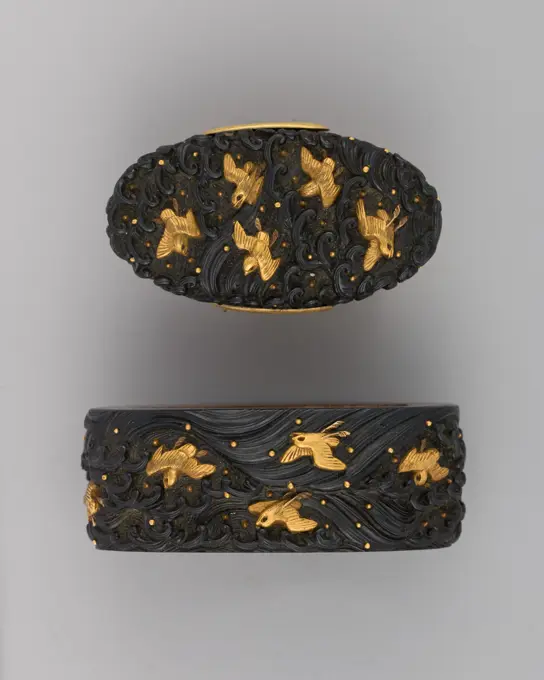
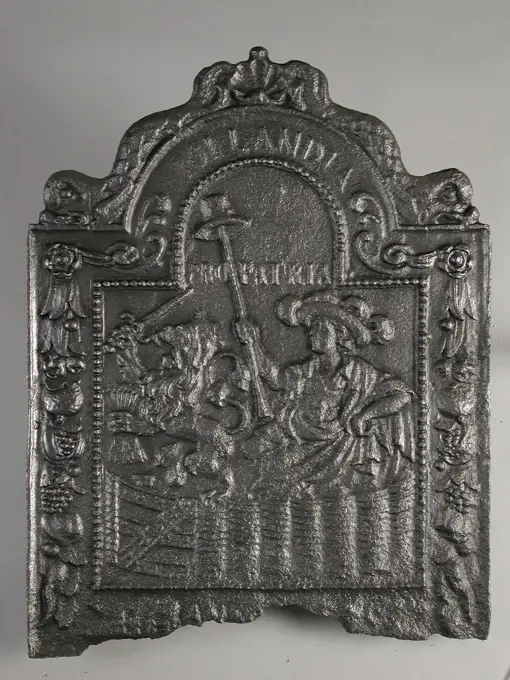
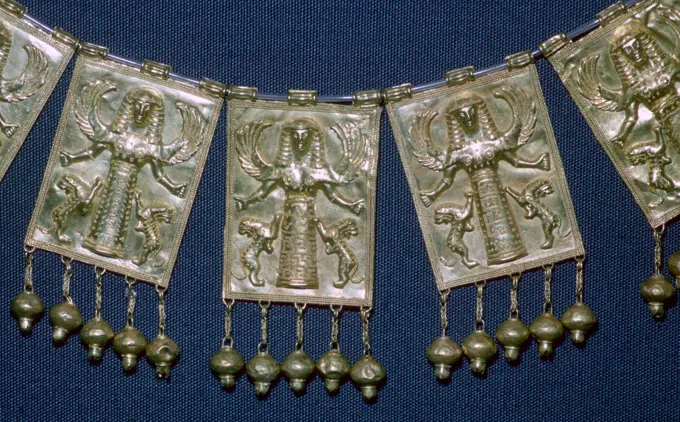
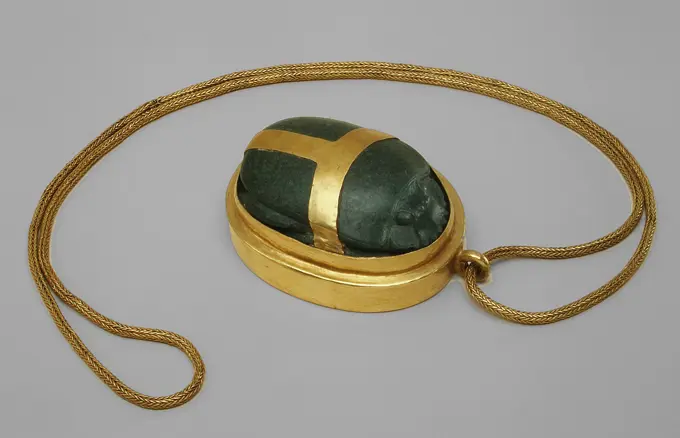
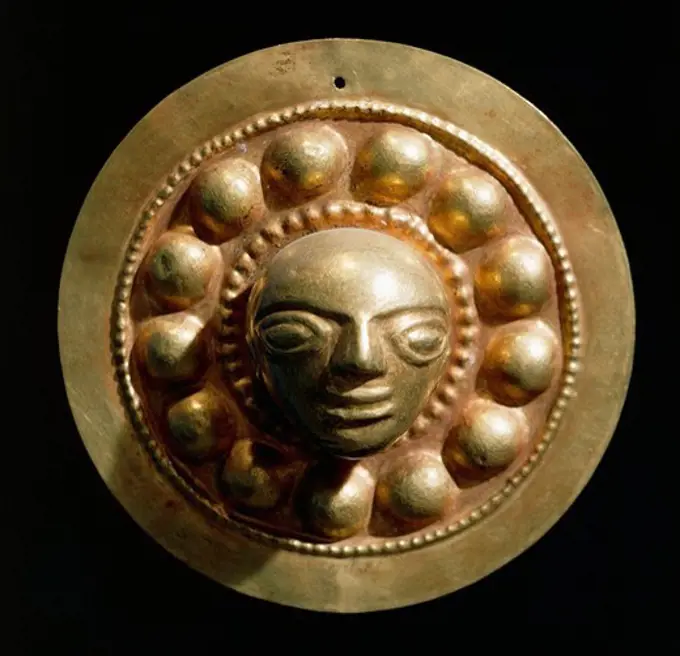
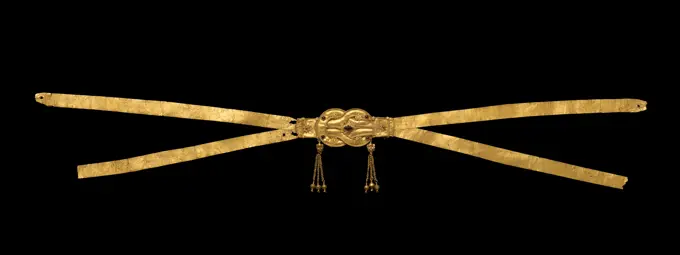
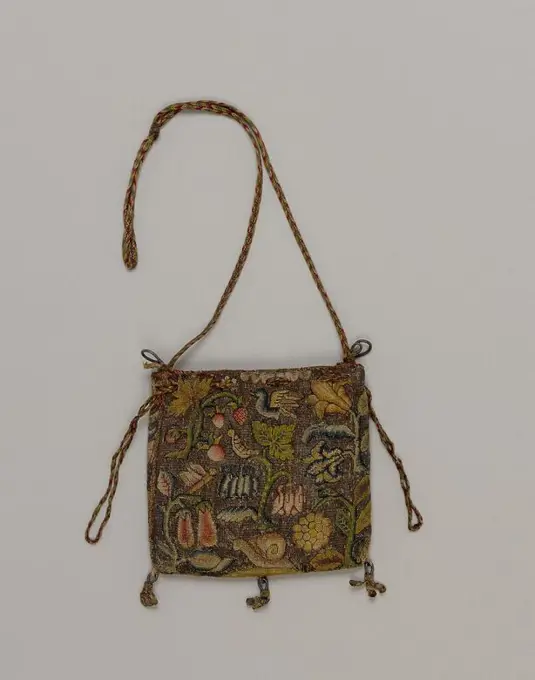
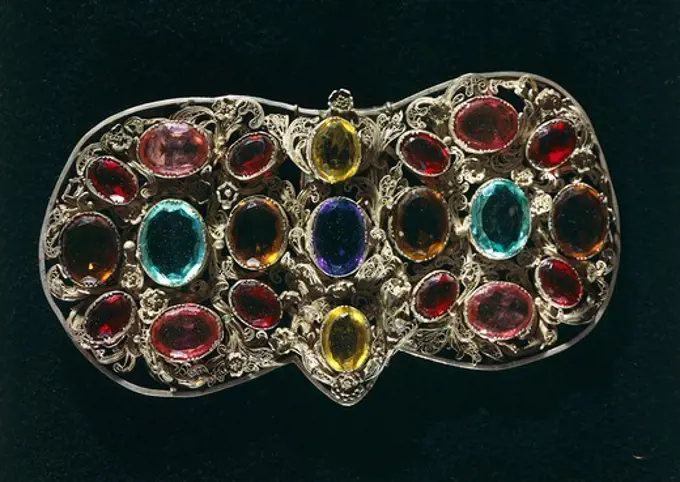
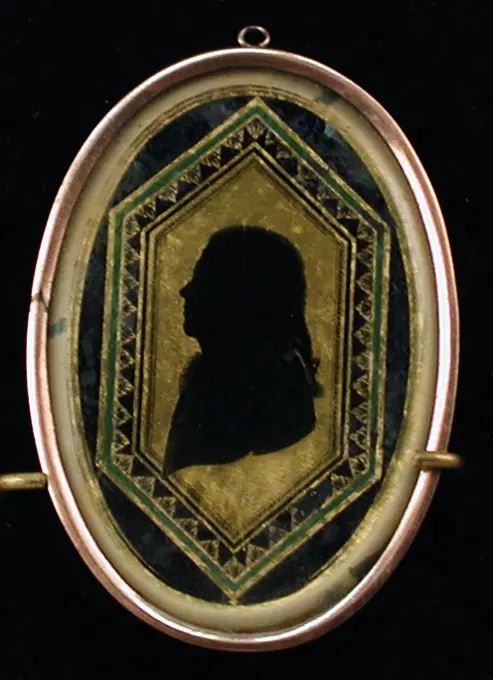
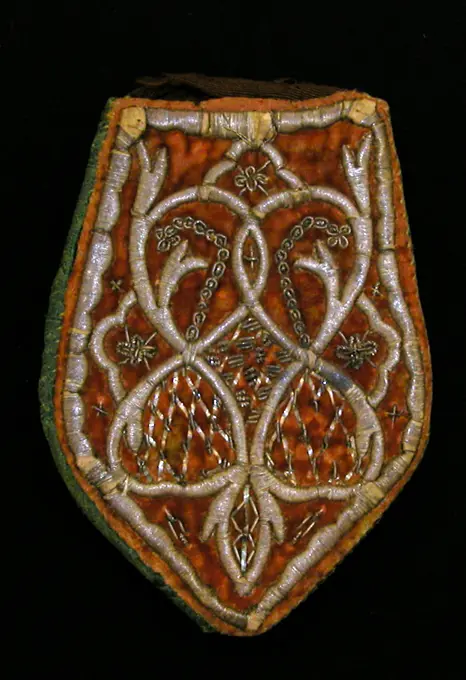
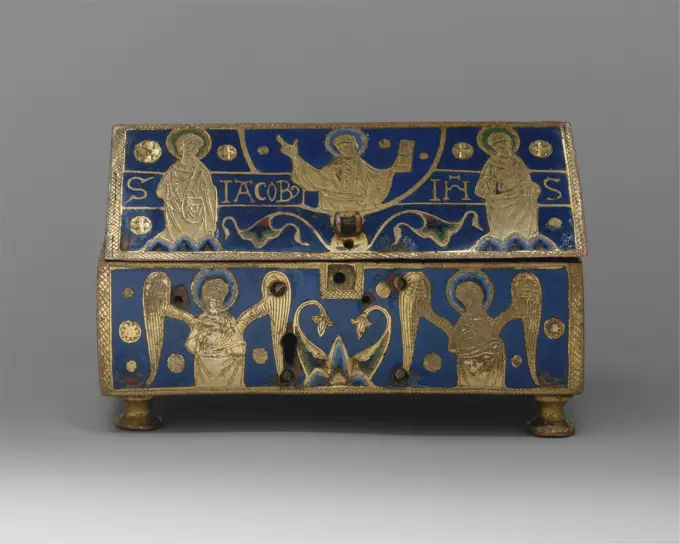
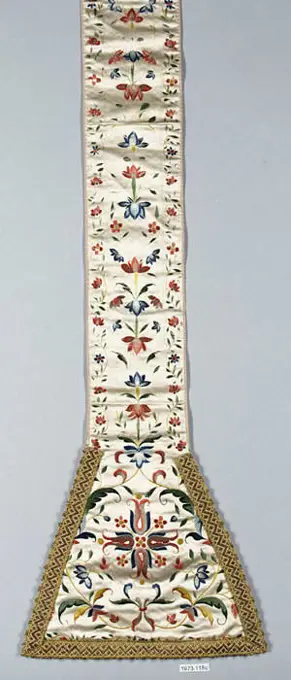
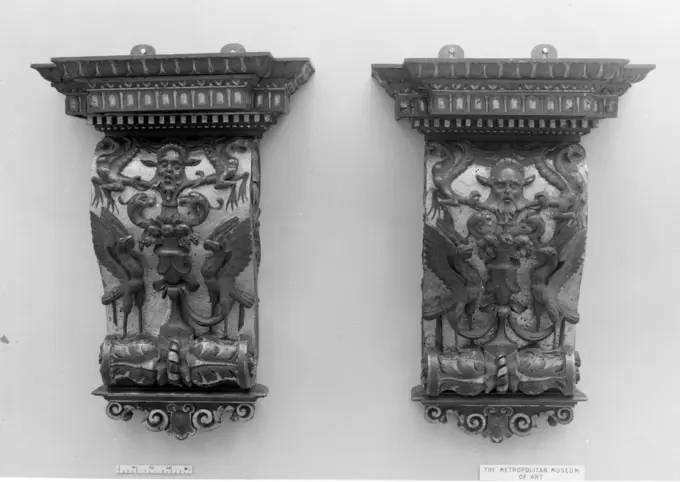
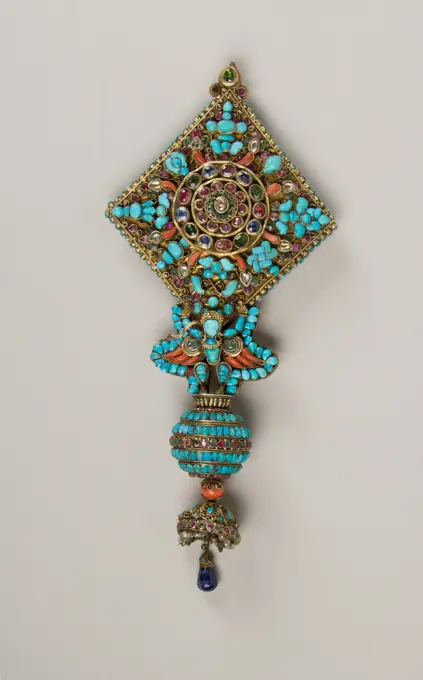
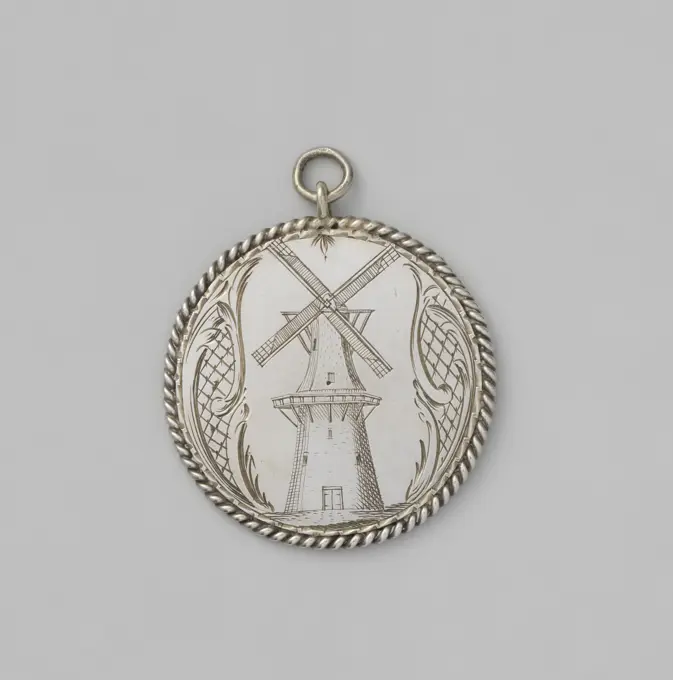
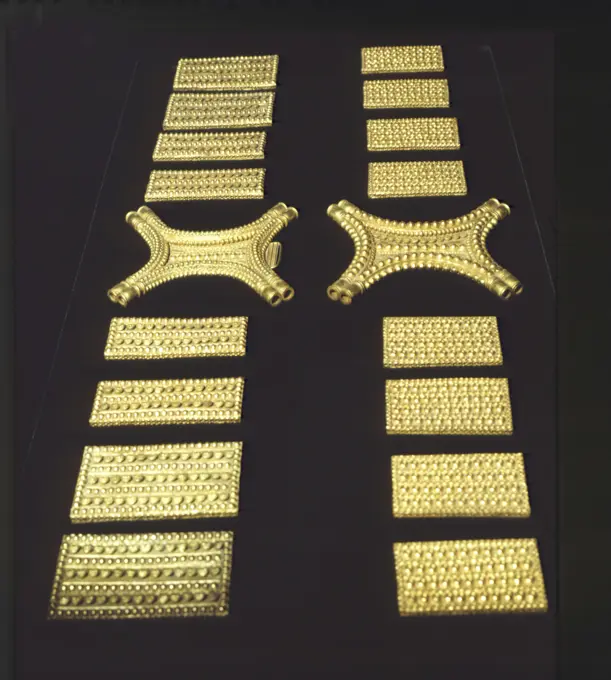
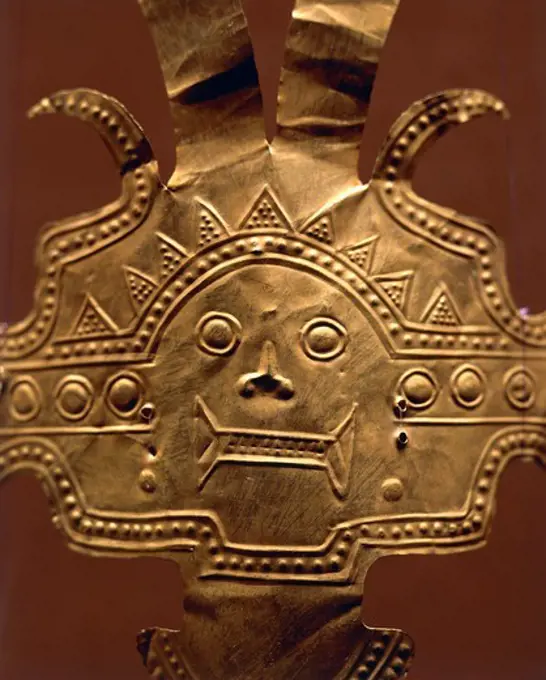
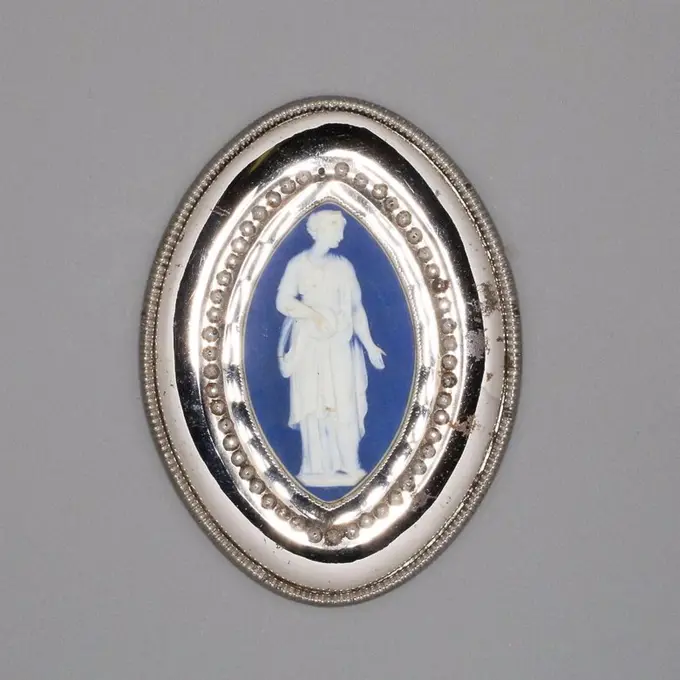
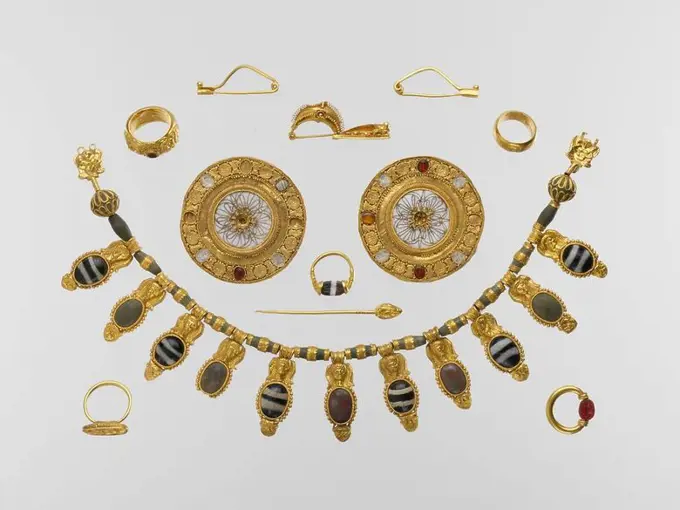
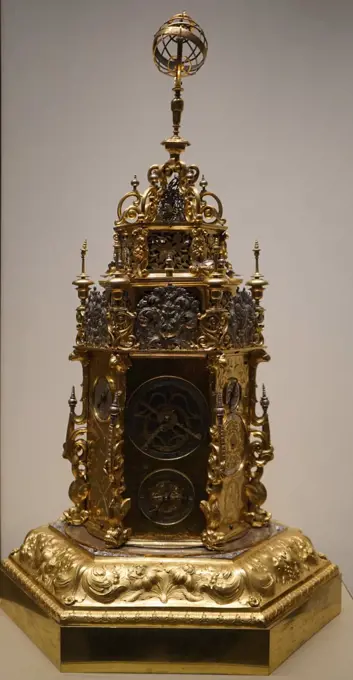
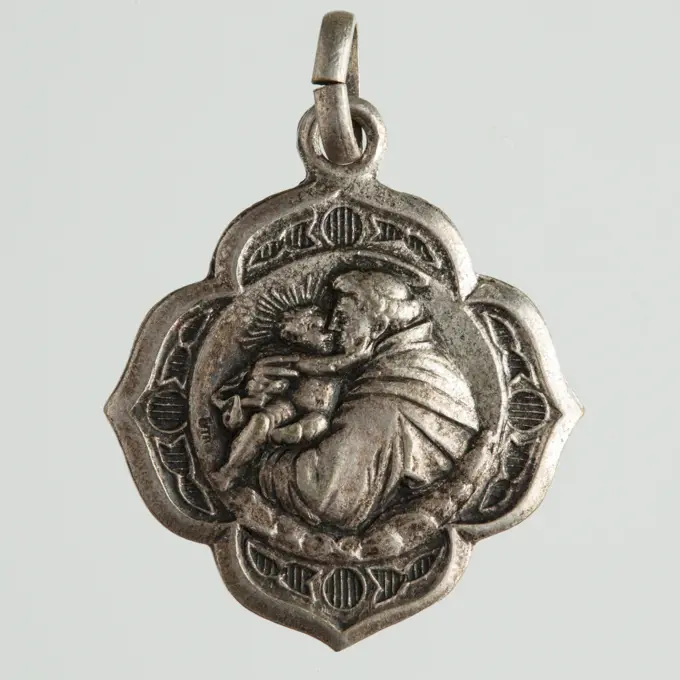
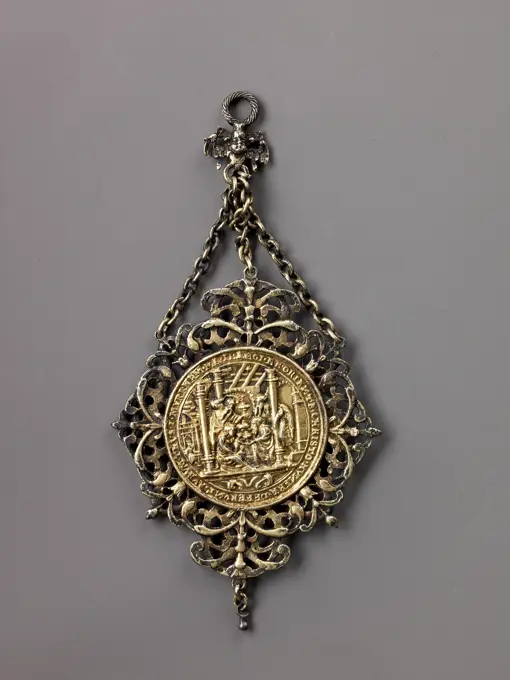
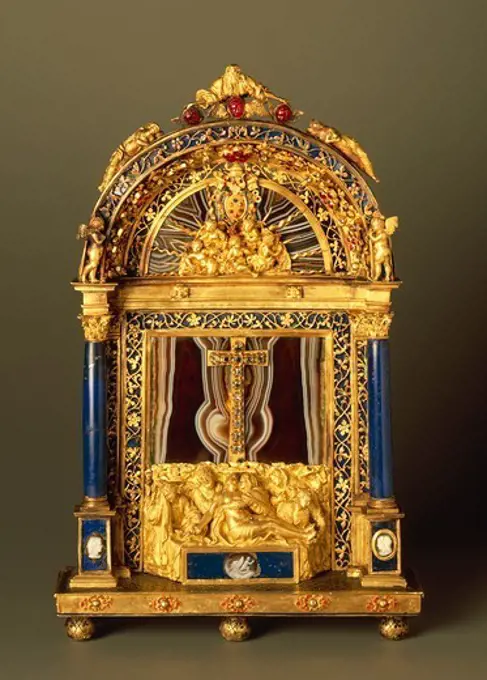
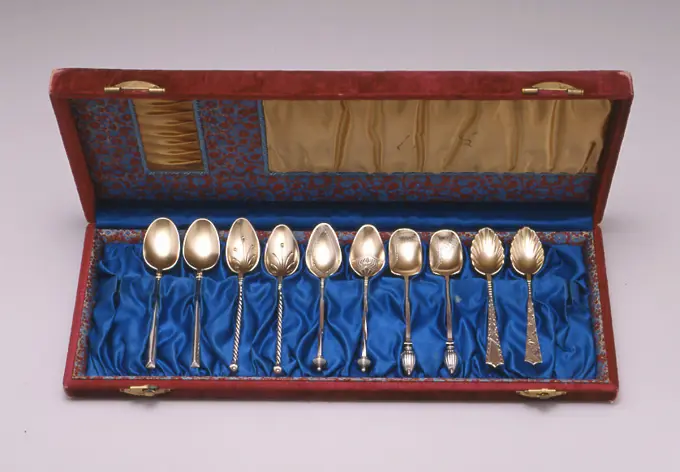
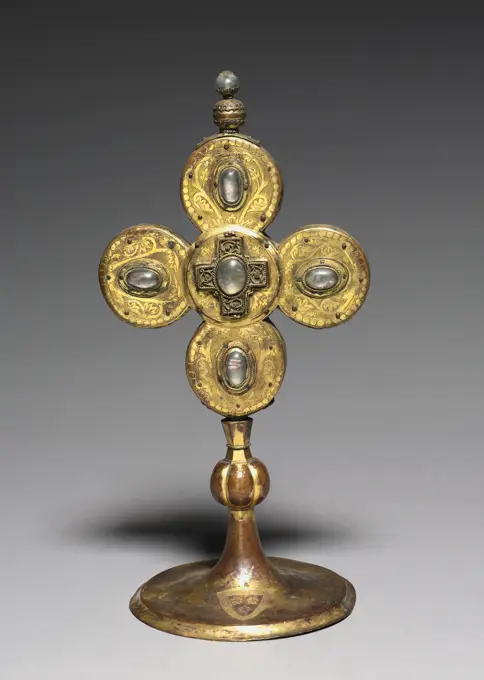
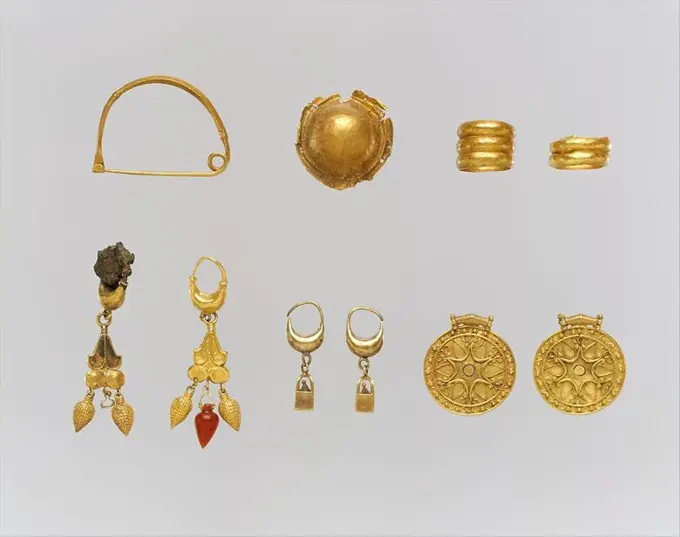
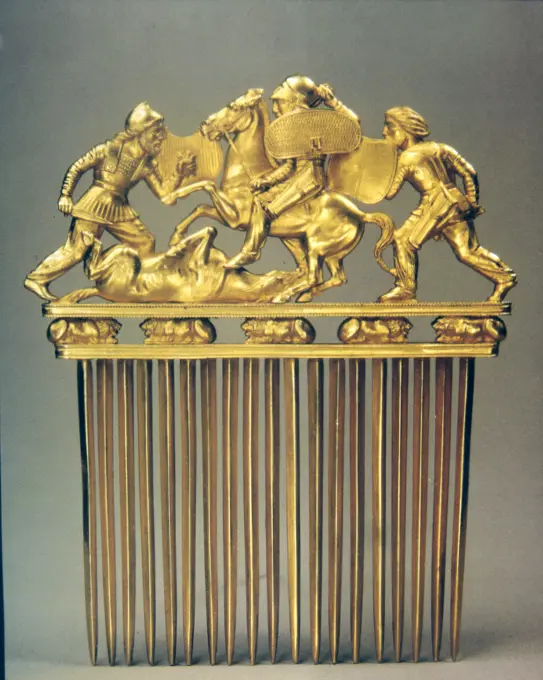
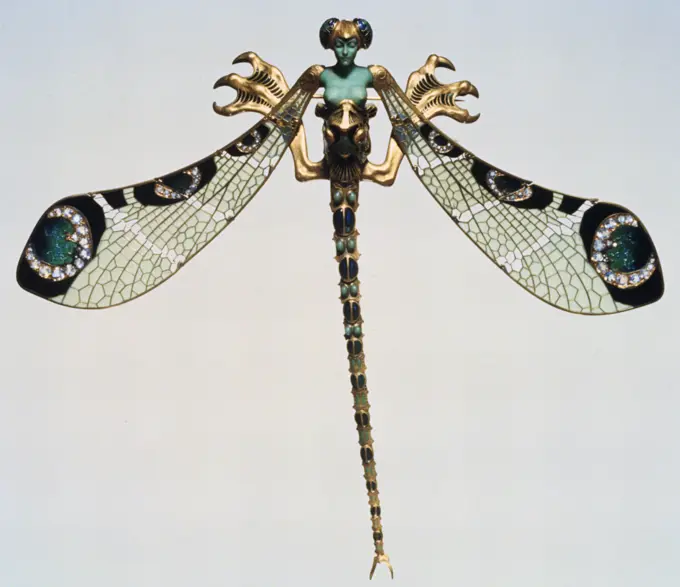
Caddy spoon early 19th century probably French. Caddy spoon 188060 probably French, Caddy spoon, early 19th century, Silver, Length: 3 1/4 in. (8.3 cm). The Metropolitan Museum of Art, New York. Gift of Mrs. Samuel P. Avery, 1897 (97.2.24)Chalice of St Remi, 12th cent. Reims.Saber with Scabbard grip, 18th or 19th century; guard and scabbard, 19th century; blade, dated A.H. 1099/A.D. 1688; decoration on blade, 19th century grip, Indian; guard, scabbard, and decoration on blade, Turkish; blade, Iranian The most important ceremony in the inauguration of many Islamic rulers was the investiture with a sword, rather than a crown. This extravagantly decorated saber traditionally is said to have been refitted in 1876 for the investiture of the Ottoman sultan Murad V (reigned May 30-August 31, 1876). He suffered a nervous breakdown before the ceremony and subsequently was deposed and kept a prisoner until his death in 1904.The sword was probably assembled by a court jeweler, using a seventeenth-century Iranian blade, an eighteenth-century Indian jade grip, and gem-studded gold and gilt-brass mounts of contemporary workmanship. The emerald near the top of the scabbard opens to reveal a secret compartment containing a gold coin marked with the name of Süleyman the MaFragment, Medium: silk Technique: appliqué on velvet, Border fragment with yellow scroll and leaf appliquéd to red velvet., Italy, 17th century, embroidery & stitching, FragmentWatch ca. 1785-90 Watchmaker: Pierre Gregson. Watch 193361Smart dagger Smart dagger of the medieval soldier. It was used for hunting Copyright: xZoonar.com/VALERY-SIBRIKOVx 20043137La Cruz de la Victoria (oro y piedras preciosas), 908. Prerománico Asturiano. Museum: MUSEO DE LA CATEDRAL (Cámara Santa), OVIEDO, ESPAÑA.Furniture Hardware. Dimensions: Backplate: Diam. 2 7/8 in. (7.3 cm)Ring pull: Diam. 1 7/8 in. (4.8 cm). Retailer: Henry Kellam Hancock (1816-1851). Date: 1820-30. Museum: Metropolitan Museum of Art, New York, USA.Tabernacle frame. Culture: Italian, Verona. Dimensions: 60 x 43.5, 30 x 17.5, 31.2 x 18.1 cm.. Date: 1540-50. Museum: Metropolitan Museum of Art, New York, USA.Lobed Ball BirdRingGold hands used during ceremonials. Chimu culture. Lima, Gold Museum. Mujica collection. Peru. Location: MUSEO DEL ORO COL MUJICA. Lima. PERU.Isolated Ancient Greek Bronze Artwork Bronze ancient artwork photo isolated on white background Copyright: xZoonar.com/DanielxFerreira-LeitesxCiccarinox 16970826Kazuifel of yellow sides of the embroidery, anonymous, c. 1800 - c. 1849 Kazuifel with embroidery made of silk on yellow sides atine. The decoration consists of flowers, tendrils, leaves, hare and lambrequin motifs. The Kazuifel is part of a couple (BK-2008-176-A to E). Paraments from St. Franciscus Xaveriuskerk 't Zand in Amersfoort, according to tradition by Baronesse van Stoutenburg of the Slot Stoutenburg near Amersfoort donated to the church in the form of a wedding gown and then entertained to paraments. Based on the direction of dust and nature and direction of the ornament, it seems rather to go tablecloth or beddead deck. Netherlands silk. satin embroidering  Amersfoort Kazuifel with embroidery made of silk on yellow sides atine. The decoration consists of flowers, tendrils, leaves, hare and lambrequin motifs. The Kazuifel is part of a couple (BK-2008-176-A to E). Paraments from St. Franciscus Xaveriuskerk 't Zand in Amersfoort, according to tradition by Baronesse van StoutenbWekerle Estate Wekerle Colony, Karoly Aries 1908 1914 Wekerle Estate Wekerle, Karoly Koss 1908 1914Goldsmith's art, Germany, 16th century. Gold, enamel and diamonds pendant representing a lion.Artificial Jewelry, Necklace Copyright: xDinodiaxPhotoxMask with Oval EyeCutoutsPendant (one of a pair) second half 15th century probably Northern Italian. Pendant (one of a pair). probably Northern Italian. second half 15th century. Silver, niello, and gilt silver. Metalwork-Silver In CombinationTorque, 13 1/2 x 12 1/8 x 5/8 in. (34.29 x 30.8 x 1.59 cm), Silver, ChinaPendant in the form of a siren probably ca. 1860 European. Pendant in the form of a siren. European. probably ca. 1860. Baroque pearl with enameled gold mounts set with rubiesFrench, Swiss, German, English, English and others. Boxes and goldsmiths. 18th century. Paris, Cognacq-Jay museum. 56640-6 German, box, shell, French French family, French, musical instrument, object, kessengerie, golden, pistol, fish, Swiss, SwitzerlandSword-Hilt Collar and Pommel (Fuchigashira) 18th century Japanese A fuchigashira is a pair of matching sword fittings comprising the fuchi (collar at the base of the grip of the sword hilt) and kashira (pommel cap at the end of a sword hilt).. Sword-Hilt Collar and Pommel (Fuchigashira). Japanese. 18th century. Copper-gold alloy (shakud), gold. Sword Furniture-Fuchi-KashiraCasket (Northern Italy); wood, pastiglia decoration, gilding, metalBlack Gauze Cap, The Capital Museum, Beijing, ChinaFireplace Dutch Virgin in garden, and text Hollandia Pro Patria, hob plate cast iron, cast Rectangular bow at the top. On top of shell flanked by dolphins Around wide border with text and fruit hangers between frame and pearl necklace. In the middle the sitting Dutch virgin with the right hand holding hat up on stick. Next to her the Dutch lion with sword and bundle arrows Virgo and lion are in braided wooden fence the so-called 'garden' Top: HOLLANDIA; underneath PRO PATRIA; bottom ANN O 1667Gold pendants from Rhodes (Greece). Goldsmith art, Greek Civilization.Pair of Ear Ornaments early 9th-14th century Indonesia (Java). Pair of Ear Ornaments 40121 Modern Moroccan metal decorated tajine on white backgroundGreek gold pectoral plaques with Artemis, 7th century BC. Artist: UnknownHeart Scarab of Hatnefer ca. 1492-1473 B.C. New Kingdom Hatnefer's heart scarab is an exceptionally fine example of this type of funerary equipment and is comparable to those made for contemporary royalty. Every feature of the scarab beetle is carefully rendered. The exquisite chain is made of gold wire, plaited in a quadruple-link pattern. The scarab's base is engraved with a version of Book of the Dead chapter 30A, in which the deceased addresses her own heart, exhorting it not to bear witness against Hatnefer during the final judgment in the afterlife. In the top line, Hatnefer's name was inserted over an erased text, indicating that the scarab was not originally made for her.Heart scarabs were very popular amulets. For the ancient Egyptians the heart was not only the center of life, but also of thinking, memory, and moral values. In the final judgement the heart was thought to be weighed against maat - the principle of order and justice. Only if the deceased had lived a righteous lJapanese warrior´s helmetHarry Jennings, Tie back, c 1938 Tie-backEcuador, Pre-Columbian civilization, Goldsmithery,Golden disc with face in relief, From Carchi ProvinceBand. Culture: French. Dimensions: Overall: 2 1/16 x 3 3/4 x 2 1/16 in. (5.3 x 9.6 x 5.3 cm)Length of band: 6 in. (15.3 cm). Date: early 13th century. Museum: Metropolitan Museum of Art, New York, USA.Brooch 1844 French. Brooch 124245Gold cross-strap diadem with a Herakles knot set with five garnets ca. 300-250 B.C. Greek Both the diadem and the adjacent ring were found together in a tomb of the island of Ithaka.. Gold cross-strap diadem with a Herakles knot set with five garnets. Greek. ca. 300-250 B.C.. Gold, garnet. Hellenistic. Gold and SilverPurse. Culture: British. Dimensions: H. 4 1/2 to 5 1/4 x W. 4 1/2 to 5 3/4 inches (11.4 to 13.3 x 11.4 to 14.6 cm). Date: first quarter 17th century. Museum: Metropolitan Museum of Art, New York, USA.TESORO IBERICO DE JAVEA - III/II AC. Location: MUSEO ARQUEOLOGICO NACIONAL-COLECCION. MADRID. SPAIN.A small gold cornet (crown) studded with precious inlays. Dated 2nd CenturyViking jewels: necklaces, bracelets and earrings. Oslo (Norway), Viking museum. Location: UNIVERSITETETS OLDAKSAMLING. OSLO.Goldsmith's art, Italy, 17th century. Silver filigree clasp set with precious stones.Pendant 1801 probably Russian. Pendant. probably Russian. 1801. Verre églomisé. Glass-PaintedMourning jewelry mid-19th century American. Mourning jewelry. American. mid-19th century. gold, glass, hairBag Made 1680-1700 France. Silk, plain weave with supplementary pile warps forming cut solid velvet; embroidered with gilt-metal-strip-wrapped silk laid over padding, silk-wrapped metal purl, and gilt-metal purl in bullion; gusset silk, plain weave with supplementary patterning wefts; lining silk, plain weave; interlining linen, plain weave .The old silver coins. There may be collectibleReliquary ca. 1200-1220 French. Reliquary 463680Stole late 18th century Chinese, for European market Though Jesuit priests were received at the Chinese court with great appreciation of their learning and courtesy, a misunderstanding occurred between the Pope and Emperor Kang-his toward the end of the latters life. By the second half of the eighteenth century, Christian services were forbidden in China and vestments such as these were made only for a market outside China.. Stole. Chinese, for European market. late 18th century. Silk. Textiles-EmbroideredPair of brackets 16th century Style of Antonio Barile Italian. Pair of brackets. Italian, Siena. 16th century. Walnut, carved and partly gilded. WoodworkScandinavia. Mount. Forde, Sveio k., Hordaland. Viking age. Mount. Gipo, Notteroy k., Vestfold, 9th century. Museum. Oslo. Norway.CORONA DE CARLOS IV - SIGLO XIV. Location: CASTILLO. PRAG. CZECH REPUBLIC. CARLOS IV DE LUXEMBURGO. CARLOS IV DE PRAGA. CARLOS I DE BOHEMIA.Retro styled key placed over fake gold coinsGold Mycenaean cup, 15th century. Artist: UnknownEar Ornament for a Deity 17th-19th century Nepal The eight auspicious symbols (astamangala) are embedded in these pendants as a way of consecrating and making sacred the image to which they were attached.. Ear Ornament for a Deity. Nepal. 17th-19th century. Mercury, gilt silver, rubies, emeralds, sapphires, lapis lazuli, coral, pearls, and turquoise. JewelryKorenmolenaarsgilde van Amsterdam, Gildepenning van Dirck Willem Steen, Anonymous, 1752 medal Silver medal with cable edge on carrying eye and carrying ring. Front: High flour mill between decorative motifs. Reverse: Inscription Amsterdam silver (metal) engraving  AmsterdamSixteen heavy gold embossed plaques. Carambolo Treasure. Seville, 700-600 BC. SPAIN.Jade spearhead in a bronze shaft set with turquoise, Chinese Shang dynasty 12-11th century BCColombia, Pre-Inca civilization, Calima Culture, goldsmith art, gold breastplateMedallion with Classical Figure. Wedgwood Manufactory; England, founded 1759. Date: 1775-1799. Dimensions: 8.3 × 6.2 × 0.8 cm (3 1/4 × 2 7/16 × 5/16 in.). Stoneware (jasperware). Origin: Burslem. Museum: The Chicago Art Institute, Chicago, USA.Gold and glass necklace. Culture: Etruscan. Dimensions: 27 elements: 14 1/4 in. (36.2 cm). Date: early 5th century B.C..Gold mounted glass beads alternating with pendants from a tomb group allegedly from Vulci, one of the richest and most impressive sets of Etruscan jewelry ever found. Museum: Metropolitan Museum of Art, New York, USA.17th Century Masterpiece clock made by clockmakers who wanted to qualify as masters in their guild. Dated 1650Bracelet ca. 1860 Firm of Castellani The Italian firm of Castellani was a family concern over three generations. It was founded by Fortunato Pio Castellani and continued by his sons and grandson. Their shop, first opened in 1814, was situated just steps from Romes Trevi Fountain and attracted connoisseurs and fashion-conscious tourists alike. The Castellani, who were strongly influenced by ongoing archaeological discoveries, developed a style they called “Italian archaeological jewelry,” creating designs that utilized granulation, engraved gems, enameling, and micromosaics. Indeed, they dominated in the production of historical revival styles of many earlier cultures, including Etruscan, ancient Roman, early Christian, Byzantine, and medieval. In the 1860s, Alessandro Castellani opened subsidiary shops in London and Paris and founded his own workshop in Naples. It has been suggested that the Castellanis friend and collaborator Duke Michelangelo Caetani may well have introduced the poGold ear-studs with a rosette sorrounted by concentric bands and vitreous glass paste. Etruscan, 530-480 BC. Italy. British Museum. London.Holy. Antoni / Padua SouvenirAdoration of the Magi ca. 1580-1600 Follower of Hans Reinhart the Elder German The obverse depicts the Adoration of the Magi, and the reverse shows the Adoration of the Shepherds. The medal, loosely based on Reinharts reverse composition of his Trinity medal, seems to have been made about 1580 - 1600, based on the ornamental pattern under the Adoration scenes. Its composition may also be compared with a medal by the Monogrammist HR who was active in the second half of the sixteenth century and, according to Habich, was situated in the Rhineland. The medal is set in a contemporary (Augsburg?) mount to be used as a pendant. X-ray fluorescence analysis revealed only a minor amount of copper, which excludes the possibility that the piece is an electrotype.Catalogue entry from: Frits Scholten. The Robert Lehman Collection. European Sculpture and Metalwork, Vol. XII. Frits Scholten, New York: The Metropolitan Museum of Art in association with Princeton University Press, 2011, p. 158.Notes:1Egypt, Cairo, Gold and fiance beaded necklace, Tomb of Tutankhamun, Cairo MuseumGolden keyholeLluís Masriera / Broche con pájaro que sostiene una perla en el pico, 1912. Colección privada. Author: LLUÍS MASRIERA I ROSÉS.Gold comedy and tragedy masksPair of Earflares. Peru; Moche. 3rd-7th century. Hammered gold, turquoise, sodalite and shell inlay. Large circular ear ornaments were popular personal adornments of prominent ancient Peruvian lords and a symbol of their status and wealth.SACRA EN PLATA CINCELADA PUNZON TOLEDANO. Location: CONVENTO DE SAN CLEMENTE-MUSEO. Toledo. SPAIN.Woman's headdress of Carnelian and Lapis Lazuli beads with gold leaf pendantsMask 17th-18th century French. Mask 189831 French, Mask, 17th18th century, Gilt bronze, Overall (confirmed): 8 3/4 x 5 5/8 x 1 3/4 in. (22.2 x 14.3 x 4.4 cm). The Metropolitan Museum of Art, New York. Gift of J. Pierpont Morgan, 1906 (07.225.510.80)Przeszo Przyszoci unknownPendant 17th-19th century. Pendant. 17th-19th century. Gold, ruby, emerald (). Made in Northern India. JewelryGoldsmith's art, Italy, 16th century. Leone Leoni (1509-1590), liturgical object called Pace (Peace) or osculum pacis in gold, diamonds, rubies, pietre dure and enamel.gold face  abstract  house door    in italy   lombardy   column  the milano old         closed nail rustyCRUZ DE ESMERALDAS. Location: CONVENTO DE LAS CLARISAS / MUSEO DE ARTE SACRO. MONFORTE DE LEMOS. LUGO. SPANIEN.Spoon (USA), 1880; Manufactured by Gorham Manufacturing Company (United States); silver, gold (gilt); L x W: 12.3 x 2.5 cm (4 13/16 x 1 in.)RingEngland, London, Kensington, Victoria and Albert Museum aka V&A, The China Room, Porcelein Wine Pot in Shape of Shou (Longevity) Character dated 1680-1720Reliquary, 1200-1300. France, Gothic period, 13th century. Copper: gilded, engraved; rock crystal; overall: 36 x 17.8 cm (14 3/16 x 7 in.).TESORO DE ALISEDA- CACERES-ARTE TARTESICO-AJUAR FUNERARIO -SIGLOS VIII/VI AC. Location: MUSEO ARQUEOLOGICO NACIONAL-COLECCION. MADRID. SPAIN.Viking gold arm-ring with tree of life symbols, 9th century. Artist: UnknownTable Centerpiece 1768 London. Gilt bronze . D.R. GasteclouxGold fibula (safety pin). Culture: Cypriot. Dimensions: length 1 7/8in. (4.8cm). Date: ca. 1050-750 B.C..The bow-shaped fibula appeared in the Greek world about 1100 B.C., and although it is particularly associated with Greece and the Aegean area, its distribution was considerably broader. Museum: Metropolitan Museum of Art, New York, USA.Earring ca. 1873 Jacob Ulrich Holfeldt Tostrup. Earring 189053Conical earrings A.D. 2nd century or later Roman Period This earring is a variant of the type of hoops with pendants formed from inverted pyramids that is popular in the Roman Period. Here the pendant is an inverted cone and the hoop is made from corrugated sheet.Pendants with inverted pyramids or cones seem to date to the 2nd century and later based on their appearance on panel paintings.. Conical earrings 547936Couple of cufflinksRoundel with the Virgin Mary, Saint John, and Angels 19th century European (Medieval style). Roundel with the Virgin Mary, Saint John, and Angels 464254Golden sun handcraft from Mediterranean isolated on white backgroundVotiveOfferingEurope, Russia. Gold Scythian comb showing warriors. Solokha Barrow. 5-4th cent. BC.Torchère, one of a pair, c. 1850, Albert-Ernest Carrier-Belleuse, French, 1824-1887, 109 1/2 x 27 x 27 in. (278.13 x 68.58 x 68.58 cm) (outer frame), Silvered and gilt bronze, black onyx bases, red marble placques, France, 19th centuryROSARIO DE NACAR Y PLATA.Natural and synthetic hair wig that represents Gaudí's Sagrada Familia and that achieved the Guiness Record for the biggest wig in 1992.Pectoral, late 19th/20th century by Rene Lalique. From the Museu Calouste Gulbenkian, Lisbon, Portugal.