Ancient Metal Ritual Objects

A collection of antique bronze vessels, including ceremonial cups and ornamental finials, showcasing intricate designs and historical significance.
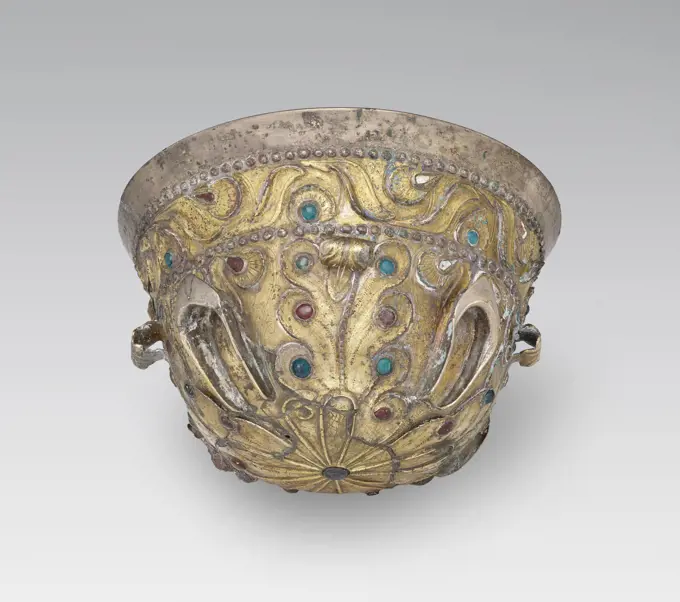
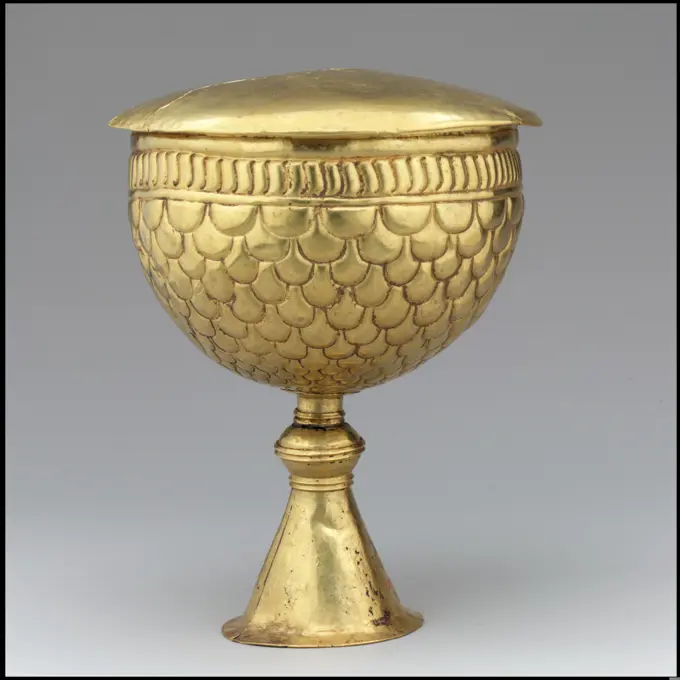
Wine Cup with Floral Decoration; Bactrian Empire; 1st century B.C; Gilt silver, inlaid glass and semiprecious stones; 8.3 × 14 cm (3 1,4 × 5 1,2 in.)
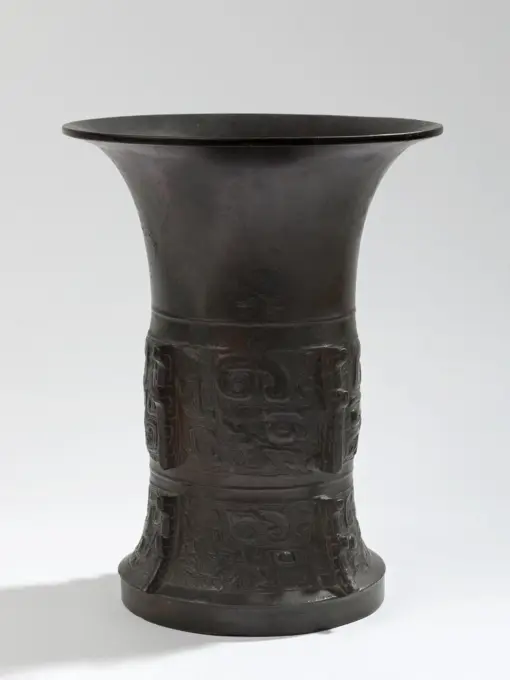
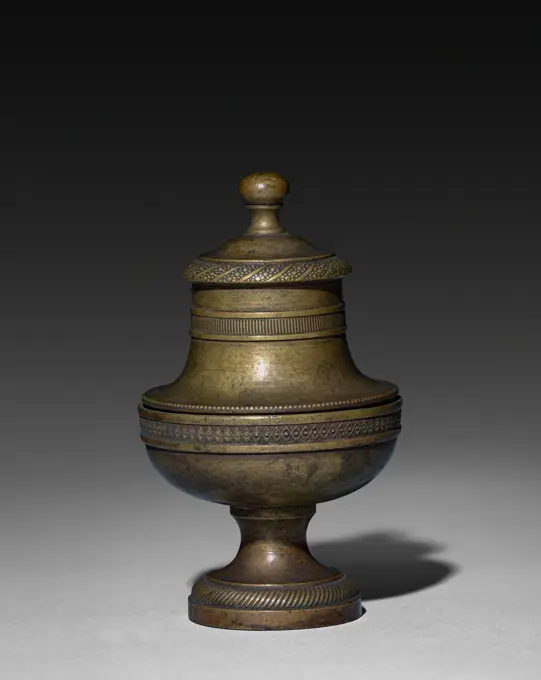
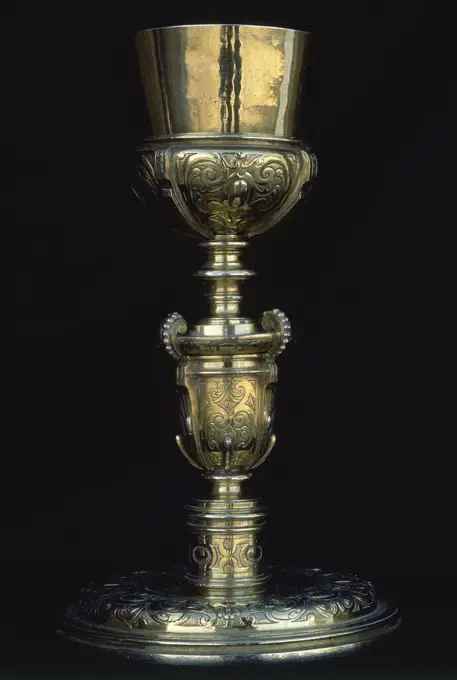
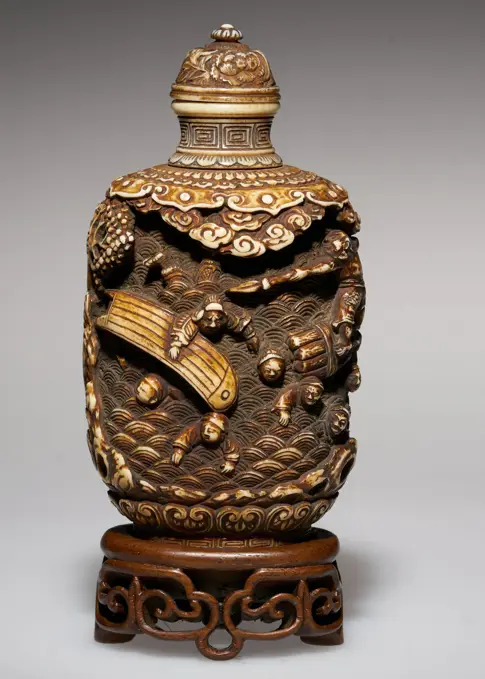
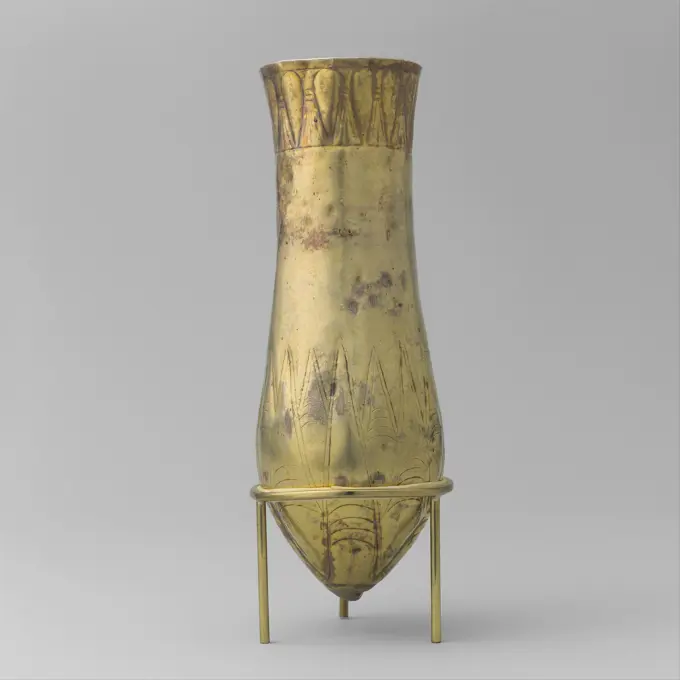
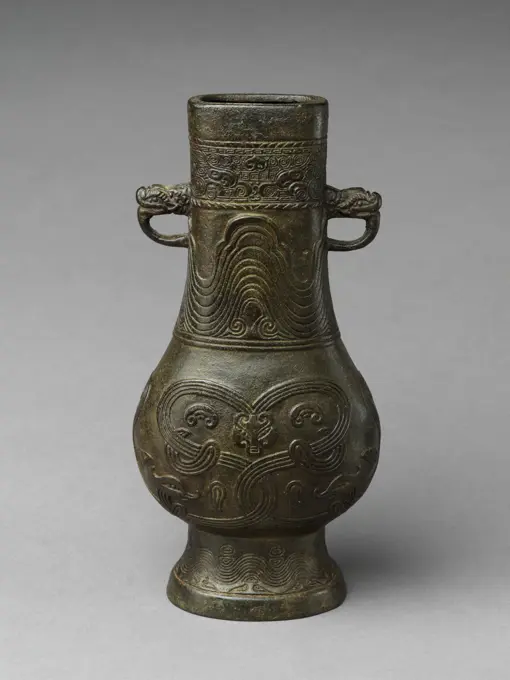
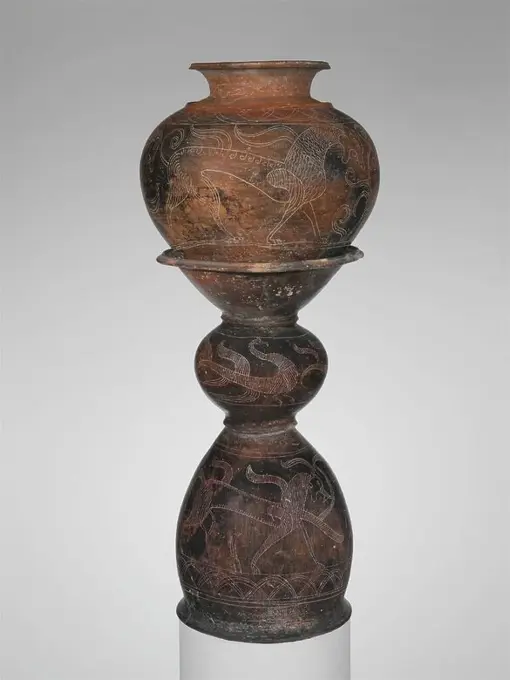
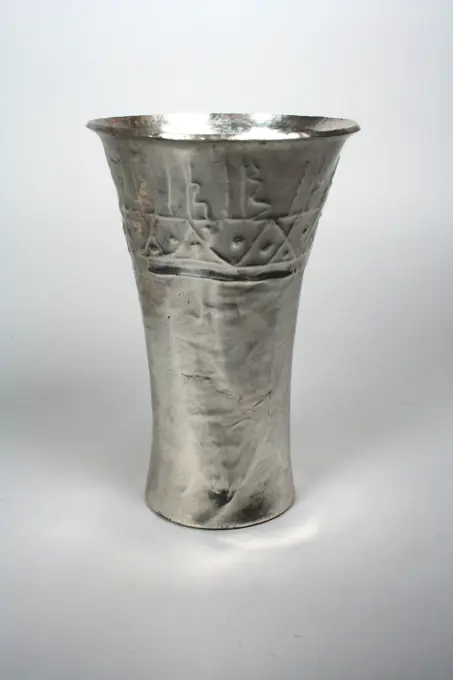
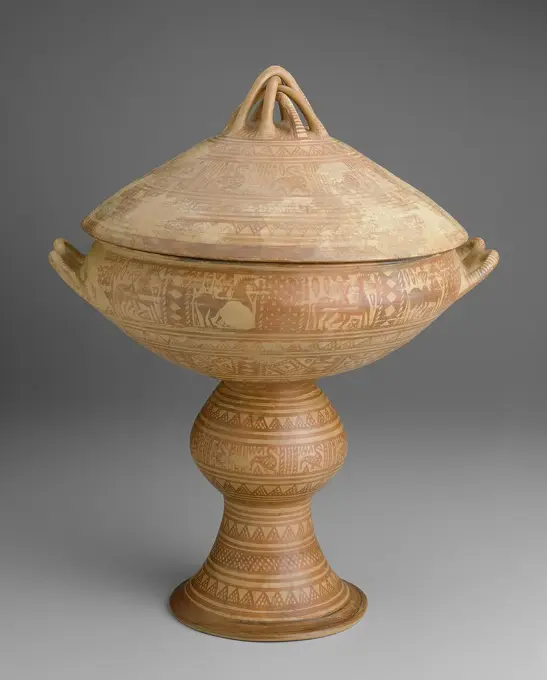
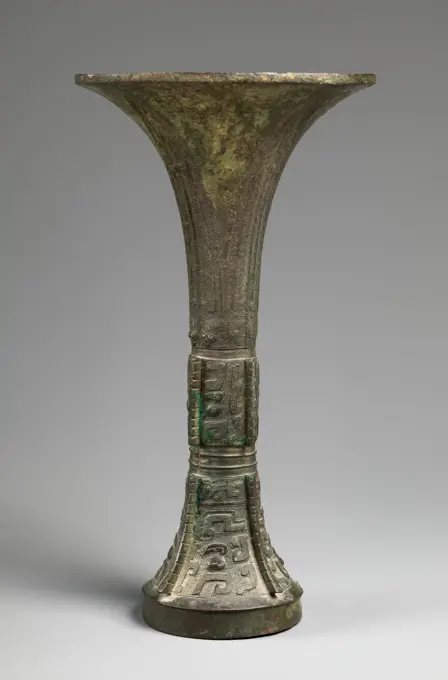
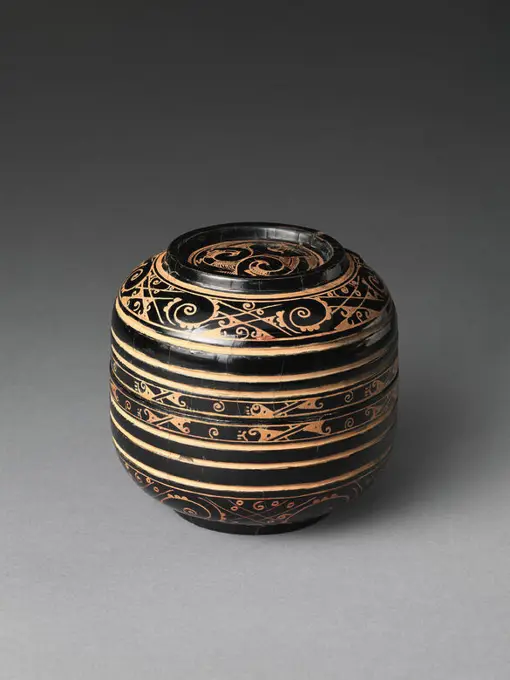
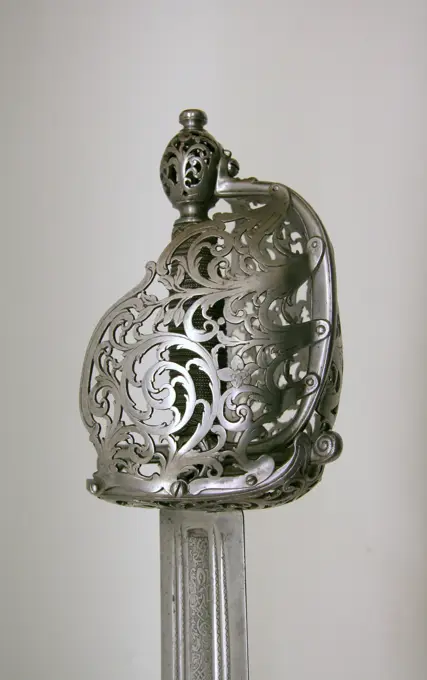
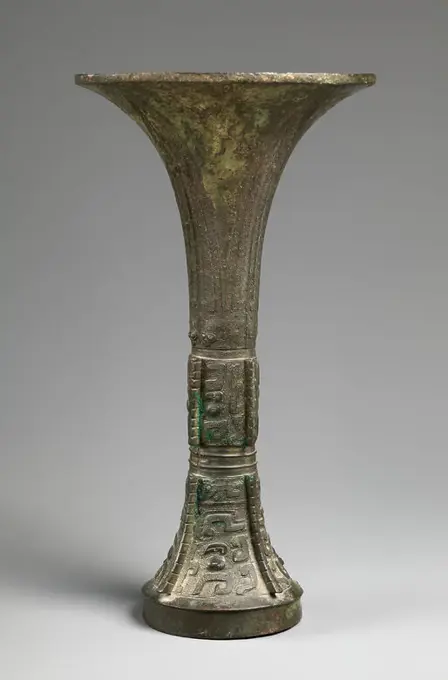
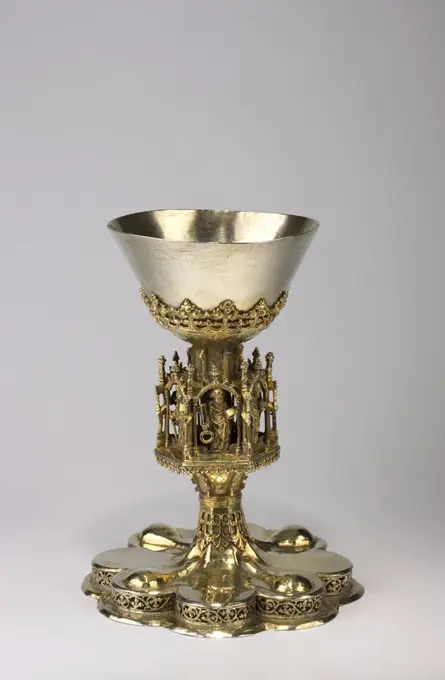
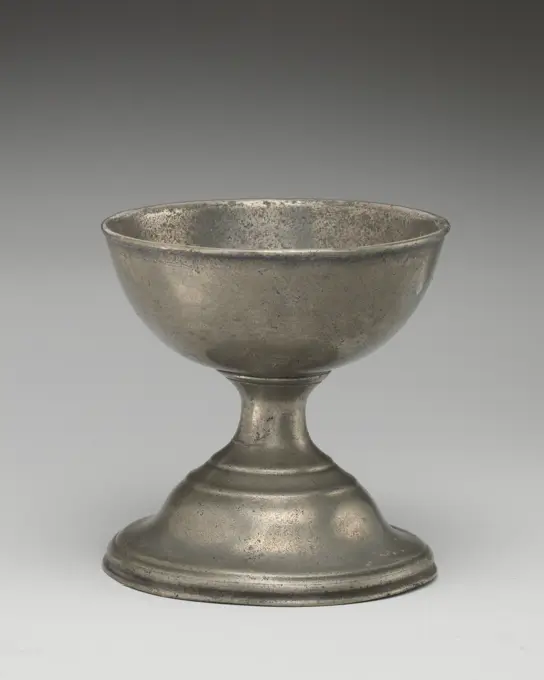
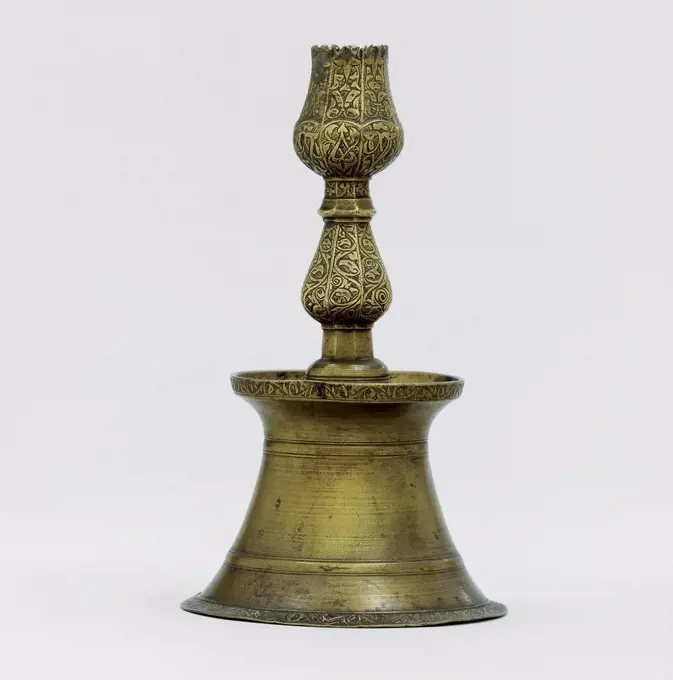
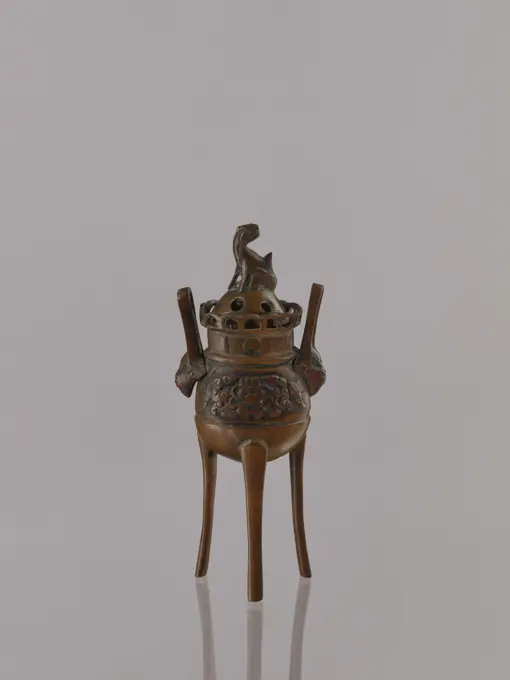
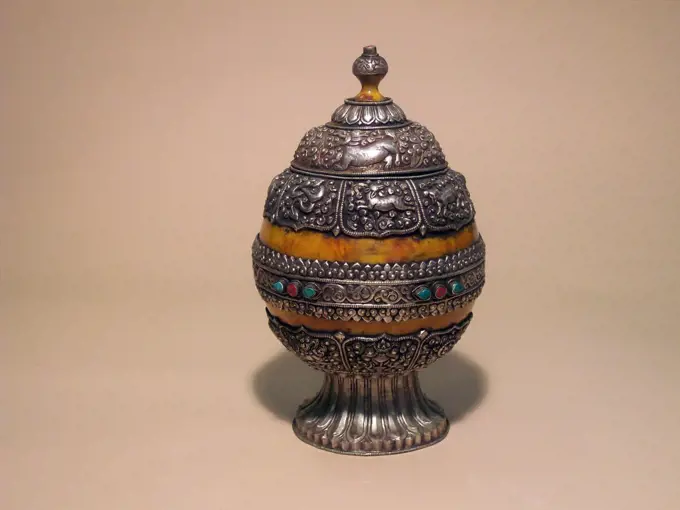
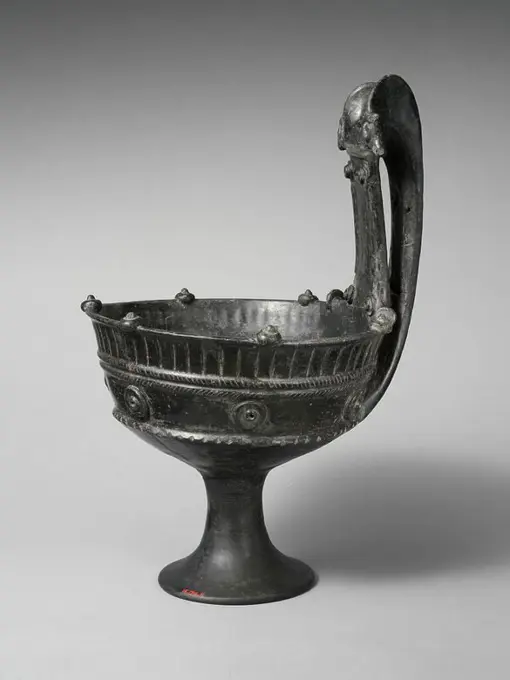
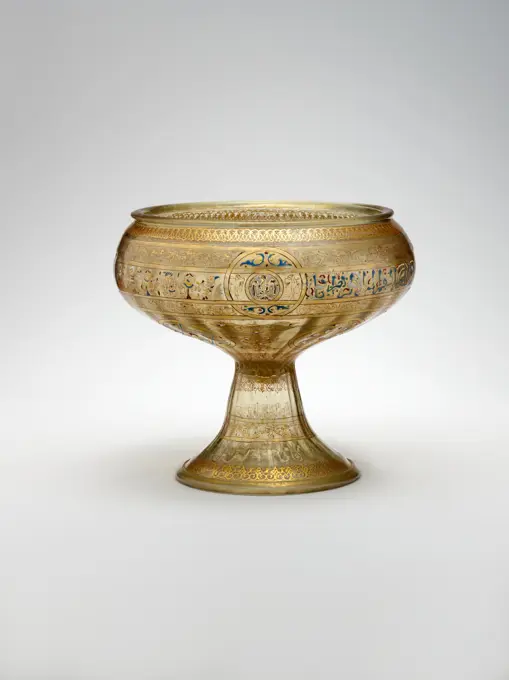
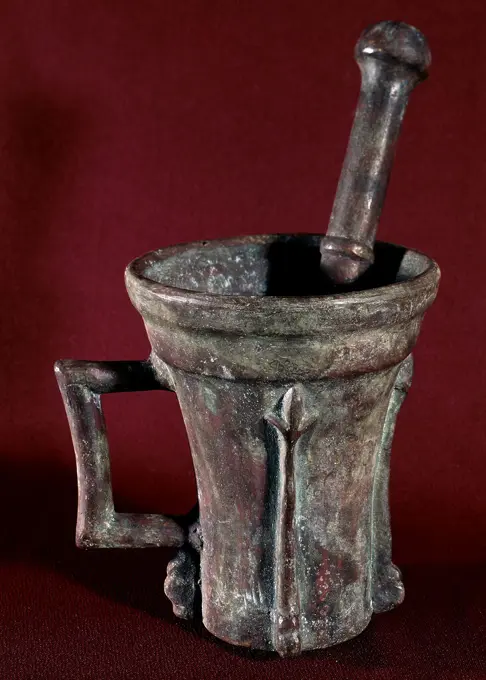
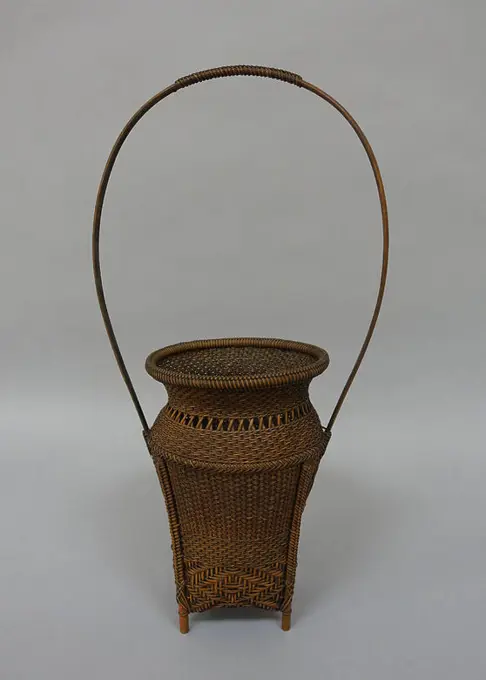
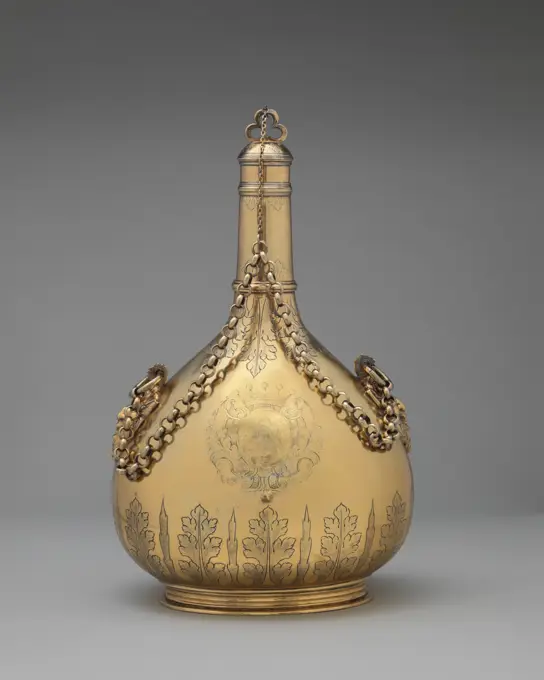
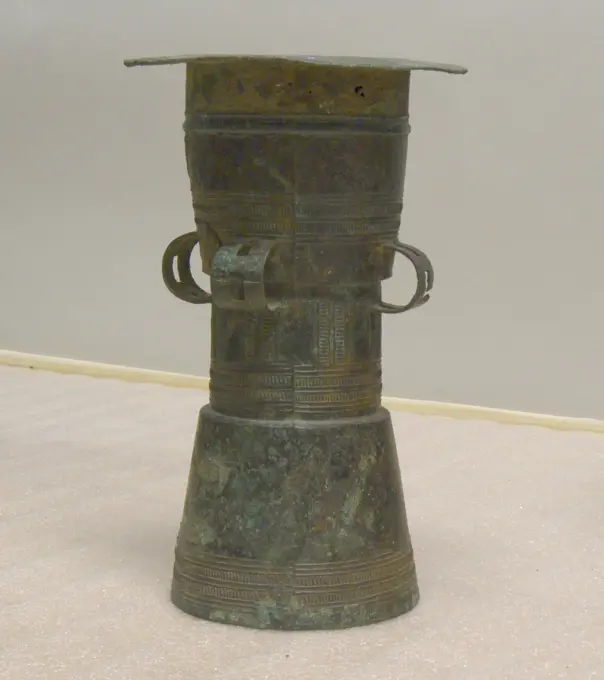
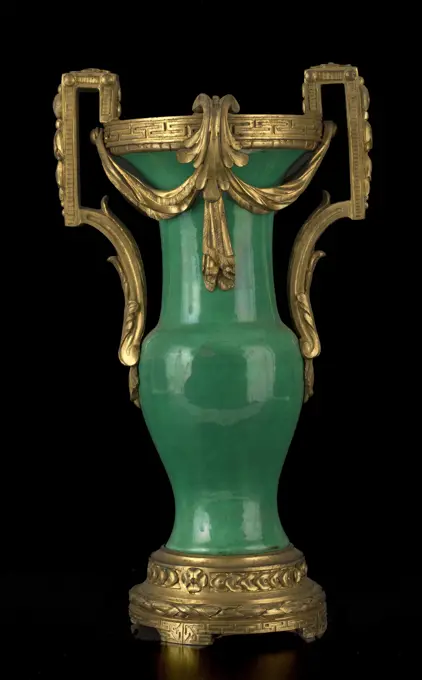
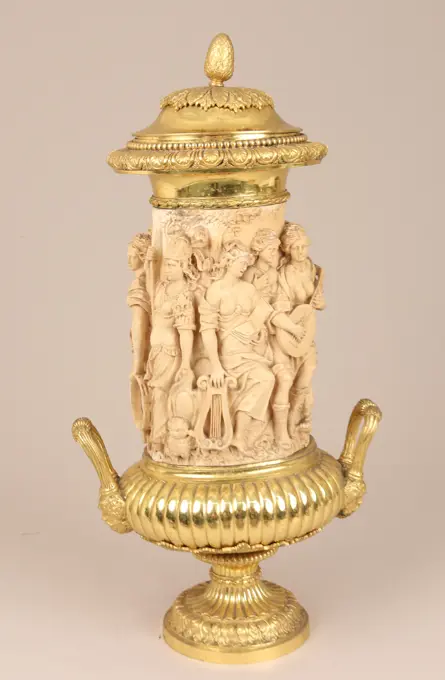
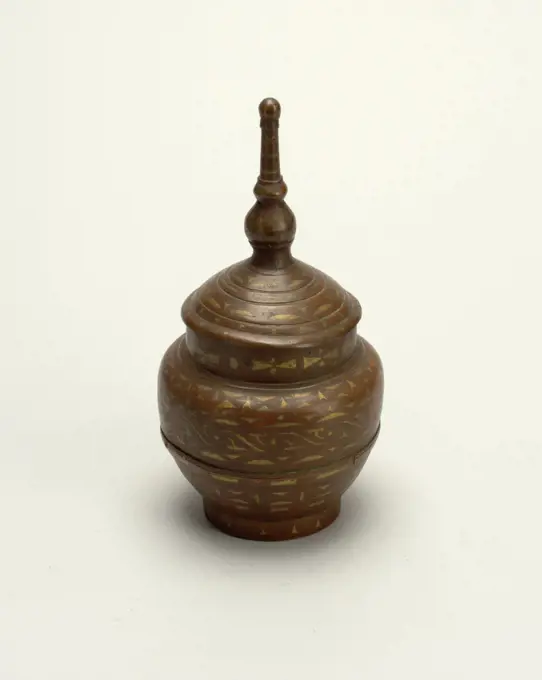
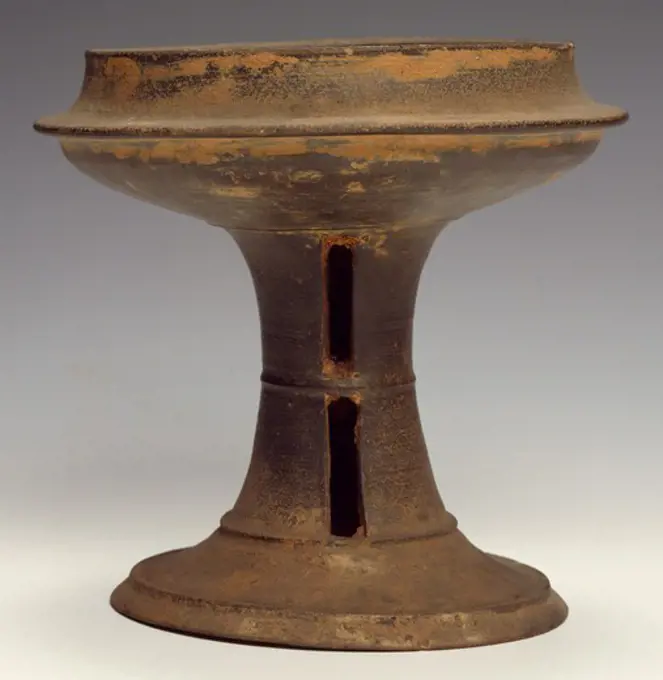
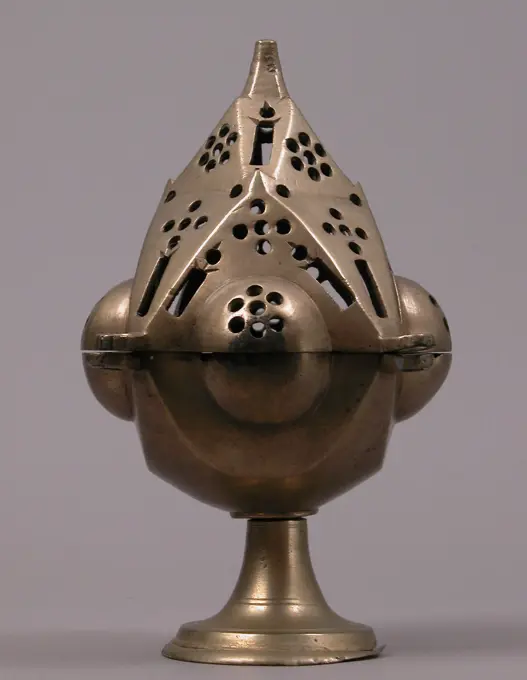
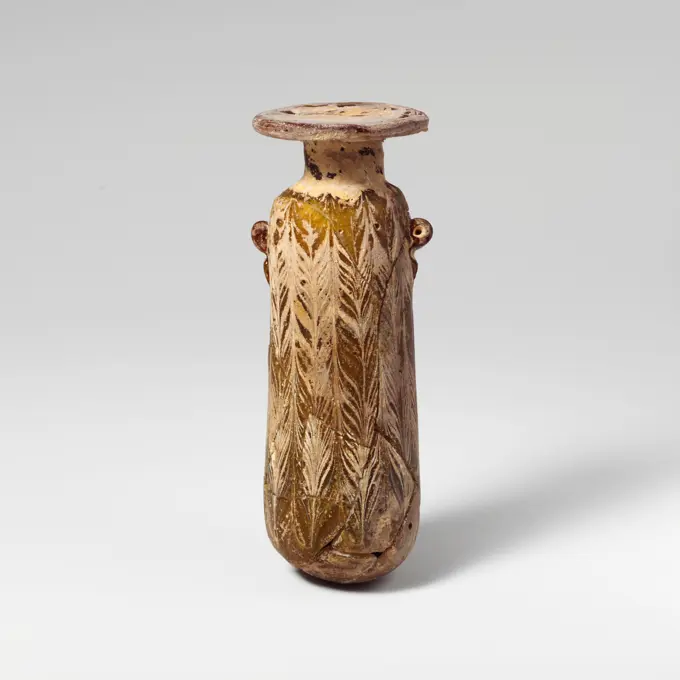
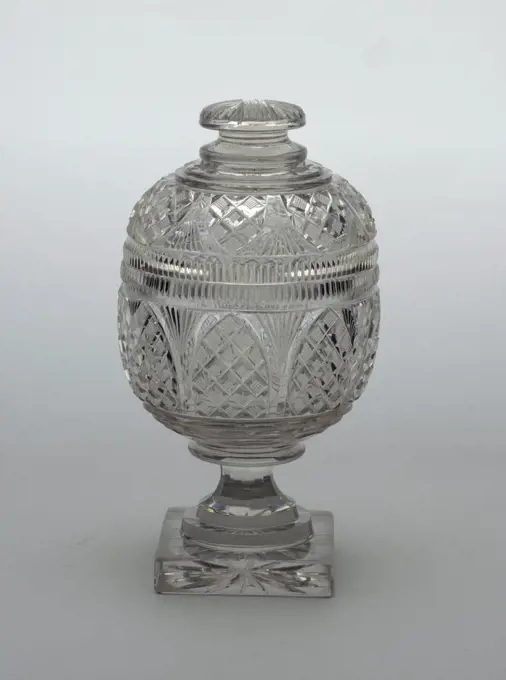
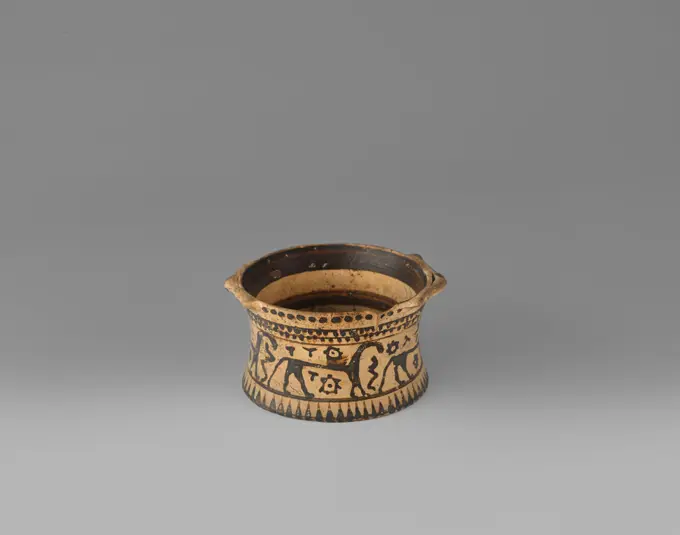
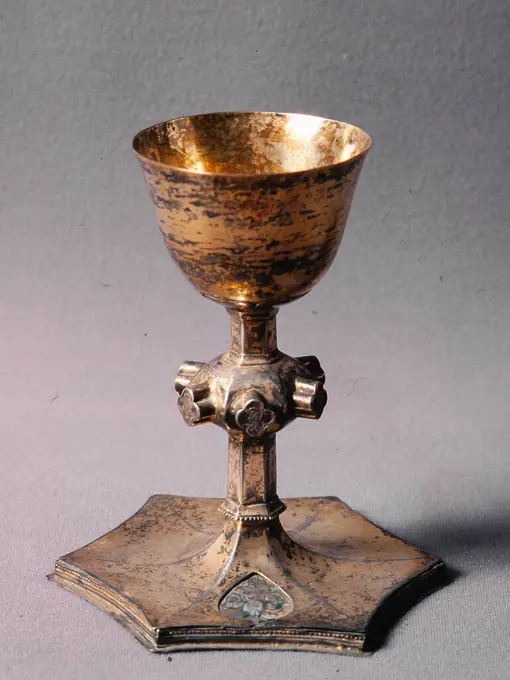
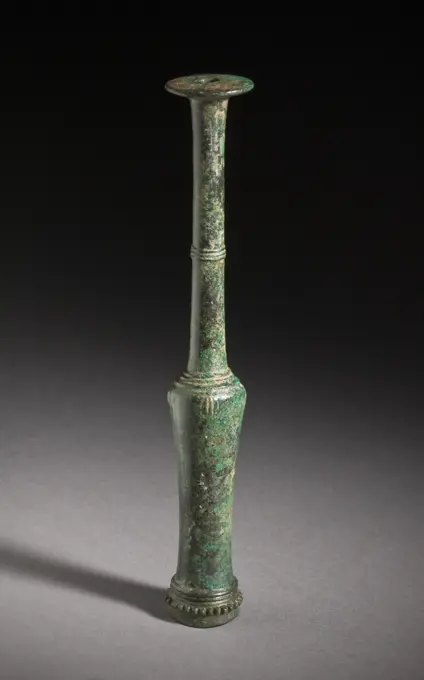
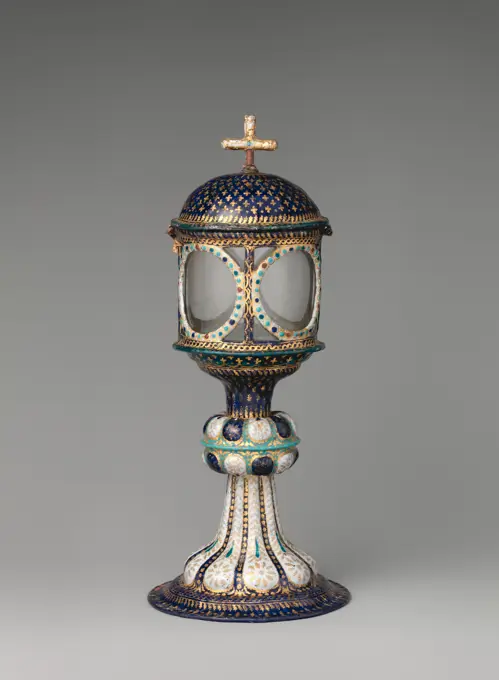
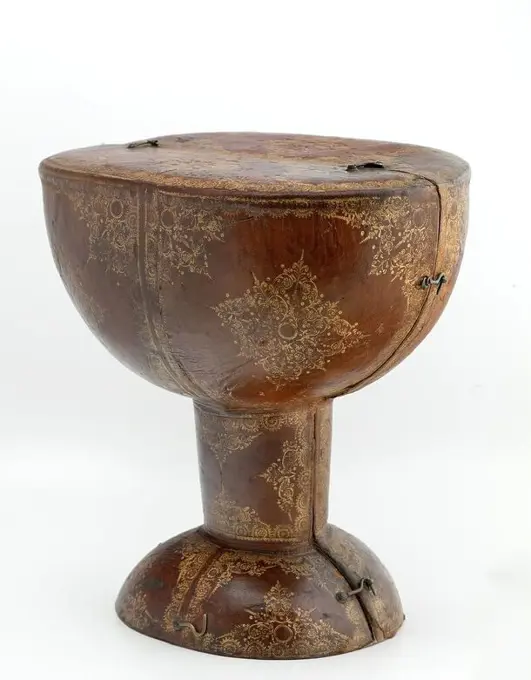
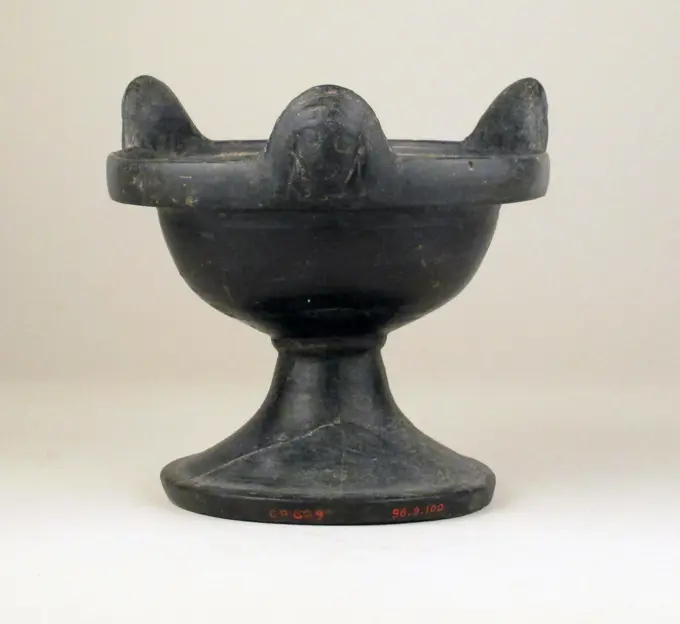
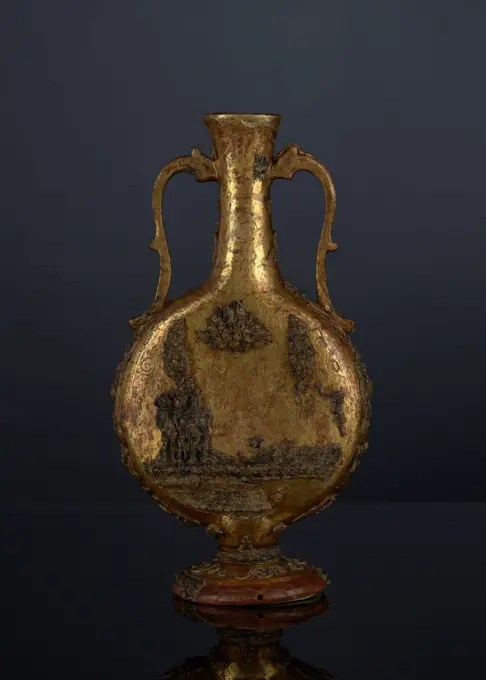
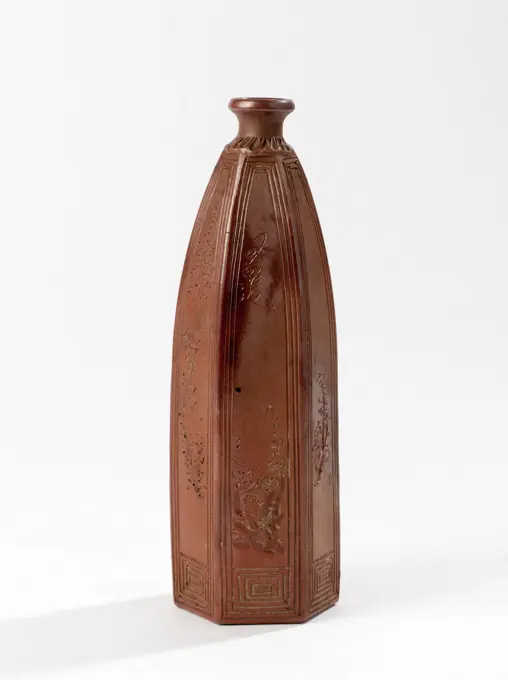
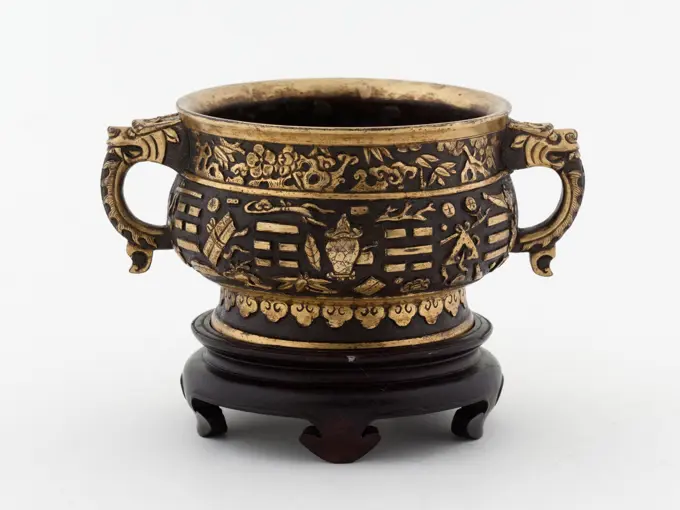
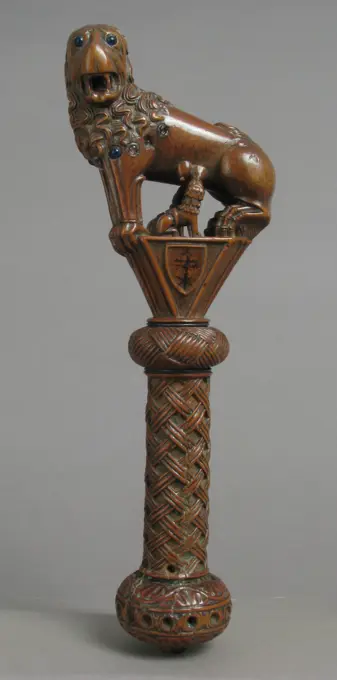
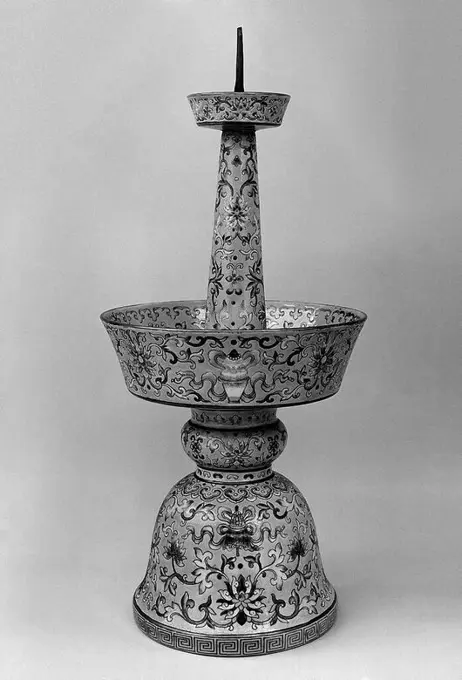
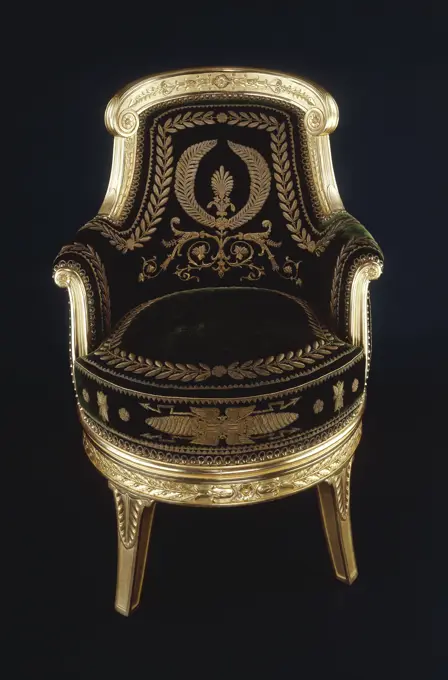
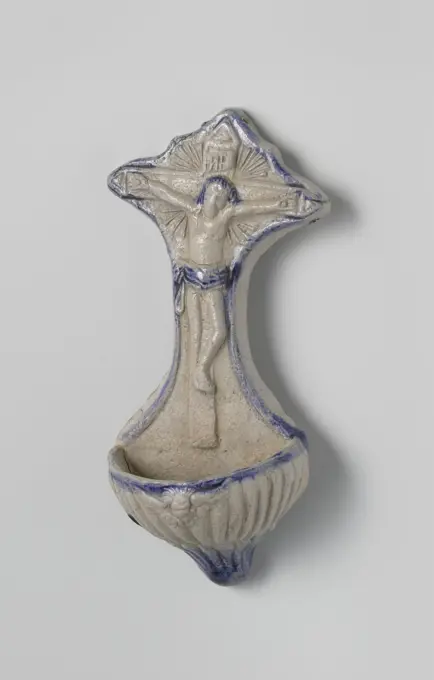
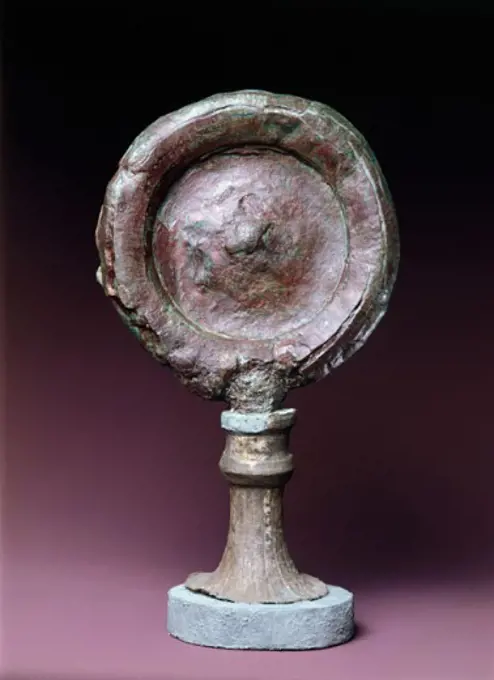
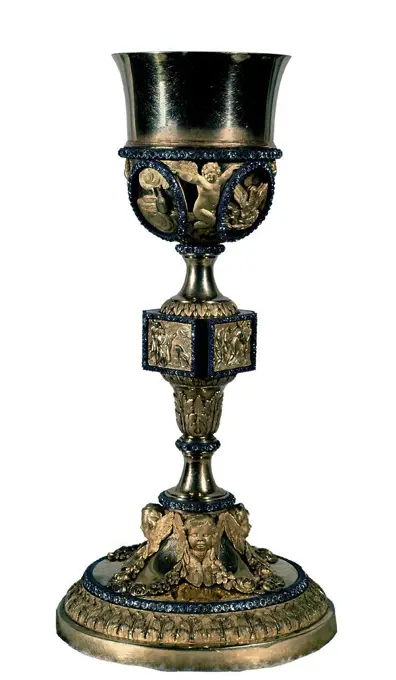
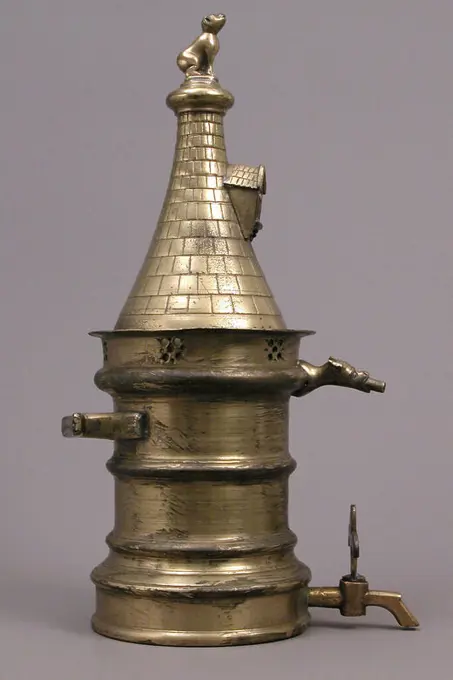
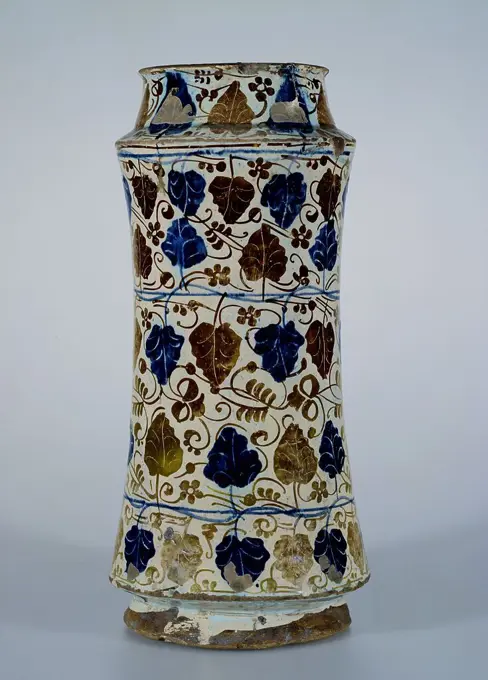
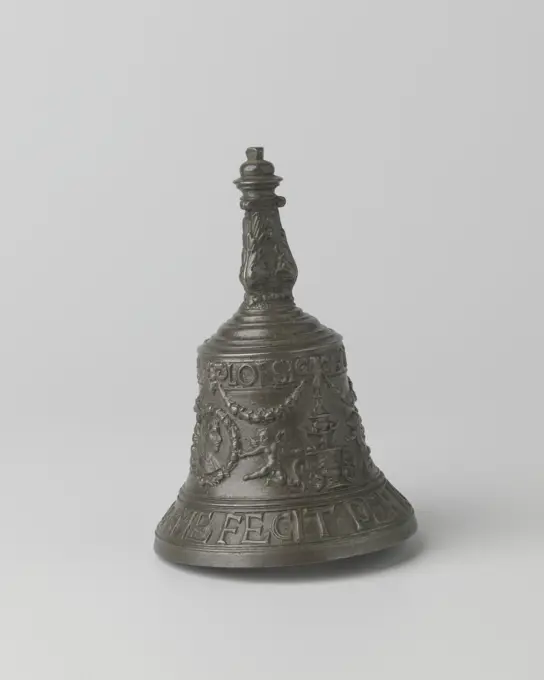
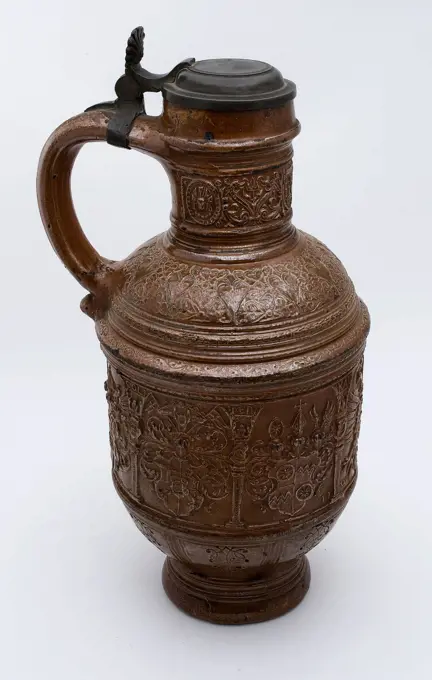
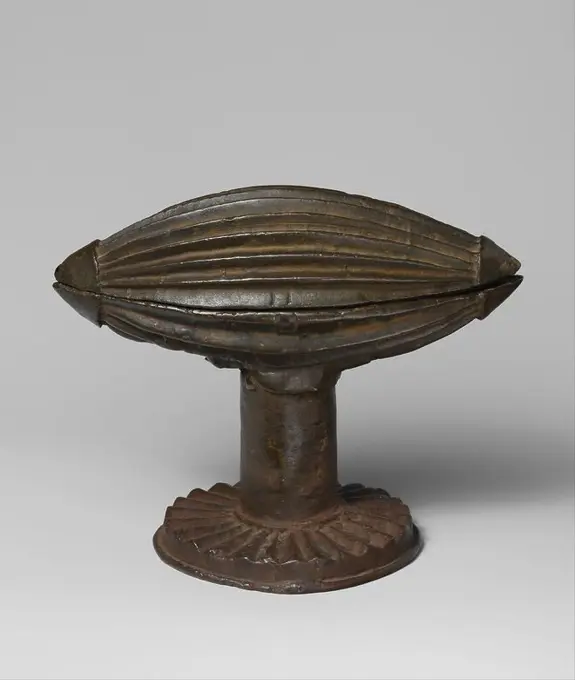
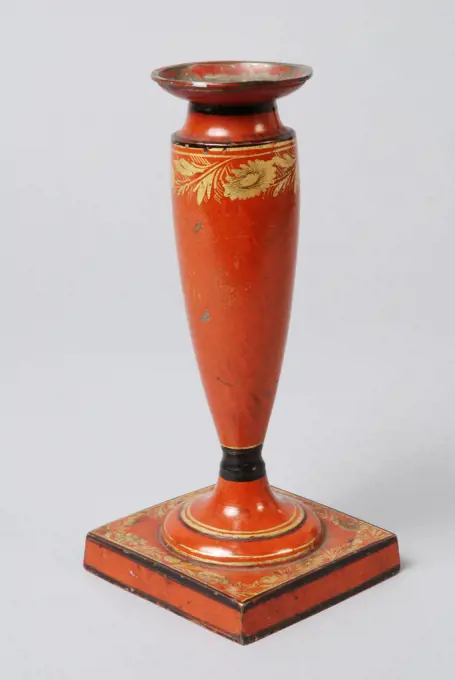
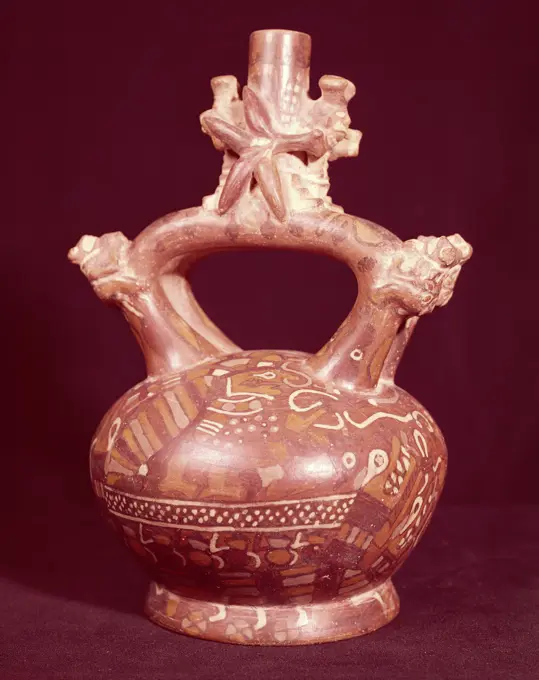
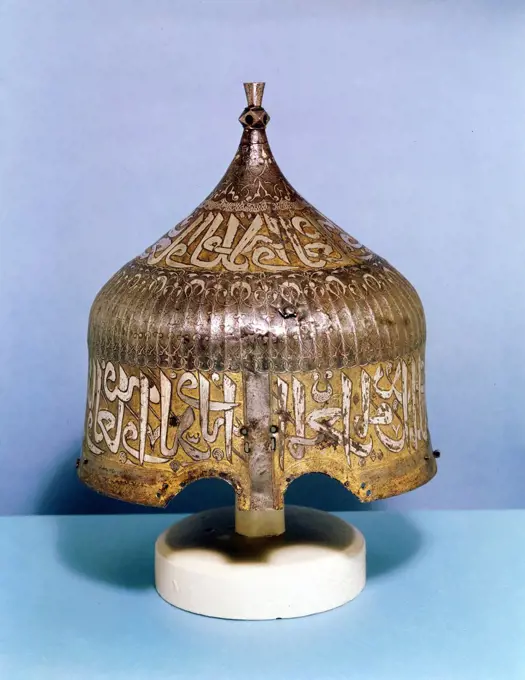
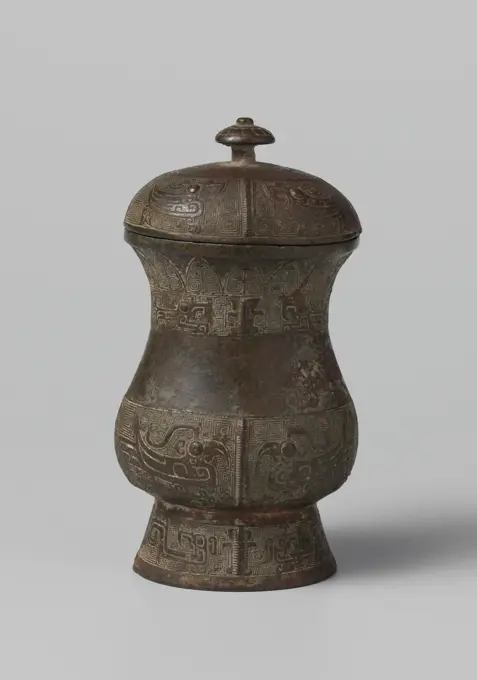
Ritual Wine Cups, anonymous, c. -1700 - c. -1050  China bronze (metal)  China bronze (metal)Vase zun. Bronze. Chine. Par musée musée malée. 70004-36 Asian art, Chinese art, Extreme-East art, fermented drink, bronze, religious ceremony, cup, dishes, vase to drinkOrnamental Finial, early 1800s. France, early 19th century. Bronze; overall: 9.9 x 5.1 cm (3 7/8 x 2 in.).Italian 16th Century, Mortar with Putti and Griffins, early 16th century Mortar with Putti and GriffinsTobacco bowl of a water pipe, anonymous, c. 1775 - c. 1810 Cup for glowing coals of a water pipe. Northern India glass. gilding (material) glassblowing / gilding Cup for glowing coals of a water pipe. Northern India glass. gilding (material) glassblowing / gildingCALIZ PURISTA - BARROCO. Location: Iglesia parroquial. HINOJALES. SPAIN.Wine Cup with Floral Decoration; Bactrian Empire; 1st century B.C; Gilt silver, inlaid glass and semiprecious stones; 8.3 × 14 cm (3 1,4 × 5 1,2 in.)Snuff Bottle, 1900-1935, 4 x 2 1/8in. (10.2 x 5.4cm), Ivory, ChinaBell late 19th century Burmese. Bell. Burmese. late 19th century. Metal. Myanmar (formerly Burma). Idiophone-Struck-bell-without clapperCandlestick, fifty. Candlestick, fifty-part with wide range of circular base decorated with two egg lists. The candlestick has a baluster-shaped shaft or strain with disk-shaped knot, a concave fat scale with egg list and a baluster-shaped shaft. The candle holder is cylindrical with two round leak holes and on top of egg list. The casting seams are visible over the egg lists.Twilight with ajour motifs, Theo Nieuwenhuis, in or before c. 1914 The lamp has been compiled from many parts. These are provided with etched and meticulous or cut out rank or not included in the hood). They have a round stain ring placed on four feet, a tribe that rejuvenates itself from the stand ring to the middle with three vertical ribs, two in -depicted connecting pieces for the parts of the hood or incorporated or incorporated parts of the hood. Where these come together is also a volant of small glass beads, in which, among other things, butterflies and dragonflies can be recognized. This Volant must be attached to the electric lamp to be attached to a bayonet closure. A few green stones or glass pieces are mounted in the stand ring and trunk. Amsterdam copper (metal). glass etching / sawing The lamp has been compiled from many parts. These are provided with etched and meticulous or cut out rank or not included in the hood). They have a round stain ring placed on four feet, a tCANDELABRO CON INSCRIPCION CUFICA - SIGLO X - BRONCE. Location: MUSEO ARQUEOLOGICO-COLECCION. CORDOBA. SPAIN.Situla with floral decoration ca. 1279-1213 B.C. New Kingdom, Ramesside Wine was a coveted drink starting in Egypts earliest days, though wine services do not have a long history there, as strainers were not found before the New Kingdom. The importance of wine grew during that period, as intoxicating drinks played a prominent role in festivals and in communal celebrations. When associated with Bastet and other feline goddesses, these drinks helped partakers emulate the drunkenness that brought about the goddesses pacification. Such practices probably occurred in festivals for Bastet in Tell Basta, where these vessels were found. The vessels were buried in two caches close to the temple, along with silver and gold jewelry, ingots, and lesser objects. Rare in antiquity, most silver and gold vessels were later melted down and reused for new projects. The Tell Basta hoards are thus exceptional finds.Situlae formed part of wine-drinking sets, apparently used for sipping wine. This electruFlower vase with animal-head handles 13th-14th century China This lively vase features the Yuan-dynasty creative reinterpretation of archaic bronzes. Its decoration may be linked directly to the somewhat fanciful reinterpretation of an ancient bronze in a 12th century woodblock-printed catalogue. The imposing entwined dragons on the vessels belly as well as the wave patterns on the foot and neck are clearly derived from a Western Zhou dynasty (1046-771 B.C.) ritual wine container illustrated in the Xuanhe Bogutu, a catalogue of ancient bronzes in the imperial Song dynasty collection first published in the 12th century. Not satisfied to merely copy this ancient model, the designer of this vessel was intent on creating a “new antique.” Rejecting the squat form and flaring mouth of the archaic model, the artist created an elongated and tapered neck better suited to the vessels function as a flower vase. Its two dragon handles are also transformed. In place of the stylized creatures on tTerracotta dinos (deep round-bottomed bowl) and holmos (stand). Culture: Faliscan, Capena. Dimensions: total H. 31 3/8 in. (79.7 cm); H. of cauldron 13 9/16 in. (34.5 cm); H. of stand 19 7/8 in. (50.5 cm). Date: ca. 630-600 B.C..Dinos: heraldic lions flanking a plantHolmos: birds and lion-like monsters. Museum: Metropolitan Museum of Art, New York, USA.Terracotta holmos (stand) 700-650 B.C. Etruscan Many elements of these large terracotta stands, especially the perforations and bosses, indicate that their designs are based on metallic prototypes imported to Italy from the ancient Near East.. Terracotta holmos (stand) 246640Amida (base), 1200s. Japan, Kamakura period (1185-1333). Wood with lacquer and gilding; overall: 109 cm (42 15/16 in.); figure: 79 cm (31 1/8 in.).Incense Burner (), 1185-1333. Japan, Kamakura period (1185-1333). Gilt bronze; base: 10 cm (3 15/16 in.); with cover: 11.4 cm (4 1/2 in.); without cover: 9.3 cm (3 11/16 in.).Anonymous / 'Case for tortoise boat'. 1570 - 1590. Leather, Wood, Metal, Velvet. Museum: Museo del Prado, Madrid, España.Beaker 12th-15th century Chimú. Beaker 310629Lebes (Stemmed Bowl with Lid). Etruscan; possibly Vulci. Date: 725 BC-700 BC. Dimensions: 57 × 43 × 20 cm (22 3/8 × 16 7/8 × 7 7/8 in.). Terra-cotta. Origin: Etruria. Museum: The Chicago Art Institute, FLORENCIA, USA. Author: Ancient Etruscan.Wine beaker (Gu) ca. 13th century BC China This tall, slender wine beaker has a dramatic profile that curves in an unbroken arc from rim to foot. Three horizontal registers of decoration, separated by narrow bands of raised lines, create an articulated surface. The top register consists of four tapering blades of ornament that emphasize the graceful upward curve of the flaring neck. The middle and bottom registers are composed of bold taotie masks raised on a ground filled with squarish spirals. The wide band that define both the mouth rim and molded foot further enhance the substantial appearance of the vessel. Cast on the interior side of the foot is an inscription that reads, X X fu ding” (X X Father Ding).. Wine beaker (Gu). China. ca. 13th century BC. Bronze. Shang dynasty (ca. 1600-1046 B.C.). MetalworkRound Box and Cover. Culture: China. Dimensions: H. 4 1/4 in. (10.8 cm); Diam. 4 1/2 in. (11.4 cm). Date: 2nd-3rd century. Museum: Metropolitan Museum of Art, New York, USA.Bell;  End of the 18th century () (1791-00-00-1800-00-00);Purchase (provenance)Broadsword 1590-1600 German or Swiss. Broadsword. German or Swiss. 1590-1600. Steel. SwordsRitual wine beaker (gu). Culture: China. Dimensions: H. 12 in. (30.5 cm); Diam. of rim: 3 1/2 in. (8.9 cm); Diam. of base: 6 1/2 in. (16.5 cm). Date: ca. 13th century BC.This tall, slender wine beaker has a dramatic profile that curves in an unbroken arc from rim to foot. Three horizontal registers of decoration, separated by narrow bands of raised lines, create an articulated surface. The top register consists of four tapering blades of ornament that emphasize the graceful upward curve of the flaring neck. The middle and bottom registers are composed of bold taotie masks raised on a ground filled with squarish spirals. The wide band that define both the mouth rim and molded foot further enhance the substantial appearance of the vessel. Cast on the interior side of the foot is an inscription that reads, "X X fu ding" (X X Father Ding). Museum: Metropolitan Museum of Art, New York, USA.Gothic chalice. unknown, authorSalt cup 18th century British. Salt cup. British. 18th century. Pewter. Metalwork-PewterAn Ottoman Brass Candlestick,Turkey 17th Century Islamic Art AntiqueEwer 19th century. Ewer 444990Standing Cup and Cover, 1800-1900. This is a well made example of an ornamental cup and cover which has been turned from sycamore. The decoration is built up from a number of carvings which were then glued and dowelled together... Purchased from Edward H Pinto, 1965.. .Covered cup with floral pattern 19th century China. Covered cup with floral pattern. China. 19th century. Porcelain painted in overglaze polychrome enamels (Bencharong ware for Thai market). Qing dynasty (1644-1911). CeramicsCadel from the cover;  19th century (1801-00-00-1900-00-00);Kadzielniczka (kôro) type Ding with a cover;  beginning of the 20th century (1901-00-00-1910-00-00);Small ding-type censer (kôro) with lid. unknown, craftsmanTripod for water vessel. Paws have shape of bird legs with a curl shape at the rear, at the top a floral motif in high-relief. Belongs to water vessel AK-RAK-1989-7-A.Ancient Tibet: Buddhist Ritual Holy Grail, Qing Dynasty, Guangxu period, 1874 -1908 An egg-shaped chalice decorated with animal motifs - lion, ox, goat, dog. Silver Armor Mila with coral and turquoise details.Vase with cover 1769-80 Wedgwood and Bentley. Vase with cover. British, Etruria, Staffordshire. 1769-80. Porphyry ware. Wedgwood and Bentley (British, Etruria, Staffordshire, 1769-1780). Ceramics-PotteryTerracotta stemmed kyathos (single-handled cup). Culture: Etruscan. Dimensions: H. 9 in. (22.9 cm); H. with handle 16 1/8 in. (41 cm); diameter of mouth 10 in. (25.4 cm). Date: ca. 575-550 B.C..Oversized, elaborately decorated wine cups of this type are popular products of bucchero workshops at Vulci. Some are too large and heavy, especially when filled, to have been used by living banqueters. They may have been made expressly for the dead. Museum: Metropolitan Museum of Art, New York, USA.Footed Bowl with Eagle Emblem mid-13th century Vessels of this characteristic shape, a rounded bowl with a pronounced, tall foot, were sometimes called tazze and were thought to evoke Christian chalices. They became popular in the Islamic eastern Mediterranean during the twelfth and thirteenth centuries, a period of active exchange between the Islamic and Christian worlds. This piece is among the earliest known examples of enameled glass. Its ornament and iconography is part of the "courtly cycle" referring to the lifestyle of the rulers and elites of medieval Islamic societies from Egypt to Anatolia.The design features four circular medallions with a bird of prey. While no particular ruler or officer can be associated with the emblem, such birds of prey were common symbols of power, kingship, and to a certain extent, protection in both Muslim and Christian contexts. Flanking the inscription band and on the foot, rows of dogs chasing hares evoke the hunt, while a frieze of seated musicCache vent with base18th century. Processional sceptre. Silver. Cathedral Treasury. Tarragona. Catalonia. Spain.MORTERO DE AMASAR.Karamono-Style Basket. Culture: Japan. Dimensions: H. 19 1/2 in. (49.5 cm); Diam. 6 in. (15.2 cm). Date: 19th century. Museum: Metropolitan Museum of Art, New York, USA.Pilgrim bottle (one of a pair) ca. 1690 British This bottle and its pair (68.141.225) are engraved with the arms and coronet of Evelyn Pierrepont (1665-1726), fifth Earl of Kingston-upon-Hull, later Marquess and Duke of Kingston.. Pilgrim bottle (one of a pair). British. ca. 1690. Silver gilt. Metalwork-SilverGoblet and CoverDrum 500 B.C.-A.D. 300 Indonesia. Drum. Indonesia. 500 B.C.-A.D. 300. Bronze. Bronze and Iron Age period. MetalworkAnonymous. Vase mounted. Céladon, golden bronze, 1775-1785. Paris, Cognacq-Jay museum. 78926-15 Anse, bronze Dore, Celadon, Ceramique, Gorn, Vase Monte, Green, 18th 18th 18th 18th 18th 18th 18 centuryGoblet with cameos, Abraham Valck (attributed to), 1625 - 1626 Bokaal with lid of gilded silver, partially enamelled and occupied with comeores. The partially openwork, which is surrounded by fruit festivals surrounded by three dragons standing on shells. Three kneeling naked man figures form the trunk and wear the cuppa, which is completely covered with imposed flowers and putti interspersed by cameies in enameled laurel wreaths. The cuppa is articulated by a laurel wreath. The lid surrounded by an openwork edge is decorated in a corresponding way and is crowned with a dome -shaped base worn by four tritons on which an eagle with a government apple. Antwerp silver (metal) gilding Bokaal with lid of gilded silver, partially enamelled and occupied with comeores. The partially openwork, which is surrounded by fruit festivals surrounded by three dragons standing on shells. Three kneeling naked man figures form the trunk and wear the cuppa, which is completely covered with imposed flowers Chamber Candlestick 1842-47 Henry Hopper. Chamber Candlestick. American. 1842-47. Pewter. Made in New York, New York, United StatesBell Cup with Pendants 5th-6th century Korea The hollow base of this cup contains small clay pellets that produce a pleasant sound when the user tips the cup. Such luxury items, mostly excavated from tombs, were probably used by the occupant in daily life.. Bell Cup with Pendants. Korea. 5th-6th century. Stoneware with traces of incidental ash glaze. Three Kingdoms period, Silla Kingdom (57 B.C.-A.D. 676). CeramicsSaltcellar with cover 19th century, after 18th or 19th century original British, after Russian original This electrotype is after an eighteenth- or nineteenth-century original in the Chéréméteff collection, St. Petersburg, at the time of reproduction.. Saltcellar with cover. British, after Russian original. 19th century, after 18th or 19th century original. Silver, parcel-gilt, and ivory. Metalwork-ElectrotypeJar and cover, Bronze, inlaid metal, Footed jar (a) cast in two parts with encircling banding covering the joint. Wide, short, straight neck. Stepped lid (b) overhangs the neck, rises through curves to tall finial with two knobs topped by a ball. The whole decorated with concentric bandings of inlaid white and brass-colored triangles, elipses, dots, S-curves, etc., Philippines, possibly 19th century, metalwork, Decorative Arts, Jar and coverSueki ceramic fruit bowl, Japan. Japanese Civilisation, Kofun period, 3rd-6th century.Brauweiler near Pulheim, St Nicholas Abbey Church, so-called Scyphus of St Nicholas in the lapidarium, walnut bowl, around 1180Censer 16th century () South Netherlandish (). Censer 466613Glass alabastron (perfume bottle) mid-4th-early 3rd century B.C. Greek, Eastern Mediterranean or Italian Translucent pale honey brown, with handles in darker honey brown; trails in opaque yellow, opaque turquoise blue, and opaque white.Broad horizontal rim-disk, with radiating tooling marks on underside; cylindrical neck, expanding downwards; narrow sloping shoulder; straight-sided cylindrical body, with slight upward taper; convex bottom; below shoulder, two vertical ring handles, not pierced through, with short pointed trails, applied over trail pattern.Traces of a fine (yellow ) trail attached to lower edge of rim-disk; on body, alternating bands of yellow, turquoise, and white, tooled from shoulder to undercurve at bottom into a close-set feather pattern in eleven vertical panels with alternating upward and downward strokes.Broken and repaired around body, with several holes and gaps in joins; dulling, some deep pitting holes, and creamy iridescent weathering.. Glass alabastron (pCovered Vase China. Covered Vase. China. Cloisonné enamel on copper. Ming dynasty (1368-1644). CloisonnéCovered Bowl with Diamond Pattern, Glass, Round bowl on faceted waisted stem and thick square base; sides of bowl cut with arched panels of strawberry diamonds, fans between, each, a row of vertical fluting above to lip, domed cover with flattened conforming panels of strawberry diamonds and fluted rim., Cork or Dublin, Ireland, ca. 1825-35, glasswares, Decorative Arts, bowl, bowlImitation of a Villanovan Impasto Kyathos with Lid. UnknownBorneo, Java, Bronze bellPyksis orientalizująca z fryzem zwierzęcym w stylu Silhouette. unknown, authorCruz Procesional, siglo XIV, Nº 684-735. Museu de Lleida Diocesà i Comarcal.Finial Support. Iran, Luristan, Luristan bronzes, circa 800-650 B.C.. Architecture; Architectural Elements. Bronze, castReliquary late 15th-early 16th century Italian, Venice. Reliquary. Italian, Venice. late 15th-early 16th century. Painted enamel on copper, partly gilt; glass. EnamelsAnonymous / 'Case for rock crystal cup with carved masks'. 1662 - 1675. Leather, Wood, Metal, Silk. Museum: Museo del Prado, Madrid, España.Cup ca. 550-500 B.C. Etruscan High foot, rim decorated with three human masks.. Cup. Etruscan. ca. 550-500 B.C.. Terracotta; bucchero pesante. Archaic. VasesPrzeszo Przyszoci unknownDefense for the Left Thigh (Cuisse) ca. 1425 Italian This cuisse is distinguished by its elegant shape and by the applied stop-rib and the prominently turned upper edge, which are designed to provide additional protection.. Defense for the Left Thigh (Cuisse) 27657Rose Water Sprinkler (gulab pash) 1775-1800 India. Silver and enamel .Tripod. Culture: Cypriot. Dimensions: 7 3/4in. (19.7cm). Date: 1050-950 B.C..Decorated with bands, wavy lines and lattice panels. Museum: Metropolitan Museum of Art, New York, USA.Pitcher (aftabe). unknown, craftsmanUrn And Cover (France); pewter, paintedKeene (Marlboro Street) Glass Works, Decanter and Stopper, c. 1815-17, colorless lead glass.Vase;  around 1920-1930 (1920-00-00-1930-00-00);Anonymous, bell (usual name), 0453. CERUNUSCHI Museum, Museum of Asia Arts in the city of Paris.Hexagonal bottle (Kado Tokkuri). GRS. Around 1840-1870. Paris, Muse Cernuschi. Pattern of nested rectangular forms; Inscriptions in Japanese characters. This particular shape of Bizen bottle (some are hexagonal, other squares) in a style inspired by Yixing sandstones. This type of bottle was used for the "hōmeishu", a kind of medical elixir whose name means "which keeps alive". Popular from the end of the 16th century in Japan, it would have started to be marketed in the form of Tokkuri manufactured in Bizen from the Kanbun era (1661-1673) (M.M.) Japanese art, hexagonal bottle, Japanese ceramic, gres, kado tokkuriAimé-Jules Dalou (1838-1902). "Man bust". Bronze with lost wax, n.d .. Museum of Fine Arts of the city of Paris, Petit Palais. Bronze lost wax, bust, man, baseStem Cup, early 700s. China, Tang dynasty (618-907). Silver with gilt interior and incised and chased decoration; overall: 9 cm (3 9/16 in.).Vase. Bronze. Chine. Par musée musée malée. 70002-11 Anse, Chinese art, bronze, word decorative, base, tette, vase, animalHead of Staff Italian 19th century (13th century style)Candlestick from a Set Five-Piece Altar Set (Wugong). Culture: China. Dimensions: H. 15 1/4 in. (38.7 cm); H. incl. base 17 3/8 in. (44.1 cm); Diam. (top) 3 in. (7.6 cm); Diam. (center) 7 1/2 in. (19.1 cm); Diam. of base 6 in. (15.2 cm). Museum: Metropolitan Museum of Art, New York, USA.Napoleon I's chair from the TuileriesHoly water stoup with a relief of the Crucifixion, anonymous, c. 1750 - c. 1799 Waterbak from stoneware with a hemisphere, ribbed basin. Decorated in cobalt blue. On the back plate in relief a printed and imposed representation of the crucifixion. On the pelvis an angelic head . Westerwald. Westerwald stoneware. glaze. cobalt (mineral) vitrification Waterbak from stoneware with a hemisphere, ribbed basin. Decorated in cobalt blue. On the back plate in relief a printed and imposed representation of the crucifixion. On the pelvis an angelic head . Westerwald. Westerwald stoneware. glaze. cobalt (mineral) vitrificationBactrian Gold: Mirror Artist Unknown Kabul Museum, Afghanistan TESORO-CALIZ DE ORO Y BRILLANTES DELA ARZOB. MUZQUIZ-1819. Location: MUSEO CATEDRAL. SANTIAGO DE COMPOSTELA. A CORUÑA. SPANIEN.Wall Fountain (laver) in the form of a Turret. Culture: Netherlandish. Dimensions: Overall: 16 7/8 x 9 1/8 x 6 3/8 in., 9.068lb. (42.9 x 23.2 x 16.2 cm, 4113g)a-vessel: 8 1/8 x 9 1/8 x 6 3/8 in. (20.6 x 23.2 x 16.2 cm)b-lid: 10 5/16 x 5 3/16 in. (26.2 x 13.2 cm). Date: late 15th century.This water tank in the form of a Gothic turret was designed to hang on a wall. A basin was probably placed on a shelf beneath it. Museum: Metropolitan Museum of Art, New York, USA.. The object consists of seventeen parts: ten weights, the bin and the lid (which form a house), a hinge, a closing bracket, two handle tips, the handle. The center point can be seen at the inside and some weights. The container has four ribs, two of which are placed in the middle above and under a decoration with punched circles. In the other plane portions of the wall, a decoration built out of punched arches is arranged. The lid has grooved rings along the excellent punched edge. The hinge, the closing bracket and the handle sets are riveted. The hinge runs off at the end to the wall in a triangular coarsely processed leaf shape and switches to the lid into two dragons, the tail ends to the hinge to rise pointed, so that the handle knob falls in between. The closing bracket is decorated on the lid with a dog head and turns over in a curl. In it, the lower part executed in lobe is mounted; This has an opening that fits the protrusion that is applied to the wall at the front. The handPOTS O JARRON DECORADO CON HOJAS DE HIEDRA TEMPRANAS - MANISES - SIGLO XV. Location: INSTITUTO VALENCIA DE DON JUAN-COLECCION. MADRID. SPAIN.Zischägge. Flemish. Date: 1610-1640. Dimensions: H. 30.5 cm (12 in.). Steel with gilding, brass, and leather. Origin: Flanders. Museum: The Chicago Art Institute, Chicago, USA.Cista Ficoroni (ritual vessel), copper cylindrical jewelry box. From Praeneste (modern day Palestrina, Lazio), found by Francesco de' Ficoroni. Etruscan civilization, 4th Century BC.Handbell, anonymous, 1544 The object consists of three parts: the bronze bell -shaped shell with the handle, the iron eye, the iron clapper. On the lower edge of the Schel the inscription SVVM CVIQVE PVLCHUM 1544. The figuration consists of an Orpheus playing on a fedel, a monkey, a lion and a wolf, a musician monkey, a rabbit, a swan, a Hert, a stork and a horse. In addition, the inscription Omater dei Memento Mei. The handle is formed by three putti. Mechelen bronze (metal). iron (metal) casting The object consists of three parts: the bronze bell -shaped shell with the handle, the iron eye, the iron clapper. On the lower edge of the Schel the inscription SVVM CVIQVE PVLCHUM 1544. The figuration consists of an Orpheus playing on a fedel, a monkey, a lion and a wolf, a musician monkey, a rabbit, a swan, a Hert, a stork and a horse. In addition, the inscription Omater dei Memento Mei. The handle is formed by three putti. Mechelen bronze (metal). iron (metal) castingpottenbakker: Hermann Wolters, Brown stoneware gun with tin lid, gun jug tableware holder soil find ceramic stoneware glaze salt glaze tin, hand-turned laid glazed baked Rings on the neck gray shard. Tin lid almost certainly renewed. Jacob shell as thumb rest imposed on both sides of the fourth column: H.W. archeology heraldry donate drink wine beerMountLidded Vessel: Fluted Gourd. Culture: Edo peoples. Dimensions: H x W x D: 9 1/4 x 7 1/2 x 3 1/2 in. (23.5 x 19.1 x 8.9 cm). Date: 16th-19th century.In the Benin kingdom, kola nuts were an important focus of courtly interactions. A symbol of civilization, sociability, and rank, they were given to guests to show hospitality and distributed as small offerings at ritual events associated with honoring ancestors, including divination practices. Kola nuts were frequently stored and presented in elaborately designed and decorated containers made from wood, ivory, or brass. This box, in the form of a gourd raised on a footed pedestal, was likely the property of an oba or an important chief given that works in brass are reserved for only those of the highest rank.The unusual shape of the vessel--an oblong form with multiple, lengthwise ridges--takes its inspiration from a species of gourd that frequently served as an offering to Osanobua, the creator god. As such, the container's design involRed and gold lacquered candlestick with baluster-shaped trunk and loose bobèche, candlestick candleholder lighting agent tin lacquer, cast lacquered, square hollow foot baluster shaped stem lighting lacquer illuminate evening nightPre_Columbian vessel from the Mochica culture, Peru, South AmericaNight cap. Culture: British. Dimensions: L. 5 1/2 x W. 7 1/2 inches (14 x 19.1 cm). Date: late 16th-early 17th century. Museum: Metropolitan Museum of Art, New York, USA.Iron helmet with calligraphic silver damascening decoration. Turkish (Mamluk) 15th centuryEwer 1793-94 J.F.. Ewer 188354 Maker: J.F., Ewer, 179394, Silver, H. 12-1/2 in. (31.8 cm.). The Metropolitan Museum of Art, New York. Gift of Mrs. Isaac Gibson Jaffray, in memory of her husband,1898 (98.1.2)