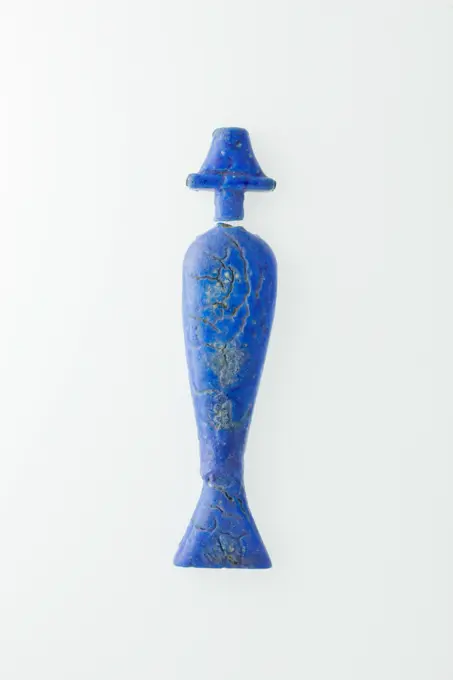
Ancient Metal Ritual Objects

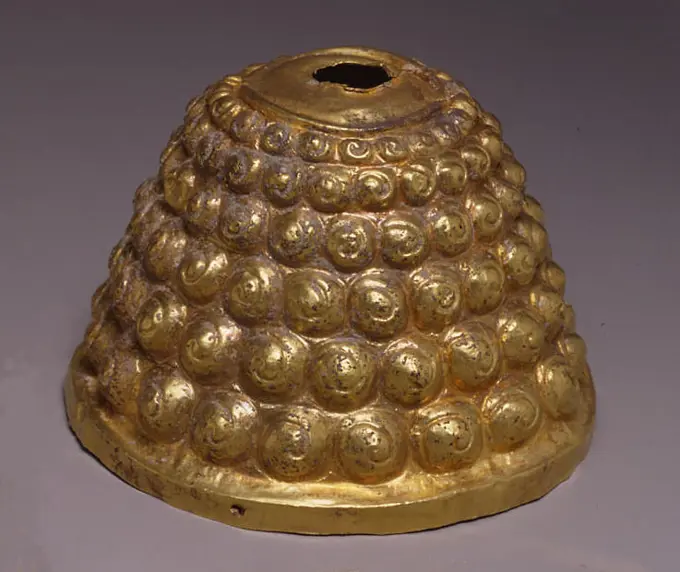
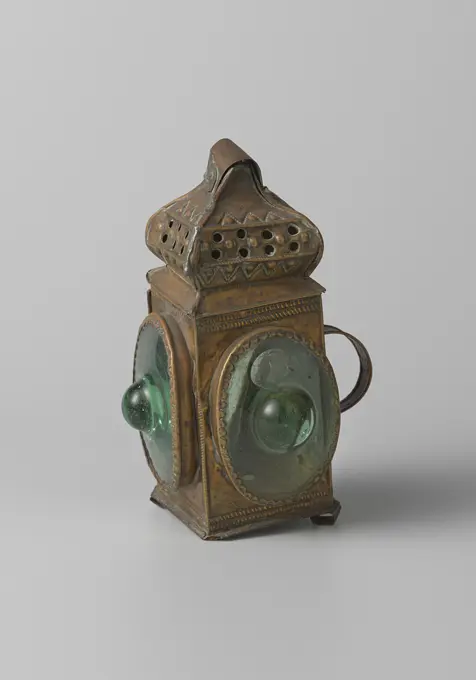
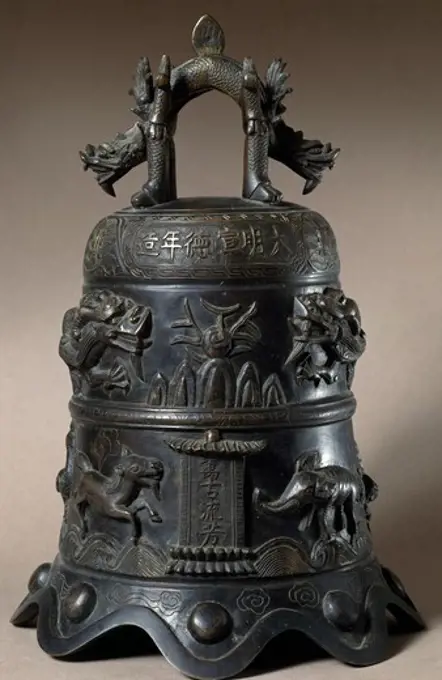
A collection of antique bronze vessels, including ceremonial cups and ornamental finials, showcasing intricate designs and historical significance.
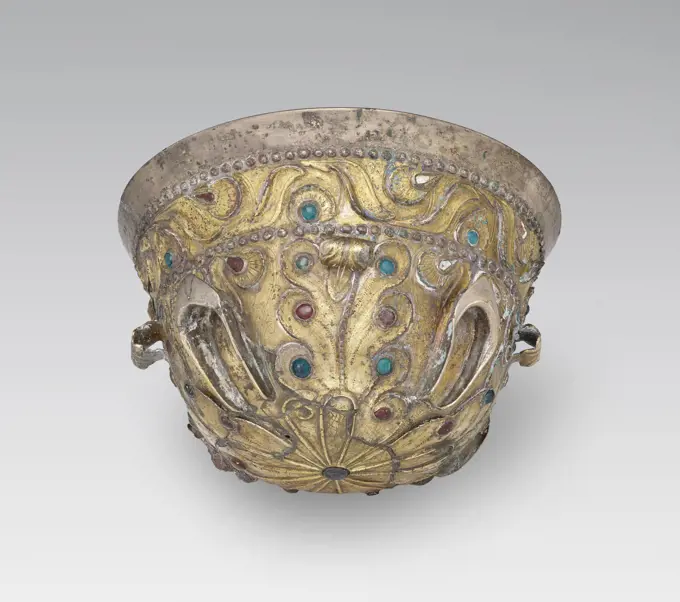
Wine Cup with Floral Decoration; Bactrian Empire; 1st century B.C; Gilt silver, inlaid glass and semiprecious stones; 8.3 × 14 cm (3 1,4 × 5 1,2 in.)
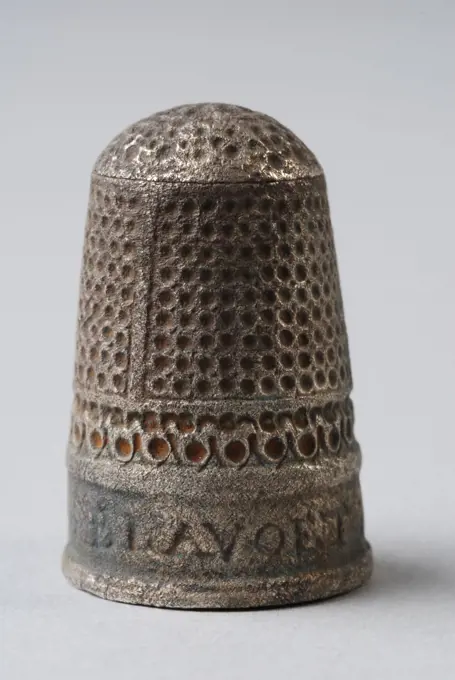
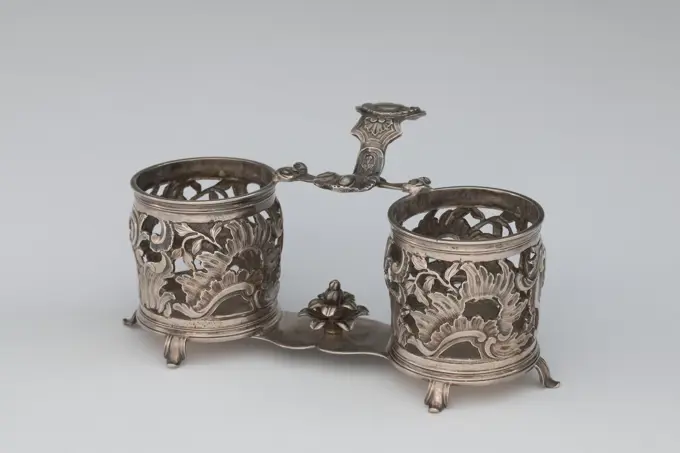
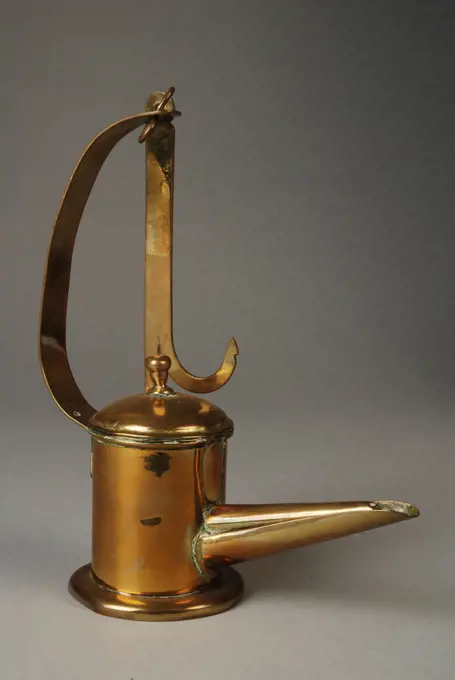
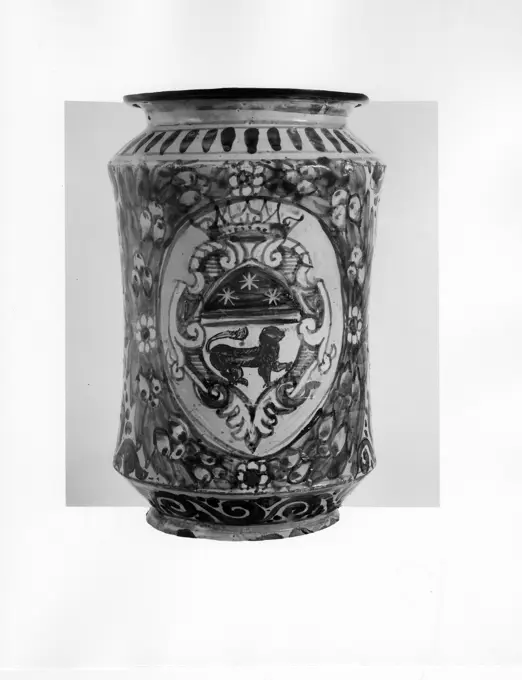
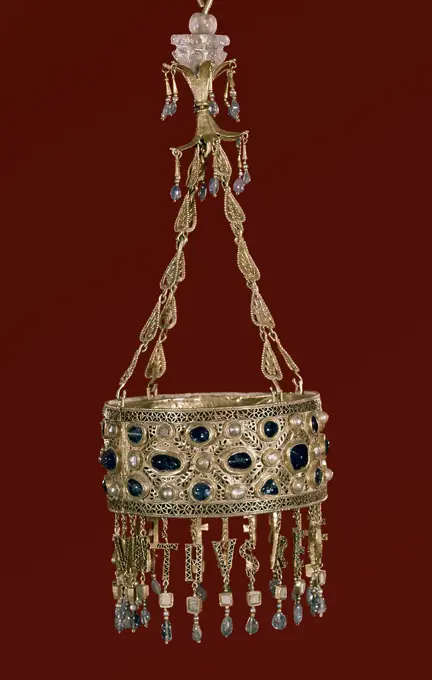
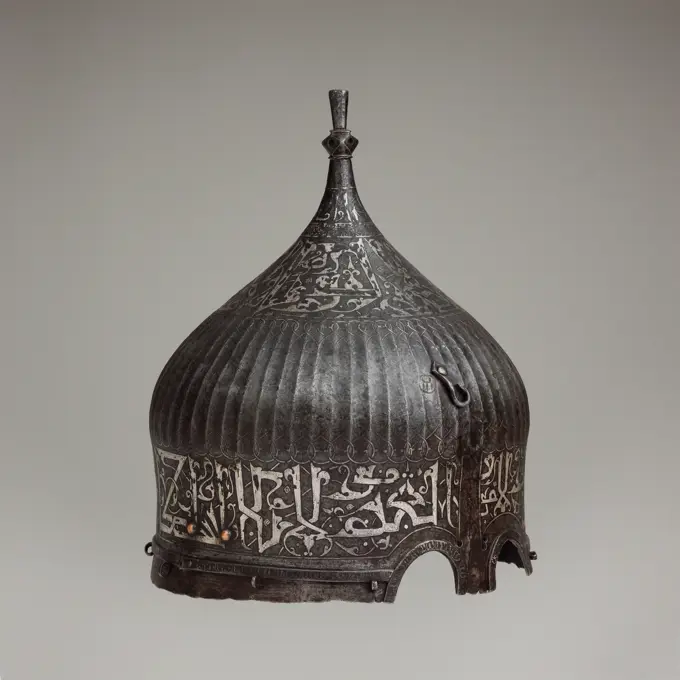
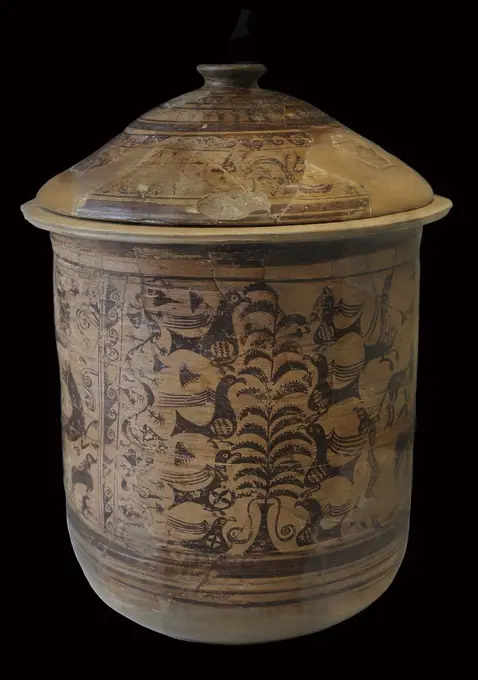
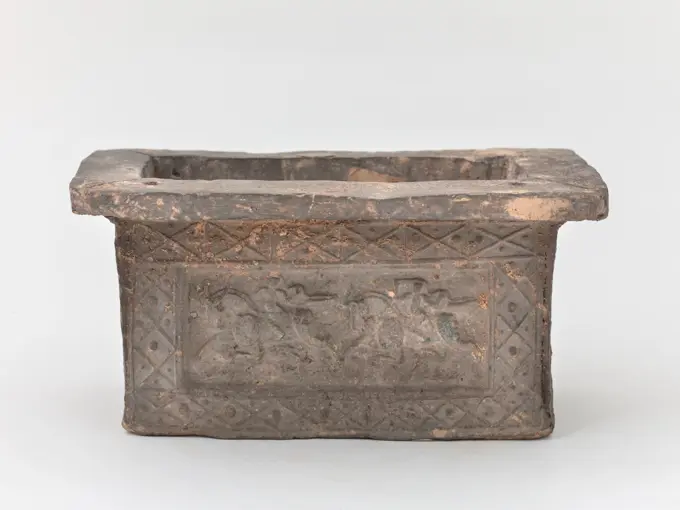
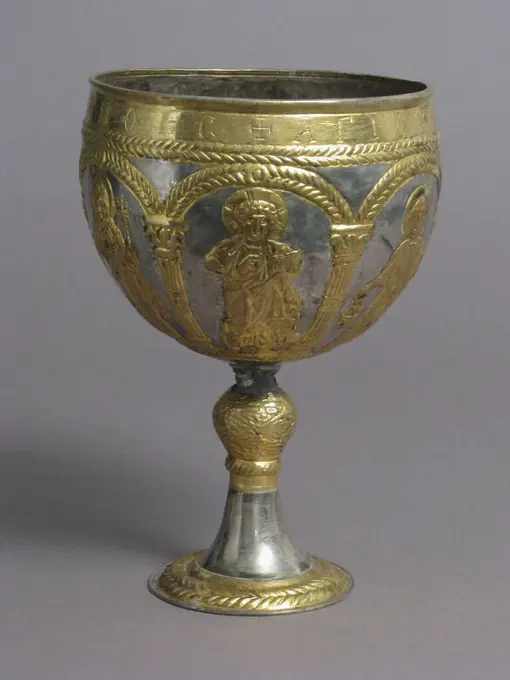
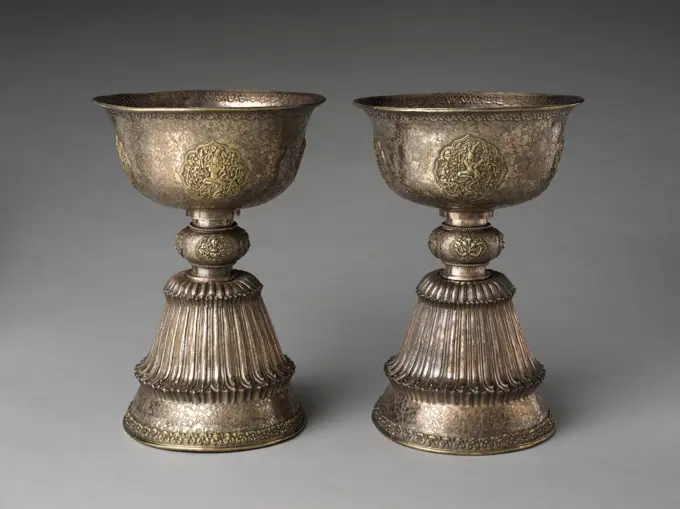
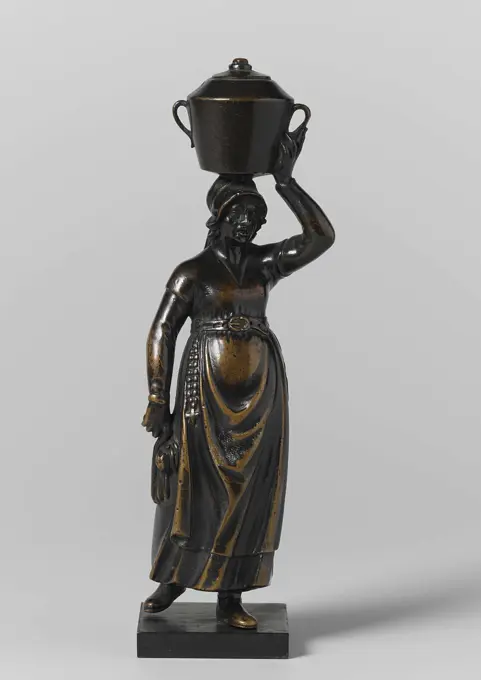
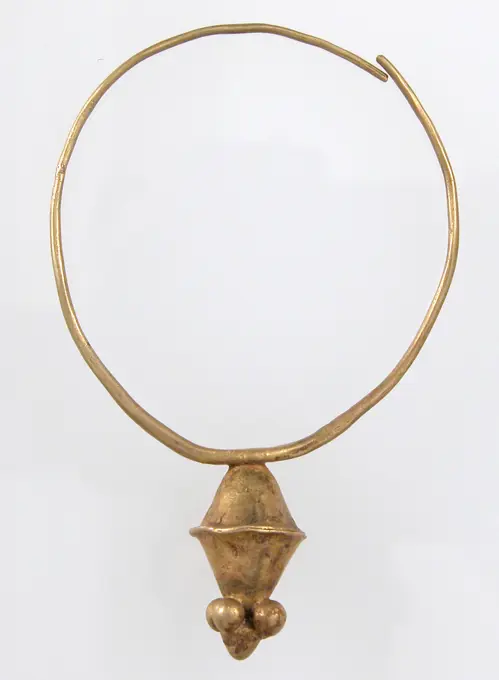
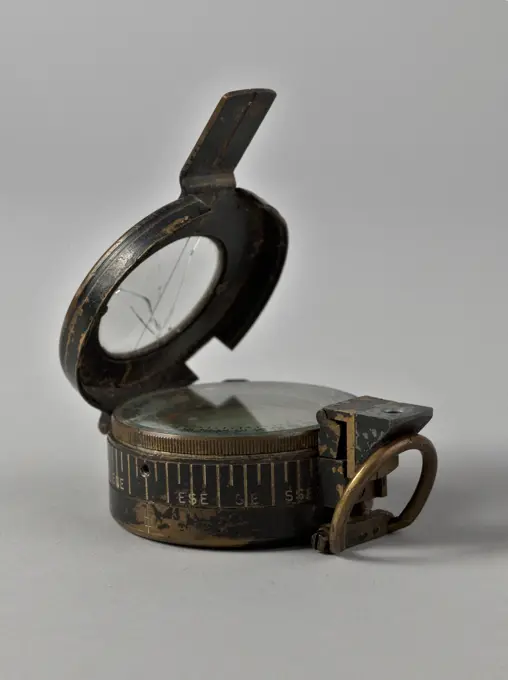
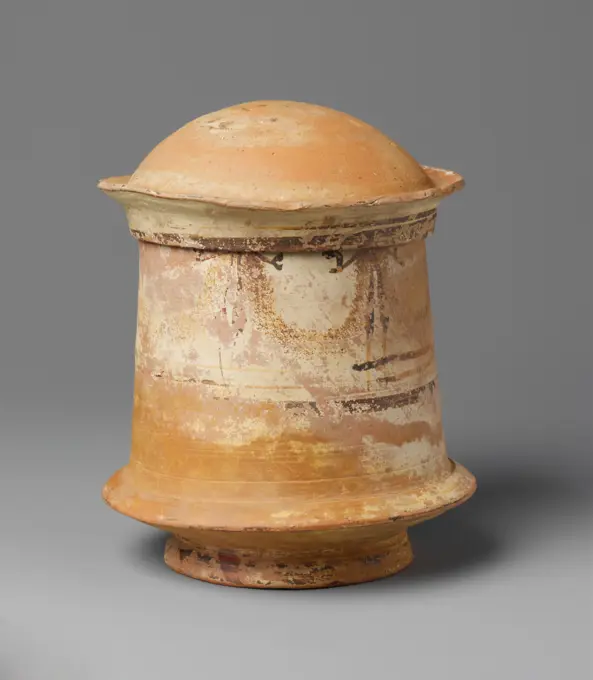
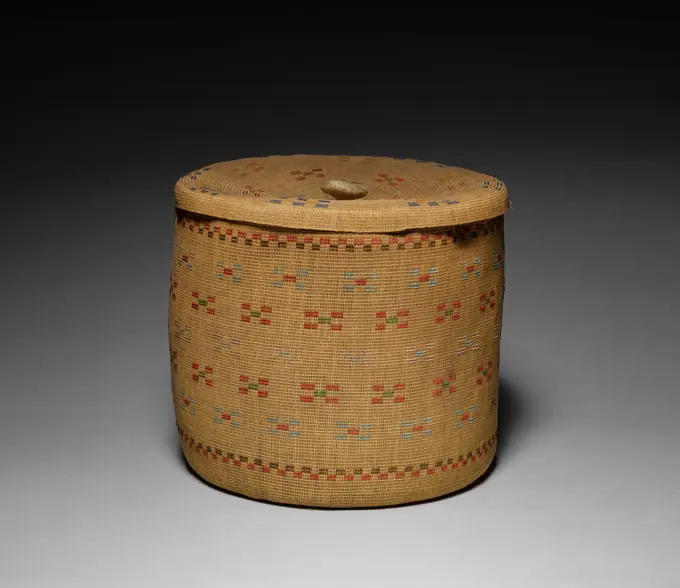
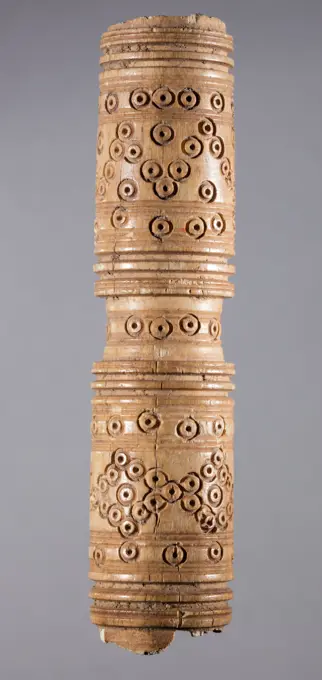
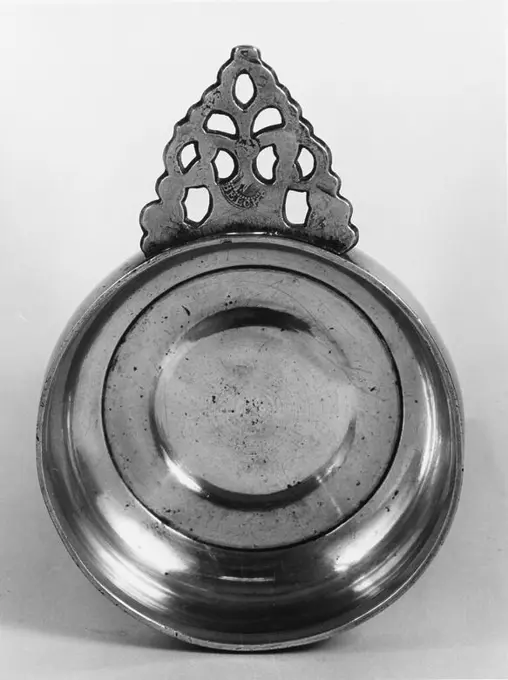
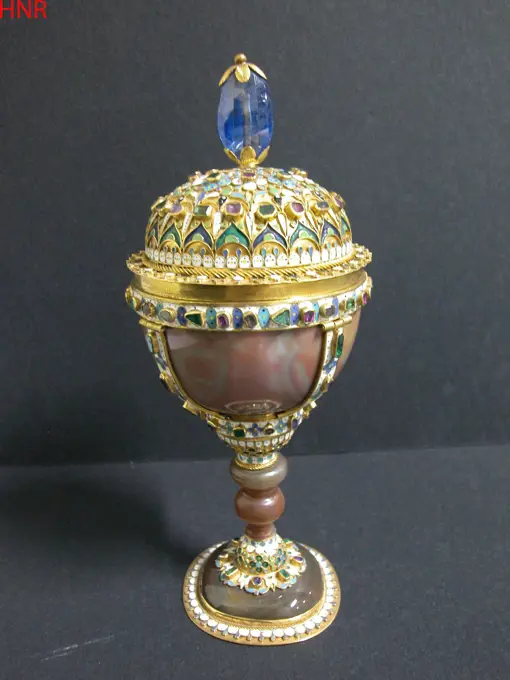
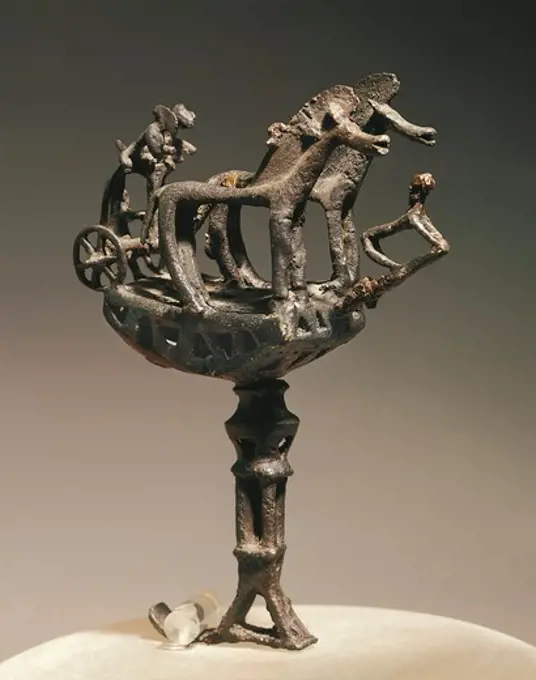
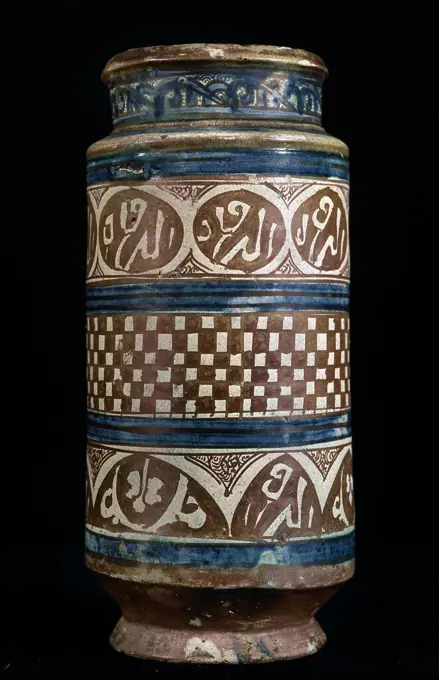
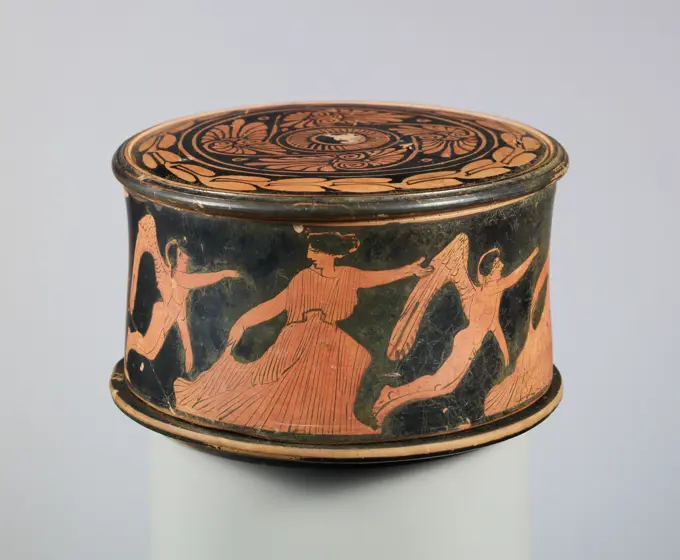
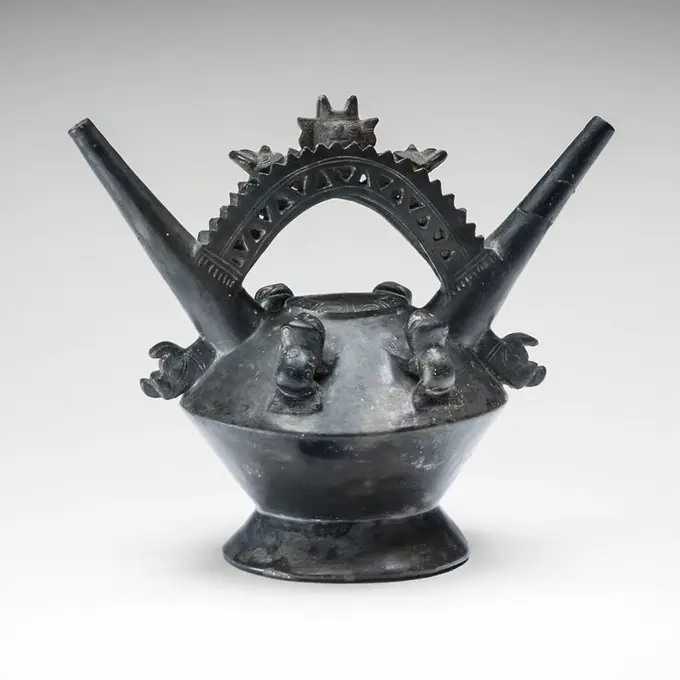
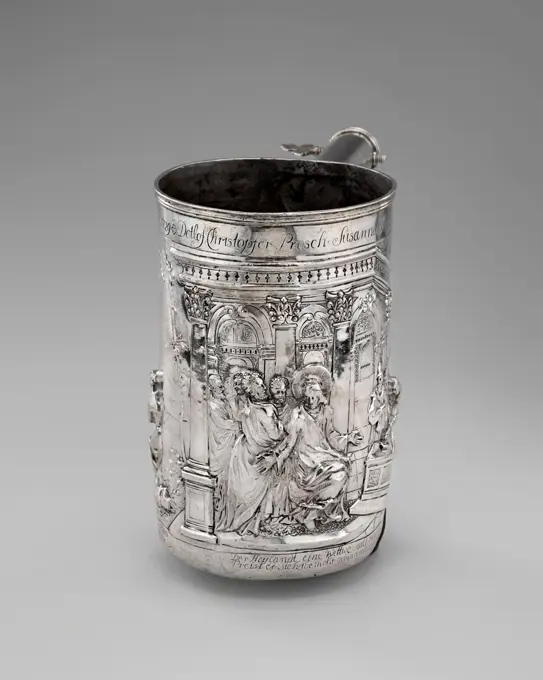
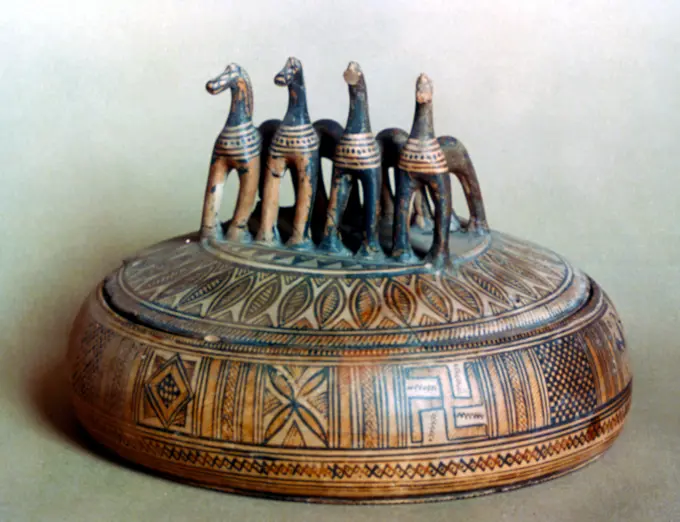
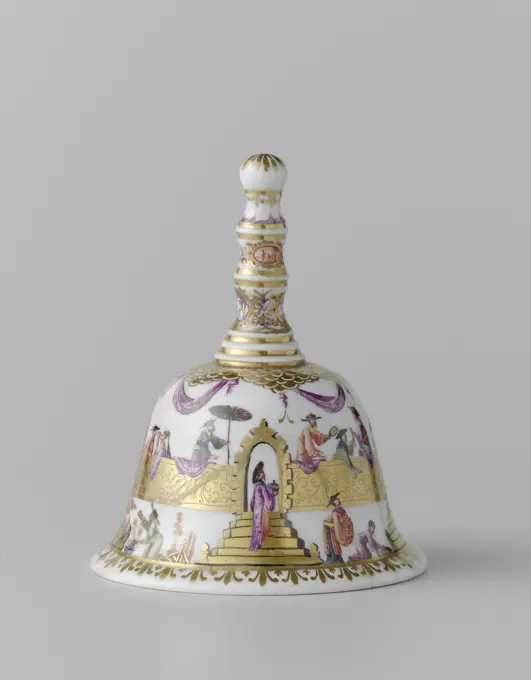
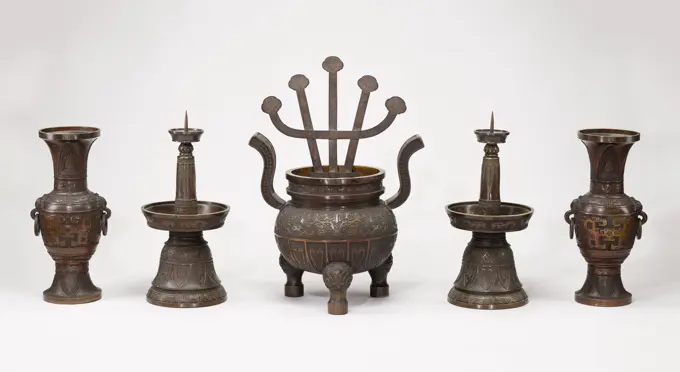
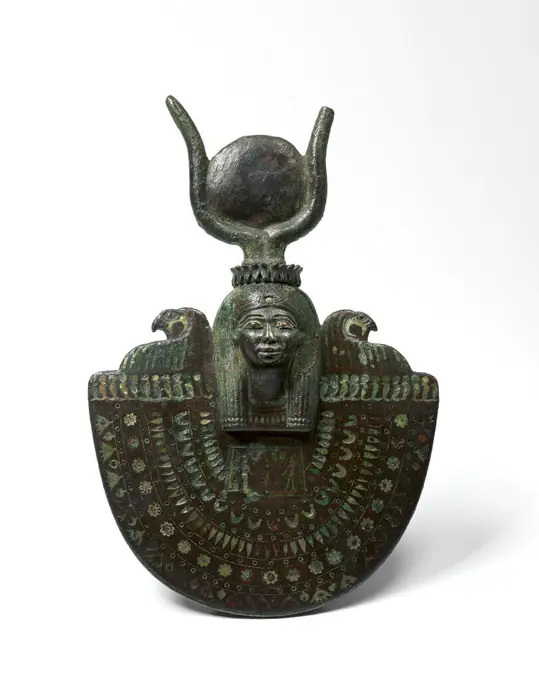
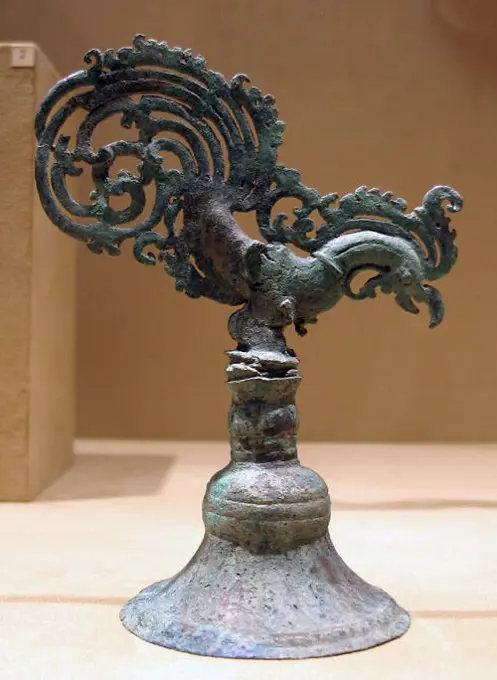
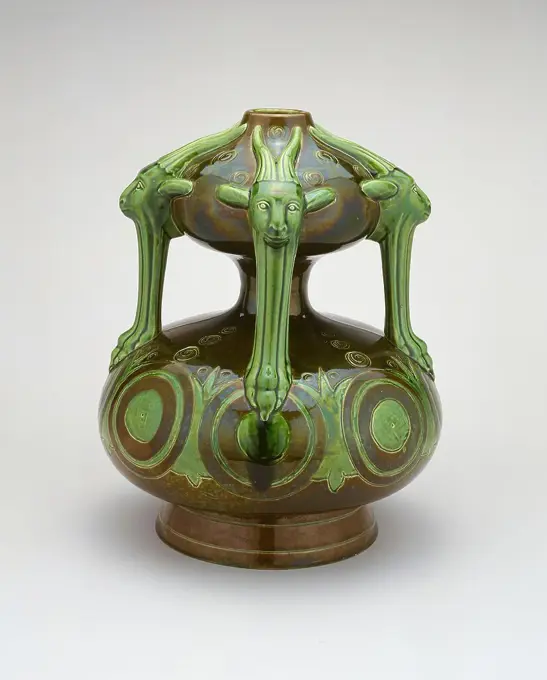
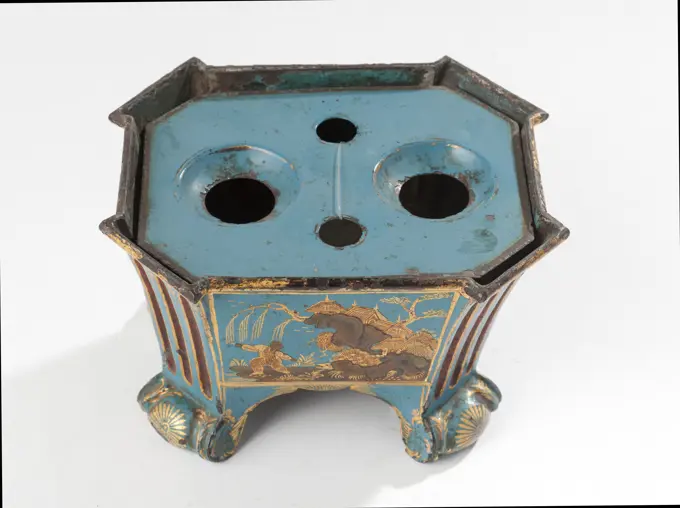
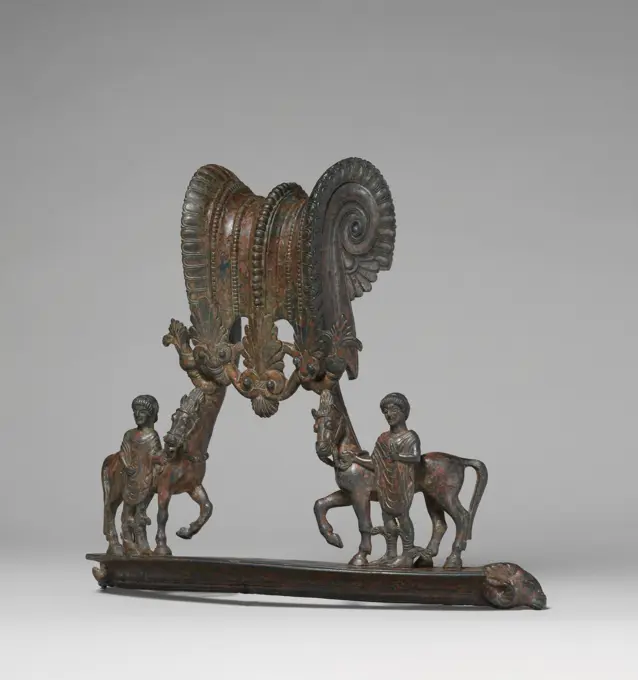
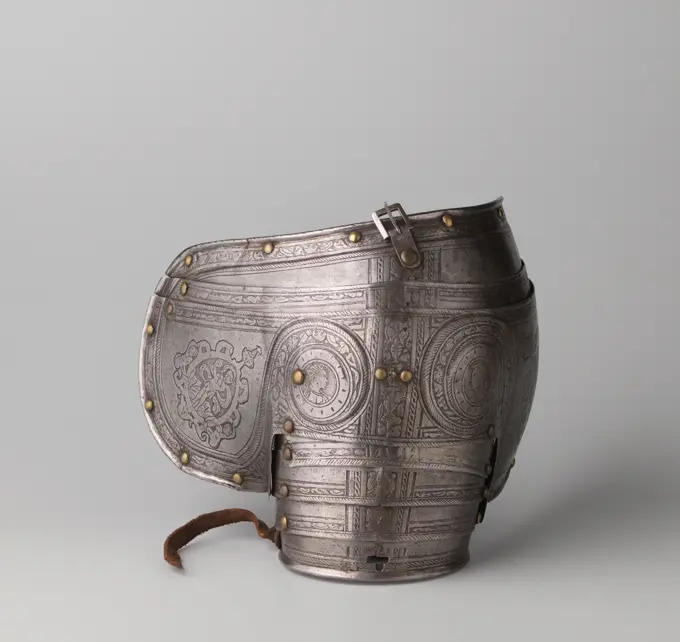
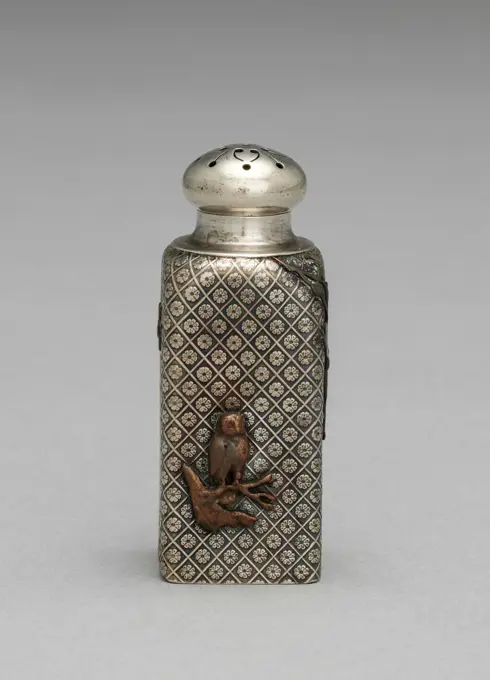
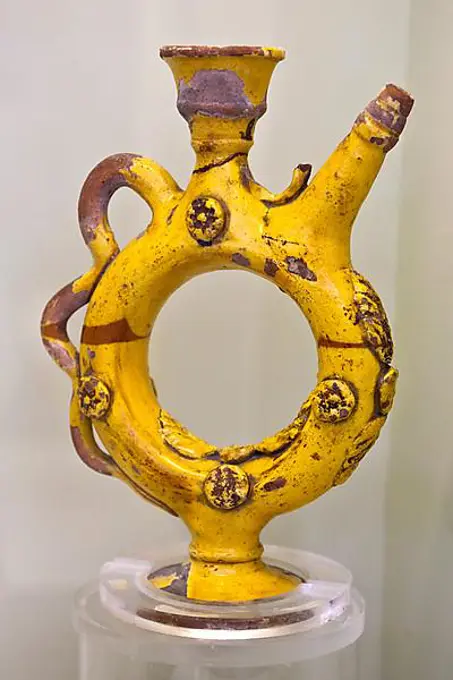
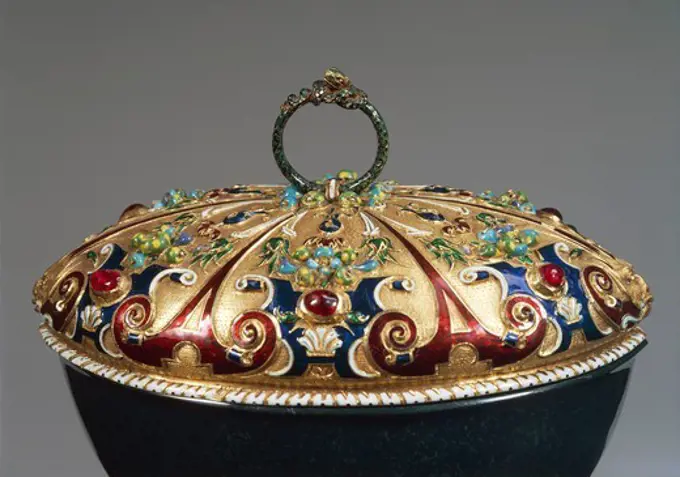
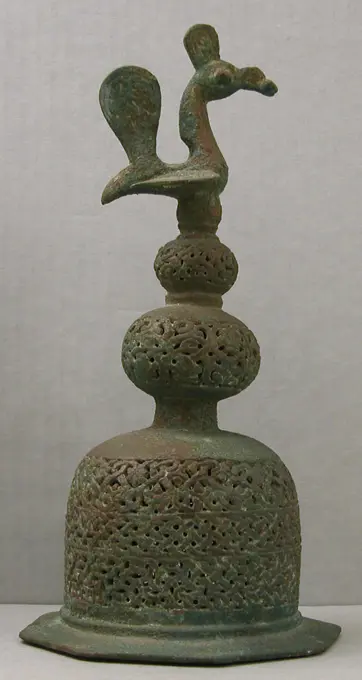
Sugar pot with lid of tin, c. 1800 - c. 1900 Sugar bowl with tin lid. The pot is on a square base, a round, conical trunk. The cuppa is decorated with rank motifs on the lower half, the upper half is undecorated. The round, bell-shaped lid is undecorated on the bottom half and decorated on the upper half with slender and floral motifs. The small button is twisted. West-Europa tin (metal) casting Sugar bowl with tin lid. The pot is on a square base, a round, conical trunk. The cuppa is decorated with rank motifs on the lower half, the upper half is undecorated. The round, bell-shaped lid is undecorated on the bottom half and decorated on the upper half with slender and floral motifs. The small button is twisted. West-Europa tin (metal) castingHanging Lamp with a Hand Holding a Cross. Culture: Byzantine. Dimensions: Overall: 13 3/4 x 16 1/4 in. (35 x 41.3 cm)Overall (with stem mount and plate): 18 3/4 x 16 1/4 in. (47.7 x 41.3 cm). Date: made 500-700, restored and possibly reconfigured 1900s.The flowerlike terminals of the lamp arms held glass vessels full of oil. The hand was probably an offering for a cure as suggested by the large Greek inscription on the cross, "Christ help me," and by the inclusion of healing saints. "Saints Kosmas and Damianos be praised" is inscribed over the twin medical saints whose medical kits are at the base. The other figures are Saint Stephen at the center, flanked by Saints Paul (left) and Peter (right), with the Virgin and Child enthroned above. Museum: Metropolitan Museum of Art, New York, USA.Stand. UnknownPedestal (one of a pair) 16th century Italian This columnar pedestal with carved foliage is one of a pair with 1974.28.110.. Pedestal (one of a pair) 205615Silver thimble with pattern of pits, along the bottom edge of the inscription Catalina Blavoet 1595, thimble sewing kit soil find silver metal, cast Silver thimble with bottom edge with Catalina Blavoet 1595 with attached ring and band with rings above it; above that, protruded side irregularly of large and in vertical lines divided by means of bands into three compartments; moderately thick wall; groove between side and top; top is finely drawn in spiral shape with sun or star on the spherical top; possible silver mark on the inside CATALINA BLAVOET 1595 archeology Rotterdam Stadscentrum Stadsdriehoek Bulgersteyn Schielandshuis Korte Hoogstraat sewing editing clothing repairing needle and thread textile Soil discovery Bulgersteyn area Rotterdam.Cabaret;  half. XVIII W (1745-00-00-1754-00-00);Vambrace (Arm Defense) for the Right Arm ca. 1580-90 Italian. Vambrace (Arm Defense) for the Right Arm. Italian. ca. 1580-90. Steel. Armor PartsSaucer, 1700 - 1800  Dish of fire gilt Suassa, with scalloped accolade edge and a raised ring in the middle, in which a cup fits. The edge is black, with three carved floral motifs and three cartouches (medallions) with decorated decorations of branches with flowers and birds. On the bottom, all around the raised ring (with weld seam), black -bodied band with the tired strip pattern; Excused gilded relief of branches with leaves, flowers and birds. Inside raised ring fried image of an open flower. The underside of the dish is smooth, gilded. Tonkin . casting  Vietnam. Cantongeelgieter, Brass oil lamp or snub nose, reservoir, spout, large hook and bracket, oil lamp light illuminator brass copper metal, beaten soldered Hanging copper oil lamp or snot nose Reservoir on wide stand ring with half open spout containing copper bowl with closed spout. Lid with small knob Large curved bracket with loop connected to flat hook in the form of boat hook. Small round hole in the bracket metal watering lighting illumination evening nightApothecary jar (albarello) 17th century Italian. Apothecary jar (albarello) 460270Belt Hook China. Belt Hook. China. Bronze. late Zhou dynasty (1046-256 B.C.). MetalworkAstralLampTest piece in the form of a layered bell from a filigree. Test piece in the form of a lined bell. The hexagonal chalice has a wide, convex top edge with ornament and inscription: test piece made by A. Storm.Louis-Joseph Thomas. "Cup". Money. 1801-1809. Museum of Fine Arts of the City of Paris, Petit Palais. 74382-4 Money, silverware, gobletHandbell 19th century Dutch. Handbell. Dutch. 19th century. Bronze. Holland. Idiophone-Struck-bell-clapperLazio Viterbo Viterbo Museo Civico21. Hutzel, Max 1960-1990 Views of paintings (Middle Ages through 18th c.), frescoes, a tabernacle, coffin, sculpture reliefs, portal fragments, busts, sculpture, tapestry found in the Pinacoteca, Second floor gallery and Second floor cloister sequences. Antiquities: Many views of Etruscan and Roman fragments, sculpture, sarcophagi, pottery, masks, jewelry and other objects found in the Storeroom sequence (inventory numbers on back of prints), and the Cloister, Second floor Cloister, Valle Giulia, Sala Romana and Sala Etrusca sequences. General Notes: There are eight separate numerical sequences for this location. The cloister as an architectural structure, rather than museum site, is documented in the record and file for S. Maria della Verita, Cloister, all views of which are stored in Medieval core collection. Five views from the Museo Civico Second floor cloister sequence are stored in Medieval. German-born photographer and scholar Max Hutzel (1911-TESORO DE GUARRAZAR - CORONA DE RECESVINTO - SIGLO VII - ARTE VISIGODO. Location: MUSEO ARQUEOLOGICO NACIONAL-COLECCION. MADRID. SPAIN.Hat, 8 1/2 x 8 1/2 x 19 3/4 in. (21.59 x 21.59 x 50.17 cm) (measured with chains hanging), Silver, ChinaCDK unknownTurban Helmet late 15th century Iranian Helmets of this type are usually called turban helmets becuase of their large bulbous shape and the flutings that imitate the folds of a turban. Because certain dervish groups wore turbans wound with a prescribed number of folds to represent an important mystical number, it is likely that turban helmets were regarded not merely as armor but also as a kind of religious insignia, their very shape marking the wearer as a fighter in a Holy War.Turban helmets, together with mail-and-plate armor of matching decoration, were intended for the heavy cavalry and are recorded as early as the fourteenth century. The examples exhibited here appear to have belonged to the dynasty of Aq Quyunlu (White Sheep Turkoman), which ruled northwestern Iran and Anatolia in the fifteenth century. The inscriptions, damascened with gold and silver, glorify temporal rulers, wish the owner well, or give advice on how to attain virtue.. Turban Helmet 22015Iberian Vase (Kalathos) of the tree of life. 225-101 BC. Decorated with the tree of life flanked by animals. Clay. From Cabezo de Alcala, province of Teruel, Aragon, Spain. National Archaeological Museum. Madrid. Spain.Cane Handle (possibly India); wood, inlaid silver; L x W x D: 6.5 × 3.5 × 2.5 cm (2 9/16 in. × 1 3/8 in. × 1 in.)Mingqi: Puit Margelle. Terracotta. Han dynasty (206 BC at 220 AP.J.-C.). Paris, Cernuschi museum. Archeology, Chinese art, Han dynasty, Puit, Mingqi, terracotta, Archeological VestigeLamp. Iran, 11th century. Ceramics. Earthenware, unglazedThe Attarouthi Treasure - Chalice. Culture: Byzantine. Dimensions: Overall: 9 9/16 x 6 5/8 in. (24.3 x 16.8 cm)Diam. of foot: 3 7/8 in. (9.9 cm)Diam. of knop: 1 5/8 in. (4.1 cm)Capacity of cup: 2100 ml. Date: 500-650.With a youthful Christ with a cruciform halo, a deacon saint with censer (probably Saint Stephen), a youthful saint with staff, the Virgin Mary in orant pose, a military saint in armor killing a dragon (Saint George ), and a long-haired Saint John the Forerunner, under arcadesInscribed in Greek: Of Saint Stephen of the village of Attaroutha. Museum: Metropolitan Museum of Art, New York, USA.Pair of Butter Lamps 19th century Central Tibet This pair of votive lamps would have stood before a sculpture or painting to receive offerings of butter from the devout. The dancing goddesses shown in lobed frames, some of whom play instruments, reference the heavenly realm of the gods. Additional auspicious Buddhist symbols (mangalas) are set into frames at the neck and around the foot of each lamp. The exuberant engraved floral pattering that fills the background of these lamps speaks to ideas of abundance and prosperity. The style of the repoussé and engraving is typical of central Tibetan metalwork.. Pair of Butter Lamps. Central Tibet. 19th century. Gilt silver with repoussé and engraving. MetalworkFarmer with kettle on the head.Covered Vase 18th century China. Covered Vase. China. 18th century. Jade (nephrite). Qing dynasty (1644-1911). JadeBeaker, c. 700. Central Asia or Tibet, early 8th century. Silver with gilding; diameter: 10.2 cm (4 in.); overall: 10.2 cm (4 in.).Phaline with cover;  1697 (1697-00-00-1697-00-00);Drom, old model of the arches. Groom of the militia. The brass boiler is provided with a veal sheet on both sides, held by a hoop and tense by means of a tensioner with tractors and screws. Both hoops are decorated with a motif of triangles in the colors red, white and blue. With engraved numbers: 1855-55-49.Vase 19th century Elkington & Co. British. Vase 454761Bowl 19th century Burma or Thailand. Bowl. Burma or Thailand. 19th century. Silver. MetalworkColumbian Prize, Interior Design - Plumbing Fixtures & FurnacesREMATE ARQUITECTONICO TOLEDANO DE CUERDA SECA - 1500. Location: INSTITUTO VALENCIA DE DON JUAN-COLECCION. MADRID. SPAIN.Ewer 12th-13th century. Ewer 447177Earring 3rd century () Avar. Earring 465172 Avar, Earring, 3rd century (), Gold, Overall: 2 1/2 x 1 13/16 x 7/16 in., 0.2oz. (6.4 x 4.6 x 1.1 cm, 6g). The Metropolitan Museum of Art, New York. Gift of J. Pierpont Morgan, 1917 (17.192.117)War 1939-1945. British compass with liquid level Mark Kiii (or MKIII). General Leclerc Museum of Hauteclocque and the Liberation of Paris, Jean Moulin Museum. 75314-25 English army, British army, compass, liquid level compass, military equipment, war 1939-1945 39-45, metal, object, Second World War, OrientationChinese, Ritual wine vessel, zun. Bronze, late Shang, early Western Zhou dynasty, c. 1200-950 BCInlay, hieroglyph 664-610 B.C. Late Period, Saite A quantity of faience hieroglyphs and border elements was found in the tomb or courtyard of Nespekashuty. These are displayed in galleries 127 and 130. They are of similar size and manufacture, so seem to have belonged to a single object, likely of wood. Some of the signs belong to the standard offering formula, others mention Osiris and Anubis, so they certainly suggest an item of funerary furniture - a box, a screen, or a coffin although coffins are not usually inlaid in faience and remnants of Nespekashuty's were painted.Unfortunately, there are no signs indisputably pointing to Nespekashuty's names or titles. Although it seems likely that the fairly elaborate piece of equipment to which they testify belonged to the main burial of this tomb, and not to the Third Intermediate Period burials found in the courtyard or to the material apparently cleared from the Hathor Shrine at Deir el Bahri or to the other sets of late shabtis found inTerracotta pyxis (cosmetic box) with domed lid 2nd-1st century B.C. Greek, Asia Minor The preserved decoration on this white-ground pyxis, which consists of stippled swags tied with bows of olive branches, is very similar to that on the flaring bowl nearby. Both pieces are painted in the style of Lagynos ware, examples of which have been found throughout the Mediterranean, but in especially great numbers around Pergamon. The simple form of this pyxis, with its tapering body, flanged base, and unadorned domed lid, is perhaps a regional variation of the shape from Asia Minor that serves as a more humble counterpart to the more ornate examples of the type, such as the Macedonian pyxis also in this case (1979.76a,b).. Terracotta pyxis (cosmetic box) with domed lid 252609 Greek, Asia Minor, Terracotta pyxis (cosmetic box) with domed lid, 2nd1st century B.C., Terracotta, h. with lid 6 3/4 in. (17.1 cm); h. without lid 4 7/16 in. (11.4 cm). The Metropolitan Museum of Art, New York. Gift of Sheath, 1800s. Africa, Central Africa, Democratic Republic of Congo, unknown maker. Reptile skin and copper alloy;Beaker ca. 1850 Bohemian. Beaker 207895Covered Twined Cylindrical Basket, late 1800s-early 1900s. Arctic. Aleut (Attu), late 19th-early 20th century. Twined; overall: 4 x 30 cm (1 9/16 x 11 13/16 in.).Hollow Tube, 700s - 900s. Iran, early Islamic period, 8th - 10th century. Bone, incised; overall: 9.1 x 2.1 x 2.1 cm (3 9/16 x 13/16 x 13/16 in.).BRASERO USADO POR SANTA TERESA - SIGLO XVI. Location: CONVENTO DE SAN JOSE. Toledo. SPANIEN.Sacrificial Vessel China. Sacrificial Vessel 40686Small oval box with cover (one of a pair) 1755-57 Johann Martin Satzger I. Small oval box with cover (one of a pair) 206222Lantern. Dated: c. 1938. Dimensions: overall: 29.2 x 23.1 cm (11 1/2 x 9 1/8 in.) Original IAD Object: 14 5/8" high; 5 1/4" in diameter. Medium: graphite on paperboard. Museum: National Gallery of Art, Washington DC. Author: Filippo Porreca.Owl Cup. Germany, circa 1570. Furnishings; Serviceware. Silver, parcel-gilt, mazer woodGrotesque Vase 1888-1898 Swadlincote. Towards the end of his career, Ault Pottery contracted Christopher Dresser to produce innovative vases and other forms for the new firm. One of his most iconic designs for Ault was this vase featuring stylized goat heads perched on elongated hooved legs. This humorous vase was part of a series of brightly colored vessels with handles constructed of grotesquely proportioned animals or humans. Grotesques are monstrous figures, such as those portrayed in stone on medieval cathedrals, which may have served as a source of inspiration for this unusual design.. Lead-glazed earthenware . Christopher Dresser (Designer)A mass cup from the church in a tenement house according to the drawing of Józef T. Polkowski. Cleastle from Tygodnik Ilustrowany 1861 (1) 153 Unknown, Polkowski, Józef Tadeusz (1820 1895)Brass design fitting on antique wooden pot with cap, Jodhpur, Rajasthan, India Copyright: xSafatxAli/DinodiaxPhotoxPorringer. Culture: American. Dimensions: 1 3/8 x 6 x 4 1/8 in. (3.5 x 15.2 x 10.5 cm). Maker: Attributed to Joseph Belcher Sr. (1729-1778); Attributed to Joseph Belcher Jr. (1751-ca. 1787). Date: 1769-87. Museum: Metropolitan Museum of Art, New York, USA.Brush mug with figural scenes in the landscape unknownCoupe. Attention has been lavished on the mount of this cup, on which abstract patterns in gold thread and enamel have been applied. The knob surmounting the lid of the gemstone- encrusted cup is a blue sapphire.Box. Box of boxwood in the form of a lion where a dragon and an angel holding a coat of arms on which a crowned eagle and two lions (Arnhem). In the lid a mirror.Votive model of a chariot, bronzeOil and vinegar set with three bottle holders. Oil and vinegar set of tin on four legs. Consisting of three ajour processed bottled holders, two top and in the middle above. There is an open space between the two lower bottles of bottle holders. In the open space there is a small arc construction, which is screwed in the top bottled holder.Cabasset in Late 16th Century French Style. Culture: French. Dimensions: H. 8 3/4 in. (22.2 cm); W. 8 1/2 in. (21.6 cm); D. 10 in. (25.4 cm); Wt. 3 lb. 8 oz. (1600 g). Date: ca. 1870. Museum: Metropolitan Museum of Art, New York, USA.BOTE NAZARI CON ORLA DE PECES, MOTIVOS EPIGRAFICOS, AJEDREZADOS Y ATAURIQUES - SIGLO XV. Location: INSTITUTO VALENCIA DE DON JUAN-COLECCION. MADRID. SPAIN.Basket, Unknown Japanese, 17 1/2 × 8 1/4 × 7 3/4 in. (44.45 × 20.96 × 19.69 cm), Bamboo, Japantankard, Stoneware, pewter, Tall body tapering toward top, three moldings at base, neck and strap handle. Stamped vertical relief panel repeating three times, each with three medallions and inscribed biblical scenes showing joseph (and Potiphars wife), Der Iosva, and David (spotting Bathsheba). Hinged pewter cover with lily-shaped thumb rest. Strapwork grotesques throughout., Siegburg, Germany, late 16th century, ceramics, Decorative Arts, tankardTerracotta pyxis (box) ca. 425-400 B.C. Greek, Attic Erotes pursuing womenThe pyxis was a container for small items and toilet articles. The decoration of Erotes rushing in hot but endless pursuit around the circumference is charming and suggestive.. Terracotta pyxis (box) 247287Vessel with Double-Horned Spouts. Lambayeque; North coast, Peru. Date: 1000-1470. Dimensions: 18.4 × 22 cm (7 1/4 × 8 5/8 in.). Ceramic. Origin: North Coast. Museum: The Chicago Art Institute, Chicago, USA.CASTERSKA can; Jöde, Johann (Fl. 1707-1743); 1729 (1729-00-00-1729-00-00);Mętlewicz, Edmund (1888-1962) - collection, New Testament, Prosch (family) - collections, baroque (style), alms, parable of the widow of a penny (New Testament), purchase (provenance)Lid from an Attic pyxis (7th-6th centuries BC), Late Geometric pottery pyxis with a quadriga of horses. A pyxis was a shallow and circular lidded receptacle used by women for cosmetics and jewellery.Beaker. Iran, circa 1000-800 B.C.. Furnishings; Serviceware. BronzeCampania Caserta Capua Museo Campano047. Hutzel, Max 1960-1990 Medieval: Byzantine architectural fragments; parchment fragments with miniatures (12th century) from Montecassino; painted wooden crucifix (13th century); Carolingian crucifixes; Bishop's miter (11th century) of gold and silver damask; fresco (13th century). Post-medieval: Architecture (15th century). Formerly the Palazzo Antignano. Unusual Catalan/Moorish-style portal; Paintings on panel and canvas (15th-18th centuries); marble intarsia (16th century); marble sculpture: busts of Christ and Mary (17th century); sculpture of saints in marble and in wood (15th century); painted and gilded sculpture in wood; marble grave sculpture (16th century); sarcophagus with allegorical carvings; gold reliquary "Rosa d'Oro"; crucifix made of elephant tusk Specific Location: Pianterreno Antiquities: Italic sculpture (seated women holding babies); inscription. Photo campaign #1: 533 photos. Roman relief and sculpture; cinerary urns; Greek aHandbell, Meissener porcelain manufactory, c. 1730 - c. 1735 Table bell made of painted porcelain. The bell is decorated with Höroldt chinoiseries. The bell is marked. Float porcelain Table bell made of painted porcelain. The bell is decorated with Höroldt chinoiseries. The bell is marked. Float porcelainCharm, mid-18th century. England, mid-18th Century. Enamel on metal with gold stand; diameter: 1.4 cm (9/16 in.); overall: 2.2 x 1.6 cm (7/8 x 5/8 in.).PompomHolderArqueta. 25x19x11 cm. Limoges, Francia, aprox. 1250.Imperial Candlestick, 18th century, 26 3/4 x 12 3/8 in. (67 x 31.8 cm), Bronze, China, 18th century, Standard ritual bronzes cast for the altar comprise five vessels (wu gang), a censer, two candlesticks, and a pair of vases. Early woodblock prints depict these objects formally arranged in a line across the altar table with the censer used as a centerpiece flanked by candlesticks with the vases at the two ends. Ritual bronze vessels like these, made for the imperial palaces and temples, were governed by state regulations under a section titled, 'Rules for Making Sacrificial Vessels and Ornaments for Temple Use.' The archaistic décor including taotie masks and cicada blades against a spiral ground is a revival of a Song dynasty (960-1279) style which was itself an interpretation of ancient Shang and Zhou (16th c. - 221 BCE) ritual bronzes. Each vessel of this large and important set bears the six-character reign mark of the Yongzheng emperor (1723-35), and the censer and candlesticks beBeaker (Hu) China. Beaker (Hu) 52532Ushnisha Cover 8th-early 10th century Indonesia (Java). Ushnisha Cover 50904Basket 19th century Japan. Basket. Japan. 19th century. Bamboo. Edo (1615-1868) or Meiji period (1868-1912). BasketryBaptismal Font and Stand. Dated: c. 1939. Dimensions: overall: 35.5 x 27.9 cm (14 x 11 in.) Original IAD Object: 3'6 1/4"=height of stand; 2'7 1/4" diam. acr. top.. Medium: watercolor, colored pencil, and graphite on paper. Museum: National Gallery of Art, Washington DC. Author: William Kieckhofel.Russian Traditional Handmade Make Russian traditional folk handmade make on an isolated studio background Copyright: xZoonar.com/AndreyxSkatx 14291548The handlant. Handlanta van Messing.Console Table. Unknown about 1780Bronze Chung for Taoist ceremonies, China. Chinese Civilisation, Qing dynasty, Jiaqing reign, 18th-19th century.Osiris offered by the Astronomer of the House of Amun, Ibeb. Dimensions: Statue above base H. 35 cm (13 3/4 in); W 12.2 cm (4 13/16 in); D 9 cm (3 9/16 in);Base H. 9.5 cm (3 3/4 in); W 13.4 cm (5 1/4 in); D 26.2 cm (10 5/16 in). Dynasty: Dynasty 21-24. Date: ca. 1070-712 B.C..This statuette was excavated at Hiba (or Teudjoi), a fortress town south of Herakleopolis, in Middle Egypt, and an important outpost at the northern limits of the Theban controlled part of the country from the late New Kingdom through the Third Intermediate Period. The site has not been thoroughly examined archaeologically, but the Theban High Priests (and sometime kings) seem to have had a residence at El-Hiba, and King Sheshonq I (r. ca. 945-924 B.C.) built a temple of Amun there. The statue is preserved on its original wood base, which bears a hieroglyphic inscription recording the name of the donor: "the Astronomer of the House of Amun Ibeb (Ibi), Son of the Astronomer of the House of Amun Ankhpekhered." The cAnonymous / 'Case for Chinese ewer topped by a bird'. 1690 - 1711. Leather, Wood, Fabric. Museum: Museo del Prado, Madrid, España.Candlestick Base first half 14th century. Candlestick Base 444528An aegis of Isis. Dimensions: H. 21 × W. 14 × D. 4.7 cm (8 1/4 × 5 1/2 × 1 7/8 in.). Dynasty: Dynasty 26-30. Date: 664-343 B.C.. Museum: Metropolitan Museum of Art, New York, USA.Finial with a Cockerel ca. first half of the 10th century Indonesia (Java). Finial with a Cockerel. Indonesia (Java). ca. first half of the 10th century. Bronze. Central Javanese period. MetalworkGrotesque Vase. Christopher Dresser; English, born Scotland, 1834-1904; Made by Ault Pottery; Swadlincote, Derbyshire, England, 1887-1923. Date: 1888-1898. Dimensions: 27.3 × 21.6 cm (10 3/4 × 8 1/2 in.). Lead-glazed earthenware. Origin: England. Museum: The Chicago Art Institute, FLORENCIA, USA.Anonymous. "Bouquetière of quadrangular shape". Painted sheet. 1701-1800. Paris, Carnavalet museum. 101433-23Incense Burner. Culture: China. Dimensions: H. 6 5/8 in. (16.8 cm); Diam. 7 1/4 in. (18.4 cm). Date: 19th century. Museum: Metropolitan Museum of Art, New York, USA.Bronze handles from a large volute-krater (vase for mixing wine and water) ca. 500-475 B.C. Etruscan The handles have the distinctive shape associated with a type of krater made in Vulci and exported to Etruscan settlements as far away as Spina in Northern Italy. The youths wearing winged boots and holding the bridles of their horses are almost certainly the twin gods, Castur and Pultuce (Roman: Castor and Pollux), the sons of Zeus; the two are known in Etruscan as Tinas Cliniar. These are the largest and most elaborate handles of this type now extant.. Bronze handles from a large volute-krater (vase for mixing wine and water) 255100 Etruscan, Bronze handles from a large volute-krater (vase for mixing wine and water), ca. 500475 B.C., Bronze, H. 9 in. (22.9 cm). The Metropolitan Museum of Art, New York. Fletcher Fund, 1961 (61.11.4a, b)Shoulder plate of a harness with decorations, c. 1525 - c. 1575  Right shoulder plate, iron, white, consists of three plates with four combined strips to protect the upper arm. The cabled edges are surrounded. A decoration of a figure holds chalice on the shoulder plate on the front and turns its face. The figure is surrounded by an oval -shaped figure that flows into a head of a mythical being, flanked on both sides by two female beings. On both sides of the shoulder plate two volutes with the heads of figures. At the rear of the shoulder plate an oval -shaped figure that flows into a mythical being with two female figures underneath. In the middle of this figure, a woman is etched who holds an object in her hand in her right hand and holds a shield in her left hand. Raws with decorations around the floating edges. On top of the shoulder plate an iron belt and with iron buckle. At the ends of the upper arm pipe a leather belt with iron buckle. Eccled motifs from under the buckle and rPepper Shaker, c.1875-1885. Gorham Manufacturing Company (American, founded 1831). Silver and mixed metals; overall: 7.5 x 3 x 3 cm (2 15/16 x 1 3/16 x 1 3/16 in.).161, glazed Canakkale vessel from the Tile Pavilion, Istanbul, Turkey, AsiaVase made of forged iron, golden choir gate, cathedral of Trier, Rhineland-Palatinate, Germany, EuropeGoldsmith's art, France, 16th century. Heliotrope bowl with enamelled gold lid set with rubies. Height 10.9 cm. Detail of the lid.Turned cup and cover with inserts and original case Unidentified ca. 1620-50 Made with a technologically advanced lathe, this turned goblet, with a large set of inserted cups and its custom case, would have been at home in a courtly Kunstkammer, or art cabinet, of the Northern Renaissance. Collectors not only valued works of art like this cup for their beauty, but also for the artistic and technological advancement required for their production. Scientific and artisanal knowledge was equated with the practical wisdom, self-mastery, and moral virtue required of a successful leader. A lathe (and an artisan) able to produce such precise ornamentation would have been rare, and this cup may have been made either by the master turners in the Alpine town of Berchtesgarden or the workshop of the Danish King Christian IV. View more. Turned cup and cover with inserts and original case. German, Berchtesgaden. ca. 1620-50. Turned, carved, and stippled maple and plum, partly stained. Natural SubstaFinial 12th century. Finial 452080Tobacco rasp 18th century French. Tobacco rasp. French. 18th century. Ivory, copper mounts. Natural Substances-IvoryMetal plate with floral patterns in White polystyrene foam balls