Ancient Metal Ritual Objects

A collection of antique bronze vessels, including ceremonial cups and ornamental finials, showcasing intricate designs and historical significance.
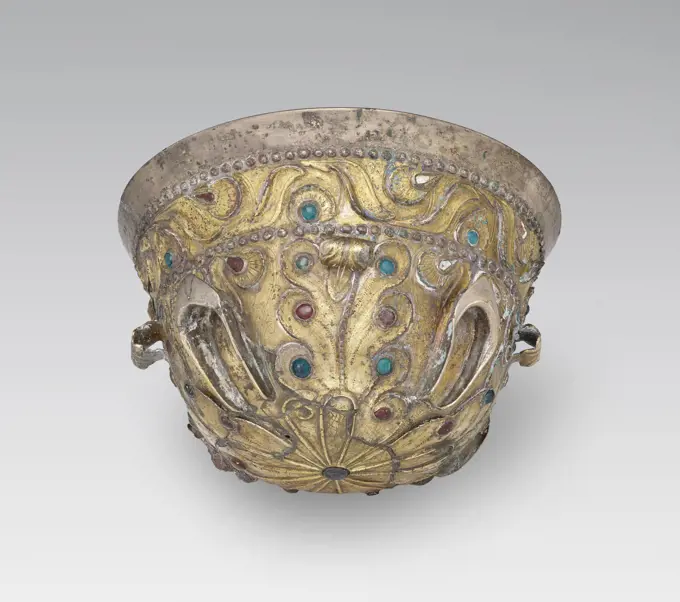
Wine Cup with Floral Decoration; Bactrian Empire; 1st century B.C; Gilt silver, inlaid glass and semiprecious stones; 8.3 × 14 cm (3 1,4 × 5 1,2 in.)
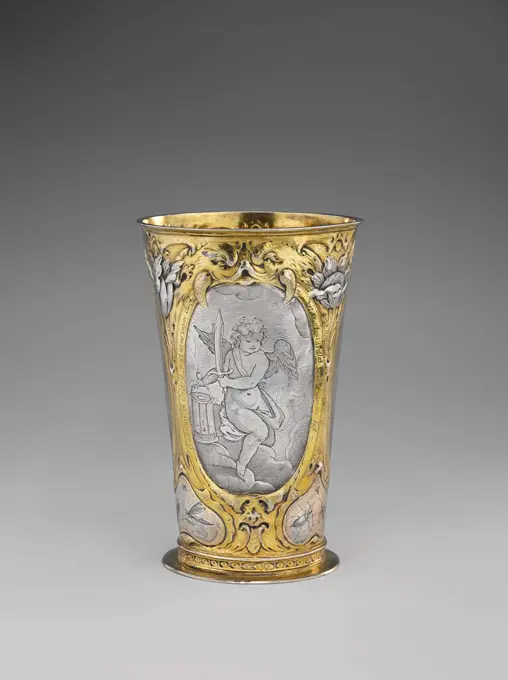
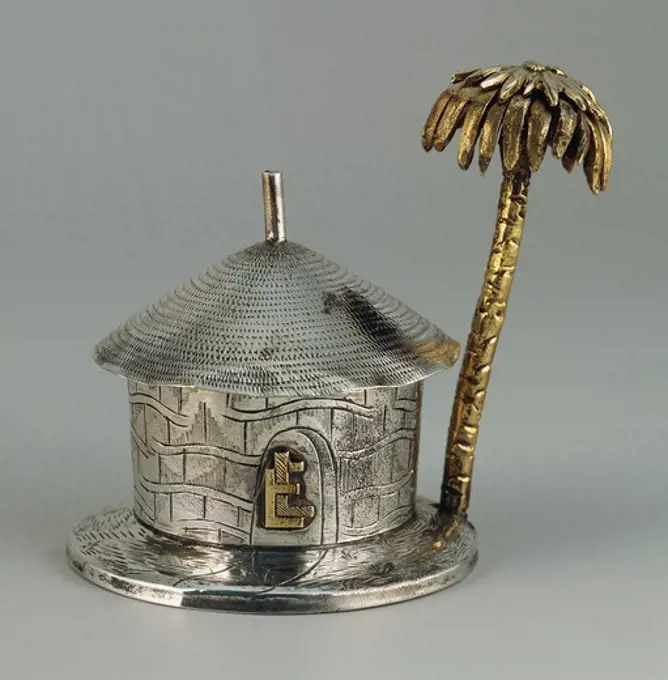
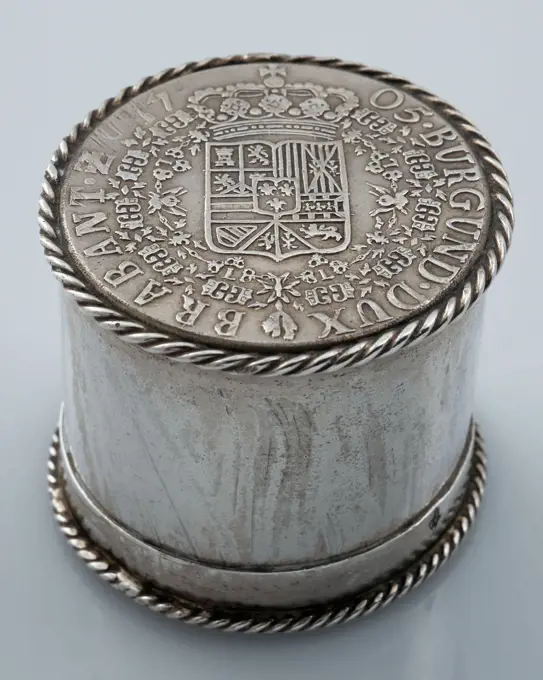
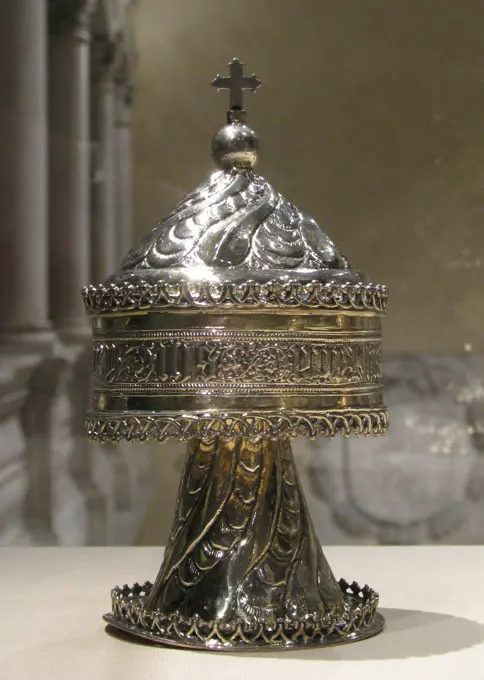
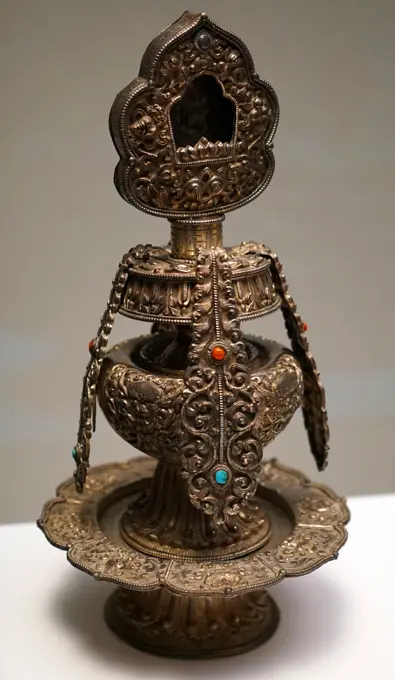
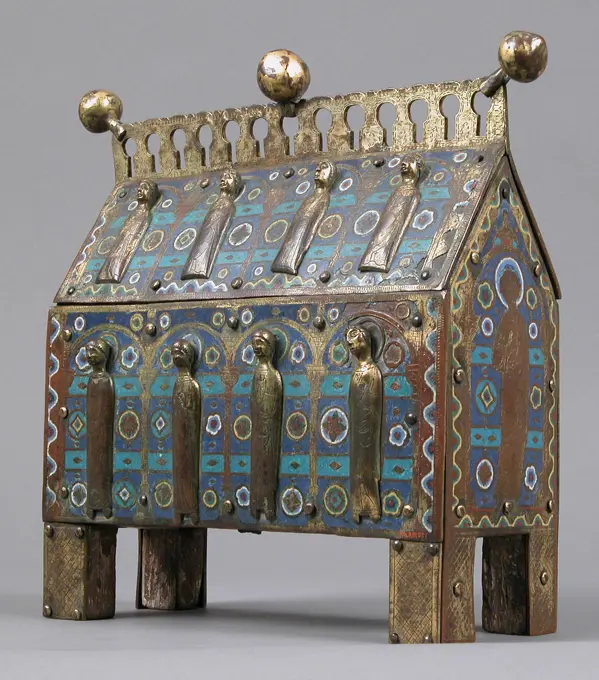
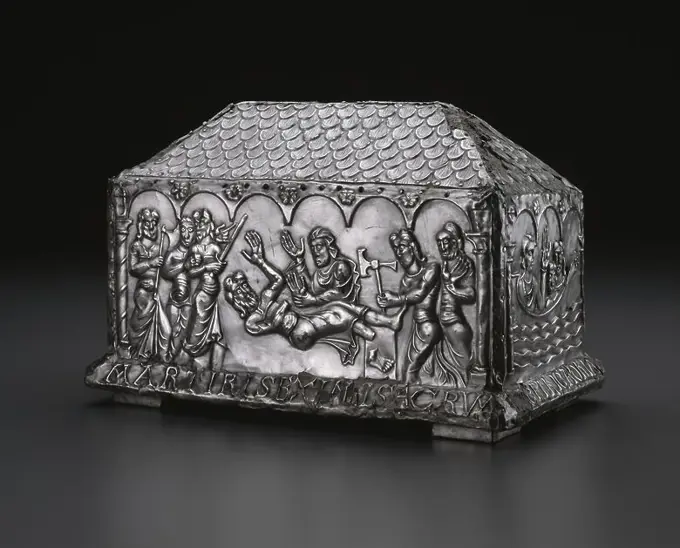
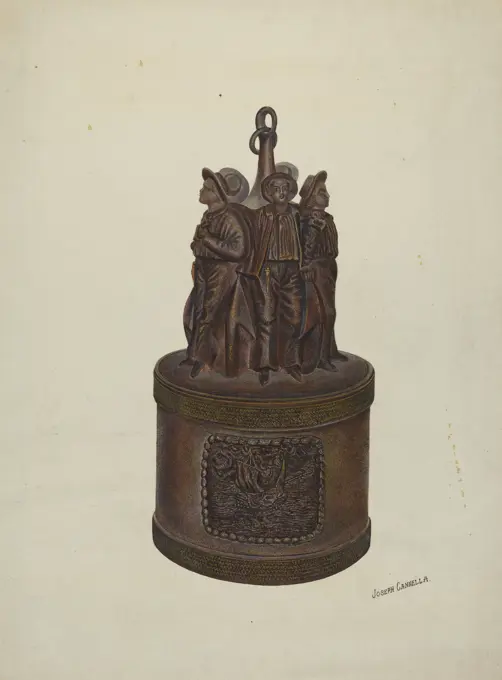
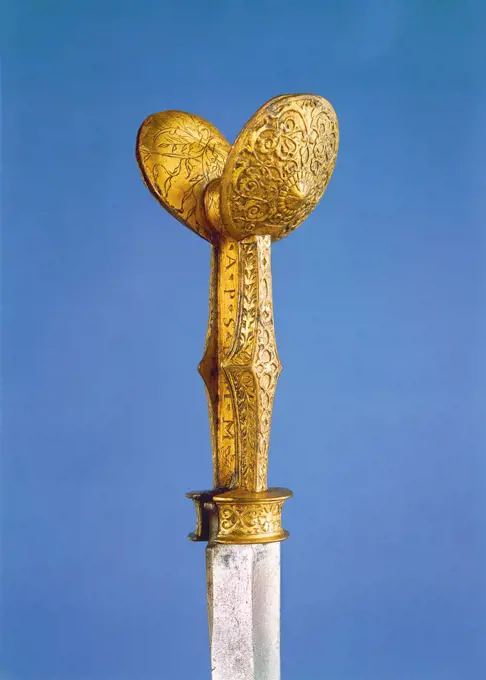
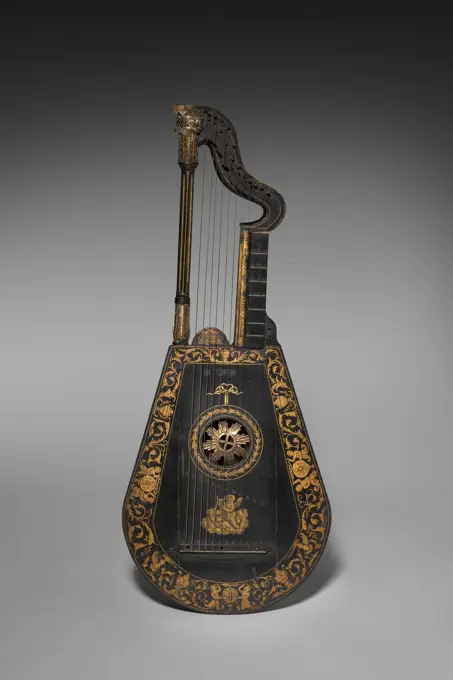
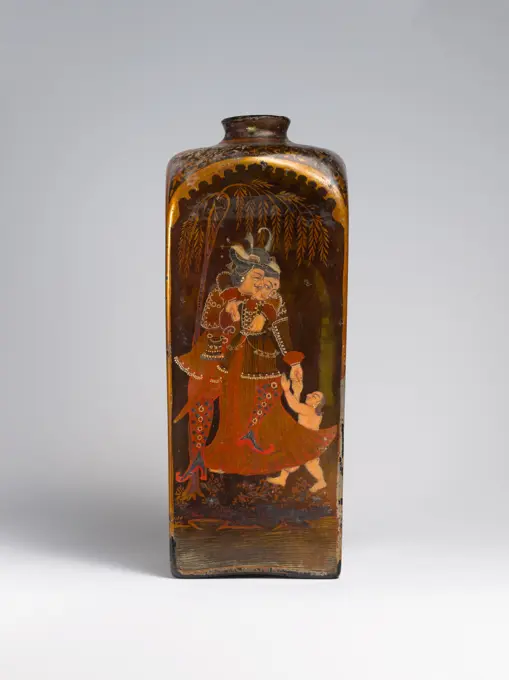
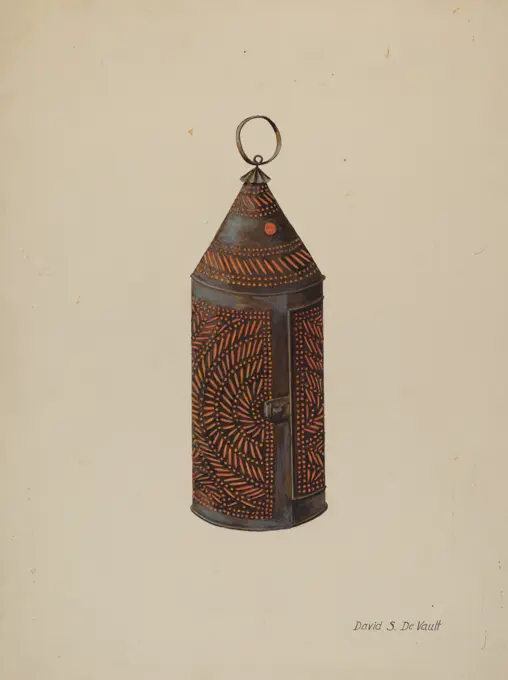
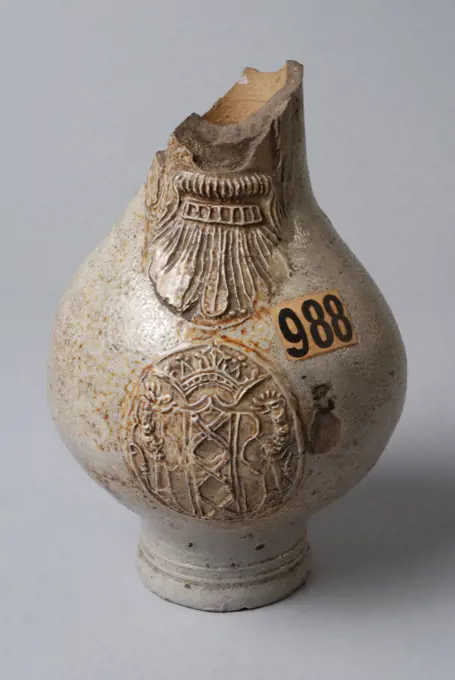
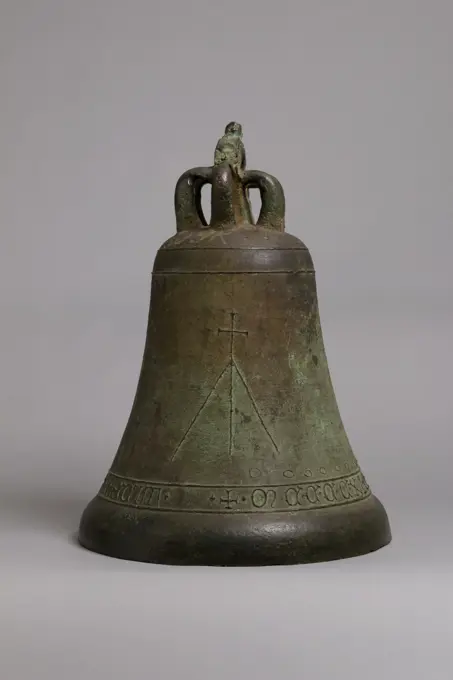
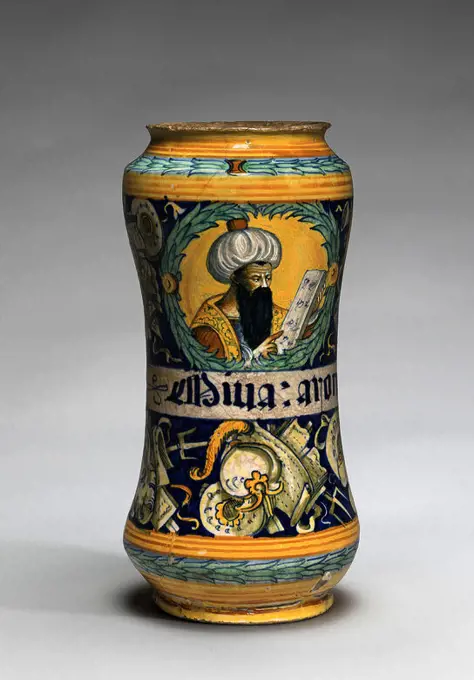
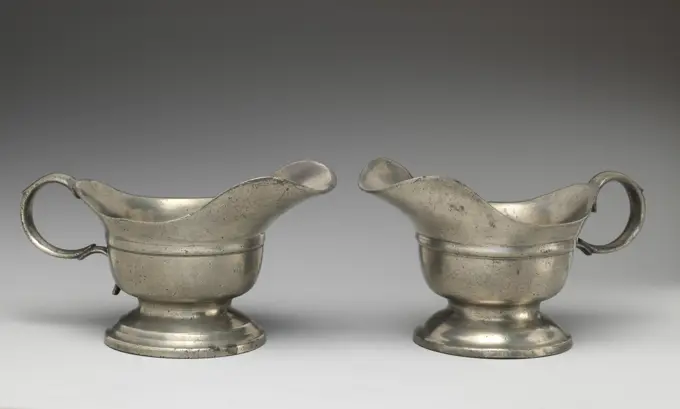
Pair of sauceboats 18th century British. Pair of sauceboats. British. 18th century. Pewter. Metalwork-PewterChess Figure Niedźwiedz. Samogitian coat of arms, coat of arms of Vilnius Skirmuntt, Helena (1827 1874)Mug with Arma Christi. Bierpfaff, Johann Christian (fl. ca 1640-1680), goldsmithMan's Cap Made 1501-1600 England. Linen, plain weave; embroidered with silk and gold thread, with spangles .Silversmith's Art, Italy 20th century. Silver, similar gold, hut-shaped bombonniere with palm.Urn (lid), late 1700s - 1800s. England, late 18th or 19th century. Earthenware; overall: 15 cm (5 7/8 in.).Powder Flask with Bullet Box, Clock, Compass, and Sundial. Culture: German, Augsburg or Nuremberg. Dimensions: H. 8 in. (20.3 cm); W. 4 1/2 in. (11.4 cm). Date: ca. 1570-1600.The flask is cast in relief with a scene of the Roman general Scipio storming the walls of New Carthage. The scene is based on a 1539 engraving by Georg Pencz (1500-1550) of Nuremberg. Museum: Metropolitan Museum of Art, New York, USA.Capital. Culture: Catalan. Dimensions: Overall: 15 1/2 x 17 x 15 1/2 in. (39.4 x 43.2 x 39.4 cm). Date: ca. 1130-40. Museum: Metropolitan Museum of Art, New York, USA.Drom, old model of the arches. Groom of the militia. The brass boiler is provided with a veal sheet on both sides, held by a hoop and tense by means of a tensioner with tractors and screws. Both hoops are decorated with a motif of triangles in the colors red, white and blue. With engraved numbers: 1832-22.Coin box for Patagons, coin box holder silver, Cylindrical tin with lid: smooth silver Bottom:Alarm watch ca. 1760 Watchmaker: Baptiste Le Noir. Alarm watch 194178Pyx mid-16th century Gaspar Gallo This pyx, used to hold the wafer of the Eucharist, is inscribed in Latin: "This is the body of our Lord Jesus Christ." The twisted gadroons around the foot and cover demonstrate the persistence of late medieval traditions well into the sixteenth century.. Pyx. Gaspar Gallo (active ca. 1561-86). Spanish, Toledo. mid-16th century. Silver gilt. Metalwork-SilverTassel (Italy); wooden core, linen, gilt strips, metal thread, paillettesCDK unknownTibetan long life vase, called tib. Tshe bum. Dated 19th CenturyBox, 1600 - 1699 An oval iron box with driven and openwork ornaments with Kristal buttons. In the middle of the bottom and lid a glass oval in which a bird between branches.  iron (metal). crystal (lead glass). glass An oval iron box with driven and openwork ornaments with Kristal buttons. In the middle of the bottom and lid a glass oval in which a bird between branches.  iron (metal). crystal (lead glass). glassAlms Box 15th century South Netherlandish. Alms Box. South Netherlandish. 15th century. Brass. Metalwork-BrassTraditional samovar for tea in the viewChasse 13th century French. Chasse. French. 13th century. Copper-gilt and champlevé enamel. Front: eight repoussé figures applied and gilt; each end: figure chased and gilt; black: blue ground, intersecting turquoise bands, fleurons in bright colors; crest and feet chased and gilt.. Made in Limoges, France. Enamels-ChamplevéReliquary Casket of Saints Adrian and Natalia. Spanish, León. Date: 1100-1200. Dimensions: 15.9 × 25.4 × 14.5 cm (6 1/4 × 10 × 5 3/4 in.). Silver and oak core. Origin: Spain. Museum: The Chicago Art Institute, USA.Lantern. Dated: 1935/1942. Dimensions: overall: 35.5 x 24.3 cm (14 x 9 9/16 in.). Medium: watercolor and graphite on paperboard. Museum: National Gallery of Art, Washington DC. Author: Rose Campbell-Gerke.Hanging sign, golden glove of a former glove factory, Erlangen, Middle Franconia, Bavaria, Germany, EuropeSalt Dish ca. 1878-90 George Duncan and Sons. Salt Dish 14279Joseph Cannella, Tobacco Jar, 1935 1942 Tobacco JarSfondagiaco (dagger), by Unknown, 16th Century, Unknow. Italy, Tuscany, Florence, Bargello National Museum. Detail. Double-knob handle in wrought gold with inscription.Loud clock with inscription. Bronze loud. At the top of a profiled Frisian with inscription in Latin Majuskels: Deo Gloria Soli. Above the inscription a frieze consisting of stylized tendrils. Under the inscription the same fries upside down. At the bottom of the edge the inscription in Latin Majuskels: Adam Planer Goss Mich in Lybeck Anno 1729. With round opening at the top. With a six-armed crown at the top.Harp-Lute, 1700s. England, London, 18th century. Varnished wood; overall: 90.5 x 37.5 cm (35 5/8 x 14 3/4 in.).Bottle with European and Indian Figures 18th century Square bottles of this type derive from Dutch and German molded vessels, which would have been imported after the Dutch East India Company established a trade factory in Gujarat in 1618. In the mid-18th century, a succesful glass factory was opened in Bhuj by Ram Singh Malam, a Gujarati craftsman who returned to India after spending time in the Netherlands. This bottle was probably produced for the Indian market and included scenes of elaborately dressed Indian and European figures in landscape.. Bottle with European and Indian Figures. 18th century. Glass, colorless with green tinge; mold blown, painted. Attributed to India, Kota, Rajasthan. GlassPyx. Culture: French. Dimensions: Overall: 2 5/8 x 4 1/4 x 4 1/8 in. (6.7 x 10.8 x 10.5 cm). Date: 14th century. Museum: Metropolitan Museum of Art, New York, USA.David S De Vault, Tin Lantern, c 1941 Tin LanternRoman chariot. Bronze. Augustan era. Reconstructed on 19th century. Capitoline Museum. Rome. Italy.Bartmann jug, also called Bellarmine jug, on stand foot, Bartmann jug, also called Bellarmine jug, mask on the neck and oval medallion with weapon Amsterdam, Bartmann juggeruik tableware holder soil find ceramic stoneware glaze salt glaze, hand turned stamped glazed glazed baked stoneware jug gray shard gray salt glaze local brown brindled short pointed tail profiled foot archeology Rotterdam Bombazijnen cemetery heraldry import pottery drink packing transport Amsterdam archaeological find in the soil Rotterdam: Bombazijnen kerkhof (1905).Church Bell ca. 1411 Master Marcus Venetian. Church Bell 466064Albarello with black-bearded, turbaned physician and trophies of arms. Dated: c. 1550/1575. Dimensions: overall: 29.21 × 13.97 × 10.8 cm (11 1/2 × 5 1/2 × 4 1/4 in.). Medium: tin-glazed earthenware (maiolica). Museum: National Gallery of Art, Washington DC. Author: Faentine 16th Century.