Ancient Metal Tools

Artifacts including knives and tools from an archaeological context, showcasing their historical significance and craftsmanship.

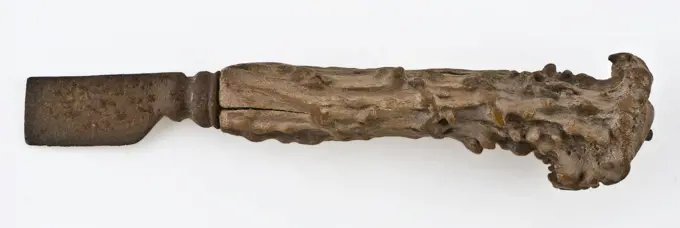
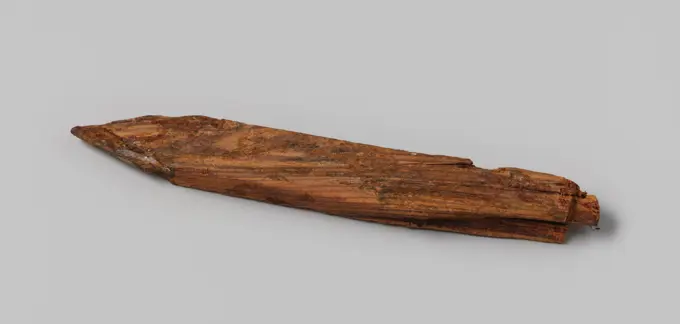
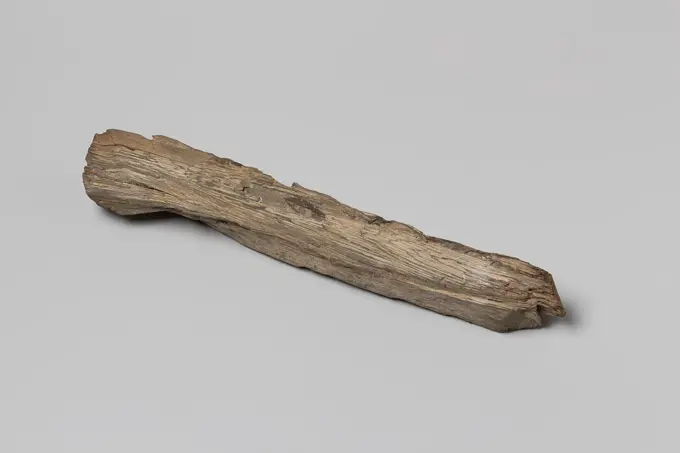
Wooden knife, late 19th century, 11 3/4 x 1 1/2 in. (29.8 x 3.8 cm), Wood, probably cedar, United States, 19th century
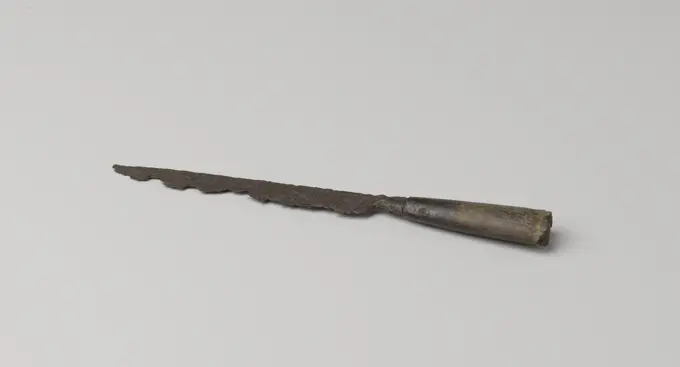
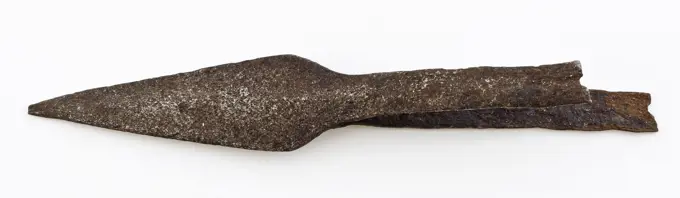
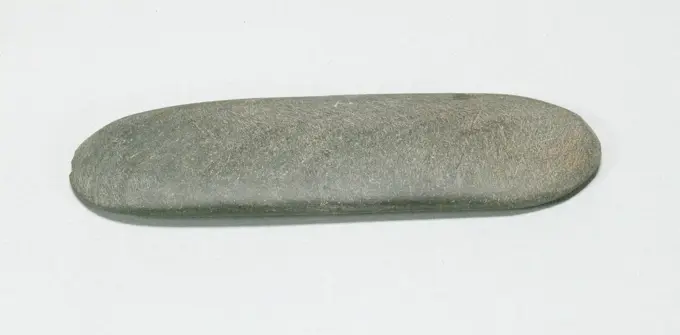
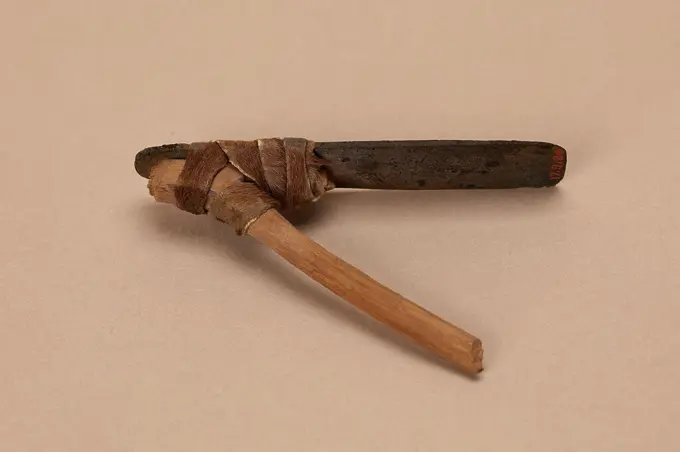
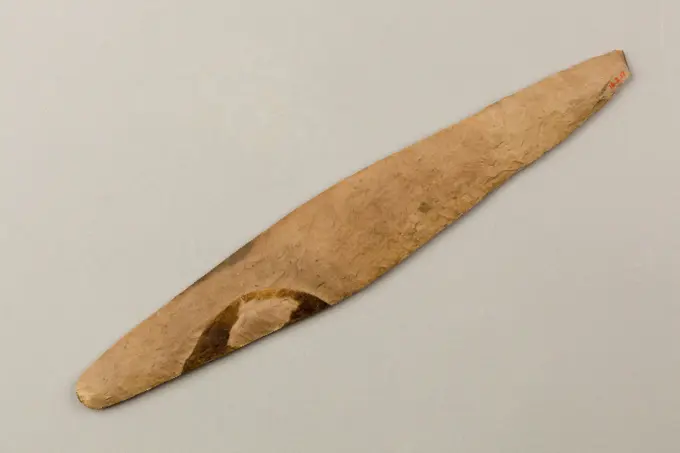
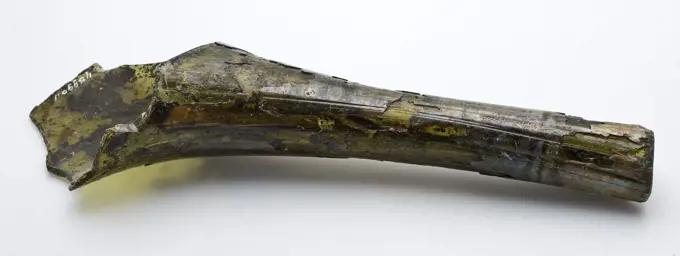
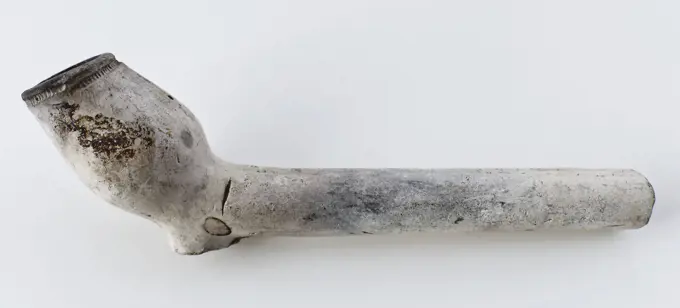
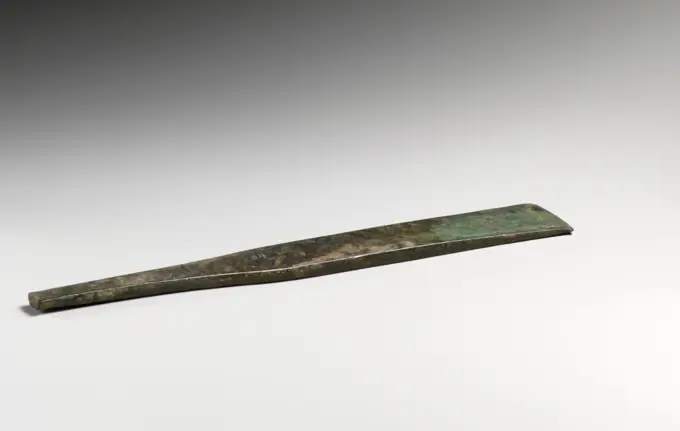
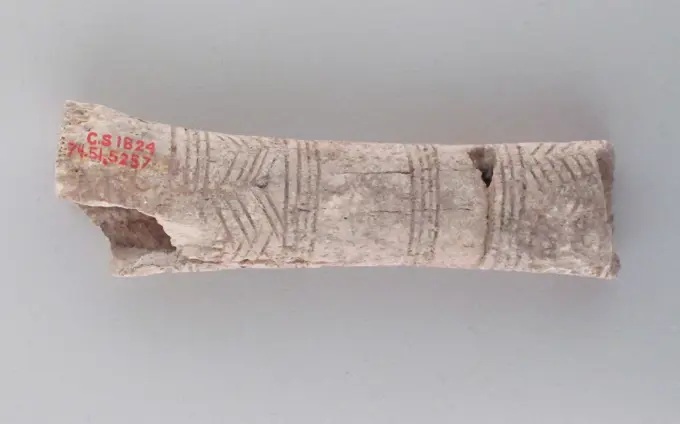
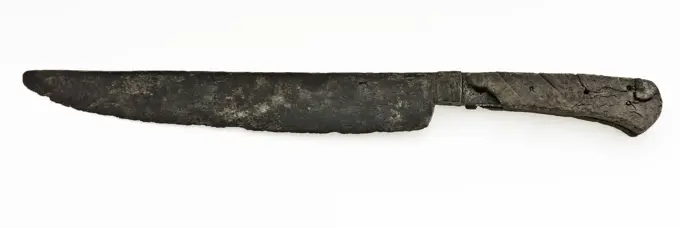
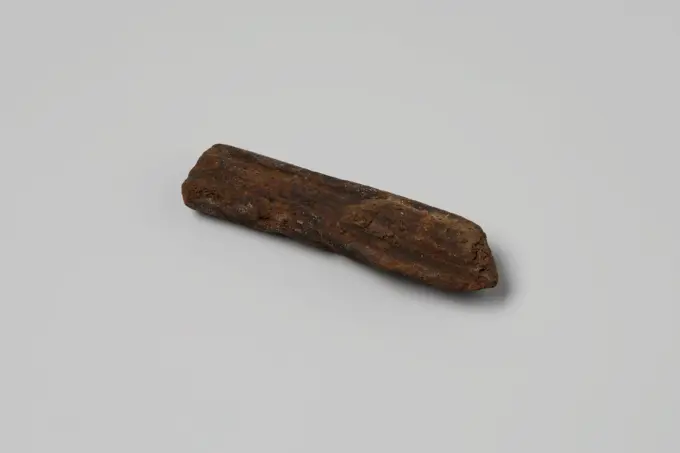
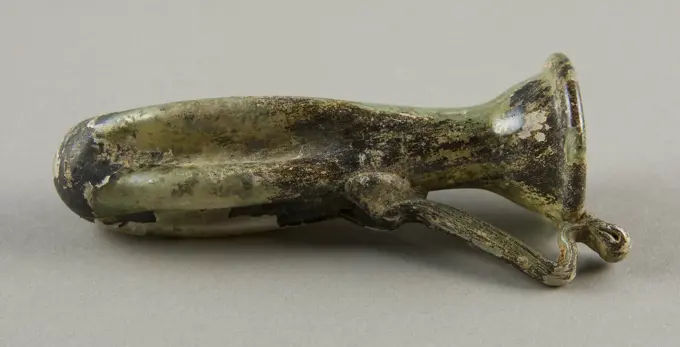
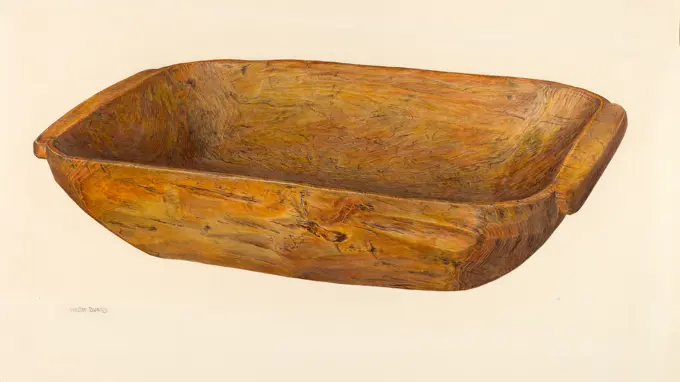
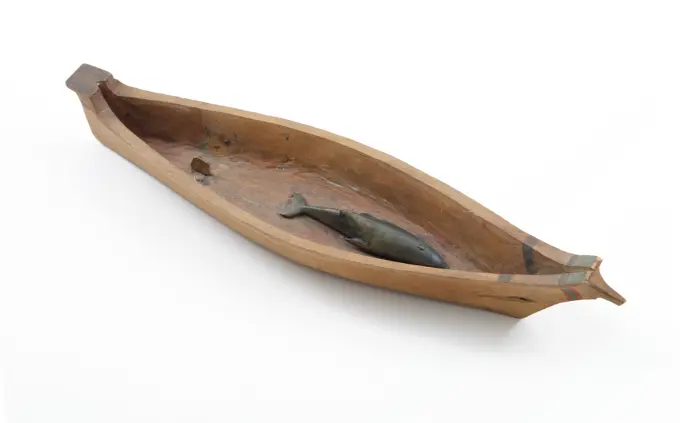
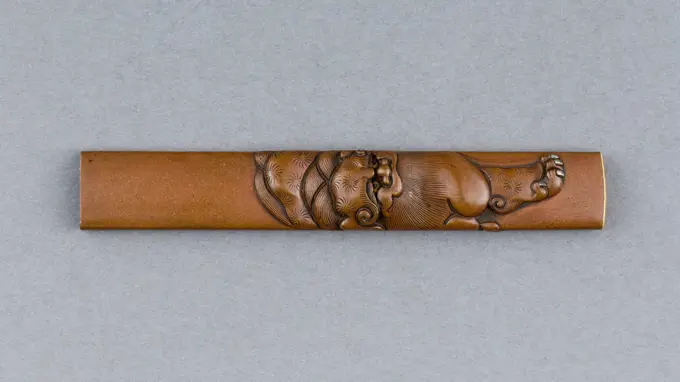
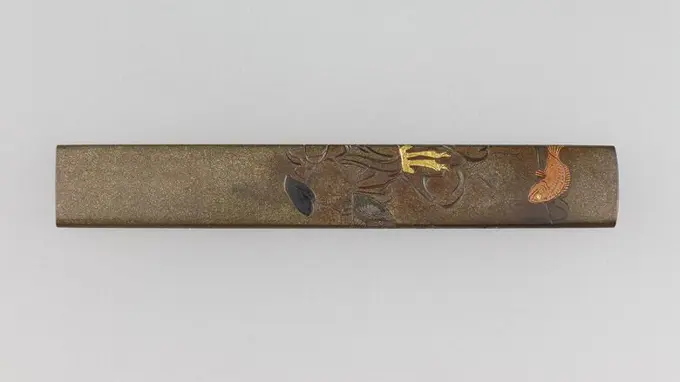
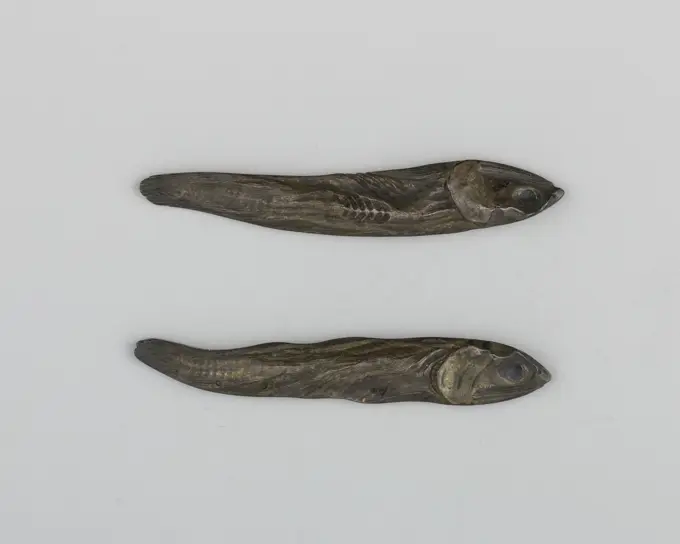
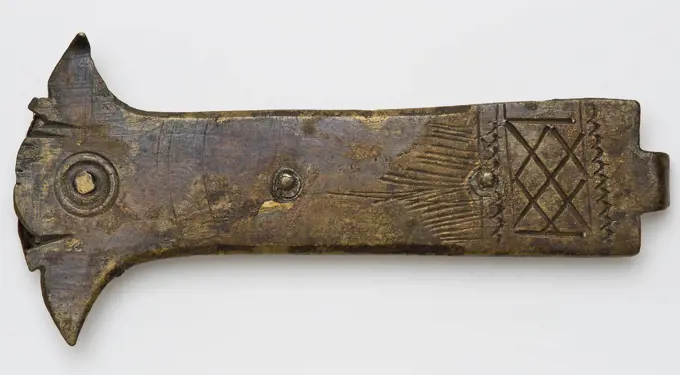
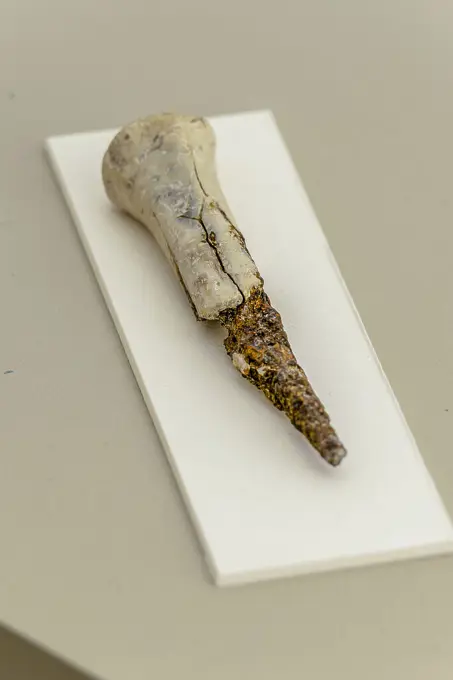
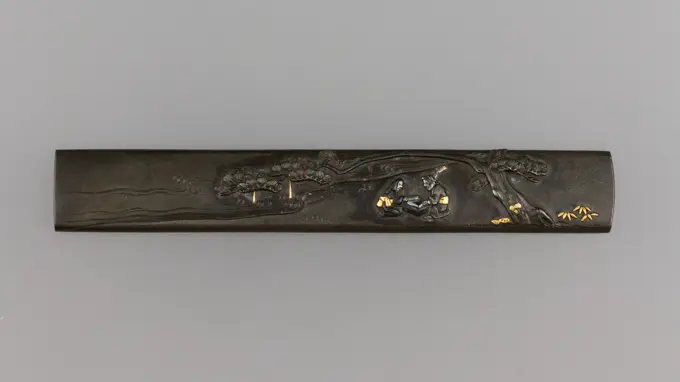
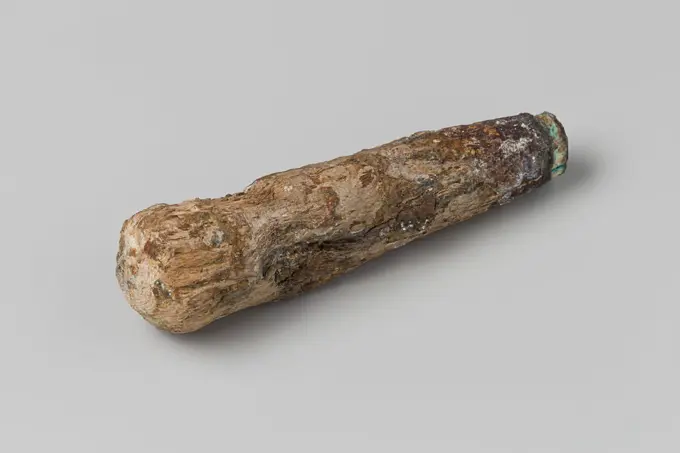
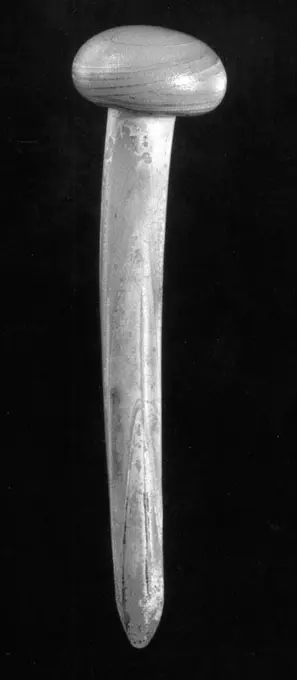
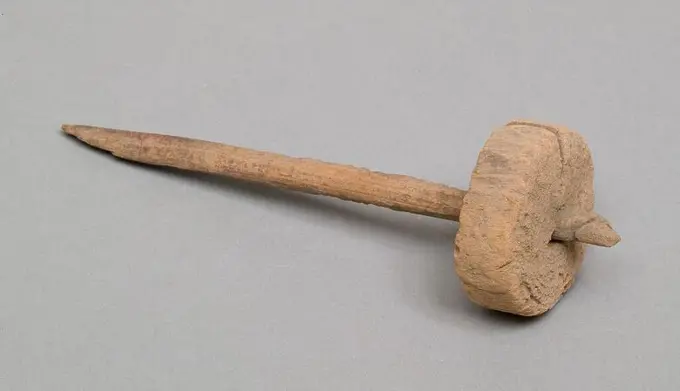
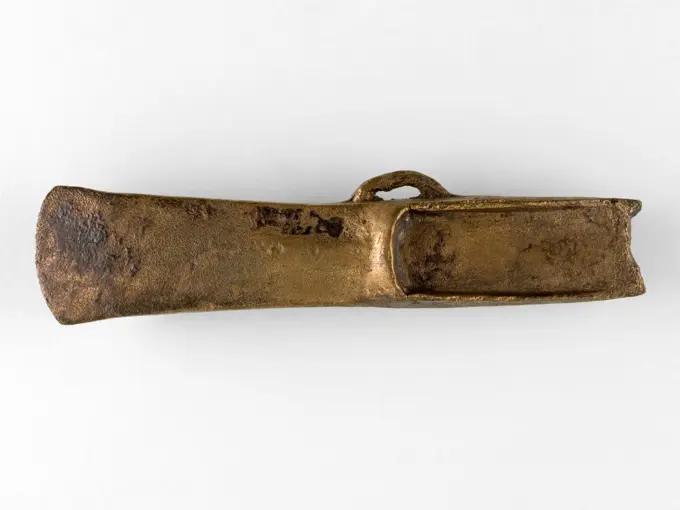
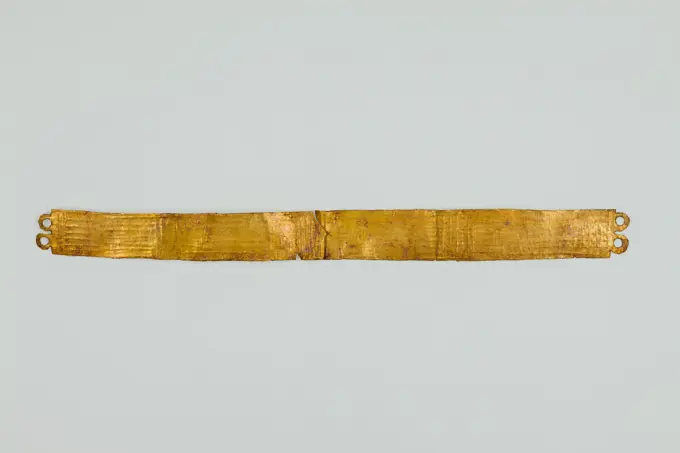
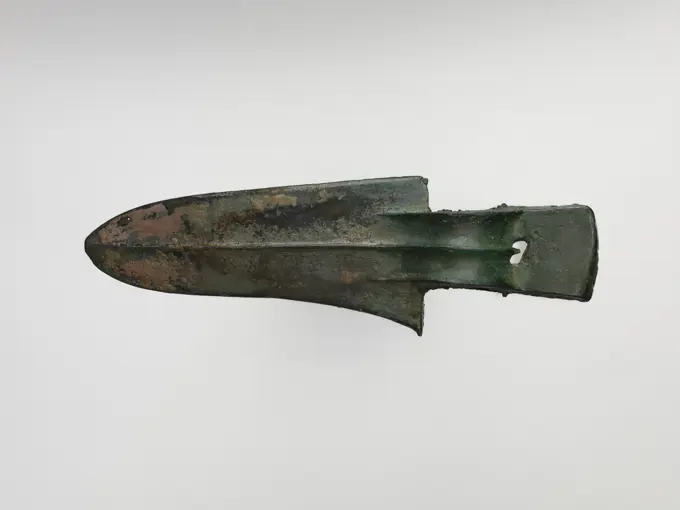
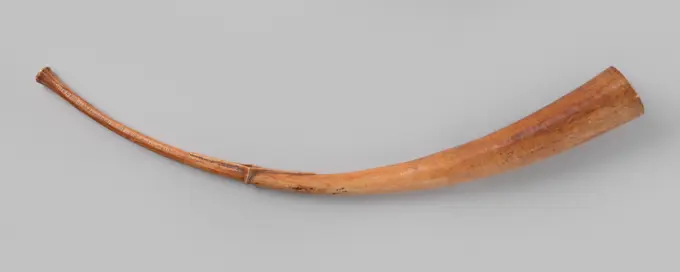
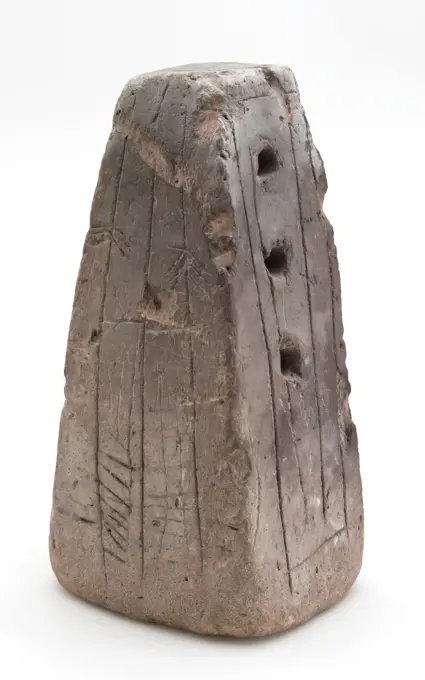
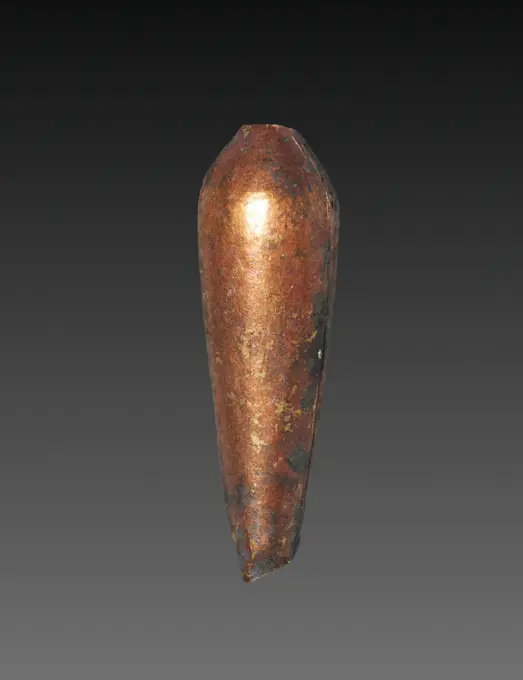
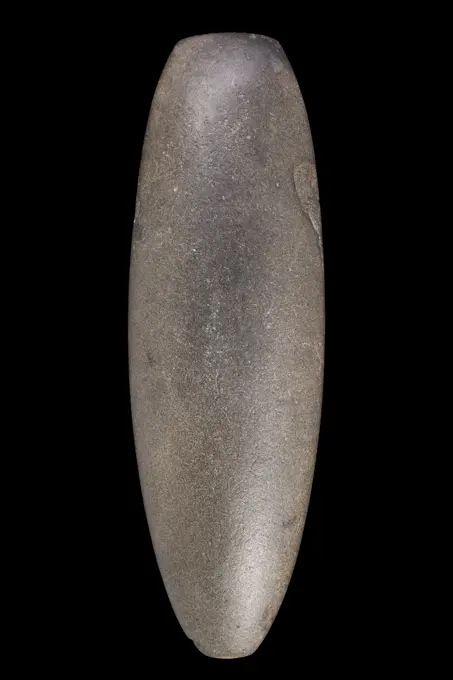
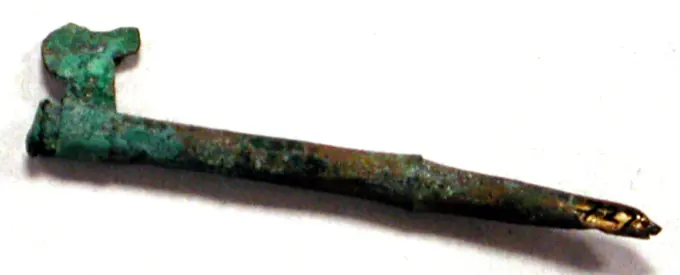
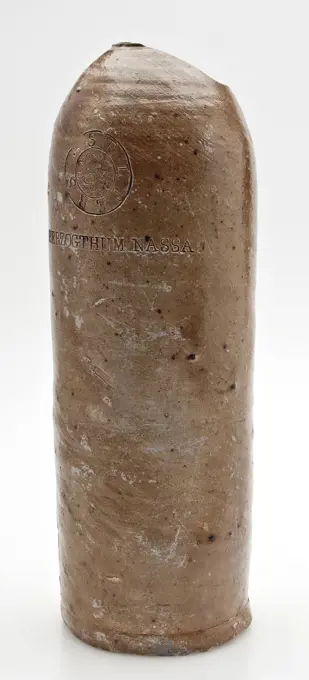
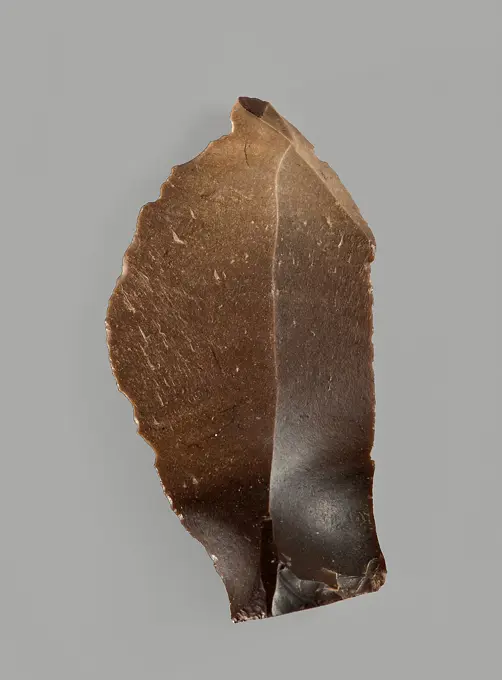
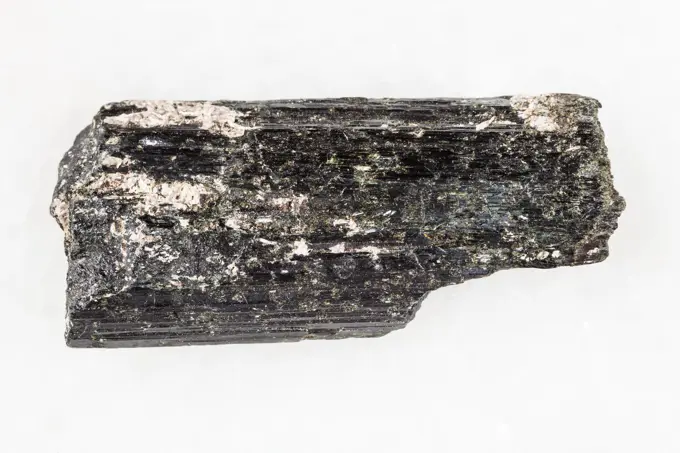
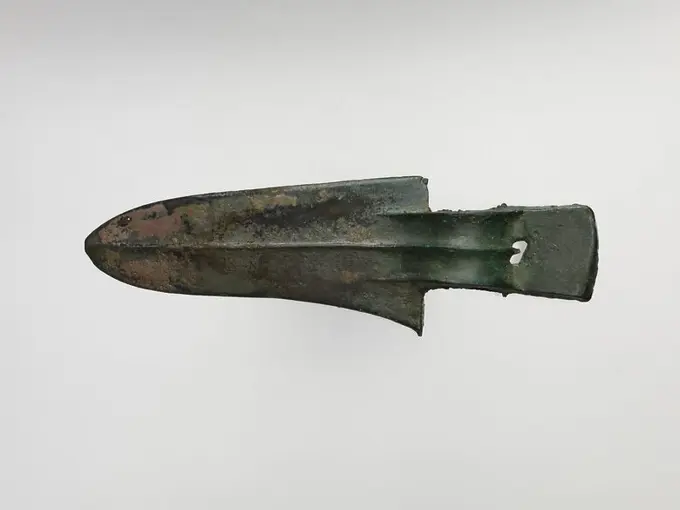
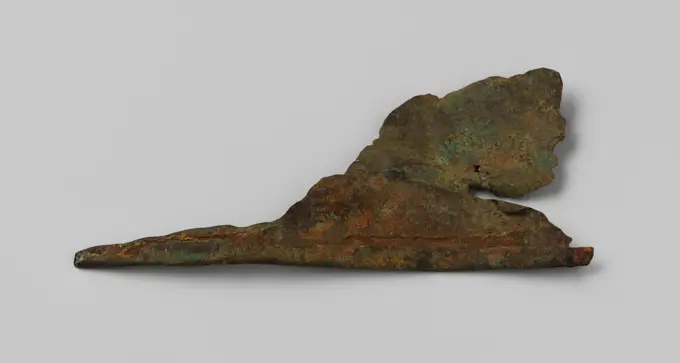
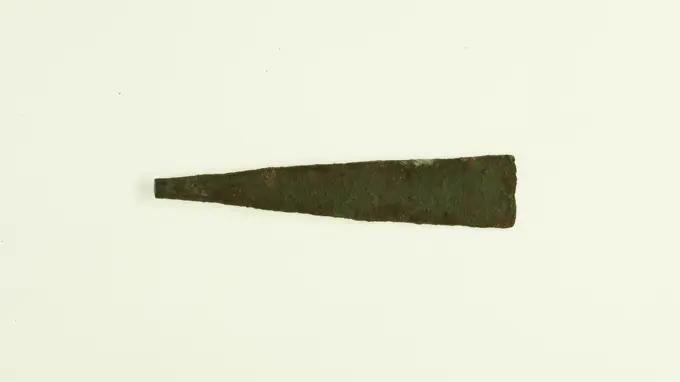
Knife with iron blade and legs raises with capriciously carved decoration, knife cutlery soil find iron bone metal, archeologySpear Bornean 18th-19th centuryNarrow drawbar with hammer tail end, carpenter drawbar drawbar tool equipment ground find iron metal, forged drawbar Oblong coat leaf slightly curved and narrow. Thin hammer head with projecting end archeology Rotterdam rail tunnel carpenter wood working shipbuilding craft Soil discovery Rotterdam.Iron spoon drill, spoon drill bit tool kit soil found iron metal, Spoon drill. Iron rod with screwdriver-like head at the top. At the bottom some conical spoon shape with drill head archeology Rotterdam drilling wood working carpenter Soil discovery Rotterdam.Table knife with Horn, Anonymous, c. 1590 - c. 1596  Table knife with Horn. The lifting protector is profiled cut The handle has cracked in the longitudinal direction.  iron (metal). wood (plant material). horn (animal material)   Nova Zembla. Saving HuysFragment of the blade of a beach cutting knife. The upper part of the blade of a beach cutting knife.Wooden knife, late 19th century, 11 3/4 x 1 1/2 in. (29.8 x 3.8 cm), Wood, probably cedar, United States, 19th centuryKnife -Spearhead, possibly from throwing spear, spear lance arm soil found iron metal, Point of spear with sharp blade tip and narrow langlets or shaft springs. Forged two-edged blade back over the middle archeology Rotterdam Delfshaven weapon spear lance throwing spikes militaria war Soil discovery found during groundwork at the Lage Erfbrug in Delfshaven Rotterdam.Spatula ca. 1981-1640 B.C. Middle Kingdom. Spatula. ca. 1981-1640 B.C.. Slate. Middle Kingdom. From Egypt, Memphite Region, Lisht South, South of the tomb of Imhotep, north of the royal causeway, MMA excavations, 1930-31. Dynasty 12-13Bronze dagger blade ca. 2500-1900 B.C. Cypriot Leaf-shaped blade with a flat tang and two rivet holes.. Bronze dagger blade 244165Model adze. Dimensions: 7.4 cm (2 15/16 in). Dynasty: Dynasty 12. Date: ca. 1981-1802 B.C.. Museum: Metropolitan Museum of Art, New York, USA.Needle Cypriot. Needle 244384Fragment of wood from the wreck of the East Indians Hollandia, 1700 - in Or Before 1743 fragment Varied parts or fragments; unidentified and miscellaneous parts or fragments; fragm of plank. Netherlands wood (plant material)   SecondWooden fragment of a cupboard from the wreck of the East India. The elongated, almost square piece of wood is turned gray-brown-black (there is a kind of attack on). The type of wood is European pine (Pinus sylvestris). According to the discovery of the excavation, it was part of a cupboard.Knife with wooden handle and broad, short, pointed blade, knife cutting tool soil finds iron wood metal, archeologyRhomboid-Shaped Bifacial Knife ca. 3850-2960 B.C. Predynastic Period. Rhomboid-Shaped Bifacial Knife. ca. 3850-2960 B.C.. Flint. Predynastic Period. From EgyptFragment of body, shoulder and neck of bottle for mineral water, mineral water bottle bottle holder soil find glass, free blown and shaped Fragment of part body part shoulder and neck of mineral water bottle (Spafles) in clear light green glass. Flattened body runs to hanging shoulders Long (approximately 12 cm) neck with longitudinal tension grooves to flattened mouth large fragment of archeology is missing Gerdesiaweg underground pit Rotterdam Kralingen-Crooswijk Rubroek archaeological find in the soil Metrobouw Gerdesiaweg 1975 - 1977.Knife Cypriot. Knife 244232Bronze dagger ca. 1750-1450 B.C. Minoan The three rivets would have been used to attach a handle of another material, such as wood.. Bronze dagger 252405 Minoan, Bronze dagger, ca. 17501450 B.C., Bronze, L. 9 3/9 in. (23.8 cm). The Metropolitan Museum of Art, New York. Bequest of Richard B. Seager, 1926 (26.31.485)Guts of hollow chisel with sloping cut and a chisel with edge frame, anonymous, c. 1590 - c. 1596  Guts of hollow chisel. Stab chisel with sloping cut and chisel with a edge frame. The wooden handle is missing.  iron (metal) forging  Nova Zembla. Saving HuysOracle bone fragment. Culture: China. Dimensions: 1 1/8 × 4 1/8 in. (2.9 × 10.5 cm). Museum: Metropolitan Museum of Art, New York, USA.Chisel. Chisel. Bronze. Bronze Age. BronzesBlade with narrowed sting, blade knife cutlery soil find iron metal, archeology foodDesign of the collar of the Field Gendarmerie Field Gendarmerie of the Second Brigade of the Polish Legions Jarnuszkiewicz, Czes Aw (1888 1988)Fibula. UnknownWhite clay pipe, unnoticed, with smooth handle, clay pipe smoking equipment smoke floor pottery ceramics pottery, hand molded baked White clay pipe unnoticed with smooth handle. Pipe is made coarsely called finished archeology smoking tobaccohas knife cutlery soil find leg, archeology Rotterdam railroads Soil discovery: pour rail tunnel Rotterdam.Lance Head 4th-16th century Tierra del Fuego. Lance Head 313125Excerpt of copper from the wreck of the East Indians Hollandia, 1700 - in or before 1743  Parts of artefacts; eroded fragments: materials; copper. Netherlands copper (metal)   SecondBronze chisel ca. 1600-1450 B.C. Minoan With narrow handle and flat, blunt end.. Bronze chisel 252400 Minoan, Bronze chisel, ca. 16001450 B.C., Bronze, L. 10 1/4 in. (26 cm). The Metropolitan Museum of Art, New York. Bequest of Richard B. Seager, 1926 (26.31.480)Toilet box Cypriot. Toilet box. Cypriot. BoneRaadstok of a musket from the wreck of the East Indians Hollandia, Anonymous, 1700 - in or Before 1743 framework Musket, stock with fitting; (2)fragm(2) butts, id. NG 1979-232H2623 with butt-plates id. NG 1980-27H3071 ( -1.2.). Netherlands wood (plant material). copper (metal)   SecondKnife Handle (Kozuka). Culture: Japanese. Dimensions: L. 3 13/16 in. (9.7 cm); W. 9/16 in. (1.4 cm); thickness 3/16 in. (0.5 cm); Wt. 1.1 oz. (31.2 g). Date: 19th century. Museum: Metropolitan Museum of Art, New York, USA.Javelin tip to socket (attributed title). Bronze. Carnavalet museum, history of Paris.Shofar, anonymous, 1600 - 1699 Sjofar, in use at the Jewish worship, also known as Ramshoorn. With ingrift flower and leaf motifs and ajour decoration on the outdoor curve. Along the cup opening a geometric motif. Inscription in Hebrew letters' Heil den Volke, which understands thernblazing. Eternal, let them walk in the shine of the face (from Psalm 89)  horn (animal material) Sjofar, in use at the Jewish worship, also known as Ramshoorn. With ingrift flower and leaf motifs and ajour decoration on the outdoor curve. Along the cup opening a geometric motif. Inscription in Hebrew letters' Heil den Volke, which understands thernblazing. Eternal, let them walk in the shine of the face (from Psalm 89)  horn (animal material)Large knife with wooden handle, knife kitchen utensils soil find iron wood metal, total, lift, blade, forged Large knife with tightly curved cutting surface wooden handle plates with vague diagonal crotch cut Widening on top of it blade shows that it has been hit with heavy object. The knife is used as chopping knife archeology Rotterdam City triangle railway tunnel cutting chopping food preparation fish fish market food kitchen Soil discovery Willemsspoor.Messenheft from the wreck of the East Indians Hollandia, 1700 - in or before 1743  Knife, handle deformed: unclassifiable; slightly pistol-grip-shaped. Netherlands wood (plant material)   SecondArrowhead ca. 480-330 B.C. Greek, Cypriot. Arrowhead 244213Bronze Scales (23scales)Flask 201 CE-300 CE Syria. Glass, blown technique . Ancient RomanHester Duany, Chopping Bowl, c 1941 Chopping BowlPewter flask with wincing nose and double decoration border, ball game game soil find tin wood metal, cast Pewter shoe with flat bottom sharp reverse side and flat side. Fascinating slightly exciting nose. In hollow shabby remnants of wooden stipe archeology Rotterdam City center Stadsdriehoek Mariniersweg Kipstraat Hoogstraat sport kolf playing kolven kolfspel Bottom corner of Mariniersweg Kipstraat Hoogstraat.Handle of a mirror Roman, Cypriot. Handle of a mirror 244371Fragment tobacco pipe. Fragment tobacco pipe. Of the excavations at the Hofstede Arentsburg 1827-1831 under the supervision of professor Reuvens.Collar stone from the wreck of the East Indies Hollandia, Anonymous, 1700 - in Or Before 1743  Constructional elements, bracket; knee-shaped: rectangular in section, straight reverse, stepped flat upper end, front curving, tapered downward, broken off, pierced, concreted; id., stepped end broken off, rectangular hole. Netherlands wood (plant material)   SecondEarring or bonnet-pendant China. Earring or bonnet-pendant 42965Miniature canoe -Fragment ca. 1150-ca. 1250 European or Middle Eastern. Fragment 694331Knife Handle (Kozuka) ca. 1615-1868 Japanese A kozuka is a handle of a by-knife that is part of a sword mounting. It is kept in a slot on the reverse of a katana scabbard, often with a matching kōgai (hairdressing tool).. Knife Handle (Kozuka) 34701White clay pipe, marked with stalk decorated with fleur de lis stamps, clay pipe smoking equipment smoke floor pottery ceramics pottery, hand-formed baked White clay pipe marked with fleur de lis stamps decorated handle Heel mark obliquely stamped heel mark: LI archeology smoking tobaccoDagger n.d.a.. Dagger 324839Knife Handle (Kozuka). Culture: Japanese. Dimensions: L. 3 13/16 in. (9.7 cm); W. 9/16 in. (1.4 cm); thickness 3/16 in. (0.5 cm); Wt. 1.1 oz. (31.2 g). Date: 18th century. Museum: Metropolitan Museum of Art, New York, USA.Pair of Sword-Grip Ornaments (Menuki) 18th century Japanese Menuki are a pair of ornamental sword fittings attached to either side of a sword hilt.. Pair of Sword-Grip Ornaments (Menuki). Japanese. 18th century. Copper-silver alloy (shibuichi), copper-gold alloy (shakud), silver. Sword Furniture-MenukiScalpel from Ship's Medicine Chest, from an Aberdeen Trawler wrecked on Hoy,  early 20th centuryBrass decorative fittings with engraving, ornamental fittings soil find brass leather metal, minted engraved archeology Rotterdam City Triangle Mariniersweg adorn close Soil discovery: Mariniersweg Rotterdam 1983.Point of legs harpoon or pointed with two barbs, harpoon tools equipment soil finds leg, sawn cut cut Late stone age archeology Maglemose culture Rotterdam Maasvlakte prehistoric stone age late stone age fish fishing nutrition Soil discovery Maasvlakte Maglemose culture.Iron and bone punche, Son Fornes Archaeological Museum, post-Talayotic period room, Montuiri, Es Pla region, Mallorca, Spain.Knife Handle (Kozuka) 19th century Ichiyosai Hironao Japanese A kozuka is a handle of a by-knife that is part of a sword mounting. It is kept in a slot on the reverse of a katana scabbard, often with a matching kgai (hairdressing tool).. Knife Handle (Kozuka). Japanese. 19th century. Copper-silver alloy (shibuichi), gold, silver. Sword Furniture-KozukaKnife lift from the wreck of the East Indiesman Hollandia.knife, Handle, Cylindrical: tapering; ID. NG 1979-403H, eroded.Pale Green Glass Pin n.d.a. China. Pale Green Glass Pin 44312Cinnamon BarkSpindle. Dimensions: l. 15.8 cm (6 1/4 in); diam. 4.6 cm (1 13/16 in). Dynasty: Dynasty 19-20. Date: ca. 1295-1070 B.C.. Museum: Metropolitan Museum of Art, New York, USA.Heel ax. Bronze Age. Copper alloy, cast iron. Coming from: Lit de la Seine. Paris, Carnavalet museum. Bronze Age, Copper alloy, Arm, Ax, Weapon, Bronze Age, Copper Alloy, Fonte, Hache A Talon, Iron Cast, Tool, Protohistoire, Prothistoric, Prothistorique, Prothistory, Tool, Head, Shot, Sword, WeaponSickle Blade, 1980-1801 BC. Egypt, Middle Kingdom, Dynasty 12. Flint; overall: 5 cm (1 15/16 in.).Fragment of lead from the wreck of the East Indians Hollandia, Anonymous, 1700 - in Or Before 1743 fragment Varied parts or fragments, strip and strip-shaped fragments; fragm, eroded, broken; flat, staight, one tapering end, bent. Netherlands lead (metal)   SecondFragment of wooden comb with coarse and fine teeth, comb fragment soil find wood, w 7.0 sawn cut Fragment of wooden comb. Center piece On one side coarse teeth the other fine teeth Thick solid center piece at the points of the teeth becoming narrower. Rounded points on the teeth. Wood in reasonable condition archeology Rotterdam City Triangle Botersloot Binnenrotte take care of her personal care haircut pest control luis Soil discovery Rotterdam Binnenrotte is behind the Botersloot.Messen Lifts from the wreck of the East Indians Hollandia, Anonymous, 1700 - in Or Before 1743  Knife, handle, cylindrical: tapering; id. NG 1979-403H, ferrules, id. NG 1980-27H426. Netherlands wood (plant material). copper (metal)   SecondCrooked knife -Amulet, sheet gold, bracelet 664-380 B.C. Late Period. Amulet, sheet gold, bracelet 553173Dagger-Ax (Ge) China. Dagger-Ax (Ge) 61233Knife with cut handle in the shape of hoof, knife cutlery soil find metal iron ivory, Table knife with ivory handle Cut out in the shape of studded hoof Diamond-shaped studs or scales on the handle. Fitted or reinforced with iron pins Marked in the blade: hammer Two times above each other masterpieces of the blacksmith archeology food cutStaff ca. 1981-1975 B.C. Middle Kingdom. Staff. ca. 1981-1975 B.C.. Wood. Middle Kingdom. From Egypt, Upper Egypt, Thebes, Southern Asasif, Tomb of Wah (MMA 1102), inside coffin, MMA excavations, 1920. Dynasty 12Naczynie. unknown, authorWalking Stick. Dated: c. 1937. Dimensions: overall: 28.5 x 51 cm (11 1/4 x 20 1/16 in.) Original IAD Object: 33" long; 1 1/2" in diameter. Medium: watercolor and graphite on paperboard. Museum: National Gallery of Art, Washington DC. Author: Frank Gray.Fragment 13th-15th century European. Fragment. European. 13th-15th century. Pot-metal glass and vitreous paint. Glass-StainedRoeper.Roer from an elephant status from Congo.Deer Stick 15th-16th century Inca. Deer Stick 313269Mount; gilt bronzeChair Leg (France); walnutEarthenware spit semi-trailer, spit stand, tapered with four surfaces and carving trim, spit semi-trailer soil find ceramic earthenware, hand-formed baked carved earthenware spit semi-trailer spit stand decorated with kerfsneewerk. Tap-open with four surfaces in three planes, three holes have been drilled for the spit. The decoration consists of incised lines that roughly form framework for the holes. On the side without holes two planes full of irregular notches that may have been applied later. Reason for this unknown perhaps the corroding of the revolutions of the spit archeology indigenous pottery hearth food prepare kitchen fryingTeardrop-Shaped Bead, 1980-1801 BC. Egypt, Middle Kingdom, Dynasty 12. Gold over calcite gesso core; average: 2.4 cm (15/16 in.).Wakizashi Sword unknownMessenheft from v.O.c.-ship the 'white lion'. Messenheft from v.O.c.-ship the 'white lion'.Shell fragment ca. 2900-2350 B.C. Sumerian. Shell fragment 324887Stone polished axe. North Africa, Neolithic. 18,7cm.Hammered Silver Miniature Spear Thrower 8th-mid-16th century Peru; north or central coast (). Hammered Silver Miniature Spear Thrower 309190Stoneware mineral water pitcher, cylindrical with round shoulder, sausage ear and short neck, mineral water pitcher jar product packaging container soil find ceramic stoneware glaze salt glaze approx., hand turned glazed baked Stoneware mineral pitcher cylindrical with round shoulder short neck and sausage ear. Stand area with traces of deduction and soul. brown glazed. Marked under the ear and marked on the front with medallion and text. Chalkboard in medallion: SELTERS in the midfield leftwing claw lion archeology Rotterdam Kralingen-Crooswijk Struisenburg Oostmaaslaan Boslaan Buizengat advertising indigenous pottery import drinking water drinking medicine medicine packaging Soil discovery: Buizengat Oostmaaslaan Boslaan Rotterdam an old landfill of urban waste.Pewter batter with protrusion for the tip, batter soil find tin wood metal, cast Hollow in point-ending cylinder Close to the pointed end on both sides of the object two projections. Close to the wide end an excellent tip (attachment residue). Interior of wood remains archeology Rotterdam railway tunnel Soil discovery: trajectory of the Rotterdam tunnel.vintage boxwood and brass ruler over white, clipping pathDress part from the wreck of the East Indians Hollandia, Anonymous, 1700 - in Or Before 1743  Tap, spigot, removable; fragm, sim. NG 1980-27H903, handle missing, no arrester lug, corroded. Netherlands copper (metal)   SecondTumpline -Arrowheads, needles, hooks and harpoons. Culture: Japan. Dimensions: W. 3/8 in. (1 cm); L. 2 5/8 in. (6.7 cm). Museum: Metropolitan Museum of Art, New York, USA.Flint tools;  4/3 thousand BC (-3100-00-00--2900-00-00);Daszewski, Wiktor A. (1936-), Daszewski, Wiktor A. (1936-)-collection, gift (provenance)raw aegirine crystals on white macro shooting of natural mineral rock specimen - raw aegirine crystals on white marble background from Khibiny Mountains, Kola Peninsula, Russia Copyright: xZoonar.com/ValeryxVoennyyx 11951282Dagger-Ax (Ge). Culture: China. Dimensions: L. 8 11/16 in. (22.1 cm); W. 2 3/4 in. (7 cm). Museum: Metropolitan Museum of Art, New York, USA.Old axeExcerpt copper from the wreck of the East Indians Hollandia, Anonymous, 1700 - in or Before 1743 fragment Varied parts or fragments, sheet metal fragments: worked, with folded rims; fragm, eroded; flat, straight fold-over rim, one circular hole (rivet). Netherlands copper (metal)   SecondChisel ca. 1295-1070 B.C. New Kingdom, Ramesside. Chisel 568365Flute 180 BCE-500 CE Peru. Bone and pigment . Nazca