Ancient Metal Tools

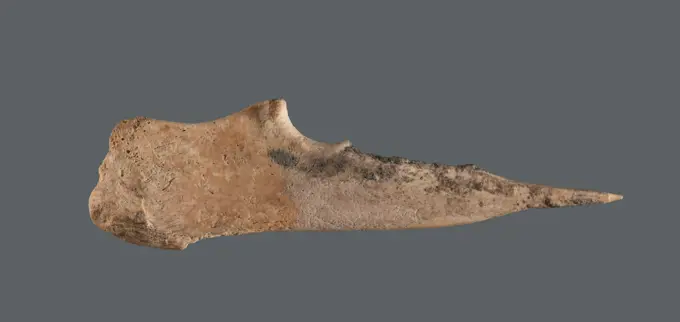
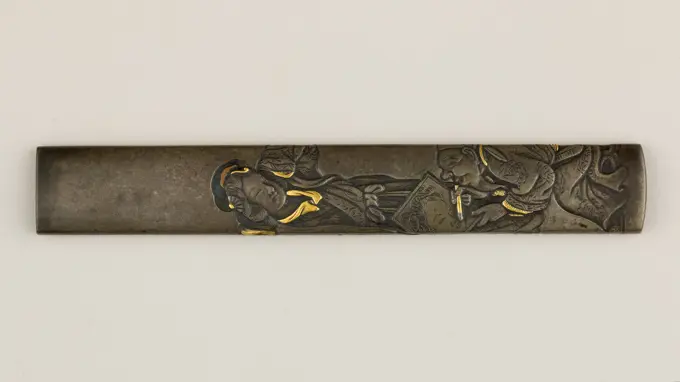
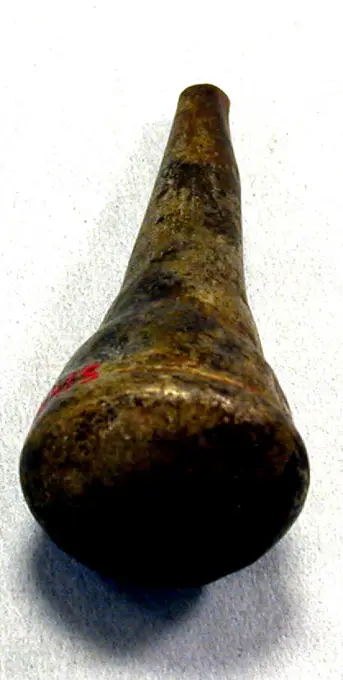
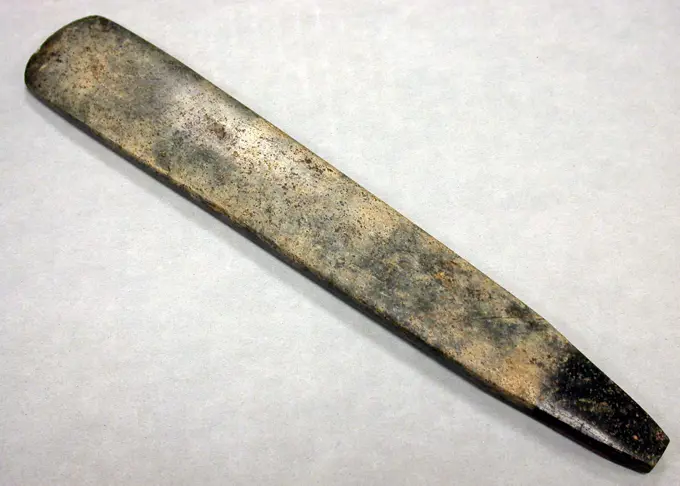
Artifacts including knives and tools from an archaeological context, showcasing their historical significance and craftsmanship.

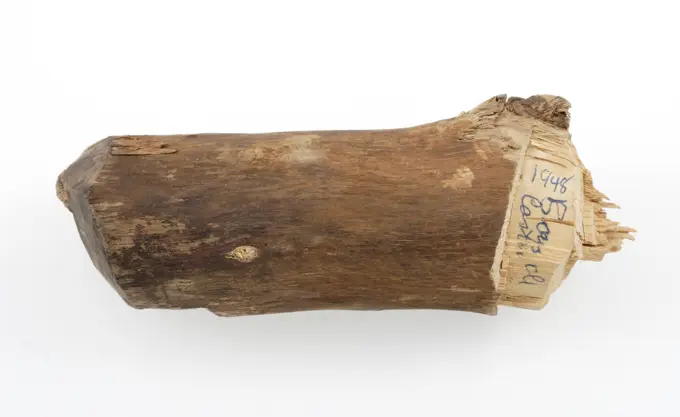
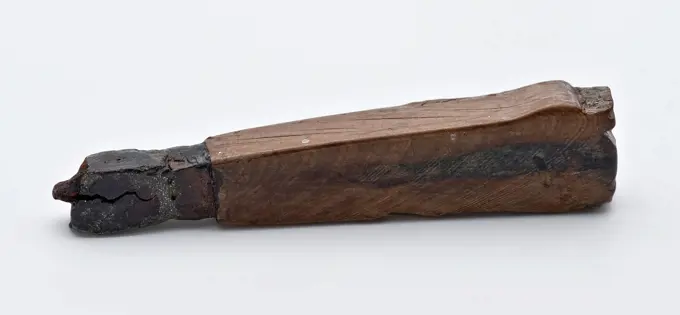
Wooden knife, late 19th century, 11 3/4 x 1 1/2 in. (29.8 x 3.8 cm), Wood, probably cedar, United States, 19th century
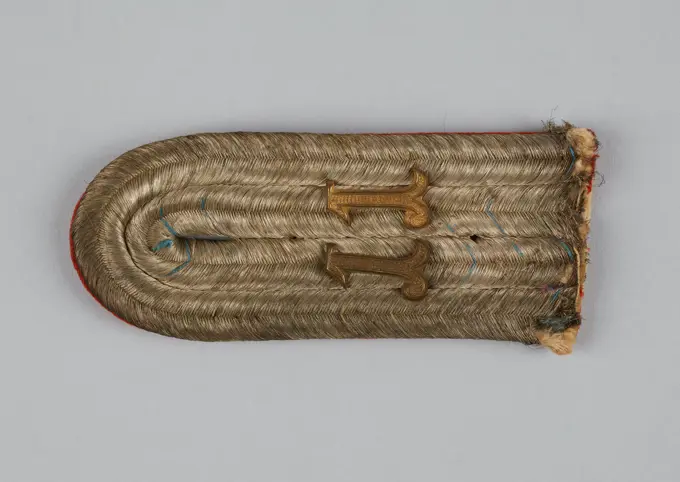
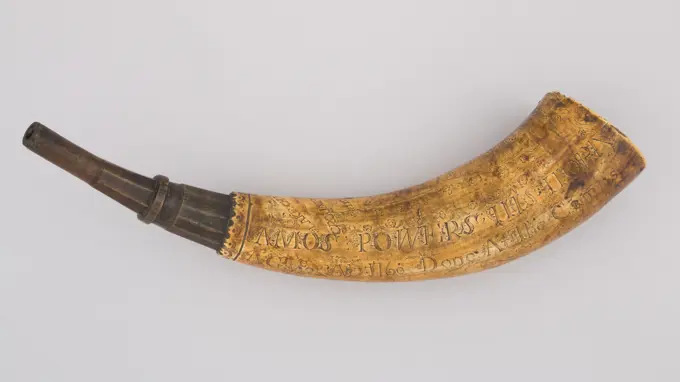
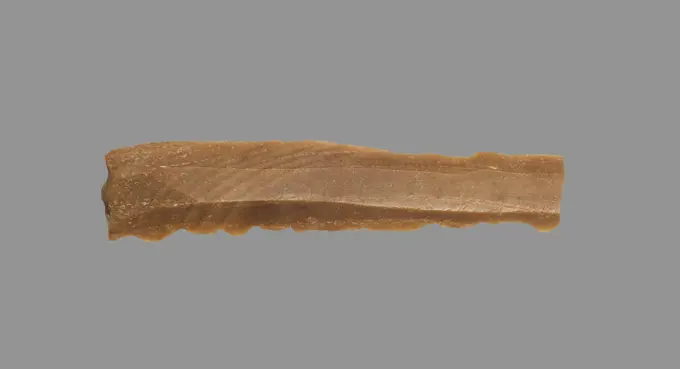
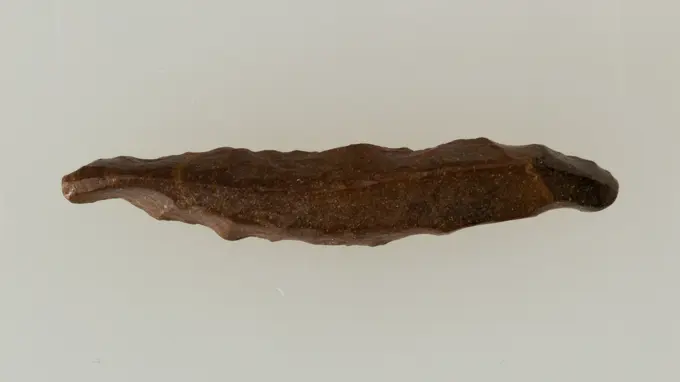
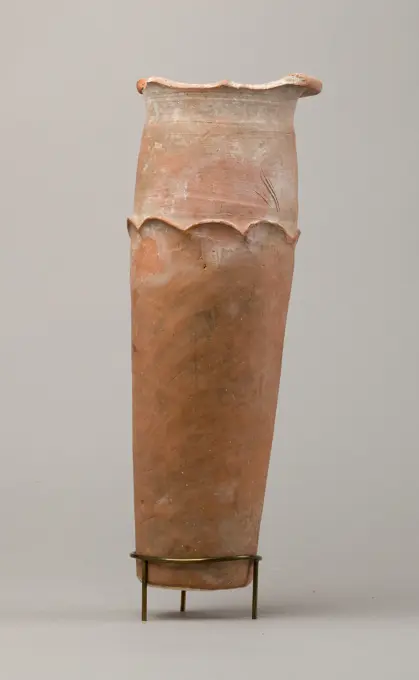
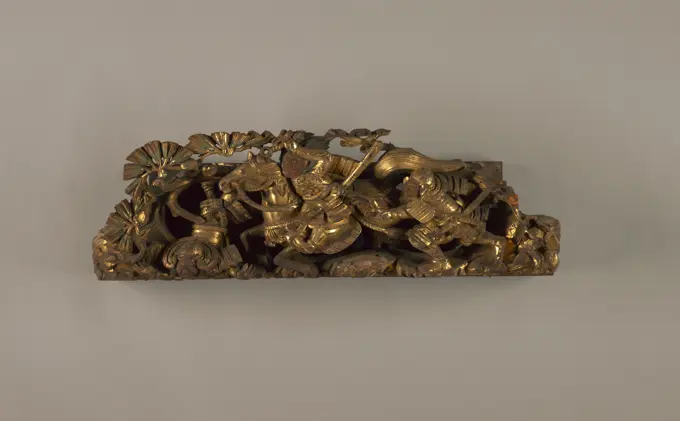
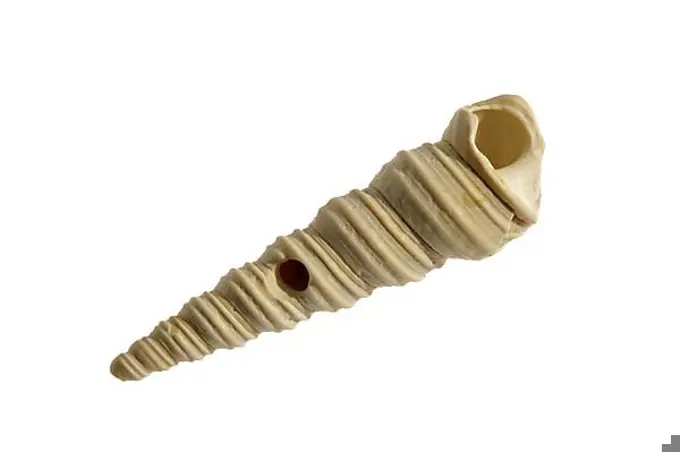
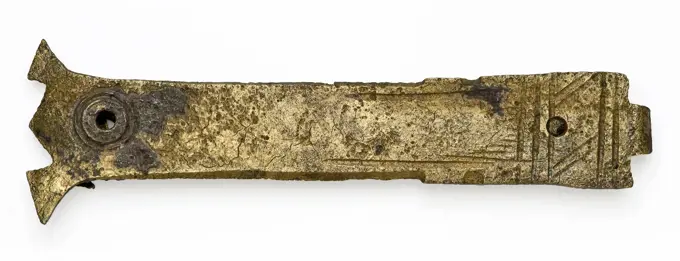
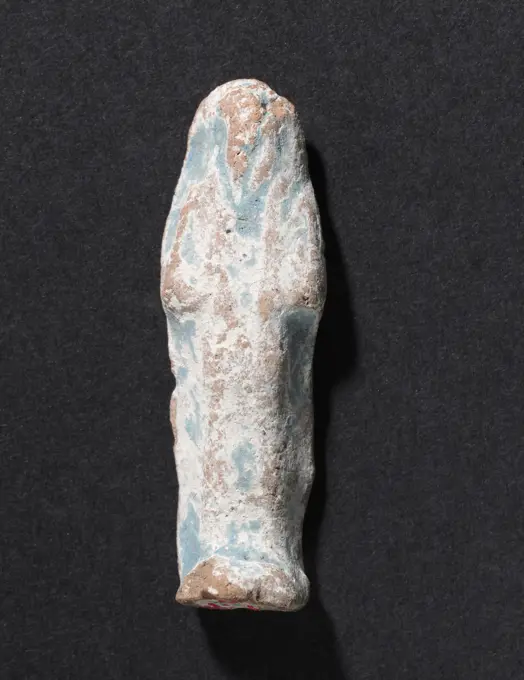
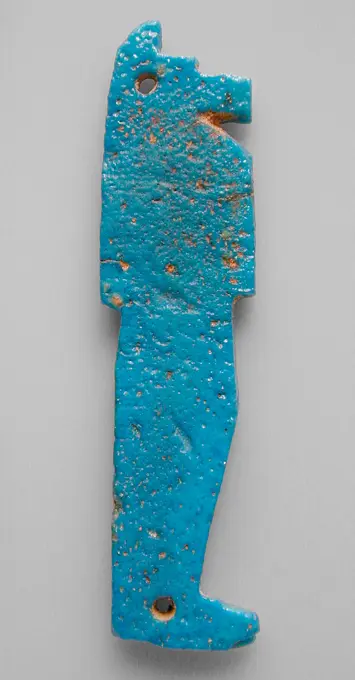
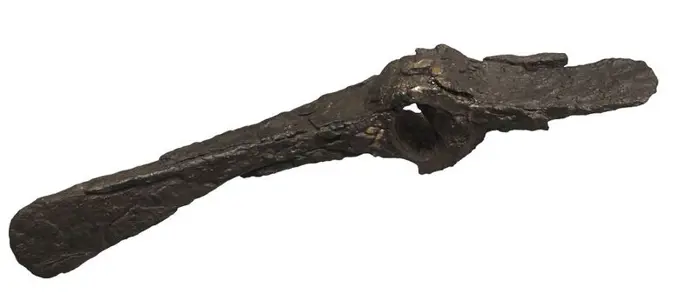
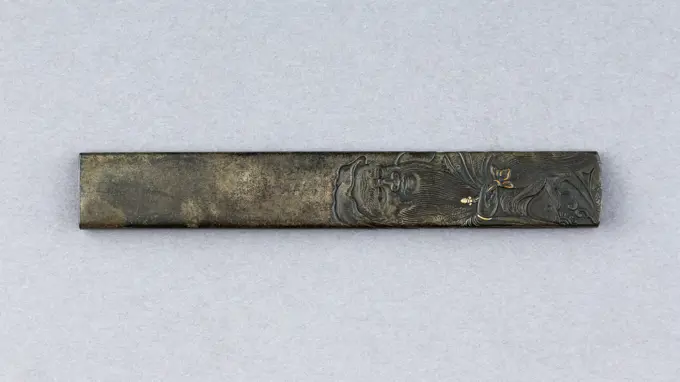
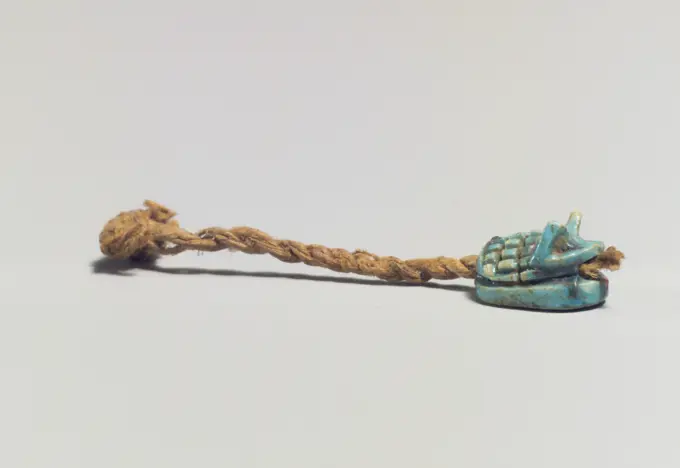
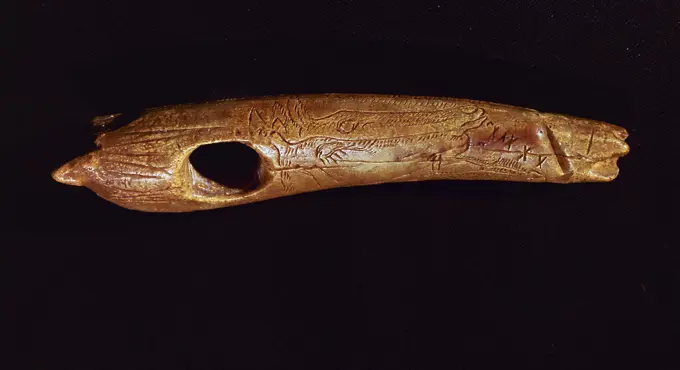
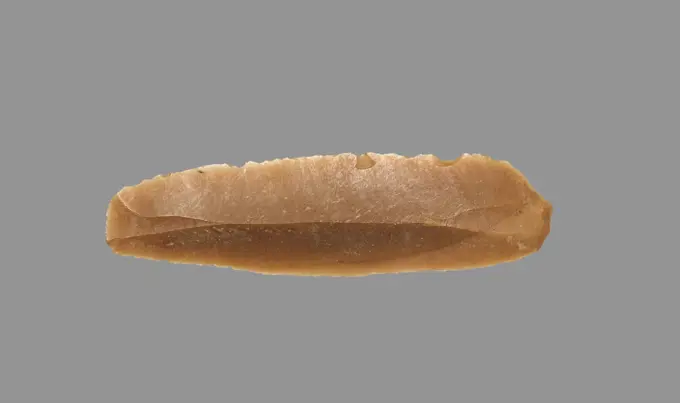
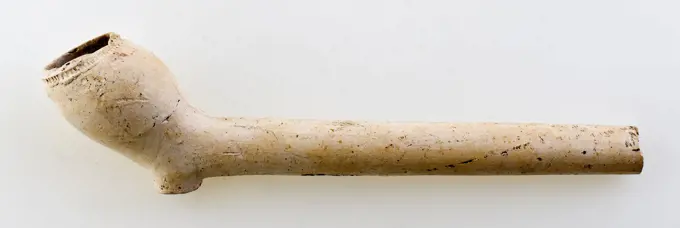
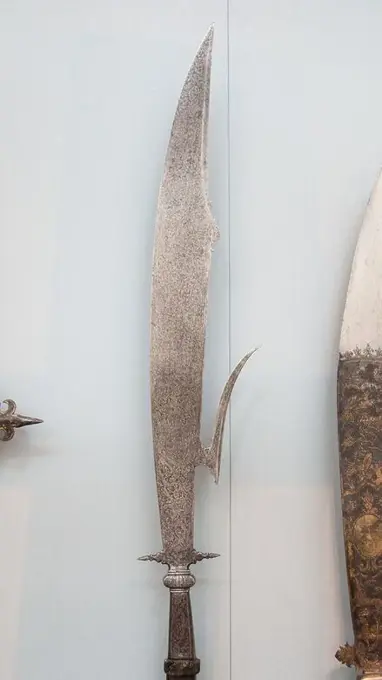
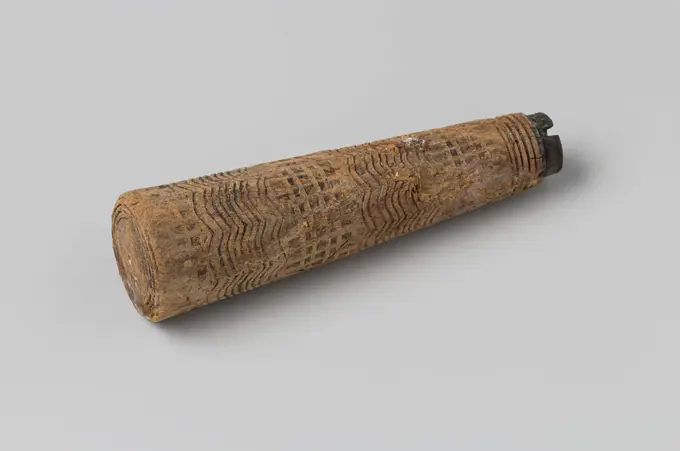
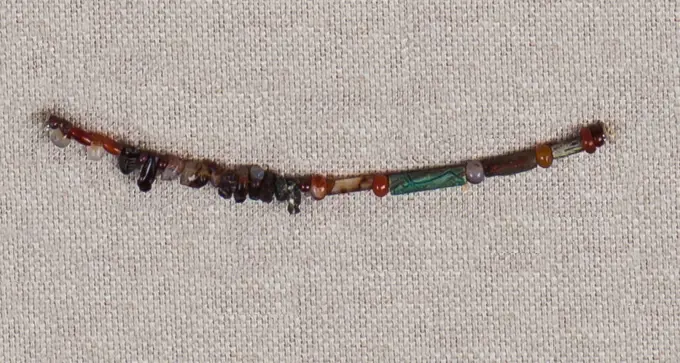
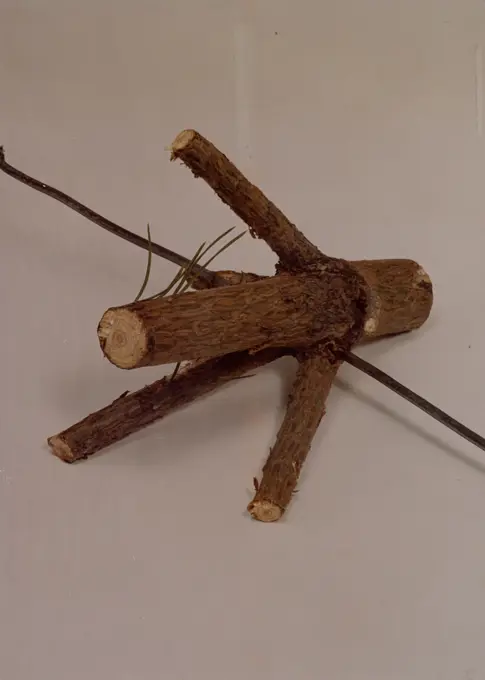
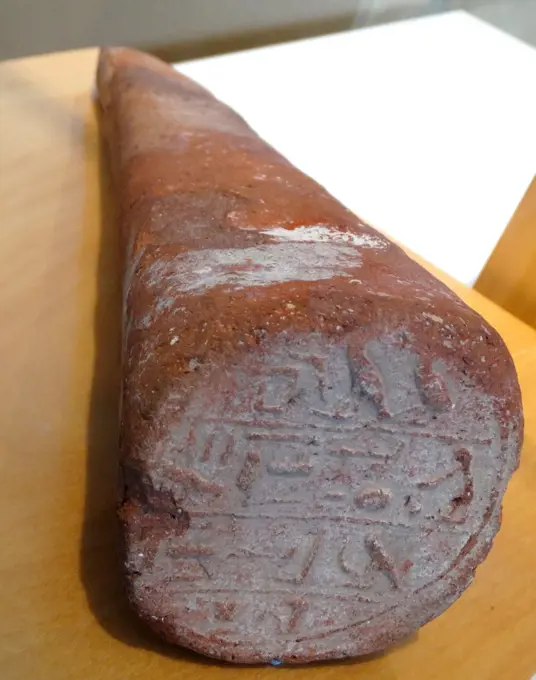
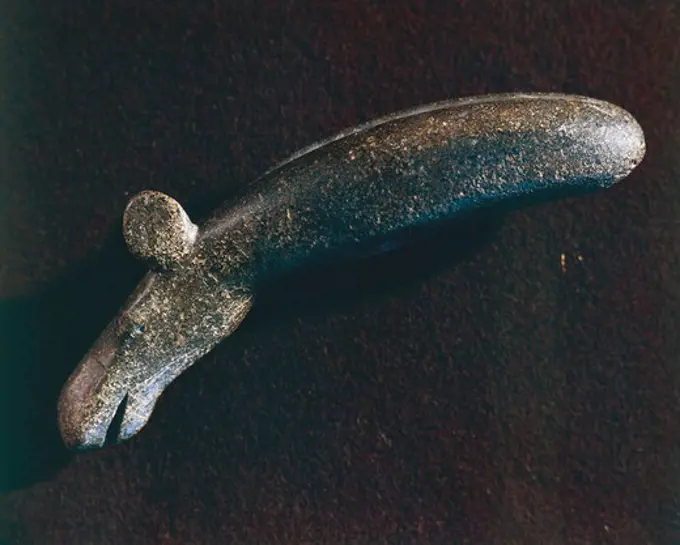
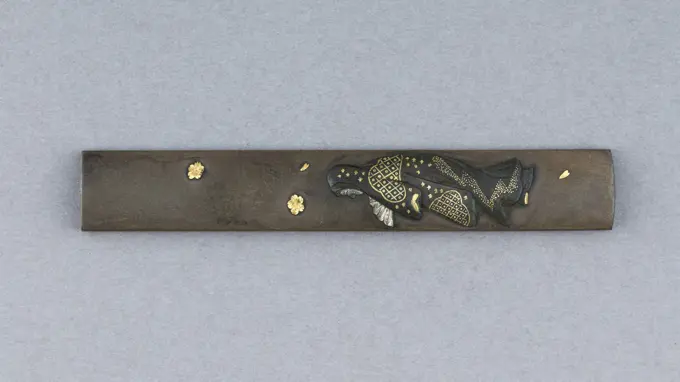
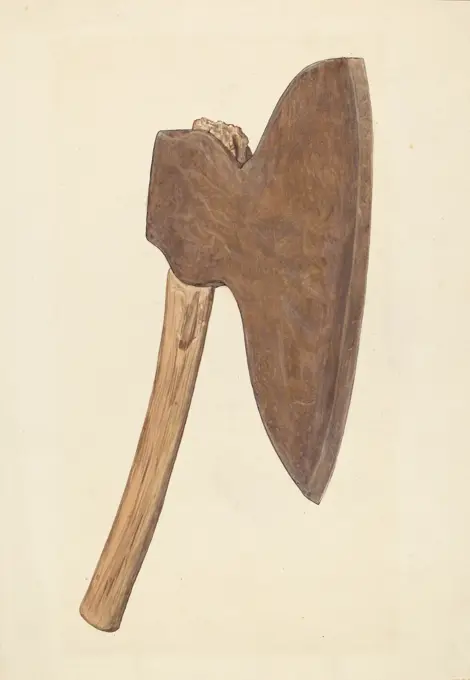
Glenn Wilson, Pioneeer Broad Axe, c 1941 Pioneeer Broad AxeFragment wood from the wreck of the East Indieschief Hollandia. Parts or artifacts; eroded fragments: Materials; Wood.Szydło. unknown, authorKnife Handle (Kozuka) early 19th century Hamano Haruchika Japanese A kozuka is a handle of a by-knife that is part of a sword mounting. It is kept in a slot on the reverse of a katana scabbard, often with a matching kōgai (hairdressing tool).. Knife Handle (Kozuka) 25251Hammered Silver Cone Ornament 8th-mid-16th century Peru; north coast (). Hammered Silver Cone Ornament 308986Lime Spatula with Animal Head 500 B.C.-A.D. 300 Indonesia. Lime Spatula with Animal Head. Indonesia. 500 B.C.-A.D. 300. Bronze. Bronze and Iron Age period. MetalworkPaper knife, Various metals, Letter knife, elongated; rounded end and point with some worn foliate decoration., USA, ca. 1889, metalwork, Decorative Arts, Paper knifeScandinavia. Middle Ages.  Tongs, hammers and anvil were the main tools of the black-smith. Tong. Norway. Historical Museum. Oslo. Norway.Cylinder Seal. Mesopotamia, 1900-1600 B.C.. Tools and Equipment; seals. StoneBurin -Crossbow.A crossbow is a heavy weapon that could shoot arrows with much greater force than a longbow. Instead of drawing the crossbow by hand, the marksman used a reel. Crossbow arrows, however, could not go further than thirty metres. Moreover, it took quite some time to draw the crossbow.Celt before 16th century Colombia (). Celt 317304Fragment of large wax seal with fleur de lis and lettering, soft red, wax seal seal information form soil find lacquer was, stamped Fragment wax seal Soft red in color. Embossed image. Calligraphy and probably coat of arms surrounded by fleur de lis. Text is unreadable unreadable archeology Rotterdam IJsselmonde heraldry close seal document letter deed Soil discovery: IJsselmonde cesspit Rotterdam 1972.Powder Horn. Culture: American. Dimensions: L. 10 1/4 in. (26 cm); Diam. 3 in. (7.6 cm); Wt. 6.4 oz. (181.4 g). Date: late 18th century. Museum: Metropolitan Museum of Art, New York, USA.Rare tool on a hewn ax base with three serrated edges. Bluish gray jasper. Mali, Neolithic. 16.4cm.Ceramic figurine of a cat, isolated on white background Ceramic figurine of a cat, isolated on white background Copyright: xZoonar.com/OleksandrxKostiuchenkox 9777895Plate. Jade. Shang dynasty (1765-1122 BC), China. Paris, Cernuschi museum. 101270-13 Asian art, Chinese art, art of extreme orient, Shang dynasty, Yin dynasty, Shang time, IIEME II 2nd 2 millennaire, jadeBowl -Anonymous, shoulder paw of an oberleutant of a numbered unit 11 (title awarded), 1900. Silver shed, blue son, red wool, brass. General Leclerc Museum of the Liberation of Paris - Jean Moulin Museum.Straight steel of glass from the wreck of the East Indieschief Hollandia. Glass, Voice Glass, votes, Plain; Fragm, ID. NG 1980-27H798.FOREIGN OLDPowder Horn dated 1760 American, Fort Ticonderoga, New York This powder horn is engraved with views of Fort Ticonderoga, New York, and the name of the owner, Amos Powers.. Powder Horn 24804Short sword and scabbard ca. 6th-7th century A.D. Sasanian. Short sword and scabbard 327368Sickle Blade, 1980-1801 BC. Egypt, Middle Kingdom, Dynasty 12. Flint; overall: 5 cm (1 15/16 in.).Pair of Woman's Garters. England or France, early 19th century. Costumes; legwear. Printed and embroidered silk, metal clasp, coiled wireCarved stone adze. Neolithic period. Mali. 15cm.Silver Pole Top with Feline 12th-15th century Chimú. Silver Pole Top with Feline 315344Fragment. Culture: European or Middle Eastern. Dimensions: L. 2 in. (5.1 cm). Date: ca. 1150-ca. 1250. Museum: Metropolitan Museum of Art, New York, USA.Miniature knife -Material sample -Tool ca. 3850-2960 B.C. Predynastic Period. Tool. ca. 3850-2960 B.C.. Flint. Predynastic Period. From Egypt, Fayum, camp II (CII), BSAE/Caton-Thompson excavations, 1924-26Fragment. Culture: European or Middle Eastern. Dimensions: L. 2 1/4 in. (5.7 cm). Date: ca. 1150-ca. 1250. Museum: Metropolitan Museum of Art, New York, USA.Petal-Shaped Bead, c. 1391-1353 BC. Egypt, New Kingdom, Dynasty 18, reign of Amenhotep III. Faience; overall: 3 x 1 cm (1 3/16 x 3/8 in.).Punch 4th millennium B.C.. Punch 327844Messenheft from the wreck of the East Indians Hollandia, Anonymous, 1700 - in Or Before 1743  Knife, handle, cylindrical: tapering; knob-shaped rounded upper end, turned decoration of bands of wavy lines, ferrule missing. Netherlands wood (plant material)   SecondHACHA NEOLITICA DE PIEDRA PULIMENTADA.Fragment Steel van Fork or Spoon from the wreck of the East Indians Hollandia, Anonymous, 1700 - in Or Before 1743 spoon Cutlery, fragment: stem of fork or spoon; fragm, flat, widening towards triangularly pointed end, twisted. Netherlands tin (metal)   SecondKnife Handle (Kozuka). Culture: Japanese. Dimensions: L. 3 13/16 in. (9.7 cm); W. 9/16 in. (1.4 cm); thickness 3/16 in. (0.5 cm); Wt. 1 oz. (28.3 g). Date: ca. 1615-1868. Museum: Metropolitan Museum of Art, New York, USA.Wavy-handled jar ca. 3850-2960 B.C. Predynastic Period. Wavy-handled jar. ca. 3850-2960 B.C.. Pottery. Predynastic Period. From Egypt, Southern Upper Egypt, Hierakonpolis (Nekhen), Fort Cemetery (Hk 27), Tomb 58, MMA excavations, 1934-35Powder Horn 18th century American This powder horn is engraved with a map of New York from New York to the St. Lawrence River which includes small views of New York, Albany, and other towns.. Powder Horn 29500Domestic object, chas needle (common name). Bronze. Carnavalet museum, history of Paris.Messenheft from the wreck of the East Indians Hollandia, Anonymous, 1700 - in Or Before 1743  Knife, handle, cylindrical: tapering; id. NG 1979-403H, ferrules id. NG 1980-27H426. Netherlands wood (plant material)   SecondCheap paper measuring tape Measuring tape with inches and centimeters made of paper Copyright: xZoonar.com/StevexHeapx 4001375Carving; wood, carved, gilded, paintedBelt Hook, c. 1700s. China, Qing dynasty (1644-1911). Jade ;Turret-shell, auger shell, common tower shell (Turritella communis) showing drill hole on white backgroundKnife Handle (Kozuka). Culture: Japanese. Dimensions: L. 3 13/16 in. (9.7 cm); W. 9/16 in. (1.4 cm); thickness 1/4 in. (0.6 cm); Wt. 1.2 oz. (34 g). Date: ca. 1615-1868. Museum: Metropolitan Museum of Art, New York, USA.Brass book closure, with linear engraving, decorative fittings soil find copper brass metal, clipped engraved Part of book closure Long drawn. side serrated edge other side hook archeology Rotterdam Kralingen-Crooswijk Kralingen East Honey Dike book adorn close Soil discovery: Honingerdijk Rotterdam 1982-08-29.Lead Role from the wreck of the East Indies' t Vliegend Hart ,, 1700 - 1735 lead Tubes rolled plates. Black-gray in color. Roll of Lead. Middelburg lead (metal)Shawabty of Ditamenpaankh, 715-656 BC. Egypt, Late Period, Dynasty 25. Terracotta; overall: 4.8 x 1.5 x 1.2 cm (1 7/8 x 9/16 x 1/2 in.).Squash on a white backgroundMessenheft from the wreck of the East Indians Hollandia, Anonymous, 1700 - in Or Before 1743  Knife, handle, cylindrical: tapering; id. NG 1979-403H, ferrule, id. NG 1980-27H426. Netherlands wood (plant material). copper (metal)   SecondBurdockMessenheft from the wreck of the East Indians Hollandia, Anonymous, 1700 - in Or Before 1743  Knife-handle, tangplate; cracked, rel. NG 1980-27H1149, 4 rivet-holes. Netherlands bone (material)   SecondLeather case of golden, with six enamelled scenes case, anonymous, c. 1759 - c. 1760 Leather case; Green painted ray skin ().  leather Leather case; Green painted ray skin ().  leatherLegs are knife-shaped, rectangular and tapered, knife handle knife cutlery soil find leg, w 1.3 sawn cut sanded Legs knife handle. Rectangular cross-section and tapered shape At the top end decorated with saw cuts and rounded end Narrow shrink cracks in the leg due to dehydration archeology Capelle aan den IJssel indigenous bone cutting serving food Soil discovery: House at Capelle Capelle aan den IJssel 1964.Mordant early 16th century German. Mordant. German. early 16th century. Steel. Miscellaneous-Buckles & OrnamentCelt before 16th century Mexican. Celt 317218Hapy Bead from a Mummy Bead Net. Egypt, 25th - 26th Dynasty Late Period (755 - 525 BCE). Jewelry and Adornments; beads. Faience, blue glazePointed Tubular Tool with Pin 1st millennium B.C. China. Pointed Tubular Tool with Pin 58530traditional knife, Amdo tribe, Angola, Africa, 19th Century,Castle of San Carlos, seventeenth century, Palma, Mallorca, Spain.Harpoon finger rest -Fragments steal from forks or spoons from the wreck of the East Indiesman Hollandia. Cutlery, fragment: voice or fork or spoon; Fragm, flat, sim. NG 1980-27H966 / 656/3366.Sickle Blade, 1980-1801 BC. Egypt, Middle Kingdom, Dynasty 12. Flint; overall: 5 cm (1 15/16 in.).Iron pick. From Castro de A Cid de Borneiro (Cabana de Berganti–os, La Coru–a province, Galicia, Spain). Late Iron Age. Archaeological and History Museum (San Anton Castle). A Coru–a, Galicia, Spain.Costume Ornament 11th-12th century Peru; central coast (). Costume Ornament 308690Lace 18th century French. Lace 101646Knife Handle (Kozuka) ca. 1615-1868 Japanese A kozuka is a handle of a by-knife that is part of a sword mounting. It is kept in a slot on the reverse of a katana scabbard, often with a matching kōgai (hairdressing tool).. Knife Handle (Kozuka) 34591Messen Lifts from the wreck of the East Indians Hollandia, Anonymous, 1700 - in Or Before 1743  Knife, handle, cylindrical: tapering; flat upper end, turned decoration of separate bands of dense wavy lines, concentric circles at lower end, ferrules, id. NG 1980-27H426. Netherlands wood (plant material). metal   SecondHedgehog Amulet on a String ca. 1750-1700 B.C. Middle Kingdom Although never very common, hedgehog amulets have a long history in ancient Egypt, with their popularity peaking in the New Kingdom. These amulets functioned as rebirth symbols, although the reason for this use is not apparent today. Possibly this charm protected the deceased because the hedgehog thrived in the low desert's harsh environment in or near cemeteries.. Hedgehog Amulet on a String. ca. 1750-1700 B.C.. Glazed steatite, linen string. Middle Kingdom. From Egypt, Memphite Region, Lisht North, cemetery, Pit 995, MMA excavations, 1921-22. mid-Dynasty 13BASTON DE MANDO EN HUESO DE LA CUEVA DEL PENDO CAMARGO (CANTABRIA) - MAGDALENIENSE-PALEOLITICO SUPERIOR- 15000-10000 a J.C. Location: MUSEO REGIONAL DE PREHISTORIA Y ARQUEOLOGIA. Santander. Cantabria. SPAIN.Comb fragment ca. 1550-1295 B.C. New Kingdom. Comb fragment. ca. 1550-1295 B.C.. Ivory. New Kingdom. From Egypt. Dynasty 18Bone skate, Mikulcice, Gt Moravia, 9th-10th cent. Czech Republic.Messenheft from the wreck of the East Indians Hollandia, Anonymous, 1700 - in Or Before 1743  Knife, handle, cylindrical: tapering; id. NG 1979-403H. Netherlands wood (plant material). copper (metal)   SecondKarte der Türkei auf rostigem Metall - Map of Turkey on rusty metal Karte der Türkei auf rostigem Metall - Map of Turkey on rusty metal Copyright: xZoonar.com/lantapixx 9818928Pijpenkop from the wreck of the East Indians Hollandia, Anonymous, 1700 - in Or Before 1743  Pipe, bowl without heel: stamped decoration. Netherlands pipe clay   SecondMarijuana, Medical and Recreational Drug Industry in America Weed, Medical Marijuana Grunge Detail and Background Copyright: xZoonar.com/jeremynathanx 5788086Sickle Blade, 1980-1801 BC. Egypt, Middle Kingdom, Dynasty 12. Flint; overall: 5 cm (1 15/16 in.).Key 5th-8th century. Key 449193USA, Alaska, St. Lawrence Island, Ancient Siberian Yupik Eskimo fossil walrus ivory sled runner used as fire starterClay pipe, unnoticed, with heel and smooth handle, clay pipe smoking equipment smoke floor pottery ceramic pottery, pressed finished baked Clay pipe unnoticed with heel and smooth handle. Early pipe with band decoration at the edge of the boiler archeology Rotterdam City center Stadsdriehoek Schielandshuis uitheems pottery import smoking tobacco Soil discovery: Schielandshuis Rotterdam.Glaive of the Bodyguard of Giovanni Battista Bourbon del Monte (1541-1614). Culture: Italian, Brescia. Dimensions: L. 108 3/4 in. (276.23 cm); L. of head (excluding straps) 35 in. (88.9 cm); L. of blade 30 1/2 in. (77.47 cm); greatest W. 6 1/4 in. (15.88 cm); Wt. 6 lb. (2722 g). Date: ca. 1590-1600. Museum: Metropolitan Museum of Art, New York, USA.Horn (end-blown horn), anonymous, 1587 Jachthoorn van Koehoorn; On one side a crowd yacht on a wild boar in a forest with two farms in the background; On the other side, a fence with a lion in it; On the door of the fence is engraved: 1587; To the left of the middle is the text: Laet everyone spotting ... ... Selven MUCH. Below that is a heart catcher or saber from left to right, a helmet (), A shield with spear, a face is depicted on the shield. On the right is the text: gelt that is stupid ... ... not and find. Below that from left to right a ... and the year 1587. A copper ring is attached to the copper mouthpiece, as well as on the end of the horn.  horn (animal material). copper (metal) Jachthoorn van Koehoorn; On one side a crowd yacht on a wild boar in a forest with two farms in the background; On the other side, a fence with a lion in it; On the door of the fence is engraved: 1587; To the left of the middle is the text: Laet everyone spotting ... ... Selven MUCH. Below that is Tooth of an ox Cypriot. Tooth of an ox. Cypriot. BoneBandbox, Block-printed paper on pasteboard support, Design containing flag, eagle with 'Union' banner, stars and moon. The large moon and star contain faces. Printed on an orange and blue plaid background. Original document for 'Eagle Plaid'., USA, 1820-50, Wallcoverings, BandboxESCOPETA DE 1817 EN SU ESTUCHE - FOTO AÑOS 80. Author: EUSEBIO ZULOAGA GONZALEZ (1808-1898) ARMERO. Location: MUSEO LAZARO GALDIANO-COLECCION. MADRID. SPAIN.Arm Guard. Culture: Turkish. Dimensions: L. 13 in. (33 cm); W. 4 in. (10.2 cm); Wt. 10.7 oz. (303.3). Date: 18th century. Museum: Metropolitan Museum of Art, New York, USA.Knife lift from the wreck of the East Indiesman Hollandia.knife, Handle, Cylindrical: tapering; ID. NG 1979-403H.String of beads and pendants ca. 1981-1295 B.C. Middle Kingdom-Early New Kingdom. String of beads and pendants. ca. 1981-1295 B.C.. Faience, carnelian, lapis lazuli, amethyst, stone, shell, pottery. Middle Kingdom-Early New Kingdom. From Egypt, Memphite Region, Lisht North, Cemetery, Debris, MMA excavations, 1920-22. Dynasty 12-18Telephone wire (lead wire), rearrangement of a pine.Funerary cone of the Chief Beer Brewer and Chief of the Corrals of Amun, named Abemusekhet. Terracotta. New Kingdom (1550-1070 B.C.).Jar, c. 1600 BCE, 23 1/2 x 6 7/8 in. (59.69 x 17.46 cm), Alabaster, Egypt, 17th-16th century BCEReed Pipe 19th century Native American (Haida). Reed Pipe 501296Hook 500 B.C.-A.D. 300 Thailand. Hook 56473Fragment (Italy), late 18th century; wood, gildedExcerpt of a pipe head and pipes from the wreck of the East Indians' t Vliegend Hart ,, 1700 - 1735  Head of an earthen Goudse pipe filled with brownish cakes. 45 very short pieces of stem, all with rust -brown attack. Gouda pipe clayShoe. England. Date: 1501-1600. Dimensions: 23 × 8.5 × 5 cm (9 1/16 × 3 5/16 × 2 in.). Horned toe, one slash. Origin: England. Museum: The Chicago Art Institute, Chicago, USA.Kantsi, a georgian drinking bull horn on a white backgroundNeolithic head of an elk made of dioriteKnife Handle (Kozuka) ca. 1615-1868 Japanese A kozuka is a handle of a by-knife that is part of a sword mounting. It is kept in a slot on the reverse of a katana scabbard, often with a matching kōgai (hairdressing tool).. Knife Handle (Kozuka) 34648