Ancient Metal Tools

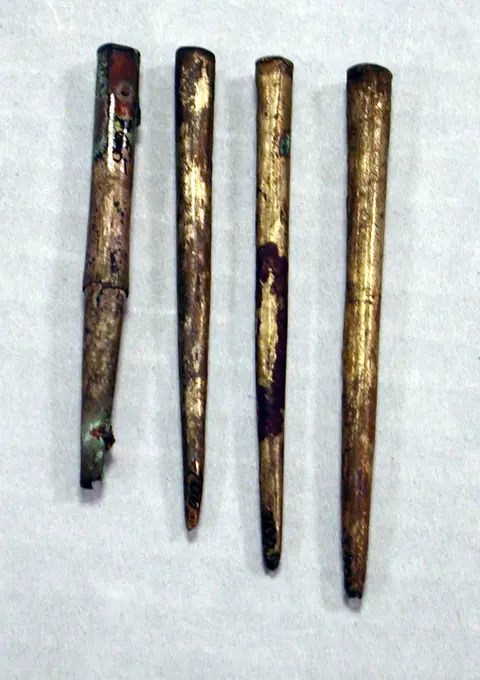
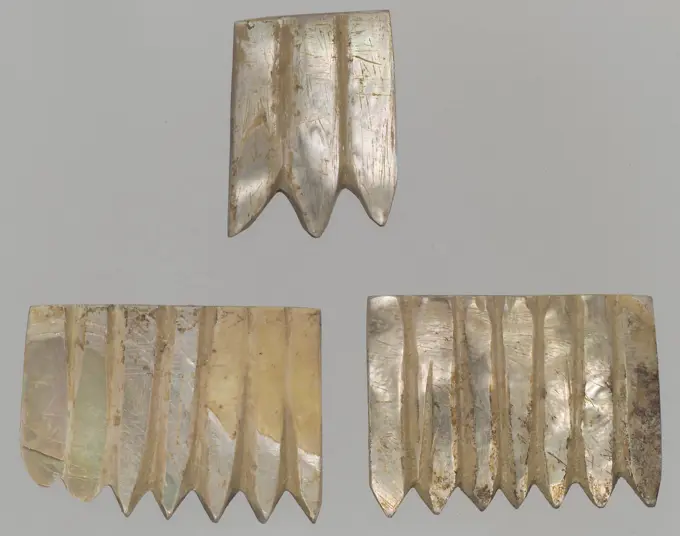
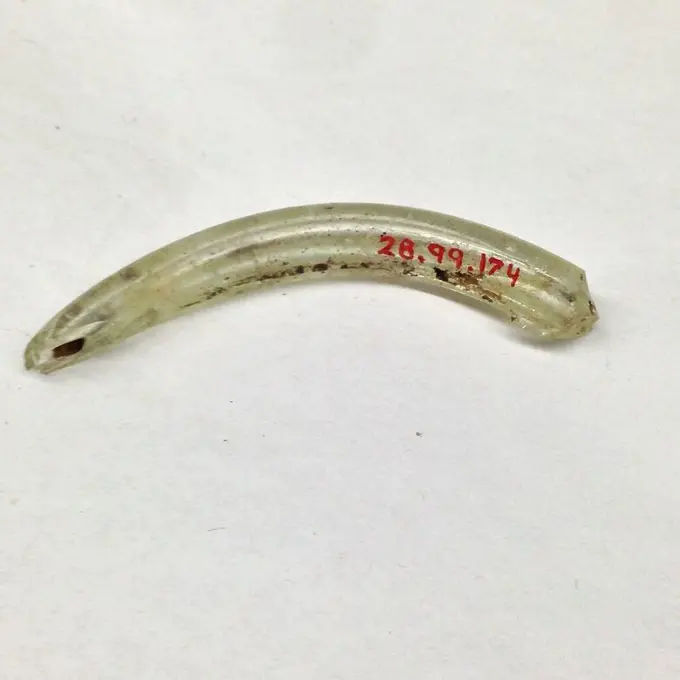
Artifacts including knives and tools from an archaeological context, showcasing their historical significance and craftsmanship.

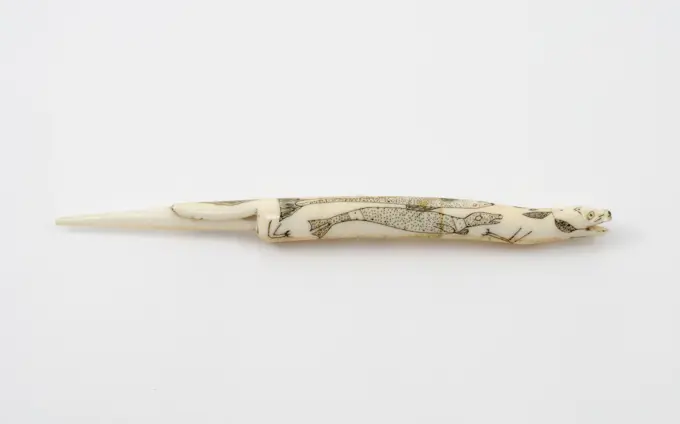
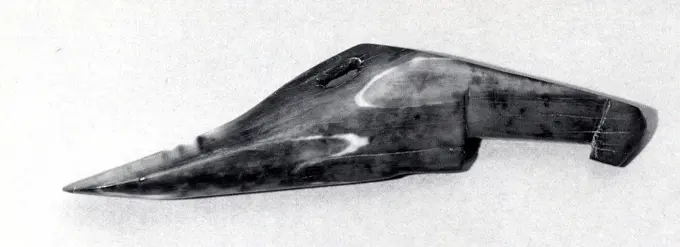
Wooden knife, late 19th century, 11 3/4 x 1 1/2 in. (29.8 x 3.8 cm), Wood, probably cedar, United States, 19th century
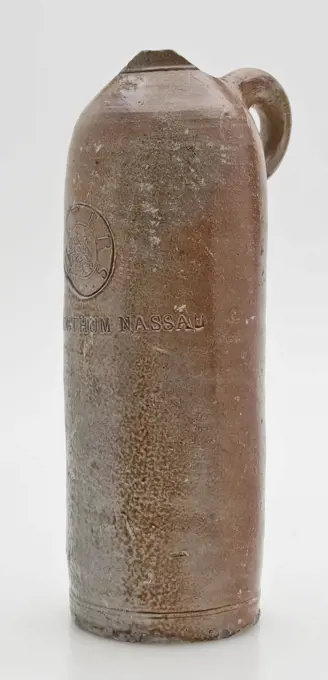
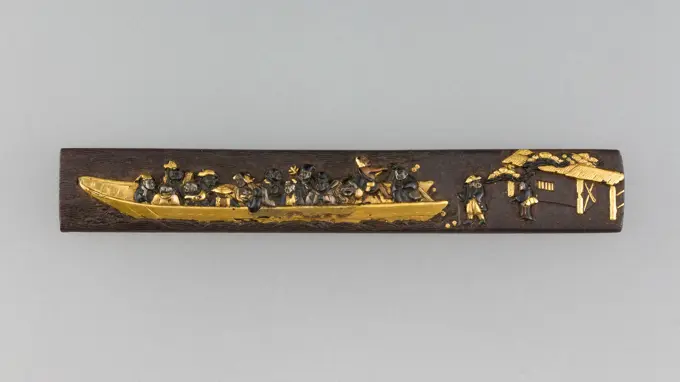
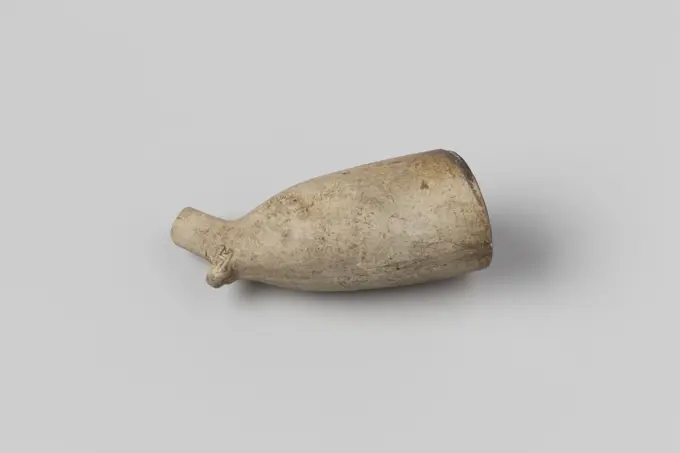
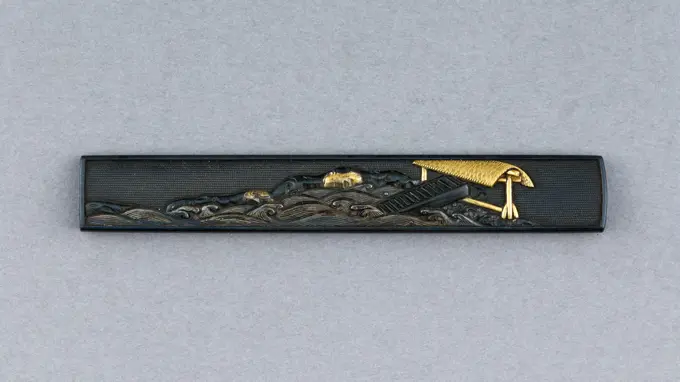
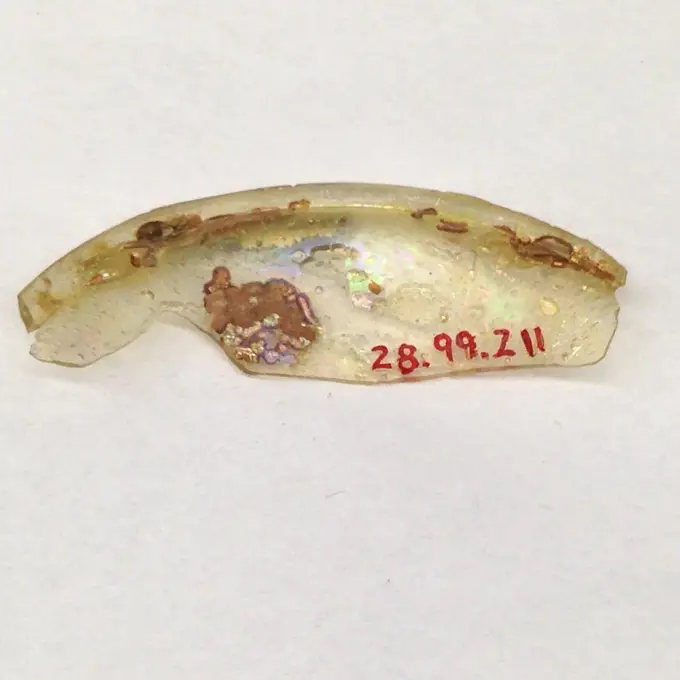
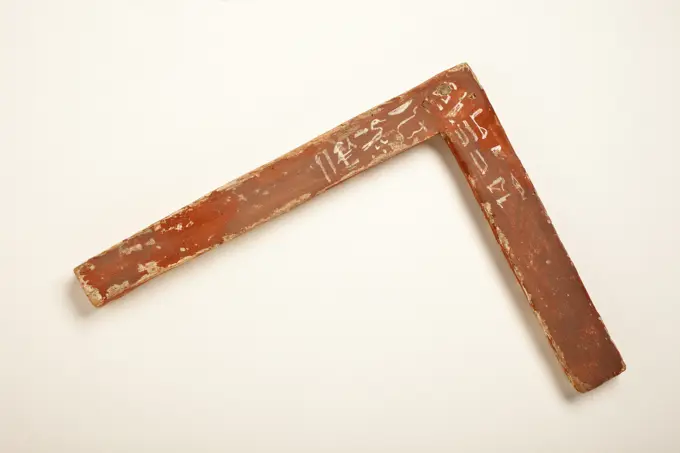
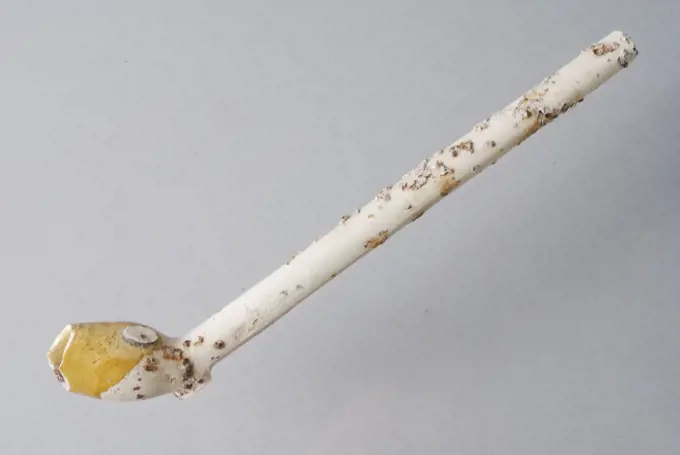
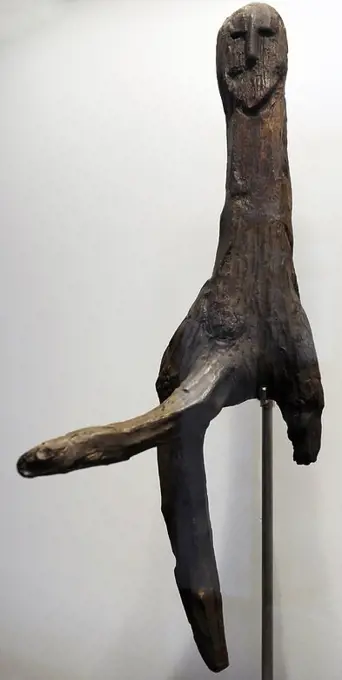
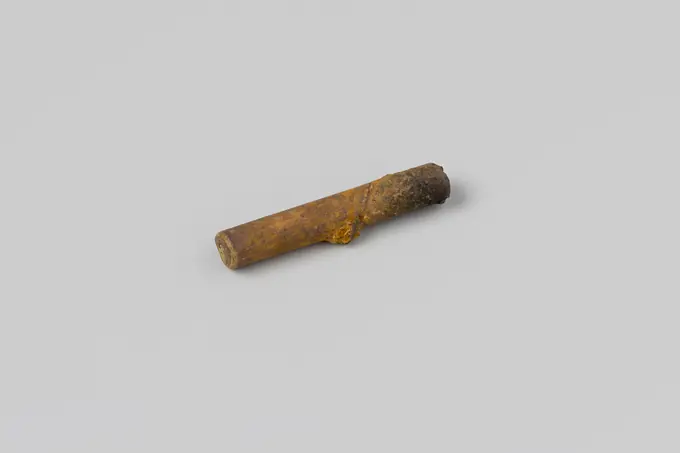
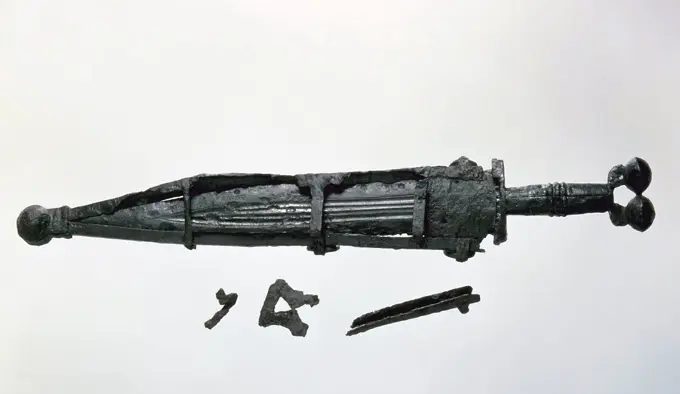
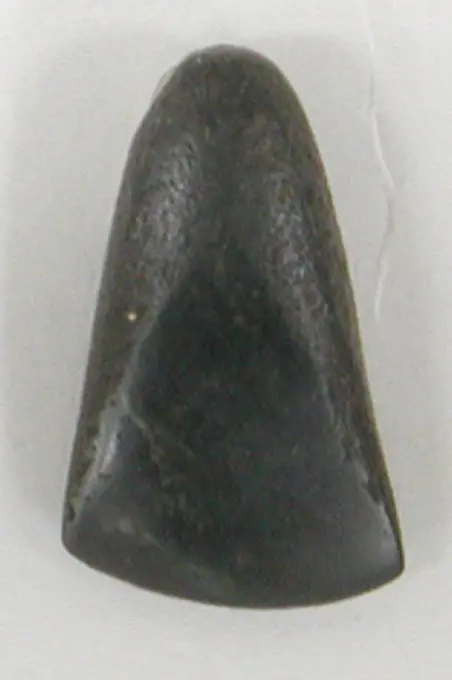
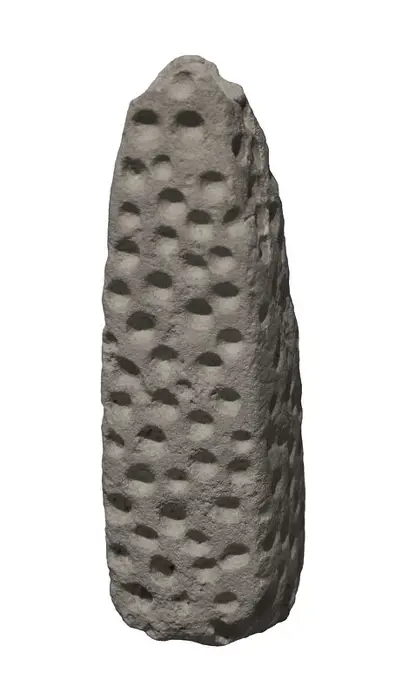
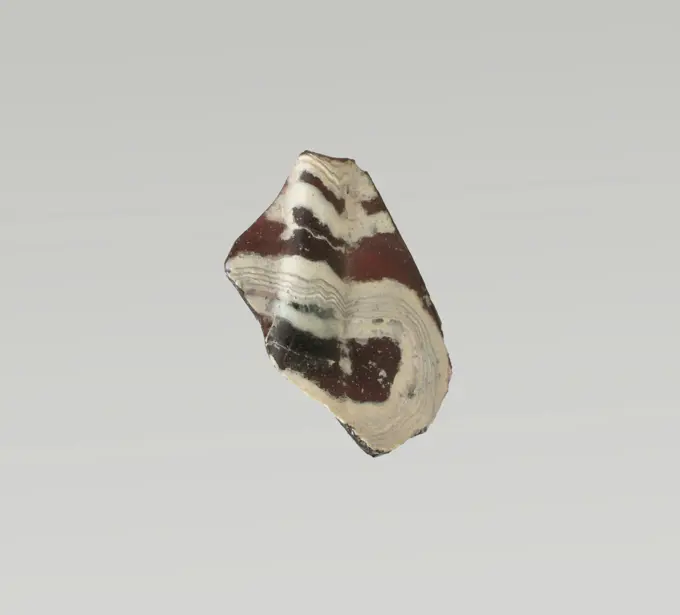
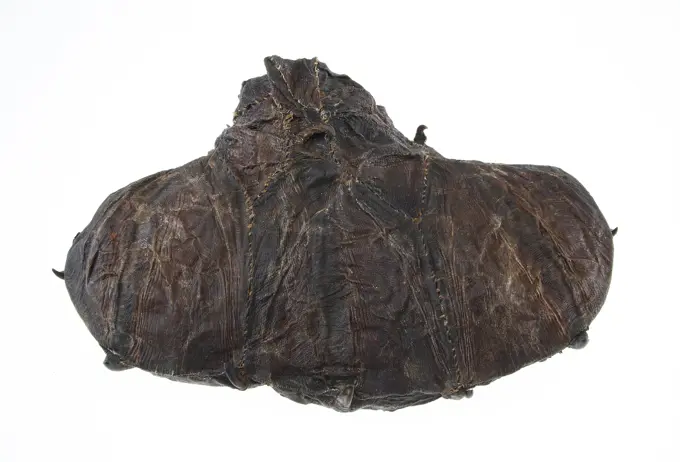
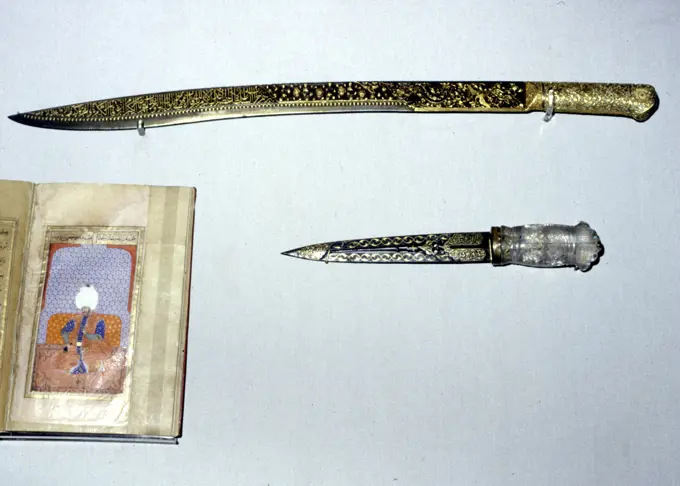
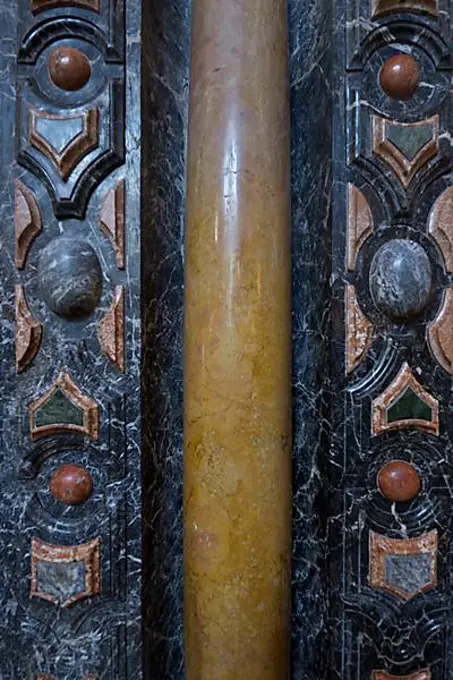
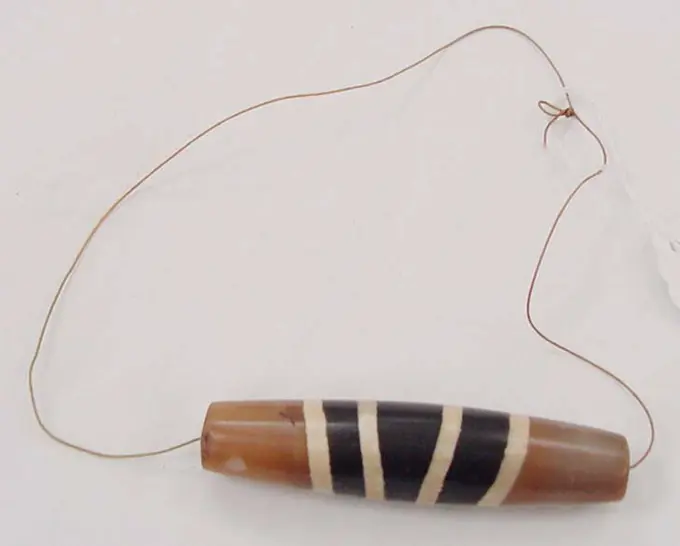
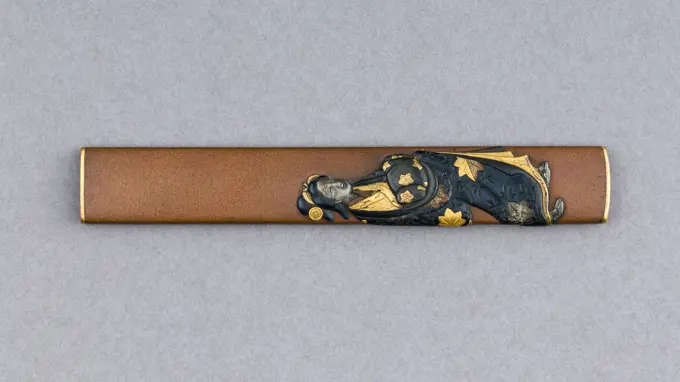
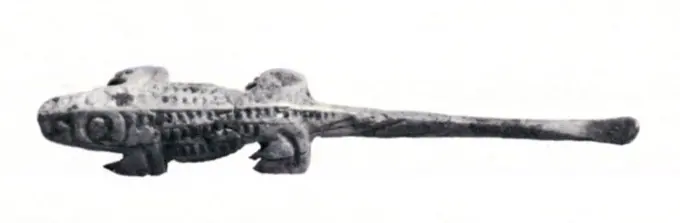
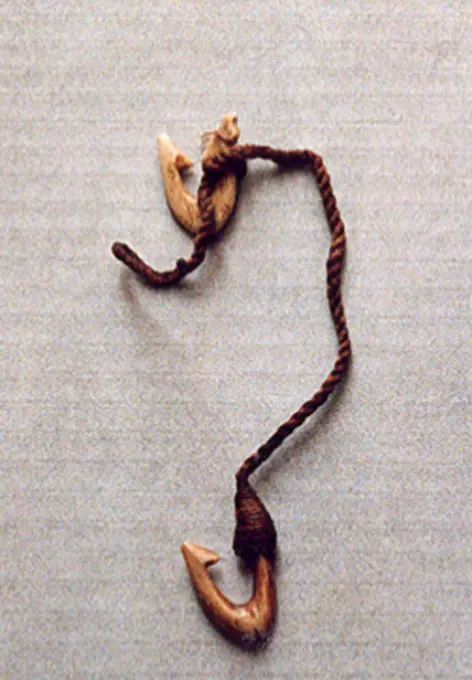
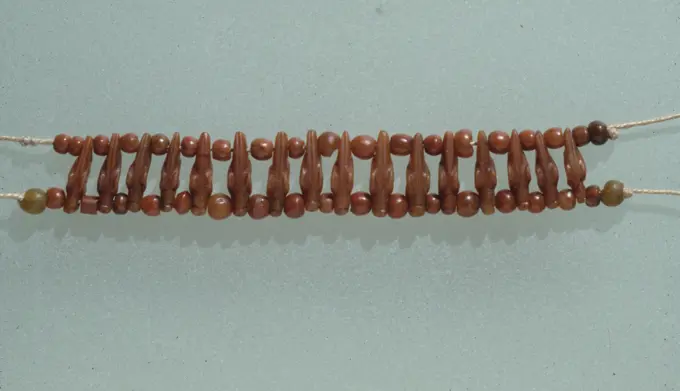
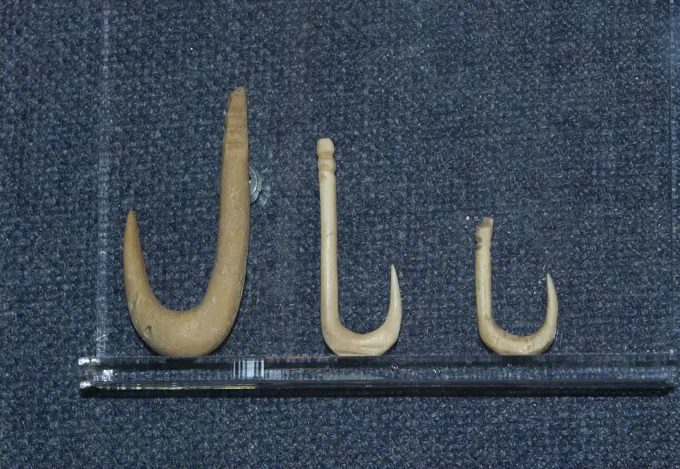
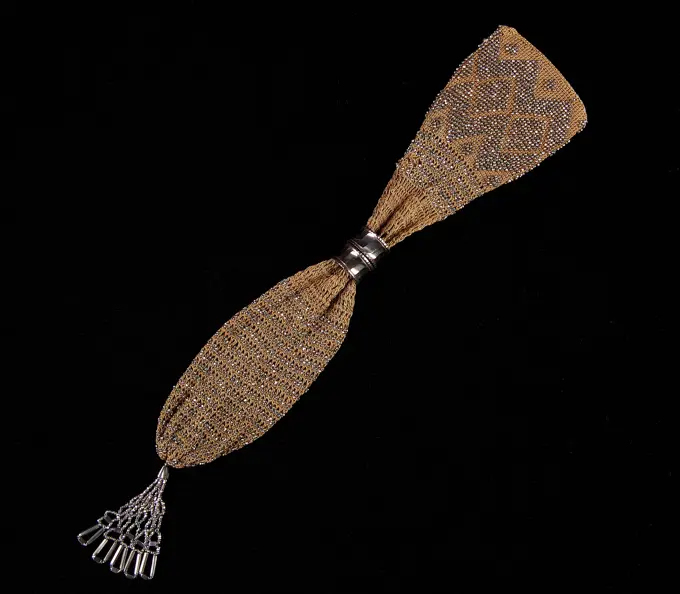
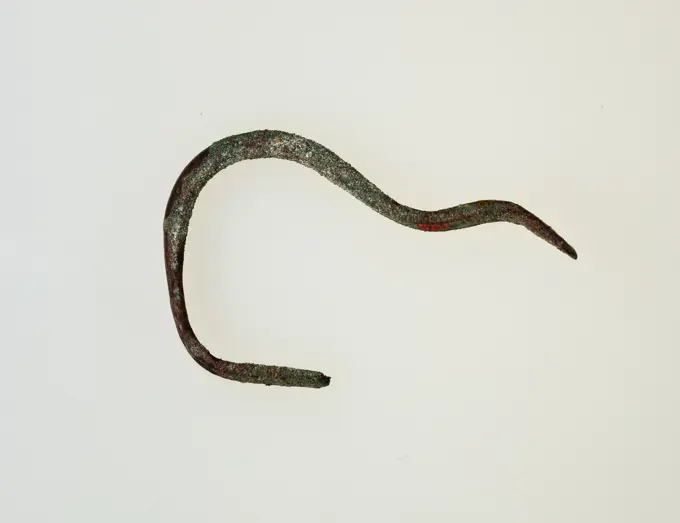
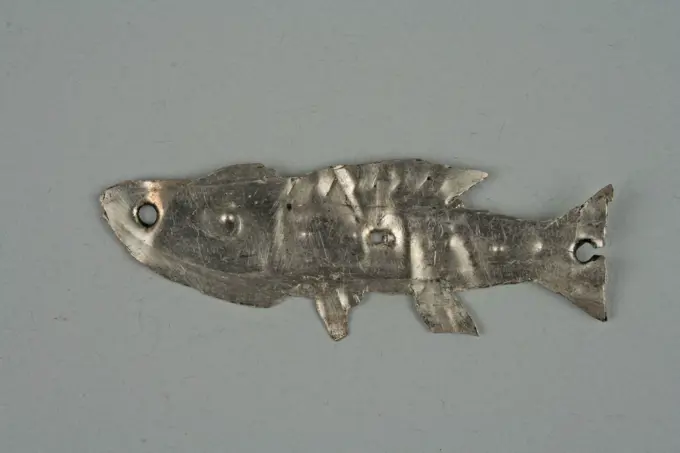
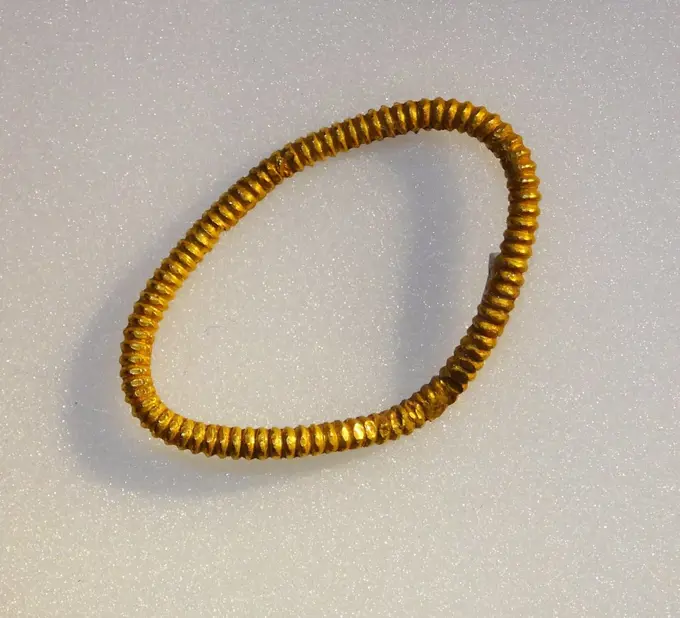
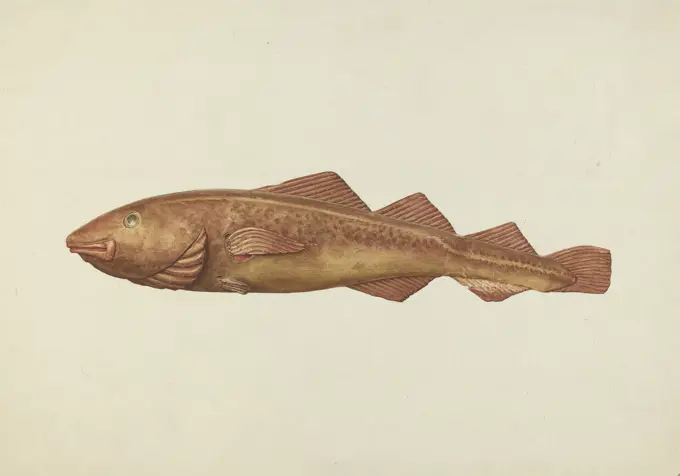
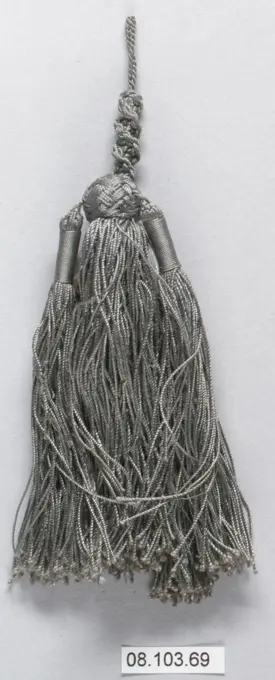
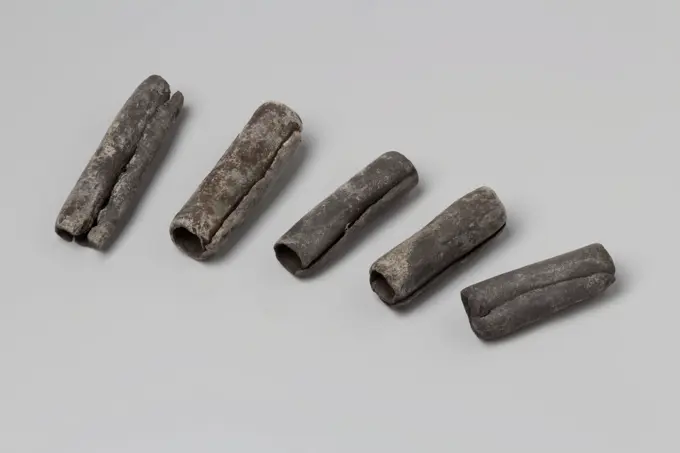
Lead Role from the wreck of the East Indies' t Vliegend Hart ,, 1700 - 1735 lead Tubes rolled plates. Black-gray in color. Roll of Lead. Middelburg lead (metal)Piece of wood wiht heads. Gamlebyen, Oslo. 12th-13th century. Norway. Historical Museum. Oslo. Norway.Hammered Silver Tube Ornament 8th-mid-16th century Peru; north coast (). Hammered Silver Tube Ornament 309171Inlay ca. 2600-2500 B.C. Sumerian. Inlay. Sumerian. ca. 2600-2500 B.C.. Shell. Early Dynastic IIIa. Mesopotamia, NippurFragment. Culture: European or Middle Eastern. Dimensions: L. 2 3/8 in. (6 cm). Date: ca. 1150-ca. 1250. Museum: Metropolitan Museum of Art, New York, USA.Flat-lined harpoons, Arenaza cave, Galdames, Arkeologi Museoa, Museo Aqueologico, Bilbao, Bizkaia, Pais Vasco, Spain.Powder Horn 1753 Colonial American. Powder Horn 29572Polishing Stone (pulidor) before 16th century Mexican. Polishing Stone (pulidor) 317045Stoneware mineral water bottle, cylindrical with round shoulder, sausage ear and short neck, mineral water pitcher jar product packaging container soil find ceramic stoneware glaze salt glaze approx., hand-turned glazed baked stoneware mineral pitchers cylindrical with round shoulder short neck and sausage ear. Stand area with traces of deduction and soul. brown glazed. Marked under the ear and marked on the front with medallion and text. Chalkboard in medallion: SELTERS in the midfield leftwing claw lion archeology Rotterdam Kralingen-Crooswijk Struisenburg Oostmaaslaan Boslaan Buizengat advertising indigenous pottery import drinking water drinking medicine medicine packaging Soil discovery: Buizengat Oostmaaslaan Boslaan Rotterdam an old landfill of urban waste.Cosmetic spoons - one has the form of a hand holding a leaf (blue glass) and the other has a duck's head handle (bone) 18th dynasty 1500 - 13 B.C.TABLA DEL PRIMER ALFABETO FENICIO CONOCIDO - SIGLO XIV AC. Location: MUSEO DE ARTE ANTIGUO. UGARIT.Wooden stick for massage isolated on a white backgroundFragment. Culture: European or Middle Eastern. Dimensions: L. 1 7/8 in. (4.8 cm). Date: ca. 1150-ca. 1250. Museum: Metropolitan Museum of Art, New York, USA.Exposed home electrical wires in a house basement.Knife Handle (Kozuka) 18th century Japanese A kozuka is a handle of a by-knife that is part of a sword mounting. It is kept in a slot on the reverse of a katana scabbard, often with a matching kōgai (hairdressing tool).. Knife Handle (Kozuka) 29693Fragment. Culture: European or Middle Eastern. Dimensions: L. 1 3/4 in. (4.5 cm). Date: ca. 1150-ca. 1250. Museum: Metropolitan Museum of Art, New York, USA.Fragment Tobacco Pipe, Maarten van der Maas (Possible), 1710 - 1740 Fragment tobacco pipe with two dotted flowers. Of the excavations on the Hofstede Arentsburg 1827-1831 under the supervision of Professor Reuvens. Gouda pipe clay Fragment tobacco pipe with two dotted flowers. Of the excavations on the Hofstede Arentsburg 1827-1831 under the supervision of Professor Reuvens. Gouda pipe clayStock early 19th century British. Stock 98177GREBAS DE BRONCE ROMANAS. Location: MUSEO ARQUEOLOGICO NACIONAL-COLECCION. MADRID. SPANIEN.Knife Handle (Kozuka) ca. 1615-1868 Japanese A kozuka is a handle of a by-knife that is part of a sword mounting. It is kept in a slot on the reverse of a katana scabbard, often with a matching kōgai (hairdressing tool).. Knife Handle (Kozuka) 34663Fragment of a Ruby Luster Bowl Painted in Goldish Luster 9th century. Fragment of a Ruby Luster Bowl Painted in Goldish Luster 451857Fragment ca. 1150-ca. 1250 European or Middle Eastern. Fragment 694367Right Angle. Egypt, New Kingdom, 1550-1070 B.C.. Tools and Equipment; hardware. WoodHendrick Jansz., Clay pipe, unnoticed, from the waste from Rotterdam pipe making, clay pipe smoking equipment smoke floor pottery ceramics pottery, pressed finished baked Clay pipe unnoticed from the waste from Rotterdam pipe maker Misbaksel; part of boiler is glazed caked sintered material on the whole pipe archeology Rotterdam Hillegersberg-Schiebroek Hillegersberg Noord Hillegersberg Zuid Rottekade indigenous pottery craft workshop smoking tobacco Hendrick Jansz archaeological find in the soil: Judge Rottekade Rotterdam at number 71 in 1976.Quartz. minerals. Africa; South Africa; Cape Province; NamaqualandFragment Of Ornament For Panel (France), ca. 1750; gilded woodPrehistoric. Art. Metal Age. Male figure of oak, from Broddenbjerg Bog, central Jutland. Sacrifices of pots must have taken place around the wooden figure, whose simple form exhitits distinctive power and strength. In such a figure divine powers could dwell. C. 600 BC. National Museum of Denmark.Fragment blowjob from the wreck of the East Indieschief Hollandia.Pipe, voice; fragment.Funerary Cone of the Steward Kaemre ca. 1550-1295 B.C. New Kingdom. Funerary Cone of the Steward Kaemre 559215Miser's purse, Medium: silk, metal Technique: beaded crochet, Crocheted miser's purse in dark brown silk with small gold colored beads. Two bars at the top with bell-shaped mother-of-pearl ends. Gold ring with open-work design to open and close. Bell-shaped mother-of-pearl drop at the bottom., France, early 19th century, costume & accessories, Miser's purseHeaddressElementCeltic Art. Spain. Iron Dagger. National Archaeological Museum. Madrid.Dry wooden log isolated on white background. Dry wooden logSIN TITULO - SIGLO XX. Author: EVA LOOTZ. Location: GALERIA JUANA DE AIZPURU. MADRID. SPAIN.The big bolt. It is isolated on a white background. A photo closeupold burnt paper old burnt paper over white background ,model released, Symbolfoto Copyright: xZoonar.com/RuslanxNassyrovx 2017256 ,model released, Symbolfoto ,property releasedMaterial sample -Stone Chisel before 16th century Maya () Greenstone axe heads, commonly known as “celts,” were some of the most important works of art across ancient Mesoamerica and Central America. Created from jadeite mined from the Motagua River Valley of southern Guatemala, or using local green stones from highland Mexico, celts were first created by the Olmec peoples of the Gulf Coast after 1000 B.C. The Olmec conceived of green celts as sprouts of maize and thus “planted” celts in dedicatory offerings, activating ceremonial spaces and perpetuating agricultural fertility. For the later Maya peoples, celts also served as dedicatory materials, but more so as adornments for the royal bodies of kings and queens. Often the celts would be thinned into celt-shaped plaques, strung together in pairs and triads in order to create belt assemblages that would have clinked with the sound of jades striking one another. Tombs from the Classic Period (ca. AD 250-900) contain celts of jadeite and various greenstStill life close up raw trofie pasta on gray backgroundNeolithic Period. Temple Period (3600 to 2500 BC). Tarxien Temple Complex. Malta. Built in honour of a mother goddess of fertility. Phallic representation. Obelisk-shaped stone with pitted holes on all its sides. National Museum of Archaeology. Valletta. Malta.Shadow Puppet (Wayang Kulit) ofKayonanDoor lock, AnonymousSiphon nozzle ca. 1295-1070 B.C. New Kingdom, Ramesside. Siphon nozzle 559489Old wooden oak plank with the Bavarian flag using as background, Oktoberfest or beer garden backgroundExtendable rulerGlass mosaic ribbed bowl fragment late 1st century B.C.-early 1st century A.D. Roman Body fragment.Translucent purple and opaque white.Slightly concave curving side.Composite mosaic pattern formed from polygonal sections of a single cane in a purple ground with wavy bands of white parallel threads; on exterior, part of a single thick, flat vertical rib, tapering downward, with tooling marks across squared top.Polished interior; pitting of surface bubbles on interior; dulling, pitting, and creamy iridescent weathering on exterior and jagged edges.. Glass mosaic ribbed bowl fragment. Roman. late 1st century B.C.-early 1st century A.D.. Glass; cast and tooled. Early Imperial. GlassTobacco pouch -rustic hand peeled log pine rail with knots and bark beetle marks - a detail of bed headboardScribe's pencase with reed pens and inkwell. 30 BC. EGYPT.Spears. 10th century. From Telemark and Hedmark. Norway. Historical Museum. Oslo. Norway.Fragment. Culture: European or Middle Eastern. Dimensions: L. 2 1/4 in. (5.7 cm). Date: ca. 1150-ca. 1250. Museum: Metropolitan Museum of Art, New York, USA.Awl -Toggle  -Column (pillar) from the Buddhist sanctuary of Prasat Prei Kmeng, Cambodia. (650-700 AD) Sandstone sculptureCinnamon SticksCaterpillar of small emperor moth (Saturnia Pavoniella) perched on dry twig agains a white background, Piedmont, ItalySword and dagger of Suleyman the Magnificent, c. 1520.Ottoman. TURKEY.Mezquita, Mosque Cathedral, Cordoba, decoration on a column, Andalusia, Spain, EuropeFragment ca. 1150-ca. 1250 European or Middle Eastern. Fragment 694350PUÑAL DE ESPIGA DE LA ERA DEL BRONCE. Location: MUSEO ARQUEOLOGICO-COLECCION. Oviedo. ASTURIAS. SPAIN.Peeking Through A KnotStone ax with wooden handle had many purposes for a Wampanoag man such as chopping down trees and used during battle as a war club.Tool () ca. 300,000-90,000 B.C. Lower Paleolithic Period. Tool (). ca. 300,000-90,000 B.C.. Flint. Lower Paleolithic Period. From Egypt, Upper Egypt, Thebes, Libyan DesertNecklace probably 19th century Oceanic This collection of largely ethnographic jewelry includes examples from cultures in South America, North America, Europe, Asia, and Africa and dates from the Pre-Columbian period to the twentieth century. Owned by renowned art collector and fashion enthusiast Muriel Kallis Newman, the collection represents her knowledge and appreciation of a wide range of jewelry design and making traditions. Numerous items in her collection are composite artifacts made from various cultures and time periods reappropriated as modern jewelry creations by or for Muriel. It is important to note that Newman wore many of the pieces in the collection, interpreting them to suit and express her own singular, often avant-garde style.. Necklace 141568Necklace probably 19th century Tibetan This collection of largely ethnographic jewelry includes examples from cultures in South America, North America, Europe, Asia, and Africa and dates from the Pre-Columbian period to the twentieth century. Owned by renowned art collector and fashion enthusiast Muriel Kallis Newman, the collection represents her knowledge and appreciation of a wide range of jewelry design and making traditions. Numerous items in her collection are composite artifacts made from various cultures and time periods reappropriated as modern jewelry creations by or for Muriel. It is important to note that Newman wore many of the pieces in the collection, interpreting them to suit and express her own singular, often avant-garde style.. Necklace 141670Knife Handle (Kozuka) 19th century Japanese A kozuka is a handle of a by-knife that is part of a sword mounting. It is kept in a slot on the reverse of a katana scabbard, often with a matching kōgai (hairdressing tool).. Knife Handle (Kozuka) 33373Blank parchment manuscript and pencil on white backgroundHandles for bronze and iron tools, found in East Yorkshire. Dated 9th CenturyEar Pick in the Shape of an Alligator 13th-11th century B.C. China. Ear Pick in the Shape of an Alligator 45178Fragment ca. 1150-ca. 1250 European or Middle Eastern. Fragment 695159Fish Hook; bone; 1919-1-4Arrowhead in cut stone with peduncle and wings. Neolithic period. North Africa. 4,2 cm.Necklace ca. 1500 B.C. New Kingdom. Necklace 544900Harpoon Head 11th-12th century Punuk. Harpoon Head 312809The Mandan, Hidatsa and Arikara fished the Missouri River and creeks for fish by using hooks made from animal bonesMiser's purse 1840-60 American. Miser's purse 170533Celtiberian short spear and long spear,, Museo Comarcal de Molina de Aragón, Guadalajara, Spain.Jar handle in form of a hook 30 B.C.-A.D. 364 Roman Period. Jar handle in form of a hook. 30 B.C.-A.D. 364. Copper alloy. Roman Period. From EgyptHook 500 B.C.-A.D. 300 Thailand. Hook. Thailand. 500 B.C.-A.D. 300. Bronze. Bronze and Iron Age period. MetalworkTextile Ornament 14th-15th century Chimú. Textile Ornament. Chimú. 14th-15th century. Silver. Peru. Metal-OrnamentsAtlantic jackknife, American jackknife clam (Ensis directus), razor clam (Ensis americanus) shells on beachantlers for the mantle Hairpin China. Hairpin 60853Artefact from the Staffordshire Hoard of Anglo-Saxon gold and silver metalwork. Discovered in a field near the village of Hammerwich, near Lichfield, in Staffordshire, England, on 5 July 2009, it consists of over 3,500 items from the Anglo-Saxon kingdom of Mercia.Ingrid Selmer Larsen, Fish Woodcarving, probably 1938 Fish WoodcarvingTassel French 19th century View more. Tassel. French. 19th century. Silk. Textiles-TrimmingsFragment. Culture: European or Middle Eastern. Dimensions: L. 3 in. (7.6 cm). Date: ca. 1150-ca. 1250. Museum: Metropolitan Museum of Art, New York, USA.rusty blade of an old knife, hdr.  old knifeGold sketch decorative arrows vector